Research on Disease Mechanisms and New Models
Promising cell model for dementia research – EurekAlert! (Eurekalert)
Summary: A team at LMU Munich has engineered a human induced pluripotent stem cell (iPSC) model that endogenously expresses the adult 4R tau isoform and carries disease-causing mutations. This model autonomously develops late-stage tau pathology, including aggregates resembling neurofibrillary tangles and synaptic loss, mirroring key features of Alzheimer’s disease and other tauopathies. The researchers demonstrated its utility by showing a compound in clinical trials significantly reduced tau pathology in the model and by validating an imaging biomarker.

Why it matters: This model closes a critical translational gap between animal studies and human disease, providing a more physiologically relevant platform for mechanistic discovery and therapeutic screening.
Context: Tauopathy research has been hampered by the lack of human neuronal models that spontaneously develop authentic, late-stage tau aggregates; most existing models rely on tau overexpression, which does not fully recapitulate the endogenous disease process.
"“Our work closes an important gap between animal experiments and human disease, and the model provides a new platform for developing and testing urgently needed therapies against dementia,” summarizes Paquet." — EUREKALERT
Commentary: The validation of a clinical-stage compound within this system is a tangible, near-term output that could accelerate candidate prioritization. However, the model’s true value will be measured by its predictive power for clinical efficacy and its ability to uncover novel, druggable nodes in the endogenous tau aggregation cascade that overexpression models have missed.
Date: April 23, 2026 12:00 AM ET
URL: https://www.eurekalert.org/news-releases/1125504
AI Sentiment Score: Negative (85%)
AI Credibility Score: 10.0/10 — High
Scores and text generated by AI analysis of the source article indicated.
MIT-based team releases first AI foundation model for Alzheimer’s … (Picower.Mit.Edu)
Summary: A research consortium centered at MIT has released FINGERS-7B, the first AI foundation model designed for preclinical Alzheimer’s disease and FTD. The model integrates lifestyle, clinical, genomic, and proteomic data to identify novel biomarkers, enabling earlier and more accurate risk prediction. It is reported to deliver a 4x improvement in preclinical diagnosis accuracy and a 130% better stratification of treatment responders compared to prior methods. The open-source model is deployed in the Alzheimer’s Disease Data Initiative’s secure AD Workbench cloud environment.

Why it matters: This represents a foundational shift from reactive diagnosis to proactive, data-driven prevention in neurodegenerative disease, with immediate implications for clinical trial design and long-term care planning.
Context: The field has struggled to translate multi-omic data into clinically actionable tools for the long preclinical phase of Alzheimer’s. Foundation models, dominant in other AI domains, are now being applied to this biomedical challenge.
"Alzheimer’s disease is best addressed as early as possible, ideally before symptoms become apparent. To enable early, accurate risk prediction both for individuals and whole populations, a team of AI researchers, physicians,." — PICOWER.MIT.EDU
Commentary: The model’s performance claims, if validated, would reset the baseline for preclinical research and compel a re-evaluation of existing diagnostic pipelines. Its deployment within the ADDI’s Workbench is a strategic move to standardize analysis and accelerate validation, but real-world clinical integration faces significant regulatory and interoperability hurdles. The focus on ‘responder stratification’ directly targets the chronic failure rate of Alzheimer’s therapeutics, potentially creating a new biomarker-driven subpopulation for clinical trials.
Date: April 26, 2026 12:00 AM ET
URL: https://picower.mit.edu/news/mit-based-team-releases-first-ai-foundation-model-alzheimers-prevention
AI Sentiment Score: Negative (77%)
AI Credibility Score: 7.0/10 — Medium
Scores and text generated by AI analysis of the source article indicated.
Mini brain-like structures grown in lab may help scientists treat … (Medicalxpress)
Summary: A Johns Hopkins Medicine study demonstrates that brain organoids derived from Alzheimer’s patients show variable molecular responses to psychiatric drugs. This heterogeneity suggests organoids could be used to stratify patients for treatment efficacy. The research also indicates extracellular vesicles secreted by these organoids may contain biomarkers for diagnosis and staging.

Why it matters: This moves Alzheimer’s research from a monolithic disease model toward precision medicine, offering a potential pathway for biomarker discovery and personalized treatment prediction.
Context: Brain organoid research is advancing from basic disease modeling to functional pharmacology, while the search for reliable, early Alzheimer’s biomarkers remains a critical unmet need.
"Scientists from Johns Hopkins Medicine report new evidence that clusters of brain tissue derived from the cells of patients with Alzheimer’s disease may be used to evaluate how certain patients with the." — MEDICALXPRESS
Commentary: The operational implication is a shift toward patient-specific, in vitro drug screening before clinical prescription, potentially reducing trial-and-error prescribing for behavioral symptoms. For biomarker development, extracellular vesicles offer a non-invasive proxy for brain tissue state, but translating organoid vesicle signatures to clinically viable blood or CSF tests remains a significant validation hurdle.
Date: April 20, 2026 12:00 AM ET
URL: https://medicalxpress.com/news/2026-04-mini-brain-grown-lab-scientists.html
AI Sentiment Score: Negative (71%)
AI Credibility Score: 10.0/10 — High
Scores and text generated by AI analysis of the source article indicated.
Human cell model recreates Alzheimer’s-linked tau pathology and … (Medicalxpress)
Summary: A team at LMU Munich has engineered a human induced pluripotent stem cell (iPSC) model that endogenously expresses the 4R tau isoform and spontaneously develops late-stage neuronal tau pathology and synapse loss, key hallmarks of Alzheimer’s disease and related tauopathies. This model, published in Science Translational Medicine, represents a more physiologically relevant platform than previous transgenic or overexpression systems. It allows for the direct observation of disease progression from early cellular changes to advanced pathology within a human neuronal context.

Why it matters: This provides a critical, human-relevant experimental system for validating drug targets and screening therapeutics aimed at halting or reversing tau-driven neurodegeneration, a core unmet need.
Context: Preclinical research for tauopathies has long relied on animal models or artificial overexpression in cell cultures, which often fail to recapitulate the slow, endogenous progression of human disease, contributing to high clinical trial failure rates.
"It has developed the first ever human cell model to realistically replicate the pathological processes." — MEDICALXPRESS
Commentary: The model’s ability to generate pathology from endogenous human tau expression under native regulatory control is a significant technical leap. It shifts the screening paradigm from preventing artificially induced aggregation to modulating a naturally occurring degenerative cascade, potentially yielding compounds with higher translational validity. If scalable, this system could become a new standard for preclinical tau therapeutic programs at institutions like Biogen, Eli Lilly, and academic centers, though its predictive power for clinical efficacy remains the ultimate test.
Date: April 23, 2026 12:00 AM ET
URL: https://medicalxpress.com/news/2026-04-human-cell-recreates-alzheimer-linked.html
AI Sentiment Score: Negative (63%)
AI Credibility Score: 10.0/10 — High
Scores and text generated by AI analysis of the source article indicated.
Research shows evidence of potential therapeutic strategy for … (Eurekalert)
Summary: A University of Galway-led study proposes a novel therapeutic strategy for Alzheimer’s disease, focusing on inhibiting a specific inhibitory pathway in the brain. The research, published in Neuropharmacology, demonstrates that blocking α5-containing GABA type A receptors can reverse amyloid-beta-induced cognitive deficits and impaired synaptic plasticity in models of the disease. This approach contrasts with conventional strategies aimed at stimulating neuronal activity, instead targeting the brain’s own inhibitory systems to improve network efficiency.
Why it matters: It challenges the dominant therapeutic paradigm by targeting inhibitory, rather than excitatory, neural circuits, potentially opening a new avenue for drug development against cognitive decline in Alzheimer’s and related dementias.
Context: Most Alzheimer’s research has focused on excitatory neuron loss or amyloid/tau clearance. This study aligns with a growing, but still niche, exploration of how dysregulated inhibition contributes to network dysfunction and cognitive symptoms.
"Our research is significant in that it demonstrates that if we block this GABA receptor activity in nerve cells we can reverse Alzheimer-like effects caused by Amyloid beta and improve cognitive performance." — EUREKALERT
Commentary: The mechanistic focus on α5-GABA_A receptors provides a precise, druggable target, moving beyond vague ‘network modulation’. However, the translation from rodent models to human neurophysiology and the risk of disrupting finely-tuned inhibitory balance remain significant hurdles. If viable, this could shift clinical development toward negative allosteric modulators of specific GABA receptor subtypes.
Date: April 21, 2026 12:00 AM ET
URL: https://www.eurekalert.org/news-releases/1125114
AI Sentiment Score: Negative (71%)
AI Credibility Score: 10.0/10 — High
Scores and text generated by AI analysis of the source article indicated.
Promising cell model for dementia research – LMU München (Lmu.De)
Summary: A team at LMU Munich led by Dominik Paquet has engineered a human induced pluripotent stem cell (iPSC) model that endogenously expresses the 4R tau isoform, a protein central to tauopathies like certain forms of Alzheimer’s and frontotemporal dementia. This model spontaneously develops late-stage neuronal tau pathology, including neurofibrillary tangles, without requiring external genetic or chemical induction. It represents the first human cell system to realistically replicate the progressive, intrinsic disease cascade observed in patients.

Why it matters: This provides a physiologically relevant, human-specific platform for mechanistic study and drug screening for tauopathies, moving beyond flawed animal models or artificially triggered cell systems.
Context: Tauopathies have been notoriously difficult to model in vitro; most existing iPSC models require overexpression of mutant tau or external stressors to induce pathology, which does not recapitulate the natural, slow progression of the disease.
"A human iPSC model of tauopathies engineered for 4R tau isoform expression endogenously develops late-stage neuronal tau pathology." — LMU.DE
Commentary: The model’s endogenous development of pathology is the critical advance—it shifts the field from creating artifacts to observing disease. If validated, this system could accelerate target identification and de-risk clinical trials by providing a more predictive human neuronal environment. The immediate implication is for biopharma R&D pipelines focused on tau, but it also pressures funding bodies to prioritize human cellular models over transgenic animals for certain mechanistic questions.
Date: April 23, 2026 12:00 AM ET
URL: https://www.lmu.de/en/newsroom/news-overview/news/promising-cell-model-for-dementia-research-6c948bb0.html
AI Sentiment Score: Negative (66%)
AI Credibility Score: 7.0/10 — Medium
Scores and text generated by AI analysis of the source article indicated.
Mayo Clinic builds on breakthrough discoveries to advance care for … (Newsnetwork.Mayoclinic)
Summary: Mayo Clinic is advancing therapeutic development for ALS and FTD, building on its foundational 2011 discovery of the shared C9orf72 genetic mutation. Current research focuses on therapies targeting underlying disease mechanisms, with several clinical trials now underway. This represents a shift from purely symptomatic management toward potentially disease-modifying interventions.

Why it matters: For patients and clinicians in the neurodegenerative disease space, this signals a tangible move from genetic discovery into the clinical trial pipeline for conditions with limited treatment options.
Context: The C9orf72 hexanucleotide repeat expansion is a major genetic cause of both ALS and FTD, establishing a biological link between these disorders and creating a unified target for therapeutic development.
"This progress builds on a pivotal scientific discovery: In 2011, Mayo Clinic researchers helped discover that ALS and FTD can share a common underlying genetic cause, the C9orf72 mutation. … Mayo Clinic." — NEWSNETWORK.MAYOCLINIC
Commentary: The transition from identifying a genetic cause (C9orf72) to launching mechanism-targeted trials validates a 15-year research arc and pressures other centers to demonstrate similar translational velocity. Success here would not only benefit these specific patient populations but also reinforce the ‘genetic driver’ model for other complex neurodegenerative diseases. However, the clinical burden remains immense, and trial outcomes will determine if this mechanistic promise translates into slowed progression for patients and families.
Date: April 27, 2026 12:00 AM ET
URL: https://newsnetwork.mayoclinic.org/discussion/mayo-clinic-builds-on-breakthrough-discoveries-to-advance-care-for-als-and-ftd/
AI Sentiment Score: Negative (70%)
AI Credibility Score: 10.0/10 — High
Scores and text generated by AI analysis of the source article indicated.
Galway research aids insight into Alzheimer’s disease – Tuam Herald (Tuamherald.Ie)
Summary: University of Galway-led research has identified a potential therapeutic strategy for Alzheimer’s disease by targeting compromised brain activity. The study demonstrates that blocking a specific GABA receptor activity in nerve cells can reverse Alzheimer-like effects caused by Amyloid beta and improve cognitive performance. This work builds on an emerging hypothesis that shifts therapeutic focus to the inhibitory side of neuronal signalling imbalance.
Why it matters: It represents a tangible pivot in therapeutic strategy from solely targeting amyloid plaques to addressing downstream neuronal hyperexcitability, offering a new potential pathway for drug development.
Context: The dominant amyloid hypothesis has faced challenges in translating to effective therapies, leading the field to explore complementary targets, including neuronal network dysfunction and excitotoxicity.
"RESEARCH led by University of Galway has found evidence that a therapeutic strategy may help to target compromised brain activity in Alzheimer’s disease. … “Our research is significant in that it demonstrates." — TUAMHERALD.IE
Commentary: This is a mechanistic refinement, not a paradigm shift. It validates a growing research vector but remains preclinical. The real implication is for biotechs like Biohaven or Sage Therapeutics, which have GABA-modulating platforms, to potentially repurpose assets. Success hinges on whether this specific receptor modulation translates in human physiology without disrupting essential inhibitory tone.
Date: April 23, 2026 12:00 AM ET
URL: https://www.tuamherald.ie/2026/04/23/galway-research-aids-insight-into-alzheimers-disease/
AI Sentiment Score: Positive (50%)
AI Credibility Score: 7.0/10 — Medium
Scores and text generated by AI analysis of the source article indicated.
GWAS meta-analysis of cerebrospinal fluid Alzheimer’s … (Research-Portal.St-Andrews.Ac.Uk)
Summary: A large-scale genetic meta-analysis of cerebrospinal fluid biomarkers for Alzheimer’s disease has identified 12 significant genetic loci, eight of which are novel. The study, involving nearly 19,000 individuals, links these variants not only to biomarker levels but also to clinical disease risk, progression, and brain amyloidosis. Key findings point to biological pathways involving lipid metabolism independent of APOE, as well as autophagy and brain volume regulation, driven by tau protein dysregulation.
Why it matters: This research moves beyond APOE-centric genetics, identifying new, actionable biological pathways—particularly in lipid metabolism and autophagy—that could redefine therapeutic targets and patient stratification for Alzheimer’s disease.
Context: Genome-wide association studies (GWAS) for Alzheimer’s have historically focused on clinical diagnosis; using CSF biomarkers as quantitative traits provides a more direct window into disease biology and has begun revealing novel genetic architecture.
"# GWAS meta-analysis of cerebrospinal fluid Alzheimer’s biomarkers reveals loci regulating lipids, brain volume and autophagy … Cerebrospinal fluid amyloid beta 42, total tau, and phosphorylated tau 181 are well accepted markers." — RESEARCH-PORTAL.ST-ANDREWS.AC.UK
Commentary: The identification of lipid metabolism pathways distinct from APOE is a critical advance, suggesting a broader, modifiable metabolic component to Alzheimer’s pathogenesis. Linking tau pathology to autophagy and brain volume regulation provides a mechanistic bridge between protein aggregation and neurodegeneration. However, the exclusive European ancestry cohort limits generalizability and underscores a persistent diversity gap in genetic research that must be addressed before clinical translation.
Date: April 21, 2026 12:00 AM ET
URL: https://research-portal.st-andrews.ac.uk/en/publications/gwas-meta-analysis-of-cerebrospinal-fluid-alzheimers-biomarkers-r/
AI Sentiment Score: Negative (71%)
AI Credibility Score: 8.6/10 — High
Scores and text generated by AI analysis of the source article indicated.
GWAS meta-analysis of cerebrospinal fluid Alzheimer’s biomarkers … (Bdi.Ox.Ac.Uk)
Summary: A large-scale GWAS meta-analysis of cerebrospinal fluid Alzheimer’s biomarkers in nearly 19,000 individuals has identified 12 significant genetic loci, eight of which are novel. The study confirms known associations with APOE and others while linking new genes like BIN1, GNA12, MS4A6A, and SLCO1A2 to amyloid and tau pathology. Crucially, the findings connect these variants to Alzheimer’s disease risk, progression, and brain amyloidosis, and implicate the associated genes in lipid metabolism, autophagy, and brain volume regulation.
Why it matters: This research moves beyond clinical diagnosis to the genetic architecture of core AD pathophysiology, revealing new biological pathways—particularly in lipid metabolism independent of APOE—that could be targeted for therapeutic development and patient stratification.
Context: Genetic studies of AD have long been dominated by APOE and a handful of other loci; large biomarker-focused GWAS are refining the map of disease mechanisms, separating drivers of amyloid deposition from those of tau-mediated neurodegeneration and downstream effects like brain atrophy.
"#### GWAS meta-analysis of cerebrospinal fluid Alzheimer’s biomarkers reveals loci regulating lipids, brain volume and autophagy. … Cerebrospinal fluid amyloid beta 42, total tau, and phosphorylated tau 181 are well accepted markers." — BDI.OX.AC.UK
Commentary: The identification of lipid metabolism pathways distinct from APOE is a significant shift, suggesting a more complex metabolic substrate for AD than previously modeled. Linking tau pathology specifically to autophagy and brain volume regulation provides a mechanistic bridge between protein aggregation and the observed neurodegeneration. However, the exclusive European ancestry cohort limits generalizability and underscores the urgent need for diverse biomarker genetics. For drug developers, this creates a clearer, if more complex, set of pathway targets beyond amyloid and tau directly.
Date: April 21, 2026 12:00 AM ET
URL: https://www.bdi.ox.ac.uk/publication_modal/2410263
AI Sentiment Score: Negative (60%)
AI Credibility Score: 8.6/10 — High
Scores and text generated by AI analysis of the source article indicated.
Alzheimer’s disease: the gut microbiota hypothesis – IGF (Igf.Cnrs.Fr)
Summary: At ADI 2026, the MICMALZ study presented findings confirming a distinct gut microbiota signature in Alzheimer’s patients compared to healthy individuals. The non-interventional clinical study, conducted by IGF and Montpellier CMRR, identified specific bacterial species whose abundance correlates with the disease. Further, fecal microbiota transfer from patients to mice impaired recipient memory, establishing a causal link in an animal model. These results point toward microbiota-derived biomarkers and therapeutic strategies, including bacterial therapeutics developed by IGF-based startup NBX BIOSCIENCES.
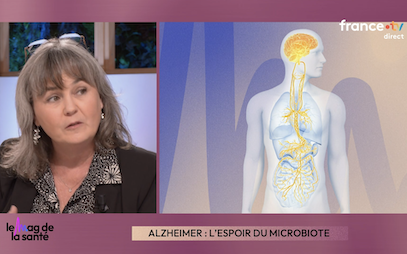
Why it matters: This moves the gut-brain axis hypothesis from correlation to causation in Alzheimer’s, opening a tangible path for diagnostic biomarkers and novel, microbiome-modulating therapies.
Context: The gut microbiota hypothesis has gained traction in neurodegeneration research over the last decade, but human clinical evidence has largely been correlative. The field is actively seeking mechanistic links and translatable interventions.
"Researchers from the Neuroproteomics and Signalling in Brain Disorders team have also shown that the transfer of faecal microbiota (FMT) from Alzheimer’s patients to mice affects the memory of the recipient animals." — IGF.CNRS.FR
Commentary: The FMT result is the critical pivot; it provides experimental evidence of a causative role, not just association. This validates the investment pipeline for companies like NBX BIOSCIENCES and will likely redirect some therapeutic development toward prebiotic, probiotic, or FMT-based approaches. However, translating mouse memory effects to human cognitive outcomes remains a significant, multi-year clinical challenge.
Date: April 20, 2026 12:00 AM ET
URL: https://www.igf.cnrs.fr/en/alzheimers-disease-the-gut-microbiota-hypothesis/
AI Sentiment Score: Negative (60%)
AI Credibility Score: 10.0/10 — High
Scores and text generated by AI analysis of the source article indicated.
The Puzzle of Alzheimer’s Disease | Harvard Medicine Magazine (Magazine.Hms.Harvard.Edu)
Summary: Harvard Medical School researchers Bruce Yankner, Sandeep Robert Datta, and Chenghua Gu are pursuing three distinct biological pathways to understand Alzheimer’s disease: lithium depletion and sequestration, immune system interactions via a specific risk gene, and vascular changes in the blood-brain barrier and neurovascular coupling. Their work represents a deliberate shift from a monolithic focus on amyloid and tau proteins to a pluralistic, systems-level investigation of the disease’s early stages and interacting mechanisms. This approach acknowledges the field’s historical delays from ‘barking up the wrong tree’ and seeks to build a more complete biological picture before therapeutic translation.

Why it matters: The strategic diversification of research targets beyond amyloid-centric models is a direct response to the limited efficacy of current plaque-clearing therapies and the complex, phased nature of the disease, indicating a maturation in the field’s approach that could unlock more effective, earlier interventions.
Context: Following the FDA approval of lecanemab and donanemab, which offer modest slowing of decline but no cure, the Alzheimer’s research community is actively re-evaluating causal frameworks and exploring complementary or alternative pathological drivers.
"The Puzzle of Alzheimer’s Disease Three scientists taking varied approaches to understanding Alzheimer’s discuss what it will take to move the field forward – 7 minute read – Feature In the 120." — MAGAZINE.HMS.HARVARD.EDU
Commentary: The lithium paradigm proposed by Yankner offers a mechanistic explanation for the inconsistent correlation between plaque burden and dementia, potentially identifying a modifiable metabolic deficiency preceding overt pathology. Datta’s immune axis and Gu’s vascular focus similarly target pre-plaque stages, suggesting the next wave of clinical candidates may aim for prevention or very early intervention, rather than late-stage plaque removal. This tripartite Harvard effort signals an institutional bet on biological pluralism to de-risk the field’s therapeutic pipeline.
Date: April 22, 2026 12:00 AM ET
URL: https://magazine.hms.harvard.edu/articles/puzzle-alzheimers-disease
AI Sentiment Score: Negative (66%)
AI Credibility Score: 10.0/10 — High
Scores and text generated by AI analysis of the source article indicated.
Post ID: 98b5d9d1