
Fashion Retail Operations and Strategy
Saks Global Is Setting Up a Litigation Trust With Creditors to Pursue Potential Claims (Wwd)
Summary: Saks Global has agreed to establish a litigation trust with a $20 million initial fund as part of its Chapter 11 reorganization plan. The trust will investigate and pursue potential legal claims, with recoveries distributed to two creditor classes: Class A (DIP financiers and secured lenders) and Class B (unsecured creditors, including vendors). The company has already committed to paying over $600 million in pre-petition claims to critical vendors, with small and independent designers representing 46% of brands offered recovery.

Why it matters: For vendors and creditors, the trust’s success directly impacts final recovery rates, turning post-bankruptcy legal action into a structured financial instrument.
Context: This mechanism formalizes the post-emergence pursuit of value, shifting litigation from an ad-hoc creditor scramble to a funded, trustee-managed asset pool.
"“That trustee will be empowered to investigate, litigate and settle claims on behalf of the trust with the goal of obtaining recoveries for the beneficiaries,” Sinclair said." — WWD
Commentary: The trust institutionalizes vendor recovery uncertainty, making unpaid invoices a contingent claim rather than a write-off. For brands, this means extended operational and legal exposure to a bankrupt partner, complicating credit and relationship decisions. The structure also signals to future distressed retailers that creditor committees will demand such vehicles as a standard reorganization term.
Date: Fri, 01 May 2026 21:41:42 +0000
URL: https://wwd.com/business-news/legal/saks-global-litigation-trust-bankruptcy-1238937789/
AI Sentiment Score: Positive (62%)
AI Credibility Score: 10.0/10 — High
Scores and text generated by AI analysis of the source article indicated.
People Moves, April 2026: Ganni, Puma, John Lewis and … (Theindustry.Fashion)
Summary: April 2026 saw significant executive churn across fashion and sportswear, with Puma making multiple strategic hires to fuel its top-three global ambition. Lululemon appointed a Nike veteran as CEO, while leadership changes at The White Company, Debenhams, John Lewis, and Patagonia signal strategic pivots in brand positioning and operational focus. Restructurings at Dr. Martens and exits from founders like HURR’s Victoria Prew indicate broader shifts in operating models and entrepreneurial cycles.

Why it matters: Executive appointments directly reshape brand strategy, supply chain priorities, and market competition, altering the operating environment for vendors, creatives, and commercial teams.
Context: The sportswear sector is in a period of intense competition for talent, with brands poaching executives from rivals to gain market share and operational edge.
"Puma tapped former Adidas VP of Global Brand Strategy, James Carnes, to lead its creative direction as it aims to establish itself as a top-three global sports brand." — THEINDUSTRY.FASHION
Commentary: Puma’s aggressive hiring from Nike, ASICS, and Adidas signals a resource-intensive push to close the gap with market leaders, likely increasing pressure on marketing budgets and wholesale terms. The concentration of moves in sportswear versus broader fashion suggests capital is flowing toward categories with higher perceived scalability, potentially diverting talent from other segments. Debenhams hiring from ASOS and John Lewis expanding its own-brand creative leadership points to a continued industry-wide focus on direct consumer relationships and vertical margin capture.
Date: April 30, 2026 12:00 AM ET
URL: https://www.theindustry.fashion/people-moves-april-2026-ganni-puma-john-lewis-and-more/
AI Sentiment Score: Positive (40%)
AI Credibility Score: 10.0/10 — High
Scores and text generated by AI analysis of the source article indicated.
Les Deux: 14 years of uninterrupted growth despite a strained … (Fashionunited.Uk)
Summary: Les Deux reports its fourteenth consecutive year of growth, with a 13% turnover increase in 2025 and a pre-tax profit of €8.68 million. The brand’s strategy centers on internalizing wholesale operations by replacing agents and distributors with in-house management in key markets like Benelux, Switzerland, and Greece. It expanded physically with over 250 new wholesale accounts, new showrooms, and a Paris flagship, and plans to nearly double its US presence at Nordstrom in 2026.

Why it matters: It demonstrates a viable counter-narrative to wholesale market contraction, showing how vertical integration of sales operations can drive margin and growth.
Context: The global wholesale market is under strain, pushing brands to reassess distribution models and cost structures.
"Danish brand Les Deux has confirmed its resilience and agility. In 2025, the Copenhagen-based label recorded a 13 percent increase in turnover, marking its fourteenth consecutive year of growth amid a challenging." — FASHIONUNITED.UK
Commentary: Les Deux’s shift from third-party agents to direct management is a labor-intensive but margin-protective move, trading variable costs for fixed operational overhead. This creates a tighter feedback loop with retailers but demands significant internal hiring and training infrastructure. For other mid-sized brands, it signals a path away from distributor dependency, though it requires the capital and managerial discipline Les Deux has built over 14 years. The planned US and French expansions are a direct test of whether this integrated model scales across larger, more competitive markets.
Date: April 24, 2026 12:00 AM ET
URL: https://fashionunited.uk/news/business/les-deux-14-years-of-uninterrupted-growth-despite-a-strained-wholesale-market/2026042487658
AI Sentiment Score: Negative (50%)
AI Credibility Score: 10.0/10 — High
Scores and text generated by AI analysis of the source article indicated.
Seasonal Inventory Planning: Strategy for Fashion Retailers (Easyreplenish)
Summary: A vendor article outlines a standard framework for seasonal inventory planning in fashion retail, emphasizing trend forecasting, pre-season demand planning, and a structured buying calendar. It positions inventory management as a core discipline linking design, procurement, and financial performance.

Why it matters: For practitioners, this codifies the operational checklist that separates financially viable brands from those that hemorrhage capital on misaligned inventory, directly impacting cash flow and margin.
Context: The article reflects a vendor’s marketing push into a crowded software and consultancy space, repackaging foundational retail principles as a proprietary system.
"A well-executed seasonal plan defines when to launch new collections, how deep to buy, what to restock mid-season, and when to initiate markdowns or clearance." — EASYREPLENISH
Commentary: The article’s value is not in novel insight but in its reminder that the discipline of planning—specifically, the calendarization of buying decisions against lead times—remains the primary constraint for brand economics. The implied shift is toward vendors like Easyreplenish attempting to productize this workflow, potentially altering the in-house skill sets required for merchandising teams.
Date: April 20, 2026 12:00 AM ET
URL: https://www.easyreplenish.com/blog/seasonal-inventory-planning
AI Sentiment Score: Negative (66%)
AI Credibility Score: 10.0/10 — High
Scores and text generated by AI analysis of the source article indicated.
Carter’s brings on Build-A-Bear vet as CEO (Retaildive)
Summary: Carter’s has appointed Sharon Price John, former CEO of Build-A-Bear Workshop, as its new CEO and president, effective June 15. This follows the abrupt departure of former Vans executive Douglas Palladini after just one year, during which he oversaw a corporate restructuring, layoffs, and a store closure plan. The change comes as Carter’s reaffirms its sales guidance amid ongoing challenges from tariffs and a recent activist investor situation.
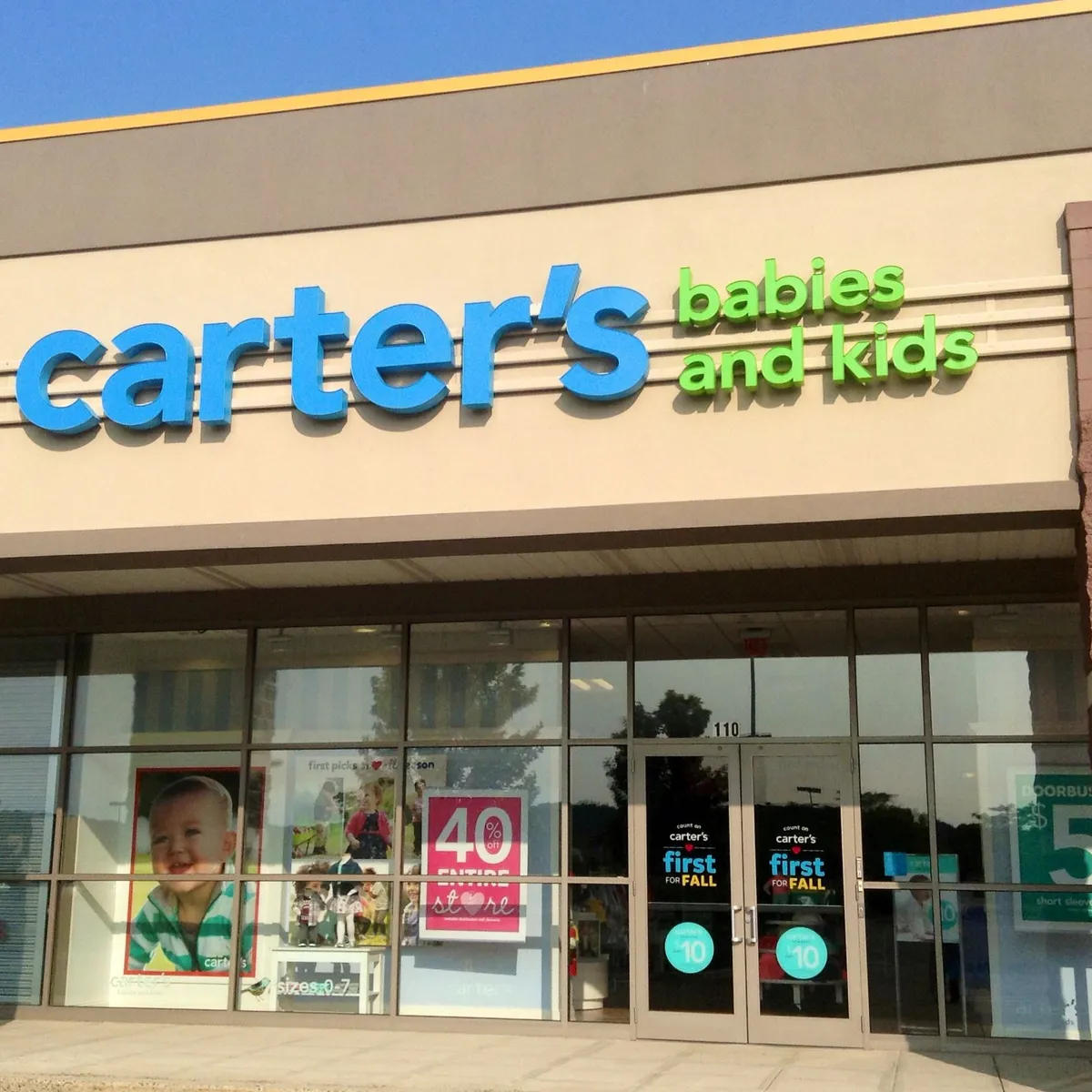
Why it matters: A second CEO transition in a year signals persistent strategic instability at a major apparel supplier, affecting vendor negotiations, retail partnerships, and internal operational continuity.
Context: Carter’s is mid-turnaround, having recently laid off 15% of corporate staff and accelerating store closures, while managing tariff impacts and activist investor pressure.
"Needham analyst Tom Nikic called the leadership change “abrupt” and “a surprise.”." — RETAILDIVE
Commentary: The board is swapping a footwear-brand operator for a toy-retail experience leader, betting that brand revitalization and omnichannel tactics from the Build-A-Bear playbook can be applied to core apparel. This suggests a pivot toward leveraging Carter’s IP for higher-margin, experience-driven sales, potentially shifting product development and marketing spend away from pure commodity basics.
Date: Fri, 01 May 2026 11:38:00 -0400
URL: https://www.retaildive.com/news/carters-build-a-bear-vet-ceo/819050/
AI Sentiment Score: Negative (75%)
AI Credibility Score: 10.0/10 — High
Scores and text generated by AI analysis of the source article indicated.
Shuffle Board: Solbari Builds Wholesale, TrueCommerce Eyes Growth (Wwd)
Summary: A series of executive appointments across fashion, retail, textiles, and logistics signal strategic shifts in wholesale expansion, sustainability integration, and supply chain digitization. Puma appoints a new CFO with luxury and retail experience, while Solbari hires a head of sales to build a national wholesale network. The Lycra Company promotes a sustainability veteran to VP of product sustainability, and TrueCommerce brings in a CRO from Avalara to drive revenue growth.

Why it matters: Executive hires directly shape brand economics, sourcing discipline, and distribution strategies, affecting vendor relationships and operational workflows for industry practitioners.
Context: Leadership changes often precede shifts in corporate strategy, particularly in areas like wholesale channel development, sustainability compliance, and supply chain technology adoption.
"Davis will lead Solbari’s wholesale strategy, building a national network of sales representatives, securing retail partnerships and establishing a seasonal wholesale cadence." — WWD
Commentary: Solbari’s move to establish a seasonal wholesale cadence indicates a shift from direct-to-consumer reliance to structured retail partnerships, which could pressure its production planning and inventory management. The Lycra Company’s internal promotion to VP of product sustainability suggests embedding compliance into product development, affecting fabric sourcing for brands. TrueCommerce hiring a CRO from Avalara points to an aggressive push into tax-aware supply chain solutions, potentially consolidating logistics software vendors.
Date: Fri, 01 May 2026 22:20:51 +0000
URL: https://wwd.com/sourcing-journal/industry-news/shuffle-board-executive-moves-solbari-1238937545/
AI Sentiment Score: Negative (66%)
AI Credibility Score: 10.0/10 — High
Scores and text generated by AI analysis of the source article indicated.
California Apparel News (Apparelnews.Net)
Summary: The California Apparel News digest for April 2026 details a suite of industry moves focused on operationalizing sustainability, from new certification frameworks like bluesign’s bluepass to feedstock activation projects and supply-chain software transformations. It highlights a shift from conceptual commitments to verifiable claims and scalable recycling infrastructure, underscored by expert commentary on navigating greenwashing and tariff uncertainty.

Why it matters: For practitioners, these developments signal a hardening of sustainability from marketing into a concrete set of procurement standards, compliance requirements, and supply-chain re-engineering tasks.
Context: The industry is transitioning from aspirational pledges to auditable systems, with certification bodies, chemical suppliers, and logistics firms building the commercial and technical scaffolding.
"bluesign Introduces a New Certification for Verified Sustainability Claims | April 27, 2026 Bluesign technologies ag has announced the launch of bluepass, a new certification mark and product-labeling system created to deliver." — APPARELNEWS.NET
Commentary: The launch of bluepass represents a direct response to buyer fatigue and regulatory pressure, creating a new compliance layer for brands and a due diligence checklist for sourcing teams. Concurrent initiatives like Project FAE and the Functional Fabric Fair’s T2T focus indicate capital and R&D are flowing toward solving the feedstock bottleneck, which could reshape material sourcing calendars and vendor qualifications. The Pandora-Hardis partnership underscores that sustainability’s data trail is now a core WMS specification, not a separate reporting module. Collectively, this moves the operational burden from brand marketing departments to supply-chain, procurement, and compliance officers.
Date: April 27, 2026 12:00 AM ET
URL: https://www.apparelnews.net/news/sustainable/
AI Sentiment Score: Negative (75%)
AI Credibility Score: 10.0/10 — High
Scores and text generated by AI analysis of the source article indicated.
April 2026 – FASH455 Global Apparel … (Shenglufashion)
Summary: A February 2026 factory list from H&M, comprising 1,455 entries, serves as a primary data source for analyzing fast-fashion sourcing under tariff pressures. Public earnings commentary from major US apparel firms like Kontoor Brands and Oxford Industries reveals active price increases (4-8%) and assortment elevation as primary mitigation tactics. Victoria’s Secret’s reported pullback on promotions to regain pricing power illustrates a parallel margin-defense strategy.

Why it matters: For sourcing managers and brand strategists, these concrete corporate responses define the new playbook for navigating persistent tariff headwinds, moving from theoretical risk to operational reality.
Context: This analysis arrives amid a multi-year trend of escalating tariffs and geopolitical trade tensions, forcing a structural re-evaluation of apparel sourcing economics and brand pricing power.
"To better understand H&M’s fast fashion business model and its implications for the company’s sourcing practices, this study analyzed H&M’s detailed factory list published in February 2026, which includes 1,455 entries." — SHENGLUFASHION
Commentary: The industry’s shift from cost absorption to direct consumer pass-through, coupled with ‘elevated’ assortments, signals a fundamental recalibration of the value proposition. This pressures brands with weaker consumer loyalty and complicates ‘responsible sourcing’ initiatives already strained by margin compression. The operational consequence is a bifurcated market where pricing power, not just supply chain agility, becomes the critical differentiator.
Date: April 21, 2026 12:00 AM ET
URL: https://shenglufashion.com/2026/04/
AI Sentiment Score: Negative (80%)
AI Credibility Score: 10.0/10 — High
Scores and text generated by AI analysis of the source article indicated.
Gap Q4 2025 slides: tariff pressures weigh on margins … (Investing)
Summary: Gap Inc.’s Q4 FY2025 results show a retailer meeting sales expectations while absorbing significant margin pressure from tariffs, which reduced gross margins by approximately 200 basis points. The company reported its eighth consecutive quarter of positive comparable sales growth, led by a 7% comp increase at the Gap brand, but Athleta’s 10% Q4 decline remains a persistent drag. Management’s focus for FY2026 includes core business investments and new growth accelerators in beauty, accessories, and ‘fashiontainment’.

Why it matters: For fashion practitioners, this illustrates the tangible, bottom-line impact of geopolitical trade policy on brand economics and the divergent performance within a multi-brand portfolio, forcing strategic resource allocation.
Context: The apparel sector is navigating prolonged tariff headwinds, making margin management and supply chain agility critical competitive factors, while direct-to-consumer brands face pressure to diversify product categories.
"The company’s Q4 gross margin of 38.1% declined 80 basis points year-over-year, but management emphasized this figure included roughly 200 basis points of net tariff impact, implying approximately 120 basis points of underlying margin expansion." — INVESTING
Commentary: The 200bps tariff hit quantifies the operational tax on global sourcing, forcing brands like Gap to accelerate nearshoring or pricing strategies to preserve profitability. Athleta’s ongoing struggles against Lululemon and Nike suggest a failed category pivot, likely triggering a reassessment of its design and marketing pipeline. The shift into beauty and accessories signals a broader industry move to higher-margin, tariff-resilient categories to offset core apparel margin compression.
Date: May 03, 2026 12:00 AM ET
URL: https://www.investing.com/news/company-news/gap-q4-2025-slides-tariff-pressures-weigh-on-margins-despite-sales-momentum-93CH-4545807
AI Sentiment Score: Neutral (33%)
AI Credibility Score: 10.0/10 — High
Scores and text generated by AI analysis of the source article indicated.
Quick Commerce 2.0: Slower, safer, and more profitable for fashion … (Dfupublications)
Summary: Quick commerce platforms are shifting from a ‘speed-at-all-costs’ model to ‘profitable precision,’ with fashion and apparel emerging as a strategic, high-margin category. The pivot is driven by superior unit economics: fashion offers average order values 3-5x higher than groceries and gross margins of 35-50%, which can absorb higher handling costs and slower, more careful delivery. This recalibrates the operational and financial logic of last-mile delivery networks.

Why it matters: For fashion brands and logistics operators, this shift redefines the economics of last-mile delivery, prioritizing margin preservation over speed, which will alter inventory strategies, return-handling protocols, and platform partnership terms.
Context: The initial wave of quick commerce focused on FMCG, competing on hyper-fast delivery of essential goods. Regulatory pressure on unsafe delivery practices is now forcing a model recalibration.
"While groceries build frequency, fashion builds profits." — DFUPUBLICATIONS
Commentary: The integration of fashion represents a maturation of the quick-commerce model, moving from a loss-leading frequency game to a margin-driven one. This could pressure fashion brands to adapt product assortments and packaging for this channel, while delivery networks will need to develop specialized handling for higher-value, higher-return-rate items. The ‘social emergency’ use case creates a new, time-sensitive demand vector that is less price-elastic than grocery, allowing platforms to justify premium service tiers.
Date: April 28, 2026 12:00 AM ET
URL: https://www.dfupublications.com/index.php/news/apparel/quick-commerce-2-0-slower-safer-and-more-profitable-for-fashion-retail
AI Sentiment Score: Negative (66%)
AI Credibility Score: 10.0/10 — High
Scores and text generated by AI analysis of the source article indicated.
Is Carter’s (CRI) Still 47.7% Undervalued After Reaffirmed … (Gurufocus)
Summary: Carter’s Inc. reaffirmed its Q1 and full-year 2026 outlook ahead of its May 6 earnings release, signaling management confidence despite persistent industry headwinds. The children’s apparel company, heavily reliant on wholesale revenue and Asian sourcing, flagged operational risks including tariffs, inflationary pressures on labor and materials, and supply chain costs. The upcoming results will be scrutinized for segment revenue, gross margin health, inventory turns, and cash flow metrics critical to its multi-channel model.
Why it matters: For brands, vendors, and distributors in the apparel sector, Carter’s performance is a leading indicator of margin pressure and supply chain resilience in a wholesale-dependent, import-heavy business model.
Context: Children’s apparel is a high-volume, margin-sensitive category where sourcing discipline and inventory management directly dictate profitability, especially for a company with Carter’s wholesale-heavy revenue mix.
"The filing underscores industry and company-specific risks that could affect execution, including tariffs and trade policy uncertainty, inflationary pressure on labor and materials, supply chain and freight costs, evolving consumer preferences, and competitive dynamics." — GURUFOCUS
Commentary: The reaffirmation suggests Carter’s has locked in near-term sourcing and pricing, but the flagged risks mean Q1 metrics on inventory turns and gross margin will dictate whether its streamlined operations can absorb cost inflation. Wholesale partners and contract manufacturers should watch for any shift in purchasing patterns or margin guidance that signals a change in vendor strategy.
Date: May 02, 2026 12:00 AM ET
URL: https://www.gurufocus.com/news/8837782/is-carters-cri-still-477-undervalued-after-reaffirmed-q1-outlook-gf-score-77100
AI Sentiment Score: Negative (60%)
AI Credibility Score: 10.0/10 — High
Scores and text generated by AI analysis of the source article indicated.
How Wrangler used Spotify and out-of-home advertising to show up at Stagecoach (Glossy.Co)
Summary: Wrangler executed a perimeter-focused festival marketing strategy at Stagecoach, deploying out-of-home ads on highways and at airports, sponsoring a nearby rodeo, and placing targeted ads on Spotify playlists. The effort was coordinated by an in-house team and leveraged brand ambassadors performing at the festival. The parent company, Kontoor Brands, is increasing marketing investment to fuel growth, with Wrangler’s Western category and direct-to-consumer channels showing strong results.

Why it matters: It demonstrates a shift from on-site sponsorship clutter to owning the entire attendee journey, which changes the calculus for brand activation budgets and vendor selection.
Context: Music festivals are saturated with on-ground brand activations, pushing marketers to seek adjacency and digital extensions for cut-through and measurable ROI.
"Music festivals have increasingly become a testing ground for brand activations. There are a plethora of ways for brands to show up at these popular events, and much competition on-site. For the." — GLOSSY.CO
Commentary: The in-house execution and focus on peripheral touchpoints signal a move toward integrated, capital-efficient brand building over one-off experiential splurges. Linking physical activations to CRM growth via bracelet scans reframes festival spend from brand awareness to direct audience capture, tightening the marketing funnel for heritage brands.
Date: Tue, 28 Apr 2026 04:02:00 +0000
URL: https://www.glossy.co/fashion/how-wrangler-used-spotify-and-out-of-home-advertising-to-show-up-at-stagecoach/
AI Sentiment Score: Positive (66%)
AI Credibility Score: 10.0/10 — High
Scores and text generated by AI analysis of the source article indicated.
Nike’s Futuristic New Basketball Sneaker Is Getting a Limited-Edition Oregon Ducks Release (Wwd)
Summary: Nike’s Ducks of a Feather NIL initiative is launching an exclusive, limited-edition G.T. Future sneaker in partnership with GOAT Group’s Flight Club. Only 300 pairs of the ‘Metallic Nova’ colorway will be sold exclusively at Flight Club New York, with proceeds directed to Oregon student athletes. This follows a pattern of DOAF leveraging limited-run, university-branded product drops to fund Name, Image, and Likeness (NIL) collectives.

Why it matters: This demonstrates the operational shift of NIL funding from pure endorsements into a tightly controlled, high-margin product pipeline, creating a new model for brand-university-athlete financial flows.
Context: Nike’s DOAF initiative has established a recurring playbook: produce ultra-limited, co-branded sneakers via select retail partners, generating direct revenue for Oregon’s NIL collective while reinforcing brand heat through artificial scarcity.
"Only 300 pairs of the shoes were produced worldwide and there will be only one place to get them next weekend: Flight Club New York." — WWD
Commentary: The move further formalizes the secondary market as a primary launch channel for brand-funded NIL, with Flight Club acting as both retailer and authenticity validator. It signals a strategic pivot where limited-edition product drops are engineered not just for marketing, but as direct, low-volume/high-margin revenue engines for institutional partners, altering the economics of athlete sponsorship.
Date: Sat, 02 May 2026 18:13:02 +0000
URL: https://wwd.com/footwear-news/sneaker-news/doaf-nike-gt-future-release-date-1238938022/
AI Sentiment Score: Negative (57%)
AI Credibility Score: 10.0/10 — High
Scores and text generated by AI analysis of the source article indicated.
Estée Lauder now expects up to 10K role reductions (Retaildive)
Summary: Estée Lauder has significantly increased its planned workforce reduction from a range of 5,800–7,000 to 9,000–10,000 positions, with over 70% of the increase attributed to cutting point-of-sale roles at underperforming department and freestanding stores. This is part of its Profit Recovery and Growth Plan, which has already incurred $1.1 billion in restructuring charges, with total charges now projected at $1.5–$1.7 billion. While Q3 sales grew 5% to $3.7 billion and the company raised its full-year outlook, it faces headwinds from Middle East conflict impacts and tariffs, even as analysts note improving momentum in China and digital channels.
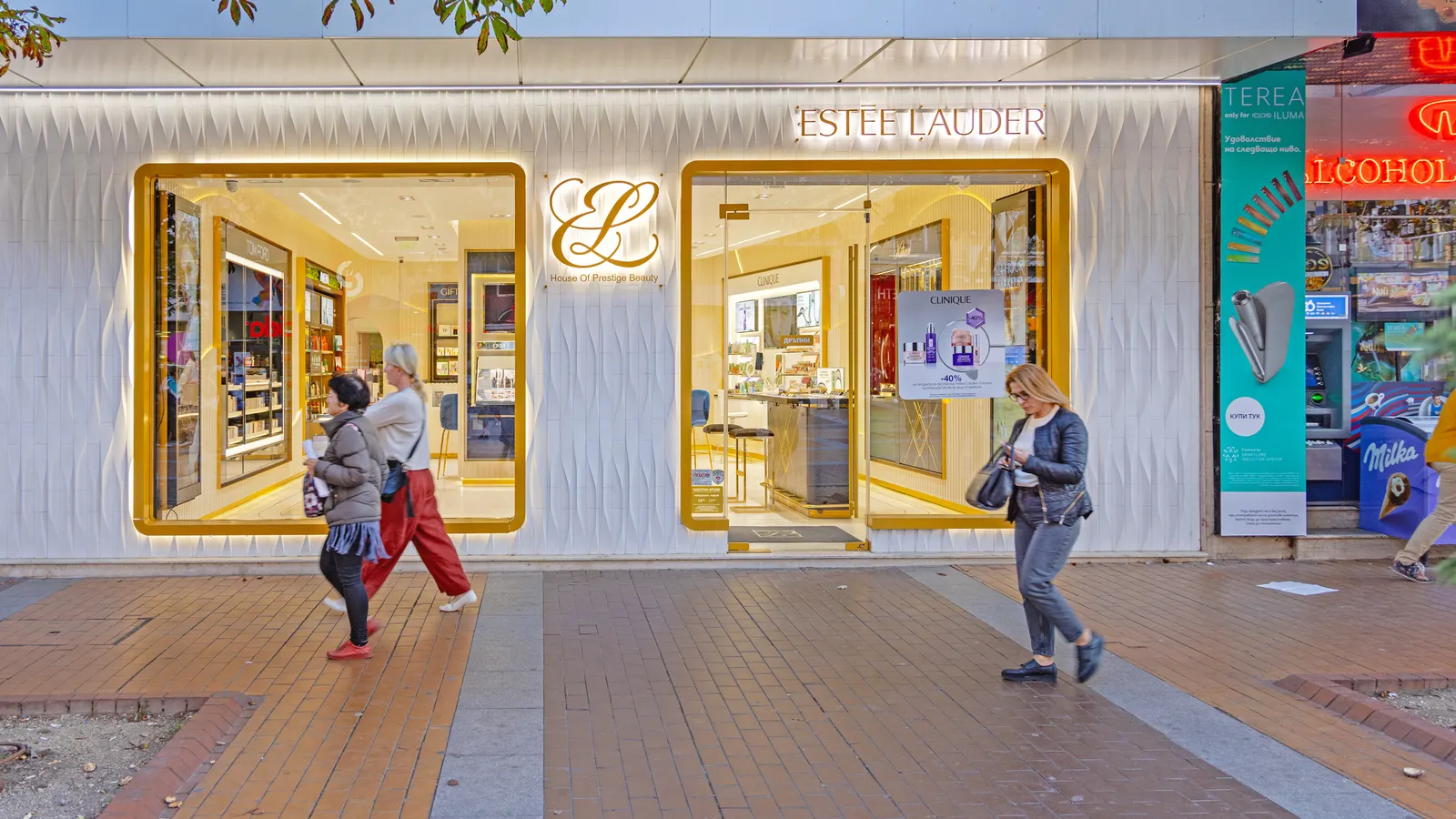
Why it matters: For industry practitioners, this signals a major contraction in traditional retail footprints and a reallocation of labor toward digital channels, directly impacting vendor relationships, field team structures, and brand operational models.
Context: The move accelerates a multi-year shift away from wholesale-dependent, in-store beauty advisors toward DTC and platform-driven sales (Amazon, TikTok Shop), reflecting broader pressure on department store economics.
"Dive Brief: – The Estée Lauder Companies Inc. increased its estimated net reduction in positions to a final range from 9,000 to 10,000, per a Friday press release. That marks a jump." — RETAILDIVE
Commentary: The scale of the cuts, concentrated at the point of sale, concretely measures the declining ROI of physical wholesale for prestige beauty. This forces brand teams to re-engineer launch and sampling strategies around digital platforms and owned retail, while vendors servicing in-store visuals and training face reduced demand. The projected $100M tariff hit further pressures sourcing and pricing strategies, making margin recovery contingent on supply chain agility.
Date: Fri, 01 May 2026 12:20:00 -0400
URL: https://www.retaildive.com/news/estee-lauder-layoffs-point-of-sale-department-stores/819068/
AI Sentiment Score: Negative (50%)
AI Credibility Score: 10.0/10 — High
Scores and text generated by AI analysis of the source article indicated.
The Estée Lauder Companies will reduce department store footprint as it focuses on ‘high-growth’ online channels (Glossy.Co)
Summary: The Estée Lauder Companies reported a 5% net sales increase to $3.7 billion for Q3 FY2026, driven by a 10% rise in fragrance sales while skin care and makeup remained flat. CEO Stéphane de La Faverie outlined a strategic pivot, announcing a reduction in the company’s department store footprint and a sharpened focus on high-growth online channels, including Amazon, TikTok Shop, and Chinese platforms like Douyin. The Bobbi Brown brand will exit all U.S. department stores, and the company is expanding its digital presence, with 12 brands now on Amazon U.S. and MAC launching at Sephora.

Why it matters: This signals a fundamental reallocation of retail investment and labor, directly impacting brand distribution strategies, vendor relationships, and the employment landscape for beauty advisors.
Context: The move continues a multi-year industry shift away from traditional wholesale and department store models toward DTC and digital marketplaces, accelerated by changing consumer shopping patterns.
"On Friday, The Estée Lauder Companies posted its third-quarter earnings for fiscal year 2026. CEO and president Stéphane de La Faverie said 2026 was shaping up to be a “pivotal” year in." — GLOSSY.CO
Commentary: ELC’s operational pivot formalizes the channel conflict between legacy wholesale and digital marketplaces, forcing brand teams to reallocate marketing spend and product development resources toward platform-specific commerce. The planned exit of Bobbi Brown from U.S. department stores provides a concrete template for other brands considering similar retrenchments, with immediate implications for in-store labor and regional distributor contracts. The accelerated rollout onto Amazon and TikTok Shop prioritizes velocity and platform-native marketing over curated retail environments, a trade-off that could pressure brand margins and require new vendor capabilities in performance marketing and logistics.
Date: Fri, 01 May 2026 13:35:00 +0000
URL: https://www.glossy.co/beauty/the-estee-lauder-companies-will-reduce-department-store-footprint-as-it-focuses-on-high-growth-online-channels/
AI Sentiment Score: Negative (66%)
AI Credibility Score: 10.0/10 — High
Scores and text generated by AI analysis of the source article indicated.
The Weekly Closeout: Heydude sales decline and Lululemon dishes about Chip Wilson (Retaildive)
Summary: Crocs’ Heydude brand posted a 12% sales decline in Q1, with wholesale revenue dropping 25% despite a DTC uptick, though analysts note the result beat expectations. Lululemon’s proxy filing details an escalating public dispute with founder Chip Wilson, who criticizes the board and strategy while claiming competitors Alo Yoga and Vuori have ‘adopted his playbook.’ In distribution news, Dick’s House of Sport is launching Vuori apparel in 12 locations.
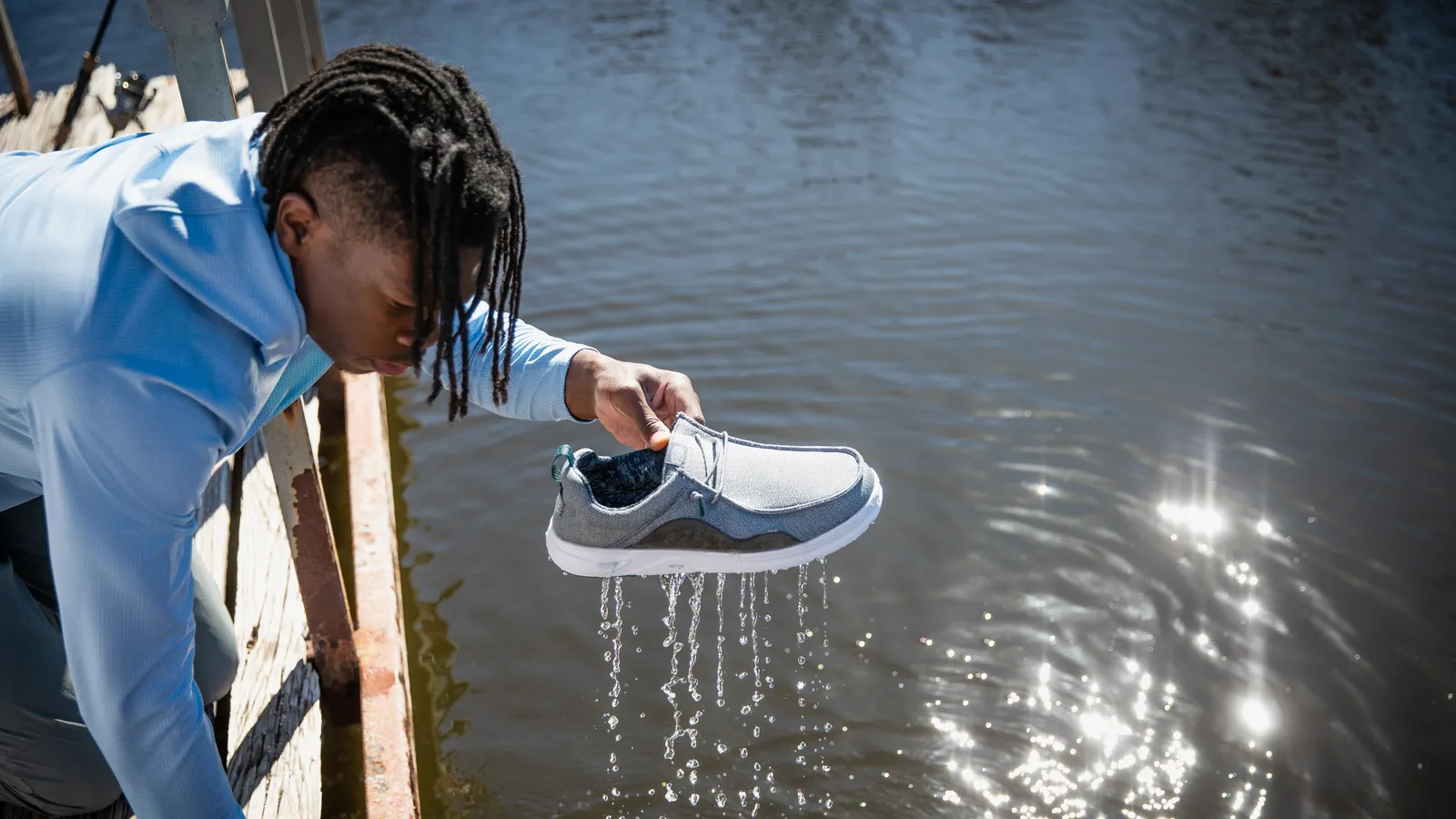
Why it matters: The Heydude performance signals ongoing challenges in integrating and scaling acquired DTC brands, while the Lululemon-Wilson conflict exposes governance tensions that can destabilize product focus and executive continuity.
Context: Post-acquisition brand performance and founder-board conflicts are recurring stress tests for public apparel companies, directly impacting operational focus and market confidence.
"It’s been another week with far more retail news than there is time in the day. Below, we break down some things you may have missed during the week and what we’re." — RETAILDIVE
Commentary: Heydude’s sharp wholesale decline against DTC growth underscores the channel conflict and margin pressure inherent in scaling acquired digital-native brands through traditional retail. For Lululemon, Wilson’s public campaign and cited alignment with Vuori and Alo Yoga transforms a governance dispute into a competitive vulnerability, forcing management to defend strategy while rivals capitalize on the narrative.
Date: Fri, 01 May 2026 10:34:00 -0400
URL: https://www.retaildive.com/news/heydude-sales-declines-lululemon-chip-wilson-proxy-fight-vuori-alo/819015/
AI Sentiment Score: Negative (70%)
AI Credibility Score: 10.0/10 — High
Scores and text generated by AI analysis of the source article indicated.
UK Fashion retail sales rebounds as five-week store slump ends (Fashionunited.Uk)
Summary: UK fashion retail sales rebounded in late April 2026, ending a five-week slump in physical store sales. Total like-for-like sales grew 1.82%, driven by a 4.70% surge in offline store sales as favorable weather increased high street footfall by 4.3%. Online sales also grew steadily at 3.44%, indicating a synchronized recovery across channels.

Why it matters: For fashion retailers and their supply chains, this data underscores the critical, weather-dependent volatility of physical retail revenue and the need for agile inventory and staffing models that can capitalize on brief favorable windows.
Context: The UK fashion retail sector has been characterized by prolonged softness in physical store traffic, making this sharp, weather-driven reversal a notable operational event rather than a seasonal norm.
"After a run of four consecutive weekly declines, store fashion sales surged by +4.70%. This comeback was fueled by ideal shopping conditions; high pressure across the UK brought dry, calm, and mild weather, coaxing consumers back to traditional shopping hubs." — FASHIONUNITED.UK
Commentary: The rebound highlights the operational fragility of brick-and-mortar fashion retail, where a single week of good weather can salvage a month of losses. This reinforces the economic case for maintaining lean in-store operations and flexible labor pools, while also validating omnichannel strategies where steady online growth provides a baseline against volatile footfall. For brands, the sensitivity to weather argues for more localized, real-time marketing and inventory deployment to capture these concentrated demand spikes.
Date: May 01, 2026 12:00 AM ET
URL: https://fashionunited.uk/news/business/uk-fashion-retail-sales-rebounds-as-five-week-store-slump-ends/2026050187804
AI Sentiment Score: Positive (50%)
AI Credibility Score: 10.0/10 — High
Scores and text generated by AI analysis of the source article indicated.
Ferragamo names Yigit Turhan chief brand officer (Sy.Fashionnetwork)
Summary: Ferragamo appoints Yigit Turhan as Chief Brand Officer, consolidating marketing, communication, visual merchandising, and CRM under a single executive. This move follows a Q1 earnings report showing a 1.2% revenue decline, driven by a steep 19% drop in wholesale offset by a 5.5% rise in direct-to-consumer sales.
Why it matters: The appointment signals a strategic pivot towards brand unification and D2C channel control amid wholesale weakness, directly impacting marketing budgets, agency relationships, and retail operations.
Context: Luxury houses are centralizing brand functions to sharpen messaging and improve customer lifetime value as wholesale distribution becomes less reliable.
"Ferragamo’s first-quarter revenues slid by 1.2% at constant exchange rates to total 209 million euros. Wholesale sales were down 19% but D2C sales rose 5.5%." — SY.FASHIONNETWORK
Commentary: Turhan’s mandate to oversee CRM alongside visual merchandising and marketing indicates Ferragamo is prioritizing first-party data integration to defend its D2C gains. The wholesale collapse necessitates a reallocation of resources from trade marketing to in-store experience and digital loyalty programs, altering workflows for regional managers and vendor partners.
Date: April 29, 2026 12:00 AM ET
URL: https://sy.fashionnetwork.com
AI Sentiment Score: Negative (75%)
AI Credibility Score: 10.0/10 — High
Scores and text generated by AI analysis of the source article indicated.
Saks Global slashes 16% of its corporate workforce (Retaildive)
Summary: Saks Global has cut 16% of its corporate workforce, a move framed as aligning its organization with a post-bankruptcy and post-merger strategy focused on luxury, full-price selling, and operational optimization. The reduction, while less than 4% of total headcount, follows a series of executive departures and store closures, including the shuttering of more than 20 full-line Saks Fifth Avenue locations. The company is exiting off-price operations and consolidating after its $2.7 billion merger with Neiman Marcus Group.
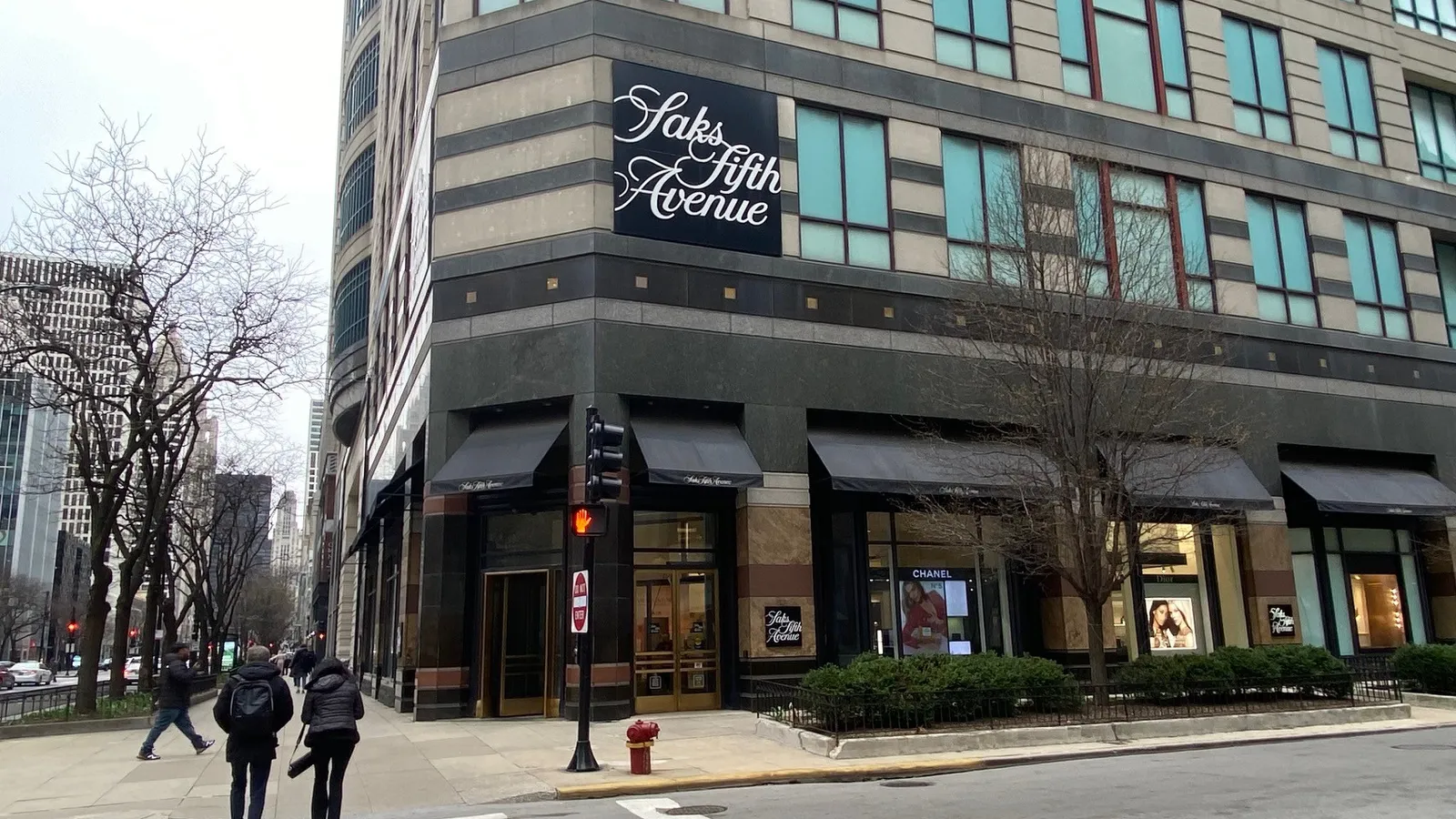
Why it matters: For industry practitioners, this signals a protracted, multi-stage rationalization of merged luxury retail operations, directly impacting corporate career paths, vendor negotiations, and the strategic map for physical luxury retail.
Context: This follows the 2024 Saks-Neiman Marcus merger and a Chapter 11 filing, part of a broader contraction in the full-line department store model where cost synergies and footprint reduction are prioritized over growth.
"Saks Global on Thursday confirmed another round of workforce cuts as it wraps up its bankruptcy. The reduction affects 16% of its corporate teams, which is overall less than 4% of its." — RETAILDIVE
Commentary: The corporate cuts, distinct from the bankruptcy-driven store closures, concretize the merger’s ‘synergies’ into headcount reduction, shifting internal resources toward what the company deems ‘critical capabilities.’ For vendors and brand partners, this means a consolidated, likely more centralized, and potentially more strained buying and merchandising organization. The exodus of executives like Yumi Shin to competitors indicates talent redistribution and a weakening of non-compete enforcement as the consolidated entity sheds experience.
Date: Fri, 01 May 2026 10:42:00 -0400
URL: https://www.retaildive.com/news/saks-global-layoffs-sixteen-percent-corporate-workforce/819037/
AI Sentiment Score: Negative (71%)
AI Credibility Score: 10.0/10 — High
Scores and text generated by AI analysis of the source article indicated.
The Backroom: Redefining Pacsun (Retaildive)
Summary: Pacsun’s post-bankruptcy strategy, led by CEO Brieane Olson, involved a deliberate pivot away from its core skate-and-surf identity and a shift from third-party brand sales to developing proprietary labels. This repositioning, framed as a ‘cultural strategy,’ aims to engage younger cohorts who participate in creating culture rather than merely consuming it. The move aligns Pacsun with other mall-based retailers like Gap and Abercrombie & Fitch in a broader struggle for relevance.

Why it matters: For fashion industry practitioners, Pacsun’s decade-long operational pivot from distributor to brand-builder illustrates a high-stakes template for legacy retail reinvention, with direct implications for merchandising, sourcing, and brand economics.
Context: This reflects a wider pattern among 2000s-era mall brands shedding their original, narrow subcultural identities to chase broader, trend-driven ‘vibes’ as a survival mechanism.
"The store with the SoCal vibe roots recovered from its decade-ago troubles by distancing itself from its original skate-and-surf focus and expanding beyond sales of third-party brands with its own labels." — RETAILDIVE
Commentary: The shift from third-party distributor to proprietary label owner fundamentally alters Pacsun’s business model, increasing margin potential but also introducing design, sourcing, and inventory risk previously borne by brand partners. For vendors and competitors, this reduces a wholesale channel and creates a new, vertically integrated player. The strategic gamble is whether a ‘co-created’ cultural positioning can generate sufficient brand equity to justify the capital and operational intensity of in-house product development.
Date: Thu, 30 Apr 2026 11:46:00 -0400
URL: https://www.retaildive.com/news/the-backroom-podcast-redefining-pacsun-ceo-brieane-olson/818934/
AI Sentiment Score: Negative (50%)
AI Credibility Score: 10.0/10 — High
Scores and text generated by AI analysis of the source article indicated.
lululemon Names Proven Brand Builder Heidi O’Neill as … (Businesswire)
Summary: lululemon has appointed Heidi O’Neill, a former Nike executive with extensive experience in product creation, brand strategy, and digital commerce, as its new Chief Executive Officer. The move signals a focus on scaling brand strategy and operational execution globally.
Why it matters: For practitioners in fashion and retail, this signals a shift toward a more structured, product- and process-driven growth model at a major athletic apparel brand, with implications for vendor strategy, digital transformation priorities, and operational discipline.
Context: The appointment follows a pattern of athleticwear brands recruiting from Nike’s executive ranks to instill large-scale operational and brand-building expertise.
"Heidi is an inspiring leader and proven, consumer-driven brand strategist, with a rare ability to both imagine a new future for a brand and to create the structure and processes to deliver on that vision,." — BUSINESSWIRE
Commentary: O’Neill’s mandate will likely prioritize formalizing lululemon’s product innovation pipeline and global market operations, moving beyond founder-led intuition. This suggests increased scrutiny on supply chain efficiency, digital commerce integration, and brand architecture—areas where Nike’s playbook is well-defined. For competitors and vendors, it means dealing with a more process-oriented and potentially aggressive scaling partner.
Date: April 22, 2026 12:00 AM ET
URL: https://www.businesswire.com/news/home/20260422757485/en/lululemon-Names-Proven-Brand-Builder-Heidi-ONeill-as-Chief-Executive-Officer
AI Sentiment Score: Positive (66%)
AI Credibility Score: 10.0/10 — High
Scores and text generated by AI analysis of the source article indicated.
J. Jill names Coach vet as chief marketing officer (Retaildive)
Summary: J. Jill appoints Kimberly Wallengren, a former Coach and American Eagle marketing executive, as its new CMO. This completes a year-long overhaul of the retailer’s C-suite. The move comes as the company reports declining sales and projects further softness through 2026, signaling a strategic pivot under new leadership.
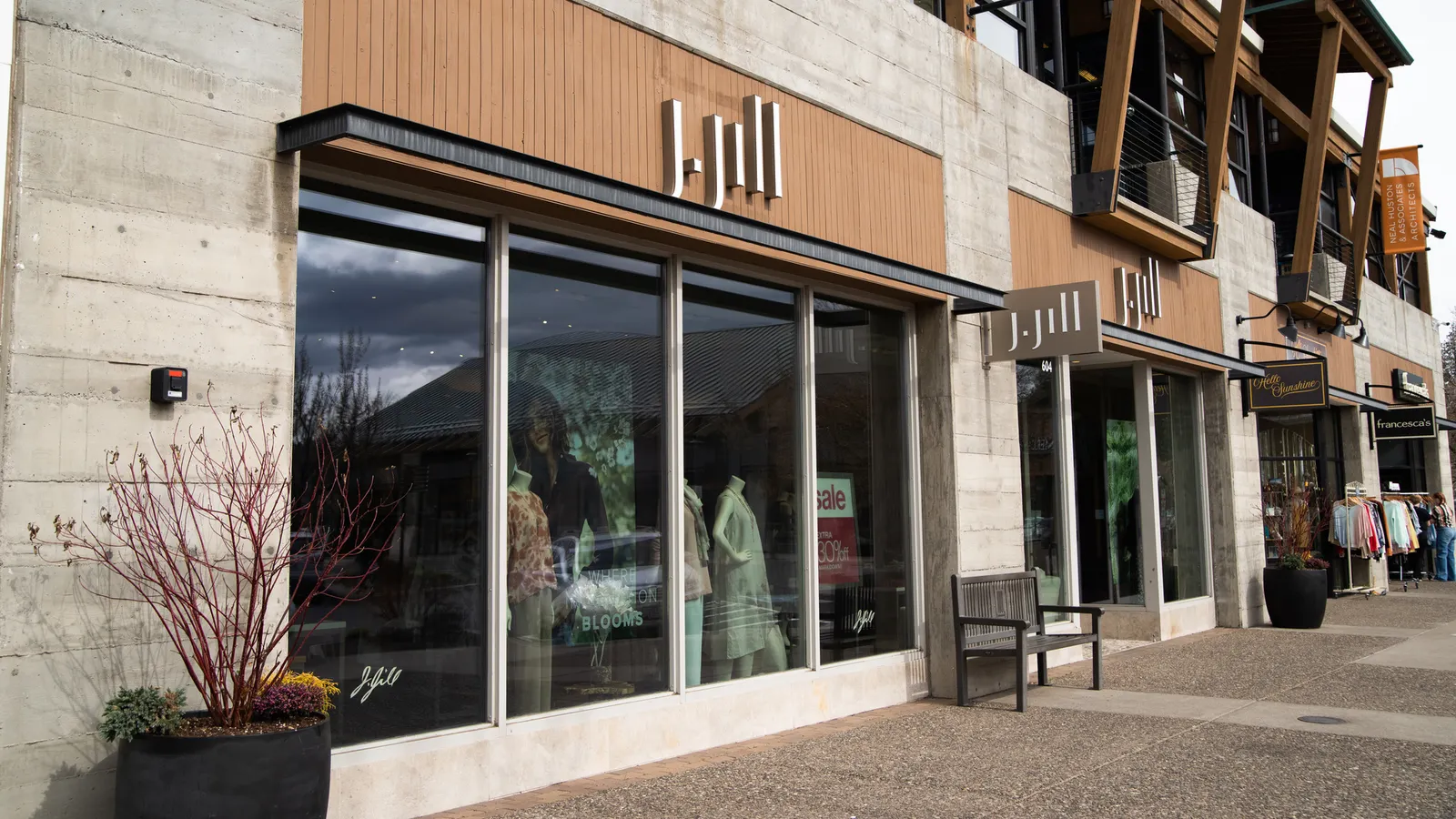
Why it matters: For industry practitioners, this signals a shift in J. Jill’s brand and customer acquisition strategy, with implications for vendor relationships, marketing spend allocation, and competitive positioning in the mature women’s apparel segment.
Context: This is part of a full executive suite refresh at J. Jill, following the appointment of a new CEO and chief merchandising officer, aimed at reversing a multi-year sales decline.
"J. Jill is coming off a fourth quarter where net sales dropped 3.1% year over year to $138.4 million and comparable sales fell 4.8%. For the year, net sales fell 2.3%." — RETAILDIVE
Commentary: The hire from Coach suggests J. Jill is attempting to import a premium brand playbook into a value-oriented segment, a high-risk repositioning. The focus on ‘expanding brand awareness’ indicates a likely increase in customer acquisition spend, which could pressure margins further given the flat sales forecast. For vendors and agencies, this leadership change means a review of existing contracts and a probable shift in creative and media buying strategy toward Wallengren’s established network.
Date: Fri, 01 May 2026 11:56:00 -0400
URL: https://www.retaildive.com/news/j-jill-names-coach-vet-as-chief-marketing-officer/819046/
AI Sentiment Score: Negative (57%)
AI Credibility Score: 10.0/10 — High
Scores and text generated by AI analysis of the source article indicated.
Puma appoints former Adidas manager Laurent Fricker to … (Fashionunited)
Summary: Puma has hired Laurent Fricker, a former Adidas executive with over 20 years of experience, as Vice President of its Sportstyle division. He will report directly to Chief Brand Officer Maria Valdes, effective June 1. His most recent role was VP of Originals, Basketball, and Partnerships Europe at Adidas.
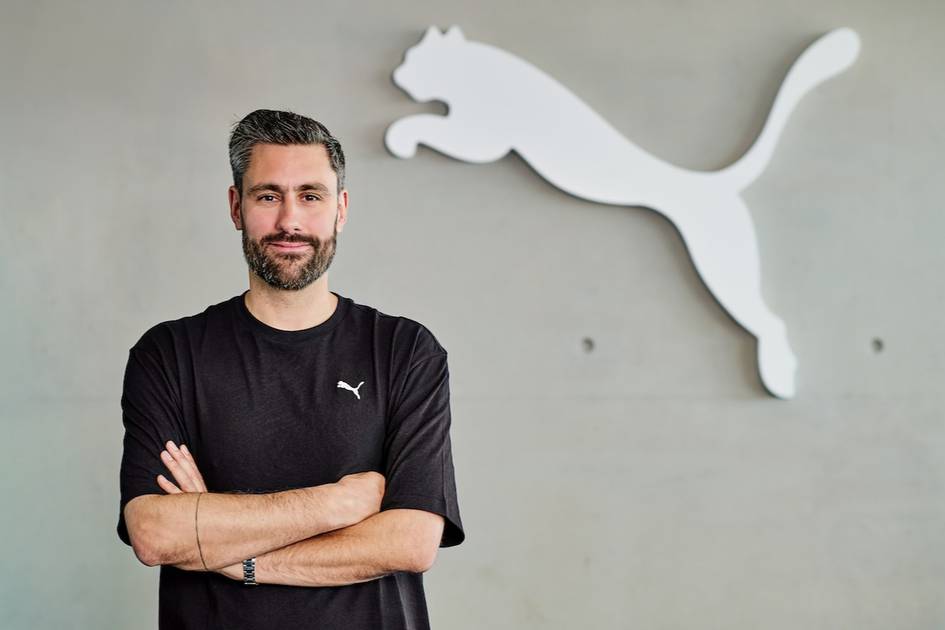
Why it matters: This signals a direct talent raid on a key competitor, aiming to sharpen Puma’s product strategy and go-to-market execution in the high-margin lifestyle category.
Context: Sportstyle is a critical, margin-rich battleground for athletic brands, blending performance credibility with streetwear appeal. Executive moves between Adidas and Puma are common but reflect intense competition for category leadership.
"# Puma appoints former Adidas manager Laurent Fricker to head sportstyle division People Laurent Fricker moves from Adidas to Puma Image: Puma SE … German sportswear provider Puma SE is strengthening its." — FASHIONUNITED
Commentary: This is a targeted operational hire, not just a symbolic move. Fricker’s specific remit at Adidas—Originals, basketball, partnerships—maps directly onto Puma’s weaknesses in lifestyle storytelling and category-specific influencer ecosystems. Expect immediate pressure on Adidas’s European basketball and lifestyle partnerships, and a more disciplined product pipeline from Puma that leverages athletic authenticity more effectively.
Date: April 21, 2026 12:00 AM ET
URL: https://fashionunited.com/news/people/puma-appoints-former-adidas-manager-laurent-fricker-to-head-sportstyle-division/2026042171890
AI Sentiment Score: Neutral (33%)
AI Credibility Score: 10.0/10 — High
Scores and text generated by AI analysis of the source article indicated.
Coty’s perfume business takes another knock with David Beckham fragrance lawsuit (Us.Fashionnetwork)
Summary: Coty faces a lawsuit over its David Beckham fragrance license, adding to operational pressures on its perfume division. The suit alleges contractual breaches related to royalty payments and marketing commitments, directly challenging a key celebrity partnership. This legal action arrives amid broader industry scrutiny of licensing economics and brand-ambassador relationships.

Why it matters: For fragrance houses and brand licensors, this underscores the financial and reputational risks embedded in celebrity deals, potentially tightening contract terms and due diligence.
Context: Coty’s perfume business has been underperforming, with this lawsuit targeting a major, long-term license. The industry is concurrently seeing luxury brands pivot marketing toward tech wealth and retailers like Foot Locker rationalize assortments.
"headlines Chanel to replay its cruise show in Sydney Chanel is replaying its cruise 2027 show in Sydney this November, marking the first the French luxury house has held a runway show." — US.FASHIONNETWORK
Commentary: The litigation could force Coty’s legal and finance teams into reactive mode, draining resources from brand strategy. For competitors, it serves as a live case study in license agreement vulnerabilities, likely prompting internal audits of similar deals. The outcome could recalibrate royalty structures and performance clauses across the celebrity fragrance sector.
Date: May 01, 2026 12:00 AM ET
URL: https://us.fashionnetwork.com
AI Sentiment Score: Negative (50%)
AI Credibility Score: 10.0/10 — High
Scores and text generated by AI analysis of the source article indicated.
THE SOURCE (Medici Fashion DMCC) LinkedIn Video Post | Strategy, Content & Analytics. (Youtube)
Summary: A sourcing consultancy, The Source (Medici Fashion DMCC), argues that continued reliance on China for production is a structural vulnerability for American fashion brands, not an efficiency. They cite rising tariffs and geopolitical tension as primary cost risks driving a shift toward diversification into hubs like Bangladesh, Hong Kong, Vietnam, and India.
Why it matters: For sourcing executives and brand strategists, this signals a move from cost optimization to risk management as the core discipline, requiring active re-engineering of vendor relationships and logistics.
Context: The post reflects an accelerating, multi-year trend of nearshoring and ‘China Plus One’ strategies, now intensified by specific policy pressures and supply chain reevaluations post-pandemic.
"{ts:2} Many American fashion brands still depend heavily on China for production. {ts:7} With rising tariffs and geopolitical tension, that dependency is becoming a serious cost risk. Leading fashion {ts:16} brands are." — YOUTUBE
Commentary: The consultancy’s blunt framing elevates sourcing from an operational function to a strategic imperative. This shift forces brands to absorb short-term cost increases and complexity for long-term resilience, directly impacting margins and product development timelines. It creates a new market for intermediaries like The Source that can navigate opaque vendor landscapes outside China.
Date: April 22, 2026 12:00 AM ET
URL: https://www.youtube.com/watch?v=olxhCHRHHzs
AI Sentiment Score: Negative (80%)
AI Credibility Score: 10.0/10 — High
Scores and text generated by AI analysis of the source article indicated.
Post ID: 857bbb0c