
Global Apparel Sourcing and Trade Dynamics
Apparel brands’ responses to the 2025 US tariffs led to significant … (Business-Humanrights)
Summary: A 2026 report from the Business and Human Rights Centre documents how apparel brands’ operational responses to the 2025 US tariffs—including order cancellations, price renegotiations, and rapid sourcing shifts—transferred financial shock directly to suppliers. This resulted in factory closures, wage cuts, and layoffs, with disproportionate harm to women and migrant workers in countries like Bangladesh, Cambodia, and Sri Lanka. The research frames this as a direct consequence of purchasing practices, not an unavoidable economic outcome.

Why it matters: For sourcing executives and production managers, this report maps the direct line from tariff-response tactics to operational instability and legal/compliance risk in the supply base.
Context: The 2025 US tariffs triggered a rapid reallocation of garment orders, exposing the fragility of supplier margins and the human rights blind spot in crisis procurement playbooks.
"Across multiple sourcing countries including Bangladesh, Cambodia, Lesotho, Sri Lanka and India, suppliers consistently reported orders being delayed, paused or cancelled as buyers reassessed sourcing in response to tariff driven cost pressures." — BUSINESS-HUMANRIGHTS
Commentary: The report operationalizes a known risk: cost-driven sourcing agility directly degrades supplier solvency and worker welfare. For brands, the implication is that tariff mitigation now requires a formalized supplier-support protocol—honoring existing orders and price terms—to prevent cascading factory failures. Procurement teams must budget for stability, not just cost absorption, as a line item in their tariff-response plans.
Date: April 23, 2026 12:00 AM ET
URL: https://www.business-humanrights.org/en/from-us/press-releases/apparel-brands-responses-to-the-2025-us-tariffs-led-to-significant-human-rights-risks-for-workers/
AI Sentiment Score: Negative (70%)
AI Credibility Score: 10.0/10 — High
Scores and text generated by AI analysis of the source article indicated.
India’s Value Fashion Retail: The Boom Turns to Grind (Dhananjaysinha1.Substack)
Summary: India’s organized value fashion retail sector, led by chains like Zudio, Reliance Trends, and Max Fashion, is confronting a severe operational reality check. Despite a narrative of unstoppable growth fueled by rapid store expansion into Tier-2/3 cities, channel checks reveal sluggish same-store sales, widespread cannibalization, and intense margin pressure. Growth is now driven by new store openings masking weak underlying performance, while high online return rates and competition from agile regional players squeeze profitability.
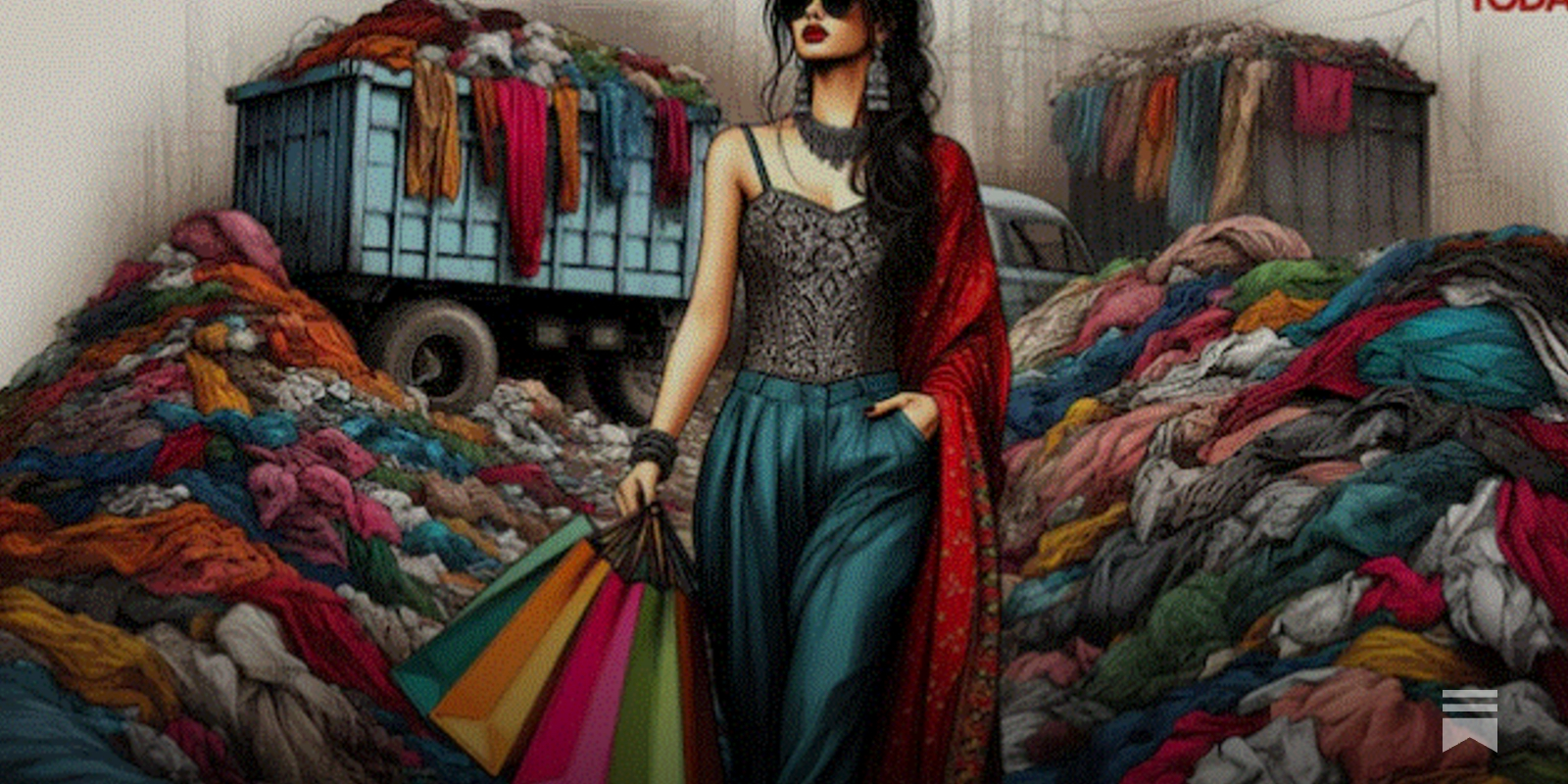
Why it matters: For practitioners in retail operations, merchandising, and investment, this signals a shift from expansion-led valuation to a grind requiring fundamental improvements in product moats, supply chain efficiency, and same-store economics.
Context: The sector has been characterized by a multi-year land-grab store expansion strategy, with private labels and ‘smart value’ positioning displacing unorganized bazaars.
"**India’s value fashion stocks have plummeted over the past 20 months, much of it even before the ongoing geopolitical tensions, the fading of war-related anxiety has triggered a modest recovery in recent." — DHANANJAYSINHA1.SUBSTACK
Commentary: The financial results from market leaders like Trent expose a broken growth model reliant on capital-intensive new outlets to mask stagnant core business health. This forces a strategic pivot from footprint to productivity, demanding operational overhauls in inventory management, localized assortments, and cost structures to achieve sustainable margins, likely triggering industry consolidation and a reevaluation of vendor and real estate relationships.
Date: April 23, 2026 12:00 AM ET
URL: https://dhananjaysinha1.substack.com/p/value-fashion-retail-the-glamour
AI Sentiment Score: Negative (50%)
AI Credibility Score: 9.7/10 — High
Scores and text generated by AI analysis of the source article indicated.
A tale of 2 sandals: Prada’s and Chanel’s footwear buzz reflects the brands’ businesses, for worse and for better (Glossy.Co)
Summary: Prada Group’s Q1 earnings reveal a deceleration in retail sales growth, with the Prada brand up only 0.4% and Miu Miu’s explosive growth slowing to 2.4%. This comes amid renewed criticism over its Kolhapuri sandal launch, which attempts to rectify a cultural appropriation scandal but highlights persistent pricing and credit disparities. Meanwhile, Chanel’s creative reset under Matthieu Blazy has propelled it to the top of the Lyst Index, demonstrating the competitive premium on clear creative vision. The contrast underscores a pivotal moment for Prada: it must generate significant product momentum to offset normalization at Miu Miu and a Versace turnaround, while navigating heightened scrutiny of its craft narrative.

Why it matters: For brands and operators, this signals that cultural credibility in sourcing is now a material financial risk, and that investor patience for growth stories is thinning without a steady pipeline of compelling product.
Context: Luxury brands face increasing pressure to transparently credit and compensate artisanal labor, while financial markets punish decelerating retail growth even amid overall revenue gains.
"Prada, he said, needs “big white rabbits out of the hat” to bring back brand momentum and investor excitement." — GLOSSY.CO
Commentary: The ‘white rabbits’ framing from Bernstein analyst Luca Solca crystallizes the operational challenge: Prada’s growth now depends on high-impact product launches and market conquests in America and China, not just managing past controversies. The Kolhapuri episode is no longer a PR problem but a symptom of a brand struggling to define a compelling, credible craft narrative that converts to full-price sales. Concurrently, Chanel’s ascent shows that focused creative direction, even without e-commerce, can drive disproportionate mindshare and demand, resetting competitive benchmarks. For practitioners, the quarter illustrates that brand heat is fungible and that financial discipline (reducing outlet exposure) alone cannot substitute for product excitement and cultural legitimacy.
Date: Fri, 01 May 2026 04:02:00 +0000
URL: https://www.glossy.co/fashion/luxury/a-story-of-2-luxury-sandals-pradas-and-chanels-footwear-buzz-reflects-the-brands-businesses-for-worse-and-for-better/
AI Sentiment Score: Positive (44%)
AI Credibility Score: 10.0/10 — High
Scores and text generated by AI analysis of the source article indicated.
Where Premiums Will Be Paid—Fashion & Beauty M&A Trends from 2025 to 2026 (Natlawreview)
Summary: The 2025-2026 M&A cycle in fashion and beauty has shifted from acquiring brands for their logos to acquiring them for their operational and cultural infrastructure. Premiums are now paid for assets that deliver Gen Z cultural relevance, price-accessible growth, and can be plugged into an acquirer’s existing platform for manufacturing, distribution, and technology. Major deals like Prada-Versace and e.l.f.-Rhode demonstrate that valuation is increasingly tied to a brand’s ability to enhance the acquirer’s supply chain resilience, cost efficiency, and digital-native audience reach.

Why it matters: For operators, this redefines the asset pipeline: brands are valued not as standalone entities but as components that must fit into and strengthen an existing operational platform.
Context: This follows a decade of luxury group consolidation and the pandemic-era acceleration of digital and supply chain scrutiny, making operational due diligence as critical as brand equity assessment.
"Introduction: The 2025 M&A Landscape From Prada’s headline-grabbing purchase of Versace to e.l.f. Beauty’s $1 billion bet on Rhode, 2025 reshaped dealmaking across fashion and beauty, with momentum poised to carry into." — NATLAWREVIEW
Commentary: The practical consequence is a bifurcated market: heritage brands with weak operational integration (like Stuart Weitzman) become divestiture targets for portfolio-focused groups, while digitally-native brands must architect their operations for eventual platform absorption to maximize exit value. For studios, vendors, and post-production teams, this accelerates the demand for tech-enabled services (like Browzwear–Lalaland.ai’s virtual prototyping) that reduce cycle times and development costs, as these capabilities directly translate into higher acquisition multiples.
Date: May 01, 2026 12:00 AM ET
URL: https://natlawreview.com/article/where-premiums-will-be-paid-fashion-beauty-ma-trends-2025-2026
AI Sentiment Score: Negative (50%)
AI Credibility Score: 10.0/10 — High
Scores and text generated by AI analysis of the source article indicated.
The Fuorisalone Capsule Fashion Hasn’t Made Yet (But … (Nssmag)
Summary: A report on Kering’s Capital Markets Day highlights an internal challenge to luxury pricing strategy, using the example of a Zara t-shirt to question the value proposition of high-margin basics. The piece frames this as part of a broader industry tension, where recent creative director appointments at major houses have coincided with public discussions of ‘price pyramids’ that expand both upward and downward. The core argument is that extreme pricing on commodity-like items risks alienating both aspirational and core wealthy customers, potentially driving the latter toward categories like jewelry.

Why it matters: For brand executives and product strategists, this signals intensifying pressure to justify unit economics and defend price architecture against both fast-fashion comparisons and internal skepticism.
Context: The debate follows high-profile creative reboots at Dior, Chanel, and Gucci, all of which involved explicit messaging about rebalancing price points within collections.
"At the beginning of the week, Lauren Sherman opened her article on Kering’s Capital Markets Day with an (unconfirmed) anecdote about Luca De Meo. The new CEO allegedly brought some Kering executives." — NSSMAG
Commentary: The operational consequence is a forced audit of cost-plus pricing models for entry-level SKUs, likely leading to either a material upgrade in those products’ fabrication and manufacturing narrative or a strategic retreat from competing in that segment altogether. The shift of ultra-high-net-worth spending toward jewelry suggests luxury houses may need to reallocate development resources and marketing emphasis to categories with more defensible value retention, altering internal capital allocation and design team priorities.
Date: April 23, 2026 12:00 AM ET
URL: https://www.nssmag.com/en/fashion/45113/fuorisalone-fashion-luxury-merch-accessible-design-week
AI Sentiment Score: Negative (50%)
AI Credibility Score: 9.8/10 — High
Scores and text generated by AI analysis of the source article indicated.
Textile sector steps up production amid global supply … (En.Nhandan.Vn)
Summary: Vietnamese textile and garment manufacturers are navigating a volatile 2026 marked by rising logistics costs, interest rates, and compressed delivery timelines. Companies like Dong Xuan Knitting, Eight March Textile, and Nha Be Garment are responding with flexible production reallocation, expanded domestic sourcing, and direct worker support to maintain margins and employment. Industry leadership, citing geopolitical risks and energy costs, warns of a ‘test by fire’ in late 2026 and urges a shift from passive waiting to proactive market adaptation.
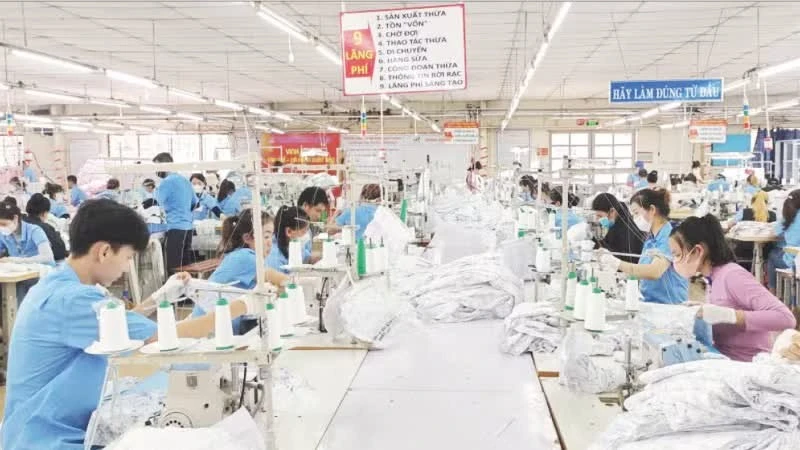
Why it matters: For brands sourcing from Vietnam and for competing manufacturing hubs, these on-the-ground cost pressures and operational pivots redefine the calculus of lead times, pricing, and supply chain resilience.
Context: Vietnam is a critical node in the global apparel supply chain, and its manufacturers have historically competed on cost and agility. This report details the specific financial and operational friction points emerging in 2026.
"Nguyen Dang Loi, General Director of Dong Xuan Knitting One Member Co., Ltd., said that the company recorded total revenue of 109.6 billion VND (4.19 million USD) in the first quarter of." — EN.NHANDAN.VN
Commentary: The ‘spinning like a top’ metaphor signals a move from planned efficiency to reactive survival, forcing a re-evaluation of lean inventory models. Brands must anticipate that these internal frictions will manifest as higher minimums, less flexibility on change orders, and potential quality control slippage as lines switch. The push for domestic sourcing and direct customer segment negotiation is a direct hedge against US tariff volatility, making Vietnamese suppliers more strategic partners than pure contractors.
Date: May 02, 2026 12:00 AM ET
URL: https://en.nhandan.vn/textile-sector-steps-up-production-amid-global-supply-pressures-post161728.html
AI Sentiment Score: Negative (66%)
AI Credibility Score: 10.0/10 — High
Scores and text generated by AI analysis of the source article indicated.
The New Regulatory Landscape (Earth911)
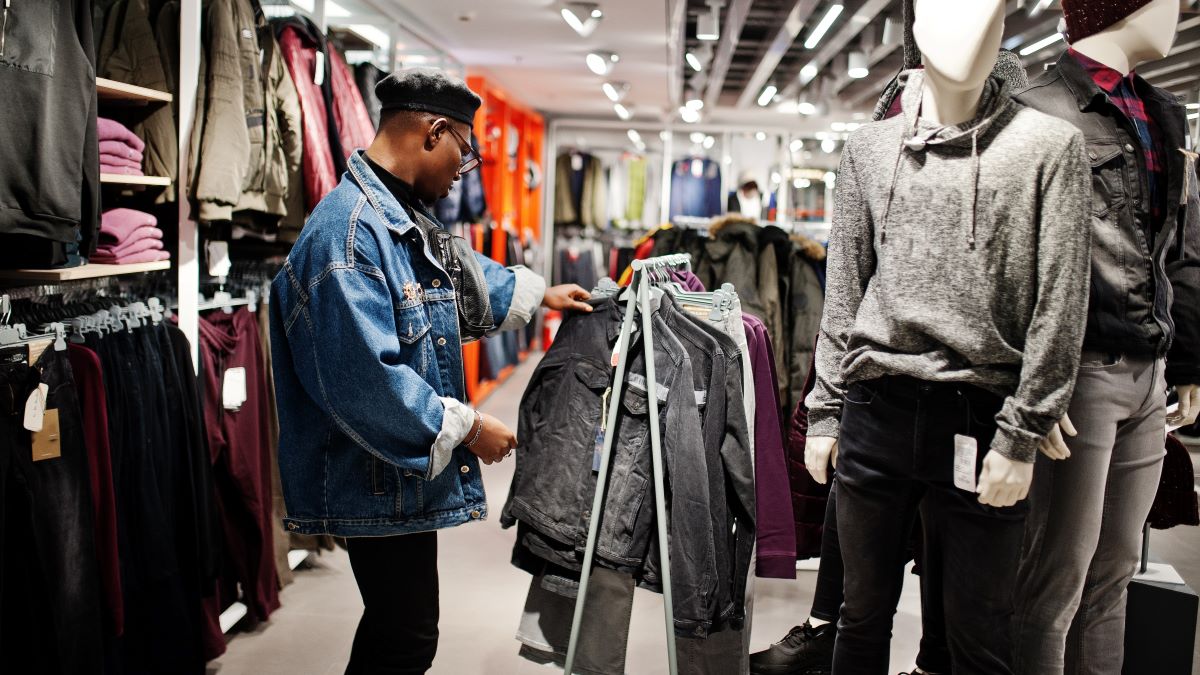
Summary: A wave of binding textile regulations is reshaping the fashion industry’s operating environment. California, France, and the EU are implementing extended producer responsibility (EPR) schemes and punitive taxes, with France’s law banning advertising for ultra-fast-fashion brands and mandating detailed point-of-sale environmental disclosures. These policies shift financial and compliance burdens directly onto brands and manufacturers.
Why it matters: For industry practitioners, these are not distant guidelines but imminent operational constraints that will alter cost structures, marketing strategies, and supply-chain due diligence.
Context: Regulatory pressure on fashion has escalated from voluntary sustainability pledges to enforceable mandates focused on waste, labor, and transparency, mirroring earlier shifts in electronics and packaging.
"The law imposes a per-item eco-tax starting at €5 and rising to €10 by 2030 (capped at 50 percent of retail price), bans advertising and influencer marketing of ultra-fast-fashion brands, requires point-of-sale environmental disclosures including carbon footprint and durability data, and carries fines of up to €100,000 for violating the ad ban." — EARTH911
Commentary: The French model, particularly the ad ban and per-item tax, creates a direct financial disincentive for the fast-fashion business model itself, not just its externalities. This could force a rapid recalculation of unit economics for affected brands and likely accelerate a bifurcation in the market between low-volume, high-durability producers and those attempting to adapt a high-volume model under new cost pressures. Compliance will require new internal tracking systems for durability and carbon data, creating a competitive edge for vendors offering integrated lifecycle assessment tools.
Date: April 29, 2026 12:00 AM ET
URL: https://earth911.com/style/a-stylish-investment-making-fashion-sustainable/
AI Sentiment Score: Negative (72%)
AI Credibility Score: 7.0/10 — Medium
Scores and text generated by AI analysis of the source article indicated.
Blog Articles – FASH455 Global Apparel & Textile Trade and Sourcing (Shenglufashion)
Summary: The article examines how U.S. fashion companies are adapting sourcing and pricing strategies in response to rising tariffs and geopolitical tensions. It highlights specific corporate responses, such as Oxford Industries shifting to higher-priced assortments and Victoria’s Secret pulling back on promotions to regain pricing power. The piece frames these as tactical adjustments within a constrained environment where cost pressures and rules of origin complicate traditional sourcing models.

Why it matters: For sourcing managers and brand strategists, these shifts redefine the operational calculus, forcing trade-offs between cost, compliance, and product positioning that directly impact margins and supply chain resilience.
Context: This analysis emerges from an academic course on global apparel trade, reflecting a practitioner-focused examination of real-world corporate adaptations to external pressures like tariffs.
"- Based on the videos, what have been the expected and unexpected impacts of tariffs on apparel-exporting countries? – Based on the videos, what ethical challenges emerge in apparel sourcing and global." — SHENGLUFASHION
Commentary: The move toward ‘elevated assortments’ and restrained promotions signals a strategic pivot from volume-driven to margin-driven growth, fundamentally altering brand economics. This shift pressures design and merchandising teams to justify higher price points through perceived value, while sourcing must navigate complex rules of origin to maintain cost structures. The feasibility of ‘responsible sourcing’ is now directly tested against these margin preservation mandates, likely accelerating nearshoring or FTA-focused sourcing for compliant, but not necessarily more ethical, supply chains.
Date: April 21, 2026 12:00 AM ET
URL: https://shenglufashion.com/blog/
AI Sentiment Score: Negative (57%)
AI Credibility Score: 10.0/10 — High
Scores and text generated by AI analysis of the source article indicated.
War and tariffs trigger historic shock in $82 bn US apparel sourcing (Fibre2Fashion)
Summary: The US apparel import market, valued at $82 billion, is experiencing its most severe supply chain shock since the pandemic due to war-driven disruptions in the Strait of Hormuz and the Red Sea. This has led to a surge in container freight rates, emergency war surcharges, and rising polyester costs, embedding a significant ‘war tax’ into garment production. While Bangladesh faces acute disruption, Vietnam and nearshore suppliers are gaining a sourcing advantage.
Why it matters: For sourcing executives, brand strategists, and supply chain managers, this shock forces immediate recalibration of cost structures, supplier portfolios, and inventory strategies.
Context: This disruption compounds a multi-year trend of shifting sourcing away from China due to tariffs, now testing the resilience of established alternative hubs.
"For an industry where more than per cent of clothing sold in America is imported, and where tariffs had already driven China’s share from .* per cent to **.* per cent in four years, this war-driven supply chain rupture arrives at the worst possible moment." — FIBRE2FASHION
Commentary: The immediate operational consequence is a forced acceleration of nearshoring and a hard reassessment of Vietnam’s capacity as a primary hub. Procurement teams must now model permanent freight and petrochemical volatility into cost sheets, moving beyond temporary surcharge planning. This will compress margins for brands reliant on high-volume, low-margin Asian sourcing, triggering a new wave of price increases and potentially accelerating direct-to-consumer shifts to preserve unit economics.
Date: April 29, 2026 12:00 AM ET
URL: https://www.fibre2fashion.com/news/apparel-news/war-and-tariffs-trigger-historic-shock-in-82-bn-us-apparel-sourcing-309054-newsdetails.htm
AI Sentiment Score: Negative (66%)
AI Credibility Score: 10.0/10 — High
Scores and text generated by AI analysis of the source article indicated.
US year-end review 2025: Caught in its own web – Fibre2Fashion (Fibre2Fashion)
Summary: US apparel tariffs, imposed with the stated aim of reshoring manufacturing, have instead disproportionately impacted an industry that sources 97% of its products overseas. Apparel accounted for only 2.5% of total US imports in 2024 but contributed 15.6% of total tariff duties, costing the sector $11.9 billion. Brands are absorbing costs and raising consumer prices, with high-end labels like Hermès and Burberry implementing increases while mid-tier and independent operators face margin compression and customer alienation.

Why it matters: For fashion practitioners, this fundamentally rewires sourcing economics, margin structures, and pricing strategies, forcing operational recalibration across the supply chain.
Context: This follows years of trade policy shifts that have eroded traditional low-cost sourcing advantages, pushing brands toward nearshoring despite capacity constraints.
"In 2024, apparel accounted for about 2.5 per cent of total US imports yet contributed approximately 15.6 per cent of total tariff duties, according to US International Trade Commission (USITC)." — FIBRE2FASHION
Commentary: The tariff structure creates a perverse incentive: it penalizes the industry’s existing import-dependent model without providing a viable onshore alternative, effectively taxing the US consumer. Supplier selection is shifting from pure cost to qualitative factors like speed and reliability, as low-tariff havens vanish. This will accelerate consolidation, favoring large, vertically-integrated players over thin-margin independents and custom houses.
Date: April 29, 2026 12:00 AM ET
URL: https://www.fibre2fashion.com/news/textile-news/us-year-end-review-2025-caught-in-its-own-web-307362-newsdetails.htm
AI Sentiment Score: Negative (50%)
AI Credibility Score: 10.0/10 — High
Scores and text generated by AI analysis of the source article indicated.
From LVMH to Walmart: The Retail Shifts Leaders Need to Watch World Retail Signals (Youtube)
Summary: LVMH’s reported first-quarter sales decline signals a broader pressure point in luxury retail, where pricing fatigue and shifting consumer definitions of value are challenging established brand economics. Concurrently, Sephora’s success highlights a counter-trend where experiential retail and curated formats are gaining ground. The analysis extends to department stores pivoting toward curation and services, and mass retailers like Walmart building adjacent customer ecosystems, framing a sector-wide realignment around perceived value and integrated journeys.

Why it matters: For brands and retailers, these shifts necessitate operational changes in pricing strategy, format investment, and ecosystem development to maintain margin and relevance.
Context: This follows a multi-year period of luxury sector expansion, now confronting consumer pushback on price inflation and a generational redefinition of luxury beyond logo.
"The episode opens with the pressure facing the luxury sector, following LVMH’s reported first-quarter sales decline and growing questions around whether luxury brands have fully adjusted to a changing consumer reality. The." — YOUTUBE
Commentary: The LVMH result is less a cyclical blip than a signal of a structural margin ceiling; procurement and product development teams must now justify cost increments with tangible craftsmanship or service narratives. Sephora’s model underscores that for beauty and adjacent categories, the in-store experience itself is becoming the core product, requiring investment in staff training and format design. Walmart’s ecosystem play, noted in the GLP-1 strategy, illustrates how mass retailers are competing on integrated health services, forcing luxury and mid-market players to define their own adjacency strategies beyond mere product.
Date: April 27, 2026 12:00 AM ET
URL: https://www.youtube.com/watch?v=o8TkaZU1FIc
AI Sentiment Score: Negative (80%)
AI Credibility Score: 10.0/10 — High
Scores and text generated by AI analysis of the source article indicated.
fashion brands’ purchasing practices during the US tariff … (Business-Humanrights)
Summary: A 2025-2026 study by the Business and Human Rights Centre tracked the downstream labor impacts of US tariff imposition on garment supply chains. It found that brands’ rapid reassessment of sourcing strategies led to order cancellations, price pressure, and sourcing shifts, transferring acute commercial shock directly to suppliers. This commercial pressure manifested as direct labor rights harms for workers.
Why it matters: For procurement officers, sourcing managers, and compliance teams, this documents how crisis-driven financial decisions directly violate ethical sourcing commitments and destabilize the supplier base.
Context: This follows a pattern where macroeconomic shocks (tariffs, pandemic, recession) expose the fragility of voluntary corporate social responsibility frameworks when they conflict with cost and speed imperatives.
"# Commercial priorities, human costs: fashion brands’ purchasing practices during the US tariff crisis Sweeping tariffs imposed by the United States in 2025 sent significant shockwaves through global garment supply chains –." — BUSINESS-HUMANRIGHTS
Commentary: The report explicitly frames ‘responsible purchasing practices’ as a non-conditional operational discipline, not a fair-weather policy. For brands, this means crisis sourcing playbooks must be audited for labor outcomes, not just cost savings. For suppliers, it provides documented leverage to push back on punitive order changes. The practical implication is that tariff mitigation now requires a human rights impact assessment as a core component of the supply chain response.
Date: April 28, 2026 12:00 AM ET
URL: https://www.business-humanrights.org/en/from-us/briefings/us-tariffs/
AI Sentiment Score: Negative (83%)
AI Credibility Score: 10.0/10 — High
Scores and text generated by AI analysis of the source article indicated.
US Clothing Imports Are Not Just Slowing, they Are Becoming … (Wto-Mww)
Summary: US apparel and footwear importers face a compounding set of pressures beyond slowing volume: volatile raw material and transport costs, unpredictable tariffs, shifting sourcing away from China, and elevated cargo security risks. The core challenge is timing, as these costs can materialize at different, unpredictable stages of the supply chain, from production to in-transit freight. With inventory buffers typically at six to eight weeks, there is little margin for error, turning a procurement exercise into a complex, integrated planning problem.

Why it matters: For fashion brands, importers, and logistics managers, this shifts the operational focus from simple cost negotiation to integrated risk management, demanding earlier coordination between sourcing, finance, and logistics teams.
Context: This follows a multi-year trend of decoupling from China, post-pandemic inventory recalibration, and rising geopolitical trade uncertainty, all occurring amid softer mid-market consumer demand.
"US Clothing Imports Are Not Just Slowing, they Are Becoming Harder to Plan … US apparel and footwear imports are weakening, but the bigger issue isnot volume alone. Apparel supply chains are." — WTO-MWW
Commentary: The article signals a move from siloed procurement to a systems-view of the supply chain, where margin protection now requires stress-testing sourcing against future tariffs, aligning routing with inventory placement, and treating cargo security as a direct financial variable. This will advantage larger, vertically integrated players and force mid-tier brands to either invest in supply chain visibility tools or cede margin to volatility. The practical consequence is that product development calendars and financial planning cycles must now incorporate contingency modeling for events that can occur after purchase orders are cut.
Date: April 23, 2026 12:00 AM ET
URL: https://www.wto-mww.com/en/post/us-clothing-imports-are-not-just-slowing-they-are-becoming-harder-to-plan
AI Sentiment Score: Negative (71%)
AI Credibility Score: 10.0/10 — High
Scores and text generated by AI analysis of the source article indicated.
Navigating Import Regulations for Textiles and Apparel … (Exploretex)
Summary: The 2026 trade environment for textiles and apparel has shifted decisively from liberalization to responsible regulation, with compliance now a core strategic function. Brands face stringent EU environmental criteria, a volatile US tariff landscape averaging 9.1%, and new complexity from the India-UK FTA. The operational margin for error has vanished; labeling is a legal document, and HTS code accuracy is non-negotiable.

Why it matters: Supply chain and finance teams must now treat customs compliance as a primary cost and risk center, requiring new vendor partnerships and real-time data integration.
Context: This follows a decade of escalating trade tensions and the mainstreaming of ESG mandates into hard law, moving compliance from a back-office task to a front-line brand imperative.
"In the global fashion economy of 2026, the movement of goods is no longer just about logistics—it is about data, transparency, and high-stakes compliance. For fashion brands and retailers, **navigating import regulations." — EXPLORETEX
Commentary: The practical consequence is a bifurcated sourcing strategy: basics from low-tariff FTA partners like India, and high-compliance, high-margin items from EU-aligned manufacturers. This forces brands to dual-track their supply chains, increasing operational overhead but mitigating total landed cost risk. The Supreme Court’s IEEPA ruling creates ongoing uncertainty, making tariff hedging a standard part of financial planning for US imports.
Date: April 22, 2026 12:00 AM ET
URL: https://exploretex.com/navigating-import-regulations-for-textiles-and-apparel/
AI Sentiment Score: Negative (70%)
AI Credibility Score: 10.0/10 — High
Scores and text generated by AI analysis of the source article indicated.
Kering : highlights its commitment to sustainability at the ChangeNOW Summit 2026 (Marketscreener)
Summary: Kering used the ChangeNOW Summit 2026 as a platform to stage its sustainability initiatives, blending executive presence with specific material and process innovations. The group announced the opening of a ‘Water Resilience Lab’ in the Arno basin and showcased Balenciaga garments made from novel materials like AMSilk and via Weffan’s 3D weaving technique. The event also served to promote winners of the Kering Generation Award X China, framing the conglomerate as a connector between startups and the luxury sector.

Why it matters: For industry practitioners, Kering’s actions signal a shift from reporting to operationalizing sustainability, creating new vendor pipelines and internal R&D benchmarks that competitors and suppliers must now match.
Context: Luxury conglomerates are under intensifying regulatory and consumer pressure to substantiate environmental claims, moving beyond carbon accounting to water stewardship and material circularity as key competitive metrics.
"a black wrap dress made from AMSilk, a synthetic silk inspired by the exceptional strength and fineness of spider silk and using 97% less water than conventional silk; and a suit created with the startup Weffan, which developed a unique 3D weaving technique. Beyond its distinctive aesthetic, this process significantly reduces fabric waste and production time while eliminating inefficiencies and excessive material use from the earliest creative stages." — MARKETSCREENER
Commentary: The Balenciaga showcase is less about a fashion moment and more about a supply-chain prototype. AMSilk and Weffan represent a tangible shift in sourcing criteria, where water consumption and pre-consumer waste become primary design constraints. This pressures other houses to either develop equivalent partnerships or risk being locked out of next-generation sustainable materials. The ‘Water Resilience Lab’ further institutionalizes this shift, moving sustainability from a CSR function to a core operational discipline with dedicated physical infrastructure.
Date: April 28, 2026 12:00 AM ET
URL: https://www.marketscreener.com/news/kering-highlights-its-commitment-to-sustainability-at-the-changenow-summit-2026-ce7f59d2d98bf72d
AI Sentiment Score: Negative (80%)
AI Credibility Score: 10.0/10 — High
Scores and text generated by AI analysis of the source article indicated.
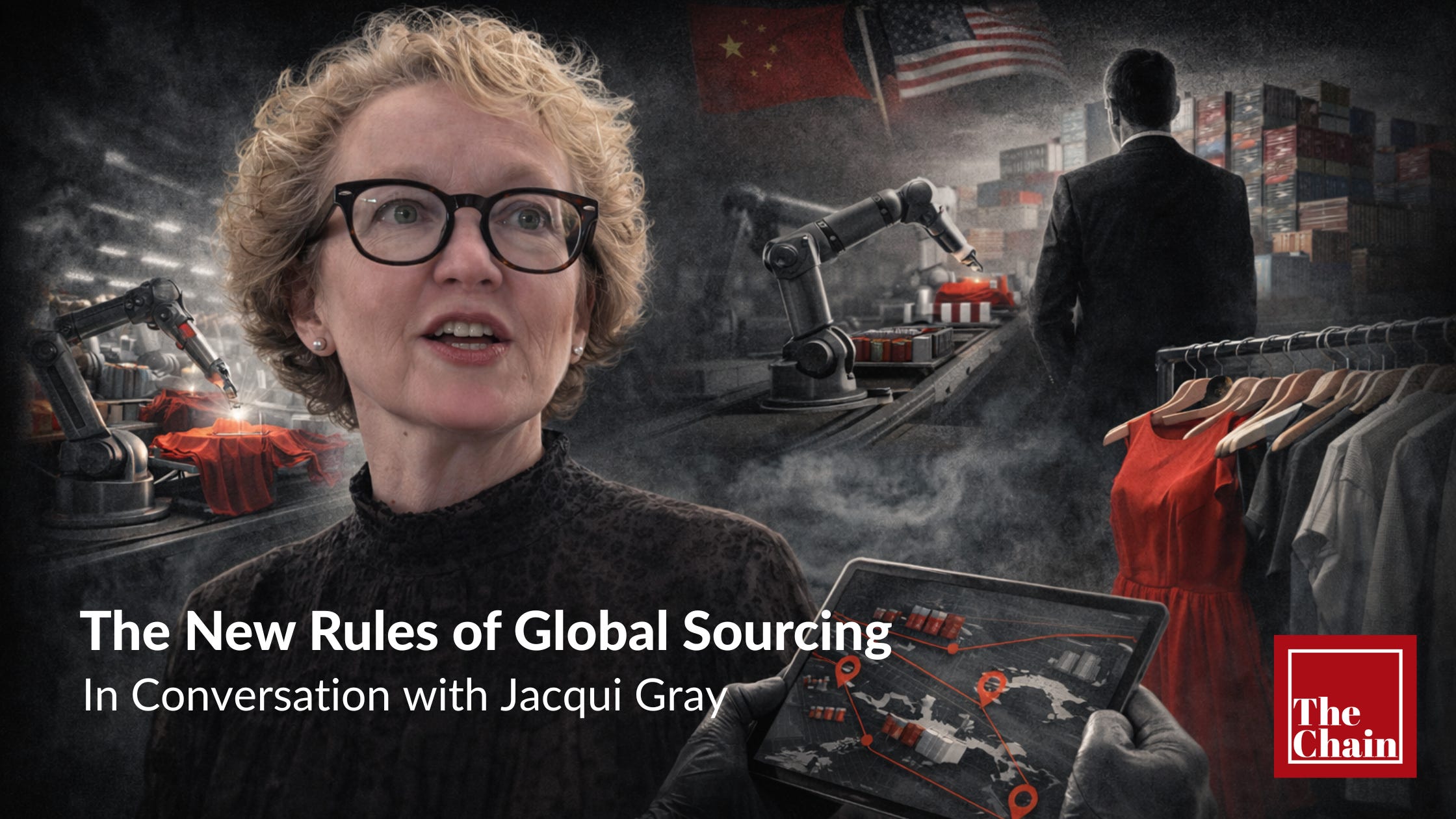
The New Rules of Global Sourcing: How Automation and … (Thechain.Media)
Summary: A veteran sourcing executive details the dual pressures reshaping apparel supply chains: an aging workforce in China driving automation adoption, and U.S. tariffs forcing a multi-year strategic reevaluation of production geography. The shift is not instantaneous; building new manufacturing capacity in alternative regions like Egypt requires years of investment and expertise. While AI tools are entering the workflow, traditional investigative skills remain paramount for identifying margin opportunities in a landscape that changes every six months.
Why it matters: For sourcing professionals, brand strategists, and production heads, these are the new operational constraints dictating cost, lead times, and supply chain resilience.
Context: Post-COVID labor shortages and escalating trade tensions have accelerated a long-term pivot away from reliance on monolithic sourcing hubs, making multi-regional, tech-augmented supply chains a competitive necessity.
"# The New Rules of Global Sourcing: How Automation and Geopolitics Are Reshaping Fashion Supply Chains ### A veteran sourcing executive shares hard-won insights on navigating factory floors, tariff wars, and the." — THECHAIN.MEDIA
Commentary: The five-year horizon for strategic shifts underscores that current sourcing decisions are now multi-year capital commitments, locking in cost structures and vendor relationships. This moves sourcing from a tactical procurement function to a core strategic planning discipline, demanding deeper financial modeling and scenario analysis from brands.
Date: April 30, 2026 12:00 AM ET
URL: https://www.thechain.media/p/the-new-rules-of-global-sourcing
AI Sentiment Score: Negative (80%)
AI Credibility Score: 7.0/10 — Medium
Scores and text generated by AI analysis of the source article indicated.
PVH (PVH) Investor Relations, Earnings Summary & Outlook (Quartr)
Summary: PVH’s 2026 proxy filing and aggregated earnings summaries reveal a company executing a disciplined, margin-focused strategy amid volatile revenue. The firm is navigating a ‘stable with continued growth’ 2026 outlook by prioritizing capital returns, operational efficiency, and brand strength over top-line expansion. Shareholder proposals focus on routine governance, including director elections and equity plan amendments.

Why it matters: For industry practitioners, PVH’s sustained margin discipline under CEO Stefan Larsson signals a broader apparel sector pivot from growth-at-all-costs to profitability and capital management, affecting vendor negotiations, sourcing strategies, and internal resource allocation.
Context: This follows a multi-year pattern in fashion where large brand groups like PVH (Calvin Klein, Tommy Hilfiger) are decoupling financial performance from unit sales, using pricing power and cost control to deliver returns even in soft demand environments.
"2025 saw 3% revenue growth, strong governance, and key proposals on compensation and equity plans." — QUARTR
Commentary: The 3% revenue growth against a backdrop of raised EPS guidance and margin beats underscores a fundamental shift in brand economics: success is now measured in profit per unit, not market share. This operational posture pressures the entire supply chain, from fabric mills to marketing agencies, to demonstrate ROI and efficiency gains. The proxy’s focus on equity plan amendments suggests PVH is institutionalizing this performance culture through long-term incentive structures tied to financial metrics, not just brand heat.
Date: April 30, 2026 12:00 AM ET
URL: https://quartr.com/companies/pvh-corp_6529
AI Sentiment Score: Positive (66%)
AI Credibility Score: 8.6/10 — High
Scores and text generated by AI analysis of the source article indicated.
The Ultimate Guide to Fashion Sourcing in 2026: Strategies for … (Exploretex)
Summary: A 2026 sourcing guide frames procurement as a strategic partnership defined by technical capability, scalability, compliance, and geography, moving beyond pure cost arbitrage. It emphasizes transparent cost engineering and supply chain resilience as core to brand profitability and reputation.

Why it matters: For practitioners, this codifies the operational shift from chasing low prices to managing a multi-variable risk and capability matrix, directly impacting production timelines, margin security, and brand viability.
Context: The sourcing function is evolving from a transactional cost center to a strategic competency, driven by consumer demand for transparency and the need for geopolitical and logistical resilience.
"The margin between a thriving global label and a struggling startup often comes down to the efficiency, sustainability, and reliability of their fashion sourcing networks. As consumer demands shift toward transparency, quality,." — EXPLORETEX
Commentary: The guide’s emphasis on open-book costing forces brands to develop deeper financial literacy across the bill of materials, shifting negotiation leverage from unit price to total value engineering. This operationalizes sustainability and ethics into tangible, auditable line items, making them non-negotiable components of the sourcing brief rather than marketing afterthoughts.
Date: April 21, 2026 12:00 AM ET
URL: https://exploretex.com/fashion-sourcing/
AI Sentiment Score: Negative (80%)
AI Credibility Score: 10.0/10 — High
Scores and text generated by AI analysis of the source article indicated.
How geopolitics is redefining fashion supply chains and … (Apparelviews)
Summary: Geopolitical volatility is forcing fashion brands to treat supply chain management as a core strategic function, moving it from procurement to leadership. The focus is shifting from pure cost optimization to building resilience against unpredictable disruptions in tariffs, shipping, and supplier compliance. This necessitates a deliberate ‘China plus one’ diversification strategy, executed category-by-category, and a move toward regionalized production for faster response cycles.
Why it matters: For sourcing, production, and operations teams, this redefines success metrics from lowest cost to dependable execution under pressure, altering vendor management, planning cycles, and internal coordination.
Context: The shift mirrors a broader industry move away from hyper-efficient, centralized global supply chains toward networked, risk-mitigated models, accelerated by post-pandemic and trade-policy realities.
"For years, fashion brands treated sourcing like a map problem. Pick the best country for price, capacity, and lead times, then scale. That playbook is getting rewritten. In today’s global environment, the." — APPARELVIEWS
Commentary: The operational consequence is that sourcing teams must now architect for flexibility, not just negotiate rates, requiring deeper integration with design and merchandising. This will favor brands with robust supplier management systems and real-time logistics visibility, while punishing those who treat diversification as a simple vendor relocation.
Date: April 23, 2026 12:00 AM ET
URL: https://www.apparelviews.com/how-geopolitics-is-redefining-fashion-supply-chains-and-why-execution-will-matter-more-than-geography/
AI Sentiment Score: Negative (50%)
AI Credibility Score: 10.0/10 — High
Scores and text generated by AI analysis of the source article indicated.
The Weekly Consensus – Consensus (Consensusadvisors)
Summary: Estée Lauder is arranging a €5 billion financing package via JP Morgan for a potential takeover of Spanish beauty group Puig, signaling a major consolidation play in the prestige beauty sector. Meanwhile, L’Oréal’s BOLD fund invests in body care brand Hanni, and Westman Atelier secures $15M from existing backers, indicating continued venture interest in niche, founder-led beauty brands. In adjacent lifestyle sectors, Varsity Brands is in talks to acquire Soccer.com and Lax.com, Laird Superfood acquires Terrasoul Superfoods for $48M, and sandwich chain Jersey Mike’s files confidentially for an IPO.
Why it matters: For beauty and lifestyle operators, these moves signal a tightening capital environment where strategic acquirers with strong balance sheets are hunting for scale, while niche brands must secure growth capital to remain independent or position for exit.
Context: The prestige beauty sector is undergoing rapid consolidation, with large players seeking to acquire scaled, family-owned portfolios (like Puig) to bolster market share and geographic reach, while venture funds double down on digital-native DTC brands.
"Estée Lauder arranging financing for potential €5 billion Puig takeover Estée Lauder is reportedly arranging financing for a potential takeover bid of Spanish beauty group Puig. The US cosmetics company has engaged." — CONSENSUSADVISORS
Commentary: A Puig acquisition would be a transformative, debt-funded play by Estée Lauder to capture a major European portfolio (Carolina Herrera, Paco Rabanne, Jean Paul Gaultier) and directly challenge L’Oréal’s luxury division. For beauty finance teams, the €5B financing package underscores the premium for global brand assets and could pressure other independents to consider strategic options. The parallel funding for Westman Atelier and Hanni shows venture capital’s bifurcated strategy: betting on both scaled M&A and early-stage brand incubation within the same cycle.
Date: April 27, 2026 12:00 AM ET
URL: https://consensusadvisors.com/04272026/
AI Sentiment Score: Negative (57%)
AI Credibility Score: 7.0/10 — Medium
Scores and text generated by AI analysis of the source article indicated.
Data-Driven Fashion Strategy for Brands and Retailers (Textilelearner.Net)
Summary: The fashion industry’s operational core is shifting from intuition-led cycles to a data-driven hybrid model focused on predictability and margin protection. Real-time demand sensing, powered by online signals, is replacing historical forecasting, enabling smaller batch production and rapid inventory adjustments. Personalization is now a baseline expectation, driving conversion through tailored experiences, while predictive analytics optimizes inventory and dynamic pricing protects profitability. Marketing spend is becoming fully measurable, allowing brands to allocate budgets based on performance and trend identification.

Why it matters: For practitioners, this signals a fundamental re-engineering of the product pipeline, where real-time data dictates design, production, and distribution decisions, directly impacting inventory costs, labor allocation, and vendor relationships.
Context: This transition mirrors broader retail digitization but is accelerated in fashion by volatile demand and thin margins, forcing a move from seasonal planning to continuous, signal-responsive operations.
"The fashion industry is not only driven by instinct alone; data sits at the core of how brands design, produce, price, and sell. What was once a creative-led industry is now a." — TEXTILELEARNER.NET
Commentary: The implication is a consolidation of advantage for brands with integrated data infrastructure, potentially widening the gap between large, tech-enabled players and smaller, intuition-reliant houses. For studios and crews, this means workflow integration with analytics platforms and a shift toward creating content designed for measurable performance. Vendor relationships will be strained by demands for smaller, faster runs, while post-production and distribution teams must adapt to real-time, data-informed adjustments.
Date: April 26, 2026 12:00 AM ET
URL: https://textilelearner.net/data-driven-fashion-strategy-for-brands-and-retailers/
AI Sentiment Score: Neutral (33%)
AI Credibility Score: 10.0/10 — High
Scores and text generated by AI analysis of the source article indicated.
Why Luxury Brands Are Integrating AI Fashion Photos Into … (Sociallifemagazine)
Summary: Luxury fashion houses are moving beyond experimental use of generative AI, integrating hyper-realistic digital visualization into core design workflows. This shift replaces flat sketches and swatches with AI-generated mockups that simulate textile drape, color interaction, and material behavior. The technology is positioned as a precision tool for pre-production, aiming to reduce misinterpretation between designers and pattern makers and accelerate iteration cycles.

Why it matters: For designers, pattern makers, and creative directors, this changes the fundamental constraints of the pre-production phase, altering timelines, vendor communication, and material sourcing decisions.
Context: This follows a broader industry trend of digital prototyping, but marks a pivot from CAD for technical specs to AI for creative intent and aesthetic validation.
"Luxury fashion has always been built on the foundation of uncompromising standards. When a design house creates a garment, the brand identity rests entirely on the visual perfection of that piece. ." — SOCIALLIFEMAGAZINE
Commentary: The operational consequence is a compression of the feedback loop between concept and sample, which could pressure traditional sample-making vendors and shift cost structures. However, it introduces a new dependency on the accuracy of AI material simulations, making the choice of model and training data a critical, non-creative sourcing decision for brands.
Date: April 26, 2026 12:00 AM ET
URL: https://sociallifemagazine.com/the-archive/precision-and-perfection-why-luxury-brands-are-integrating-ai-fashion-photos-into-their-creative-strategy/
AI Sentiment Score: Negative (66%)
AI Credibility Score: 10.0/10 — High
Scores and text generated by AI analysis of the source article indicated.
Product Failure Cost Analysis Reveals Retail’s Hidden … (Stylumia.Ai)
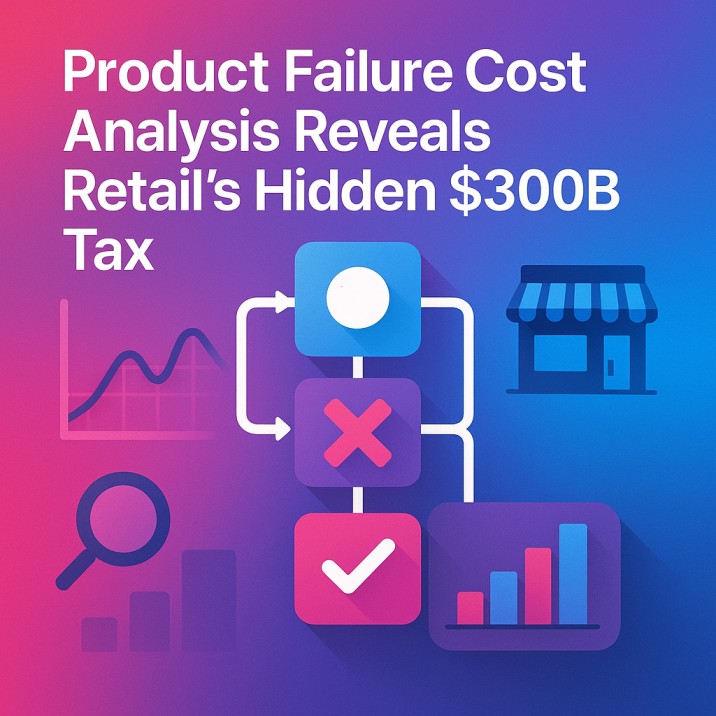
Summary: Stylumia.Ai’s 2026 analysis argues that retailers’ standard failure metrics—markdowns, sell-through, promotional units—only capture post-floor revenue loss, missing the full cost of a product failure. The report advocates for a more comprehensive model that includes pre-market sampling waste, contractual supplier minimum over-buys, fully allocated logistics costs for failed SKUs, and, most critically, the opportunity cost of capital misallocated from winners to losers.
Why it matters: For fashion buyers, planners, and CFOs, this shifts the performance analysis from reactive discount tracking to proactive capital allocation, directly impacting margin preservation and growth potential.
Context: This reflects a broader industry push toward data-driven, unit-economics-aware sourcing and assortment planning, moving beyond top-line sell-through to scrutinize the entire product lifecycle cost.
"Here is what most retailers track when a product fails. Markdown percentage. Discount depth. Sell-through rate. Units moved at promotional price. These metrics tell you how much revenue you lost after the." — STYLUMIA.AI
Commentary: The operational consequence is a mandate for integrated planning systems that tie buying budgets directly to real-time sell-through and demand-sensing data, forcing a re-evaluation of vendor relationships built on inflexible MOQs. For brands, the pressure will mount to offer more flexible minimums or consignment models, as retailers seek to minimize the ‘supplier minimum waste’ line item.
Date: April 23, 2026 12:00 AM ET
URL: https://www.stylumia.ai/blog/product-failure-cost-analysis-reveals-retails-hidden-300b-tax/
AI Sentiment Score: Negative (71%)
AI Credibility Score: 10.0/10 — High
Scores and text generated by AI analysis of the source article indicated.
Explainer: Fashion’s New Tariff Threat (Transparentem)
Summary: The US is accelerating trade investigations into 60 economies, including major fashion supply hubs, with a focus on forced labor prevention. This creates a dual risk: potential country-level tariffs raising costs, and product-level bans under existing forced labor laws blocking shipments. The core operational requirement is deep, documented traceability down to raw materials, challenging the industry’s complex, opaque supply chains.

Why it matters: For fashion practitioners, this shifts compliance from a cost-center function to a core operational constraint, directly impacting sourcing economics, vendor management, and product flow.
Context: This follows the Uyghur Forced Labor Prevention Act (UFLPA), which prompted many brands to shift production out of China into ‘satellite’ countries like Vietnam and Bangladesh. The new probe extends that pressure geographically and deepens the traceability mandate.
"This week, the Trump administration took a big step towards imposing new tariffs on fashion imports. A public hearing for trade investigations into 60 economies, including a number of fashion supply hubs." — TRANSPARENTEM
Commentary: The investigation transforms traceability from a reputational safeguard into a direct determinant of market access and cost structure. Brands that relied on geographic rerouting now face a systemic documentation burden; failure cascades into blocked shipments and stranded inventory. This pressures investment into supply-chain mapping technologies and renegotiations with suppliers, likely consolidating sourcing among fewer, more transparent vendors.
Date: April 30, 2026 12:00 AM ET
URL: https://transparentem.org/explainer-fashions-new-tariff-threat/
AI Sentiment Score: Negative (85%)
AI Credibility Score: 7.0/10 — Medium
Scores and text generated by AI analysis of the source article indicated.
Apparel News – DFU Publications (Dfupublications)
Summary: A May 2026 industry news digest reveals a concentrated shift in Indian apparel retail strategy, pivoting from physical expansion to operational efficiency and targeted engagement. Key developments include Westside achieving a 12-day design-to-shelf cycle, Zara India facing margin compression, and a broad industry focus on return ratios over store count. The data shows acceleration in Tier-II and III market penetration, the scaling of celebrity-led collaborations and D2C models, and a strategic realignment towards speed, digital integration, and premiumization.
Why it matters: For brands, vendors, and distributors, this signals a fundamental recalibration of capital allocation, supply chain priorities, and market entry tactics.
Context: This follows years of aggressive retail footprint expansion, now colliding with margin pressure and the need for smarter capital deployment in a fragmented, value-conscious market.
"All Section Home News Fashion Brand Apparel Life Style Retail Start Up Textile Trade` Global Article Fashion Brand Apparel LS Retail Start Up Textile Trade Global Article What Are You Looking For?" — DFUPUBLICATIONS
Commentary: The operational pivot to speed and unit economics pressures sourcing agents and manufacturers to compress lead times and offer greater flexibility, while landlords in Tier-II cities gain leverage as expansion targets. The margin pressure on Zara indicates that even scaled fast-fashion operators are not immune to local competition and cost inflation, forcing a reevaluation of global playbooks for the Indian context.
Date: April 30, 2026 12:00 AM ET
URL: https://dfupublications.com/index.php/apparel-news
AI Sentiment Score: Negative (66%)
AI Credibility Score: 10.0/10 — High
Scores and text generated by AI analysis of the source article indicated.
Post ID: 3512410a