Germany’s Foreign Policy and Military Role
Armenia balances on the tightrope between Russia and the EU (Dw)
Summary: Armenia is hosting the inaugural EU-Armenia summit and a European Political Community meeting in Yerevan, signaling a deliberate pivot toward the West. This diplomatic push, occurring a month before parliamentary elections, is framed by the government as a historic step and is met with rising public pro-EU sentiment. However, the move is a cautious balancing act, as Armenia seeks to diversify partnerships without severing critical economic and security ties to Russia, which is responding with increased threats and disinformation campaigns.

Why it matters: Armenia’s calibrated realignment tests the EU’s capacity to anchor a partner in Russia’s traditional sphere of influence, with immediate consequences for regional security, energy corridors, and the stability of a government facing an election under hybrid warfare pressure.
Context: This follows years of Armenian disillusionment with the Russia-led CSTO following the 2020 Nagorno-Karabakh war, creating an opening for the EU to expand its Eastern Partnership amid broader competition with Moscow.
"Armenia balances on the tightrope between Russia and the EU May 5, 2026"I believe this move toward Europe is a historic step for Armenia," Varduhi Gasapryan, a young Armenian woman, told DW." — DW
Commentary: The summit’s timing, one month before elections, transforms EU engagement into an explicit, on-the-ground campaign asset for Pashinyan, making the partnership a domestic political fact. Russia’s response—threats and cyber operations—validates the risk of the pivot but also hardens the Armenian public’s shift, creating a feedback loop that could accelerate the very break Moscow seeks to prevent. The EU’s deployment of counter-disinformation specialists marks a new, operational layer of support, moving beyond rhetoric to direct institutional defense.
URL: https://www.dw.com/en/armenia-balances-on-the-tightrope-between-russia-and-the-eu/a-77055231?maca=en-rss-en-all-1573-rdf
AI Sentiment Score: Negative (71%)
AI Credibility Score: 10.0/10 — High
Scores and text generated by AI analysis of the source article indicated.
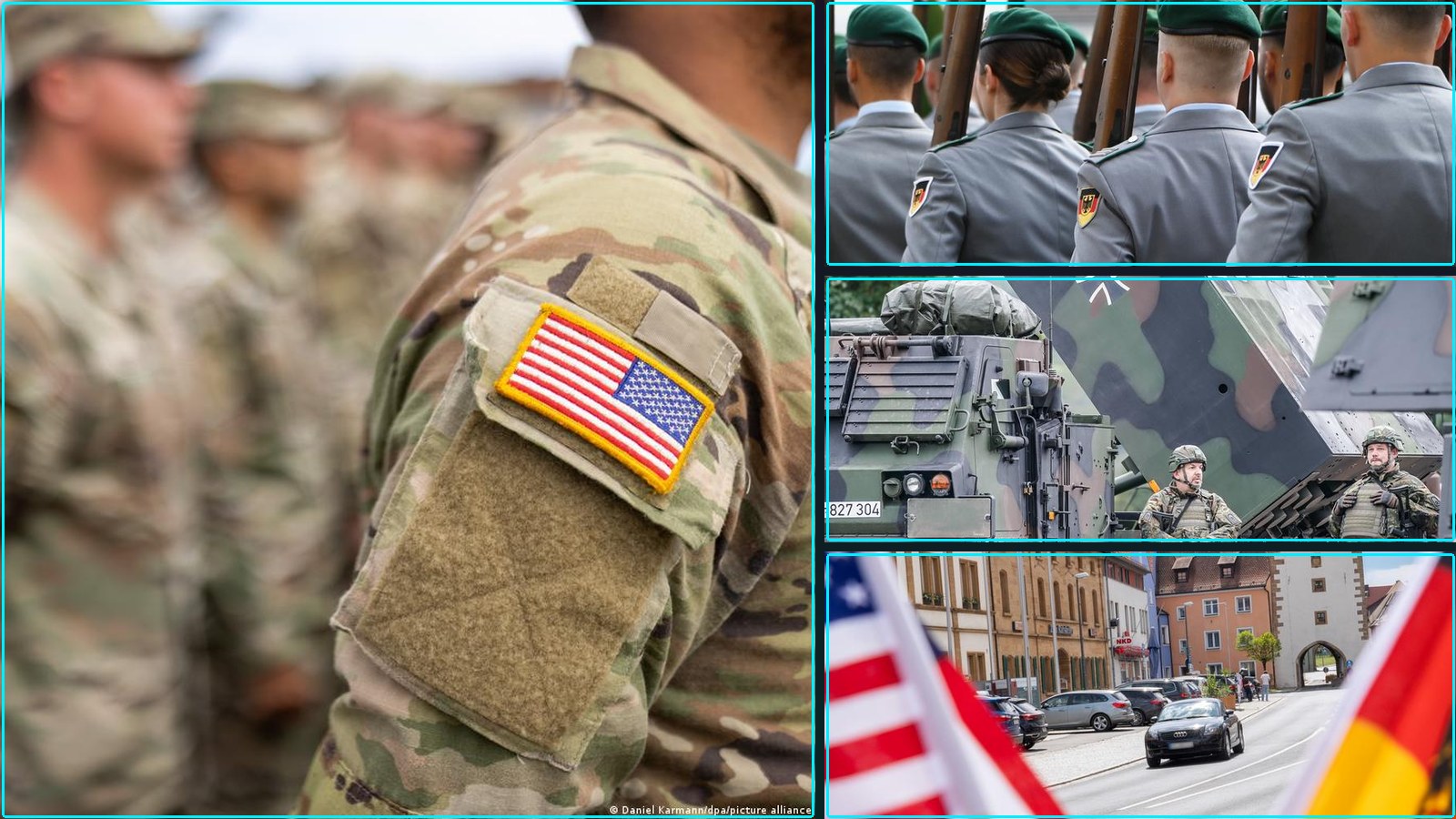
The significance of US military bases in Germany (Dw)
Summary: The US has ordered a withdrawal of approximately 5,000 troops from Germany following diplomatic friction between President Trump and Chancellor Merz over Iran policy. This reduction, while modest, highlights the persistent political vulnerability of the US military footprint in Germany, a network of over 40 facilities hosting 35,000-39,000 soldiers and 13,000 Air Force personnel. These bases, concentrated in the south and southwest, serve critical strategic functions: Ramstein Air Base is the largest US base outside the US and a global logistics and drone relay hub; Stuttgart houses EUCOM and AFRICOM; and Grafenwöhr hosts NATO’s premier training center. The presence also represents a significant economic force in rural regions, directly employing over 10,000 Germans and contributing billions annually to local economies.
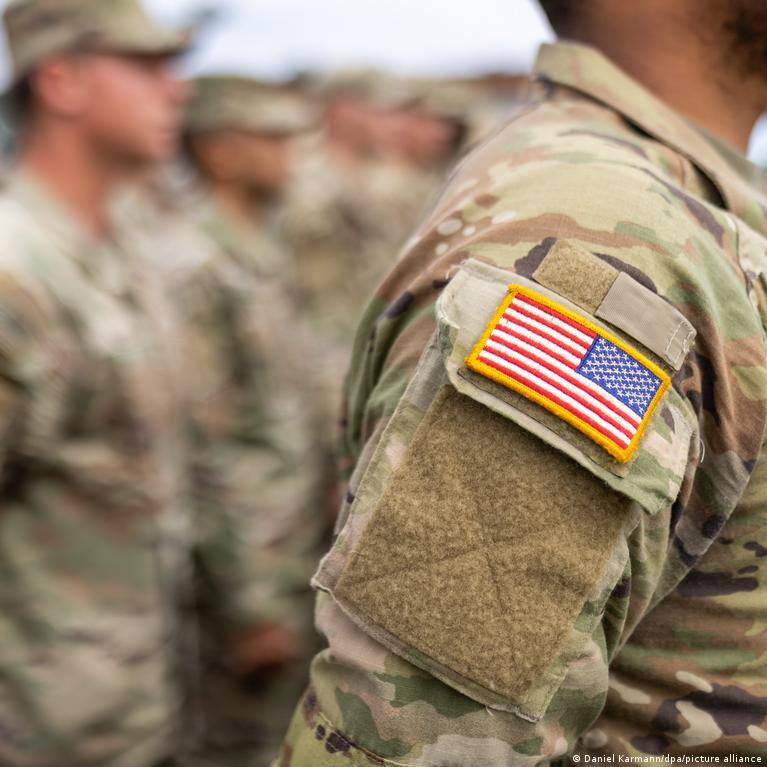
Why it matters: A politically contingent US military posture in Central Europe directly affects NATO’s operational readiness, regional economic stability, and the alliance’s deterrent credibility amid ongoing conflict.
Context: This is a recurring pattern of using troop levels as a diplomatic lever, but the 2026 withdrawal order follows a specific policy dispute, testing the resilience of a post-Cold War basing architecture that has already been downsized from its 1980s peak.
"The significance of US military bases in Germany May 2, 2026US President Donald Trump didn’t like Chancellor Friedrich Merz’s latest statements on the Iran war, that much was clear from Trump’s recent." — DW
Commentary: The operational centrality of Ramstein, particularly for drone warfare and global force projection, creates a paradox: while strategically indispensable, it becomes a high-value political target in bilateral spats. The announced drawdown, though limited, signals a continued willingness to treat forward-deployed assets as transactional, which could gradually erode the long-term planning certainty required for infrastructure like the Landstuhl hospital or the Joint Multinational Readiness Center. For host communities, this injects volatility into local economies built around a presumed permanent presence.
URL: https://www.dw.com/en/the-significance-of-us-military-bases-in-germany/a-77015428?maca=en-rss-en-all-1573-rdf
AI Sentiment Score: Negative (50%)
AI Credibility Score: 10.0/10 — High
Scores and text generated by AI analysis of the source article indicated.
Germany unveils first-ever military strategy for Bundeswehr (Dw)
Summary: Germany’s Ministry of Defense has published its first-ever formal military strategy, a suite of documents that explicitly names Russia as the greatest immediate threat to Germany and NATO. The strategy commits to building a 460,000-strong force by the mid-2030s, with a ‘fastest possible growth’ target for 2029, and introduces a ‘comprehensive concept’ including a reserve strategy and a plan to slash internal bureaucracy. While operational details remain classified, the move institutionalizes a profound shift in German defense posture from a post-Cold War era of restraint to one of explicit preparation for high-intensity conflict.
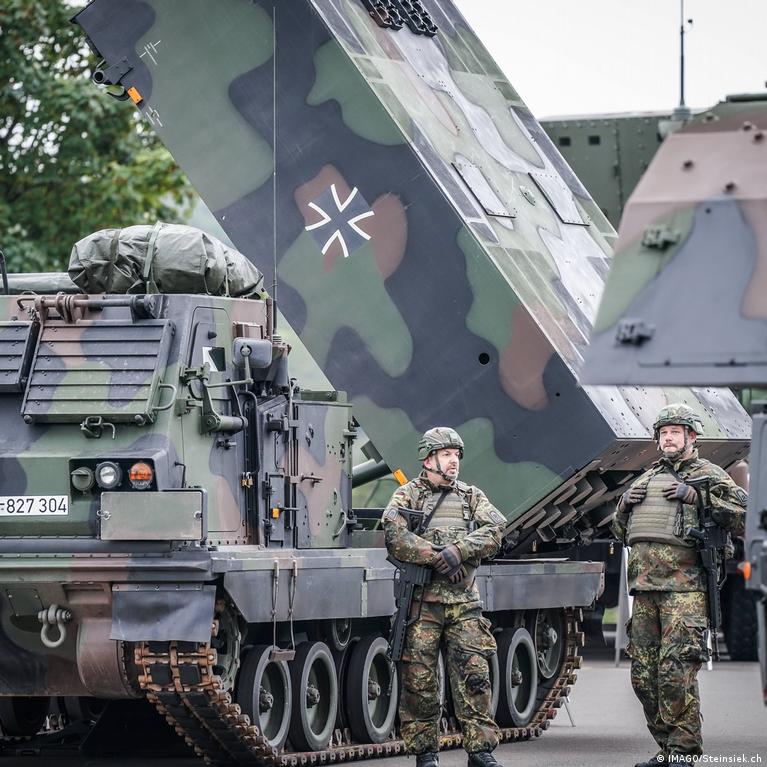
Why it matters: This codifies Germany’s pivot from a civilian power to a rearming, conventional military leader in Europe, with direct implications for NATO’s eastern flank, continental defense industrial policy, and the political calculus in Berlin regarding conscription and spending.
Context: The strategy follows years of incremental increases to the German defense budget and force structure since the 2022 Russian invasion of Ukraine, but marks a departure by providing a doctrinal foundation for those changes and setting a public, quantified ambition for European military primacy.
"Germany unveils first-ever military strategy for Bundeswehr April 23, 2026The German Bundeswehr has for the first time officially adopted a military strategy, citing an increasingly dangerous international situation. The strategy defines the." — DW
Commentary: The operational silence around the classified scenarios is as telling as the public threat assessment; the Bundeswehr is now planning for specific warfighting contingencies, not abstract deterrence. The parallel ‘debureaucratization’ push and ‘living document’ framing reveal an institution attempting to shed its peacetime, consensus-driven culture to achieve the agility its new strategic environment demands.
URL: https://www.dw.com/en/germany-unveils-first-ever-military-strategy-for-bundeswehr/a-76914837?maca=en-rss-en-all-1573-rdf
AI Sentiment Score: Negative (75%)
AI Credibility Score: 10.0/10 — High
Scores and text generated by AI analysis of the source article indicated.
Why Germany wants a seat at the UN Security Council (Dw)
Summary: Germany is campaigning for a non-permanent seat on the UN Security Council for the 2027-28 term, with Foreign Minister Johann Wadephul actively lobbying for votes. The bid faces complications, as Germany entered the race late and must now seek support outside its traditional Western European bloc, primarily from African nations. Wadephul frames Germany’s candidacy around its diplomatic experience and engagement, not financial contributions, while aligning with African demands for Security Council reform.
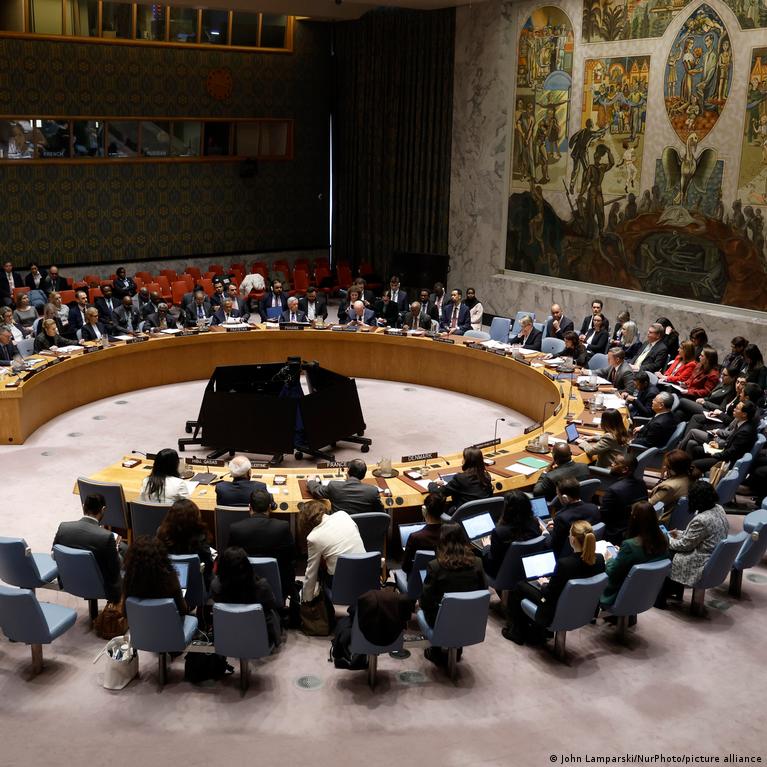
Why it matters: Germany’s push for a Security Council seat tests the resilience of multilateral diplomacy and signals a European power’s attempt to reclaim influence within a strained global order.
Context: This campaign occurs amid widespread questioning of the UN’s efficacy and a global shift toward multipolar competition, where Security Council membership remains a key lever of diplomatic prestige and operational influence.
"The slogan is, I would say, take a country which has experience and which has the interest to have more understanding for other countries and for other continents,." — DW
Commentary: Germany’s late-stage, Africa-focused lobbying reveals a pragmatic, coalition-dependent path to power within a sclerotic institution. Its success or failure will serve as a barometer for the viability of traditional diplomatic channels and the specific currency of German influence in a fragmenting world.
URL: https://www.dw.com/en/why-germany-wants-a-seat-at-the-un-security-council/a-76979443?maca=en-rss-en-all-1573-rdf
AI Sentiment Score: Neutral (33%)
AI Credibility Score: 10.0/10 — High
Scores and text generated by AI analysis of the source article indicated.
US to withdraw thousands of troops from Germany (Dw)
Summary: The Pentagon has ordered a withdrawal of approximately 5,000 US troops from Germany, a 14% reduction to be completed within six to twelve months. The announcement followed public criticism of Germany by President Trump and new tariffs on EU autos, with a senior Pentagon official citing recent German rhetoric as ‘inappropriate and unhelpful.’ German defense officials expressed surprise, noting prior constructive talks and Germany’s logistical support for US operations.
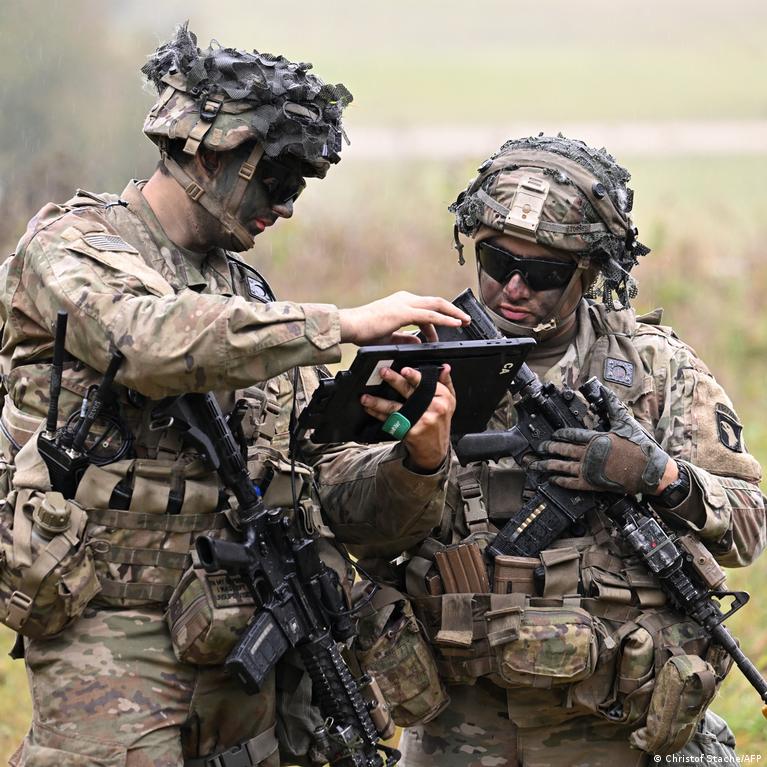
Why it matters: This realigns the foundational US security commitment in Europe, directly linking force posture to diplomatic friction and accelerating European calls for strategic autonomy.
Context: The US maintains roughly 36,000 active-duty personnel in Germany, its largest European footprint, a legacy of Cold War positioning. The drawdown occurs amid ongoing NATO debates over burden-sharing and European defense investment targets.
""The decision follows a thorough review of the Department’s force posture in Europe and is in recognition of theater requirements and conditions on the ground," he added." — DW
Commentary: The operational rationale is secondary to the political signal: this is a punitive adjustment, not a strategic recalculation. It will strain NATO’s operational planning, particularly for Eastern European security, while validating German Defense Minister Pistorius’s push for a ‘more self-reliant Europe.’ The move effectively monetizes the US security suggest, tying it directly to diplomatic compliance.
URL: https://www.dw.com/en/us-to-withdraw-thousands-of-troops-from-germany/a-77016071?maca=en-rss-en-all-1573-rdf
AI Sentiment Score: Negative (75%)
AI Credibility Score: 10.0/10 — High
Scores and text generated by AI analysis of the source article indicated.
Trump vows to cut US troops stationed in Germany ‘way down’ (Dw)
Summary: The Trump administration announces a withdrawal of US troops from Germany, exceeding the previously stated 5,000 figure. Defense Minister Boris Pistorius frames the move as expected, urging greater European defense responsibility, while analysts warn of immediate capability gaps for NATO’s eastern flank and ripple effects on Ukraine support. The mayor of Ramstein-Miesenbach interprets the decision as politically motivated punishment, highlighting the economic and strategic stakes for the host region.
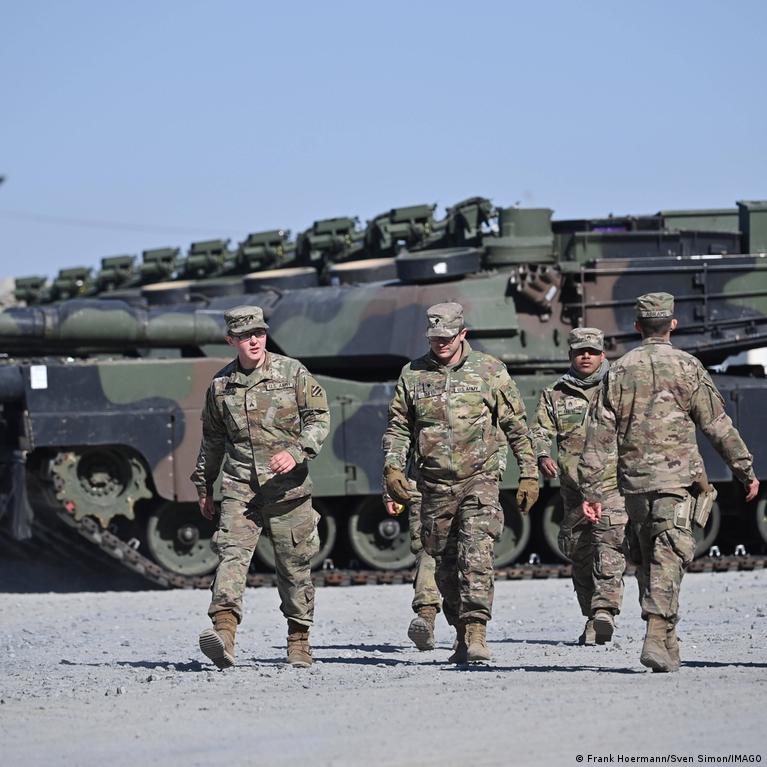
Why it matters: The withdrawal accelerates a realignment of transatlantic security burdens, forcing European capitals to rapidly operationalize long-deferred defense integration under conditions of strained industrial capacity and ongoing conflict.
Context: This follows a pattern of transactional pressure from the Trump administration on NATO allies, coupled with persistent European underinvestment in conventional deterrence, now colliding with the operational demands of supporting Ukraine.
"There is no way that Germany and other European countries which will be affected by this withdrawal, let’s say Poland and the Baltics, can fill this capabilities gap." — DW
Commentary: The operational tempo required to backfill US capabilities exposes a core vulnerability: European defense industrial policy remains structurally decoupled from the urgent need for interoperable, high-volume production. The concurrent warning of delayed US weapons deliveries compounds the risk, creating a multi-front readiness crisis for NATO’s eastern flank at precisely the moment Russia is reconstituting its forces.
URL: https://www.dw.com/en/trump-vows-to-cut-us-troops-stationed-in-germany-way-down/live-77018194?maca=en-rss-en-all-1573-rdf
AI Sentiment Score: Negative (80%)
AI Credibility Score: 10.0/10 — High
Scores and text generated by AI analysis of the source article indicated.
Vilseck, Germany: A town on edge over US troop withdrawal (Dw)
Summary: The Bavarian town of Vilseck, economically dependent on the adjacent Grafenwöhr military training area, faces potential economic dislocation as geopolitical friction between a re-elected President Trump and Chancellor Friedrich Merz triggers renewed threats of a US troop withdrawal. Mayor Thorsten Grädler’s first day in office was marked by the announcement, highlighting a regional economy where €650-700 million in annual impact and 3,000 jobs are tied to the US presence. Local businesses, from the historic Hotel Angerer to Vroni’s Hundesalon, report clientele panic-booking services, while contingency planning focuses on converting land into an industrial park to attract defense and trade firms.
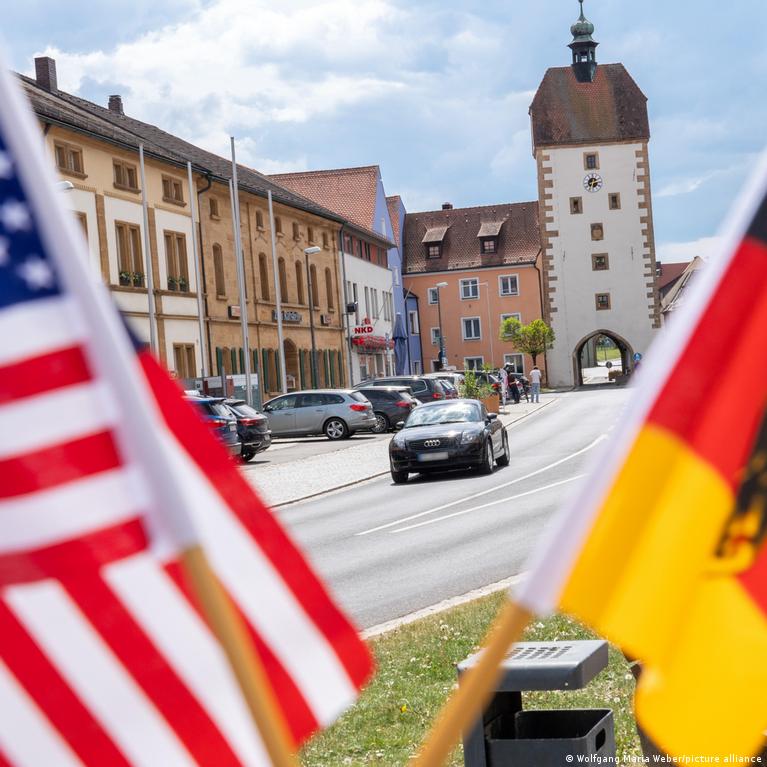
Why it matters: It demonstrates how local communities become strategic pressure points and economic collateral in great-power disputes, testing municipal resilience and forcing adaptation plans that may permanently alter regional character.
Context: This echoes the 2020 Trump-era troop withdrawal threats, but within a fictional 2026 scenario of escalated US-Europe tensions over tariffs and Iran, illustrating the cyclical vulnerability of host communities to alliance volatility.
"The military training area generates an economic impact of €650 to €700 million ($765 to $824 million). That includes construction contracts, major projects, supermarkets, auto repair shops, and rental apartments. With 3,000 jobs, it is one of the largest employers in the region." — DW
Commentary: The planned €800 million infrastructure investment alongside withdrawal threats creates a credibility trap for both US strategy and German local planning, forcing municipalities like Vilseck to hedge with industrial conversion—a shift from a symbiotic garrison town to a potentially more brittle, defense-contractor hub. The local narrative of ‘Groundhog Day’ underscores a deeper institutional fatigue, where long-term civic and business planning becomes impossible under the shadow of capricious alliance politics.
URL: https://www.dw.com/en/vilseck-germany-a-town-on-edge-over-us-troop-withdrawal/a-77081982?maca=en-rss-en-all-1573-rdf
AI Sentiment Score: Negative (66%)
AI Credibility Score: 10.0/10 — High
Scores and text generated by AI analysis of the source article indicated.
Germany news: Rise in young people refusing military service (Dw)
Summary: Germany’s military spending rose 24% in 2025, making it the world’s fourth-largest defense spender. Concurrently, applications for conscientious objector status reached 3,867 in 2025, a trend accelerated by a new military service law mandating screening for young men. The data reveals a widening gap between state security investment and individual civic dissent, set against a backdrop of rising geopolitical tensions and domestic legal challenges to border controls.
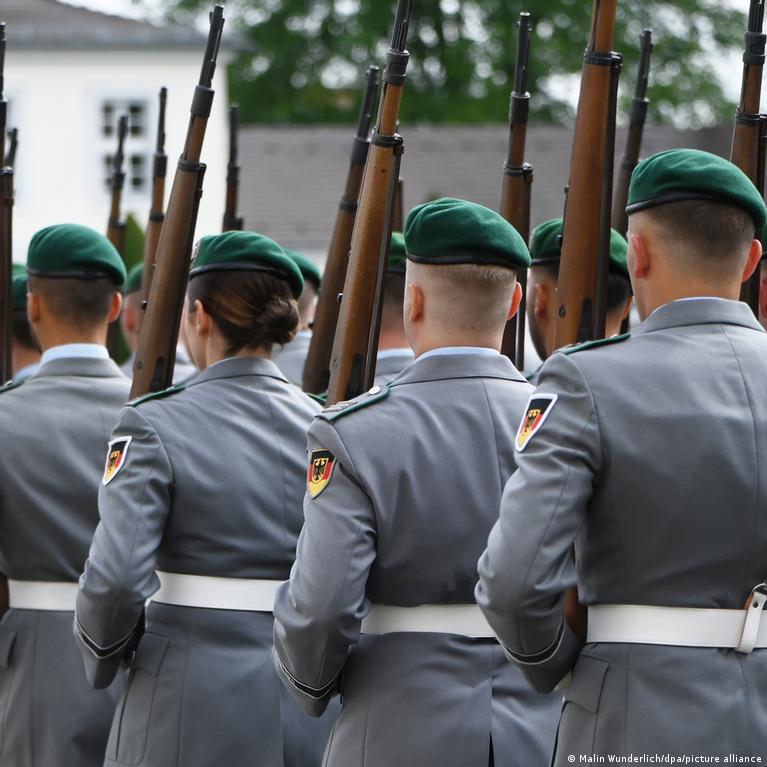
Why it matters: This divergence between national security expenditure and citizen participation signals a potential crisis of legitimacy for state mobilization efforts, with implications for European defense cohesion and civil-military relations.
Context: Germany has suspended conscription since 2011 but is now implementing a new law to bolster voluntary recruitment, while aiming to increase defense spending to 3.5% of GDP by 2029.
"Applications for conscientious objection have continued to rise in Germany, according to a report, amid a tense security environment and the introduction of a new military service law." — DW
Commentary: The simultaneous surge in defense spending and conscientious objection applications highlights a core tension in Germany’s post-2022 security pivot: the state’s fiscal and strategic commitment is not automatically translating into popular buy-in. This creates a vulnerability for Berlin’s ambitious rearmament agenda, potentially forcing harder choices between incentives, coercion, and a reevaluation of societal contracts around service.
URL: https://www.dw.com/en/germany-news-rise-in-young-people-refusing-military-service/live-76948211?maca=en-rss-en-all-1573-rdf
AI Sentiment Score: Negative (50%)
AI Credibility Score: 10.0/10 — High
Scores and text generated by AI analysis of the source article indicated.
Germany news: Greens and CDU agree Baden-Württemberg deal (Dw)
Summary: A coalition deal between the Greens and CDU in Baden-Württemberg will install Cem Özdemir as Germany’s first state premier of Turkish descent, signaling a shift in regional power dynamics. Concurrently, Germany reports a sharp 32% year-on-year drop in asylum applications for April 2026, attributed to expanded border controls and a forthcoming EU asylum reform. Other headlines include widening income inequality, a new emergency food stock system, and May Day protests against planned welfare cuts.
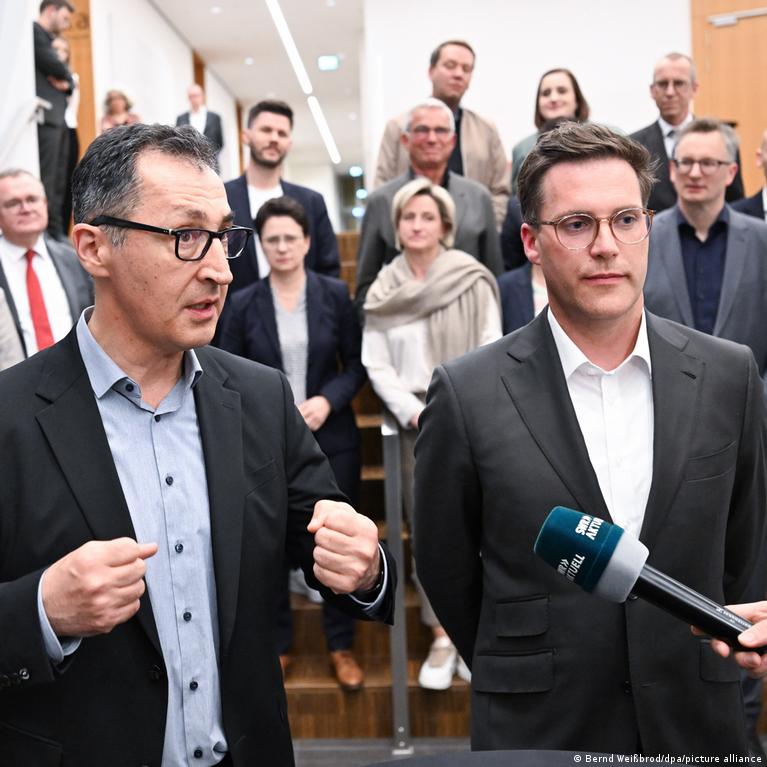
Why it matters: The asylum data and coalition terms reflect Germany’s hardening migration stance and a political realignment that could influence national policy, while the economic and social tensions highlighted by protests and Oxfam data point to domestic instability.
Context: Baden-Württemberg has been a Green-led stronghold since 2011; this ‘pizza coalition’ renewal tests the party’s ability to govern with conservatives amid tied seats. The asylum drop follows Germany’s extension of internal EU border checks and aligns with broader EU trends.
"Germany news: Greens and CDU agree Baden-Württemberg deal Published May 1, 2026last updated May 1, 2026What you need to know – The Green Party and conservative Christian Democrats have hammered out details." — DW
Commentary: The asylum decline is a political win for Interior Minister Dobrindt, validating a restrictive, enforcement-heavy approach. It also preempts the EU’s new asylum rules, positioning Germany as a de facto policy leader. However, the sustainability of such controls and their humanitarian costs remain unaddressed in the data.
URL: https://www.dw.com/en/germany-news-greens-and-cdu-agree-baden-württemberg-deal/live-77008112?maca=en-rss-en-all-1573-rdf
AI Sentiment Score: Negative (60%)
AI Credibility Score: 10.0/10 — High
Scores and text generated by AI analysis of the source article indicated.
German economy growth forecasts halved (Dw)
Summary: Germany’s Economy Minister Katherina Reiche has halved the country’s 2026 growth forecast to 0.5%, citing the war in the Persian Gulf and the closure of the Strait of Hormuz as primary external shocks. The conflict has triggered an energy-price shock, pushing inflation to a projected 2.8% and stalling a nascent post-stagnation recovery. Internally, the minister warns that Germany’s low potential growth and declining industrial competitiveness are structural problems now amplified by the crisis, with public debt rising to finance government investment.
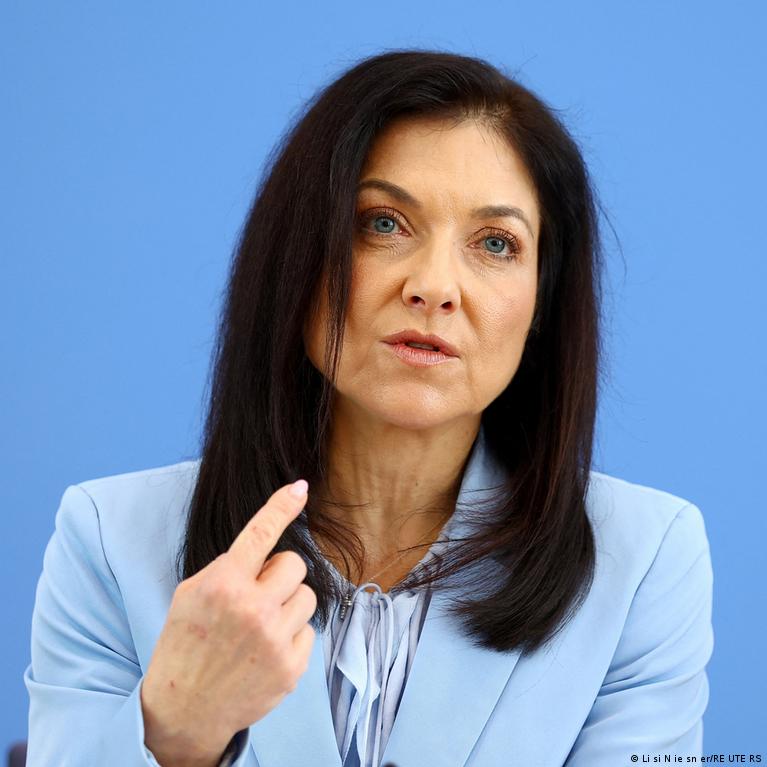
Why it matters: Germany’s economic deceleration, driven by geopolitical energy shocks and deep-seated structural weaknesses, will constrain the EU’s core engine, affecting regional stability, supply chains, and the fiscal capacity of a major global exporter.
Context: This follows years of German economic stagnation (2023-2025) and echoes previous energy crises, but now unfolds against a backdrop of intense domestic debate over state intervention, industrial policy, and tax measures to manage costs.
"The war in the Middle East has triggered an energy‑price shock beyond our control, and it is weighing heavily on both households and the economy." — DW
Commentary: The forecast revision crystallizes a pivot from cyclical to structural crisis management. Reiche’s rejection of price caps and profit taxes, while highlighting refinery flight risks, signals a political commitment to market discipline even amid stagflationary pressures—a stance that will test social cohesion as debt service crowds out social spending.
URL: https://www.dw.com/en/german-economy-growth-forecasts-halved/a-76921673?maca=en-rss-en-all-1573-rdf
AI Sentiment Score: Negative (66%)
AI Credibility Score: 10.0/10 — High
Scores and text generated by AI analysis of the source article indicated.
Germany’s entrepreneurs betting on post-Maduro Venezuela (Dw)
Summary: A speculative 2026 dispatch reports German entrepreneurs cautiously positioning for Venezuela’s economic reopening following the forced removal of President Nicolás Maduro. Thilo Schmitz, a German-Venezuelan businessman, sees opportunity in rebuilding a nation where ‘everything needs to be rebuilt from scratch,’ while an anonymous German entrepreneur warns that ‘the old ruling elite is still there.’ The piece captures a moment of contested optimism, with foreign investment returning to the oil sector and critical infrastructure talks underway, set against a backdrop of massive outmigration and systemic decay.
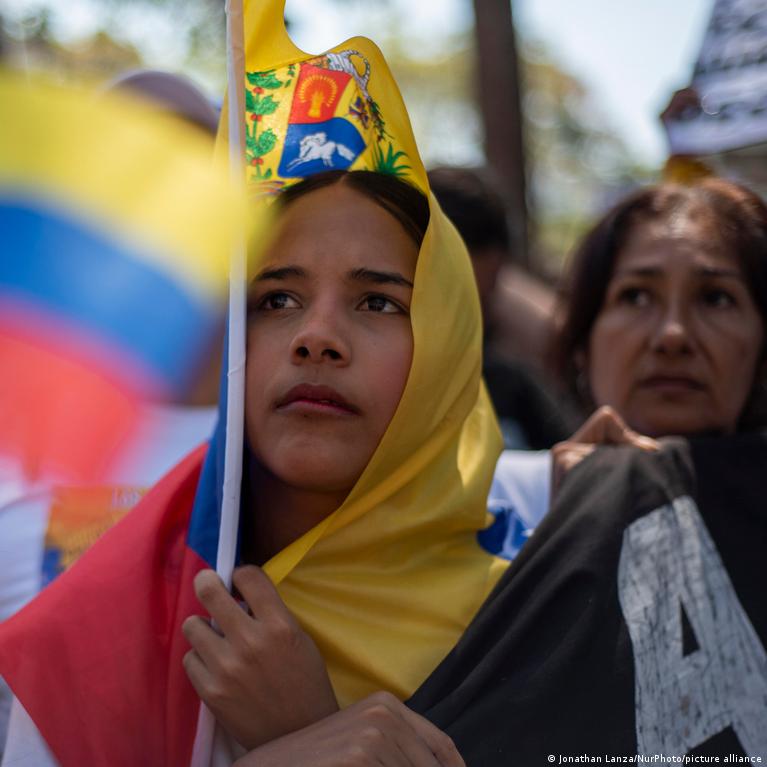
Why it matters: It signals how geopolitical realignments and regime change create first-mover advantages and profound risks for international business, testing the resilience of supply chains and capital flows into fractured states.
Context: This follows a long pattern of Western capital re-entering post-sanction or post-conflict economies, often before political stability is assured, betting on resource extraction and infrastructure rebuilds.
"In principle, Donald Trump has only cut off the head of the Hydra; the old ruling elite is still there." — DW
Commentary: The report frames reconstruction not as a blank slate but as a negotiation with entrenched power structures, where early commercial bets are as much a political wager on the new regime’s durability as they are an economic calculation. The split perspective between local-embedded and foreign-cautious operators highlights the asymmetric information and risk tolerance that defines frontier market entry.
URL: https://www.dw.com/en/germany-s-entrepreneurs-betting-on-post-maduro-venezuela/a-76968518?maca=en-rss-en-all-1573-rdf
AI Sentiment Score: Negative (80%)
AI Credibility Score: 10.0/10 — High
Scores and text generated by AI analysis of the source article indicated.
Post ID: fe450842