Retail Operations, Leadership & Corporate Moves
People Moves, April 2026: Ganni, Puma, John Lewis and … (Theindustry.Fashion)
Summary: April 2026 saw significant executive churn across fashion and sportswear, with Puma making three key hires as part of its push to become a top-three global sports brand. Lululemon appointed Nike veteran Heidi O’Neill as CEO, while leadership changes at The White Company, Casablanca Paris, and Dr. Martens signal strategic pivots. Debenhams, John Lewis, and Patagonia also made notable appointments focused on brand turnarounds and market expansion.

Why it matters: Executive realignments directly alter brand strategy, supply chain priorities, and creative direction, impacting vendor relationships, product pipelines, and competitive dynamics for practitioners.
Context: Sportswear and luxury sectors are in a sustained period of aggressive talent poaching and strategic repositioning, with legacy brands restructuring to compete with direct-to-consumer and athleisure leaders.
"Puma tapped former Adidas VP of Global Brand Strategy, James Carnes, to lead its creative direction as it aims to establish itself as a top-three global sports brand." — THEINDUSTRY.FASHION
Commentary: Puma’s raid on Adidas and Nike for wholesale and creative leadership indicates a shift from operational to brand-led competition, pressuring margins as marketing and innovation costs rise. The concurrent restructuring at Dr. Martens into market-specific General Managers suggests a broader industry move toward decentralized, consumer-first operating models that will complicate global brand consistency. Founder departures, like at HURR, often precede venture capital scrutiny and operational recalibration in the rental/resale segment.
Date: April 30, 2026 12:00 AM ET
URL: https://www.theindustry.fashion/people-moves-april-2026-ganni-puma-john-lewis-and-more/
AI Sentiment Score: Positive (66%)
AI Credibility Score: 10.0/10 — High
Scores and text generated by AI analysis of the source article indicated.
Carter’s brings on Build-A-Bear vet as CEO (Retaildive)
Summary: Carter’s has appointed Sharon Price John, former CEO of Build-A-Bear Workshop, as its new CEO and president, effective June 15. This follows the abrupt departure of former CEO Douglas Palladini after just one year, with CFO Richard Westenberger serving as interim CEO. The leadership change occurs as Carter’s navigates a turnaround plan involving corporate layoffs, store closures, and pressure from an activist investor, having recently reaffirmed its sales guidance.
Why it matters: For industry practitioners, this signals a potential strategic pivot in brand management and retail operations, with implications for vendor relationships, real estate strategy, and organizational stability.
Context: The move follows a pattern of external CEO hires in legacy retail, often preceding significant operational restructuring or brand repositioning efforts.
"Needham analyst Tom Nikic called the leadership change “abrupt” and “a surprise.”." — RETAILDIVE
Commentary: John’s background in experiential retail and IP monetization at Build-A-Bear suggests Carter’s may shift focus from pure apparel distribution to leveraging its brand equity through new channels or customer engagement models. The abrupt transition risks disrupting the ongoing turnaround plan’s execution, particularly concerning the planned store fleet rationalization and cost management initiatives. Her success will hinge on applying toy-industry brand-building tactics to a commoditized children’s apparel sector facing persistent tariff and margin pressures.
Date: Fri, 01 May 2026 11:38:00 -0400
URL: https://www.retaildive.com/news/carters-build-a-bear-vet-ceo/819050/
AI Sentiment Score: Negative (50%)
AI Credibility Score: 10.0/10 — High
Scores and text generated by AI analysis of the source article indicated.
Shuffle Board: Solbari Builds Wholesale, TrueCommerce Eyes Growth (Wwd)
Summary: A series of executive appointments across the fashion and retail supply chain signals strategic shifts in wholesale expansion, sustainability integration, and board-level marketing expertise. Puma appoints a new CFO with luxury and retail experience, while Lululemon adds a Unilever growth executive to its board. Solbari hires a head of sales to build a wholesale network, and The Lycra Company promotes from within to lead product sustainability. Carter’s sees a CEO change, with the incoming leader from Build-A-Bear.

Why it matters: Executive moves directly alter brand strategy, operational focus, and partner ecosystems, impacting everything from wholesale terms to sustainability compliance.
Context: Executive turnover often precedes shifts in corporate strategy, particularly in channel expansion, sustainability mandates, and board governance.
"Davis will lead Solbari’s wholesale strategy, building a national network of sales representatives, securing retail partnerships and establishing a seasonal wholesale cadence." — WWD
Commentary: Solbari’s hire of a dedicated wholesale head indicates a move from direct-to-consumer focus to a structured, seasonal B2B model, which could pressure its production planning and require new vendor management systems. The Lycra Company’s internal promotion for sustainability suggests the role is transitioning from PR to operational integration, with implications for its innovation pipeline and client compliance requirements. Lululemon’s board refresh with a Unilever marketer points to a focus on mass-market growth strategies over pure athletic performance, potentially altering its product development and campaign priorities.
Date: Fri, 01 May 2026 22:20:51 +0000
URL: https://wwd.com/sourcing-journal/industry-news/shuffle-board-executive-moves-solbari-1238937545/
AI Sentiment Score: Positive (40%)
AI Credibility Score: 10.0/10 — High
Scores and text generated by AI analysis of the source article indicated.
Estée Lauder now expects up to 10K role reductions (Retaildive)
Summary: Estée Lauder has revised its workforce reduction plan upward, now projecting 9,000 to 10,000 net role cuts, a significant increase from the prior 5,800 to 7,000 estimate. The primary driver is the elimination of point-of-sale positions at ‘select unproductive doors’ within department and freestanding stores. This comes alongside Q3 sales growth of 5% and an improved full-year outlook, framed as part of the company’s Profit Recovery and Growth Plan. Restructuring charges are now estimated at $1.5-$1.7 billion.
Why it matters: For industry practitioners, this signals a decisive, costly shift away from traditional retail labor models toward digital channels, with immediate consequences for staffing agencies, store-level operations, and brand economics.
Context: The move follows a broader industry pivot where prestige beauty brands are reallocating investment from physical retail ‘doors’ to DTC and ecosystem platforms like Amazon and TikTok Shop, a strategy Estée Lauder’s own results cite as a growth driver.
"Dive Brief: – The Estée Lauder Companies Inc. increased its estimated net reduction in positions to a final range from 9,000 to 10,000, per a Friday press release. That marks a jump." — RETAILDIVE
Commentary: The scale and focus of these cuts crystallize the operational trade-off: channel shift is not just a marketing budget exercise but a labor restructuring. For vendors and crews, this means fewer in-store activation gigs and a reallocation of production budgets toward digital content and fulfillment logistics. The projected $100 million tariff hit for FY26 further pressures margins, making this headcount reduction a non-negotiable cost lever.
Date: Fri, 01 May 2026 12:20:00 -0400
URL: https://www.retaildive.com/news/estee-lauder-layoffs-point-of-sale-department-stores/819068/
AI Sentiment Score: Negative (50%)
AI Credibility Score: 10.0/10 — High
Scores and text generated by AI analysis of the source article indicated.
The Estée Lauder Companies will reduce department store footprint as it focuses on ‘high-growth’ online channels (Glossy.Co)
Summary: Estée Lauder Companies is executing a channel pivot, reducing its department store footprint and accelerating into digital platforms like Amazon, TikTok Shop, and Chinese marketplaces. The move, part of a broader turnaround, sees brands like Bobbi Brown exiting U.S. department stores entirely, while selective brand launches (MAC at Sephora) and digital expansions drive growth. The strategy acknowledges a consumer shift and reallocates resources, impacting the traditional beauty advisor workforce.

Why it matters: For beauty industry practitioners, this signals a fundamental re-routing of the prestige beauty pipeline, altering wholesale relationships, retail labor models, and brand launch strategies.
Context: The prestige beauty sector has been grappling with the secular decline of department stores and the rise of DTC and platform retail for over a decade.
"On Friday, The Estée Lauder Companies posted its third-quarter earnings for fiscal year 2026. CEO and president Stéphane de La Faverie said 2026 was shaping up to be a “pivotal” year in." — GLOSSY.CO
Commentary: ELC’s pivot is a belated but decisive operational realignment that could pressure other legacy conglomerates to accelerate their own channel exits. The labor impact on beauty advisors is a direct cost of this shift, while the success metrics will now be platform-specific conversion rates and marketing efficiency, not counter productivity. This move also functionally revalues brands within the portfolio based on their digital-native appeal versus wholesale dependency.
Date: Fri, 01 May 2026 13:35:00 +0000
URL: https://www.glossy.co/beauty/the-estee-lauder-companies-will-reduce-department-store-footprint-as-it-focuses-on-high-growth-online-channels/
AI Sentiment Score: Negative (57%)
AI Credibility Score: 10.0/10 — High
Scores and text generated by AI analysis of the source article indicated.
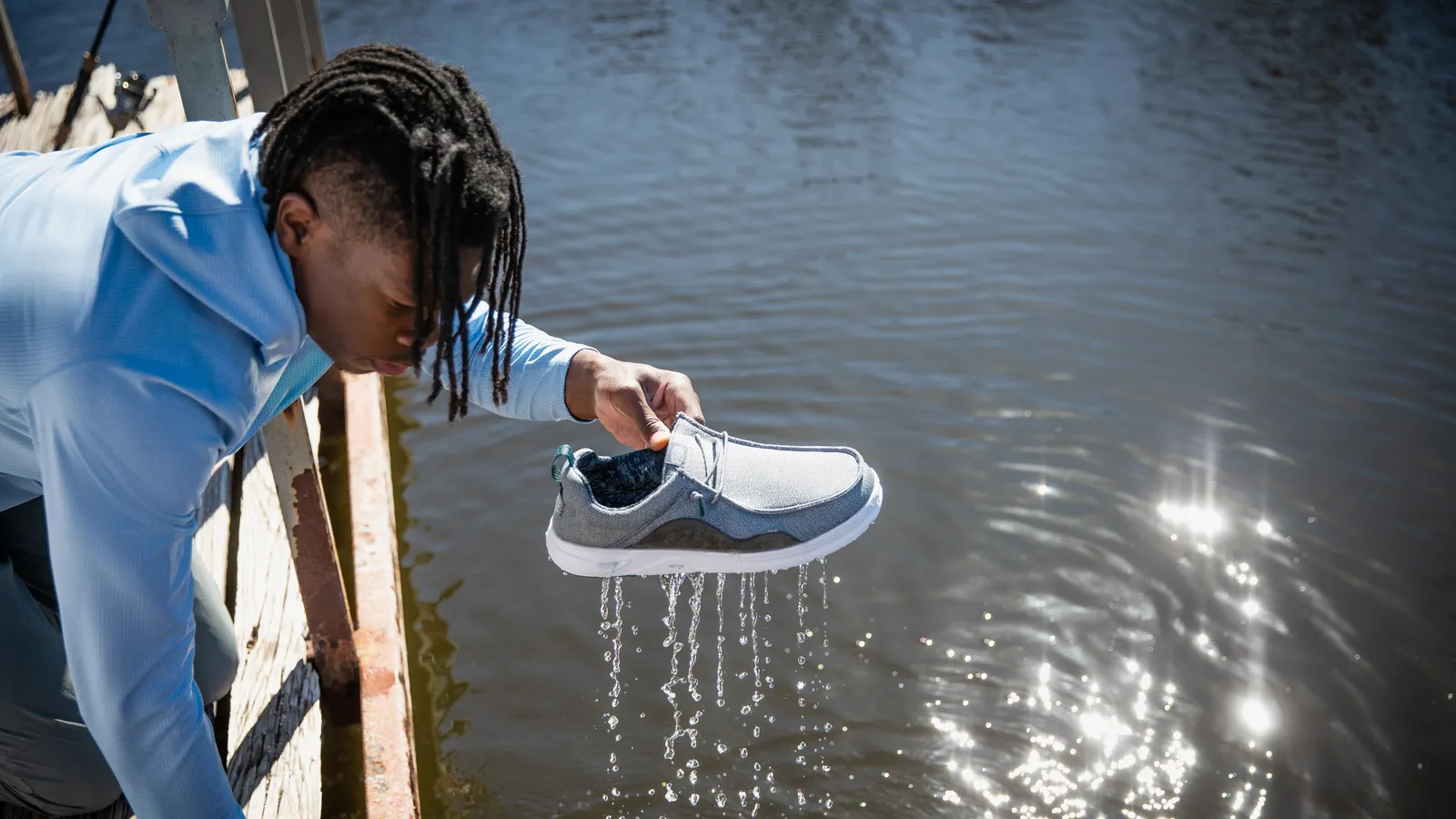
The Weekly Closeout: Heydude sales decline and Lululemon dishes about Chip Wilson (Retaildive)
Summary: Heydude’s sales decline of 12% and a 25% wholesale revenue drop underscore ongoing challenges for Crocs’ acquisition, despite a raised outlook suggesting stabilization. Lululemon’s proxy filing details an escalating governance dispute with founder Chip Wilson, who is publicly advocating for board changes and criticizing the company’s strategic direction, including its international expansion and product line dilution. Concurrently, Dick’s House of Sport is expanding its brand portfolio with a phased rollout of Vuori apparel, indicating a strategic shift towards curated, experiential retail partnerships.
Why it matters: For industry operators, these developments signal shifting brand economics, governance pressures on founder-led legacies, and the strategic calculus behind retail partnerships and wholesale channel management.
Context: The athleisure and comfort footwear segments are experiencing post-pandemic normalization, with brands navigating channel mix optimization and defending market position against newer entrants.
"It’s been another week with far more retail news than there is time in the day. Below, we break down some things you may have missed during the week and what we’re." — RETAILDIVE
Commentary: Heydude’s sharp wholesale contraction against DTC growth forces a reassessment of brand health metrics for acquirers, highlighting channel conflict as a primary operational risk. Lululemon’s public airing of founder grievances sets a precedent for how boards manage dissident founders with competing brand affiliations, potentially influencing investor relations playbooks. Dick’s Vuori partnership reflects a deliberate vendor strategy to leverage experiential retail for brand elevation, affecting shelf space allocation and competitive positioning for other activewear labels.
Date: Fri, 01 May 2026 10:34:00 -0400
URL: https://www.retaildive.com/news/heydude-sales-declines-lululemon-chip-wilson-proxy-fight-vuori-alo/819015/
AI Sentiment Score: Negative (60%)
AI Credibility Score: 10.0/10 — High
Scores and text generated by AI analysis of the source article indicated.
UK Fashion retail sales rebounds as five-week store slump ends (Fashionunited.Uk)
Summary: UK fashion retail sales rebounded in late April 2026, ending a five-week slump in physical store performance. Total like-for-like sales grew 4.42%, with fashion-specific LFLs up 1.82%. The recovery was driven by a sharp 4.70% surge in offline (in-store) sales, coinciding with improved weather and a 4.3% rise in high street footfall. Online sales continued steady growth at 3.44%, indicating a multi-channel recovery.

Why it matters: For brands and retailers, this demonstrates the continued, weather-dependent volatility of the physical channel and underscores the need for inventory and staffing plans that can pivot rapidly with short-term forecast changes.
Context: The UK fashion retail sector has been grappling with prolonged softness in physical store traffic, making this synchronized, weather-driven rebound across all channels a notable deviation from recent trends.
"After a run of four consecutive weekly declines, store fashion sales surged by +4.70%. This comeback was fueled by ideal shopping conditions; high pressure across the UK brought dry, calm, and mild weather, coaxing consumers back to traditional shopping hubs." — FASHIONUNITED.UK
Commentary: The data reinforces that UK high street fashion remains a fair-weather business, with operational planning—from labor scheduling to promotional cadence—still tightly coupled to short-term meteorology. The simultaneous online growth suggests consumers are blending channels; the real workflow implication is ensuring inventory visibility and fulfillment flexibility to serve both a spontaneous in-store shopper and a concurrent digital browse.
Date: May 01, 2026 12:00 AM ET
URL: https://fashionunited.uk/news/business/uk-fashion-retail-sales-rebounds-as-five-week-store-slump-ends/2026050187804
AI Sentiment Score: Positive (75%)
AI Credibility Score: 10.0/10 — High
Scores and text generated by AI analysis of the source article indicated.
Ferragamo names Yigit Turhan chief brand officer (Sy.Fashionnetwork)
Summary: Ferragamo appoints Yigit Turhan as Chief Brand Officer, effective May 18, consolidating marketing, communication, visual merchandising, and CRM under a single executive. This move coincides with the brand’s reported Q1 revenue dip of 1.2%, characterized by a sharp 19% wholesale decline offset by a 5.5% rise in direct-to-consumer sales. The appointment signals a strategic pivot toward integrated brand management and D2C resilience amid broader industry pressures.

Why it matters: For luxury brand operators, this reflects a concrete shift toward centralized brand stewardship and D2C channel prioritization as a response to volatile wholesale performance.
Context: The hire follows LVMH’s sale of Marc Jacobs, illustrating a wider industry trend of portfolio rationalization and focus on core brand operations during a sustained market downturn.
"Ferragamo’s first-quarter revenues slid by 1.2% at constant exchange rates to total 209 million euros. Wholesale sales were down 19% but D2C sales rose 5.5%." — SY.FASHIONNETWORK
Commentary: Turhan’s mandate to oversee CRM and visual merchandising alongside marketing indicates Ferragamo is engineering a tighter feedback loop between brand narrative and retail execution. The operational consequence is a likely reallocation of budget and personnel from wholesale support to in-store experience and owned digital channels, forcing agencies and wholesale partners to adapt. This is less about a single hire and more about institutionalizing a D2C-first operating model.
Date: April 29, 2026 12:00 AM ET
URL: https://sy.fashionnetwork.com
AI Sentiment Score: Negative (60%)
AI Credibility Score: 10.0/10 — High
Scores and text generated by AI analysis of the source article indicated.
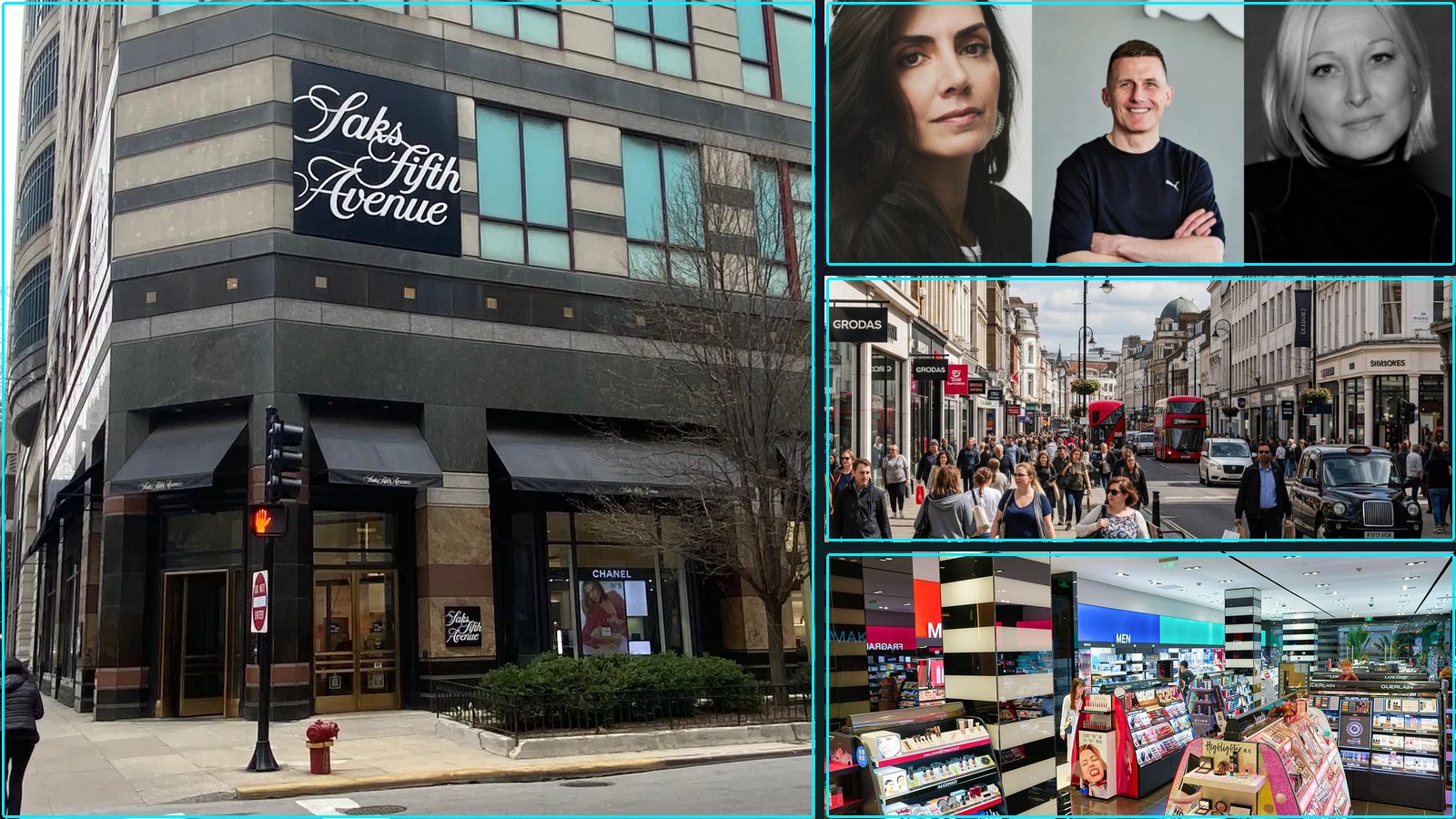
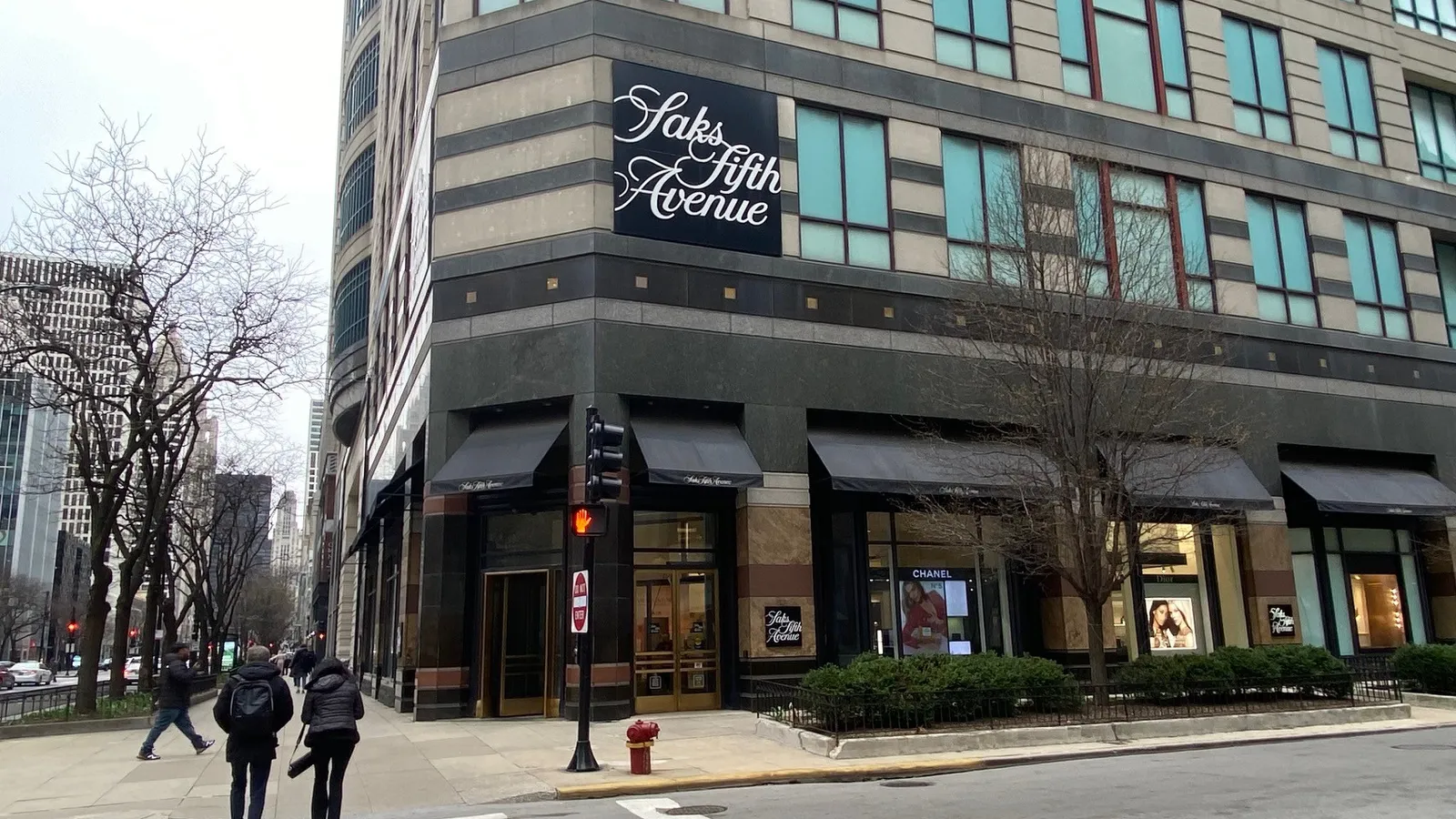
Saks Global slashes 16% of its corporate workforce (Retaildive)
Summary: Saks Global has cut 16% of its corporate workforce, a move framed as aligning with its post-bankruptcy and post-merger strategy. The reduction, affecting less than 4% of total headcount, follows store closures and an exit from off-price retail. The company cites a focus on luxury, full-price selling, and operational optimization following its $2.7 billion merger of Saks Fifth Avenue and Neiman Marcus Group.
Why it matters: For luxury retail practitioners, this signals a protracted, multi-year consolidation of back-office functions and a narrowing of strategic focus that could reshape vendor relationships, corporate career paths, and operational support for remaining stores.
Context: This is the latest in a series of post-merger cuts and executive departures, following Saks Global’s Chapter 11 filing and its strategic retreat from off-price and numerous physical locations.
"Saks Global on Thursday confirmed another round of workforce cuts as it wraps up its bankruptcy. The reduction affects 16% of its corporate teams, which is overall less than 4% of its." — RETAILDIVE
Commentary: The cuts operationalize the merger’s promised ‘synergies,’ shifting resources from corporate overhead to ‘critical capabilities.’ For luxury brands, this means a consolidated, potentially more rigid, wholesale buyer. For talent, it reinforces a trend of luxury retail executives migrating to healthier competitors, as seen with Bergdorf Goodman’s chief merchant moving to Nordstrom.
Date: Fri, 01 May 2026 10:42:00 -0400
URL: https://www.retaildive.com/news/saks-global-layoffs-sixteen-percent-corporate-workforce/819037/
AI Sentiment Score: Neutral (33%)
AI Credibility Score: 10.0/10 — High
Scores and text generated by AI analysis of the source article indicated.
The Backroom: Redefining Pacsun (Retaildive)
Summary: PacSun’s post-bankruptcy recovery, led by CEO Brieane Olson, involved a deliberate pivot from its core skate-and-surf identity to a broader, co-created cultural strategy. This mirrors similar repositioning efforts by legacy retailers like Gap and Abercrombie & Fitch. The move expanded its product mix beyond third-party brands into owned labels, aiming to resonate with a generation that defines trends rather than follows them.

Why it matters: For fashion practitioners, PacSun’s decade-long strategic overhaul offers a concrete case study in brand repositioning, highlighting the operational shifts in merchandising, product development, and brand identity required to chase new demographics.
Context: This is part of a wider pattern of legacy mall brands attempting to shed outdated personas and reconnect with younger consumers through cultural relevance and vertical integration.
"Ten years after exiting bankruptcy, Pacsun has joined retailers like Gap, Abercrombie & Fitch and Victoria’s Secret in working to recapture relevance in a changed world. The store with the SoCal vibe roots recovered from its decade-ago troubles by distancing itself from its original skate-and-surf focus and expanding beyond sales of third-party brands with its own labels." — RETAILDIVE
Commentary: The shift from a curated third-party marketplace to owned-label development changes the brand’s economic model, increasing margin potential but also intensifying sourcing and design labor. It signals a move from cultural curation to cultural production, a riskier but necessary bet for relevance. For vendors and collaborators, this reduces reliance on external brand partnerships, concentrating creative and financial risk internally.
Date: Thu, 30 Apr 2026 11:46:00 -0400
URL: https://www.retaildive.com/news/the-backroom-podcast-redefining-pacsun-ceo-brieane-olson/818934/
AI Sentiment Score: Negative (66%)
AI Credibility Score: 10.0/10 — High
Scores and text generated by AI analysis of the source article indicated.
lululemon Names Proven Brand Builder Heidi O’Neill as … (Businesswire)
Summary: lululemon has appointed Heidi O’Neill, a former Nike executive with over 25 years at the company, as its new CEO. Her background is in product creation, brand strategy, and global market operations, most recently as President, Consumer, Product & Brand at Nike. This signals a strategic shift toward scaling brand and product innovation at a global level.

Why it matters: The appointment of a Nike veteran to lead lululemon signals a deliberate pivot toward a more aggressive, product-led global growth strategy, directly impacting brand positioning, product pipeline discipline, and international market operations.
Context: This follows a pattern of athletic apparel brands recruiting from Nike’s executive ranks to inject operational scale and brand-building rigor, as seen with Under Armour and others.
"# lululemon Names Proven Brand Builder Heidi O’Neill as Chief Executive Officer Share *O’Neill is a visionary, consumer-focused executive with more than three decades of experience leading brand strategy, product innovation, and." — BUSINESSWIRE
Commentary: O’Neill’s mandate will likely be to institutionalize Nike’s playbook of product innovation cycles and global market execution within lululemon’s culture. Expect increased pressure on the product development pipeline, a sharper focus on digital commerce integration, and more structured processes for international expansion, potentially at the expense of lululemon’s historically more organic, community-driven growth model.
Date: April 22, 2026 12:00 AM ET
URL: https://www.businesswire.com/news/home/20260422757485/en/lululemon-Names-Proven-Brand-Builder-Heidi-ONeill-as-Chief-Executive-Officer
AI Sentiment Score: Positive (42%)
AI Credibility Score: 10.0/10 — High
Scores and text generated by AI analysis of the source article indicated.
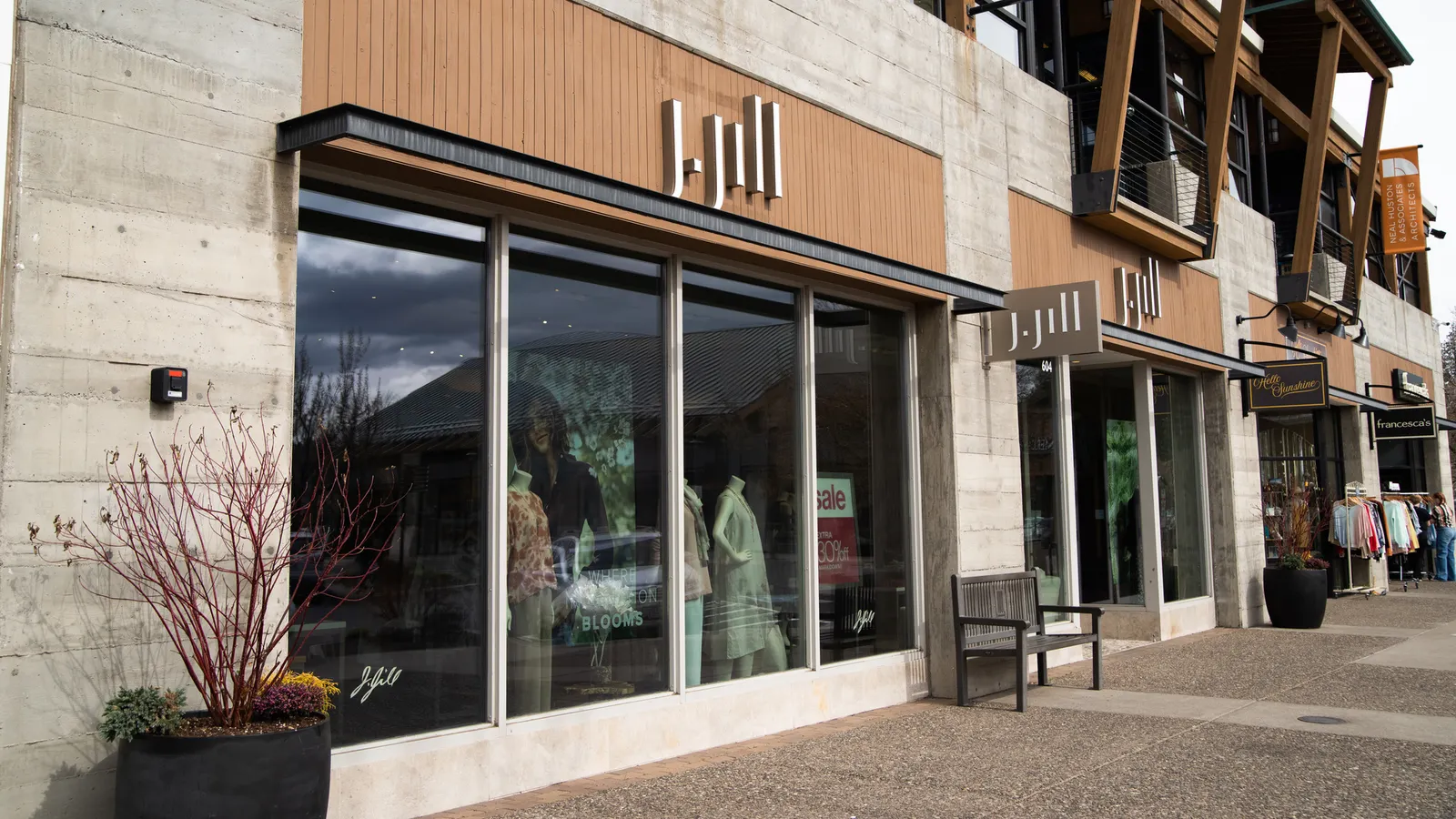
J. Jill names Coach vet as chief marketing officer (Retaildive)
Summary: J. Jill appoints Kimberly Wallengren, formerly VP of Marketing for North America at Coach and with prior roles at AE77, Adidas, and New Balance, as its new Chief Marketing Officer. This completes a recent executive overhaul that includes a new CEO and chief merchandising officer. The hire comes as the company reports declining sales and projects flat to negative growth through 2026, with a strategic emphasis on direct-to-consumer channels.
Why it matters: For practitioners, this signals a shift in J. Jill’s brand strategy and customer acquisition playbook, directly affecting marketing budgets, agency relationships, and campaign direction.
Context: This is part of a broader leadership reset at J. Jill aimed at reversing sales declines, with the new CMO expected to apply premium and youth-oriented marketing tactics from Coach and AE77 to an older demographic brand.
"J. Jill is coming off a fourth quarter where net sales dropped 3.1% year over year to $138.4 million and comparable sales fell 4.8%. For the year, net sales fell 2.3%." — RETAILDIVE
Commentary: Wallengren’s mandate to ‘expand brand awareness’ and ‘grow the customer file’ suggests a pivot from retention-focused marketing to aggressive acquisition, likely requiring a reallocation of spend from loyalty programs to upper-funnel media. Her background in premium (Coach) and sustainable denim (AE77) indicates J. Jill may attempt to reposition its core product lines as more contemporary or value-engineered, a risky move with an established customer base. The success of this hire hinges on whether tactics that worked for younger, fashion-forward brands can be adapted without alienating J. Jill’s core demographic.
Date: Fri, 01 May 2026 11:56:00 -0400
URL: https://www.retaildive.com/news/j-jill-names-coach-vet-as-chief-marketing-officer/819046/
AI Sentiment Score: Positive (50%)
AI Credibility Score: 10.0/10 — High
Scores and text generated by AI analysis of the source article indicated.
Seasonal Inventory Planning: Strategy for Fashion Retailers (Easyreplenish)
Summary: Seasonal inventory planning remains a core discipline for fashion retailers, balancing trend forecasting, pre-season demand modeling, and a structured merchandise calendar. The process hinges on translating market signals into a range architecture and buying depth, then closing the loop with post-season performance reviews. This operational cycle dictates cash flow, margin preservation, and sell-through rates.

Why it matters: For practitioners, the rigor of this planning cycle directly impacts working capital, markdown exposure, and the ability to capitalize on fleeting demand windows.
Context: The article outlines a standard retail operations framework, reflecting the ongoing pressure on brands to reduce forecasting error and inventory bloat in a trend-driven market.
"A well-executed seasonal plan defines when to launch new collections, how deep to buy, what to restock mid-season, and when to initiate markdowns or clearance." — EASYREPLENISH
Commentary: The described process is table stakes, but the implied tension is between the analytical components (forecasting, planning) and the executional calendar (buying, delivery). Failures typically occur at the handoff between trend analysis and committed purchase orders, or when the review loop is decoupled from future buying decisions. For brands, the operational consequence is a shift in merchandising talent toward data literacy and supply chain agility, rather than pure aesthetic curation.
Date: April 20, 2026 12:00 AM ET
URL: https://www.easyreplenish.com/blog/seasonal-inventory-planning
AI Sentiment Score: Negative (80%)
AI Credibility Score: 10.0/10 — High
Scores and text generated by AI analysis of the source article indicated.
Quick Commerce 2.0: Slower, safer, and more profitable for fashion … (Dfupublications)
Summary: Quick commerce platforms are shifting from a speed-centric model to a ‘profitable precision’ approach, with fashion and apparel emerging as a key, high-margin category. Government pressure on unsafe delivery timelines is accelerating this recalibration. The unit economics of fashion—higher average order values and gross margins—justify absorbing higher handling costs and designing networks for ‘social emergency’ demand.

Why it matters: For fashion brands and logistics operators, this shift changes inventory strategy, return logistics, and partnership models with platforms, prioritizing margin over sheer velocity.
Context: Fashion has traditionally been excluded from ultra-fast delivery due to lower purchase urgency versus groceries, but its superior profitability is now driving platform integration.
"While groceries build frequency, fashion builds profits." — DFUPUBLICATIONS
Commentary: The pivot to fashion forces platforms to re-engineer last-mile logistics for higher-value, higher-return items, creating a new operational playbook. Brands must now optimize for impulse occasions within a constrained delivery window, affecting everything from packaging to size curation. This realigns vendor negotiations around contribution margin per order rather than just volume, altering the power dynamics between platforms and suppliers.
Date: April 28, 2026 12:00 AM ET
URL: https://www.dfupublications.com/index.php/news/apparel/quick-commerce-2-0-slower-safer-and-more-profitable-for-fashion-retail
AI Sentiment Score: Negative (50%)
AI Credibility Score: 10.0/10 — High
Scores and text generated by AI analysis of the source article indicated.
Product Failure Cost Analysis Reveals Retail’s Hidden … (Stylumia.Ai)
Summary: Stylumia.Ai’s 2026 analysis argues that conventional retail failure metrics—markdown percentages, discount depth, sell-through—only capture post-launch revenue loss, missing the full cost of product failure. The piece advocates for a more comprehensive cost analysis that includes pre-market sampling waste, supplier minimum over-buy penalties, fully allocated logistics burdens, and, critically, the opportunity cost of capital misallocated from winners to losers. This reframes failure from a markdown problem to a capital allocation and forecasting accuracy issue.

Why it matters: For merchandising, planning, and finance teams, this shifts the core performance metric from sell-through to total cost of failure, directly impacting how buy budgets are set, supplier contracts are negotiated, and inventory risk is managed.
Context: This continues the industry push toward granular, SKU-level profitability analysis, moving beyond gross margin to include all variable costs and capital efficiency, a discipline increasingly enabled by AI-driven demand forecasting and allocation platforms.
"Here is what most retailers track when a product fails. Markdown percentage. Discount depth. Sell-through rate. Units moved at promotional price. These metrics tell you how much revenue you lost after the." — STYLUMIA.AI
Commentary: This analysis forces a re-evaluation of buyer and planner incentives, which are often optimized for avoiding stockouts on known winners but lack a formal penalty for over-buying losers. It strengthens the hand of finance in assortment planning and could pressure forecasting vendors to quantify not just demand but the cost of forecast error. The real operational shift will be integrating these hidden costs into quarterly business reviews and buyer scorecards.
Date: April 23, 2026 12:00 AM ET
URL: https://www.stylumia.ai/blog/product-failure-cost-analysis-reveals-retails-hidden-300b-tax/
AI Sentiment Score: Negative (90%)
AI Credibility Score: 10.0/10 — High
Scores and text generated by AI analysis of the source article indicated.
Kering : highlights its commitment to sustainability at the ChangeNOW Summit 2026 (Marketscreener)
Summary: Kering used the ChangeNOW Summit 2026 as a platform to stage-manage its sustainability commitments, blending executive visibility with concrete, brand-level innovation showcases. CEO Luca de Meo and CSO Marie-Claire Daveu participated in high-level panels on valuing nature and regulatory frameworks. Operationally, the group announced the opening of its first ‘Water Resilience Lab’ in the Arno basin for autumn 2026 and gave Balenciaga a dedicated space to exhibit material innovations like AMSilk synthetic silk and Weffan’s 3D weaving technique. The event also served as a networking and visibility platform for winners of the Kering Generation Award X China.

Why it matters: For luxury industry practitioners, this demonstrates how sustainability commitments are moving from broad strategy to branded, operational projects with specific supply chain and R&D implications.
Context: Kering’s sustainability reporting and material innovation labs have been a consistent part of its corporate strategy for years, making summit appearances a predictable element of its institutional comms calendar.
"Balenciaga showcased two creations from its Spring 26 collection, developed with cutting-edge startups and the support of Kering’s Material Innovation Lab: a black wrap dress made from AMSilk, a synthetic silk inspired by the exceptional strength and fineness of spider silk and using 97% less water than conventional silk; and a suit created with the startup Weffan, which developed a unique 3D weaving technique." — MARKETSCREENER
Commentary: The focus shifts from group-level pledges to maison-specific product launches, signaling that sustainability claims will increasingly be validated at the point of sale. The AMSilk and Weffan showcases represent a tangible shift in sourcing discipline for Balenciaga’s design and production teams, locking in new vendor relationships and material specifications. This creates a new benchmark for competing houses, forcing them to match not just commitments but demonstrable, waste-reducing techniques integrated into flagship collections.
Date: April 28, 2026 12:00 AM ET
URL: https://www.marketscreener.com/news/kering-highlights-its-commitment-to-sustainability-at-the-changenow-summit-2026-ce7f59d2d98bf72d
AI Sentiment Score: Neutral (33%)
AI Credibility Score: 10.0/10 — High
Scores and text generated by AI analysis of the source article indicated.
Where Premiums Will Be Paid—Fashion & Beauty M&A Trends from 2025 to 2026 (Natlawreview)
Summary: The 2025-2026 M&A cycle in fashion and beauty is being defined by a shift from acquiring brands for their standalone cachet to acquiring them for their strategic fit within an acquirer’s operational platform. Premiums are now paid for assets that offer cultural resonance with Gen Z, price-accessible positioning, and the ability to be scaled efficiently through the buyer’s existing supply chain, manufacturing, and digital infrastructure. Major deals like Prada-Versace and e.l.f.-Rhode demonstrate that valuation is increasingly tied to post-acquisition operational synergies and platform leverage.

Why it matters: For operators, this means deal diligence now rigorously assesses integration costs and supply chain compatibility, not just brand equity, fundamentally altering how targets are valued and post-merger teams are structured.
Context: This follows a multi-year trend where digital-native DTC brands were acquired for growth; the focus has now pivoted to operationalizing that growth through the acquirer’s scaled infrastructure.
"Introduction: The 2025 M&A Landscape From Prada’s headline-grabbing purchase of Versace to e.l.f. Beauty’s $1 billion bet on Rhode, 2025 reshaped dealmaking across fashion and beauty, with momentum poised to carry into." — NATLAWREVIEW
Commentary: The practical consequence is that brand development pipelines must now be engineered for eventual platform integration from the outset, favoring modular tech stacks and supplier relationships that can plug into a major group’s systems. This pressures independent brands to build not just a consumer audience but an operationally ‘portable’ business, while it rewards acquirers like Caleres and Prada for prior investments in vertically integrated manufacturing—turning their internal operations into a competitive M&A advantage.
Date: May 01, 2026 12:00 AM ET
URL: https://natlawreview.com/article/where-premiums-will-be-paid-fashion-beauty-ma-trends-2025-2026
AI Sentiment Score: Positive (60%)
AI Credibility Score: 10.0/10 — High
Scores and text generated by AI analysis of the source article indicated.
PVH (PVH) Investor Relations, Earnings Summary & Outlook (Quartr)
Summary: PVH’s 2026 proxy filing outlines a stable governance and operational outlook following a year of disciplined execution. The company exceeded its 2025 guidance, delivered margin gains through brand-focused strategy, and maintained a robust capital return program. The upcoming annual meeting will vote on routine governance matters, including director elections and amendments to the Stock Incentive Plan.

Why it matters: For industry practitioners, PVH’s sustained margin discipline and capital returns signal a mature, stable operating environment for its brands (Calvin Klein, Tommy Hilfiger), influencing vendor terms, sourcing strategies, and competitive pressure on mid-tier apparel firms.
Context: PVH has consistently emphasized operational discipline over top-line growth, a post-pandemic pivot for many apparel conglomerates now focused on profitability and shareholder returns.
"Brand-focused strategy and operational discipline fuel margin gains and sustainable growth." — QUARTR
Commentary: The proxy and earnings summaries depict a holding company in maintenance mode, prioritizing governance and capital allocation over aggressive expansion. This suggests a constrained pipeline for new brand launches or major category bets within PVH’s portfolio, focusing vendor negotiations on cost efficiency and margin protection rather than volume growth. The repeated emphasis on ‘operational discipline’ indicates a continued internal focus on streamlining, which may translate to tighter creative budgets and more rigorous post-campaign analytics for its marketing and production teams.
Date: April 30, 2026 12:00 AM ET
URL: https://quartr.com/companies/pvh-corp_6529
AI Sentiment Score: Negative (57%)
AI Credibility Score: 8.6/10 — High
Scores and text generated by AI analysis of the source article indicated.
PVH Corp. Plans Quarterly Dividend of $0.04 (NYSE:PVH) (Marketbeat)
Summary: PVH Corp. announced a quarterly dividend of $0.0375 per share, a nominal yield of about 0.2%. The declaration follows a quarterly earnings beat, with EPS of $3.82 against a $3.30 estimate and revenue of $2.51 billion, up 5.6% year-over-year. The company’s extremely low dividend payout ratio of ~1.1% indicates the distribution is a minor use of earnings, while its elevated P/E ratio of ~241 suggests the market is pricing in significant future growth expectations rather than current income.

Why it matters: For industry practitioners, the financial posture signals PVH’s capital allocation strategy, prioritizing reinvestment over shareholder returns, which influences brand investment, operational budgets, and vendor negotiations.
Context: PVH, owner of Calvin Klein and Tommy Hilfiger, operates in a competitive apparel sector where brand investment and operational efficiency are key; its financial metrics reflect a focus on growth over yield.
"PVH reported EPS of $3.82 versus $3.30 expected and revenue of $2.51 billion (up 5.6% YoY), and its low payout ratio (~1.1%) indicates the dividend is well covered by earnings." — MARKETBEAT
Commentary: The token dividend and high P/E ratio frame PVH as a growth vehicle, not an income stock. This capital allocation stance suggests continued aggressive investment in marketing, digital infrastructure, and supply chain over returning cash to shareholders. For partners and competitors, it signals a focus on market share and brand heat, which may pressure margins industry-wide as others match spending. The ‘Hold’ analyst consensus and mixed price targets reflect uncertainty about sustaining the growth required to justify its valuation.
Date: April 30, 2026 12:00 AM ET
URL: https://www.marketbeat.com/instant-alerts/pvh-corp-plans-quarterly-dividend-of-004-nysepvh-2026-04-30/
AI Sentiment Score: Positive (50%)
AI Credibility Score: 10.0/10 — High
Scores and text generated by AI analysis of the source article indicated.
Is Carter’s (CRI) Still 47.7% Undervalued After Reaffirmed … (Gurufocus)
Summary: Carter’s Inc. reaffirmed its Q1 and full-year fiscal 2026 outlook ahead of its May 6 earnings release, where analysts expect EPS of $0.07 on revenue of $660.18 million. The 8-K filing highlights persistent operational risks, including tariffs, inflationary pressures on labor and materials, supply chain costs, and competitive dynamics. The company’s reliance on Asian contract manufacturing and a wholesale-heavy revenue mix makes these factors particularly acute for gross margin and inventory management.
Why it matters: For practitioners in apparel sourcing, wholesale, and retail ops, Carter’s reaffirmation signals stability in near-term planning but underscores the systemic pressures on margin and logistics that define current industry workflows.
Context: Carter’s operates a multi-channel model but derives the majority of revenue from its U.S. Wholesale segment, with products predominantly sourced from Asia, making it highly exposed to trade policy and freight volatility.
"The filing underscores industry and company-specific risks that could affect execution, including tariffs and trade policy uncertainty, inflationary pressure on labor and materials, supply chain and freight costs, evolving consumer preferences, and competitive dynamics." — GURUFOCUS
Commentary: The reaffirmation is less about growth and more about operational discipline under known constraints. For vendors and contract manufacturers, this signals continued pressure on cost negotiations and delivery timelines. For competing brands and wholesale buyers, Carter’s ability to hold guidance suggests inventory and pricing strategies are being executed, but the Q1 details on margin and inventory turns will reveal the actual cost of that stability.
Date: May 02, 2026 12:00 AM ET
URL: https://www.gurufocus.com/news/8837782/is-carters-cri-still-477-undervalued-after-reaffirmed-q1-outlook-gf-score-77100
AI Sentiment Score: Negative (66%)
AI Credibility Score: 10.0/10 — High
Scores and text generated by AI analysis of the source article indicated.
Post ID: 44ff5cd6