Circular Fashion & Advanced Recycling
REWIND PET Process Validated for Closed-Loop Polyester Textile Recycling – News and Statistics – IndexBox (Indexbox.Io)
Summary: A consortium of Axens, Jeplan, and Ifpen has validated the REWIND PET chemical recycling process for textiles at a semi-industrial scale, producing tens of tonnes of polyester monomer from post-consumer PET textiles. The trial, using textiles collected in France and processed in Japan, demonstrates a pathway for closed-loop polyester systems in sportswear, home furnishings, and luxury goods. The technology, already commercialized for packaging, is now licensed globally by Axens for textile applications.

Why it matters: This validation moves textile-to-textile chemical recycling from lab-scale promise to a licensable industrial process, directly altering the feedstock calculus for polyester manufacturers and creating a new operational option for brands under regulatory and investor pressure.
Context: Polyester recycling has been dominated by bottle-to-fiber downcycling; true textile-to-textile loops have been hampered by contamination, dye removal, and economic viability at scale.
"The REWIND PET process has produced tens of tonnes of a fundamental polyester monomer, which is intended to be transformed into polyester yarns, fabrics, and finished garments. The companies describe this industrial-scale textile-to-textile recycling trial, involving several tonnes of post-consumer PET, as one of the first of its kind conducted under representative industrial conditions." — INDEXBOX.IO
Commentary: The immediate implication is a new, licensable tool for integrated polyester producers like Mitsubishi Chemical and Toray to partially decouple from fossil feedstocks. For brands, this provides a verified supply chain component for sustainability claims, but it introduces new vendor management and traceability burdens. The process does not solve collection and sorting, which remain the critical bottlenecks; it merely creates a viable end-point for sorted feedstock.
Date: May 01, 2026 12:00 AM ET
URL: https://www.indexbox.io/blog/rewind-pet-process-breakthrough-in-textile-to-textile-chemical-recycling/
AI Sentiment Score: Negative (75%)
AI Credibility Score: 10.0/10 — High
Scores and text generated by AI analysis of the source article indicated.
Circular Fashion News / May 4: Vinted €8B valuation, $34 million to next-gen materials, VNYX funding (Circularfashionnews.Substack)
Summary: Vinted’s €8B secondary share valuation cements its position as the third-largest UK fashion retailer by revenue, signaling a structural shift in retail capital allocation toward resale platforms. Concurrently, the Bezos Earth Fund’s $34 million commitment targets next-gen textile R&D at US institutions, while operational funding flows to automation startup VNYX and regulatory penalties hit French PRO ReFashion. These moves highlight concurrent scaling, investment, and regulatory pressures reshaping the circular fashion operating environment.

Why it matters: For practitioners, these developments signal where capital, regulatory scrutiny, and automation tools are converging, directly affecting resale economics, material innovation pipelines, and compliance workflows.
Context: The circular fashion sector is bifurcating between scaling digital marketplaces (Vinted) and physical infrastructure (sorting, recycling), with public and private funding increasingly targeting upstream material science to address systemic waste.
"Vinted carried out a secondary share transaction that valued the company at €8 billion. Along these news, a report on the leading fashion brands in Q1 of 2026 by MediaVision reported that Vinted is now the third-largest fashion retailer in the UK by revenue." — CIRCULARFASHIONNEWS.SUBSTACK
Commentary: Vinted’s valuation and market position demonstrate that resale is no longer a niche channel but a core retail competitor, pressuring traditional brands to formalize their own recommerce operations or risk ceding market share. The Bezos Earth Fund’s targeted grants to academic institutions indicate a strategic pivot to fund early-stage, high-risk material science, acknowledging that scaling circularity requires fundamental alternatives to cotton and synthetics. Meanwhile, ReFashion’s fine and VNYX’s funding underscore the acute operational bottlenecks in physical handling; automation and regulatory compliance are becoming critical cost centers for any brand or PRO managing take-back streams.
Date: May 04, 2026 12:00 AM ET
URL: https://circularfashionnews.substack.com/p/circular-fashion-news-may-4-vinted
AI Sentiment Score: Negative (62%)
AI Credibility Score: 10.0/10 — High
Scores and text generated by AI analysis of the source article indicated.
Circular Fashion News / Apr 27: Textile recycling factories & purchasing agreements, Salomon repair program (Circularfashionnews.Substack)
Summary: The circular fashion ecosystem is consolidating around operational partnerships and scaling infrastructure. Key developments include LSKD’s 10-year feedstock agreement with Samsara Eco, Epoch Biodesign’s UK demo plant announcement, and JEPLAN’s successful semi-industrial pilot for polyester recycling. Concurrently, brand-led resale and repair programs are proliferating as standard inventory management tools, evidenced by Salomon’s partnership with United Repair Centre and Klarna’s data showing a 75% increase in resale listings.

Why it matters: For practitioners, these moves signal a shift from pilot projects to binding commercial agreements and scaled recycling capacity, directly impacting material sourcing timelines and end-of-life logistics.
Context: Textile-to-textile recycling has been bottlenecked by a lack of commercial-scale facilities and firm offtake agreements, leaving brands with recycled content pledges reliant on a fragmented supply chain.
"Circular Fashion News / Apr 27: Textile recycling factories & purchasing agreements, Salomon repair program Last week, activewear brand LSKD signed a 10-year partnership with Samsara Eco, Epoch Biodesign announced a UK." — CIRCULARFASHIONNEWS.SUBSTACK
Commentary: The LSKD-Samsara deal is a critical template: it provides the recycler with a guaranteed demand corridor to de-risk its 2028 commercial facility build-out, while giving LSKD secured supply and a long-term cost hedge. This moves recycled material from a spot purchase to an integrated component of future product lines, forcing design and development teams to lock in specifications years in advance. The parallel expansion of repair hubs like United Repair Centre’s Paris operation creates a complementary, immediate-scale circular service layer, making repair a viable, outsourced operational function for brands like Salomon.
Date: April 27, 2026 12:00 AM ET
URL: https://circularfashionnews.substack.com/p/circular-fashion-news-apr-27-textile
AI Sentiment Score: Negative (75%)
AI Credibility Score: 10.0/10 — High
Scores and text generated by AI analysis of the source article indicated.
Inside Australia Post’s National Circular Textiles Pilot (Remondis.Au)
Summary: Australia Post is leading a National Circular Textiles Pilot in collaboration with R.M.Williams, REMONDIS, BlockTexx, and iQRenew. The pilot uses a purpose-designed, domestically recycled satchel to enable consumer returns of used shirts and T-shirts via the postal network. A core innovation is the capture of detailed downstream data to trace each garment’s journey, aiming to provide transparency and enable verified incentives for circular behavior.

Why it matters: For fashion brands and logistics operators, this pilot tests a scalable, traceable reverse-logistics model that could materially reduce textile waste and create a new data layer for product lifecycle management.
Context: The pilot is funded by Seamless, Australia’s clothing stewardship scheme, and represents a move toward mandated producer responsibility for end-of-life apparel.
"Another important innovation in this trial is data traceability. For the first time, Australia Post is capturing detailed data as garments move through their circular journey downstream from the consumer. This means every item can be tracked to its next use, providing transparency and confidence in the system." — REMONDIS.AU
Commentary: The operational shift is from opaque waste streams to auditable material flows, turning postal networks into traceability platforms. If scaled, this imposes new data-capture requirements on brands and recyclers, but also creates a verifiable foundation for recycling credits and design-for-circularity feedback loops. The pilot’s success hinges on unit economics and consumer participation rates, which will determine if this model can move from grant-funded trial to commercial service.
Date: May 08, 2026 12:00 AM ET
URL: https://www.remondis.com.au/rethink-seamless/
AI Sentiment Score: Negative (71%)
AI Credibility Score: 10.0/10 — High
Scores and text generated by AI analysis of the source article indicated.
Claras Materials LLC Launches To Bridge The Critical Supply Gap In Post-Consumer Textile Recycling (Textileworld)
Summary: Claras Materials LLC has launched as a specialized supply chain company focused on sourcing and pre-processing post-consumer textile feedstock for chemical and fiber-to-fiber recyclers. It aims to solve the industry’s critical bottleneck: inconsistent, unsorted raw material supply. The company will use upstream sourcing and near-infrared sorting to deliver clean, single-fiber bales to recycling partners, with commercial operations targeted for 2027.

Why it matters: For chemical recyclers and brands investing in circular supply chains, this addresses the primary operational constraint preventing scale: feedstock availability and purity.
Context: Advanced textile recycling technologies have matured, but their commercial deployment has been throttled by a lack of industrial-grade, sorted post-consumer waste streams.
"CHARLOTTE, N.C. — May 4, 2026 — Claras Materials LLC today announced its formation as a specialized supply chain company focused exclusively on post-consumer textile raw materials. The company is purpose-built to." — TEXTILEWORLD
Commentary: Claras Materials represents a necessary vertical integration in the recycling pipeline, shifting the bottleneck from technical capability to logistical execution. Its success will directly determine the throughput and unit economics for downstream recyclers like Circ, Infinited Fiber, and Ambercycle. For brands, a functioning feedstock market could finally make recycled content targets operationally feasible, altering sourcing strategies and sustainability roadmaps. This is a bet on commoditizing waste sorting—a high-touch, labor-intensive process—as a scalable industrial service.
Date: May 05, 2026 12:00 AM ET
URL: https://www.textileworld.com/textile-world/2026/05/claras-materials-llc-launches-to-bridge-the-critical-supply-gap-in-post-consumer-textile-recycling/
AI Sentiment Score: Negative (62%)
AI Credibility Score: 10.0/10 — High
Scores and text generated by AI analysis of the source article indicated.
e‑FLOWER Project Accelerates Future Growth of Green E‑ … (Tyndall.Ie)
Summary: The eFLOWER project, an EU-funded research initiative led by Tyndall National Institute, aims to develop industrial-scale, sustainable electronic textiles for health and wellbeing monitoring in demanding environments. It focuses on overcoming current barriers by integrating bio-based materials, modular architectures for repair and recycling, and energy-efficient printing processes for scalable manufacturing. The goal is to produce robust, comfortable, and circular smart textiles with embedded sensors for applications in land, water, and space.
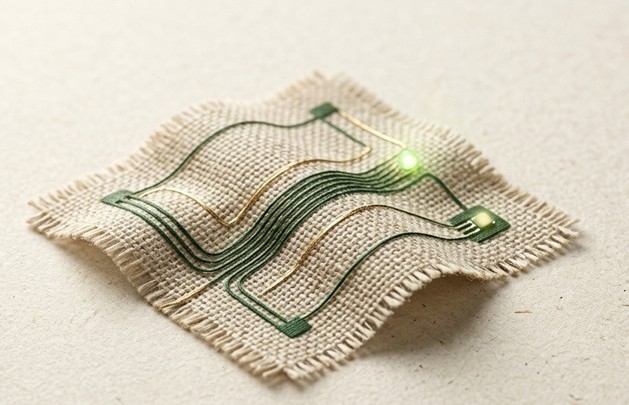
Why it matters: This signals a shift from lab-scale e-textile prototypes to production-ready systems, directly impacting manufacturers’ material sourcing, assembly lines, and end-of-life logistics.
Context: E-textile development has been hampered by trade-offs between performance, durability, comfort, and recyclability, with few solutions designed for industrial scale or circularity from the outset.
"Tyndall National Institute, based at University College Cork, is proud to announce the launch of eFLOWER, a major new EU funded research initiative that will develop the next generation of sustainable, high." — TYNDALL.IE
Commentary: The project’s explicit focus on LAND, WATER, and SPACE environments forces material and manufacturing specifications that will trickle down to mainstream sportswear and medical wearables, altering durability testing and supply chain requirements. By prioritizing bio-based adhesives and modular architectures, it pressures incumbent component and assembly vendors to adapt or be sidelined in the EU’s textile value chain.
Date: April 22, 2026 12:00 AM ET
URL: https://www.tyndall.ie/news/e-flower-project-accelerates-future-growth-of-green-e-textiles/
AI Sentiment Score: Negative (66%)
AI Credibility Score: 10.0/10 — High
Scores and text generated by AI analysis of the source article indicated.
Nature of Fashion Pilot Projects (Biomimicry)
Summary: The Nature of Fashion initiative is deploying three distinct pilot projects in the Netherlands, Germany, and Ghana to address textile waste. Each pilot focuses on converting the ‘bottom fraction’ of mixed waste—materials otherwise destined for landfill or incineration—into regenerative outputs or industrial feedstock. The European efforts, led by Circle Economy and the Beneficial Design Institute, emphasize regional circular infrastructure and biotechnological innovation, while the Ghana pilot centers on ecological restoration and community stewardship.

Why it matters: For fashion brands and manufacturers, these pilots represent concrete, scalable pathways to reduce waste disposal costs, comply with tightening EU regulations on textile waste, and mitigate supply chain risk by creating localized material recovery loops.
Context: The fashion industry faces mounting regulatory pressure and landfill costs for end-of-life textiles, with current recycling infrastructure incapable of handling mixed-material or low-value waste streams.
"The Nature of Fashion initiative is transforming textile waste management by learning from nature’s strategies of decomposition and regeneration. Through innovative pilot projects across three continents, we’re demonstrating how the fashion industry." — BIOMIMICRY
Commentary: The operational consequence is a shift from generic ‘circularity’ pledges to region-specific waste processing blueprints. For European brands, this means future vendor contracts will likely include obligations to route unsellable textiles to these new biotechnological hubs, altering logistics and cost structures. In Ghana, the model suggests a different leverage point: waste management as a tool for ecological restoration, potentially creating new compliance frameworks for brands sourcing from or operating in the region.
Date: April 20, 2026 12:00 AM ET
URL: https://biomimicry.org/innovation/nature-of-fashion/pilot-projects/
AI Sentiment Score: Negative (81%)
AI Credibility Score: 9.8/10 — High
Scores and text generated by AI analysis of the source article indicated.
JEPLAN and partners demonstrate commercial scale … (Zenbird.Media)
Summary: JEPLAN, Axens, and IFPEN have successfully demonstrated a semi-commercial-scale fibre-to-fibre chemical recycling process for polyester textiles, processing tens of tonnes of waste at a facility with a 1,000-tonne annual capacity. The process, using Rewind® PET technology, converts post-consumer polyester into monomers for new PET production. The resulting material is targeted for sportswear, interior, and luxury fashion sectors. The demonstration validates the technology’s readiness for industrial application and provides a foundation for integrating circularity into textile supply chains.

Why it matters: This demonstration provides a concrete, scalable technical pathway for brands and manufacturers to decouple polyester production from virgin fossil feedstocks, directly impacting material procurement, waste management, and product lifecycle strategies.
Context: Chemical recycling for textiles has largely been confined to lab or pilot scale; this demonstration at semi-commercial volume (1,000 tonnes/year) bridges the critical gap between R&D and industrial deployment.
"JEPLAN, Inc., Axens, and IFP Energies nouvelles (IFPEN) have successfully completed their demonstration of a semi-commercial scale fibre-to-fibre recycling process. The partners processed tens of tonnes of used textile waste at a." — ZENBIRD.MEDIA
Commentary: The immediate implication is a shift in vendor selection for recycled polyester, moving beyond mechanical recycling and bottle-to-fibre routes. Brands in the target sectors now have a validated, licensable technology (via Axens) to secure higher-quality, fibre-to-fibre recycled feedstock, which will affect sourcing contracts and sustainability claims. This scale also pressures waste collection and sorting infrastructure, particularly in Europe, to supply sufficient volumes of pure polyester waste to feed such plants.
Date: May 01, 2026 12:00 AM ET
URL: https://zenbird.media/jeplan-and-partners-demonstrate-commercial-scale-polyester-textile-recycling/
AI Sentiment Score: Negative (66%)
AI Credibility Score: 8.2/10 — High
Scores and text generated by AI analysis of the source article indicated.
Recycling textiles: from collection to retail (Cordis.Europa.Eu)
Summary: The EU-funded SCIRT project has developed and piloted a mechanical textile-to-textile recycling system, achieving a 90% garment recyclability rate. It deployed automated sorting (Fibersort) and trimming (Trimclean) technologies to lower processing costs. The project also created a True Cost Calculator for stakeholders and spurred retailer take-back programs, resulting in market-ready products like HNST jeans made from at least 50% recycled content.
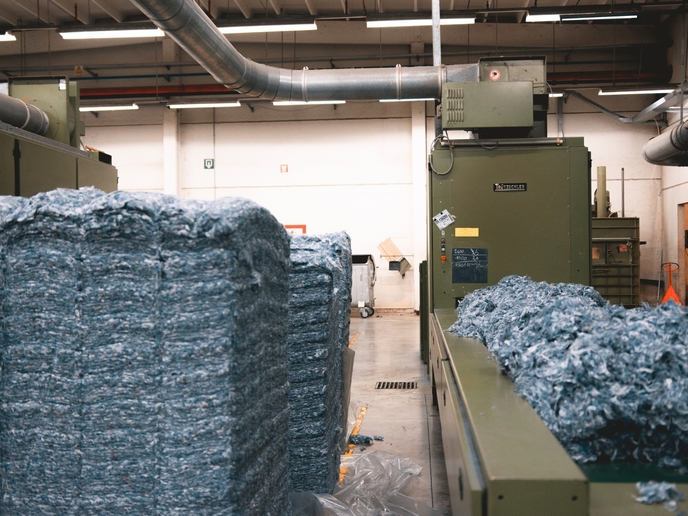
Why it matters: For brands and manufacturers, this demonstrates a viable, automated pipeline for post-consumer textile recycling that directly impacts material sourcing costs, compliance with EU collection mandates, and product design for circularity.
Context: The EU’s Circular Economy Action Plan mandates separate textile collection from 2025, against a backdrop where less than 1% of textile waste is currently recycled into new fibers, creating urgent pressure for scalable industrial solutions.
"Recycling textiles: from collection to retail Textiles and fashion are priority product groups in the EU’s Circular Economy Action Plan(opens in new window), which specifies the separate collection of textiles from 2025." — CORDIS.EUROPA.EU
Commentary: The 90% recyclability figure is a hard operational benchmark that shifts the feasibility calculus for brands; it moves circular sourcing from a PR narrative to a supply chain variable. The automated sorting and trimming tools from Valvan address the primary cost and quality bottlenecks, meaning brands can now model recycled material input costs with greater certainty. This forces design and merchandising teams to explicitly design for disassembly and specify compatible material mixes to feed this new pipeline.
Date: April 27, 2026 12:00 AM ET
URL: https://cordis.europa.eu/article/id/453726-recycling-textiles-from-collection-to-retail
AI Sentiment Score: Negative (75%)
AI Credibility Score: 10.0/10 — High
Scores and text generated by AI analysis of the source article indicated.
US researchers create self-folding textiles from flat fabric (Fibre2Fashion)
Summary: Cornell Tech researchers have developed OriStitch, a method for creating self-folding textiles from flat fabric. The process uses computational design to convert a 3D model into a 2D pattern with embedded heat-shrink threads, which are applied via laser cutting and embroidery. When heated, the threads contract, causing the flat textile to fold autonomously into the target 3D shape. The technique is compatible with existing materials like leather, felt, and woven fabrics, and existing hardware like laser cutters and embroidery machines.

Why it matters: This directly impacts prototyping speed, material waste, and labor costs in fashion, accessories, and soft goods manufacturing by automating complex 3D shaping.
Context: Computational fabrication in textiles has largely focused on knitting or weaving 3D forms directly, which requires specialized equipment and materials.
"This approach is more efficient and accessible than the existing machine embroidery – and could be a creative boon for areas such as fashion, architecture and smart textiles, according to the researchers." — FIBRE2FASHION
Commentary: The significance is operational: it turns standard embroidery machines into 3D form generators, potentially collapsing digital sampling and physical prototyping into a single, faster step. For brands, this could reduce time-to-market for structured accessories and enable low-volume, personalized 3D textile products without retooling. The remaining constraint is the manual adjustment of embroidery machines, a bottleneck that will determine its scalability beyond the lab.
Date: Tue, 19 May 2026 02:43:02 GMT
URL: https://www.fibre2fashion.com/news/textiles-technology-news/us-researchers-create-self-folding-textiles-from-flat-fabric-307158-newsdetails.htm
AI Sentiment Score: Negative (80%)
AI Credibility Score: 10.0/10 — High
Scores and text generated by AI analysis of the source article indicated.
A new textile-to-textile recycling process validated on an industrial scale – bioplastics MAGAZINE (Bioplasticsmagazine)
Summary: A consortium of Axens, IFPEN, and JEPLAN has successfully validated their Rewind® PET chemical recycling process on a semi-industrial scale, processing tens of tons of post-consumer textile waste into purified BHET monomer. The test, conducted at JEPLAN’s Japanese facility using French-sourced waste, demonstrates the technology’s robustness and reproducibility under representative industrial conditions. This validation marks a critical step toward scaling genuine textile-to-textile recycling for polyester, which currently accounts for over 60% of global fiber production but sees less than 1% recycled back into textiles.

Why it matters: This industrial-scale validation provides a concrete, licensable pathway for polyester producers and brands to materially reduce virgin fossil feedstock consumption and establish closed-loop supply chains, directly impacting sourcing strategies and sustainability commitments.
Context: Chemical recycling for textiles has been largely confined to lab or pilot scale; credible, industrial-scale validation for post-consumer waste streams remains a significant bottleneck for the industry’s circularity goals.
"This industrial textile-to-textile recycling test of several tons of post-consumer PET is one of the first of its kind under representative industrial conditions. It paves the way for large-scale industrial chemical recycling of textile polyester, offering textile stakeholders a building block that can be integrated into a global strategy across the entire value chain committed to reduction, reuse, and textile recycling." — BIOPLASTICSMAGAZINE
Commentary: The operational consequence is a near-term shift in capital allocation for polyester producers: the technology is framed as deployable on existing sites, lowering the barrier for retrofitting. For sportswear, outdoor, and home furnishing brands, this creates a credible, high-volume supplier of recycled polyester that doesn’t degrade performance, potentially reshaping material sourcing RFPs and Life Cycle Assessment calculations. The exclusive licensing model to Axens suggests a roll-out dependent on regional partnerships, moving the constraint from technology readiness to waste collection and sorting logistics.
Date: May 08, 2026 12:00 AM ET
URL: https://www.bioplasticsmagazine.com/en/news/meldungen/20260508-A-new-textile-to-textile-recycling-process-validated-on-an-industrial-scale.php
AI Sentiment Score: Negative (70%)
AI Credibility Score: 10.0/10 — High
Scores and text generated by AI analysis of the source article indicated.
Materials scientist creates fabric alternative to batteries for wearable devices (Sciencedaily)
Summary: A University of Massachusetts Amherst team led by Trisha L. Andrew has developed a method for creating flexible, fabric-based energy storage by vapor-coating conductive threads and embroidering them into garments to form micro-supercapacitors. This addresses a key bottleneck in wearable biosensors: the lack of lightweight, long-lasting, and flexible power supplies. The technique allows for charge-storing patterns to be directly sewn onto any textile, integrating power storage into the garment’s structure.

Why it matters: This directly impacts the production pipeline for smart garments by potentially eliminating rigid battery packs, simplifying assembly, and enabling new garment designs and sensor integrations.
Context: Wearable tech development has been constrained by bulky or inflexible power storage; prior attempts to integrate electrochemically active materials into textiles have faced challenges with conductivity, ion transport, and scalability.
"With this paper, we show that we can literally embroider a charge-storing pattern onto any garment using the vapor-coated threads that our lab makes. This opens the door for simply sewing circuits on self-powered smart garments." — SCIENCEDAILY
Commentary: The operational consequence is a shift from assembling separate power modules to treating energy storage as a textile component, sewn in during garment construction. This could reduce time to market by simplifying the bill of materials and assembly, lower digital sampling costs by using existing embroidery infrastructure, and increase manufacturing throughput for smart apparel. The focus on vapor deposition scaling suggests a vendor and tooling shift for textile mills aiming to produce conductive yarns.
Date: May 06, 2026 12:00 AM ET
URL: https://www.sciencedaily.com/releases/2018/11/181108164257.htm
AI Sentiment Score: Negative (50%)
AI Credibility Score: 10.0/10 — High
Scores and text generated by AI analysis of the source article indicated.
Textile recycling test processes European waste at industrial scale (Just-Style)
Summary: A consortium led by Axens, IFPEN, and JEPLAN has successfully completed an industrial-scale test of its Rewind PET chemical recycling process on post-consumer textile waste. The test, conducted at a 1,000-tonne-per-year facility in France, converted collected textiles into BHET monomer for new polyester production. The process is now validated for textiles, having been previously commercialized for PET packaging. Axens holds an exclusive global license to offer the technology to industrial players aiming to establish local textile-to-textile recycling loops.
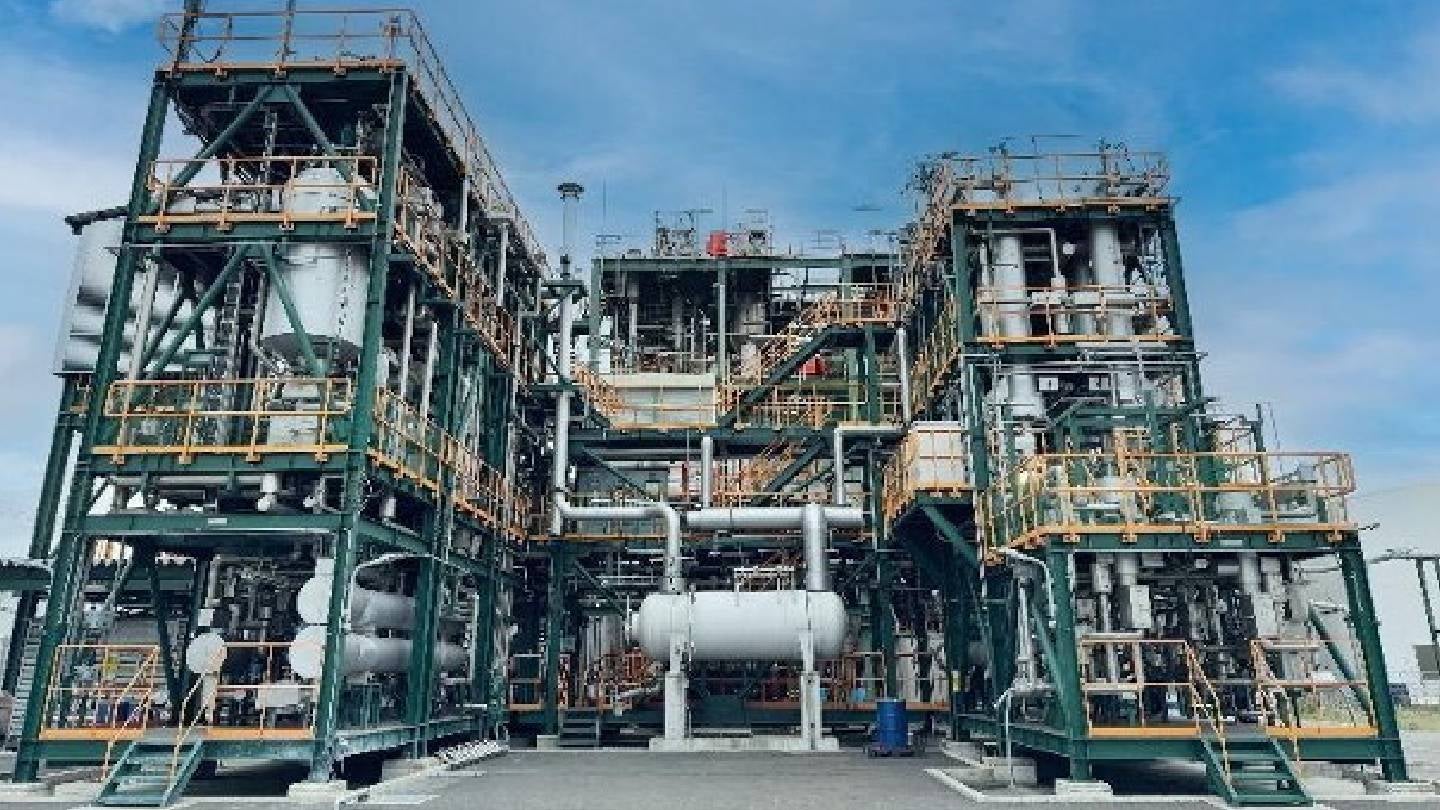
Why it matters: This demonstration provides a proven, licensable industrial process for converting post-consumer textile waste back into virgin-grade polyester, directly impacting material sourcing strategies and waste compliance for apparel and home furnishing manufacturers.
Context: Textile-to-textile recycling remains a critical bottleneck for circular fashion, with most recycled polyester currently derived from plastic bottles, not clothing. Regulatory pressure and brand commitments are driving demand for closed-loop solutions.
"The unit, operated by JEPLAN, used the Rewind PET process developed by Axens, IFPEN, and JEPLAN to recycle materials prepared by Nouvelles Fibres Textile and Mapea in France. This recycling test occurred." — JUST-STYLE
Commentary: The validation shifts the conversation from pilot potential to deployment logistics. For brands, this creates a new vendor option (Axens) for securing circular polyester feedstock that doesn’t compete with bottle supply chains. For manufacturers, it introduces a capital expenditure decision: license the technology to build local recycling capacity or source the resulting BHET monomer from third-party operators. The specified end-uses—sportswear, home furnishings, luxury textiles—signal where the consortium sees initial margin to absorb any premium, influencing which supply chains will adopt first.
Date: April 28, 2026 12:00 AM ET
URL: https://www.just-style.com/news/textile-recyling-japan-test/
AI Sentiment Score: Negative (75%)
AI Credibility Score: 10.0/10 — High
Scores and text generated by AI analysis of the source article indicated.
IFPEN | A new textile-to-textile recycling process validated on … (Ifpenergiesnouvelles)
Summary: A consortium of Axens, IFPEN, and JEPLAN has validated their Rewind® PET chemical recycling process for post-consumer polyester textiles at a semi-industrial scale of 1,000 tons/year. The test processed tens of tons of European-sorted waste in Japan, producing monomers for 100% recycled polyester. The technology, already commercialized for packaging, is now licensed exclusively to Axens for global textile applications, targeting sportswear, home furnishings, and luxury segments.
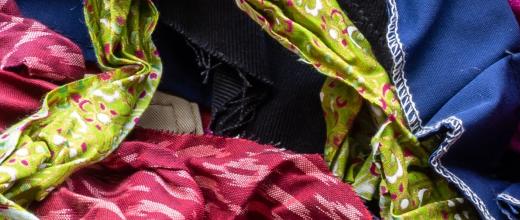
Why it matters: This validates a scalable, licensable chemical recycling pathway for polyester textiles, directly impacting supply chain sourcing, waste management contracts, and material specifications for brands under regulatory and ESG pressure.
Context: Chemical recycling for textiles has faced scalability and cost hurdles; this demonstration moves from lab to semi-industrial scale and explicitly bridges European waste sourcing with Asian processing infrastructure.
"Several tens of tons of post-consumer, polyester-rich, European textile waste, sorted and prepared in France, have been processed in the Axens, IFPEN and JEPLAN semi-industrial demonstration unit, located in Japan, to successfully produce the base monomer of a 100% recycled polyester." — IFPENERGIESNOUVELLES
Commentary: The operational model—European waste, Japanese processing, global licensing—creates a new vendor option for brands seeking circular polyester. It shifts the constraint from technology validation to logistics and economics of waste collection and monomer transport. For sustainability teams, it introduces a licensable, non-proprietary process, potentially reducing dependency on a single supplier like Eastman but introducing new due diligence on cross-continental waste flows and the energy intensity of chemical recycling.
Date: April 21, 2026 12:00 AM ET
URL: https://www.ifpenergiesnouvelles.com/article/new-textile-textile-recycling-process-validated-industrial-scale
AI Sentiment Score: Negative (88%)
AI Credibility Score: 9.8/10 — High
Scores and text generated by AI analysis of the source article indicated.
Global Fashion Agenda And ReHubs Launch 2030 Circularity Blueprint To Transform Europe’s Textile Recycling — TEXINTEL (Texintel)
Summary: Global Fashion Agenda and ReHubs have launched the 2030 Circularity Blueprint, a detailed plan to overcome systemic bottlenecks in Europe’s textile recycling. The blueprint identifies eight intervention areas, from establishing a textile waste intelligence platform to securing long-term offtake commitments, aiming to transform voluntary sustainability goals into investment-grade infrastructure. It targets an industrial capacity of 2.7 million tonnes of textile-to-textile recycling by 2035 and calls for a policy incentive framework to address the price premium of recycled materials.

Why it matters: This blueprint directly impacts the operational and financial planning for brands, recyclers, and investors by providing a concrete roadmap for building the recycling infrastructure that new EU regulations will demand.
Context: The EU’s separate collection obligations for textiles are creating a looming waste crisis, with less than 1% of garments currently recycled into new clothing, highlighting a severe infrastructure gap.
"Global Fashion Agenda And ReHubs Launch 2030 Circularity Blueprint To Transform Europe’s Textile Recycling Copenhagen – 6 May 2026 – The European Union textile system has reached a critical turning point, with." — TEXINTEL
Commentary: The blueprint’s focus on ‘investment-grade infrastructure’ and a ‘Targeted Policy Incentive Framework’ signals a shift from pilot projects to industrial scaling, requiring brands to lock in offtake agreements and designers to adopt circular specs. The €8-11 billion capex figure sets a clear capital allocation target for the sector, while the waste intelligence platform could become a critical tool for sorters and recyclers to optimize feedstock quality and throughput.
Date: May 07, 2026 12:00 AM ET
URL: https://www.texintel.com/press-room/gfa-05-26-p-global-fashion-agenda-and-rehubs-launch-2030-circularity-blueprint-to-transform-europes-textile-recycling
AI Sentiment Score: Negative (75%)
AI Credibility Score: 9.2/10 — High
Scores and text generated by AI analysis of the source article indicated.
Polyester-rich textile wastes are recycled to monomer at … (Chemengonline)
Summary: A semi-industrial demonstration unit in Japan, operated by Axens, IFPEN, and JEPLAN, has successfully processed tens of tons of post-consumer, polyester-rich textile waste from France to produce BHET monomer. This marks a significant scale validation for chemical textile-to-textile recycling under representative industrial conditions. The resulting monomer will be converted into new polyester yarns and fabrics, targeting sportswear, home furnishings, and luxury sectors.
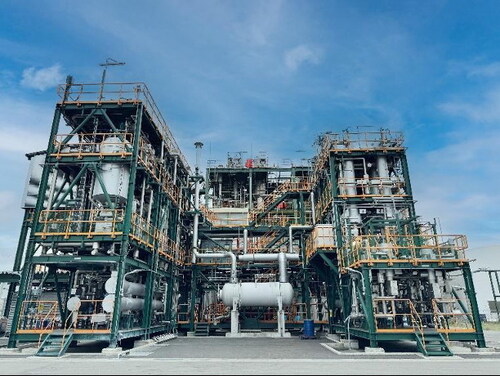
Why it matters: This validates a chemical recycling pathway for polyester textiles at a meaningful scale, directly impacting material sourcing strategies, waste management costs, and the feasibility of closed-loop production for major apparel segments.
Context: Polyester recycling has largely been limited to mechanical downcycling or bottle-to-fiber processes; true textile-to-textile chemical recycling at scale has been a persistent bottleneck for circularity claims.
"This industrial textile-to-textile recycling test of several tons of post-consumer PET is one of the first of its kind under representative industrial conditions." — CHEMENGONLINE
Commentary: The licensing of this proven PET packaging technology to Axens for textiles creates a new vendor option for brands seeking chemically recycled polyester feedstock. It shifts the operational constraint from technology validation to establishing collection, sorting, and pre-processing pipelines in Europe and elsewhere to feed such units. For luxury and sportswear brands, this provides a potential route to high-quality recycled content without compromising on performance, directly affecting sourcing RFPs and sustainability reporting.
Date: April 23, 2026 12:00 AM ET
URL: https://www.chemengonline.com/polyester-rich-textile-wastes-are-recycled-to-monomer-at-demonstration-plant/
AI Sentiment Score: Negative (50%)
AI Credibility Score: 9.4/10 — High
Scores and text generated by AI analysis of the source article indicated.
How PLM is Paving the Way for a Circular Economy in Fashion – Lifecycle PLM (Lifecycleplm)
Summary: Product Lifecycle Management (PLM) software is being positioned as a central operational platform for implementing circular economy principles in fashion. It enables detailed tracking of materials and products from design through post-consumer phases, supports the specification of recyclable materials at the design stage, and facilitates data feedback loops to improve future product sustainability. Brands like Patagonia and H&M are cited as using PLM to operationalize repair, resale, and closed-loop recycling initiatives.

Why it matters: For fashion brands and their supply chain partners, this signals a shift in PLM from a product development and cost-tracking tool to a core system for managing material circularity, compliance, and new business models like resale.
Context: PLM adoption has historically been driven by speed-to-market and cost control; the push for circularity adds traceability, extended lifecycle data, and end-of-life logistics as new mandatory data layers.
"PLM enables brands to track and document the complete lifecycle of their products, from production to post-consumer phases. This visibility supports the development of feedback loops where information about the product’s performance and recyclability can inform future designs, continuously improving the sustainability of products." — LIFECYCLEPLM
Commentary: The operational consequence is that PLM systems must now ingest and manage data from outside the traditional supply chain—from consumer returns, repair centers, and recycling facilities. This expands the data model and requires integration with new external partners, turning PLM into a cross-enterprise material passport system. For vendors, it creates pressure to offer modules for lifecycle assessment (LCA) and end-of-life tracking. For brands, it means design and sourcing teams will have new sustainability KPIs baked directly into their workflow tools.
Date: April 29, 2026 12:00 AM ET
URL: https://www.lifecycleplm.com/blog/how-plm-is-paving-the-way-for-a-circular-economy-in-fashion
AI Sentiment Score: Negative (85%)
AI Credibility Score: 8.2/10 — High
Scores and text generated by AI analysis of the source article indicated.
Post ID: d3c9f205