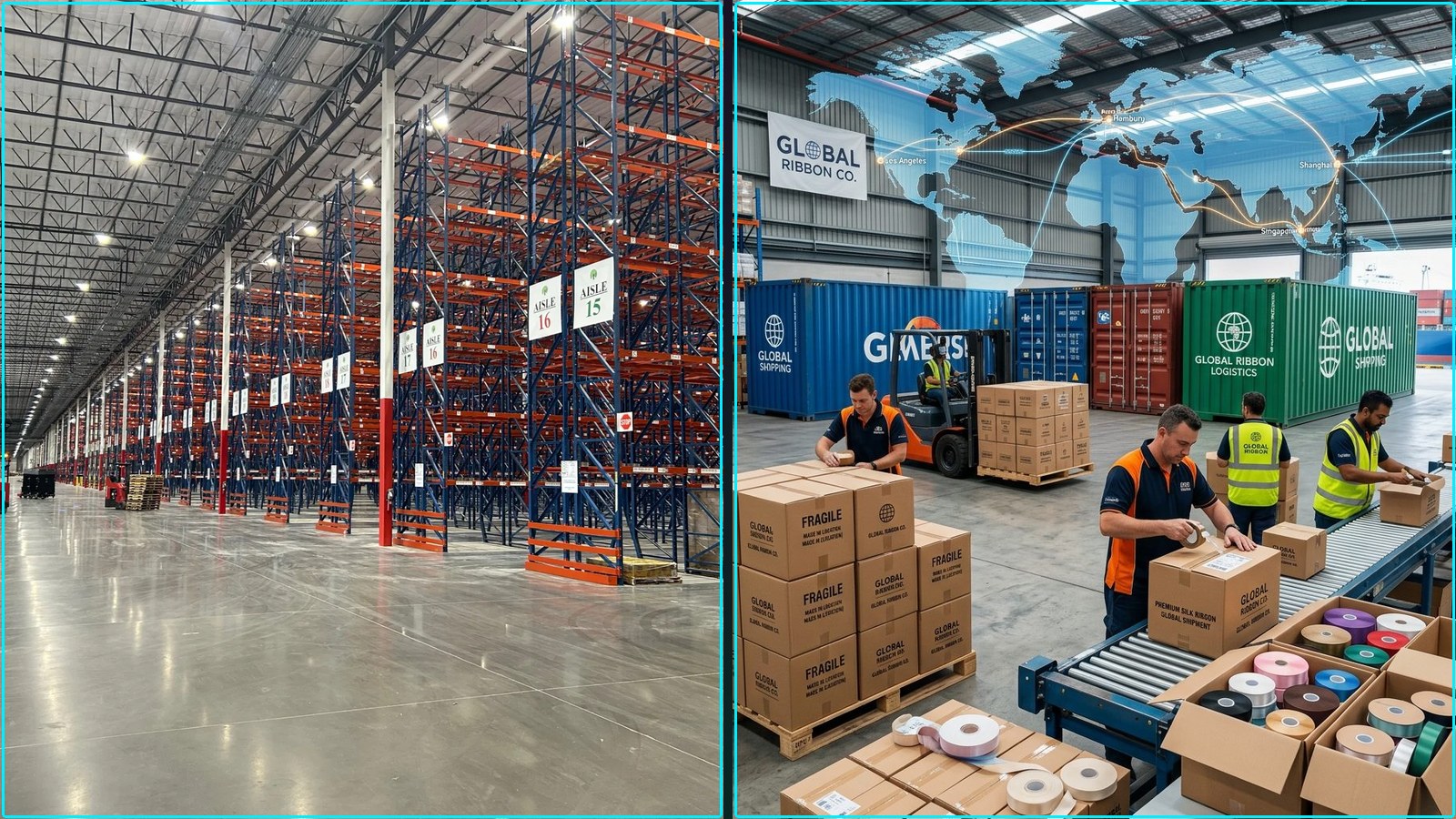
Logistics operations and supply chain data
Dollar Tree is boosting logistics resiliency (Retaildive)
Summary: Dollar Tree is expanding its distribution footprint, opening a 1 million-square-foot facility in Arizona and planning a replacement center in Oklahoma for 2027, following a tornado’s destruction of a prior site. The moves aim to increase store coverage per DC, improve efficiency, and lower costs per location. Concurrently, the company is securing multi-year freight contracts for three-quarters of its volume and diversifying its import strategy to reduce spot market exposure and improve cost predictability.
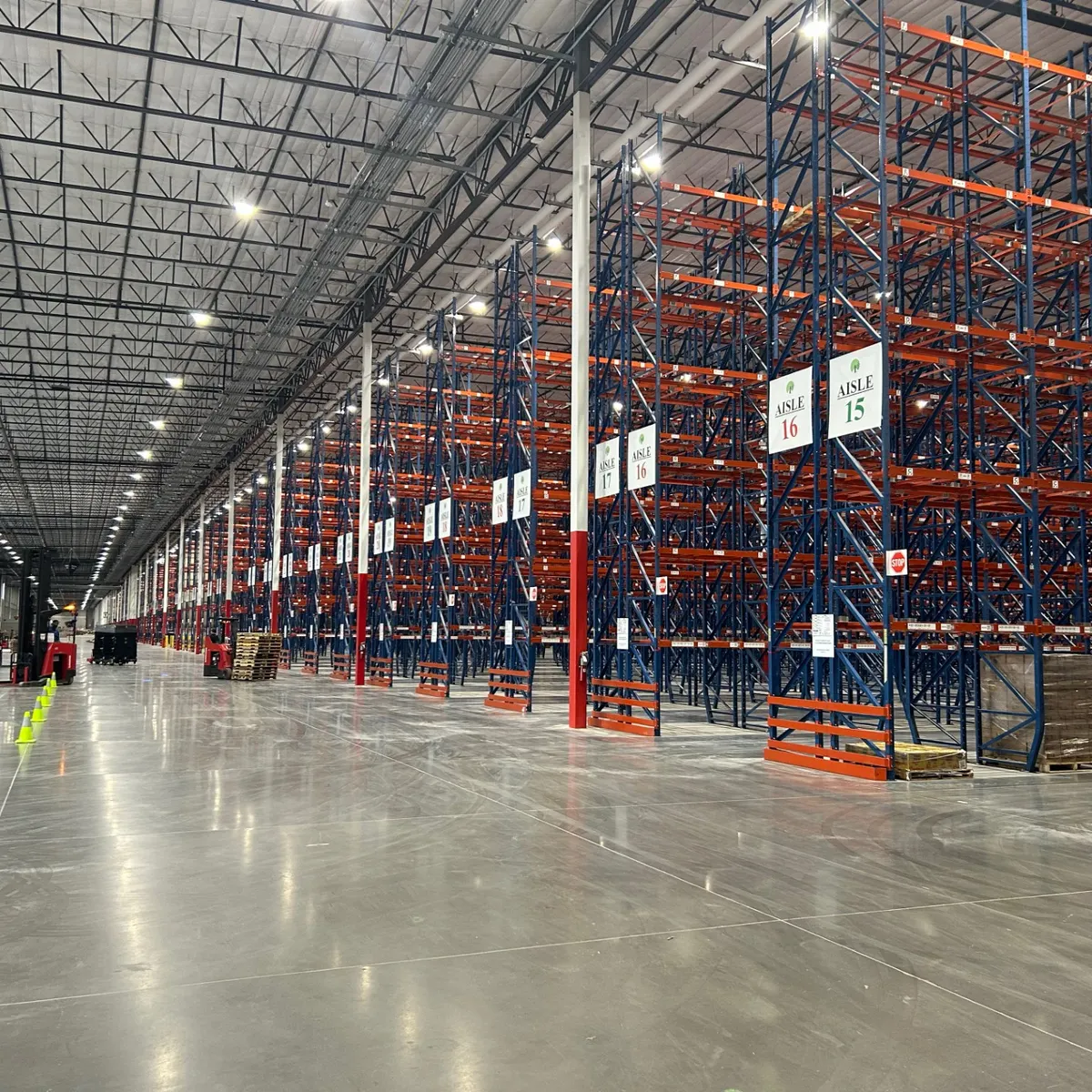
Why it matters: For domestic logistics operators and low-cost retail competitors, this signals a shift toward capital-intensive network hardening, moving from a reactive, cost-focused model to one prioritizing resilience and scale, which could pressure margins and redefine baseline infrastructure requirements in the value retail sector.
Context: This expansion occurs against a backdrop of persistent pressure on low-margin retail logistics, where transportation volatility and single-point failures, like the Oklahoma tornado, have exposed the operational risks of lean networks.
"Dollar Tree is “making solid progress” building a more resilient and scalable supply chain through several initiatives, Chief Supply Chain Officer Roxanne Weng told sister publication Supply Chain Dive in an email." — RETAILDIVE
Commentary: Dollar Tree’s capital commitment to owned infrastructure and long-term freight contracts represents a fundamental recalculation of risk tolerance; the cost of resilience is now a core operating expense, not a discretionary upgrade. This could force similar operators to reassess their own network fragility, likely triggering a wave of capital expenditure in a sector previously optimized for variable cost. The multi-year contracts locking in capacity also signal a strategic bet against future transportation market volatility, providing a cost-advantage moat if rates rise.
Date: Mon, 18 May 2026 09:53:00 -0400
URL: https://www.retaildive.com/news/dollar-tree-logistics-resiliency-distribution-center/820334/
AI Sentiment Score: Negative (78%)
AI Credibility Score: 10.0/10 — High
Scores and text generated by AI analysis of the source article indicated.
The Logistics of Excellence: Navigating Global Shipping and Compliance for Premium Ribbon Exports (Mystyleribbon)
Summary: Meisida, a ribbon manufacturer, details its 17-year operational playbook for global textile logistics, emphasizing compliance with certifications like BSCI, GRS, and OEKO-TEX as a core competitive function. The piece outlines integrated production scheduling, multimodal transport strategies, and the use of historical data for route optimization and carrier performance. It frames logistics not as a cost center but as a value-creation pillar for premium exports.
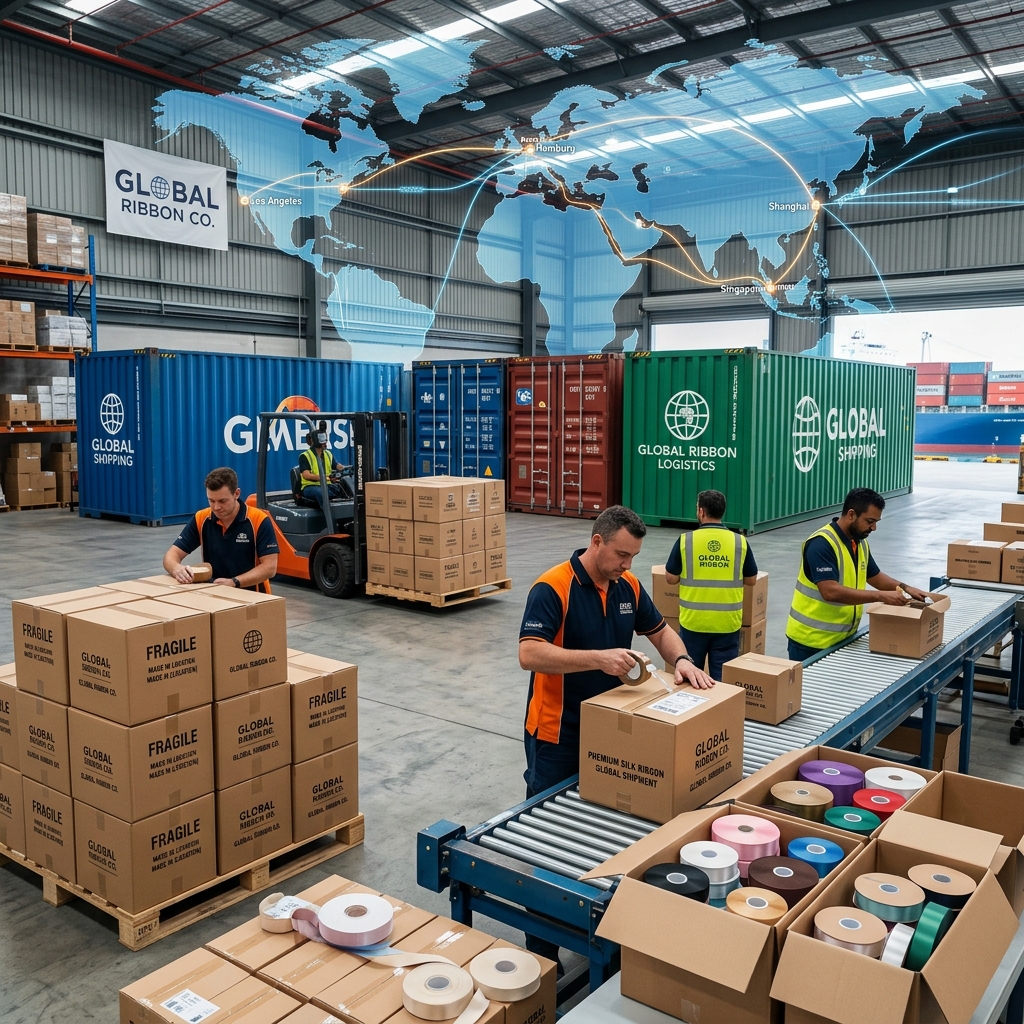
Why it matters: For U.S. manufacturers exporting high-value, regulated goods, this operational blueprint highlights the non-negotiable integration of compliance into the physical supply chain, directly impacting landed cost, delivery reliability, and market access.
Context: As onshoring and ‘Made in USA’ initiatives increase, the bottleneck for domestic producers shifts from pure production capacity to the mastery of complex global distribution and regulatory adherence.
"The Logistics of Excellence: Navigating Global Shipping and Compliance for Premium Ribbon Exports The Logistics of Excellence: Navigating Global Shipping and Compliance for Premium Ribbon Exports Professional Summary In the competitive landscape." — MYSTYLERIBBON
Commentary: The article operationalizes compliance, moving it from a marketing checkbox to a daily logistics function. For domestic producers, the implication is clear: building internal teams with deep, nuanced expertise in tariff structures and certification chain-of-custody is now a prerequisite for competing in premium export markets, not an afterthought. The emphasis on historical data for bottleneck prediction suggests a shift from reactive freight management to predictive supply chain design, a capability that will separate resilient exporters from the rest.
Date: May 19, 2026 12:00 AM ET
URL: https://www.mystyleribbon.com/news/the-logistics-of-excellence-navigating-global-shipping-and-compliance-for-premium-ribbon-exports
AI Sentiment Score: Positive (40%)
AI Credibility Score: 7.0/10 — Medium
Scores and text generated by AI analysis of the source article indicated.
[#338] Supply Chain in Numbers – May 18, 2026 (Scnumbers.Substack)
Summary: FedEx and UPS implement new international surcharges, including a 32-cent-per-pound fee on inbound U.S. volume, while raising fuel surcharge percentages. Descartes acquires Idelic for $28M to integrate AI-driven fleet safety analytics. Burlington Stores breaks ground on a highly automated 2M sqft Arizona DC. Avery Dennison invests $75M in Wiliot’s passive BLE sensor tech, following Walmart’s dual RFID and IoT mandates. CVS Health reports a near 4x throughput increase at a New Jersey warehouse using AutoStore and partner robotics.
![[#338] Supply Chain in Numbers – May 18, 2026](https://substackcdn.com/image/fetch/$s_!Msdp!,f_auto,q_auto:best,fl_progressive:steep/https%3A%2F%2Fscnumbers.substack.com%2Ftwitter%2Fsubscribe-card.jpg%3Fv%3D802229417%26version%3D9 "Image via Scnumbers.Substack")
Why it matters: These moves recalibrate cost structures for shippers, accelerate automation ROI timelines, and signal deeper integration of ambient IoT and AI analytics into core logistics operations.
Context: Carrier surcharges are a direct lever on landed cost; automation and sensor investments are scaling beyond pilots into core distribution and visibility infrastructure.
"One from UPS is a 32-cent-per-pound surcharge for volume to the U.S. from any origin country or territory, except those where a surge emergency fee already applies." — SCNUMBERS.SUBSTACK
Commentary: The 32-cent surcharge is a blunt cost adder for importers, directly compressing margins. Coupled with Burlington’s and CVS’s automation gains, the pressure to offset rising transport costs with warehouse productivity is now operational, not theoretical. The Avery Dennison-Wiliot deal, following Walmart’s backing, suggests ambient IoT is moving from pilot to procurement, setting a new data-collection standard for cold chain and inventory visibility.
Date: May 18, 2026 12:00 AM ET
URL: https://scnumbers.substack.com/p/338-supply-chain-in-numbers-may-18
AI Sentiment Score: Negative (66%)
AI Credibility Score: 10.0/10 — High
Scores and text generated by AI analysis of the source article indicated.
Post ID: 1a8f7104