Ancient Cultures, Gods, & Artifacts Explained
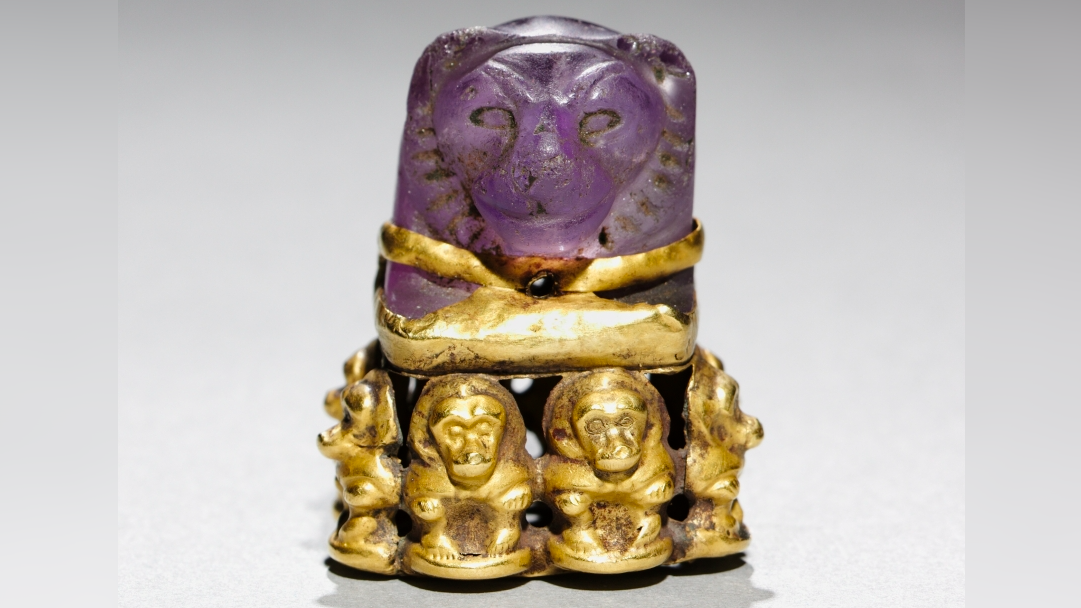
Lion’s head pendant: An ancient Egyptian board game piece that was later repurposed into a magical religious object with baboons (Livescience)
Summary: A 3,500-year-old Egyptian amethyst lion’s head, originally carved as a senet game piece, was repurposed roughly 800 years later in Sudan during the Napatan period. Nubian artisans set the ancient gemstone into a new gold mount featuring eight seated baboons, creating a pendant worn in life as a religious object. This artifact illustrates a deliberate practice of recycling and reframing Egyptian heirlooms by Kushite rulers to assert cultural lineage and religious authority.
Why it matters: It demonstrates how material culture is actively reinterpreted across centuries to serve new political and religious ideologies, challenging static views of artifact function and cultural ownership.
Context: Nubian rulers in the early first millennium B.C. frequently repurposed older Egyptian stone carvings into new gold mounts to visually claim descent from pharaohs like Ramesses II and integrate Egyptian divinity into Kushite statecraft.
"The lion’s head pendant was crafted out of an ancient Egyptian gemstone as far back as 3,500 years ago. Then, around 2,700 years ago, an artisan in Sudan set the much-older Egyptian gemstone into a new metal mount made of eight seated baboons to create a magical religious object." — LIVESCIENCE
Commentary: The pendant is not merely a recycled object but a deliberate act of cultural synthesis, where the Nubian artisan transformed a secular game piece into a charged religious symbol linking the lion of Amun-Ra with solar baboons. This repurposing reflects a strategic political narrative—using Egyptian material heritage to legitimize Kushite rule while embedding it within a distinct local religious framework. It underscores that the ‘meaning’ of an artifact is not fixed at its creation but is continually rewritten by later hands for contemporary power needs.
Date: Mon, 11 May 2026 10:00:00 +0000
URL: https://www.livescience.com/archaeology/ancient-egyptians/lions-head-pendant-an-ancient-egyptian-board-game-piece-that-was-later-repurposed-into-a-magical-religious-object-with-baboons
AI Sentiment Score: Neutral (50%)
AI Credibility Score: 10.0/10 — High
Scores and text generated by AI analysis of the source article indicated.
Ancient Israelite & Judean Religion: Its History and Development (Worldhistory)
Summary: Archaeological and textual evidence from sites like Kuntillet ‘Ajrud and Khirbet el-Qom, alongside critical readings of the Hebrew Bible, demonstrate that ancient Israelite and Judean religion from the 10th to 7th centuries BCE was fundamentally henotheistic, not monotheistic. Yahweh was a primary national deity within a broader West Semitic pantheon, often worshipped alongside figures like Asherah. Religious practice centered on temple sacrifice, festivals, and divination, with ethical behavior understood as a necessary condition for maintaining Yahweh’s physical presence in the sanctuary. The canonical biblical narrative is largely a later ideological construct projecting 7th-4th century BCE theological developments onto the earlier Iron Age past.

Why it matters: This reframes the origins of a major world religion from a story of revealed monotheism to one of political and cultural evolution, with direct implications for historiography, theology, and the study of state formation.
Context: Scholarly consensus, built on epigraphy and archaeology over the last 50 years, has systematically dismantled the biblical portrait of a pristine Mosaic monotheism, revealing a complex, polytheistic Iron Age Levantine culture.
"As early as the 10th century BCE, Israelite and Judean religion began to emerge within the broader West Semitic culture, otherwise known as Canaanite culture. Between the 10th century and the 7th." — WORLDHISTORY
Commentary: The operational shift is from treating the Hebrew Bible as a historical record to treating it as a contested artifact of later state and priestly power. This moves the field’s center of gravity from theology to political anthropology, where the consolidation of Yahweh worship mirrors the consolidation of the Judean state, with monotheism as a tool of centralization, not a founding principle.
Date: Wed, 27 May 2026 16:00:02 +0000
URL: https://www.worldhistory.org/article/1097/ancient-israelite--judean-religion/
AI Sentiment Score: Neutral (33%)
AI Credibility Score: 10.0/10 — High
Scores and text generated by AI analysis of the source article indicated.
Ereshkigal: Mesopotamian Queen of the Dead (Worldhistory)
Summary: The article details the role and mythology of Ereshkigal, the Mesopotamian Queen of the Dead, focusing on her unique position as a feared yet respected female ruler of the underworld. It examines her portrayal in key texts like ‘The Descent of Inanna,’ where she is the central figure of justice, and her marriage to Nergal, which explains seasonal warfare. The piece also explores the practical cultic and societal implications of her worship, including ancestor veneration and the fear of haunting.

Why it matters: It reframes our understanding of early power structures, showing a female deity wielding ultimate, feared authority in a domain central to societal order, and challenges modern interpretive biases by restoring the narrative primacy of justice and consequence over self-actualization.
Context: This analysis intervenes in a long-standing scholarly tendency to project contemporary, often Jungian, frameworks onto ancient texts, while also contributing to the reevaluation of gender and authority in early pantheons.
"Ereshkigal (also known as Irkalla and Allatu) is the Mesopotamian Queen of the Dead, who rules the underworld. Her name translates as "Queen of the Great Below" or "Lady of the Great." — WORLDHISTORY
Commentary: The article’s corrective reading of ‘The Descent of Inanna’ shifts the text from a modern parable of individuation to an ancient meditation on systemic justice and the acceptance of unwelcome outcomes. This realignment has direct implications for understanding Mesopotamian legal and ethical thought, where even deities are subject to judgment. Furthermore, Ereshkigal’s enduring solitary authority, even after the introduction of a male consort, complicates simplistic narratives of a linear shift from matriarchal to patriarchal divine governance.
Date: Wed, 20 May 2026 16:00:01 +0000
URL: https://www.worldhistory.org/Ereshkigal/
AI Sentiment Score: Negative (50%)
AI Credibility Score: 10.0/10 — High
Scores and text generated by AI analysis of the source article indicated.
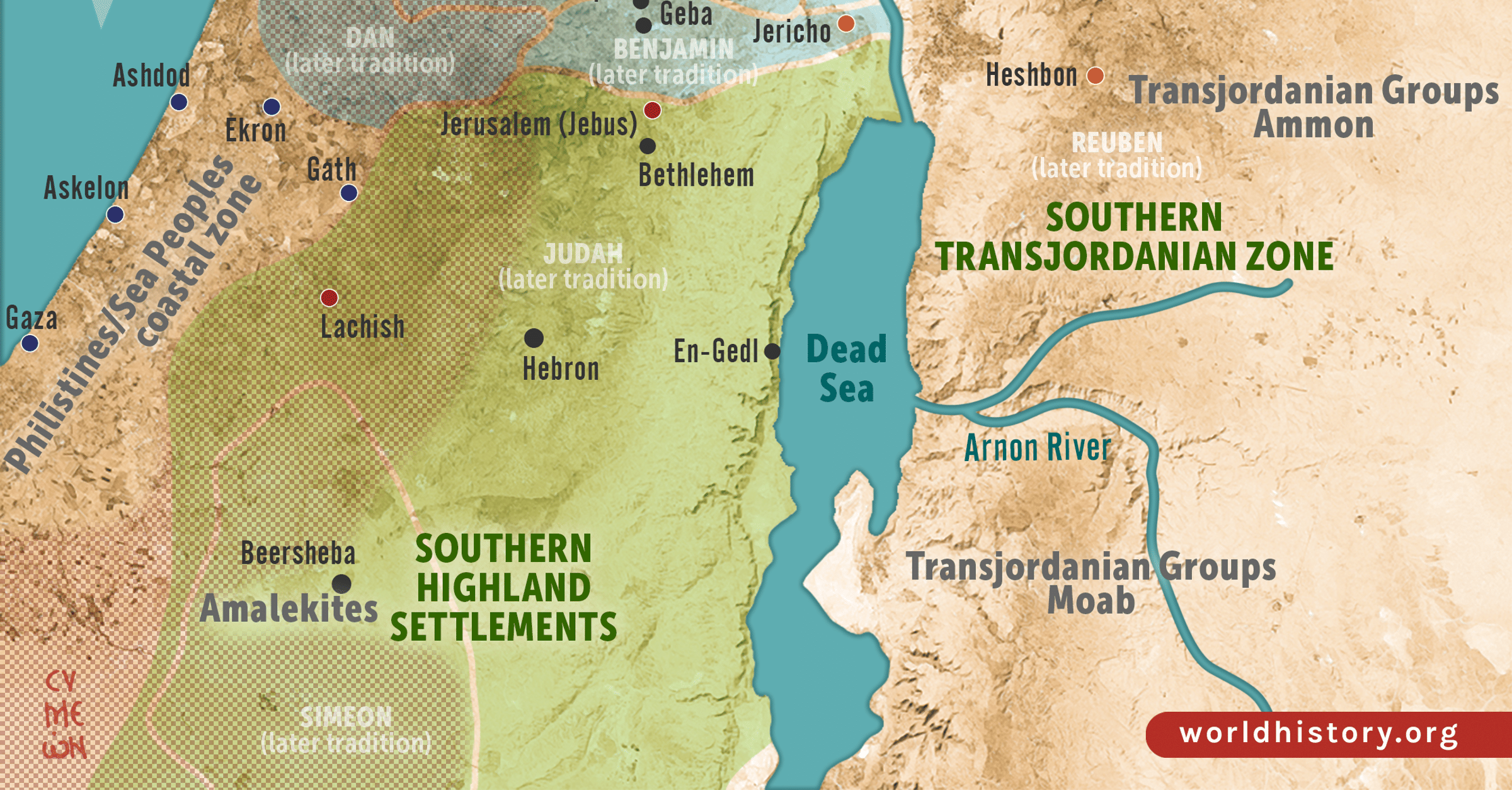
Palestine: The Ancient Land of Canaan (Worldhistory)
Summary: A historical survey traces the region known as Palestine from its earliest Bronze Age identity as Canaan, through its naming via the Philistine coastal enclave, to its Roman-era political rechristening as Syria-Palaestina. It details the successive waves of habitation, conquest, and cultural layering—Canaanite, Israelite, Assyrian, Babylonian, Persian, Hellenistic, Roman, Byzantine, and Islamic—that define its deep archaeological and textual record. The account concludes by noting how this contested geography was ultimately partitioned in the modern era, framing the current political conflict as part of a millennia-long pattern of imperial competition and demographic struggle.
Why it matters: It reframes contemporary territorial claims within a deeper, more complex chronology of nomenclature and control, challenging essentialist narratives of exclusive historical ownership.
Context: Scholarly and political discourse often projects modern national identities onto ancient landscapes, creating simplified origin stories. This piece synthesizes archaeological and textual evidence to reconstruct a more fluid, layered history of a region that has always been a crossroads.
"In the ancient world, Palestine was part of the region known as Canaan, where the Kingdoms of Israel and Judah were located. The term "Philistia" (from which "Palestine" comes) initially referred to." — WORLDHISTORY
Commentary: The article’s value lies not in new discovery but in its disciplined aggregation of established scholarship on toponymic evolution and cultural succession. It operationally decouples the land’s ancient Semitic identity (Canaan) from its later Greco-Roman administrative label (Palestine), a distinction often blurred in modern polemics. This clarifies that the term ‘Palestine’ entered the historical record not as a native self-designation but as an external geographic descriptor that later became a political instrument, notably under Hadrian. For observers, this underscores that historical claims based solely on toponymic continuity are inherently unstable, as names are artifacts of specific imperial contexts and linguistic encounters.
Date: Thu, 28 May 2026 16:00:02 +0000
URL: https://www.worldhistory.org/palestine/
AI Sentiment Score: Neutral (33%)
AI Credibility Score: 10.0/10 — High
Scores and text generated by AI analysis of the source article indicated.
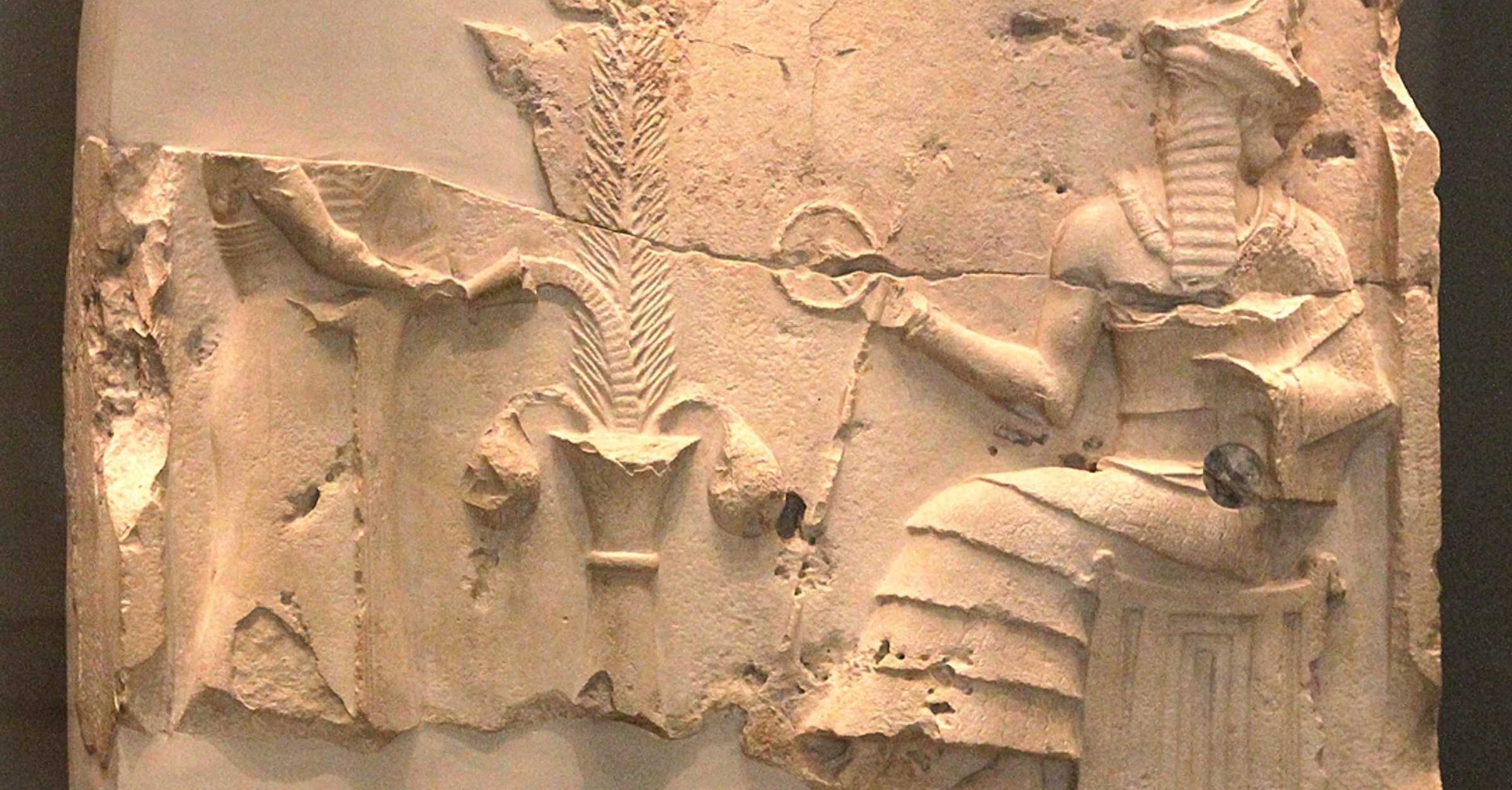
Utu-Shamash: Sumerian God of the Sun and Justice (Worldhistory)
Summary: A profile of Utu-Shamash, the Sumerian-Akkadian sun god, details his role as a divine arbiter of justice and a central figure in Mesopotamian cosmology for over three millennia. The article traces his iconography, cult centers, and familial relationships within the pantheon, emphasizing his function as an all-seeing celestial judge. It highlights how his perceived omniscience was leveraged politically, most notably by Hammurabi to legitimize his law code. The analysis also explores Utu-Shamash’s complex mythological persona, depicting him as both a benefactor and a detached deity within narratives like the Epic of Gilgamesh.
Why it matters: This deepens our understanding of how ancient societies conceptualized and institutionalized abstract principles like justice, linking cosmic order directly to political authority and legal codification.
Context: The synthesis of solar worship with judicial function represents a recurring archetype in early state formation, where a universally observable natural phenomenon is anthropomorphized to underpin social order and royal legitimacy.
"Utu-Shamash (also known as Babbar, Samas, Shamash, and Utu) is the Sumerian god of the sun and divine justice. He is the son of the moon god Nanna and the fertility goddess." — WORLDHISTORY
Commentary: The deliberate selection of Utu-Shamash over city-specific patron deities like Marduk reveals a strategic move to ground Babylonian law in a universal, pan-Mesopotamian authority. This act represents an early, sophisticated form of ideological statecraft, using a god’s perceived omnipresence and impartiality to transcend local loyalties and legitimize a centralized legal framework. It underscores how religious narrative was operationalized for political consolidation.
Date: Sat, 23 May 2026 09:00:01 +0000
URL: https://www.worldhistory.org/Utu-Shamash/
AI Sentiment Score: Negative (50%)
AI Credibility Score: 10.0/10 — High
Scores and text generated by AI analysis of the source article indicated.
The World’s Oldest Love Poem: The Love Song for Shu-Sin (Worldhistory)
Summary: The discovery and translation of the Sumerian ‘Love Song for Shu-Sin’ (c. 2000 BCE) displaced the biblical Song of Songs as the world’s oldest known love poem. This shift was a direct consequence of 19th-century archaeological expeditions to Mesopotamia, which, funded by a public seeking biblical corroboration, instead uncovered a far older literary tradition that influenced biblical narratives. The poem itself was a ritual text, part of a ‘sacred marriage’ ceremony performed to ensure fertility, blending personal romantic expression with state religious function.

Why it matters: It demonstrates how archaeological discovery can fundamentally rewrite cultural and literary history, displacing long-held assumptions about the origins and uniqueness of foundational texts.
Context: The 19th-century excavation of Mesopotamian sites, driven by biblical interests, systematically revealed that key biblical stories had older, Mesopotamian antecedents, reshaping historical and religious scholarship.
"Instead of finding the evidence they hoped for, they discovered cuneiform tablets which established that many of the biblical narratives were derived from Mesopotamian sources. This discovery had a profound impact not only on biblical scholarship at the time but also on the history of the world as it was then understood." — WORLDHISTORY
Commentary: The poem’s history illustrates a recurring pattern: the search for validation of a dominant narrative (biblical antiquity) often uncovers a more complex, older, and disruptive reality. Its function as sacred ritual also reframes ‘love poetry’ from a purely personal genre to an instrument of state power and cosmological belief, showing the deep entanglement of political authority, religious practice, and intimate expression in early states.
Date: Mon, 04 May 2026 15:58:46 +0000
URL: https://www.worldhistory.org/article/750/the-worlds-oldest-love-poem/
AI Sentiment Score: Positive (50%)
AI Credibility Score: 10.0/10 — High
Scores and text generated by AI analysis of the source article indicated.
Ninhursag: The Original Mother Earth (Worldhistory)
Summary: The article details the evolution of Ninhursag, a central Sumerian mother goddess, from a primary creator deity to a figure gradually subordinated within the Mesopotamian pantheon. It traces her roles across key myths, her iconography, and her eventual decline in status concurrent with broader cultural shifts favoring male gods. The piece also highlights her direct influence on later religious narratives, notably a linguistic pun linking her to the biblical creation of Eve.
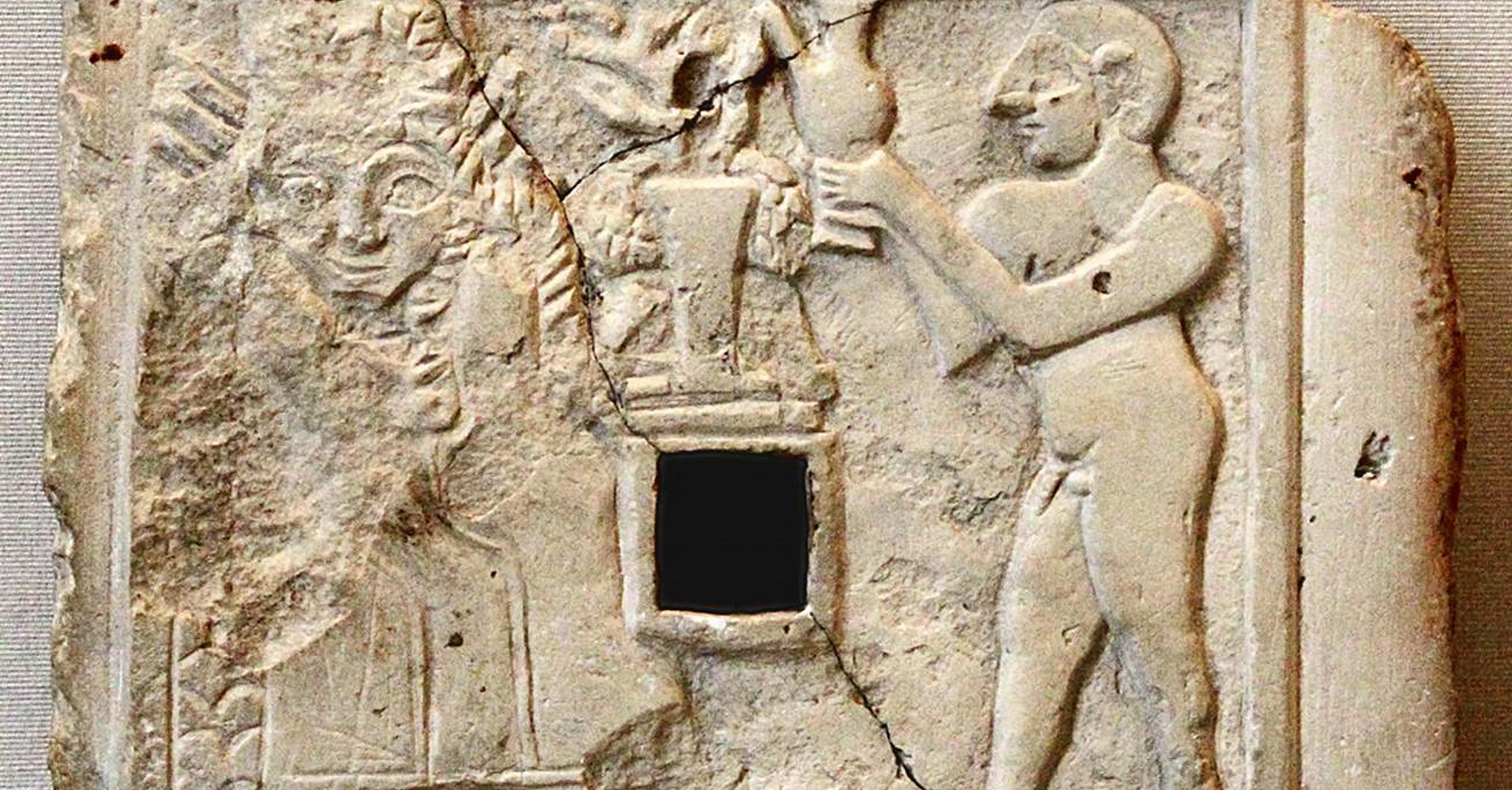
Why it matters: It demonstrates how foundational mythologies encode and reflect shifts in societal power structures, specifically the transition from matrifocal to patrifocal religious systems, with lasting cultural and linguistic legacies.
Context: This analysis fits within a pattern of re-evaluating early goddess figures not as isolated curiosities but as central actors in cosmological narratives whose demotion maps onto historical changes in gender politics and state formation.
"Ninhursag (also Ninhursaga) is the Sumerian mother goddess and one of the oldest and most important in the Mesopotamian pantheon. She is known as the Mother of the Gods and Mother of." — WORLDHISTORY
Commentary: The piece underscores that mythological evolution is often a process of ideological realignment, not mere syncretism. Ninhursag’s narrative arc—from sovereign creator to a figure bested in contests by Enki—provides a textual correlate to the Amorite cultural ascendancy under Hammurabi. The identified pun (‘ti’ meaning both ‘rib’ and ‘to make live’) is not just a literary curiosity but evidence of direct, substrate influence, showing how later monotheistic traditions repurposed and obscured earlier complex theologies. This reframes the study of ancient religion as an exercise in tracing the suppression and re-coding of power, not just cataloging pantheons.
Date: Fri, 29 May 2026 09:00:01 +0000
URL: https://www.worldhistory.org/Ninhursag/
AI Sentiment Score: Negative (75%)
AI Credibility Score: 10.0/10 — High
Scores and text generated by AI analysis of the source article indicated.
Enlil: Mesopotamian Keeper of the Tablets of Destiny (Worldhistory)
Summary: Enlil, the Sumerian god of air who rose to become the Mesopotamian King of the Gods, was the keeper of the Tablets of Destiny and a central figure in myths governing creation, order, and divine law. His worship, centered at Nippur, spanned millennia until his attributes were absorbed by the Babylonian god Marduk. The article details his complex mythology, including his role in the flood narrative of Atrahasis and his eventual assimilation, highlighting the fluid and politically instrumental nature of divine genealogies and power structures in ancient Mesopotamia.
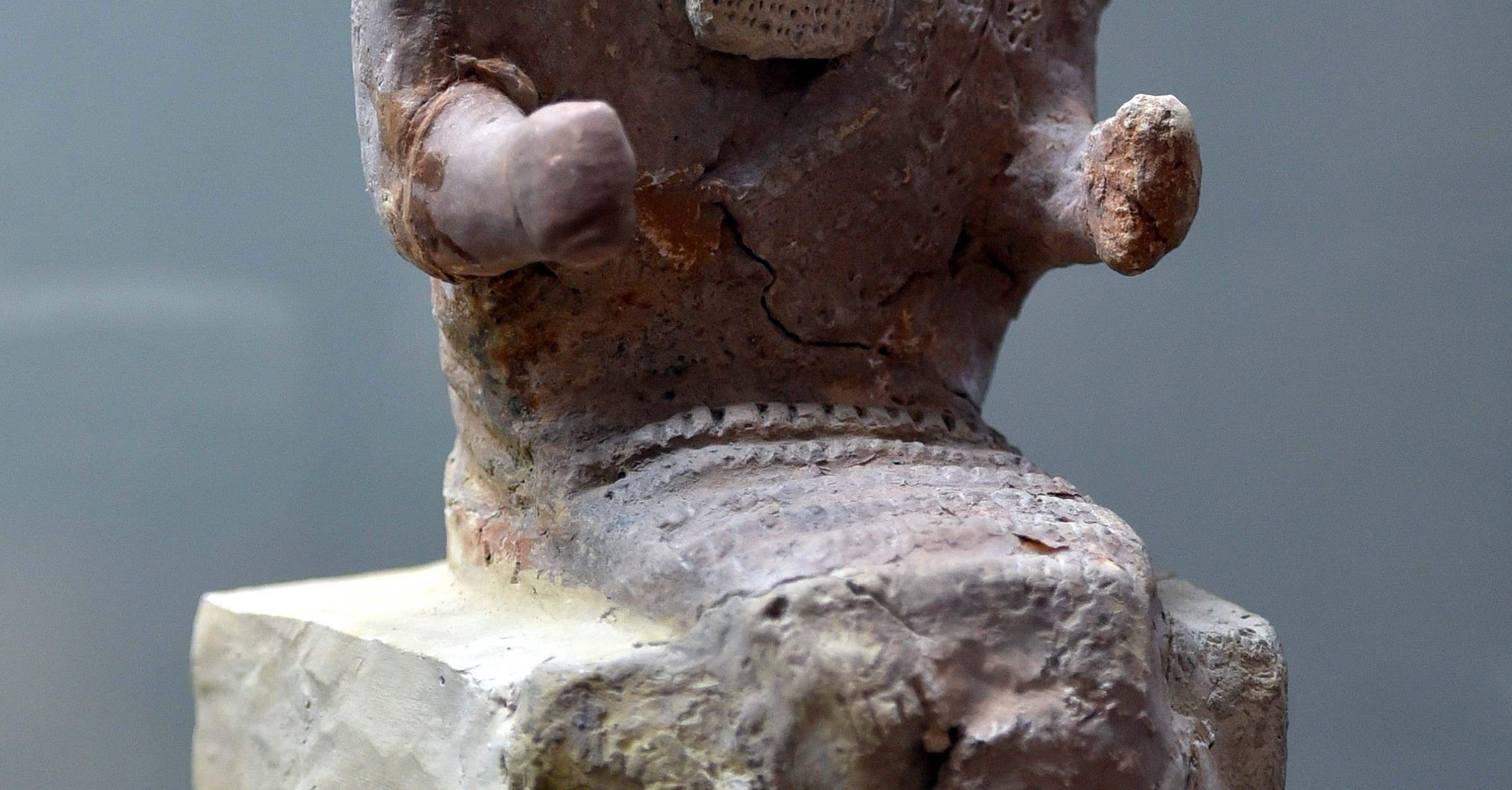
Why it matters: Enlil’s evolution and eventual absorption into Marduk illustrate how theological narratives were reshaped to legitimize political power, offering a concrete model for how cultural memory is rewritten by successor regimes.
Context: Mesopotamian divine hierarchies were not static dogma but contested narratives, frequently revised by scribes and rulers to reflect and reinforce contemporary power dynamics.
"If Anu was the heavenly chairman of the board, Enlil was the heavenly corporation’s CEO, or chief executive officer. His cosmic headquarters were based at Nippur." — WORLDHISTORY
Commentary: The corporate analogy, while anachronistic, usefully frames Enlil’s role as operational sovereign, distinct from Anu’s titular authority. This separation of ceremonial and executive divine power mirrors the practical administration of Mesopotamian city-states and empires, where ritual kingship and daily governance were often distinct. His eventual replacement by Marduk wasn’t a theological defeat but a bureaucratic merger-and-acquisition, consolidating divine attributes under a new patron to reflect Babylon’s political ascendancy.
Date: Wed, 27 May 2026 09:00:02 +0000
URL: https://www.worldhistory.org/Enlil/
AI Sentiment Score: Negative (50%)
AI Credibility Score: 10.0/10 — High
Scores and text generated by AI analysis of the source article indicated.
Eurydice I: The First Macedonian Queen with Political Influence (Worldhistory)
Summary: Eurydice I, mother of Philip II and grandmother of Alexander the Great, emerges from the historical record as the first Macedonian queen with documented political influence. Her strategic marriage to Amyntas III solidified a key alliance with Lynkestis, and following his death, she played a decisive role in securing the throne for her sons against rival claimants. Her actions, as recorded by Aeschines, demonstrate a queen mother exercising authority in a crisis, a precedent for later Hellenistic queens. The archaeological record, including dedicatory inscriptions emphasizing her own lineage, further underscores her autonomous public identity.
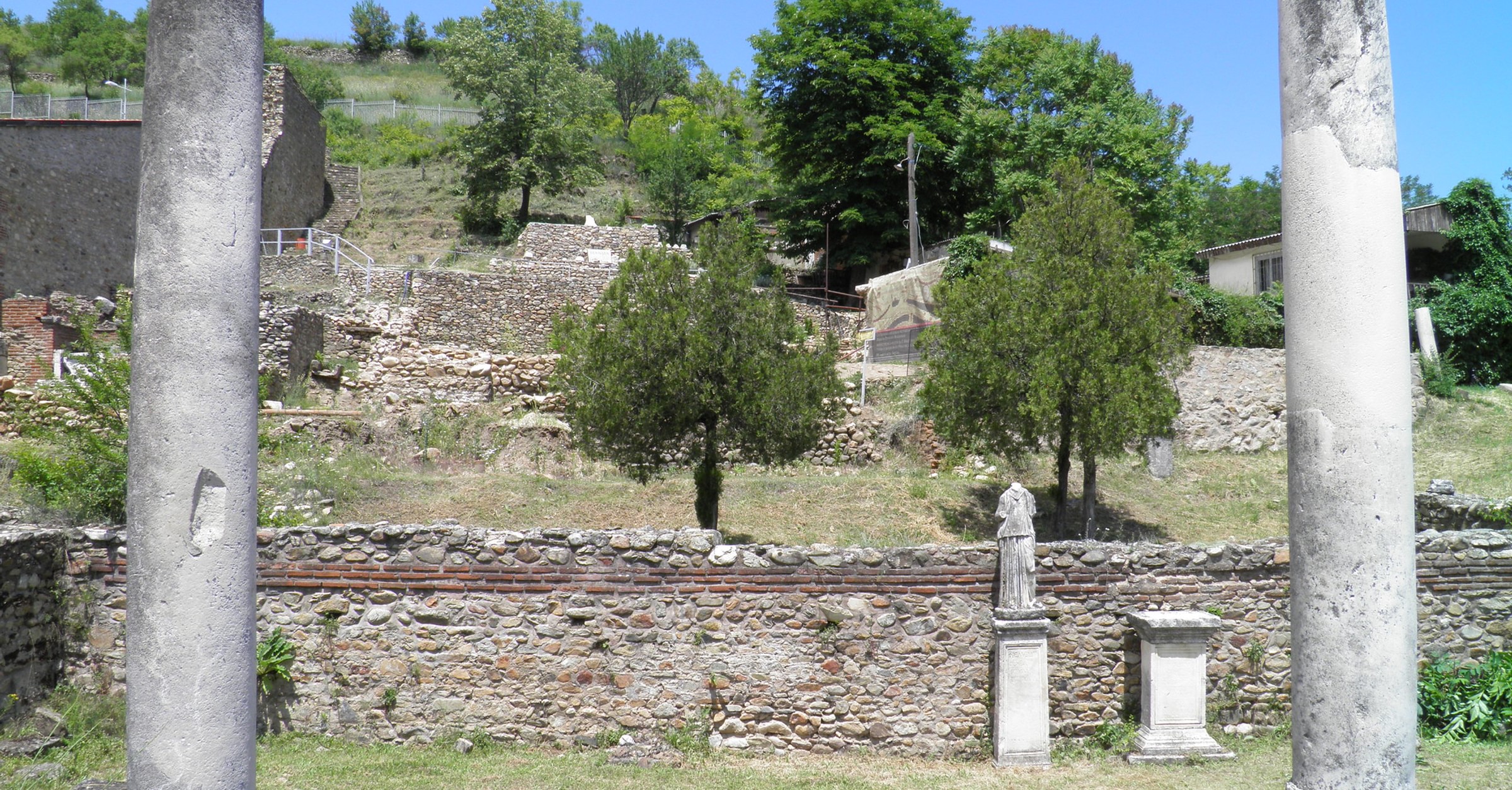
Why it matters: This recalibrates the timeline for female political agency in the Macedonian court, establishing a model of dynastic power and queenly influence that predates and informs the better-known roles of Olympias and later Hellenistic rulers.
Context: The history of ancient Macedonia is typically framed by its male kings and military conquests, with royal women often relegated to the background of dynastic narratives.
"Eurydice I, the first of these women, serves as a classical model for subsequent Hellenistic queens, who were able to exercise varying degrees of power, autonomy, and authority." — WORLDHISTORY
Commentary: Eurydice’s significance lies not in isolated anecdotes but in establishing a pattern of queenly power rooted in education, natal family prestige, and crisis management. Her legacy is institutional: her documented influence created a template her granddaughters, like Cleopatra of Macedon, would operationalize as regents. This shifts the origin point for Macedonian female political authority back a generation, framing it as an evolving dynastic strategy rather than a personal anomaly of Olympias.
Date: Wed, 13 May 2026 16:01:02 +0000
URL: https://www.worldhistory.org/Eurydice_I/
AI Sentiment Score: Negative (50%)
AI Credibility Score: 10.0/10 — High
Scores and text generated by AI analysis of the source article indicated.
Cylinder Seals in Ancient Mesopotamia: Their History and Significance (Worldhistory)
Summary: Cylinder seals were small, intricately carved stone or metal artifacts used as personal signatures and administrative tools across all levels of Mesopotamian society from the Late Neolithic onward. Their design and use reveal a sophisticated bureaucratic system, with regional variations like stamp seals in the north and cylinder seals in the south linked to administrative complexity. The seals served practical, legal, and amuletic functions, and their iconography provides a detailed record of individual identity, occupation, and social hierarchy.
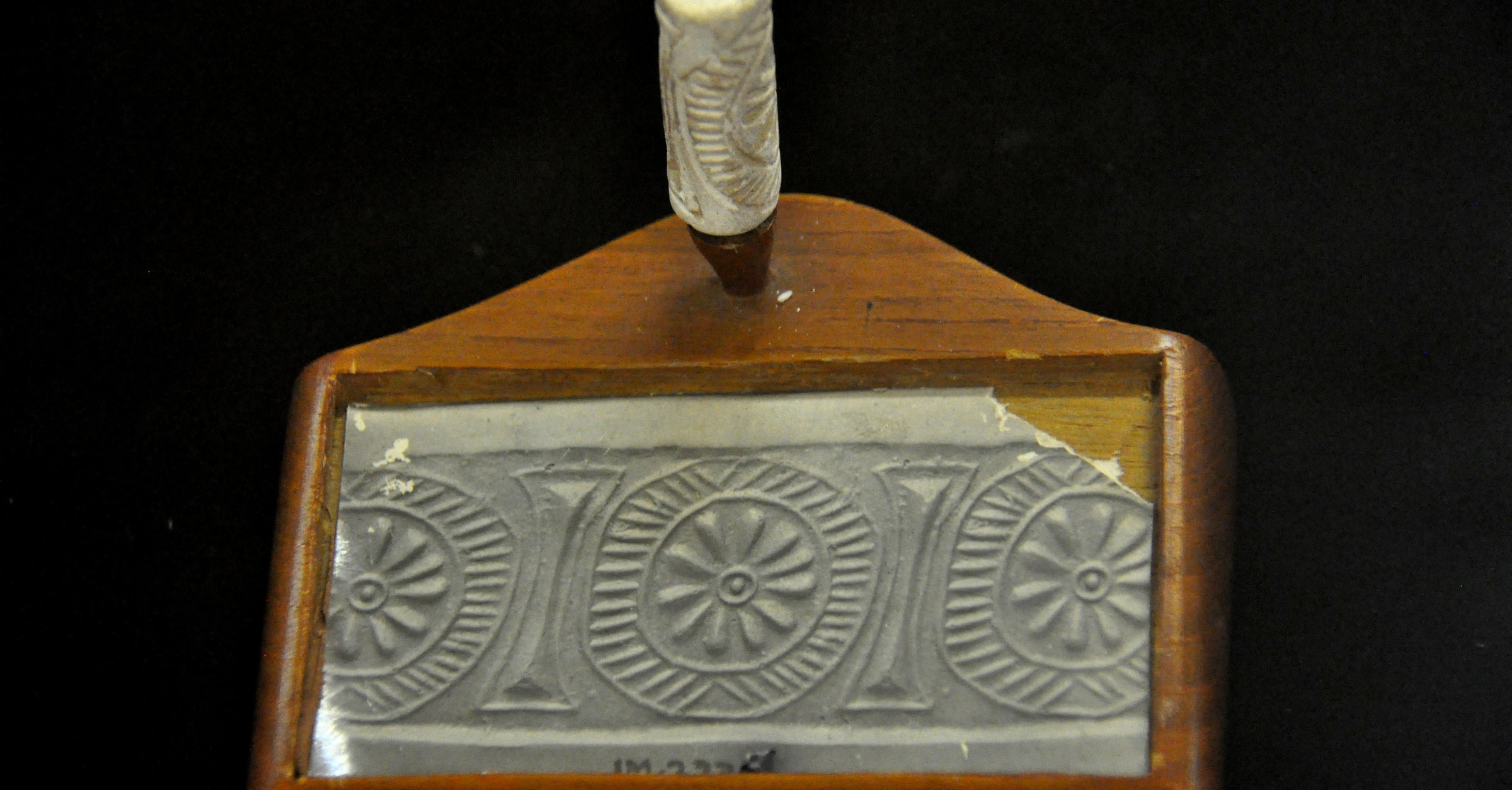
Why it matters: It reframes our understanding of ancient administrative technology and personal identity, showing how non-royal artifacts reveal more about daily economic life and bureaucratic evolution than monumental art.
Context: Archaeological debates often center on royal or religious monuments; cylinder seals offer a counter-narrative of widespread literacy, economic complexity, and personal agency in early states.
"Among the most interesting and revealing artifacts discovered from ancient Mesopotamia are cylinder seals. These fairly small items may be seen today in museum exhibits around the world, but, perhaps owing to." — WORLDHISTORY
Commentary: The shift from debating chronological precedence to analyzing functional adaptation—cylinder seals as a technology for managing complex bureaucracy—marks a maturation in the field. This moves the discussion from artifact typology to systems analysis, linking administrative scale directly to material form. It suggests early states developed distinct bureaucratic technologies based on regional needs, not linear evolution.
Date: Tue, 19 May 2026 08:51:07 +0000
URL: https://www.worldhistory.org/article/846/cylinder-seals-in-ancient-mesopotamia/
AI Sentiment Score: Negative (75%)
AI Credibility Score: 10.0/10 — High
Scores and text generated by AI analysis of the source article indicated.
Enki: The Tricky Sumerian God of Wisdom (Worldhistory)
Summary: Enki, the Sumerian god of wisdom, freshwater, and trickery, was a foundational deity whose worship at Eridu dates to circa 5400 BCE. His complex mythology positions him as a pivotal figure in creation narratives, a protector of humanity against divine caprice, and a source of civilizational gifts. His character consistently subverts rigid divine authority in favor of pragmatic, compassionate outcomes for mortals.

Why it matters: Enki’s enduring narrative role recalibrates our understanding of early urban power structures, suggesting that foundational Mesopotamian ideology valued cunning, fluid intelligence, and human advocacy alongside raw sovereignty.
Context: Enki’s profile challenges simplistic readings of ancient pantheons as static hierarchies, revealing a sophisticated theological framework where wisdom and trickery were mechanisms for managing cosmic and social order.
"In every story or legend, Enki is associated with the heights and depths of universal understanding and is always seen as a friend of humanity. When given a choice between serving the will of the gods or the needs of the people, Enki always chose human interests and always the path of compassion, forgiveness, and wisdom." — WORLDHISTORY
Commentary: Enki’s consistent advocacy for humanity against other gods, notably Enlil, reframes the Mesopotamian divine order as a contested political space, not a monolithic authority. This positions Eridu’s patron not just as a water deity, but as the theological architect of a social contract where divine wisdom serves mortal continuity, a concept that would later permeate Near Eastern and Mediterranean thought.
Date: Thu, 28 May 2026 09:00:01 +0000
URL: https://www.worldhistory.org/Enki/
AI Sentiment Score: Neutral (50%)
AI Credibility Score: 10.0/10 — High
Scores and text generated by AI analysis of the source article indicated.
Nanna: Mesopotamian God of the Moon and Wisdom (Worldhistory)
Summary: Nanna, the Mesopotamian moon god, emerges from the early Sumerian pantheon as a deity whose worship spanned millennia, centered at Ur and Harran. His theological profile evolved from a celestial timekeeper and father of the sun to a judge of the dead and a provider of abundance, reflecting shifts in societal structure from nomadic to agrarian. Rulers from Sargon of Akkad to Nabonidus strategically aligned themselves with his cult to consolidate power. His enduring significance, lasting into the 3rd century CE, underscores his role as a unifying and protective figure whose attributes were adapted across empires.

Why it matters: It demonstrates how theological concepts were instrumentalized for state power and adapted to reflect material changes in society, offering a template for understanding the political utility of religious narrative.
Context: Mesopotamian deity studies often focus on major figures like Enlil or Ishtar; Nanna’s longitudinal prominence reveals the operational importance of lunar cycles, wisdom, and judicial functions in stabilizing authority.
"Nanna is repeatedly seen in ancient texts as a god who provides and unifies, and some of the most successful Mesopotamian rulers capitalized on this belief." — WORLDHISTORY
Commentary: The article reveals Nanna not merely as a lunar deity but as a critical infrastructure for governance: his association with timekeeping, fertility, and posthumous judgment provided rulers with a divine mandate for order. The strategic placement of royal family members as his high priestesses, from Enheduanna to Nabonidus’s kin, shows a recurring playbook for legitimizing power through cult control. His evolution from a night-travel guide to an agricultural and judicial authority mirrors the state’s need to manage settled populations and social cohesion. This reframes our understanding of ancient ‘wisdom’ gods as administrative tools, embedding celestial observation directly into mechanisms of law, resource distribution, and dynastic continuity.
Date: Thu, 21 May 2026 08:58:45 +0000
URL: https://www.worldhistory.org/Nanna/
AI Sentiment Score: Positive (50%)
AI Credibility Score: 10.0/10 — High
Scores and text generated by AI analysis of the source article indicated.
The Marduk Prophecy: Travels of the Statue of a Babylonian God (Worldhistory)
Summary: The Marduk Prophecy is a Mesopotamian naru-literature text from the 7th century BCE, retroactively ‘prophesying’ the return of the Babylonian god Marduk’s cult statue from foreign lands. It was commissioned as propaganda for Nebuchadnezzar I’s victory over the Elamites. The text illustrates the political and theological weight of a city god’s physical presence; its removal signified divine abandonment and societal collapse, while its return legitimized a king’s rule.
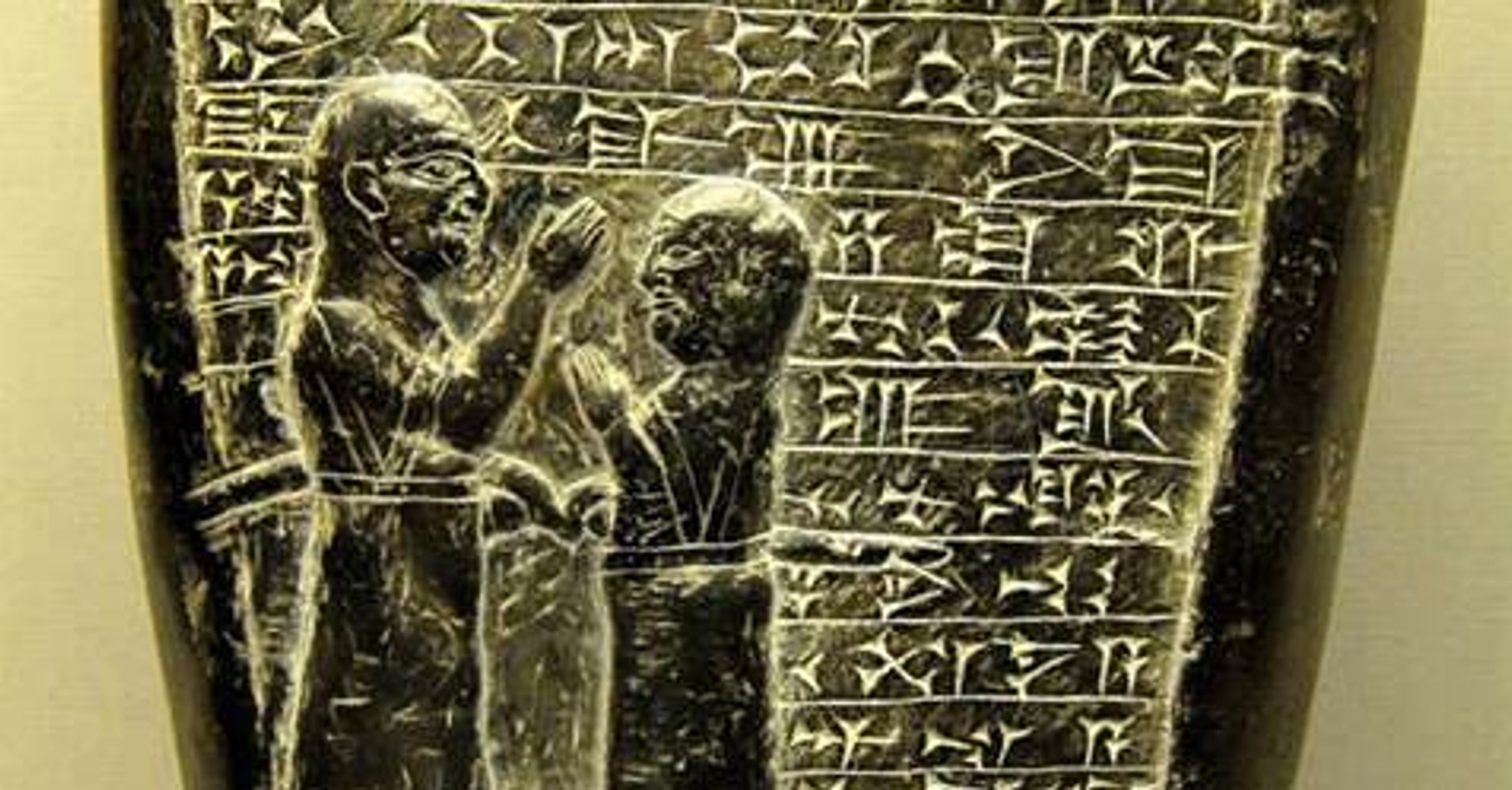
Why it matters: It reveals how ancient states weaponized religious narrative to manufacture legitimacy, a practice with direct parallels in modern political mythmaking.
Context: Mesopotamian naru literature routinely recast historical events as prophetic or moralizing tales to serve contemporary political aims, treating divine statues as geopolitical hostages.
"The removal of a god’s statue from a conquered city was common practice and was considered a devastating loss to the conquered. This was true of any god in any city, but more so with Marduk and Babylon owing to their respective lofty reputations." — WORLDHISTORY
Commentary: The text operationalizes theology: the statue’s itinerary is a map of regional power shifts, and its ‘prophesied’ return reframes a military campaign as a divinely ordained restoration. This underscores a core mechanism of statecraft—the narrative capture of religious symbols to consolidate power and define historical causality for a domestic audience.
Date: Thu, 14 May 2026 16:00:10 +0000
URL: https://www.worldhistory.org/article/990/the-marduk-prophecy/
AI Sentiment Score: Neutral (50%)
AI Credibility Score: 10.0/10 — High
Scores and text generated by AI analysis of the source article indicated.
The Descent of Inanna: A Sumerian Tale of Injustice (Worldhistory)
Summary: The Sumerian poem ‘The Descent of Inanna’ details the goddess’s journey to the underworld to attend the funeral of her brother-in-law, Gugalanna. She is stripped, judged, killed, and hung on a hook by her sister Ereshkigal, then resurrected through divine intervention. The poem concludes with Inanna’s consort Dumuzi and his sister Geshtinanna being forced to alternate as substitutes in the underworld.
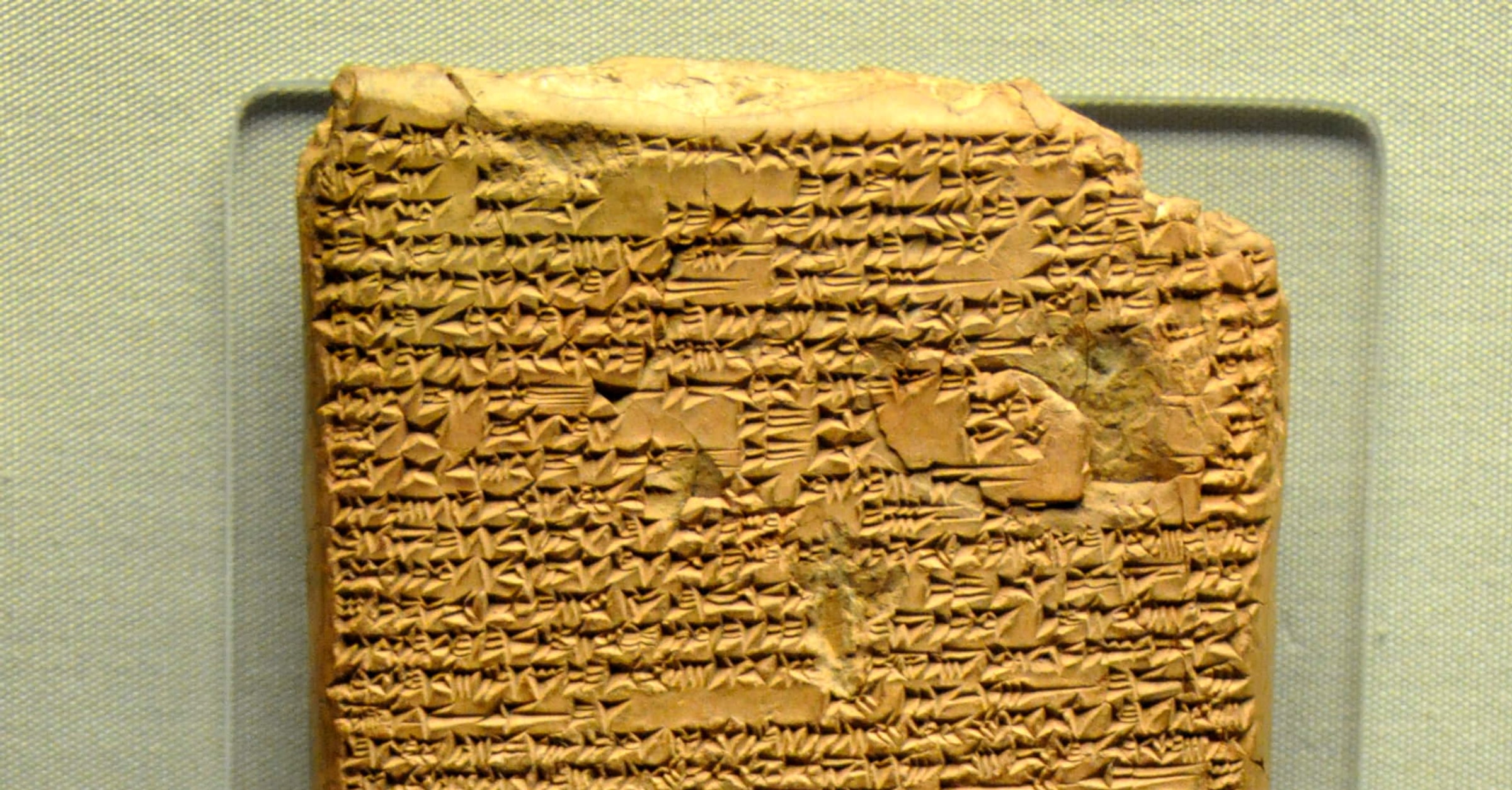
Why it matters: It corrects a dominant modern psychological reading by restoring the narrative’s original function as a theodicy, revealing how ancient Mesopotamians understood divine fallibility and systemic injustice.
Context: Modern interpretations often frame the myth as a Jungian archetype of individuation, but this analysis anchors it in its literary and cultural intertext, specifically its prequel within the Gilgamesh epic where Inanna causes Gugalanna’s death.
"If a reader is acquainted with the story of Gilgamesh, then The Descent of Inanna is more easily understood within the context and culture of ancient Mesopotamia. Inanna, showing no more regard for her sister’s feelings than she did for the 300 innocent young men she killed with the Bull of Heaven, decides she will attend the funeral of the brother-in-law whose death she is responsible for." — WORLDHISTORY
Commentary: This re-contextualization shifts the poem from a universal allegory of self-discovery to a specific myth of accountability and cosmic imbalance. It underscores a Mesopotamian worldview where gods are capricious co-participants in mortal suffering, offering not psychological comfort but a rationale for existential unfairness. The praise for Ereshkigal at the end reinforces a value system where the pursuit of justice, even when thwarted by higher powers, remains worthy of veneration.
Date: Tue, 19 May 2026 15:49:50 +0000
URL: https://www.worldhistory.org/article/215/the-descent-of-inanna/
AI Sentiment Score: Positive (40%)
AI Credibility Score: 10.0/10 — High
Scores and text generated by AI analysis of the source article indicated.
Anu: Mesopotamian Father of the Gods (Worldhistory)
Summary: The article details the evolution of Anu, the Mesopotamian sky god, from a Sumerian deity ‘An’ referenced in the Early Dynastic period to the remote ‘Father of the Gods’ in later Akkadian and Babylonian theology. It highlights his critical, though often indirect, narrative roles in foundational myths like the Enuma Elish and the Myth of Adapa, where his actions—or failures—catalyze pivotal shifts in the divine order. His veneration persisted for millennia, centered at Uruk, even as his direct cult receded.

Why it matters: It demonstrates how the conceptual architecture of power—its source, delegation, and legitimization—was constructed and narrated in one of humanity’s earliest state-level societies.
Context: This analysis fits a pattern where early high gods often become abstracted and remote as theological systems complexify, a process seen in other pantheons where creator figures cede active governance to younger deities.
"Anu’s failure, however, contributes to the younger gods’ ultimate victory. The gods were confident of Anu’s success, and when their hope is disappointed, they realize they have to change their ways; they can no longer maintain the old paradigm of how they believe the world should work and must accept change and find a new way of attaining their goal." — WORLDHISTORY
Commentary: The narrative function of Anu’s diplomatic failure is a sophisticated theological mechanism: it legitimizes a transfer of power (to Marduk) not through usurpation but through the acknowledged limitations of the old order. This reframes the Enuma Elish as less a simple triumph myth and more a myth about the conditions necessary for political revolution within a stable hierarchy. His subsequent compassionate but destabilizing offer of immortality to Adapa further illustrates the tension between benevolent authority and the maintenance of a created order, a core problem of sovereignty.
Date: Tue, 26 May 2026 09:00:01 +0000
URL: https://www.worldhistory.org/Anu/
AI Sentiment Score: Negative (66%)
AI Credibility Score: 10.0/10 — High
Scores and text generated by AI analysis of the source article indicated.
Inanna: The Most Popular Goddess of Ancient Mesopotamia (Worldhistory)
Summary: Inanna, the Sumerian goddess of love, sensuality, fertility, and war, rose from a local vegetative deity to the supreme ‘Queen of Heaven’ across Mesopotamia, largely through the literary and religious work of the high priestess Enheduanna. Her character—ambitious, independent, and often manipulative—defied traditional mother-goddess archetypes and was central to foundational myths like the Descent of Inanna and the Epic of Gilgamesh. Her worship involved a complex clergy including transgender figures and sacred prostitutes, and her cult endured through syncretism with deities like Ishtar, Astarte, and Aphrodite, even as the status of female deities generally declined under patriarchal legal codes like Hammurabi’s.
Why it matters: Inanna’s trajectory reveals how political power, literary canonization, and gender norms intersect in the formation of a religious tradition, offering a case study in the deliberate elevation of a deity and the subsequent erosion of her cultural context.
Context: The article synthesizes archaeological and textual evidence to trace Inanna’s evolution, highlighting the role of Sargon’s dynasty and Enheduanna’s hymns in centralizing her cult, and her later assimilation into neighboring pantheons.
"Inanna is not a goddess of marriage, nor is she a mother goddess. The so-called Sacred Marriage in which she participates carries no overtones of moral implication for human marriages." — WORLDHISTORY
Commentary: This distinction underscores Inanna’s function as a deity of sovereign, often disruptive, feminine power rather than domestic fertility. Her enduring popularity, despite the later demotion of other goddesses, suggests her archetype—encompassing sexuality, warfare, and political patronage—resonated with a fundamental, persistent human need unmet by strictly maternal or wifely figures. The article implicitly charts a shift from a pantheon with significant female agency to one where such power is circumscribed, with Inanna’s survival as Ishtar representing a negotiated, militarized compromise.
Date: Mon, 18 May 2026 09:01:04 +0000
URL: https://www.worldhistory.org/Inanna/
AI Sentiment Score: Negative (50%)
AI Credibility Score: 10.0/10 — High
Scores and text generated by AI analysis of the source article indicated.
Cylinder Seal: Ancient Personal Identification (Worldhistory)
Summary: Cylinder seals, originating in the Late Neolithic Near East, served as the primary mechanism for authenticating identity and authority in ancient Mesopotamian bureaucracy. Crafted from semiprecious stones or metals and worn on the person, they were rolled onto clay documents as binding signatures, with their detailed intaglio carvings encoding individual identity, occupation, and institutional affiliation. Their use spanned from royal decrees to commercial contracts, and their loss was treated with a seriousness akin to modern identity theft, involving formal nullification procedures.
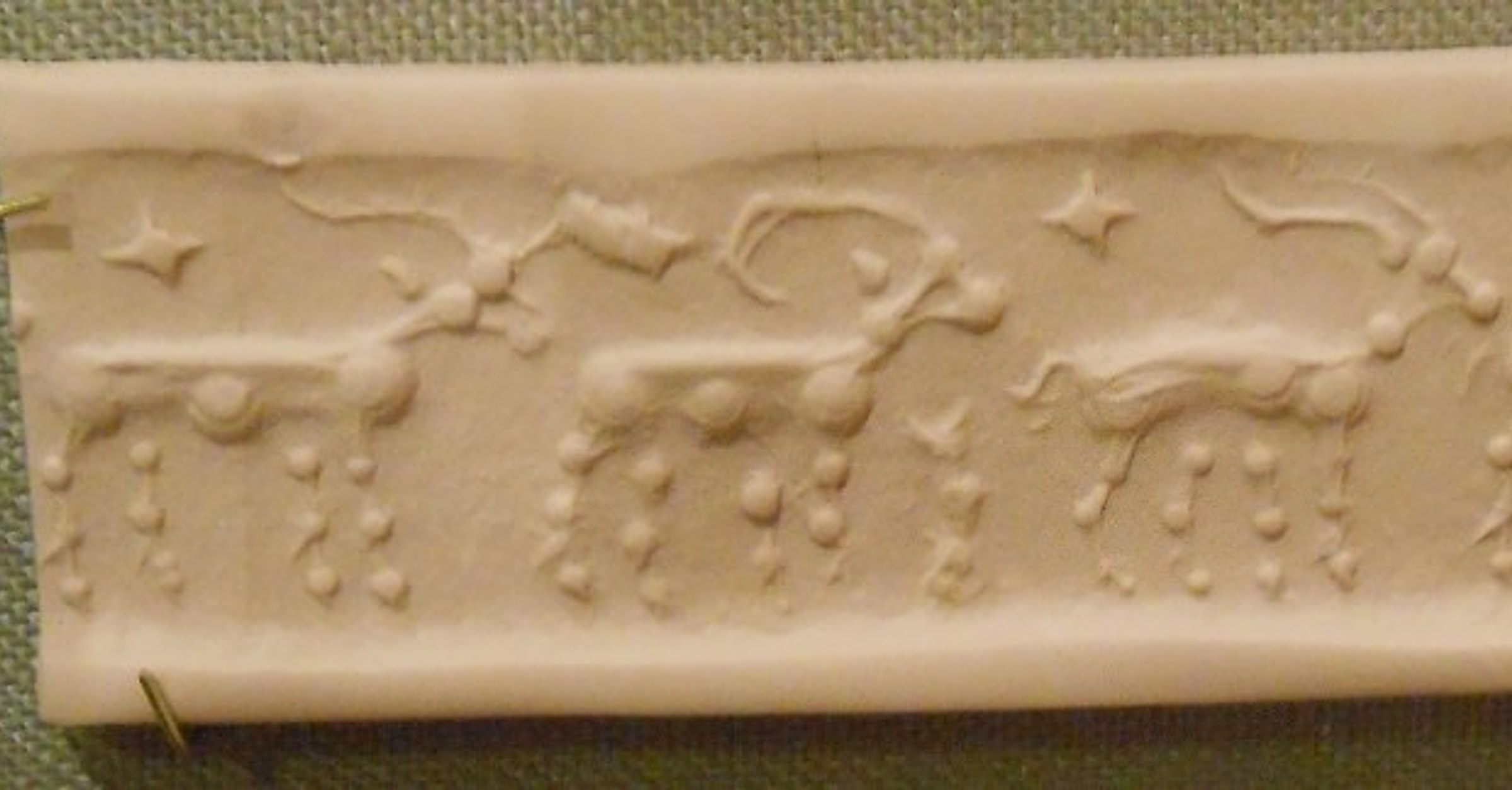
Why it matters: It reframes our understanding of administrative complexity and personal identity in early states, showing how material objects anchored trust and authority in a pre-literate or early-literate context.
Context: This analysis connects to broader patterns in the archaeology of administration, where the evolution of sealing practices—from stamp to cylinder seals—often signals increasing bureaucratic scale and the formalization of individual agency within institutional frameworks.
"Cylinder Seals were impression stamps used by the people of ancient Mesopotamia. Known as kishib in Sumerian and kunukku in Akkadian, the seals were used by everyone, from royals to slaves, as." — WORLDHISTORY
Commentary: The cylinder seal system demonstrates that the core challenges of verifying identity, preventing fraud, and linking individual agency to institutional action are not modern inventions but foundational to complex social organization. The regional variation between stamp and cylinder seals, dictated by bureaucratic need rather than linear technological progression, underscores that administrative tools evolve pragmatically to meet specific informational demands. This artifact class forces a reconsideration of ‘signature’ as a deeply material, embodied practice long predating written names.
Date: Fri, 15 May 2026 16:00:23 +0000
URL: https://www.worldhistory.org/Cylinder_Seal/
AI Sentiment Score: Neutral (33%)
AI Credibility Score: 10.0/10 — High
Scores and text generated by AI analysis of the source article indicated.
Post ID: 7b20a2bd