Award Announcements & Literary Highlights
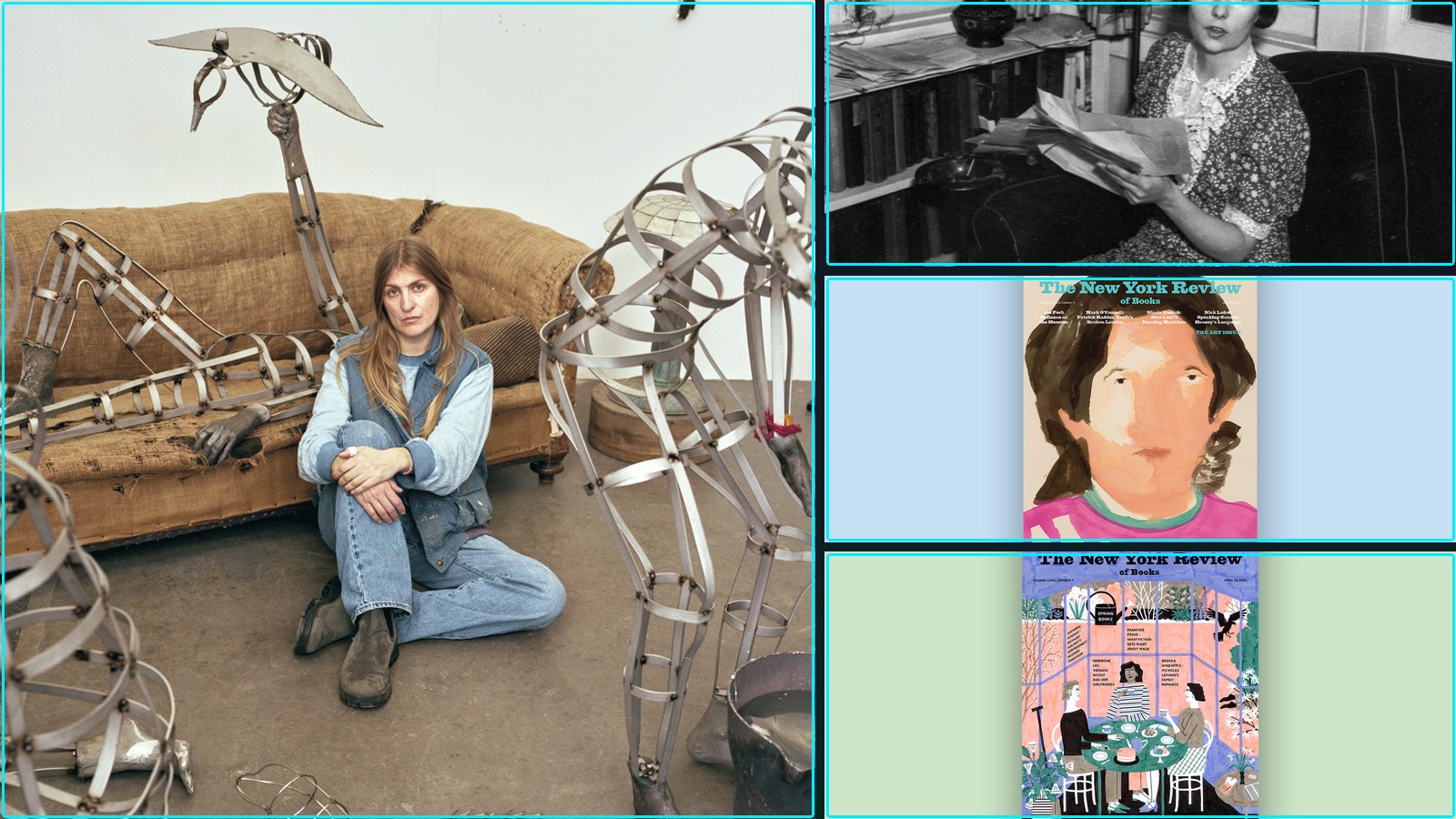
Table of Contents – May 14, 2026 | The New York Review of Books (Nybooks)
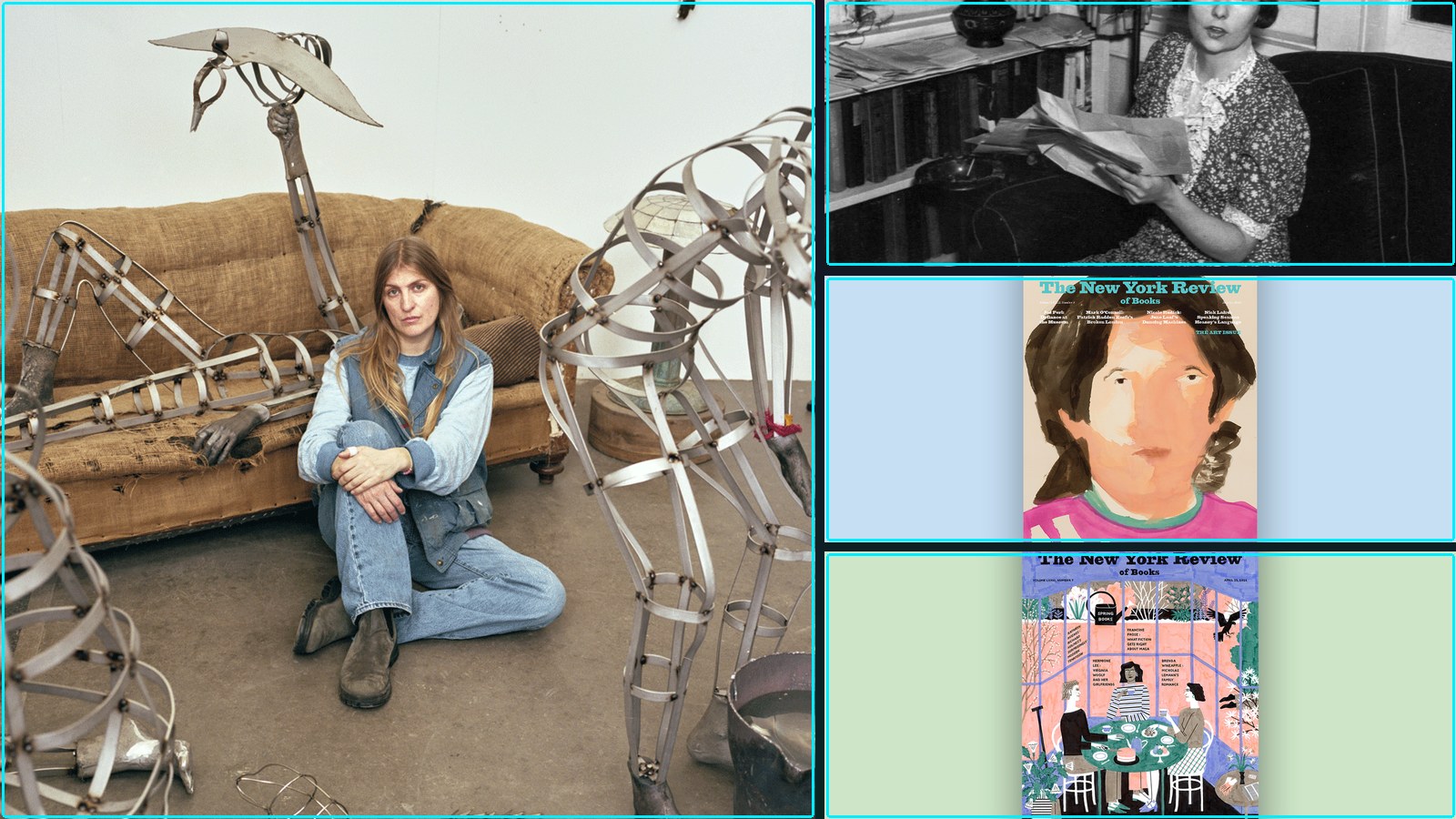
Summary: The 2026 Whitney Biennial and the New Museum’s ‘New Humans: Memories of the Future’ are positioned as major institutional responses to a contemporary climate of darkness and trauma. These exhibitions signal a shift in curatorial strategy, moving from detached critique toward a more direct, if fraught, engagement with collective anxiety.

Why it matters: These shows act as a barometer for how elite cultural institutions are navigating and legitimizing public sentiment during a period of political and social fracture.
Context: This follows a decade where biennials and major museum shows have increasingly framed themselves as political actors, often struggling to balance aesthetic innovation with explicit social commentary.
"The 2026 Whitney Biennial and the New Museum’s exhibition “New Humans: Memories of the Future” are attempts to respond to a world full of darkness, trauma, and strife · In Trump’s strategy." — NYBOOKS
Commentary: The institutional framing of ‘response’ risks aestheticizing trauma into a consumable product, potentially creating a new genre of crisis curation. The success of these shows will be measured not by critical reception alone, but by their ability to influence the funding priorities of major donors and the programming of smaller, more agile institutions.
Date: 1 week ago
URL: https://www.nybooks.com/issues/2026/05/14/
AI Sentiment Score: Positive (50%)
AI Credibility Score: 10.0/10 — High
Scores and text generated by AI analysis of the source article indicated.
Turner Prize 2026 shortlisted artists announced | Wallpaper* (Wallpaper)
Summary: The Turner Prize 2026 shortlist has been announced, featuring four artists: Simeon Barclay, Kira Freije, Marguerite Humeau, and Tanoa Sasraku. Their work will be exhibited at Middlesbrough Institute of Modern Art (MIMA) from September 2026, with the winner announced in December. The jury, chaired by Tate Britain’s Alex Farquharson, highlighted a focus on sculptural practice and immersive, scenario-based installations.

Why it matters: The Turner Prize shortlist signals institutional priorities in contemporary art, validating specific thematic concerns and formal approaches that will influence market attention, curatorial agendas, and public discourse for the coming cycle.
Context: The prize consistently functions as a barometer for the UK art establishment’s evolving values, often elevating artists whose work engages with pressing social, political, or ecological questions.
"This year’s selection presents a rich and diverse range of work, spanning installation and performance, and with a strong emphasis on sculptural practice. Each artist invites us into carefully constructed scenarios, both real and imagined, that offer distinct perspectives through which to explore the world around us, and to reflect on our place within it." — WALLPAPER
Commentary: The selection consolidates a shift toward immersive, research-driven installation and performance, moving beyond the purely conceptual or painterly. Themes of industrial legacy (Barclay), ecological futures (Humeau), and political economy (Sasraku) suggest a prize increasingly oriented toward artists who frame systemic critique within sensorially enveloping environments. MIMA’s hosting in Middlesbrough, outside London, reinforces a institutional strategy of geographic decentralization, lending regional weight to the selected narratives.
Date: 1 month ago
URL: https://wallpaper.com/art/exhibitions-shows/turner-prize-2026
AI Sentiment Score: Negative (66%)
AI Credibility Score: 10.0/10 — High
Scores and text generated by AI analysis of the source article indicated.
Lit Hub Weekly: April 20 – 24, 2026 (Lithub)
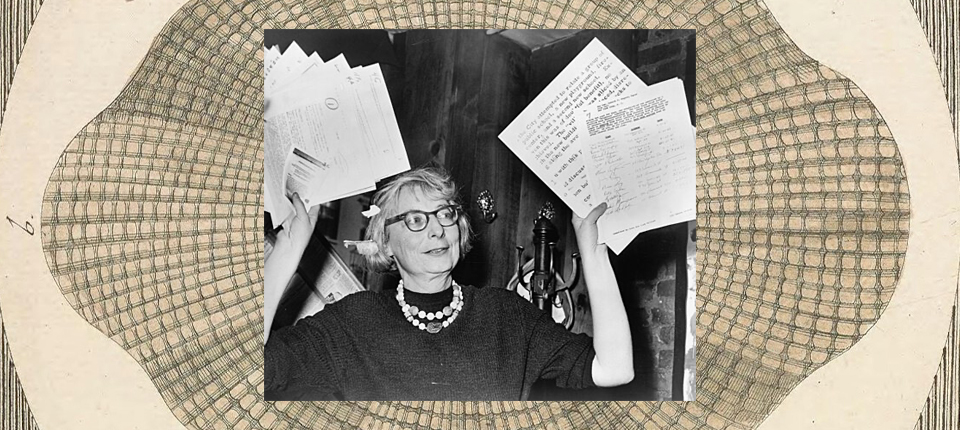
Summary: A weekly literary digest from April 2026 surveys the cultural landscape, highlighting critical engagements with contemporary figures like Elon Musk and Jeff Bezos, the persistent cultural footprint of works like ‘Infinite Jest,’ and ongoing debates about AI’s role in writing. It also features reflections on nostalgia, community, and the mechanics of literary craft.
Why it matters: The digest captures a moment of institutional and cultural re-evaluation, where legacy figures and canonical works are being reassessed through new political and technological lenses.
Context: This follows a pattern of literary criticism increasingly intersecting with political economy and tech criticism, while also maintaining a focus on the foundational elements of writing as a communal act.
"The only divinity a novel can really accommodate is its author, and the closest thing to faith a novelist can convincingly evoke is doubt." — LITHUB
Commentary: This quote, from a piece on Knausgaard, crystallizes a secular, humanist re-centering of authorship against a backdrop of AI-generated content and algorithmic culture. It signals a defensive but potent revaluation of the novelist’s singular, flawed authority, which institutions from publishers to critics may leverage to demarcate ‘serious’ literature from synthetic text. The cultural milestone here is the conscious reinforcement of artistic doubt as a virtue in an age of automated certainty.
Date: 4 weeks ago
URL: https://lithub.com/lit-hub-weekly-april-20-24-2026
AI Sentiment Score: Negative (66%)
AI Credibility Score: 10.0/10 — High
Scores and text generated by AI analysis of the source article indicated.
The Best Books of 2026 So Far: ‘Kin,’ ‘London Falling’ and More – The New York Times (Nytimes)
Summary: The nonfiction and novels we can’t stop thinking about. Literary consensus signals shifts in cultural focus; tracking these picks reveals prevailing intellectual anxieties.

Why it matters: Literary consensus signals shifts in cultural focus; tracking these picks reveals prevailing intellectual anxieties.
Context: The selection of ‘best’ literature often precedes or reflects broader shifts in public discourse and elite attention.
[Metadata-only note] The available source data did not expose a direct source quote this cycle.
Commentary: The signal is still worth tracking, but the current extraction path did not yield enough body text for a fuller analytical read. The immediate implication is operational rather than speculative: watch how this changes budgets, workflows, or risk assumptions over the next cycle.
Date: 3 weeks ago
URL: https://nytimes.com/2026/04/27/books/best-books-2026-so-far.html
AI Sentiment Score: Positive (50%)
AI Credibility Score: 10.0/10 — High
Scores and text generated by AI analysis of the source article indicated.
The Books That Won the 2026 Pulitzer Prizes – The New York Times (Nytimes)
Summary: “We the People,” by Jill Lepore, won the history prize, and Daniel Kraus received the fiction prize for “Angel Down.” Pulitzer wins signal current critical consensus on American narrative depth, affecting literary market visibility.
Why it matters: Pulitzer wins signal current critical consensus on American narrative depth, affecting literary market visibility.
Context: Lepore’s historical focus and Kraus’s fiction award suggest prevailing critical interest in foundational American texts.
"We the People,” by Jill Lepore, won the history prize, and Daniel Kraus received the fiction prize for “Angel Down." — NYTIMES
Commentary: The signal is still worth tracking, but the current extraction path did not yield enough body text for a fuller analytical read. The immediate implication is operational rather than speculative: watch how this changes budgets, workflows, or risk assumptions over the next cycle.
Date: 2 weeks ago
URL: https://nytimes.com/2026/05/04/books/pulitzer-prizes-books-winners-finalists.html
AI Sentiment Score: Negative (50%)
AI Credibility Score: 10.0/10 — High
Scores and text generated by AI analysis of the source article indicated.
Turner Prize: Mythical shapes and the impact of oil explored in 2026 shortlist (Bbc)
Summary: The Turner Prize shortlist for 2026 features four artists whose works collectively signal a pivot toward explicitly political and ecological themes, framed through personal and speculative lenses. Simeon Barclay’s spoken-word performance on industrial Britain, Kira Freije’s sculpted emotional archetypes, Marguerite Humeau’s mytho-scientific future forms, and Tanoa Sasraku’s clinical dissection of oil’s geopolitical history represent a breadth of media but a unified engagement with systemic pressures. The jury’s emphasis on ‘distinct perspectives through which to explore the world around us’ underscores a curatorial shift from formal innovation toward works that demand contextual, often urgent, reading.

Why it matters: The shortlist functions as a leading indicator of institutional priorities in contemporary art, revealing how major cultural gatekeepers are framing and legitimizing responses to climate, class, and geopolitical crises.
Context: The Turner Prize has historically catalyzed public debate, often by rewarding conceptual or media-based work; this list continues that tradition but within a tighter thematic orbit defined by post-industrial identity and resource politics.
"Sasraku’s installation explores geopolitical ideas through object-like sculptures, with a focus on recent political and military histories of oil." — BBC
Commentary: The selection privileges art as forensic tool and speculative archive, moving beyond critique to operationalize aesthetics for systemic analysis. This reframes the artist’s role from creator to investigator, potentially narrowing the prize’s audience to those already fluent in these discourses while elevating works that trade ambiguity for argumentative precision.
Date: 1 month ago
URL: https://bbc.com/news/articles/c80mzk88l0eo
AI Sentiment Score: Neutral (33%)
AI Credibility Score: 10.0/10 — High
Scores and text generated by AI analysis of the source article indicated.
Meet the Turner Prize 2026 Nominees – The New York Times (Nytimes)
Summary: This year’s shortlist for the major British art award includes an artist who stages spoken-word performances and another who makes art using oil company merch bought off eBay. The prize selection signals current fault lines in contemporary artistic discourse: performance vs. commodity critique.
Why it matters: The prize selection signals current fault lines in contemporary artistic discourse: performance vs. commodity critique.
Context: Focus on the tension between ephemeral, vocal art and material critique derived from corporate ephemera.
"This year’s shortlist for the major British art award includes an artist who stages spoken-word performances and another who makes art using oil company merch bought off eBay." — NYTIMES
Commentary: The signal is still worth tracking, but the current extraction path did not yield enough body text for a fuller analytical read. The immediate implication is operational rather than speculative: watch how this changes budgets, workflows, or risk assumptions over the next cycle.
Date: 1 month ago
URL: https://nytimes.com/2026/04/23/arts/design/turner-prize-shortlist.html
AI Sentiment Score: Negative (50%)
AI Credibility Score: 10.0/10 — High
Scores and text generated by AI analysis of the source article indicated.
Today in History: May 3, ‘Gone with the Wind’ novelist wins Pulitzer Prize (Pottsmerc)
Summary: On May 3, 1937, Margaret Mitchell’s ‘Gone with the Wind’ won the Pulitzer Prize. The novel’s enduring commercial success and cultural footprint are now inseparable from its romanticized depiction of the antebellum South and the Lost Cause mythology. This anniversary prompts a re-examination of how foundational cultural works are reassessed as societal values shift.

Why it matters: The legacy of ‘Gone with the Wind’ is a live wire in contemporary culture wars, forcing institutions from streaming platforms to literary prize committees to renegotiate their relationship with problematic classics.
Context: The novel’s Pulitzer win cemented its status as a national epic, but its narrative has faced sustained critique for its portrayal of slavery and Reconstruction. Recent years have seen HBO Max temporarily pull the film for contextual introductions, and scholarly reassessments have accelerated.
"On May 3, 1937, Margaret Mitchell won the Pulitzer Prize for her novel, “Gone with the Wind.”." — POTTSMERC
Commentary: The anniversary is less a celebration and more a benchmark for measuring cultural velocity. Mitchell’s win represents a high-water mark for a particular, now-contested, American narrative. Its continued prominence forces custodians of culture—publishers, educators, platforms—into explicit stances on historical revisionism and artistic merit. The work’s financial ecosystem, from royalties to licensing, now operates under the shadow of this reassessment.
Date: 2 weeks ago
URL: https://www.pottsmerc.com/2026/05/03/today-in-history-may-3-gone-with-the-wind-novelist-wins-pulitzer-prize/
AI Sentiment Score: Positive (80%)
AI Credibility Score: 7.0/10 — Medium
Scores and text generated by AI analysis of the source article indicated.
Editors’ Picks for April 2026 – Choice 360 (Choice360)
Summary: A curated list of ten academic books from April 2026 reveals a scholarly pivot toward re-evaluating marginalized histories and contested public spheres. The selections emphasize rigorous recovery of obscured narratives—from the Roma genocide to underground communities in New York—and offer pragmatic frameworks for addressing contemporary crises like gun violence and science denial. Several works explicitly aim to provide historical models for current activism and policy, while others challenge established art-historical and philosophical canons.

Why it matters: These publications signal a maturation of academic discourse, moving from diagnosis to applied, optimistic frameworks for cultural and political change, directly informing policy debates and institutional memory.
Context: This follows a decade of heightened public contention over free speech, historical accountability, and evidence-based policy, pushing scholarship toward more actionable, publicly engaged forms.
"Editors’ Picks for May 2026 10 reviews handpicked from the latest issue of Choice Posted on in Editors’ Picks Posted on April 20, 2026 in Editors’ Picks This is a welcome addition." — CHOICE360
Commentary: The list reflects a deliberate editorial stance favoring scholarship that bridges academic rigor with public utility. By highlighting works that offer ‘workable political blueprint[s]’ and ‘positive guidance,’ Choice360 is curating for an audience of educators and policymakers seeking implementable ideas, not just critique. This shifts the role of the academic review from passive assessment to active dissemination of tools for institutional and cultural repair.
Date: 1 month ago
URL: https://choice360.org/choice-pick/editors-picks-for-april-2026
AI Sentiment Score: Positive (40%)
AI Credibility Score: 7.0/10 — Medium
Scores and text generated by AI analysis of the source article indicated.
6 unmissable books coming out in May from Kathryn Stockett and Douglas Stuart – The Mirror (Mirror.Co.Uk)
Summary: May’s publishing calendar features a slate of high-stakes literary returns and urgent debuts. Douglas Stuart follows his Booker win with a third novel exploring Scottish masculinity, while Kathryn Stockett ends a seventeen-year hiatus with a Great Depression-era story. The list also includes Elizabeth Strout’s latest character study, a debut novel from Ana Kinsella, Samar Yazbek’s frontline reportage from Gaza, and Jem Calder’s millennial romance.

Why it matters: This cluster of releases signals publishing’s dual reliance on established brand-name authors to anchor lists and on urgent, often politically charged, new voices to drive conversation.
Context: The mid-year publishing season often consolidates major literary fiction, positioning titles for summer reading and award cycles.
"6 unmissable books coming out in May from Kathryn Stockett and Douglas Stuart From Kathryn Stockett’s return to Douglas Stuart’s latest, May is a stellar month for new book releases. Our book." — MIRROR.CO.UK
Commentary: Stockett’s return after a controversial blockbuster reframes her legacy from a one-hit-wonder to a durable literary property, testing whether audience loyalty survived the cultural reassessment of ‘The Help.’ Stuart’s third novel pressures the ‘Scottish miserabilist’ niche he dominates, risking market saturation. Yazbek’s inclusion forces a mainstream literary list to confront immediate geopolitical trauma, a stark contrast to the interiority of the other titles.
Date: 3 weeks ago
URL: https://mirror.co.uk/lifestyle/6-unmissable-books-coming-out-37093449
AI Sentiment Score: Neutral (50%)
AI Credibility Score: 8.7/10 — High
Scores and text generated by AI analysis of the source article indicated.
Table of Contents – April 23, 2026 | The New York Review of Books (Nybooks)
Summary: The New York Review of Books’ April 2026 table of contents reveals a cultural moment preoccupied with historical fissures, material legacies, and institutional reckonings. Essays on art as prophecy, the afterlife of waste, and the crisis of retirement sit alongside studies of civil war diaries, uncollected letters, and the reinvention of old age. The selection frames contemporary anxieties through deep historical and artistic lenses, suggesting a search for foundational cracks and continuities.

Why it matters: This editorial curation signals which historical tensions and material crises the intellectual establishment considers diagnostic for understanding the present, influencing which legacies are re-examined and which contemporary problems are historicized.
Context: This follows a pattern in high-literary circles of using long-form criticism to connect acute modern dilemmas—environmental collapse, late-capitalist precarity, political fracture—to deeper artistic and philosophical traditions.
"The Drunken Silenus: On Gods, Goats, and the Cracks in Reality by Morgan Meis The Fate of the Animals: On Horses, the Apocalypse, and Painting as Prophecy by Morgan Meis The Grand." — NYBOOKS
Commentary: The juxtaposition of ‘cracks in reality’ with ‘waste wars’ and retirement uncertainty explicitly ties metaphysical and aesthetic inquiry to systemic material failure. Institutions like Bard Graduate Center and publishers staking reputations on these themes are betting that audiences seek explanatory power in pre-modern art and 19th-century diaries as much as in policy analysis. This re-centers the critic-historian, not the technocrat, as the essential interpreter of collapse and continuity.
Date: 1 month ago
URL: https://nybooks.com/issues/2026/04/23
AI Sentiment Score: Negative (80%)
AI Credibility Score: 9.8/10 — High
Scores and text generated by AI analysis of the source article indicated.
May Book Bag: from a guide on entering the art world to a publication about artists influenced by Ovid’s Metamorphoses – The Art Newspaper – International art news and events (Theartnewspaper)
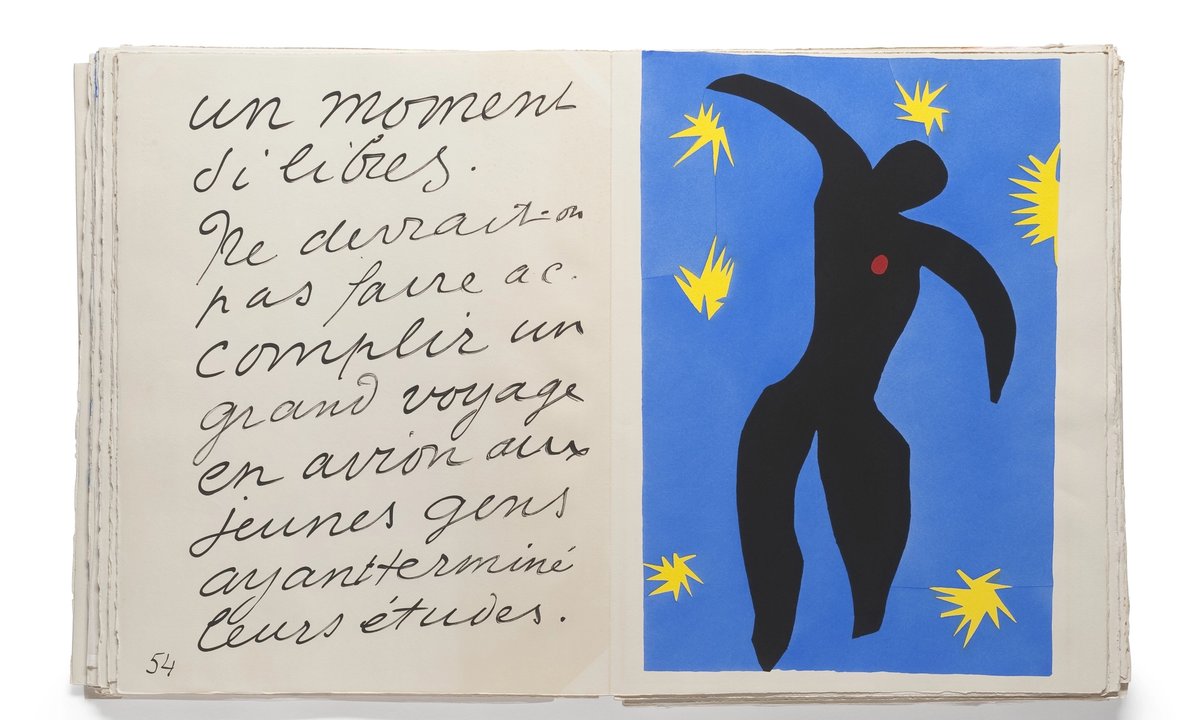
Summary: Four new art publications signal a renewed institutional focus on canonical influence, practical navigation, and legacy reassessment. Francesca Cappelletti and Frits Scholten’s ‘Metamorphoses: Ovid and the Arts’ traces the Roman poet’s enduring impact on Western art from Titian to Louise Bourgeois. Hettie Judah’s ‘How to Enter the Art World’ offers a pragmatic guide for artists, addressing the market, grants, and contemporary pitfalls like NFTs. Meanwhile, studies on Derrick Adams and James Abbott McNeill Whistler examine, respectively, the formal evolution of a contemporary multidisciplinary artist and the constructed legacy of a 19th-century master.
Why it matters: These publications collectively map the art world’s current preoccupations: re-engaging foundational texts, demystifying professional pathways, and re-evaluating artistic legacies through contemporary lenses.
Context: The art publishing market is bifurcating between academic-historical surveys and practical, artist-focused handbooks, reflecting broader institutional debates about accessibility, canon formation, and professional sustainability.
"Metamorphoses: Ovid and the Arts, Francesca Cappelletti and Frits Scholten (editors), Hannibal Books, 192pp, $50 (pb) The Roman poet Ovid’s Metamorphoses, a Latin narrative poem dating from around 8AD and comprising around." — THEARTNEWSPAPER
Commentary: The simultaneous release of Cappelletti’s scholarly volume and Judah’s tactical guide highlights a tension between the art world’s veneration of deep historical lineage and its opaque, often predatory, contemporary operational realities. This creates a dual market: one for institutions reinforcing canonical continuity, and another for practitioners needing survival manuals. The focus on Whistler’s ‘cultivated image’ and Adams’s community ‘havens’ suggests legacy is no longer passively received but actively constructed and contested, a process now accelerated by academic and trade publishing.
Date: 2 weeks ago
URL: https://theartnewspaper.com/2026/05/05/may-book-bag-from-a-guide-on-entering-the-art-world-to-a-publication-about-artists-influenced-by-ovids-metamorphoses
AI Sentiment Score: Negative (66%)
AI Credibility Score: 10.0/10 — High
Scores and text generated by AI analysis of the source article indicated.
Literary Hub » 5 Book Reviews You Need to Read This Week (Lithub)
Summary: A Lit Hub roundup of five notable book reviews highlights critical examinations of contemporary figures, historical narratives, and cultural legacies. The featured critiques assess works on Elon Musk’s ideology, a speculative novel on social prohibitions, a revisionist history of the Lewis and Clark expedition, a biography of Mary Kay Ash, and a formally innovative novel about Japanese American internment.

Why it matters: These reviews signal a re-evaluation of power structures—from tech oligarchs to historical mythmaking—and reflect a critical turn in cultural discourse toward interrogating the institutions and narratives that shape public memory and contemporary ideology.
Context: This curation arrives amid heightened scrutiny of billionaire influence, reassessments of American foundational myths, and a literary market increasingly engaged with the politics of historical representation and speculative social critique.
"5 Book Reviews You Need to Read This Week “Musk is many things: entrepreneur, far-right troll, cautionary tale about the negative effects of completely lacking a good sense of humor.” Our favorite." — LITHUB
Commentary: The roundup frames a central tension in current cultural criticism: the focus on singular, charismatic figures versus the systemic analysis that explains their rise. This is evident in the critique of Muskism and the revisionist history of Lewis and Clark, suggesting a demand for works that connect individual agency to structural forces. Meanwhile, the treatments of Yamashita and Mackintosh point to a premium on formal innovation to unsettle settled histories and social norms, indicating that the literary vanguard is operating as a de facto critical theory.
Date: 1 month ago
URL: https://lithub.com/5-book-reviews-you-need-to-read-this-week-12
AI Sentiment Score: Negative (57%)
AI Credibility Score: 10.0/10 — High
Scores and text generated by AI analysis of the source article indicated.
Review: ‘Joe Turner’s Come and Gone,’ With Taraji P. Henson and Cedric the Entertainer – The New York Times (Nytimes)
Summary: This revival starring Cedric the Entertainer and Taraji P. Henson may be uneven at times, but it still unlocks Wilson’s mysterious drama.
Why it matters: The revival re-engages with Wilson’s complex dramatic architecture, signaling ongoing critical interest in canonical American theatre.
Context: Focus on the uneven nature of the production; the star power masks underlying structural ambiguities.
"This revival starring Cedric the Entertainer and Taraji P. Henson may be uneven at times, but it still unlocks Wilson’s mysterious drama." — NYTIMES
Commentary: The signal is still worth tracking, but the current extraction path did not yield enough body text for a fuller analytical read. The immediate implication is operational rather than speculative: watch how this changes budgets, workflows, or risk assumptions over the next cycle.
Date: 3 weeks ago
URL: https://www.nytimes.com/2026/04/25/theater/joe-turners-come-and-gone-review-henson-cedric.html
AI Sentiment Score: Neutral (50%)
AI Credibility Score: 10.0/10 — High
Scores and text generated by AI analysis of the source article indicated.
Post ID: 70ce7c9e