Content Windowing, Licensing, and Acquisition Strategies
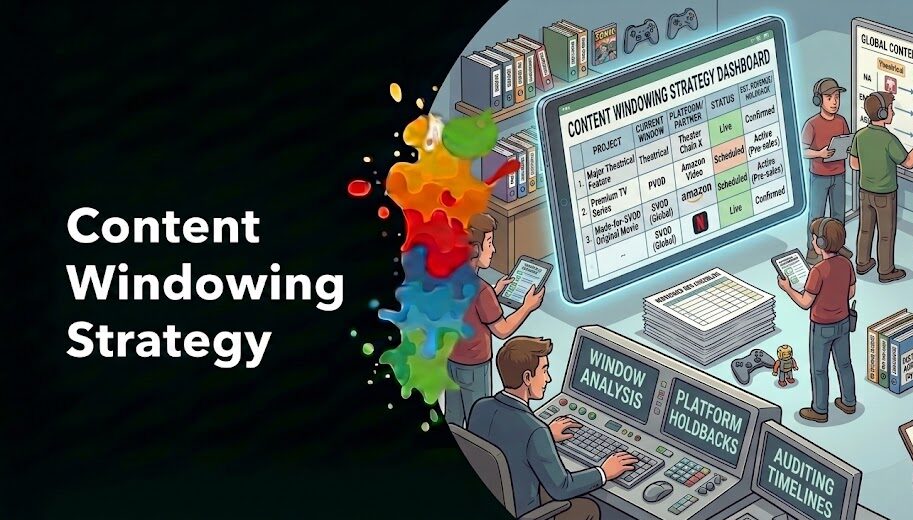
Content Windowing Strategy 2026: Theatrical, PVOD, SVOD & (Vitrina.Ai)
Summary: The 2026 distribution landscape has fragmented into a dynamic, multi-window system where theatrical is just one of five key revenue levers. Success now hinges on strategically sequencing theatrical, PVOD, SVOD, AVOD, and FAST releases based on a title’s specific budget, genre, audience, and territory. This shift has turned windowing from a post-production concern into a core pre-greenlight financial and production decision, with optimized strategies compressing recoupment timelines from years to months.
Why it matters: For producers and financiers, the financial viability of a project is now determined by its windowing model, directly impacting capital structures and greenlight decisions.
Context: This marks the definitive end of the post-pandemic transition, moving beyond the debate over a single new model to the operational reality of managing multiple, competing distribution frameworks simultaneously.
"The theatrical window is no longer the organizing principle of content monetization. It’s one revenue lever among five—and in 2026, how you sequence and balance theatrical, PVOD, SVOD, AVOD, and FAST windows." — VITRINA.AI
Commentary: The core implication is the formalization of distribution as a primary risk and return variable in project finance, requiring producers to model platform-specific revenue curves before securing funding. This creates a bifurcated market: studios with owned platforms can experiment with day-and-date PVOD as a loss-leader for subscriptions, while independents must navigate a complex patchwork of territorial deals to avoid being trapped in flat-fee SVOD purgatory. The strategic failure mode is no longer picking the wrong window, but failing to architect a non-cannibalizing window stack that extracts value from all five channels.
Date: May 21, 2026 12:00 AM ET
URL: https://vitrina.ai/blog/content-windowing-strategy-2026/
AI Sentiment Score: Negative (85%)
AI Credibility Score: 10.0/10 — High
Scores and text generated by AI analysis of the source article indicated.
Film Rights Negotiations 2026 – Vitrina AI (Vitrina.Ai)
Summary: Film rights negotiations in 2026 are defined by the permanent adoption of a hybrid theatrical-streaming model, fracturing the traditional, predictable release window sequence. Theatrical performance has re-emerged as critical leverage for streaming licensing deals, shifting deal structures toward layered rights packages with complex, territory-specific windowing. Distributors are highly selective, using theatrical releases as a primary commercial signal, while strategies like territorial holdbacks and performance-based SVOD fees have become standard.

Why it matters: This shift redefines capital allocation and risk assessment for producers and financiers, while forcing distributors and streamers to operate with greater transparency and performance-based deal terms.
Context: This follows the post-2022 streaming correction, where the unsustainable acquisition spree ended, forcing a recalibration around proven commercial viability rather than subscriber-growth metrics.
"The film rights negotiations landscape entering 2026 looks almost nothing like it did four years ago. Windowing is fractured. Streamers stopped buying the way they used to. Theatrical is clawing back relevance." — VITRINA.AI
Commentary: The market has institutionalized a feedback loop where theatrical box office directly sets streaming asset prices, making the cinema a costly but essential proving ground. This creates a bifurcated production landscape: tentpoles justify the P&A spend for leverage, while mid-tier films face pressure to skip theatrical or adopt day-one PVOD in secondary territories. The complexity of managing layered, asynchronous windows across territories will advantage consolidated distributors and sophisticated sales agents, marginalizing smaller players without the operational scale.
Date: May 16, 2026 12:00 AM ET
URL: https://vitrina.ai/blog/film-rights-negotiations-2026-hybrid-models-transparency/
AI Sentiment Score: Negative (50%)
AI Credibility Score: 10.0/10 — High
Scores and text generated by AI analysis of the source article indicated.
5 Proven Film Distribution Strategies That Work in 2025 – Vitrina AI (Vitrina.Ai)
Summary: A 2026 analysis from Vitrina AI posits that the traditional 90-day theatrical exclusivity window is now obsolete for most films, replaced by a precise calculus of accelerated windows lasting 17 to 45 days. The core strategy involves balancing box office sacrifice against the value of a rapid transition to premium transactional VOD, followed by SVOD licensing. Success is redefined as the efficiency of theatrical recoupment relative to marketing spend, not raw gross, and hinges on mastering a sequenced stack of VOD tiers.
Why it matters: This formalizes the shift from theatrical-first to lifecycle-first monetization, forcing financiers, studios, and distributors to adopt a new, data-driven risk calculus for every release.
Context: The collapse of the standard theatrical window, accelerated by the pandemic, has been an ongoing industry disruption; this analysis codifies the emerging post-disruption playbook.
"However, the traditional 90-day exclusivity period is effectively obsolete for all but the highest-budget blockbusters. The core strategy for 2025 is the precise management of accelerated windows, typically ranging from 17 to." — VITRINA.AI
Commentary: The framework treats theatrical as a high-intent marketing event for the VOD stack, not the primary revenue driver. This turns distribution into a continuous optimization problem, privileging data platforms like Vitrina that can model the trade-offs. It also structurally disadvantages mid-budget films lacking the marketing heft for a theatrical ‘event’ or the niche appeal for targeted counterprogramming, likely accelerating their migration to direct-to-platform models.
Date: May 16, 2026 12:00 AM ET
URL: https://vitrina.ai/blog/5-proven-film-distribution-strategies-that-work-in-2025/
AI Sentiment Score: Negative (71%)
AI Credibility Score: 10.0/10 — High
Scores and text generated by AI analysis of the source article indicated.
Disney Resets its Movie Release Strategy (3Vision.Tv)
Summary: Disney has settled on a new, consistent release-windowing strategy after years of post-pandemic experimentation. The model, established by ‘Inside Out 2’, pushes the Premium Video-on-Demand (PVOD) window beyond two months and delays the Disney+ debut further, creating longer exclusivity periods for theatrical and digital rental. This framework is now being applied uniformly to major 2025 and 2026 tentpoles, including ‘Fantastic Four: First Steps’ and ‘Captain America: Brave New World’, and is being replicated internationally.

Why it matters: This shift recalibrates the financial and cultural shelf life of blockbuster films, directly impacting theatrical revenue, digital monetization strategies, and the competitive dynamics of the streaming windowing landscape.
Context: Since 2020, studios have aggressively experimented with release windows, compressing them for streaming growth or extending them for box office recovery, leading to market inconsistency.
"Disney’s approach to windowing has been shifting – and recent moves suggest a more consistent framework is finally settling in. Movie Tracker reveals, through an analysis of Disney releases in the US." — 3VISION.TV
Commentary: Disney’s move institutionalizes a longer, multi-tiered monetization runway, signaling a retreat from the ‘streaming-first’ urgency of 2020-2021. It prioritizes maximizing each revenue window—theatrical, high-margin PVOD, then subscription—which pressures exhibitors to deliver sustained turnout and resets valuation metrics for film slates. The deliberate international replication also suggests Disney is betting on global theatrical resilience over regional streaming subscriber gains as its primary growth lever for tentpole content.
Date: May 15, 2026 12:00 AM ET
URL: https://www.3vision.tv/news-insights/disney-resets-its-movie-release-strategy
AI Sentiment Score: Positive (80%)
AI Credibility Score: 10.0/10 — High
Scores and text generated by AI analysis of the source article indicated.
Paramount Content Acquisition Strategy & Streaming Insights (Vitrina.Ai)
Summary: Paramount’s 2026 content acquisition strategy is defined by three structural shifts: an IP-first orientation prioritizing projects with pre-existing fan bases, a co-production model requiring producers to assemble capital stacks from external sources, and a dual-track distribution system separating premium SVOD (Paramount+) from ad-supported (Pluto TV). The platform’s pitch architecture demands explicit justification for subscriber acquisition, focusing on audience specificity, IP provenance, financing visibility, and internal performance benchmarks. Active acquisition categories include franchise extensions, Taylor Sheridan-style dramas, true crime, competition reality, and targeted international co-productions.

Why it matters: This codifies the post-peak streaming playbook: reducing subscriber acquisition costs through pre-sold IP and shifting financial risk to producers via co-production, while using FAST channels as a scalable content filter.
Context: The strategy reflects a broader industry pivot from pure subscriber growth at any cost to sustainable unit economics, mirroring similar retrenchments at Warner Bros. Discovery and Disney.
"The question the acquisitions team asks—and that you need to answer before they do—is: why does this specific project move our subscriber numbers more than the alternatives competing for this budget?." — VITRINA.AI
Commentary: Paramount’s framework turns content evaluation into a cold subscriber-acquisition calculus, sidelining pure creative merit. This formalizes the market power shift from creators to platforms, forcing producers to become financiers and data analysts. The Pluto TV pipeline creates a tiered ecosystem where content is fungible based on its CAC efficiency, not its artistic value.
Date: May 12, 2026 12:00 AM ET
URL: https://vitrina.ai/blog/paramount-content-acquisition-unraveling-the-streaming-giants-strategy-vitrina-ai/
AI Sentiment Score: Negative (50%)
AI Credibility Score: 10.0/10 — High
Scores and text generated by AI analysis of the source article indicated.
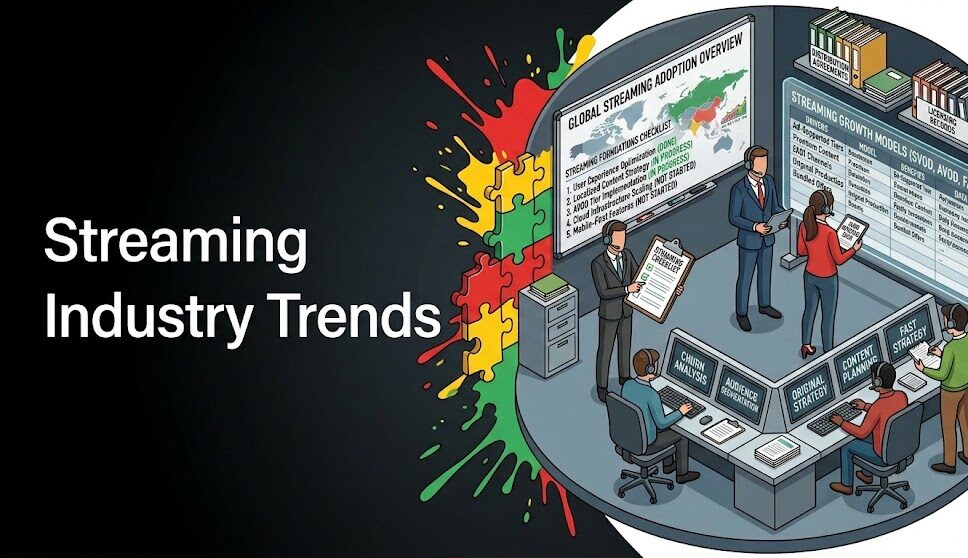
Streaming Platform Trends 2026: What’s Reshaping The Industry … (Vitrina.Ai)
Summary: The streaming industry’s post-2022 restructuring is now evident, pivoting from pure subscriber growth to sustainable unit economics and layered monetization. Theatrical releases have re-emerged not as the primary revenue driver but as a crucial quality signal and marketing engine that improves a film’s entire revenue trajectory, including its streaming performance. Concurrently, the FAST channel market has matured into a legitimate distribution category, driven by rights holders seeking to monetize catalog content more effectively.
Why it matters: This shift recalibrates content financing, greenlighting criteria, and release strategies, forcing producers, distributors, and platforms to adapt to a hybrid commercial reality.
Context: This follows the industry’s reckoning with the broken ‘infinite growth’ subscription model and the over-correction toward streaming-only strategies during the pandemic.
"The streaming industry in 2026 looks nothing like anyone predicted five years ago. It’s not the death of linear TV (linear is stubborn). It’s not the end of theatrical (theatrical is quietly." — VITRINA.AI
Commentary: Theatrical’s return as a viability signal represents a market correction, not a reversion. It forces a re-evaluation of asset libraries and future slates, privileging projects with cross-window appeal. For platforms, allowing short theatrical runs is a strategic concession that trades exclusive control for enhanced marketing and subscriber engagement, a more sophisticated calculus than pure windowing battles. This, combined with the structural rise of FAST, indicates an industry maturing into a portfolio approach to content monetization, where each window serves a distinct financial and audience-building function.
Date: May 12, 2026 12:00 AM ET
URL: https://vitrina.ai/blog/streaming-platform-trends-2026/
AI Sentiment Score: Positive (40%)
AI Credibility Score: 10.0/10 — High
Scores and text generated by AI analysis of the source article indicated.
2026 Film Industry Trends: The Shift No One Saw Coming (Shop.Bottegadelsarto)
Summary: The 2026 film industry is bifurcating: a $35 billion global box office is driven by a narrow slate of event-style franchise releases, while mid-budget and auteur films increasingly bypass theaters for streaming and festival circuits. Centralized studio power over distribution is eroding as streaming platforms, social networks, and creator channels now command over half of all feature-length viewing time. Studios are adapting by treating theatrical runs as accelerated marketing windows, front-loading spend to maximize opening-week residuals before streaming takes over.

Why it matters: This shift redefines the economic and cultural role of cinema, forcing creators, financiers, and distributors to recalibrate strategies for audience capture and monetization across a fragmented landscape.
Context: This continues the post-pandemic decoupling of theatrical exclusivity from financial viability, accelerating the studio retreat to franchise management and the platform ascendance as primary distributors.
"2026 is consolidating a decade-long realignment: the global film industry is rebounding to roughly $119 billion in market value, with content investment swelling to $255 billion, but centralized studio power over production,." — SHOP.BOTTEGADELSARTO
Commentary: The 51% control mark is a psychological tipping point, formalizing platform hegemony. The strategic consequence is the hollowing out of the mid-tier theatrical experience, which could pressure independent cinema’s economic model and concentrate cultural capital in either mega-budget events or algorithmically curated streaming slates. This isn’t just a distribution shift; it’s a re-architecting of cultural pipelines.
Date: May 24, 2026 12:00 AM ET
URL: https://shop.bottegadelsarto.com/opinion/2026-film-industry-trends-817655
AI Sentiment Score: Negative (75%)
AI Credibility Score: 10.0/10 — High
Scores and text generated by AI analysis of the source article indicated.
Content Licensing As… (Filmtake)
Summary: The economics of attention are forcing a structural shift in content monetization. Studios and streamers, facing pressure from social video platforms, are moving beyond simple subscription hikes to innovate in licensing, windowing, and packaging. The core argument is that access strategy—timing, tiering, and targeted licensing—is becoming the primary product, not just a distribution tactic.

Why it matters: This signals a fundamental re-pricing of intellectual property and a redefinition of competitive advantage in media, moving from exclusive content libraries to sophisticated access management.
Context: This follows years of streaming consolidation, plateauing subscriber growth, and the rise of TikTok and YouTube as dominant video advertising and discovery engines, eroding traditional margins.
"> Traditional studios and streamers, long the gatekeepers of premium content, are now under pressure from social video platforms that dominate both audience attention and advertising dollars. As viewer behavior fragments and." — FILMTAKE
Commentary: The shift reframes content libraries as dynamic financial instruments, where back-catalog licensing and tiered access become core revenue operations. This creates arbitrage opportunities for rights management firms and pressures studios to develop internal capabilities akin to yield management in airlines. The risk is a fragmented, confusing user experience that could further erode brand loyalty if not executed with surgical precision.
Date: April 27, 2026 12:00 AM ET
URL: https://www.filmtake.com/distribution/the-window-is-the-product-why-streamings-next-battleground-is-access-not-content/
AI Sentiment Score: Negative (55%)
AI Credibility Score: 10.0/10 — High
Scores and text generated by AI analysis of the source article indicated.
Window Shopping: Why Holding Back Pays Off in Streaming … (Filmtake)
Summary: Major film studios have abandoned uniform release strategies, adopting a complex, staggered approach to theatrical, transactional, and streaming windows. Disney maintains relative consistency for its core franchises, while Universal, Sony, and Paramount are deploying platform-specific Pay-One deals and variable timing to segment access. Lionsgate prioritizes long transactional windows for its Starz pipeline. The operational goal is no longer just protecting theatrical revenue but actively managing price tiers and platform leverage to maximize lifetime value per title.

Why it matters: This shift redefines content as a multi-phase financial instrument, directly impacting consumer costs, platform competitiveness, and the valuation of studio libraries.
Context: The collapse of the traditional 90-day theatrical window post-pandemic has led to a fragmented, data-driven landscape where release strategy is a primary competitive lever.
"Distributors are no longer tied to a single strategy for releasing films. Instead, each major player is now juggling theatrical, transactional, and streaming windows with increasing precision. Below is an examination of." — FILMTAKE
Commentary: The strategy turns audience patience into a revenue tier, formalizing early access as a premium product. This creates a new calculus for platform partnerships, where exclusive sub-windows (like Universal’s with Amazon) fracture subscriber loyalty but increase studio bargaining power. The risk is consumer resentment over artificial scarcity, potentially accelerating piracy or subscription churn as viewers optimize for cost over convenience.
Date: April 27, 2026 12:00 AM ET
URL: https://www.filmtake.com/distribution/window-shopping-why-holding-back-pays-off-in-streaming-distribution/
AI Sentiment Score: Negative (71%)
AI Credibility Score: 10.0/10 — High
Scores and text generated by AI analysis of the source article indicated.
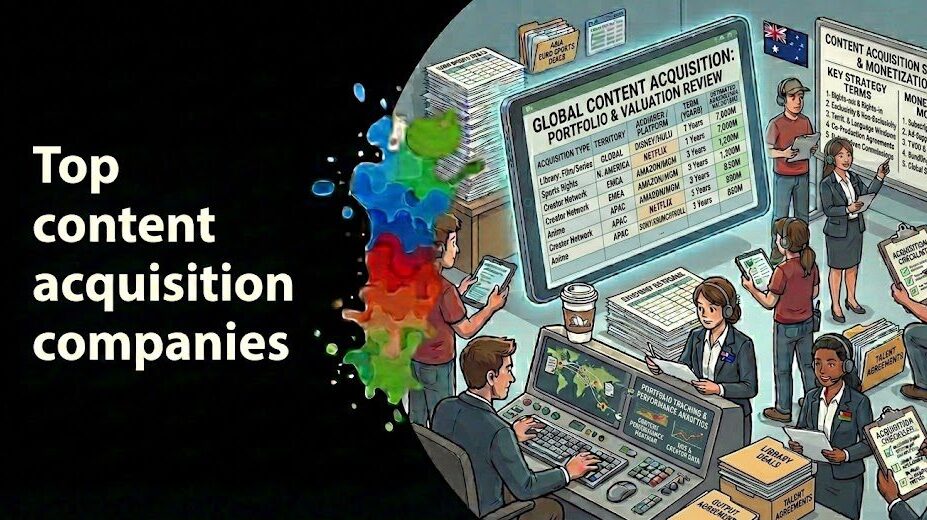
Top 9 Content Acquisition Companies Dominating 2026 – Vitrina AI (Vitrina.Ai)
Summary: The 2026 content acquisition landscape is defined by strategic specialization and a deliberate shift from original production toward licensed content. Major buyers, from global streamers to European distributors, are deploying capital against specific, data-informed mandates rather than blanket purchasing. This creates distinct opportunities for rights holders who can align their offerings with priorities like Amazon’s ad-tier volume, Netflix’s local-language hits, or Banijay’s globally adaptable format IP.
Why it matters: For producers and rights holders, success now depends on navigating a fragmented, tactical market where a buyer’s immediate window and specific appetite are more critical than their total budget.
Context: This follows the post-COVID production boom and subsequent industry correction, where streamers are rebalancing portfolios toward lower-risk, proven licensed content to manage costs and fill expanding ad-supported tiers.
"A buyer with a $5B budget who’s locked their slate for the next 18 months is worth less to you today than a regional streamer with a $200M mandate and an open Q3 window." — VITRINA.AI
Commentary: The market has matured from a land grab to a precision game, rewarding operational intelligence over sheer volume. This fragmentation pressures sellers to develop granular, real-time market maps while accelerating the commoditization of mid-tier libraries for AVOD. The rise of shorter-term licenses signals a broader institutional shift toward performance-based, flexible asset management, treating content portfolios more like traded securities than permanent catalog.
Date: May 19, 2026 12:00 AM ET
URL: https://vitrina.ai/blog/top-content-acquisition-companies-2026/
AI Sentiment Score: Negative (50%)
AI Credibility Score: 10.0/10 — High
Scores and text generated by AI analysis of the source article indicated.
Netflix Content Acquisition Strategy: 7 Key Deal Pillars – Vitrina AI (Vitrina.Ai)
Summary: Netflix’s $17B annual content spend is now structured across three distinct channels—global originals, co-productions, and third-party licensing—each with different timelines and ROI expectations. Its strategy is increasingly defined by complex, multi-territory rights deals with local partners and a heavy reliance on subscriber data over traditional metrics. The focus has shifted decisively to international markets like South Korea, India, MENA, and APAC for the next phase of subscriber growth.
Why it matters: This operational blueprint reveals how a dominant streamer is adapting its capital allocation to a saturated, competitive global market, setting the terms for producers and competitors worldwide.
Context: The shift from a singular ‘Netflix Original’ model to a multi-faceted acquisition framework reflects the maturation of the streaming wars into a phase of financial discipline and localized growth.
"Netflix partners with local broadcasters, production companies, or sovereign-backed studios to share financing and risk. They might take rights in 80 territories while a local partner retains their home market. Or they’ll." — VITRINA.AI
Commentary: The ’80 territories’ model is a capital-efficient form of cultural arbitrage, allowing Netflix to scale content with reduced risk while forcing local studios to cede global distribution. This creates a bifurcated market: producers become either hyper-local service providers or direct competitors for global IP. The 3-6 month greenlight process for originals, versus weeks for licensing, shows data-driven curation is now the bottleneck, not capital deployment.
Date: May 16, 2026 12:00 AM ET
URL: https://vitrina.ai/blog/netflix-content-acquisition-strategy-7-pillars-driving-every-deal-in-2026/
AI Sentiment Score: Positive (40%)
AI Credibility Score: 10.0/10 — High
Scores and text generated by AI analysis of the source article indicated.
CinemaCon 2026: The Studios Make Their Case for Theatrical (Celluloidjunkie)
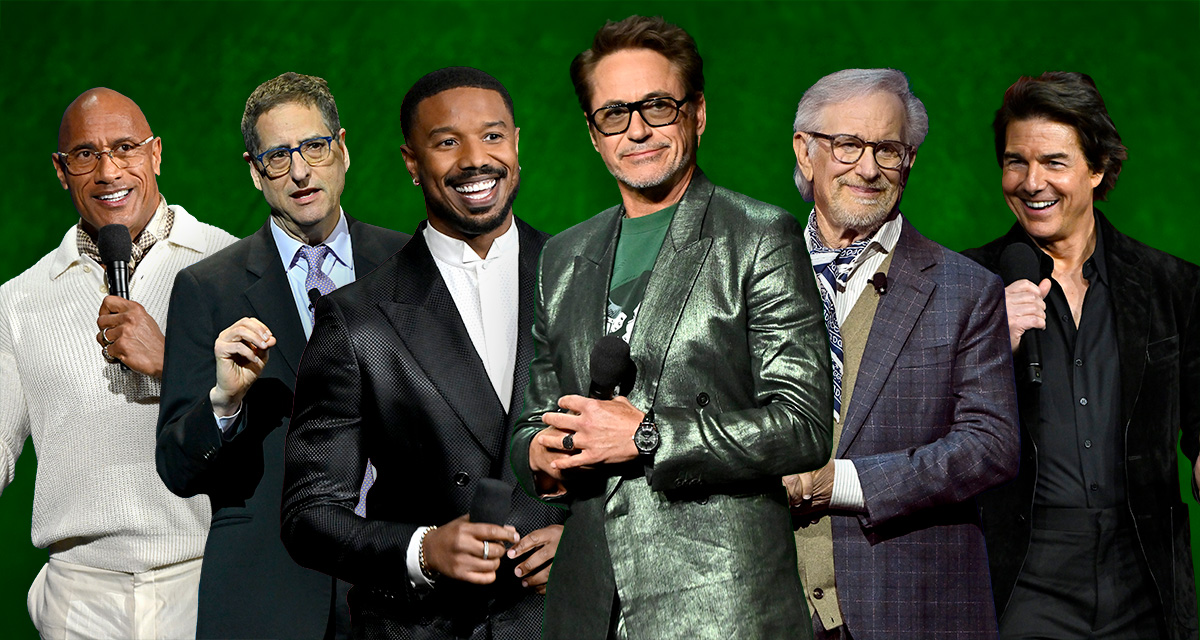
Summary: At CinemaCon 2026, major studios presented a unified front, committing to a new, shorter theatrical window standard. Universal pledged a minimum five-week theatrical run, while Paramount Skydance announced a 45-day exclusive window and a 90-day path to streaming. Amazon MGM highlighted the financial success of extending windows, citing over $670 million from early 2026 releases. The presentations signaled a strategic retreat from the pandemic-era chaos toward a negotiated, if diminished, consensus on theatrical exclusivity.
Why it matters: This settlement defines the economic and cultural floor for theatrical releases, locking in a new revenue model that will shape film financing, marketing calendars, and the power balance between studios, exhibitors, and streamers.
Context: Since 2020, the traditional 90-day theatrical window collapsed, leading to a volatile mix of day-and-date streaming releases, shortened windows, and PVOD experiments that destabilized exhibition economics and studio release strategies.
"The 2026 studio presentations were carefully constructed arguments for why theatrical still works, pitched — with no small amount of urgency — to the people who already believe. … – Universal commit." — CELLULOIDJUNKIE
Commentary: The consensus is a managed decline, not a revival. Studios have traded window length for predictability, securing a finite premium revenue runway before the inevitable cascade to PVOD and their own streaming services. This institutionalizes a secondary status for theaters while giving exhibitors just enough exclusivity to survive. The real shift is from theological debates over ‘the experience’ to cold, contractual corridor management.
Date: April 30, 2026 12:00 AM ET
URL: https://celluloidjunkie.com/2026/04/30/cinemacon-2026-the-studios-make-their-case-for-theatrical/
AI Sentiment Score: Negative (80%)
AI Credibility Score: 10.0/10 — High
Scores and text generated by AI analysis of the source article indicated.
US Movies: Theatrical, TVOD, SVOD, and Other Windowing … – Omdia (Omdia.Tech.Informa)
Summary: Omdia’s 2025 report on US movie windowing strategies identifies a continued contraction of theatrical exclusivity and a more selective audience as primary drivers reshaping revenue flows across TVOD, SVOD, and AVOD. The analysis frames 2024 as a year where studio strategies became increasingly reactive to audience engagement metrics rather than adhering to fixed release calendars. Concurrent analyst opinions highlight the commercial success of a Minecraft film, suggesting gaming IP is now a top-tier franchise engine, while questioning the long-term dominance of traditional cinematic universes.

Why it matters: The financial architecture of Hollywood—from greenlighting decisions to backend profit participation—is being recalibrated by these shifting audience behaviors and compressed windows.
Context: The pandemic-era collapse of the 90-day theatrical window never fully reversed, leading to a permanent, more fluid ecosystem where a film’s lifetime value is assessed across multiple platforms simultaneously.
"Shorter theatrical windows and a more selective moviegoing audience were key factors in 2024. We look at the key drivers of shifting movie revenue across the full windows ecosystem: theatrical, TVOD, SVOD, AVOD, pay TV, YouTube, and more." — OMDIA.TECH.INFORMA
Commentary: The operational consequence is a pivot from windowing as a schedule to windowing as a dynamic optimization problem, where each title’s path is unique. This erodes the blanket bargaining power of theater chains and forces studios to build marketing funnels that work across a fragmented attention landscape. The parallel rise of gaming IP as a reliable box office bet, as noted in the Minecraft analysis, indicates capital is fleeing saturated superhero universes for pre-validated interactive communities, a more calculable risk.
Date: April 29, 2026 12:00 AM ET
URL: https://omdia.tech.informa.com/om144902/us-movies-theatrical-tvod-svod-and-other-windowing-strategies-in-2025
AI Sentiment Score: Negative (66%)
AI Credibility Score: 10.0/10 — High
Scores and text generated by AI analysis of the source article indicated.
Streaming Giants vs Cinema Chains: Who’s Really Winning in 2026? (Analyticsinsight.Net)
Summary: The 2026 entertainment landscape is defined by a strategic stalemate between streaming platforms and cinema chains, not a clear victory for either. Streaming services are winning on volume, accessibility, and global reach, particularly in emerging markets, while cinemas retain dominance over event films and premium, immersive experiences. Revenue models are diverging: streaming leans into advertising tiers and subscription scale, while theaters double down on premium pricing and high-margin concessions. The result is a bifurcated market where mid-budget films migrate to streaming and blockbusters anchor theatrical windows, forcing a hybrid release strategy as the industry norm.
Why it matters: This bifurcation dictates where capital flows, what content gets made, and how cultural moments are monetized, reshaping the economics of global media.
Context: This follows a decade of disruption where the pandemic accelerated streaming adoption, leading to a protracted renegotiation of theatrical exclusivity windows and content valuation.
"In 2026, neither side is clearly winning; instead, streaming and cinemas are coexisting, reshaping the entertainment industry through competition, collaboration, and evolving consumer expectations." — ANALYTICSINSIGHT.NET
Commentary: The ‘coexistence’ is a managed tension, not a peaceful equilibrium. It institutionalizes a two-tier content system: high-cost spectacle for theaters and everything else for algorithmic discovery on streaming. This pressures mid-tier studios and filmmakers, whose projects no longer have a default, prestigious theatrical path. The real winners are franchises and platforms with global scale; the losers are narratives requiring mid-budget risk or communal viewing outside of event releases.
Date: May 03, 2026 12:00 AM ET
URL: https://www.analyticsinsight.net/ampstories/entertainment/streaming-giants-vs-cinema-chains-whos-really-winning-in-2026
AI Sentiment Score: Negative (71%)
AI Credibility Score: 7.0/10 — Medium
Scores and text generated by AI analysis of the source article indicated.
🎬 25 OTT Distribution FAQs | Netflix, Prime Video & OTT Deals Explained for Producers (Youtube)
Summary: A guide for independent producers outlines a granular, territory-by-territory distribution strategy for OTT platforms, emphasizing the tactical management of geo-blocking rights to build a composite revenue model. It advises holding out for premium ‘tier one’ deals only with significant leverage, otherwise pursuing direct regional pitches or using aggregators for immediate market coverage. The approach necessitates upfront investment in deliverables and insurance to execute a multi-platform, multi-window release.
Why it matters: It signals a shift from seeking global SVOD deals to a more complex, rights-maximizing model that treats global distribution as a patchwork of local monetization strategies, fundamentally altering indie film financing and release calculus.
Context: This reflects the fragmentation of the global streaming market, where platforms are regionalizing content acquisition and audiences are segmented by monetization model (TVOD, AVOD, SVOD), forcing producers to become sophisticated rights traders.
"The critical {ts:261} step here is managing your geo-blocking rights when drafting the contract. By strictly limiting a regional platform’s {ts:267} exclusivity to specific geographic territories, like only granting streaming rights within." — YOUTUBE
Commentary: The operationalization of this ‘patchwork’ strategy commoditizes geographic and temporal rights, turning distribution into a continuous revenue-optimization exercise rather than a one-time sale. It empowers producers with leverage but imposes significant administrative and financial overhead, effectively creating a new barrier to entry. The advice to use aggregators for immediate blanket coverage concedes that for most projects, velocity and breadth now trump exclusivity and premium placement, a pragmatic shift in indie market dynamics.
Date: May 13, 2026 12:00 AM ET
URL: https://www.youtube.com/watch?v=NjFaUYK2cNI
AI Sentiment Score: Neutral (33%)
AI Credibility Score: 10.0/10 — High
Scores and text generated by AI analysis of the source article indicated.
Content Paywall Changes Shape, Not Size – 3Vision (3Vision.Tv)
Summary: The first-window market for premium scripted TV has undergone a structural realignment, not a democratization of access. Pay TV’s role as the central gateway has diminished, replaced by a fragmented landscape of studio-owned SVOD platforms. While free broadcasters have adapted with BVOD-first releases and boxsets, the fundamental commercial model remains subscription-led.

Why it matters: This shift reconfigures platform leverage, studio strategy, and audience capture, determining where cultural capital and revenue are concentrated in the post-linear era.
Context: This follows a decade of studios pulling content from third-party aggregators like Netflix to fuel their own DTC services, creating a more balkanized ecosystem.
"3Vision’s Show Tracker data shows a first window scripted TV market that has changed significantly in shape, but less in how audiences access premium content. … Pay TV is no longer the." — 3VISION.TV
Commentary: The consolidation of first-window rights within studio-owned SVOD walls entrenches a new form of bundling, forcing audiences into multiple subscriptions for equivalent access. The reported ‘renewed acquisition activity’ in the second window by global SVODs suggests a maturing market where platforms now compete for library depth and catalog curation, not just exclusive premieres. Broadcasters’ boxset strategies are a defensive adaptation, not an offensive disruption, preserving their relevance within a paid-access paradigm. The real transformation is in corporate control, not consumer cost or freedom.
Date: April 22, 2026 12:00 AM ET
URL: https://www.3vision.tv/news-insights/content-paywall-changes-shape-not-size
AI Sentiment Score: Negative (50%)
AI Credibility Score: 10.0/10 — High
Scores and text generated by AI analysis of the source article indicated.
Post ID: e7ff04fe