Creator Economy Trends & Reports
Best Content Strategy for Twitch Streamers and YouTubers (Cutsio)
Summary: Cutsio’s ‘Stream-as-Studio’ framework proposes a fundamental shift in content creation for live streamers, treating the broadcast not as a final product but as a structured raw material session optimized for subsequent video editing. The strategy hinges on pre-planning streams around a YouTube-friendly premise, performing live with editing cues, and using AI-powered tools to efficiently extract multiple polished videos from a single session. This operational model promises to resolve the traditional tension between live streaming and on-demand video production by making them symbiotic workflows.
Why it matters: For independent creators, this represents a potential step-change in productivity and content yield, directly addressing the unsustainable time demands of managing separate live and edited video channels.
Context: This analysis emerges amid a broader creator economy trend toward operational efficiency and ‘content repurposing,’ but distinguishes itself by advocating for an integrated, front-loaded production philosophy rather than post-hoc recycling.
"The best content strategy for Twitch streamers and YouTubers is the "Stream-as-Studio" approach: treat every live broadcast as a raw material session designed to generate footage for multiple polished videos, rather than." — CUTSIO
Commentary: The framework is valuable as a concrete operational argument, moving beyond generic ‘work smarter’ advice to prescribe specific, tool-enabled workflows. Its viability hinges on the creator’s discipline to perform for the edit during a live broadcast, a skill distinct from pure entertainment. If widely adopted, it could further professionalize solo creator output and intensify platform interdependence, as live streams become primarily feedstock engines for algorithmically favored short-form and long-form video.
Date: May 19, 2026 12:00 AM ET
URL: https://cutsio.com/blog/best-content-strategy-for-twitch-streamers-and-youtubers
AI Sentiment Score: Negative (71%)
AI Credibility Score: 9.6/10 — High
Scores and text generated by AI analysis of the source article indicated.
Creators Go All in on AI, Niche Content | TV Tech (Tvtechnology)
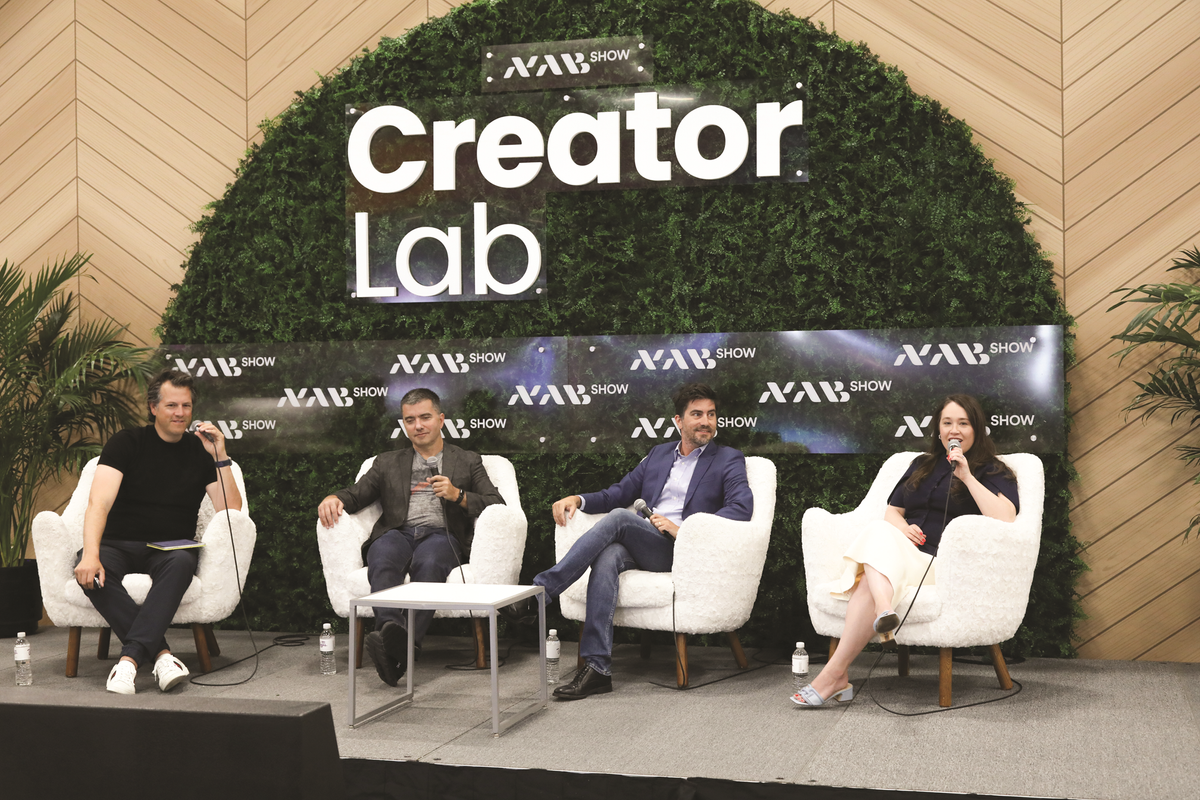
Summary: At NAB Show’s Creator Lab, industry analysts noted a strategic pivot in the creator economy: brands are aggressively adopting AI tools to unify operational silos, while growth is shifting from mass-scale ‘Beastification’ to niche creators who drive higher engagement and conversion. The panel identified a move from popular to compelling content, with formats like microdramas creating new, owned spaces for creators and leading to longer-term brand partnerships. Live video is seen as receding due to its operational complexity, even as top creator operations evolve into full-fledged studios.
Why it matters: The shift from scale to engagement redefines the value proposition for creators, brands, and platforms, signaling where capital and attention will flow next.
Context: This follows years of speculation that AI would displace human creators and that the path to success was through viral, mass-audience content.
"There has also been a shift in content from popular to compelling — from going bigger for wider appeal, to a period in which niche content creators may be at an advantage, Jarvey said."
Commentary: The panel’s observations are valuable as field intelligence, confirming the operational reality of AI integration and the economic advantages of niche focus. The ‘Beastification’ ceiling suggests a market maturation where sustainable businesses are built on community depth, not just reach. This moves the conversation from speculative hype to concrete shifts in content strategy and brand investment.
Date: 1 month ago
URL: https://www.tvtechnology.com/production/creators-go-all-in-on-ai-niche-content
AI Sentiment Score: Positive (40%)
AI Credibility Score: 10.0/10 — High
Scores and text generated by AI analysis of the source article indicated.
Creator economy statistics for 2026 (honest, sourced where possible) (Kompozy.Io)
Summary: The creator economy’s estimated global value in 2026 ranges from $250 to $500 billion, with growth persisting at 10-20% annually. Approximately 200 million people identify as creators, yet only 8-10 million earn primary income from it, highlighting a vast aspirational base. Revenue distribution remains profoundly unequal, with the top 1% capturing 50-70% of total creator earnings.

Why it matters: These figures quantify the scale and structural inequality of a labor market that has reshaped media, marketing, and individual career paths, offering a reality check for investors, platforms, and aspiring operators.
Context: The ‘creator economy’ label often obscures a bimodal reality: a thin layer of professionalized businesses atop a massive, monetarily insignificant participant base.
"Last verified 2026-05-22 Direct answer: The creator economy in 2026 is estimated at roughly $250-$500 billion globally depending on definition (some estimates include creator-adjacent ad spend; some only direct creator revenue). Roughly." — KOMPOZY.IO
Commentary: The persistence of extreme income concentration suggests the professional creator path is consolidating, not democratizing. For platforms and toolmakers, this signals a mature market where growth will depend on extracting more value from the entrenched professional class, not expanding the hobbyist base.
Date: May 22, 2026 12:00 AM ET
URL: https://kompozy.io/creator-growth/creator-economy-statistics-2026
AI Sentiment Score: Positive (50%)
AI Credibility Score: 9.2/10 — High
Scores and text generated by AI analysis of the source article indicated.
Creator Economy Report 2026 – ClickAnalytic (Clickanalytic)
Summary: ClickAnalytic’s 2026 Creator Economy Report analyzes 23.6 million creator profiles across Instagram, TikTok, and YouTube, providing a systemic market view. It finds TikTok dominates creator supply, Instagram offers superior contactability, and YouTube hosts the highest concentration of high-momentum creators. The data reveals widespread brand misallocation, driven by overvaluing scale and undervaluing audience quality and micro-creator segments.
Why it matters: For brands, agencies, and platforms, the report provides a data-driven correction to market assumptions, revealing where capital is being wasted and where scalable, high-ROI opportunities actually lie.
Context: The creator economy has matured into a major media channel, yet strategic investment has often relied on anecdotal evidence and surface-level metrics rather than systemic analysis.
"Most brands don’t overpay because creators are expensive. They overpay because they don’t understand what they’re buying." — CLICKANALYTIC
Commentary: The report’s core value is its shift from case-study narrative to actuarial logic, framing creator marketing as a market efficiency problem. The stark platform divergences—TikTok’s scale versus Instagram’s access—could force a restructuring of agency workflows and brand platform strategies. The emphasis on micro-creators and audience quality scarcity suggests a coming professionalization wave, where pricing and performance become more correlated with measurable signals than follower count.
Date: May 18, 2026 12:00 AM ET
URL: https://www.clickanalytic.com/creator-economy-report/
AI Sentiment Score: Negative (71%)
AI Credibility Score: 9.6/10 — High
Scores and text generated by AI analysis of the source article indicated.
How the creator economy is changing traditional entertainment’s discovery, distribution, and supply (Midiaresearch)
Summary: The creator economy is no longer a parallel ecosystem but a core component of traditional entertainment’s operational model. Companies like HBO are hiring fan creators like Mellie (uhbucky) for their community-building skills, Global is consolidating creator-led YouTube channels into scalable media franchises, and Tubi is integrating creator content directly into its streaming interface, giving it equal prominence with Hollywood titles. This signals a structural shift where creator talent, audiences, and distribution methods are being systematically absorbed and leveraged by established media conglomerates.

Why it matters: This convergence redefines creative labor, audience acquisition, and content distribution, forcing traditional media to adopt creator-native tactics to remain relevant.
Context: The long-heralded ‘convergence’ between social-native creators and legacy media is moving from partnership deals to full integration of creator workflows, talent, and IP into corporate structures.
"Traditional entertainment’s embrace of the creator economy is no longer superficial. As creators build audiences at scale, entertainment companies are using their financial clout to hire, licence, and buy creator-led brands." — MIDIARESEARCH
Commentary: The piece is valuable as field observation, documenting a tangible shift from adjacency to absorption. The three examples illustrate a buy-and-build strategy where traditional media uses its capital advantage to acquire the discovery networks and audience trust creators have built, effectively industrializing fandom. The risk is the dilution of creator authenticity, but the immediate effect is the professionalization of the creator role within corporate hierarchies.
Date: April 14, 2026
URL: https://www.midiaresearch.com/blog/how-the-creator-economy-is-changing-traditional-entertainments-discovery-distribution-and-supply
AI Sentiment Score: Positive (50%)
AI Credibility Score: 10.0/10 — High
Scores and text generated by AI analysis of the source article indicated.
Industry Snapshot: The new social playbook – Campaign Middle East (Campaignme)
Summary: Anna Rozwandowicz of The Story Mob outlines a strategic pivot in brand social strategy, moving from platform-first distribution to audience-first ecosystems. Investment is consolidating into fewer, higher-impact channels, with creator partnerships becoming core infrastructure and owned channels treated as media products. The role of AI is framed as a tool for signal-informed strategy and faster iteration, not a replacement for cultural taste. The long-term vision positions social media as a core business function integral to product, community, and revenue, shifting from storytelling to world-building.

Why it matters: This signals a maturation of social media from a tactical marketing channel to a strategic business pillar, with implications for resource allocation, organizational structure, and competitive advantage.
Context: This reflects a broader industry trend away from spray-and-pray multi-platform campaigns and toward deeper, owned audience relationships, accelerated by the rise of creator economies and AI-enabled analytics.
"Social will move from a marketing channel to a core business function, sitting closer to product, community, and revenue. Brands will build direct relationships with audiences, using platforms as infrastructure." — CAMPAIGNME
Commentary: The argument is valuable as field observation from an operator, crystallizing a shift many sense but few articulate as cleanly. If implemented, this would require dismantling marketing silos and granting social teams P&L-adjacent authority—a profound organizational change most brands are not yet structured to execute.
Date: April 13, 2026
URL: https://campaignme.com/industry-snapshot-the-new-social-playbook
AI Sentiment Score: Positive (50%)
AI Credibility Score: 7.0/10 — Medium
Scores and text generated by AI analysis of the source article indicated.
From Creator Content to Pipeline: The CFO-Ready Framework for … (Limelighthq)
Summary: A framework for quantifying creator marketing spend as a formal customer acquisition cost (CAC) moves the discipline from discretionary content to a finance-approved pipeline. It proposes two core metrics: a customer-level CAC for verified conversions and an opportunity-level CAC for early-stage attribution. The model requires integrating creator identities into CRM systems and mapping their content engagement directly to target accounts.
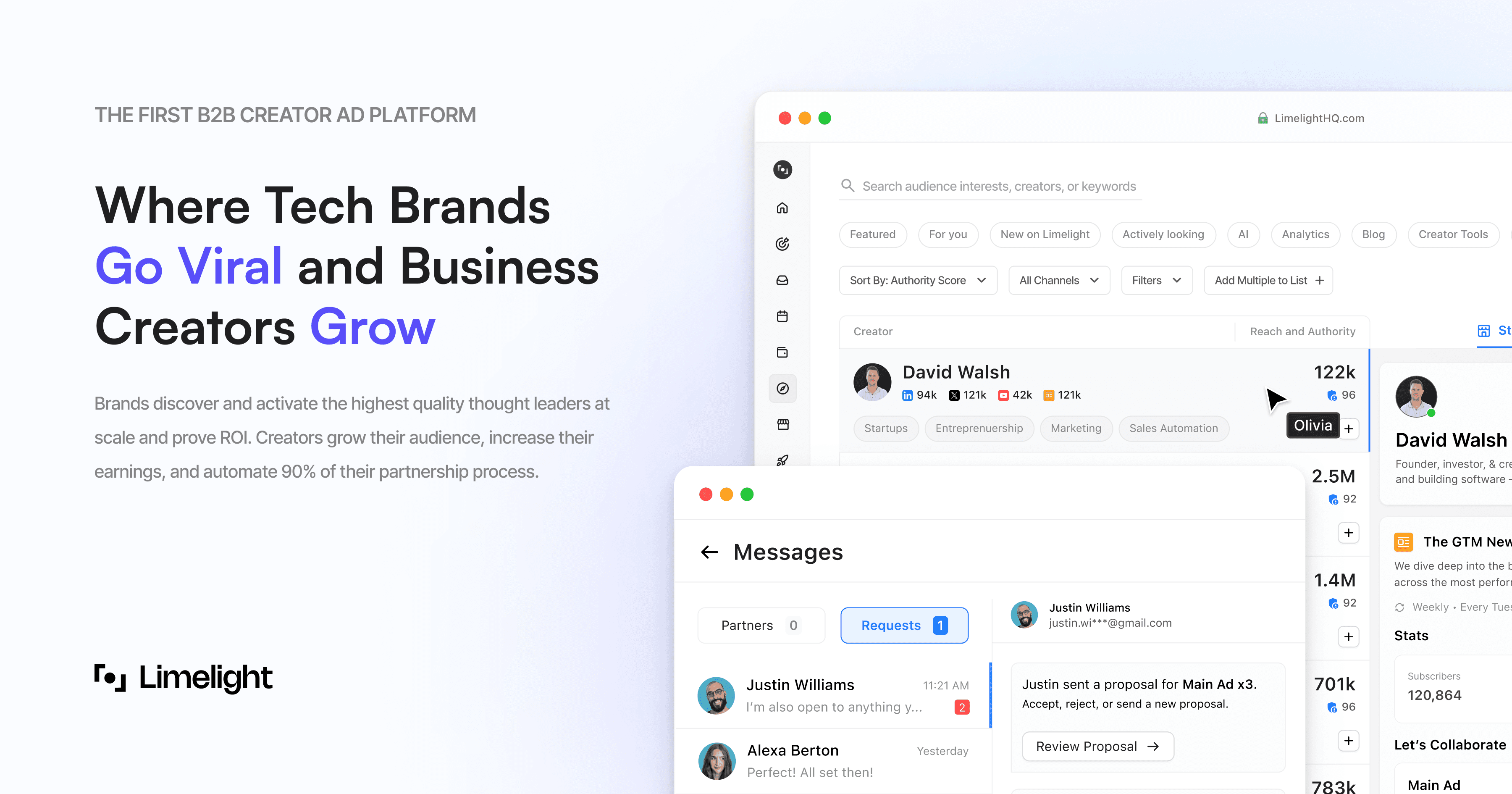
Why it matters: This formalizes creator economics, enabling direct comparison to paid search or sales channels and shifting budget allocation from brand storytelling to accountable growth engineering.
Context: As creator marketing scales, finance and growth teams demand the same ROI rigor applied to other performance channels, moving beyond vanity metrics.
"Creator CAC = Total Creator Program Spend ÷ New Customers with Verified Creator Attribution." — LIMELIGHTHQ
Commentary: The push for ‘CFO-ready’ metrics signals creator marketing’s maturation into a core growth lever, but it also risks commodifying creator relationships by reducing them to a cost-per-lead equation. Success requires significant operational lift in data plumbing and attribution, likely benefiting platforms that can automate this linkage over individual creators.
Date: May 19, 2026 12:00 AM ET
URL: https://www.limelighthq.com/insights/creator-content-pipeline-cfo-framework-b2b-creator-roi-2026
AI Sentiment Score: Positive (62%)
AI Credibility Score: 10.0/10 — High
Scores and text generated by AI analysis of the source article indicated.
Greg Isenberg (Gregisenberg)
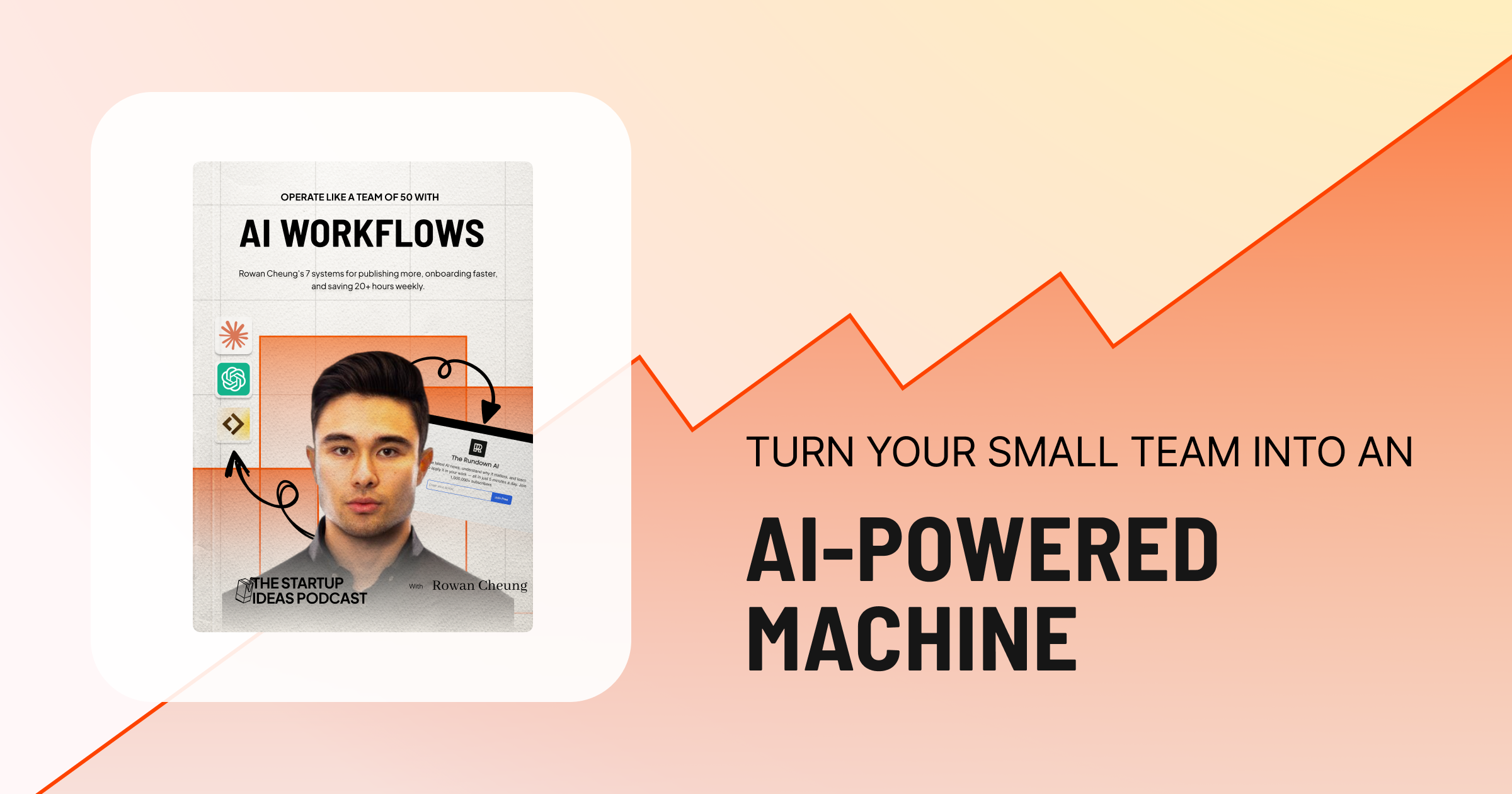
Summary: 7 systems to operate like a 50-person team Automate the work that slows teams down. Inside: workflows for content creation, meeting scheduling, onboarding, and email. Complete with tools, prompts, and step-by-step setup instructions.
Why it matters: The commoditization of operational efficiency tools suggests a new layer of ‘automation arbitrage’ for knowledge workers.
Context: The explicit packaging of internal team workflows into a consumable guide signals a shift in the creator economy’s service model.
"7 systems to operate like a 50-person team Automate the work that slows teams down. Inside: workflows for content creation, meeting scheduling, onboarding, and email. Complete with tools, prompts, and step-by-step setup." — GREGISENBERG
Commentary: The signal is still worth tracking, but the current extraction path did not yield enough body text for a fuller analytical read. The immediate test is whether this becomes repeatable operator practice rather than another surface-level workflow claim.
Date: May 19, 2026 12:00 AM ET
URL: https://www.gregisenberg.com/ai-workflows
AI Sentiment Score: Neutral (50%)
AI Credibility Score: 7.0/10 — Medium
Scores and text generated by AI analysis of the source article indicated.
The Most Important Story of the Week Articles – Entertainment Strategy Guy (Entertainmentstrategyguy)
Summary: Netflix is releasing its upcoming ‘The Chronicles of Narnia’ films theatrically, a significant departure from its traditional windowing strategy. This move signals a pragmatic shift by a major streamer to monetize big-budget tentpole content through box office revenue before streaming. It directly challenges the ‘streaming-first’ orthodoxy that has dominated the industry for the past decade.

Why it matters: This decision recalibrates the financial model for high-cost prestige content, forcing a reassessment of theatrical revenue’s role in streaming-era economics.
Context: The film industry has been locked in a debate over theatrical windows versus direct-to-streaming releases, with studios and streamers experimenting with hybrid models to maximize returns on major investments.
"Whoa! What Netflix Sending Narnia to Theaters Means for the Future of Film (Welcome to the “Most Important Story of the Week”, my bi-weekly strategy column analyzing the most important (but often." — ENTERTAINMENTSTRATEGYGUY
Commentary: Netflix’s move is less a philosophical embrace of cinema and more a coldly rational calculation: theatrical runs for event films are a superior customer acquisition and revenue-generating tool than a pure streaming drop. It validates the enduring economic power of the box office for financing tentpoles, likely pressuring other streamers to follow suit for their own major franchise plays, thereby reinvigorating the theatrical ecosystem as a partner rather than a rival.
Date: May 18, 2026 12:00 AM ET
URL: https://entertainmentstrategyguy.com/weekly-news-update/
AI Sentiment Score: Negative (50%)
AI Credibility Score: 10.0/10 — High
Scores and text generated by AI analysis of the source article indicated.
The four pillars of modern media (Onemanandhisblog)
Summary: The article argues that the modern media ecosystem is now defined by four primary pillars: video-based social media, closed chat communities, newsletters, and podcasts. It posits that the traditional website is no longer the central hub but one of several co-equal products, accessed primarily when prompted by other channels or specific user intent. This represents a fundamental shift from the web-centric model that still underpins many legacy media business strategies.

Why it matters: For independent operators and media businesses, this reframes strategic planning around a portfolio of distinct editorial products rather than a single destination, directly impacting audience development, revenue models, and editorial resource allocation.
Context: This analysis aligns with the ongoing unbundling of media consumption and the rise of platform-native formats, but its value lies in explicitly rejecting the ‘website as hub’ mentality that persists in many legacy operations.
"> The mass audience has now moved fully to video; the personal audience now lives in the group chat. Professionals are getting their information from newsletters and podcasts. The information landscape has." — ONEMANANDHISBLOG
Commentary: The piece is valuable as a field observation and strategic argument, providing a clear framework for operators to audit their own distribution. Its main implication is operational: editorial and business planning must start from the audience’s chosen format, not from a default assumption of web primacy. This forces a disaggregation of content strategy and monetization, challenging integrated newsrooms to function more like multi-platform studios.
Date: May 19, 2026 12:00 AM ET
URL: https://onemanandhisblog.com/2026/05/the-four-pillars-of-modern-media/
AI Sentiment Score: Positive (50%)
AI Credibility Score: 7.0/10 — Medium
Scores and text generated by AI analysis of the source article indicated.
May 2026 – Full Throttle Media (Fullthrottlemedia)
Summary: A May 2026 media briefing distills a tactical, data-informed framework for professional LinkedIn use, positioning it as a business development channel rather than a brand-building exercise. It prescribes a specific posting cadence, engagement ratio, and metric hierarchy, arguing that ‘two to five quality posts per week’ is the optimal range for business outcomes. The analysis advocates for using AI to offload low-expertise tasks first, freeing high-value personnel for core work.

Why it matters: For independent operators and newsletter-driven businesses, this reframes social media from a nebulous content play into a measurable, time-boxed sales funnel component with clear operational guardrails.
Context: This reflects a maturation in the ‘creator economy’ and B2B thought leadership, moving past vanity metrics toward a disciplined, almost industrial, approach to audience cultivation and lead generation.
"Start with the overhead, not the product. Identify the three tasks that consume the most time from your highest-value people but do not require their expertise to complete. Draft emails, research compilation,." — FULLTHROTTLEMEDIA
Commentary: The piece is valuable as field observation and operator analysis, providing a concrete, testable hypothesis for platform engagement. Its prescriptive nature—specific days, time allocations, metric hierarchies—offers a replicable system, though it risks creating a homogenized, formulaic feed if widely adopted. The underlying shift is the treatment of social platforms as predictable machinery to be optimized, not as organic communities.
Date: May 20, 2026 12:00 AM ET
URL: https://www.fullthrottlemedia.com/2026/05/
AI Sentiment Score: Negative (50%)
AI Credibility Score: 9.7/10 — High
Scores and text generated by AI analysis of the source article indicated.
Hell Grind’s $400,000 Compute Bill Shows Where AI Movies Are Really Going (Msnandhis.Medium)
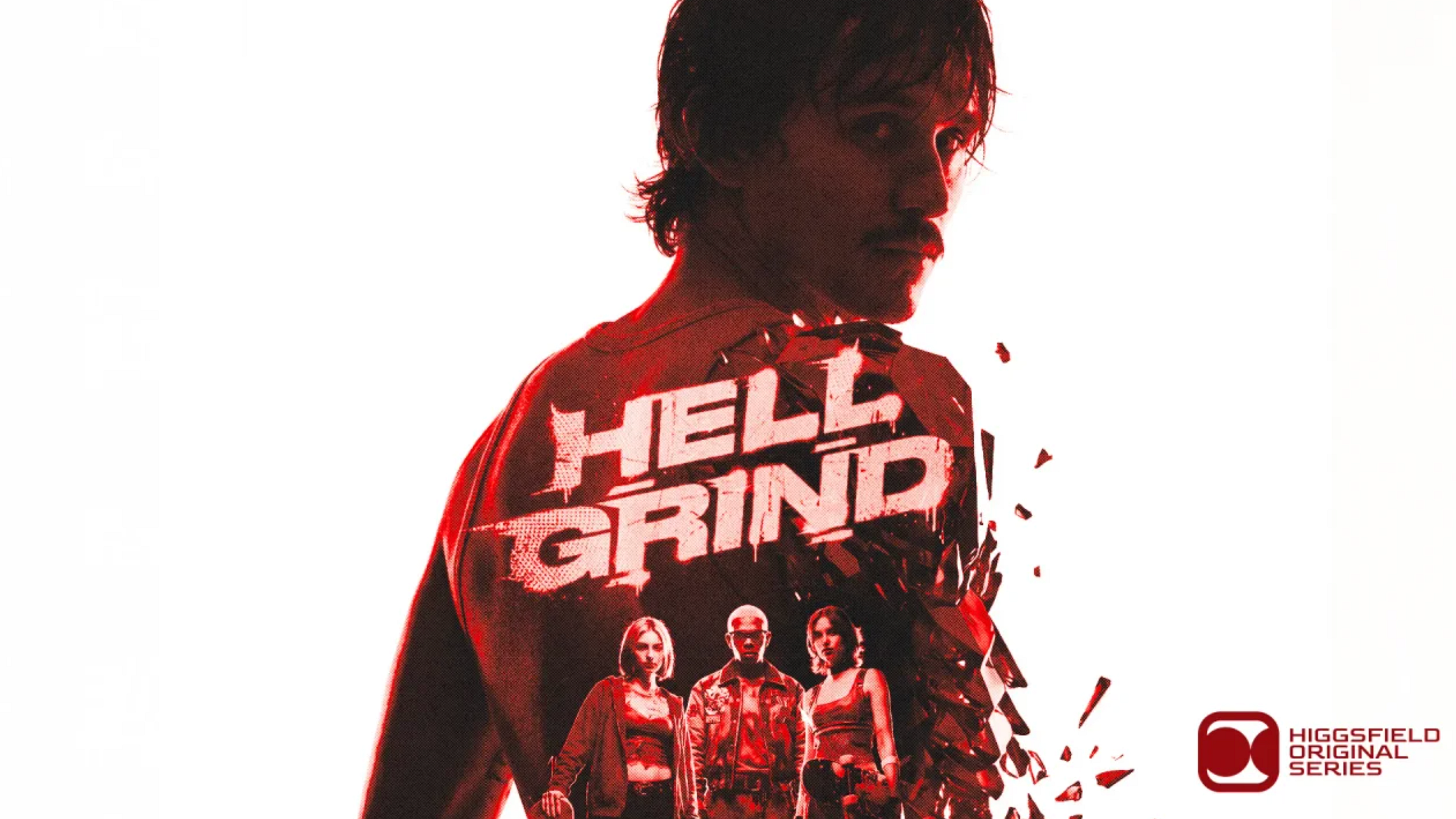
Summary: The AI-generated short film ‘Hell Grind’ reportedly incurred a $400,000 compute bill, representing roughly 80% of its total $500,000 production cost. The first 25 minutes alone required 16,181 generations to produce 253 final shots. This financial ledger reframes the debate from whether AI can make movies to revealing the economics of a new production pipeline.
Why it matters: It provides a concrete, early cost model for AI filmmaking, moving the conversation from speculative hype to operational and financial reality.
Context: The public discourse around AI-generated media has been dominated by polarized arguments about artistic legitimacy and automation, often lacking verifiable data on production economics.
"According to Creative Bloq, Higgsfield says the project cost about $500,000 to make, with roughly $400,000 going to AI compute. The same report says the first 25 minutes required 16,181 generations for 253 final shots." — MSNANDHIS.MEDIUM
Commentary: This is valuable field observation, not an argument. The data shifts the frame from ‘can it be done’ to ‘at what cost and with what workflow.’ It suggests the initial phase of AI filmmaking may not be about cost collapse but cost redistribution, with compute becoming the dominant line item. For independent operators, this creates a new calculus where creative iteration is directly tied to cloud infrastructure spending, potentially replicating studio-level financial gatekeeping in a new form.
Date: Sat, 30 May 2026 14:58:00 GMT
URL: https://msnandhis.medium.com/hell-grinds-400-000-compute-bill-shows-where-ai-movies-are-really-going-606240a6c28d
AI Sentiment Score: Negative (55%)
AI Credibility Score: 9.9/10 — High
Scores and text generated by AI analysis of the source article indicated.
Reuters Institute Predictions 2026: The Scorecard (Workflow.Ap)
Summary: The Reuters Institute’s 2026 predictions for the media industry are rapidly materializing, with search traffic declines steeper than anticipated and AI integration accelerating. However, the landscape is not uniformly grim; breaking news referrals have surged as AI struggles with real-time events, creating a bifurcated market. Meanwhile, strategies like building owned audiences and ‘liquid content’ are moving from optional to essential, while creator economy partnerships and AI licensing revenues remain uncertain.

Why it matters: The velocity of these shifts forces a hard strategic pivot for any organization reliant on digital attention, redefining what constitutes defensible value in an AI-saturated ecosystem.
Context: The annual Reuters Institute report serves as a key industry benchmark, but early-year data often tests the pace and nuance of its forecasts.
"Breaking news is up 103% across all Google surfaces since November 2024, while every other content category — evergreen, landing pages, homepage traffic — is declining." — WORKFLOW.AP
Commentary: The surge in breaking news traffic is the most consequential data point, as it carves a rare, durable moat for institutional journalism based on speed and verification—assets AI cannot currently replicate. This validates a focus on core journalistic infrastructure over volume competition. However, it also accelerates the industry’s stratification between real-time specialists and generalists facing existential traffic erosion. The ‘creator economy’ response remains an unproven cultural and operational graft for most legacy brands.
Date: April 14, 2026
URL: https://workflow.ap.org/news/reuters-institute-predictions-2026
AI Sentiment Score: Negative (50%)
AI Credibility Score: 10.0/10 — High
Scores and text generated by AI analysis of the source article indicated.
SEO 2.0: The Content Playbook for AI Search Visibility (Searchenginejournal)
Summary: A new framework, dubbed ‘SEO 2.0,’ is being promoted, arguing that AI search assistants like ChatGPT and Gemini have created a distinct new channel for visibility based on citations within AI-generated answers. The playbook, based on analysis of millions of AI citations, claims to offer a practical action plan for optimizing content to be surfaced by AI systems, alongside traditional search engine results. It positions this as an evolution requiring updated tactics for content format, topic clustering, and brand positioning.

Why it matters: For independent operators and content-driven businesses, the mechanics of discovery are shifting; failing to adapt to AI citation signals could mean invisibility in a growing share of queries.
Context: This is part of a broader industry scramble to decode and influence the opaque ranking systems of generative AI search products, which are beginning to siphon traffic from traditional search engines.
"The signals that earn citations in AI-generated responses aren’t exactly identical to the ones that drive traditional rankings, and knowing the difference is what separates teams that show up in AI search from those that don’t." — SEARCHENGINEJOURNAL
Commentary: The piece is valuable as field observation and tactical analysis, translating emergent AI behavior into a concrete, if promotional, operational playbook. Its core thesis—that AI search requires a distinct optimization strategy—is credible, but its utility hinges on the quality of the underlying research, which is presented as proprietary. Operators should treat this as a necessary area of experimentation, not a settled doctrine, given the rapid evolution of AI search products and their undisclosed algorithms.
Date: April 17, 2026
URL: https://www.searchenginejournal.com/partner-resources/seo-2-0-the-content-playbook-for-ai-search-visibility/
AI Sentiment Score: Negative (60%)
AI Credibility Score: 10.0/10 — High
Scores and text generated by AI analysis of the source article indicated.
SEO After Google I/O 2026: What Changes for Teams (Digitalapplied)
Summary: Google’s I/O 2026 announcements have formally integrated personal data, specifically Gmail activity via ‘Personal Intelligence,’ as a direct ranking signal for its AI Mode search. This shifts the competitive landscape for SEO teams, making brand presence in a user’s personal communications a factor in search visibility. The analysis provides a tactical playbook for operators, outlining immediate P0/P1 actions to audit and adapt to the new system, while highlighting a counter-intuitive finding that branded queries now see an 18% higher CTR under AI Overviews.
Why it matters: For independent operators and newsletter publishers, this institutionalizes a new layer of competition where direct audience relationships and transactional touchpoints, measured via personal email, directly influence public search visibility.
Context: This follows the broader industry shift where platform-owned AI agents and personal data silos are becoming central to content discovery, moving beyond public link graphs to private behavioral signals.
"Amsive research reportedly found branded queries earn approximately 18% higher CTR under AI Overviews — the counter-intuitive win that makes brand investment the durable defense." — DIGITALAPPLIED
Commentary: The piece is valuable as field observation and tactical analysis, translating a platform shift into concrete operational steps. The most significant implication is the normalization of a two-tier search ecosystem: one for ‘cold’ users and a personalized one for those with prior brand interactions, making direct audience relationships a critical SEO asset. The recommended test—gauging visibility via a seeded Gmail account—is a sharp operational insight for any independent creator.
Date: May 20, 2026 12:00 AM ET
URL: https://www.digitalapplied.com/blog/seo-after-google-io-2026-90-day-playbook
AI Sentiment Score: Positive (40%)
AI Credibility Score: 7.0/10 — Medium
Scores and text generated by AI analysis of the source article indicated.
Content Strategy for AI Overviews: Post-I/O 2026 Guide (Digitalapplied)
Summary: A 2026 guide from Digitalapplied outlines a tactical content strategy for securing citations in Google’s AI Overviews, following the I/O 2026 announcements and a concurrent Core Update. It argues that the unit of SEO has shifted from ranking pages for head terms to crafting ‘self-contained passages’ that answer specific sub-queries. The guide prescribes a rigid structural formula for articles, including answer-first intros and the strategic use of schema, while identifying YouTube as a growing, non-exclusive citation channel.
Why it matters: For independent operators and publishers, this represents a fundamental change in the content production calculus, prioritizing machine-readable, modular answers over narrative flow or brand voice to capture AI-driven traffic.
Context: This follows Google’s increasing integration of generative AI into search, which has shifted the value of organic search results from click-throughs to being cited as a source within an AI-generated answer.
"The practical prescription: open every piece with a one- or two-sentence direct answer to the primary question, followed by your ranked list or structured comparison. … For our 2026 AIO optimization guide,." — DIGITALAPPLIED
Commentary: The guide’s value is in its concrete, data-driven operationalization of a new SEO paradigm. It frames content not as a destination but as a feedstock for AI, with profound implications for writerly craft and publisher economics. The recommendation to avoid FAQPage schema due to ‘compliance risk’ is a telling detail about the new, opaque penalties of the AI-search era.
Date: May 23, 2026 12:00 AM ET
URL: https://www.digitalapplied.com/blog/content-strategy-ai-overviews-post-io-guide-2026
AI Sentiment Score: Negative (50%)
AI Credibility Score: 7.0/10 — Medium
Scores and text generated by AI analysis of the source article indicated.
The week that Meta employees became training data (Platformer.News)
Summary: Meta is installing software called the Model Capability Initiative (MCI) on U.S. employee laptops to capture mouse movements, clicks, keystrokes, and screen snapshots to train AI agents. Employees cannot opt out, and internal concerns focus on privacy and data misuse, though the company states the data won’t be used for performance reviews. Concurrently, Meta is laying off 10% of its workforce, continuing a push for ‘efficiency’ amid massive AI infrastructure spending. The move represents a Taylorist shift, making knowledge work legible to AI systems to potentially automate it.

Why it matters: This marks a pivotal shift in the labor dynamics of tech, where high-status knowledge workers become monitored data sources for the systems that may replace them, eroding professional autonomy and setting a precedent for white-collar surveillance.
Context: The practice of intensive workflow monitoring has been common for contractors and content moderators, but its extension to full-time engineers and product staff at a major tech firm signals a new phase in AI data sourcing and workforce management.
“If we’re building agents to help people complete everyday tasks using computers, our models need real examples of how people actually use them — things like mouse movements, clicking buttons, and navigating dropdown menus,” a company spokesman told me. “To help, we’re launching an internal tool that will capture these kinds of inputs on certain applications to help us train our models.”
Commentary: The operational logic here is a direct extension of the data-labeling contractor model into the core engineering class, effectively commoditizing the cognitive labor of the very architects of these platforms. It’s a strategic response to the perceived ‘data wall’ for agent training, but its implementation under U.S. labor law, contrasted with GDPR protections, creates a bifurcated global standard for worker dignity. The parallel layoffs underscore the endgame: reducing headcount by automating captured workflows, a cycle that could pressure other firms to adopt similar surveillance to remain competitive in AI development.
Date: Fri, 24 Apr 2026 00:47:42 GMT
URL: https://www.platformer.news/meta-mci-monitoring-layoffs-knowledge-work/
AI Sentiment Score: Neutral (33%)
AI Credibility Score: 10.0/10 — High
Scores and text generated by AI analysis of the source article indicated.
Are the Twitter clones in trouble? (Platformer.News)
Summary: Apptopia data indicates Threads’ daily active users have declined sharply since late 2024, while X’s usage remains flat to down. Meta disputes the report, citing rival eMarketer’s growth projections. The analysis suggests the entire text-based social network category may be stagnant, not just individual platforms.

Why it matters: For operators and analysts, the health of these platforms dictates creator strategy, advertising spend, and the viability of public conversation online.
Context: This follows a period of intense competition to replace Twitter/X, with Threads launching to massive initial uptake and Bluesky undergoing leadership changes amid stalled growth.
"Daily active users on the platform have declined in seven of the past eight months, Adam Blacker wrote in a blog post on Apptopia. After peaking in October 2024 — just before the US presidential election — daily users are now down 61 percent, Blacker wrote." — PLATFORMER.NEWS
Commentary: The conflicting data between Apptopia and eMarketer highlights the opacity of platform metrics, making strategic bets difficult. If the category is indeed saturated or declining, it reframes the competition from a zero-sum game for Twitter’s audience to a struggle for relevance in a shrinking market. This pressures Threads to justify its resource allocation within Meta and forces Bluesky to find a niche beyond mere replication.
Date: Fri, 15 May 2026 00:57:30 GMT
URL: https://www.platformer.news/threads-bluesky-x-usage-utopia-twitter-clones/
AI Sentiment Score: Negative (50%)
AI Credibility Score: 10.0/10 — High
Scores and text generated by AI analysis of the source article indicated.
Post ID: d77e516d