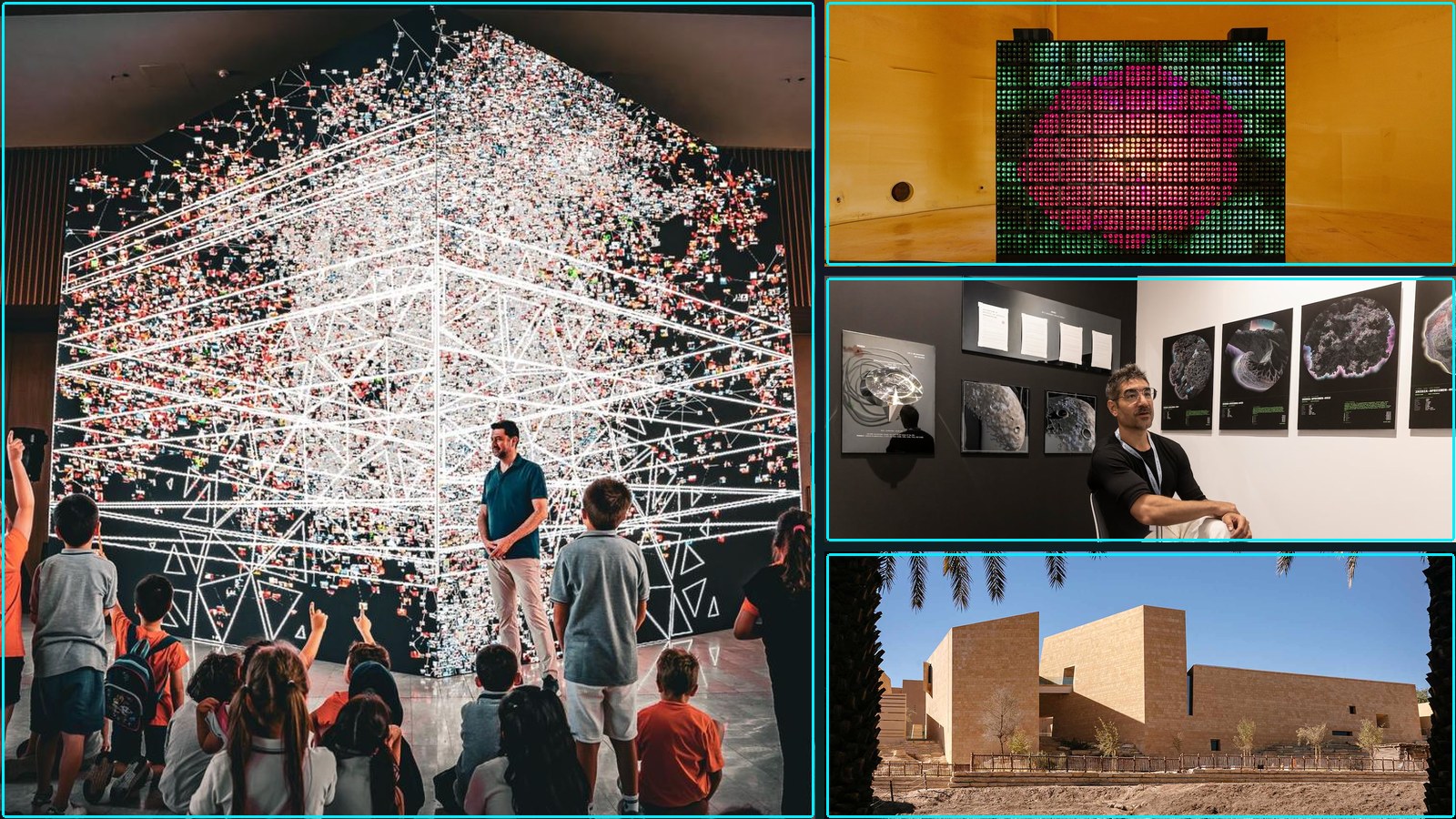
Digital and AI Art Initiatives
Dataland, the world’s first museum of AI arts, sets opening date and first exhibition (Latimes)
Summary: Dataland, a privately funded 35,000-square-foot museum dedicated to AI art, will open in Los Angeles on June 20. Its inaugural exhibition, ‘Machine Dreams: Rainforest’ by Refik Anadol Studio, is a multi-sensory installation powered by the studio’s proprietary Large Nature Model, which uses licensed data from institutions like the Smithsonian. The museum positions itself as a permanent institution for the collection and preservation of AI art, with a stated focus on data provenance and operational sustainability.
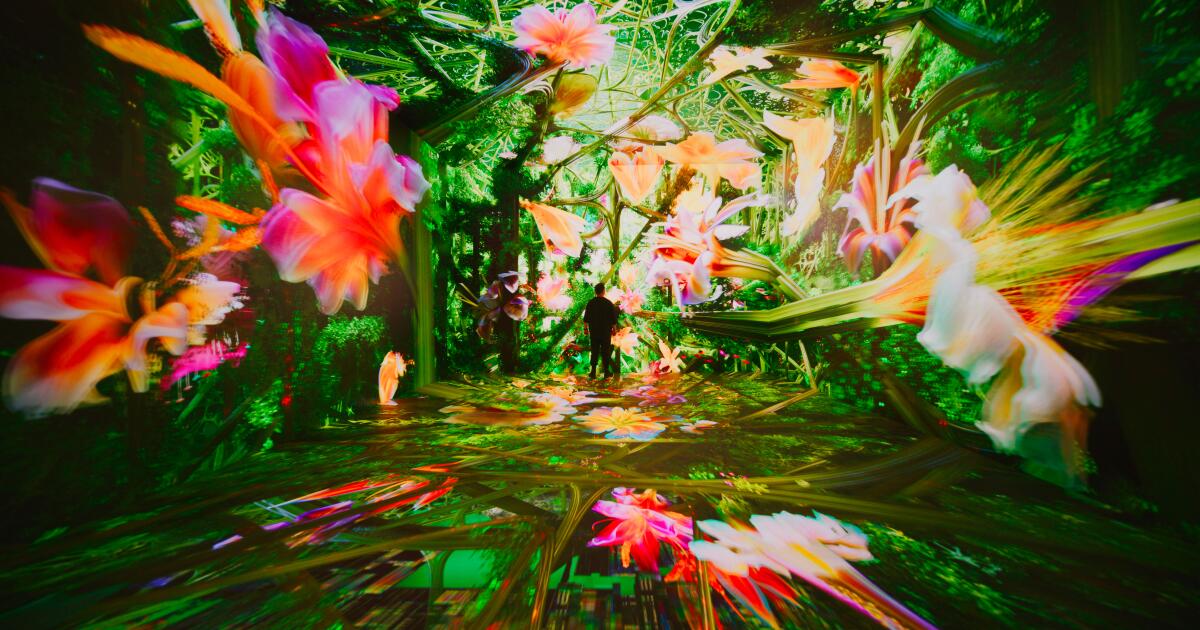
Why it matters: It establishes a major institutional precedent for AI art, creating a new venue class with specific technical, curatorial, and operational requirements that will influence production pipelines and artist-institution relationships.
Context: This opening occurs amid a wave of new LA cultural institutions (LACMA’s Geffen Galleries, the Lucas Museum) and follows the growth of immersive experience purveyors like Meow Wolf, signaling a competitive market for large-scale, technology-driven audience engagement.
"The 35,000-square-foot privately funded museum devotes 25,000 square feet to public space, with the remaining 10,000 square feet holding the in-house technology that makes the space run." — LATIMES
Commentary: The 10,000 sq ft technical footprint is a critical operational constraint, signaling that future institutions of this type require significant, dedicated back-of-house infrastructure for model hosting and data processing, not just gallery space. The focus on licensed data and carbon-neutral compute (via Google Cloud) sets a tangible, if expensive, benchmark for sustainable and legally defensible large-scale AI art production that other studios and venues will now be measured against.
Date: 1 month ago
URL: https://www.latimes.com/entertainment-arts/story/2026-04-23/refik-anadol-ai-art-museum-dataland-opening-date
AI Sentiment Score: Negative (50%)
AI Credibility Score: 10.0/10 — High
Scores and text generated by AI analysis of the source article indicated.
The World’s First Museum of A.I. Art Will Open in Los Angeles as the Art World Ponders Questions of Ethics and Sustainability (Smithsonianmag)
Summary: Dataland, a 35,000-square-foot private museum dedicated to AI-generated art, opens in Los Angeles on June 20. Its inaugural exhibition, ‘Machine Dreams: Rainforest,’ uses a custom Large Nature Model trained on millions of images from institutional partners to create immersive, multisensory environments. The founders emphasize ethical sourcing from museums and labs, and host the model on servers using 87% carbon-free energy, addressing copyright and sustainability critiques. The opening occurs as the art market shows consumer preference for AI-generated images and legal questions about copyright remain unresolved.

Why it matters: This establishes a major institutional venue for AI art, setting a precedent for technical infrastructure, rights sourcing, and public engagement that other museums and commercial galleries will need to address.
Context: The opening follows years of legal uncertainty over AI art copyright and growing market data showing consumer acceptance, forcing institutions to develop operational stances on provenance and energy use.
"It’s very exciting to say that A.I. art is not image only,” Anadol tells Jessica Gelt for the Los Angeles Times. “It’s a very multisensory, multimedium experience—meaning sound, image, video, text, smell, taste and touch. They are all together in conversation." — SMITHSONIANMAG
Commentary: Dataland operationalizes AI art as an immersive, facility-heavy experience, shifting the curator’s role from selecting objects to managing a technical pipeline of data sourcing, model training, and multisensory rendering. Its ‘ethical’ sourcing from established institutions creates a new vendor relationship for museums, turning archives into training data suppliers. The significant footprint (10,000 sq ft for tech) and renewable energy claim set a tangible, costly benchmark for sustainability that future immersive installations will be measured against, making energy budgets a direct curatorial constraint.
Date: 3 weeks ago
URL: https://www.smithsonianmag.com/smart-news/the-worlds-first-museum-of-ai-art-will-open-in-los-angeles-as-the-art-world-ponders-questions-of-ethics-and-sustainability-180988613/
AI Sentiment Score: Negative (66%)
AI Credibility Score: 10.0/10 — High
Scores and text generated by AI analysis of the source article indicated.
Refik Anadol’s AI Art Museum DATALAND Will Open in Los Angeles in June (Artnews)
Summary: DATALAND, a new museum in downtown Los Angeles dedicated to AI art, was co-founded by the digital art pioneer Refik Anadol and Efsun Erkılıç. Physical venue commitment signals institutionalization of large-scale, AI-driven exhibition models.

Why it matters: Physical venue commitment signals institutionalization of large-scale, AI-driven exhibition models.
Context: Focus shifts to operationalizing AI art within a permanent, commercial gallery structure.
"DATALAND, a new museum in downtown Los Angeles dedicated to AI art, was co-founded by the digital art pioneer Refik Anadol and Efsun Erkılıç." — ARTNEWS
Commentary: The signal is still worth tracking, but the current extraction path did not yield enough body text for a fuller analytical read. The immediate implication is operational rather than speculative: watch how this changes budgets, workflows, or risk assumptions over the next cycle.
Date: 3 weeks ago
URL: https://www.artnews.com/art-news/news/refik-anadol-ai-art-museum-dataland-open-los-angeles-june-1234782560/
AI Sentiment Score: Neutral (50%)
AI Credibility Score: 10.0/10 — High
Scores and text generated by AI analysis of the source article indicated.
Refik Anadol’s AI “Art” Museum to Open in Los Angeles (Artforum)
Summary: Refik Anadol’s Dataland, billed as the world’s first museum dedicated to AI art, opens in Los Angeles on June 20. The institution, developed with partner Efsun Erkiliç, will occupy a Frank Gehry-designed complex and feature five immersive galleries powered by a proprietary ‘Large Nature Model.’ Its inaugural exhibition, ‘Machine Dreams: Rainforest,’ aims to create a machine-generated sensory experience of the Amazon.

Why it matters: It establishes a major institutional beachhead for AI-generated experiential art, setting a new benchmark for scale, technical infrastructure, and public-facing data disclosure that could pressure other artists and venues.
Context: Anadol’s studio has long operated at the intersection of architectural-scale data visualization and commercial installation; this permanent museum represents a capital-intensive move to institutionalize and monetize a specific AI-art aesthetic.
"By providing your information, you agree to our Terms of Use and our Privacy Policy. We use vendors that may also process your information to help provide our services. The world’s first." — ARTFORUM
Commentary: Dataland’s operational model—a 10,000 sq ft equipment space for its proprietary model, a public data repository, and a stated ethics of data provenance—creates a new institutional template. For practitioners, this raises the stakes for technical maintenance, data licensing, and audience expectations around immersion, while potentially commodifying ‘nature data’ as a core artistic medium. The success or failure of this venture will directly influence commissioning budgets and technical staffing requirements across the immersive installation sector.
Date: 3 weeks ago
URL: https://www.artforum.com/news/refik-anadol-ai-art-museum-to-open-in-los-angeles-1234748806/
AI Sentiment Score: Negative (50%)
AI Credibility Score: 10.0/10 — High
Scores and text generated by AI analysis of the source article indicated.
6th Istanbul Digital Art Festival to open in June with focus on AI, storytelling – Türkiye Today (Turkiyetoday)
Summary: The sixth Istanbul Digital Art Festival (IDAF) will run from June 3-7 at the Ataturk Cultural Center, supported by Türkiye’s Ministry of Culture and Tourism. The theme ‘Retell’ focuses on narrative transformation through digital tools, with AI positioned as a core artistic medium. The event features 70 artists, workshops, performances, and panels, and is curated by a team that includes ‘Avind,’ noted as Türkiye’s first AI curator.
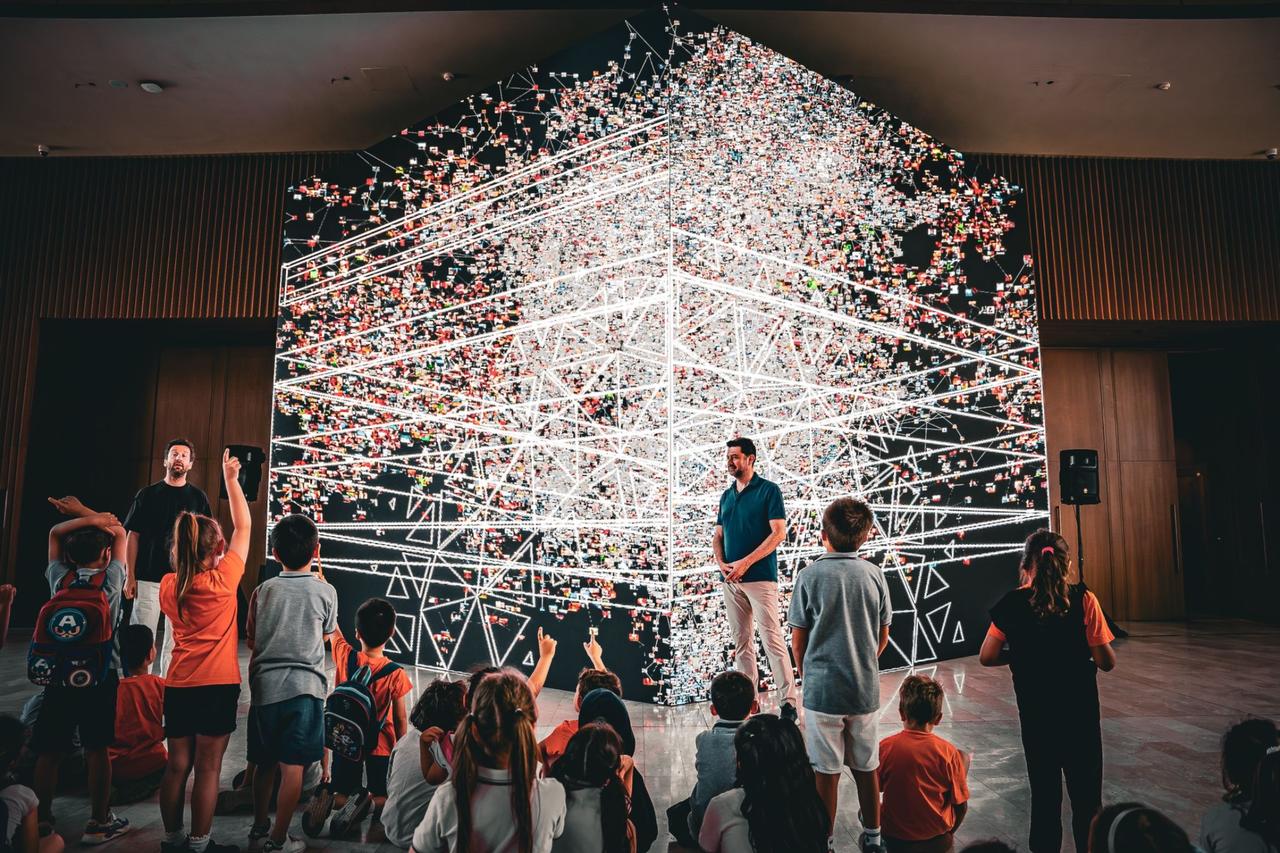
Why it matters: It signals institutional validation and resource allocation for AI-driven interactive art, creating a new commissioning and presentation pipeline with state backing.
Context: Major cultural festivals increasingly integrate AI not just as a tool but as a curatorial and narrative agent, testing its role in public cultural programming.
"Artificial intelligence stands at the core of this year’s edition, not only as a technological tool but as a medium that transforms how artists interpret, think, and produce. The program will explore how AI influences artistic practices and contributes to new forms of storytelling." — TURKIYETODAY
Commentary: The festival’s structure—state-funded, free admission, with an AI curator—operationalizes AI as an institutional partner, not just a vendor tool. This shifts the workflow for participating artists towards co-creation with non-human systems and demands new technical maintenance protocols for live, AI-integrated installations. For regional artists, it establishes a state-sanctioned venue to experiment with and monetize these practices, potentially altering local vendor and tooling markets.
Date: 2 weeks ago
URL: https://www.turkiyetoday.com/culture/6th-istanbul-digital-art-festival-to-open-in-june-with-focus-on-ai-storytelling-3219468
AI Sentiment Score: Neutral (33%)
AI Credibility Score: 10.0/10 — High
Scores and text generated by AI analysis of the source article indicated.
Art Basel’s Digital Art Initiative Zero 10 Will Make its Swiss Debut, and Other News. – SURFACE (Surfacemag)
Summary: Art Basel’s Zero 10 digital art initiative expands to its Swiss flagship with its largest edition to date, curated by Trevor Paglen and Eli Scheinman. Concurrently, major institutional prizes from Loewe and the Serpentine/FLAG partnership signal sustained capital flows into specific craft and early-career artist segments. A new UCL study provides a health-based argument for cultural engagement, potentially influencing public funding and institutional programming justifications.
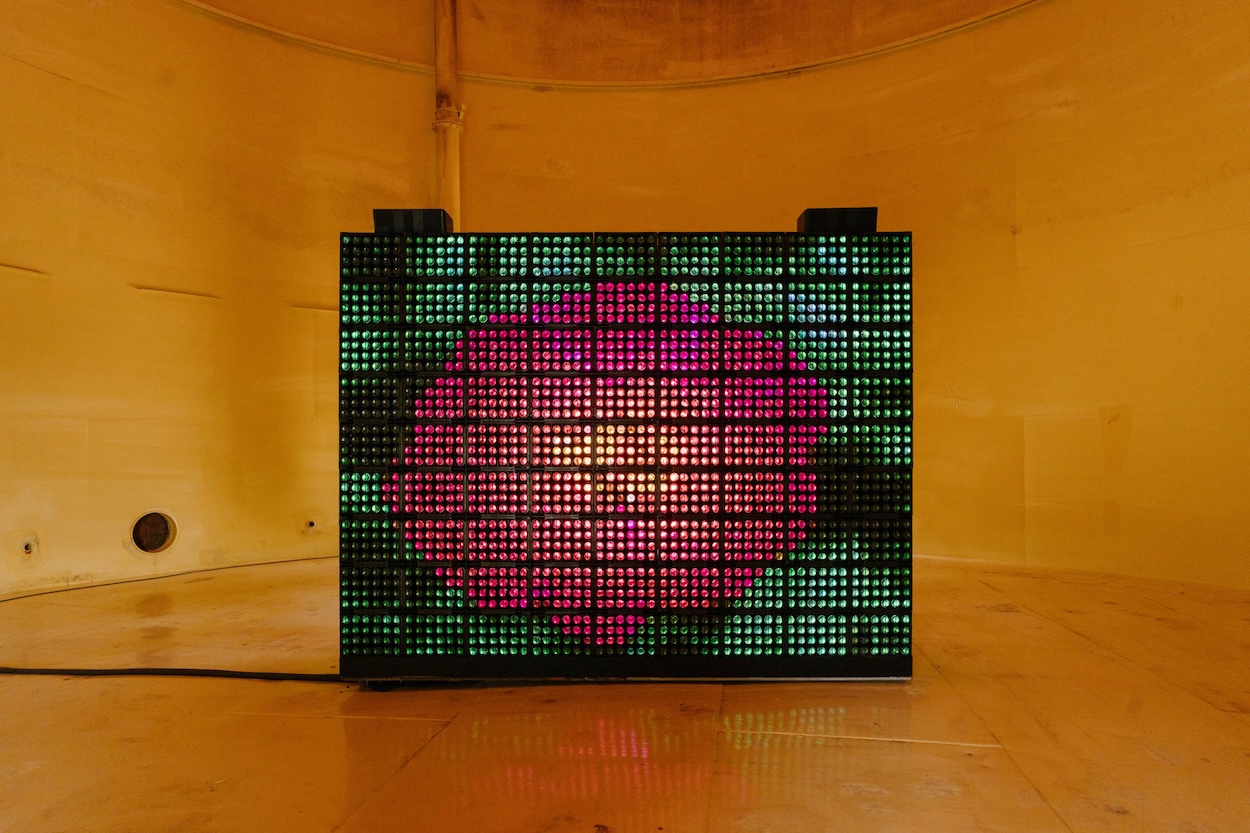
Why it matters: For practitioners, these developments signal where institutional attention and funding are concentrating, affecting artist selection, curator priorities, and the operational framing of digital and craft practices within major commercial and non-profit circuits.
Context: Art Basel’s systematic expansion of Zero 10 mirrors the fair’s strategy to formalize and monetize the digital art category, while mega-prizes continue to reshape career trajectories and market validation pathways outside the primary gallery system.
"A new study from University College London has found that engaging in arts and cultural activities—including painting, singing, crafting, visiting museums, and attending exhibitions—may slow the pace of biological aging, with weekly participation linked to up to a 4 percent reduction in biological aging markers." — SURFACEMAG
Commentary: The Zero 10 expansion, paired with Paglen’s curatorial lens, institutionalizes a historical through-line for computational art, giving galleries a clearer commercial narrative. The health study provides a potent, data-driven tool for cultural advocates seeking public or philanthropic funding, potentially shifting grant applications and community outreach programs toward measurable wellness outcomes.
Date: 1 week ago
URL: https://surfacemag.com/articles/art-basel-switzerland-2026-zero-10
AI Sentiment Score: Neutral (33%)
AI Credibility Score: 10.0/10 — High
Scores and text generated by AI analysis of the source article indicated.
Art Basel Doubles Down on Digital Art with Zero 10 Expansion | Ocula (Ocula)
Summary: According to co-curator Trevor Paglen, it is past time for the art world to recognise the dominance of the medium. Basel’s dedicated expansion signals institutional acceptance and potential shifts in primary market infrastructure for digital works.

Why it matters: Basel’s dedicated expansion signals institutional acceptance and potential shifts in primary market infrastructure for digital works.
Context: Focus shifts to the operational frameworks required for large-scale, high-profile digital art installations and sales.
"According to co-curator Trevor Paglen, it is past time for the art world to recognise the dominance of the medium." — OCULA
Commentary: The signal is still worth tracking, but the current extraction path did not yield enough body text for a fuller analytical read. The immediate implication is operational rather than speculative: watch how this changes budgets, workflows, or risk assumptions over the next cycle.
Date: 1 week ago
URL: https://ocula.com/magazine/art-news/art-basel-digital-art-trevor-paglen
AI Sentiment Score: Positive (50%)
AI Credibility Score: 7.0/10 — Medium
Scores and text generated by AI analysis of the source article indicated.
At Art Dubai 2026, digital art moves beyond NFTs to ask bigger questions about humanity | The National (Thenationalnews)
Summary: Art Dubai 2026 signals a maturation of digital art beyond the NFT boom, with artists integrating AI, game engines, and data systems into conceptual works that interrogate extraction, ownership, and ecological crisis. Projects like Soliman Lopez’s ‘Iridia’ use legal and technical frameworks to claim an asteroid, while installations by galleries like Dom Art Projects and Foundry blend physical scaffolding, traditional media, and digital infrastructure to question the materiality of the cloud. The fair positions digital tools as a collaborative medium embedded within broader contemporary practice, shifting discourse from speculative value to storytelling and institutional critique.
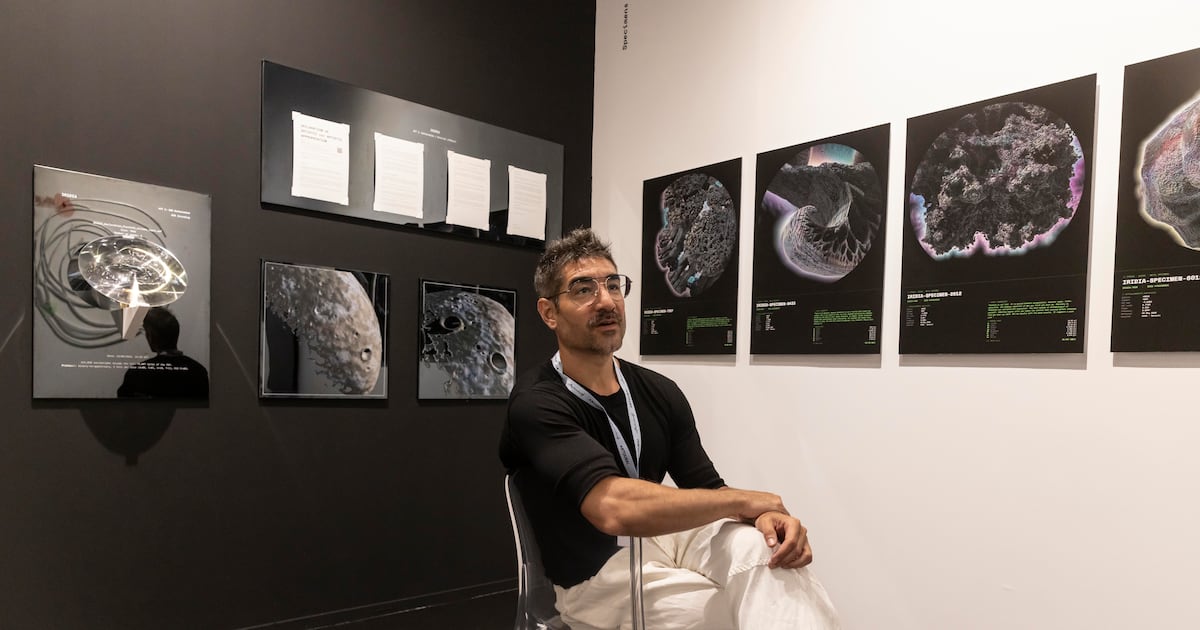
Why it matters: For artists, galleries, and institutions, the operational focus shifts from minting and selling digital assets to managing complex, multi-disciplinary projects that blend legal, technical, and physical production, requiring new vendor relationships and curatorial expertise.
Context: This follows the post-NFT market correction, where institutional interest has pivoted from crypto-art speculation to digital art’s capacity for narrative and critical engagement within established art-world frameworks.
"Invisible laser landmarks. AI-generated claims over asteroids. Scaffolding wired into screens and computing systems. At Art Dubai 2026, digital art is no longer confined to NFTs or immersive spectacles. Instead, artists are." — THENATIONALNEWS
Commentary: The practical consequence is a bifurcation in the market: speculative crypto-art flounders, while institutional acquisition and commissioning of complex digital works for storytelling and public engagement grows. This demands that galleries develop production pipelines capable of sustaining works that are part sculpture, part software, and part legal artifact, with long-term maintenance implications for museums. The emphasis on physical infrastructure, like Sime’s scaffolding, underscores that ‘digital’ art’s most pressing costs and constraints remain material—minerals, energy, fabrication—forcing a recalibration of budgets and conservation strategies away from purely virtual frameworks.
Date: 3 days ago
URL: https://thenationalnews.com/arts-culture/2026/05/16/at-art-dubai-2026-digital-art-moves-beyond-nfts-to-ask-bigger-questions-about-humanity
AI Sentiment Score: Negative (66%)
AI Credibility Score: 9.6/10 — High
Scores and text generated by AI analysis of the source article indicated.
In Performance Series, Artists Tackle the Nature of Images, and Reality, in the Face of AI (Artnews)
Summary: Every time a tech company promotes AI or the metaverse, the pitch sounds the same: a promise for new “immersive world.” But how immersive is it really? Focus shifts from mere ‘immersion’ promises to interrogating the mechanics of mediated reality itself.

Why it matters: Focus shifts from mere ‘immersion’ promises to interrogating the mechanics of mediated reality itself.
Context: Expect practical critiques of current XR/AI deployment models, emphasizing boundary conditions over utopian claims.
"Every time a tech company promotes AI or the metaverse, the pitch sounds the same: a promise for new “immersive world.” But how immersive is it really?" — ARTNEWS
Commentary: The signal is still worth tracking, but the current extraction path did not yield enough body text for a fuller analytical read. The immediate implication is operational rather than speculative: watch how this changes budgets, workflows, or risk assumptions over the next cycle.
Date: 2 weeks ago
URL: https://artnews.com/art-news/artists/ai-art-immersive-world-artists-1234786121
AI Sentiment Score: Neutral (50%)
AI Credibility Score: 10.0/10 — High
Scores and text generated by AI analysis of the source article indicated.
Open Call: KSA’s Diriyah Art Futures for New Media Artists – fact Magazine (Fact-Magazine)
Summary: Diriyah Art Futures (DAF), the MENA region’s first dedicated new media and digital arts center, has opened applications for the third cycle of its year-long Emerging New Media Artists programme. The residency, developed with France’s Le Fresnoy and supported by the Saudi Museums Commission, offers participants under 35 a production budget, mentorship, and access to advanced facilities for work in immersive reality, machine learning, and spatial audio-visual environments. The programme culminates in a curated exhibition at the UNESCO World Heritage site in Riyadh.

Why it matters: This represents a significant, state-backed pipeline for technical and conceptual development in new media, directly shaping the region’s production capacity and artist networks.
Context: Saudi cultural institutions are systematically building infrastructure for digital and immersive art, creating funded pathways that parallel established Western models like ZKM or Ars Electronica.
"Phase 2, participants will work personally under the mentorship of leading artists and scholars to produce new artworks using DAF’s world-class facilities, including advanced audio-visual techniques, immersive reality, coding, sensing, machine learning and spatial audio-visual environments." — FACT-MAGAZINE
Commentary: The programme operationalizes a specific technical stack—sensing, ML, spatial audio—as a funded research and development pipeline for regional artists. Its partnership with Le Fresnoy signals an institutional strategy to import European pedagogical models, potentially creating a hybrid practice that meets local cultural mandates. For practitioners, this is a rare conduit to high-cost equipment and sustained mentorship, but it also funnels artistic inquiry toward state-sanctioned themes of technology and societal transformation.
Date: 1 week ago
URL: https://fact-magazine.com/open-call-ksas-diriyah-art-futures-for-new-media-artists/
AI Sentiment Score: Negative (50%)
AI Credibility Score: 7.0/10 — Medium
Scores and text generated by AI analysis of the source article indicated.
Modes of Access — Digital Residencies 2026 (Stiftung-Kuenstlerdorf.De)
Summary: The Künstler*dorf Schöningen and kaethe:k Kunsthaus are launching a 2026 call for four fully digital residencies, each offering a €2,500 fee and €500 material budget. The program explicitly targets artists living over 1,500 km from Germany who cannot travel due to disability, chronic illness, care responsibilities, or visa restrictions, centering ‘Modes of Access’ as a technological and political methodology. The application requires a project description, timeline, and an optional ‘Access Rider’ to outline individual working needs.

Why it matters: It operationalizes a new funding and production model that materially shifts resources to artists excluded by traditional residency logistics, directly affecting how institutions commission and support digital art.
Context: This follows a growing institutional trend toward remote residencies, but is notable for its explicit geographic and access-based eligibility criteria, tying the thematic focus to the practical conditions of participation.
"The criteria are that fellows live more than 1,500 km from Schöppingen, Germany, and are unable to travel, whether due to limited mobility, disability, chronic illness, caring responsibilities, visa restrictions, or other dependence on local support networks." — STIFTUNG-KUENSTLERDORF.DE
Commentary: By mandating distance and inability to travel as eligibility requirements, the program inverts the standard residency model, making exclusion from physical presence a prerequisite for inclusion. The optional ‘Access Rider’ formalizes individual needs into the project’s administrative structure, potentially setting a new baseline for remote collaborative contracts. This creates a funded pipeline for work that critiques digital access barriers, while simultaneously instituting those critiques within its own operational framework.
Date: May 21, 2026 12:00 AM ET
URL: https://stiftung-kuenstlerdorf.de/en/program/modes-of-access-digital-residencies-2026
AI Sentiment Score: Positive (50%)
AI Credibility Score: 7.0/10 — Medium
Scores and text generated by AI analysis of the source article indicated.
Future Art Ecosystems R&D Fellowship: Art x Convergence | Serpentine (Serpentinegalleries)
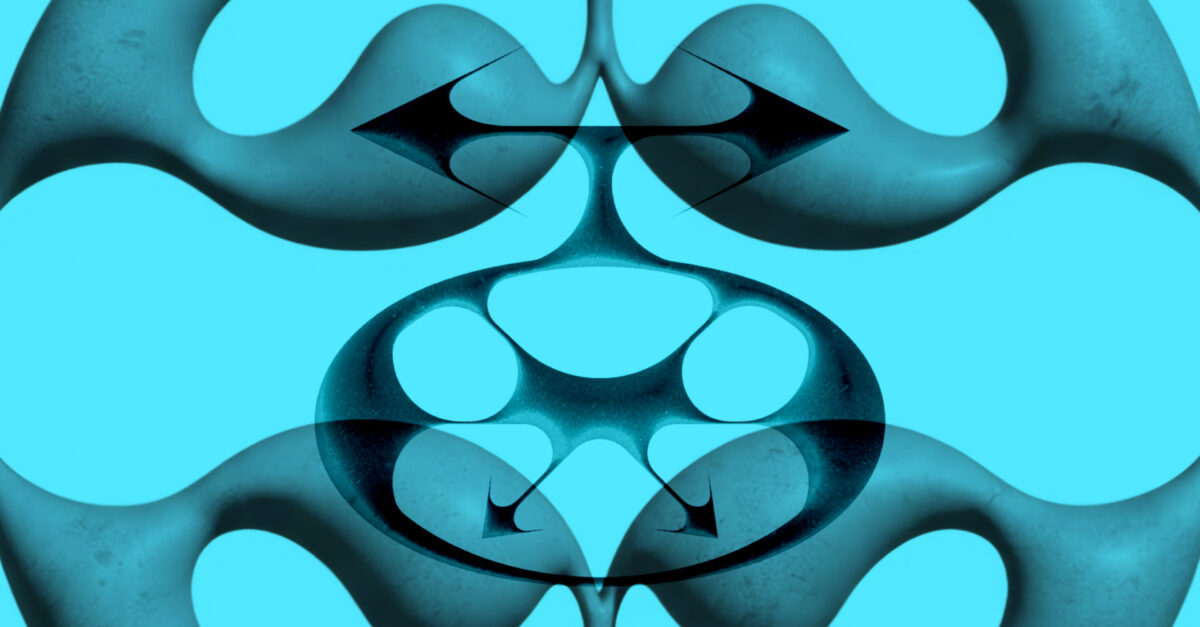
Summary: Serpentine Arts Technologies is launching a six-month, low-residency R&D fellowship for four practitioners to explore the theme ‘Art x Convergence,’ focusing on how AI is reshaping cultural and societal systems. The program, running from September 2026 to March 2027, provides a £10,000 award, mentorship, and requires three in-person London intensives. It explicitly supports process-led creative research rather than finished outcomes, targeting artists, curators, and technologists.
Why it matters: This fellowship represents a structured, funded pipeline for speculative R&D at the art-technology frontier, directly influencing the operational conditions and professional development for practitioners navigating convergent systems.
Context: Institutional fellowships have shifted from supporting finished artworks to funding exploratory process, reflecting a need for infrastructure to address the operational gaps in art and advanced technology (AxAT) ecosystems.
"The term convergence is used here in a specific and expansive sense — not simply the coming together of previously separate fields, but something more structurally transformative: the conditions under which distinct systems, once held apart by technical, legal, philosophical, or material boundaries, begin to interpenetrate to the point where their original separateness becomes difficult to assert." — SERPENTINEGALLERIES
Commentary: The fellowship operationalizes ‘convergence’ as a research framework, moving practitioners from critique to active site investigation. By funding inquiry into unstable categories like embodiment, rights, and planetary governance, it creates a protected space for divergent thinking within convergent technological processes, potentially generating new methodologies for institutions staging public engagement with AI.
Date: 2 weeks ago
URL: https://serpentinegalleries.org/whats-on/future-art-ecosystems-rd-fellowship-art-x-convergence
AI Sentiment Score: Negative (66%)
AI Credibility Score: 8.2/10 — High
Scores and text generated by AI analysis of the source article indicated.
VR Museums: The Future of Cultural Exploration and Digital Heritage in 2026 (Framesixty)
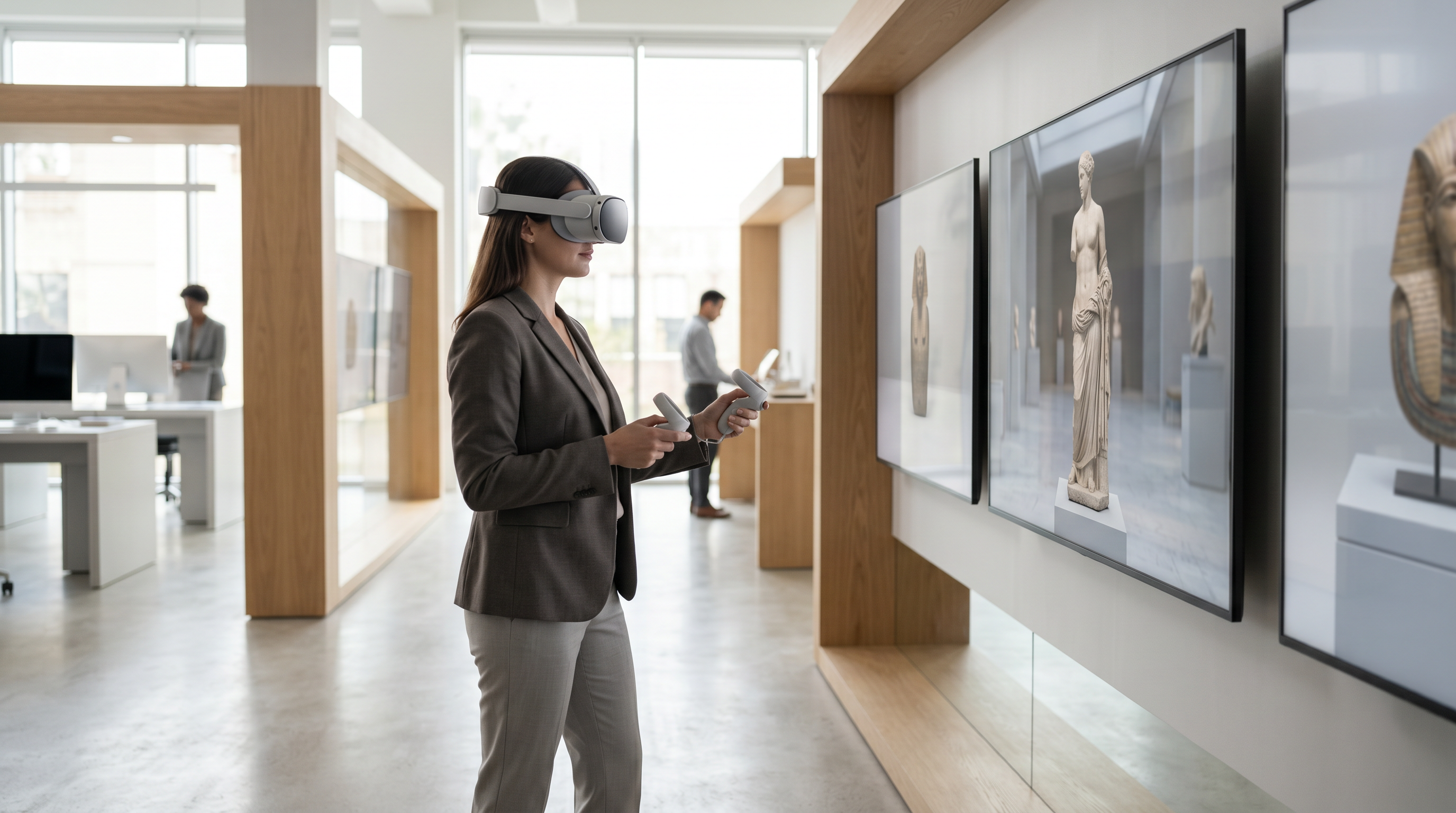
Summary: The article, which reads as promotional content for the studio Frame Sixty, outlines a near-future vision for VR museums as essential platforms for cultural institutions by 2026. It details a technological pipeline reliant on real-time engines, 3D scanning, and open standards like WebXR and OpenXR to create immersive, accessible exhibitions. The piece argues that the pandemic normalized remote access, making VR integral to museum strategy for global reach, education, and new revenue models. It further posits that AI will personalize journeys and aid preservation, while convergence with the metaverse and AR defines the next frontier.
Why it matters: For cultural institutions and their production partners, this signals a shift from experimental digital outreach to a core operational requirement, with significant implications for budgeting, staffing, and technical infrastructure.
Context: The push for digitization and virtual access has been accelerating for years, but the framing here treats VR not as a supplemental tour but as a primary, data-driven engagement channel that demands new design and analytics disciplines.
"For cultural institutions, the strategic takeaway is clear: investing in VR and AI-driven museum design is no longer optional—it’s essential for relevance and reach." — FRAMESIXTY
Commentary: The operational consequence is a forced specialization: museums must now build internal XR production teams or outsource to studios like Frame Sixty, creating a new vendor dependency. The focus on metrics like session duration and predictive analytics turns curators into product managers, optimizing for engagement over pure scholarship. Furthermore, the drive for cross-platform compatibility via open standards creates a fragile technical stack that institutions must maintain in perpetuity, adding a permanent line item for digital conservation atop physical preservation.
Date: 2 weeks ago
URL: https://framesixty.com/vr-museums
AI Sentiment Score: Neutral (33%)
AI Credibility Score: 8.6/10 — High
Scores and text generated by AI analysis of the source article indicated.
From Personalization Potential to Interactive Museum Experiences (Journals-Sol.Sbc.Br)
Summary: A research paper proposes a ‘scenario-based personalization’ framework for interactive museum installations, moving away from real-time, individual visitor profiling. It advocates for using predefined behavioral typologies to trigger narrative branches at specific interaction points, balancing technological potential with curatorial control. The framework was implemented in the ‘Écho d’Azur’ installation, which uses audiovisual media and emotion recognition, demonstrating a shift from linear storytelling to controlled, multidimensional narrative structures.
Why it matters: This offers a practical, lower-complexity model for institutions to implement interactive art, directly impacting the workflow of experience designers, curators, and technical teams by simplifying real-time systems and preserving narrative authority.
Context: Museums are adopting more data-driven technologies, but integration often lacks a coherent design philosophy, leading to ethical and operational challenges with real-time adaptation.
"Real-time adaptation is contrasted with design-time personalization, reducing technical complexity and ethical concerns while maintaining curatorial coherence. Thus, scenario-based personalization offers a viable framework for interactive museum design, supporting diverse visitor behaviors without continuous real-time adaptation." — JOURNALS-SOL.SBC.BR
Commentary: The framework represents a significant operational pivot: it trades the technical and ethical overhead of live behavioral tracking for the more manageable, pre-production work of crafting typologies and branching scenarios. This lowers the barrier to entry for institutions, shifting vendor requirements from complex AI/ML backends to robust experience design tools. For practitioners, it means interactive art projects can be spec’d, budgeted, and maintained more like theatrical productions with cue points, rather than like live software services requiring constant data ingestion and model retraining.
Date: May 20, 2026 12:00 AM ET
URL: https://journals-sol.sbc.org.br/index.php/jis/article/view/7334
AI Sentiment Score: Negative (57%)
AI Credibility Score: 8.4/10 — High
Scores and text generated by AI analysis of the source article indicated.
imagineNATIVE 2026 Rolls Out Six Special Events and 25 Media Arts Works Across Toronto – That Eric Alper (Thatericalper)
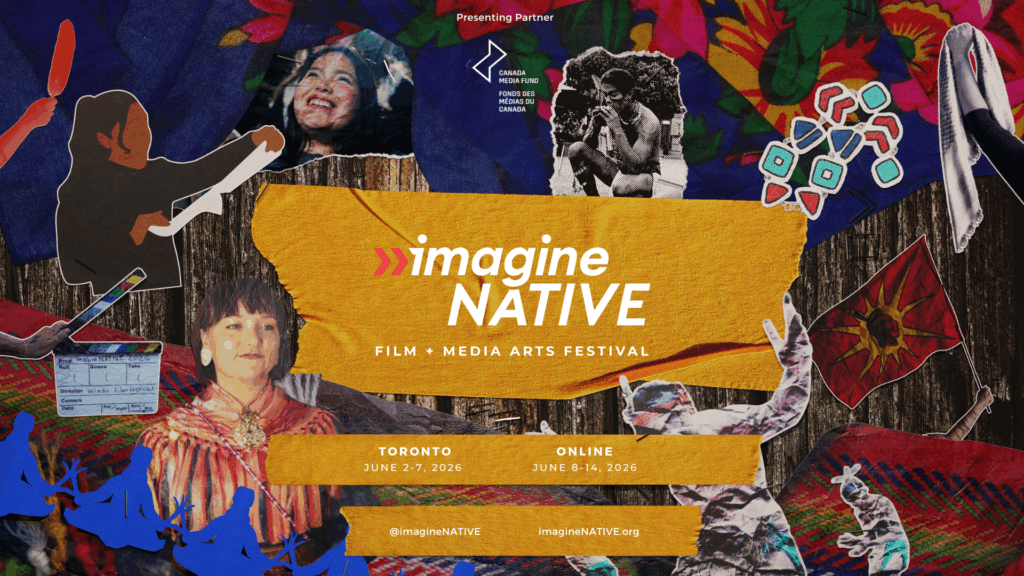
Summary: The imagineNATIVE Film + Media Arts Festival has announced its 2026 programming, featuring six public special events and 25 interactive digital and audio works. The iNdigital Space + Arcade exhibition at TIFF Lightbox will showcase fourteen VR, installation, and video game works, while the 12th annual Art Crawl involves seven artist-run galleries. The festival operates a hybrid model with in-person events in Toronto from June 2-7 and an online component from June 8-14, supported by institutional partnerships like TD Bank’s sponsorship of a free screening day.
Why it matters: For practitioners, this signals the maturation of Indigenous-led interactive art into a sustained, institutionally-supported pipeline with defined venues, vendor relationships, and hybrid distribution, affecting commissioning, technical staffing, and gallery partnerships.
Context: imagineNATIVE has evolved from a film festival into a major platform for Indigenous new media, creating a recurring market for interactive works that demand specific technical and curatorial expertise from participating institutions like TIFF and artist-run centers.
"Fourteen works spanning VR, interactive installations, video games, and projections make up the Official Selection. Standouts include Skins in the Game by Skawennati (Kanien’kehá:ka) and Jason Edward Lewis (Hawaiian/Samoan), examining misrepresentations of Indigenous people in video games, and Blood Quantum Physics by Feather Miigwans (Anishinaabe), a speculative fulldome work where Indigenous cosmology meets quantum science." — THATERICALPER
Commentary: The festival’s scale formalizes a production cycle for complex, technically demanding Indigenous new media, requiring galleries and tech vendors to adapt to fulldome, VR, and interactive game installations. This creates a reliable annual outlet that influences artist funding applications and shifts institutional risk calculations for hosting such works. The sustained Art Crawl and corporate sponsorship (TD Bank) indicate these events are now embedded in Toronto’s cultural economy, affecting seasonal staffing and AV rental markets.
Date: 2 weeks ago
URL: https://thatericalper.com/2026/05/07/imaginenative-2026-rolls-out-six-special-events-and-25-media-arts-works-across-toronto
AI Sentiment Score: Negative (50%)
AI Credibility Score: 8.0/10 — High
Scores and text generated by AI analysis of the source article indicated.
Looking back on ITERATIONS 2024 | Creative Coding Utrecht (Creativecodingutrecht.Nl)
Summary: Creative Coding Utrecht has published a retrospective on the fourth edition of its ITERATIONS festival, held at Design Museum Den Bosch. The event featured a standard conference format of talks, workshops, exhibitions, and performances, supported by institutional partners and public arts funding. The post also includes a brief, somber note marking the passing of a community member, Sietse van der Meer.
Why it matters: For practitioners, it illustrates the operational template for a mid-sized, publicly-funded creative coding festival in Europe, detailing the labor and partnerships required to stage such an event.
Context: ITERATIONS represents a growing class of hybrid events that blend academic conference, community meetup, and public exhibition, reliant on a patchwork of arts council and collective rights funding to operate.
"This edition featured talks by Hannah Gmeiner, F451, Mattaniah Aytenfsu, Roos Slegers, John Provencher, Hundred Rabbits, Kim Lê Boutin and a performance by Luna Maurer; workshops by Bri Griffin, F451, Flor de Fuego, Mattaniah Aytenfsu; exhibitions by Patrick McGlynn/Dr. Mindflip and Piece of Code; moderation by Rosa Wevers and Dymphie Braun." — CREATIVECODINGUTRECHT.NL
Commentary: The roster reveals a pipeline where artists frequently wear multiple hats—speaker, workshop leader, performer—highlighting a labor model that maximizes contributor utility under constrained budgets. The funding credits to Pictoright Fonds and Creative Industries Fund NL are as operationally critical as the artistic lineup, defining the event’s possible scale and continuity. The in memoriam note, while personal, underscores the community-dependent nature of this ecosystem, where institutional memory and personal networks are vital infrastructure.
Date: May 20, 2026 12:00 AM ET
URL: https://creativecodingutrecht.nl/en/news/iterations-aftermovie
AI Sentiment Score: Neutral (50%)
AI Credibility Score: 10.0/10 — High
Scores and text generated by AI analysis of the source article indicated.
Third Call for Contributions on Digital Arts and Humanities With and … (Dariah.Eu)
Summary: DARIAH’s journal Transformations has issued its third call for contributions, focusing on ‘Infrastructures of Engagement’ for a 2027 publication. The call solicits research, data, and workflow papers examining how digital scholarship can foster public participation, co-creation, and dialogue between academia, cultural institutions, and society. It explicitly seeks case studies and theoretical work on participatory models, ethical frameworks, and the evaluation of public impact.

Why it matters: This call formalizes and funds a critical research agenda on the operational models and infrastructure needed to make interactive and digital humanities work publicly sustainable, directly affecting grant strategies and institutional roadmaps for practitioners.
Context: This is part of a multi-year, EU-funded effort to build scholarly infrastructure for digital humanities, moving beyond theoretical discussion to codify practical frameworks for public-facing work.
"We are particularly interested in reflections on how new technologies can create and mediate new forms of connection: between research or memory institutions and society; through collaborative and participatory engagement; or by creating alternative spaces in which people can interact and co-construct knowledge through hybrid networks of physical and technology-mediated encounters." — DARIAH.EU
Commentary: The call’s focus on ‘infrastructures’ signals a shift from one-off projects to sustainable systems, pressing researchers to document toolchains, labor models, and ethical constraints. For institutions, it creates a formal publication track that validates participatory design and community management as core research activities, potentially influencing hiring and promotion criteria. The deadline structure forces practitioners to retro-engineer workflows from completed projects into publishable formats, a non-trivial but now incentivized operational task.
Date: May 19, 2026 12:00 AM ET
URL: https://www.dariah.eu/2026/05/19/transformations-third-call-for-contributions-on-digital-arts-and-humanities-with-and-for-society-building-infrastructures-of-engagement/
AI Sentiment Score: Negative (80%)
AI Credibility Score: 7.0/10 — Medium
Scores and text generated by AI analysis of the source article indicated.
Post ID: 6990b6a8