Energy, Manufacturing & Economic Development in the Southeast
NextEra Energy to acquire Dominion Energy (Scbiz)
Summary: NextEra Energy is acquiring Dominion Energy in an all-stock transaction, creating the world’s largest regulated electric utility. The combined entity will serve approximately 10 million customer accounts across Florida, Virginia, North Carolina, and South Carolina, and proposes $2.25 billion in bill credits for Dominion customers. The deal consolidates operational control under NextEra’s leadership while maintaining Dominion’s regional utility brands and establishing dual headquarters in Juno Beach, Florida, and Richmond, Virginia.
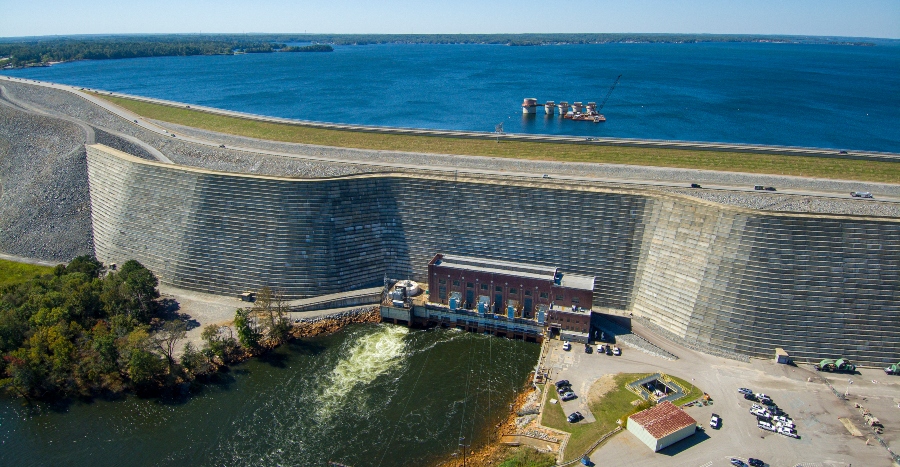
Why it matters: This consolidation reshapes the Southeast’s utility landscape, concentrating regulatory influence and capital allocation for grid investment across four high-growth states, with direct consequences for ratepayer costs and regional energy infrastructure development.
Context: The transaction occurs amid accelerating electricity demand and increasing capital intensity for generation and grid projects, driving utility sector consolidation for scale efficiencies.
"Ross Norton // May 19, 2026// An energy company headquartered in Florida is buying Dominion Energy. NextEra Energy Inc. and Dominion Energy Inc. announced May 19 that they have entered into a." — SCBIZ
Commentary: The merger signals a strategic pivot towards regulated assets for NextEra, leveraging Dominion’s rate base to de-risk its portfolio. The $2.25 billion in proposed customer credits is a tactical concession to secure regulatory approval, but the long-term play is using consolidated scale to lower the cost of capital for massive infrastructure investments. This creates a dominant Southeastern utility with unprecedented influence over regional energy policy and the pace of the generation transition, potentially marginalizing smaller competitors and setting a new benchmark for utility consolidation.
Date: Tue, 19 May 2026 13:58:54 +0000
URL: https://scbiz.com/nextera-energy-acquires-dominion-energy/
AI Sentiment Score: Positive (42%)
AI Credibility Score: 10.0/10 — High
Scores and text generated by AI analysis of the source article indicated.
Map of the Month Archives – Southeast Energy Efficiency Alliance (Seealliance)
Summary: The Southeast Energy Efficiency Alliance’s May 2026 map reveals a critical contractor shortage in Appalachia and the Black Belt, with 190 counties in ‘crisis’ due to high housing upgrade demand and insufficient skilled labor. The analysis shows one upgrade-relevant worker for every 411 homes in the most severely underserved counties, a gap exacerbated by an aging construction workforce and federal program cuts. The data likely understates the problem, as workers are counted at employer locations, not where they perform work, and rural contractors often commute to urban markets.
Why it matters: This workforce desert directly impedes the deployment of federal and state energy retrofit funds, creating a bottleneck that will deepen regional energy insecurity and economic disparity unless addressed with targeted, place-based strategies.
Context: This follows SEEA’s ongoing analysis of regional disparities in housing age, energy burden, and code adoption, highlighting a systemic failure where need and capacity are inversely correlated.
"Category: Map of the Month May Map of the Month Where the contractors aren’t: mapping workforce deserts in the Southeast By: William Bryan Of all the barriers to scaling energy efficiency (and." — SEEALLIANCE
Commentary: The contractor desert map operationalizes a known abstract risk into a precise geographic and policy target. It signals that market-based retrofit programs will fail in these regions without deliberate workforce interventions, potentially stranding federal infrastructure and resilience funding. The concentration in Appalachia and the Black Belt suggests these areas require bespoke development strategies, not scaled versions of urban models, to avoid cementing a two-tier energy transition.
Date: April 29, 2026 12:00 AM ET
URL: https://www.seealliance.org/blog/category/map-of-the-month/
AI Sentiment Score: Negative (88%)
AI Credibility Score: 10.0/10 — High
Scores and text generated by AI analysis of the source article indicated.
California Offers Incentives To Philippine Automaker To Set … (Cleantechnica)
Summary: California’s Governor’s Office of Business and Economic Development has formally offered Francisco Motors, a Philippine automaker, a comprehensive incentive package to establish a major zero-emission vehicle manufacturing facility in Santa Clarita. The package includes multi-year tax credits, sales tax exemptions on equipment up to $20 million, property tax abatements, and workforce training subsidies. The proposed $5 billion project aims to create up to 2,200 jobs and aligns with California’s 2035 ZEV mandate and 2045 carbon neutrality target.

Why it matters: This signals a strategic shift in California’s industrial policy, using aggressive fiscal tools to onshore clean manufacturing and capture global export markets, directly affecting regional capital flows and supply chain geography.
Context: California’s clean transportation mandates have historically relied on attracting established automakers; this proactive courtship of a foreign, niche manufacturer represents a new, more interventionist phase in state-level economic competition.
"Francisco Motors, best known for its iconic jeepneys, is now at the center of a serious effort by the State of California to attract a major zero-emission vehicle manufacturing investment. … According." — CLEANTECHNICA
Commentary: The scale and specificity of the incentives reveal California’s calculation that anchoring a new EV producer is worth significant foregone revenue, betting on long-term supply chain control and export positioning. This move pressures other U.S. states to escalate their own incentive packages and could redirect Southeast Asian manufacturing investment toward U.S. final assembly for third markets.
Date: April 22, 2026 12:00 AM ET
URL: https://cleantechnica.com/2026/04/22/california-offers-incentives-to-philippine-automaker-to-set-up-electric-jeepney-factory/
AI Sentiment Score: Neutral (33%)
AI Credibility Score: 10.0/10 — High
Scores and text generated by AI analysis of the source article indicated.
How a seaport drives local economic opportunity (Jaxport)
Summary: JAXPORT’s strategic position as a Southeast logistics hub is driving concentrated capital investment and job creation in Northeast Florida, with over $6.2 billion in capital investment and 17,000 direct jobs attracted since 2019. The port’s connectivity to Latin America, the Caribbean, Asia, and Europe is a decisive factor for corporate site selection, evidenced by recent major distribution centers for Sam’s Club, Primark, and Anderson-DuBose. Approximately 40% of recent expansion projects announced in the region are expected to utilize the port.
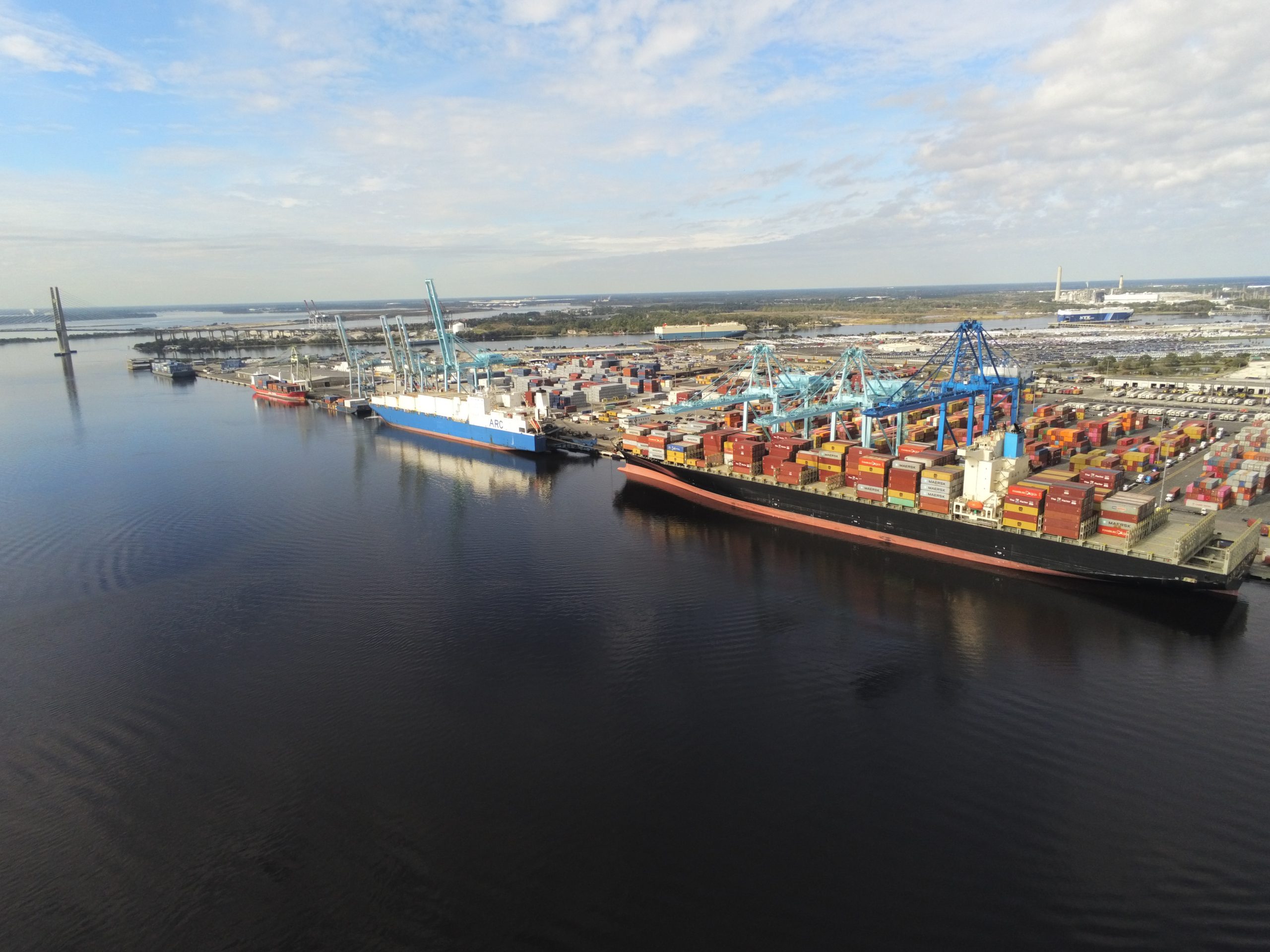
Why it matters: This signals a sustained geographic concentration of logistics and light manufacturing capital in the Southeast, with Jacksonville emerging as a primary node, reshaping regional supply chain infrastructure and labor markets.
Context: The Southeast U.S. has been a net beneficiary of post-pandemic supply chain reconfiguration, with ports like Savannah and Charleston seeing record volumes. Jacksonville’s growth represents a further entrenchment of this trend, competing for a larger share of hemispheric trade and value-added logistics.
"“By connecting regional companies to international markets, the port enables exports, attracts new employers and supports long-term economic growth beyond the region,” said Aundra Wallace, president of JAXUSA Partnership." — JAXPORT
Commentary: The data point that 11 of the last ~28 major projects (40%) plan to use JAXPORT operationally is more telling than the aggregate job figures; it indicates the port is becoming a core operational asset, not just a regional amenity. This could pressure competing Southeastern ports to offer similar integrated industrial real estate packages. The focus on skilled talent development acknowledges that the low-wage warehouse model is insufficient for the higher-value logistics and manufacturing operations now being attracted.
Date: May 22, 2026 12:00 AM ET
URL: https://www.jaxport.com/how-a-seaport-drives-local-economic-opportunity/
AI Sentiment Score: Positive (50%)
AI Credibility Score: 10.0/10 — High
Scores and text generated by AI analysis of the source article indicated.
Manufacturing Supply Chains: Top States Driving Efficiency (Wsinc)
Summary: Manufacturing supply chain efficiency remains geographically determined, with established hubs in the Great Lakes and emerging corridors in the Southeast anchoring logistics networks. The piece argues that strategic alignment of distribution nodes with these production clusters—rather than population centers—is a critical, often overlooked, lever for cost and performance. It highlights the specialized infrastructure required, particularly rail access and bulk-handling capabilities, which not all logistics providers can offer.
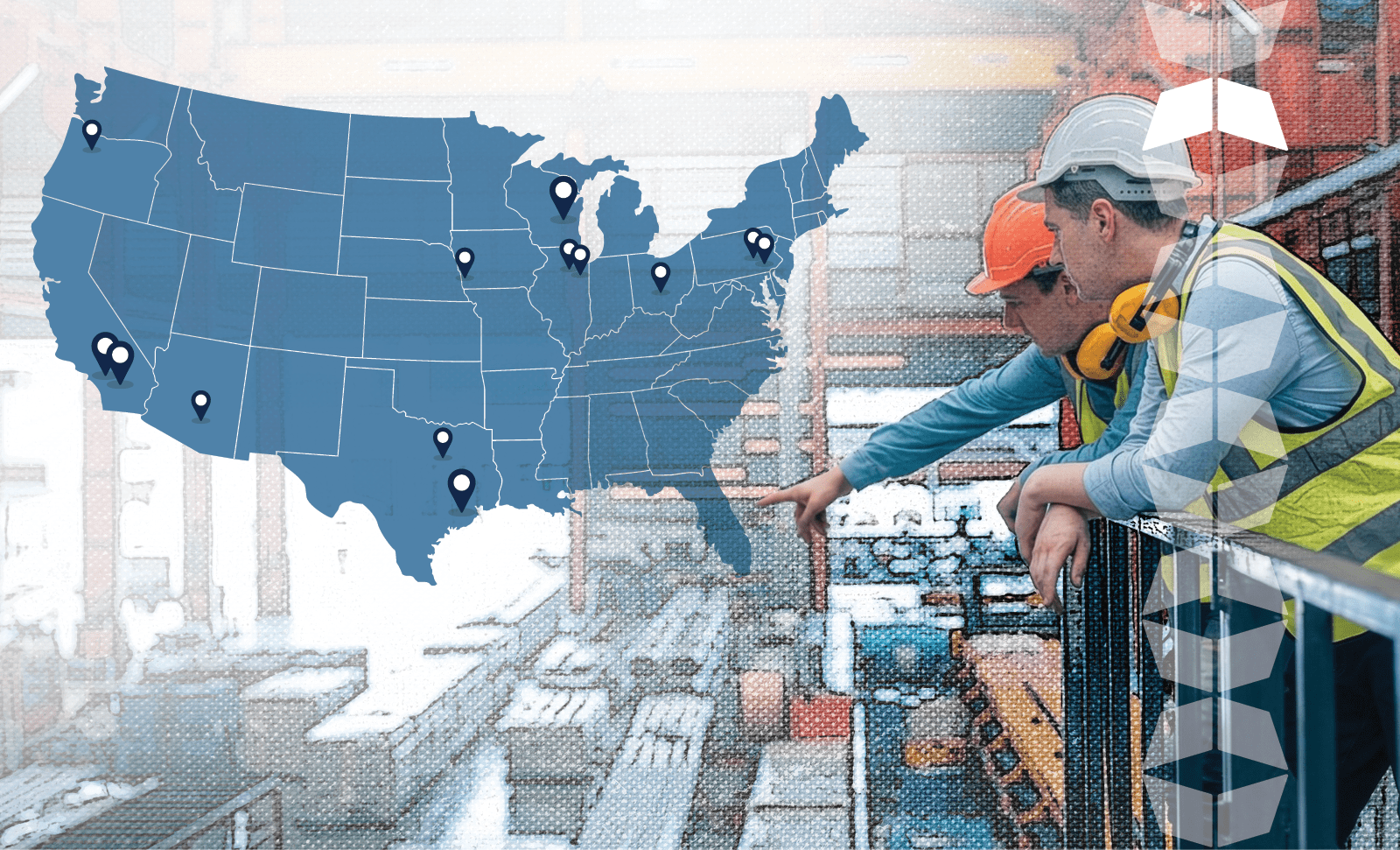
Why it matters: For supply chain strategists and capital allocators, misalignment between manufacturing geography and logistics network design represents a persistent, structural cost disadvantage.
Context: This continues a multi-year trend of manufacturing investment shifting toward the Southeast, drawn by lower costs and port access, while the industrial Midwest retains dominance in heavy industry through entrenched infrastructure.
"Top Manufacturing Hubs in America, and What They Mean for Your Supply Chain Across America, manufacturing remains clustered in a handful of states and regions, each with distinct infrastructure, labor dynamics, and." — WSINC
Commentary: The operational insight here reframes site selection from a macro-demographic exercise to a micro-geographic one focused on output density and corridor fluency. It implies that logistics real estate in secondary markets adjacent to high-output manufacturing zones—like Council Bluffs for agrochemicals or Central Wisconsin for paper—may see outsized demand for specialized assets. The emphasis on rail-served transloading and dedicated contract warehousing suggests a bifurcation in the 3PL market, favoring operators with deep, asset-heavy footprints in industrial corridors over generalized fulfillment networks.
Date: April 13, 2026 12:00 AM ET
URL: https://www.wsinc.com/blog/top-manufacturing-supply-chain-hubs-for-3pl/
AI Sentiment Score: Negative (50%)
AI Credibility Score: 10.0/10 — High
Scores and text generated by AI analysis of the source article indicated.
Siemens Commits $165 Million to U.S. Manufacturing … (Wiss)
Summary: Siemens is investing $165 million to expand its U.S. manufacturing footprint, specifically targeting the Southeast with five new and expanded facilities in North and South Carolina. The investment will create 350 new manufacturing jobs focused on producing electrical infrastructure critical for data centers and AI factories. This move is a direct supply-chain response to surging demand from the AI infrastructure build-out, adding to nearly $700 million in recent U.S. manufacturing commitments by the company.
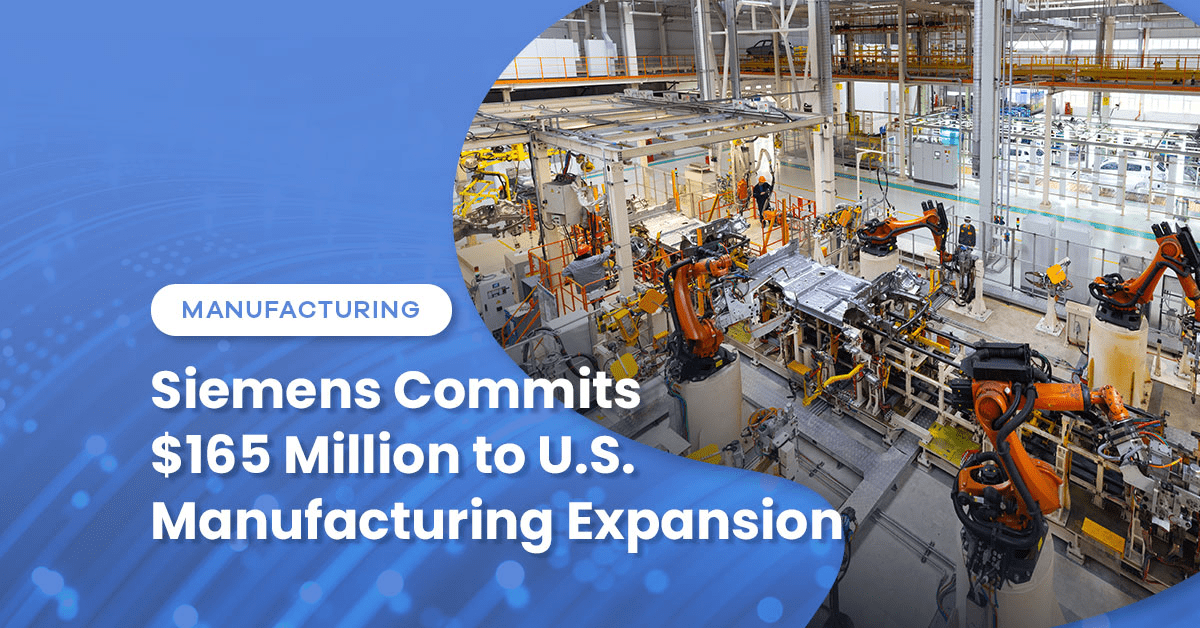
Why it matters: This capital allocation signals a tangible, high-value industrial shift into the Southeast, linking regional economic development directly to the physical supply chain demands of the AI boom.
Context: The investment follows a pattern of major industrial firms like Siemens, Eaton, and Vertiv scaling U.S. production of power distribution, switchgear, and cooling systems to meet data center capacity constraints, with the Southeast emerging as a primary manufacturing corridor due to its proximity to major data center hubs in Virginia, Georgia, and Texas.
"Siemens’ announcement of more than $165 million in new U.S. manufacturing investment across North and South Carolina puts a dollar figure on exactly how large the supply-side response to AI infrastructure demand is becoming." — WISS
Commentary: Siemens’ capital deployment is a leading indicator of secondary industrial expansion triggered by primary AI capex. It confirms that the Southeast’s manufacturing base is being structurally reshaped to serve hyperscale infrastructure, moving beyond construction and operations into specialized component production. This will intensify competition for skilled industrial labor and advanced manufacturing sites in the region, potentially crowding out other industrial sectors.
Date: April 16, 2026 12:00 AM ET
URL: https://wiss.com/siemens-commits-165-million-to-u-s-manufacturing-expansion/
AI Sentiment Score: Positive (50%)
AI Credibility Score: 10.0/10 — High
Scores and text generated by AI analysis of the source article indicated.
Governor Stein Spotlights North Carolina’s Leadership in the Clean Energy Economy in Davidson (Governor.Nc.Gov)
Summary: Governor Josh Stein convened a roundtable with corporate executives from Trane Technologies, Scout Motors, SAS, Sierra Nevada Brewing, and others to highlight North Carolina’s clean energy economy. The event served as a platform for corporate leaders to explicitly link their capital allocation and operational decisions to the state’s energy policy framework and grid reliability. The governor cited over $4.9 billion in new clean energy investments and 15,000 jobs announced since taking office, part of a broader $59.6 billion in investment from net-zero-target companies since 2015.

Why it matters: Corporate capital is voting with its feet, making clean energy infrastructure and policy predictability a primary factor in site selection and expansion decisions, reshaping regional competitive dynamics.
Context: The Southeast is experiencing a high-stakes competition for next-generation manufacturing and corporate HQs, with energy cost, reliability, and carbon profile becoming critical differentiators beyond traditional tax incentives.
"Since 2015, $59.6 billion in investment has been announced in our state by companies with net zero targets, comprising 50% of total announced investment in major economic development projects." — GOVERNOR.NC.GOV
Commentary: The 50% figure is a stark metric of how sustainability mandates are now central to corporate capital expenditure. This shifts the competitive landscape for states: industrial policy is now energy policy. Regions without a coherent grid modernization and clean energy strategy risk being sidelined for major projects, irrespective of other business climate advantages. The roundtable’s composition—spanning aviation, brewing, tech, and heavy industry—signals this is a cross-sectoral, non-negotiable requirement for corporate operations.
Date: April 16, 2026 12:00 AM ET
URL: https://governor.nc.gov/news/press-releases/2026/04/16/governor-stein-spotlights-north-carolinas-leadership-clean-energy-economy-davidson
AI Sentiment Score: Negative (50%)
AI Credibility Score: 10.0/10 — High
Scores and text generated by AI analysis of the source article indicated.
Borderlands Mexico: Cross-border trade tops $84B in March as USMCA talks heat up (Freightwaves)
Summary: U.S.-Mexico cross-border trade reached $84 billion in March 2026, a year-over-year increase of 8.6%, solidifying Mexico’s position as the United States’ largest trading partner. Port Laredo remained the top U.S. trade gateway by value, handling over $33 billion in commerce. This growth occurs against a backdrop of protracted USMCA review negotiations and continued nearshoring investment, exemplified by new manufacturing facilities from United Foods International in Phoenix and Shenzhen Click Technology in Torreón.

Why it matters: The sustained trade volume and concentrated infrastructure strain underscore the Southeast’s critical role in a reconfiguring North American supply chain, directly impacting regional logistics, industrial real estate, and labor markets.
Context: Nearshoring and regional supply chain consolidation have been accelerating since the late 2010s, shifting trade flows and investment toward Mexico and the U.S. southern border regions.
"Mexico remained the largest U.S. trading partner in March, totaling more than $84 billion in two-way commerce as cross-border freight flows continued to outpace trade with Canada and China." — FREIGHTWAVES
Commentary: The $84B figure isn’t just a record; it’s a pressure point. It grants Mexico substantial leverage in the looming USMCA renegotiation, likely hardening its stance against stricter U.S. rules of origin demands. The concentration of value through Laredo and other Texas crossings creates both economic opportunity and systemic vulnerability—any disruption there now carries continental consequences. The parallel announcements of a Japanese food processor in Phoenix and a Chinese electronics maker in Coahuila reveal the bifurcated nature of nearshoring: it’s not just about final assembly repatriation, but also about secondary and tertiary suppliers relocating to secure regional tariff advantages and reduce lead times.
Date: Sun, 17 May 2026 11:00:00 +0000
URL: https://www.freightwaves.com/news/borderlands-mexico-cross-border-trade-tops-84b-in-march-as-usmca-talks-heat-up
AI Sentiment Score: Negative (66%)
AI Credibility Score: 10.0/10 — High
Scores and text generated by AI analysis of the source article indicated.
Rowan County Emerges as a Hub for AI Supply Chain … (Expansionsolutionsmagazine)
Summary: Rowan County, North Carolina, is consolidating its position as a strategic node in the AI supply chain, marked by Jabil’s $500 million advanced manufacturing investment and Google’s major logistics lease. This activity, situated along the I-85 corridor, transforms legacy industrial assets into next-generation infrastructure supporting cloud computing, data center hardware, and digital logistics. The concurrent expansion of firms like Flexential and Edged Energy indicates a clustering effect beyond mere warehousing, targeting the physical backbone of the AI economy.

Why it matters: For observers of regional economic indicators, this signals a concrete shift in where the capital-intensive, physical components of AI infrastructure are being sited, with implications for talent migration, industrial real estate, and supply chain resilience.
Context: The Southeast U.S. has become a primary battleground for data center and advanced manufacturing investment, driven by lower costs, available power, and logistical networks. Rowan County’s emergence follows a pattern of secondary markets capturing spillover from primary tech hubs.
"Rowan County, North Carolina, is emerging as one of the Southeast’s strongest locations for artificial intelligence supply chain operations, combining advanced manufacturing capacity, logistics access, workforce availability, and proximity to one of the nation’s fastest-growing technology corridors." — EXPANSIONSOLUTIONSMAGAZINE
Commentary: The Jabil and Google moves represent a maturation of the AI build-out, moving from pure data center siting to the supporting manufacturing and logistics layers. This creates a sticky industrial ecosystem less susceptible to cyclical tech downturns than pure software hubs. It also pressures other Southeastern counties to articulate a similar value proposition or risk being bypassed. The reuse of facilities like the Gildan plant suggests capital efficiency is becoming a competitive advantage in this expansion phase.
Date: May 21, 2026 12:00 AM ET
URL: https://www.expansionsolutionsmagazine.com/rowan-county-emerges-as-a-hub-for-ai-supply-chain-growth/
AI Sentiment Score: Negative (60%)
AI Credibility Score: 10.0/10 — High
Scores and text generated by AI analysis of the source article indicated.
Inland Empire Hub Tests the Multi-Fleet Charging Model at Industrial Scale (Chargeduppro)
Summary: EV Realty has opened a 9 MW multi-fleet truck charging hub in San Bernardino, California, serving fleets including J.B. Hunt, Gate City Beverage, and Nevoya. The site, adjacent to a major intermodal facility and over 60 million square feet of warehouse space, operationalizes the shared-infrastructure thesis for heavy-duty freight electrification. Its rapid deployment, supported by Southern California Edison and dual-standard hardware, provides a template for industrial real estate valuation along freight corridors.
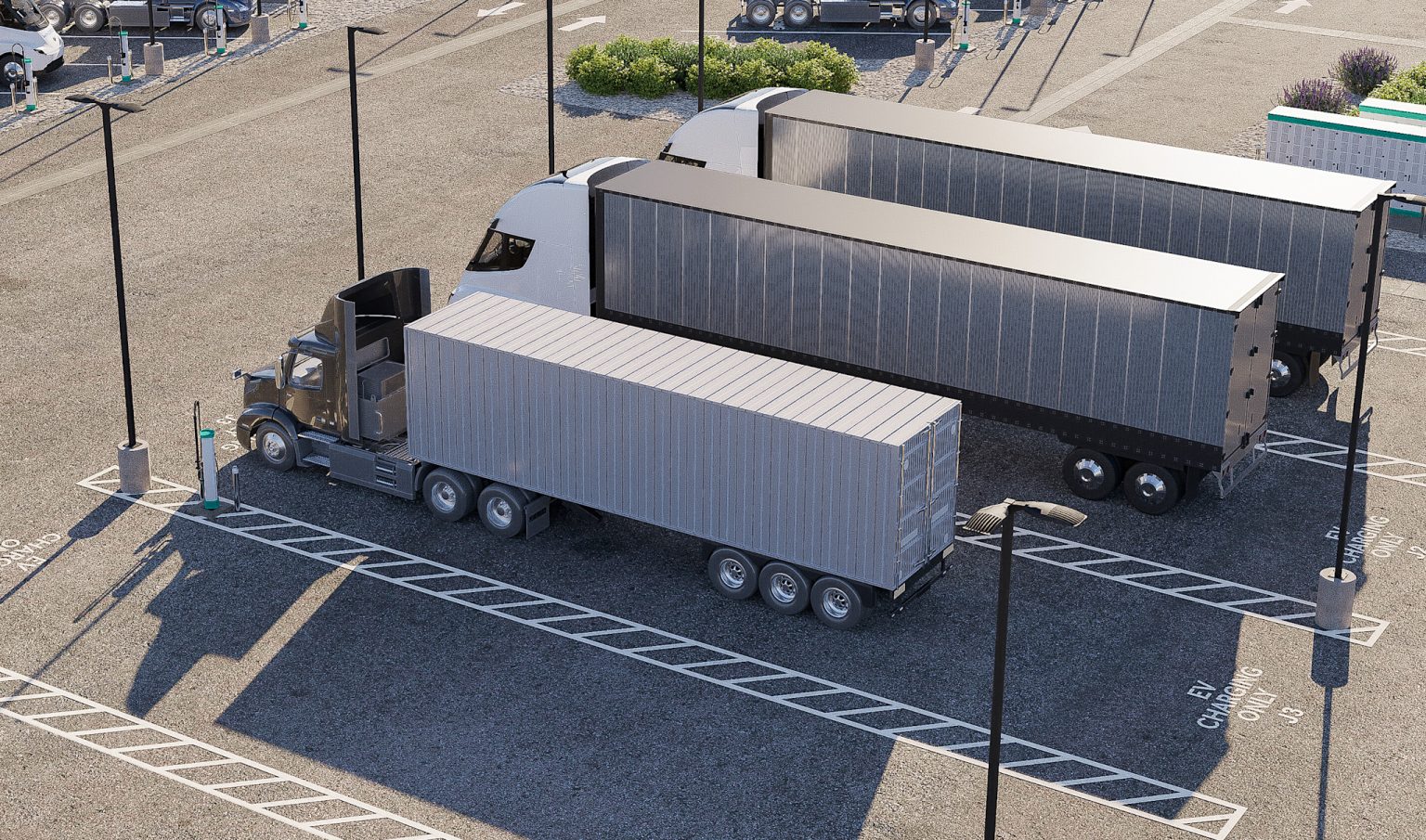
Why it matters: This establishes a tangible operating model that directly revalues industrial properties based on proximity to high-power charging access, shifting site selection and underwriting criteria for logistics real estate.
Context: The shared charging model for fleets has been theorized for years; this is its first commercial-scale test with mixed, major carriers on a critical freight artery, coinciding with the rollout of the Megawatt Charging System standard.
"For owners of warehouse, distribution, and logistics-adjacent industrial properties anywhere on a major freight corridor, this site is now the operating template for what comes next." — CHARGEDUPPRO
Commentary: The hub’s location and customer mix suggest the model’s commercial viability beyond niche adopters, forcing a recalibration of industrial asset values based on three new variables: proximity to a multi-fleet hub, utility interconnection timelines, and existing electrical capacity. Sites without these advantages face accelerated obsolescence as CARB rules and corporate commitments take effect.
Date: May 06, 2026 12:00 AM ET
URL: https://chargeduppro.com/post/ev-realty-san-bernardino-truck-charging-hub
AI Sentiment Score: Negative (50%)
AI Credibility Score: 10.0/10 — High
Scores and text generated by AI analysis of the source article indicated.
National Offshore Wind Research and Development … (Energy.Gov)
Summary: The National Offshore Wind Research and Development Consortium, in partnership with NREL, the Business Network for Offshore Wind, and several state agencies, has launched a $700,000 supply chain mapping project. The initiative aims to audit existing U.S. manufacturing and workforce capabilities to identify resources and gaps, thereby accelerating domestic offshore wind industry growth. Initial results are expected by Fall 2021, with a full report by the end of 2022.
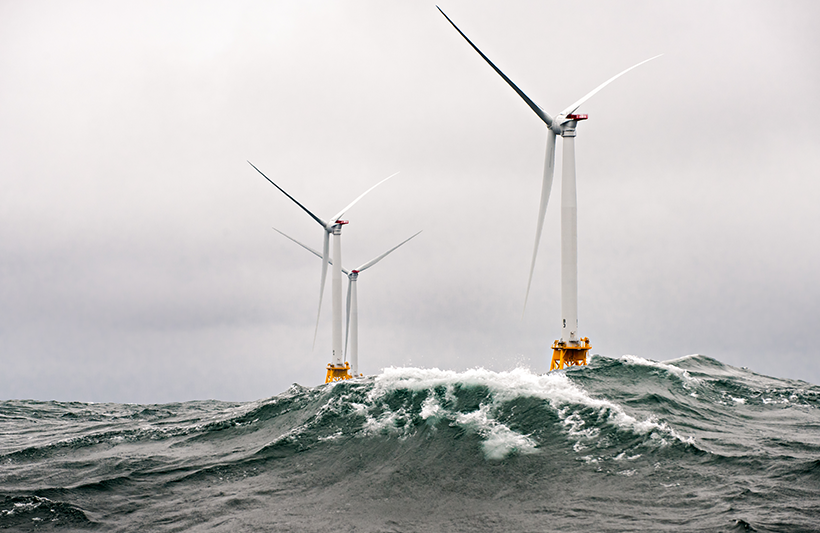
Why it matters: This foundational mapping effort will directly inform where billions in state and federal offshore wind investment flows, determining which regions capture manufacturing jobs and which supply chain segments remain import-dependent.
Context: The project aligns with the Southeast and Mid-Atlantic Regional Transformative Partnership (SMART-POWER) and precedes major federal lease sales, setting the analytical groundwork for competitive state positioning.
"This project will help the United States leverage existing manufacturing and workforce capabilities to grow a network of domestic suppliers." — ENERGY.GOV
Commentary: The study’s timing is critical; its gap analysis could become the de facto playbook for state energy agencies like Maryland’s and NYSERDA, directing targeted subsidies and workforce programs. A clear, data-driven roadmap could accelerate capital deployment but may also reveal near-term insurmountable bottlenecks in heavy component manufacturing, potentially ceding early project phases to European and Asian suppliers despite political ambitions.
Date: May 29, 2026 12:00 AM ET
URL: https://www.energy.gov/cmei/systems/articles/national-offshore-wind-research-and-development-consortium-announces-offshore
AI Sentiment Score: Negative (75%)
AI Credibility Score: 10.0/10 — High
Scores and text generated by AI analysis of the source article indicated.
Blog (Selectgeorgia)
Summary: Georgia Power’s SelectGeorgia blog, a promotional channel for the state’s economic development efforts, documents a sustained campaign focused on logistics infrastructure, electric mobility, and workforce development. The posts highlight specific metrics: 72 companies assisted, 12,312 jobs created, and $3.4B in investments in a recent period, with manufacturing accounting for 42% of the jobs. The narrative emphasizes strategic public-private partnerships and targeted programs like the Retail Ready initiative and the Superintendents Workforce Leadership Academy.

Why it matters: For observers of the Southeast’s economic geography, this concentrated, utility-led promotion signals where capital, talent, and industrial capacity are being actively directed, with implications for regional competitiveness and sectoral shifts.
Context: Georgia has long leveraged its utility, Georgia Power, as a quasi-public economic development arm, a model less common in other states. This blog represents the ongoing institutional effort to consolidate and broadcast success metrics to site selectors and corporate decision-makers.
"Discover Georgia’s economic growth: 72 companies assisted, 12,312 jobs created, $3.4B in investments. Manufacturing leads with 42% of jobs." — SELECTGEORGIA
Commentary: The data underscores a deliberate pivot toward advanced manufacturing within the broader logistics and mobility narrative, suggesting Georgia is not just a transit hub but a production node. The utility’s deep integration into workforce and housing policy reveals a centralized, corporatist approach to development that may accelerate project timelines but also concentrates influence. For competing Southeastern states, this represents a high-bar, well-coordinated benchmark requiring a response in both policy and promotion.
Date: May 12, 2026 12:00 AM ET
URL: https://www.selectgeorgia.com/blog/
AI Sentiment Score: Positive (50%)
AI Credibility Score: 9.8/10 — High
Scores and text generated by AI analysis of the source article indicated.
A Roadmap for Securing the Critical Battery Materials Supply Chain … (C2Es)
Summary: A new roadmap from C2Es outlines a policy framework for expanding the Southeast’s battery supply chain beyond its current concentration in downstream cell production and vehicle assembly. The region, already capturing 40% of announced U.S. battery investment since 2021, is projected to potentially secure over $100 billion in investment and 374,000 jobs over the next decade under supportive policies.

Why it matters: This signals a strategic pivot for the Southeast’s industrial policy, moving from attracting final assembly plants to capturing the higher-margin, geopolitically critical upstream segments of the battery materials supply chain.
Context: The Southeast’s automotive manufacturing base has been a primary beneficiary of the EV transition, but the region remains dependent on imported materials and components, creating economic and security vulnerabilities.
"This roadmap presents recommendations for federal, state, and industry actors. For each recommendation, the roadmap identifies the problem, presents policy changes, and explains how the recommended actions will improve the battery and." — C2ES
Commentary: The roadmap’s projections are contingent on a ‘supportive policy scenario,’ indicating the region’s growth is not automatic but requires coordinated federal and state action on permitting, incentives, and workforce development. Success would rewire global materials flows, potentially drawing capital and talent away from established hubs in Asia and Europe, while failure would cement the Southeast’s role as a low-margin assembly zone.
Date: May 20, 2026 12:00 AM ET
URL: https://www.c2es.org/securing-the-critical-battery-materials-supply-chain-in-the-southeast-united-states/
AI Sentiment Score: Positive (60%)
AI Credibility Score: 10.0/10 — High
Scores and text generated by AI analysis of the source article indicated.
Securing the Critical Battery Materials Supply Chain in the Southeast (C2Es)
Summary: The Southeast is consolidating its position as a national hub for the battery supply chain, with over $84 billion in announced investments across five states since 2021. The C2ES initiative aims to accelerate this expansion by coordinating stakeholders around policy, partnerships, and capital. The focus is shifting from initial investment announcements to the harder tasks of ensuring project realization, building complementary infrastructure, and moving upstream into minerals processing and refining.

Why it matters: For observers of regional economic indicators, this signals a major reallocation of industrial production and capital, with profound implications for state competitiveness, labor markets, and the geopolitical resilience of U.S. critical materials sourcing.
Context: This follows a pattern of post-IRA industrial policy driving capital into specific regions, creating new dependencies between federal incentives, state-level execution, and private sector supply chain logistics.
"Since 2021, companies have announced more than $84 billion in investments across Georgia, North Carolina, South Carolina, Tennessee, and Alabama in batteries, minerals, stationary storage, and vehicle production." — C2ES
Commentary: The $84 billion figure is a trailing indicator of capital allocation, not operational capacity. The real test for the Southeast will be moving from announcements to on-time, on-budget production, which requires solving for grid capacity, skilled labor, and permitting bottlenecks that could stall this concentration of strategic industry.
Date: May 20, 2026 12:00 AM ET
URL: https://www.c2es.org/critical-battery-materials-supply-chain-southeast/
AI Sentiment Score: Negative (50%)
AI Credibility Score: 10.0/10 — High
Scores and text generated by AI analysis of the source article indicated.
North Carolina: The Southeast Is Tightening Faster Than It Looks (Dirttodata.Substack)
Summary: The Southeast’s economic acceleration, particularly in North Carolina, is being driven by anchored demand from established financial, healthcare, and enterprise tech sectors, not speculative growth. This demand is colliding with tightening constraints on power and land, creating a familiar pattern of regional saturation. The operational requirements—predictable capacity, low latency, and execution certainty—are shifting the calculus for where and how these industries expand.
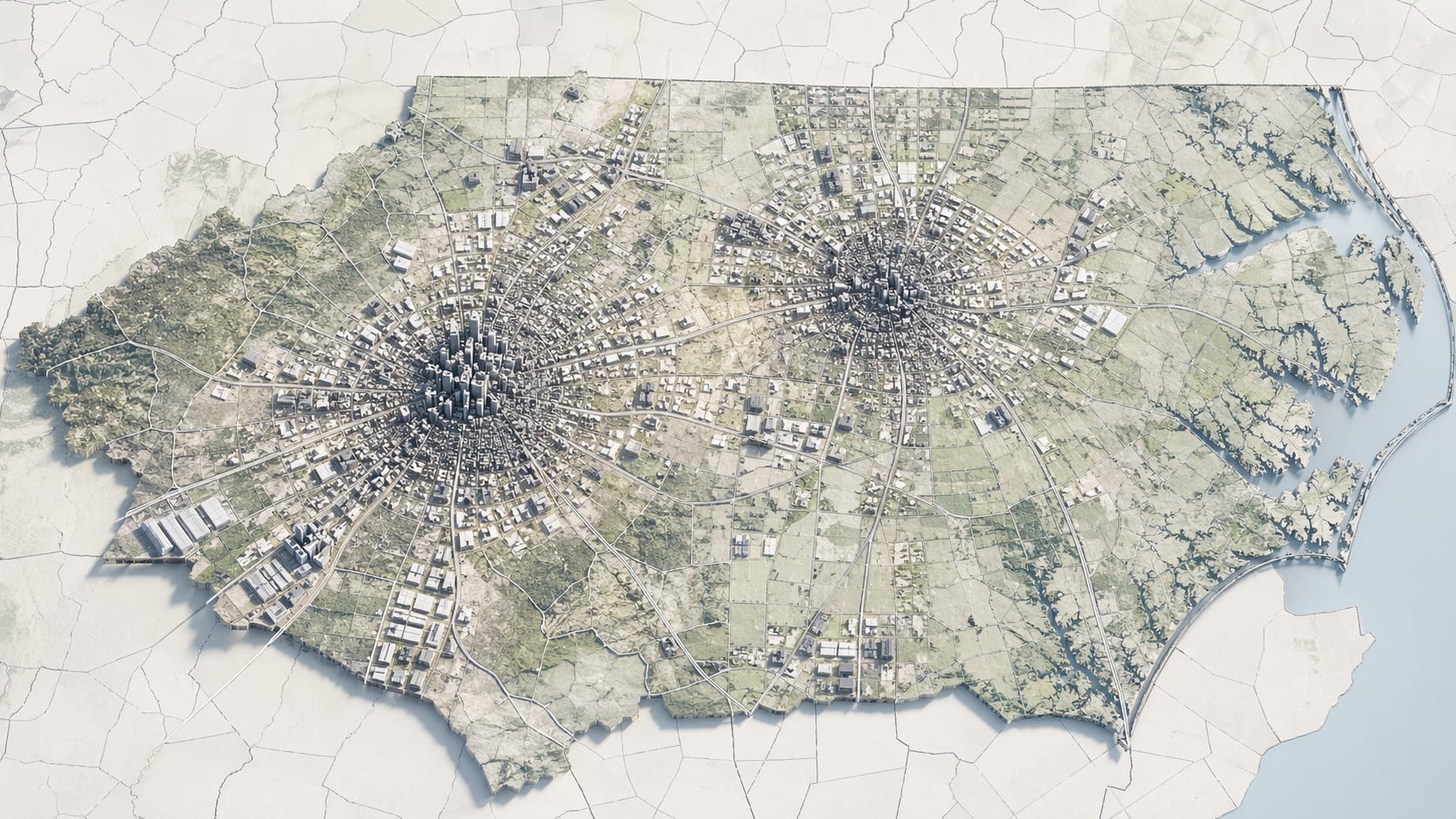
Why it matters: For observers tracking capital allocation and infrastructure development, the Southeast’s tightening indicates where production bottlenecks will emerge and which secondary markets may see spillover investment.
Context: This follows the pattern seen in Northern Virginia and other primary data center markets, where real demand outpaces infrastructure build-out, forcing a reevaluation of site selection and regional capacity.
"Start with the demand, because that is where most people get this wrong. This is not speculative growth. This is real, anchored demand tied to actual industries that already exist and are." — DIRTTODATA.SUBSTACK
Commentary: The shift from speculative to anchored demand changes the risk profile for utilities and developers, making Duke Energy’s load growth a critical indicator. The tightening of land and interconnection timelines suggests the region’s cost advantage is eroding, which could pressure margins for new entrants and benefit incumbents with secured capacity. This dynamic will likely accelerate investment in secondary Southeastern hubs and force a harder look at power procurement strategies.
Date: April 27, 2026 12:00 AM ET
URL: https://dirttodata.substack.com/p/the-southeast-is-tightening-faster
AI Sentiment Score: Negative (60%)
AI Credibility Score: 10.0/10 — High
Scores and text generated by AI analysis of the source article indicated.
Clemson University chooses its next president (Scbiz)
Summary: Clemson University’s Board of Trustees has selected Kevin Guskiewicz as its next president, concluding a national search assisted by Funk Associates. Guskiewicz, a neuroscientist and MacArthur Fellow, arrives from the presidency of Michigan State University, with prior leadership experience as chancellor at UNC-Chapel Hill. His appointment marks only the second presidential change at Clemson in 27 years.

Why it matters: Presidential transitions at flagship public research universities directly influence regional talent pipelines, research funding allocation, and economic development partnerships, particularly in the Southeast.
Context: The selection follows a pattern of land-grant universities recruiting leaders with proven records at peer institutions, aiming to elevate research stature and navigate political landscapes.
"Dr. Guskiewicz rose to the top of a remarkable list with his deep understanding not only of higher education on the national level, but familiarity with Clemson University and its land-grant mission." — SCBIZ
Commentary: Guskiewicz’s hire signals Clemson’s intent to leverage his national network and concussion research prestige to attract more federal and corporate R&D investment to South Carolina. His experience at UNC and MSU provides a template for balancing athletic prominence with academic rigor, a critical tension for ACC schools. The stakeholder-intensive search process suggests a mandate for continuity in public engagement, minimizing disruptive internal realignment.
Date: Wed, 27 May 2026 16:28:13 +0000
URL: https://scbiz.com/clemson-kevin-guskiewicz-president/
AI Sentiment Score: Negative (85%)
AI Credibility Score: 10.0/10 — High
Scores and text generated by AI analysis of the source article indicated.
Southeast Regional Summit: Securing the Critical Battery Materials Supply Chain | Plenary & Panel (Youtube)
Summary: A policy roadmap developed by the Center for Climate and Energy Solutions (C2ES) quantifies the scale of the emerging battery supply chain in the southeastern United States. The initiative, involving over 250 stakeholders across five states, frames the buildout as a $140 billion economic opportunity, roughly one-third the size of South Carolina’s current economy, capable of generating nearly 400,000 new jobs over the next decade.
Why it matters: This quantifies the strategic pivot of the Southeast into a core industrial corridor for electrification, directly linking regional economic development to national energy security and industrial policy.
Context: The ‘Battery Belt’ is consolidating as a direct result of the Inflation Reduction Act’s incentives and private capital seeking geographic concentration, shifting the locus of advanced manufacturing and critical materials processing away from traditional hubs and Asia.
"Rising energy demand, supply chain disruptions, and national security concerns have rapidly accelerated the need for a domestic battery supply chain in the United States. In the emerging “battery belt” of the." — YOUTUBE
Commentary: The roadmap transforms a geopolitical imperative into a concrete regional investment thesis. The scale implies a profound reallocation of skilled labor, infrastructure spending, and political capital, with states like Georgia and Tennessee now competing for dominance in a sector that will define the next industrial era. Success hinges on navigating the tension between rapid scaling and the environmental and community impacts of extractive and refining operations.
Date: May 01, 2026 12:00 AM ET
URL: https://www.youtube.com/watch?v=4UHEplDMTMQ
AI Sentiment Score: Negative (60%)
AI Credibility Score: 10.0/10 — High
Scores and text generated by AI analysis of the source article indicated.
The Future of North Carolina’s Industries: Regional Trends to … (Commerce.Nc.Gov)
Summary: North Carolina’s projected job growth from 2024-2034 is regionally uneven, concentrated in three metropolitan areas—Raleigh-Durham, Charlotte, and Wilmington—which are expected to outpace statewide growth. The Service-Providing sector, led by Health Care and Social Assistance, particularly Ambulatory Health Care Services, is the primary driver across most regions. While Professional Services, Finance, and Hospitality also contribute, growth in construction and manufacturing will be patchy, dependent on local conditions.
Why it matters: For investors, policymakers, and corporate strategists, this signals where capital, talent, and infrastructure investment will concentrate, and which regional economies risk relative stagnation.
Context: This continues a pattern of metropolitan consolidation in the Southeast, where knowledge hubs and port cities capture disproportionate growth, while non-metro areas rely on narrower, often legacy, industrial bases.
"All regions are expected to see employment gains, with three metropolitan areas (Raleigh-Durham, Charlotte, and Wilmington) anticipated to exceed the statewide growth rate." — COMMERCE.NC.GOV
Commentary: The projection entrenches a three-node urban geography for North Carolina, pulling talent and services away from smaller regions. The explicit inclusion of AI’s gradual impact suggests automation won’t disrupt this healthcare-led growth trajectory in the near term, but may widen productivity gaps between metro and non-metro areas over the decade.
Date: April 13, 2026 12:00 AM ET
URL: https://www.commerce.nc.gov/news/the-lead-feed/north-carolinas-industries-regional-trends
AI Sentiment Score: Positive (50%)
AI Credibility Score: 10.0/10 — High
Scores and text generated by AI analysis of the source article indicated.
Maritime News in Wilmington, NC | WilmingtonBiz (Wilmingtonbiz)
Summary: Wilmington’s maritime and port infrastructure is undergoing significant strategic development. NextBoat Inc. rebrands as it reports earnings, while the Port of Wilmington advances a $22.5 million intermodal rail yard and pursues a harbor deepening project to 47 feet, aiming to become the Mid-Atlantic’s ‘cold gateway’ by 2031. Concurrently, operational shifts include the discontinuation of the Wilmington Boat Show and legal entanglements stalling the sale of the Bald Head Island ferry system.
Why it matters: These developments signal a concerted push to elevate Wilmington’s regional economic role, affecting capital allocation, logistics networks, and competitive positioning in the Southeast’s maritime sector.
Context: Southeastern ports are competing for post-Panamax vessel traffic and specialized cargo handling, with infrastructure investment being a key differentiator for attracting shipping lines and adjacent industries.
"North Carolina Ports aims to become the cold gateway of the Mid-Atlantic by 2031, Brian Clark, N.C. Ports’ executive director said Thursday during the organization’s annual Cold Chain Summit." — WILMINGTONBIZ
Commentary: The harbor deepening, intermodal yard, and cold chain ambition represent a coherent capital-intensive strategy to capture market share from rival ports. However, the paused state review and environmental objections highlight the regulatory and execution risks inherent in such infrastructure bets. The discontinuation of the local boat show and the ferry system litigation, meanwhile, underscore how smaller, tourism-adjacent maritime businesses face divergent pressures, potentially creating a bifurcated economic landscape around the port’s expansion.
Date: May 19, 2026 12:00 AM ET
URL: https://www.wilmingtonbiz.com/section/maritime/7
AI Sentiment Score: Negative (50%)
AI Credibility Score: 10.0/10 — High
Scores and text generated by AI analysis of the source article indicated.
Foreign Direct Investment Fuels Growth in North Carolina’s Southeast (Ncse)
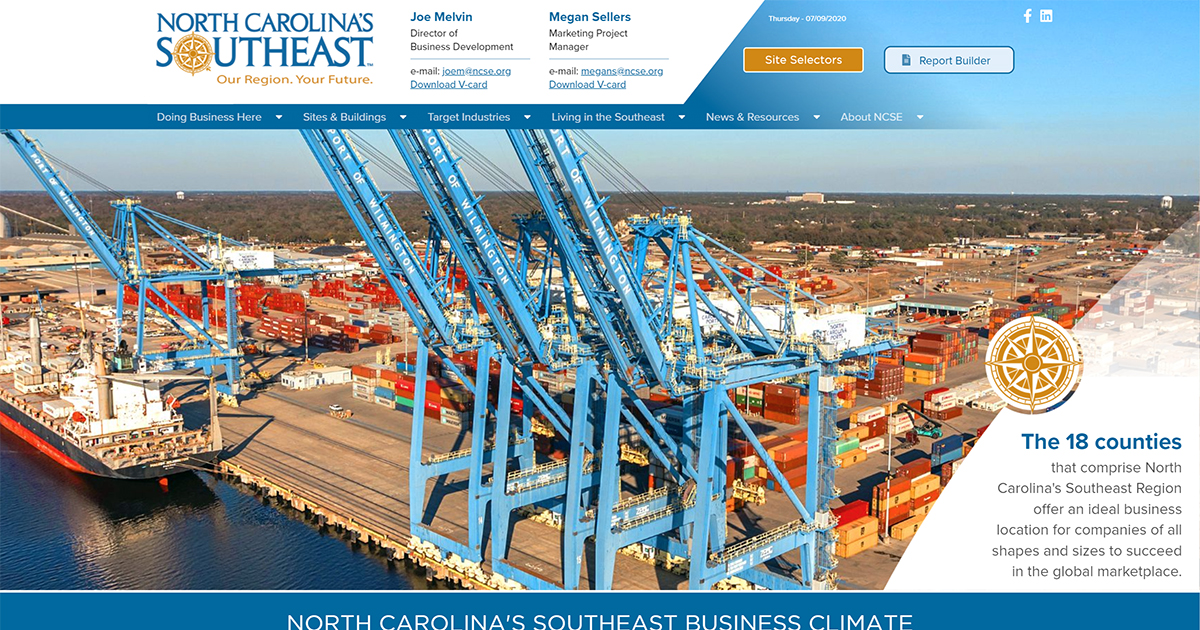
Summary: Foreign direct investment is accelerating in North Carolina’s Southeast, driven by its strategic East Coast location, multimodal logistics infrastructure, and a workforce pipeline fed by military transitions. The region’s established industry clusters in aerospace, advanced textiles, and logistics are attracting capital and technology transfer, positioning it as a competitive node for international firms scaling U.S. operations.
Why it matters: This signals a continued geographic re-concentration of advanced manufacturing and logistics investment into secondary Southeast markets with integrated infrastructure and talent pipelines, affecting site selection and regional economic competitiveness.
Context: The Southeast U.S. has been absorbing a disproportionate share of domestic and foreign industrial investment post-pandemic, with competition intensifying between states and sub-regions based on infrastructure, incentives, and workforce development.
"Foreign Direct Investment (FDI) has emerged as a powerful driver of economic momentum in the region, bringing not only capital but also innovation, advanced manufacturing capabilities, and high-quality jobs." — NCSE
Commentary: NCSE’s success underscores that FDI is now less about cheap labor and more about integrated ecosystems: the explicit link between the annual influx of 20,000 transitioning military personnel and a ‘deep talent pool’ is a replicable model for other regions. This could pressure economic development agencies in competing corridors to formalize similar public-private talent pipelines or risk losing out on the next wave of capital-intensive projects.
Date: May 14, 2026 12:00 AM ET
URL: https://www.ncse.org/blog-foreign-direct-investment-fuels-growth-in-north-carolina-southeast.php
AI Sentiment Score: Negative (60%)
AI Credibility Score: 10.0/10 — High
Scores and text generated by AI analysis of the source article indicated.
Post ID: d192c839