Freight, Trucking & Supply Chain Dynamics
Trucking, logistics firms double down on U.S. expansions (Freightwaves)
Summary: Averitt, Page Trucking, Echo Global Logistics, and port operators are executing capital-intensive facility expansions across Kentucky, North Carolina, Florida, Indiana, and Maryland. These projects, with multi-year completion horizons extending to 2028, signal a strategic bet on long-term freight demand growth, specialized warehousing, and agricultural export capacity. The moves concentrate logistics infrastructure and skilled labor development in the Southeast and Midwest corridors.

Why it matters: These capital commitments lock in regional logistics advantages and workforce development for the next decade, directly influencing where freight, agricultural exports, and related investment will concentrate.
Context: This follows a period of post-pandemic supply chain recalibration, where firms are moving from tactical network adjustments to strategic, long-horizon infrastructure investments.
"Averitt also announced a new 100-acre regional campus near Charlotte that will more than double its local workforce by adding 211 associates over the next four years." — FREIGHTWAVES
Commentary: The scale and timeline of these projects—like Averitt’s 2028 completion dates—indicate boardroom confidence in sustained Southeastern economic growth outpacing other regions. The concurrent focus on grain export infrastructure at Indiana and Baltimore ports suggests a strategic pivot to secure higher-margin export logistics chains, anticipating continued global agricultural demand. This capital deployment will tighten the labor market for diesel technicians and warehouse operators in these specific nodes, forcing wage and training competition.
Date: Thu, 28 May 2026 16:11:48 +0000
URL: https://www.freightwaves.com/news/trucking-logistics-firms-double-down-on-u-s-expansions
AI Sentiment Score: Positive (60%)
AI Credibility Score: 10.0/10 — High
Scores and text generated by AI analysis of the source article indicated.
Freight market pushes another wave of trucking firms into bankruptcy (Freightwaves)
Summary: A new wave of trucking and logistics bankruptcies swept through May, with over 20 companies filing for Chapter 7 liquidation or Chapter 11 restructuring. The failures range from small owner-operators to regional carriers like the 92-year-old Standard Forwarding Freight, and span sectors from automotive parts to oilfield services. Despite a recent surge in spot rates, elevated operating costs and erratic demand continue to pressure margins, with industry exits running 31% higher than the same period last year.

Why it matters: This wave of failures signals a continued, brutal consolidation within the freight sector, disproportionately impacting small fleets and reshaping regional carrier networks, particularly across the Southeast and Midwest.
Context: The trucking industry has been in a prolonged freight recession since 2023, squeezing margins despite recent volume stabilization. Elevated insurance, equipment, and driver costs are persistent structural pressures.
"Another wave of trucking and logistics companies sought bankruptcy protection during May as carriers across the U.S. continued grappling with erratic freight demand and elevated operating costs, even as spot rates are." — FREIGHTWAVES
Commentary: The 31% year-over-year increase in exits, even amid rising spot rates, underscores a structural shift: the market is purging capacity that cannot absorb fixed-cost inflation. The concentration of failures among small fleets—like BNL Enterprises, which logged only 10,000 miles in 2025—points to a thinning of the long tail of owner-operators. This accelerates the industrial concentration of freight capacity into larger, more resilient entities, potentially reducing competition and route flexibility in regional markets like the automotive corridors of the Midwest and timber regions of the Southeast.
Date: Thu, 28 May 2026 12:30:00 +0000
URL: https://www.freightwaves.com/news/freight-market-pushes-another-wave-of-trucking-firms-into-bankruptcy
AI Sentiment Score: Positive (42%)
AI Credibility Score: 10.0/10 — High
Scores and text generated by AI analysis of the source article indicated.
Trucking, Logistics, and Port Expansions Across the US Signal Long-Term Freight Growth (Globaltrademag)
Summary: Averitt is constructing two major regional campuses in Louisville, Kentucky, and near Charlotte, North Carolina, representing its largest facility investments in years, with completion slated for 2028. Page Trucking is expanding its Morgantown, Kentucky, operations, while Echo Global Logistics is adding a refrigerated facility in Sacramento. Concurrently, Ports of Indiana-Mount Vernon and the Port of Baltimore are advancing grain export infrastructure projects.

Why it matters: These capital-intensive, multi-year commitments signal where major logistics firms and port authorities see durable regional demand, directly influencing where warehousing, trucking, and agricultural export capacity will concentrate for the rest of the decade.
Context: This follows a pattern of post-pandemic supply chain reconfiguration, with investment flowing inland to intermodal hubs and key agricultural corridors, rather than solely to coastal gateways.
"Averitt intends to construct two sizable regional centers in Louisville, Kentucky, and adjacent to Charlotte Douglas International Airport in North Carolina. These initiatives represent some of the company’s most substantial facility expenditures in recent memory." — GLOBALTRADEMAG
Commentary: The scale and timing of Averitt’s projects, coupled with port expansions focused on grain, point to a strategic bet on the Southeast and Midwest as engines for domestic distribution and agricultural exports. This capital allocation will harden these regions’ logistics advantages, attracting ancillary services and labor, while potentially diverting traffic from older, less agile corridors.
Date: Fri, 29 May 2026 08:00:55 +0000
URL: https://www.globaltrademag.com/trucking-logistics-and-port-expansions-across-the-us-signal-long-term-freight-growth/
AI Sentiment Score: Negative (66%)
AI Credibility Score: 10.0/10 — High
Scores and text generated by AI analysis of the source article indicated.
Southeast Regional LTL Carriers: Why Local Beats National – Davis Delivery (Davisdelivery)
Summary: A regional LTL carrier based in Buford, Georgia argues that its direct-routing model outperforms national hub-and-spoke networks for freight moving within the Southeast. The analysis claims a 15-30% cost advantage, next-day transit on sub-300-mile lanes, and lower damage rates due to fewer handling events. It positions regional carriers as critical infrastructure for just-in-time manufacturing, e-commerce fulfillment, and construction supply chains concentrated along the I-85 corridor.

Why it matters: For logistics managers and procurement officers in Southeast-based manufacturing, distribution, and retail, carrier selection directly impacts inventory costs, production reliability, and margin preservation.
Context: The Southeast’s economic density and growth have intensified competition between asset-light, network-optimized national carriers and asset-heavy, geography-focused regional operators.
"For a typical two-pallet, 1,200-pound shipment traveling from Buford to Charlotte, a regional carrier’s all-in rate is typically 15 to 25 percent below the discounted national carrier rate." — DAVISDELIVERY
Commentary: The argument underscores a structural inefficiency: national carriers’ pricing models amortize terminal network costs across all lanes, creating arbitrage opportunities for regional specialists on dense corridors. This pressures national LTL operators to either segment their pricing or cede regional market share. The hybrid model advocated—splitting lanes between regional and national carriers—signals a maturation of third-party logistics strategy, moving from single-provider simplicity to optimized, multi-carrier networks.
Date: April 13, 2026 12:00 AM ET
URL: https://davisdelivery.com/southeast-regional-ltl-carrier/
AI Sentiment Score: Neutral (33%)
AI Credibility Score: 10.0/10 — High
Scores and text generated by AI analysis of the source article indicated.
Truck vs. Rail: Optimizing Your Long-Haul Strategy via Charleston (Allpointscharlestonsc)
Summary: An analysis of Charleston, South Carolina’s logistics ecosystem frames the city as a strategic hub for optimizing long-haul freight strategies, weighing trucking against intermodal rail. It details the competitive advantages of Norfolk Southern’s Crescent Corridor and CSX Transport’s network for cost savings on long hauls, while noting trucking’s continued dominance for shorter, time-sensitive routes. The piece serves as a tactical guide for shippers on mode selection based on distance, transit time tolerance, and freight characteristics.

Why it matters: For logistics operators and corporate supply chain managers, the mode-shift calculus between truck and rail directly impacts cost structures, resilience, and competitive positioning in the Southeast corridor.
Context: This reflects the ongoing, post-pandemic recalibration of supply chains toward multi-modal resilience and cost optimization, with secondary port hubs like Charleston gaining strategic weight against traditional gateways.
"On long-haul corridors, intermodal shipping typically saves shippers between 10 and 30 percent compared to over-the-road truckload rates, depending on the lane, the market conditions, and the volume committed. That spread widens during periods of trucking capacity tightness, which makes intermodal a useful hedge against rate volatility as well as a cost tool." — ALLPOINTSCHARLESTONSC
Commentary: The explicit 10-30% cost differential quantifies the trade-off between speed and savings, making intermodal a strategic hedge rather than just a cheap alternative. This shifts the decision from operational habit to a deliberate financial instrument against trucking market volatility. The focus on Charleston signals a broader dispersion of logistics power away from traditional mega-hubs, with implications for regional real estate, infrastructure investment, and carrier negotiations.
Date: May 14, 2026 12:00 AM ET
URL: https://allpointscharlestonsc.com/2026/05/truck-vs-rail-optimizing-your-long-haul-strategy-via-charleston/
AI Sentiment Score: Negative (83%)
AI Credibility Score: 7.0/10 — Medium
Scores and text generated by AI analysis of the source article indicated.
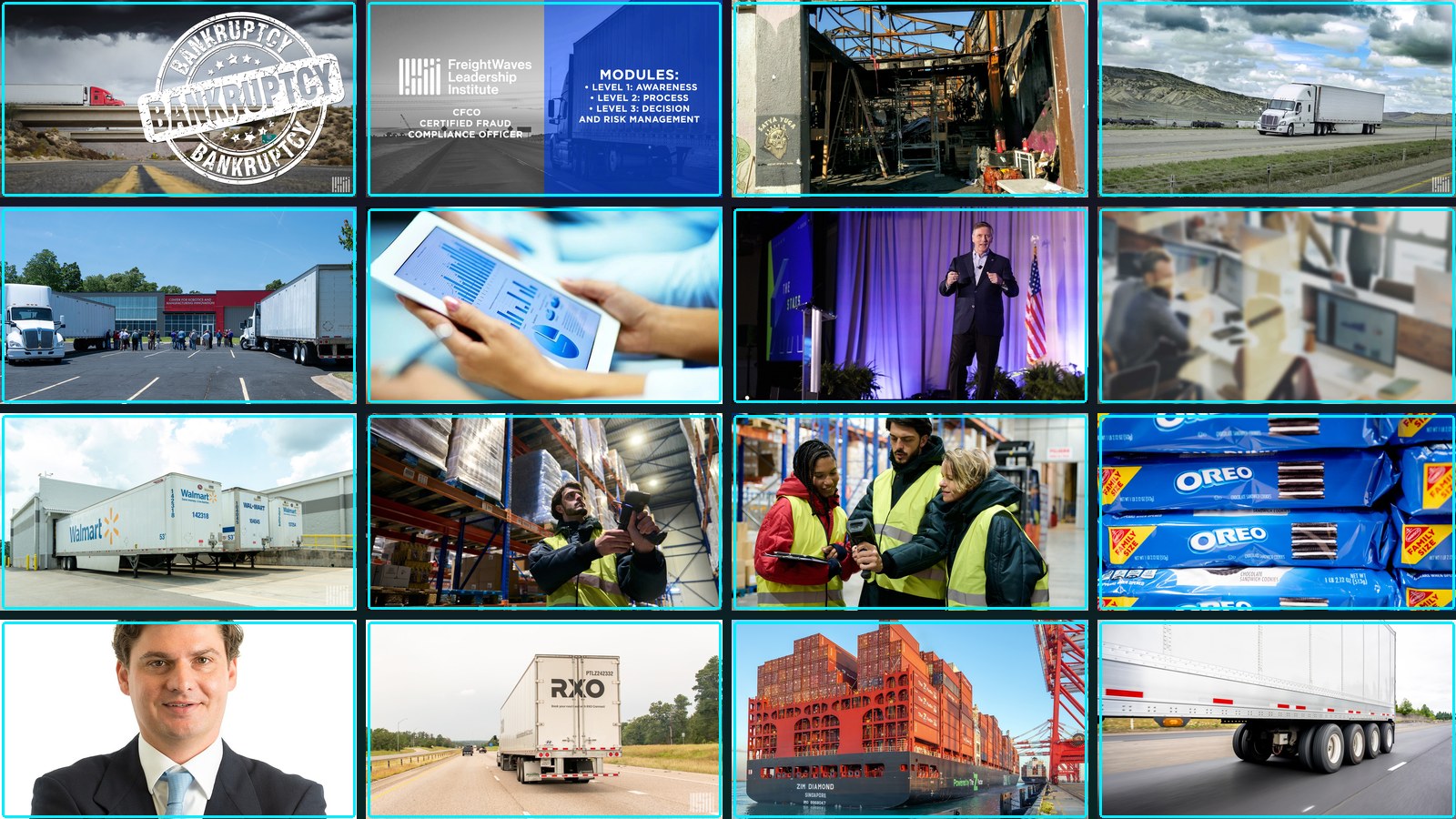
Walmart expands LTL truck consolidation program for suppliers (Freightwaves)
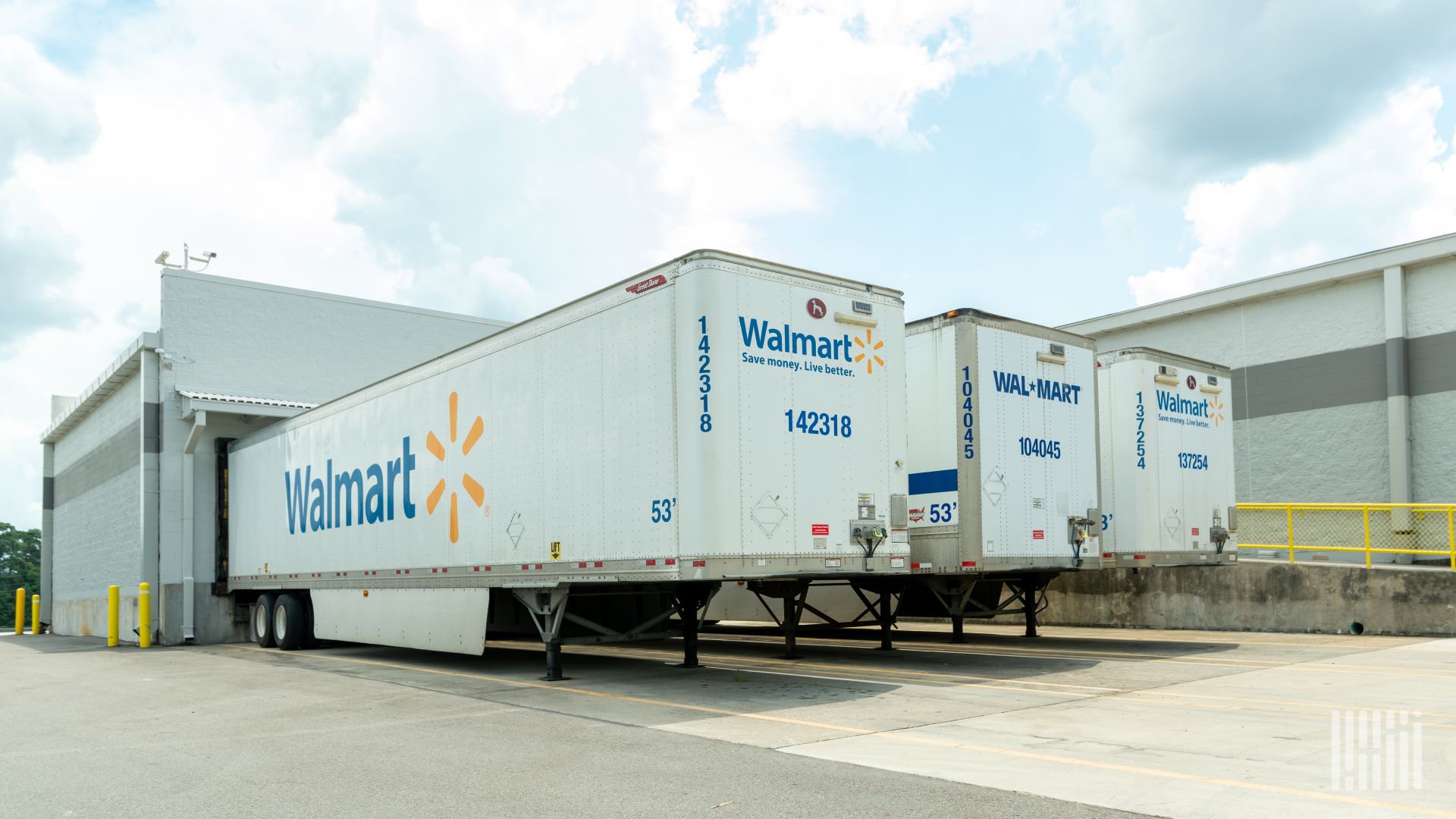
Summary: Walmart is expanding its inbound logistics program to include suppliers using prepaid freight terms, allowing them to consolidate LTL shipments into full truckloads at automated centers before distribution to its 42 regional DCs. The program, previously limited to collect-freight suppliers, aims to reduce costs and complexity for vendors while improving inventory allocation and in-stock rates for Walmart. It will be managed by Walmart or approved 3PLs (C.H. Robinson, Hub Group, RJW Logistics) with a transparent per-case rate.
Why it matters: This shift centralizes network control for a major retailer, potentially altering freight patterns and supplier dependencies across the Southeast’s logistics landscape.
Context: Large shippers like Amazon have long used centralized consolidation to reduce transportation variability and cost; Walmart’s expansion signals a broader industry move toward managed inbound networks, reducing LTL fragmentation.
"(UPDATED 10:40 a.m. ET, May 27, 2026) Walmart is simplifying inbound logistics and reducing costs for suppliers that prepay for freight service by enabling them to more easily combine less-than-truckload shipments into." — FREIGHTWAVES
Commentary: Walmart’s program accelerates the vertical integration of retail logistics, shifting power from fragmented carriers to integrated networks. Suppliers gain efficiency but cede operational control, potentially locking them into Walmart’s routing and timing. For regional logistics hubs like those in the Southeast, this may concentrate volume through Walmart’s designated consolidation points, altering local freight dynamics and favoring its approved 3PL partners.
Date: Tue, 26 May 2026 19:25:47 +0000
URL: https://www.freightwaves.com/news/walmart-launches-ltl-truck-consolidation-program-for-suppliers
AI Sentiment Score: Negative (50%)
AI Credibility Score: 10.0/10 — High
Scores and text generated by AI analysis of the source article indicated.
5,183 freight and warehouse workers hit by layoffs across 20 states (Ninjatms)
Summary: May 2026 saw over 5,000 layoffs across freight, warehousing, and manufacturing in 20 states, driven by contract losses at third-party logistics providers (3PLs), automotive production slowdowns, and supply chain restructuring. Major cuts occurred at firms like FreshRealm, GEODIS, DSV, Ryder, and automotive suppliers Adient and Yanfeng. California, Texas, and Tennessee were the hardest-hit states, reflecting a mix of consumer-facing logistics distress and industrial sector weakness.

Why it matters: This concentration of layoffs signals a contraction in the logistics and industrial backbone of regional economies, with direct consequences for labor markets, commercial real estate occupancy, and the financial health of the 3PL sector.
Context: The layoffs follow a period of post-pandemic logistics overcapacity and coincide with softening consumer demand and automotive sector volatility, indicating a broader industrial downcycle rather than isolated corporate events.
"# 5,183 freight and warehouse workers hit by layoffs across 20 states Warehouse closures, contract losses, and automotive slowdowns drove cuts at GEODIS, DSV, Ryder, and FreshRealm. California and Texas took the." — NINJATMS
Commentary: The geographic and sectoral spread points to systemic pressure: the 3PL model is exposed to customer churn and consolidation, while the automotive cuts in Tennessee suggest production pullbacks are moving beyond temporary adjustments. FreshRealm’s bankruptcy, tied to a 2025 listeria outbreak, highlights how operational shocks can cascade into regional job losses, underscoring the fragility of just-in-time food logistics networks.
Date: May 22, 2026 12:00 AM ET
URL: https://ninjatms.com/blog/5-183-freight-and-warehouse-workers-hit-by-layoffs-across-20-states/
AI Sentiment Score: Negative (83%)
AI Credibility Score: 9.2/10 — High
Scores and text generated by AI analysis of the source article indicated.
Manufacturing Freight Solutions for Georgia Manufacturers – Davis Delivery (Davisdelivery)
Summary: Davis Delivery Service, a Georgia-based contract carrier, outlines the operational and economic dependencies between manufacturers and specialized freight providers, emphasizing just-in-time delivery, dedicated fleet advantages, and corridor-specific logistics. The piece functions as a detailed commercial case study but reveals the tight coupling of regional manufacturing competitiveness to transportation reliability and specialized carrier capabilities.
Why it matters: For observers tracking Southeast economic indicators, this underscores how logistics performance—not just labor or tax policy—is a critical determinant of manufacturing concentration and resilience.
Context: Georgia’s manufacturing corridors, particularly along I-85 and I-75, have evolved into integrated production ecosystems where logistics efficiency directly impacts lean inventory models and plant viability.
"A manufacturer receiving a late shipment of components may have to idle an entire production line, send workers home, miss customer delivery commitments, and incur costs that dwarf the freight charge by orders of magnitude." — DAVISDELIVERY
Commentary: The explicit cost-of-failure calculus highlights why contract carriers command premium rates; it’s a risk-transfer mechanism. This creates a moat for established regional operators like Davis, potentially crowding out generalists and reinforcing geographic logistics lock-in for manufacturers along key interstate corridors.
Date: April 13, 2026 12:00 AM ET
URL: https://davisdelivery.com/manufacturing-freight-georgia/
AI Sentiment Score: Negative (75%)
AI Credibility Score: 9.4/10 — High
Scores and text generated by AI analysis of the source article indicated.
The 6 Automation Systems Powering Next-Gen 3PL Warehouses (Globaltrademag)
Summary: Margin pressure from labor costs and volatile freight is forcing third-party logistics providers to shift from speed-focused automation to systems that create operational control. The article outlines six automation strategies—AI-driven shipping optimization, intelligent conveyance, digital twin simulation, high-density vertical storage, intelligent exception routing, and integrated visibility platforms—that prioritize predictability and resilience over raw throughput. This reflects a broader industry pivot where 3PLs are evaluated on their ability to stabilize complex, variable fulfillment environments rather than simply moving goods faster.

Why it matters: For the Southeast’s logistics-heavy economy, these automation investments signal where capital and talent will concentrate, directly affecting regional competitiveness in warehousing, real estate, and labor markets.
Context: The Southeast U.S. is a major hub for 3PLs and distribution centers, facing intense pressure from e-commerce growth, labor shortages, and rising real estate costs, making operational efficiency a regional economic imperative.
"The 6 Automation Systems Powering Next-Gen 3PL Warehouses Margin pressure is a major player in today’s complex omnichannel environment, fueled by rising labor costs, volatile freight rates, and tighter delivery expectations. This." — GLOBALTRADEMAG
Commentary: The shift from labor replacement to system stabilization redefines the value proposition for 3PLs, turning operational predictability into a marketable asset. This will accelerate consolidation, favoring larger, tech-capable operators in the Southeast while pressuring smaller firms to specialize or partner. Real estate strategies will pivot toward retrofitting for vertical automation over greenfield expansion, affecting industrial property valuations and development patterns across the region.
Date: Tue, 19 May 2026 08:00:32 +0000
URL: https://www.globaltrademag.com/the-6-automation-systems-powering-next-gen-3pl-warehouses/
AI Sentiment Score: Neutral (33%)
AI Credibility Score: 10.0/10 — High
Scores and text generated by AI analysis of the source article indicated.
What the Rise of Direct-to-Consumer Brands Means for Global Trade Infrastructure (Globaltrademag)
Summary: The direct-to-consumer (DTC) model is systematically dismantling the traditional bulk-shipment supply chain, forcing brands to build proprietary global sourcing networks and ship individual parcels internationally. This shift is straining customs systems designed for containerized freight, overloading last-mile logistics, and creating new recurring freight patterns from subscription commerce. The trade infrastructure built around intermediaries is now misaligned with a commerce flow moving in the opposite direction.

Why it matters: For Southeast Asia, a major manufacturing hub, this recalibration pressures logistics operators and policymakers to adapt port, customs, and fulfillment infrastructure to serve fragmented, high-frequency parcel flows or risk ceding ground to more agile regional competitors.
Context: Global trade infrastructure—ports, freight networks, warehousing—was optimized for the sequential bulk movement of goods through importers, distributors, and retailers, a model now being bypassed.
"Global trade infrastructure was designed for a world where goods consolidated into bulk shipments, passed through professional intermediaries, and arrived at retail locations. DTC commerce runs in the opposite direction, pushing volume outward into millions of individual transactions rather than concentrating it into manageable commercial flows." — GLOBALTRADEMAG
Commentary: The operational burden is shifting from shared distribution layers to individual brands and parcel carriers, demanding new customs protocols and logistics economics. Southeast Asian export economies must invest in deconsolidation centers and digital customs interfaces to capture value in this fragmented trade, or watch DTC brands reroute sourcing to regions with more responsive last-mile and compliance ecosystems.
Date: Thu, 21 May 2026 09:00:45 +0000
URL: https://www.globaltrademag.com/what-the-rise-of-direct-to-consumer-brands-means-for-global-trade-infrastructure/
AI Sentiment Score: Negative (50%)
AI Credibility Score: 10.0/10 — High
Scores and text generated by AI analysis of the source article indicated.
Mondelēz taps AI for distribution centers to cut costs (Supplychaindive)
Summary: Mondelēz International is deploying automation and AI at up to five distribution centers serving its direct-store-delivery network, aiming to accelerate product flow, reduce stock, and cut costs across 55 branches. Concurrently, the company is modernizing its U.S. manufacturing footprint, acknowledging that some legacy plants will operate on simpler lines rather than complex, state-of-the-art systems. The strategy includes bringing co-manufactured product lines and mixed-pack packaging in-house to remove rigidity and capture savings. This is part of a $1.2 billion, multi-year supply chain and ERP overhaul set for completion in 2028, with benefits expected to materialize by early 2027.

Why it matters: For the Southeast, a major logistics and manufacturing hub, Mondelēz’s capital allocation toward automation and plant rationalization signals where high-skill operational roles may concentrate and where low-complexity, labor-intensive lines may face consolidation or closure.
Context: This follows a multiyear trend of CPG giants like PepsiCo and Kraft Heinz investing in smart warehouses and in-sourcing to combat margin pressure, with the Southeast’s competitive labor and energy markets often attracting such modernization projects.
"Mondelēz International plans to deploy automation and AI at up to five distribution centers serving its direct-store-delivery network and remake a portion of its U.S. manufacturing operations. With automated fulfillment centers, the." — SUPPLYCHAINDIVE
Commentary: Mondelēz is executing a classic portfolio strategy on its physical assets: tiering plants by complexity and centralizing high-throughput distribution. The implication for regional economies is bifurcation: advanced centers likely anchor in logistical corridors like Atlanta or Dallas-Fort Worth, absorbing capital and technical talent, while simpler ‘below expectations’ plants in secondary markets face heightened risk of divestment or reduced investment, potentially weakening local industrial bases.
Date: Tue, 19 May 2026 13:30:00 -0400
URL: https://www.supplychaindive.com/news/mondelez-taps-ai-for-distribution-centers-to-cut-costs/820067/
AI Sentiment Score: Positive (40%)
AI Credibility Score: 10.0/10 — High
Scores and text generated by AI analysis of the source article indicated.
Supply Chain Predictability and Cost-Saving Strategies … (Middlegeorgiaceo)
Summary: Georgia Ports Authority leadership and Georgia Tech research are framing the Port of Savannah as a cost and reliability hedge against West Coast gateways. The data claims a $1,000-per-container savings to key Southeastern inland markets like Atlanta, Memphis, and Nashville, alongside more predictable transit times. This is supported by operational metrics, including high-frequency vessel calls, double-stack rail service, and the opening of the Gainesville Inland Port to shift freight from Atlanta’s highways to rail.
Why it matters: This signals a deliberate, data-driven effort to re-route Asian import volumes from traditional West Coast ports to the Southeast, with tangible impacts on regional logistics costs, infrastructure investment, and inter-port competition.
Context: The push follows years of investment in Savannah’s capacity and rail connectivity, and capitalizes on persistent congestion and labor uncertainty at West Coast ports. It represents a strategic pivot in all-water route economics.
"“In today’s current global business environment, our customers require greater supply chain predictability and cost savings opportunities,” stated Georgia Ports President and CEO Griff Lynch. “We have the capacity and connectivity to." — MIDDLEGEORGIACEO
Commentary: The Georgia Tech study provides the analytical ammunition for a permanent shift in routing decisions, moving beyond anecdotal advantage to quantified total landed cost. This could pressure logistics managers to re-evaluate contracts and could accelerate the Southeast’s rise as a distribution hub, drawing warehousing and light manufacturing investment inland. The Gainesville Inland Port opening is a direct play to capture and monetize this diverted volume, reducing Atlanta’s chronic truck congestion while locking in Norfolk Southern’s rail corridor market share.
Date: May 04, 2026 12:00 AM ET
URL: https://middlegeorgiaceo.com/features/2026/05/supply-chain-predictability-and-cost-saving-strategies-highlight-georgia-ports-trade-conference/
AI Sentiment Score: Negative (70%)
AI Credibility Score: 9.5/10 — High
Scores and text generated by AI analysis of the source article indicated.
Logistics Insights: Economic uncertainty creates caution on long … (Jaxdailyrecord)
Summary: Jacksonville’s industrial real estate market, a key Southeast logistics hub, is experiencing a sharp deceleration in tenant demand for warehouse and distribution space through mid-2026. This follows a prolonged boom fueled by e-commerce and reshoring, now cooling as speculative supply hits a market where many operators are saddled with pandemic-era overcapacity. A specific glut in the 100,000- to 300,000-square-foot segment, with only 25% of recent speculative space leased, is creating vacancy and rental rate pressure. The correction is prompting investor reassessment and a shift toward footprint optimization over expansion.

Why it matters: This signals a maturation and potential repricing of a core regional asset class, with direct consequences for capital allocation, development financing, and corporate logistics strategy across the Southeast corridor.
Context: The Southeast U.S. has been a primary beneficiary of supply chain realignment and port diversification, attracting massive industrial investment. Jacksonville’s trajectory is a leading indicator for similar markets in Savannah, Charleston, and Atlanta.
"There was 6.5 million square feet of speculative industrial space in the 100,000- to 300,000-square-foot range delivered from 2024 through 2025, yet only 25% of that inventory is currently leased." — JAXDAILYRECORD
Commentary: The 25% leased figure for recent midsize spec development is the operative metric; it crystallizes the timing mismatch between capital-intensive construction cycles and suddenly cautious corporate real estate decisions. This could force a recalibration of underwriting models for institutional lenders and REITs, likely tightening credit for new ground-up projects outside prime, pre-leased locations. The pressure is sector-specific, however, as limited availability outside this size range indicates demand fragmentation rather than a broad market collapse.
Date: May 26, 2026 12:00 AM ET
URL: https://www.jaxdailyrecord.com/news/2026/may/26/logistics-insights-economic-uncertainty-creates-caution-on-long-term-leases/
AI Sentiment Score: Negative (60%)
AI Credibility Score: 10.0/10 — High
Scores and text generated by AI analysis of the source article indicated.
RXO sees TL spot market surge further in Q2 (Freightwaves)
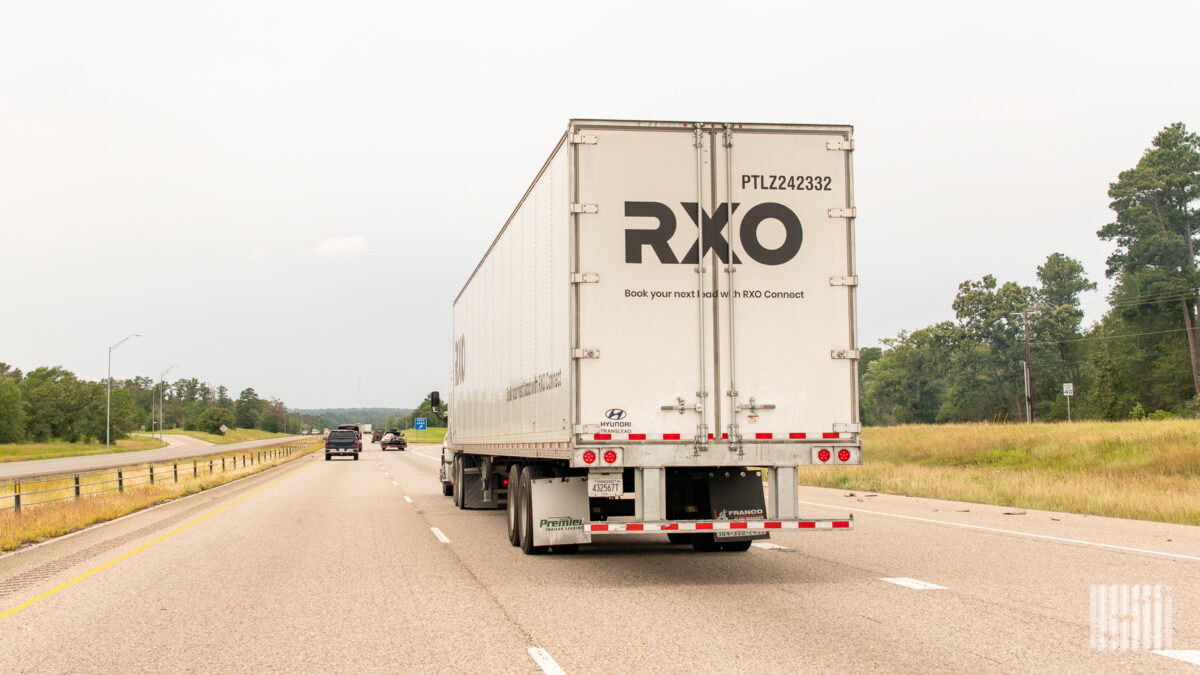
Summary: RXO’s data shows truckload spot rates surged 16.5% year-over-year in Q1, reaching a four-year high despite tepid freight demand. The company forecasts an even larger growth rate in Q2, with elevated spot rates now influencing contract negotiations upward. Public carriers like J.B. Hunt are revising full-year contract rate expectations to mid- to high-single-digit increases, citing regulatory pressure and rising operational costs as drivers of a sustained pricing shift.
Why it matters: For Southeast logistics hubs and manufacturers, this signals a structural increase in transportation costs that will compress margins and accelerate the attrition of smaller carriers, reshaping regional supply chain economics.
Context: This surge defies typical seasonal weakness and is attributed to capacity attrition from stricter driver regulations, not a demand boom, marking a departure from the post-pandemic freight cycle.
"Freight broker RXO said Wednesday that its truckload spot rate index reached a four-year high in the first quarter, with expectations for further increases in the second quarter. Even with only tepid." — FREIGHTWAVES
Commentary: The market is pivoting from a shipper-friendly to a carrier-friendly environment not on volume, but on regulatory and cost compression. This could force shippers to lock in higher contract rates, embedding inflationary pressure into goods movement for the Southeast’s export and manufacturing base. The acceleration of spot rates into contracts suggests a durable repricing of freight, with implications for inventory strategies and regional competitiveness.
Date: Wed, 20 May 2026 17:26:50 +0000
URL: https://www.freightwaves.com/news/rxo-sees-tl-spot-market-surge-further-in-q2
AI Sentiment Score: Negative (54%)
AI Credibility Score: 10.0/10 — High
Scores and text generated by AI analysis of the source article indicated.
Quarterly loss for Zim ahead of Hapag-Lloyd takeover (Freightwaves)
Summary: ZIM Integrated Shipping Services reported a Q1 net loss of $86 million, a sharp reversal from a $296 million profit a year earlier. Revenue fell 30% to $1.4 billion, driven by an 8% decline in carried volume and a 26% drop in average freight rates. The results, described by CEO Eli Glickman as broadly in line with expectations, reflect a softer freight rate environment and weaker demand. The company noted a recent positive trend in trans-Pacific trade rates and expects higher fuel costs from the Iran conflict to impact Q2.
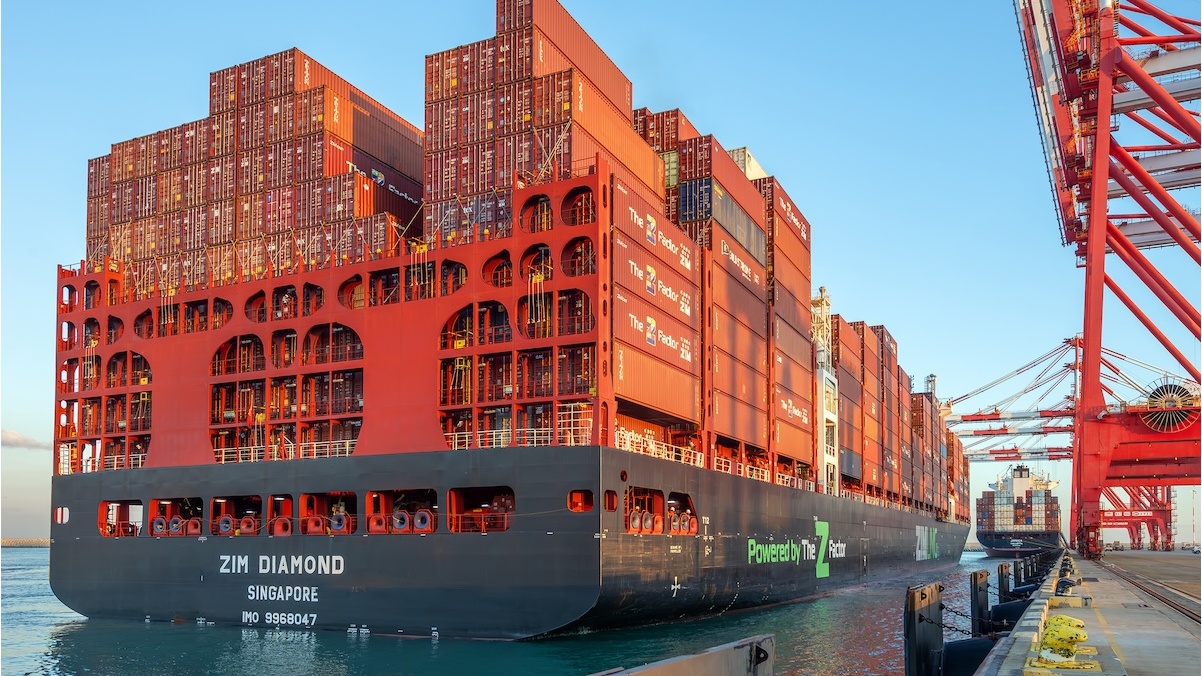
Why it matters: ZIM’s performance and its pending acquisition by Hapag-Lloyd signal ongoing consolidation pressure in container shipping, with regional implications for port volumes and logistics networks in the Southeast.
Context: Major carriers have seen profits tumble this quarter, though ZIM is unique in reporting a volume decline. The industry faces difficult year-on-year comparisons due to 2025 frontloading ahead of tariffs.
"ZIM Integrated Shipping Services Ltd. said it carried less cargo than a year ago as weak demand sent it to a loss in the first quarter. The Israeli liner (NYSE: ZIM), which." — FREIGHTWAVES
Commentary: ZIM’s volume contraction, while peers grew shipments, highlights its specific vulnerability in a weak market, likely accelerating its absorption into Hapag-Lloyd. Its heavy spot-market exposure (65% of trans-Pacific volume) offers agility but also volatility, a trade-off that will be tested as geopolitical fuel surcharges and potential trans-Pacific rate recovery collide in Q2. For Southeast ports, this consolidation may streamline certain services but also reduce competitive carrier options.
Date: Wed, 20 May 2026 14:59:16 +0000
URL: https://www.freightwaves.com/news/quarterly-loss-for-zim-ahead-of-hapag-lloyd-takeover
AI Sentiment Score: Negative (75%)
AI Credibility Score: 10.0/10 — High
Scores and text generated by AI analysis of the source article indicated.
Why the freight industry needs Certified Fraud Compliance Officers (Freightwaves)
Summary: The freight industry’s reliance on technology to combat cargo theft and fraud has proven insufficient, as organized criminal groups exploit operational inconsistencies and human judgment gaps. The Certified Fraud Compliance Officer program, developed by the FreightWaves Leadership Institute, aims to institutionalize a compliance mindset through structured training in awareness, process, and risk management. This shift responds to increasing legal pressures, highlighted by recent Supreme Court rulings on broker liability, which demand documented procedures and trained personnel. The initiative represents a move from reactive, tech-dependent fraud prevention to proactive, process-driven operational risk management.
Why it matters: For Southeast logistics hubs, widespread adoption of CFCO standards could reshape carrier-broker relationships, increase compliance costs, and concentrate market share among firms that institutionalize these practices, affecting regional competitiveness and insurance landscapes.
Context: Freight fraud, particularly through identity theft and document manipulation, has evolved beyond physical theft, exploiting the industry’s operational speed and inconsistent verification processes. This occurs against a backdrop of tightening legal accountability for brokers and carriers.
"Modern cargo theft no longer starts with someone breaking into a trailer or cutting a lock at a warehouse. Many of today’s cases begin with fake identities, manipulated documents, spoofed email domains, compromised communication, or fraudulent carrier accounts." — FREIGHTWAVES
Commentary: The CFCO program signals a maturation in freight risk management, akin to financial services compliance, which may lead to industry consolidation as smaller operators struggle with the overhead. Insurers and shippers will likely adjust premiums and contracts based on certification adoption, creating a tiered market. This formalization could also redirect criminal activity toward less-secured sectors or regions, shifting the geographic pattern of fraud losses.
Date: Wed, 20 May 2026 11:09:55 +0000
URL: https://www.freightwaves.com/news/why-the-freight-industry-needs-certified-fraud-compliance-officers
AI Sentiment Score: Negative (50%)
AI Credibility Score: 10.0/10 — High
Scores and text generated by AI analysis of the source article indicated.
FedEx Freight donation revives UA Northark CDL training program (Freightwaves)
Summary: FedEx Freight has donated two tractors and two 48-foot trailers to the University of Arkansas Northark, enabling the relaunch of its CDL training program in Harrison, Arkansas, after an 18-month hiatus. The four-week intensive course, set to begin this fall, is designed to rapidly move graduates into employment, directly addressing the industry’s persistent driver shortage. The program intends to align its curriculum with specific carrier requirements, as noted by college officials who are already consulting with trucking companies.
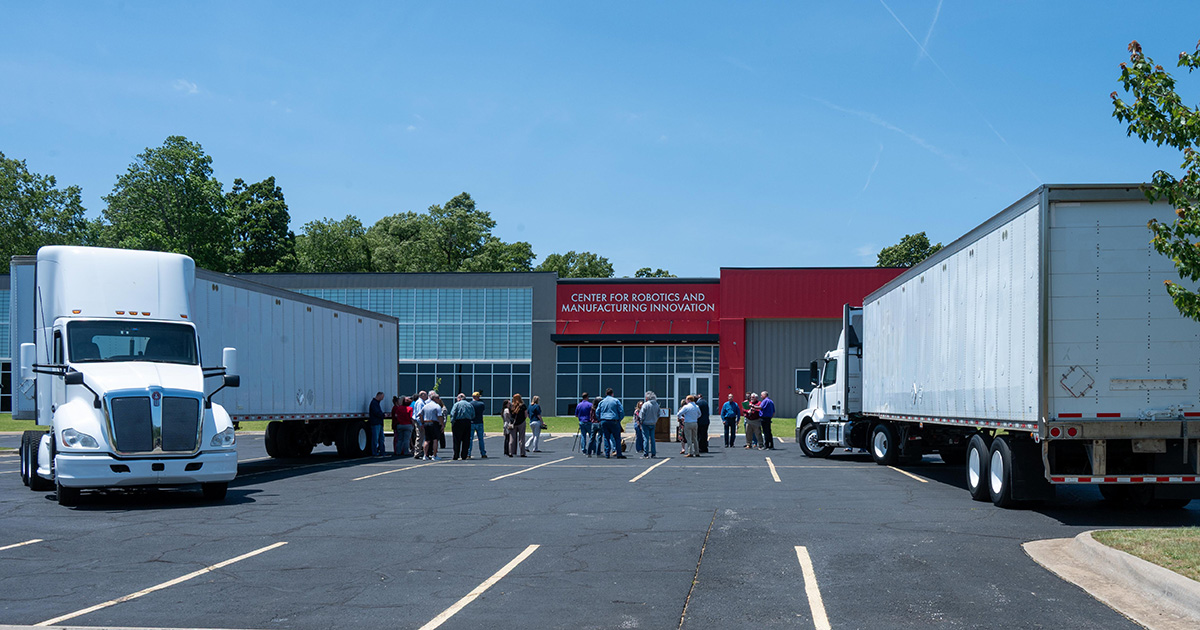
Why it matters: This signals a strategic shift by major carriers to directly fund and shape localized training pipelines, a move that could recalibrate regional labor markets and supply chain resilience in the Southeast.
Context: The trucking industry’s chronic driver shortage has prompted carriers to increasingly bypass traditional hiring channels, investing instead in proprietary or partnered training programs to secure a qualified workforce.
"North Arkansas College of the University of Arkansas (UA Northark) is relaunching its commercial driver’s license training program in Harrison, Arkansas, after an 18-month pause. The relaunch is supported by a donation." — FREIGHTWAVES
Commentary: FedEx Freight’s equipment donation is a tactical capital expenditure that outsources training overhead while locking in a local talent funnel. For Harrison, it represents a retention play for non-college labor, but it also deepens the region’s economic dependency on a single logistics firm’s operational needs. This model, if replicated, could accelerate the Balkanization of driver training, with curricula increasingly tailored to sponsor requirements rather than broad industry standards.
Date: Tue, 26 May 2026 18:22:12 +0000
URL: https://www.freightwaves.com/news/fedex-freight-donation-revives-ua-northark-cdl-training-program
AI Sentiment Score: Negative (50%)
AI Credibility Score: 10.0/10 — High
Scores and text generated by AI analysis of the source article indicated.
Prologis anchors $200M maritime innovation fund (Freightwaves)
Summary: Prologis Ventures, the investment arm of the global logistics real estate giant Prologis, is co-anchoring a new $200 million venture fund, TMV Logistics, focused on maritime and logistics innovation. The fund, managed by early-stage VC firm TMV and also backed by the American Bureau of Shipping (ABS), will target pre-seed to Series A companies working on autonomy, robotics, operational AI, and next-generation fuels for maritime infrastructure, shipbuilding, ports, and intermodal logistics. Anchor partners will provide due diligence support and may become customers for portfolio companies.
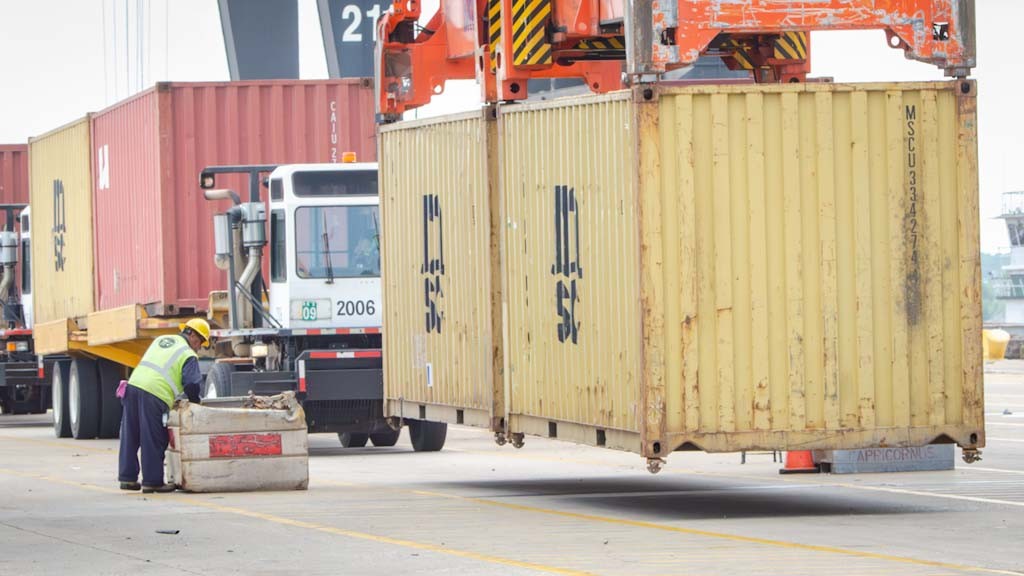
Why it matters: This signals a strategic capital shift towards foundational maritime infrastructure, moving beyond warehousing automation to address systemic bottlenecks in global trade corridors.
Context: Major industrial real estate and logistics operators are increasingly using venture arms to vertically integrate innovation, securing early access to technologies that optimize their core assets and adjacent supply chain links.
"Prologis Ventures has committed to co-anchor the launch of TMV Logistics, a new $200 million venture fund dedicated to maritime and logistics innovation and safety. With over $235 billion in assets under." — FREIGHTWAVES
Commentary: Prologis is not merely diversifying its portfolio; it is deploying capital to harden the weakest links in its own operational network. By aligning with ABS’s regulatory heft, the fund aims to shape technical standards from the outset, giving its portfolio a path to de-risked adoption. This moves venture influence upstream from last-mile logistics to the often-opaque maritime layer, where innovation adoption has historically been slow. The Southeast’s port-centric economies, from Savannah to Charleston, should watch for concentrated capital and talent flows into maritime AI and robotics startups as a direct result.
Date: Tue, 26 May 2026 15:30:48 +0000
URL: https://www.freightwaves.com/news/prologis-anchors-200m-maritime-innovation-fund
AI Sentiment Score: Positive (50%)
AI Credibility Score: 10.0/10 — High
Scores and text generated by AI analysis of the source article indicated.
World’s third biggest shipping line sees Q1 earnings crash (Freightwaves)
Summary: CMA CGM, the world’s third-largest container carrier, reported a 41.3% year-on-year decline in core earnings (EBITDA) to $1.5 billion for Q1. While volumes grew 1.5%, average revenue per container fell nearly 10%, reflecting persistent industry-wide rate pressure. The company’s strategic moves—including a major port joint venture with Stonepeak and new ship orders from India—signal a continued focus on diversification and operational resilience amid geopolitical and market volatility.

Why it matters: For Southeast Asia, a critical node in global shipping, CMA CGM’s earnings pressure and strategic pivots signal where capital, port infrastructure, and crewing investments may concentrate or retreat, directly affecting regional trade competitiveness and labor markets.
Context: This follows a pattern of declining profitability across major carriers post-pandemic, with firms now leveraging scale and diversification to navigate sustained rate weakness and Middle Eastern disruptions.
"The world’s third-largest container carrier saw core earnings (EBITDA) plunge to $1.5 billion in the first quarter, down 41.3% from $2.53 billion a year ago, as modest volume growth failed to offset a weak rate environment." — FREIGHTWAVES
Commentary: CMA CGM’s earnings crash, despite volume growth, underscores the structural oversupply and rate sensitivity plaguing the sector. Its concurrent investments—the Stonepeak port JV and Indian shipbuilding/crewing commitments—are not growth bets but defensive maneuvers to control costs and secure strategic assets. This pressures competing Southeast Asian hubs to match its vertical integration or risk becoming mere transit points in a consolidating network.
Date: Tue, 26 May 2026 14:26:42 +0000
URL: https://www.freightwaves.com/news/worlds-third-largest-shipping-line-sees-q1-earnings-crash
AI Sentiment Score: Negative (77%)
AI Credibility Score: 10.0/10 — High
Scores and text generated by AI analysis of the source article indicated.
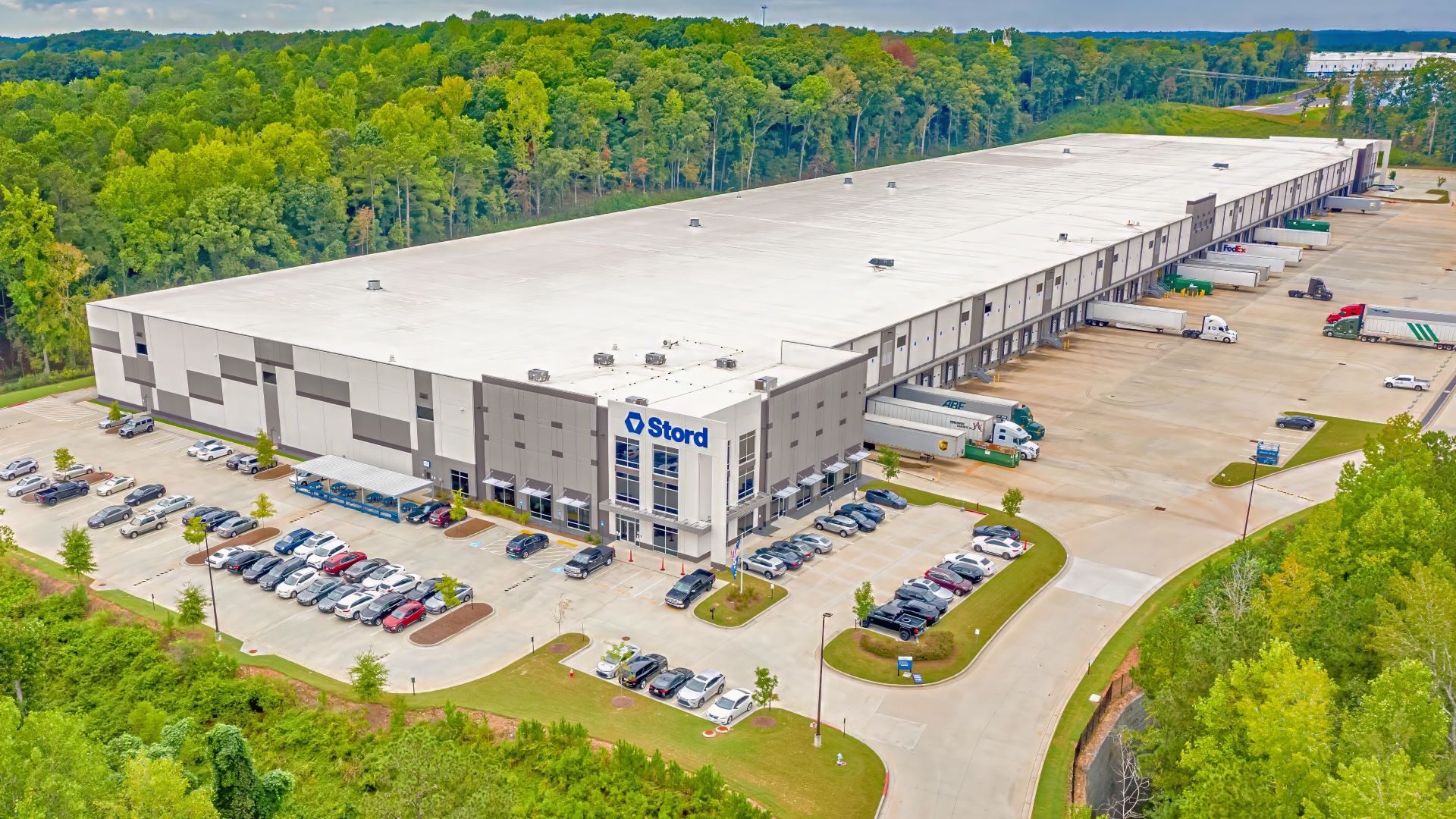
Stord raises $250M to harness AI for e-commerce logistics (Freightwaves)
Summary: Atlanta-based logistics platform Stord raised a $250 million Series F at a $3 billion valuation, doubling its value in 12 months. The capital will fund Stord Labs, a development hub for agentic AI and robotics trained on its live fulfillment data across nearly 100 facilities. The company positions itself as an integrated technology and physical network enabling independent brands to compete with Amazon’s fulfillment experience. Its strategy hinges on vertical integration and rapid growth through acquisitions, including Ware2Go from UPS and Shipwire from Ceva Logistics.
Why it matters: This signals a capital-intensive push to consolidate the fragmented e-commerce logistics sector around AI-driven, vertically integrated platforms, with implications for regional warehousing footprints, competitive dynamics for 3PLs, and the valuation premium for ‘tech-enabled’ logistics operators.
Context: The funding follows a pattern of high valuations for logistics-tech hybrids, but also cautionary tales from Flexport and Convoy where growth decoupled from fundamentals led to valuation corrections.
"Fast-growing e-commerce logistics specialist Stord announced Tuesday it has raised $250 million in late-stage venture capital funding that values the company at $3 billion and will be used for rapid development of." — FREIGHTWAVES
Commentary: Stord’s bet is that control over both software and physical nodes creates a defensible data moat for AI, but the operational complexity from its acquisition spree risks eroding the tech premium. The focus on Dallas and Atlanta expansions will concentrate high-value logistics tech jobs and warehouse automation investment in the Southeast, pulling talent and capital from traditional freight hubs.
Date: Tue, 26 May 2026 12:00:00 +0000
URL: https://www.freightwaves.com/news/stord-raises-250m-to-harness-ai-for-e-commerce-logistics
AI Sentiment Score: Positive (75%)
AI Credibility Score: 10.0/10 — High
Scores and text generated by AI analysis of the source article indicated.
BNSF ops chief out after just five months (Freightwaves)
Summary: BNSF Railway has replaced its chief operations officer after only five months, promoting Craig Morehouse to the role. The change occurs amid pressure from Berkshire Hathaway’s new leadership to improve operating efficiency and as rival Union Pacific pursues a merger with Norfolk Southern that could reshape the national rail network. BNSF’s first-quarter results showed modest revenue growth and an improved operating ratio.

Why it matters: Leadership instability at a major western railroad during a period of intense competitive and shareholder pressure risks disrupting operational focus and strategic execution.
Context: This is the second major COO transition at BNSF in less than a year, following the January appointment of Matt Garland. The move coincides with Greg Abel taking the helm at parent Berkshire Hathaway and the looming threat of a consolidated Union Pacific-Norfolk Southern.
"Both Abel and Buffett have pushed the western railroad to further lower its operating ratio, a key indicator of efficiency. Management faces further pressure as western rival Union Pacific (NYSE: UNP) pursues an historic merger with Norfolk Southern (NYSE: NSC) in the east." — FREIGHTWAVES
Commentary: The rapid turnover suggests BNSF’s board and Berkshire leadership are not satisfied with the pace of operational improvement. Promoting a long-tenured internal candidate like Morehouse signals a preference for continuity and deep network knowledge over external change, but it also underscores the limited tolerance for underperformance. The realignment places a veteran operator directly in the crosshairs of the UP-NS merger threat and Berkshire’s efficiency mandates, making his tenure a direct test of BNSF’s ability to compete in a consolidating landscape.
Date: Tue, 19 May 2026 15:14:00 +0000
URL: https://www.freightwaves.com/news/bnsf-ops-chief-out-after-just-five-months
AI Sentiment Score: Negative (62%)
AI Credibility Score: 10.0/10 — High
Scores and text generated by AI analysis of the source article indicated.
This autonomous ship mooring system really sucks – and that’s a good thing (Freightwaves)
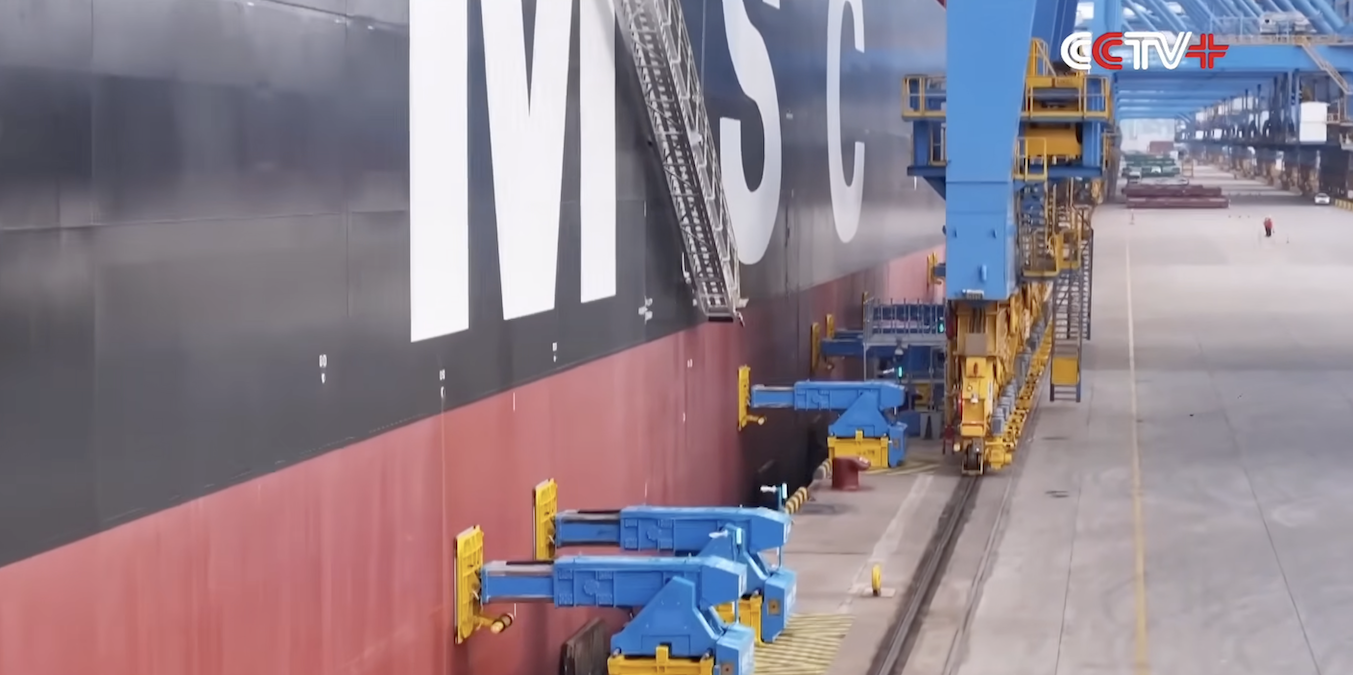
Summary: The Port of Qingdao has deployed a vacuum-based autonomous mooring system, reducing berthing time for a container ship to 30 seconds from a previous half-hour process. This operational efficiency gain at the world’s fifth-busiest port introduces a new automation benchmark for global maritime hubs.
Why it matters: For Southeast ports, this sets a new productivity standard that pressures investment into automation to maintain competitive throughput and labor cost structures.
Context: Port automation is accelerating globally, with leaders like Qingdao driving efficiency gains that force other major hubs to adapt or risk losing volume to faster, cheaper rivals.
"A vacuum-based ship mooring system for the first time has been deployed at northern China’s Port of Qingdao. Reports say the autonomous technology, deployed in January, berthed a container ship in 30." — FREIGHTWAVES
Commentary: Qingdao’s deployment pressures Southeast U.S. ports like Savannah and Charleston to accelerate automation roadmaps or risk ceding long-term cost and efficiency advantages. This isn’t just about labor displacement; it’s a capital intensity race where laggards will see cargo diversion to more automated global nodes, reshaping regional infrastructure investment priorities.
Date: Mon, 18 May 2026 13:57:28 +0000
URL: https://www.freightwaves.com/news/this-autonomous-ship-mooring-system-really-sucks-and-thats-a-good-thing
AI Sentiment Score: Negative (83%)
AI Credibility Score: 10.0/10 — High
Scores and text generated by AI analysis of the source article indicated.
Evergreen profit sank 70% in Q1 (Freightwaves)
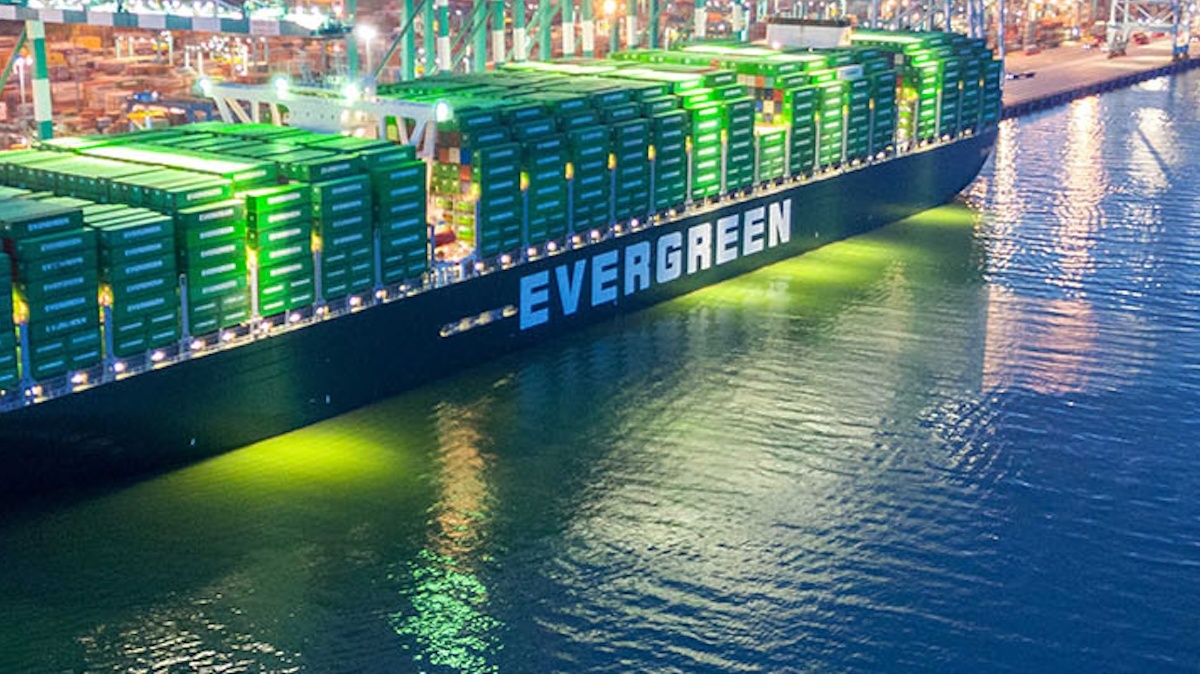
Summary: Evergreen Marine Corp., the world’s seventh-largest liner, reported a 70% year-over-year decline in net profit to $264 million for Q1, despite unspecified higher container volumes. Revenue fell over 21% to $2.75 billion, attributed to weaker shipping rates amid unbalanced capacity and shipper uncertainty. The company is banking on the approaching peak season and tariff-driven frontloading to improve rates.
Why it matters: For Southeast Asia’s export-dependent economies and regional ports, a major carrier’s profit collapse signals sustained pressure on maritime logistics margins, potentially affecting port throughput, carrier investment, and regional trade competitiveness.
Context: Global container lines are caught between solid volumes and depressed freight rates, exacerbated by geopolitical tensions raising fuel costs and ongoing capacity imbalances.
"The world’s seventh-largest liner (2603.TW) reported consolidated revenue fell more than 21% to $2.75 billion, while net profit after tax of $264 million was off 70% from the same quarter a year ago." — FREIGHTWAVES
Commentary: Evergreen’s results underscore that volume alone cannot protect carriers from rate erosion, a structural risk for Southeast Asian hubs like Kaohsiung. The anticipated peak season and tariff frontloading are reactive hopes, not strategic fixes, suggesting continued volatility for regional shippers and port operators dependent on trans-Pacific lanes.
Date: Fri, 15 May 2026 09:56:00 +0000
URL: https://www.freightwaves.com/news/evergreen-profit-sank-70-in-q1
AI Sentiment Score: Negative (66%)
AI Credibility Score: 10.0/10 — High
Scores and text generated by AI analysis of the source article indicated.
Why freight rail matters for resilient supply chains – CC&L Infrastructure (Cclinfrastructure.Cclgroup)
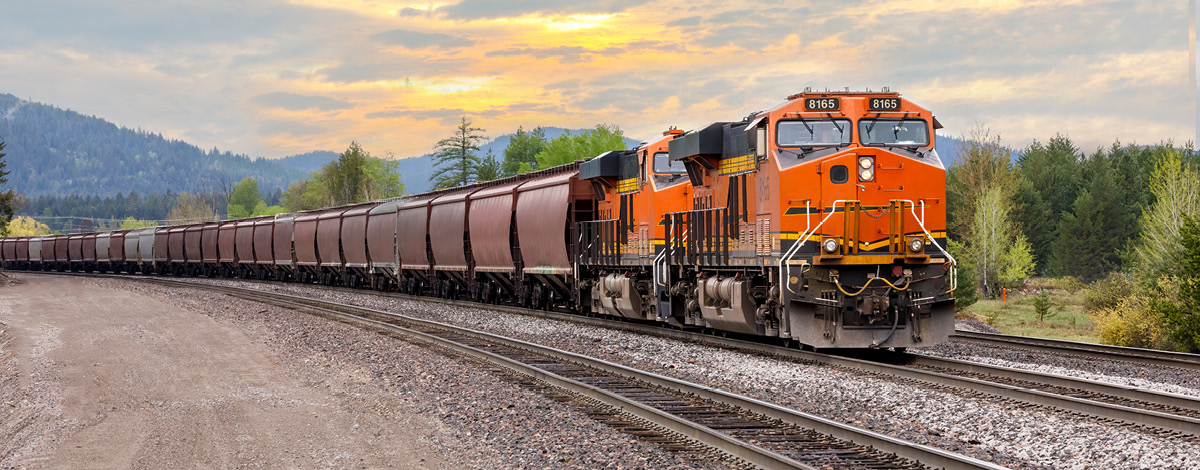
Summary: Green Street analysis highlights renewed investor focus on freight rail infrastructure as a critical enabler of supply chain resilience and US reindustrialization. The shift towards reshoring and a more distributed North American network is driving capital towards assets with contracted cash flows at key logistics nodes. Specific opportunities identified include cold storage at intermodal hubs, short-haul rail spurs, and scalable leasing platforms for OEM assembly. Concurrently, the AI data center boom in the Southeast and Gulf Coast is amplifying demand for rail to transport construction materials and equipment, creating a convergence of industrial and digital infrastructure investment.
Why it matters: This signals a structural pivot in infrastructure capital allocation, identifying specific asset classes and geographies that will benefit from the intersection of industrial policy, energy demand, and logistics re-engineering.
Context: Post-pandemic supply chain vulnerabilities, coupled with tariffs and industrial policy, have accelerated a multi-year trend of reshoring and ‘atomizing’ North American production networks, moving beyond just national security narratives to hard economic calculus.
"Cold storage at inland intermodal nodes, expanded short-haul rail spurs and leasing platforms that can scale with OEM assembly growth are among the more immediately investible pockets, executives said." — CCLINFRASTRUCTURE.CCLGROUP
Commentary: The convergence of AI-driven power demand and reshoring is creating a self-reinforcing logistics boom in the Southeast, moving the region from a low-cost labor hub to a high-value nexus of energy, data, and physical production. Investors are now targeting the connective tissue—short-haul rail, intermodal yards—that enables this atomized network, betting on contracted cash flows rather than pure volume growth. This shifts infrastructure valuation models from commodity exposure to essential node control, with implications for port competitiveness and inland industrial real estate.
Date: May 11, 2026 12:00 AM ET
URL: https://cclinfrastructure.cclgroup.com/insight/infra-green-street-interviews-ccl-infrastructure-why-freight-rail-matters-for-resilient-supply-chains/
AI Sentiment Score: Positive (50%)
AI Credibility Score: 7.0/10 — Medium
Scores and text generated by AI analysis of the source article indicated.
C.H. Robinson Is Removing Carriers Based on Safety Scores. A Supreme Court Decision Two Weeks Ago May Explain Why. (Freightwaves)
Summary: C.H. Robinson, the largest freight broker in North America, is removing carriers from its network based on elevated FMCSA BASIC safety scores, immediately cutting their access to its load board. This action follows a unanimous Supreme Court ruling (Montgomery v. Caribe Transport II) two weeks prior, which eliminated federal preemption shielding brokers from state-law negligent hiring claims. The ruling means brokers can now be sued directly for selecting carriers with poor safety records, fundamentally altering their legal risk calculus. The timing strongly suggests brokers are repricing carrier risk in real time, tightening eligibility thresholds to mitigate new liability exposure.

Why it matters: The Supreme Court ruling transforms carrier safety scores from a compliance metric into a direct commercial and legal liability, forcing a rapid industry-wide reassessment of carrier relationships and capacity sourcing.
Context: For years, brokers relied on federal preemption under the FAAAA to dismiss negligent hiring lawsuits early; the unanimous Supreme Court decision removes that shield, exposing brokers to state-court juries and potential nuclear verdicts.
"The Supreme Court decision means a broker’s carrier selection process is now a potential source of direct legal liability. If a broker tenders a load to a carrier with poor safety scores, and that carrier is later involved in a catastrophic crash, the broker can now face a negligence claim in state court for having selected that carrier." — FREIGHTWAVES
Commentary: C.H. Robinson’s move, while framed as a safety policy, is a direct operationalization of the new legal reality: BASIC scores are now a primary underwriting tool. This will trigger a capacity sorting event, advantaging carriers with pristine records while pressuring others to rehabilitate scores or seek alternative channels. Expect upward pressure on spot rates as the pool of ‘legally acceptable’ capacity constricts, and watch for smaller brokers to adopt similar, if less stringent, thresholds to manage their own exposure.
Date: Sat, 30 May 2026 12:29:50 +0000
URL: https://www.freightwaves.com/news/c-h-robinson-is-removing-carriers-based-on-safety-scores-a-supreme-court-decision-two-weeks-ago-may-explain-why
AI Sentiment Score: Negative (83%)
AI Credibility Score: 10.0/10 — High
Scores and text generated by AI analysis of the source article indicated.
Post ID: a6cbcd71