
Travel Updates, Health, and Visas
This Stunning Island Nation Is Launching a New Golden Visa for 100 Millionaires (Cntraveler)
Summary: Mauritius is launching a new, highly selective golden visa program, offering a renewable two-year residency to approximately 100 millionaires annually in exchange for a minimum $1 million investment in designated high-value sectors like fintech and AI. The program promises a five-day processing window and includes concierge services, aiming to channel long-term capital and expertise into the island’s economy. It is explicitly framed as a response to inbound demand and will be managed with a stated focus on due diligence and controlled real estate access to mitigate common criticisms of such schemes.

Why it matters: It represents a strategic, supply-constrained pivot in the global competition for high-net-worth individuals, testing whether a small nation can leverage lifestyle appeal to attract targeted capital without exacerbating local socio-economic tensions.
Context: Golden visa programs are under increased scrutiny in Europe and elsewhere for distorting housing markets and security; Mauritius’s move signals a shift in the geography of these incentives towards smaller, agile jurisdictions with established tourism and financial service infrastructures.
"Mauritius—the stunning island nation in the Indian Ocean off the coast of East Africa—could be the new home of 100 millionaires from around the world thanks to a new golden visa program." — CNTRAVELER
Commentary: Mauritius is attempting a controlled experiment: using its brand as a premium destination to curate a specific cohort of investors, not just buyers. The five-day processing and sectoral mandates suggest an operational model closer to a private club or venture fund than a traditional residency-by-investment program. Its success will depend on whether the Economic Development Board’s oversight can genuinely steer capital into productive sectors, or if the primary allure remains tax optimization and a lifestyle safe haven.
Date: Wed, 13 May 2026 16:43:17 +0000
URL: https://www.cntraveler.com/story/this-stunning-island-nation-is-launching-a-golden-visa-for-millionaires
AI Sentiment Score: Positive (60%)
AI Credibility Score: 10.0/10 — High
Scores and text generated by AI analysis of the source article indicated.
Paraguay’s New Golden Visa Is a $150,000 Fast Track to Permanent Residency (Cntraveler)
Summary: Paraguay has launched a new ‘Paraguay Investor Pass’ golden visa program, offering permanent residency in exchange for a $150,000 investment in tourism projects or $200,000 in stocks or real estate. The program includes a reduced dividend tax rate and bypasses temporary residency requirements. This move aligns with a broader tourism push for the country, which saw a 53% increase in international tourists in early 2025 and anticipates a surge in residency applications. The program is positioned as a comparatively affordable entry point into South America.

Why it matters: It introduces a new, lower-cost node in the global residency-by-investment network, potentially shifting capital flows and long-term visitor demographics for a region undergoing rapid tourism development.
Context: Paraguay joins a crowded field of nations using investment visas to attract foreign capital, but its pricing and focus on tourism projects specifically target a mid-tier investor segment distinct from higher-cost European or Oceanian programs.
"Paraguay, one of the least-visited countries in South America, is in the midst of a tourism revival—landing its capital Asunción as one of Condé Nast Traveler’s best places to go in 2026." — CNTRAVELER
Commentary: The program is a direct economic policy instrument, tying residency to targeted sectoral investment rather than passive real estate purchases. Its success will depend on the government’s ability to vet and channel funds into viable tourism infrastructure, not just real estate speculation. If effective, it could accelerate the professionalization of Paraguay’s hospitality sector while creating a new class of resident-investors with a direct stake in its development.
Date: Wed, 29 Apr 2026 18:32:30 +0000
URL: https://www.cntraveler.com/story/paraguays-new-golden-visa-is-a-dollar150000-fast-track-to-permanent-residency
AI Sentiment Score: Positive (42%)
AI Credibility Score: 10.0/10 — High
Scores and text generated by AI analysis of the source article indicated.
15 Things to Know Before Booking a Trip to the Maldives (Cntraveler)
Summary: Conde Nast Traveler details 15 operational and policy considerations for travelers booking the Maldives, moving beyond the destination’s idyllic marketing. Key points include a new generational smoking ban affecting visitors born after 2007, stricter proof requirements for honeymoon packages, the phased rollout of a new airport terminal, and the significant separate cost of seaplane transfers. The article also advises on selecting resorts for sustainability, family-friendliness, and all-inclusive value, noting that even ‘all-inclusive’ may exclude some water sports.

Why it matters: The checklist highlights how evolving local regulations, resort policies, and logistical realities are reshaping the practical experience and cost structure of a premium destination, requiring more diligent planning from travelers.
Context: The Maldives market is segmenting further, with resorts differentiating on sustainability, family policies, and transfer logistics, while the state imposes new public health rules that apply equally to tourists.
"As summer travel plans take shape, a visit to the Maldives remains an alluring escape. With no visa requirements for stays lasting less than 30 days and myriad resorts (find our pick." — CNTRAVELER
Commentary: The generational smoking ban is a notable extraterritorial application of domestic policy onto tourists, creating a compliance risk for younger travelers and resort operators. Combined with the scrutiny of honeymoon proofs, it signals a shift from pure hospitality to conditional access, where visitor privileges are increasingly gated by documentation and behavioral rules. The phased airport upgrade and transfer cost warnings underscore that the destination’s famed ease is a managed illusion, dependent on precise timing and significant ancillary spending.
Date: Tue, 28 Apr 2026 11:00:00 +0000
URL: https://www.cntraveler.com/story/15-things-to-know-before-booking-a-trip-to-the-maldives
AI Sentiment Score: Negative (71%)
AI Credibility Score: 10.0/10 — High
Scores and text generated by AI analysis of the source article indicated.
What Travelers Should Know About the Hantavirus, According to Medical Experts (Cntraveler)
Summary: A rare outbreak of the Andes strain of hantavirus on the expedition cruise ship MV Hondius has concluded its evacuation phase, with all passengers repatriated to home countries for a 42-day quarantine. The strain is notable for rare person-to-person transmission, linked to close contact, and has resulted in three deaths and several confirmed illnesses. US and international health authorities assess the public health risk as extremely low, emphasizing the outbreak’s isolation.

Why it matters: The incident tests international outbreak response protocols for a pathogen with atypical transmission dynamics, while the operational handling sets a precedent for future maritime health crises without triggering broader travel disruption.
Context: This follows a pattern of isolated, high-containment pathogen events on cruise ships that stress-test global health coordination, distinct from the aerosol-driven, mass-transmission profiles of viruses like COVID-19.
"In a carefully choreographed international effort, the MV Hondius—the cruise ship at the center of a rare outbreak of the Andes strain of hantavirus—was fully evacuated as of May 11. All passengers." — CNTRAVELER
Commentary: The response demonstrates a matured, choreographed playbook for high-containment repatriation—using chartered flights with biocontainment units and designated national quarantine facilities—that effectively ring-fences risk. The cruise industry’s resilience narrative remains intact, as authorities successfully decouple a shipboard cluster from generalized travel risk, relying on the pathogen’s requirement for prolonged close contact. However, the 42-day incubation window and asymptomatic positive cases will strain quarantine logistics and monitoring resources at facilities like UNMC and Emory, a quiet stress test for national biocontainment capacity.
Date: Tue, 12 May 2026 16:06:44 +0000
URL: https://www.cntraveler.com/story/what-travelers-should-know-about-the-hantavirus-according-to-medical-experts-3
AI Sentiment Score: Negative (73%)
AI Credibility Score: 10.0/10 — High
Scores and text generated by AI analysis of the source article indicated.
For Haitian Americans Like Myself, Soccer Keeps Us Connected to the Homeland (Cntraveler)
Summary: Haiti’s national soccer team has qualified for the 2026 World Cup for the first time since 1974, creating a unifying moment for the Haitian diaspora and those within the crisis-stricken nation. The qualification has sparked widespread celebration, but the ongoing humanitarian disaster, gang violence, and a closed airport in Port-au-Prince prevent many from traveling home to experience the event. For the diaspora, watch parties in U.S. enclaves like Brooklyn’s Little Haiti will serve as proxies for homeland gatherings, reinforcing cultural ties through food, language, and shared history.

Why it matters: It illustrates how global sporting events can temporarily bridge profound geopolitical and humanitarian divides, while also highlighting the stark reality of forced separation for diasporas from unstable homelands.
Context: The Haitian diaspora, particularly in the U.S., maintains strong cultural connections to Haiti, often through communal events, while the country itself faces severe instability, travel restrictions, and collapsed infrastructure.
"This appearance can do so much to galvanize Haitians in Haiti and across the globe,” says Marc from Washington DC. “There is so much talent in Haiti. The team is a symbol of our ability and resilience." — CNTRAVELER
Commentary: The event functions as a rare, positive focal point for national identity amid chaos, but it also operationalizes the diaspora’s role as a cultural and emotional sustainer when physical return is impossible. The team’s qualification, and the planned U.S.-based watch parties, represent a managed workaround for connection, underscoring how modern diaspora communities maintain cohesion through distributed, mediated experiences when direct access is blocked by state failure and policy.
Date: Sat, 30 May 2026 09:00:00 +0000
URL: https://www.cntraveler.com/story/for-haitian-americans-like-myself-soccer-keeps-us-connected-to-the-homeland
AI Sentiment Score: Negative (50%)
AI Credibility Score: 10.0/10 — High
Scores and text generated by AI analysis of the source article indicated.
Hantavirus: How is the outbreak being contained? (Dw)
Summary: A hantavirus outbreak aboard the MV Hondius cruise ship has resulted in three deaths and several illnesses, prompting a multinational evacuation and quarantine operation. The incident, linked to the Andes strain capable of limited human-to-human transmission, has tested international health coordination as asymptomatic passengers return to their home countries across Europe and the Americas. Authorities are implementing WHO-recommended 42-day quarantines for high-risk contacts, while emphasizing the virus’s distinct epidemiology from COVID-19.
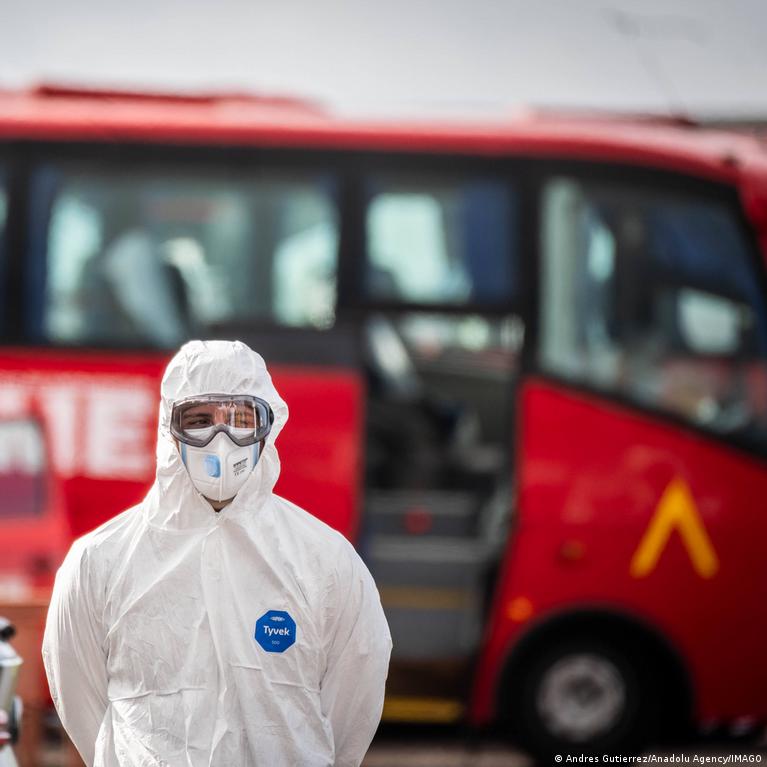
Why it matters: The outbreak tests post-pandemic protocols for managing rare zoonotic threats within globalized travel networks, revealing operational friction points in international docking agreements and passenger repatriation.
Context: This follows the 2018-19 Andes strain outbreak in Argentina, which demonstrated human-to-human transmission in social settings, but on a far smaller scale than the current maritime incident.
"Hantavirus: How is the outbreak being contained? May 11, 2026So far, three people have died, with several others taken ill, after a hantavirus outbreak aboard the cruise ship MV Hondius. Hantavirus is." — DW
Commentary: The operational response—scrambling for docking rights, arranging socially-distanced repatriation flights—reveals the persistent logistical brittleness of the cruise industry and national health systems when facing novel biosecurity events. While the science is clear on the virus’s limited transmissibility, the public and institutional memory of COVID -19 creates a risk of disproportionate policy reactions that could strain travel corridors. This serves as a live stress test for the WHO’s revised International Health Regulations and the real-world limits of ‘coordinated collaboration’ across multiple jurisdictions.
URL: https://www.dw.com/en/hantavirus-how-is-the-outbreak-being-contained/a-77122959?maca=en-rss-en-all-1573-rdf
AI Sentiment Score: Negative (90%)
AI Credibility Score: 10.0/10 — High
Scores and text generated by AI analysis of the source article indicated.
US drops bond requirement for FIFA World Cup ticket holders (Dw)
Summary: The U.S. State Department has waived the Trump administration’s visa bond requirement for fans from five World Cup-qualifying nations—Algeria, Cape Verde, Ivory Coast, Senegal, and Tunisia—provided they hold valid tickets and registered via FIFA PASS by April 15, 2026. The waiver is a targeted, temporary relaxation but does not affect broader entry bans; fans from Senegal and Ivory Coast remain subject to a partial visa suspension, while those from Haiti and Iran face a full ban. The move occurs against a backdrop of advocacy group calls for an ‘ICE Truce’ during the tournament, amid concerns over immigration enforcement at venues.

Why it matters: This selective waiver reveals how major global events are forcing tactical adjustments to restrictive immigration policies, creating a two-tiered system of access that highlights both operational pragmatism and persistent geopolitical barriers.
Context: The visa bond program, initiated in 2025 and expanded to 50 countries in 2026, represents a significant financial and administrative barrier for travelers from designated nations, part of a broader immigration crackdown.
"FIFA World Cup: US drops bond requirement for ticket holders May 14, 2026The United States has announced exemptions from visa bond payment requirements for FIFA World Cup ticket holders whose teams have." — DW
Commentary: The waiver is a classic case of policy exception-making for a high-profile event, preserving the underlying restrictive framework while mitigating its most visible friction for a limited cohort. It underscores how logistical and reputational pressures from FIFA and host cities can compel temporary concessions, yet the maintenance of broader bans for key qualifying nations like Iran and Haiti ensures the tournament’s accessibility remains geopolitically curated. The concurrent calls for an ICE Truce signal that the operational environment—not just visa policy—will be a critical variable for visitor perception and event security, potentially affecting future bids for mega-events in jurisdictions with aggressive enforcement regimes.
URL: https://www.dw.com/en/us-drops-bond-requirement-for-fifa-world-cup-ticket-holders/a-77155757?maca=en-rss-en-all-1573-rdf
AI Sentiment Score: Positive (50%)
AI Credibility Score: 10.0/10 — High
Scores and text generated by AI analysis of the source article indicated.
Can women’s football help reconnect North and South Korea? (Dw)
Summary: North Korea’s Naegohyang Women’s FC will play a match in Suwon, South Korea, on May 20, marking the first time Pyongyang has permitted its athletes to travel south in over seven years. This occurs against a backdrop of North Korea’s rewritten constitution, which frames the South as its ‘primary foe’ and abandons reunification rhetoric. Analysts view the event as a limited exercise in ‘sports diplomacy,’ potentially offering a symbolic channel for engagement while noting its historical inability to produce diplomatic breakthroughs.
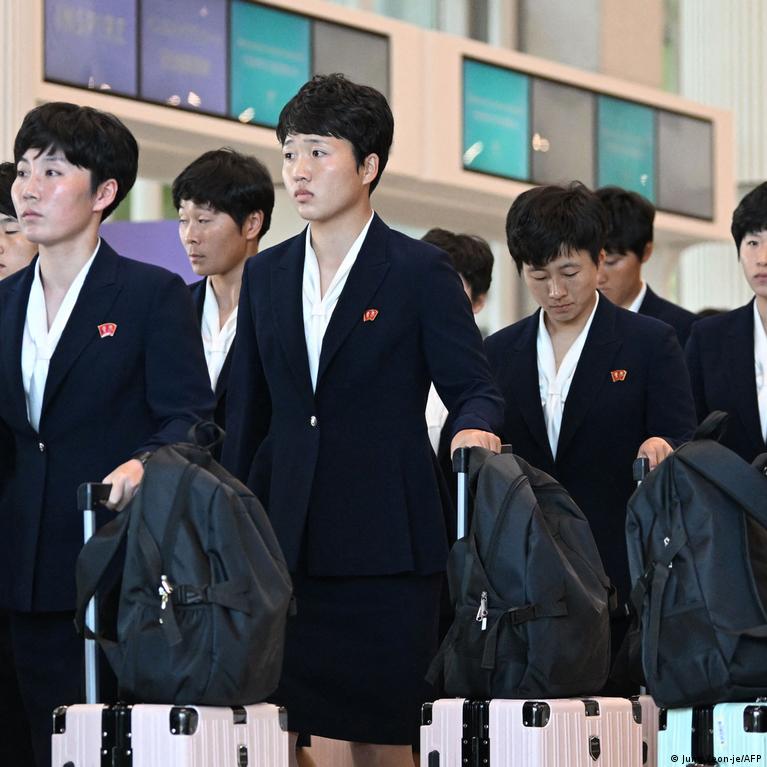
Why it matters: It tests whether a narrow aperture for people-to-people exchange can persist amid hardened state-to-state hostility, with implications for regional stability and the operational calculus of both Koreas.
Context: This follows a pattern of North Korea using international sports participation for propaganda and regime legitimacy, with the last such visit occurring during the 2018 PyeongChang Winter Olympics before relations deteriorated.
""In this regard, the football match could demonstrate the potential to separate cultural exchanges from politics," he added." — DW
Commentary: The event is a calibrated signal, not a thaw. Pyongyang maintains a hardline constitutional stance while using a low-risk sporting event to project non-isolation, test limited engagement, and preserve a selective communication channel—a tactic that offers Seoul little leverage but complicates a narrative of total closure.
URL: https://www.dw.com/en/can-women-s-football-help-reconnect-north-and-south-korea/a-77198739?maca=en-rss-en-all-1573-rdf
AI Sentiment Score: Negative (80%)
AI Credibility Score: 10.0/10 — High
Scores and text generated by AI analysis of the source article indicated.
MV Hondius docks in Rotterdam after hantavirus ordeal (Dw)
Summary: The cruise ship MV Hondius, the site of a deadly hantavirus outbreak, has docked in Rotterdam. A skeleton crew of 27 remains, with quarantine protocols in place for disembarkation. The incident triggered a complex international response, including a refusal of port by Cape Verde and a managed evacuation in Tenerife. WHO leadership has framed the outbreak within broader crises of climate and finance.
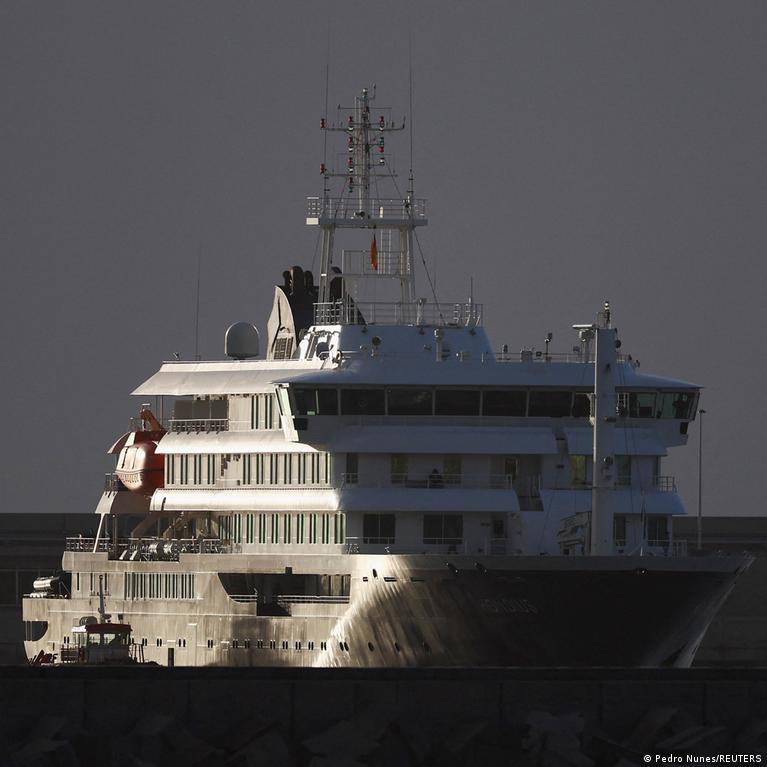
Why it matters: The event tests international outbreak response protocols for high-mobility environments and signals the operational risks climate-driven zoonotic diseases pose to global travel and logistics.
Context: This follows a pattern of port denials and complex repatriations for vessels with health emergencies, a legacy of the COVID-19 pandemic. The specific hantavirus strain involved, Andes virus, is noted for rare human-to-human transmission.
"MV Hondius docks in Rotterdam after hantavirus ordeal May 18, 2026MV Hondius, the cruise ship that sparked global alarm after a deadly hantavirus outbreak, ended its voyage on Monday, with Rotterdam in." — DW
Commentary: Cape Verde’s refusal is the critical operational pivot; it transforms a contained medical incident into a protracted logistical and diplomatic crisis. The six-week incubation period means national health systems must maintain vigilance for dispersed passengers, creating a distributed, long-tail risk. Oceanwide Expeditions now faces not just cleaning costs but a fundamental reassessment of high-latitude expedition viability amid changing rodent habitats.
URL: https://www.dw.com/en/mv-hondius-docks-in-rotterdam-after-hantavirus-ordeal/a-77192012?maca=en-rss-en-all-1573-rdf
AI Sentiment Score: Negative (66%)
AI Credibility Score: 10.0/10 — High
Scores and text generated by AI analysis of the source article indicated.
Can a women’s football team reconnect North and South Korea? (Dw)
Summary: North Korea’s Naegohyang Women’s FC is scheduled to play a match in Suwon, South Korea, marking the first permitted athletic travel from Pyongyang to Seoul in over seven years. Analysts frame this as a limited exercise in ‘sports diplomacy,’ occurring against a backdrop of North Korea’s constitutional rewrite that formally designates the South as its ‘primary foe.’ While the event sold out and has drawn political attention, experts caution that similar exchanges have historically failed to produce diplomatic breakthroughs, viewing it instead as a low-risk probe for selective engagement and domestic propaganda.
Why it matters: It tests whether a narrow cultural channel can remain open amid hardened state-to-state hostility, offering a real-time gauge of Pyongyang’s tactical flexibility and Seoul’s response options.
Context: This follows the pattern of the 2018 PyeongChang Olympics outreach, which briefly thawed relations before collapsing after the failed Hanoi summit, underscoring the persistent decoupling of cultural events from substantive policy shifts.
""In this regard, the football match could demonstrate the potential to separate cultural exchanges from politics," he added." — DW
Commentary: The operational significance lies not in reconnection but in Pyongyang’s calibrated signal: it can project non-isolation and preserve a minor communication line while maintaining a constitutionally hostile stance. For Seoul and observers, the match is a diagnostic tool—its value is in measuring the width of that ‘small diplomatic door’ left ajar, not in expecting it to swing open.
URL: https://www.dw.com/en/can-a-women-s-football-team-reconnect-north-and-south-korea/a-77198739?maca=en-rss-en-all-1573-rdf
AI Sentiment Score: Negative (66%)
AI Credibility Score: 10.0/10 — High
Scores and text generated by AI analysis of the source article indicated.
First direct US-Venezuela flight in 7 years lands in Caracas (Dw)
Summary: The first direct commercial flight from the U.S. to Venezuela in seven years landed in Caracas, operated by American Airlines subsidiary Envoy Air from Miami. The resumption follows the U.S. capture of former President Nicolás Maduro in January and the subsequent reopening of the U.S. embassy. The flight carried a senior U.S. energy official, signaling Washington’s intent to facilitate American business entry into the Venezuelan market.
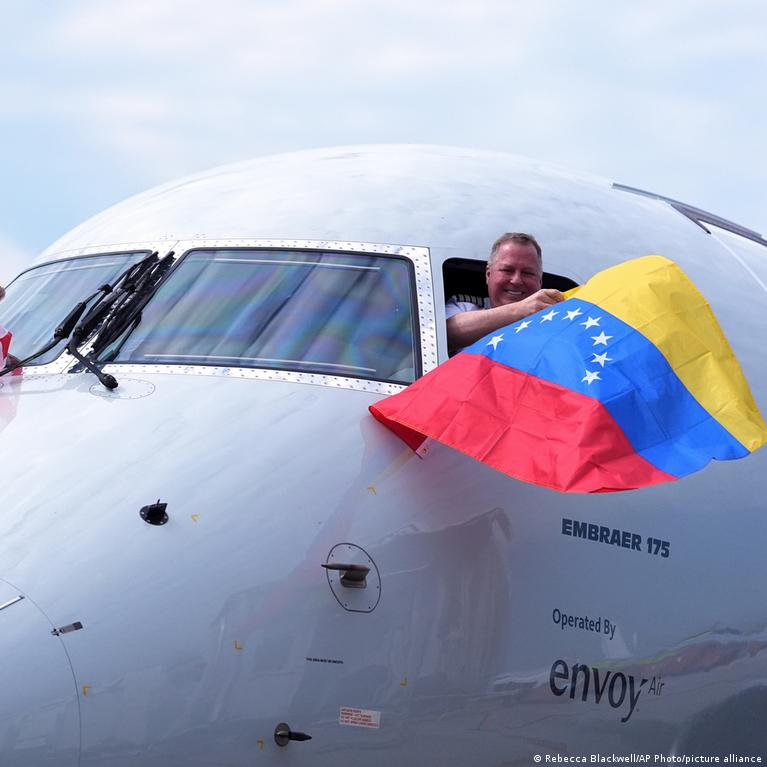
Why it matters: It marks a tangible, operational shift in U.S.-Venezuela relations, reopening a critical mobility corridor for diaspora, business, and diplomacy after years of isolation.
Context: Direct air links were suspended in 2019 by the U.S. Homeland Security Department citing security risks, forcing travel through third countries.
"The first direct commercial flight between the United States and Venezuela landed in Caracas on Thursday, seven years after the US Homeland Security Department indefinitely suspended operations, citing security risks." — DW
Commentary: The flight is less a tourism revival and more a logistical prerequisite for state and corporate access. Sending a National Energy Dominance Council official on the inaugural trip frames the reopening as an extraction play, prioritizing resource diplomacy over mere people movement. For the Venezuelan diaspora, it reduces the friction and cost of return; for institutions, it re-establishes Caracas as a node in the hemispheric network, with all the attendant intelligence, capital, and influence flows that implies.
URL: https://www.dw.com/en/first-direct-us-venezuela-flight-in-7-years-lands-in-caracas/a-77006846?maca=en-rss-en-all-1573-rdf
AI Sentiment Score: Negative (50%)
AI Credibility Score: 10.0/10 — High
Scores and text generated by AI analysis of the source article indicated.
FAA Operations Plan Advisory 037 warns of rolling delays … (Visahq)
Summary: The FAA’s Operations Plan Advisory 037 warns of cascading delays across major U.S. hubs on Monday, April 28, 2026, driven by a confluence of weather, infrastructure work, and a SpaceX launch. Airlines are issuing waivers, and travel managers are advised to reroute around Chicago, protect high-value itineraries, and prepare for inland rerouting of east-coast traffic. The advisory underscores a broader capacity squeeze from runway construction, with implications for summer peak travel.

Why it matters: This advisory signals a shift from staffing-driven disruptions to complex operational bottlenecks, testing corporate travel resilience and foreshadowing a constrained summer peak season.
Context: U.S. aviation faces persistent congestion, particularly at hubs like O’Hare, where schedules have been trimmed, while infrastructure projects and increased space launch activity add new layers of systemic fragility.
"Unlike recent disruption days driven by controller staffing, Monday’s constraints are almost entirely operational and weather-related." — VISAHQ
Commentary: The advisory reveals a system operating at the edge of its capacity envelope, where a single launch or localized weather can trigger network-wide strain. For corporate travel, the mitigation window is narrow, demanding proactive logistics and real-time visa coordination. The mention of King Charles III’s arrival highlights how VIP movements can compound unpredictability, turning a bad day into a cascading failure for time-sensitive business.
Date: April 28, 2026 12:00 AM ET
URL: https://www.visahq.com/news/2026-04-27/us/faa-operations-plan-advisory-037-warns-of-rolling-delays-across-major-us-hubs-on-april-27/
AI Sentiment Score: Negative (80%)
AI Credibility Score: 10.0/10 — High
Scores and text generated by AI analysis of the source article indicated.
Austrian Airlines keeps Middle East routes grounded … (Visahq)
Summary: Lufthansa Group has extended Austrian Airlines’ blanket suspension of flights to nine Middle Eastern destinations, including Dubai and Tel Aviv, until at least late October 2026. The decision, driven by heightened regional instability, removes key routes during the peak summer season and forces re-routing via Star Alliance partners, straining capacity into high-demand Gulf markets. The prolonged disruption introduces significant operational complications for corporate mobility, including Schengen visa compliance risks and connection reliability issues at biometric border systems.
Why it matters: This suspension locks in a major European carrier’s strategic retreat from a volatile region, reshaping corporate travel logistics and regional connectivity for at least another year.
Context: This follows a broader pattern of European airlines recalibrating networks away from operational risk, prioritizing trans-Atlantic and intra-European routes where demand is more predictable.
"AUA’s Vienna–Dubai and Vienna–Tel Aviv links will stay off the schedule until 31 May 2026, while services to Abu Dhabi, Amman, Beirut, Dammam, Erbil, Muscat, Riyadh and Tehran are frozen until at least 24 October 2026." — VISAHQ
Commentary: The extension signals a loss of confidence in near-term regional stability, effectively ceding market share to carriers with higher risk tolerance or different geopolitical alignments. It forces corporate travel managers into complex, costly re-routing and compliance workarounds, while tightening inventory will likely inflate fares on remaining options. The airline’s pivot to reinforce Atlantic and European networks is a clear bet on de-risking its portfolio, a calculus other European network carriers are likely mirroring.
Date: April 26, 2026 12:00 AM ET
URL: https://www.visahq.com/news/2026-04-25/at/austrian-airlines-keeps-middle-east-routes-grounded-through-october-2026-as-lufthansa-group-widens-suspension/
AI Sentiment Score: Negative (57%)
AI Credibility Score: 10.0/10 — High
Scores and text generated by AI analysis of the source article indicated.
EU Entry-Exit System Leaves 100+ Passengers Stranded – ETIAS.com (Etias)
Summary: The EU’s Entry/Exit System (EES) went fully operational on April 10, 2026, triggering immediate and severe airport congestion across the Schengen area. Passengers faced waits of up to three hours, causing mass flight misses; one EasyJet flight departed with only 34 of its 156 booked passengers. Industry bodies ACI EUROPE and Airlines for Europe warn the chaos threatens Europe’s reputation as an accessible destination, with the peak summer travel season approaching.
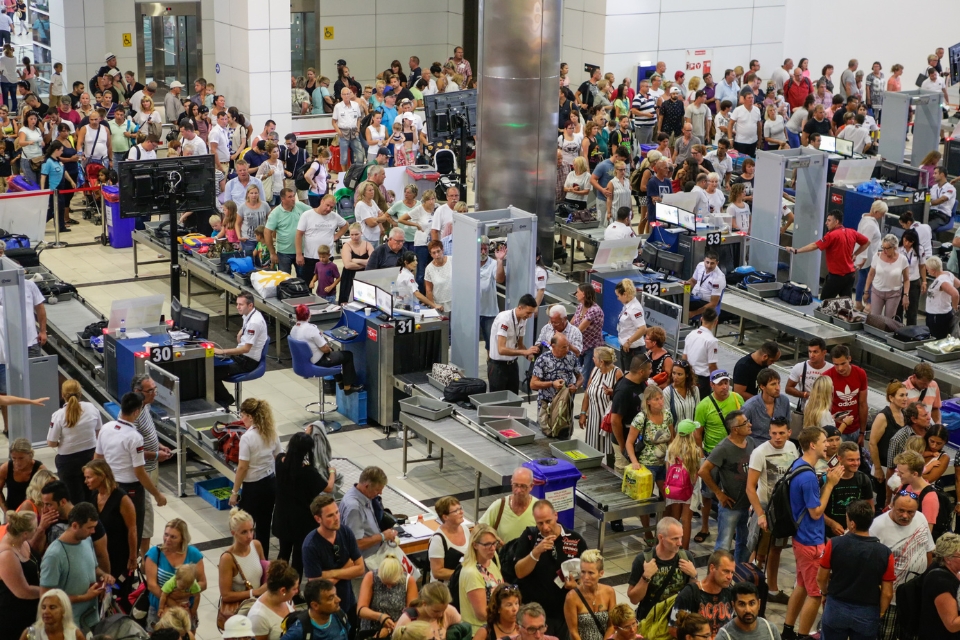
Why it matters: This operational failure at Europe’s borders directly impacts mobility, supply chain resilience for aviation, and the continent’s competitive standing in global tourism and business travel.
Context: The EES is a long-planned, biometric border control system for non-EU travelers; its rollout follows years of warnings from aviation stakeholders about insufficient infrastructure and staffing.
"The European Union’s new Entry/Exit System went fully live on April 10, 2026, and within hours, airports across the Schengen area were in crisis. Passengers faced waits of up to three hours." — ETIAS
Commentary: The scale of failure—stranding over 100 passengers per flight—reveals a critical disconnect between EU policy implementation and ground-level operational capacity. The industry’s call for a suspension mechanism is a direct challenge to regulatory inflexibility, setting up a political fight over border security versus economic function. This debacle could force a costly reassessment of airport terminal design and passenger flow logistics, with liability and compensation disputes likely to follow between carriers and national authorities.
Date: April 21, 2026 12:00 AM ET
URL: https://etias.com/articles/eu-entry-exit-system-leaves-100-passengers-stranded
AI Sentiment Score: Negative (71%)
AI Credibility Score: 10.0/10 — High
Scores and text generated by AI analysis of the source article indicated.
Japan issues tsunami warning after powerful 7.4 … (Euronews)
Summary: A magnitude 7.4 earthquake struck off northern Japan’s Iwate Prefecture, triggering a tsunami warning for waves up to three meters. The Japan Meteorological Agency ordered immediate evacuation from coastal areas, noting the tremor was felt strongly in Tokyo. This event follows a series of heightened seismic advisories, including a 2024 ‘megaquake’ warning for the Nankai Trough and a December 2025 magnitude-7.5 quake.

Why it matters: It tests Japan’s disaster response protocols and economic resilience in a region with persistent, high-consequence seismic risk, directly affecting travel, supply chains, and regional stability.
Context: Japan operates under a constant seismic threat, with the 2011 Tōhoku earthquake and tsunami defining modern risk parameters. Recent years have seen the JMA issuing formal advisories for potential catastrophic events along the Nankai Trough, which have previously triggered public panic and measurable economic disruption.
"The government has said a quake in the Nankai Trough and subsequent tsunami could kill as many as 298,000 people and cause up to $2 trillion (€1.7 trillion) in damages." — EURONEWS
Commentary: Each significant tremor now occurs against the backdrop of the Nankai Trough scenario, making public and institutional response a live rehearsal for a far more devastating event. The immediate economic spillover—seen in past advisories through canceled travel and panic-buying—will be a leading indicator of systemic fragility. For global logistics and risk models, Japan’s real-time management of this event offers a critical case study in operational continuity under acute physical duress.
Date: April 20, 2026 12:00 AM ET
URL: https://www.euronews.com/2026/04/20/japan-issues-tsunami-warning-after-powerful-74-magnitude-earthquake
AI Sentiment Score: Negative (70%)
AI Credibility Score: 10.0/10 — High
Scores and text generated by AI analysis of the source article indicated.
Bolivia Travel Advisory – U.S. Department of State (Travel.State.Gov)
Summary: The U.S. State Department has reissued a Level 2 ‘Exercise Increased Caution’ advisory for Bolivia, citing civil unrest. It specifically warns against all travel to the Chapare region due to violent crime, noting the U.S. government’s limited ability to provide emergency services there. The advisory highlights nationwide risks from demonstrations, strikes, and roadblocks that can disrupt traffic, goods, services, and air travel.

Why it matters: For travelers and businesses, this formalizes operational risks in a country with significant resource supply chains and tourism, affecting logistics, personnel safety, and contingency planning.
Context: This advisory follows an annual review, maintaining a consistent risk assessment. Bolivia has experienced periodic political volatility and social mobilization, often impacting infrastructure.
"### Worldwide Caution: The Department of State advises Americans worldwide, and especially in the Middle East, to exercise increased caution. ### Americans in the Middle East : For consular information or assistance,." — TRAVEL.STATE.GOV
Commentary: The advisory’s focus on supply chain and mobility disruption, beyond personal safety, signals a recognition of Bolivia’s role in regional logistics. The explicit limitation on U.S. consular support in Chapare creates a de facto exclusion zone for corporate travel and due diligence, potentially complicating operations in adjacent resource-rich areas.
Date: April 28, 2026 12:00 AM ET
URL: https://travel.state.gov/content/travel/en/traveladvisories/traveladvisories/bolivia-travel-advisory.html
AI Sentiment Score: Negative (57%)
AI Credibility Score: 10.0/10 — High
Scores and text generated by AI analysis of the source article indicated.
New Ebola cases in Congo: What you need to know (Dw)
Summary: A new Ebola outbreak of the Bundibugyo strain is circulating in the Democratic Republic of Congo, with genetic evidence suggesting undetected transmission for weeks or months. The strain evades existing vaccines, and transmission dynamics—relying on direct contact with bodily fluids and persisting in corpses—create acute risks for caregivers and complicate containment in regions with mobility, conflict, and traditional burial practices. Vaccine development is underway but remains months to years from deployment.
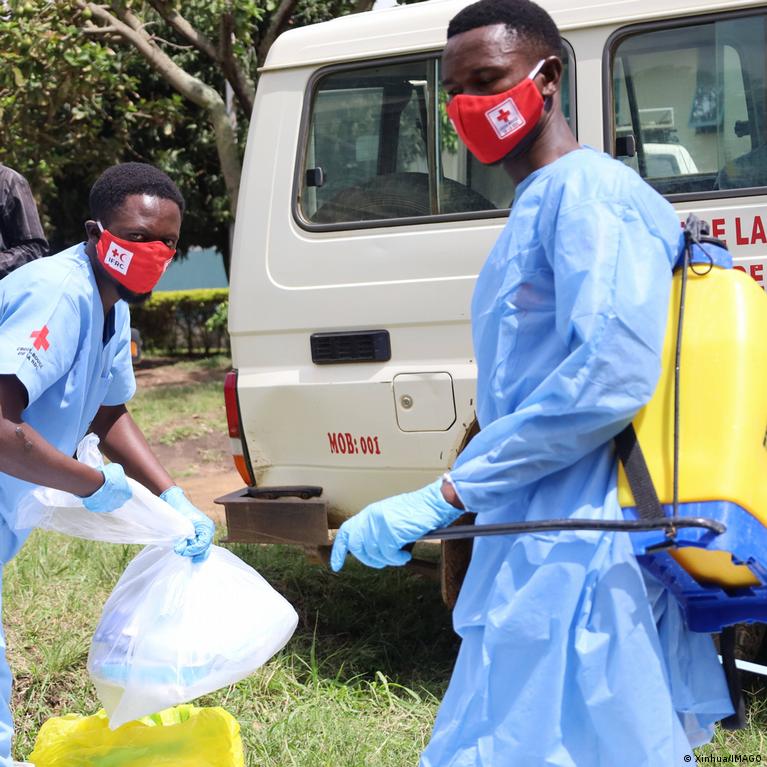
Why it matters: Outbreaks with novel strains in unstable regions test global health resilience, expose vaccine platform limitations, and force a reckoning with the logistics of containment amid distrust and movement.
Context: This follows a pattern of Ebola variants emerging in conflict zones with weak surveillance, where population displacement and burial rituals accelerate spread and complicate international response.
"New Ebola cases in Congo: What you need to know May 28, 2026A new Ebola outbreak is circulating in the Democratic Republic of Congo. Genetic evidence suggests it had been spreading for." — DW
Commentary: The operational failure is dual: surveillance missed early spread, and the vaccine arsenal is obsolete for this strain, forcing a reactive scramble. This underscores that platform vaccines like mRNA, while promising, are not yet a real-time countermeasure for emergent zoonotics, leaving response dependent on brittle non-pharmaceutical interventions in precisely the regions least equipped to implement them.
URL: https://www.dw.com/en/new-ebola-cases-in-congo-what-you-need-to-know/a-77325922?maca=en-rss-en-all-1573-rdf
AI Sentiment Score: Negative (75%)
AI Credibility Score: 10.0/10 — High
Scores and text generated by AI analysis of the source article indicated.
WHO chief visits Ebola epicenter in eastern DR Congo (Dw)
Summary: WHO Director-General Tedros Adhanom Ghebreyesus visited the Ebola epicenter in Ituri province, eastern DR Congo, to assess a severe outbreak of the Bundibugyo variant, for which there is no approved treatment or vaccine. The outbreak, declared on May 15, has led to at least 1,077 suspected cases and 246 deaths in DR Congo, with spillover into Uganda. The response is hampered by cuts to international aid, the WHO’s limited funds following the US withdrawal, and ongoing armed conflict in the region.
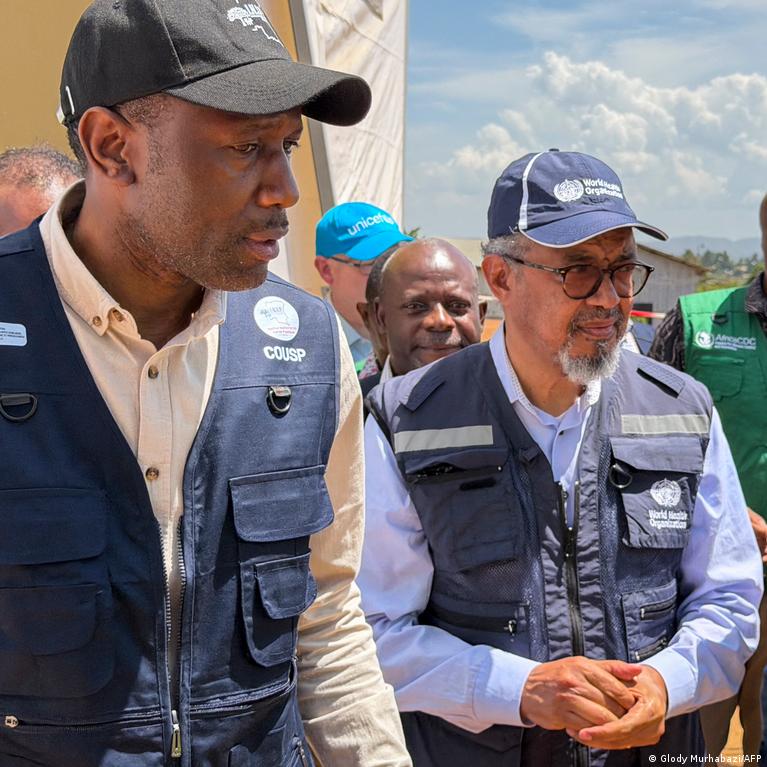
Why it matters: The visit underscores a critical test of global health governance under financial and political strain, with direct implications for regional stability, cross-border mobility, and the operational capacity of international institutions in conflict zones.
Context: This is the latest in a series of Ebola outbreaks in eastern DR Congo, a region plagued by decades of conflict and weak health infrastructure, occurring amid a broader retreat of traditional international donors from multilateral health bodies.
"DR Congo’s response to the outbreak has been hampered by cuts to international development aid, and the WHO’s own funds have been limited after the United States withdrew from the body in January." — DW
Commentary: Tedros’s trip is a performative necessity, highlighting the WHO’s reliance on field diplomacy as its operational budget shrinks. The Bundibugyo variant’s lack of countermeasures shifts the tactical focus entirely to containment and community trust—a brittle strategy in a war zone. Border closures by neighbors, which Tedros criticized, reflect a rational, if shortsighted, calculus of national interest over transparency, signaling a fraying of the coordinated international playbook established during prior outbreaks.
URL: https://www.dw.com/en/who-chief-visits-ebola-epicenter-in-eastern-dr-congo/a-77355201?maca=en-rss-en-all-1573-rdf
AI Sentiment Score: Negative (77%)
AI Credibility Score: 10.0/10 — High
Scores and text generated by AI analysis of the source article indicated.
Ebola in Africa: Why it’s a constant threat (Dw)
Summary: The WHO declared a Public Health Emergency of International Concern (PHEIC) on May 17, 2026, for a Bundibugyo virus Ebola outbreak in the DRC and Uganda, while explicitly stating it does not meet pandemic criteria. This declaration coincides with the WHO’s 79th General Assembly and follows a recent hantavirus incident. The article details the persistent threat of Ebola variants, noting the 2014-2016 outbreak caused over 10,000 deaths, and outlines available treatments like Ebanga and Inmazeb and the Ervebo vaccine. It also highlights a 2025 trial for a Sudan virus vaccine conducted during a live outbreak in Uganda.
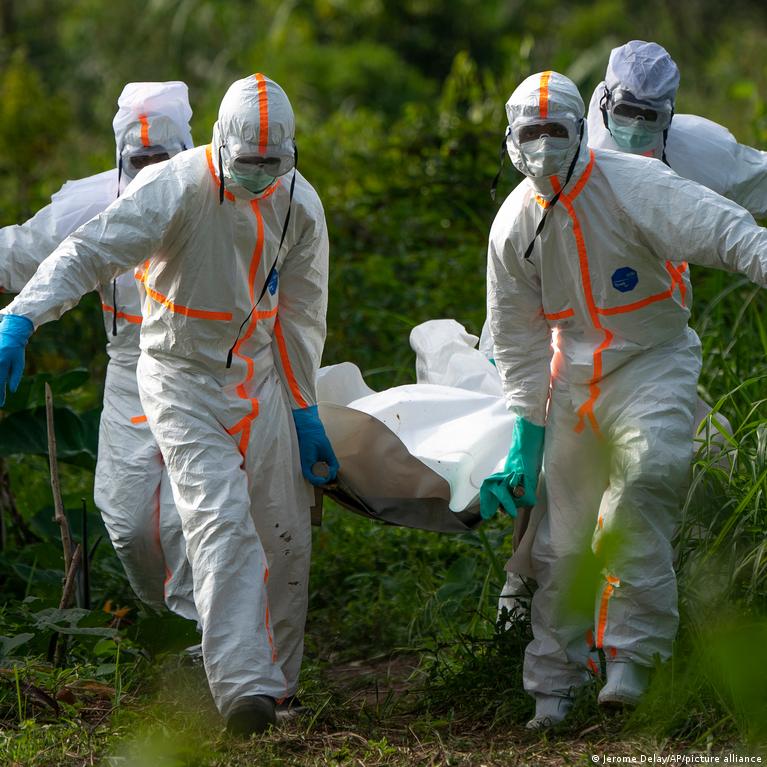
Why it matters: The calibrated WHO declaration signals a contained but operationally significant regional threat, testing international response protocols and vaccine deployment logistics without triggering broader panic.
Context: Ebola outbreaks are endemic to Central and West Africa, with the 2014-2016 crisis establishing a modern response framework. The distinction between a PHEIC and a ‘pandemic emergency’ is a new, post-COVID operational nuance.
"Ebola in Africa: Why it’s a constant threat Published February 6, 2025last updated May 18, 2026The World Health Organization declared a public health emergency of international concern on May 17, 2026, following." — DW
Commentary: The WHO’s simultaneous declaration and qualification reflects a refined, post-pandemic risk communication strategy aimed at mobilizing resources while preventing overreaction. The Bundibugyo variant’s involvement, less common than Zaire or Sudan strains, may strain existing vaccine stockpiles and require rapid diagnostic adjustments. For travel and supply chains, this creates a tiered risk map: heightened scrutiny for Central Africa without the blanket restrictions a pandemic label would invoke.
URL: https://www.dw.com/en/ebola-in-africa-why-it-s-a-constant-threat/a-71524627?maca=en-rss-en-all-1573-rdf
AI Sentiment Score: Negative (81%)
AI Credibility Score: 10.0/10 — High
Scores and text generated by AI analysis of the source article indicated.
Post ID: b3c59f40