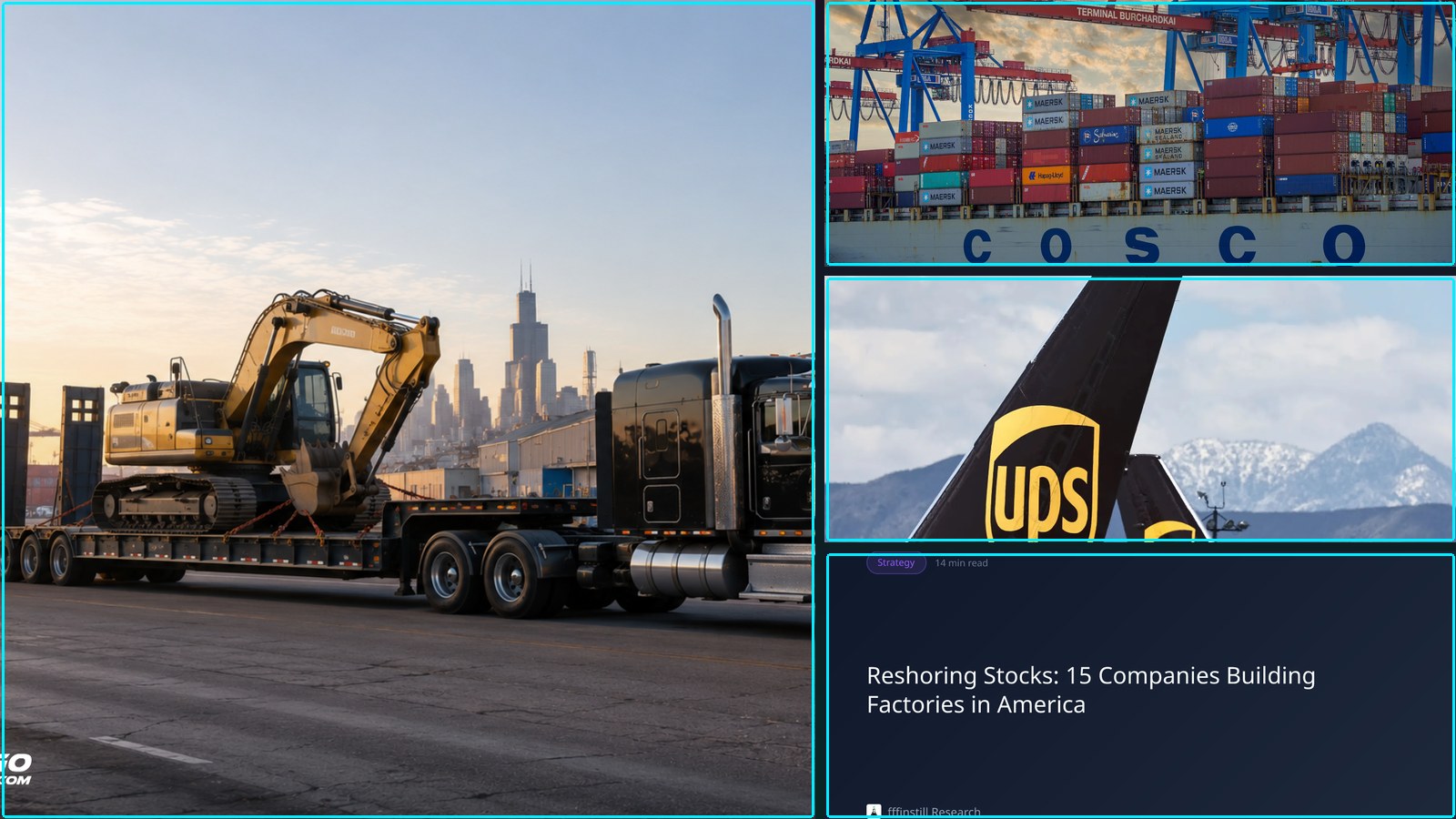
Reshoring Trends, Investments, and Logistics Impact
Manufacturing Returning to America — Standard Time® Blog (Strdtime)
Summary: U.S. manufacturing construction spending has surged over 130% since 2020, driven by semiconductor, EV, defense, and general manufacturing investments. This shift is underpinned by structural factors including supply chain fragility, tariffs, government incentives like the CHIPS Act, and automation closing labor cost gaps. The rebound is characterized by permanent, policy-locked capital investments, creating a sustained demand floor for domestic production.
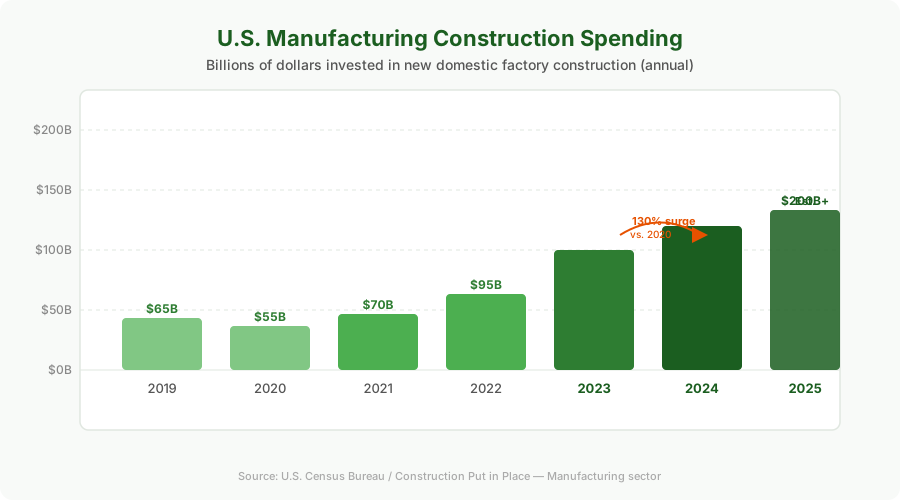
Why it matters: For existing manufacturers and shops, the surge in domestic demand creates a near-term operational imperative: procurement teams are now auditing for digital production and labor tracking capabilities, making operational readiness a competitive necessity.
Context: This follows decades of offshoring where low unit cost was the primary driver; the new calculus prioritizes supply chain resilience, landed cost including tariffs, and policy-driven demand.
"The shops that are going to win new contracts over the next several years are those that can demonstrate capacity, responsiveness, and cost visibility. A manufacturer that cannot tell a new customer when a work order will be complete, what the labor cost will be, or how many hours a given task will take is at a structural disadvantage against one that can answer all three questions before the purchase order is signed." — STRDTIME
Commentary: The immediate constraint is a skilled labor shortage, but the decisive competitive filter is data visibility. Procurement audits have shifted from checking certifications to evaluating real-time production scheduling and labor tracking systems. Shops relying on paper timesheets and whiteboards will be systematically disqualified from major contract awards, regardless of their technical skill. This creates a bifurcated market where operational digitization, not just machine tools, becomes the critical capital expenditure.
Date: April 23, 2026 12:00 AM ET
URL: https://strdtime.com/articles/448-manufacturing-returning-to-america
AI Sentiment Score: Negative (66%)
AI Credibility Score: 9.4/10 — High
Scores and text generated by AI analysis of the source article indicated.
The Reshoring Freight Boom Is Here: Heavy Haul Capacity 2026 (Bookyourcargo)
Summary: The operational reality of reshoring manufacturing is a surge in complex, domestic heavy-haul freight, with lead times stretching 14-30 days. A new playbook for logistics planning emphasizes engaging carriers during site selection, building detailed freight inventories, and securing capacity 30-90 days in advance. The friction points are permit regimes, site readiness, and the handoff from port drayage to inland transport.

Why it matters: For manufacturers executing reshoring projects, failure to adapt logistics planning to these specialized, capacity-constrained moves will result in costly delays, budget overruns, and stalled facility buildouts.
Context: Reshoring shifts freight from consolidated container imports to hundreds of domestic truckloads for raw materials and equipment, creating a boom in heavy-haul and specialized segments that existing planning workflows are not designed to handle.
"Stack those constraints, and the actual lead time on a heavy haul move from order to execution can run 14 to 30 days. … ### Heavy Haul Planning Playbook for Reshoring Projects." — BOOKYOURCARGO
Commentary: The 400:1 multiplier reframes reshoring as a logistics-intensive buildout, not just a sourcing shift. The prescribed playbook moves logistics from a procurement function to a core engineering discipline, requiring manufacturers to integrate carrier capabilities into site design and project management systems. This creates a new vendor landscape where carriers offering port-to-plant integration and API visibility will capture premium contracts, while ad-hoc planning will incur punitive detention and permit delays.
Date: April 22, 2026 12:00 AM ET
URL: https://bookyourcargo.com/blogs/reshoring-freight-boom-heavy-haul-capacity-2026
AI Sentiment Score: Negative (66%)
AI Credibility Score: 9.3/10 — High
Scores and text generated by AI analysis of the source article indicated.
Reshoring Stocks: 15 Companies Building Factories in America | fffinstill Research (Fffinstill)
Summary: A quantitative screen of US equities identifies 15 manufacturing companies deploying $57 billion in annual capital expenditure toward new domestic factory construction, led by Texas Instruments, Nucor, and Caterpillar. The analysis filters for firms with meaningful scale, high profitability, and confirmed physical investments, moving beyond political rhetoric to track actual capital deployment. It frames reshoring through the lens of policy-driven subsidies, a permanent supply chain risk premium, and national security mandates creating captive demand.
Why it matters: For practitioners in manufacturing, logistics, and industrial supply chains, this capital expenditure data signals concrete shifts in domestic capacity, vendor selection, labor markets, and the real cost structures of onshored production.
Context: Reshoring has transitioned from a narrative to an investment cycle, driven by the CHIPS Act, tariffs, and corporate procurement policies explicitly pricing resilience, which is now visible in elevated capex/revenue ratios and greenfield project announcements.
"The reshoring trend is no longer just a political talking point — it’s showing up in capital expenditure line items. Between the CHIPS and Science Act ($52.7 billion for semiconductor manufacturing), Section 232 steel tariffs, and bipartisan pressure to reduce dependence on Chinese supply chains, American companies are deploying tens of billions into domestic manufacturing capacity." — FFFINSTILL
Commentary: The screen reveals that viable reshoring is concentrated in capital-intensive, high-margin sectors like semiconductors, steel, and defense where policy support aligns with economic logic. For operational planners, this means a multi-year wave of construction demand for equipment and specialized labor, while procurement teams must adapt to longer lead times and premium pricing for domestic components as capacity ramps. The identified labor constraint underscores that capital investment alone does not suggest output; automation vendors and training pipelines become critical secondary beneficiaries.
Date: May 18, 2026 12:00 AM ET
URL: https://fffinstill.com/blog/reshoring-stocks-companies-building-factories-in-america
AI Sentiment Score: Negative (66%)
AI Credibility Score: 7.0/10 — Medium
Scores and text generated by AI analysis of the source article indicated.
Reshoring Yet Lack of Investment – The Manufacturing Connection (Themanufacturingconnection)
Summary: Matthieu Kulezak’s analysis indicates the post-2020 reshoring investment wave is losing momentum, with leading indicators pointing to a sharp slowdown in new project activity. The Q1 2026 forecast shows indexed growth falling to 76.0, a significant drop from the 105.9 forecast in Q4 2025. Critically, much reported capacity growth comes from expanding or repurposing existing sites, not from new factory construction, which has been declining since 2025.

Why it matters: For manufacturers and supply chain managers, this signals a tightening of domestic capacity expansion, affecting lead times, capital allocation, and resilience planning.
Context: The initial reshoring push was driven by supply chain shocks and policy incentives, but sustained capital investment is now facing headwinds.
"Written by senior analyst Matthieu Kulezak, the research notes that following a wave of investment from 2020 to 2024, the momentum is clearly fading “with leading indicators pointing to a sharp slowdown." — THEMANUFACTURINGCONNECTION
Commentary: The slowdown in greenfield projects shifts the operational burden to optimizing legacy facilities, which may constrain ultimate capacity and increase competition for skilled labor and advanced tooling at existing sites. This creates a bifurcated market where established players with underutilized sites can expand, while new entrants face higher barriers. The data suggests reshoring’s next phase will be defined by efficiency gains, not footprint growth, pressuring margins for firms reliant on new domestic capacity.
Date: April 27, 2026 12:00 AM ET
URL: https://themanufacturingconnection.com/2026/04/reshoring-yet-lack-of-investment/
AI Sentiment Score: Negative (66%)
AI Credibility Score: 7.0/10 — Medium
Scores and text generated by AI analysis of the source article indicated.
The Reshoring of Commercial Equipment Manufacturing: What It Means for Transit and Fleet Operations (Globaltrademag)
Summary: Commercial equipment manufacturing for transit and fleet operations is undergoing a structural shift toward domestic production, driven by supply chain fragility, rising transport costs, and policy incentives. This reshoring reduces lead times and improves reliability for operators but introduces higher upfront labor costs. The transition is not a full replacement for global sourcing, with many firms adopting a hybrid model of domestic assembly with international parts. The long-term trajectory points toward regionalized, diversified supply chains.

Why it matters: For fleet managers and transit agencies, this shift directly impacts procurement strategy, maintenance cycles, and operational resilience, forcing a recalculation of total cost versus downtime.
Context: This follows a multi-year trend of supply chain reevaluation post-pandemic, where just-in-time global logistics proved vulnerable to systemic disruptions.
"Domestic production can oftentimes mean higher upfront costs due to labor expenses. This means organizations must analyze more clearly when making purchases and planning strategies. In many cases, more efficiency and reduced downtime can offset these higher costs over time." — GLOBALTRADEMAG
Commentary: The analysis correctly frames the trade-off as a capital expenditure versus operational reliability calculation, a core concern for budget-constrained public agencies and private fleets. The move toward a hybrid model acknowledges the persistent gap in domestic semiconductor and advanced electronics capacity, making full reshoring a long-term project. For procurement officers, this means vendor management is becoming more complex, not simpler, as they now must qualify and integrate both regional assemblers and global component suppliers.
Date: April 29, 2026 12:00 AM ET
URL: https://www.globaltrademag.com/the-reshoring-of-commercial-equipment-manufacturing-what-it-means-for-transit-and-fleet-operations/
AI Sentiment Score: Negative (85%)
AI Credibility Score: 10.0/10 — High
Scores and text generated by AI analysis of the source article indicated.
How Tariffs Are Reshaping Warehouse Demand in 2026 | WareCRE (Warecre)
Summary: Tariffs are driving a two-phase surge in U.S. warehouse demand: immediate inventory front-loading and long-term manufacturing reshoring. National industrial absorption is forecast to jump from 155M SF in 2025 to 200M SF in 2026. The pressure is most acute in the structurally undersupplied small-bay segment (under 10,000 SF), where flexible operators are gaining a premium. Reshoring investment, concentrated in the Southeast and Central U.S., is predicted to increase overall warehouse demand by roughly 35% over five years.
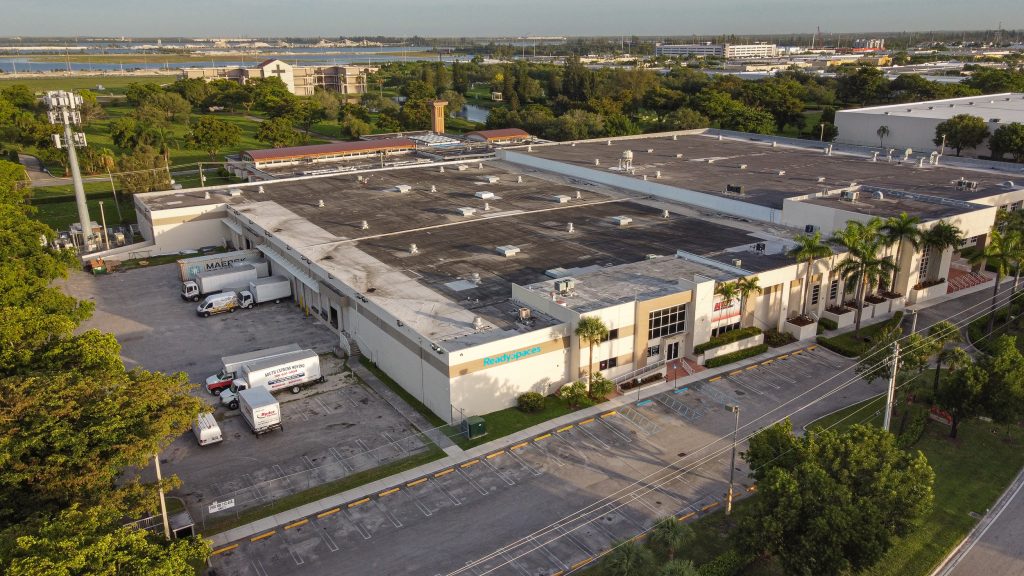
Why it matters: For practitioners, this reshapes location strategy, lease negotiation leverage, and the fundamental economics of space, forcing a shift toward flexibility and recalculating inventory footprints based on tariff-adjusted landed costs.
Context: This follows a multi-year trend of supply chain reconfiguration, but the scale of the projected absorption jump and the specific pressure on small-bay inventory represent a new operational bottleneck.
"How Tariffs Are Reshaping Warehouse Demand in 2026 Key Takeaways – Tariffs are driving warehouse demand through two channels: short-term inventory front-loading (businesses pre-buying goods before rates increase) and long-term reshoring of." — WARECRE
Commentary: The core operational consequence is a bifurcation: large-scale reshoring drives long-term, large-footprint demand in specific corridors, while the broader base of small businesses faces a severe capacity crunch in the flexible space they need to hedge uncertainty. This creates a durable advantage for co-warehousing and flex-space operators whose business model aligns with tariff volatility, while traditional landlords with rigid 3-5 year NNN leases will lose tenants seeking agility. Location strategy must now account for shifting freight gateways, moving from port-centric models to nodes serving nearshoring flows from Mexico and Southeast Asia.
Date: April 28, 2026 12:00 AM ET
URL: https://warecre.com/cre-insights/industrial-101/tariffs-reshaping-warehouse-demand-2026/
AI Sentiment Score: Negative (57%)
AI Credibility Score: 7.0/10 — Medium
Scores and text generated by AI analysis of the source article indicated.
Manufacturing Logistics Pittsburgh: Pittsburgh as a Freight Hub (Blog.Conquerornetwork)
Summary: Pittsburgh is transitioning from a historic steel hub to a modern inland logistics nexus, driven by reshoring, advanced manufacturing, and its strategic geographic position. This evolution is creating new freight flows for industrial cargo, project logistics, and intermodal transport, supported by expanded warehouse capacity and Class I rail connectivity. The region’s industrial legacy provides a foundation of skilled labor and infrastructure now being repurposed for complex, time-sensitive supply chains.
Why it matters: For logistics operators and manufacturers, Pittsburgh’s rise represents a tangible shift in domestic production networks, requiring adjustments in routing, partner selection, and multimodal planning to capture new industrial freight demand.
Context: This aligns with the broader reshoring trend and the strategic pivot toward inland logistics hubs that offer resilience and proximity to both manufacturing sites and consumer markets.
"Manufacturing logistics Pittsburgh increasingly involves project cargo logistics, inventory planning, multimodal transportation, warehouse coordination, and supplier network management." — BLOG.CONQUERORNETWORK
Commentary: The operational consequence is a shift from simple point-to-point freight to integrated, high-touch logistics management. Forwarders must now provide coordination across machinery moves, inventory staging, and real-time visibility, or risk being sidelined as mere transporters. This elevates the strategic role of freight networks like Conqueror, which vet partners for complex project cargo, but also raises the cost and skill threshold for competing in this space.
Date: 2 weeks ago
URL: https://blog.conquerornetwork.com/2026/05/18/why-pittsburgh-is-reemerging-as-a-manufacturing-logistics-hub/
AI Sentiment Score: Positive (40%)
AI Credibility Score: 7.0/10 — Medium
Scores and text generated by AI analysis of the source article indicated.
NVIDIA and Corning Announce Long-Term Partnership to Strengthen US Manufacturing for AI Infrastructure | NVIDIA Newsroom (Nvidianews.Nvidia)
Summary: NVIDIA and Corning have announced a long-term strategic partnership focused on expanding U.S.-based manufacturing capacity for optical connectivity and fiber, key components for AI data center infrastructure. The collaboration aims to build new domestic manufacturing facilities, create jobs, and secure the supply chain for the advanced optics required to move intelligence ‘at the speed of light.’ This move is framed as a direct response to the AI-driven infrastructure buildout and a bid to reinvigorate American manufacturing.

Why it matters: This partnership directly addresses a critical bottleneck in AI infrastructure—the domestic supply of advanced optical components—and signals a strategic shift toward securing the physical manufacturing base for next-generation computing, affecting supply chain resilience, capital deployment, and vendor relationships.
Context: The push for ‘Made in USA’ in high-tech manufacturing is intensifying, driven by geopolitical tensions, the CHIPS Act, and the specific material and logistical demands of AI-scale data centers, which require massive amounts of specialized fiber and optical interconnects.
"About NVIDIA NVIDIA (NASDAQ: NVDA) is the world leader in AI and accelerated computing. About Corning Incorporated Corning (www.corning.com) is one of the world’s leading innovators in materials science, with a 175-year." — NVIDIANEWS.NVIDIA
Commentary: The partnership is less about novel technology and more about scaling a known constraint: high-performance optical fiber is a specialized, capacity-limited commodity essential for data center spine-and-leaf architectures. For operators, this signals a long-term vendor lock-in strategy for a critical path component, potentially stabilizing future procurement but also centralizing pricing power. The real test will be whether Corning can ramp production to meet NVIDIA’s projected demand without the cost and timeline overruns typical of new domestic fab construction.
Date: 2 weeks ago
URL: https://nvidianews.nvidia.com/news/nvidia-and-corning-announce-long-term-partnership-to-strengthen-us-manufacturing-for-ai-infrastructure
AI Sentiment Score: Positive (42%)
AI Credibility Score: 9.7/10 — High
Scores and text generated by AI analysis of the source article indicated.
§45X tax credits: A guide for manufacturers (2025) (Cruxclimate)
Summary: The IRS has published operational guidance for claiming the Advanced Manufacturing Production Tax Credit (§45X), detailing eligible components, sourcing rules, and monetization pathways. The credit applies to domestic production of specific solar, wind, and critical mineral components, with a ‘substantial transformation’ test excluding minor assembly. Credits are subject to a phase-down schedule beginning in 2030, except for critical minerals, and require pre-filing registration and specific tax forms.

Why it matters: For manufacturers and their financiers, this defines the real accounting, compliance, and revenue-recognition workflow for a major capital incentive, directly impacting project ROI and supply chain decisions.
Context: §45X is a core industrial policy tool from the Inflation Reduction Act, designed to onshore clean energy supply chains by making domestic production financially competitive.
"The Internal Revenue Service (IRS) defines the process of §45X eligible manufacturing as “substantial transformation of inputs into a complete and distinct eligible component,” not simply that which would result from “minor assembly” or “superficial modification.”." — CRUXCLIMATE
Commentary: The ‘substantial transformation’ clause is the primary operational gate, forcing manufacturers to evaluate and potentially redesign assembly lines to qualify, rather than simply relocating final packaging. The phasedown schedule for most components, starting in 2030, creates a tight 4-5 year window for facilities to achieve scale and payback before subsidy value decays, prioritizing fast deployment over long-term planning. The exclusion of critical minerals from this phaseout signals a permanent policy preference for mining and refining resilience over finished assembly for those materials.
Date: May 22, 2026 12:00 AM ET
URL: https://www.cruxclimate.com/insights/45x-tax-credit
AI Sentiment Score: Neutral (33%)
AI Credibility Score: 7.0/10 — Medium
Scores and text generated by AI analysis of the source article indicated.
Automakers expand US battery storage supply but China still key | Reuters (Reuters)
Summary: Automaker investments will help to increase U.S. battery storage production but many developers will remain dependent on imported cells and they must navigate tariff and policy risks.
Why it matters: US build-out mitigates some domestic supply risk, but cell dependency on imports persists.
Context: Focus on tariff/policy risk mitigation for developers managing cell sourcing and logistics.
"Automaker investments will help to increase U.S. battery storage production but many developers will remain dependent on imported cells and they must navigate tariff and policy risks." — REUTERS
Commentary: The signal is still worth tracking, but the current extraction path did not yield enough body text for a fuller analytical read. The immediate implication is operational rather than speculative: watch how this changes budgets, workflows, or risk assumptions over the next cycle.
Date: April 13, 2026
URL: https://www.reuters.com/business/energy/automakers-expand-us-battery-storage-supply-china-still-key--reeii-2026-04-13/
AI Sentiment Score: Negative (75%)
AI Credibility Score: 10.0/10 — High
Scores and text generated by AI analysis of the source article indicated.
[News] TSMC Hints at Potential Further U.S. Expansion; Industry Sources Reportedly See Up to US$250B Investment (Trendforce)
Summary: TSMC’s U.S. expansion in Arizona is accelerating beyond initial plans, with the second fab complete and a third under construction. Industry sources suggest its total U.S. investment could reach $250 billion, aiming to replicate its Taiwan cluster model. The company is also reshaping its board to add expertise in international supply chains and U.S. policy, signaling a structural adaptation to its global footprint. By 2030, TSMC expects a 7:3 capacity ratio between Taiwan and the U.S. for sub-2nm technologies.
![[News] TSMC Hints at Potential Further U.S. Expansion; Industry Sources Reportedly See Up to US$250B Investment](https://img.trendforce.com/blog/wp-content/uploads/2025/12/31135548/TSMC-20251231.jpg "Image via Trendforce")
Why it matters: This scale of investment and operational shift redefines the cost base and supply chain resilience for advanced semiconductor manufacturing in the U.S., affecting every downstream client from AI hardware startups to defense contractors.
Context: The CHIPS Act created financial incentives, but TSMC’s moves indicate a longer-term, capacity-driven commitment that exceeds simple subsidy-chasing, despite well-documented higher costs and labor challenges in Arizona.
"Industry sources added that TSMC’s total U.S. investment could reach as much as US$250 billion, with the company expected to replicate the Hsinchu Science Park cluster model in Phoenix." — TRENDFORCE
Commentary: The $250B figure and cluster model imply a generational bet on U.S. fab ecosystem density, not just isolated fabs. This will strain domestic construction and equipment vendor capacity, likely creating a localized inflation bubble for skilled trades in Arizona. The board restructuring is a tacit admission that operating at this scale in the U.S. requires navigating policy and geopolitics as core competencies, not just engineering.
Date: 1 week ago
URL: https://trendforce.com/news/2026/05/07/news-tsmc-hints-at-potential-further-u-s-expansion-industry-sources-reportedly-see-up-to-us250b-investment
AI Sentiment Score: Negative (83%)
AI Credibility Score: 7.0/10 — Medium
Scores and text generated by AI analysis of the source article indicated.
UPS invests $50M in automotive, industrial logistics push (Supplychaindive)
Summary: UPS is deploying a $50 million investment to expand its North American Air Freight network into Mexico, adding one- to three-day service options. This move targets automotive and industrial manufacturers, sectors that provide more profitable volume than e-commerce. The investment also funds a 300-person team of industry-specific experts and integrates transportation, brokerage, and warehousing into a single service.

Why it matters: For manufacturers and logistics managers, this represents a new, integrated capacity option for time-sensitive, high-value parts moving within North America, directly affecting routing decisions and vendor selection.
Context: This is part of UPS’s strategic pivot away from low-margin e-commerce deliveries toward higher-yielding industrial and B2B freight, a shift evidenced by its recent volume trends.
""The UPS North American Air Freight network already covers the U.S. and Canada, so it makes sense to add Mexico to cover all of North America with a seamless, end-to-end air and ground freight solution," UPS spokesperson Jim Mayer said in an email." — SUPPLYCHAINDIVE
Commentary: The operational consequence is a more viable single-provider model for nearshoring supply chains, reducing handoffs for critical components. This investment in subject-matter experts suggests UPS is competing on deep integration, not just transit times, which could pressure traditional freight brokers. The real test will be whether this dedicated capacity and expertise can consistently deliver the predictability manufacturers require at a competitive cost.
Date: Fri, 29 May 2026 11:49:26 -0400
URL: https://www.supplychaindive.com/news/ups-invests-50m-in-automotive-industrial-logistics-push/821497/
AI Sentiment Score: Negative (66%)
AI Credibility Score: 10.0/10 — High
Scores and text generated by AI analysis of the source article indicated.
O’Reilly broadens supplier base with private label push (Supplychaindive)
Summary: O’Reilly Automotive is expanding its private label portfolio, which now accounts for over 50% of total revenue, to gain greater product control and sourcing flexibility. The strategy allows the auto parts retailer to source identical SKUs from multiple suppliers, providing a buffer against supply chain constraints and geopolitical disruptions. This move is part of a broader industry trend where retailers like Costco are also leveraging private brands to mitigate tariff impacts and cost pressures.

Why it matters: For domestic manufacturers and logistics operators, this signals a shift in retailer procurement strategy that prioritizes supplier diversification and SKU-level sourcing redundancy over traditional branded supply chains, directly affecting production orders and capacity planning.
Context: Private label sales in the U.S. hit a record high in 2025, up 3.3% from 2024, as retailers seek margin protection and supply chain resilience amid ongoing trade tensions and consumer affordability concerns.
"Dive Brief: – O’Reilly Automotive has been prioritizing the development of its private label portfolio as it pursues greater product control and the ability to source a single SKU from multiple suppliers." — SUPPLYCHAINDIVE
Commentary: O’Reilly’s operational pivot treats private label not as a marketing exercise but as a supply chain shock absorber, converting product specification control into tangible sourcing optionality. This creates a more stable, but also more fragmented, demand signal for domestic component manufacturers, who must now compete on identical ‘form, fit, and finish’ rather than brand differentiation. The strategy explicitly insulates the retailer from single-point failures, but transfers the complexity of maintaining quality parity across multiple vendors to O’Reilly’s merchandise teams. For the broader ‘Made in USA’ ecosystem, this represents a qualified opportunity: increased order volume from diversified sourcing, but under tighter retailer-controlled specifications and potentially thinner margins.
Date: Fri, 15 May 2026 10:49:00 -0400
URL: https://www.supplychaindive.com/news/oreilly-broadens-supplier-base-with-private-label-push/819729/
AI Sentiment Score: Negative (50%)
AI Credibility Score: 10.0/10 — High
Scores and text generated by AI analysis of the source article indicated.
Dollar Tree is boosting logistics resiliency (Supplychaindive)
Summary: Dollar Tree is executing a multi-pronged logistics expansion to build resilience and reduce costs, opening a new 1-million-square-foot distribution center in Arizona and planning a 2027 replacement for an Oklahoma facility destroyed by a tornado. The strategy focuses on positioning infrastructure closer to stores to cut transit times, consolidating service areas to improve efficiency, and locking in multi-year freight contracts for three-quarters of its volume to hedge against spot market volatility. Investments in warehouse management systems and route optimization aim to tighten delivery performance.
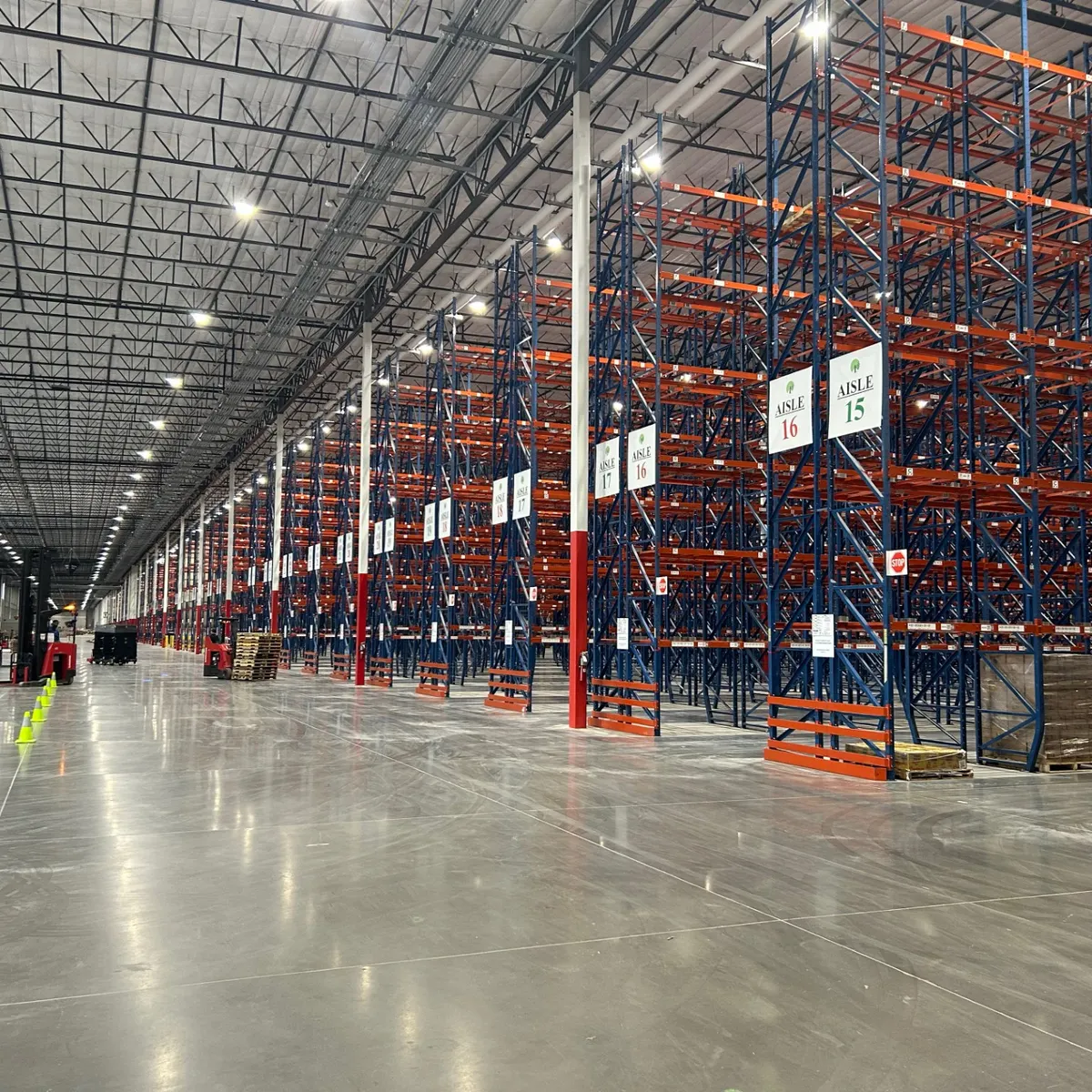
Why it matters: For operators in domestic retail logistics, this signals a shift toward owned, consolidated regional networks and long-term contracted freight as a hedge against disruption and cost inflation, setting a new baseline for low-margin retail resilience.
Context: This follows a period where extreme weather and port congestion exposed vulnerabilities in lean retail supply chains, forcing a reevaluation of network density and carrier reliance.
"Dollar Tree is “making solid progress” building a more resilient and scalable supply chain through several initiatives, Chief Supply Chain Officer Roxanne Weng told Supply Chain Dive in an email. Most recently,." — SUPPLYCHAINDIVE
Commentary: Dollar Tree’s move from a just-in-time, spot-market model to a contracted, diversified, and physically consolidated network reflects a broader industry calculation: the cost of redundancy is now lower than the cost of failure. For vendors and carriers, this means fewer but larger, longer-term partnerships, with performance data becoming a critical contract lever. The Oklahoma rebuild timeline—three years post-disaster—underscores the lead time and capital intensity of true domestic capacity expansion.
Date: Thu, 14 May 2026 00:20:39 -0400
URL: https://www.supplychaindive.com/news/dollar-tree-is-boosting-logistics-resiliency/820072/
AI Sentiment Score: Negative (88%)
AI Credibility Score: 10.0/10 — High
Scores and text generated by AI analysis of the source article indicated.
Dollar Tree is boosting logistics resiliency (Retaildive)
Summary: Dollar Tree is expanding its distribution footprint and locking in freight contracts to build a more resilient supply chain. The retailer opened a 1 million-square-foot DC in Arizona and plans a 2027 replacement for an Oklahoma facility destroyed by a tornado, aiming to support more stores per DC and reduce transit times. Concurrently, it has secured multi-year contracts covering ~75% of its freight volume to mitigate spot market exposure and improve cost predictability.
Why it matters: For domestic logistics operators and vendors, this signals a shift toward owned, strategic infrastructure and long-term carrier partnerships, moving away from reactive, spot-market-dependent networks.
Context: This follows a period of acute strain from natural disasters and volatile freight markets, forcing discount retailers to prioritize network redundancy and cost control over pure low-cost sourcing.
"Dollar Tree is “making solid progress” building a more resilient and scalable supply chain through several initiatives, Chief Supply Chain Officer Roxanne Weng told sister publication Supply Chain Dive in an email." — RETAILDIVE
Commentary: Dollar Tree’s pivot from a fragmented, cost-minimized network to a consolidated, owned-footprint model reflects a broader recalculation where resilience now dictates capital allocation. The multi-year freight contracts explicitly hedge against carrier and port volatility, effectively insourcing risk management and creating a more predictable, if less flexible, operating baseline for logistics teams. For suppliers and 3PLs, this means competing for fewer, larger-scale distribution partnerships with longer lead times, rather than spot bids.
Date: Mon, 18 May 2026 09:53:00 -0400
URL: https://www.retaildive.com/news/dollar-tree-logistics-resiliency-distribution-center/820334/
AI Sentiment Score: Negative (87%)
AI Credibility Score: 10.0/10 — High
Scores and text generated by AI analysis of the source article indicated.
UP, NS merger: What other railroads are saying (Supplychaindive)
Summary: Union Pacific and Norfolk Southern have refiled their merger application with the Surface Transportation Board, facing immediate and detailed opposition from major competitors BNSF, CPKC, and CSX. The rivals’ filings argue the application remains incomplete, specifically challenging the projected benefits from truck-to-rail diversion and the lack of required market impact and competition analyses. The STB’s initial rejection set a high bar for completeness, and the railroads’ critiques focus on procedural and substantive gaps in the merged entity’s claims.
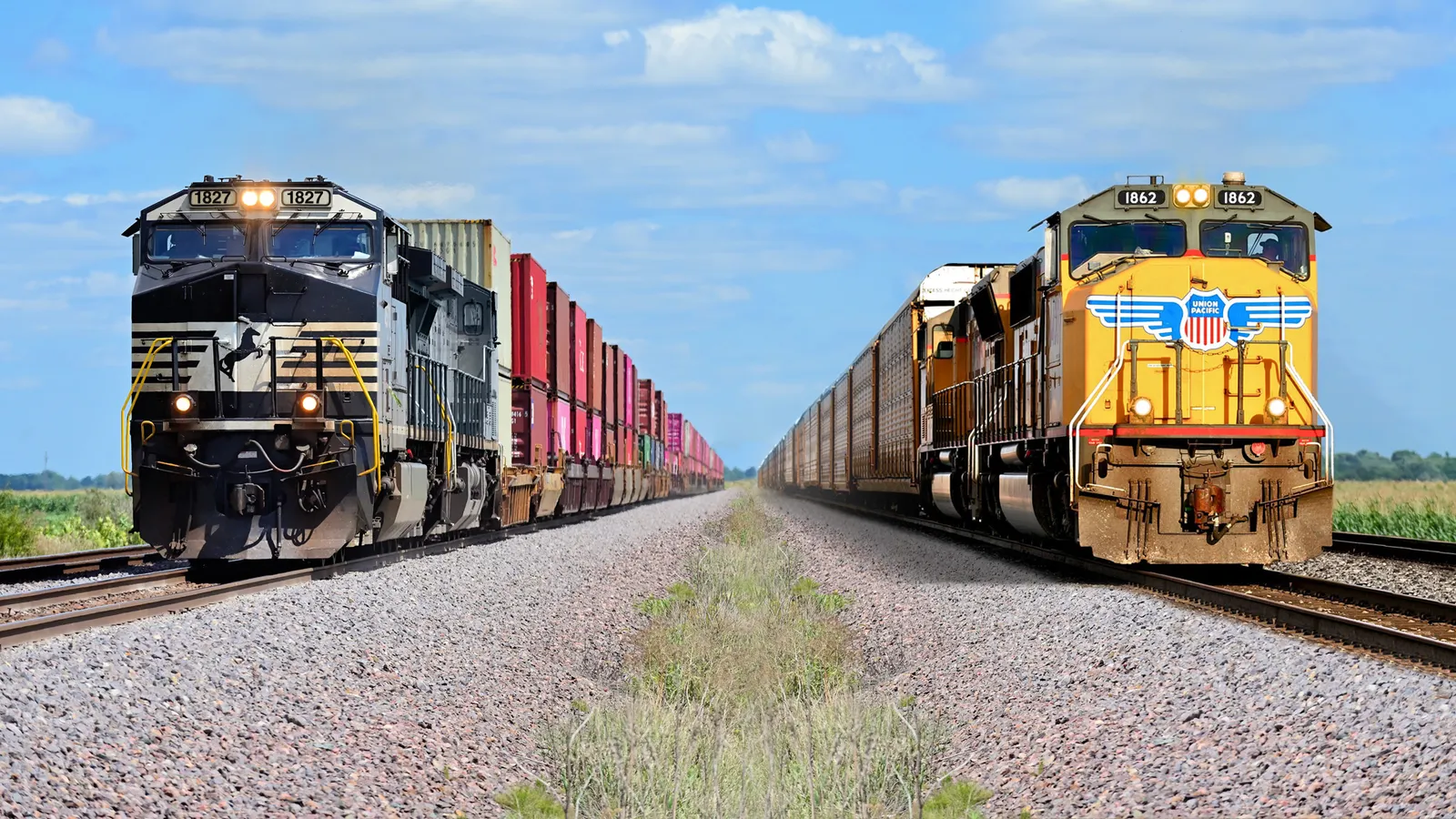
Why it matters: The procedural fight over application completeness directly shapes the merger’s timeline and the evidentiary burden UP/NS must meet, influencing future rail capacity, pricing, and competitive dynamics for industrial shippers.
Context: This follows the STB’s initial rejection of the application as incomplete, reflecting the agency’s heightened scrutiny of major rail mergers since the 2001 rules, which require demonstrable public benefits and enhanced competition.
""UP and NS are careful not to promise to pass to customers any efficiency gains or cost reductions in the form of lower rates from UP," per BNSF." — SUPPLYCHAINDIVE
Commentary: The competitors’ coordinated legal strategy aims to force UP/NS into a more transparent and potentially less advantageous economic model before the STB. If successful, this could compel the merging parties to formally commit to rate reductions or service suggests, altering the deal’s financial calculus. For shippers, the outcome determines whether the merger’s promised efficiencies translate into tangible cost relief or simply consolidate pricing power. The focus on truck-to-rail diversion underscores that the merger’s viability hinges on capturing freight from a strained trucking market, a bet competitors view as overstated.
Date: Mon, 18 May 2026 07:48:00 -0400
URL: https://www.supplychaindive.com/news/up-ns-merger-what-other-railroads-are-saying/820011/
AI Sentiment Score: Negative (50%)
AI Credibility Score: 10.0/10 — High
Scores and text generated by AI analysis of the source article indicated.
UP, NS revised merger application moves ahead (Supplychaindive)
Summary: The Surface Transportation Board has accepted a revised merger application from Union Pacific and Norfolk Southern, moving the contentious rail consolidation proposal into a formal review phase. The STB had previously rejected the initial filing as incomplete. While accepting the new application, the board noted it lacks desired detail and has mandated supplemental information on competitive benefits and contingency plans by July 27. The process now follows a statutory 12-month timeline for evidentiary proceedings.
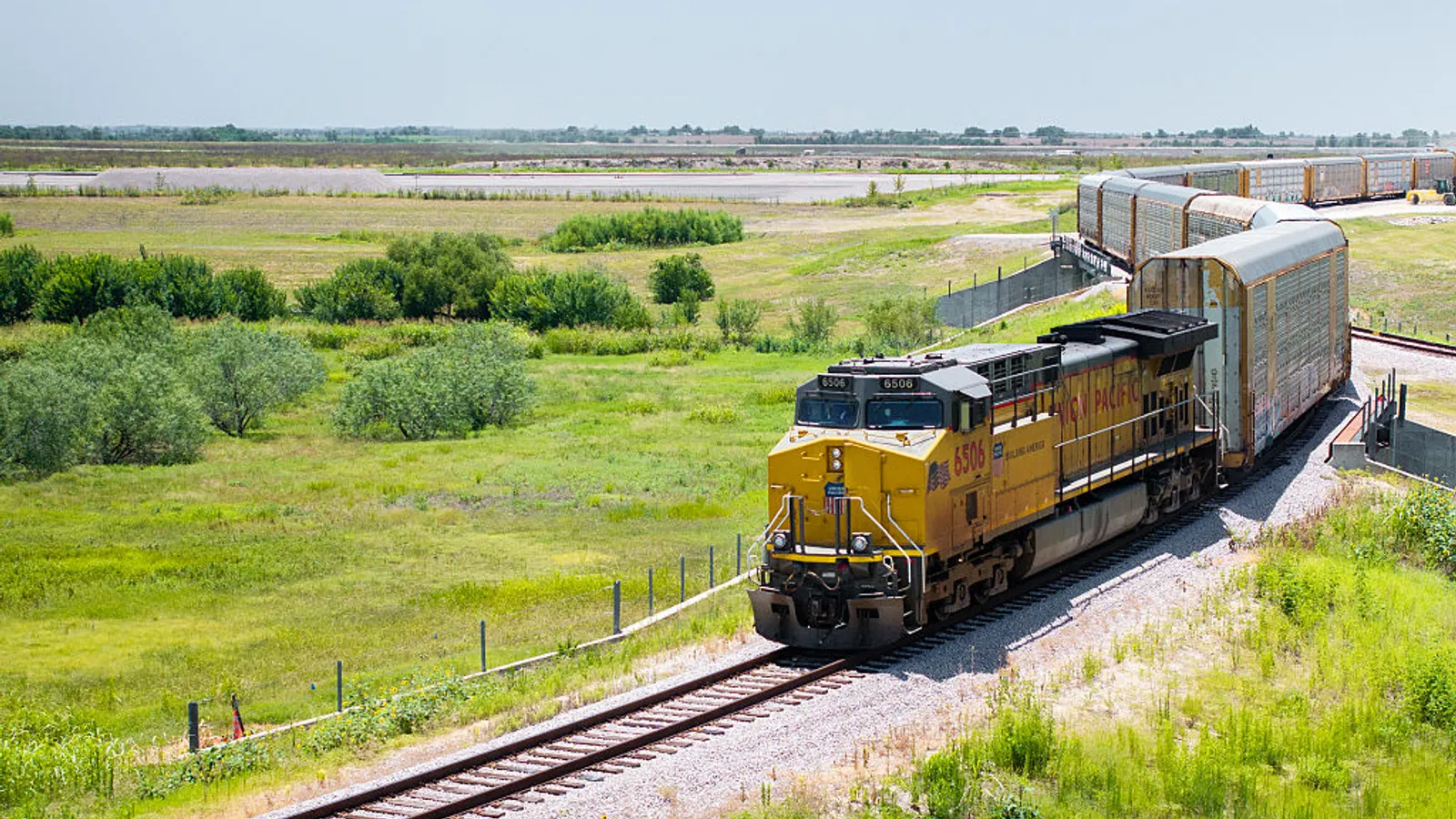
Why it matters: For manufacturers and shippers dependent on rail, this merger review directly shapes future cost structures, service reliability, and competitive options for moving domestic freight.
Context: Major rail mergers undergo intense STB scrutiny focused on public benefits and competition, a process that has grown more rigorous following past consolidation that reduced carrier choice.
"The STB had previously rejected the network merger proposal, filed on Dec. 19, 2025, citing it as incomplete because it missed certain required information under board regulations." — SUPPLYCHAINDIVE
Commentary: The STB’s conditional acceptance, despite deeming the filing insufficiently detailed, signals a procedural pivot: the clock is now running on a defined 12-month review, forcing shippers and competitors to marshal evidence on rates and service impacts. The directive for ‘additional measures if public benefits… don’t come to fruition’ introduces a novel enforcement mechanism that could bind the merged entity to specific performance suggests, altering the risk calculus for all stakeholders. This moves the debate from theoretical opposition to a concrete evidentiary battle over capacity and competition.
Date: Thu, 28 May 2026 16:29:00 -0400
URL: https://www.supplychaindive.com/news/up-ns-revised-merger-application-moves-ahead/821366/
AI Sentiment Score: Negative (88%)
AI Credibility Score: 10.0/10 — High
Scores and text generated by AI analysis of the source article indicated.
Metro Supply Chain Group Inc. acquires warehousing assets in the … (Cantechletter)
Summary: Metro Supply Chain Group Inc., a Canadian logistics provider, is expanding its US physical footprint through its subsidiary by acquiring approximately 1.5 million square feet of warehousing assets in the Southern US from BR Williams. This strategic acquisition increases the company’s total US operational space to 6 million square feet. The move directly targets capacity expansion in a key region for domestic manufacturing and distribution.

Why it matters: This acquisition signals continued investment in Southern US logistics infrastructure, directly affecting capacity availability, vendor options, and competitive dynamics for brands and manufacturers prioritizing nearshoring or onshoring their supply chains.
Context: The Southern US has become a focal point for industrial expansion due to lower costs, available labor, and proximity to major ports and consumer markets, driving consolidation among logistics operators to capture this demand.
"The transaction adds approximately 1.5 million square feet to Metro Supply Chain’s US footprint, bringing the total US operations to 6 million square feet." — CANTECHLETTER
Commentary: For practitioners, this represents a tangible shift in vendor landscape and available capacity. The consolidation of assets into a larger, integrated operator like Metro may streamline contracting for some clients but could reduce negotiating leverage for smaller shippers. It underscores the capital-intensive nature of building domestic resilience, where scale becomes a primary competitive moat. The specific focus on the Southern US aligns with the region’s role as a linchpin in ‘Made in USA’ logistics networks, affecting site selection and carrier strategies for manufacturers.
Date: April 23, 2026 12:00 AM ET
URL: https://www.cantechletter.com/newswires/metro-supply-chain-group-inc-acquires-warehousing-assets-in-the-southern-us-from-br-williams/
AI Sentiment Score: Negative (75%)
AI Credibility Score: 7.0/10 — Medium
Scores and text generated by AI analysis of the source article indicated.
Ulta to open nearly 400K square-foot distribution center in Utah | Supply Chain Dive (Supplychaindive)
Summary: The Salt Lake City facility aims to service up to 180 stores in the Pacific Northwest and Mountain Plains region and support the retailers distribution hub in Fresno, California. New Utah DC capacity signals regional hub consolidation, potentially altering existing distribution flow paths.

Why it matters: New Utah DC capacity signals regional hub consolidation, potentially altering existing distribution flow paths.
Context: Servicing PNW/Mountain Plains from Utah suggests a strategic shift in regional sourcing/logistics optimization.
"The Salt Lake City facility aims to service up to 180 stores in the Pacific Northwest and Mountain Plains region and support the retailers distribution hub in Fresno, California." — SUPPLYCHAINDIVE
Commentary: The signal is still worth tracking, but the current extraction path did not yield enough body text for a fuller analytical read. The immediate implication is operational rather than speculative: watch how this changes budgets, workflows, or risk assumptions over the next cycle.
Date: 1 week ago
URL: https://supplychaindive.com/news/ulta-to-open-nearly-400k-square-foot-distribution-center-in-utah/819471
AI Sentiment Score: Negative (50%)
AI Credibility Score: 10.0/10 — High
Scores and text generated by AI analysis of the source article indicated.
Work in a warehouse? This robot’s coming for your job. – The Boston Globe (Bostonglobe)
Summary: Locus Robotics has introduced the Locus Array, a fully autonomous robot designed to automate the picking process in warehouses. The system aims to eliminate up to 90% of human touches by combining item retrieval, transport, and restocking into a single machine, operating under a Robots-as-a-Service (RaaS) model. This represents a shift from task-specific automation to polyfunctional systems that can handle entire job sequences.

Why it matters: For warehouse operators and logistics managers, this signals a direct threat to a core labor segment—pickers—while offering a potential step-change in productivity and cost structure through a capex-light RaaS model.
Context: The push for fully automated warehouses accelerates as companies like Locus, Reflex, and Brightpick develop polyfunctional robots, moving beyond the semi-automated ‘robot-assisted picking’ model that defined the previous generation.
"If you work in a warehouse preparing items for shipment, a new machine from Wilmington’s Locus Robotics may be gunning for your job. Their new robot, called Locus Array, is designed to." — BOSTONGLOBE
Commentary: The operational consequence is a bifurcation of warehouse labor: high-touch roles for bulky items and final packing may persist, but the core picking function faces obsolescence. The RaaS model lowers adoption barriers, enabling rapid scaling that could compress the timeline for workforce displacement. For supply chain planners, the constraint shifts from labor availability to managing the integration and throughput of these monolithic systems.
Date: April 14, 2026
URL: https://bostonglobe.com/2026/04/14/business/work-warehouse-this-robots-coming-your-job
AI Sentiment Score: Negative (66%)
AI Credibility Score: 10.0/10 — High
Scores and text generated by AI analysis of the source article indicated.
Amazon’s next CT warehouse will have ‘advanced’ robots. What does that mean for human employees, customers? (Thehour)
Summary: Amazon is proposing a 1.3 million square-foot ‘Gen 14’ robotics fulfillment center in Killingly, Connecticut, promising 500 full-time jobs alongside more advanced and efficient robotic systems. The company’s pitch highlights a continued evolution in warehouse automation, citing existing ‘Gen 12’ facilities in Windsor and robotic centers in North Haven that employ thousands. The narrative centers on the balance between job creation and technological displacement, with local residents questioning the human-to-robot ratio.

Why it matters: For logistics operators and regional planners, this signals the next phase of automation’s impact on labor density, facility design, and the political economy of warehouse siting.
Context: Amazon’s Connecticut expansion represents a microcosm of a national strategy: deploying successive generations of robotics to increase throughput while publicly framing automation as a complement to, not a replacement for, human labor.
"We have more advanced, more efficient robotics in this building, and therefore more efficient use," Griggs, the company’s director of economic development for the Northeast, mid-Atlantic and Canada, told the commission. "And what we’re trying to do is advance that template." — THEHOUR
Commentary: The ‘Gen 14’ designation implies a standardized, scalable automation template where efficiency gains are baked into real estate deals. For competing logistics firms, the operational pressure is twofold: match this capital intensity or find labor-cost niches. For local governments, the calculus shifts from raw job counts to the quality and longevity of roles that remain after robotics handle core material movement.
Date: 3 days ago
URL: https://thehour.com/business/article/amazon-robotics-ct-warehouse-retail-technology-22258632.php
AI Sentiment Score: Negative (60%)
AI Credibility Score: 9.6/10 — High
Scores and text generated by AI analysis of the source article indicated.
Erwin manufacturer to close, 129 people will lose jobs | WJHL | Tri-Cities News & Weather (Wjhl)
Summary: ERWIN, Tenn. (WJHL) — A longtime manufacturer of steel ball bearings and tapered roller bearings will close in early 2027, putting an estimated 129 people in Erwin out of work. The Tsubaki-Nakashima plant at 800 Tennessee Road has operated for several decades under various owners.
Why it matters: Loss of established bearing supplier capacity signals localized supply chain contraction; assess immediate alternative sourcing routes.
Context: Facility closure in 2027 necessitates proactive qualification of secondary domestic/nearshore suppliers to mitigate future material gaps.
"ERWIN, Tenn. (WJHL) — A longtime manufacturer of steel ball bearings and tapered roller bearings will close in early 2027, putting an estimated 129 people in Erwin out of work. The Tsubaki-Nakashima." — WJHL
Commentary: The signal is still worth tracking, but the current extraction path did not yield enough body text for a fuller analytical read. The immediate implication is operational rather than speculative: watch how this changes budgets, workflows, or risk assumptions over the next cycle.
Date: 6 days ago
URL: https://www.wjhl.com/news/local/erwin-manufacturer-to-close-129-people-will-lose-jobs/
AI Sentiment Score: Negative (66%)
AI Credibility Score: 7.0/10 — Medium
Scores and text generated by AI analysis of the source article indicated.
Post ID: 93b814c7