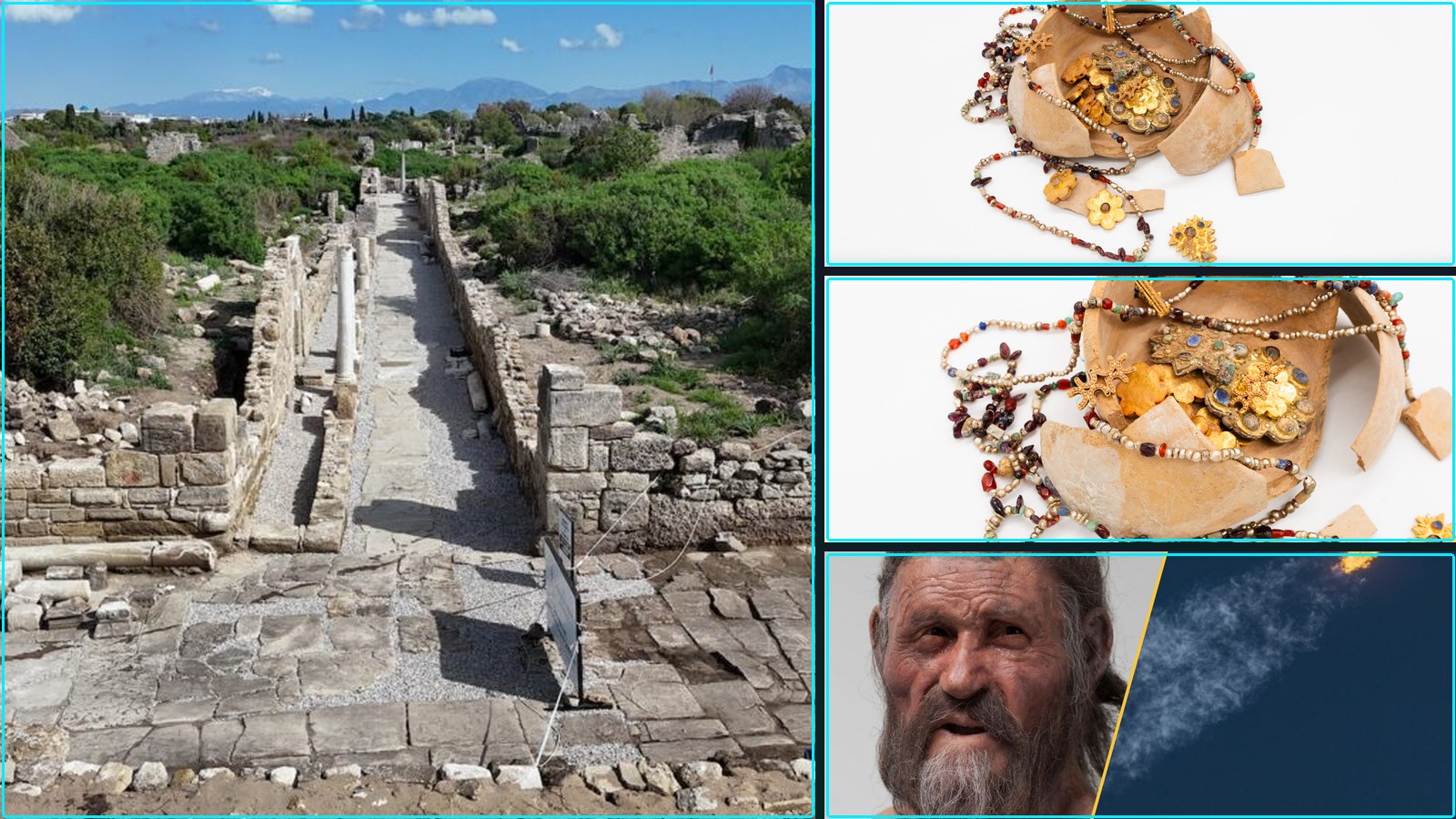
Ancient Discoveries & Artifacts
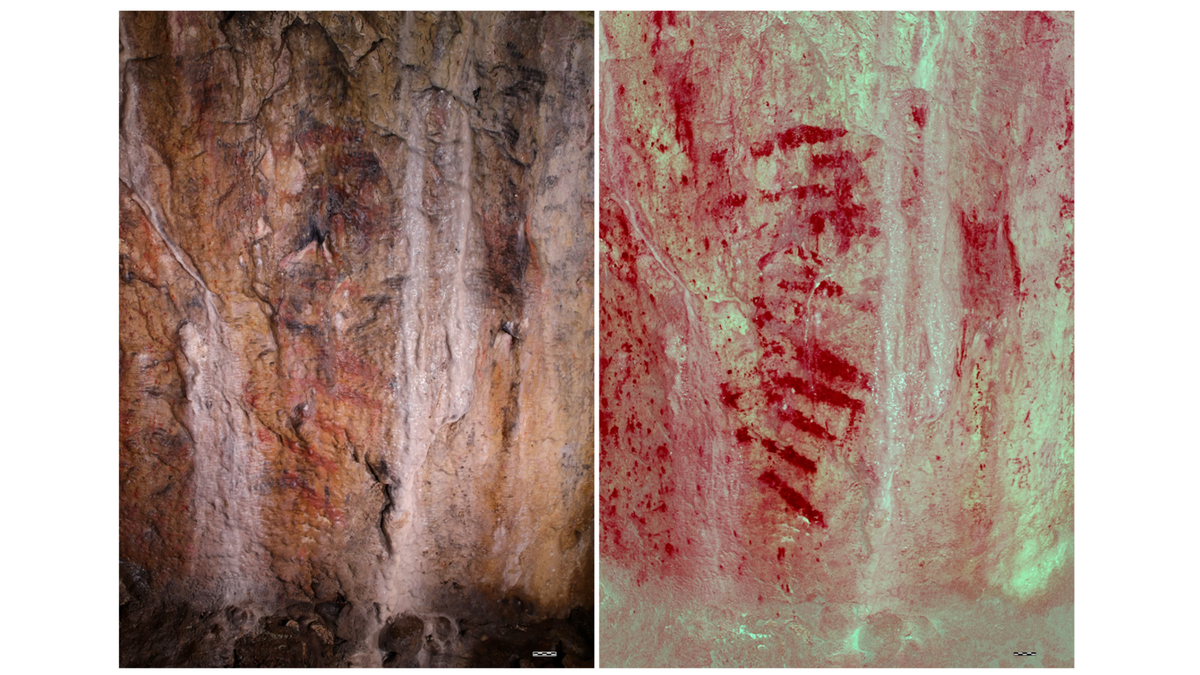
17,000-year-old stripes of red in a Welsh cave are the oldest rock art in the UK, study finds (Livescience)
Summary: A panel of 11 parallel red lines in Bacon Hole, a Welsh cave discovered in 1912 and later dismissed as natural, has been re-dated to between 18,300 and 15,700 years ago, establishing it as Britain’s oldest known rock art. The analysis confirms the pigment is hematite and the pattern is deliberate, shifting the artifact from geological curiosity to a rare Upper Paleolithic human creation. The cave shows evidence of repeated use across millennia, from pre-Roman artifacts to medieval remains.
Why it matters: This recalibrates the timeline and geography of symbolic human activity in northwestern Europe, forcing a reassessment of what constitutes evidence and how cultural memory attaches to specific landscapes.
Context: The find revives a century-old archaeological debate, demonstrating how improved dating techniques and renewed fieldwork can overturn long-standing dismissals of potential art sites.
"In a study published May 26 in the journal Quaternary, the researchers used uranium-thorium dating of the calcite crust overlaying the panel to show that the horizontal lines were created, at a minimum, 18,300 to 15,700 years ago." — LIVESCIENCE
Commentary: The confirmation pushes evidence for structured symbolic behavior in Britain back by thousands of years, challenging narratives of a culturally barren post-glacial northwest. More critically, it underscores how institutional skepticism and lost location data can suppress a site’s significance for a century, a caution for current field practice. The cave’s continuous reuse suggests early sites could accrue layered meaning independent of original function, a pattern of place-making with implications for understanding cultural continuity.
Date: Tue, 02 Jun 2026 11:00:00 +0000
URL: https://www.livescience.com/archaeology/17-000-year-old-stripes-of-red-in-a-welsh-cave-are-the-oldest-rock-art-in-the-uk-study-finds
AI Sentiment Score: Negative (75%)
AI Credibility Score: 10.0/10 — High
Scores and text generated by AI analysis of the source article indicated.
Gessel gold hoard: A 3,300-year-old stash of gleaming treasures that’s one of the largest Bronze Age hoards from Europe (Livescience)
Summary: The Gessel hoard, discovered in 2011 during pipeline construction in northern Germany, is one of the largest Bronze Age gold collections in prehistoric Europe, dating to circa 1300 B.C. It contains 117 artifacts weighing over 1.7 kilograms, predominantly spiral rings likely used as currency, alongside three personal items including a unique solid-gold brooch. The objects were deliberately buried in a linen bag secured with bronze pins, with no associated settlement or grave found nearby. A forthcoming 2026 research project aims to trace the gold’s origin, possibly to Central Asia, and determine the hoard’s purpose.

Why it matters: This find recalibrates understanding of Bronze Age economic networks and metallurgical sophistication in Northern Europe, shifting focus from purely ceremonial gold use to standardized, recyclable currency.
Context: Large prehistoric metal hoards in Europe are typically interpreted as ritual deposits or emergency caches; Gessel’s composition suggests a more complex function intersecting wealth storage, long-distance trade, and artisan practice.
"Rather than jewelry, these spirals were likely a form of currency in the Middle Bronze Age and were crafted from recycled gold, according to prehistoric archaeologist Babette Ludowici." — LIVESCIENCE
Commentary: The hoard’s emphasis on spiral ‘currency’ over personal adornment indicates a developed system of value storage and transfer operating independently of centralized authority. The planned provenance study could materially link Northern European societies to Central Asian gold sources, redrawing maps of Bronze Age exchange. The deliberate, compact burial pattern argues against hasty concealment, pointing instead to institutional or ritual deposition—a practice that challenges simplistic narratives of hoarding as mere wealth protection.
Date: Mon, 01 Jun 2026 10:00:00 +0000
URL: https://www.livescience.com/archaeology/gessel-gold-hoard-a-3-300-year-old-stash-of-gleaming-treasures-thats-one-of-the-largest-bronze-age-hoards-from-europe
AI Sentiment Score: Negative (75%)
AI Credibility Score: 10.0/10 — High
Scores and text generated by AI analysis of the source article indicated.
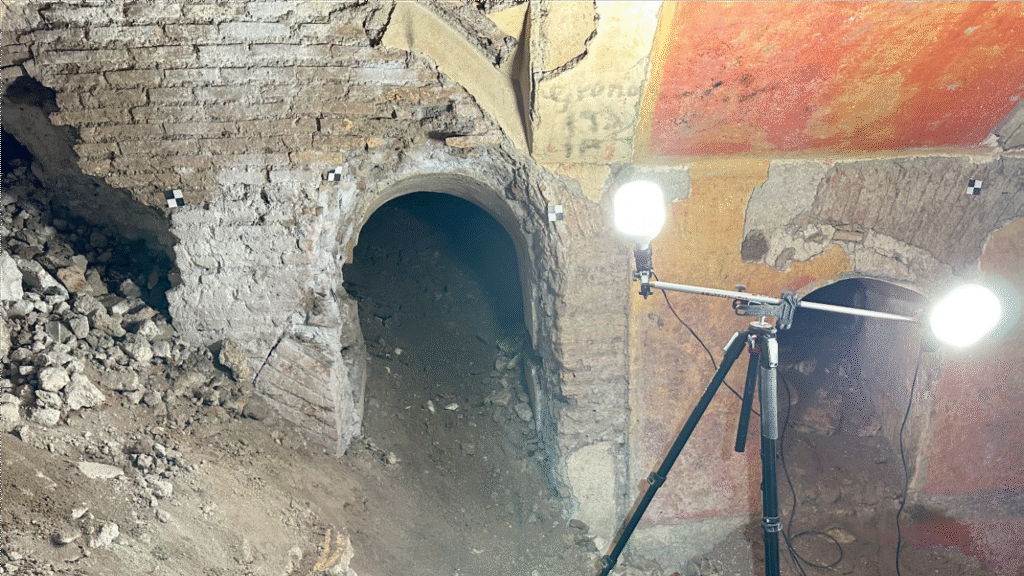
Italian teenagers discover 1,800-year-old Roman luxury house underneath their high school gym (Livescience)
Summary: Students at Liceo Scientifico Cavour in Rome, a school near the Colosseum, discovered and reported a network of ancient rooms beneath their gymnasium. Archaeological excavation in early 2026 confirmed the structure as a luxurious second-century Roman house, likely owned by a member of the Umbrius family. The find includes preserved frescoes, stucco work, and a mosaic of irregular tiles, characteristic of elite fashion of the period.
Why it matters: It provides a rare, intact snapshot of elite domestic life in a historically dense but archaeologically obscured neighborhood of Imperial Rome, directly connecting modern educational space to ancient urban fabric.
Context: The site, in the area where figures like Cicero and Augustus lived, was partially noted during 19th-century construction but remained largely unexplored due to modern overbuilding, a common challenge in central Rome.
"Archaeological excavation revealed figurative and floral frescos on the walls and stucco decorations along the ceiling vaults of the villa. In one room, archaeologists discovered a mosaic with large, irregularly shaped tiles — a style fashionable among elite Romans in this time period." — LIVESCIENCE
Commentary: The discovery shifts understanding of the Palatine-Esquiline neighborhood’s residential topography, offering a datable, stylistically coherent benchmark for second-century elite taste. The operational model—student discovery leading to a formal partnership for future public access with student guides—establishes a pragmatic template for archaeology in densely occupied urban centers, turning a school into a live site of cultural continuity.
Date: June 04, 2026 03:08 PM ET
URL: https://www.livescience.com/archaeology/romans/italian-teenagers-discover-1-800-year-old-roman-luxury-house-underneath-their-high-school-gym
AI Sentiment Score: Negative (66%)
AI Credibility Score: 10.0/10 — High
Scores and text generated by AI analysis of the source article indicated.
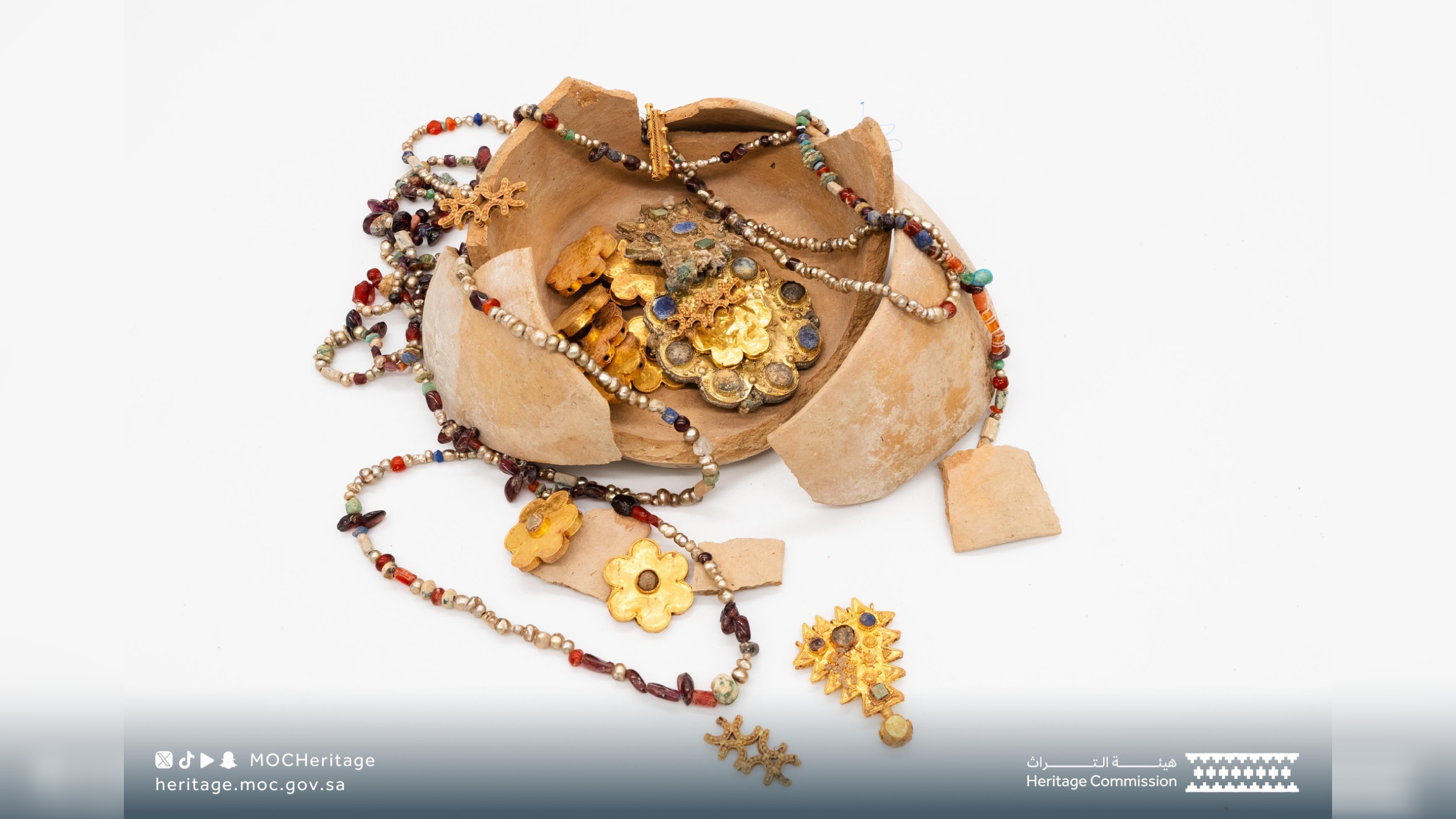
1,200-year-old gold hoard discovered in Saudi Arabia may have been buried by a medieval pilgrim (Livescience)
Summary: Archaeologists excavating the Dhariyah site in Saudi Arabia’s Al-Qassim region have uncovered a ceramic jar containing over 100 pieces of gold, silver, and gemstone-encrusted jewelry, dated to the early Abbasid period (743-753 CE). The site was a key station on the Hajj pilgrimage route between Basra and Mecca. The hoard, dubbed the ‘Dhariyah Treasure,’ was found within residential structures alongside gypsum basins and pottery fragments, suggesting it was buried during active settlement.
Why it matters: The find materially anchors the scale and security of long-distance pilgrimage networks during the early Islamic Golden Age, revealing the movement of portable wealth and the risks inherent in such journeys.
Context: This discovery fits a pattern of recent archaeological work along historic Hajj routes, illuminating the infrastructure, economy, and personal security concerns of medieval Islamic society beyond textual records.
"Archaeologists have unearthed a 1,200-year-old hoard of gold, silver and gemstones that was buried along a medieval pilgrimage route in Saudi Arabia." — LIVESCIENCE
Commentary: The hoard’s burial within a settlement, not a tomb, shifts interpretation from ritual deposit to personal concealment, likely due to threat. It underscores pilgrimage as a vector for high-value goods and personal vulnerability, forcing a revision of the Hajj’s economic footprint from purely spiritual to also involving significant capital mobility and risk management by individuals.
Date: Wed, 27 May 2026 20:56:50 +0000
URL: https://www.livescience.com/archaeology/middle-east/1-200-year-old-gold-hoard-discovered-in-saudi-arabia-may-have-been-buried-by-a-medieval-pilgrim
AI Sentiment Score: Negative (57%)
AI Credibility Score: 10.0/10 — High
Scores and text generated by AI analysis of the source article indicated.
Bead net funerary shroud: A 2,500-year-old beaded veil from Egypt depicting the deceased’s transformation into Osiris (Livescience)
Summary: A 2,500-year-old Egyptian funerary shroud, composed of thousands of multicolored beads woven into a human face, a winged scarab, and a broad collar, illustrates a specific mortuary practice from the Late Period (circa 664–525 B.C.). Acquired by the Art Institute of Chicago in the late 19th century, the artifact was placed over linen-wrapped mummies to symbolize the deceased’s transformation into Osiris. Egyptologist Emily Teeter’s analysis notes the use of dark-blue beads possibly invoking the sky goddess Nut and the scarab representing the sun god Khepri.

Why it matters: This object refines our understanding of elite Late Period Egyptian funerary ritual, showing how material culture—specifically beadwork—was deployed to enact theological concepts of deification and cosmic integration.
Context: Bead-net shrouds are known from this era, but this detailed analysis of a specific artifact clarifies the symbolic syntax: the combination of face, scarab, and collar maps a precise iconographic program onto the body, merging royal Osirian imagery with solar renewal motifs.
""Together, the shroud and net imitated the wrappings of Osiris, hence symbolizing the assimilation of the deceased to the god," Teeter wrote." — LIVESCIENCE
Commentary: The shroud operationalizes belief, turning a perishable textile into a durable, coded surface for ritual transformation. Its acquisition history—via a 19th-century missionary collector—also underscores how such objects entered Western institutions, framing modern interpretations within colonial-era collection practices that often stripped them of immediate archaeological context.
Date: Mon, 25 May 2026 10:00:00 +0000
URL: https://www.livescience.com/archaeology/ancient-egyptians/bead-net-funerary-shroud-a-2-500-year-old-beaded-veil-from-egypt-depicting-the-deceaseds-transformation-into-osiris
AI Sentiment Score: Neutral (33%)
AI Credibility Score: 10.0/10 — High
Scores and text generated by AI analysis of the source article indicated.
Rare 1,700-year-old relic accidentally uncovered during child’s hunt stuns archaeologists (Foxnews)
Summary: An 8-year-old boy in Israel’s Negev Desert found a six-centimeter fragment of a 1,700-year-old Roman-era statuette made from local phosphorite. The artifact, depicting a figure in a himation, was identified by an archaeologist as a surface find from the fourth century A.D., likely depicting Jupiter or Zeus-Dushara. Its discovery along the ancient spice route highlights local production influenced by classical traditions.
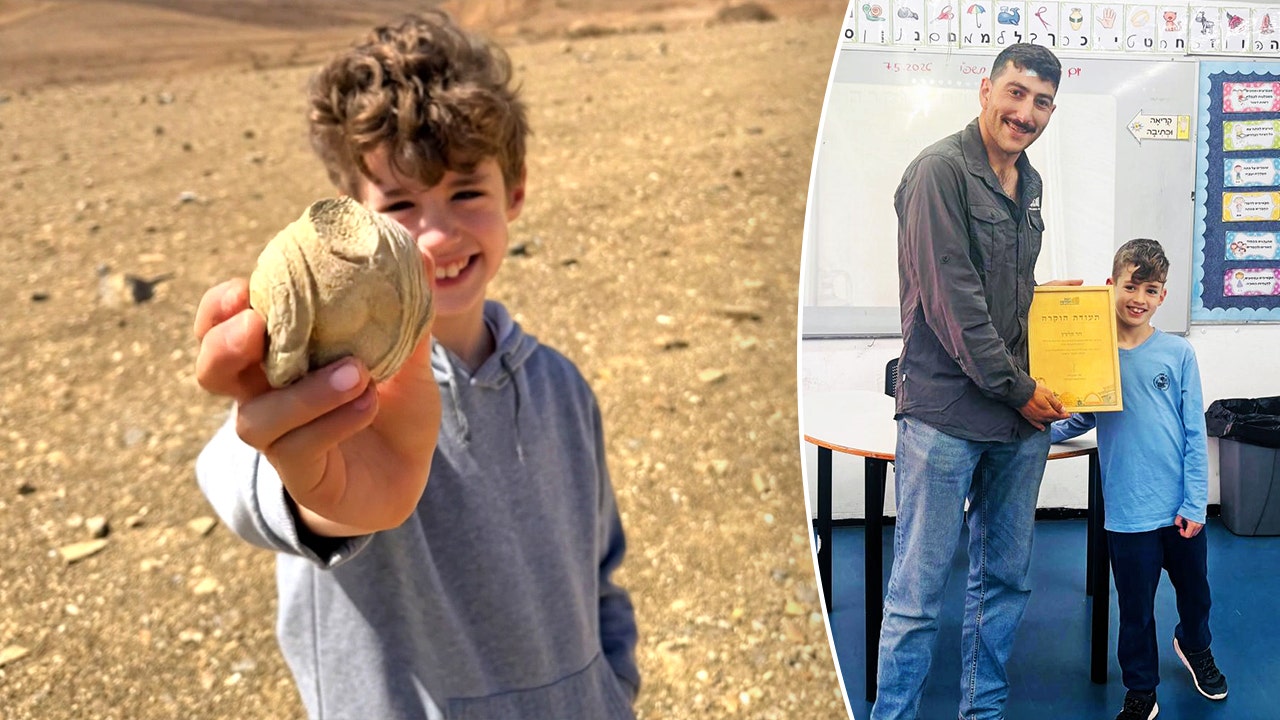
Why it matters: This surface find, exceptionally rare outside a controlled dig, provides direct, tangible evidence of cultural syncretism and local artistic production in a contested borderland during the late Roman period.
Context: The Negev’s Ramon Crater was a nexus on the Nabatean-Roman spice route, where surface finds are scarce due to erosion and collection; most artifacts from this period are recovered through formal excavation.
"A child’s recent show-and-tell find turned out to be something unusual: a 1,700-year-old Roman statuette fragment. Dor Wolynitz, an 8-year-old from Rehovot, Israel, found the artifact during a visit to the Ramon." — FOXNEWS
Commentary: The artifact’s local material and high craftsmanship challenge assumptions about provincial art being purely derivative or imported, suggesting a sophisticated local workshop economy. Its discovery by a child underscores how erosion and climate change are increasingly exposing fragile surface artifacts, shifting collection dynamics from archaeologists to the public and raising new questions about provenance and preservation protocols.
Date: May 25, 2026 12:00 AM ET
URL: https://www.foxnews.com/travel/rare-1700-year-old-relic-accidentally-uncovered-childs-hunt-stuns-archaeologists
AI Sentiment Score: Negative (66%)
AI Credibility Score: 10.0/10 — High
Scores and text generated by AI analysis of the source article indicated.
NEW Ancient Sumerian Artifact Just Found — NOTHING Like We’ve Seen Before (Youtube)
Summary: A newly uncovered artifact, tentatively linked to ancient Sumer, exhibits anomalous structural and material properties inconsistent with established typologies of Sumerian craftsmanship. Initial analysis suggests potential astronomical alignments, raising questions about its function and the technological or cosmological knowledge it may represent.
Why it matters: Anomalous finds challenge established historical chronologies and cultural taxonomies, forcing re-evaluations of technological capability, intercultural exchange, and the transmission of knowledge in antiquity.
Context: The field of Mesopotamian archaeology is defined by a dense material record, making significant deviations from known artifact classes rare and inherently significant for revising historical models.
"Archaeologists studying the newly uncovered artifact say its unusual structure, markings, and material composition do not fully match known Sumerian craftsmanship or historical expectations." — YOUTUBE
Commentary: If verified, the artifact’s anomalies point less to ‘forbidden history’ and more to gaps in our understanding of Sumerian peripheral workshops, trade networks for exotic materials, or localized ritual practices. The astronomical interpretation, while speculative, would align with known Mesopotamian celestial observation, potentially indicating a previously unrecognized site specialization or a later period of reuse.
Date: May 27, 2026 12:00 AM ET
URL: https://www.youtube.com/watch?v=7Z4LIpZto8U&vl=id
AI Sentiment Score: Positive (60%)
AI Credibility Score: 10.0/10 — High
Scores and text generated by AI analysis of the source article indicated.
Road Leading to Ancient City of Side Excavated (Archaeology)
Summary: Excavations at the ancient port city of Side in Anatolia have uncovered a street leading to its eastern gate, adding granular detail to the urban plan of a site under investigation since 1947. The discovery provides further evidence of Side’s dual economic identity as both a maritime hub and an agricultural center, sustained by alluvial soils from the Melas River. The find contributes to a clearer understanding of the city’s historical phases and infrastructure.
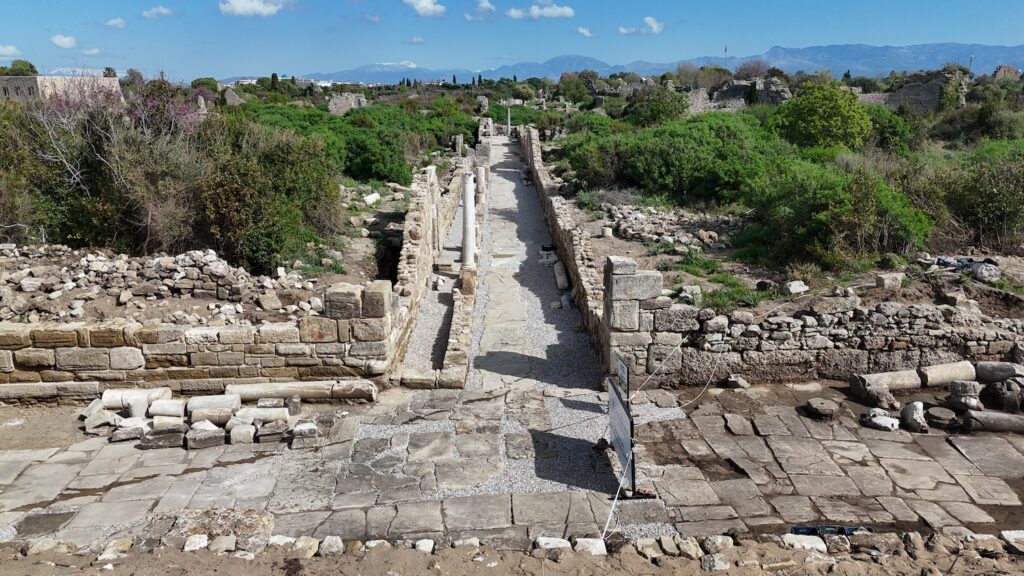
Why it matters: This granular discovery of urban infrastructure refines our model of how maritime and agricultural economies integrated in classical Anatolian cities, directly impacting historical urban studies.
Context: Side has been a focus of systematic archaeology for decades, with prior excavations revealing major public monuments; new work on peripheral features like streets and gates tests hypotheses about urban growth and connectivity.
"ANTALYA, TURKEY—Excavations on the southern coast of Anatolia have uncovered a street leading to the eastern gate of the ancient port city of Side, according to a Türkiye Today report. A theater,." — ARCHAEOLOGY
Commentary: The street excavation shifts focus from monumental core to connective tissue, underscoring how logistical arteries supported Side’s economic duality. It challenges a purely port-centric view, emphasizing the city’s embeddedness in its hinterland. This granular data point aids in modeling the flow of goods and people, refining our understanding of urban resilience and eventual decline, hinted at by the harbor’s silting and eventual abandonment.
Date: Wed, 03 Jun 2026 17:30:00 +0000
URL: https://archaeology.org/news/2026/06/03/road-leading-to-ancient-city-of-side-excavated-in-anatolia/
AI Sentiment Score: Neutral (33%)
AI Credibility Score: 10.0/10 — High
Scores and text generated by AI analysis of the source article indicated.
Monumental Tomb Uncovered in Southern Turkey (Archaeology)
Summary: A third monumental Roman-period tomb has been excavated in the Lycian city of Olympos, Turkey. The vaulted structure, approximately 30 feet tall, contained a marble sarcophagus decorated with hunting scenes featuring Nike. The sarcophagus, made from high-quality marble quarried in western Turkey, was found damaged but is undergoing restoration from its 50-piece lower section.

Why it matters: This find underscores the economic reach and cultural integration of Roman Anatolia, revealing patterns of elite expenditure and material trade.
Context: Olympos was a significant Lycian port city later absorbed into the Roman sphere, where monumental tombs signaled status and cultural syncretism.
"A marble sarcophagus decorated with images of hunting scenes featuring Nike, the Greek goddess of victory, was discovered inside the vaulted tomb, which stood about 30 feet tall." — ARCHAEOLOGY
Commentary: The use of imported marble and the Nike motif illustrates how local Lycian elites adopted and adapted Roman imperial iconography to assert power. This tomb, as part of a growing cluster, suggests Olympos had a concentrated necropolis for its wealthy class, refining our map of regional elite networks and their investment in durable, status-driven architecture.
Date: Thu, 28 May 2026 17:30:00 +0000
URL: https://archaeology.org/news/2026/05/28/monumental-tomb-uncovered-in-southern-turkey/
AI Sentiment Score: Neutral (33%)
AI Credibility Score: 10.0/10 — High
Scores and text generated by AI analysis of the source article indicated.
Statue Bases Uncovered in Sanctuary of Apollo on Cyprus (Archaeology)
Summary: Archaeologists have rediscovered more than twenty statue bases in the original positions they occupied within the Sanctuary of Apollo at Frangissa, Cyprus. The bases, some still attached to limestone or terracotta feet, had been backfilled and lost following the site’s initial 1885 excavation. A key finding is that these votive offerings were intentionally covered by a leveling layer around 480 B.C., indicating a significant remodeling of the sacred precinct.
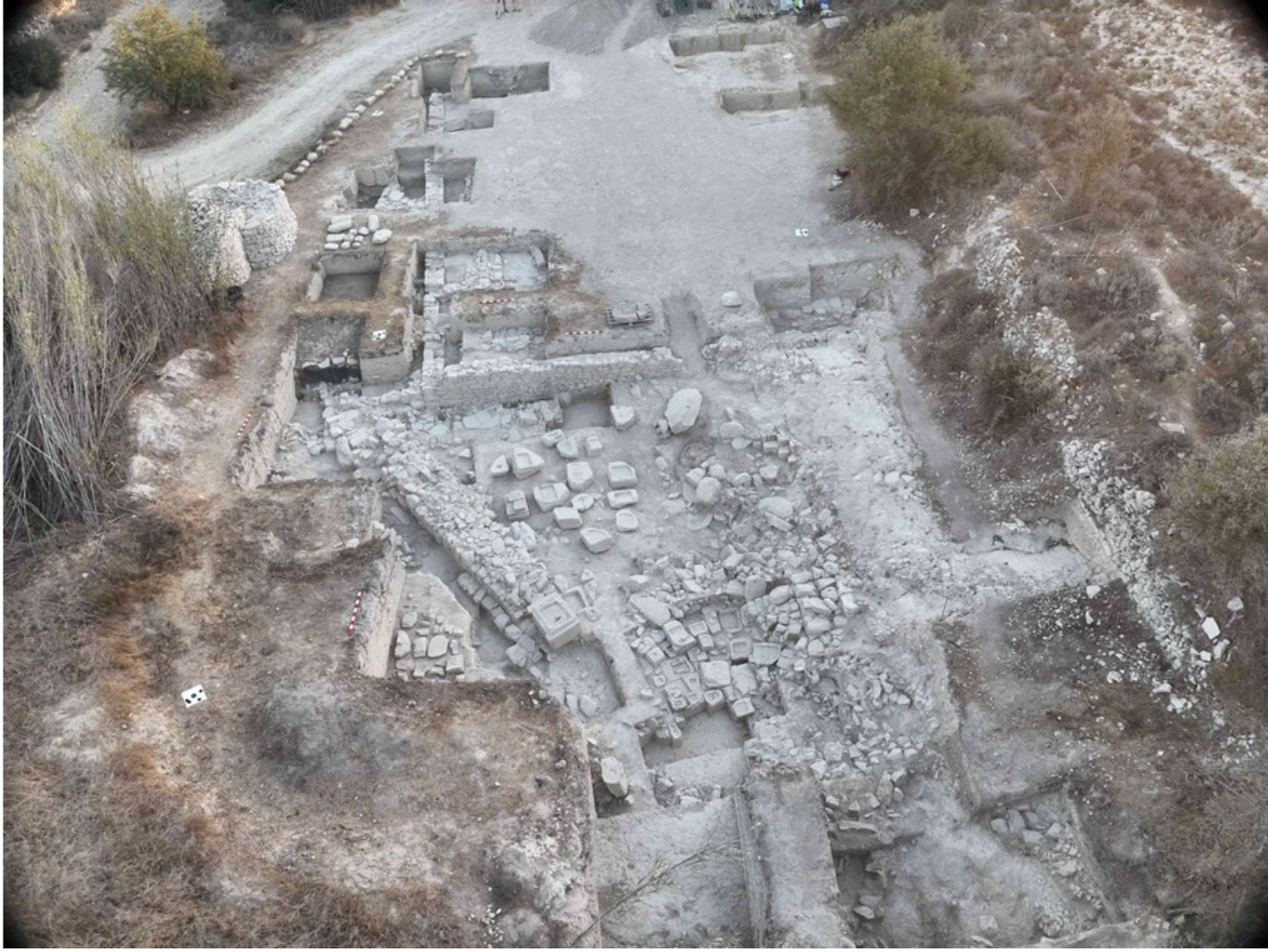
Why it matters: This discovery provides a rare, undisturbed snapshot of votive practice and sanctuary organization at a critical moment of cultural transition in the eastern Mediterranean.
Context: The sanctuary, a major cult site, was first explored in the late 19th century, but much of the material was hastily reburied, losing crucial contextual data. The new excavation applies modern stratigraphic methods to recover that lost information.
"FRANGISSA, CYPRUS—La Brújula Verde reports that more than 20 statue bases have been discovered at the site of the Sanctuary of Apollo in central Cyprus, which was discovered in 1885. At that." — ARCHAEOLOGY
Commentary: The 480 B.C. leveling event is the operative signal. It suggests a deliberate, large-scale renovation of the sanctuary, potentially linked to political or religious shifts in Cypriot society following the Persian Wars or internal dynastic changes. The preserved spatial arrangement of the bases allows researchers to analyze the density, clustering, and possible hierarchy of dedications, moving beyond studying isolated statues to understanding the performative geography of ancient worship. This recalibrates our model of how such sanctuaries evolved, shifting from a narrative of continuous accumulation to one punctuated by planned, ideological resets.
Date: Wed, 27 May 2026 18:00:00 +0000
URL: https://archaeology.org/news/2026/05/27/statue-bases-uncovered-in-sanctuary-of-apollo-on-cyprus/
AI Sentiment Score: Positive (50%)
AI Credibility Score: 10.0/10 — High
Scores and text generated by AI analysis of the source article indicated.
Jewelry Hoard Unearthed in Saudi Arabia (Archaeology)
Summary: Archaeologists excavating the Abbasid-era settlement of Diriyah in Saudi Arabia have uncovered a hoard of more than 100 gold, silver, and gemstone jewelry pieces stored in a ceramic jar. The site was a stop on the pilgrimage route between Basra and Mecca. Organic remains date the context to between A.D. 743 and 753, placing the deposit at the very beginning of the Abbasid Caliphate.

Why it matters: The find provides a rare, datable material snapshot of wealth, trade, and personal security along a major religious corridor during a pivotal political transition.
Context: Diriyah’s role as a waystation on the Hajj route is well-attested, but securely dated, high-value personal caches from this early Abbasid period are exceptional.
"RIYADH, SAUDI ARABIA—A collection of more than 100 gold, silver, and gemstone jewelry pieces stored in a ceramic jar was discovered in Diriyah, a settlement that was once a stop on the." — ARCHAEOLOGY
Commentary: The hoard’s burial circa 750 CE—coinciding with the Abbasid revolution—suggests instability even on protected pilgrimage routes. It materially refines our understanding of portable wealth and risk management in the early Islamic world, moving beyond textual accounts of trade to evidence of individual precaution.
Date: Fri, 29 May 2026 17:00:00 +0000
URL: https://archaeology.org/news/2026/05/29/jewelry-hoard-unearthed-in-saudi-arabia/
AI Sentiment Score: Negative (60%)
AI Credibility Score: 10.0/10 — High
Scores and text generated by AI analysis of the source article indicated.
Reservoirs Found in Historic Red Sea Port City (Archaeology)
Summary: Excavations at the historic Red Sea port of ‘Aydhab have uncovered a sophisticated water storage system, including a central 50-foot-long reservoir built from sandstone and coral blocks lined with lime plaster. The infrastructure supported maritime trade and the movement of pilgrims between Egypt, North Africa, Israel, India, Yemen, and East Africa during the Fatimid period. Associated finds include residential buildings, watchtowers, and imported Chinese porcelain, painting a picture of a major logistical hub.
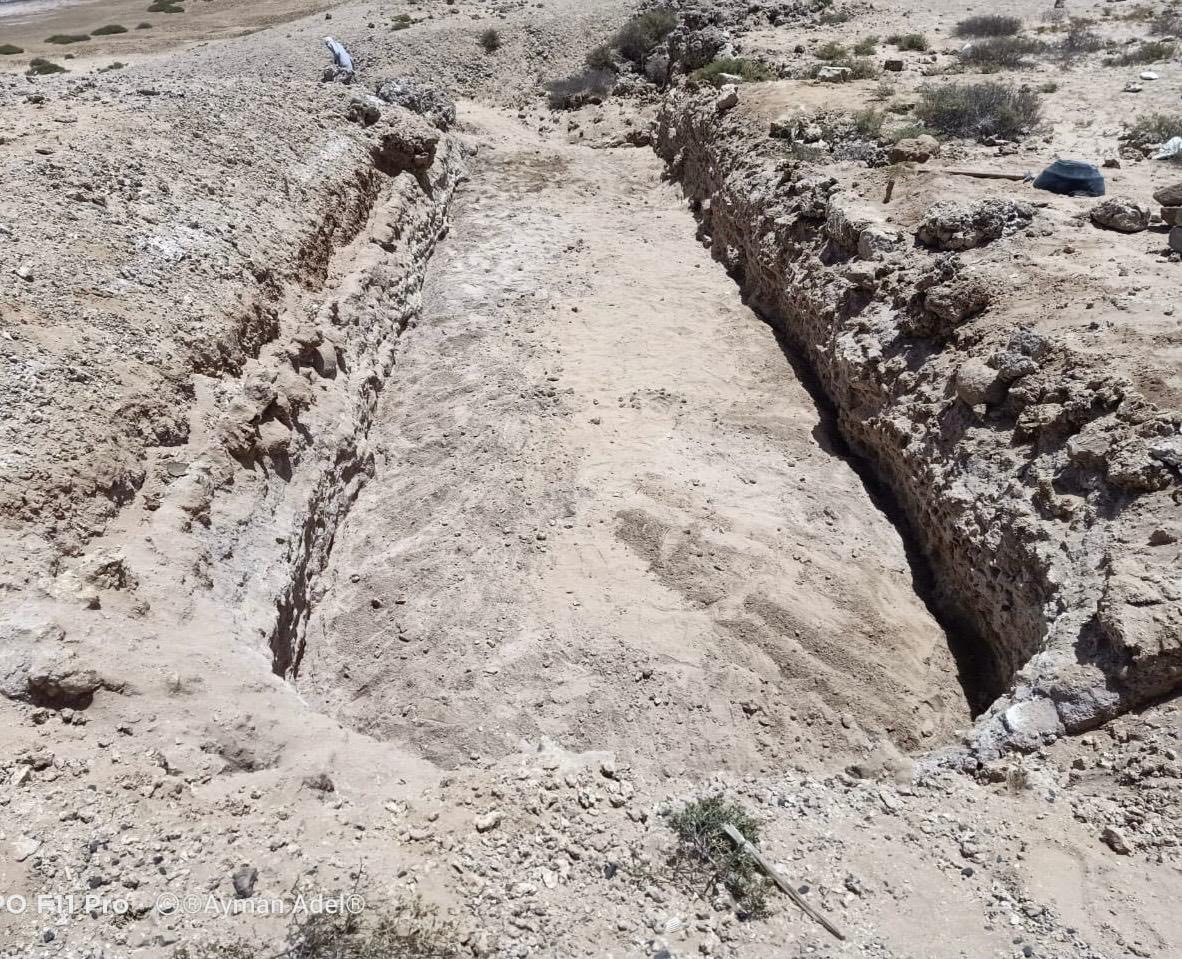
Why it matters: This discovery materially refines our understanding of the engineering and logistical foundations of medieval Indian Ocean trade networks and pilgrimage routes.
Context: ‘Aydhab was a critical node in the Red Sea trade system, but its physical infrastructure has been less understood than its documentary mentions. This find provides concrete evidence of the state investment required to sustain long-distance maritime activity.
"CAIRO, EGYPT—According to an Ahram Online report, a series of reservoirs have been excavated at the site of the historic port of ‘Aydhab on the coast of the Red Sea. The central." — ARCHAEOLOGY
Commentary: The scale and waterproof construction of the reservoirs shift ‘Aydhab from a known port-of-call to a veritable engineered waystation, revealing Fatimid administrative capacity to provision ships and pilgrims systematically. It underscores how control of water—not just routes—was a primary lever of power and profit in arid maritime corridors. The imported ceramics confirm the port’s role in funneling high-value goods, but the waterworks were the foundational capital that made that exchange possible.
Date: Fri, 29 May 2026 18:00:00 +0000
URL: https://archaeology.org/news/2026/05/29/reservoirs-found-in-historic-red-sea-port-city/
AI Sentiment Score: Positive (40%)
AI Credibility Score: 10.0/10 — High
Scores and text generated by AI analysis of the source article indicated.
Possible Early Saw Technology Uncovered in Japan (Archaeology)
Summary: A small iron artifact excavated at the Hayashi-Fugishima site in Japan, featuring a pointed tip and tiny triangular teeth, has been identified as a saw dating to the late second century AD. This places the tool within the Yayoi period, a time of significant technological and social transition in the Japanese archipelago. The find suggests a more advanced and earlier adoption of specialized iron tools along the Sea of Japan coast than previously documented.
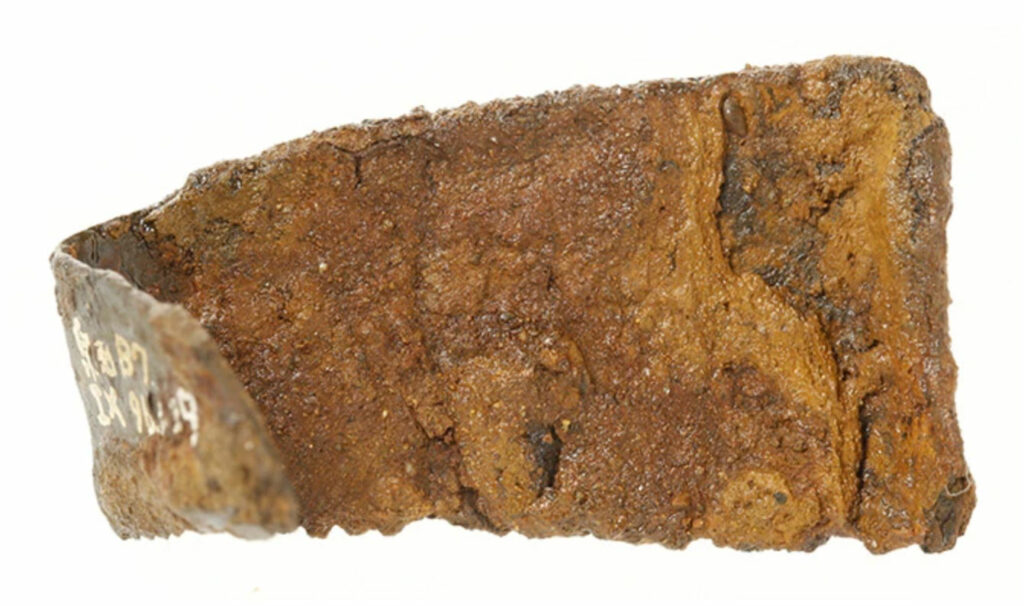
Why it matters: It recalibrates timelines for the adoption and diffusion of precision ironworking technology in Japan, challenging assumptions about technological dependency and regional development.
Context: Similar saws from the same era are known from China, framing a persistent archaeological question about the nature of technological exchange versus independent development across East Asia during the Yayoi period.
"FUKUI, JAPAN—The Asahi Shimbun reports that a piece of iron with a bent end unearthed at the Hayashi-Fugishima archaeological site in central Honshu has been identified as an early saw. The beak-shaped." — ARCHAEOLOGY
Commentary: This shifts the narrative from a simple import model to one of active regional adaptation and advancement. The find implies localized centers of technical sophistication capable of producing precision tools, which would have directly impacted woodworking, construction, and craft production, altering the material basis of Yayoi society. It underscores that technological frontiers were not monolithic but had distinct coastal and inland dynamics.
Date: June 05, 2026 01:30 PM ET
URL: https://archaeology.org/news/2026/06/05/possible-early-saw-technology-uncovered-in-japan/
AI Sentiment Score: Negative (66%)
AI Credibility Score: 10.0/10 — High
Scores and text generated by AI analysis of the source article indicated.
Paleolithic Rock Art Confirmed in Wales (Archaeology)
Summary: Red bands in Bacon Hole cave, Wales, first noted in 1912 and later dismissed as natural mineral seepage, have been confirmed as intentional Paleolithic rock art dating to over 17,000 years ago. A team led by George Nash used uranium-thorium dating and compositional analysis to suggest the pigment—a mix of calcite, clay, and red oxide—was applied by human finger.
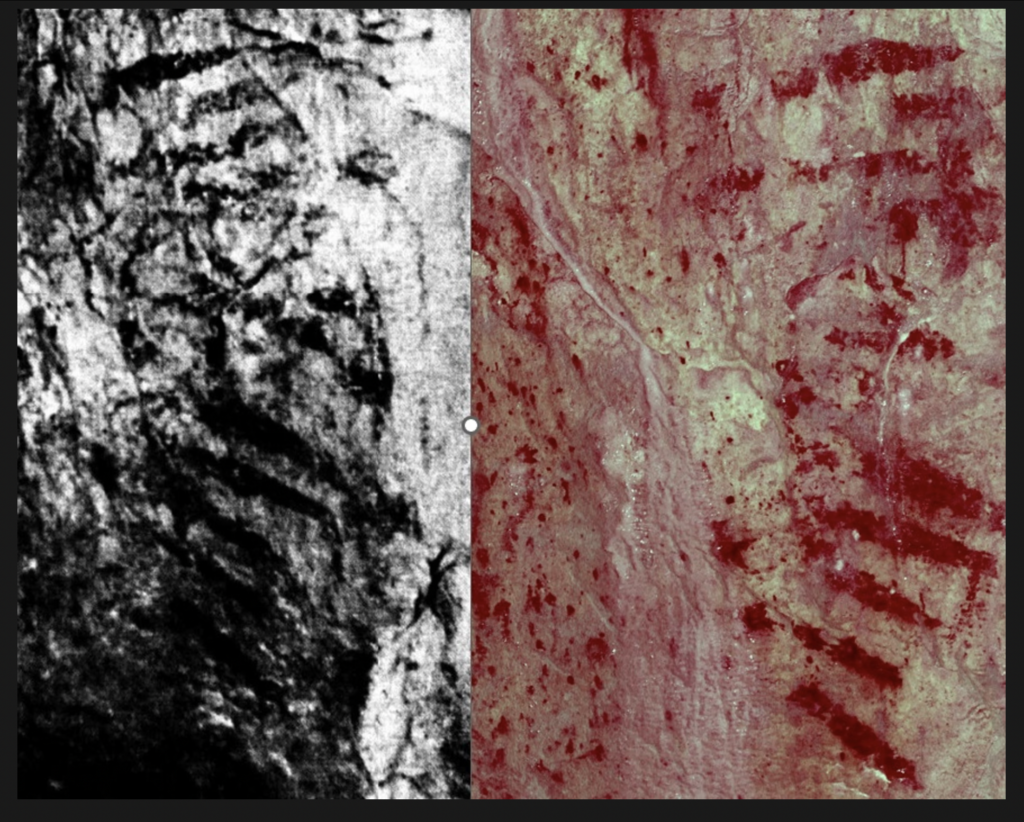
Why it matters: This corrects a century-old misclassification and extends the documented range of Paleolithic symbolic expression in northwestern Europe, forcing a reassessment of early human activity in the British Isles.
Context: The 1928 review that deemed the markings natural reflects a historical tendency to be overly conservative in authenticating cave art outside established hotspots like France and Spain.
"Based on both field observations … and laboratory examination of the pigment samples, it is evident that the pigmented lines were intentionally created by human agency, rather than resulting from natural processes,." — ARCHAEOLOGY
Commentary: The confirmation shifts Wales from a periphery to a participant in the Late Upper Paleolithic cultural sphere, suggesting more continuous or widespread human movement and symbolic practice along the Atlantic fringe than previously mapped. It also underscores how methodological advances—here, direct dating and micro-analysis—routinely overturn settled archaeological narratives, demanding a systematic re-examination of other ‘doubtful’ sites catalogued in early 20th-century surveys.
Date: Tue, 02 Jun 2026 17:30:00 +0000
URL: https://archaeology.org/news/2026/06/02/paleolithic-rock-art-confirmed-in-wales/
AI Sentiment Score: Negative (66%)
AI Credibility Score: 10.0/10 — High
Scores and text generated by AI analysis of the source article indicated.
How Did Stonehenge’s Altar Stone Arrive at Salisbury Plain? (Archaeology)
Summary: New research from Curtin University rejects the glacial transport hypothesis for Stonehenge’s Altar Stone, a 13,000-pound sandstone megalith. Using mineral grain dating and ice-sheet modeling, the study concludes glaciers could only have moved the stone to the North Sea’s Dogger Bank region, leaving Neolithic builders to orchestrate a 430-mile, multi-stage journey overland and by water to Salisbury Plain.

Why it matters: This shifts the narrative from a passive geological explanation to an active, complex feat of Neolithic engineering and logistics, recalibrating our understanding of their capabilities and social organization.
Context: The origin of Stonehenge’s stones has long been debated, with the smaller bluestones known to come from Wales. The Altar Stone’s provenance was less clear, with a Scottish origin proposed but its transport mechanism unresolved between human agency and glacial action.
"PERTH, AUSTRALIA—According to a statement released by Curtin University, the central Altar Stone at Stonehenge was likely transported more than 430 miles from northeastern Scotland to the Salisbury Plain in carefully planned." — ARCHAEOLOGY
Commentary: The finding elevates Neolithic societies from mere monument builders to sophisticated logistical planners, implying a level of interregional coordination, maritime knowledge, and sustained political will previously underappreciated. It also reframes Dogger Bank, now submerged, as a potential waypoint in a prehistoric supply chain, connecting landscape memory to ritual construction across centuries.
Date: June 04, 2026 02:29 PM ET
URL: https://archaeology.org/news/2026/06/04/how-did-stonehenges-altar-stone-arrive-at-salisbury-plain/
AI Sentiment Score: Neutral (50%)
AI Credibility Score: 10.0/10 — High
Scores and text generated by AI analysis of the source article indicated.
Science news this week: Ötzi the Iceman used to make sourdough, Italian teenagers discover Roman villa under school, Google plans to release 64 million mosquitos, and RIP to NASA’s Maven probe (Livescience)
Summary: A weekly science roundup from Livescience includes several items relevant to ancient world studies. Researchers isolated ancient yeasts from the mummified remains of Ötzi the Iceman and used them to bake sourdough bread. Separately, Italian teenagers discovered a 1,800-year-old Roman house beneath their school gym. These findings highlight how modern analysis continues to extract new, tangible connections to prehistoric and classical life.

Why it matters: These stories demonstrate how material evidence from antiquity remains active and interpretable, shifting our understanding of past technologies and daily life from abstract study to reproducible experience.
Context: The application of advanced biomolecular techniques to archaeological finds is a growing trend, allowing for functional reconstruction of ancient practices, from food production to medicine.
"Science news this week: Ötzi the Iceman used to make sourdough, Italian teenagers discover Roman villa under school, Google plans to release 64 million mosquitos, and RIP to NASA’s Maven probe June." — LIVESCIENCE
Commentary: The successful baking with Ötzi’s yeasts is not a novelty act but a serious data point. It moves the study of ancient subsistence from inference to operational verification, offering a direct sensory and biochemical link to Copper Age microbial ecosystems and food processing techniques. The Roman villa discovery, while less scientifically novel, underscores how major archaeological sites remain hidden within modern infrastructure, contingent on chance and civic engagement for revelation.
Date: June 06, 2026 07:00 AM ET
URL: https://www.livescience.com/space/science-news-this-week-otzi-the-iceman-used-to-make-sourdough-italian-teenagers-discover-roman-villa-under-school-google-plans-to-release-64-million-mosquitos-and-rip-to-nasas-maven-probe
AI Sentiment Score: Negative (75%)
AI Credibility Score: 10.0/10 — High
Scores and text generated by AI analysis of the source article indicated.
Post ID: 1666247e