Recent Archaeological Discoveries & Excavations
Gessel gold hoard: A 3,300-year-old stash of gleaming treasures that’s one of the largest Bronze Age hoards from Europe (Livescience)
Summary: The Gessel hoard, discovered in 2011 during pipeline construction near Syke, Germany, comprises 117 gold artifacts weighing over 1.7 kilograms, dating to circa 1300 B.C. Its composition—primarily spiral rings likely used as currency and only three personal ornaments—distinguishes it from typical prestige hoards. The objects were deliberately bundled in linen and secured with bronze pins before burial, with no associated settlement or grave found nearby. A planned 2026 research project aims to trace the gold’s provenance, with initial analysis suggesting a possible Central Asian origin.
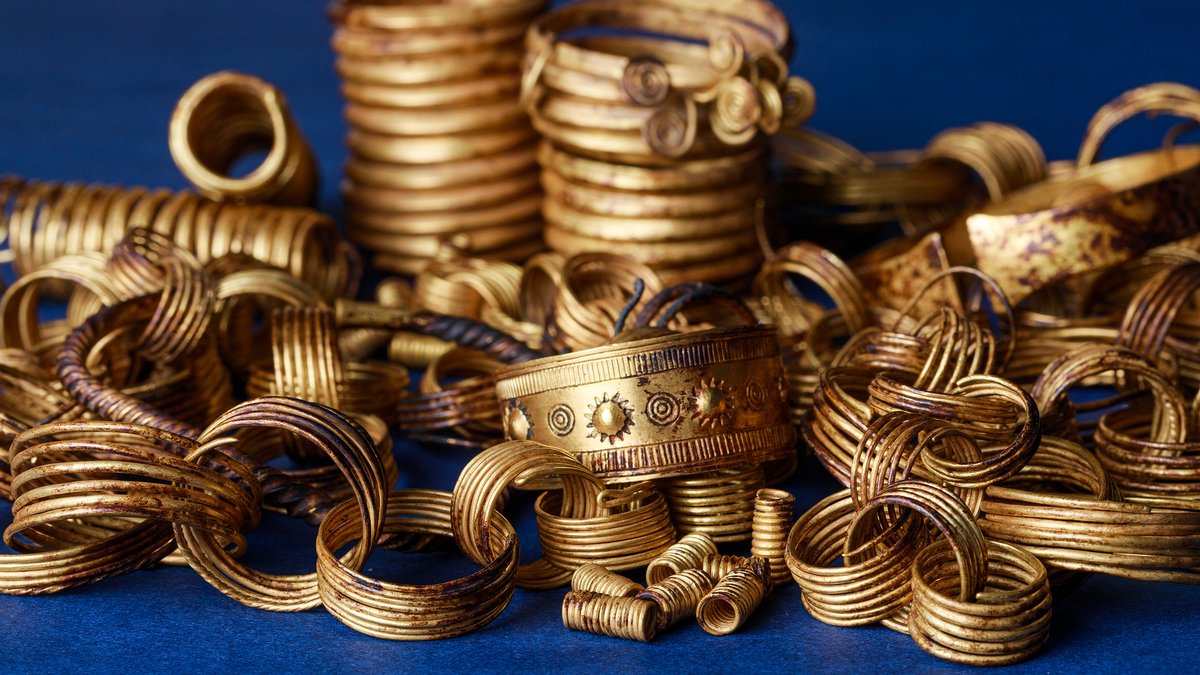
Why it matters: The hoard’s composition and context challenge assumptions about Bronze Age economies, shifting focus from ceremonial display to standardized exchange and long-distance metal trade networks.
Context: Large Bronze Age gold hoards in Central Europe are rare and often interpreted as elite votive deposits or smiths’ caches; the Gessel find’s emphasis on spirals as potential currency reframes the debate.
"Rather than jewelry, these spirals were likely a form of currency in the Middle Bronze Age and were crafted from recycled gold, according to prehistoric archaeologist Babette Ludowici." — LIVESCIENCE
Commentary: The interpretation of spirals as currency, not ornament, suggests a more formalized and widespread system of value exchange in Middle Bronze Age Central Europe than previously documented. If the 2026 provenance study confirms Central Asian origins, it would materially evidence long-range, pre-amber-route trade networks for raw material, complicating models of regional insularity. The deliberate, compact burial—absent a settlement context—points less to ritual deposition and more to secured wealth storage, possibly a metalsmith’s working capital, indicating specialized economic roles.
Date: Mon, 01 Jun 2026 10:00:00 +0000
URL: https://www.livescience.com/archaeology/gessel-gold-hoard-a-3-300-year-old-stash-of-gleaming-treasures-thats-one-of-the-largest-bronze-age-hoards-from-europe
AI Sentiment Score: Negative (75%)
AI Credibility Score: 10.0/10 — High
Scores and text generated by AI analysis of the source article indicated.
17,000-year-old stripes of red in a Welsh cave are the oldest rock art in the UK, study finds (Livescience)
Summary: A panel of 11 parallel red lines in Bacon Hole cave on the Gower Peninsula, Wales, dismissed as natural for a century, has been re-dated to at least 17,000 years old, establishing it as the oldest known rock art in Britain. The analysis used uranium-thorium dating on an overlying calcite crust and identified the pigment as hematite. The structured, equidistant lines, alongside associated finger dots, confirm human agency. The cave shows evidence of repeated visitation over millennia, from the Paleolithic to the medieval period.
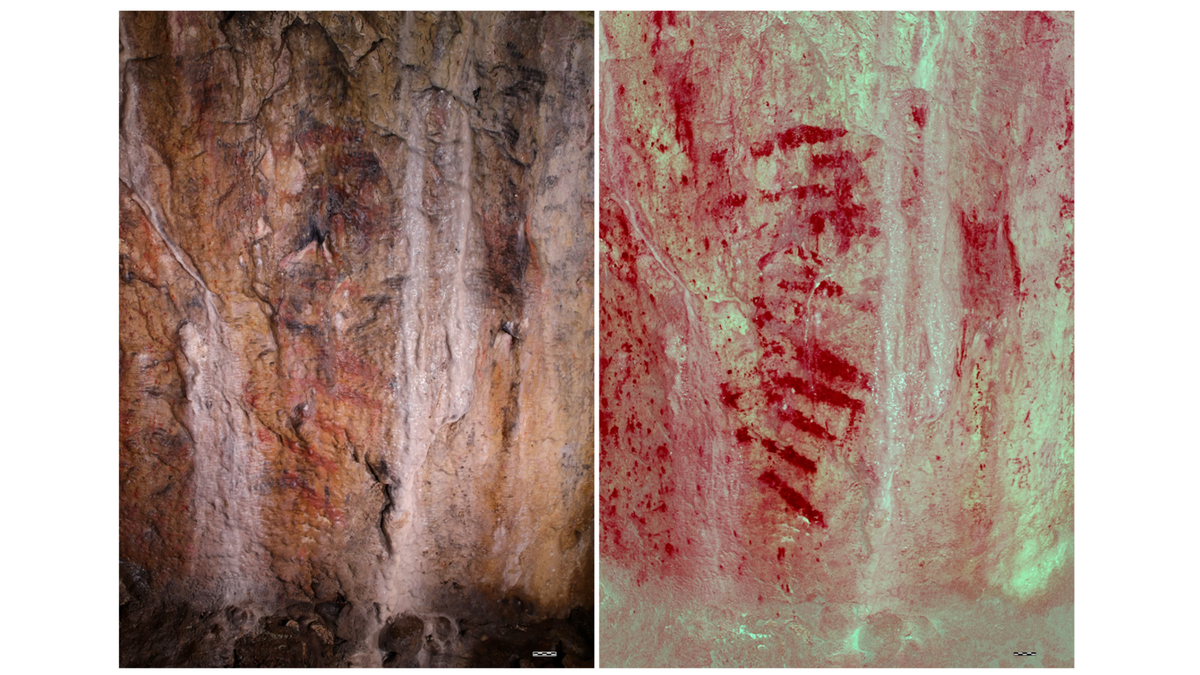
Why it matters: This recalibrates the timeline and geographic understanding of symbolic human expression in northwestern Europe, pushing evidence for complex cultural behavior in Britain back into the Last Glacial Maximum.
Context: The discovery resolves a century-old archaeological debate and aligns British evidence with the broader Upper Paleolithic artistic traditions of continental Europe, while highlighting the methodological challenges of dating cave art.
"17,000-year-old stripes of red in a Welsh cave are the oldest rock art in the UK, study finds Over a century after a red-lined cave wall was discovered, scientists have determined that." — LIVESCIENCE
Commentary: The confirmation shifts Britain from a perceived periphery to a participant in the late Pleistocene symbolic revolution. The cave’s long-term reuse suggests sites accrued layered cultural meaning, functioning as persistent nodes in a landscape of memory long after their original ritual purpose faded.
Date: Tue, 02 Jun 2026 11:00:00 +0000
URL: https://www.livescience.com/archaeology/17-000-year-old-stripes-of-red-in-a-welsh-cave-are-the-oldest-rock-art-in-the-uk-study-finds
AI Sentiment Score: Negative (50%)
AI Credibility Score: 10.0/10 — High
Scores and text generated by AI analysis of the source article indicated.
Medieval Queen’s Remains Exhumed in Spain (Archaeology)
Summary: Archaeologists from Barcelona’s Institute of Culture have exhumed and analyzed 25 skeletons from eight graves at the Royal Monastery of Santa Maria Pedralbes, founded by Queen Elisenda of Montcada in the 14th century. The remains of the queen herself, interred in monastic habit with silk and herbs, indicate she died around age 70. More striking findings emerged from tombs associated with the first two abbesses: the first abbess, Sobirana Olzet, bore a pre-mortem knife wound to the face, while the tomb of the second abbess, Francesca Saportella, contained nine individuals interred at different times, including four male skulls with stab wounds and the mummified torso of a pregnant woman. A knight’s tomb held the bones of two women and three children.
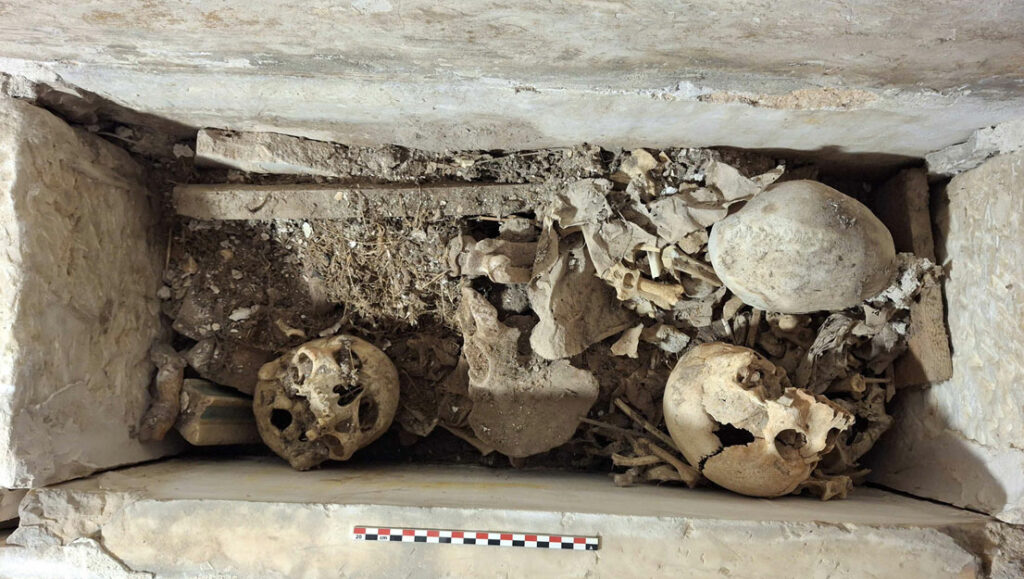
Why it matters: The findings challenge sanitized narratives of monastic life, revealing a site of potential violence, complex burial practices, and hidden social relationships in a royal-ecclesiastical complex.
Context: Medieval monastic sites often served as elite necropolises, but forensic archaeology is increasingly revealing the physical trauma and irregular mortuary practices concealed beneath institutional histories.
"In the tomb of Francesca Saportella, the second abbess and the queen’s niece, the researchers recovered the remains of nine people that had been interred at different times, including four male skulls with stab wounds, and the mummified torso of a pregnant woman." — ARCHAEOLOGY
Commentary: The co-mingled remains, particularly the stabbed males and pregnant woman in an abbess’s tomb, suggest the monastery was a repository for casualties of secular violence or familial crises, complicating its image as a purely spiritual retreat. The facial wound on the first abbess points to personal, targeted violence, possibly linked to her authority. Upcoming DNA analysis will test whether these were kin-group tombs or collections of unrelated individuals, revealing how biological kinship intersected with monastic and royal patronage networks. This moves the site’s historical significance from a monument to piety to a forensic archive of power, conflict, and care in 14th-century Catalonia.
Date: Wed, 03 Jun 2026 17:00:00 +0000
URL: https://archaeology.org/news/2026/06/03/medieval-queens-remains-exhumed-in-spain/
AI Sentiment Score: Negative (80%)
AI Credibility Score: 10.0/10 — High
Scores and text generated by AI analysis of the source article indicated.
Toxic plant on Ming dynasty-era surgical tools may be world’s oldest chemical evidence of topical anesthetic (Livescience)
Summary: A study published in Antiquity analyzes residue on 600-year-old iron surgical scissors and tweezers from a Ming dynasty tomb. Using micro-Raman spectroscopy, researchers detected chemical signatures consistent with aconitine, a toxin from wolfsbane plants, alongside organic oils and fats. This represents the world’s oldest direct chemical evidence of a topical anesthetic applied during surgery, with historical texts suggesting practitioners detoxified the plant using acidic substances like urine or vinegar.
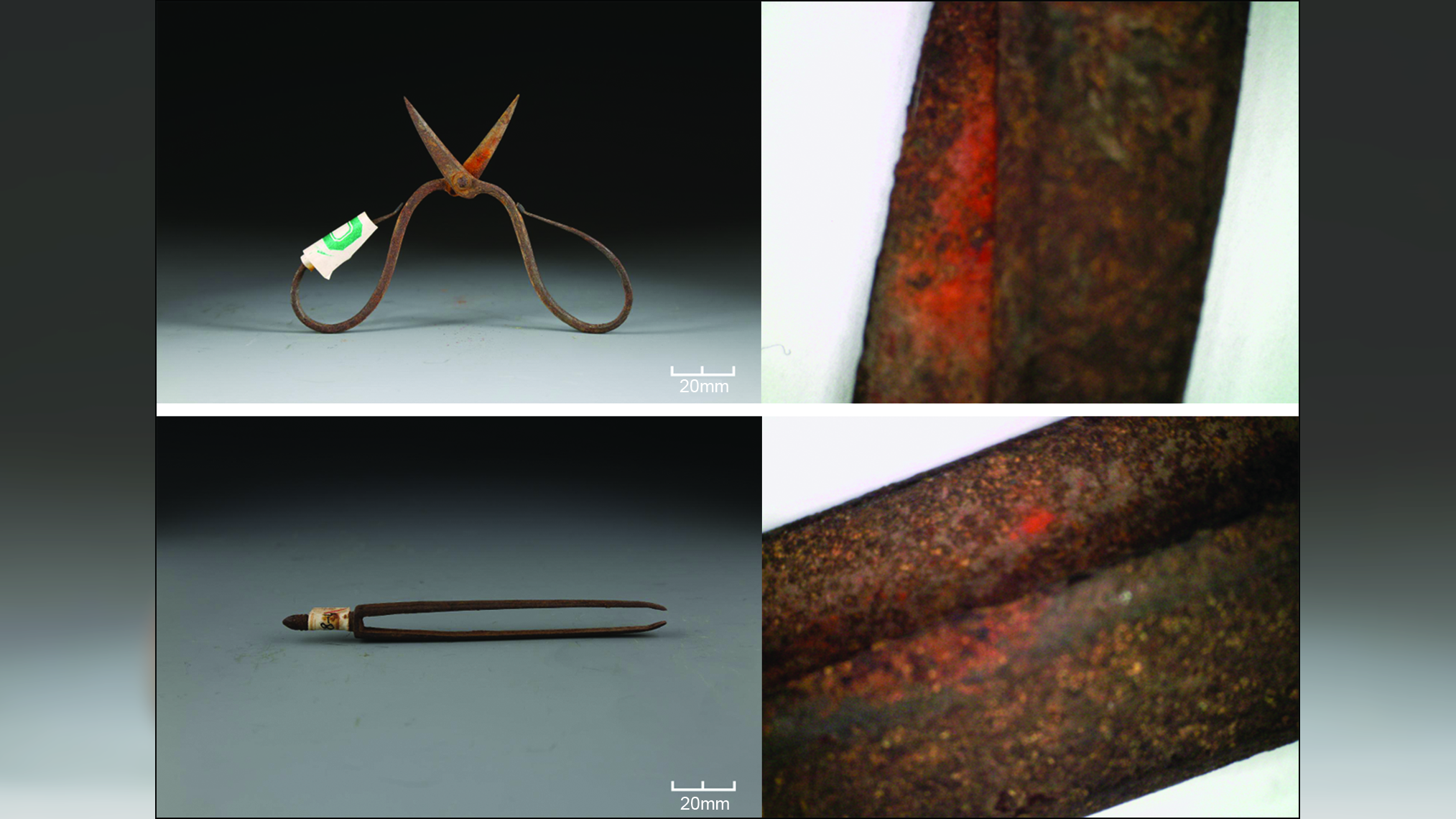
Why it matters: This shifts the historical timeline for documented surgical anesthesia from anecdotal textual evidence to material, chemical proof, refining our understanding of pre-modern medical pharmacology and risk management.
Context: While textual records from the Ming dynasty and earlier describe analgesic preparations, direct physical evidence linking specific compounds to surgical practice has been scarce. This finding validates those records and provides a concrete case study of applied toxicology.
""Six centuries ago, a Ming Dynasty surgeon performed an operation with a pair of iron scissors and tweezers, and today we have read the traces of anaesthetic medicine left on those instruments using a beam of laser light," study co-author Congcang Zhao, an archaeologist at Northwest University in China, said in a statement." — LIVESCIENCE
Commentary: The discovery underscores a sophisticated, systematic approach to medical risk in Ming China, balancing potent toxins with procedural controls. It moves the history of anesthesia from speculative to evidential, highlighting how material science can ground historical pharmacology in operational reality. For historians of technology and medicine, it confirms that early modern surgical practice involved precise chemical preparation, not just manual skill.
Date: Mon, 25 May 2026 23:01:00 +0000
URL: https://www.livescience.com/archaeology/ancient-china/toxic-plant-on-ming-dynasty-era-surgical-tools-may-be-worlds-oldest-chemical-evidence-of-topical-anesthetic
AI Sentiment Score: Negative (75%)
AI Credibility Score: 10.0/10 — High
Scores and text generated by AI analysis of the source article indicated.
Anesthetic Detected on Ming Dynasty Surgical Tools (Archaeology)
Summary: Archaeologists have identified aconitine, a potent alkaloid toxin derived from wolfsbane, on 600-year-old iron surgical tools from a Ming Dynasty tomb in Jiangyin, China. Using micro-Raman spectroscopy on residues, the team confirmed the presence of this plant-based anesthetic, which historical texts indicate was detoxified using acidic substances like vinegar or urine. This marks the first direct chemical evidence of an anesthetic on ancient surgical instruments.
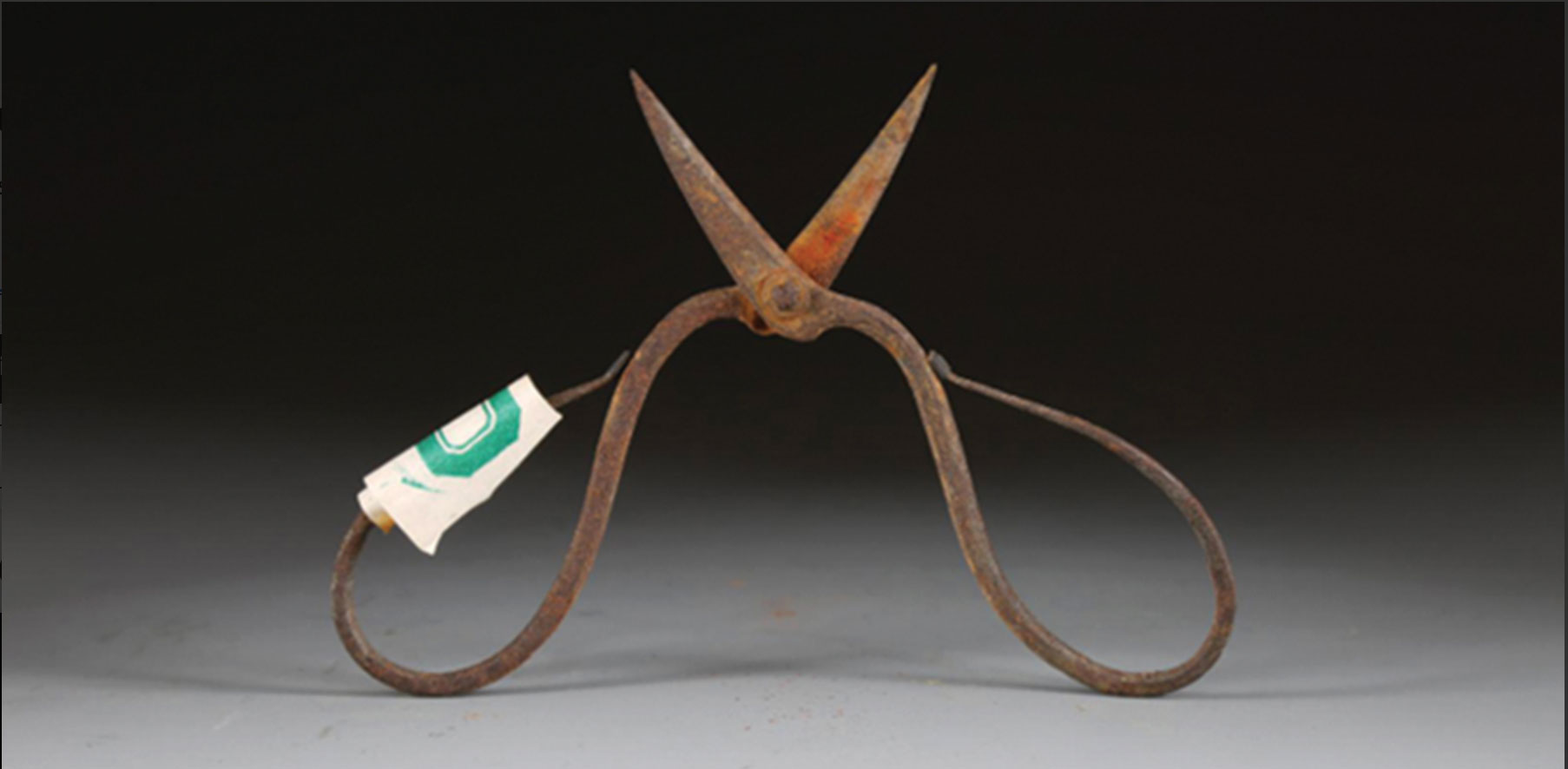
Why it matters: This finding materially shifts the evidential basis for pre-modern medical practice from textual inference to forensic chemistry, forcing a reassessment of Ming surgical sophistication and risk management.
Context: Prior understanding of Ming Dynasty surgery relied on medical texts describing procedures and pharmacopeia; physical evidence for anesthetic application on tools was absent.
"JIANGYIN, CHINA—According to a Live Science report, traces of an anesthetic have been detected on a pair of iron scissors and tweezers recovered from the 600-year-old tomb of Xia Quan in eastern." — ARCHAEOLOGY
Commentary: The detection validates textual accounts with material science, revealing a calibrated pharmacological regime that managed a narrow therapeutic window. It suggests institutionalized surgical protocols existed, challenging simplistic narratives of pre-modern medicine as purely speculative or reckless. The find underscores how elite burial assemblages can preserve operational traces of perishable medical practices, offering a new forensic pathway for studying ancient healthcare systems.
Date: Wed, 27 May 2026 17:30:00 +0000
URL: https://archaeology.org/news/2026/05/27/anesthetic-detected-on-ming-dynasty-surgical-tools/
AI Sentiment Score: Negative (66%)
AI Credibility Score: 10.0/10 — High
Scores and text generated by AI analysis of the source article indicated.
1,200-year-old gold hoard discovered in Saudi Arabia may have been buried by a medieval pilgrim (Livescience)
Summary: Archaeologists excavating the Dhariyah site in Saudi Arabia’s Al-Qassim region have uncovered a ceramic jar containing over 100 pieces of gold, silver, and gemstone-encrusted jewelry, dated to the mid-8th century. The site was a key station on the Hajj pilgrimage route between Basra, Iraq, and Mecca. The hoard, buried during the early Abbasid period, suggests a connection to the wealth and movement along this established religious corridor.
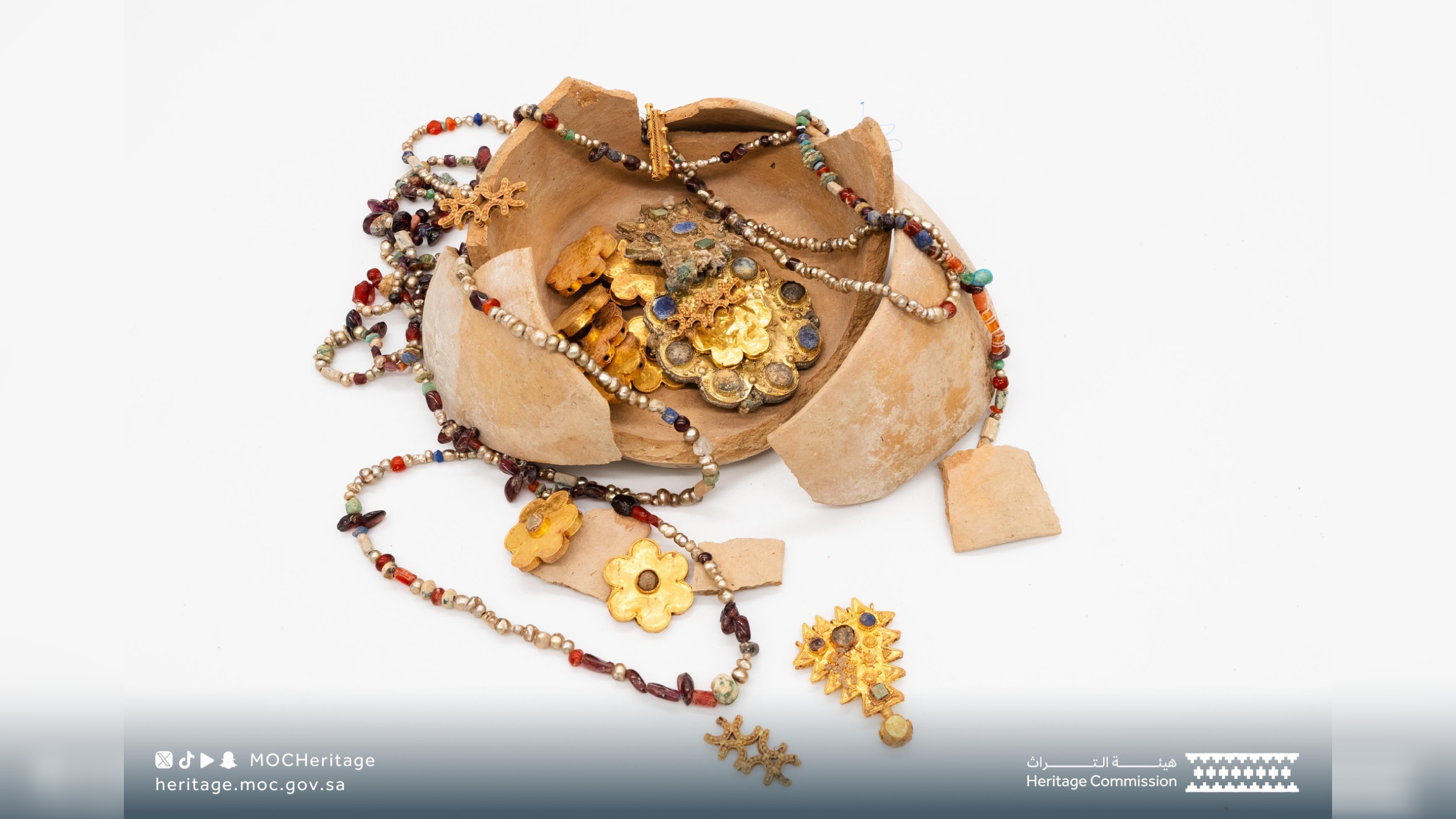
Why it matters: This find materially anchors the scale and character of wealth in transit during the early Islamic Golden Age, offering a tangible index of pilgrimage-era commerce and personal security.
Context: The Abbasid Caliphate (750-1258 CE) oversaw a vast network of trade and pilgrimage routes where stations like Dhariyah served as critical infrastructure, blending religious, economic, and social functions.
"Archaeologists have unearthed a 1,200-year-old hoard of gold, silver and gemstones that was buried along a medieval pilgrimage route in Saudi Arabia." — LIVESCIENCE
Commentary: The Dhariyah Treasure recalibrates understanding of portable wealth and risk management on the Hajj routes; its burial circa 743-753 CE coincides with the Abbasid consolidation of power, suggesting either a period of instability or a pilgrim’s prudent concealment of assets. The craftsmanship—embossed gold sheets and inlaid gems—signals a specialized luxury goods economy servicing elite travelers, directly linking devotional practice to artisanal and mercantile networks.
Date: Wed, 27 May 2026 20:56:50 +0000
URL: https://www.livescience.com/archaeology/middle-east/1-200-year-old-gold-hoard-discovered-in-saudi-arabia-may-have-been-buried-by-a-medieval-pilgrim
AI Sentiment Score: Negative (75%)
AI Credibility Score: 10.0/10 — High
Scores and text generated by AI analysis of the source article indicated.
Road Leading to Ancient City of Side Excavated (Archaeology)
Summary: Excavations at the ancient port city of Side in southern Anatolia have uncovered a street leading to the city’s eastern gate, along with adjacent streets. The discovery adds granular detail to the urban plan of a site known since 1947 for its theater, temples, baths, and monumental fountain. The find reinforces Side’s dual identity as both a maritime hub and an agricultural center, sustained by alluvial soils from the Melas River.
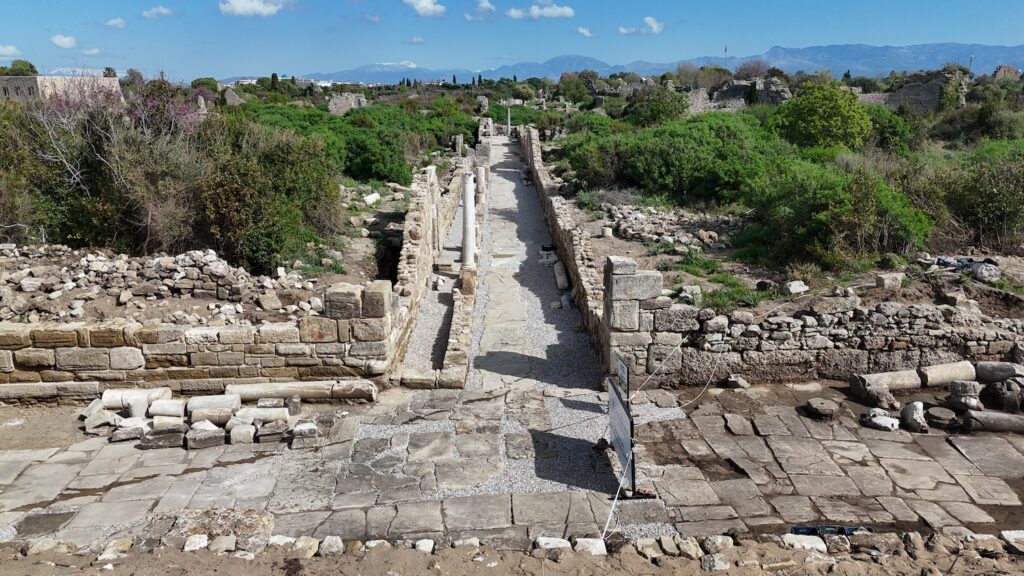
Why it matters: It refines the understanding of urban connectivity and access in a major classical port city, illustrating how infrastructure supported its economic duality.
Context: Side was a significant Pamphylian port city, later a Roman provincial capital, whose archaeological record has been built incrementally over decades. This discovery fits into a pattern of recent work clarifying the functional layout of Mediterranean harbor cities beyond their monumental cores.
"ANTALYA, TURKEY—Excavations on the southern coast of Anatolia have uncovered a street leading to the eastern gate of the ancient port city of Side, according to a Türkiye Today report. A theater,." — ARCHAEOLOGY
Commentary: The street excavation shifts focus from Side’s isolated monuments to its circulatory system, revealing how the city managed the flow of goods and people between its agricultural hinterland and its harbor. This underscores the practical integration of economic functions in classical urbanism, a corrective to purely ceremonial interpretations of ancient cityscapes. The repeated dredging mentioned by researchers hints at a persistent, costly struggle against siltation, a vulnerability common to river-mouth ports that ultimately shaped settlement history.
Date: Wed, 03 Jun 2026 17:30:00 +0000
URL: https://archaeology.org/news/2026/06/03/road-leading-to-ancient-city-of-side-excavated-in-anatolia/
AI Sentiment Score: Positive (50%)
AI Credibility Score: 10.0/10 — High
Scores and text generated by AI analysis of the source article indicated.
Monumental Tomb Uncovered in Southern Turkey (Archaeology)
Summary: Archaeologists have uncovered a third monumental Roman-period tomb in the Lycian city of Olympos, southern Turkey. The vaulted structure, standing approximately 30 feet tall, contained a marble sarcophagus decorated with hunting scenes and the Greek goddess Nike. Restoration work on the damaged sarcophagus, comprising 50 pieces, is underway, with petrographic analysis tracing its high-quality marble to a quarry in western Turkey.
Why it matters: The find clarifies the scale and economic reach of elite burial practices in a provincial Roman city, offering concrete evidence of long-distance material exchange and local adaptation of imperial iconography.
Context: Olympos was a significant Lycian port city that later came under Roman control; monumental tombs here signal the integration of local elite display with broader Mediterranean trade and artistic conventions.
"A marble sarcophagus decorated with images of hunting scenes featuring Nike, the Greek goddess of victory, was discovered inside the vaulted tomb, which stood about 30 feet tall." — ARCHAEOLOGY
Commentary: The sourcing of marble from western Anatolia, not local Lycian stone, underscores the economic networks that sustained provincial elite status. The choice of Nike in a hunting scene, rather than a purely funerary motif, suggests a deliberate blending of Hellenistic prestige symbols with Roman-era aristocratic self-fashioning, complicating simple narratives of cultural assimilation.
Date: Thu, 28 May 2026 17:30:00 +0000
URL: https://archaeology.org/news/2026/05/28/monumental-tomb-uncovered-in-southern-turkey/
AI Sentiment Score: Neutral (33%)
AI Credibility Score: 10.0/10 — High
Scores and text generated by AI analysis of the source article indicated.
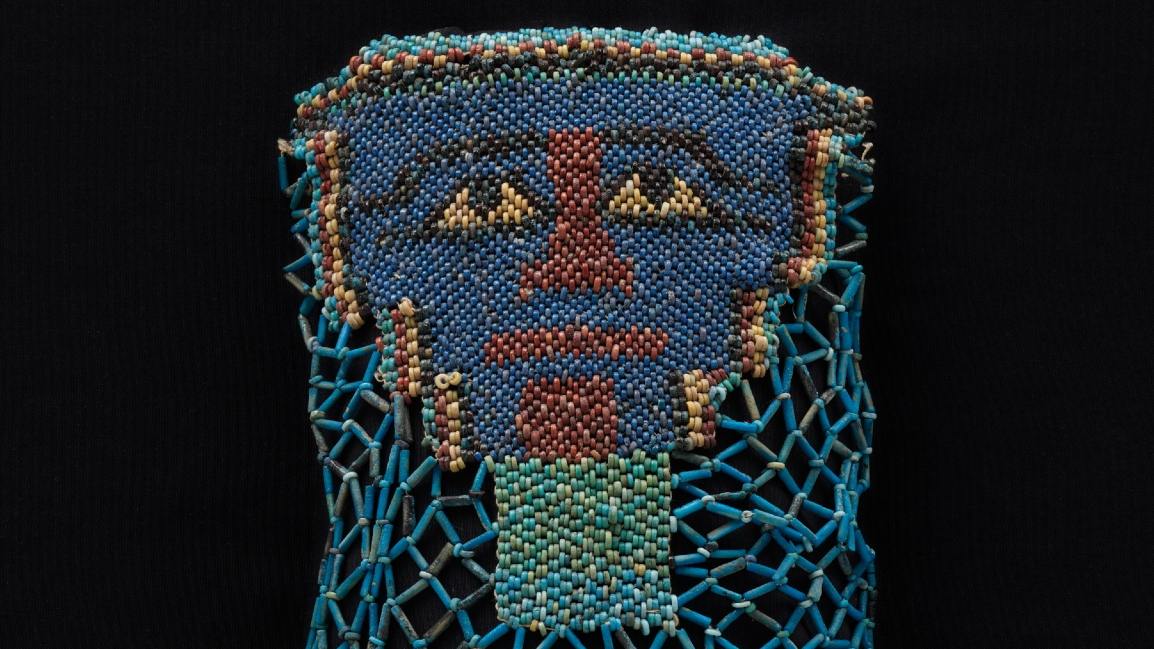
Bead net funerary shroud: A 2,500-year-old beaded veil from Egypt depicting the deceased’s transformation into Osiris (Livescience)
Summary: A Late Period (664–525 BCE) Egyptian funerary shroud, composed of thousands of multicolored beads woven into a human face, a winged scarab, and a broad collar, has been analyzed by the Art Institute of Chicago. The artifact, purchased in the 19th century, symbolizes the deceased’s transformation into Osiris and may reference the sky goddess Nut through its predominant blue coloration. Such bead nets were placed over linen-wrapped mummies, with the ensemble representing the wrappings of the god of the dead.
Why it matters: This object refines our understanding of Late Period Egyptian funerary practice, illustrating how material culture—specifically beadwork—was deployed to enact a theological narrative of deification and cosmic protection.
Context: Bead-net shrouds are a known but relatively rare class of artifact from the first millennium BCE in Egypt, representing a high-status, labor-intensive alternative or supplement to painted or gilded cartonnage masks.
""Together, the shroud and net imitated the wrappings of Osiris, hence symbolizing the assimilation of the deceased to the god," Teeter wrote." — LIVESCIENCE
Commentary: The shroud operationalizes belief through craft, merging iconography (scarab, collar) with material (beads as stars) to perform a ritual function. Its provenance via a 19th-century missionary collector also underscores the market dynamics and dispersal pathways that shaped modern museum collections of Egyptian antiquities, separating the object from its original archaeological and mortuary context.
Date: Mon, 25 May 2026 10:00:00 +0000
URL: https://www.livescience.com/archaeology/ancient-egyptians/bead-net-funerary-shroud-a-2-500-year-old-beaded-veil-from-egypt-depicting-the-deceaseds-transformation-into-osiris
AI Sentiment Score: Positive (66%)
AI Credibility Score: 10.0/10 — High
Scores and text generated by AI analysis of the source article indicated.
Funeral Cache Discovered in Egypt at Heliopolis (Archaeology)
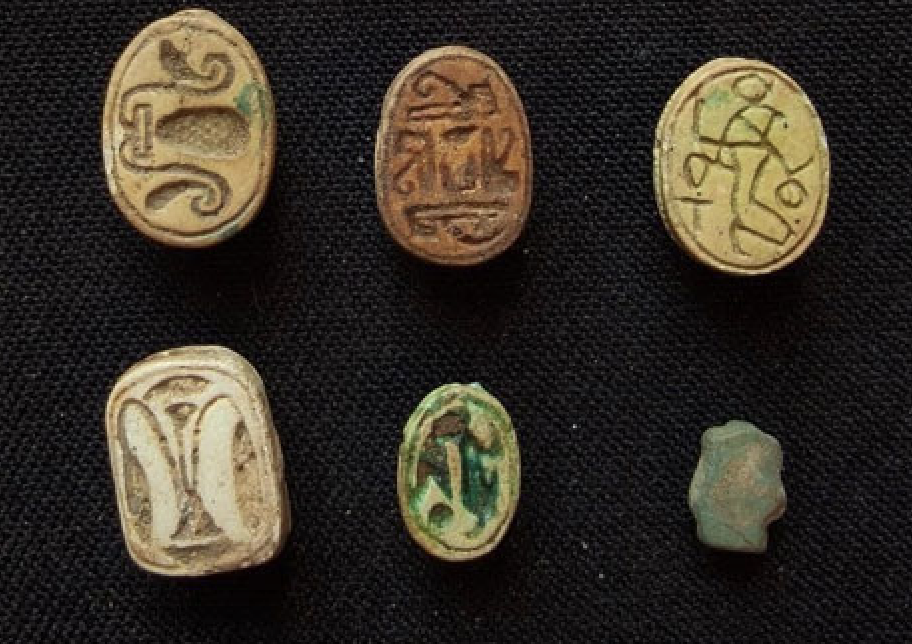
Summary: Excavations at the Heliopolis necropolis have uncovered a funerary cache beneath the tomb of Panehsy, containing cosmetic tools, a copper mirror, alabaster and obsidian kohl containers, faience vessels holding inscribed scarabs, amulets, and gold earrings. The find, reported by Egypt’s Supreme Council of Antiquities, includes limestone blocks with hieroglyphic inscriptions that are expected to refine the site’s chronology. The artifacts, particularly the obsidian container and gold-encased scarabs, indicate a burial of significant status within the sacred city’s administrative and priestly elite.
Why it matters: The cache provides direct material evidence of personal adornment, ritual practice, and trade networks in a pivotal religious center, refining models of social stratification and mortuary economics in the New Kingdom.
Context: Heliopolis was a core theological and administrative hub, yet its necropolises are less documented than those at Thebes or Saqqara; finds here recalibrate the distribution of wealth and ritual outside traditional royal centers.
"Underneath the grave, Hisham El-Leithy of Egypt’s Supreme Council of Antiquities said that the researchers found a collection of cosmetic tools, a copper mirror, and two alabaster kohl containers holding traces of cosmetics. A third kohl container in the cache had been made of obsidian." — ARCHAEOLOGY
Commentary: The obsidian kohl container signals long-distance trade, likely from the Aegean or Ethiopia, underscoring Heliopolis’s role in Red Sea and Mediterranean exchange networks. The presence of functional cosmetics in a burial context blurs the line between daily life and ritual preparation for the afterlife, suggesting a continuity of personal identity. The inscribed scarabs and Atef crown amulet point to a burial embedded in the state’s religious bureaucracy, offering a granular view of how theological authority was materially expressed beyond the royal court.
Date: Tue, 02 Jun 2026 18:00:00 +0000
URL: https://archaeology.org/news/2026/06/02/funeral-cache-discovered-in-egypt-at-heliopolis/
AI Sentiment Score: Neutral (50%)
AI Credibility Score: 10.0/10 — High
Scores and text generated by AI analysis of the source article indicated.
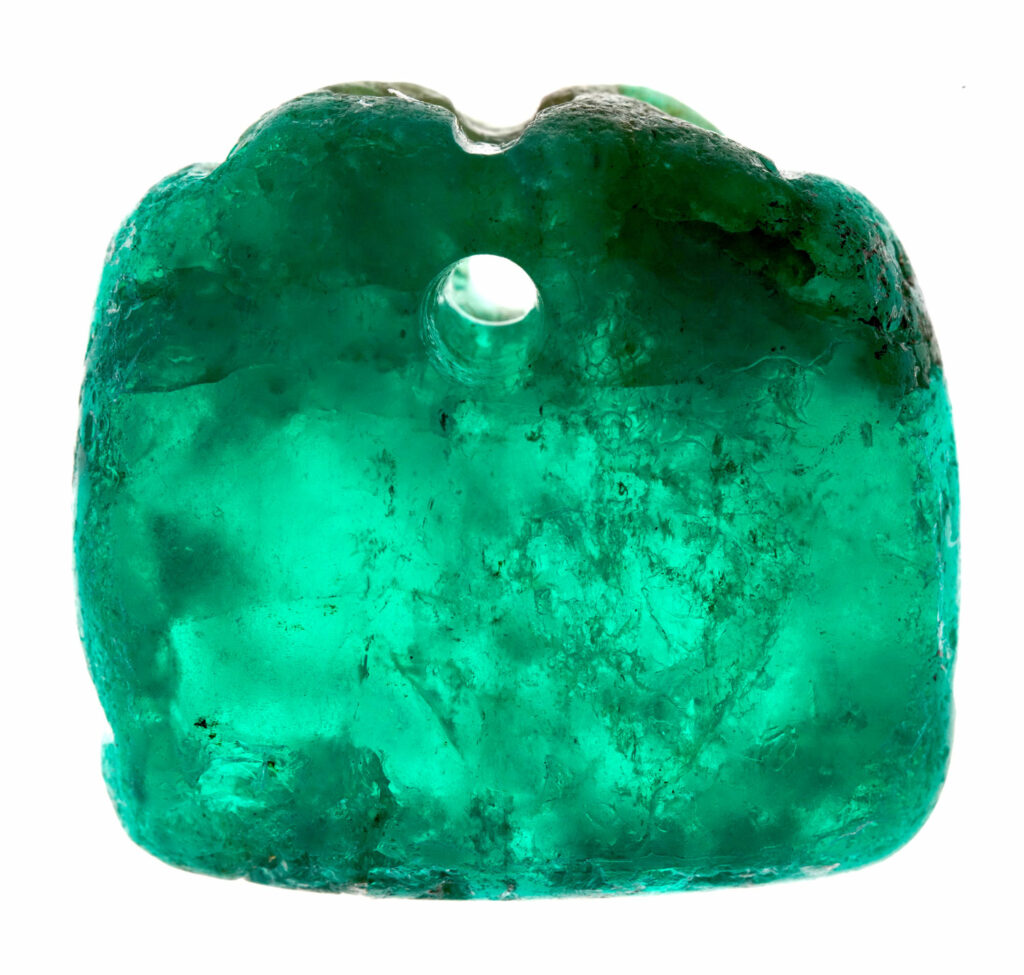
Colombian Emeralds Identified in Panama Burials (Archaeology)
Summary: Chemical analysis confirms that five emeralds found in elite burials at Panamanian sites El Caño and Sitio Conte, dated to A.D. 800–1000, originated from Colombian mines over 435 miles away. The stones were part of high-status grave goods alongside gold and megalodon teeth, with some showing evidence of local reworking. This establishes a long-distance exchange network distinct from direct trade between mining regions and Coclé chiefdoms.
Why it matters: It recalibrates models of pre-Columbian exchange, demonstrating that high-value symbolic goods moved through complex, multi-node networks rather than simple point-to-point trade, with implications for understanding elite power and interregional connectivity.
Context: The Gran Coclé region is known for its sophisticated metallurgy and hierarchical societies; this find shifts focus from local prestige economies to integrated, long-distance material flows.
"PANAMA CITY, PANAMA—Phys.org reports that X-ray fluorescence, infrared spectroscopy, and photoluminescence have been used to confirm that five green stones found at two archaeological sites on Panama’s Pacific coastline are emeralds that." — ARCHAEOLOGY
Commentary: The identification rewrites the map of pre-Hispanic exchange, suggesting a relay-trade system where emeralds accrued symbolic value through each transaction. Local reworking indicates these were not static trophies but active components of Coclé political and ritual life, integrating distant resources into local hierarchies. Future route mapping could reveal the specific intermediary societies that controlled this corridor, potentially reshaping narratives of regional power dynamics before European contact.
Date: Fri, 29 May 2026 18:30:00 +0000
URL: https://archaeology.org/news/2026/05/29/colombian-emeralds-identified-in-panama-burials/
AI Sentiment Score: Negative (50%)
AI Credibility Score: 10.0/10 — High
Scores and text generated by AI analysis of the source article indicated.
Statue Bases Uncovered in Sanctuary of Apollo on Cyprus (Archaeology)
Summary: Archaeologists have uncovered more than 20 in-situ statue bases at the Sanctuary of Apollo in Frangissa, Cyprus. The bases, some still attached to limestone and terracotta feet, were found preserved under a nineteenth-century backfill layer, remaining close to their original positions. The excavation revealed that the bases were intentionally covered with a leveling layer around 480 B.C., indicating a significant remodeling of the sanctuary complex.
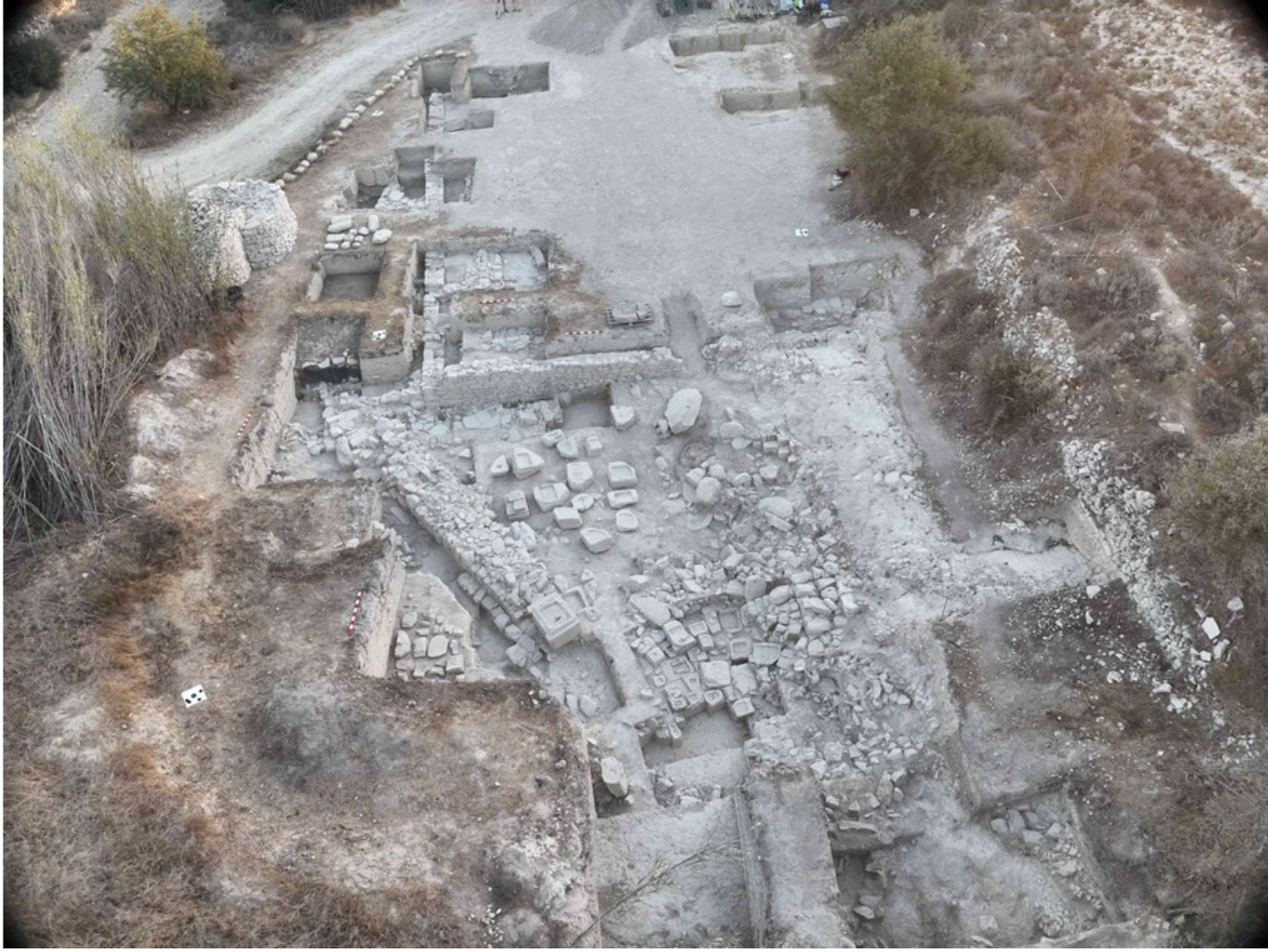
Why it matters: This find provides a rare, undisturbed snapshot of votive practice and sanctuary organization in Archaic Cyprus, directly challenging previous assumptions about site disturbance and offering concrete evidence for a major renovation event.
Context: The sanctuary was first excavated in 1885, but many finds were reburied, creating a stratified archaeological record that now allows modern techniques to separate original contexts from nineteenth-century interventions.
"FRANGISSA, CYPRUS—La Brújula Verde reports that more than 20 statue bases have been discovered at the site of the Sanctuary of Apollo in central Cyprus, which was discovered in 1885. At that." — ARCHAEOLOGY
Commentary: The undisturbed placement recalibrates our understanding of votive density and spatial hierarchy within Cypriot sanctuaries, moving from speculative reconstruction to empirical layout. The 480 B.C. leveling layer is a firm chronological anchor for a sanctuary-wide renovation, likely tied to political or religious shifts following the Persian conquests. This forces a reassessment of the site’s development narrative, previously reliant on scattered finds and early excavation reports.
Date: Wed, 27 May 2026 18:00:00 +0000
URL: https://archaeology.org/news/2026/05/27/statue-bases-uncovered-in-sanctuary-of-apollo-on-cyprus/
AI Sentiment Score: Neutral (33%)
AI Credibility Score: 10.0/10 — High
Scores and text generated by AI analysis of the source article indicated.
Bronze Age 5-year-old’s skull found in Uzbekistan is the oldest known evidence of surgery in Central Asia (Livescience)
Summary: A 4,000-year-old child’s skull from the Oxus civilization in Uzbekistan shows clear evidence of trepanation, making it the oldest documented surgical procedure in Central Asia and one of the oldest in Asia. The skeleton of the approximately five-year-old child was found buried alongside a younger child at the Djarkutan site, an urban center of the Bronze Age Bactria-Margiana Archaeological Complex. The discovery pushes the known timeline and geographic scope of advanced surgical intervention in the ancient world.
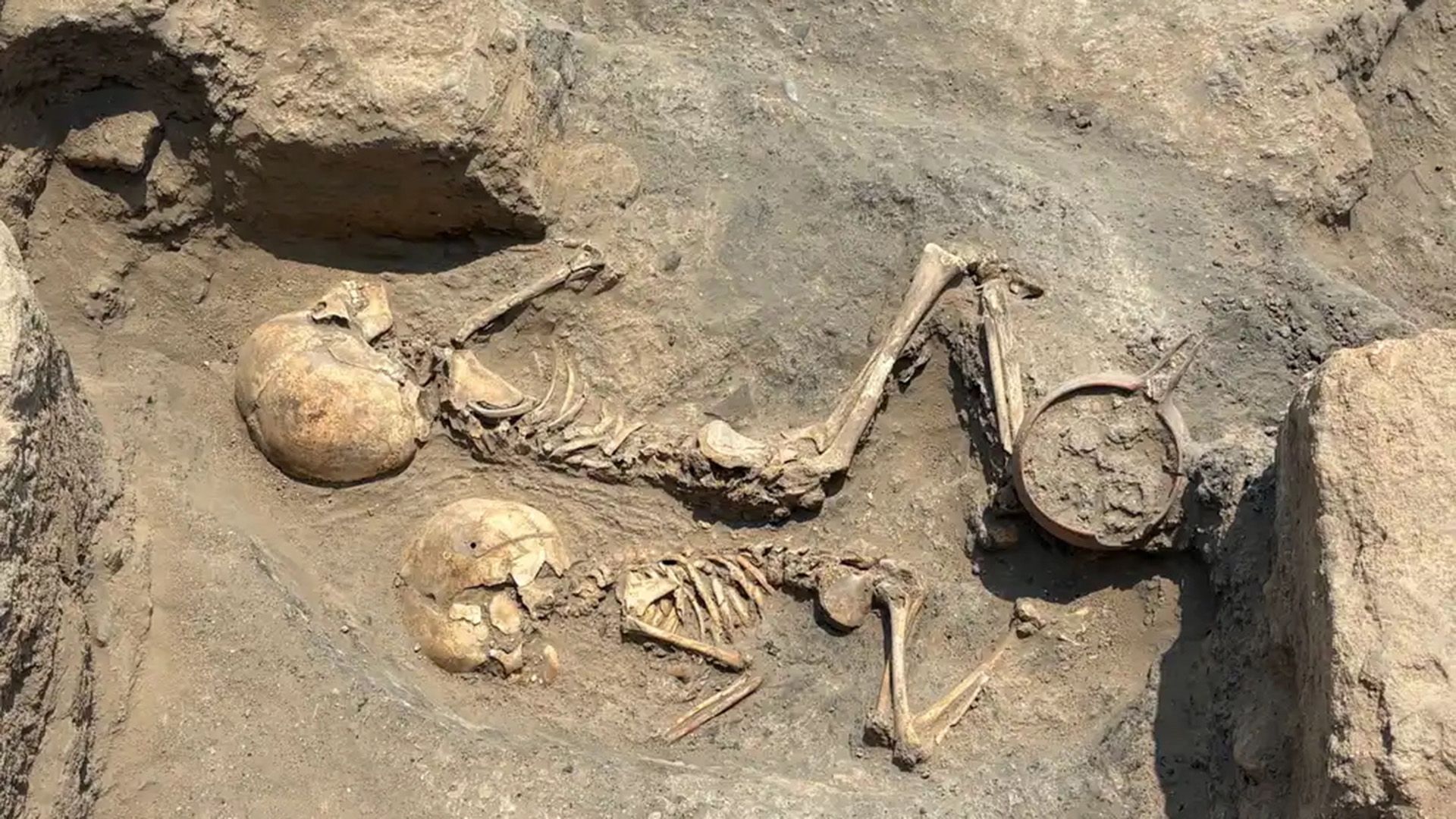
Why it matters: This finding recalibrates the historical timeline of medical knowledge and ritual practice in Central Asia, challenging assumptions about the region’s technological and cultural development during the Bronze Age.
Context: Trepanation is a well-documented but geographically uneven practice in antiquity; evidence from Central Asia, particularly involving young children, has been exceptionally rare. The Oxus civilization (BMAC) was a sophisticated, river-based society known for its material culture, but its medical practices were largely unknown.
"A cranial trepanation on a child, four thousand years ago, in Central Asia: until yesterday it was unthinkable. Today it is in our data." — LIVESCIENCE
Commentary: The procedure on a young child forces a reconsideration of the social and medical imperatives within Oxus society—was this an extreme therapeutic intervention for a severe ailment, or a ritual act with different cultural logic? It also raises questions about the transmission of surgical techniques across Eurasia, suggesting a more interconnected and experimentally advanced Bronze Age than some models allow. The find underscores that the ‘frontier between medicine and ritual’ was not merely blurred but constituted a different epistemological landscape entirely.
Date: Sun, 31 May 2026 14:00:00 +0000
URL: https://www.livescience.com/archaeology/bronze-age-5-year-olds-skull-found-in-uzbekistan-is-the-oldest-known-evidence-of-surgery-in-central-asia
AI Sentiment Score: Negative (66%)
AI Credibility Score: 10.0/10 — High
Scores and text generated by AI analysis of the source article indicated.
Jewelry Hoard Unearthed in Saudi Arabia (Archaeology)
Summary: A hoard of over 100 gold, silver, and gemstone jewelry pieces, stored in a ceramic jar, was discovered in Diriyah, Saudi Arabia. The find dates to the mid-8th century AD (743-753 AD), placing it at the very beginning of the Abbasid Caliphate. Diriyah was a settlement on the pilgrimage and trade route connecting Basra to Mecca.
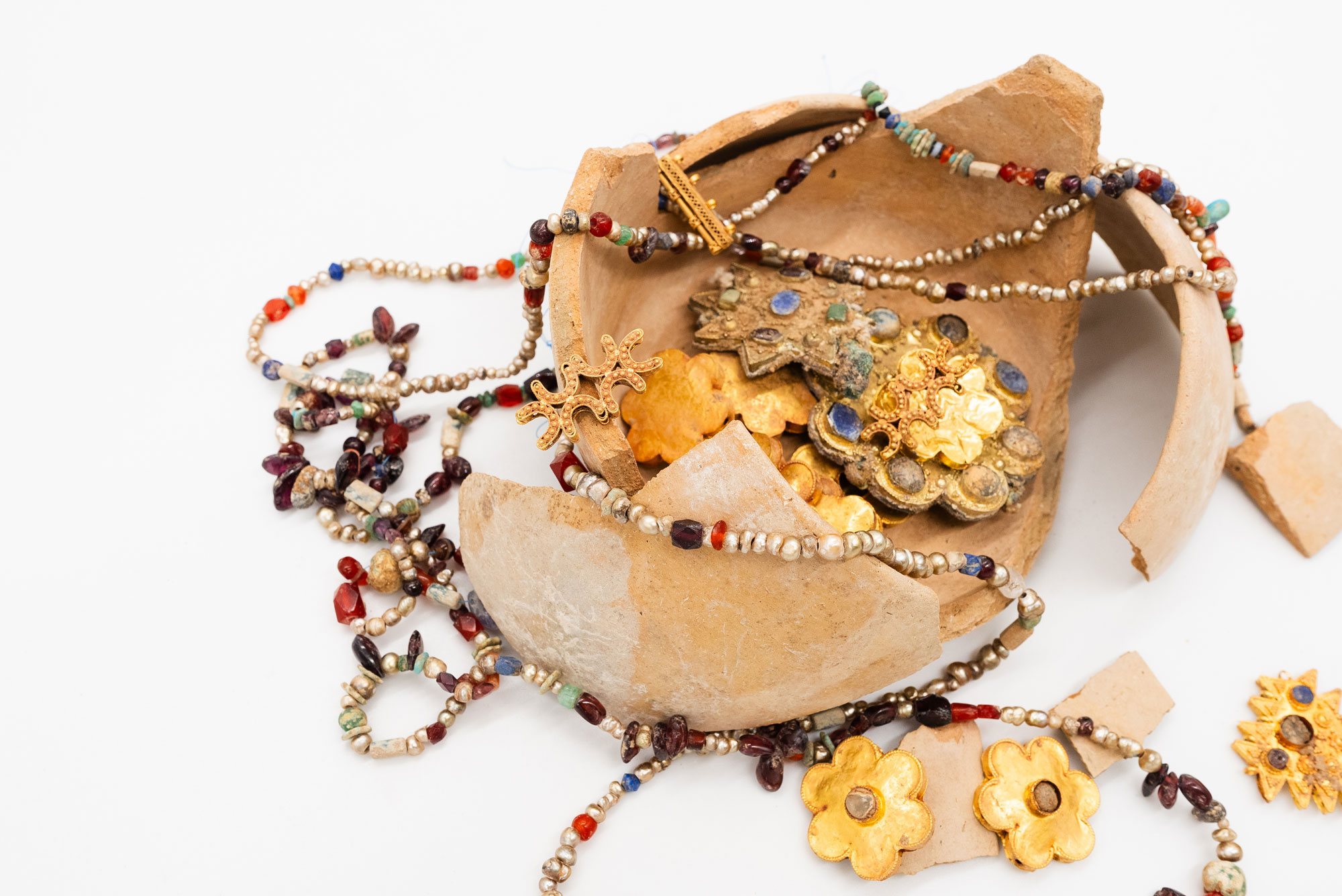
Why it matters: This find provides a material snapshot of wealth, trade, and personal security at a precise moment of political transition, directly linking commerce, faith, and early state formation.
Context: The Abbasid Caliphate’s rise in 750 AD marked a major political and economic reorientation in the Islamic world, with new trade and pilgrimage networks consolidating power away from the Umayyads.
"RIYADH, SAUDI ARABIA—A collection of more than 100 gold, silver, and gemstone jewelry pieces stored in a ceramic jar was discovered in Diriyah, a settlement that was once a stop on the." — ARCHAEOLOGY
Commentary: The hoard’s burial date, straddling the Umayyad-Abbasid transition, suggests a moment of instability where portable wealth was hidden and never recovered. Its location on the Basra-Mecca route underscores how pilgrimage corridors functioned as arteries for high-value commerce, not just spiritual travel. The composition—finished jewelry, not bullion—indicates the presence of a resident elite or merchant class engaged in long-distance exchange, refining our understanding of Diriyah from a mere waystation to a node of concentrated capital.
Date: Fri, 29 May 2026 17:00:00 +0000
URL: https://archaeology.org/news/2026/05/29/jewelry-hoard-unearthed-in-saudi-arabia/
AI Sentiment Score: Positive (50%)
AI Credibility Score: 10.0/10 — High
Scores and text generated by AI analysis of the source article indicated.
Signs of Respiratory Illness Found on 5,000-Year-Old Children’s Bones in Spain (Archaeology)
Summary: A study of 48 children’s skeletons from a 5,000-year-old collective burial cave in Spain reveals a high prevalence of bone lesions associated with chronic respiratory disease. Over 90% of the children showed pathological changes, with porous bones and specific cranial and postcranial lesions suggesting recurrent illness, likely exacerbated by environmental factors like indoor smoke and animal proximity. The findings point to a significant, sustained health burden in this Copper Age community.
Why it matters: This research refines our understanding of the lived experience of disease in prehistory, moving beyond singular epidemics to model the chronic environmental and domestic pressures that shaped early agricultural societies.
Context: The Camino del Molino site represents a long-term funerary practice spanning over 700 years, offering a rare diachronic view of community health. Such paleopathological studies are increasingly shifting focus from catastrophic events to the grinding, endemic conditions of daily life.
"BURGOS, SPAIN—Researchers led by Sonia Díaz-Navarro of the University of Burgos examined the skeletons of 48 children recovered from Camino del Molino, a 5,000-year-old circular burial cave in southeastern Spain, according to." — ARCHAEOLOGY
Commentary: The study challenges a simplistic ‘pathogen-of-the-day’ narrative for prehistoric morbidity, instead framing disease as a structural outcome of settled, proto-urban life. The equal burial treatment of afflicted individuals, noted by the researchers, suggests these conditions were normalized—a marker of societal adaptation to persistent environmental stress, not a crisis. This shifts the analytical frame from epidemiology to the political ecology of early communities.
Date: June 05, 2026 02:00 PM ET
URL: https://archaeology.org/news/2026/06/05/signs-of-respiratory-illness-found-on-5000-year-old-childrens-bones-in-spain/
AI Sentiment Score: Negative (75%)
AI Credibility Score: 10.0/10 — High
Scores and text generated by AI analysis of the source article indicated.
Reservoirs Found in Historic Red Sea Port City (Archaeology)
Summary: Excavations at the historic Red Sea port of ‘Aydhab have uncovered a sophisticated water storage system, including a central 50-foot-long reservoir built from sandstone and coral blocks lined with waterproof lime plaster. The infrastructure, dated to Egypt’s Fatimid period (969–1171 CE), supported both maritime trade and the movement of pilgrims across routes linking Egypt, North Africa, Israel, India, Yemen, and East Africa. Associated finds of imported Chinese porcelain and residential structures further illustrate the port’s role as a critical node in medieval Indian Ocean networks.
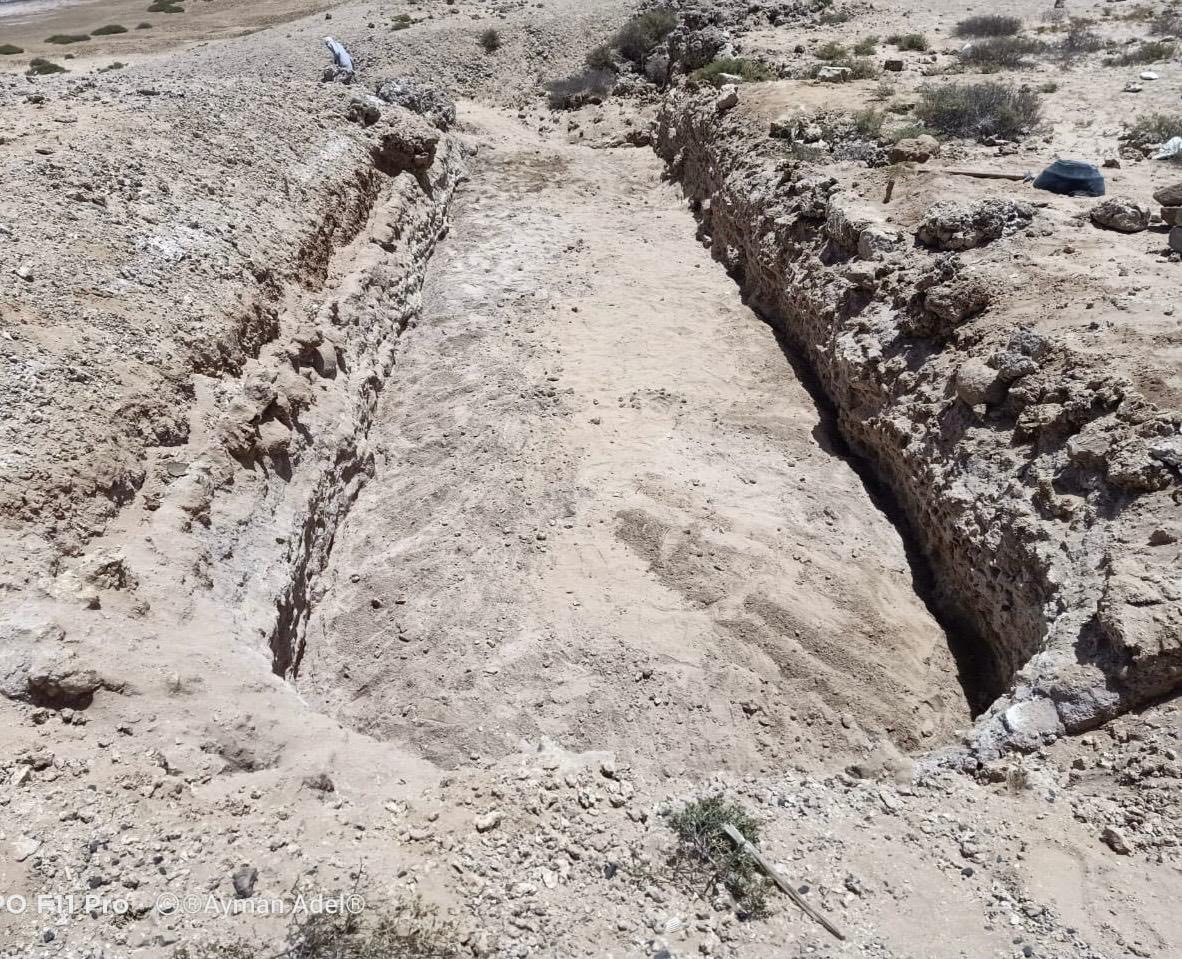
Why it matters: This discovery materially advances our understanding of the logistical engineering that sustained long-distance trade and pilgrimage in the medieval Islamic world, moving beyond textual evidence to physical infrastructure.
Context: Recent archaeology has shifted focus from grand monuments to the mundane systems—ports, roads, water management—that enabled economic and cultural exchange, particularly in the often-overlooked Red Sea corridor.
"“These installations reflect a sophisticated infrastructure that supported both trade and the movement of pilgrims,” said Sherif Fathy, Egypt’s Minister of Tourism and Antiquities." — ARCHAEOLOGY
Commentary: The scale and technical execution of the reservoirs underscore ‘Aydhab’s function not as a peripheral outpost but as a strategically managed hub where state investment in civic infrastructure directly facilitated both commerce and religious mobility. This physical evidence challenges narratives that reduce such ports to mere waystations, instead revealing them as deliberately engineered environments critical to the Fatimid state’s economic and ideological reach across the Indian Ocean world.
Date: Fri, 29 May 2026 18:00:00 +0000
URL: https://archaeology.org/news/2026/05/29/reservoirs-found-in-historic-red-sea-port-city/
AI Sentiment Score: Neutral (50%)
AI Credibility Score: 10.0/10 — High
Scores and text generated by AI analysis of the source article indicated.
Possible Early Saw Technology Uncovered in Japan (Archaeology)
Summary: A small iron artifact excavated from the Hayashi-Fugishima site in Fukui Prefecture, Japan, has been identified as a saw blade dating to the late second century AD. The tool, less than two inches long with a beak-like shape and fine triangular teeth, represents a significant technological find. Its discovery suggests a more advanced and specialized ironware culture along the Sea of Japan coast during the Yayoi period than previously documented.
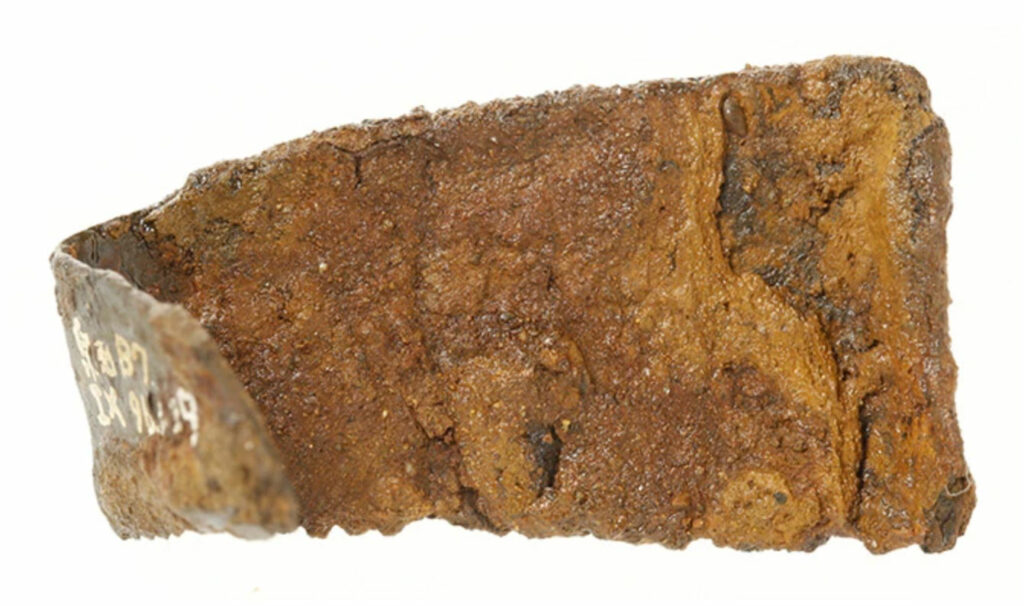
Why it matters: This find recalibrates the timeline and sophistication of toolmaking technology in Yayoi-period Japan, directly challenging assumptions about the pace and nature of technological diffusion and local adaptation.
Context: Similar saws from the same era are known from China, placing this artifact within a broader East Asian technological milieu. The Yayoi period (c. 300 BC–300 AD) is characterized by the introduction of wet-rice agriculture and metallurgy from the continent, but the specifics of tool adaptation and local production remain areas of active research.
"“The artifact could be an important piece of evidence supporting the advancement of ironware culture along the Sea of Japan coast during the Yayoi period,” said Tomokatsu Uozu of the Fukui Prefectural Archaeological Research Center." — ARCHAEOLOGY
Commentary: The find shifts the focus from mere importation of continental goods to active, specialized production and refinement in a specific Japanese coastal region. It implies a level of craft specialization and possibly localized trade networks for tools, not just prestige items. This complicates the simple core-periphery model of technological spread, suggesting multiple, concurrent centers of innovation along maritime routes. The artifact’s diminutive size also prompts questions about its specific use—whether for fine woodworking, bone carving, or another precise craft—further specifying the economic activities of the period.
Date: June 05, 2026 01:30 PM ET
URL: https://archaeology.org/news/2026/06/05/possible-early-saw-technology-uncovered-in-japan/
AI Sentiment Score: Negative (66%)
AI Credibility Score: 10.0/10 — High
Scores and text generated by AI analysis of the source article indicated.
Paleolithic Rock Art Confirmed in Wales (Archaeology)
Summary: Red bands in Bacon Hole, a Welsh cave discovered in 1912 and later dismissed as natural mineral stains, have been confirmed as intentional Paleolithic art via uranium-thorium dating and pigment analysis. The work, dated to over 17,000 years ago, consists of equidistant horizontal lines applied with a finger. This overturns a century-old academic reassessment from 1928.
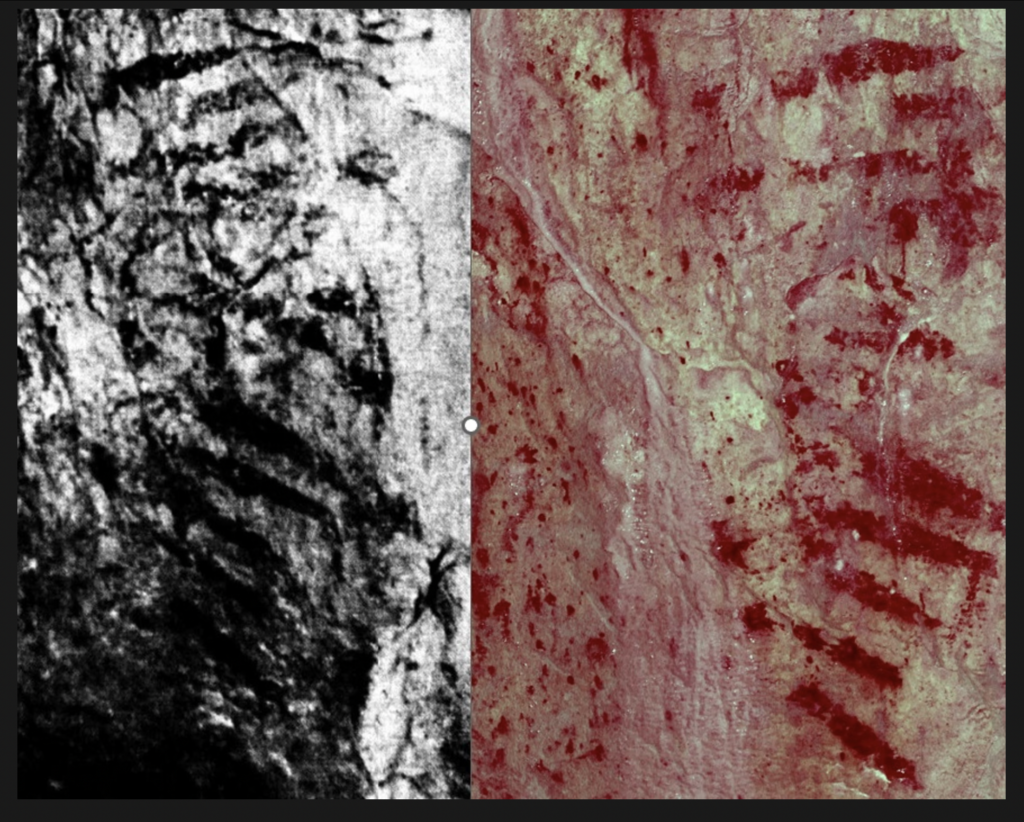
Why it matters: It corrects a long-standing error in the archaeological record and pushes the confirmed geographic range of Paleolithic symbolic expression in northwestern Europe further west.
Context: The reinterpretation of cave markings once deemed natural is a recurring pattern in Paleolithic archaeology, often driven by advances in dating and material science. This case highlights the fragility of early 20th-century classifications.
"MUMBLES, WALES—According to a report in The Guardian, red horizontal bands on the walls of a cave in south Wales have now been identified as rock art dated to more than 17,000." — ARCHAEOLOGY
Commentary: The confirmation shifts Bacon Hole from a footnote of geological curiosity to a node in the network of Late Upper Paleolithic activity. It underscores how methodological thresholds—not just discovery—govern the map of early human symbolic geography. For institutional archaeology, it serves as a caution against the finality of early re-evaluations and a case for the systematic re-investigation of similarly dismissed sites using modern techniques.
Date: Tue, 02 Jun 2026 17:30:00 +0000
URL: https://archaeology.org/news/2026/06/02/paleolithic-rock-art-confirmed-in-wales/
AI Sentiment Score: Neutral (33%)
AI Credibility Score: 10.0/10 — High
Scores and text generated by AI analysis of the source article indicated.
Evidence of Surgery 4,000 Years Ago Uncovered in Central Asia (Archaeology)
Summary: Archaeologists from the University of Salento, Termez State University, and the Samarkand Archaeological Institute have identified a cranial trepanation on the skull of a five-year-old child buried at the Oxus settlement of Djarkutan in southern Uzbekistan. The procedure, performed approximately 4,000 years ago with stone or bone tools, suggests sophisticated medical knowledge and intervention in Bronze Age Central Asia. The find challenges prior assumptions about the geographic and demographic limits of early surgical practice.
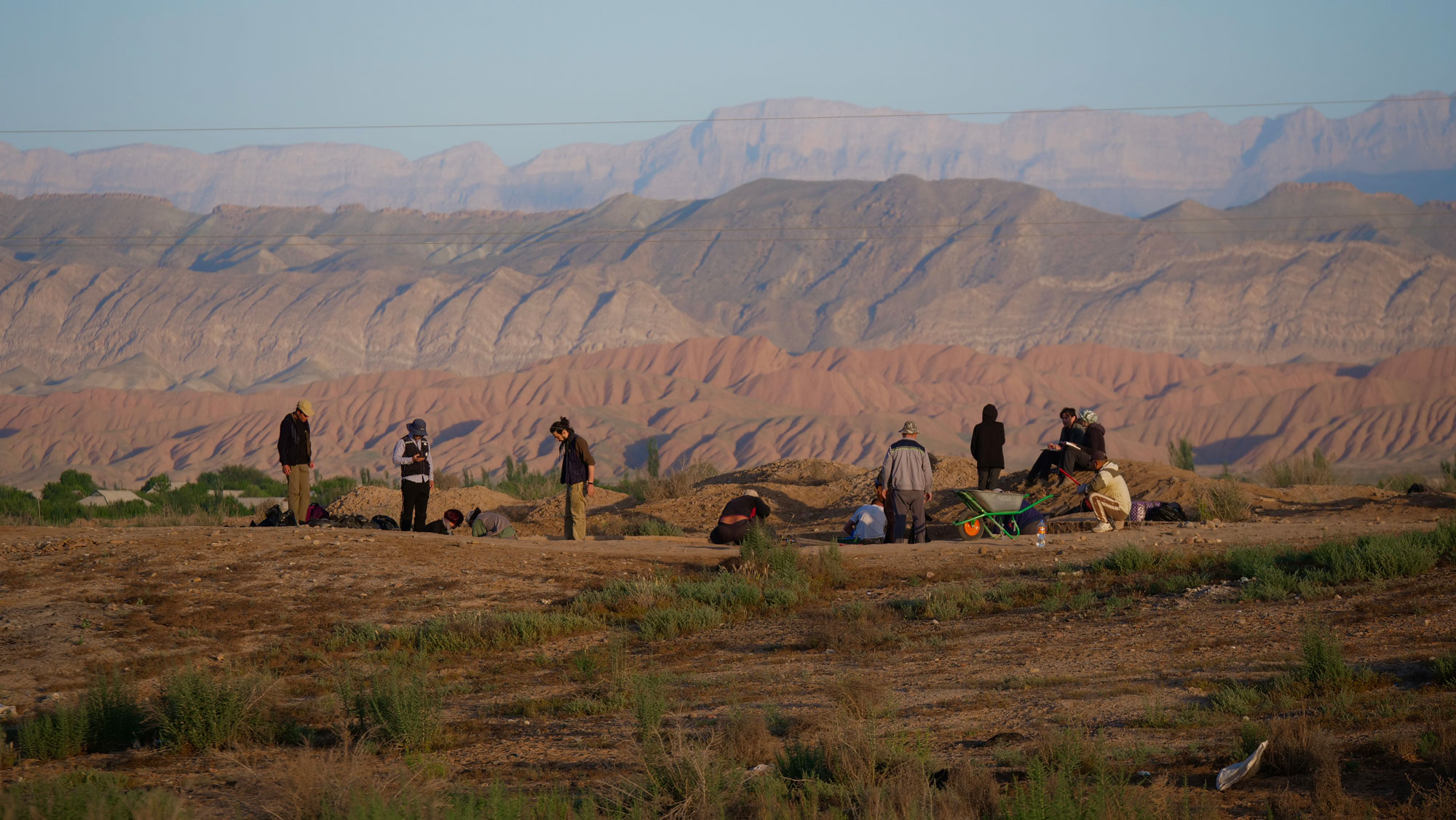
Why it matters: This discovery recalibrates our understanding of the distribution, social context, and technical ambition of complex medical interventions in prehistory, moving the narrative beyond the Mediterranean and Near Eastern centers.
Context: Trepanation is documented globally in antiquity, but evidence from Central Asia, particularly on juvenile remains, is exceptionally rare, complicating models of knowledge transmission and community care structures along early exchange routes.
"A cranial trepanation on a child, 4,000 years ago, in Central Asia: until yesterday it was unthinkable. Today it is in our data,." — ARCHAEOLOGY
Commentary: The find shifts the locus of advanced Bronze Age medical practice eastward, forcing a reassessment of the Oxus Civilization’s role as a nexus of technical innovation rather than merely a cultural recipient. Performing such a high-risk procedure on a young child implies both a developed therapeutic rationale—perhaps for conditions like epilepsy—and a social valuation of juvenile life that contradicts simplistic narratives of prehistoric societies. It also raises questions about the identity and training of the practitioner within Djarkutan’s social hierarchy.
Date: Tue, 02 Jun 2026 17:00:00 +0000
URL: https://archaeology.org/news/2026/06/02/evidence-of-surgery-4000-years-ago-uncovered-in-central-asia/
AI Sentiment Score: Positive (40%)
AI Credibility Score: 10.0/10 — High
Scores and text generated by AI analysis of the source article indicated.
Scientists Evaluate Sámi Burial in Finland (Archaeology)
Summary: A genetic and isotopic analysis of a 17th-century Sámi man’s remains near Lake Kitka, Finland, reveals a life history of significant mobility. While his DNA confirms a Sámi lineage and shows genetic admixture with the broader Finnish population, his diet and water sources shifted dramatically from a childhood involving land animals and freshwater fish to teenage years potentially spent in a volcanic region like Iceland, before a final period of marine-focused consumption near his burial site.
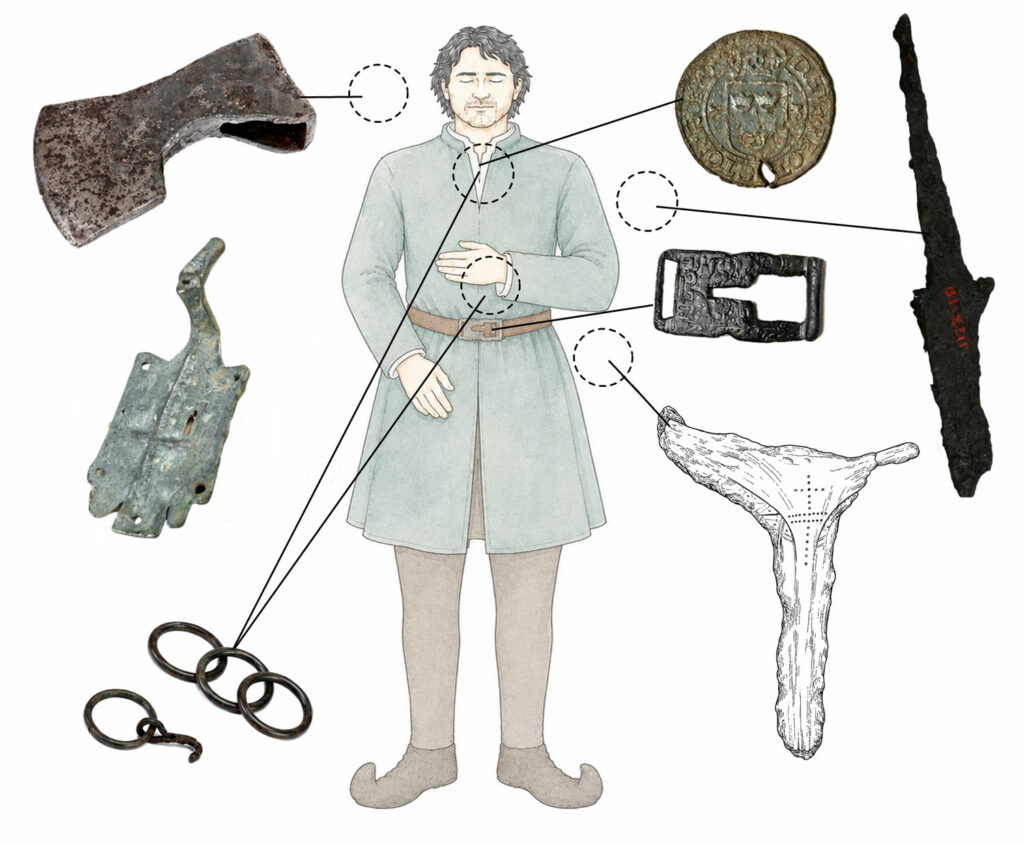
Why it matters: This directly challenges static, territorial models of historical Sámi society, replacing them with evidence of long-distance mobility and complex subsistence strategies that complicate modern ethnic and national narratives.
Context: Historical and archaeological research on the Sámi has often been framed by later colonial and national borders, projecting modern conceptions of sedentary reindeer herding onto the past.
"KUUSAMO, FINLAND—According to a statement released by the University of Turku, researchers from the University of Turku, including Sanni Peltola and Ulla Nordfors, have analyzed the remains of a 40-year-old man who." — ARCHAEOLOGY
Commentary: The findings operationalize a shift from viewing the Sámi as a geographically bounded, culturally monolithic group to understanding them as participants in far-reaching Arctic and sub-Arctic networks. This forces a reassessment of Sámi agency in early modern trade and contact, and underscores how isotopic analysis can decouple genetic ancestry from lived experience, revealing individual life courses that defy collective stereotypes.
Date: Thu, 28 May 2026 17:00:00 +0000
URL: https://archaeology.org/news/2026/05/28/scientists-evaluate-sami-burial-in-finland/
AI Sentiment Score: Negative (80%)
AI Credibility Score: 10.0/10 — High
Scores and text generated by AI analysis of the source article indicated.
How Did Stonehenge’s Altar Stone Arrive at Salisbury Plain? (Archaeology)
Summary: New research from Curtin University challenges the glacial transport hypothesis for Stonehenge’s Altar Stone, a 6-ton sandstone slab. Using mineral grain dating and ice-sheet modeling, the study concludes glaciers could only have moved the stone partway, to the Dogger Bank region in the North Sea. The final journey to Salisbury Plain would have required a deliberate, multi-stage Neolithic operation involving overland hauling and water transport over hundreds of kilometers.
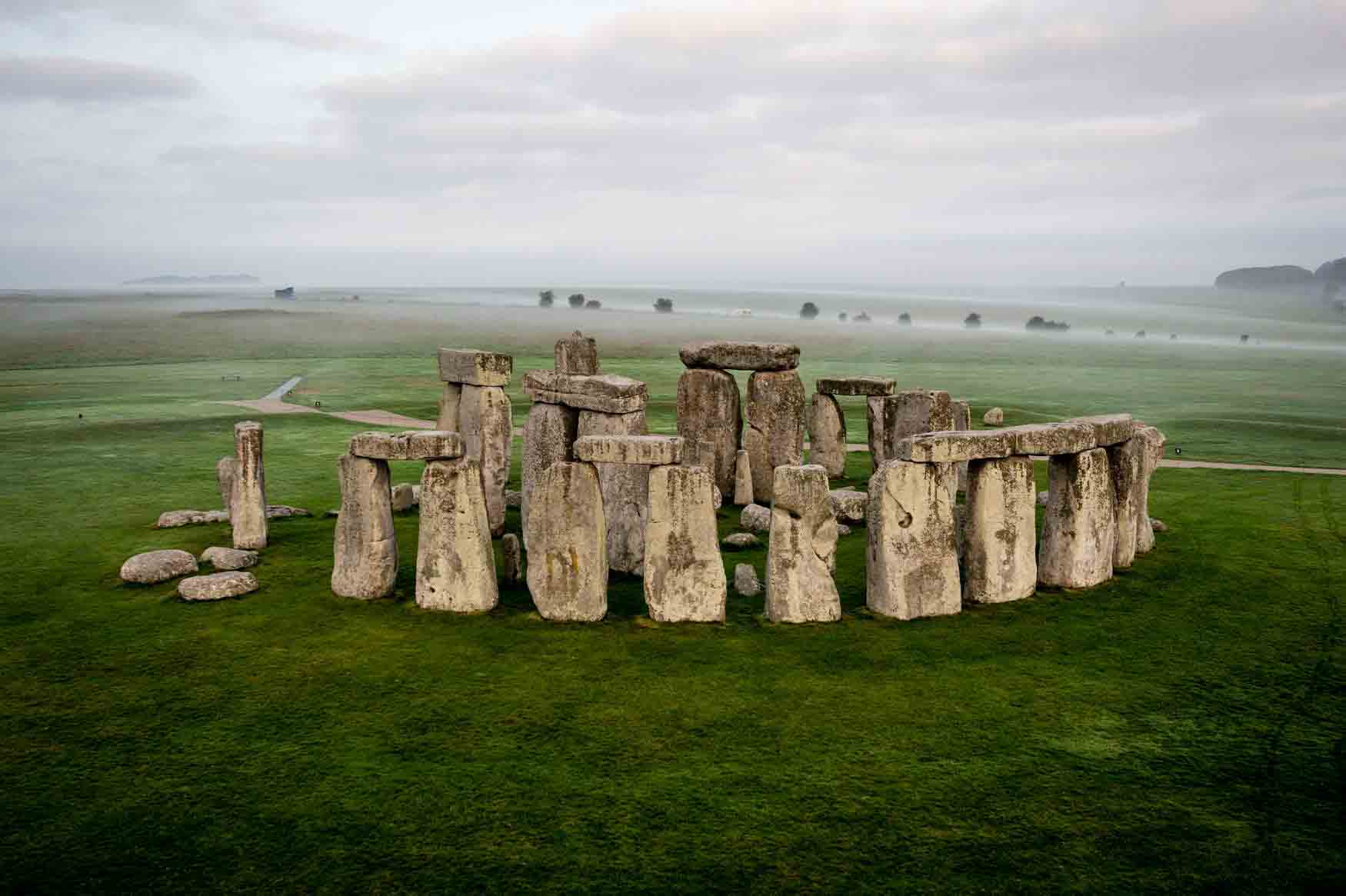
Why it matters: This shifts the narrative from a passive geological accident to a deliberate, complex feat of Neolithic logistics, forcing a reassessment of the scale of planning and social organization in prehistoric Britain.
Context: The origins of Stonehenge’s stones have long been debated, with the smaller bluestones traced to Wales. The Altar Stone’s provenance was less clear, with a glacial theory offering a simpler, if less human-centric, explanation.
"PERTH, AUSTRALIA—According to a statement released by Curtin University, the central Altar Stone at Stonehenge was likely transported more than 430 miles from northeastern Scotland to the Salisbury Plain in carefully planned." — ARCHAEOLOGY
Commentary: The findings elevate the Altar Stone’s journey from a footnote to a central logistical puzzle. It implies a Neolithic society capable of multi-generational projects with sophisticated knowledge of terrain and transport, and suggests the stone’s Scottish origin may have carried a symbolic or political significance worth the extraordinary effort.
Date: June 04, 2026 02:29 PM ET
URL: https://archaeology.org/news/2026/06/04/how-did-stonehenges-altar-stone-arrive-at-salisbury-plain/
AI Sentiment Score: Neutral (50%)
AI Credibility Score: 10.0/10 — High
Scores and text generated by AI analysis of the source article indicated.
Rare 1,700-year-old relic accidentally uncovered during child’s hunt stuns archaeologists (Foxnews)
Summary: An eight-year-old boy in Israel’s Negev Desert found a six-centimeter fragment of a 1,700-year-old stone statuette depicting a figure in a himation. The artifact, made from local phosphorite, exhibits high craftsmanship and was discovered as a surface find in the Ramon Crater area along the ancient spice route. Archaeologists from the Israel Antiquities Authority suggest it may represent the Roman god Jupiter or the syncretic Nabatean deity Zeus-Dushara.
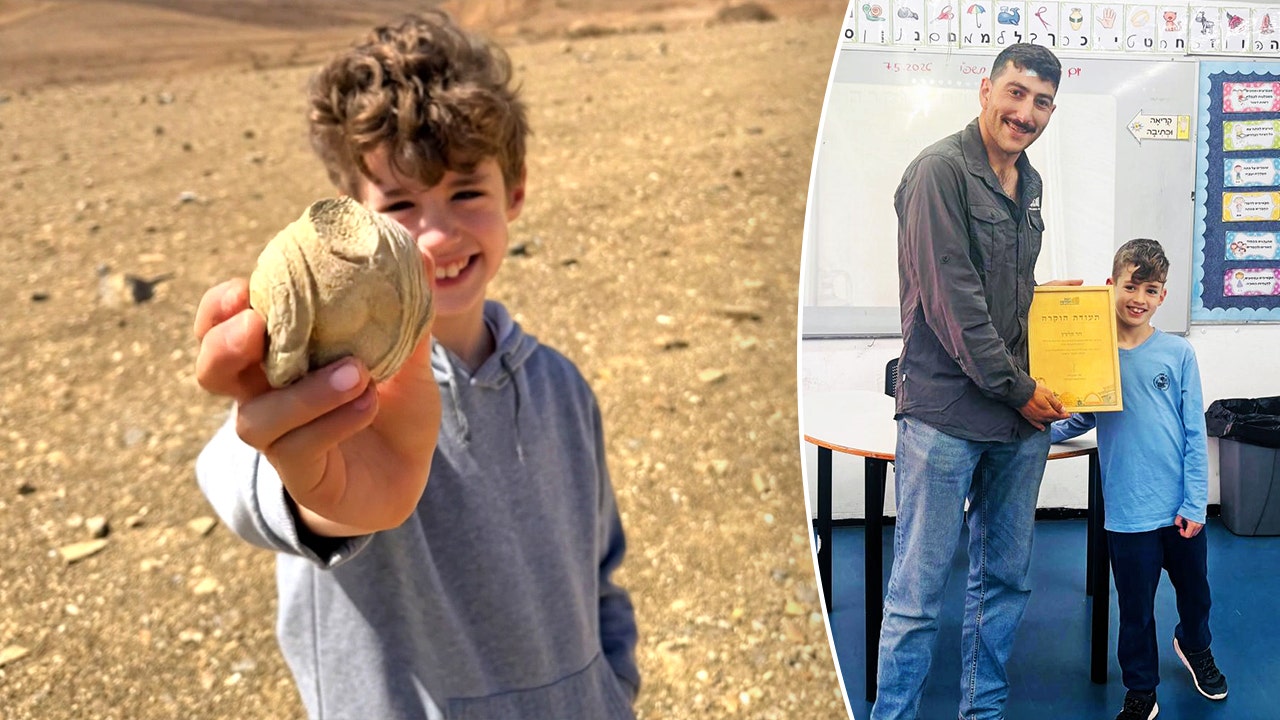
Why it matters: The find underscores how surface-level discoveries in arid zones can revise our understanding of local production, cultural syncretism, and trade network density in frontier regions of the Roman Empire.
Context: The Negev Desert, particularly the Ramon Crater corridor, was a nexus for Nabatean, Roman, and later Byzantine trade and cultural exchange, yet material evidence of local sculptural art from this period remains sparse.
"A child’s recent show-and-tell find turned out to be something unusual: a 1,700-year-old Roman statuette fragment. Dor Wolynitz, an 8-year-old from Rehovot, Israel, found the artifact during a visit to the Ramon." — FOXNEWS
Commentary: The artifact’s local material and classical style challenge the assumption that high-quality figurative art in the region was primarily imported, pointing to a skilled local workshop sector serving elite or ritual demand. Its discovery as a surface fragment, rather than in a controlled dig, highlights how erosion in arid landscapes continuously reshapes the archaeological record, making public engagement and responsible reporting—as exemplified here—critical for preservation.
Date: May 25, 2026 12:00 AM ET
URL: https://www.foxnews.com/travel/rare-1700-year-old-relic-accidentally-uncovered-childs-hunt-stuns-archaeologists
AI Sentiment Score: Negative (57%)
AI Credibility Score: 10.0/10 — High
Scores and text generated by AI analysis of the source article indicated.
ICE returns looted cultural artifacts to Islamic Republic of Afghanistan (Dvidshub.Net)
Summary: U.S. Immigration and Customs Enforcement (ICE) is repatriating a collection of looted gold artifacts and an ancient vase to Afghanistan. The items were seized in Newark, New Jersey, by Homeland Security Investigations agents who intercepted them en route to a New York business suspected of trafficking in illicit cultural property. This action represents a single enforcement node in the broader network of the illicit antiquities trade.
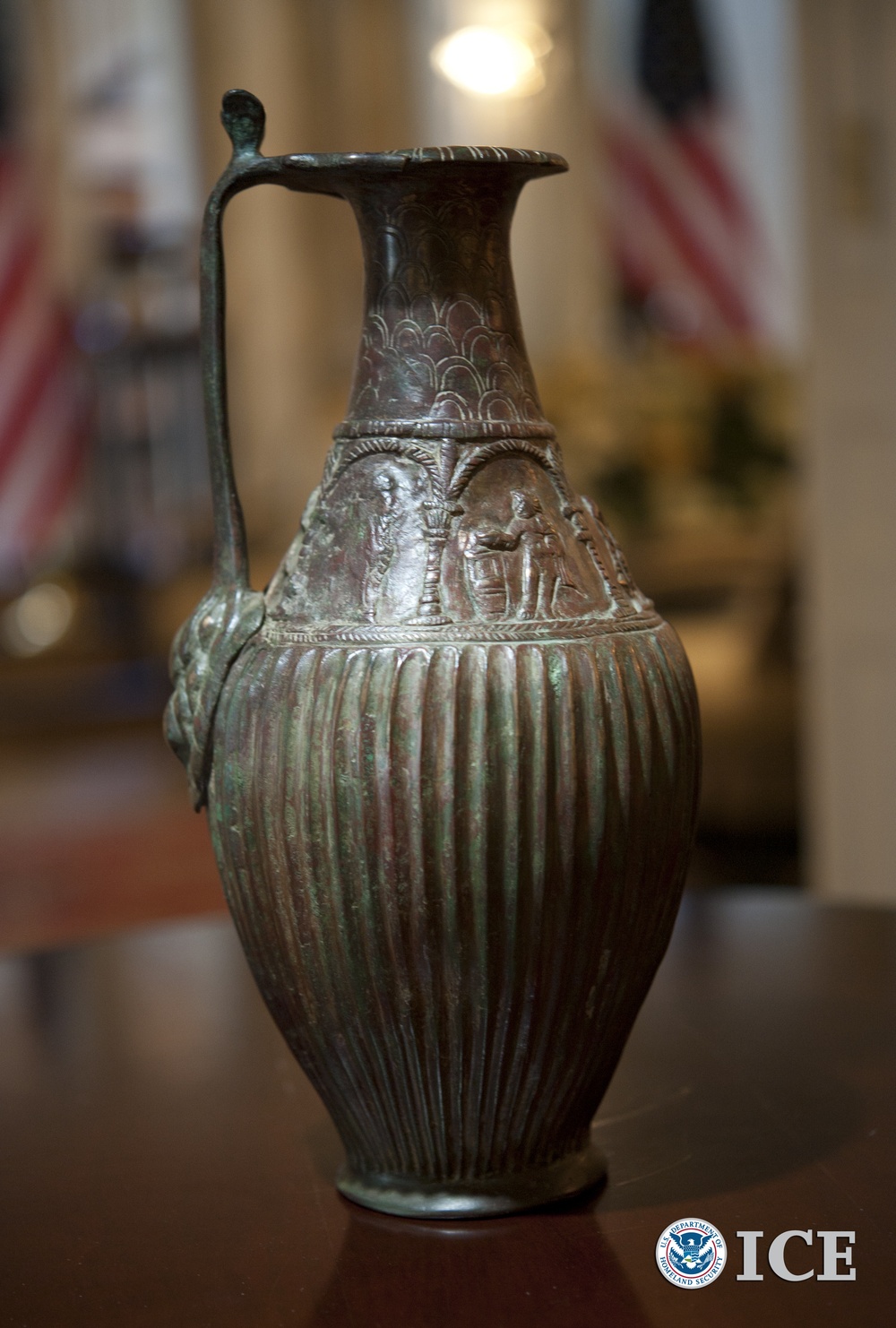
Why it matters: This repatriation underscores the operational role of U.S. border and customs agencies in global cultural heritage enforcement, directly linking market interdiction in New York to post-conflict recovery efforts in Afghanistan.
Context: The repatriation of Afghan artifacts occurs against a backdrop of persistent looting during decades of conflict, where cultural objects are funneled through transit hubs like Newark to major market centers. ICE/HSI has increasingly framed cultural property investigations as a homeland security and transnational crime issue.
"The antiquities were seized in Newark, N.J., after ICE Homeland Security Investigations (HSI) New York special agents discovered that the objects were destined for a New York business suspected of dealing in looted cultural property." — DVIDSHUB.NET
Commentary: The seizure highlights New York’s enduring role as a terminal market, but the operational shift is the integration of cultural property into HSI’s financial crime and smuggling portfolios. For Afghanistan, the return is symbolic but practically limited; it does not address the systemic drain of artifacts or the capacity of the Taliban government to serve as a responsible custodian. The action primarily demonstrates ICE’s ability to project a legitimizing function through cultural diplomacy, while the underlying trade networks adapt.
Date: May 26, 2026 12:00 AM ET
URL: https://www.dvidshub.net/image/1012303/ice-returns-looted-cultural-artifacts-islamic-republic-afghanistan
AI Sentiment Score: Negative (66%)
AI Credibility Score: 10.0/10 — High
Scores and text generated by AI analysis of the source article indicated.
Post ID: 928a84fe