
Fashion Innovation & New Product Launches
Fashion Briefing: How fashion schools are adopting AI and addressing the ‘critical thinking gap’ among new graduates (Glossy.Co)
Summary: Fashion institutions are implementing structured AI curricula and policies to address industry transformation and student anxiety. FIT’s AURA Committee has established a three-tiered system (Open, Conditional, Closed) for AI use in courses, while Parsons collaborates with Adobe on the ‘Not Generated’ initiative to explore AI’s role in creative work. Educators report a dual impact: AI aids in curriculum alignment but risks eroding student critical thinking, a deficit industry leaders explicitly worry about in new hires.

Why it matters: The pedagogical approach to AI will directly shape the capabilities and strategic value of the next generation of fashion professionals, determining whether they become tool-dependent operators or critical decision-makers.
Context: This curriculum shift occurs against a backdrop of student protests over AI’s perceived threat to creative jobs and industry data showing widespread public belief that AI hinders employment in creative fields.
"This week, a look at how AI is beginning to be used in fashion curricula, the “critical thinking gap” forming among fashion students, and what effect this will have on the industry’s." — GLOSSY.CO
Commentary: The institutional response—creating guardrails and specialized courses—is a necessary operational adaptation, but it formalizes a new labor filter: graduates from programs with rigorous ‘Conditional’ or ‘Closed’ AI policies may command a premium for their preserved critical faculties. Conversely, the industry’s fear of a ‘critical thinking gap’ suggests a coming stratification in hiring, where brands will pay more for graduates who can perform the high-level synthesis AI cannot, potentially reshaping starting salaries and role definitions. The pipeline now includes an explicit vetting process for AI literacy versus AI dependency.
Date: June 04, 2026 12:00 AM ET
URL: https://www.glossy.co/fashion/fashion-briefing-how-fashion-schools-are-adopting-ai-and-addressing-the-critical-thinking-gap-among-new-graduates/
AI Sentiment Score: Positive (40%)
AI Credibility Score: 10.0/10 — High
Scores and text generated by AI analysis of the source article indicated.
100Hands to Open First Store on London’s Savile Row (Wwd)
Summary: 100Hands, a luxury shirtmaker founded in Amsterdam with production in Punjab, India, will open its first physical store at 36 Savile Row in London this October. The 650-square-foot store, designed by Studio Lotus, will feature bespoke furniture and lighting designed to showcase its handmade shirts and expanded ready-to-wear line. This marks a significant incursion onto the historic British tailoring street by a brand built on Indian craftsmanship and corporate finance backgrounds.

Why it matters: This signals a shift in the operational geography and brand authority of Savile Row, introducing a vertically integrated, offshore production model to a street defined by on-premise British tailoring, which may pressure incumbent economics and client expectations.
Context: Savile Row’s identity is rooted in British bespoke tailoring houses, with heritage brands operating workshops on or near the street. Newer entrants have often modernized style but maintained local making; 100Hands represents a full separation of retail front-end from a distant, large-scale atelier.
"The 100Hands brand is going to be bringing a taste of Indian craftsmanship to Savile Row. The luxury shirtmaker, which is based in Amsterdam but has its atelier in Punjab, India, will." — WWD
Commentary: The move redefines ‘Savile Row’ as a retail destination rather than a production district, leveraging the address for brand legitimacy while maintaining cost and scale advantages in India. For established tailors, it introduces direct competition on ready-to-wear and fabric sourcing (noted Loro Piana use) from a player with different overheads. The store’s design, sourcing furniture and screens from Indian artisans, extends the brand’s craft narrative into the retail environment, creating a fully integrated marketing of its offshore production chain.
Date: Mon, 01 Jun 2026 04:01:00 +0000
URL: https://wwd.com/menswear-news/mens-retail-business/100hands-first-store-london-savile-row-1238985116/
AI Sentiment Score: Negative (75%)
AI Credibility Score: 10.0/10 — High
Scores and text generated by AI analysis of the source article indicated.
Warby Parker to enter new category with Intelligent Eyewear (Retaildive)
Summary: Warby Parker is entering the smart eyewear market this fall with its first Intelligent Eyewear line, built on Google’s Gemini AI and the Android XR OS. The frames, designed using the company’s archival style data and fit metrics, will offer optical and sunglass options supporting a range of prescriptions. This move follows other brand and tech efforts, like Meta’s Ray-Ban glasses and Innovative Eyewear’s licensed collections with ChatGPT, to establish a viable consumer product category.
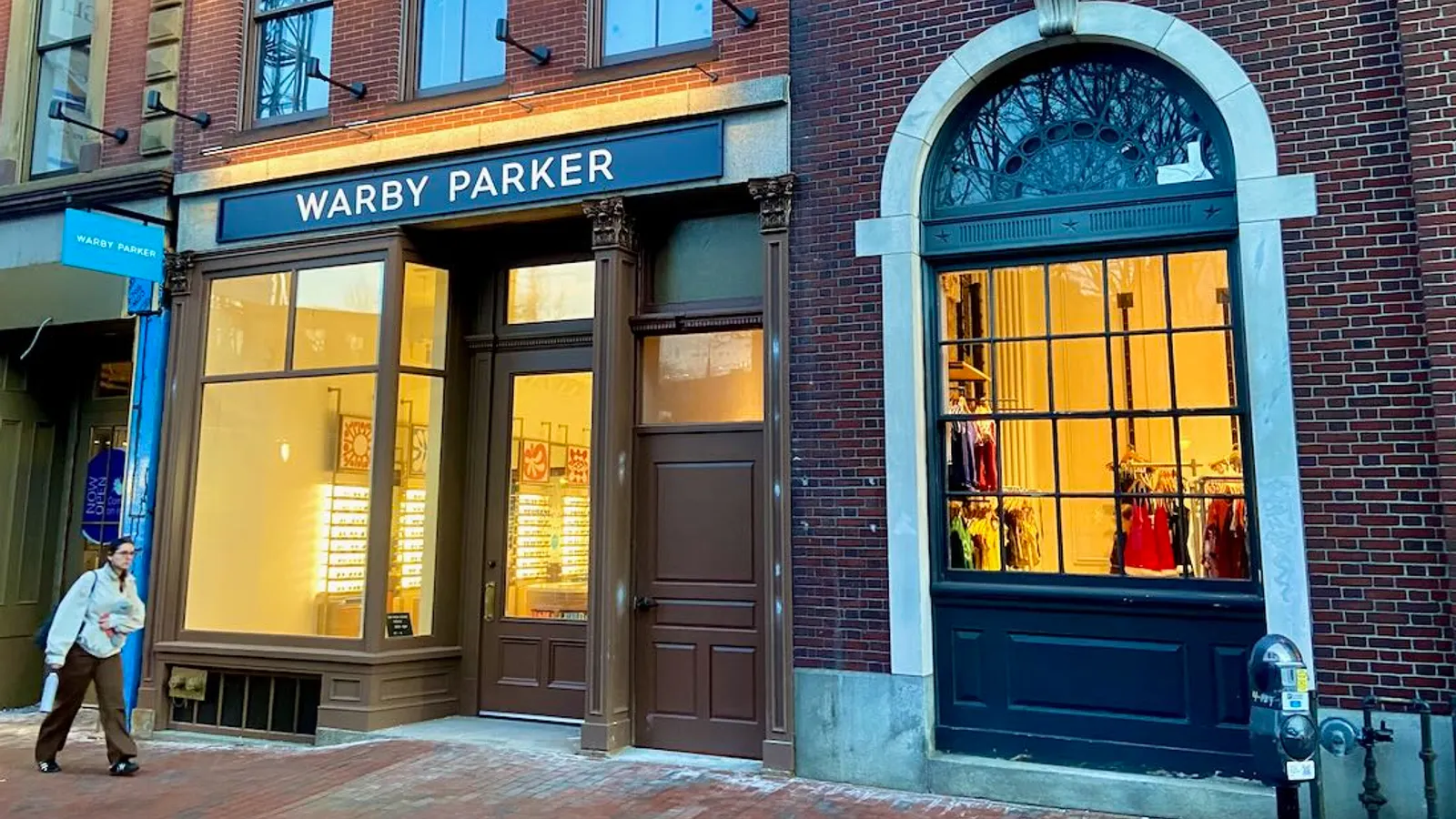
Why it matters: This signals a strategic pivot for a major DTC optical brand into a capital-intensive, tech-integrated hardware category, which could reshape its supply chain, R&D partnerships, and retail service requirements.
Context: The smart glasses market has seen repeated attempts from tech firms and licensed fashion brands, but adoption has been limited by design, functionality, and price. Warby Parker’s entry leverages its core optical business and fit data as a potential differentiator.
"Dive Brief: – Warby Parker is introducing the brand’s first Intelligent Eyewear frame built with technology from Google and Samsung, according to a press release. – The frames use Google’s AI assistant,." — RETAILDIVE
Commentary: Warby Parker is betting its prescription optics infrastructure and comfort data can solve the wearability problem that has plagued tech-first entrants. The operational shift is significant: moving from a DTC frame distributor to a hardware manufacturer embedded in the Android and Gemini ecosystem will test its capital discipline and vendor management. Success hinges on whether ‘unobtrusive’ tech can justify the inevitable price premium and complex in-store support for a mainstream optical customer.
Date: Thu, 28 May 2026 12:49:00 -0400
URL: https://www.retaildive.com/news/warby-parker-intelligent-eyewear-smart-frames-AI/821098/
AI Sentiment Score: Positive (50%)
AI Credibility Score: 10.0/10 — High
Scores and text generated by AI analysis of the source article indicated.
With J.Crew’s new Timex collab, watches are starting to follow the hype sneaker model (Glossy.Co)
Summary: J.Crew’s limited-edition Timex collaboration sold out in two hours, mirroring the recent Audemars Piguet x Swatch frenzy. Analysts frame this as the ‘sneaker playbook’ migrating to watches: heritage silhouette, pop-art color, constrained supply, and FOMO-driven demand at accessible price points. This shift occurs as luxury watchmakers focus on the ultra-affluent, creating a sub-$500 entry point for brand association. The risk is hype fatigue if collaborations proliferate without perceived authenticity.
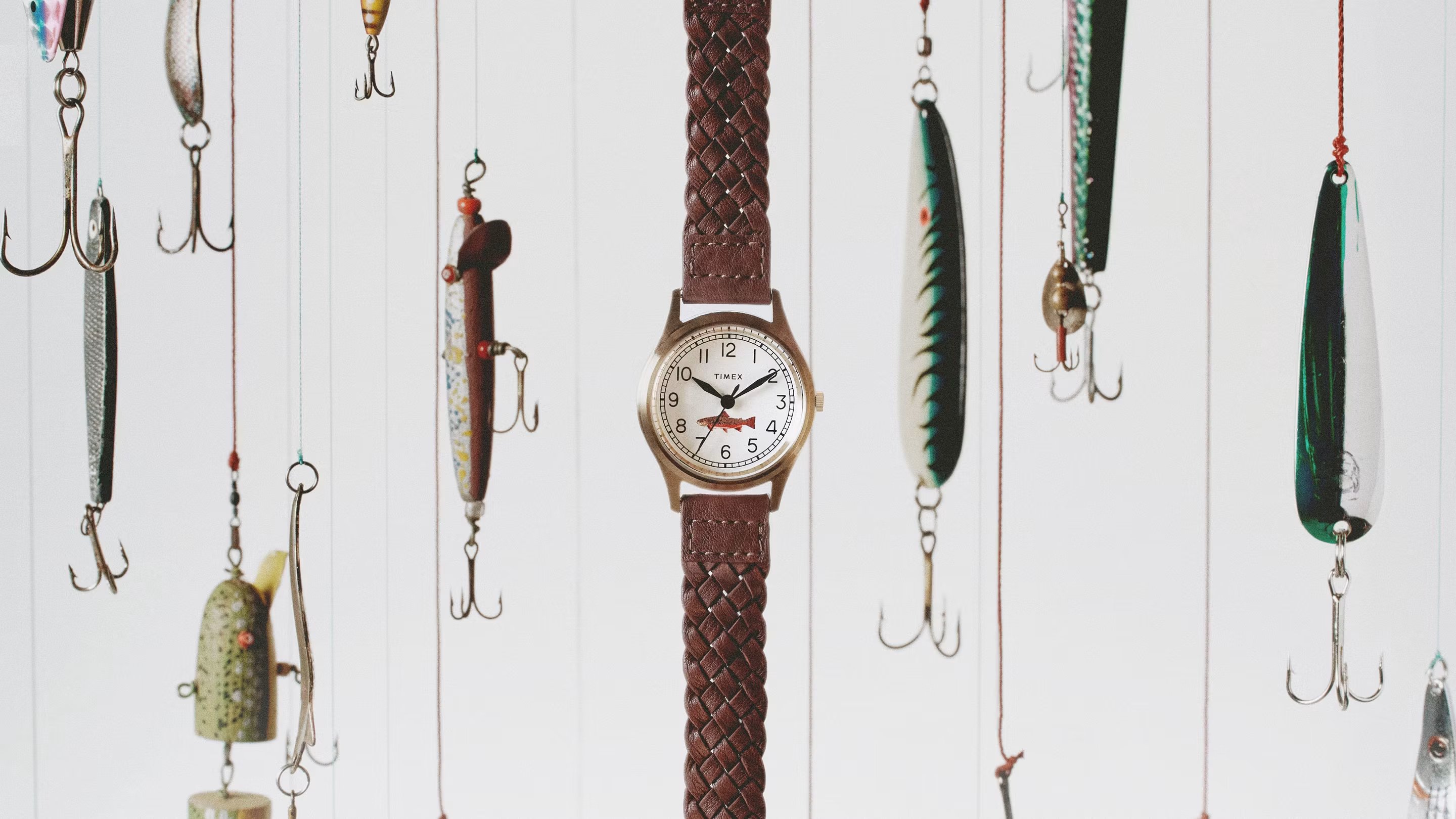
Why it matters: This signals a new product development and marketing pipeline for mid-tier brands and watchmakers, creating a hype-driven, low-cost entry segment that alters consumer acquisition and brand positioning strategies.
Context: The strategy replicates the 2010s sneaker collaboration model, where luxury brands used accessible partnerships to build cultural capital without diluting core pricing. It emerges against a backdrop of luxury watch price inflation and secondary market complexity.
"Only a few weeks after the Audemars Piguet x Swatch collab shook up the watch world, another unexpected watch collaboration is flying off the shelves. The newly released J.Crew x Timex watch." — GLOSSY.CO
Commentary: The operational consequence is a new SKU category requiring rapid, limited-run manufacturing and direct-to-consumer drop logistics, distinct from traditional watch retail cycles. For brands like J.Crew, it’s a low-risk tool for cultural relevance, but for the watch industry, it tests whether heritage-driven collectors will treat these as legitimate portfolio additions or disposable hype artifacts. The sustainability hinges on maintaining scarcity and narrative authenticity beyond the initial novelty.
Date: Mon, 01 Jun 2026 04:01:00 +0000
URL: https://www.glossy.co/fashion/witch-j-crews-new-timex-collab-watches-are-starting-to-follow-the-hype-sneaker-model/
AI Sentiment Score: Negative (83%)
AI Credibility Score: 10.0/10 — High
Scores and text generated by AI analysis of the source article indicated.
Canopy Report Shows Potential of Wheat Straw for Fashion Fibers (Wwd)
Summary: Canopy’s Project Latvus pilot successfully produced lyocell and viscose fibers from Indian wheat straw, demonstrating technical viability for knitwear and sweaters. The multi-continent supply chain, from baling in Punjab to spinning in Germany and weaving in Portugal, identified operational hurdles like lower pulp yield and yarn hairiness. The initiative aims to divert agricultural residue from burning and reduce reliance on wood pulp from endangered forests.

Why it matters: This validates a new feedstock for man-made cellulosic fibers (MMCFs), potentially altering sourcing strategies, creating new agricultural supply chains, and introducing a cost variable brands must now evaluate.
Context: The fashion industry’s reliance on wood pulp for MMCFs like viscose and lyocell is a persistent sustainability pressure point, with brands seeking alternative feedstocks to de-risk supply and meet deforestation commitments.
"Is wheat straw the next big thing in natural fibers? Maybe so, according to a new report from environmental nonprofit Canopy. The report, “From Wheat Straw to Wardrobes: Fashioning a New Fiber." — WWD
Commentary: The pilot’s success shifts wheat straw from a theoretical alternative to a development-stage feedstock, but the techno-economic assessment is the critical next gate. Scaling will require solving yield and quality issues while building a reliable agricultural waste collection system—a new operational layer for fiber producers. For brands, this adds a potential ‘next-gen’ MMCF option to the sourcing matrix, but one that will initially carry a cost premium and require consumer education on residue-based claims.
Date: Mon, 01 Jun 2026 11:00:00 +0000
URL: https://wwd.com/sourcing-journal/sustainability/canopy-report-shows-potential-wheat-straw-fashion-fibers-1238986104/
AI Sentiment Score: Negative (77%)
AI Credibility Score: 10.0/10 — High
Scores and text generated by AI analysis of the source article indicated.
Post ID: 4fe4dff2