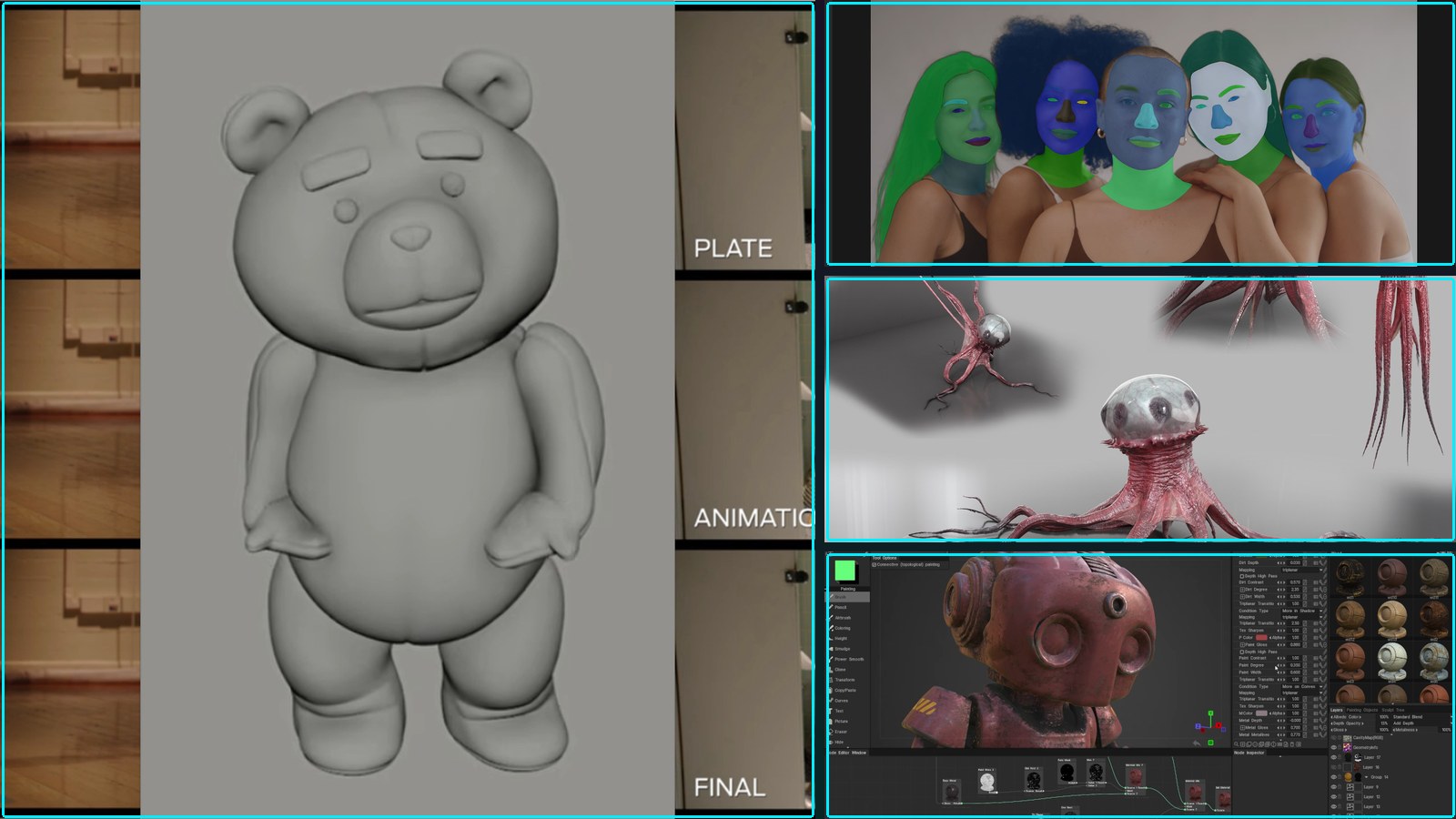
Visual Effects and CGI
Silhouette 2026 gets smarter roto and 3D heads (Digitalproduction)
Summary: Boris FX’s Silhouette 2026 release advances its ML toolset for rotoscoping and 3D tracking, focusing on multi-object workflows, temporal consistency, and pipeline integration. Key features include Head Track ML for automated 3D head mesh generation, enhanced Cryptomatte data flow, and a new JSON-RPC server for remote automation. The update targets persistent production bottlenecks like edge stability, occlusion handling, and scalable matte management.

Why it matters: This release directly impacts VFX studio throughput and labor economics by automating complex, manual tasks like 3D head tracking and multi-object matte generation, potentially reducing shot costs and altering staffing requirements for roto and paint departments.
Context: VFX software is increasingly integrating ML not just for one-off tasks but to re-engineer entire workflows, shifting artist roles from manual execution to supervision and refinement within more automated, data-centric pipelines.
"Beware the workflow trap: do not build one Mask ML and one Matte Assist ML node per object, because each node loads its own model to the GPU and VRAM fills fast. Instead, multiple objects can live inside a single Mask ML node, and Cryptomatte over the data port can move reference data to Matte Assist ML even when reference keyframes are scattered along the timeline." — DIGITALPRODUCTION
Commentary: The push for multi-object handling within single nodes is a practical engineering response to GPU memory constraints, forcing a more efficient, graph-centric data model. This, combined with the JSON-RPC server, signals a maturation where AI features are being hardened for studio-scale automation, shifting the vendor’s role from tool provider to pipeline infrastructure partner. The explicit warnings on Cryptomatte export formats and OFX limitations underscore a focus on reducing technical debt in delivery, a critical but unglamorous cost center.
Date: Thu, 28 May 2026 18:14:00 +0000
URL: https://digitalproduction.com/2026/05/28/silhouette-2026-gets-smarter-roto-and-3d-heads/
AI Sentiment Score: Negative (50%)
AI Credibility Score: 10.0/10 — High
Scores and text generated by AI analysis of the source article indicated.
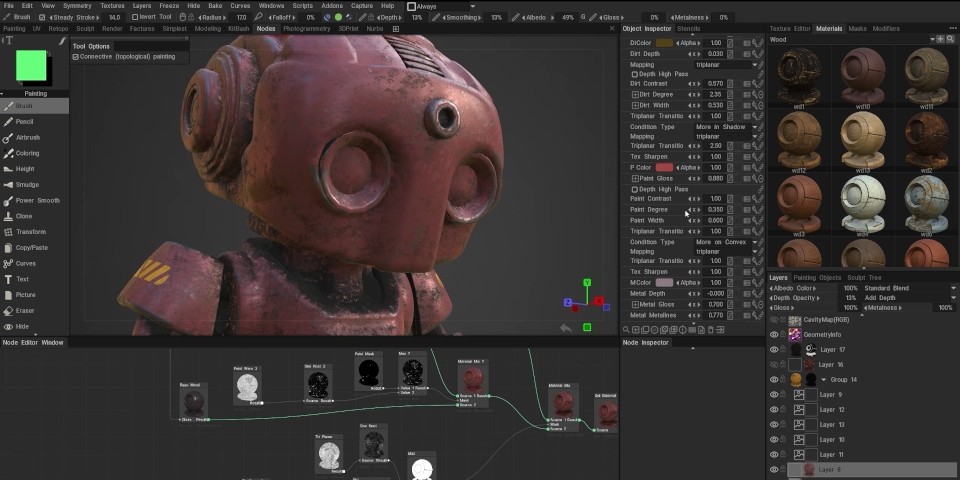
Pilgway releases 3DCoat 2026 with new GPU texturing system (Cgchannel)
Summary: Pilgway has launched the public beta for 3DCoat 2026, introducing a new GPU-accelerated, node-based texturing system. This system, which underpins a new generation of procedural smart materials and masks, will be available as a separate executable alongside the existing CPU version upon stable release later this month. The cut-down 3DCoatTextura 2026 edition will also receive the node system and a price increase from €119 to €159.
Why it matters: This shift to a GPU-native, node-based workflow directly challenges the established market dominance of tools like Substance Designer and Mari, potentially altering vendor selection, artist pipeline efficiency, and the cost structure for texturing work.
Context: The texturing and material authoring segment has been largely defined by Adobe’s Substance suite and Foundry’s Mari, with node-based, non-destructive workflows being the professional standard. Pilgway’s move integrates this paradigm into its broader sculpting and retopology package, aiming for a more unified asset-creation tool.
"Pilgway releases 3DCoat 2026 with new GPU texturing system Pilgway has unveiled 3DCoat 2026, the latest major version of its sculpting, retopology and 3D painting software. The major change in the update,." — CGCHANNEL
Commentary: The introduction of a competitive, GPU-accelerated node system within 3DCoat’s integrated environment could pressure incumbent vendors on pricing and bundle value, particularly for smaller studios and freelancers. For pipeline supervisors, the parallel CPU/GPU executables introduce a temporary complexity in deployment and support, but the performance gains for procedural texturing could materially reduce iteration times on complex assets. The price hike for Textura signals Pilgway’s confidence in the added value of this subsystem, positioning it as a more serious standalone alternative in the texturing market.
Date: Mon, 01 Jun 2026 09:14:21 +0000
URL: https://www.cgchannel.com/2026/06/pilgway-releases-3dcoat-2026-and-3dcoattextura-2026/
AI Sentiment Score: Negative (50%)
AI Credibility Score: 10.0/10 — High
Scores and text generated by AI analysis of the source article indicated.
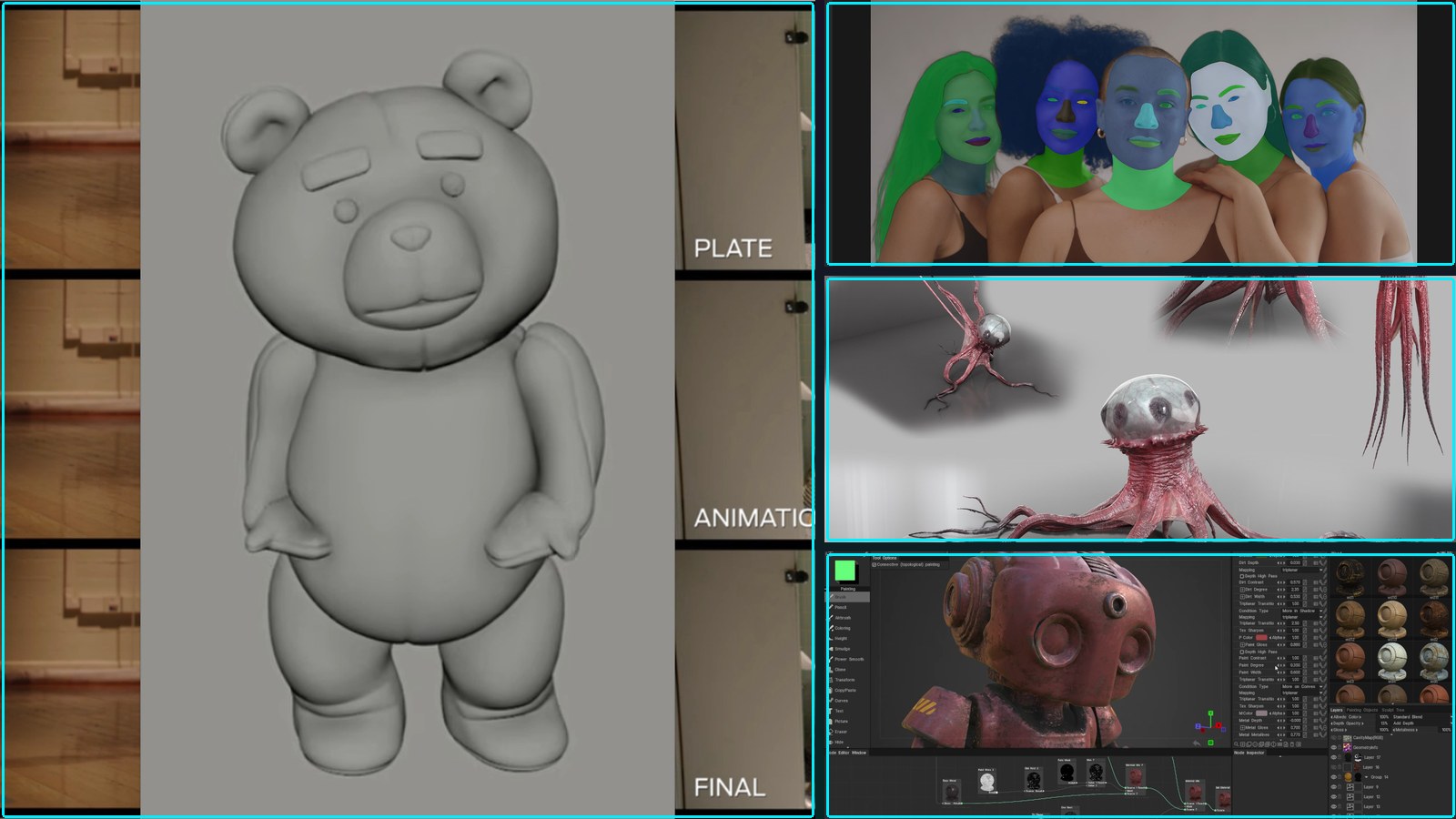
Behind the craziest creature in ‘Alien: Earth’ – the Eye Midge (Beforesandafters)
Summary: The creation of the ‘Eye Midge’ creature for ‘Alien: Earth’ required a hybrid pipeline integrating practical prosthetics from Second Skin, animatronics from Wētā Workshop, and complex digital character work from Untold Studios. The VFX team faced specific challenges in rigging a creature with multiple irises and thin tentacles, and in achieving a performance that balanced intelligence with terror. A key innovation was using a practical prop on a selfie stick for on-set lighting reference, while the digital asset was built to handle complex interactions, including crawling into eye sockets, without cutting away.

Why it matters: It demonstrates a shift toward highly integrated, performance-driven creature work where practical and digital elements are planned from the start to solve specific shot economics and quality problems, influencing vendor selection and on-set supervision protocols.
Context: High-concept creature features increasingly demand that VFX vendors deliver not just photoreal assets, but nuanced character performance, often requiring new rigging solutions and closer collaboration with practical effects teams to maintain lighting continuity and physical interaction believability.
"An excerpt from issue #56 of befores & afters magazine. In Alien: Earth, a collection of creatures are taken from a crashed spaceship to a place called Neverland island. Chief among the." — BEFORESANDAFTERS
Commentary: The technical deep-dive reveals a move toward ‘hero rigs’ built for specific, unforgiving shot requirements, which raises the capital and expertise barrier for vendors. The explicit use of a practical prop as a lighting reference, rather than just for previz, formalizes a cost-saving data-capture step that protects the VFX budget from complex lighting solves in post. This case study will be cited in future bids to justify higher upfront costs for rigging in exchange for downstream animation efficiency and to argue for more involved on-set VFX supervision to capture interaction plates.
Date: June 06, 2026 08:21 PM ET
URL: https://beforesandafters.com/2026/06/07/behind-the-craziest-creature-in-alien-earth-the-eye-midge/
AI Sentiment Score: Negative (50%)
AI Credibility Score: 10.0/10 — High
Scores and text generated by AI analysis of the source article indicated.
Blackmagic Design releases DaVinci Resolve 21.0 (Cgchannel)
Summary: Blackmagic Design has launched DaVinci Resolve 21.0, a major update expanding the platform’s scope from video into still photography and introducing a suite of AI-powered post-production tools. The new Photo page leverages Resolve’s existing color and effects pipeline for RAW photo editing, directly challenging Adobe Lightroom. The Studio edition debuts AI tools for automated de-aging, blemish removal, facial reshaping, depth-of-field simulation, and motion deblurring. Fusion sees significant motion graphics enhancements, including integration of the Krokodove library and new audio-driven animation tools, while the Color page and Magic Mask receive workflow upgrades.
Why it matters: This update directly alters the competitive landscape for post-production software, lowers the cost and skill threshold for high-end VFX tasks like de-aging, and further consolidates workflows into a single, increasingly AI-native platform.
Context: The post-production software market is characterized by intense competition between integrated suites (Adobe Creative Cloud, Avid) and best-of-breed tools, with AI rapidly automating complex manual tasks. Blackmagic has consistently used its free base version and aggressive pricing for the Studio edition to capture market share and vertically integrate its hardware and software ecosystem.
"Blackmagic Design releases DaVinci Resolve 21.0 A recording of Blackmagic Design’s livestream of its announcements for NAB 2026. You can see the new features in Da Vinci Resolve 21.0 at 01:57:20 in." — CGCHANNEL
Commentary: The integration of a 2D, slider-based de-aging tool directly into a $295 compositing suite disrupts the economics of a high-value VFX service line, potentially moving it from specialist vendor work to in-house post or on-set adjustments. The Photo page represents a strategic land grab for the workflows of hybrid photographers and videographers, using the free version as a trojan horse into Adobe’s core creative user base. The bundling of Krokodove and advanced USD tools signals a continued push to make Fusion a credible, all-in-one alternative for motion graphics and mid-tier VFX, increasing pressure on standalone compositing applications.
Date: June 04, 2026 03:30 AM ET
URL: https://www.cgchannel.com/2026/06/blackmagic-design-releases-davinci-resolve-21-0/
AI Sentiment Score: Negative (50%)
AI Credibility Score: 10.0/10 — High
Scores and text generated by AI analysis of the source article indicated.
Blackmagic Design releases Fusion Studio 21.0 (Cgchannel)
Summary: Blackmagic Design has released Fusion Studio 21.0, a major update to its compositing software. The release integrates the third-party Krokodove toolset for motion graphics, expands deep compositing and USD workflows, and adds performance improvements. It is also included in the free and paid versions of DaVinci Resolve 21.0.
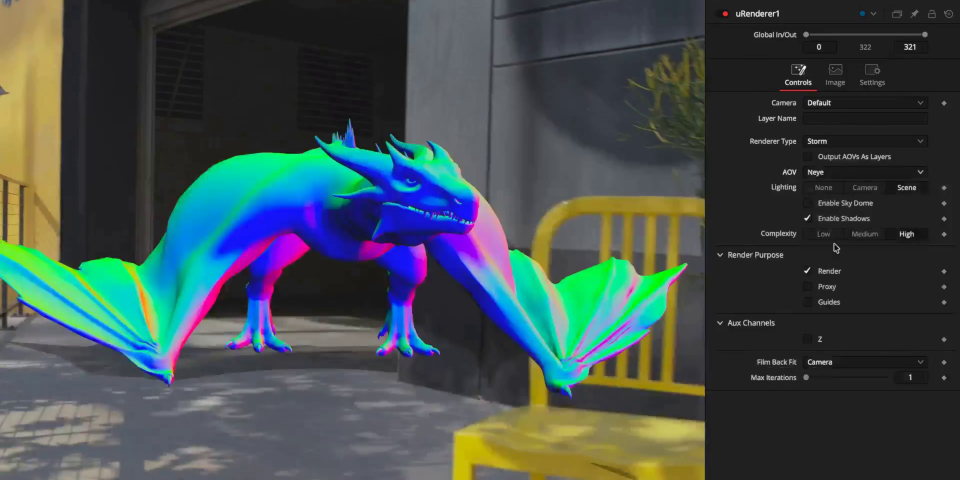
Why it matters: This update directly impacts VFX studio tooling costs, pipeline efficiency, and artist skill requirements by absorbing a popular third-party toolset and advancing core technical capabilities.
Context: Blackmagic’s strategy of bundling high-end VFX tools into DaVinci Resolve continues to pressure standalone compositing application pricing and vendor ecosystems.
"Previously a free third-party add-on, it provides over 70 tools for motion design, from standard image filters to warping and morphing effects, and a range of titling and text animation tools." — CGCHANNEL
Commentary: The native integration of Krokodove neutralizes a competitive niche for third-party developers and lowers the cost barrier for professional motion graphics within Fusion, potentially shifting internal training priorities. The continued advancement of USD and deep compositing tools, alongside performance gains, incrementally improves throughput for complex shots, tightening the economic pressure on higher-priced competing suites.
Date: June 04, 2026 03:00 AM ET
URL: https://www.cgchannel.com/2026/06/blackmagic-design-releases-fusion-studio-21-0/
AI Sentiment Score: Negative (62%)
AI Credibility Score: 10.0/10 — High
Scores and text generated by AI analysis of the source article indicated.
The Pixel Farm adds new point cloud toolset to PFTrack 26.05 (Cgchannel)
Summary: The Pixel Farm has released PFTrack 26.05.19, introducing a new Hero Cloud node for generating dense point clouds from a single solved camera track, requiring no additional capture hardware. The update enables export in USD, FBX, and COLMAP formats, directly feeding both traditional VFX pipelines and modern Gaussian Splatting workflows. Existing tools like the Photo Mesh node have been updated to convert these point clouds into triangular meshes for Studio and Enterprise subscribers.
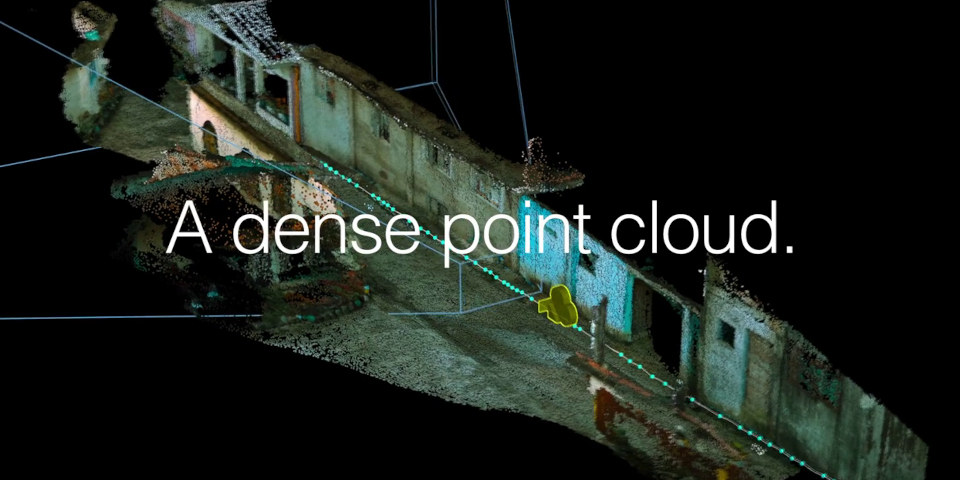
Why it matters: This lowers the capital and logistical barrier for on-set 3D scene capture, potentially shifting photogrammetry and environment reconstruction work earlier into the VFX pipeline and onto the matchmove artist’s desktop.
Context: The push for more efficient, software-based scene reconstruction tools is intensifying as productions seek to reduce reliance on expensive lidar scans and dedicated capture units, while Gaussian Splatting introduces a new, data-hungry pipeline requiring dense point cloud inputs.
"The Pixel Farm adds new point cloud toolset to PFTrack 26.05 The Pixel Farm has released PFTrack 26.05.19, the latest version of its 3D camera tracking app. It’s a sizeable update, adding." — CGCHANNEL
Commentary: This moves photogrammetric reconstruction from a specialized, often outsourced post-task into a core matchmoving function, potentially consolidating vendor roles and altering the economics of complex environment shots. By baking point cloud generation directly into the tracking solve, PFTrack is positioning matchmove artists as the first point of 3D scene creation, which could streamline workflows but also increase pressure on tracking accuracy and parallax requirements.
Date: Sat, 30 May 2026 15:26:53 +0000
URL: https://www.cgchannel.com/2026/05/the-pixel-farm-adds-new-point-cloud-toolset-to-pftrack-26-05/
AI Sentiment Score: Positive (40%)
AI Credibility Score: 10.0/10 — High
Scores and text generated by AI analysis of the source article indicated.
Digital Domain Launches AI-Integrated VFX Infrastructure DDAI (Animationmagazine.Net)
Summary: Digital Domain has launched DDAI, an AI-integrated VFX infrastructure platform, positioning it as a core operational upgrade for modern production. The move signals a strategic shift from AI as a research project to a foundational pipeline component, led by newly appointed industry veteran Matt Smith.

Why it matters: This formalizes AI’s role in high-end VFX pipelines, directly impacting throughput, vendor cost structures, and the competitive leverage of established studios against both smaller shops and client-side in-house teams.
Context: Major VFX vendors are racing to operationalize generative AI tools, moving beyond proof-of-concept demos to integrated systems that promise to alter shot economics and staffing models.
"Global visual effects studio Digital Domain announced the launch of DDAI, an AI infrastructure designed to meet the demands of modern film and episodic production." — ANIMATIONMAGAZINE.NET
Commentary: DDAI’s launch represents an institutionalization of AI that could pressure mid-tier vendors lacking equivalent R&D budgets. It shifts the competitive axis from pure artist-hour pricing to proprietary tech stack efficiency, potentially widening the gap between the largest studios and the rest of the market. For clients, this could recalibrate bidding around complex shot sequences where AI-assisted iteration offers tangible schedule compression.
Date: Fri, 29 May 2026 15:00:44 +0000
URL: https://www.animationmagazine.net/2026/05/digital-domain-launches-ai-integrated-vfx-infrastructure-ddai/
AI Sentiment Score: Negative (66%)
AI Credibility Score: 10.0/10 — High
Scores and text generated by AI analysis of the source article indicated.
Behind the visual effects of ‘Ted’ season 2, including the bear, and the deepfake Bill Clinton (Beforesandafters)
Summary: The VFX team for ‘Ted’ Season 2, led by supervisors Hoyt Yeatman and Blair Clark, initially attempted traditional make-up effects and CG for a Bill Clinton deepfake. When those methods failed to meet performance standards, they pivoted to AI-driven deepfake techniques to achieve a realistic portrayal. This decision highlights a growing operational shift where AI becomes a solution for specific, high-stakes character challenges after conventional pipelines suggest insufficient.

Why it matters: This signals a tactical, on-the-ground adoption of AI tools to solve specific performance and realism problems that traditional VFX methods cannot economically or artistically resolve, directly impacting vendor selection, shot budgeting, and supervisor workflows.
Context: Deepfake and AI-assisted VFX have been in a speculative, often ethically fraught R&D phase; this represents a concrete, production-vetted use case where it became the necessary tool for a named, high-profile project.
"Interestingly, it was one where make-up effects and CG were tried at first, but when those approaches didn’t quite hit the mark – they turned to some new AI deepfake techniques in order to bring the most realistic performance of Seth as Bill to life as possible." — BEFORESANDAFTERS
Commentary: The pivot from CG to AI deepfakes for a celebrity likeness recalibrates the cost-benefit analysis for complex human replication shots. It suggests AI is moving from a novelty to a sanctioned, last-resort tool within major studio pipelines, which could pressure traditional vendors to integrate these capabilities or risk losing specific shot categories. This doesn’t eliminate high-end CG work but carves out a new, performance-critical niche where AI’s efficiency in capturing subtle human nuance outweighs its ethical and control baggage.
Date: June 05, 2026 06:57 PM ET
URL: https://beforesandafters.com/2026/06/06/behind-the-visual-effects-of-ted-season-2-including-the-bear-and-the-deepfake-bill-clinton/
AI Sentiment Score: Negative (55%)
AI Credibility Score: 10.0/10 — High
Scores and text generated by AI analysis of the source article indicated.
Post ID: 7731878f