FashionTech
SML’s InfuseRFID wins 2026 SEAL award (Fibre2Fashion)
Summary: SML Group’s InfuseRFID embedded tag has received the 2026 SEAL Sustainable Product Award. The technology enables RFID tagging at raw material or early assembly stages, with tags engineered to survive washing, dyeing, and finishing processes. This validates a unified digital identity architecture, the Inspire portfolio, designed to provide data continuity from manufacturing through logistics.

Why it matters: For manufacturers, this directly addresses operational drag by enabling source tagging, which reduces rework, minimizes shrinkage, and prevents bottlenecks from manual counting after finishing.
Context: Conventional apparel RFID workflows typically tag garments only after wet processing, creating a data discontinuity and operational inefficiency.
"SML Group recently announced that its InfuseRFID embedded technology has received the 2026 SEAL Sustainable Product Award. While the recognition highlights sustainability performance, its broader significance lies in what it represents: the." — FIBRE2FASHION
Commentary: The award signals a shift from point solutions to integrated architectures. For production planners, the practical consequence is a single vendor toolkit for both embedded lifecycle tracking and high-volume logistics, reducing integration complexity. This engineering discipline, proven in wet processing, now sets a reliability baseline for the entire supply chain, making scalable digital identity a tangible operational standard rather than a conceptual goal.
Date: Mon, 01 Jun 2026 17:43:02 GMT
URL: https://www.fibre2fashion.com/news/textiles-technology-news/sml-s-infuserfid-wins-2026-seal-award-308682-newsdetails.htm
AI Sentiment Score: Neutral (33%)
AI Credibility Score: 10.0/10 — High
Scores and text generated by AI analysis of the source article indicated.
Coats Digital’s FastReactPlan transforms operations at Tunicotex (Fibre2Fashion)
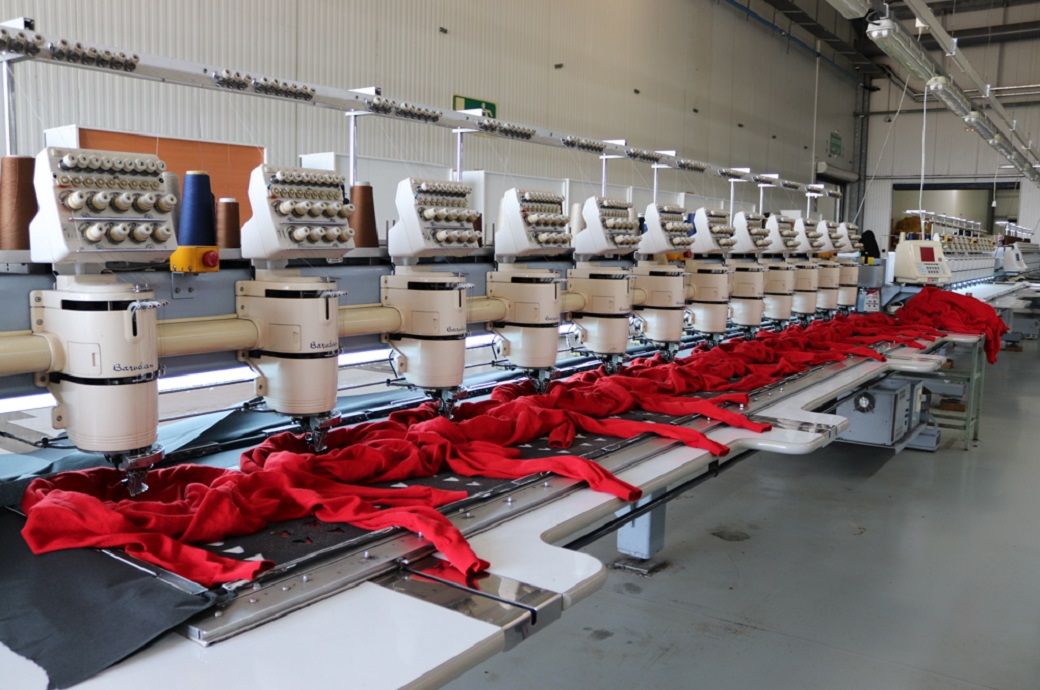
Summary: Tunisian knitwear manufacturer Tunicotex Group implemented Coats Digital’s FastReactPlan, replacing manual Excel-based planning. The deployment improved on-time delivery performance from 75% to 85%, reduced planning time by 25%, and unlocked an estimated 40% additional production capacity between 2024 and 2025. The system integrated capacity, materials, and workflow data into a single visual platform across its vertically integrated operations.
Why it matters: For manufacturers and brands, this demonstrates a concrete path to scaling premium production without proportional increases in overhead or penalties, directly impacting order book capacity and margin protection.
Context: Mid-to-large apparel manufacturers serving luxury and premium brands are under pressure to improve traceability and delivery precision while managing complex, multi-stage production.
"The improved production visibility allowed Tunicotex to expand its overall capacity by approximately 40% between 2024 and 2025, supporting higher volumes and more diverse orders." — FIBRE2FASHION
Commentary: The 40% capacity unlock is the operational headline; it suggests the previous manual system was creating significant artificial bottlenecks through poor visibility. For competing manufacturers, this case shifts the ROI conversation from mere efficiency gains to capital-light revenue growth. It also pressures planning software vendors to demonstrate similar capacity-liberating outcomes, not just dashboard improvements.
Date: Mon, 01 Jun 2026 16:38:02 GMT
URL: https://www.fibre2fashion.com/news/textiles-technology-news/coats-digital-s-fastreactplan-transforms-operations-at-tunicotex-307568-newsdetails.htm
AI Sentiment Score: Negative (62%)
AI Credibility Score: 10.0/10 — High
Scores and text generated by AI analysis of the source article indicated.
Luxury Briefing: Vêtir aims to bring luxury brands into the AI era (Glossy.Co)
Summary: Vêtir is selling an enterprise AI platform to luxury brands, focusing on clienteling and full-outfit selling via a ‘Style This Piece’ tool. The company argues luxury requires a different AI model, trained on high-net-worth consumer behavior, that augments rather than replaces the stylist relationship. Concurrently, Launchmetrics data suggests LLMs are shifting brand authority metrics away from social reach toward traditional editorial and niche sources. These developments signal a shift in luxury’s operational focus from broad digital reach to AI-augmented service and data-driven brand positioning.

Why it matters: This changes the clienteling workflow, the data required for AI training, and the strategic value of different media types for brand authority.
Context: Luxury brands have been cautious about client-facing AI, prioritizing human relationships and tone. The industry is simultaneously grappling with how LLMs might reweight the value of different marketing channels.
"At the luxury end of the market, it should be AI in the service of the human experience, not replacing it,” she said. “You can’t undermine the relationship between a VIC and their stylist because that has huge emotional value." — GLOSSY.CO
Commentary: Vêtir’s enterprise play operationalizes a key constraint: AI must integrate into the existing high-touch service pipeline, not bypass it. This requires tooling that serves stylists and captures post-purchase wardrobe data—a new data layer for brands. Separately, Launchmetrics’ LLM monitoring implies a tangible shift in media strategy; comms teams may need to reallocate resources from influencer campaigns to secure coverage in sources that train AI models, affecting agency relationships and content pipelines.
Date: June 05, 2026 12:01 AM ET
URL: https://www.glossy.co/fashion/luxury/luxury-briefing-vetir-aims-to-bring-luxury-brands-into-the-ai-era/
AI Sentiment Score: Neutral (33%)
AI Credibility Score: 10.0/10 — High
Scores and text generated by AI analysis of the source article indicated.
Warby Parker to enter new category with Intelligent Eyewear (Retaildive)
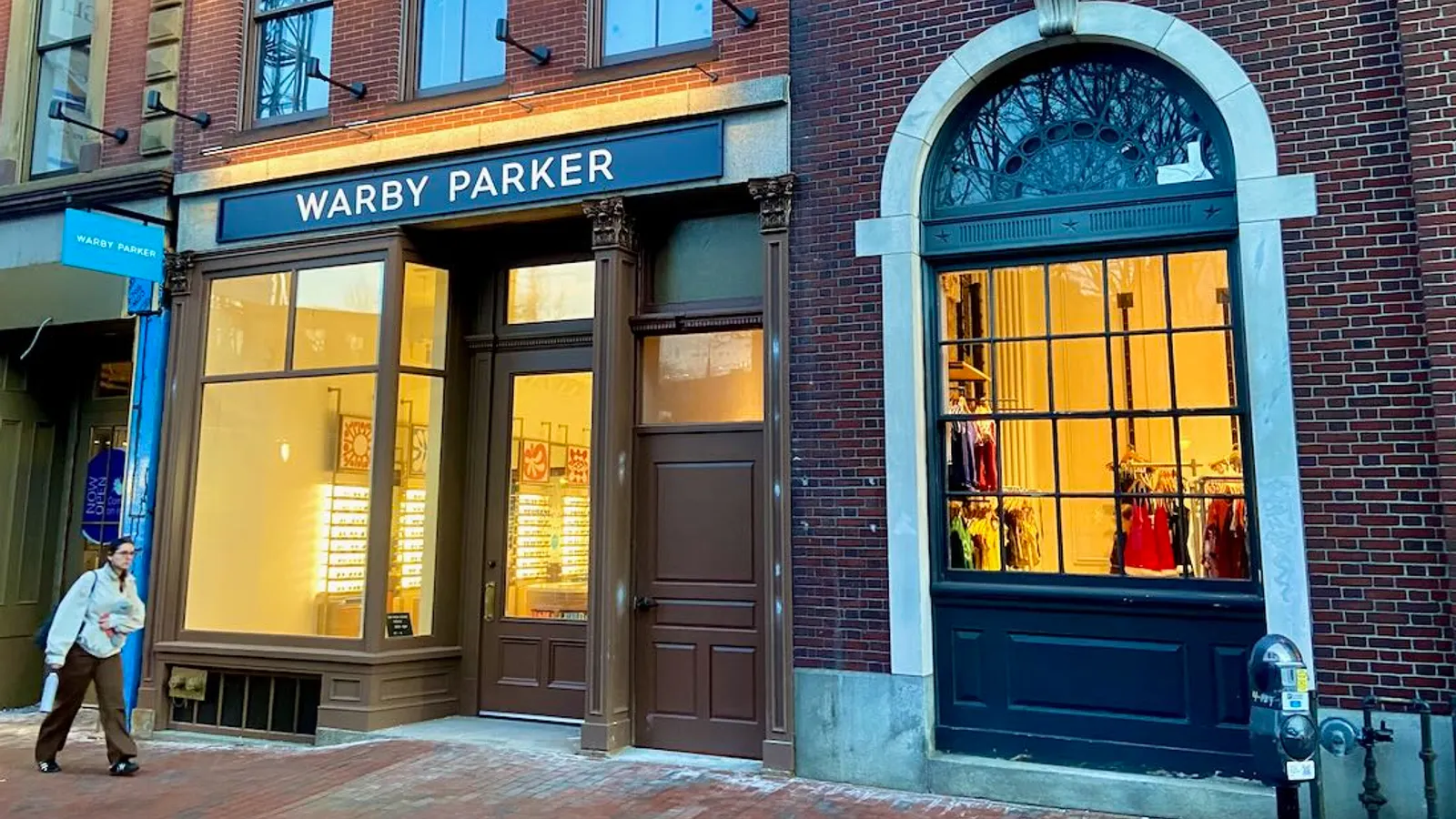
Summary: Warby Parker is entering the smart eyewear market with a new product line built on Google’s Gemini AI and Samsung’s Android XR platform. The frames, launching this fall, will support prescriptions and are designed for daily wear, drawing on the company’s existing fit and style data. This marks a significant category expansion for the direct-to-consumer eyewear brand, which recently discontinued its home try-on program to focus on physical retail and digital tools.
Why it matters: This move signals a major optical retailer betting on integrated AI as a core product feature, which could reshape consumer expectations for prescription eyewear and pressure competitors to develop similar tech-enabled offerings.
Context: The smart glasses market has seen repeated attempts from both tech firms (Meta) and fashion licensors (Innovative Eyewear for Nautica, Eddie Bauer), but widespread adoption for daily prescription wear remains unproven.
"Dive Brief: – Warby Parker is introducing the brand’s first Intelligent Eyewear frame built with technology from Google and Samsung, according to a press release. – The frames use Google’s AI assistant,." — RETAILDIVE
Commentary: Warby Parker’s operational advantage lies in its vertically integrated control over prescription lens manufacturing and fit data, which tech-first entrants lack. If successful, this could force optical labs and retail opticians to evaluate partnerships with AI/XR platforms to remain competitive. The real test is whether the value proposition—seamless AI integration in a medically necessary device—justifies the inevitable price premium and complexity for the mainstream vision-corrective market.
Date: Thu, 28 May 2026 12:49:00 -0400
URL: https://www.retaildive.com/news/warby-parker-intelligent-eyewear-smart-frames-AI/821098/
AI Sentiment Score: Negative (66%)
AI Credibility Score: 10.0/10 — High
Scores and text generated by AI analysis of the source article indicated.
CLO secures victory in software copyright infringement case (Fibre2Fashion)
Summary: The Zhejiang Provincial High People’s Court has issued a final judgment against Linctex for willful copyright infringement of CLO’s 3D fashion design software. The court found Linctex engaged in ‘prolonged, large-scale, and frequent’ commercial use of cracked software, dismissing a ‘fair use’ defense. CLO’s CEO framed the victory as a critical signal for industry rules and ecosystem stability. The infringer must cease activities and pay compensation.

Why it matters: This ruling establishes a clear legal precedent in a key manufacturing market, directly altering the risk calculus for studios and brands using unlicensed digital design tools.
Context: Software piracy has been a persistent cost and competitive issue in 3D fashion design, particularly in supply chain hubs where digital sampling adoption is accelerating.
"According to the final judgment by the Zhejiang Provincial High People’s Court, after thorough examination, the court clearly established that Linctex engaged in willful infringement by “prolonged, large-scale, and frequent” use of." — FIBRE2FASHION
Commentary: The ruling’s concrete language and finality in a major Chinese court materially raises enforcement risk for similar operations, likely accelerating vendor audits and compliance checks within global supply chains. For studios, this reinforces a shift toward licensed software-as-a-service models, affecting project costing and vendor selection criteria. CLO’s subsequent emphasis on localized support and collaboration signals a strategic pivot from litigation to lock-in, using the legal win to secure enterprise partnerships.
Date: Mon, 01 Jun 2026 16:38:02 GMT
URL: https://www.fibre2fashion.com/news/textiles-technology-news/clo-secures-victory-in-software-copyright-infringement-case-307745-newsdetails.htm
AI Sentiment Score: Negative (57%)
AI Credibility Score: 10.0/10 — High
Scores and text generated by AI analysis of the source article indicated.
Post ID: 3171fc30