Retail and Sustainability Developments
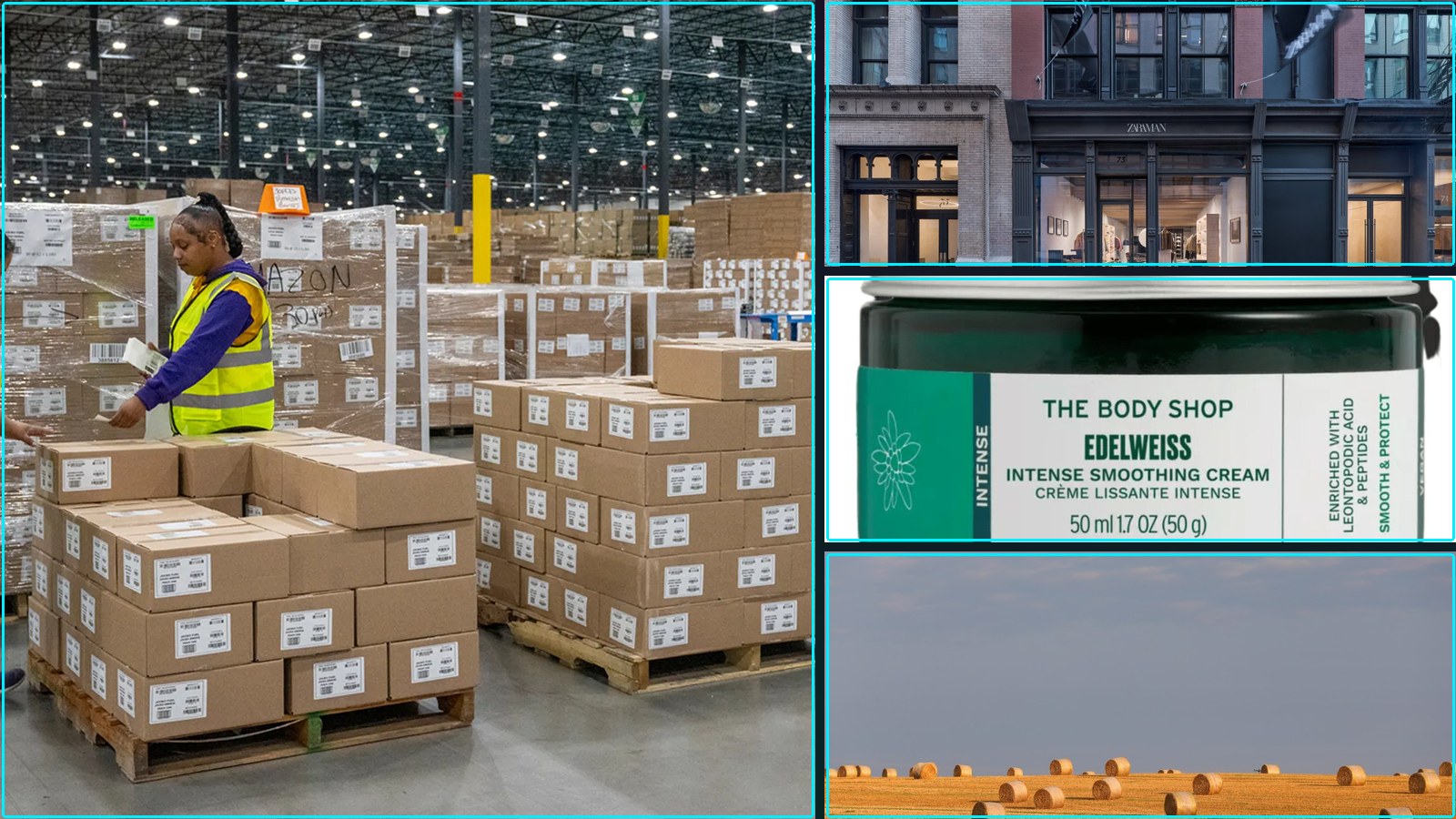
Inditex Sales Rise 8.8% in Q1, Signals Strong Start to Summer (Wwd)
Summary: Inditex reported Q1 sales up 8.8% at constant currency to €8.75 billion, beating analyst expectations, with gross margin reaching 61.2%—a 67 basis point improvement. The company also noted an 11.5% constant-currency sales increase between May 1 and June 1, signaling strong summer momentum. Inventory rose only 1% year-over-year, supporting a full-price strategy, while net cash hit €10.8 billion. Lefties, the off-price spin-off, added eight stores this quarter and is flagged as a key growth vehicle for price-conscious shoppers.

Why it matters: For fashion operations and supply chain teams, Inditex’s inventory discipline and margin expansion demonstrate that proximity-based sourcing and rapid replenishment models can sustain growth even as luxury and fast-fashion peers stall.
Context: LVMH reported 1% organic growth in its latest quarter, and H&M saw Q1 sales slip 1% in local currencies amid store closures. Inditex’s ability to reorder popular products mid-season, due to production near key markets, gives it a structural advantage.
"“Lefties represents one of the most interesting growth opportunities within the Inditex portfolio. The brand is well positioned to attract younger families and more price-conscious shoppers who may find Zara increasingly expensive. Physical store expansion could help Inditex reach customers that its existing brands do not fully serve today,” said Third Bridge analyst Alex Wong." — WWD
Commentary: The Lefties expansion signals Inditex is building a two-tier strategy: Zara holds premium fast-fashion positioning while Lefties captures the value segment without diluting the core brand. For sourcing and logistics teams, this means managing two distinct supply chains—one for full-price agility, another for off-price volume—while maintaining the same proximity advantage. The AI mention remains vague, but the real operational edge here is inventory velocity, not algorithms.
Date: Wed, 03 Jun 2026 07:12:09 +0000
URL: https://wwd.com/business-news/financial/inditex-q1-sales-growth-summer-collections-profit-rise-1238991741/
AI Sentiment Score: Positive (66%)
AI Credibility Score: 10.0/10 — High
Scores and text generated by AI analysis of the source article indicated.
The Body Shop Launches on Lookfantastic (Wwd)
Summary: The Body Shop has launched on Lookfantastic, marking its first third-party retail presence in the UK. The move brings hero products like Shea Body Butter and a two-week exclusive on Aurora Shimmer Mist to the online beauty retailer. This follows the brand’s recent ownership changes and a digital-first strategy in the U.S. via Amazon.

Why it matters: For brand and retail strategists, this signals a shift from direct-to-consumer reliance to selective wholesale partnerships, altering distribution economics and customer acquisition costs.
Context: The Body Shop was pulled out of administration by Auréa Group in 2024 after a brief ownership by Aurelius, which had acquired it from Natura & Co. in 2023. The brand’s U.S. Amazon launch in October 2025 preceded this UK wholesale expansion.
"The Body Shop is today making its first foray outside of its own retail platforms in its home market by launching on Britain’s top-ranked online beauty retailer Lookfantastic. The Body Shop is." — WWD
Commentary: This partnership effectively outsources a portion of customer acquisition to Lookfantastic’s existing traffic, reducing the brand’s direct marketing spend but ceding margin and customer data. The two-week exclusive on Aurora Shimmer Mist is a tactical test of whether exclusivity can drive demand without cannibalizing owned channels.
Date: Mon, 01 Jun 2026 11:19:05 +0000
URL: https://wwd.com/beauty-industry-news/beauty-features/body-shop-launches-on-lookfantastic-1238987629/
AI Sentiment Score: Negative (66%)
AI Credibility Score: 10.0/10 — High
Scores and text generated by AI analysis of the source article indicated.
What brands need to know about retail compliance before expanding wholesale (Retaildive)
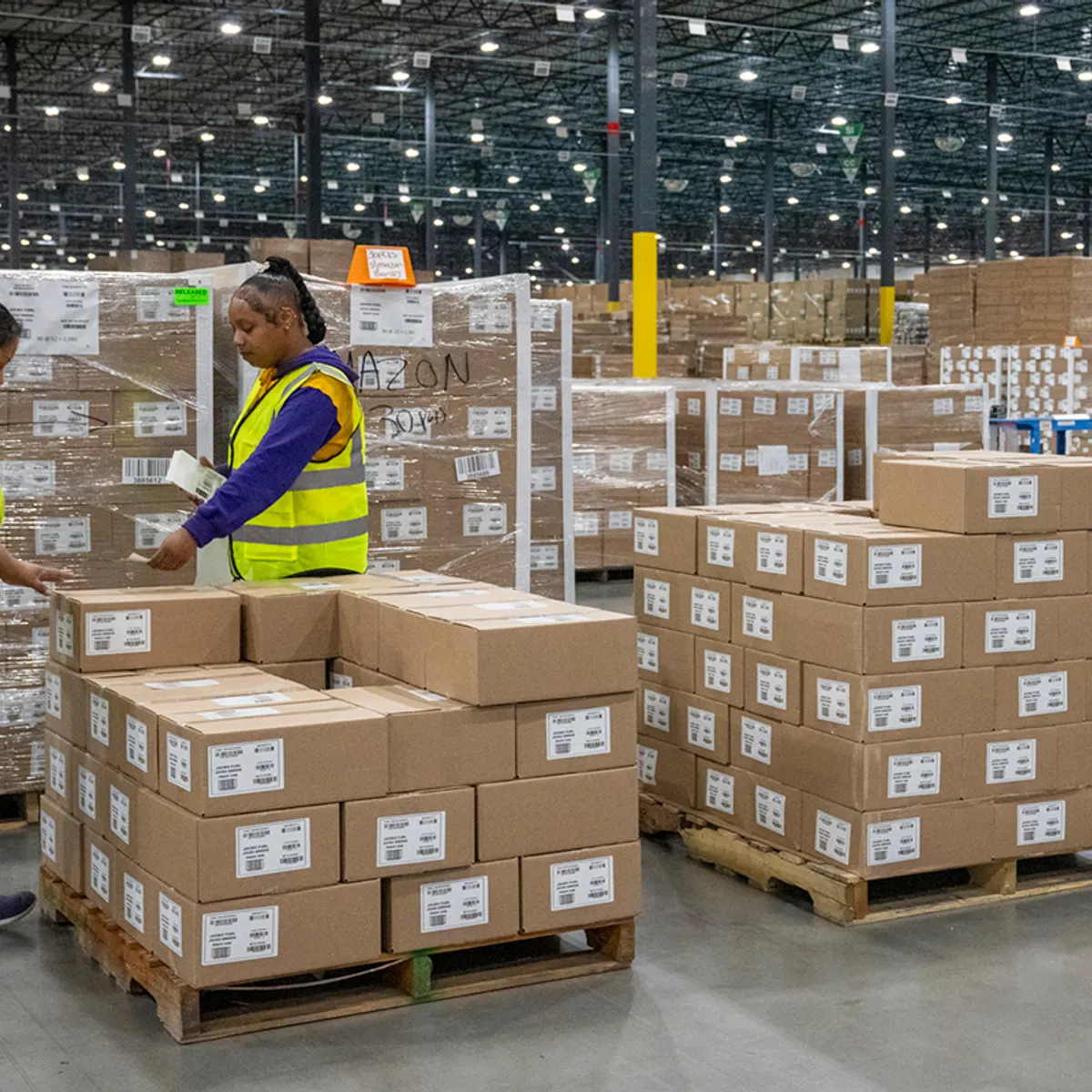
Summary: Retail compliance is the set of operational requirements retailers impose on suppliers, covering labeling, packing, routing, and data transmission. For brands expanding from DTC to wholesale, compliance failures cause chargebacks, margin erosion, and scorecard risk. The article argues that compliance must be embedded into warehouse workflows, not treated as an afterthought. It recommends translating retailer rules into SOPs, configuring WMS/EDI systems to prevent errors, and using 3PLs with retail experience to manage complexity.
Why it matters: For brands entering wholesale, compliance is the difference between profitable scale and margin-destroying chargebacks; it shifts fulfillment from optimizing per-order to optimizing per-retailer network.
Context: DTC brands often lack the operational discipline for multi-retailer compliance, and each retailer has unique rules for labels, pallets, ASNs, and delivery windows.
"Retail compliance is not separate from fulfillment. It is fulfillment. The brands that recognize that early are better positioned to grow wholesale confidently, avoid preventable chargebacks and build stronger relationships with the retailers and wholesalers that can shape their next stage of growth." — RETAILDIVE
Commentary: The piece correctly identifies that compliance failures are systemic, not clerical—they stem from treating each retailer’s rules as exceptions rather than core workflow constraints. Brands should treat vendor manuals as executable code, not reference documents, and build validation gates at pick, pack, and ship stages. The real operational shift is from DTC’s single-threaded parcel optimization to multi-threaded retail network compliance, which demands configurable WMS logic and proactive 3PL partnerships.
Date: Mon, 01 Jun 2026 05:00:00 -0400
URL: https://www.retaildive.com/spons/what-brands-need-to-know-about-retail-compliance-before-expanding-wholesale/821450/
AI Sentiment Score: Negative (50%)
AI Credibility Score: 10.0/10 — High
Scores and text generated by AI analysis of the source article indicated.
Canopy Report Shows Potential of Wheat Straw for Fashion Fibers (Wwd)
Summary: A new report from environmental nonprofit Canopy details the results of Project Latvus, a pilot that successfully produced viscose and lyocell fibers from Indian wheat straw. The pilot involved multiple partners, including H&M Group and Reformation, and demonstrated that wheat straw lyocell is a viable alternative to wood-pulp fibers, particularly for knits and sweaters. Challenges such as lower pulp yield and production issues like yarn hairiness were noted but are expected to improve with scale. The report highlights the potential to reduce deforestation and agricultural burning, with a techno-economic assessment planned to evaluate commercial viability.

Why it matters: For fashion brands and sourcing teams, this pilot signals a credible alternative feedstock that could reduce reliance on wood pulp from ancient and endangered forests, while also addressing agricultural waste burning in India. The next steps—techno-economic assessment and process optimization—will determine whether this can move from pilot to commercial scale, affecting supply chain decisions and sustainability claims.
Context: Canopy has long pushed for Next Gen fibers from agricultural residues to replace conventional wood-pulp viscose and lyocell. This pilot builds on earlier work with hemp and citrus waste, but wheat straw is particularly abundant in India, where 90 million metric tons of rice and wheat straw are burned annually, releasing significant CO2 and particulate matter.
"“Project Latvus shows that the future of fibre is already here. While continued scale-up is needed to optimize efficiency and close the price difference, the direction is clear—Next Gen MMCFs are ready for the next stage of commercial adoption,” said Nicole Rycroft, founder and executive director of Canopy." — WWD
Commentary: The pilot’s lower pulp yield and yarn quality issues are typical scaling frictions, but the fact that Reformation found the fabric aesthetically and technically comparable to conventional lyocell is a strong signal for brand adoption. The real bottleneck will be the techno-economic assessment: if wheat straw lyocell can approach price parity with wood-pulp lyocell, it could reshape feedstock sourcing for major mills. Brands should watch for Canopy’s next report on cost modeling before committing to supply agreements.
Date: Mon, 01 Jun 2026 11:00:00 +0000
URL: https://wwd.com/sourcing-journal/sustainability/canopy-report-shows-potential-wheat-straw-fashion-fibers-1238986104/
AI Sentiment Score: Negative (72%)
AI Credibility Score: 10.0/10 — High
Scores and text generated by AI analysis of the source article indicated.
Post ID: 4e28e7ea