Visual Effects and CGI
VFX EMMY PREVIEW: CONTENDERS STRETCHING THE SMALL SCREEN TO MAKE EPIC TV (Vfxvoice)
Summary: The 78th Primetime Emmy VFX race is defined by ballooning shot counts and compressed schedules, with Foundation S3 adding 1,000 shots to reach 4,000, Wednesday S2 jumping 1,500 to 3,700, and Stranger Things S5 closing at 5,844. Vendors are deploying virtual production, AI-driven facial animation, and bespoke creature pipelines to meet narrative demands within tighter budgets. Key contenders include Apple’s Foundation, Monarch, and Pluribus; Netflix’s Stranger Things, Wednesday, and Squid Game; HBO’s It: Welcome to Derry and A Knight of Seven Kingdoms; and Prime Video’s Spider-Noir and Fallout. The trend underscores episodic VFX now routinely exceeding feature-film complexity, with pipeline efficiency and vendor leverage becoming decisive factors.
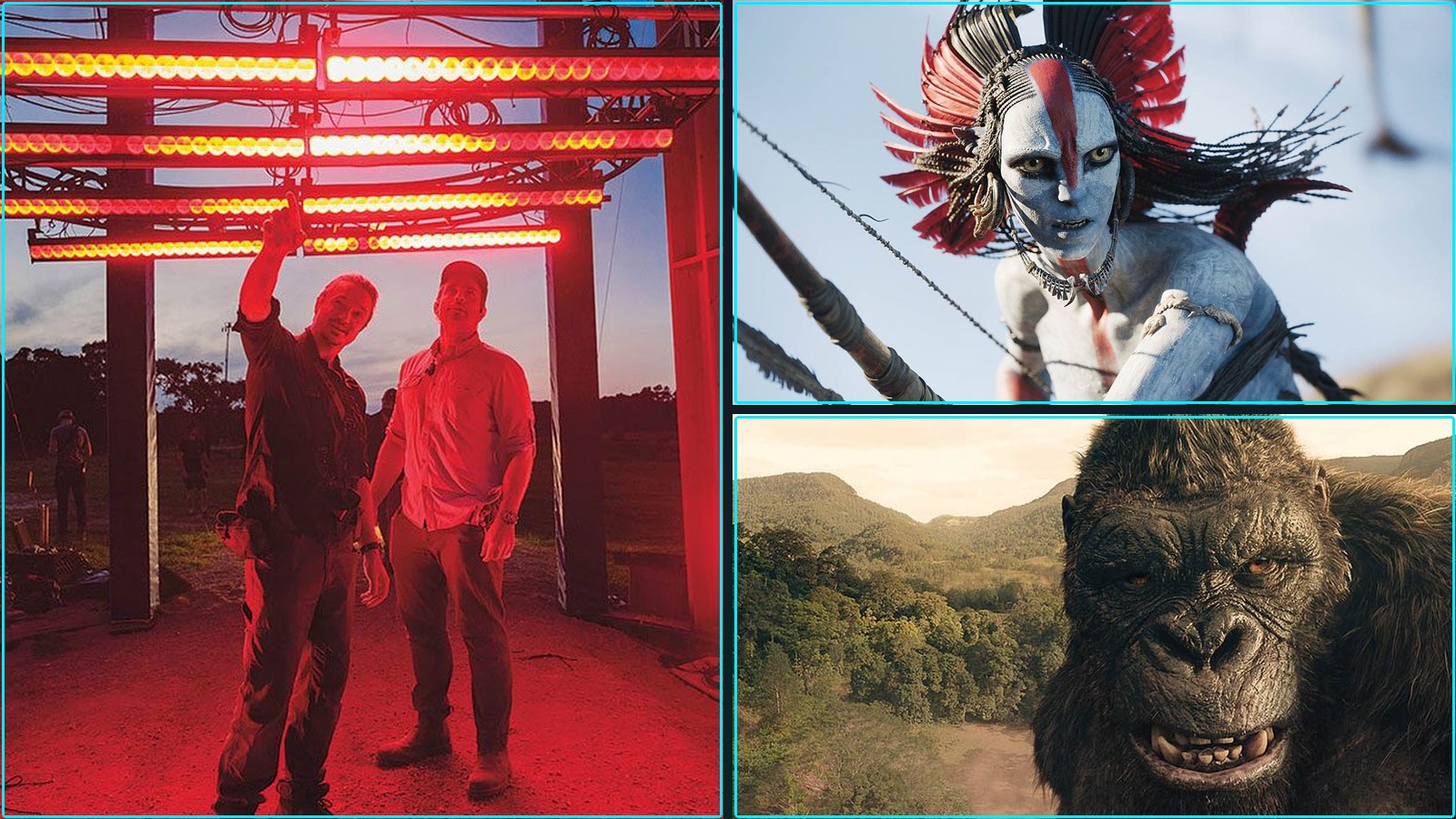
Why it matters: For VFX vendors and studio execs, the shot-count inflation and schedule compression documented here signal a structural shift in episodic production economics, where previs, virtual production, and multi-vendor splits are no longer optional but required to maintain quality ceilings.
Context: Episodic VFX shot counts have grown 30-50% per season across major franchises, while per-shot budgets and delivery windows shrink, forcing studios to pre-plan asset reuse and environment extensions earlier in the pipeline.
"The demands of the show were crazy,” notes Russell Dodgson, Visual Effects Supervisor. “Matthew Thompson showed me a whole bunch of the animatics for the number of furry creatures rolling all over each other and running around in mud, snow, rain and tar. If I hadn’t had the experience of His Dark Materials, it wouldn’t have felt like such an exciting challenge rather than a terrifying one!" — VFXVOICE
Commentary: The Prehistoric Planet: Ice Age quote crystallizes a broader industry reality: episodic VFX now demands feature-film asset fidelity at TV-series velocity, with vendor experience on prior complex shows becoming a prerequisite for bid acceptance. For studios, this concentration of expertise among a shrinking pool of proven houses (Framestore, Wētā, ILM, Rodeo) will further compress vendor leverage and raise barriers for new entrants. The shift toward virtual production on Star Trek: Strange New Worlds S3, where photoreal assets must be ready for day one of shooting, is a canary for how pre-production timelines are being inverted to absorb post-production pressure.
Date: Tue, 02 Jun 2026 16:00:42 +0000
URL: https://vfxvoice.com/vfx-emmy-preview-contenders-stretching-the-small-screen-to-make-epic-tv/
AI Sentiment Score: Negative (75%)
AI Credibility Score: 10.0/10 — High
Scores and text generated by AI analysis of the source article indicated.
THE FUTURE OF CINEMATOGRAPHY: THE RISE OF THE HYBRID DP (Vfxvoice)
Summary: The hybrid DP role is solidifying as virtual production tools like LED volumes and Unreal Engine become standard on VFX-heavy projects. Cinematographers are increasingly expected to bridge camera departments and VFX teams during pre-production and on-set, using virtual scouting and previs to plan complex shots. However, the technology remains a supplement, not a replacement, for traditional location and practical lighting work, with cost and scale still limiting full-volume adoption. The key shift is that DPs now need collaborative fluency with virtual art departments, not necessarily deep technical mastery of the tools themselves.
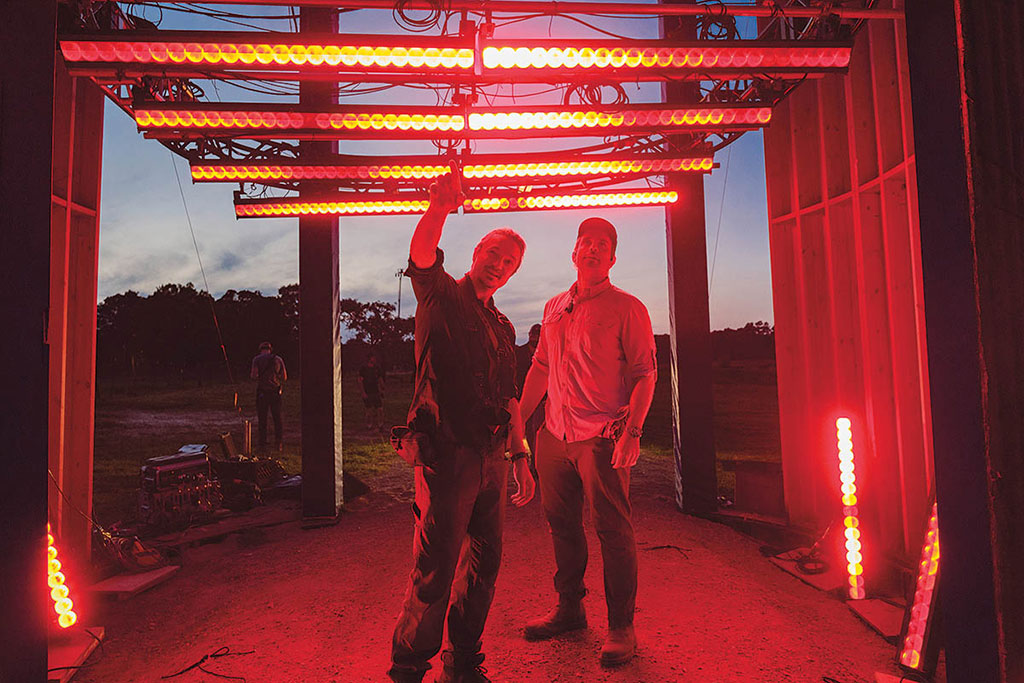
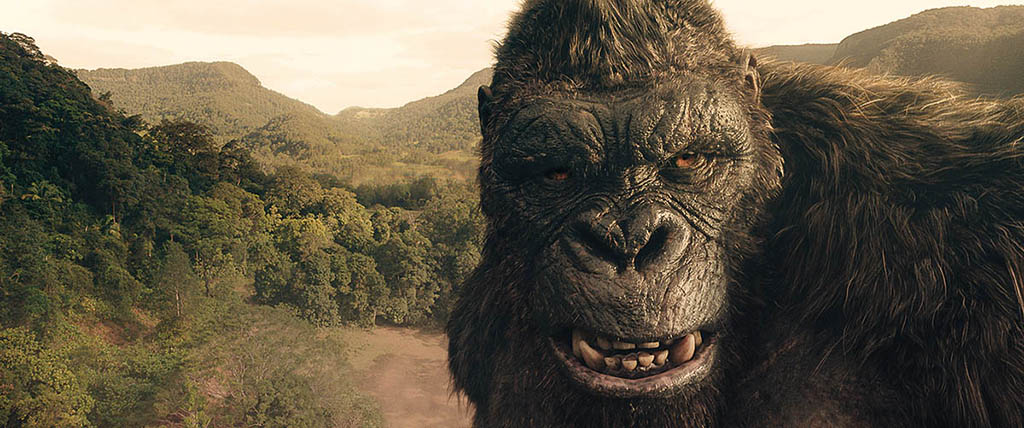
Why it matters: For VFX vendors and post houses, this signals a continued pipeline shift: more previs and in-camera work moves upstream, compressing post schedules but also requiring tighter integration with camera departments during prep.
Context: Since ILM’s StageCraft debuted on The Mandalorian, virtual production has evolved from a novelty to a recurring workflow on tentpole series and films, though economic pressures and technical limitations still drive many productions back to greenscreen or location work.
"By KATIE KASPERSON By KATIE KASPERSON When Industrial Light & Magic (ILM) debuted its StageCraft system on Disney+’s The Mandalorian, the game was afoot: virtual production had officially hit the mainstream. Filming." — VFXVOICE
Commentary: Goldschmidt’s experience on House of the Dragon Season 2 is a cautionary tale for studios and vendors: LED volumes can become a cost sink if post can’t keep pace with prep. The hybrid DP model may reduce friction between camera and VFX teams, but it doesn’t solve the fundamental scheduling mismatch that can turn in-camera VFX into a redundant expense. For VFX houses, the real opportunity lies in owning the previs and tech-vis pipeline, not just the post work.
Date: June 02, 2026 11:55 AM ET
URL: https://vfxvoice.com/the-future-of-cinematography-the-rise-of-the-hybrid-dp/
AI Sentiment Score: Negative (80%)
AI Credibility Score: 10.0/10 — High
Scores and text generated by AI analysis of the source article indicated.
VOLUMETRIC HUMANS CONTINUE TO EVOLVE (Vfxvoice)
Summary: By TREVOR HOGG By TREVOR HOGG Reshaping how volumetric humans are brought to life digitally and realistically are NeRFs, multi-camera arrays, AI motion synthesis and dynamic texture systems. These technological advances, among many others, have allowed for more than proxy versions to appear in previs and have elevated the creation of indistinguishable stunt doubles and crowd simulations. Certain fundamentals have to be kept in mind when producing volumetric humans.

Why it matters: This matters for Visual Effects and CGI because it gives a concrete current signal to track: By TREVOR HOGG By TREVOR HOGG Reshaping how volumetric humans are brought to life digitally and realistically are NeRFs, multi-camera arrays, AI motion synthesis and dynamic texture systems.
Context: By TREVOR HOGG By TREVOR HOGG Reshaping how volumetric humans are brought to life digitally and realistically are NeRFs, multi-camera arrays, AI motion synthesis and dynamic texture systems. These technological advances, among many others, have allowed for more than proxy versions to appear in previs and have elevated the creation of indistinguishable stunt doubles and crowd simulations. Certain fundamentals have to be kept in mind when producing volumetric humans.
"By TREVOR HOGG By TREVOR HOGG Reshaping how volumetric humans are brought to life digitally and realistically are NeRFs, multi-camera arrays, AI motion synthesis and dynamic texture systems. These technological advances, among." — VFXVOICE
Commentary: The immediate implication is operational rather than speculative: watch how this changes budgets, workflows, or risk assumptions over the next cycle.
Date: June 02, 2026 11:59 AM ET
URL: https://vfxvoice.com/volumetric-humans-continue-to-evolve/
AI Sentiment Score: Neutral (50%)
AI Credibility Score: 10.0/10 — High
Scores and text generated by AI analysis of the source article indicated.
Utopai launches next-gen AI storytelling platform (Postmagazine)
Summary: Utopai Studios has launched PAI 2.0, its next-generation AI storytelling platform, less than two months after its April debut. The system already generates $11 million in annual recurring revenue, indicating strong commercial demand from studios and professional teams. PAI 2.0 introduces two creation modes—Easy Mode for guided workflows and Pro Mode with a Canvas workspace—alongside rapid variant generation, 2×2 keyframe generation per 15-second segment, and 4K video output with near-limitless extension. The company is also rolling out updated subscription pricing, including monthly, annual, and enterprise plans, with a phased migration from PAI 1.0 ending July 2nd.

Why it matters: For VFX and post-production pipelines, PAI 2.0 signals a shift toward agent-first cinematic tools that could compress previs, storyboard, and shot iteration timelines, potentially altering how studios allocate labor for concept and layout work.
Context: The platform’s rapid revenue growth and feature set suggest it is targeting professional-grade production rather than consumer novelty, positioning it as a direct competitor to emerging AI video tools from Runway, Pika, and OpenAI’s Sora.
"PAI 2.0 combines a more powerful creative agent, a freeform Canvas-based workspace, voice input, and advanced image and video generation models. It also introduces two creation modes built for different levels of creative control." — POSTMAGAZINE
Commentary: The introduction of Pro Mode with a connected Canvas workspace is the most operationally significant feature for VFX vendors, as it allows branching and iterative refinement within a single environment—potentially reducing the handoff friction between storyboard artists and shot production teams. However, the 2×2 keyframe generation per 15-second segment suggests a ceiling on temporal coherence that may limit its use for complex action sequences or character-driven dialogue without heavy manual intervention. The $11M ARR figure, while impressive for a platform less than two months old, should be weighed against the cost of enterprise migration and the risk that early adopters are subsidized by generous credit matching. Studios evaluating PAI 2.0 should stress-test its ability to handle multi-shot sequences with consistent character and lighting before committing to pipeline integration.
Date: Tue, 02 Jun 2026 07:00:00 GMT
URL: https://www.postmagazine.com/Press-Center/Daily-News/2026/Utopai-launches-next-gen-AI-storytelling-platfor.aspx
AI Sentiment Score: Negative (57%)
AI Credibility Score: 10.0/10 — High
Scores and text generated by AI analysis of the source article indicated.
Post ID: e4864a55