IP & Franchise Lifecycle Tracking
Four music datasets holding millions of tracks are being shared among AI developers, The Atlantic reports (Musicbusinessworldwide)
Summary: The Atlantic has identified four music datasets totaling over 21 million tracks circulating among AI developers, including collections from LAION and the Free Music Archive. Google and Stability AI have used one of the smaller datasets. The music industry is responding with a mix of litigation and licensing: Universal and Warner have settled with Udio and Suno, while Sony Music continues to sue both. Deezer reports receiving 75,000 fully AI-generated tracks per day, 44% of all new uploads, though consumption remains at 1-3% of total streams.

Why it matters: The scale of unlicensed training data and the industry’s fragmented response—settlements with some majors, ongoing litigation with others—creates a precarious legal and economic environment for rightsholders, AI companies, and streaming platforms alike.
Context: The datasets include LAION-DISCO-12M (12M tracks, released Nov 2024 for research only) and the Free Music Archive (100K tracks, published 2017 under Creative Commons). A CISAC-commissioned study estimates generative AI could take 24% of music creators’ revenues by 2028, a cumulative loss of €10 billion.
[Summary note] The Atlantic has identified four music datasets totaling over 21 million tracks circulating among AI developers, including collections from LAION and the Free Music Archive.
Commentary: The 44% figure is a watershed: AI-generated content is no longer a fringe experiment but a structural feature of music supply. That 85% of those streams are flagged as fraudulent suggests the detection arms race is real, but the licensing settlements with Udio and Suno signal that the industry is betting on walled-garden containment rather than outright prohibition. The Sony holdout and the independent artist lawsuits ensure this remains a multi-front war, not a settled peace.
Date: June 16, 2026 09:07 AM ET
URL: https://www.musicbusinessworldwide.com/four-music-datasets-holding-millions-of-tracks-are-being-shared-among-ai-developers-the-atlantic-reports/
AI Sentiment Score: Negative (83%)
AI Credibility Score: 10.0/10 — High
Scores and text generated by AI analysis of the source article indicated.
What Hollywood Can Teach Harvard (Hollywoodreporter)
Summary: Marc Adelman, a strategic communications consultant, recounts teaching a Harvard Kennedy School seminar on narrative and politics, drawing on guests from Hollywood including creators of ‘The Handmaid’s Tale,’ ‘Mad Men,’ and ‘Veep.’ The core thesis: in an attention economy, political leaders must learn from entertainment how to make complex ideas emotionally legible, because facts alone rarely move people. The piece argues that universities excel at analysis but neglect the craft of narration, while Hollywood can learn from students’ sincerity. It positions storytelling as a core competency for future leaders, not a soft skill.

Why it matters: This signals a formal institutional recognition that narrative competence—long the domain of marketing and media—is now a prerequisite for political and institutional leadership, with concrete curriculum implications at elite universities.
Context: The Harvard Institute of Politics, traditionally a training ground for policy wonks, is explicitly integrating entertainment industry techniques into its leadership development, reflecting a broader shift where political campaigns increasingly resemble content studios.
"Politics has always been a game of competitive storytelling. Successful leaders — and successful demagogues — instinctively know how to sell voters narratives: hopeful visions of the future, apocalyptic warnings, enemies to." — HOLLYWOODREPORTER
Commentary: The piece’s most actionable insight is the inversion of conventional wisdom: the most effective political storytelling is not overtly political. Creators like Bruce Miller and Matthew Weiner succeeded by prioritizing emotional truth over messaging, a lesson that directly challenges the algorithmic optimization mindset dominating both Hollywood and political consulting. The real signal is that Harvard is now teaching this as a formal leadership skill, which will likely accelerate the professionalization of narrative strategy in public life.
Date: June 16, 2026 06:50 PM ET
URL: https://www.hollywoodreporter.com/news/general-news/what-hollywood-can-teach-harvard-1236623689/
AI Sentiment Score: Positive (50%)
AI Credibility Score: 10.0/10 — High
Scores and text generated by AI analysis of the source article indicated.
US appeals court revives copyright case against Ricky Martin over 2014 FIFA World Cup album track ‘Vida’ (Musicbusinessworldwide)
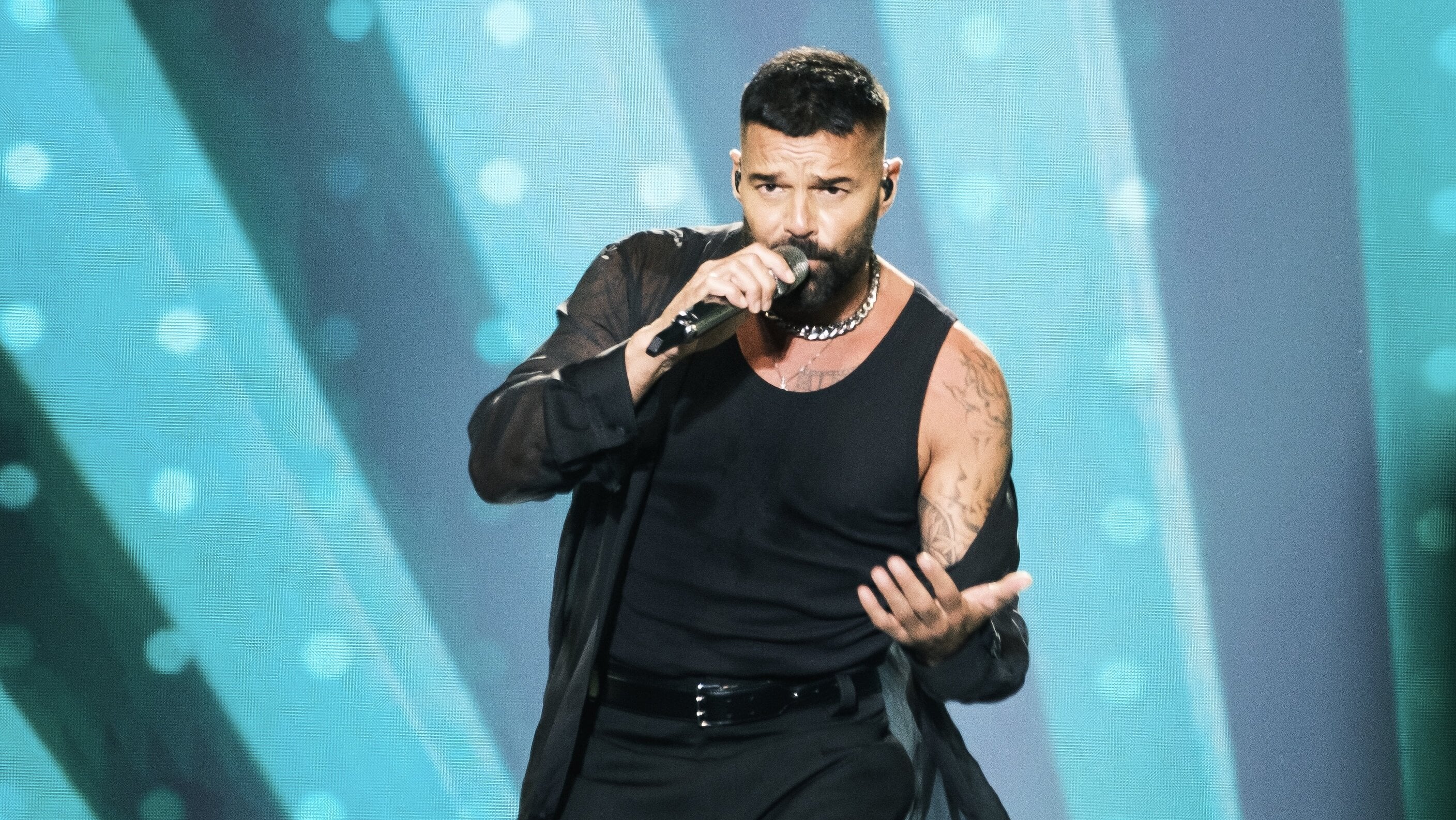
Summary: The US Court of Appeals for the First Circuit has revived a 12-year-old copyright lawsuit against Ricky Martin over his 2014 FIFA World Cup track ‘Vida,’ ruling that the lower court improperly granted summary judgment without allowing the plaintiff, songwriter Luis Adrián Cortés-Ramos, to conduct discovery. The case, which has produced five appeals across three related suits, centers on whether Cortés-Ramos assigned his copyright to Sony by entering the SuperSong contest. The appeals court vacated both the summary judgment and the invalidation of Cortés-Ramos’s copyright registration, sending the case back to the District of Puerto Rico for further litigation. The ruling was not unanimous, with Chief Judge David Barron dissenting in part.
Why it matters: This decision reinforces the procedural right to discovery in copyright disputes, even in long-running cases where defendants seek early dismissal, and signals that courts will scrutinize whether contest entry terms truly transfer ownership before granting summary judgment.
Context: The case is part of a broader pattern of high-profile copyright battles in music, including recent wins for Cardi B, Dua Lipa, and Ed Sheeran, where procedural issues like registration timing and discovery access have been decisive.
[Summary note] The US Court of Appeals for the First Circuit has revived a 12-year-old copyright lawsuit against Ricky Martin over his 2014 FIFA World Cup track ‘Vida,’ ruling that the lower court improperly…
Commentary: The First Circuit’s application of Rule 56(d) here is a notable procedural check on premature summary judgment, especially in cases where the plaintiff’s ownership claim hinges on ambiguous contest terms. For rights holders and contest sponsors, this ruling underscores that boilerplate assignment language in entry rules may not shield defendants from discovery obligations, potentially increasing litigation costs for major labels and artists. The dissenting opinion suggests the majority may have overread Cortés-Ramos’s arguments, hinting at possible further appellate review if the case returns.
Date: June 16, 2026 10:59 AM ET
URL: https://www.musicbusinessworldwide.com/fifa-world-cup-2014-song-copyright-case-over-vida-by-ricky-martin-revived-by-us-appeals-court/
AI Sentiment Score: Neutral (33%)
AI Credibility Score: 10.0/10 — High
Scores and text generated by AI analysis of the source article indicated.
Post ID: 289296f6