Pawleys Island / Georgetown & Horry Counties, SC
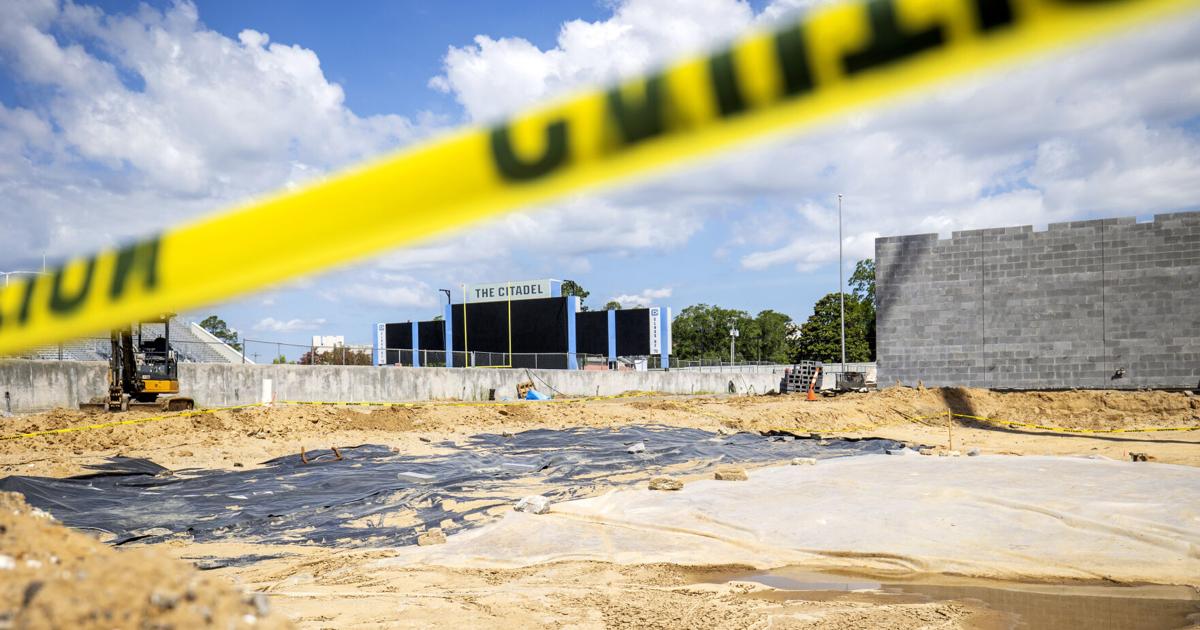
More than 50 unmarked graves unearthed at Citadel football stadium during construction upgrade (Postandcourier)
Summary: Construction at The Citadel’s Johnson Hagood Stadium has uncovered approximately 50 unmarked graves, part of the Tower Hill Cemetery upon which the stadium was built in 1927. This follows a 2004 discovery of over 300 graves during a prior project. The military college has halted work and, per a city ordinance, will exhume and reinter the remains nearby, coordinating with state preservation officials. The site is a historic public cemetery containing an estimated 26,000 burials, including enslaved individuals, immigrants, and Confederate soldiers.
Why it matters: This is a recurring, systemic issue in historic coastal cities where development pressure meets unmarked burial grounds, forcing institutions to navigate the ethics of memory, land use, and respectful commemoration.
Context: Charleston has a documented history of disturbing unmarked pauper’s graves during construction, with recent discoveries at The Gailliard Center and a College of Charleston site. A 2004 city ordinance establishes a protocol for such finds, requiring research, outreach, and memorialization.
"The city built the stadium in 1927 atop Tower Hill Cemetery, where more than 26,000 people were buried between 1841 and 1927." — POSTANDCOURIER
Commentary: The repeated disturbance underscores the fragility of historic memory when layered beneath modern infrastructure. For coastal communities like those in the Local Radar scope, this is a stark reminder that tourist and institutional expansion often occurs atop contested ground, requiring a durable, not just procedural, reconciliation with the past. The community advocate’s critique—’Twenty-three thousand or more people deserve more than a damn plaque’—highlights the gap between compliance and meaningful commemoration, a tension relevant to any place-dependent economy built on historic landscapes.
Date: June 24, 2026 05:00 AM ET
URL: https://www.postandcourier.com/news/citadel-graves-human-remains-johnson-hagood-charleston/article_2b30fabb-a72c-46cd-a0a0-3a436458a13d.html
AI Sentiment Score: Negative (85%)
AI Credibility Score: 10.0/10 — High
Scores and text generated by AI analysis of the source article indicated.
SC Ports to pause Leatherman Terminal. Plus, how Wilson beat Evette in SC governor’s race. (Postandcourier)
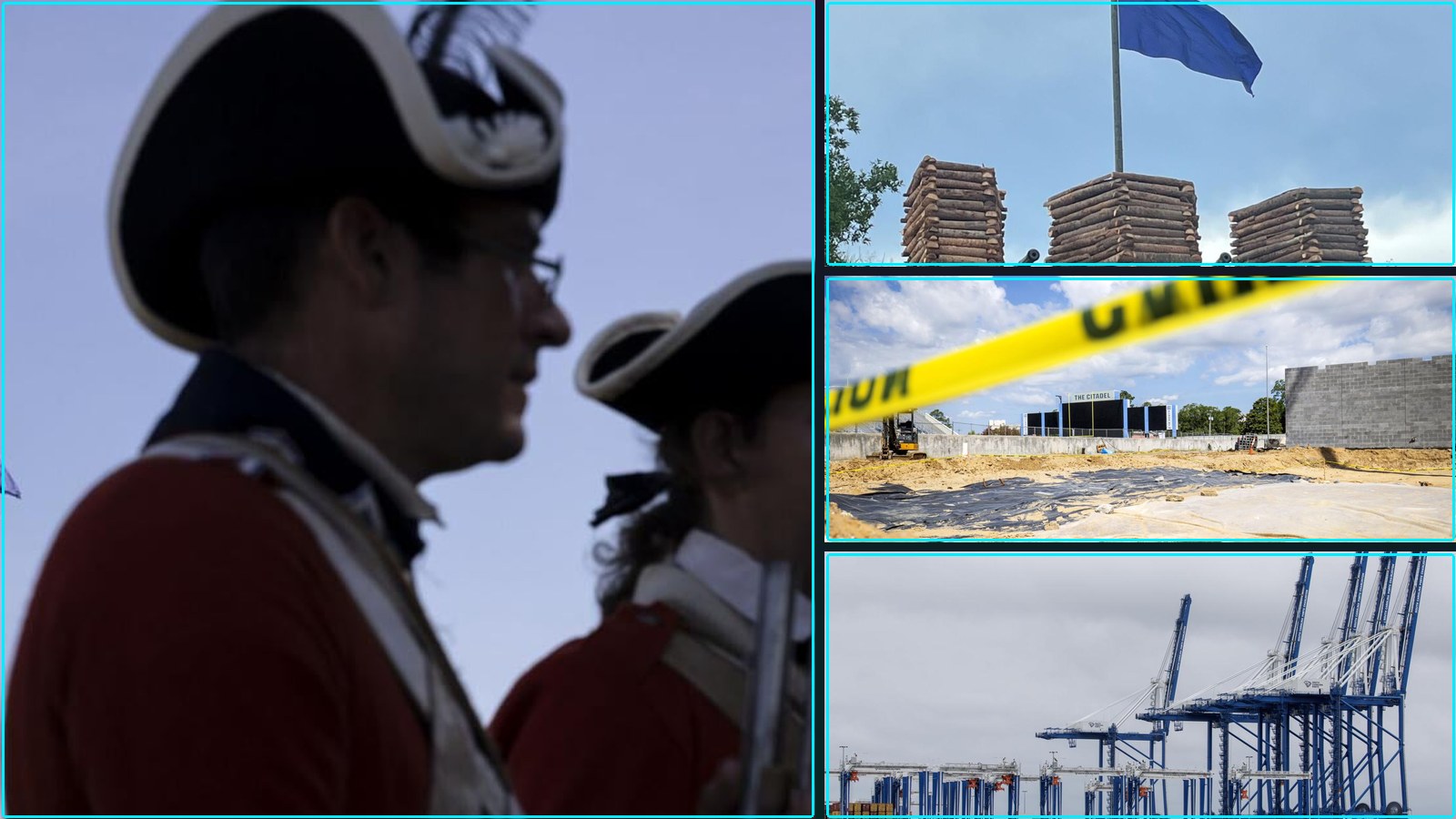
Summary: The South Carolina Ports Authority will idle its $1.2 billion Leatherman Terminal indefinitely starting August 1, citing a global shipping downturn and high operating costs. The terminal, opened five years ago on the former Navy base in North Charleston, has handled less than 5% of the Port of Charleston’s core cargo, hampered by a lingering labor dispute. This operational pause represents a significant strategic retreat for a major capital project.

Why it matters: The idling of a flagship infrastructure investment signals vulnerability in the state’s economic pillars and recalibrates coastal industrial strategy.
Context: The Leatherman Terminal’s struggles reflect broader pressures on secondary ports competing for diminished global container volumes, where fixed costs and labor dynamics can quickly turn an asset into a liability.
"The terminal, designed to handle 700,000 containers annually, accounted for less than 5 percent of the Port of Charleston’s core cargo business last year and has been hampered by a drawn-out labor dispute and higher costs than competing terminals." — POSTANDCOURIER
Commentary: The pause turns a bet on perpetual growth into a holding pattern, testing the resilience of the Lowcountry’s port-dependent economy. It forces a reassessment of public-private port economics where overcapacity meets soft demand, with implications for regional employment and future public infrastructure commitments.
Date: June 25, 2026 05:00 PM ET
URL: https://www.postandcourier.com/news/sc-ports-leatherman-terminal-wilson-evette-republican-runoff/article_f7654835-7002-4d9f-87ce-b510e5a6ecca.html
AI Sentiment Score: Neutral (33%)
AI Credibility Score: 10.0/10 — High
Scores and text generated by AI analysis of the source article indicated.
250 years later, Battle of Sullivan’s Island remembered and honored as a crucial American victory (Postandcourier)
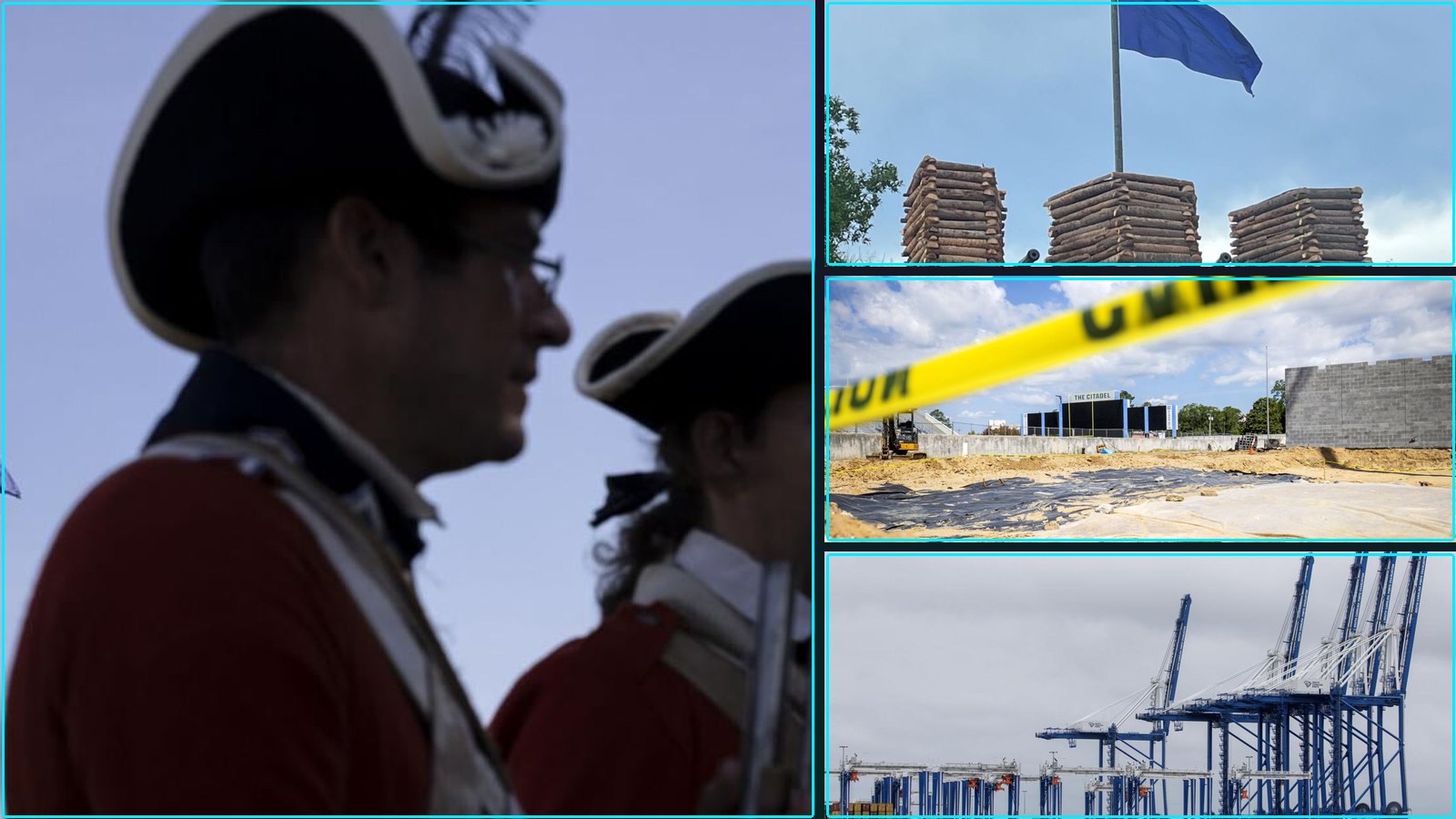
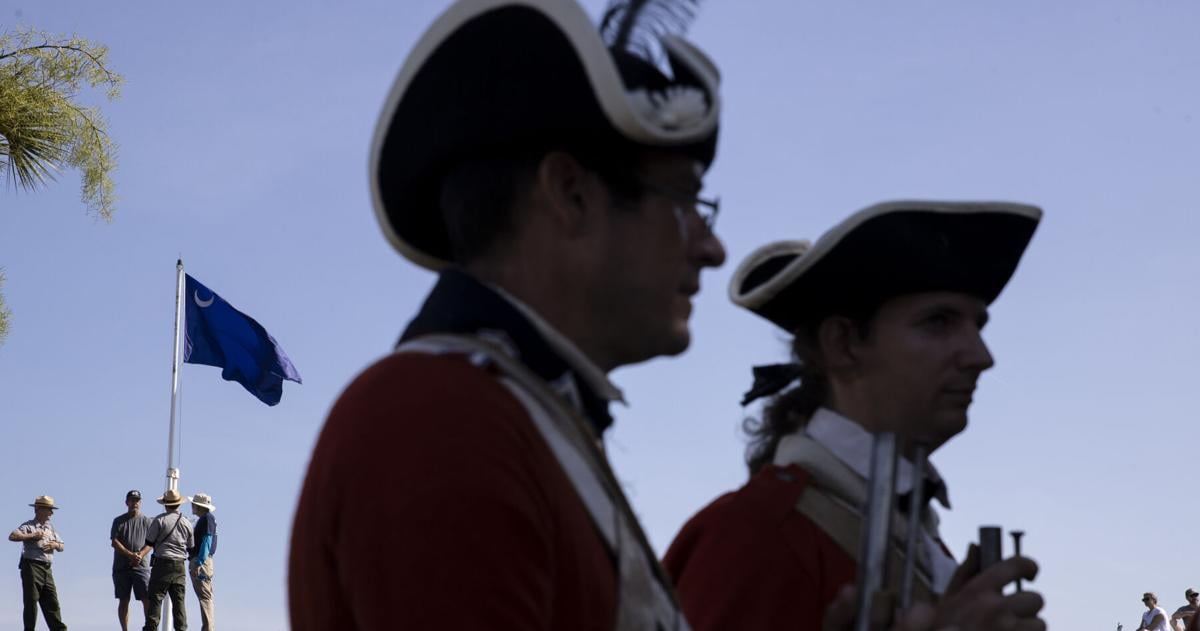
Summary: The 250th anniversary of the Battle of Sullivan’s Island was commemorated at Fort Moultrie with a large-scale living history event, featuring re-enactors, ceremonial cannon fire, and the participation of British military representatives. The celebration highlighted the battle’s transformation from a pivotal, locally resonant Revolutionary War victory into a symbol of enduring Anglo-American alliance. Attendees, including local politicians and the British consul general, framed the event as a bipartisan appreciation of shared heritage.
Why it matters: For a region where tourism and historical identity are economically intertwined, the scale and diplomatic tone of this anniversary signals how foundational narratives are being curated for both cultural cohesion and visitor consumption.
Context: Carolina Day is an annual local observance, but the 250th anniversary represents a major inflection point for institutional commemoration, drawing heightened federal and international participation.
"People mingle throughout Fort Moultrie and chat with National Parks Rangers while British soldiers hang out together ahead of a drill, Sunday, June 28, 2026, in Sullivan’s Island. People and patriot re-enactors." — POSTANDCOURIER
Commentary: The event’s framing—emphasizing current alliance over historical conflict—serves a dual purpose: it sanitizes the past for broad tourist appeal while also functioning as soft diplomacy. This suggests local historical institutions are increasingly conscious of their role in shaping narratives that serve contemporary economic and political functions, a trend likely to intensify as other coastal heritage sites face similar pressures to balance authenticity with accessibility.
Date: June 28, 2026 04:40 PM ET
URL: https://www.postandcourier.com/america-250/carolina-day-250-sullivans-island-fort-moultrie/article_2ea4fe4c-6f68-4ef0-9b3b-ce109ad5dfb4.html
AI Sentiment Score: Negative (50%)
AI Credibility Score: 10.0/10 — High
Scores and text generated by AI analysis of the source article indicated.
Battle of Sullivan’s Island: Q&A with Post and Courier reporter Jason Ryan (Postandcourier)
Summary: A Post and Courier reporter’s deep-dive into the 250-year-old Battle of Sullivan’s Island reveals the friction between military leaders and the miserable conditions faced by British forces—details that resonate with modern Lowcountry life. The research underscores the battle’s strategic importance in prolonging the Southern theater of the Revolutionary War.

Why it matters: For coastal communities like Pawleys Island and Georgetown, this historical lens highlights how foundational conflicts shaped regional identity and land use, reminding us that today’s tourist destinations were once contested, inhospitable grounds with lasting consequences.
Context: Historical commemorations often risk becoming generic, but this analysis connects past military logistics and environmental hardships to present-day coastal dynamics, offering a model for how local history can inform contemporary place-based narratives.
"I especially enjoyed reading the details of letters written by a British solider and a British doctor who were camped on Long Island (now called the Isle of Palms). They were miserable, forced to sleep on the beach with no tent or blanket. I found it amusing that they complained about the same things that many residents of the Lowcountry still gripe about today, including the summer heat, snakes and, of course, mosquitoes." — POSTANDCOURIER
Commentary: The reporter’s focus on friction among leaders and the persistence of environmental grievances reframes local history as a study in operational fragility—a relevant lens for communities facing coastal risks today. This approach moves beyond myth-making to show how place-specific constraints, from supply chains to morale, have long dictated outcomes in this region.
Date: June 28, 2026 05:00 AM ET
URL: https://www.postandcourier.com/news/conversation-jason-ryan-battle-sullivans-island-charleston-sc/article_1c0cb676-a69a-4d5c-ad3d-f49000126458.html
AI Sentiment Score: Negative (80%)
AI Credibility Score: 10.0/10 — High
Scores and text generated by AI analysis of the source article indicated.
St. Philip’s Church celebrates 250th with recitation of Robert Smith’s sermons and historic interpretation (Postandcourier)
Summary: St. Philip’s Church in Charleston marked its 250th anniversary with a recitation of sermons by its revolutionary-era rector, Robert Smith. Smith, who notably edited the Book of Common Prayer to replace prayers for King George with ones for the American states, was a planter and slaveholder who fought at the Battle of Sullivan’s Island. The commemoration highlighted the foundational contradictions of the local revolutionary cause: wealthy planters fighting for liberty while their wealth depended on enslaved labor. The church’s history includes educating Black children, yet the equality promised by the revolution remained unfilled.
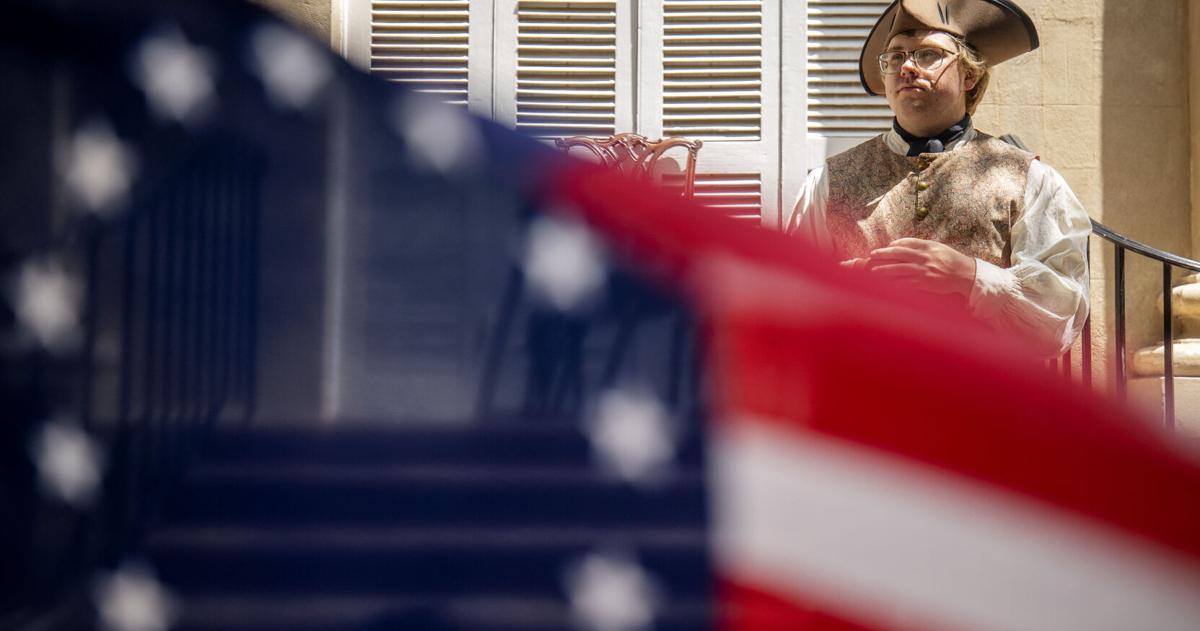
Why it matters: This local commemoration surfaces the enduring tension between foundational American ideals and the economic systems that financed them, a tension still reflected in the coastal Lowcountry’s culture and political economy.
Context: Lowcountry historical narratives often celebrate patriotic fervor while eliding the slave-based economy that enabled it; this event made that contradiction explicit.
"They fought for liberty, yet they depended on the free labor of enslaved people for their wealth and status." — POSTANDCOURIER
Commentary: The event functions as a rare public reckoning with the region’s dual heritage. For a tourist-dependent economy built on a romanticized past, acknowledging this tension could reshape historical interpretation at other sites, from Brookgreen Gardens to plantation tours. It signals a shift toward more integrated local narratives, which may eventually affect how place-based brands market themselves.
Date: June 26, 2026 03:45 PM ET
URL: https://www.postandcourier.com/news/st-philips-church-robert-smith-american-revolution/article_0a71d7d2-8132-4e5f-ad4c-081f7ef2c296.html
AI Sentiment Score: Negative (75%)
AI Credibility Score: 10.0/10 — High
Scores and text generated by AI analysis of the source article indicated.
Berkeley County planning commissioner resigns after gun incident at public meeting (Postandcourier)
Summary: Berkeley County Planning Commissioner James Sineath resigned after an incident at a public meeting where he appeared to chamber a round in his handgun during a contentious rezoning debate. Sineath, a longtime state constable and reserve deputy, was stripped of his ‘honorary special deputy’ status by the Berkeley County Sheriff’s Office over the ‘uncalled for’ actions. The resignation creates an immediate vacancy on the commission, which must now fill the seat to represent the community.

Why it matters: This incident underscores the escalating tensions in local governance over land use and the normalization of armed intimidation in public forums, setting a precedent for how municipalities handle security and decorum in an era of heightened political conflict.
Context: The incident occurred during a debate on a divisive rezoning request for the Lake Village expansion, highlighting the high-stakes pressure points in rapid-growth areas like Berkeley County, where development often pits residents against developers.
"MONCKS CORNER — A member of the Berkeley County Planning Commission resigned following scrutiny over an incident at the board’s June 23 meeting in which he appeared to chamber a round in." — POSTANDCOURIER
Commentary: The resignation and departmental rebuke signal institutional limits on vigilante posturing, even from within law enforcement’s auxiliary ranks. For coastal counties like those in the Local Radar scope, it’s a field note on how the stressors of explosive development—rezoning fights, crowded public hearings—can fray civic norms. The livestreamed nature of the act transforms a local procedural conflict into a durable public record, potentially chilling participation or, conversely, emboldening similar performances elsewhere.
Date: June 25, 2026 03:35 PM ET
URL: https://www.postandcourier.com/news/berkeley-county-planning-commission-gun-resign/article_dad84446-cdcd-4137-b45c-af60074f6c52.html
AI Sentiment Score: Positive (42%)
AI Credibility Score: 10.0/10 — High
Scores and text generated by AI analysis of the source article indicated.
Post ID: 49a0d1b3