FashionTech
Poshmark opens its 120 million product listings to the Shazam of fashion (Glossy.Co)
Summary: Poshmark is integrating its 120 million active listings into the visual-search app Silvr, allowing users to find resale items by photographing outfits seen online or in real life. The deal creates a new customer acquisition channel for Poshmark, redirecting shoppers to its marketplace for purchase. Silvr differentiates its computer vision technology by handling the ‘long-tail’ of poorly lit, one-off resale listings, ranking results by visual relevance. The company is also expanding its B2B business, licensing visual search tools to publishers and streaming services seeking to monetize content as search traffic declines.

Why it matters: This shifts resale inventory into the inspiration-to-purchase pipeline, altering customer acquisition costs and seller visibility requirements.
Context: Product discovery is moving off-platform, with visual search becoming a primary channel for fashion, forcing marketplaces to syndicate inventory while defending their destination status.
"Poshmark is expanding its resale inventory beyond its own app through a partnership with the visual shopping platform Silvr, as the marketplace looks to reach consumers when fashion inspiration strikes. The integration,." — GLOSSY.CO
Commentary: Silvr’s technical claim to handle messy, non-catalog imagery validates the resale sector’s integration into mainstream visual commerce, but also imposes a new quality control burden on sellers: poor photography now directly impacts off-platform discoverability. For Poshmark, this is a calculated distribution play that trades some discovery surface for lower-funnel control, betting its marketplace experience retains buyers. The B2B pivot for Silvr signals a vendor strategy where the tech becomes infrastructure for publishers facing traffic declines, creating a new affiliate revenue layer atop existing media content.
Date: June 25, 2026 12:00 AM ET
URL: https://www.glossy.co/fashion/poshmark-opens-its-120-million-product-listings-to-the-shazam-of-fashion/
AI Sentiment Score: Negative (80%)
AI Credibility Score: 10.0/10 — High
Scores and text generated by AI analysis of the source article indicated.
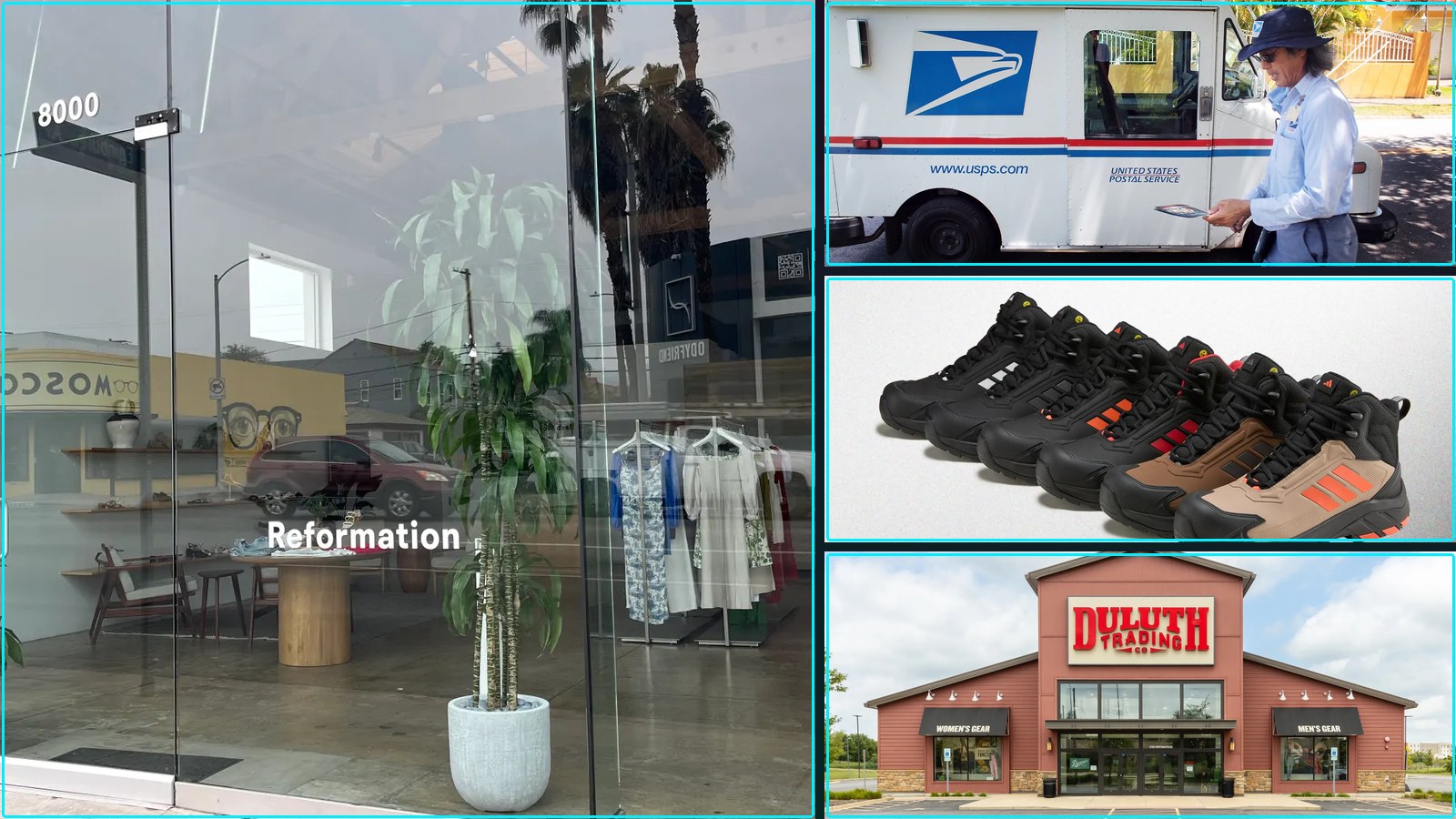
Reformation’s IPO filing shows profitable DTC is possible (Retaildive)
Summary: Reformation has filed for an IPO, presenting a counter-narrative to the troubled DTC sector by demonstrating sustained profitability. The brand’s S-1 filing reports $507 million in net revenue and $12.6 million in net income for 2025, with 90% of revenue coming from its direct channel. Its operational model relies on a patented ‘Retail X’ showroom that boosts average order value, a twice-weekly digital product testing cadence to create scarcity, and a discipline that keeps 80% of DTC sales at full price.

Why it matters: It provides a concrete, profitable case study for how DTC fashion can operate, validating specific tactics around inventory management, store format, and pricing discipline that others can scrutinize and potentially adopt.
Context: This filing arrives as the DTC model faces intense skepticism following high-profile failures and acquisitions, such as Allbirds, making Reformation’s financials a critical benchmark.
"Reformation reported a net revenue of about $507 million and a net income of $12.6 million in 2025, per a company filing. The brand generated positive net income from 2018 to 2025, except for 2020 due to the COVID-19 pandemic." — RETAILDIVE
Commentary: The filing shifts the DTC conversation from growth-at-all-costs to unit economics, specifically highlighting how a tight feedback loop between small-batch production, digital testing, and physical showrooms can reduce forecasting error and markdowns. For operators, the validated 8.5% AOV lift from the Retail X format offers a tangible metric for justifying capital-intensive store redesigns. The imminent IPO could pressure other brands to match this level of operational transparency and profitability.
Date: June 26, 2026 11:43 AM ET
URL: https://www.retaildive.com/news/reformation-ipo-profitable-dtc-model-possible/823857/
AI Sentiment Score: Positive (42%)
AI Credibility Score: 10.0/10 — High
Scores and text generated by AI analysis of the source article indicated.
The Weekly Closeout: Adidas gets into PPE, Five Below fills out C-suite (Retaildive)
Summary: Adidas, via partnership with Glo Brands, launches its first certified safety footwear collection in Europe, priced €100-150, targeting workers in controlled environments. Five Below appoints Rodney Lastinger as Chief Retail Officer and Christos Yatrakis as Chief Legal Officer, signaling operational and governance scaling. True Religion plans four new U.S. store openings, hiring a VP of Retail from Skechers to support a target of 150 locations. Nike faces analyst scrutiny over potential plans to restrict Chinese distributors’ online sales rights, echoing its contentious Western DTC shift.

Why it matters: These moves signal strategic pivots in labor-intensive apparel categories, executive bench-building for expansion, and the high-stakes recalibration of wholesale relationships in critical markets.
Context: Apparel brands are expanding into adjacent professional categories for growth, while retail chains bulk up leadership for physical expansion. Nike’s ongoing wholesale-DTC tension is a persistent operational fault line, especially in China where sales are already under pressure.
"It’s been another week with far more retail news than there is time in the day. Below, we break down some things you may have missed during the week and what we’re." — RETAILDIVE
Commentary: Adidas’s PPE entry isn’t just brand extension; it’s a low-risk market test via partnership, using existing brand affinity to capture share in a regulated, repeat-purchase category. Five Below’s C-suite hires, drawing from GNC and Allbirds, point to a focus on complex franchise operations and ESG-linked legal oversight as it scales. Nike considering online sales restrictions for Chinese distributors risks recreating the channel conflict that eroded its Western wholesale base, a costly operational misstep if replicated in a region where local competitors readily fill vacated shelf space.
Date: June 26, 2026 10:55 AM ET
URL: https://www.retaildive.com/news/adidas-safety-footwear-five-below-chief-retail-officer-nike-china-strategy/823842/
AI Sentiment Score: Negative (55%)
AI Credibility Score: 10.0/10 — High
Scores and text generated by AI analysis of the source article indicated.
How USPS shippers can navigate changes to pricing, parcel measurements (Supplychaindive)
Summary: The U.S. Postal Service is implementing a suite of pricing and measurement changes on July 12, aligning its practices with FedEx and UPS. Key adjustments include lowering the dimensional divisor from 166 to 139, rounding fractional measurements up to the next inch, eliminating ounce-based rates for sub-pound Ground Advantage Commercial shipments, and expanding dimensional reporting requirements to all parcels for certain services. These changes will increase costs for shippers of bulky, lightweight goods and those who do not optimize packaging, with noncompliance fees adding further risk. Smaller shippers without negotiated contracts are particularly exposed to the elimination of ounce-based pricing.

Why it matters: For fashion brands and DTC operations, these changes directly impact landed cost, packaging strategy, and carrier selection, forcing a recalculation of fulfillment economics, especially for bulky items like apparel and footwear.
Context: This is part of a broader industry trend where carriers shift pricing to dimensional weight to better monetize cube and improve network efficiency, pressuring shippers to minimize packaging waste.
"USPS will lower its divisor from 166 to 139 — matching FedEx and UPS’ typical approach — and round up all fractional measurements to the next inch starting July 12."
Commentary: The operational consequence is a forced audit of packaging and warehouse systems: brands must validate dimensional data accuracy to avoid $3 fees and redesign boxes to eliminate dead space. This will accelerate adoption of right-sized packaging automation and pressure margins for volume shippers of lightweight, high-cube items like knitwear or puffer jackets. The move also consolidates the carrier pricing playbook, reducing USPS as a simple low-cost alternative and pushing more contract negotiation.
Date: June 26, 2026 09:48 AM ET
URL: https://www.supplychaindive.com/news/how-usps-shippers-can-navigate-changes-to-pricing-parcel-measurements/823336/
AI Sentiment Score: Negative (66%)
AI Credibility Score: 10.0/10 — High
Scores and text generated by AI analysis of the source article indicated.
Duluth Trading boosts inventory health with SKU cuts, enterprise planning (Supplychaindive)
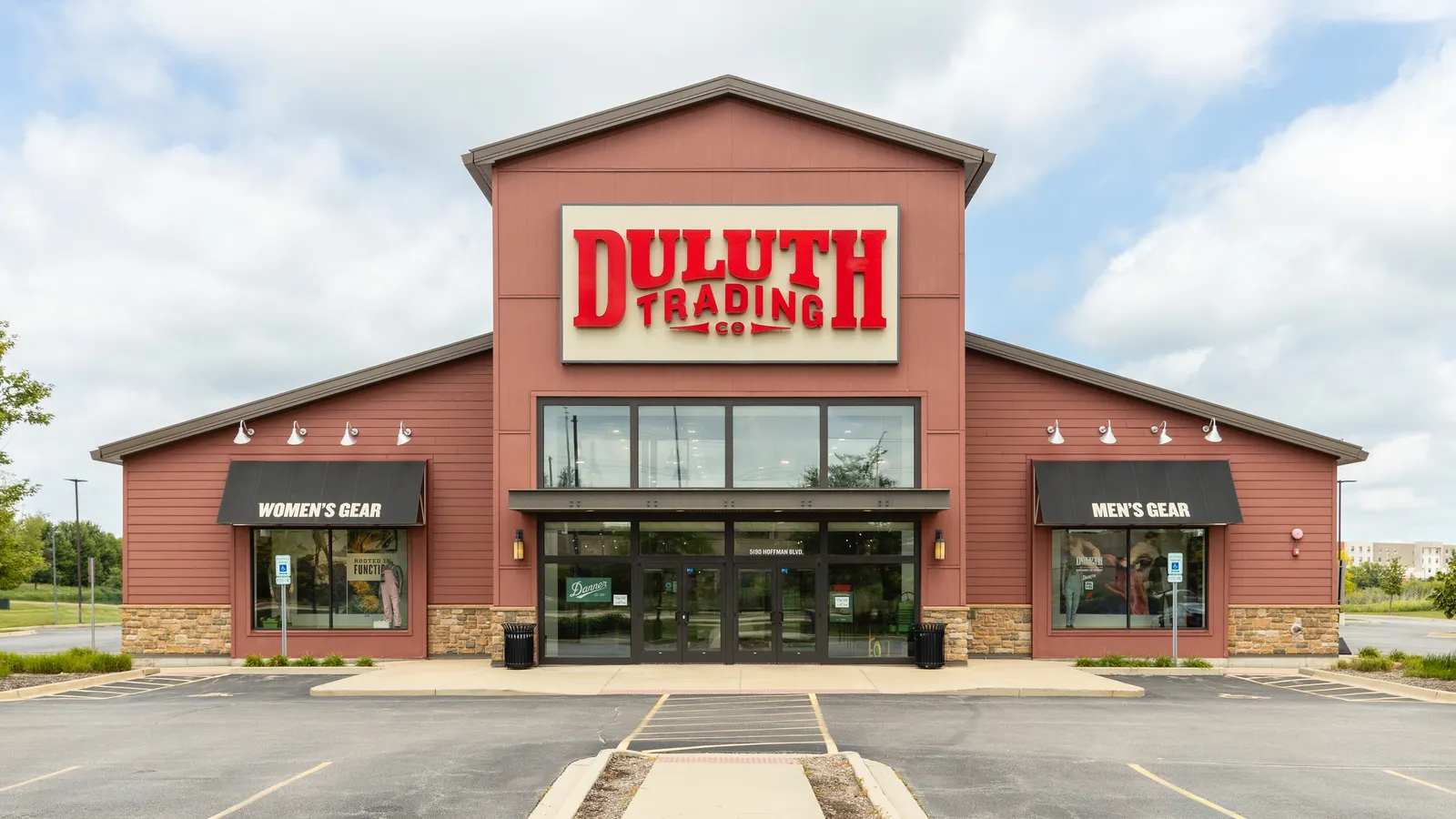
Summary: Duluth Trading Co. has achieved a 25% year-over-year reduction in total inventory and a 42% cut in seasonal stock, marking its fourth consecutive quarter of inventory improvement. This was driven by strategic SKU reductions and an integrated enterprise planning process that synchronizes buying with sales projections. The company is prioritizing core, high-margin products and has improved in-store in-stock levels by 900 basis points. Concurrently, it is leveraging Amazon’s fulfillment network for marketplace orders.
Why it matters: For operations and finance leaders, this demonstrates a replicable playbook for margin recovery through assortment discipline and integrated planning, directly impacting capital allocation and floor space efficiency.
Context: This follows a multi-quarter trend of inventory rightsizing across the apparel sector, where over-assortment and promotional dependency have eroded profitability.
"Dive Brief: – Duluth Trading Co. achieved its fourth consecutive quarter of year-over-year inventory gains in Q1 due to strategic SKU management and its enterprise planning process, Heena Agrawal, SVP and CFO,." — SUPPLYCHAINDIVE
Commentary: Duluth’s move signals a shift from growth-via-variety to profitability-via-focus, a operational pivot with immediate consequences for merchandising teams and supply chain planners. The parallel adoption of Amazon FBA, while a tactical distribution choice, creates a dual-fulfillment model that complicates inventory allocation logic but potentially lowers last-mile costs. The 900-basis-point improvement in in-stock levels suggests the cuts were surgical, not blunt, preserving sales velocity while reducing working capital.
Date: June 26, 2026 10:33 AM ET
URL: https://www.supplychaindive.com/news/duluth-trading-boosts-inventory-health-with-sku-cuts-enterprise-planning/823796/
AI Sentiment Score: Positive (75%)
AI Credibility Score: 10.0/10 — High
Scores and text generated by AI analysis of the source article indicated.
FedEx Freight turns focus toward high-margin shipments (Supplychaindive)
Summary: FedEx Freight, now operating independently, is pivoting its strategy toward high-margin, high-weight shipments in specific verticals like data centers, healthcare, and grocery. Despite a 5.9% YoY decline in average daily shipments in Q4, revenue per shipment increased 11.5%, driven by a 3% rise in weight per shipment. The company is leveraging its dual-service LTL model and national network to capture business in sectors where it has historically under-penetrated, aiming to improve profitability through ‘sustainable, high-quality growth.’

Why it matters: For fashion and manufacturing supply chains in the region, this strategic shift signals a potential reprioritization of carrier capacity and service focus, which could affect shipping costs, reliability, and available service tiers for time-sensitive production and distribution.
Context: This follows the broader LTL carrier trend of segmenting service offerings and chasing higher-yield freight, often at the expense of lower-margin, less-dense general commodity shipments.
"“Our strategy is centered on sustainable, high-quality growth that strengthens both our top line momentum as well as our long-term profitability,” he said." — SUPPLYCHAINDIVE
Commentary: The operational consequence is a clear reallocation of network capacity toward heavier, more profitable freight, which may incrementally reduce flexibility and increase cost pressure for shippers in traditional, lower-weight segments like apparel. For local fashiontech operations reliant on agile, cost-effective LTL for samples, components, and finished goods, this necessitates a review of backup carriers and freight consolidation strategies.
Date: June 26, 2026 09:52 AM ET
URL: https://www.supplychaindive.com/news/fedex-freight-turns-focus-toward-high-margin-shipments/823868/
AI Sentiment Score: Negative (68%)
AI Credibility Score: 10.0/10 — High
Scores and text generated by AI analysis of the source article indicated.
JM Smucker eyes margin boost with lower green coffee commodity costs (Supplychaindive)
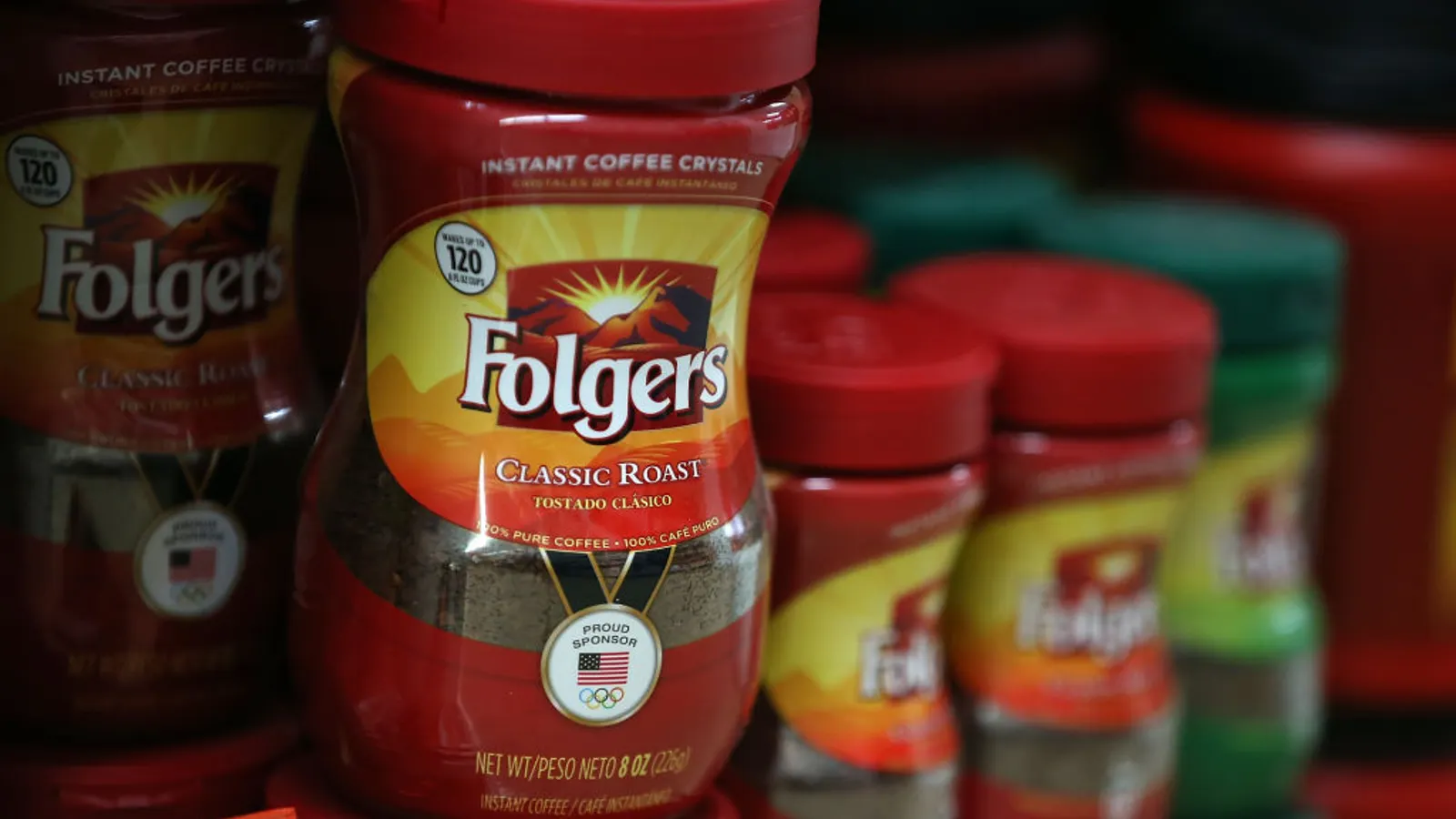
Summary: <figure><div><img src="https://imgproxy.divecdn.com/7ROt8zA4IoaCis5FhAZ_qIvWTOH9pYMOAH9hgaguKrc/g:ce/rs:fill:1600:900:1/Z3M6Ly9kaXZlc2l0ZS1zdG9yYWdlL2RpdmVpbWFnZS9HZXR0eUltYWdlcy00NTAxMDk3NDAuanBn.webp" /></div></figure><p>The Folgers coffee maker introduced temporary price reductions due to the lower input costs, but stopped short of permanent cuts.</p> Commodity cost fluctuations directly impact pricing strategy; expect margin management via temporary price adjustments rather than permanent cuts.
Why it matters: Commodity cost fluctuations directly impact pricing strategy; expect margin management via temporary price adjustments rather than permanent cuts.
Context: The signal is on cost pass-through mechanisms. Monitor how input cost savings are translated into consumer-facing pricing models for goods.
"<figure><div><img src="https://imgproxy.divecdn.com/7ROt8zA4IoaCis5FhAZ_qIvWTOH9pYMOAH9hgaguKrc/g:ce/rs:fill:1600:900:1/Z3M6Ly9kaXZlc2l0ZS1zdG9yYWdlL2RpdmVpbWFnZS9HZXR0eUltYWdlcy00NTAxMDk3NDAuanBn.webp" /></div></figure><p>The Folgers coffee maker introduced temporary price reductions due to the lower input costs, but stopped short of permanent cuts.</p>." — SUPPLYCHAINDIVE
Commentary: The signal is still worth tracking, but the current extraction path did not yield enough body text for a fuller analytical read. The immediate implication is operational rather than speculative: watch how this changes budgets, workflows, or risk assumptions over the next cycle.
Date: June 25, 2026 11:55 AM ET
URL: https://www.supplychaindive.com/news/jm-smucker-eyes-margin-boost-with-lower-green-coffee-commodity-costs/823725/
AI Sentiment Score: Negative (75%)
AI Credibility Score: 10.0/10 — High
Scores and text generated by AI analysis of the source article indicated.
Küresel oyuncular endüstriyel tekstil geri dönüşümü için güçlerini birleştirdi (Textilegence)
Summary: HKRITA has partnered with Jeanologia and Looptworks to commercialize its Green Machine 4.0 hydrothermal textile recycling technology. The memorandum of understanding aims to combine expertise in technology development, machine engineering, and industrial application to scale textile-to-textile recycling.

Why it matters: This tripartite collaboration directly targets the scaling bottleneck for chemical recycling, moving a key technology from pilot to industrial throughput.
Context: Chemical recycling technologies have struggled with commercial-scale deployment due to high costs and complex engineering requirements, despite significant R&D investment.
"Hong Kong Tekstil ve Hazır Giyim Araştırma Enstitüsü (HKRITA), en yeni hidrotermal tekstil geri dönüşüm teknolojisi Green Machine 4.0’ın ticari ölçekte uygulanmasını desteklemek amacıyla Jeanologia ve Looptworks ile iş birliği yaptı." — TEXTILEGENCE
Commentary: The partnership structure reveals a deliberate division of labor: HKRITA provides the core IP, Jeanologia brings industrial machine engineering for cost-effective scaling, and Looptworks offers the commercial pipeline for recycled output. This signals a shift from pure R&D to integrated deployment, potentially lowering the capital barrier for brands seeking closed-loop feedstock. The immediate impact is on supply chain managers and sustainability officers who now have a clearer, multi-vendor path to secure post-industrial recycled fiber at volume.
Date: June 26, 2026 08:02 AM ET
URL: https://www.textilegence.com/kuresel-oyuncular-endustriyel-tekstil-geri-donusumu-icin-guclerini-birlestirdi/
AI Sentiment Score: Negative (57%)
AI Credibility Score: 10.0/10 — High
Scores and text generated by AI analysis of the source article indicated.
Post ID: bb0551e8