IP & Franchise Lifecycle Tracking
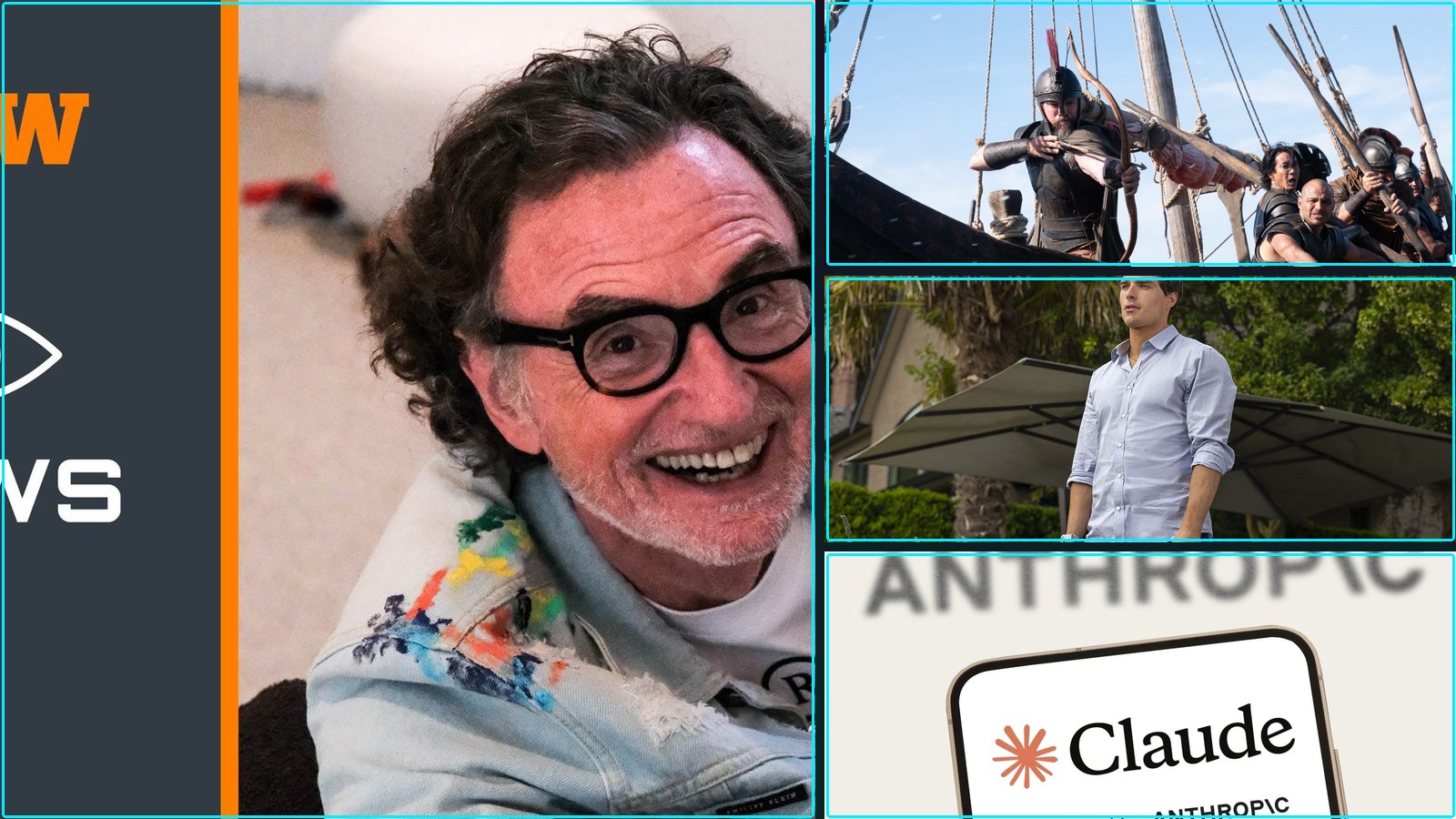
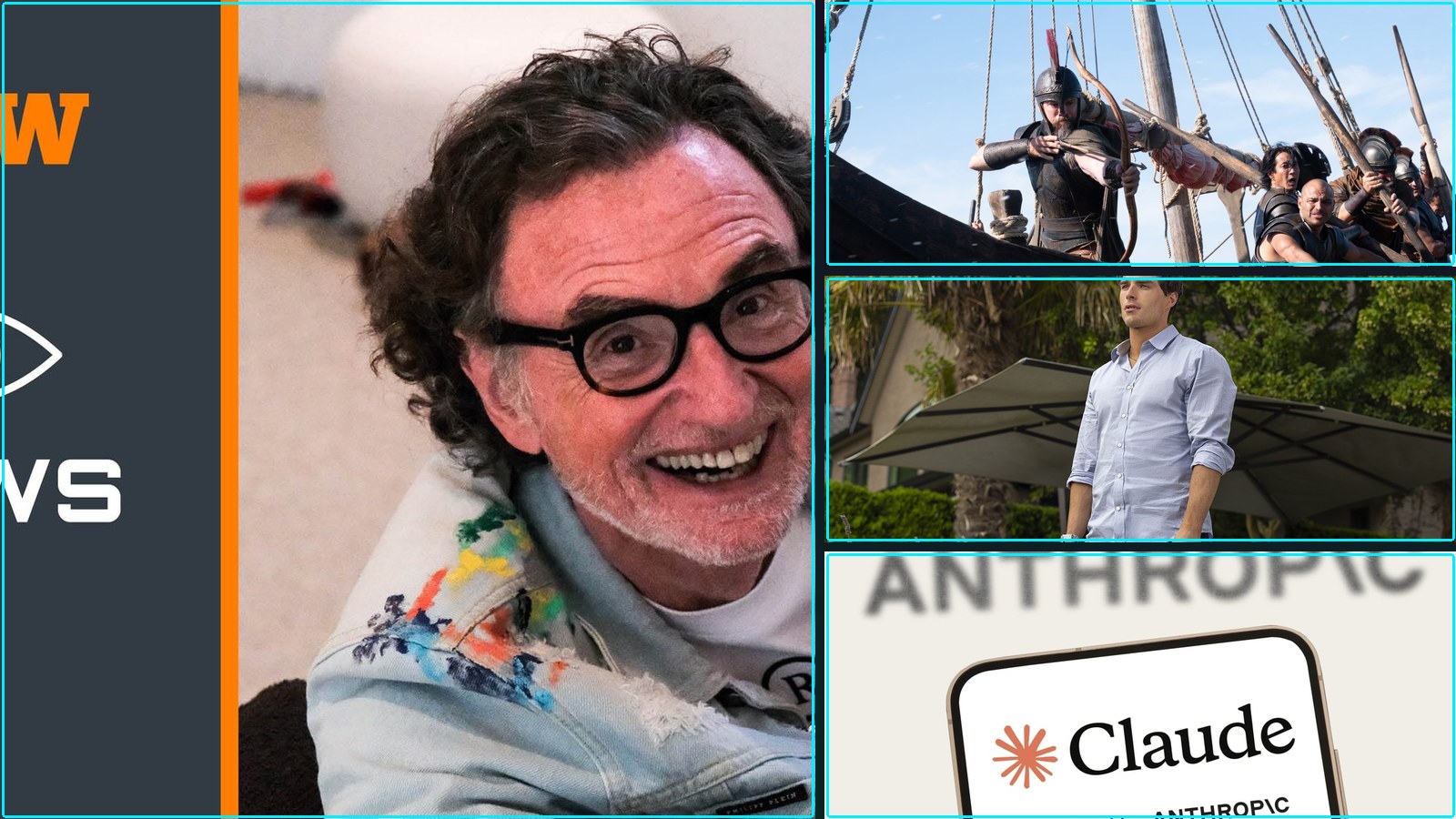
Prime Video’s ‘Every Year After’ Renewed for Season 2 (Hollywoodreporter)
Summary: Prime Video renews ‘Every Year After’ for a second season, confirming the Barry’s Bay universe as a viable franchise asset. The renewal follows strong audience response and leverages the established fanbase of author Carley Fortune’s novels, with Season 2 set to expand the world by adapting her subsequent book, ‘One Golden Summer’. The move signals Amazon MGM Studios’ continued investment in serialized, book-based IP as a core streaming strategy.

Why it matters: It demonstrates the operational logic of streaming franchises: using a successful adaptation to launch a broader ‘universe’ from a single author’s catalog, locking in audience loyalty and creating a predictable pipeline.
Context: This renewal fits the pattern of streamers mining bestseller lists and BookTok phenomena for pre-sold IP, then methodically expanding successful series into interconnected franchises to reduce subscriber churn.
"We’re excited to return to Barry’s Bay and bring audiences another deeply emotional and unforgettable chapter." — HOLLYWOODREPORTER
Commentary: The renewal is a textbook defensive reuse play: Amazon is monetizing Fortune’s existing fanbase and narrative capital before Netflix adapts her other works. The explicit pivot to ‘One Golden Summer’ indicates a franchise lifecycle moving from proof-of-concept to expansion phase, though the reliance on a single author’s continuity risks creative exhaustion if the source material plateaus.
Date: June 27, 2026 07:45 PM ET
URL: https://www.hollywoodreporter.com/tv/tv-news/every-year-after-renewed-season-2-1236631952/
AI Sentiment Score: Negative (50%)
AI Credibility Score: 10.0/10 — High
Scores and text generated by AI analysis of the source article indicated.
The Ghost in the Machine Wants a Cut (Musicbusinessworldwide)
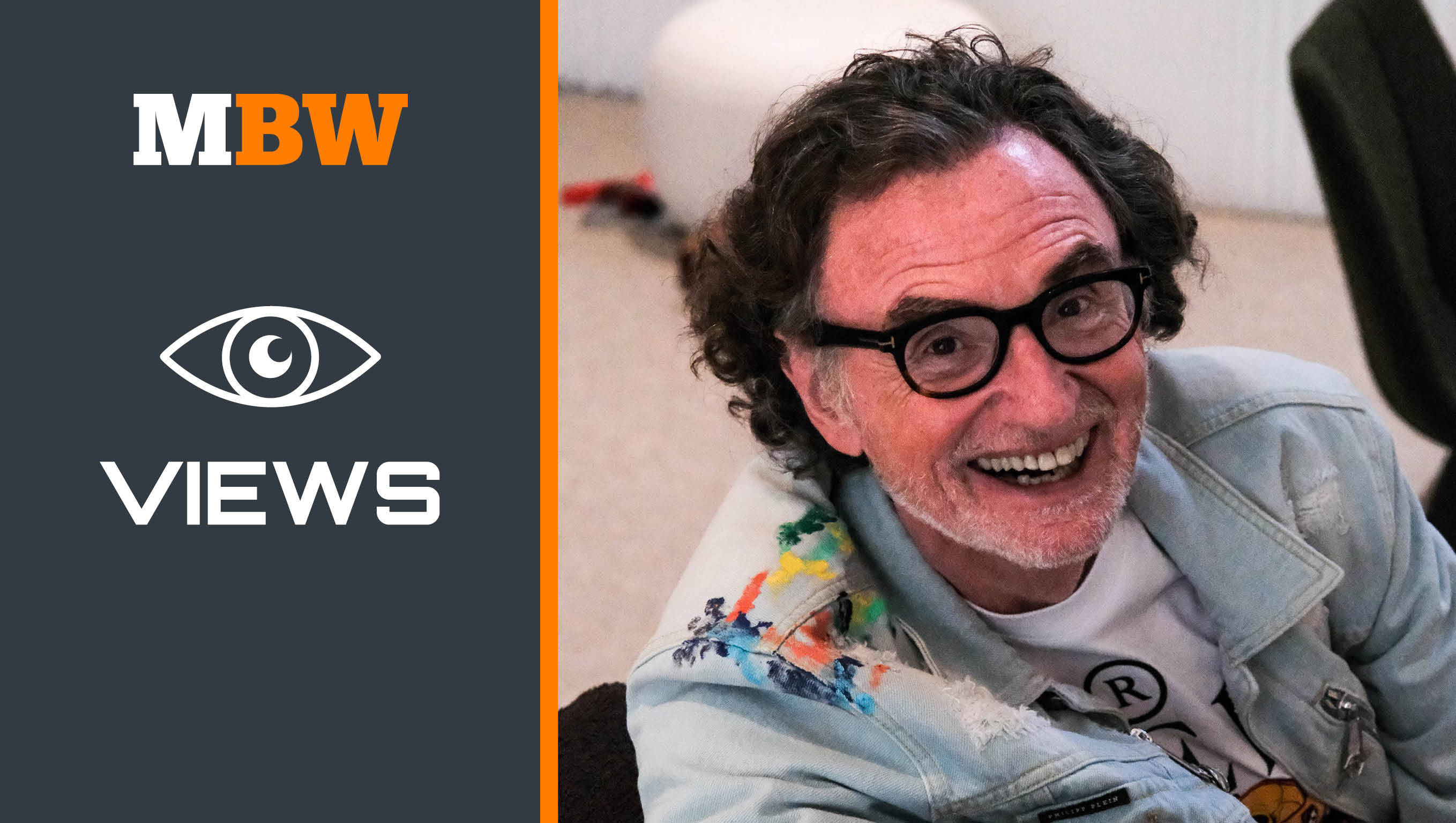
Summary: Walter De Brouwer, co-founder of SoundPatrol, argues that generative AI is bifurcating the music market into a cheap, infinite utility and a luxury good of verifiable human origin. He posits that major label catalog acquisitions, like Sony’s $4 billion Blackstone deal, are strategic bets on licensing rights for AI transformation, not just nostalgia. The proposed mechanism is a ‘transformation royalty’—a real-time micro-payment to artists whenever a model generates from their style. This frames the current lawsuits as boundary-setting, with the endgame being licensed generative listening where personalized music is rendered on-demand from licensed voice and style libraries.
Why it matters: This signals a fundamental shift in catalog valuation from static recordings to dynamic, licensable functions, forcing artists and rights-holders to renegotiate their relationship with technology or be left out of the revenue stream.
Context: This continues the music industry’s historical pattern of litigation followed by licensing with disruptive tech (Napster, Spotify), but at a pace where legal precedent lags behind commercial deployment by years.
"The catalogue is becoming a function, not a file. And almost no one outside the executive suites is talking about what that means." — MUSICBUSINESSWORLDWIDE
Commentary: De Brouwer’s analysis reframes the industry’s defensive posture as a deliberate, if unspoken, strategy to monetize AI as a utility. The critical implication is the institutionalization of a two-tier market: human-attested ‘seed’ assets command luxury premiums, while their AI-generated derivatives become a low-margin, high-volume commodity. This creates a permanent, licensed remix economy where estates and living artists must decide whether to participate as royalty claimants or litigants.
Date: June 25, 2026 11:38 AM ET
URL: https://www.musicbusinessworldwide.com/the-ghost-in-the-machine-wants-a-cut/
AI Sentiment Score: Negative (50%)
AI Credibility Score: 10.0/10 — High
Scores and text generated by AI analysis of the source article indicated.
Anthropic, fighting lawsuits over alleged copying of song lyrics, accuses Alibaba of copying Claude to train a rival AI (Musicbusinessworldwide)
Summary: Anthropic alleges Alibaba executed a large-scale ‘distillation attack’ on its Claude AI models, generating nearly 29 million exchanges via fraudulent accounts to illicitly copy capabilities. This accusation arrives as Anthropic faces multibillion-dollar copyright lawsuits from major music publishers over alleged unauthorized use of lyrics in training. The company frames the issue as a national security and economic threat, urging Congress to facilitate threat-sharing among US labs and penalize Chinese competitors.
Why it matters: This signals a shift in frontier AI competition from pure R&D to industrial-scale intellectual property extraction, with direct implications for model valuation, trade policy, and the legal definition of fair use and model access.
Context: The incident is part of a pattern: OpenAI previously accused China’s DeepSeek of similar tactics, and major US AI labs have begun sharing information on such attacks. The practice leverages distillation—training a weaker model on a stronger one’s outputs—to bypass massive training costs.
"Anthropic has accused Alibaba of running a campaign to “illicitly” extract the capabilities of its Claude AI models. The Claude developer says operators affiliated with Alibaba and its Qwen AI lab generated." — MUSICBUSINESSWORLDWIDE
Commentary: Anthropic’s move weaponizes its own legal vulnerability, positioning commercial IP theft as a national security subsidy to geopolitical rivals. The simultaneous defense against music industry lawsuits and offense against Alibaba reveals a strategic pivot: framing model outputs as protected crown jewels, even as inputs remain contested under fair use. This accelerates the formalization of AI model access as a trade and export control issue, potentially bifurcating development ecosystems.
Date: June 25, 2026 09:30 AM ET
URL: https://www.musicbusinessworldwide.com/anthropic-fighting-lawsuits-over-alleged-copying-of-song-lyrics-accuses-alibaba-of-copying-claude-to-train-a-rival-ai/
AI Sentiment Score: Negative (66%)
AI Credibility Score: 10.0/10 — High
Scores and text generated by AI analysis of the source article indicated.
‘The Odyssey’ Eyes $80M-$100M Opening Voyage At U.S. Box Office (Deadline)
Summary: Christopher Nolan’s ‘The Odyssey’ is tracking for an $80M-$100M domestic opening weekend, a wide range reflecting the uncertainty around his post-‘Oppenheimer’ commercial ceiling. The film, a large-format, star-driven epic, has sold out premium screens well in advance but faces questions about its broader audience reach beyond his core cinephile base. Its performance will be a key test for a non-franchise, high-budget original in the current market.

Why it matters: The opening will signal the commercial viability of director-driven, non-IP tentpoles at a scale requiring a global audience, setting benchmarks for studio risk calculus on auteur projects.
Context: Nolan’s films, particularly post-‘Inception,’ have defied conventional opening weekend logic with strong multiples, but ‘The Odyssey’s’ reported ~$250M budget places it in a different financial tier than ‘Oppenheimer.’
"Christopher Nolan‘s feature take on Homer’s The Odyssey has a wild opening range between $80M-$100M when the Universal release hits North American theaters on July 17." — DEADLINE
Commentary: The forecasted range underscores a market tension: Nolan’s brand suggests a high floor with premium format sales, but the ceiling depends on converting a broader, potentially skeptical audience to a classical epic. A sub-$100M opening, while solid, would trigger immediate narratives about budget overreach, forcing the film to rely entirely on Nolan’s historical multiplier effect to reach its ~$500M+ breakeven. This is a defensive reuse of the ‘Nolan formula’ on public domain IP, testing whether his aesthetic and structural signatures alone can drive a nine-figure original to franchise-level grosses.
Date: June 26, 2026 05:08 PM ET
URL: https://deadline.com/2026/06/the-odyssey-box-office-opening-projection-1236968681/
AI Sentiment Score: Negative (50%)
AI Credibility Score: 10.0/10 — High
Scores and text generated by AI analysis of the source article indicated.
Brad Bird Explains Why He Didn’t Pitch ‘Ray Gunn’ to Pixar (Indiewire)
Summary: Brad Bird’s long-gestating passion project ‘Ray Gunn,’ a retro-futuristic sci-fi noir, is set for a Netflix release in December 2026. Bird developed the film at Skydance Animation, deliberately bypassing Pixar to target a slightly older audience and avoid creative compromise. The film represents a significant test for original, auteur-driven animation in a franchise-dominated market.

Why it matters: It signals a key inflection point for high-profile creators leveraging alternative financing and distribution to pursue non-franchise, adult-skewing animated features, challenging studio orthodoxy.
Context: The film exemplifies the ‘white whale’ project lifecycle: decades in development, reliant on shifting industry alliances (Bird reuniting with John Lasseter at Skydance), and ultimately dependent on a streamer’s capital for realization.
"By providing your information, you agree to our Terms of Use and our Privacy Policy. We use vendors that may also process your information to help provide our services. This site is." — INDIEWIRE
Commentary: Bird’s explicit lane-switching from Pixar to Skydance/Netflix is a tactical admission that established franchise factories are structurally ill-suited for certain original visions. The move validates Netflix as a patron for auteur animation but underscores the continued trade-off between creative control and theatrical scale.
Date: June 25, 2026 12:00 PM ET
URL: https://www.indiewire.com/features/interviews/brad-bird-ray-gunn-interview-1235201867/
AI Sentiment Score: Neutral (33%)
AI Credibility Score: 10.0/10 — High
Scores and text generated by AI analysis of the source article indicated.
Scott Pelley, Fired ‘60 Minutes’ Star, Signs With CAA (Hollywoodreporter)
Summary: Scott Pelley, a veteran ’60 Minutes’ correspondent fired after a public clash with new leadership, has signed with CAA. His departure followed sharp criticism of CBS News editor-in-chief Bari Weiss and executive producer Nick Bilton, framed by Pelley as an ideological purge to curry favor with political power. His move to a major talent agency signals a pivot from institutional news to a more independent, commercially represented media role.

Why it matters: This illustrates the fracturing of legacy news institutions under new ownership, where high-profile talent exits become assets for rival platforms and agencies, accelerating the personalization of journalistic brands.
Context: Pelley’s firing is part of a broader pattern at Paramount under David Ellison, where established news divisions are being reshaped, often prompting veteran journalists to seek representation and projects outside the traditional network structure.
"Scott Pelley is ready for life after 60 Minutes. The broadcast journalist, whose firing in early June from the newsmagazine made national headlines, has signed with CAA for representation, The Hollywood Reporter." — HOLLYWOODREPORTER
Commentary: Pelley’s CAA signing marks a defensive reuse of his brand capital, moving from institutional correspondent to free-agent commentator. The move validates a model where journalistic credibility, once housed within a network, is now a portable asset managed by Hollywood agencies, further blurring the lines between news and entertainment ecosystems. It signals to other legacy talent that exit routes exist and can be lucrative, potentially accelerating internal dissent into public defections.
Date: June 25, 2026 07:58 PM ET
URL: https://www.hollywoodreporter.com/tv/tv-news/scott-pelley-signs-caa-60-minutes-1236631352/
AI Sentiment Score: Positive (66%)
AI Credibility Score: 10.0/10 — High
Scores and text generated by AI analysis of the source article indicated.
‘Couture’ Review: Angelina Jolie Gives Sad Glamour in a Leaden Fashion Drama (Indiewire)
Summary: Alice Winocour’s ‘Couture’ attempts a serious, non-satirical drama about the fashion industry, weaving multiple storylines around a Paris Fashion Week show. The film features Angelina Jolie as a director confronting a cancer diagnosis, alongside narratives of models, a makeup artist, and a seamstress. Critical reception notes its earnest mood and visual style but finds its narrative construction ‘patchy and ill-fitting,’ with underdeveloped characters and a melodramatic central arc that feels mismatched with the broader ensemble.

Why it matters: For IP lifecycle tracking, this signals a failed attempt at prestige genre reinvention, demonstrating the commercial and critical risks of applying auteur-driven solemnity to an industry audiences expect to be satirized.
Context: Fashion industry films have a successful track record primarily in satire (‘Zoolander’) or ensemble dramedy (‘Pret-a-Porter’), making a straight-faced, melancholic treatment a high-risk artistic and market proposition.
"By providing your information, you agree to our Terms of Use and our Privacy Policy. We use vendors that may also process your information to help provide our services. This site is." — INDIEWIRE
Commentary: The film represents a defensive reuse of the fashion-film template, leaning on star power (Jolie) and directorial prestige to mask a lack of narrative innovation. Its critical failure suggests the genre’s satirical and comedic conventions are deeply embedded in audience and critic expectations, making solemn reinvention a difficult sell. This outcome reinforces that IP extensions into adjacent prestige drama require more than tonal shift; they need structural coherence the project lacked.
Date: June 26, 2026 11:00 AM ET
URL: https://www.indiewire.com/criticism/movies/couture-review-angelina-jolie-1235149790/
AI Sentiment Score: Positive (42%)
AI Credibility Score: 10.0/10 — High
Scores and text generated by AI analysis of the source article indicated.
Elon Musk Posts Armie Hammer’s Controversial Comeback Film ‘Citizen Vigilante’ on X (Variety)
Summary: Elon Musk promoted the controversial indie film ‘Citizen Vigilante,’ starring Armie Hammer and directed by Uwe Boll, to his 240 million X followers. The film, banned in Germany for its violent, anti-migrant content, briefly trended on Apple TV charts. Musk subsequently endorsed a planned sequel, ‘Citizen Vigilante 2,’ slated for 2027.

Why it matters: This signals a new, platform-driven path for reviving toxic IP and tarnished talent, bypassing traditional gatekeepers and leveraging algorithmic amplification for commercial viability.
Context: The event illustrates the convergence of canceled celebrity comebacks, director-driven exploitation cinema, and social media moguls using their platforms to shape cultural distribution and reception outside established industry channels.
"Elon Musk posted Armie Hammer’s “Citizen Vigilante” to his X account on Friday, sharing the controversial indie-actioner with his 240 million followers. The link was active for about 48 hours and went." — VARIETY
Commentary: Musk’s endorsement represents a defensive reuse of Hammer’s persona and Boll’s brand, weaponizing platform scale to force a market for content rejected by both critics and national regulators. The immediate sequel announcement confirms a monetization logic built entirely on notoriety and algorithmic virality, decoupling success from artistic merit or mainstream distribution. This creates a blueprint for other ostracized figures to leverage partisan or contrarian audiences directly, further fragmenting cultural consensus.
Date: June 27, 2026 05:40 PM ET
URL: https://variety.com/2026/film/news/elon-musk-posts-armie-hammer-citizen-vigilante-1236796152/
AI Sentiment Score: Positive (50%)
AI Credibility Score: 10.0/10 — High
Scores and text generated by AI analysis of the source article indicated.
Post ID: 28b4da10