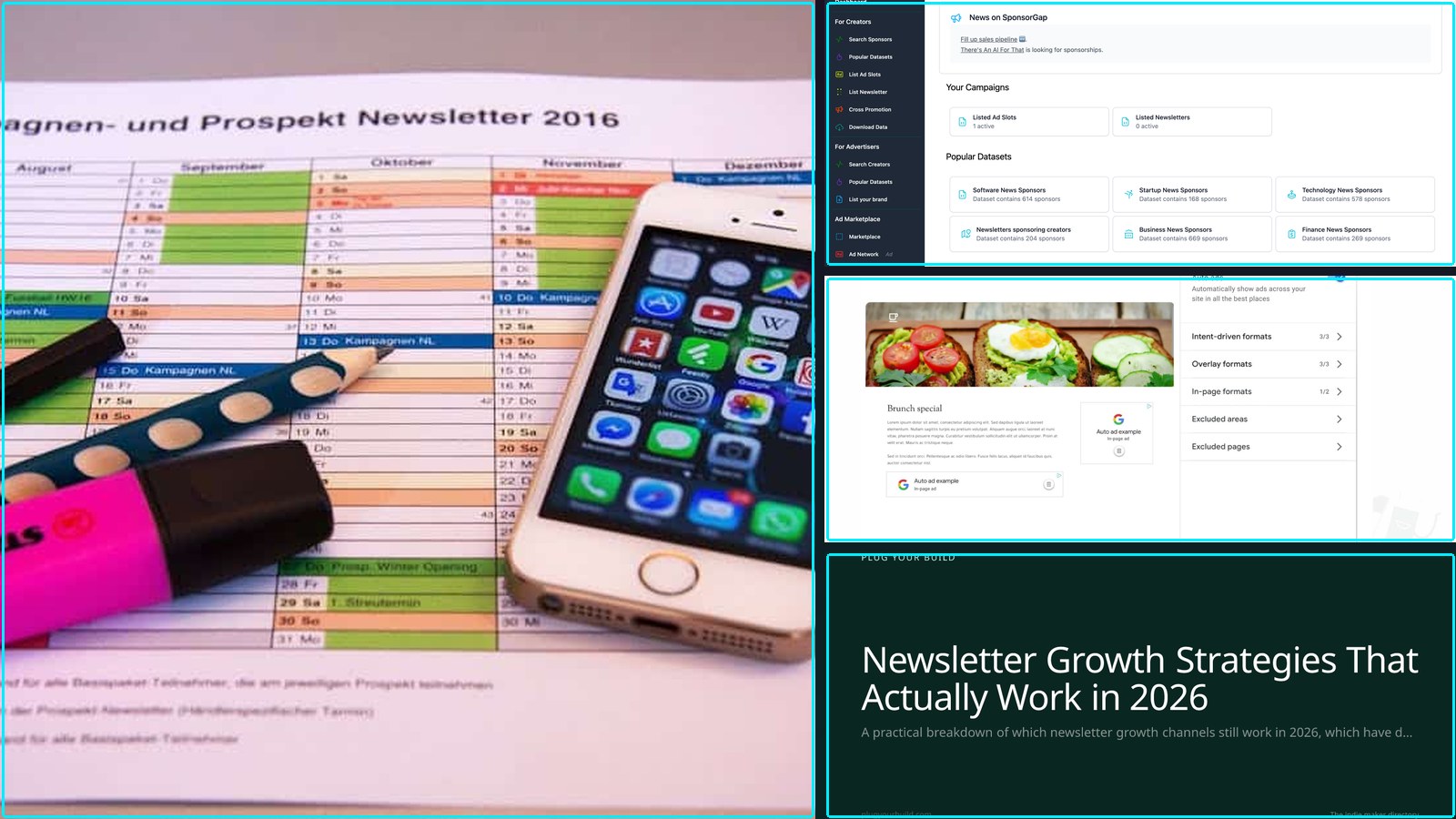
Newsletter Strategy & Monetization Guides
Newsletter Growth Strategies That Actually Work in 2026 (Plugyourbuild)
Summary: A 2026 field report from Plugyourbuild isolates five functional growth channels for independent newsletters, framing them by operational stage and financial logic. The analysis moves past aspirational tactics to a cold-eyed assessment of what works at specific subscriber counts, with cost-per-subscriber figures and conversion rates. It emphasizes that growth is a function of stage-appropriate channel selection, where foundational SEO and directory work must precede paid referral networks, and where retention metrics gate all acquisition efforts.
Why it matters: For independent operators, this provides a validated, stage-gated playbook that replaces growth hype with a capital-efficient roadmap, directly affecting sustainability and scaling timelines.
Context: The newsletter ecosystem has matured past the early land-grab phase, forcing a shift from growth-at-all-costs to disciplined, unit-economic-driven channel strategies. This reflects a broader professionalization of the independent creator economy.
"Five channels reliably produce newsletter subscribers in 2026. Most growth happens in some combination of them. Referral networks like SparkLoop and Letterly. These are the closest thing to scalable paid acquisition for." — PLUGYOURBUILD
Commentary: The piece’s value is in its field observation and operator economics, providing a clear hierarchy of effort versus return. Its thesis—that growth compounds only after fixing retention and mastering stage-appropriate channels—is an argument worth testing, as it directly challenges the spray-and-pray acquisition mindset still prevalent in many marketing circles. The concrete cost figures and churn thresholds offer a benchmark for operators to audit their own unit economics.
Date: May 24, 2026 12:00 AM ET
URL: https://www.plugyourbuild.com/blog/newsletter-growth-strategies-that-actually-work-in-2026
AI Sentiment Score: Positive (57%)
AI Credibility Score: 9.6/10 — High
Scores and text generated by AI analysis of the source article indicated.
How to Start a Newsletter in 2026: A Realistic Guide for … (Blog.Ozigi.App)
Summary: A 2026 guide for independent newsletter operators argues that sustainable publishing requires constraint in audience, format, and angle, coupled with a workflow that separates content capture, drafting, and editing. It advocates for a phased monetization strategy and positions AI tools like Ozigi as accelerators for the drafting process, not replacements for original thinking. The piece is grounded in practical logistics, from platform selection to cadence management.
Why it matters: For the growing class of independent operators, this offers a concrete, non-hyped framework for building a durable media asset, moving beyond generic ‘just start’ advice to operational discipline.
Context: The newsletter-as-business model is maturing, shifting focus from launch hype to sustainable systems, while AI tooling creates new workflow possibilities and pitfalls.
"The fix is constraint. Constrain by audience ("productivity for engineering managers at Series B startups"), constrain by format ("one tactical email teardown per week"), constrain by angle ("personal finance for people who." — BLOG.OZIGI.APP
Commentary: The guide’s value lies in its systemic view, treating the newsletter as a production line requiring separate stations for capture, assembly, and polish. Its phased monetization—tying paid tiers to demonstrated audience signals rather than arbitrary issue numbers—reflects a more sophisticated, product-management approach to media. The explicit constraint on AI’s role (‘compress the draft step, not the thinking step’) is a necessary corrective in a market flooded with undifferentiated, AI-generated content, preserving the operator’s unique insight as the core product.
Date: May 19, 2026 12:00 AM ET
URL: https://blog.ozigi.app/blog/how-to-start-a-newsletter-2026
AI Sentiment Score: Negative (75%)
AI Credibility Score: 10.0/10 — High
Scores and text generated by AI analysis of the source article indicated.
How to Start a Newsletter in 2026 in 6 Steps (Hyperwriteai)
Summary: A 2026 guide to launching a professional newsletter distills the current operator consensus into six tactical steps, emphasizing weekly B2B cadences, platform selection weighted toward monetization-ready tools like Beehiiv, and a pre-launch list-building strategy centered on personal outreach. It frames the initial 90 days as habit formation, prioritizing reply volume over open rates as a signal of audience connection and advocating for systematic content repurposing to drive growth outside the inbox.

Why it matters: It crystallizes the evolving professionalization of independent publishing, moving from generic advice to a repeatable operational playbook with measurable signals for quality over vanity metrics.
Context: The independent newsletter space has matured beyond early-adopter experimentation into a defined professional path, creating demand for standardized, repeatable launch frameworks that prioritize sustainable audience building and clear monetization pathways.
"Three angles work for most professional newsletters: – The expert dispatch. You teach what you’ve learned in your work: frameworks, hard lessons, things you’d tell a peer over coffee. – **The curated." — HYPERWRITEAI
Commentary: The guide’s value lies in its synthesis of field-tested operator logistics into a coherent system, treating the newsletter as a product with a defined onboarding phase. Its emphasis on reply tracking over opens signals a shift toward measuring depth of engagement in a saturated attention economy, while its platform recommendations reflect the market’s consolidation around tools built for business outcomes, not just distribution.
Date: May 22, 2026 12:00 AM ET
URL: https://www.hyperwriteai.com/blog/how-to-start-a-newsletter
AI Sentiment Score: Negative (66%)
AI Credibility Score: 10.0/10 — High
Scores and text generated by AI analysis of the source article indicated.
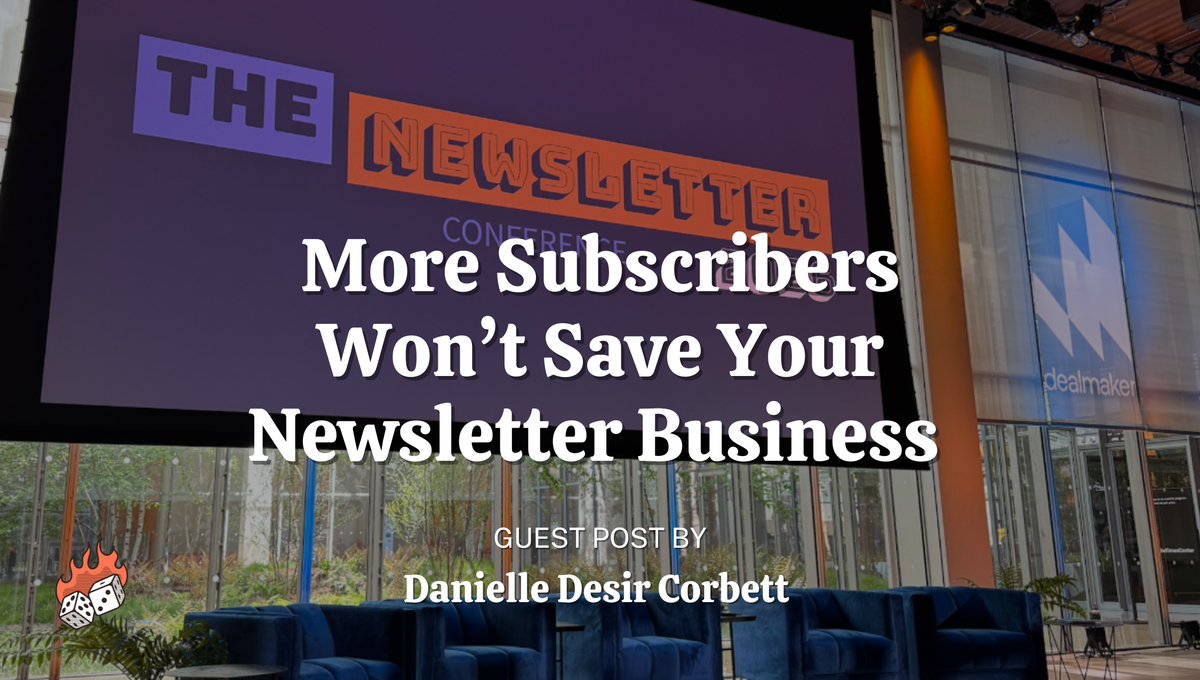
More subscribers won’t save your newsletter business (Revenuerulebreaker)
Summary: An analysis of newsletter business models argues that a focus on subscriber count is a flawed strategy for independent operators. Instead, the piece advocates for a ‘who’ model, prioritizing deep engagement and fit with a core community over raw scale. It outlines tactical methods for gathering qualitative data, personalizing onboarding, and designing offers around reader needs.
Why it matters: It challenges a core growth metric for creator-led media, proposing a more sustainable, relationship-driven path to revenue.
Context: This arrives as many newsletter businesses face plateauing open rates and advertising CPMs, forcing a reevaluation of the ‘audience-first’ playbook.
"Dan stressed that to stand out in the inbox, you have to lean into what makes you exceptional. Insert your voice and unique POV (point of view) into every issue. Go deeper." — REVENUERULEBREAKER
Commentary: The piece is valuable as a field-tested argument, synthesizing operator wisdom into a clear strategic fork. Its emphasis on qualitative feedback loops and incremental testing provides a practical counter-narrative to vanity metrics, though its success hinges on an operator’s ability to execute on community intimacy and productization.
Date: May 22, 2026 12:00 AM ET
URL: https://www.revenuerulebreaker.com/more-subscribers-wont-save-your-newsletter-business-takeaways-from-the-2026-newsletter-conference/
AI Sentiment Score: Positive (40%)
AI Credibility Score: 8.2/10 — High
Scores and text generated by AI analysis of the source article indicated.
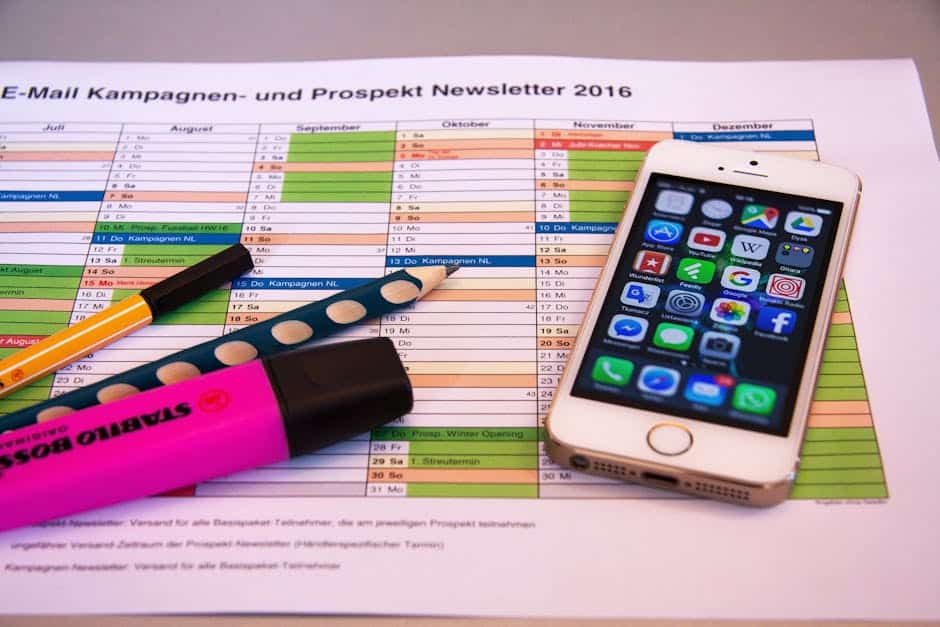
Proven Paid Newsletter Monetization: 5 Models for Coaches in 2026 (Communipass)
Summary: A Communipass guide outlines five monetization models for coaches using newsletters in 2026, arguing that direct paid subscriptions are often the weakest option. It advocates stacking interactive models—Paid Challenges, Paid Groups, and Paid AI Agents—on top of a free newsletter used for trust-building. The piece provides conversion math and a case study, positioning the newsletter as a front door to higher-value, AI-resistant experiences.
Why it matters: For independent operators, the shift from monetizing content to monetizing transformation and interaction defines the post-generative-AI landscape, determining which creator business models remain viable.
Context: The ‘creator economy’ is maturing beyond platform-dependent ad revenue and simple subscriptions, forcing a reevaluation of what audiences will pay for as generic information becomes commoditized.
"Paid newsletter monetization is one of the cleanest recurring revenue layers a coach or creator can add in 2026 — but most articles on the topic stop at “charge for paid subscriptions”." — COMMUNIPASS
Commentary: The guide is a valuable field observation of operator-level tactics, but its commercial framing as a product pitch for Communipass requires scrutiny. Its core thesis—that defensible revenue requires interactive, channel-agnostic experiences—correctly identifies the pressure point for expert-led businesses, though the projected conversion rates and revenue stacks should be treated as optimistic benchmarks rather than suggests.
Date: 1 week ago
URL: https://communipass.com/blog/paid-newsletter-monetization/
AI Sentiment Score: Positive (50%)
AI Credibility Score: 9.7/10 — High
Scores and text generated by AI analysis of the source article indicated.
Paid isn’t dead. But your playbooks need an upgrade. (Newsletter.Mkt1.Co)
Summary: A marketing newsletter argues that paid advertising remains viable but requires a fundamental shift from channel-centric to audience-first operations, enabled by AI and enriched CRM data. It outlines a playbook where dynamic audience lists, synchronized across platforms and continuously refined by conversion feedback loops, replace static targeting. The piece positions creative iteration and cross-channel integration as new competitive advantages, while cautioning that ChatGPT ads and agentic commerce are not yet primary battlegrounds.

Why it matters: For operators, this signals a consolidation of marketing functions around first-party data and AI workflows, rendering siloed, manual paid tactics obsolete and rewarding integrated, automated systems.
Context: This reflects a broader industry move towards ‘revenue operations’ and the collapse of traditional marketing channel boundaries, accelerated by AI’s capacity for personalization and automation.
"Paid fundamentals across targeting & messaging still work…but the 20% of teams that can execute and test faster, at higher volume and higher quality, with AI are crushing the other 80%." — NEWSLETTER.MKT1.CO
Commentary: The analysis is valuable as a field observation of operational best practices, but its thesis is an argument worth testing: it posits that competitive advantage now stems from systemic audience-data hygiene and AI-augmented execution speed, not creative genius or budget size. If correct, this will widen the performance gap between data-integrated and legacy marketing teams, further centralizing power around CRM platforms and enrichment tools like Clay and Primer.
Date: May 22, 2026 12:00 AM ET
URL: https://newsletter.mkt1.co/p/ads
AI Sentiment Score: Negative (50%)
AI Credibility Score: 7.0/10 — Medium
Scores and text generated by AI analysis of the source article indicated.
Newsletter Trends | May 22, 2026 (Sponsorgap)
Summary: Sponsorship demand for newsletters is undergoing a sharp structural bifurcation. While the overall market declined slightly, AI and SaaS sponsorships surged 25% and 72% week-over-week, respectively, driven by Q2 capital deployment. Simultaneously, topic momentum has collapsed into a statistical anomaly, with the top five trending topics all showing identical 100% growth rates, indicating a market reset rather than genuine acceleration. The real action lies in emerging, unsponsored topics like World Models and AI Agent Orchestration, and in brands like Midjourney and Shopify making first-time, multi-channel test buys.

Why it matters: For creators and operators, this data reveals a critical, time-sensitive window to capture new sponsor budgets before they are locked into annual contracts, and signals a shift toward specialization and hybrid topics.
Context: This analysis follows a pattern where late-stage funding cycles drive marketing spend, and where newsletter sponsorship markets mature by fragmenting into niche, high-intent categories rather than broad-based growth.
"This isn’t a random fluctuation—it’s a structural shift driven by the Q2 funding cycle, where late-stage AI and SaaS companies are deploying newly raised capital into audience acquisition." — SPONSORGAP
Commentary: The report is valuable as field observation and tactical intelligence. Its thesis—that growth is now driven by specialization and cross-category hybrids—is anchored in concrete sponsorship data and velocity metrics. The actionable guidance to target specific brands within 14-day windows transforms raw data into operator advantage, though its predictive claims about future sponsor counts should be treated as informed extrapolation.
Date: May 22, 2026 12:00 AM ET
URL: https://sponsorgap.com/blog/weekly-trend-spotlight-may-15-22-2026
AI Sentiment Score: Positive (71%)
AI Credibility Score: 7.0/10 — Medium
Scores and text generated by AI analysis of the source article indicated.
5 Things I Learned at the 2026 Newsletter Conference (Inboxcollective)
Summary: A 2026 newsletter industry conference report highlights a strategic pivot from audience scale to audience quality, framing the choice as between a ‘how many’ business (ad-driven, scale-focused) and a ‘who’ business (value-driven, leveraging subscriptions, products, and high-intent readers). Operators are deprioritizing vanity metrics like list size in favor of sophisticated reader profiling and lifetime value calculations to justify higher customer acquisition costs. The emphasis is on deepening monetization per reader rather than merely expanding reach.

Why it matters: This signals a maturation of the independent media market, where sustainable economics require moving beyond the blunt instrument of scale to cultivate and monetize dedicated communities.
Context: This follows years of platform volatility and advertising headwinds, forcing creators and small media businesses to seek more resilient, direct revenue models less dependent on algorithmic distribution.
"Adam Ryan, founder & CEO of Workweek, nicely framed the key question: “Am I in a ‘how many’ business or a ‘who’ business?”." — INBOXCOLLECTIVE
Commentary: The ‘who’ business model represents a formalization of niche media economics, validating higher CAC for high-LTV readers. This shift pressures tools and platforms to support deeper audience intelligence over simple list growth, and could accelerate the fragmentation of media into profitable, vertical-specific operations insulated from mass-market ad cycles.
Date: May 20, 2026 12:00 AM ET
URL: https://inboxcollective.com/five-things-i-learned-at-the-newsletter-conference-this-year/
AI Sentiment Score: Positive (71%)
AI Credibility Score: 8.4/10 — High
Scores and text generated by AI analysis of the source article indicated.
AI Clipping for Newsrooms in 2026: How to Build a Short- … (Overlap.Ai)
Summary: A 2026 field guide from Overlap.Ai argues newsrooms must treat all long-form content as a clip library, managed by an AI-assisted workflow with a designated owner. It prescribes aggressive daily publishing cadences across short-form platforms to build algorithmic momentum and insists performance data must feed back into editorial meetings to shape story assignments.

Why it matters: It provides a concrete, operationally detailed playbook for legacy media institutions struggling to adapt their workflows and editorial culture to the demands of algorithmic distribution.
Context: This reflects the ongoing professionalization of short-form video as a core news distribution channel, moving from experimental social media teams to integrated, data-driven editorial systems.
"### Treat Every Long-Form Asset as a Clip Library Every broadcast, field interview, press conference, and panel discussion your newsroom produces contains multiple clips. … ### Set a Minimum Publishing Cadence Algorithmic." — OVERLAP.AI
Commentary: The piece is valuable as a field observation and operational argument, framing clip output not as ancillary content but as the primary engine for audience reach. Its insistence on a single workflow owner and integrating clip data into story meetings signals a shift from treating short-form as a marketing function to making it a central editorial discipline, with significant implications for newsroom structure and resource allocation.
Date: May 19, 2026 12:00 AM ET
URL: https://overlap.ai/blogs/ai-clipping-for-newsrooms-in-2026-how-to-build-a-short-form-video-distribution-workflow-that-actually-scales
AI Sentiment Score: Negative (50%)
AI Credibility Score: 7.0/10 — Medium
Scores and text generated by AI analysis of the source article indicated.
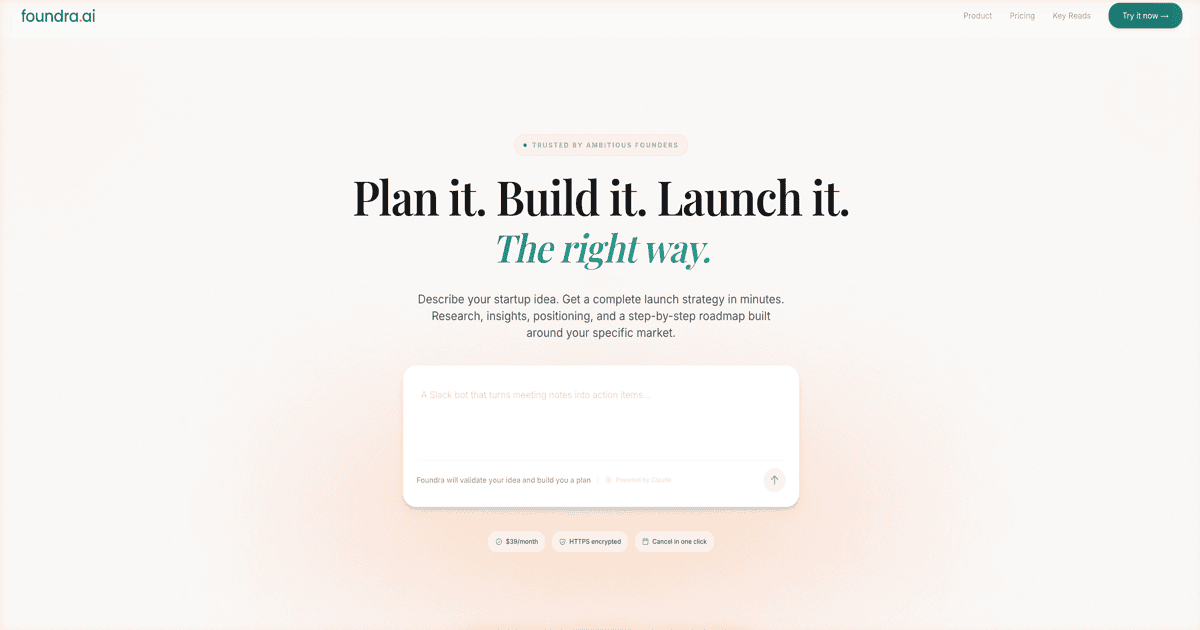
Key Metrics To Track (Foundra.Ai)
Summary: Foundra.Ai’s 2026 guide for newsletter operators strips the business plan down to three core investor questions and six concrete sections, emphasizing unit economics over vision. It frames the current landscape as a low-capital, tool-rich environment where platforms compete on creator monetization features, making cross-promotion the most efficient growth lever.
Why it matters: For independent operators, this crystallizes the shift from content-as-hobby to content-as-business, providing a disciplined framework to secure funding or partnerships.
Context: The ‘creator economy’ narrative often obscures the operational rigor required to build a sustainable media business; this is a tactical counterpoint.
"Updated March 2026 … For a newsletter business plan, you need to answer three questions that investors and partners care about: Is the market real? Can you reach customers profitably? And what." — FOUNDRA.AI
Commentary: The piece is valuable as a field-tested operational checklist, particularly its insistence on bottom-up financials and the 3-6 month timeline to first sponsorship. Its blunt assertion that ‘newsletters require zero funding’ is a useful corrective to venture-scale thinking, though it undersells the time-cost of quality. The platform competition note signals a maturing market where tool sophistication is table stakes, shifting operator advantage to niche definition and cross-promotion networks.
Date: May 22, 2026 12:00 AM ET
URL: https://www.foundra.ai/business-plan/newsletter
AI Sentiment Score: Positive (57%)
AI Credibility Score: 8.4/10 — High
Scores and text generated by AI analysis of the source article indicated.
How One Publisher Monetized His Audience With Amplify – Kajabi (Kajabi)
Summary: Kajabi’s Amplify platform, launched in April 2026, enables independent publishers to monetize their email lists through sponsored placements managed entirely within the platform. One publisher generated a 1.5% click-through rate from a single broadcast to 110,000 subscribers, translating to 1,688 unique clicks. The system automates the entire process, from profile creation and audience targeting to payment and delivery verification, removing traditional friction points like invoicing and direct negotiation.
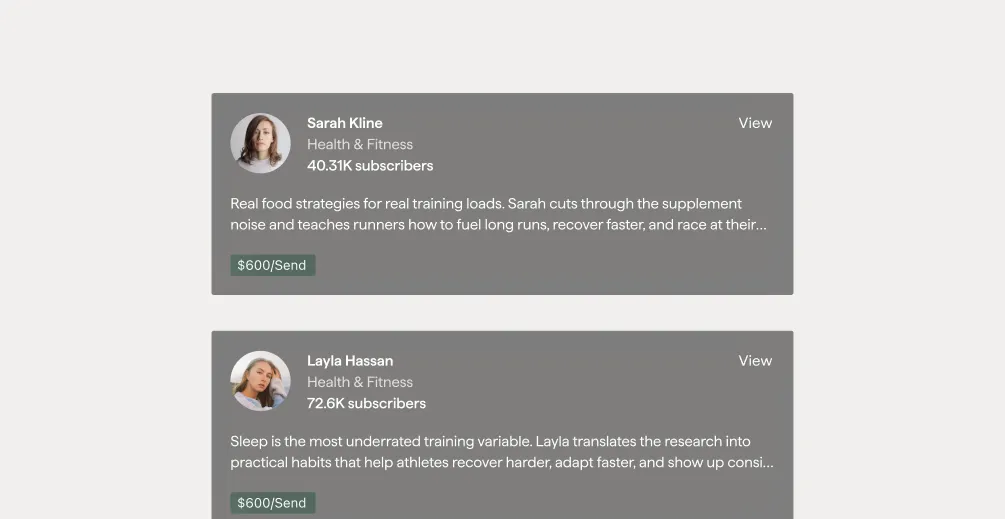
Why it matters: This represents a significant shift in the infrastructure for independent operators, moving monetization from a bespoke, operational-heavy process to a platform-managed, scalable service.
Context: The creator economy has long grappled with the operational overhead of sponsorship deals, with platforms historically focusing on content creation and hosting, not the complex logistics of audience monetization.
"Amplify handled the rest: the request, the copy collaboration, the payment, the delivery, and the verification that the email actually shipped." — KAJABI
Commentary: Amplify’s model commoditizes the sponsorship brokerage function, potentially lowering barriers to entry for mid-tier creators while increasing liquidity in the expert promotion market. Its success hinges on Kajabi’s ability to maintain audience quality and trust, as platform-mediated promotions risk feeling transactional. This moves Kajabi from a pure SaaS tool to a two-sided marketplace, aligning its incentives more directly with creator revenue generation.
Date: May 19, 2026 12:00 AM ET
URL: https://www.kajabi.com/blog/kajabi-amplify-publisher-case-study
AI Sentiment Score: Positive (60%)
AI Credibility Score: 7.0/10 — Medium
Scores and text generated by AI analysis of the source article indicated.
Monetization, user engagement and customer retention with Site Kit – WordPress.tv (WordPress.Tv)
Summary: Site Kit by Google has come a long way since its 2020 release. Now, with powerful new features including newsletter sign-ups, paywalls, and contribution requests, you’ll learn how to easily monetize your site and more effectively engage with your audience.

Why it matters: Integration of monetization tools (paywalls, sign-ups) into core site analytics suggests a shift toward platform-level revenue capture.
Context: The feature expansion signals a maturation of the ‘independent operator’ toolkit, blurring lines between content and commerce.
"Site Kit by Google has come a long way since its 2020 release. Now, with powerful new features including newsletter sign-ups, paywalls, and contribution requests, you’ll learn how to easily monetize your." — WORDPRESS.TV
Commentary: The signal is still worth tracking, but the current extraction path did not yield enough body text for a fuller analytical read. The immediate test is whether this becomes repeatable operator practice rather than another surface-level workflow claim.
Date: 1 week ago
URL: https://wordpress.tv/2026/05/14/monetization-user-engagement-and-customer-retention-with-site-kit/
AI Sentiment Score: Neutral (50%)
AI Credibility Score: 9.9/10 — High
Scores and text generated by AI analysis of the source article indicated.
How The Financial Times is betting on personality-led vodcasts as its next subscription lever (Digiday)
Summary: The Financial Times is launching ‘The Story of Money,’ a personality-led vodcast series on YouTube and audio platforms, as a deliberate strategy to cultivate parasocial relationships with its journalists. This marks a shift from repurposing content to creating distinct, multi-platform franchises designed to serve as long-term feeders into the FT’s subscription ecosystem. The move reflects a broader publisher reconfiguration around discovery, acknowledging that audience relationships now form through prolonged engagement across off-platform channels rather than linear funnels.

Why it matters: It signals a structural shift in how premium publishers build audience affinity and acquire subscribers in a creator-led media economy, moving beyond brand and SEO to leverage journalist personalities.
Context: This follows similar moves by rivals like Bloomberg Originals and WSJ Explained, which treat video as standalone shows. The FT’s strategy is notable because it comes from a position of corporate subscription strength, not distress.
"How The Financial Times is betting on personality-led vodcasts as its next subscription lever The Financial Times is rolling out “The Story of Money,” a history‑of‑finance series produced natively as a vodcast." — DIGIDAY
Commentary: The FT is institutionalizing a creator-economy playbook: using dedicated YouTube channels as consideration-stage engines to build habitual engagement with specific journalists, effectively outsourcing discovery to personalities. This acknowledges that the subscription funnel has been replaced by a loose, multi-month orbit across platforms. For other legacy publishers, the implication is that defensibility now requires building named-talent franchises, not just masthead authority.
Date: 1 month ago
URL: https://digiday.com/media/how-the-financial-times-is-betting-on-personality-led-vodcasts-as-its-next-subscription-lever/
AI Sentiment Score: Negative (66%)
AI Credibility Score: 10.0/10 — High
Scores and text generated by AI analysis of the source article indicated.
‘I’m playing the long game’: Journalists are striking out alone and discovering the business is toughest beat of all – Digiday (Digiday)
Summary: A Digiday report examines the growing cohort of journalists leaving established media to build independent brands, finding that while infrastructure and audience pathways exist, sustainable business models remain elusive. Research indicates only a small fraction of these ‘indie info providers’ fully fund their lifestyle from the work, with most lacking a developed business strategy. Case studies like Tara Palmeri, Dave Jorgenson, and the Howtown duo illustrate a shift toward commentary, deep-dive video, and niche verticals, leveraging platforms like YouTube and Substack. The trend is marked by calculated exits, initial audience growth, and operational scaling, yet financial transparency and long-term viability are open questions.

Why it matters: This signals a structural shift in media production, where individual credibility and direct audience relationships are becoming viable alternatives to institutional brands, reshaping career paths and revenue models.
Context: This follows years of platform maturation, audience fragmentation, and legacy media contraction, creating a pipeline for talent to monetize expertise directly.
"‘I’m playing the long game’: Journalists are striking out alone and discovering the business is toughest beat of all Independent journalism is structurally viable for the first time. The infrastructure is there." — DIGIDAY
Commentary: The data underscores that independence is not synonymous with profitability; the move is a high-risk venture capital bet on personal brand equity. The operational scaling seen—hiring staff, securing studios, obtaining libel insurance—indicates a professionalization phase, moving from side hustle to micro-enterprise. However, the widespread reluctance to discuss earnings and the reliance on collectives like the fwd. network reveal the persistent gap between audience reach and financial sustainability, suggesting the independent model consolidates influence but not yet reliable middle-class income for most.
Date: April 13, 2026
URL: https://digiday.com/media/im-playing-the-long-game-journalists-are-striking-out-alone-and-discovering-the-business-is-toughest-beat-of-all
AI Sentiment Score: Negative (50%)
AI Credibility Score: 10.0/10 — High
Scores and text generated by AI analysis of the source article indicated.
Independent journalists are mission-driven, but financially strained, a new report says | Nieman Journalism Lab (Niemanlab)
Summary: A CNTI survey of 43 U.S. independent information providers reveals a field defined by professional mission but financial precarity. While many see themselves as mission-driven small business owners, only five could fully fund their lifestyle through content creation, and over half could not fund it at all. Revenue models remain underdeveloped, with most relying on a mix of subscriptions, donations, and advertising, and few establishing a ‘third pillar’ of income. The report highlights the tension between treating information as a public good and the practical need for sustainable funding.

Why it matters: The financial instability of the creator-journalism layer threatens the diversity and resilience of the information ecosystem, highlighting a systemic funding gap for public-interest content outside legacy institutions.
Context: This survey provides a data-backed snapshot of the emerging ‘indie info provider’ class, a group often romanticized but rarely quantified, operating at the intersection of the creator economy and public-interest journalism.
"There isn’t yet a clear playbook for financial sustainability in creator journalism, according to a report published by the Center for News, Technology & Innovation (CNTI) on Monday. To better understand the." — NIEMANLAB
Commentary: The report is valuable as field observation, confirming that the ‘passion-to-profit’ pipeline for independent journalism is largely broken. The most telling finding isn’t the low earnings, but the structural constraint: the sole financially successful example cited explicitly serves a wealthy niche, suggesting the current model self-selects for affluent audiences, leaving public-interest beats for less solvent communities underfunded. This creates a two-tier information market where sustainability is inversely correlated with broad social need.
Date: April 13, 2026
URL: https://niemanlab.org/2026/04/independent-journalists-are-mission-driven-but-financially-strained-a-new-report-says
AI Sentiment Score: Negative (50%)
AI Credibility Score: 8.8/10 — High
Scores and text generated by AI analysis of the source article indicated.
Post ID: 3cde659b