

Regional Economic Indicators (Southeast Focus)
New airline cargo contract raises liability risk, logistics providers say (Freightwaves)
Summary: IATA’s revised direct air waybill framework, effective July 1, shifts liability for misdeclared goods, concealed dangerous goods, and unsafe packaging from shippers to freight forwarders. Trade associations and insurers warn that forwarders now assume risks for cargo they neither own nor control, potentially invalidating existing liability policies. Implementation varies by airline, creating an inconsistent operating environment that complicates compliance and risk assessment. The Airforwarders Association advises members to obtain written confirmation from each airline and consult insurers before tendering shipments under the new rules.
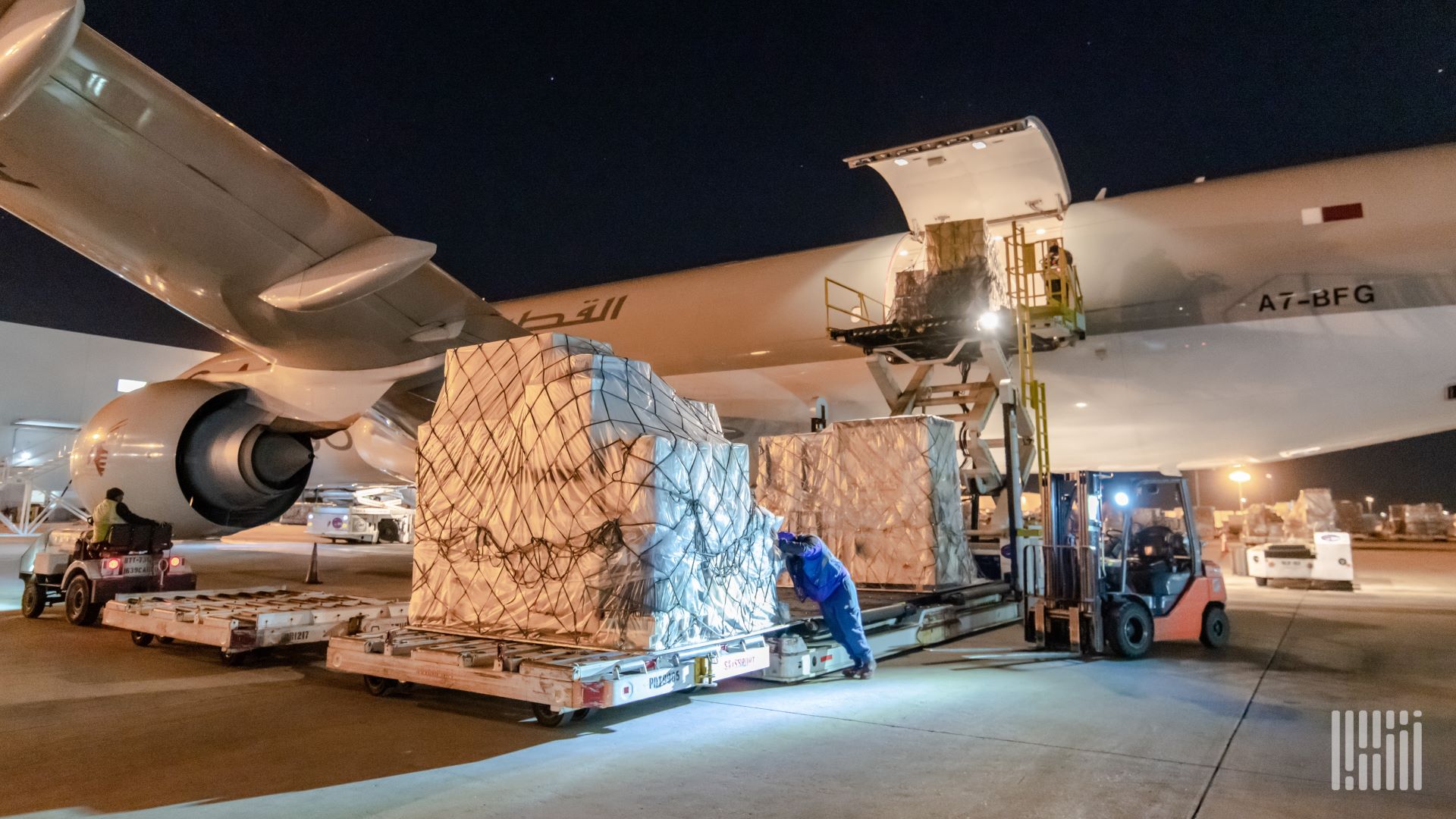
Why it matters: For Southeast logistics hubs like Atlanta, Memphis, and Chattanooga, this liability shift could raise insurance costs, alter contract terms, and disrupt cargo flows as forwarders reassess risk exposure and airline partnerships.
Context: The change targets the surge in B2C e-commerce shipments of dangerous goods, particularly lithium batteries, which have made it harder for airlines to vet original shippers and assign blame in incidents.
"Freight forwarders face increased liability exposure after a change to airline industry guidelines governing cargo airway bills shifted responsibility for misdeclared goods, concealed dangerous goods, unsafe packaging and other shipping errors from." — FREIGHTWAVES
Commentary: The fragmented implementation across airlines creates a compliance nightmare for forwarders, who must now negotiate bespoke liability terms with each carrier. Insurers will likely tighten underwriting or raise premiums for forwarder policies, especially for high-risk goods like batteries. This may accelerate consolidation among forwarders who can absorb the risk, while smaller operators in Southeast markets face margin pressure or exit certain lanes. The lack of a unified industry standard undermines the efficiency gains that e-commerce growth promised for air cargo.
Date: July 08, 2026 12:41 PM ET
URL: https://www.freightwaves.com/news/new-airline-cargo-contract-raises-liability-risk-logistics-providers-say
AI Sentiment Score: Negative (60%)
AI Credibility Score: 10.0/10 — High
Scores and text generated by AI analysis of the source article indicated.
W Talent Solutions names Charleston Southeast hub (Scbiz)
Summary: W Talent Solutions, a national executive search firm headquartered in Grand Rapids, Michigan, has designated Charleston as its Southeast hub. The decision follows significant client expansion into the region, particularly in advanced manufacturing, aerospace, logistics, and industrial operations. Rather than opening traditional branch offices, the company is investing in experienced recruiting leaders already based in the markets they serve. The firm’s head of growth marketing, Weslee Clyde, is already located in the Lowcountry and could lead brand growth and strategic partnerships across the Southeast.

Why it matters: This signals that Charleston’s labor market is maturing beyond entry-level and mid-career hiring into a destination for senior executive talent, which will intensify competition for leadership roles and potentially raise compensation benchmarks across the region.
Context: Charleston has been one of the fastest-growing business markets in the U.S., attracting investment in advanced manufacturing, aerospace, logistics, and port-related industries. W Talent Solutions’ move reflects a broader pattern of national service firms establishing regional hubs to serve clients expanding across multiple states.
"Ross Norton // July 10, 2026// Charleston’s emergence as one of the nation’s fastest-growing business markets is helping shape the next chapter for W Talent Solutions. The national executive search firm has." — SCBIZ
Commentary: The ‘hub without a branch office’ model is a notable operational innovation—it allows W Talent Solutions to embed recruiters in local networks without the overhead of physical infrastructure. For Charleston, this deepens the executive talent pool and may accelerate the city’s transition from a regional logistics and manufacturing center to a headquarters-adjacent market. The firm’s focus on private equity-backed companies also suggests that deal-driven hiring demand is a key driver of this expansion.
Date: July 10, 2026 09:24 AM ET
URL: https://scbiz.com/w-talent-solutions-charleston-southeast-hub/
AI Sentiment Score: Positive (50%)
AI Credibility Score: 10.0/10 — High
Scores and text generated by AI analysis of the source article indicated.
EPA’s war on diesel is a national security issue (Freightwaves)
Summary: The EPA has proposed a rule to end the mandated speed derate on new diesel engines when emissions systems fault, replacing it with a dashboard warning. This follows President Trump’s pardon of nine men convicted of defeating the same system, which the agency now admits causes economic hardship and safety risks. However, the underlying Clean Air Act remains intact, civil penalties persist, and California’s CARB is unaffected. The derate rule still applies to millions of in-use trucks, creating a national security vulnerability because 90% of Defense Department domestic freight moves on commercial carriers that can be immobilized by a sensor fault.
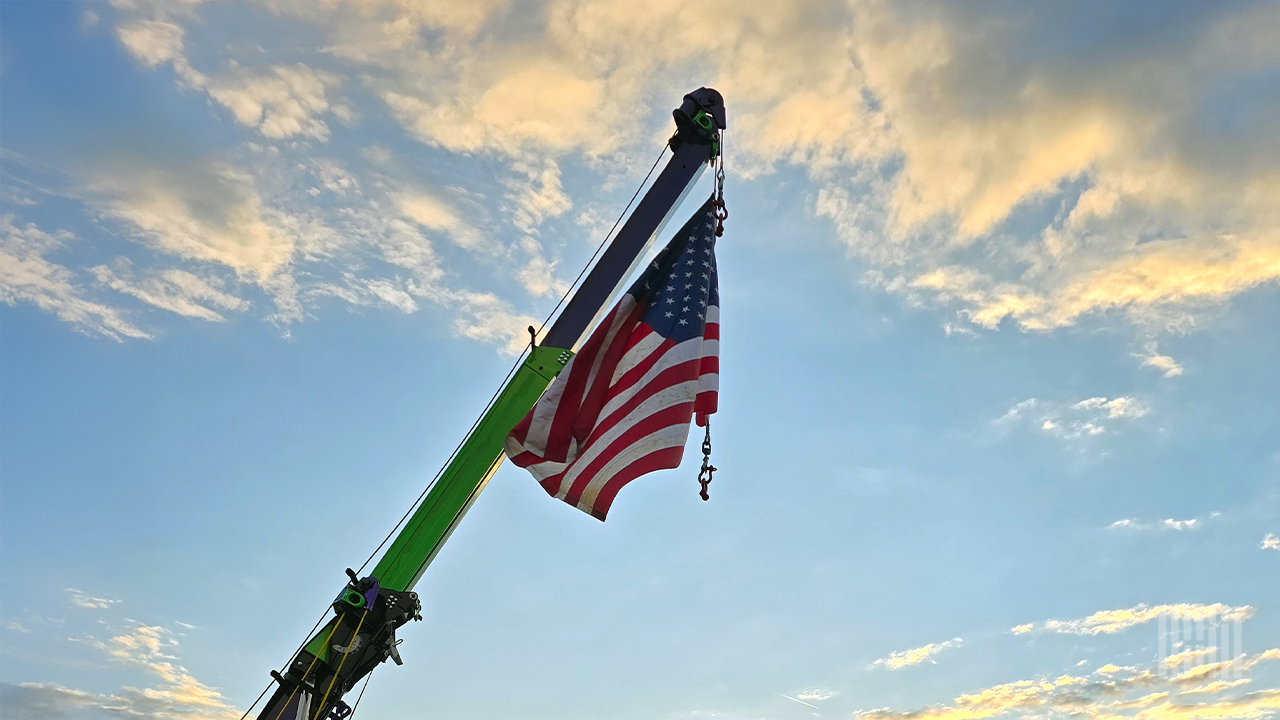
Why it matters: For the Southeast, where logistics and military mobility converge, a federally mandated derate that can strand a loaded truck at 5 mph on I-81 or I-95 during a deployment surge is a direct threat to both regional supply chains and national security readiness.
Context: The EPA’s 2010 inducement rules required engine derates for sensor faults, not actual emissions exceedances. The agency has since exempted ambulances, fire apparatus, and tactical military vehicles, but not the commercial tractors that move 90% of Defense Department freight.
"The tactical vehicle sitting on the flatbed is exempt. The tractor pulling the flatbed is not. It will drop to 5 mph in a live lane during a surge because a $200 sensor decided the urea concentration was wrong." — FREIGHTWAVES
Commentary: The administration’s pardons and rule proposals are ceasefires, not peace: the mandate itself remains codified, civil liability is untouched, and CARB is unmoved. The real leverage point is the derate rule’s asymmetry—exempting the warfighter’s vehicle but not the commercial fleet that delivers its logistics. Until the mandate is rebuilt around actual operating conditions, the supply chain carries a federally required defect that can immobilize the mobilization base one sensor at a time.
Date: July 10, 2026 09:53 AM ET
URL: https://www.freightwaves.com/news/epas-war-on-diesel-is-a-national-security-issue
AI Sentiment Score: Neutral (33%)
AI Credibility Score: 10.0/10 — High
Scores and text generated by AI analysis of the source article indicated.
Post ID: 2994c087