Supply Chain and Logistics Operations
2 e-commerce logistics providers expand capacity in Great Plains (Freightwaves)
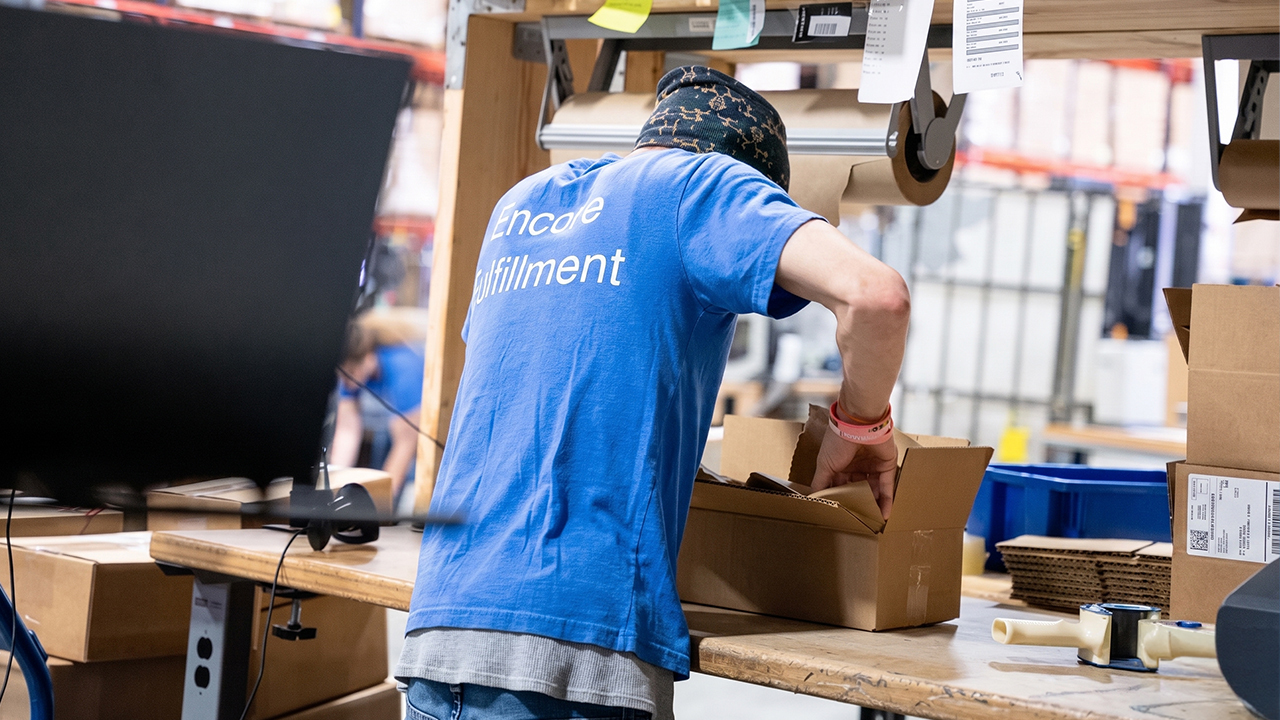
Summary: Rush Order and Encore Fulfillment, two third-party logistics providers, are expanding their physical capacity in the central U.S. Rush Order is opening a new fulfillment center in Dallas-Fort Worth, positioning it within a day’s truck drive of major southern retail distribution hubs. Encore Fulfillment is consolidating into a larger 350,000-square-foot facility in Oklahoma City to increase scale and efficiency. Both moves are aimed at improving delivery speed and cost for e-commerce brands across the Great Plains and Southeast.
Why it matters: This signals a strategic deepening of logistics infrastructure in the central U.S., which will alter delivery economics and inventory placement for a wide range of direct-to-consumer brands.
Context: The expansion follows a multi-year trend of decentralizing fulfillment networks away from coastal hubs to improve speed and reduce last-mile costs, a strategy accelerated by pandemic-era e-commerce growth.
"The Dallas-Forth Worth expansion is important because the center sits within a day’s drive by truck of major southern distribution centers for Walmart, Sam’s Club, Target, Best Buy, which allows for faster inventory replenishment and faster lead times to shoppers in the Great Plains and Southeast regions, according to Rush Order." — FREIGHTWAVES
Commentary: These are not generic warehouse openings; they are precision placements targeting adjacency to major retail distribution. This creates a secondary logistics layer that enables smaller brands to leverage the same regional density as big-box retailers, potentially compressing delivery timelines and increasing competitive pressure on slower, centralized fulfillment models. The focus on software-driven rate optimization and multi-carrier tendering indicates the next phase of competition is about margin control as much as speed.
Date: Wed, 03 Jun 2026 17:30:10 +0000
URL: https://www.freightwaves.com/news/2-e-commerce-logistics-providers-expand-capacity-in-great-plains
AI Sentiment Score: Negative (50%)
AI Credibility Score: 10.0/10 — High
Scores and text generated by AI analysis of the source article indicated.
PE firm Open Road Ventures acquires intermodal 3PL Double-Stack (Freightwaves)
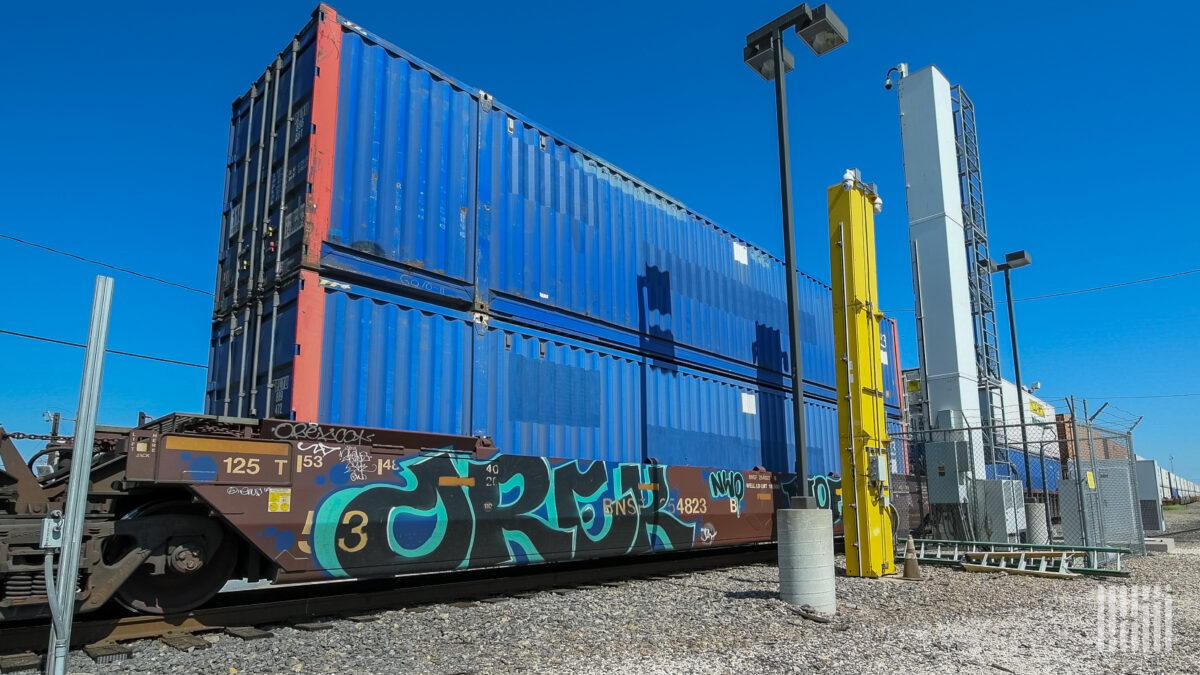
Summary: Private equity firm Open Road Ventures has acquired intermodal freight broker Double-Stack Logistics, a 3PL with a fleet of over 150 containers and direct Class I railroad relationships. The deal, terms undisclosed, is Open Road’s first acquisition, signaling its intent to build a portfolio of small- to mid-sized freight brokers. Double-Stack plans to use the capital to expand its service offerings and North American footprint.
Why it matters: This acquisition signals private equity’s targeted entry into asset-light intermodal brokerage, a niche that could accelerate modal shift from trucking and reshape regional freight flows in the Southeast.
Context: Private equity has been consolidating the fragmented freight brokerage sector, but most targets are pure-play truck brokers; intermodal specialists with owned assets represent a distinct, less saturated acquisition thesis focused on rail efficiency.
"Private equity firm Open Road Ventures announced Tuesday that it has acquired 3PL Double-Stack Logistics. Double-Stack is an intermodal freight broker that has direct relationships with the Class I railroads. Unlike many." — FREIGHTWAVES
Commentary: Open Road’s model—aggregating ‘unique logistics tools’—suggests a roll-up strategy where acquired brokers cross-sell specialized capabilities. For the Southeast, this could intensify competition for drayage capacity and warehouse-to-rail ramp integrations, particularly around hubs like Atlanta and Memphis. The focus on converting freight from truck to rail may pressure truckload rates on specific lanes while testing the railroads’ willingness to offer innovative, flexible pricing to a consolidated broker partner.
Date: Tue, 02 Jun 2026 20:53:32 +0000
URL: https://www.freightwaves.com/news/pe-firm-open-road-ventures-acquires-intermodal-3pl-double-stack
AI Sentiment Score: Negative (50%)
AI Credibility Score: 10.0/10 — High
Scores and text generated by AI analysis of the source article indicated.
NMFTA launches anonymous threat reporting portal for freight fraud and cybercrime (Freightwaves)
Summary: The National Motor Freight Traffic Association (NMFTA) has launched an anonymous Threat Report Portal for the transportation industry to report freight fraud, cargo theft, and cybersecurity incidents. The portal aims to aggregate fragmented intelligence from carriers, brokers, 3PLs, and shippers to improve industry-wide threat visibility. This initiative responds to rising sophisticated fraud schemes like fictitious pickups and identity manipulation, where criminal organizations are outpacing traditional reporting systems.

Why it matters: For Southeast logistics hubs, concentrated fraud intelligence could influence carrier vetting standards, insurance costs, and operational security, potentially shifting risk management resources and competitive dynamics among regional brokers and ports.
Context: Freight fraud and cyber-enabled cargo crime have been escalating, with industry groups warning of adaptive criminal tactics. Previous reporting has been siloed due to reputational and legal concerns, limiting collective defense.
"threat actors are constantly adapting their tactics, and no single organization has visibility into every threat facing the industry. When organizations share what they’re experiencing, the entire industry benefits." — FREIGHTWAVES
Commentary: The portal’s success hinges on participation overcoming ingrained secrecy; if it gains traction, it could centralize threat intelligence, altering how fraud prevention providers like Carrier411 or FreightGuard compete. NMFTA’s exploration of API access and integrating data into vetting (e.g., SCAC Verify expansion) suggests a move toward operationalizing shared data, potentially creating a new layer of industry-wide due diligence that could disadvantage firms that remain opaque.
Date: Thu, 04 Jun 2026 12:18:17 +0000
URL: https://www.freightwaves.com/news/nmfta-launches-anonymous-threat-reporting-portal-for-freight-fraud-and-cybercrime
AI Sentiment Score: Negative (60%)
AI Credibility Score: 10.0/10 — High
Scores and text generated by AI analysis of the source article indicated.
How private yards became autonomous trucking’s most promising frontier (Freightwaves)
Summary: ISEE AI, an autonomous vehicle startup founded by MIT researchers, has pivoted from highway trucking to focus exclusively on automating yard operations at logistics hubs. The company’s technology, built on ‘theory of mind’ AI for understanding human intention, now specializes in the complex backing and coupling maneuvers required in private yards. It has achieved a validated safety case and is moving toward serial production in 2027, with operational deployments already handling thousands of moves weekly. This shift represents a strategic retreat from the public-road autonomy morass to a constrained, private-property environment where regulatory and technical barriers are lower.
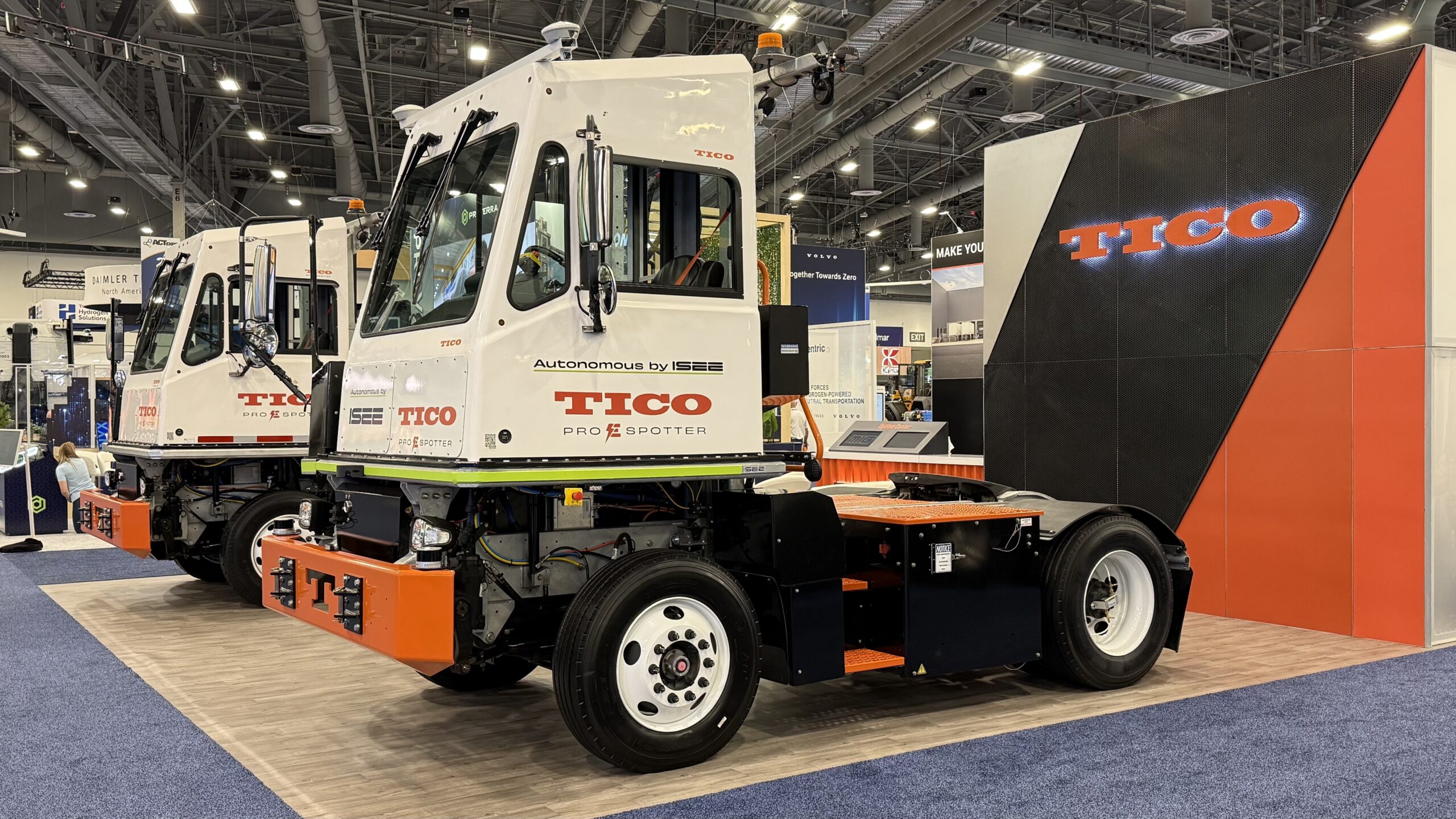
Why it matters: The pivot to yard automation signals a near-term, capital-efficient path to commercialization for autonomous vehicle technology, with immediate implications for logistics efficiency, labor dynamics, and safety in the Southeast’s dense network of ports and distribution centers.
Context: The pursuit of autonomous trucking has largely focused on highway applications, a domain plagued by regulatory, technical, and public-acceptance hurdles. ISEE AI’s pivot mirrors a broader industry pattern of retreating to controlled, private environments to achieve commercial viability and suggest operational reliability before tackling public roads.
"Before Yibiao Zhao and Chris Baker launched ISEE AI in 2017, the two co-founders were deep in research at the Massachusetts Institute of Technology, building artificial intelligence for what they called “collaborative." — FREIGHTWAVES
Commentary: ISEE AI’s pivot from highway to yard is a classic case of market pull redirecting technological push. The closure of its safety case and partnership with TICO for serial production indicates this niche is transitioning from pilot to scale. For the Southeast, a region dense with ports and mega-distribution centers, this means the first wave of meaningful AV job displacement and efficiency gains will likely occur not on I-75, but inside the fences of private logistics yards, reshaping local labor markets and operational economics.
Date: June 05, 2026 07:00 AM ET
URL: https://www.freightwaves.com/news/autonomous-yard-trucks-isee-tico-2027
AI Sentiment Score: Positive (50%)
AI Credibility Score: 10.0/10 — High
Scores and text generated by AI analysis of the source article indicated.
FedEx partner airline says Caribbean service at risk without FAA waiver (Freightwaves)
Summary: Mountain Air Cargo, a FedEx feeder airline, has petitioned the FAA for a regulatory waiver to maintain its Caribbean cargo service during a fleet transition. The airline plans to replace its smaller ATR 42 freighters, which operate under less stringent Part 135 rules allowing extended overwater flights, with larger ATR 72s, which are classified under stricter Part 121 scheduled carrier rules. The Part 121 regime would require costly Extended-range Twin-engine Operational Performance Standards (ETOPS) certification for routes that exceed a 60-minute overwater limit by less than 20 miles. Without a waiver to operate the ATR 72s under a modified Part 135 payload limit, the service to Aruba, Curacao, and Bonaire is at risk.
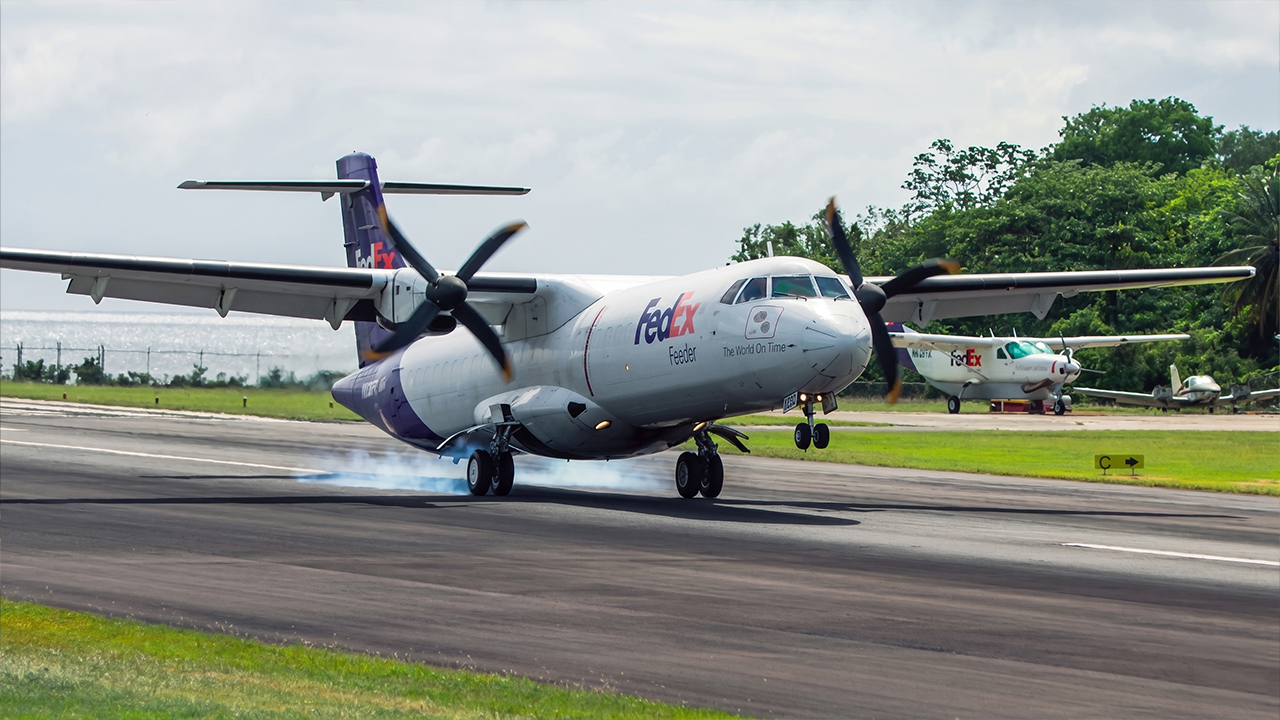
Why it matters: This regulatory friction threatens a critical air cargo link for Caribbean islands, potentially disrupting supply chains and highlighting how legacy aviation rules can impede fleet modernization and regional economic connectivity.
Context: This is a classic case of regulatory arbitrage in aviation logistics, where the operational classification of an aircraft (Part 135 vs. Part 121) dictates route viability, not just its physical capabilities. FedEx’s network relies on such feeder carriers to serve marginal markets, making their regulatory status a direct input into network resilience.
"FedEx feeder airline Mountain Air Cargo is seeking a federal waiver from the payload limit for on-demand carriers so it can switch to a regulatory regime with less strict requirements for long." — FREIGHTWAVES
Commentary: The petition frames the issue as a matter of regulatory proportionality, arguing that a 20-mile technicality should not trigger a full ETOPS regime. A denial would force either a service suspension, a costly regulatory compliance, or a suboptimal fleet mix, demonstrating how inflexible rules can create brittle points in integrated logistics networks. The FAA’s response will signal its willingness to adapt legacy frameworks to modern, efficiency-driven operational realities.
Date: June 04, 2026 10:00 AM ET
URL: https://www.freightwaves.com/news/fedex-partner-airline-says-caribbean-service-at-risk-without-faa-waiver
AI Sentiment Score: Negative (60%)
AI Credibility Score: 10.0/10 — High
Scores and text generated by AI analysis of the source article indicated.
FMC can help ocean shippers in 3 key ways, chair says (Supplychaindive)
Summary: FMC Chair Laura DiBella outlines the agency’s shift from reactive enforcement to proactive resource, empowered by the 2022 Ocean Shipping Reform Act. The FMC is focusing on three areas: encouraging shippers to consult before shipping to preempt disputes, conducting a long-term study of seven global maritime chokepoints for systemic risk, and rigorously monitoring carrier surcharges for fairness and transparency. The agency has already waived or refunded over $1 million in charges following a post-OSRA complaint surge and recently denied carrier requests for expedited surcharge implementation.
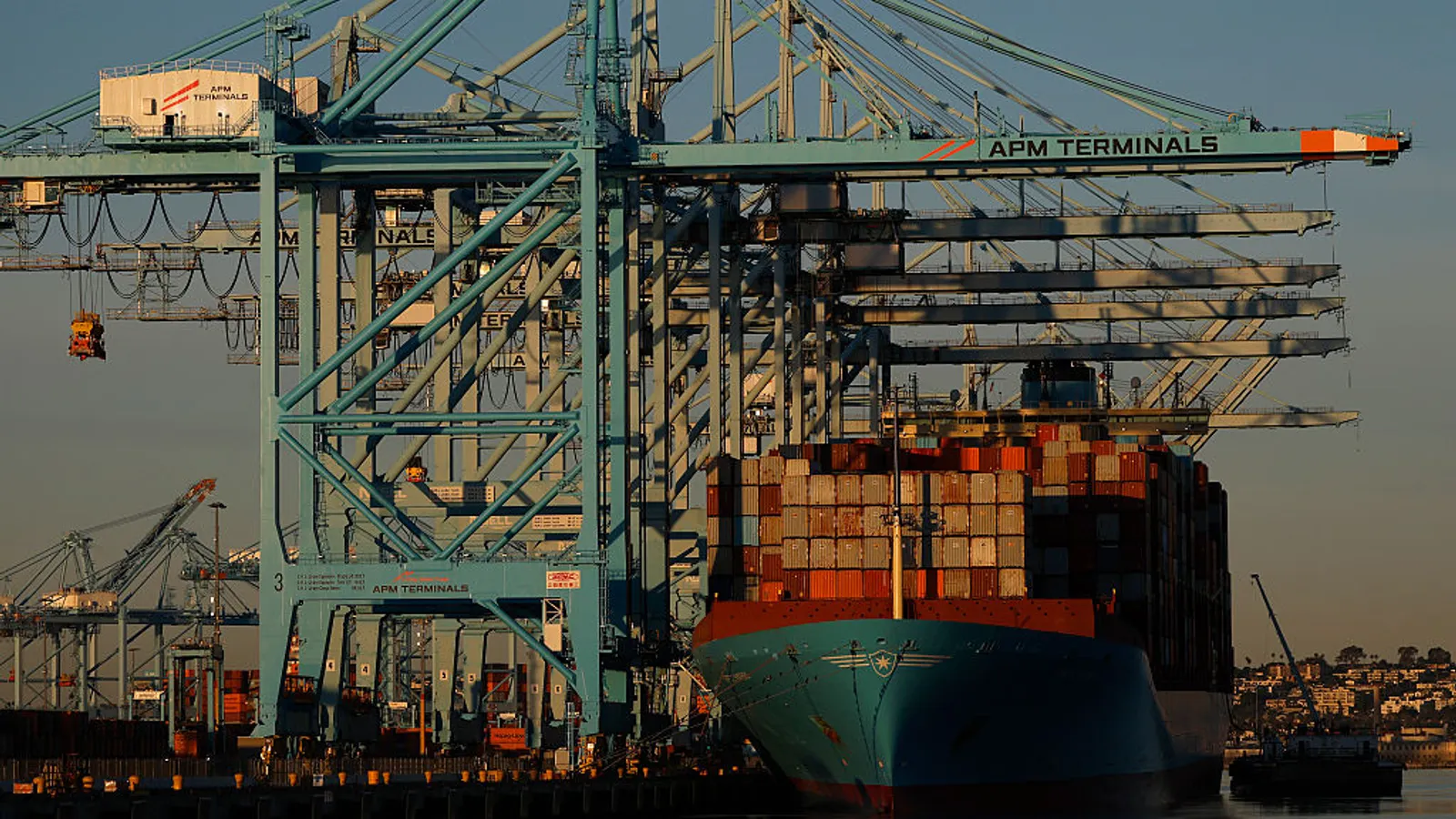
Why it matters: The FMC’s evolving posture directly impacts cost predictability and operational risk for shippers, while its chokepoint study signals a deeper integration of maritime logistics into U.S. economic and national security policy.
Context: The 2022 Ocean Shipping Reform Act granted the FMC expanded authority and budget following pandemic-era supply chain failures, marking a legislative mandate for more aggressive oversight.
"The Federal Maritime Commission has evolved to be more proactive and become a better industry resource after pandemic-driven challenges — including port congestion, vessel delays and increasing surcharges — prompted a high." — SUPPLYCHAINDIVE
Commentary: The FMC’s rebranding as a pre-shipment consultant, rather than a post-hoc adjudicator, represents a tactical attempt to reduce systemic friction, but its efficacy hinges on shipper trust and agency capacity. The chokepoint study, involving State and Homeland Security, formalizes the securitization of trade routes, potentially rerouting long-term infrastructure and insurance investments. The unanimous denial of expedited surcharge waivers establishes a precedent for procedural rigor that may temper carrier leverage during future disruptions, shifting cost absorption dynamics.
Date: Wed, 03 Jun 2026 04:00:00 -0400
URL: https://www.supplychaindive.com/news/fmc-can-help-ocean-shippers-in-3-key-ways-chair-says/819351/
AI Sentiment Score: Negative (77%)
AI Credibility Score: 10.0/10 — High
Scores and text generated by AI analysis of the source article indicated.
Advance Auto Parts nears finish line on distribution center consolidation strategy (Supplychaindive)
Summary: Advance Auto Parts is finalizing a multi-year distribution center consolidation, reducing its U.S. facilities from 38 to 16 while expanding a network of localized market hubs. The strategy aims to centralize replenishment and place 75,000-85,000 SKUs closer to stores for same-day availability, with a target of 60 hubs by 2027. Concurrently, the company is standardizing DC workflows and vendor ordering to cut handling and transportation costs.
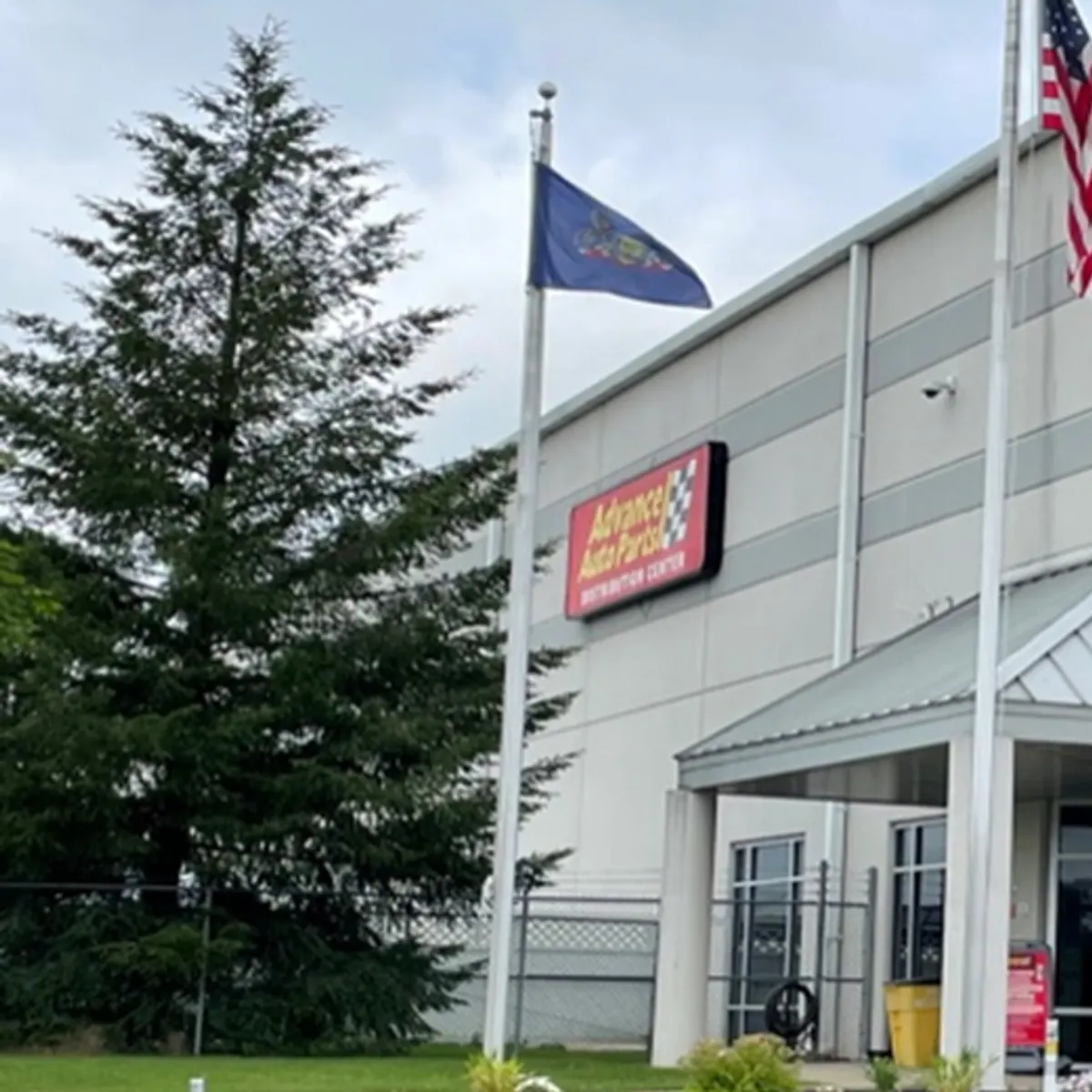
Why it matters: This operational pivot signals a broader industry shift toward hub-and-spoke logistics in retail, directly impacting regional warehouse employment, commercial real estate demand, and vendor relationships across the Southeast.
Context: The consolidation follows Advance’s integration of the Carquest network and mirrors AutoZone’s parallel ‘mega hub’ buildout, reflecting a sector-wide race to optimize last-mile parts fulfillment against rising labor and logistics costs.
"Since year-end 2023, Advance Auto Parts cut back its footprint from 38 U.S. distribution centers to 16 currently, an Advance Auto Parts spokesperson told Supply Chain Dive in an email." — SUPPLYCHAINDIVE
Commentary: The halving of DCs concentrates logistical capacity into fewer, likely larger Southeastern nodes, potentially draining warehouse jobs from secondary markets while boosting traffic and industrial real estate value around the remaining hubs. This capital-intensive standardization, aimed at perfect shipment accuracy, could pressure smaller vendors to adapt to consolidated ordering, potentially reshaping the auto parts supplier landscape. The efficiency gains, if realized, could reset competitive margins in a sector where inventory placement is now a primary battleground.
Date: Tue, 02 Jun 2026 12:23:15 -0400
URL: https://www.supplychaindive.com/news/advance-auto-parts-nears-finish-line-on-distribution-center-consolidation-s/821377/
AI Sentiment Score: Negative (50%)
AI Credibility Score: 10.0/10 — High
Scores and text generated by AI analysis of the source article indicated.
Inside hotshot trucking’s ghost fleets (Freightwaves)
Summary: A network of at least 32 motor carriers, reporting an average of one truck each to regulators, is linked to over 6,000 unique vehicles and thousands of inspections nationwide. These ‘ghost fleets’ operate primarily in hotshot and auto transport, exploiting lax registration, disposable DOT numbers, and self-reported insurance data to evade safety oversight. Recent enforcement by the FMCSA has shuttered several core authorities, but the physical assets and drivers rapidly reconstitute under new shell companies. The Supreme Court’s recent Montgomery v. Caribe ruling now exposes freight brokers to state-law liability for negligent carrier selection, removing a key legal shield.
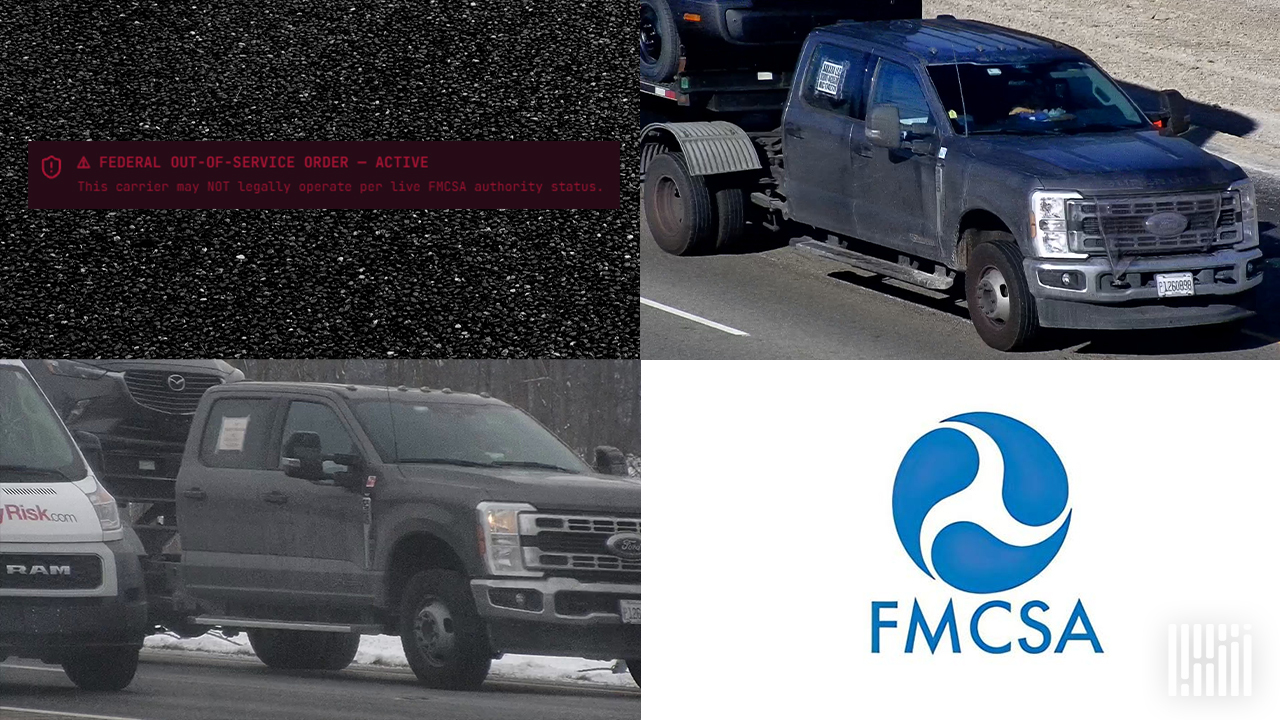
Why it matters: This systemic fraud distorts insurance markets, undermines road safety, and shifts financial risk onto the public and compliant operators, while new legal and regulatory pressures are forcing a realignment of accountability across the freight brokerage and carrier ecosystem.
Context: The shift follows a squeeze in traditional long-haul trucking, pushing marginal operators into lighter-weight hotshot transport, where regulatory thresholds and verification are weaker. The $750,000 federal minimum liability limit, unchanged since 1980, is a key economic enabler.
"A ratio of 10 vehicles to one reported truck should prompt a review. A ratio of 160 to one should prompt an investigation. An insurer should not be able to bind a one-truck policy for a carrier that already has hundreds of VINs in the federal inspection record without first seeing that record." — FREIGHTWAVES
Commentary: The operational core is not evasion of detection, but exploitation of a system designed for trust. The fix is a technical reconciliation of reported fleet size against inspection data—a query, not a new law. The Supreme Court’s ruling transfers enforcement pressure upstream to brokers, but without a parallel increase in broker capital requirements, liability may remain theoretical where it’s most needed. The real test is whether Motus and automated detection can outpace the network’s 48-hour reconstitution cycle.
Date: Mon, 01 Jun 2026 14:46:52 +0000
URL: https://www.freightwaves.com/news/inside-hotshot-truckings-ghost-fleets
AI Sentiment Score: Negative (77%)
AI Credibility Score: 10.0/10 — High
Scores and text generated by AI analysis of the source article indicated.
Swearing-in of commissioner returns U.S. maritime regulator to full strength (Freightwaves)
Summary: Robert J. Harvey of Florida was sworn in as a commissioner of the Federal Maritime Commission, returning the five-member panel to full strength. His appointment solidifies a 3-2 Republican majority and marks the third recent FMC commissioner appointed by President Trump from Florida, following Chair Laura DiBella and former Chair Louis Sola. Harvey’s background includes leadership roles in Florida’s economic development finance and venture capital sectors.
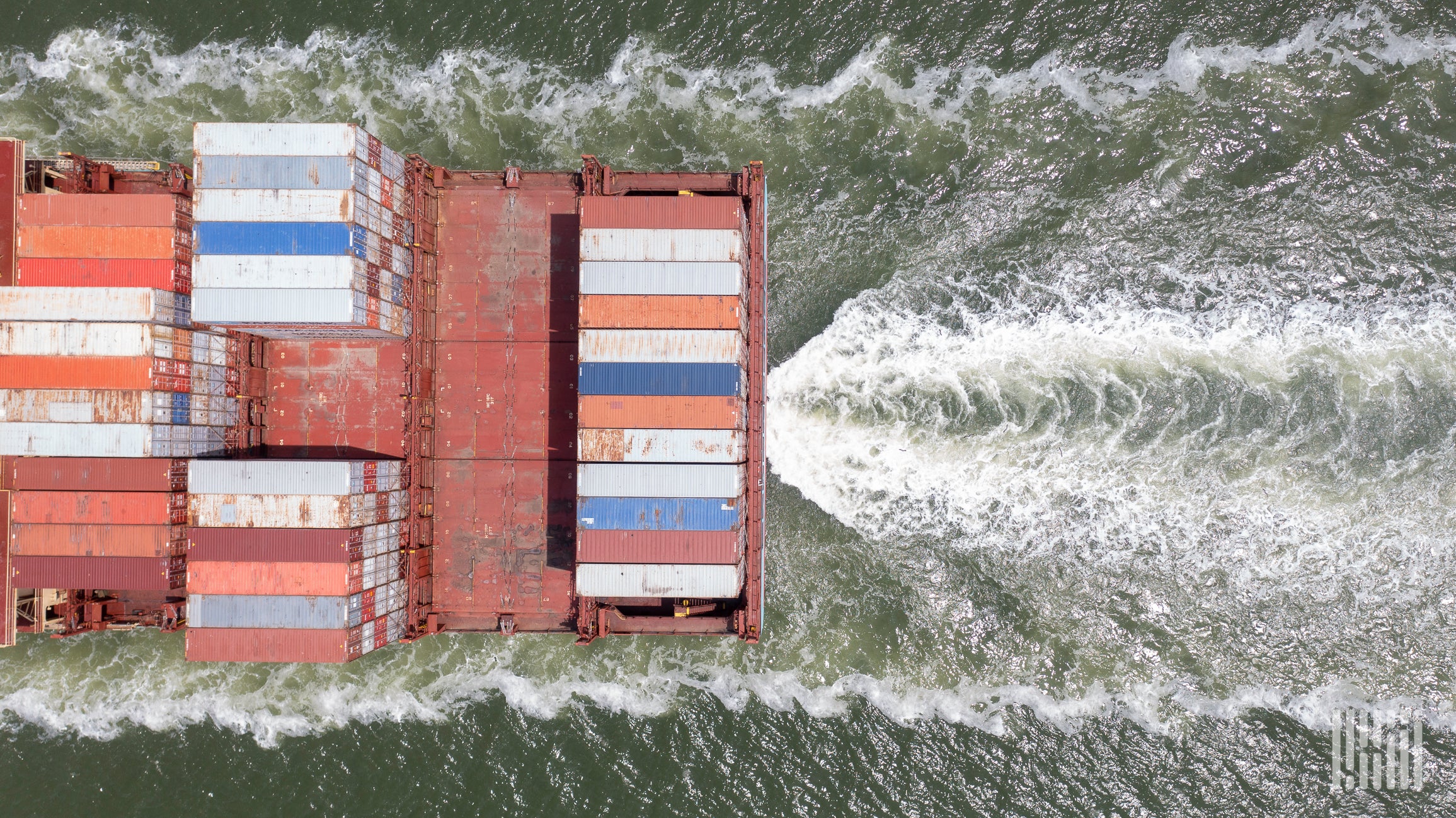
Why it matters: This consolidates Florida’s influence over federal maritime regulatory policy, which directly affects port competitiveness, shipping costs, and infrastructure investment in the Southeast.
Context: The FMC regulates international ocean transportation and investigates port congestion and carrier fees. A full commission can advance pending rulemakings and enforcement actions that were stalled.
"He’s the third recent FMC appointee from Florida by Trump, following agency chair Laura DiBella and immediate past chair Louis Sola." — FREIGHTWAVES
Commentary: The concentration of Floridian appointees signals a deliberate effort to align federal maritime policy with the state’s port expansion and economic development ambitions, particularly for PortMiami, Jacksonville, and Tampa. This could shift regulatory focus toward favoring infrastructure investment and export promotion over stricter carrier oversight, affecting shipper-carrier dynamics nationwide. Harvey’s finance background suggests a commission more attuned to capital formation for port projects than to labor or consumer advocacy.
Date: Tue, 02 Jun 2026 10:00:00 +0000
URL: https://www.freightwaves.com/news/swearing-in-of-commissioner-returns-u-s-maritime-regulator-to-full-strength
AI Sentiment Score: Positive (50%)
AI Credibility Score: 10.0/10 — High
Scores and text generated by AI analysis of the source article indicated.
Bot Auto names Brett Suma as president and COO to scale autonomous trucking (Freightwaves)
Summary: Bot Auto, following its first fully humanless commercial load, has appointed freight veteran Brett Suma as president and COO, alongside two former TrailerHawk.ai colleagues. Suma’s strategy rejects retrofitting autonomous trucks into existing networks, arguing the math fails due to legacy inefficiencies and driver-asset conflicts. Instead, Bot Auto is building a ‘native AI freight network’ from the ground up, starting with Texas corridors. The move signals a shift from proving technological feasibility to executing a scalable, operationally-driven commercial model.

Why it matters: This signals a maturation phase for autonomous trucking, where operational network design, not just technology, becomes the critical competitive battleground, with direct implications for freight density and infrastructure investment in the Southeast, particularly Texas.
Context: The autonomous trucking sector is bifurcating between retrofit approaches by incumbent carriers and greenfield network builds by startups, with the latter aiming to avoid the operational friction of mixed fleets.
"The autonomous trucking race has a new entrant with a distinctly old-school playbook. Bot Auto, fresh off completing its first fully humanless commercial load on a public highway, is betting its next." — FREIGHTWAVES
Commentary: Suma’s appointment and explicit rejection of retrofit math is a direct challenge to incumbents like Knight and Werner. If Bot Auto’s corridor-by-corridor build in Texas succeeds, it could redirect capital and freight flows toward purpose-built autonomous hubs, potentially hollowing out traditional network nodes in the Southeast that rely on driver populations. The operational hires suggest the next valuation inflection points will be about freight network economics, not miles driven.
Date: Wed, 03 Jun 2026 12:00:00 +0000
URL: https://www.freightwaves.com/news/bot-auto-brett-suma-president-coo
AI Sentiment Score: Negative (66%)
AI Credibility Score: 10.0/10 — High
Scores and text generated by AI analysis of the source article indicated.
Texas drops ban on commercial drivers licenses for temporary farm workers (Freightwaves)
Summary: Texas has resumed issuing non-domiciled commercial driver’s licenses to H-2A agricultural visa holders after securing federal approval under new, restrictive FMCSA rules. The state’s program had been suspended, mirroring pauses in California, Washington, and other states, as federal authorities conduct a nationwide audit and tighten eligibility. The new federal rule is projected to reduce the national population of non-domiciled CDL holders from roughly 200,000 to about 6,000 as existing licenses expire.
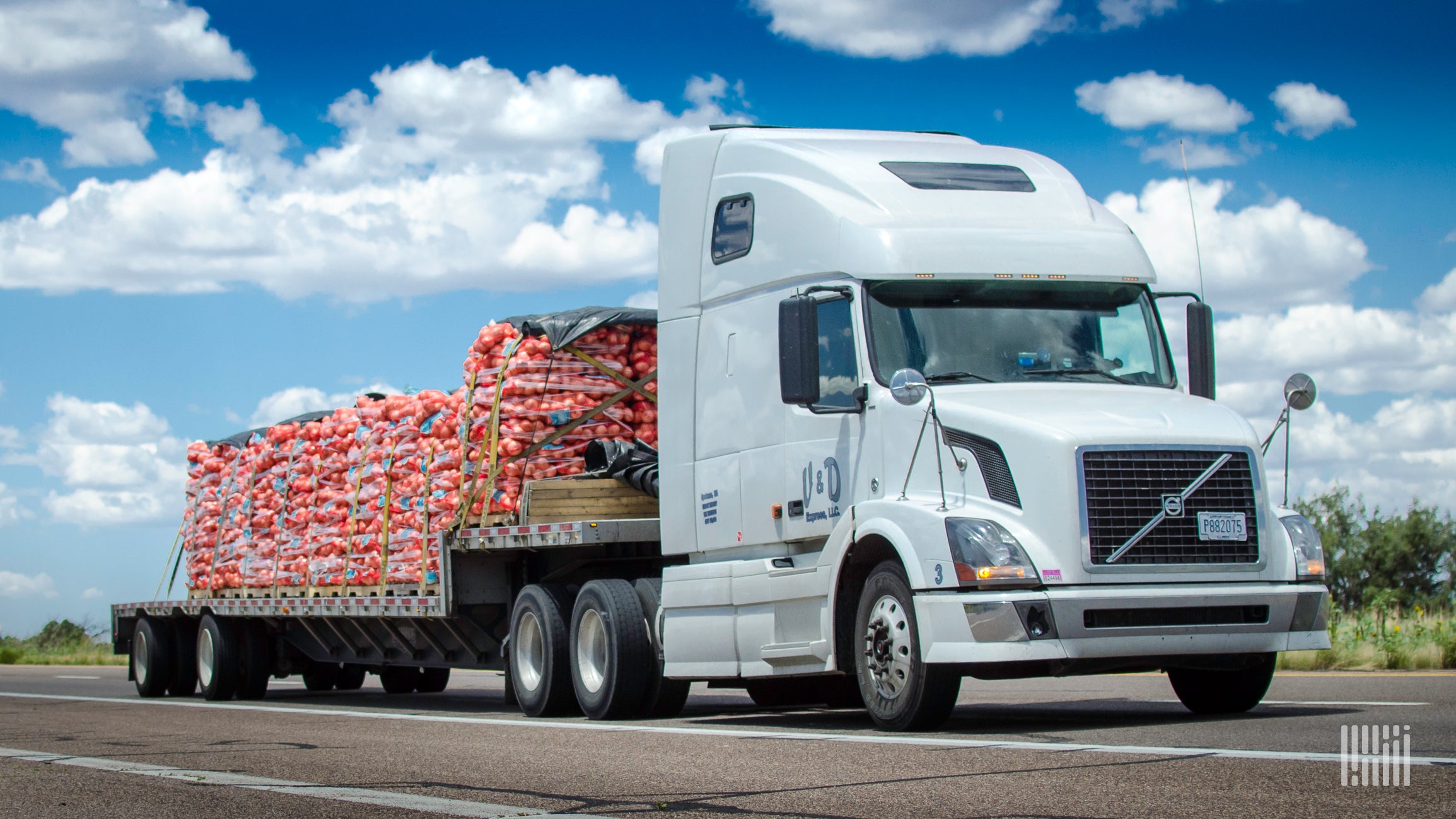
Why it matters: This regulatory shift directly impacts the mobility of a critical labor pool for agriculture and freight in Texas and other key states, with immediate consequences for harvest logistics, trucking capacity, and regional labor markets.
Context: Federal scrutiny of non-domiciled CDL programs has intensified, with the FMCSA narrowing eligibility to specific visa categories (H-2A, H-2B, E-2) and states risking highway funding for non-compliance, creating a patchwork of authorized operations.
"FMCSA projects that about 194,000 of them — 97% of the current total — will be unable to renew under the new rule. As existing licenses expire, the agency expects the non-domiciled CDL population to plunge from roughly 200,000 drivers today to about 6,000 in the coming years." — FREIGHTWAVES
Commentary: Texas’s reopening for H-2A workers is a tactical compliance move that masks a strategic contraction: the federal rule is a de facto purge of the non-domiciled CDL workforce. States like Texas that secure approval for narrow visa categories will concentrate this dwindling driver pool, potentially giving their agricultural sectors a temporary logistical edge over states still paused. The removal of the Spanish-language test option, while framed as a federal compliance issue, functionally raises the barrier to entry, further winnowing the eligible cohort. This regulatory squeeze could force a reallocation of licensed driving labor within agriculture and adjacent freight, likely increasing costs and accelerating automation pressures in produce hauling.
Date: Tue, 02 Jun 2026 20:39:53 +0000
URL: https://www.freightwaves.com/news/texas-drops-ban-on-commercial-drivers-licenses-for-temporary-farm-workers
AI Sentiment Score: Negative (71%)
AI Credibility Score: 10.0/10 — High
Scores and text generated by AI analysis of the source article indicated.
No hard feelings: UP-NS will see fact-based review (Freightwaves)
Summary: The Surface Transportation Board has conditionally accepted Union Pacific and Norfolk Southern’s revised merger application but paused the formal review, demanding substantial additional data and pushing the earliest possible closing date to late Fall 2027. The STB expressed skepticism about the proposed Committed Gateway Pricing mechanism, noting its limited scope and potential to unintentionally weaken competition. The regulator is also requiring a facility-by-facility analysis of shippers who would lose routing options, signaling a focus on localized market power effects beyond the ‘end-to-end’ merger rationale.
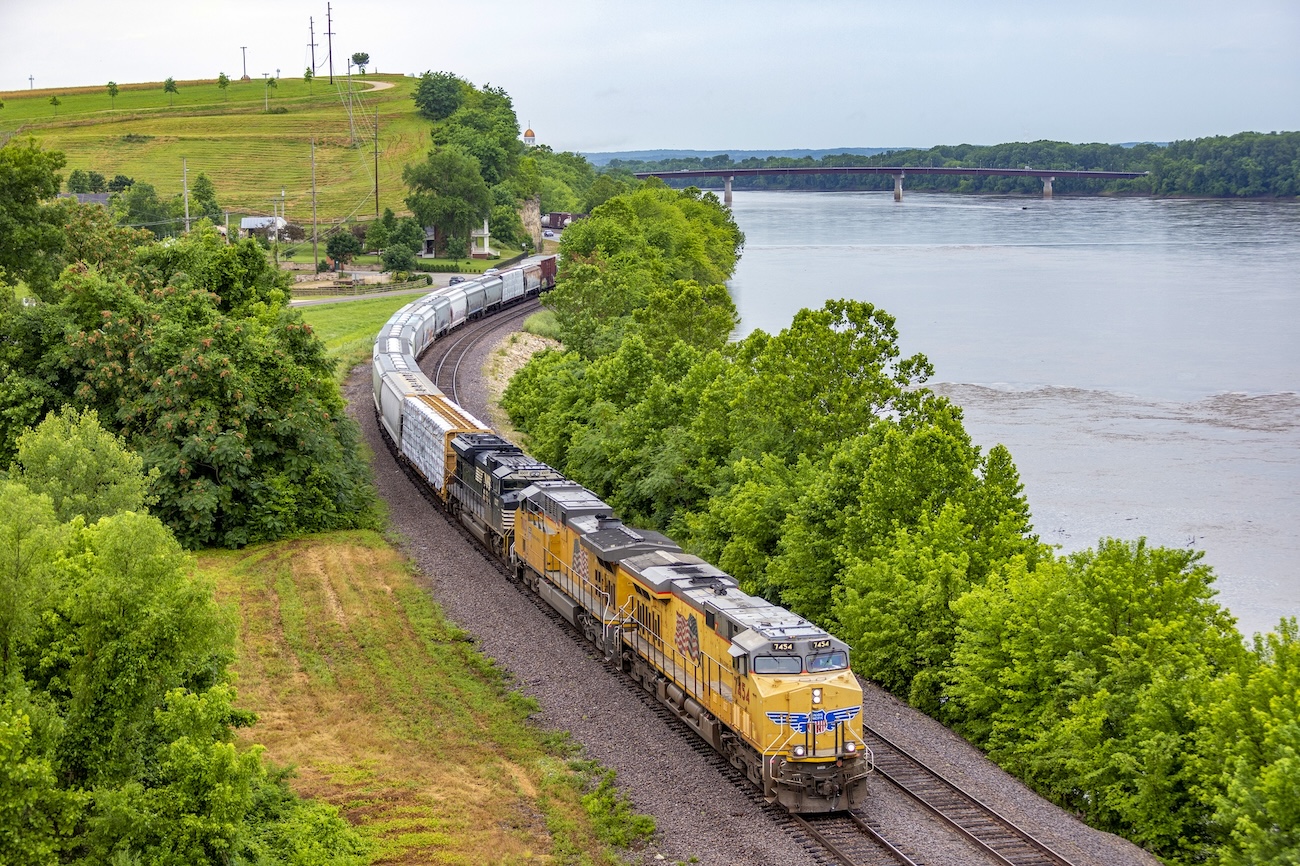
Why it matters: The STB’s rigorous, discovery-led approach sets a precedent for major rail consolidation, directly impacting shipper costs, modal competition with trucking, and capital allocation across the Southeast’s industrial corridors.
Context: This review follows decades of rail consolidation and represents the first potential creation of a true transcontinental freight railroad, testing modern regulatory thresholds for competition and public benefit in a structurally concentrated industry.
"It’s hurry up and wait for Union Pacific and Norfolk Southern. The Surface Transportation Board gave the railroads until July 27 – or longer – to submit more information after it conditionally." — FREIGHTWAVES
Commentary: The STB is operationalizing a more forensic standard for rail mergers, moving beyond corporate promises of efficiency to demand granular proof of net public gain and protection against localized monopolies. This procedural rigor—and the market’s $12 billion valuation haircut—signals that regulatory risk now materially reprices consolidation ambitions, potentially chilling other major rail deals. For the Southeast, a prolonged review delays capital investment decisions and leaves shippers in limbo regarding future service patterns and costs on critical north-south and inland port corridors.
Date: Mon, 01 Jun 2026 16:47:57 +0000
URL: https://www.freightwaves.com/news/no-hard-feelings-up-ns-will-see-fact-based-review
AI Sentiment Score: Negative (50%)
AI Credibility Score: 10.0/10 — High
Scores and text generated by AI analysis of the source article indicated.
The Role of Automation in Managing Complex Revenue Workflows in Logistics (Globaltrademag)
Summary: Logistics firms lose 1-5% of EBITDA to revenue leakage in order-to-cash processes, a direct consequence of legacy financial systems failing to handle modern operational complexity. Manual reconciliation between transportation, warehouse, and billing systems creates errors, disputes, and extends Days Sales Outstanding. Automation platforms that directly connect operational events to contract logic promise to close this gap by enforcing billing accuracy and providing real-time revenue visibility.

Why it matters: For Southeast Asia’s logistics hubs, operational efficiency gains from automation directly translate to improved capital efficiency and competitive positioning in a margin-thin industry.
Context: This reflects a broader regional trend where logistics infrastructure investment is being matched by a push for back-office digitalization to capture value from complex, cross-border supply chains.
"Organizations structurally lose between 1% and 5% of their realized earnings before interest, taxes, depreciation, and amortization (EBITDA) due to revenue leakage in the order-to-cash process alone." — GLOBALTRADEMAG
Commentary: The focus on EBITDA leakage shifts the automation narrative from cost-cutting to direct P&L protection, making it a CFO-led investment. Successful implementation will bifurcate the sector: integrated operators with automated revenue cycles will achieve superior cash flow and valuation multiples, while laggards will face compounded margin pressure. This creates a tangible M&A rationale where acquirers target firms with robust billing automation to instantly improve the combined entity’s financial hygiene.
Date: Wed, 03 Jun 2026 09:00:20 +0000
URL: https://www.globaltrademag.com/the-role-of-automation-in-managing-complex-revenue-workflows-in-logistics/
AI Sentiment Score: Negative (60%)
AI Credibility Score: 10.0/10 — High
Scores and text generated by AI analysis of the source article indicated.
AutoZone’s distribution strategy drives sales gains (Supplychaindive)
Summary: AutoZone’s Q3 earnings reveal an 8.4% YoY sales increase, which the company attributes to its aggressive supply chain and distribution strategy. The retailer is investing nearly $1.6 billion in capital expenditures this year, primarily to expand its network of ‘mega hubs’ that function as both stores and distribution points. It opened 14 this quarter, plans 15 more in Q4, and is targeting nearly 300 in the near term. Competitor Advance Auto Parts is pursuing a similar strategy of market hubs for same-day coverage.
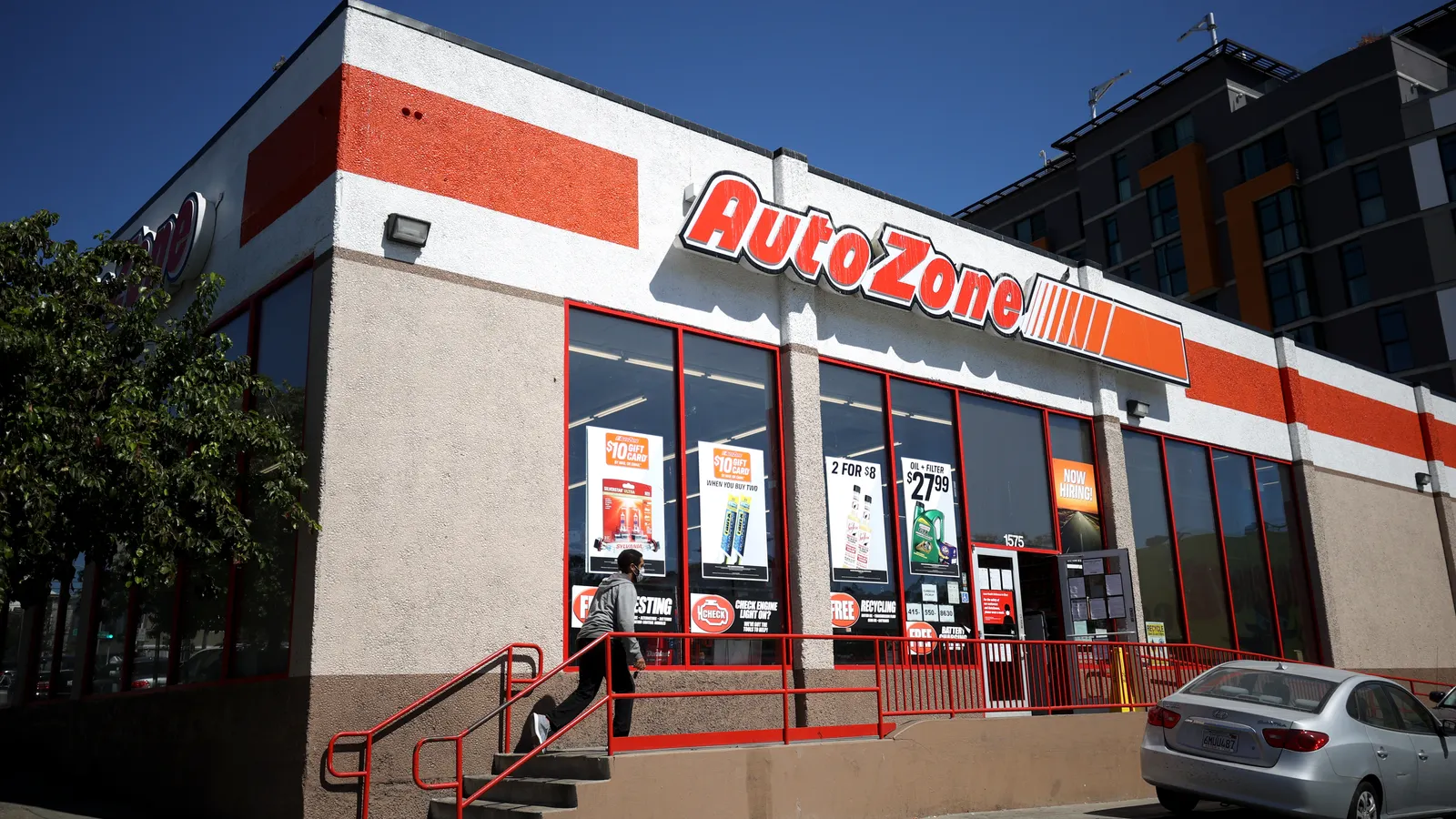
Why it matters: This capital-intensive logistics pivot signals a broader competitive realignment in aftermarket retail, with direct implications for commercial real estate, regional warehousing demand, and labor markets in the Southeast.
Context: The aftermarket auto parts sector is consolidating distribution to compete on speed and availability, moving from centralized DCs to a hub-and-spoke model that places high-SKU inventory closer to commercial and DIY customers.
"Dive Brief: – AutoZone’s efforts to strengthen its supply chain strategy helped drive an 8.4% year-over-year increase in sales in the past quarter — the largest reported increase since Q2 of fiscal." — SUPPLYCHAINDIVE
Commentary: AutoZone’s capex commitment—repeated next year—is a bet that density of inventory, not just digital interfaces, defends market share. This operational arms race with Advance Auto Parts will concentrate logistics jobs and commercial leasing in secondary Southeastern metros, while raising the capital barrier for smaller regional chains. The strategy monetizes real estate as a competitive moat, turning store footprints into micro-fulfillment nodes that Amazon cannot easily replicate for bulky, low-velocity SKUs.
Date: Thu, 04 Jun 2026 07:09:00 -0400
URL: https://www.supplychaindive.com/news/autozones-distribution-strategy-drives-sales-gains/821620/
AI Sentiment Score: Positive (50%)
AI Credibility Score: 10.0/10 — High
Scores and text generated by AI analysis of the source article indicated.
Criminals target freight with fake IDs, spoofed emails and stolen identities (Freightwaves)
Summary: Organized crime groups are shifting cargo theft from physical hijackings to digitally-enabled fraud, using AI-spoofed broker identities, phishing, and high-quality fake IDs to intercept high-value shipments before they leave the dock. The cost is estimated at $18 million daily, with fraudulent email attempts up 117% year-over-year. The primary targets remain food, beverage, and electronics due to their high resale value and traceability challenges. Industry response is coalescing around ‘identity-assured logistics,’ requiring multi-layered verification of carriers, drivers, and vehicles before freight release.

Why it matters: This evolution from brute-force theft to systemic identity fraud represents a fundamental shift in supply chain risk, demanding new capital allocation for verification tech and potentially altering the competitive landscape for logistics providers in the Southeast’s major freight corridors.
Context: This follows a broader pattern of cyber-physical convergence in organized crime, where digital tools lower the barrier to entry for large-scale theft while increasing the sophistication of attacks on critical infrastructure nodes.
"The transportation industry is facing a new generation of cargo theft in which organized crime groups increasingly use fake identities, phishing campaigns and digital deception rather than only traditional break-ins and hijackings." — FREIGHTWAVES
Commentary: The operational implication is that security must migrate upstream from physical truck tracking to pre-transaction digital identity verification, creating a new market for high-assurance logistics platforms. This will disproportionately impact smaller carriers and brokers who lack the capital for such systems, potentially accelerating consolidation. For the Southeast, a major logistics hub, failure to adopt these standards could redirect high-value shipments to more secure, but potentially more expensive, routes and providers.
Date: June 05, 2026 09:00 AM ET
URL: https://www.freightwaves.com/news/criminals-target-freight-with-fake-ids-spoofed-emails-and-stolen-identities
AI Sentiment Score: Negative (62%)
AI Credibility Score: 10.0/10 — High
Scores and text generated by AI analysis of the source article indicated.
Geopolitics Reshapes Shipping: Posidonia 2026 Forum Highlights (Globaltrademag)
Summary: At the Posidonia 2026 forum, shipping executives described an industry fundamentally reshaped by geopolitics, moving beyond operational disruption to redefining markets. Key shifts include redirected trade flows from the US-China war and Middle East conflicts, the weaponization of tanker shipping, and the emergence of a 1,500-vessel ‘dark fleet’ operating outside regulations. Industry leaders emphasized that speed of change now requires unprecedented flexibility, diversification, and financial discipline, with commercial calculations alone insufficient for risk assessment in contested zones like the Strait of Hormuz.

Why it matters: For Southeast Asia, a critical nexus of global shipping lanes, these structural shifts directly impact port traffic, regional bunkering hubs, and the competitive positioning of local maritime clusters as trade patterns and risk premiums recalibrate.
Context: This follows a multi-year convergence of trade wars, regional conflicts, and sanctions that have progressively fragmented global shipping networks, elevating the strategic importance of Southeast Asian maritime chokepoints and logistics infrastructure.
"Geopolitics Reshapes Shipping: Posidonia 2026 Forum Highlights Shipping leaders gathered at the TradeWinds Shipowners Forum during Posidonia described an industry where geopolitics now shapes trade flows, fleet deployment, financing decisions and asset." — GLOBALTRADEMAG
Commentary: The panel’s consensus marks a pivot from viewing geopolitics as a periodic shock to a permanent market variable. The operational consequence is a bifurcated industry: a compliant, insured mainstream fleet facing higher costs and constrained routes, and a growing shadow fleet absorbing sanctioned trades at immense safety and environmental risk. This could pressure Southeast Asian ports and regulators to choose between enforcing standards or becoming havens for gray-market activity, while regional financial centers must navigate the due diligence burden of an increasingly weaponized logistics chain.
Date: Wed, 03 Jun 2026 08:20:03 +0000
URL: https://www.globaltrademag.com/geopolitics-reshapes-shipping-posidonia-2026-forum-highlights/
AI Sentiment Score: Negative (66%)
AI Credibility Score: 10.0/10 — High
Scores and text generated by AI analysis of the source article indicated.
Businesses urge Senate to act on cargo theft bill (Freightwaves)
Summary: A coalition of over 200 companies and organizations, including major railroads, trucking associations, and retail leaders, is pressing Senate leadership to pass the Combating Organized Retail Crime Act (HR 2853). The bill, which passed the House overwhelmingly, aims to coordinate federal, state, local, and private-sector efforts against organized theft networks. Proponents cite annual losses in the billions, with railroads alone reporting over $200 million in cargo theft losses for 2025.

Why it matters: For the Southeast, a major logistics and manufacturing hub, persistent cargo theft directly threatens regional economic competitiveness by inflating costs, disrupting supply chains, and potentially deterring investment in critical infrastructure.
Context: This legislative push follows years of escalating, organized theft targeting intermodal hubs and freight corridors, particularly in high-volume regions like the Southeast, where cargo consolidation creates attractive targets for criminal networks.
"A coalition of retail, industrial, business and supply-chain companies and organizations is asking U.S. Senate leadership to act on cargo theft legislation previously passed by the House. More than 200 companies and." — FREIGHTWAVES
Commentary: The bill’s narrow focus on organized crime, explicitly excluding routine theft and immigration enforcement, is a tactical concession to secure bipartisan Senate passage. Its passage would signal a federal shift toward treating supply-chain theft as a national security-adjacent issue, likely triggering increased interagency task forces and data-sharing mandates that could reshape loss-prevention operations for carriers and insurers in the region.
Date: Wed, 03 Jun 2026 10:00:00 +0000
URL: https://www.freightwaves.com/news/businesses-urge-senate-to-act-on-cargo-theft-bill
AI Sentiment Score: Negative (60%)
AI Credibility Score: 10.0/10 — High
Scores and text generated by AI analysis of the source article indicated.
Global Shipping Costs Spike as Fuel Crisis Driven by US-Israel War on Iran Continues (Globaltrademag)
Summary: Global shipping costs are experiencing a sustained surge, with key indices showing dramatic increases since late February. The Shanghai Containerised Freight Index has nearly doubled, and Drewry’s World Container Index reports spot rates rising for four consecutive weeks to $2,800 per 40-foot container. The primary driver cited is a fuel crisis stemming from the US-Israel war on Iran, with carriers passing costs to shippers and expecting further hikes as the peak season approaches.

Why it matters: For Southeast Asia’s export-dependent economies, sustained high freight rates compress margins for manufacturers, delay inventory cycles, and could accelerate regional supply chain diversification as firms seek cost stability.
Context: This spike follows a period of relative normalization after the pandemic-era supply chain chaos, testing the resilience of just-in-time logistics and the pricing power of global shipping alliances.
"The Shanghai Containerised Freight Index, which tracks spot rates across 13 global trade routes, nearly doubled from 1,333.11 points at the end of February to 2,571.73 points recently." — GLOBALTRADEMAG
Commentary: The attribution to a ‘fuel crisis’ from a specific geopolitical conflict is a notable narrative shift from prior disruptions, potentially granting carriers broader pricing latitude. If rates hold through Q3, expect accelerated nearshoring within ASEAN and increased pressure on central banks to distinguish between transitory logistics inflation and embedded core price pressures.
Date: Tue, 02 Jun 2026 08:20:26 +0000
URL: https://www.globaltrademag.com/global-shipping-costs-spike-as-fuel-crisis-driven-by-us-israel-war-on-iran-continues/
AI Sentiment Score: Negative (71%)
AI Credibility Score: 10.0/10 — High
Scores and text generated by AI analysis of the source article indicated.
Consolidating Intra-Southeast Asia Logistics and Achieving … (Nipponexpress)
Summary: Nipponexpress details a logistics solution establishing a Malaysia-based hub warehouse for manufacturers operating across Southeast Asia. The model consolidates inbound shipments from external production sites, utilizes Malaysia’s Free Commercial Zone status to bypass local subsidiary requirements, and deploys a proprietary WMS portal for regional inventory visibility. This shifts the operational paradigm from fragmented, high-cost direct shipping to a centralized, bonded inventory and distribution node.
Why it matters: This signals a maturation of Southeast Asia’s intra-regional supply chain infrastructure, moving it from a collection of export platforms to an integrated consumption and production bloc, with Malaysia positioning itself as a critical logistics nexus.
Context: The push mirrors broader ASEAN economic integration goals and corporate strategies to de-risk over-concentrated supply chains in China by building redundancy and efficiency within Southeast Asia.
"The hub warehouse is located within a Free Commercial Zone (FCZ) in Malaysia. By utilizing the bonded environment, customers can operate inventory bases even without establishing a local subsidiary." — NIPPONEXPRESS
Commentary: The FCZ provision is the key enabler, lowering the capital and regulatory barrier for foreign firms to establish a regional footprint. This will accelerate inventory centralization, making Malaysia a de facto regional logistics capital, potentially at the expense of traditional hubs like Singapore for certain bulk operations. The real-time visibility solution (‘SHUTTLE’) is less a technological breakthrough and more a necessary control layer for the new, physically consolidated model, shifting power from country managers to regional supply chain planners.
Date: May 29, 2026 12:00 AM ET
URL: https://www.nipponexpress.com/us/en/knowledge/case/consolidating-intra-sea-logistics-and-achieving-iv/
AI Sentiment Score: Negative (66%)
AI Credibility Score: 9.8/10 — High
Scores and text generated by AI analysis of the source article indicated.
Ships, trains and semi-trucks: How inland port aims to ease … (Ajc)
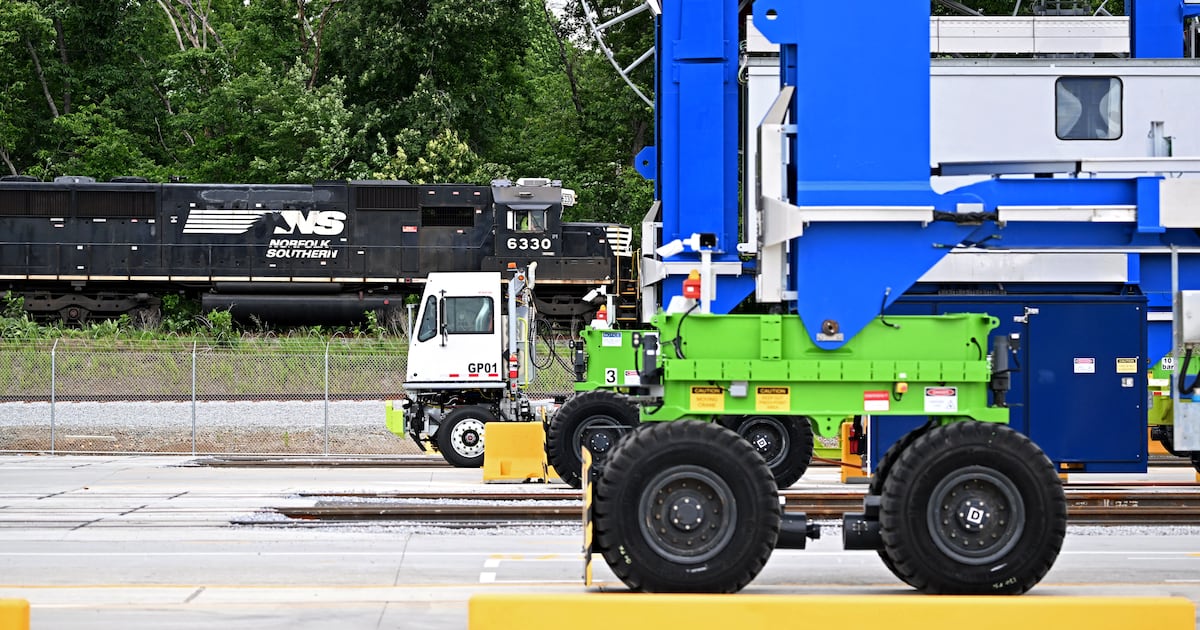
Summary: The Georgia Ports Authority has opened the Gainesville Inland Port, a 100-acre intermodal facility designed to transfer containers directly between rail and truck, bypassing the congested roads around the Port of Savannah. The facility, which began operations with minimal initial volume, features extensive rail sidings and gantry cranes, aiming to handle thousands of containers annually. It is modeled on the established Appalachian Regional Port in Crandall, Georgia, and is intended to shift freight from Savannah to Atlanta and beyond via I-985, reducing highway traffic and port congestion. Local officials and developers anticipate the terminal will accelerate industrial and logistics growth in Hall County and the broader Northeast Georgia region.
Why it matters: This represents a strategic, capital-intensive bet on decongesting a critical national logistics node (Savannah) and redistributing economic activity inland, with direct consequences for regional infrastructure investment, industrial real estate, and supply chain resilience in the Southeast.
Context: The expansion of inland ports is a established strategy to extend the reach of coastal mega-ports, reduce drayage costs, and mitigate highway congestion; the Appalachian Regional Port in Crandall has been a proven model for Georgia, handling over 50,000 containers annually.
"Ships, trains and semi-trucks: How inland port aims to ease Atlanta traffic GAINESVILLE ― Five cargo containers look mighty lonesome sitting on a 100-acre concrete slab designed to support tens of thousands." — AJC
Commentary: The Gainesville facility is a pre-emptive capacity play, not a response to current demand, indicating GPA’s expectation of sustained import growth and a structural shift toward intermodal rail. Its success hinges on attracting sufficient volume to justify the fixed infrastructure, which could pressure Savannah-based shippers and 3PLs to reroute freight. If it captures flow, it will concentrate warehousing and light manufacturing in Hall County, creating a new inland logistics cluster while potentially siphoning ancillary economic activity from traditional corridors closer to Savannah.
Date: May 27, 2026 12:00 AM ET
URL: https://www.ajc.com/news/2026/05/ships-trains-and-semi-trucks-how-inland-port-aims-to-ease-atlanta-traffic/
AI Sentiment Score: Negative (50%)
AI Credibility Score: 10.0/10 — High
Scores and text generated by AI analysis of the source article indicated.
Post ID: 36652220