Audience Behavior & Distribution Shifts
Nielsen loses appeal over radio ratings tie that charged Cumulus 10x price (Ppc.Land)
Summary: The Second Circuit upheld a preliminary injunction against Nielsen, blocking its radio ratings policy that tied national data to local purchases. The court recognized constructive tying as a valid antitrust theory, finding that Nielsen’s standalone national price—ten times higher than Cumulus’s prior rate—functioned as an illegal tie. This ruling extends antitrust liability to pricing tactics that achieve the effect of a bundle, not just explicit bundling rules. The case now returns to district court for a final determination on liability.

Why it matters: This decision gives buyers across advertising and measurement markets a new legal argument against dominant vendors that use pricing to coerce purchases, potentially reshaping how data monopolies structure their offerings.
Context: Nielsen holds a 100% share of the national radio data market, and its Network Policy affected the three largest radio companies, which control roughly a third of all radio ad spend.
"A federal appeals court on July 13, 2026 upheld an order blocking Nielsen from enforcing a radio ratings policy that tied its national data product to local data purchases, finding the measurement." — PPC.LAND
Commentary: The ruling’s significance extends beyond radio: it directly parallels ongoing antitrust cases against Google in ad tech, where tying claims are central. By validating constructive tying, the court has armed plaintiffs with a framework to challenge dominant platforms that use price discrimination to enforce de facto bundles. Expect follow-on litigation in measurement, ad exchanges, and data markets where a single supplier controls essential infrastructure.
Date: July 18, 2026 06:17 PM ET
URL: https://ppc.land/nielsen-loses-appeal-over-radio-ratings-tie-that-charged-cumulus-10x-price
AI Sentiment Score: Negative (66%)
AI Credibility Score: 10.0/10 — High
Scores and text generated by AI analysis of the source article indicated.
Nielsen alters seven TV currency metrics, forcing buyers to re-check August (Ppc.Land)
Summary: Nielsen will deploy seven methodological changes to its National Big Data + Panel currency product on August 31, 2026, tied to retaining Media Rating Council accreditation. The updates—including a machine-learning demographic model, latency-adjusted survey inputs, and a co-viewing wearable pilot—recalculate the audience estimates that price television advertising. The Video Advertising Bureau, which documented the changes, is simultaneously in an open dispute with Nielsen over a separate measurement product, adding a layer of tension to the rollout. For buyers and sellers, the recalibration lands weeks before the fall season, the most commercially critical measurement period.

Why it matters: These changes directly alter the numbers used to transact tens of billions in television advertising, arriving amid a broader fight over whether Nielsen’s methodology favors linear or streaming platforms.
Context: Nielsen’s Big Data + Panel product replaced decades of panel-only ratings in 2025, merging a 42,000-home panel with device data from 45 million households. The seven changes are compliance commitments tied to MRC accreditation, not product-marketing updates.
"The changes arrive at a moment of unusual tension between Nielsen and the trade body documenting them. The Video Advertising Bureau, whose members are broadcasters and cable sellers, spent the spring of 2026 in an open dispute with Nielsen over a separate measurement product, accusing the company of manipulating figures that shape how advertising budgets flow between linear television and streaming." — PPC.LAND
Commentary: The timing is the story: these recalculations land just before the fall season, when the new numbers set transaction terms, and they touch the same weighting and householding mechanisms at the center of the spring dispute. Two of the seven changes—ACR Monitored Tuning and Provider B Householding—reach currency without individual impact data, meaning less advance visibility for the market. The broader implication is that measurement neutrality is no longer a technical footnote but a commercial battleground, with competing vendors using each dispute to market alternatives.
Date: July 18, 2026 06:07 PM ET
URL: https://ppc.land/nielsen-alters-seven-tv-currency-metrics-forcing-buyers-to-re-check-august
AI Sentiment Score: Negative (66%)
AI Credibility Score: 10.0/10 — High
Scores and text generated by AI analysis of the source article indicated.
IAB: 43% of CTV buyers doubt where their ads actually ran (Ppc.Land)
Summary: The Interactive Advertising Bureau today released the second half of its 2026 Digital Video Ad Spend and Strategy Report, and the headline finding is an uncomfortable one for an industry that has spent years pitching connected television as the accountable alternative to linear: even inside the buying methods that IAB itself labels most trustworthy, fewer than six in ten buyers say they have high confidence in where their ads actually appeared. The report, developed jointly by IAB, Advertiser Perceptions, and Guideline, surveyed 360 verified digital video ad spend decision-makers between February 20 and March 13, 2026. It builds on Part One of the same study, which IAB published in May 2026 and established that U.S.

Why it matters: This matters for Audience Behavior & Distribution Shifts because it gives a concrete current signal to track: The Interactive Advertising Bureau today released the second half of its 2026 Digital Video Ad Spend and Strategy Report, and the headline finding is an uncomfortable one for an industry that has spent years pitching connected television as the accountable alternative to linear: even inside the buying methods that IAB itself labels most trustworthy, fewer than six in ten buyers say they have high confidence in where their ads actually appeared.
Context: The Interactive Advertising Bureau today released the second half of its 2026 Digital Video Ad Spend and Strategy Report, and the headline finding is an uncomfortable one for an industry that has spent years pitching connected television as the accountable alternative to linear: even inside the buying methods that IAB itself labels most trustworthy, fewer than six in ten buyers say they have high confidence in where their ads actually appeared. The report, developed jointly by IAB, Advertiser Perceptions, and Guideline, surveyed 360 verified digital video ad spend decision-makers between February 20 and March 13, 2026. It builds on Part One of the same study, which IAB published in May 2026 and established that U.S.
"The Interactive Advertising Bureau today released the second half of its 2026 Digital Video Ad Spend and Strategy Report, and the headline finding is an uncomfortable one for an industry that has." — PPC.LAND
Commentary: The immediate implication is operational rather than speculative: watch how this changes budgets, workflows, or risk assumptions over the next cycle.
Date: July 14, 2026 03:10 PM ET
URL: https://ppc.land/iab-43-of-ctv-buyers-doubt-where-their-ads-actually-ran
AI Sentiment Score: Positive (66%)
AI Credibility Score: 10.0/10 — High
Scores and text generated by AI analysis of the source article indicated.
Netflix Short Videos from Publishers Launch in August 2026 (Quasa.Io)
Summary: Netflix will launch curated short-form videos from six major digital publishers—BuzzFeed, Condé Nast, Hearst, PMX, People Inc., and Tastemade—on August 3, 2026, in six English-speaking markets. The videos, ranging from three to 20 minutes, will be available to all subscription tiers without extra cost. This move signals Netflix’s strategic pivot to licensed, professionally produced short content as a complement to its long-form library, while explicitly excluding user-generated or independent creator material. The initiative tests whether platform-native short video can drive engagement without the algorithmic chaos of TikTok or YouTube.
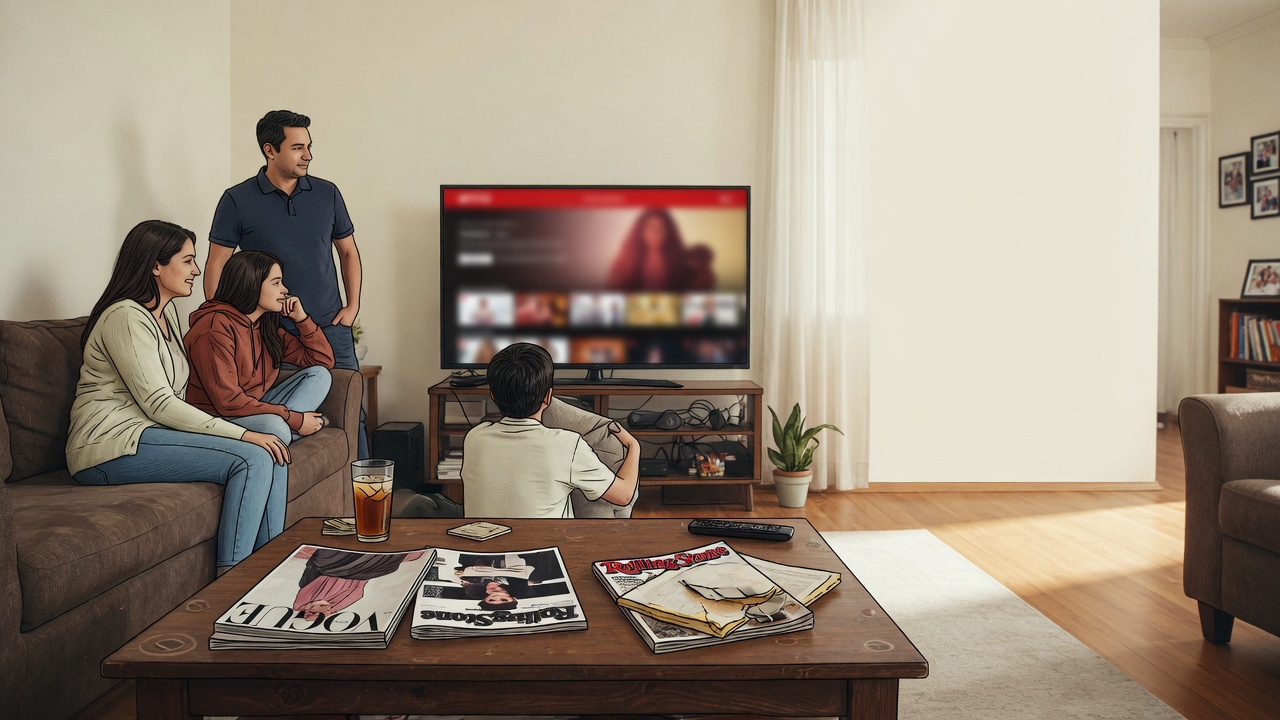
Why it matters: Netflix is betting that curated, brand-safe short video can increase session frequency and time-on-platform without diluting its premium identity, directly challenging the attention economy dominated by TikTok, Instagram Reels, and YouTube Shorts.
Context: Streaming platforms are under pressure to retain subscribers amid rising churn and competition for ad-free attention; short-form video has become the default snackable format for younger demographics, forcing legacy streamers to adapt or lose relevance.
"Netflix to Add Short-Form Videos from Digital Publishers in August 2026 Netflix will make curated short videos from top digital media brands available to members starting August 3, 2026. The videos will." — QUASA.IO
Commentary: By partnering with established media brands rather than individual creators, Netflix avoids moderation headaches and algorithmic unpredictability, but also forfeits the viral, trend-driven energy that makes short video sticky. The six-country launch suggests a cautious A/B test before global rollout, and the absence of personalization details means discovery may initially feel like browsing a magazine rack rather than a feed. If this works, expect Netflix to aggressively expand publisher partnerships and eventually open the door to creator content—but only on its own terms.
Date: July 13, 2026 08:11 PM ET
URL: https://quasa.io/media/netflix-to-add-short-form-videos-from-digital-publishers-in-august-2026
AI Sentiment Score: Negative (66%)
AI Credibility Score: 10.0/10 — High
Scores and text generated by AI analysis of the source article indicated.
Netflix Viewership in 2026: What Works, What Doesn’t and Why Wall Street Is Skeptical (Thewrap)
Summary: Netflix’s first-half 2026 viewership reached 97 billion hours globally, a 2% overall increase, but TV viewing grew 4.5% while movie viewing dropped 3.1%. Despite touting video podcasts and live events, the company excluded all 50+ podcasts from its engagement report, lumping them into an ‘Other Shows’ category. Shares fell over 8% after hours as analysts questioned whether creator-driven content is a genuine engagement driver. Netflix also announced it will stop releasing biannual viewership reports, moving to an annual cadence, a move that may further erode Wall Street confidence.
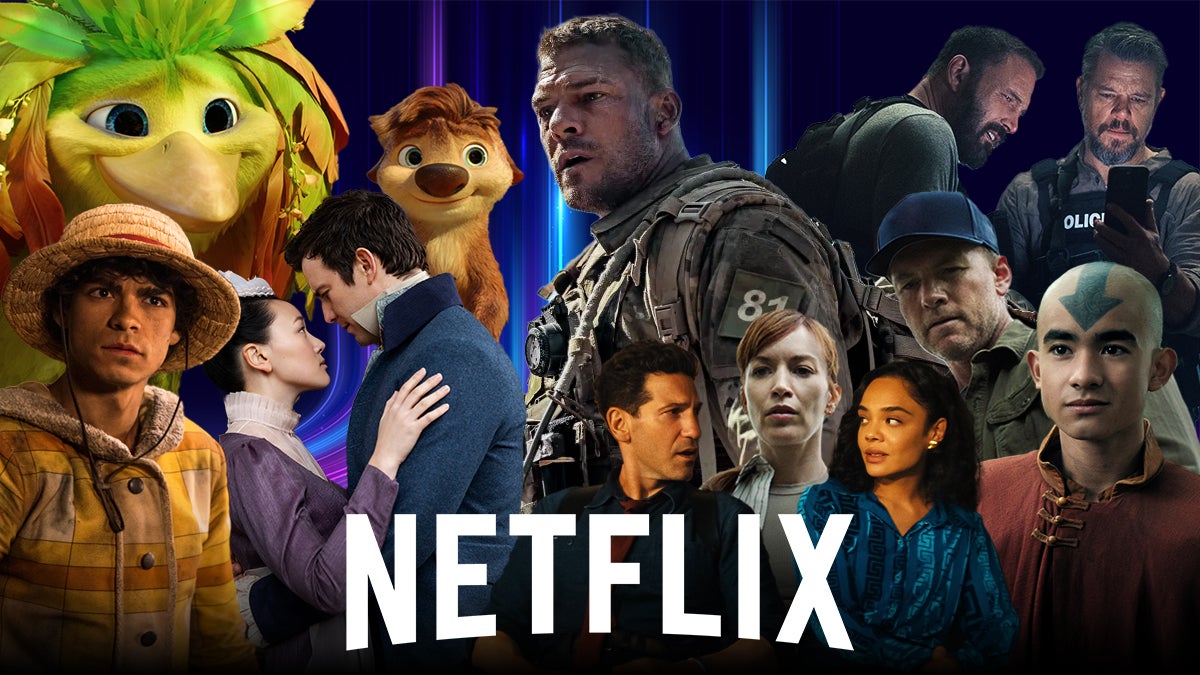
Why it matters: Netflix’s pivot to live events, user-generated content, and video podcasts is being met with skepticism because the company is not transparent about the performance of these new formats, and the data it does release shows no lift in per-member viewing hours.
Context: Netflix has long been the most transparent streamer with its engagement data, but this shift to less frequent reporting and opaque categorization of new content types comes as it faces pressure to suggest that its diversification beyond traditional scripted series is creating real subscription value.
"Netflix’s overall viewership may be up by 2%, but the streamer can’t seem to shake concerns around its engagement metrics. That was one of the main takeaways from both the streamer’s second-quarter." — THEWRAP
Commentary: The decision to bury podcast viewership in an ‘Other Shows’ bucket while simultaneously touting their success on earnings calls is a classic case of managing expectations downward. Wall Street is right to be skeptical: if the data were compelling, Netflix would lead with it. The move to annual reporting only amplifies the signal that the company is trying to obscure a flattening engagement curve behind the headline growth of live events and tentpole finales.
Date: July 17, 2026 09:00 AM ET
URL: https://thewrap.com/media-platforms/tv/netflix-viewership-report-2026-takeaways
AI Sentiment Score: Negative (50%)
AI Credibility Score: 10.0/10 — High
Scores and text generated by AI analysis of the source article indicated.
Post ID: eb555f9c