Made In USA manufacturing and logistics
ArcBest announces layoffs, closing 10 LTL terminals (Freightwaves)
Summary: ArcBest is cutting ~2% of its workforce, closing 10 LTL terminals in small markets, and retiring the MoLo and Panther brands as part of a restructuring expected to yield $40 million in annualized savings. The terminal consolidations require Teamsters approval under the National Master Freight Agreement. The company is also discontinuing the Vaux Freight Movement System to focus on autonomous products. The moves support 2028 targets but are not incremental to existing cost-reduction efforts.

Why it matters: For shippers and brokers, the terminal closures and brand retirements mean fewer service points and a narrower set of options for expedited and brokerage services under the ArcBest umbrella, potentially affecting routing and pricing in small markets.
Context: ArcBest’s LTL unit, ABF Freight, operates ~240 terminals with 9,600 doors; the 10 closures represent roughly 1% of doors. The company had already signaled cost cuts via training and tech tools on its Q1 call.
"ArcBest announced a restructuring Thursday that will reduce its workforce by approximately 2%. It will also consolidate some less-than-truckload terminals, shedding roughly 1% of the doors from its network. The Fort Smith,." — FREIGHTWAVES
Commentary: The Teamsters approval requirement introduces a labor-relations variable that could delay or alter terminal consolidation timelines. Retiring MoLo and Panther brands simplifies the go-to-market but removes distinct identities that some customers may have relied on for specialized brokerage or expedited services. The Vaux pivot away from loading-plan software toward autonomous products signals a strategic bet on automation over near-term operational optimization.
Date: July 16, 2026 05:52 PM ET
URL: https://freightwaves.com/news/arcbest-announces-layoffs-closing-10-ltl-terminals
AI Sentiment Score: Neutral (33%)
AI Credibility Score: 10.0/10 — High
Scores and text generated by AI analysis of the source article indicated.
Supply Chain Trends: RFID, AI Robots & Reverse Logistics (Inboundlogistics)
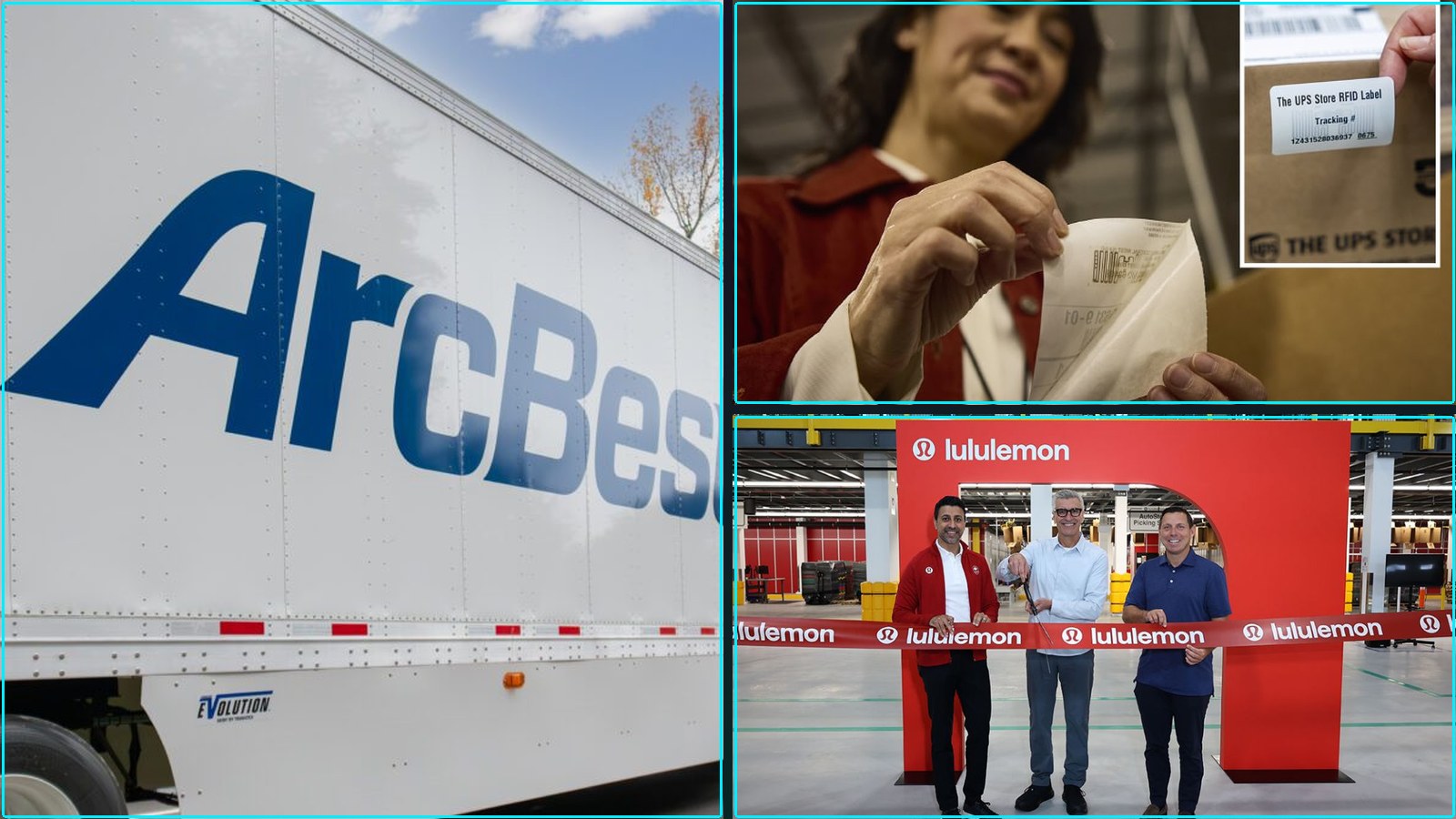
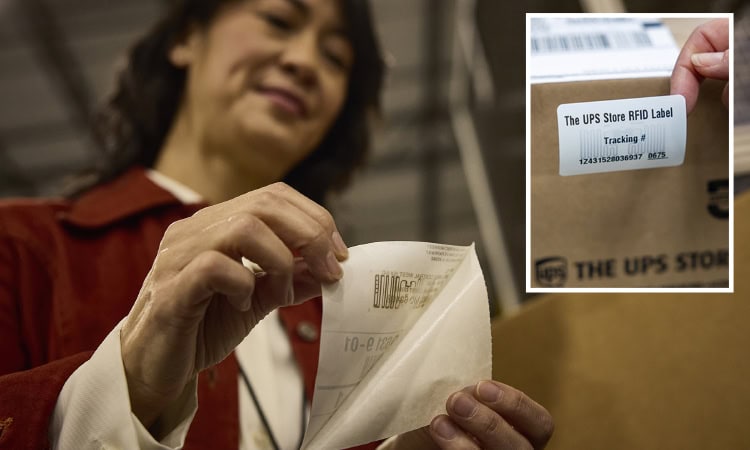
Summary: UPS is rolling out RFID package sensing across its U.S. small package network, replacing manual barcode scanning with automated, continuous visibility from pickup through delivery. A helium supply shock linked to Middle East conflict threatens semiconductor manufacturing, though near-term disruption is contained by inventories and storage infrastructure. Accenture is piloting humanoid robots in warehouses, integrating them with SAP systems for autonomous inspection and reporting. Shippers should prepare for a tighter Q2 2026 freight market, and reverse logistics can be transformed from a cost center into a profit driver through design for recoverability and structured triage.
Why it matters: For logistics and manufacturing practitioners, these trends signal operational shifts in tracking accuracy, input cost risk, labor augmentation, and margin recovery that directly affect workflow planning and cost structures.
Context: The RFID rollout marks a shift from discrete scanning to continuous sensing, while helium supply constraints and warehouse robotics reflect broader pressures on semiconductor supply chains and labor availability.
"Supply Chain Trends: RFID, AI Robots, Reverse Logistics & More RFID Rollout: Embedding Sensing In Supply Chains To phase out manual scanning, UPS is rolling out radio frequency identification (RFID) package sensing." — INBOUNDLOGISTICS
Commentary: UPS’s $100 million RFID investment changes the tracking workflow from manual scans at handoff points to automated sensing, reducing blind spots and enabling predictive logistics. The helium crunch, while buffered by inventories, underscores a fragile input for chipmaking that hyperscaler AI infrastructure spending makes more consequential. Accenture’s humanoid robot pilot moves warehouse automation beyond repetitive tasks into adaptive inspection, potentially reshaping labor roles and safety protocols. Reverse logistics advice to segment by value density rather than volume offers a concrete lever for margin improvement in high-return categories.
Date: July 15, 2026 07:11 AM ET
URL: https://www.inboundlogistics.com/articles/takeaways-shaping-the-future-of-the-global-supply-chain-0526/
AI Sentiment Score: Negative (50%)
AI Credibility Score: 10.0/10 — High
Scores and text generated by AI analysis of the source article indicated.
Maersk, Lululemon Go Big on New Fulfillment Hubs (Wwd)
Summary: Maersk is investing $100 million in a 617,000-square-foot fulfillment hub in Hopedale, Massachusetts, set to open in late August and capable of processing 330,000 units per day for a single large e-commerce customer. Lululemon has opened a 980,000-square-foot automated fulfillment center in Brampton, Ontario, featuring 525 AutoStore robots and 292,000 storage bins, to serve eastern Canada and the eastern U.S. Both moves reflect a broader trend: vacancy in buildings over 500,000 square feet has dropped 300 basis points from its late-2024 peak to 8.1% in Q2 2026, driven by 3PLs, manufacturers, and e-commerce retailers upgrading to taller, higher-power facilities that can support AI and automation.

Why it matters: For logistics operators and supply chain planners, these investments signal a shift toward large-scale, automated regional hubs that compress delivery times and raise the bar for facility specs—clear heights of 36–40 feet and higher power capacity are becoming table stakes.
Context: Maersk’s new hub is its second Massachusetts location but fills a gap in its sparse New England network, while Lululemon’s Brampton facility is the largest AutoStore installation in Canada and brings its total distribution center count to eight, only one of which is owned.
"Maersk is set to open a new fulfillment hub in Massachusetts in late August aimed at expanding the logistics giant’s presence in the Northeastern U.S. The container shipping company is investing $100." — WWD
Commentary: The 300-basis-point vacancy drop in large-format warehouses confirms that operators are consolidating into newer, taller, more automated spaces—and that older stock is being left behind. For 3PLs and retailers, the implication is clear: if your facility can’t handle 36-foot clear heights and the power load for AI-driven sortation, you’re already at a competitive disadvantage. The lease-versus-own dynamic (Lululemon owns only one of eight DCs) also means operators are betting on flexibility over asset control, which could create churn as leases expire and newer buildings command premium rents.
Date: July 15, 2026 08:00 PM ET
URL: https://wwd.com/sourcing-journal/logistics/maersk-100-million-lululemon-fulfillment-center-distribution-warehouse-demand-1239069083
AI Sentiment Score: Negative (71%)
AI Credibility Score: 10.0/10 — High
Scores and text generated by AI analysis of the source article indicated.
Post ID: 0ad4dc6a