

Policy, Legal & Regulatory
The AI industry has already spent $65 million ahead of the midterm elections with no signs of slowing down. (Businessinsider)
Summary: AI and tech heavyweights—Anthropic, Meta, and OpenAI’s Greg Brockman—have poured over $65 million into super PACs and dark-money groups ahead of the midterms, with tens of millions more in reserve. The spending is split between pro-AI forces like Leading the Future and regulation-backing groups like Public First, while Meta targets state-level races. Key primaries in New York, Illinois, and Texas show the money is already shaping outcomes, though the full scale remains obscured by undisclosed donors.
Why it matters: This marks the first full-scale political mobilization by the AI industry, turning regulatory debates into proxy wars that will determine the next Congress and state-level AI policies—directly affecting the pace of model releases, data center siting, and open-weight competition.
Context: The Trump administration has been friendly to AI but recently slowed frontier model releases from Anthropic and OpenAI, while states like New York are enacting data center moratoriums. The industry’s unpopularity is driving both defensive and offensive political spending.
"Some of the biggest names in AI and tech are using the midterm elections to fight a proxy war over the future of their industry. Anthropic, Meta, and OpenAI President Greg Brockman." — BUSINESSINSIDER
Commentary: The real signal is not the $65 million but the strategic split: Leading the Future’s $31 million war chest versus Public First’s $80 million raised, with Anthropic doubling down after Claude Mythos raised hacking concerns. Expect state-level races to become the battleground for data center moratoriums and open-weight model restrictions, where Meta’s $45 million gives it outsized influence. The dark-money component means the true cost and influence could remain opaque until well after the election, if ever.
Date: July 26, 2026 05:27 AM ET
URL: https://businessinsider.com/ai-midterm-elections-spending-super-pacs-greg-brockman-anthropic-2026-7
AI Sentiment Score: Negative (83%)
AI Credibility Score: 10.0/10 — High
Scores and text generated by AI analysis of the source article indicated.
The Future of the Int’l Criminal Court: What Follows After Removal of the Prosecutor (Justsecurity)
Summary: The ICC’s Assembly of States Parties voted 82-13 to remove Prosecutor Karim Khan over sexual misconduct, effective immediately, with no legal avenue for appeal. The removal follows an extensive investigation but exposed governance and procedural weaknesses, amid heightened political pressure from the US and withdrawals by several states. The Court now faces the urgent task of electing a new Prosecutor and reforming internal processes to restore credibility and focus on its core mission.
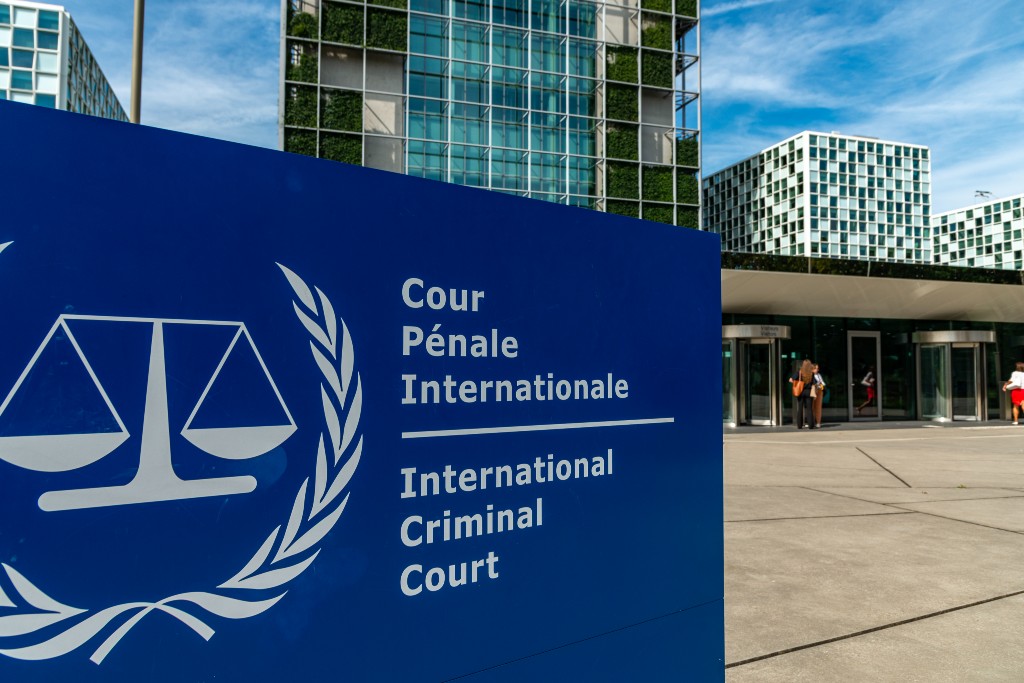
Why it matters: For policy and legal observers, this marks a rare institutional rupture at the ICC, testing the Rome Statute’s accountability mechanisms and the Court’s resilience against external political attacks, with direct implications for the future of international justice and state cooperation.
Context: The removal comes as the ICC faces unprecedented challenges: US sanctions and a dismantlement campaign, four state withdrawals, and ongoing arrest warrants against senior Russian and Israeli officials. The episode also follows a 2023 expert review that flagged bullying and sexual harassment within the Office of the Prosecutor.
"The vote by the Assembly of States Parties to remove the Prosecutor was not a political proxy vote on any Situation before the ICC, an assessment on prosecutorial strategy, or a broad institutional referendum. It was a statutory vote based on the Rome Statute." — JUSTSECURITY
Commentary: The decisive vote may settle Khan’s fate, but the improvised procedures and poor communication during the process have already damaged the Court’s institutional credibility, giving ammunition to both his supporters and external detractors. The next Prosecutor will inherit a fractured Court, a hostile US administration, and a shrinking state base—yet the real test is whether states will back the new leadership with funding and cooperation, not just rhetoric. The Court’s survival depends on converting this crisis into procedural reform and a demonstrably clean leadership transition, otherwise the narrative of political weaponization will harden into a permanent stain.
Date: July 25, 2026 08:51 AM ET
URL: https://www.justsecurity.org/149478/future-international-criminal-court/
AI Sentiment Score: Negative (83%)
AI Credibility Score: 10.0/10 — High
Scores and text generated by AI analysis of the source article indicated.
Other Barks & Bites for Friday, July 24: FRONTIER Act Introduced in House; Google Hit With €890 Million Fine for DMA Violations; and PTAB Revises SOP 1 on APJ Panel Assignments (Ipwatchdog)
Summary: The EU Commission fined Google €890 million under the Digital Markets Act for self-preferencing and steering violations, marking a significant enforcement action. The Federal Circuit partially reversed a Section 101 ruling, reviving a digital picture frame patent claim against Amazon. The FRONTIER Act was introduced in the House to create a federal AI regulatory framework. The UPC upheld an injunction against Disney for HEVC patent infringement, and Sony filed a second copyright suit against Udio over 30,000 recordings.

Why it matters: The Google fine signals the EU’s willingness to impose substantial penalties for DMA non-compliance, setting a precedent for platform regulation. The FRONTIER Act could reshape AI governance in the U.S., affecting developers and investors.
Context: The DMA has been under scrutiny for its enforcement mechanisms; this fine is among the largest yet. The FRONTIER Act follows a wave of state-level AI regulations and federal proposals, aiming to preempt a patchwork of rules.
"The EU Commission ruled that these activities breached Google’s obligations under the EU’s Digital Markets Act (DMA) and further ordered that Google treat third-party services in a non-discriminatory manner on Google Search and allow app developers to conclude contracts with users outside of the Google Play store." — IPWATCHDOG
Commentary: The €890 million fine is a shot across the bow for Big Tech, but the real teeth are the behavioral remedies—non-discrimination and off-store contracting—which could erode Google’s ecosystem moat. The FRONTIER Act’s revenue thresholds ($50M/$1B and $5B/$10B) will capture most major AI labs, but its 10^26 FLOPs definition may already be outdated. The Federal Circuit’s partial reversal in Ceiva v. Amazon suggests a more patent-friendly §101 posture, though the affirmed claims show the abstract-idea line still holds. Sony’s 30,000-recording suit against Udio, combined with the Anthropic settlement, underscores the escalating cost of training data disputes.
Date: July 24, 2026 12:15 PM ET
URL: https://ipwatchdog.com/2026/07/24/bites-barks-google-hit-with-e890-million-fine-for-dma-violations-and-ptab-revises-sop-1-on-apj-panel-assignments/
AI Sentiment Score: Neutral (33%)
AI Credibility Score: 10.0/10 — High
Scores and text generated by AI analysis of the source article indicated.
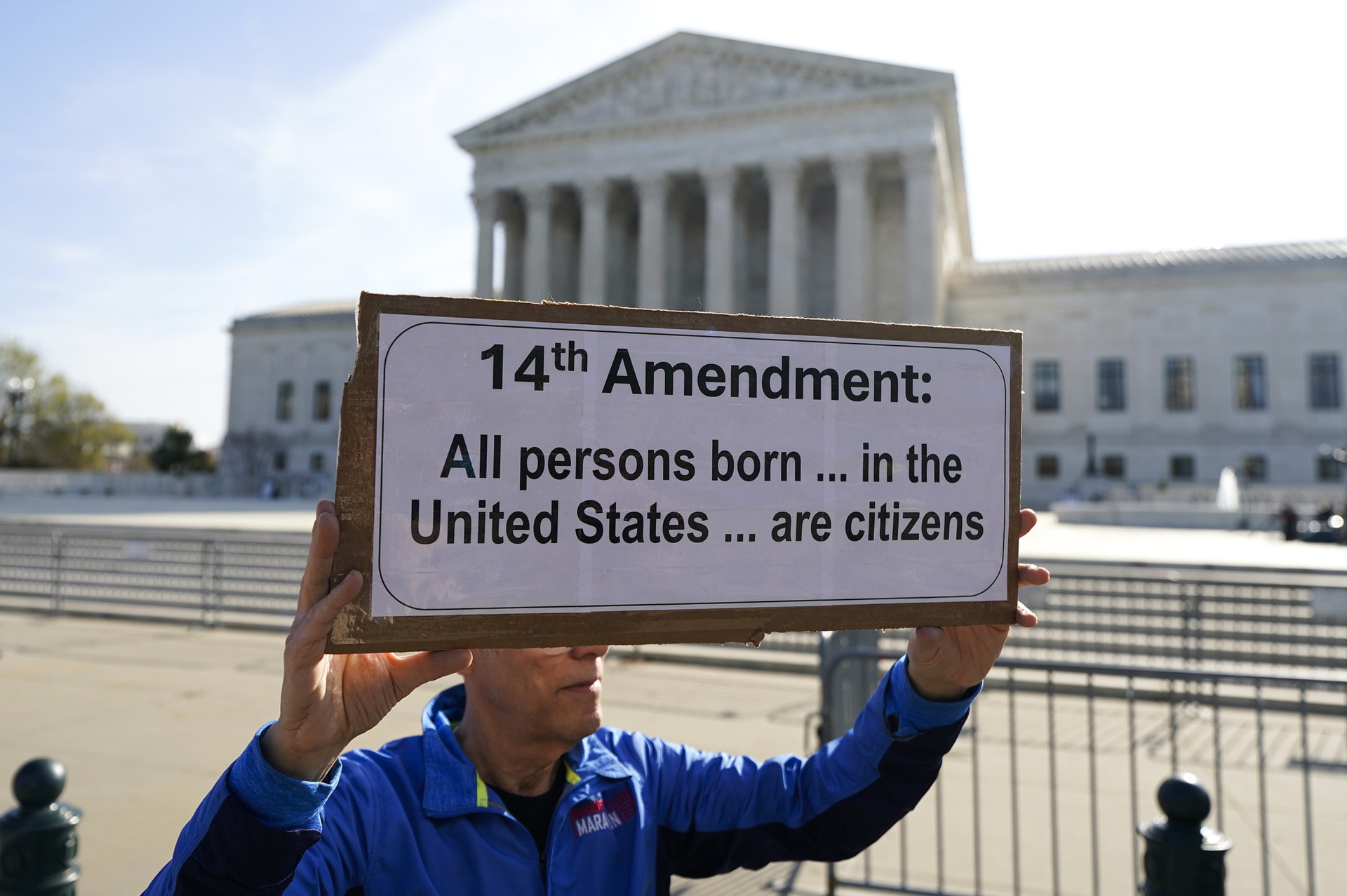
Counting the Votes in the Supreme Court’s Birthright Citizenship Decision (Justsecurity)
Summary: On the first day of his second term, President Trump issued Executive Order No. 14160, which directed federal officials not to treat two categories of U.S.-born persons as United States citizens if their fathers weren’t citizens or lawful permanent residents: (i) those whose mothers were “unlawfully present in the United States … at the time of said person’s birth” and (ii) those whose mothers were in the U.S. on a “lawful but temporary” basis when they gave birth.
Why it matters: This matters for Policy, Legal & Regulatory because it gives a concrete current signal to track: On the first day of his second term, President Trump issued Executive Order No.
Context: On the first day of his second term, President Trump issued Executive Order No. 14160, which directed federal officials not to treat two categories of U.S.-born persons as United States citizens if their fathers weren’t citizens or lawful permanent residents: (i) those whose mothers were “unlawfully present in the United States … at the time of said person’s birth” and (ii) those whose mothers were in the U.S. on a “lawful but temporary” basis when they gave birth.
"On the first day of his second term, President Trump issued Executive Order No. 14160, which directed federal officials not to treat two categories of U.S.-born persons as United States citizens if." — JUSTSECURITY
Commentary: The real consequence will depend on whether this changes enforcement, liability, or the operating room for major platforms and institutions.
Date: July 24, 2026 10:30 AM ET
URL: https://www.justsecurity.org/148991/counting-votes-supreme-court-birthright-citizenship-decision/
AI Sentiment Score: Neutral (50%)
AI Credibility Score: 10.0/10 — High
Scores and text generated by AI analysis of the source article indicated.
Post ID: 246472f8