

Fashion
As global sourcing gets harder, LA’s apparel infrastructure gets more valuable (Glossy.Co)
Summary: New Section 301 tariffs and shipping disruptions through the Strait of Hormuz are making overseas sourcing less predictable, pushing emerging brands to reconsider Los Angeles’s concentrated apparel manufacturing ecosystem. While most of these brands were already producing locally, the cost premium for domestic production is now easier to justify, and the speed and flexibility of L.A.’s cluster—pattern makers, sewers, dye houses, wash houses—are becoming strategic advantages. Brands like Rat Boi and Campbell & Kramer are using local production to restock in weeks instead of months, reduce inventory risk, and develop products in parallel rather than sequentially. However, the economics still favor overseas for proven, high-volume items, and L.A. production can cost 30-50% more per garment.

Why it matters: For brands and production teams, the calculus of domestic vs. offshore manufacturing is shifting: L.A.’s infrastructure now offers a viable hedge against tariff and freight volatility, but only for speed-to-market and low-volume runs, not for scale.
Context: Los Angeles accounts for roughly 23% of U.S. apparel-manufacturing employment, with about 17,000 workers in the metro area. The ecosystem survived decades of offshoring, but immigration raids in June 2025 disrupted production, highlighting its fragility.
"“We can meet demand instead of watching it pass, and we don’t have to guess a season out, overproduce and sit on dead inventory hoping it sells,” Coughlin said." — GLOSSY.CO
Commentary: The real story is not reshoring but risk arbitrage: L.A. production is becoming a buffer against supply-chain shocks, not a cost play. Brands that can afford the 30-50% premium are buying optionality—shorter lead times, lower minimums, and the ability to course-correct before committing to large orders. The challenge is that this advantage is concentrated in a fragile cluster; any disruption to L.A.’s labor pool or specialist shops could quickly erode the value proposition. Expect more brands to adopt a hybrid model: local for testing and speed, overseas for proven volume.
Date: August 14, 2026 12:00 AM ET
URL: https://www.glossy.co/fashion/as-tariffs-and-freight-risks-rise-emerging-brands-look-to-la-to-untangle-supply-chainsemerging-fashion-brands-la-manufacturing-supply-chain/
AI Sentiment Score: Negative (63%)
AI Credibility Score: 10.0/10 — High
Scores and text generated by AI analysis of the source article indicated.
Luxury Briefing: Frasers acquired Harvey Nichols for $54 million. Fixing it could cost $270 million (Glossy.Co)
Summary: Frasers Group acquired Harvey Nichols for $54 million via a pre-pack administration, but retail consultants estimate a full turnaround could require $270 million in investment. The deal includes six U.K. stores, e-commerce, inventory, and over 1,000 employees, with CEO Michael Murray warning of ‘tough choices’ and a potentially smaller business. Analysts flag weak regional locations, supplier distrust following Frasers’ Matches failure, and intense competition from Harrods and Selfridges as core challenges. The acquisition is part of Frasers’ broader push upmarket, alongside stakes in Hugo Boss and Burberry.
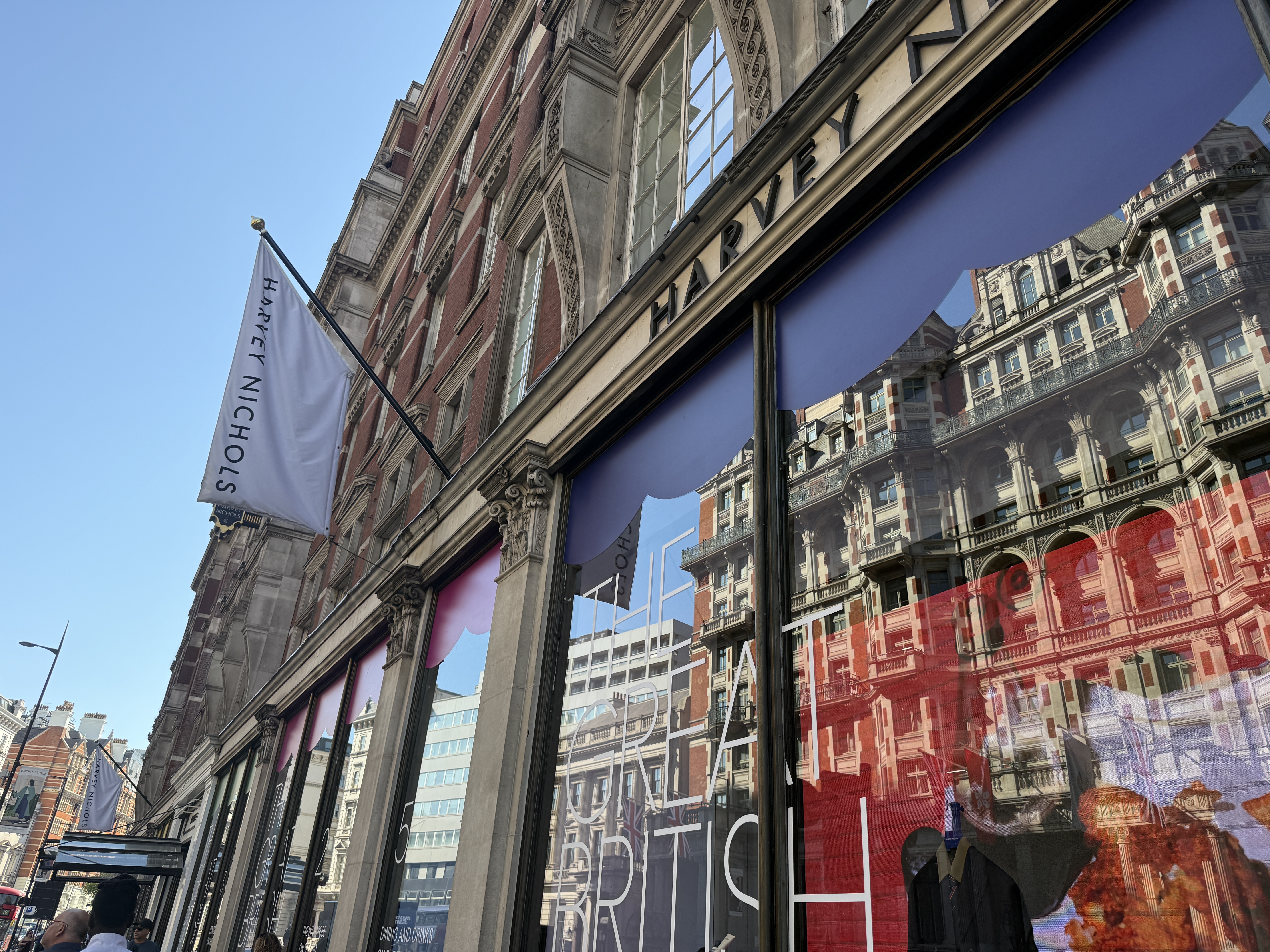
Why it matters: For luxury brands and suppliers, the Harvey Nichols acquisition signals a shift in U.K. luxury retail ownership and raises immediate questions about payment terms, assortment changes, and the viability of regional store networks.
Context: Frasers’ history with Matches, which entered administration months after acquisition, has made luxury suppliers wary of new ownership terms.
"“If [Frasers] decides to try and renegotiate too much, or try and drive a ridiculously hard bargain, as they have sometimes done elsewhere with certain brands, that’s not going to go down well with some of these luxury providers,” he said." — GLOSSY.CO
Commentary: The real test for Frasers is not capital but supplier confidence. Brands that were burned by Matches will likely demand cash-on-delivery or reduced exposure, which could stall inventory flow and undermine the turnaround. The regional store closures, particularly Birmingham, are a likely first move, but they won’t solve the discovery problem that has pushed shoppers to Dover Street Market. Watch for Frasers to leverage its logistics infrastructure and possibly convert some locations to Flannels formats, but the brand’s luxury credibility hinges on retaining both established houses and emerging designers.
Date: August 14, 2026 12:00 AM ET
URL: https://www.glossy.co/fashion/luxury/luxury-briefing-frasers-harvey-nichols-acquisition-turnaround/
AI Sentiment Score: Negative (50%)
AI Credibility Score: 10.0/10 — High
Scores and text generated by AI analysis of the source article indicated.
Post ID: 6495fe22