Ancient Discoveries and Artifacts
Archaeologists Say 3,200-Year-Old Inscription May Point to ‘Lost’ Ancient Egyptian City (Gizmodo)
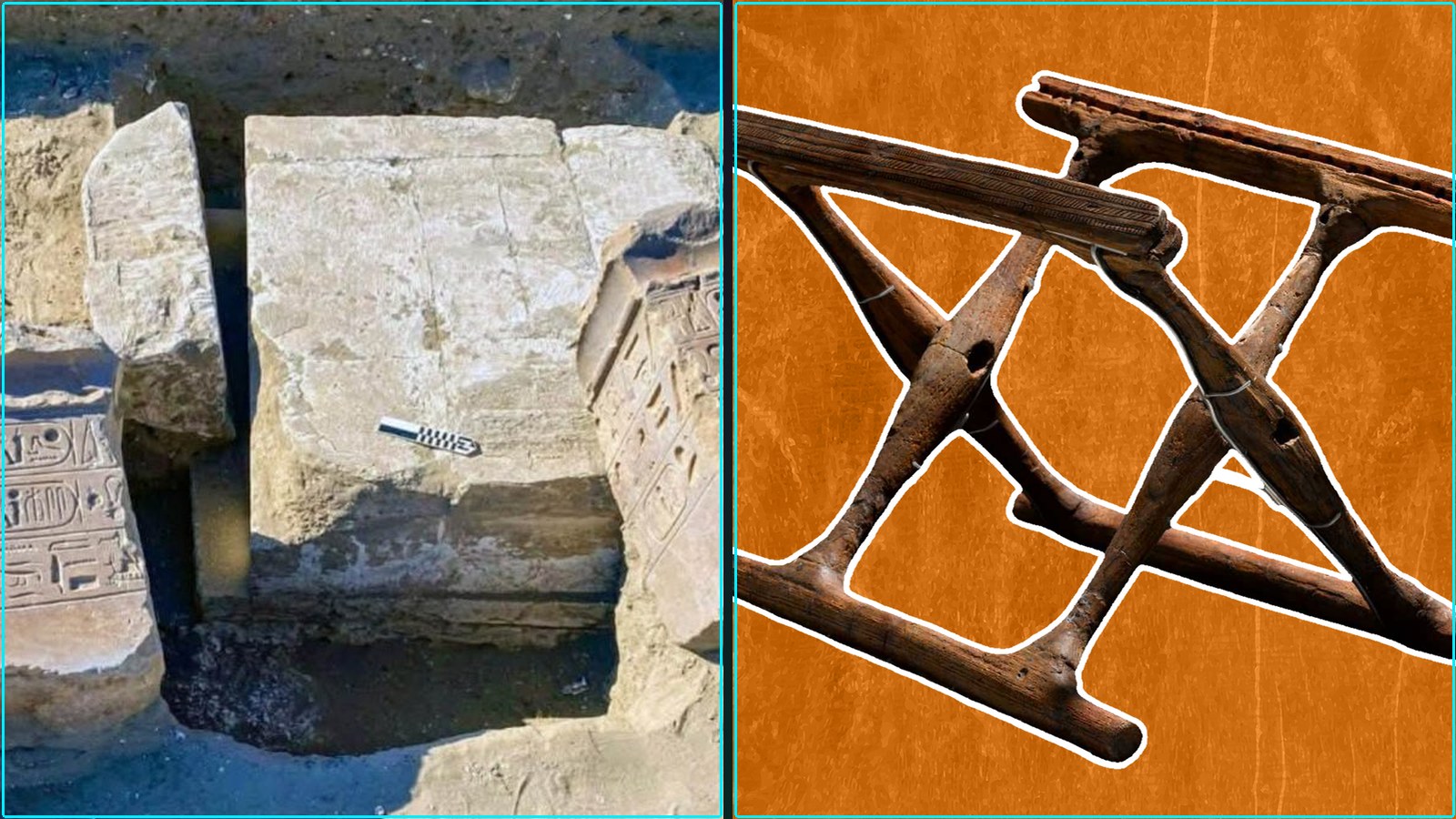
Summary: The Egyptian Ministry of Tourism and Antiquities reported the discovery of a roughly 3,200-year-old stone inscription referring to Horus as the guardian of the City of Mesen, along with archaeological remains that appear to be part of a temple to the god. The findings indicate that the ‘lost’ city corresponds to modern-day Tell Abu Seifi in northern Egypt, but the team needs more research to be absolutely certain, according to research lead Hesham Hussein. The site, part of the Way of Horus route, contained remains of two stone roads, storage rooms, service rooms, and artifacts with administrative and military significance, including a sandstone inscription mentioning Ramesses II. Experts uninvolved in the work expressed caution, with one suggesting ceramic goods might help support the hypothesis.
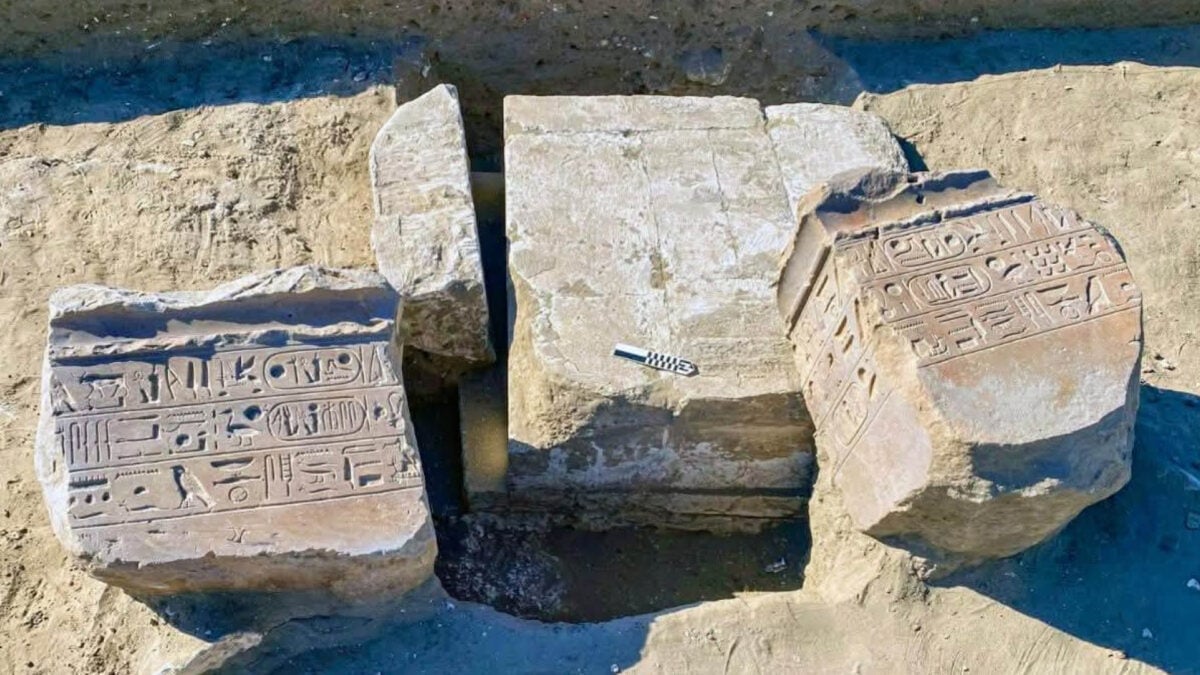
Why it matters: The findings confirm that Tell Abu Seifi represents one of the main sites along the Way of Horus, revealing a succession of military, religious, and economic functions at the site, reflecting its strategic importance and its role in protecting the eastern borders of Egypt, as well as its religious status during the Pharaonic, Ptolemaic, and Roman eras.
Date: September 08, 2026 11:40 AM ET
URL: https://gizmodo.com/archaeologists-say-3200-year-old-inscription-may-point-to-lost-ancient-egyptian-city-2000808581
Generated Analysis Tone: Neutral (50%)
Source Registry Score: 10.0/10 — High
Generated text and tone describe the analysis; the source registry score is not a factual truth rating.
Guldhøj folding chair: The only completely preserved chair from Bronze Age Europe (Livescience)
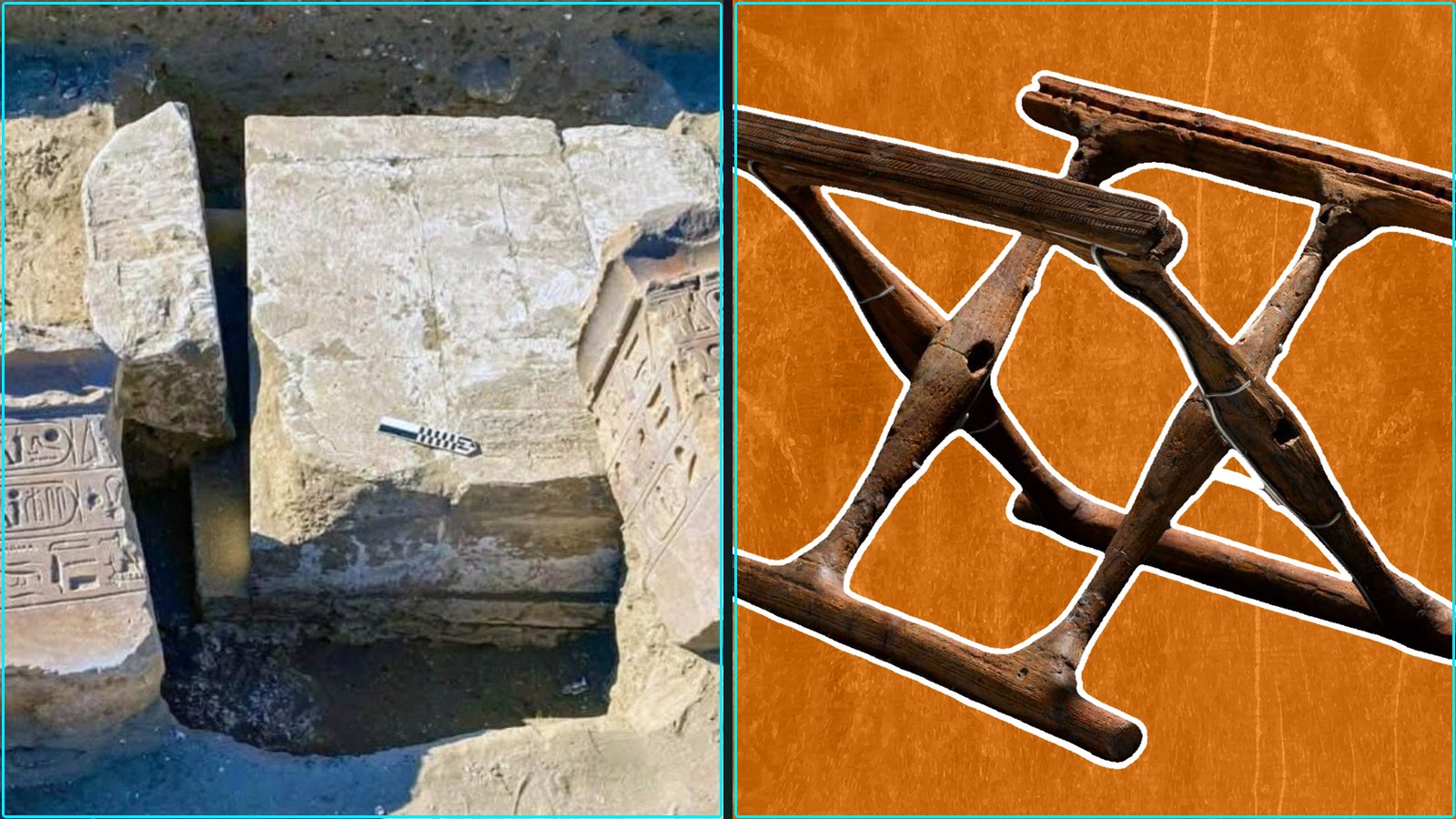
Summary: The Guldhøj folding chair, excavated in 1891 from a burial mound in southern Jutland, Denmark, is the only completely preserved wooden chair from Bronze Age Europe, dating to circa 1400 B.C. Found in a chieftain’s grave, the ash-wood frame with an otter-skin seat was likely a status symbol, similar to folding chairs known from ancient Egypt and Greece. Researchers led by Kirsten Prangsgaard in a 1999 study determined the chair’s construction and noted that such chairs appear to belong to Early Bronze Age warrior graves. The chair’s similarity to Mediterranean examples indicates Bronze Age people were exchanging ideas through trade and gift giving, showing a clear artistic connection between Nordic and Mediterranean groups.
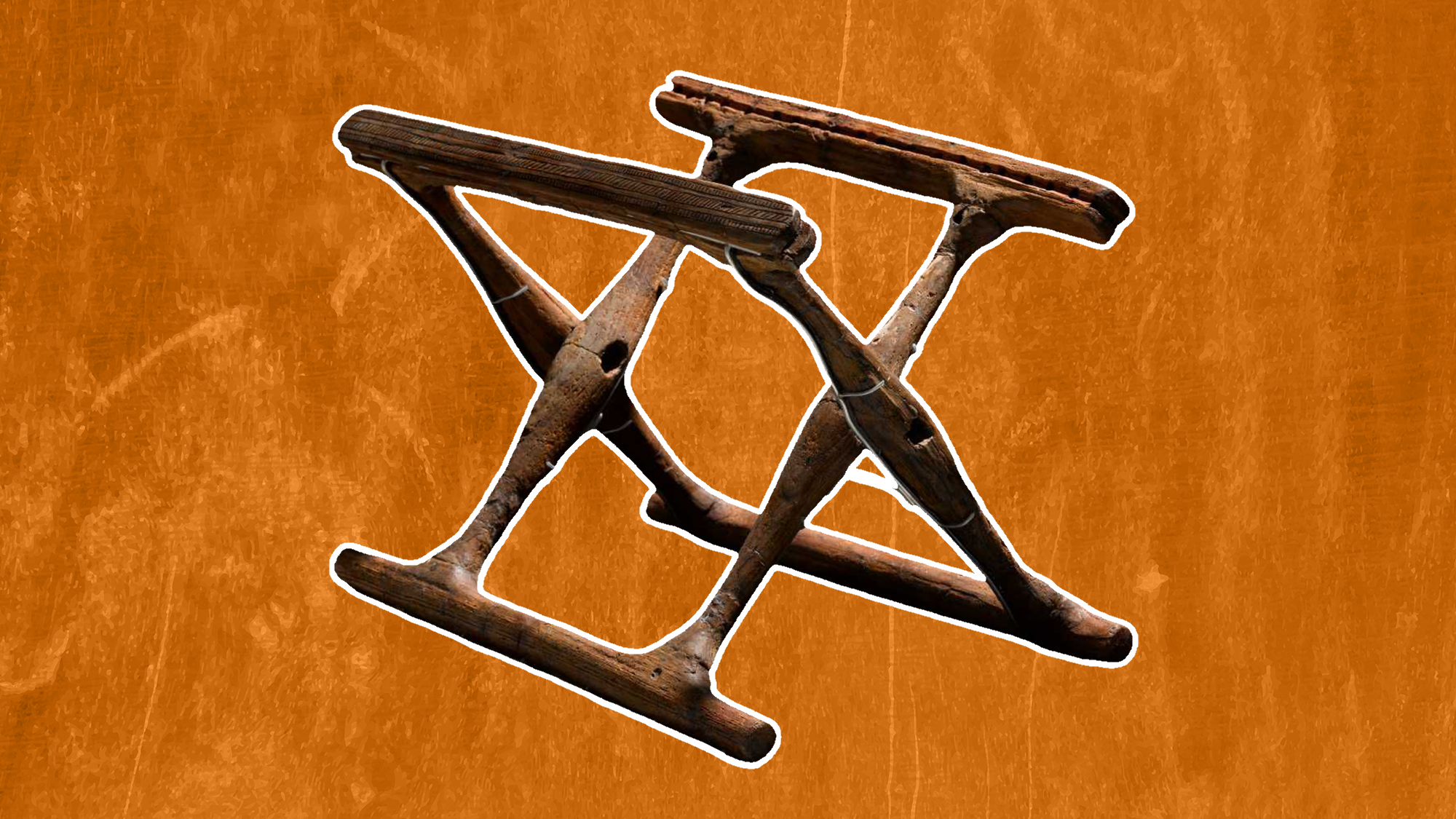
Why it matters: The chair’s preservation and its stylistic connection to Mediterranean examples provide direct evidence that Bronze Age Nordic and Mediterranean groups shared artistic ideas, demonstrating long-distance cultural exchange during the period.
"The similarity of the Guldhøj chair, which was made in Denmark, to chairs found in far-flung civilizations means that Bronze Age people were exchanging ideas through trade and gift giving, the researchers wrote. The chairs show a clear artistic connection between Bronze Age Nordic and Mediterranean groups." — LIVESCIENCE
Commentary: The Guldhøj chair is not merely a unique artifact; it is a material link in a documented network of Bronze Age exchange. The researchers’ explicit conclusion that the chair shows a clear artistic connection between Nordic and Mediterranean groups grounds the artifact in a specific, evidence-based narrative of cross-regional interaction, rather than speculative diffusionism. The fact that it is the only completely preserved example underscores the fragility of the archaeological record for organic materials, making this find a rare anchor for understanding prestige goods in Early Bronze Age warrior graves.
Date: September 07, 2026 06:00 AM ET
URL: https://www.livescience.com/archaeology/guldhoj-folding-chair-the-only-completely-preserved-chair-from-bronze-age-europe
Generated Analysis Tone: Negative (50%)
Source Registry Score: 10.0/10 — High
Generated text and tone describe the analysis; the source registry score is not a factual truth rating.
Post ID: 908deb5e