NASA Programs, Contracts, and Science Data
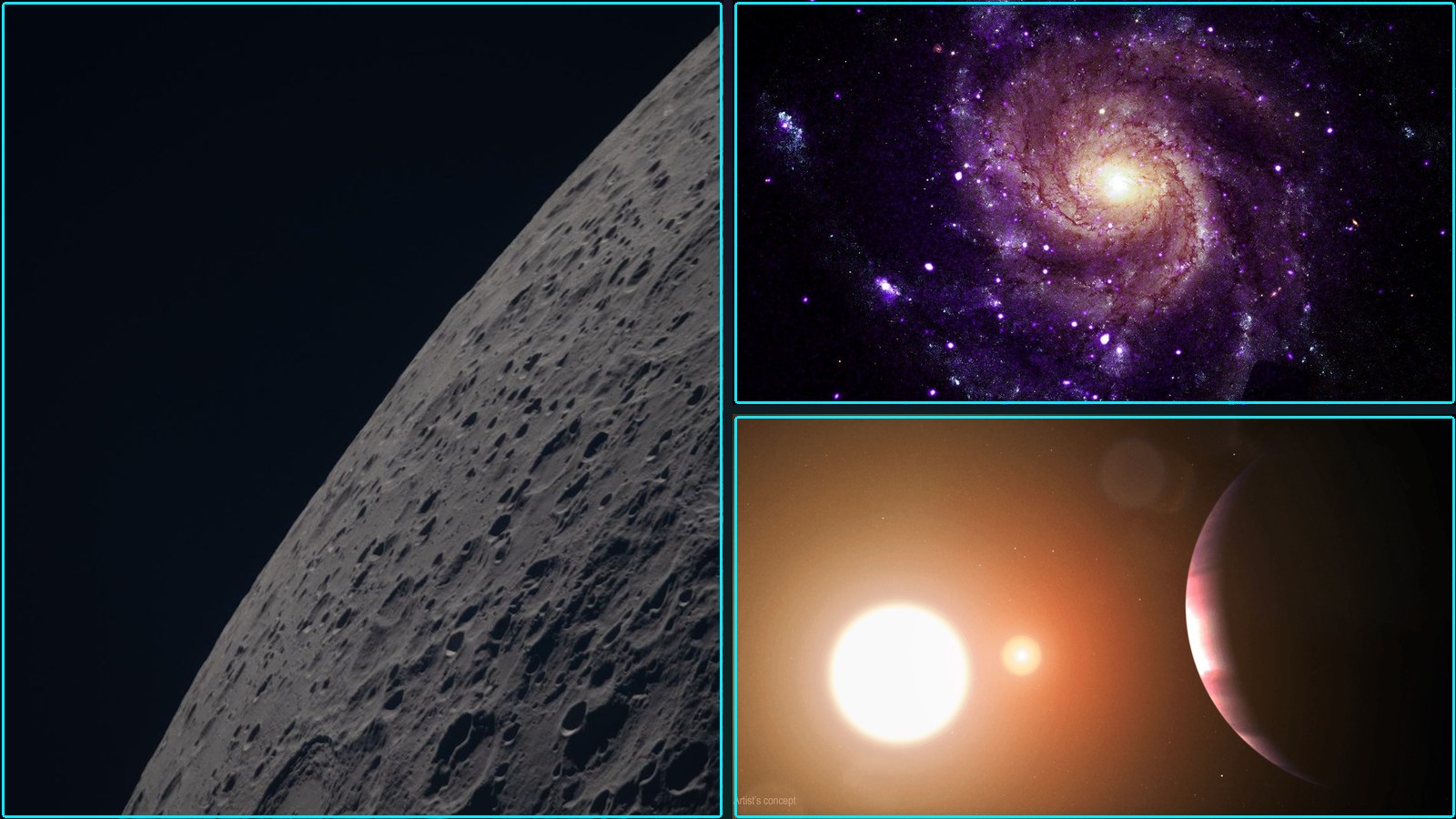
NASA Boosts Open Science, Data Sharing with Artemis Accords (Nasa.Gov)
Summary: NASA concluded a two-part virtual workshop series on Sept. 8, focused on the Artemis Accords’ tenet of timely scientific data release. The sessions, following an ISRO-led discussion in May, covered open science principles and tools, with NASA presenting its Planetary Data System as a working model. All 71 signatory countries are committed to sharing lunar data and discoveries from the Artemis program.

Why it matters: The workshops give Artemis Accords signatories practical tools and a shared foundation to build on as they move forward together, advancing the timely release of scientific data to the public and international scientific community.
Context: The Artemis Accords were established in 2020 by NASA, the State Department, and seven other founding nations in response to growing interest in lunar activities by governments and private companies.
"Open science requires a shift to a more transparent and collaborative scientific process, which will increase the pace and quality of scientific progress. Scientific processes and results should be as open and repeatable as possible to encourage further study." — NASA.GOV
Date: September 11, 2026 10:56 AM ET
URL: https://www.nasa.gov/organizations/oiir/artemis-accords/nasa-boosts-open-science-data-sharing-with-artemis-accords/
Generated Analysis Tone: Negative (50%)
Source Registry Score: 10.0/10 — High
Generated text and tone describe the analysis; the source registry score is not a factual truth rating.
Exoplanet Technologies at NASA Ames (Nasa.Gov)
Summary: NASA Ames’s Exoplanet Technologies Group leads the hardware working group for the Roman Coronagraph Participation Program, enabling international teams to develop capabilities beyond the instrument’s baseline modes. The group also operates state-of-the-art test beds and vacuum chambers to validate instruments and wavefront-control techniques before space deployment. It combines theoretical research and observations to support missions including Kepler, TESS, Hubble, and Webb, and develops small mission concepts such as ACESat to mature technologies for cost-effective exoplanet science.
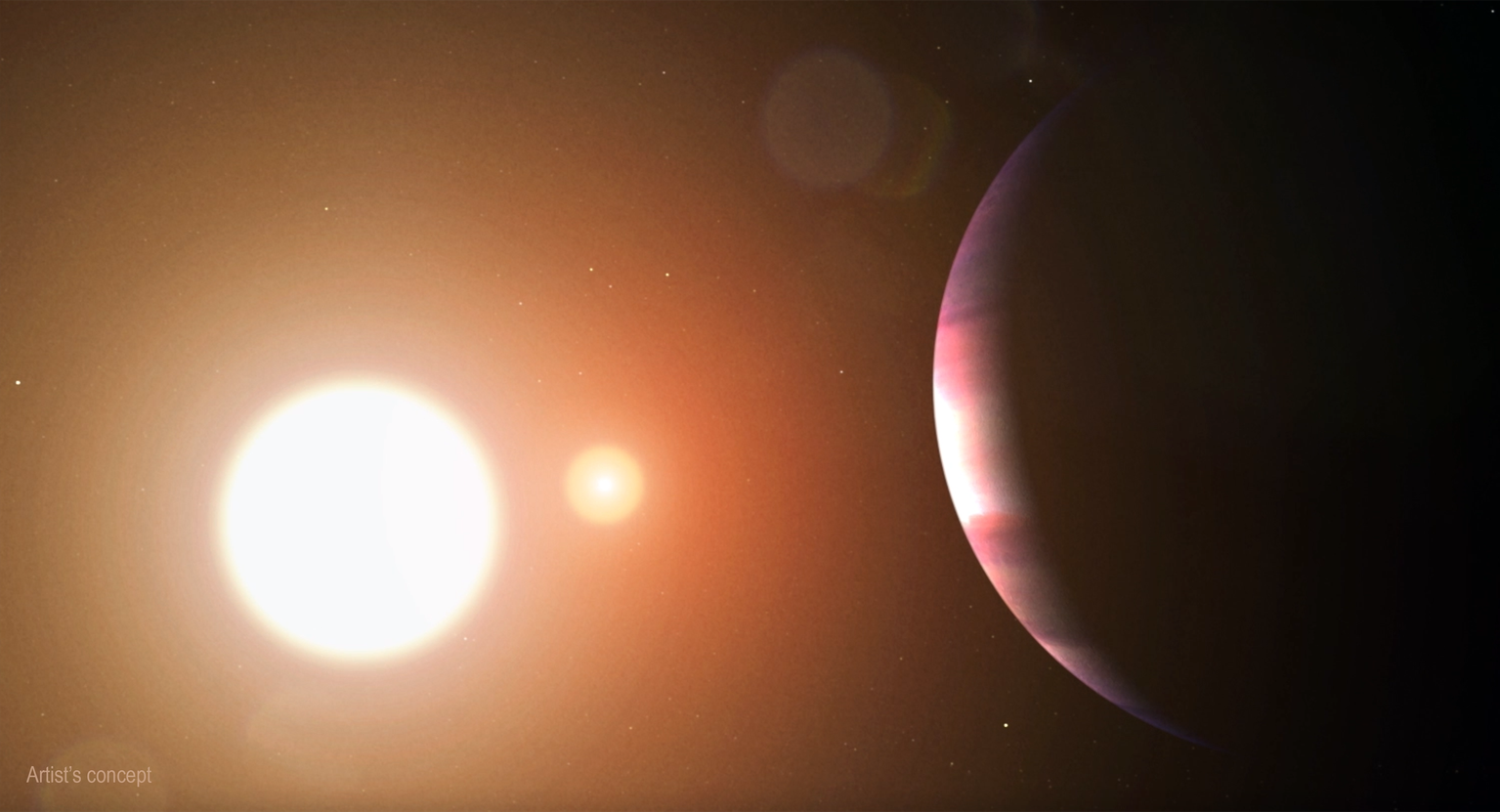
Why it matters: This work directly supports the Roman Space Telescope’s coronagraph capabilities and provides a pathway for cost-effective, focused missions to address high-priority exoplanet science goals.
Date: September 10, 2026 06:42 PM ET
URL: https://www.nasa.gov/ames/astrophysics-at-ames/exoplanet-tech/
Generated Analysis Tone: Positive (50%)
Source Registry Score: 10.0/10 — High
Generated text and tone describe the analysis; the source registry score is not a factual truth rating.
NASA’s Chandra Unveils Mysterious X-Ray Objects (Science.Nasa.Gov)
Summary: Using NASA’s Chandra X-ray Observatory, scientists have discovered a new class of objects in other galaxies that give off unusually low-energy X-rays but intense ultraviolet radiation. The team found 84 of these ‘hypersoft X-ray sources’ across six galaxies, including M31 and M101, by searching publicly available Chandra archive data. The objects may help solve two long-standing astrophysical mysteries: identifying the progenitors of Type Ia supernovae and explaining what strips electrons from gas between stars in some galaxies. The discovery is published in Nature Astronomy.
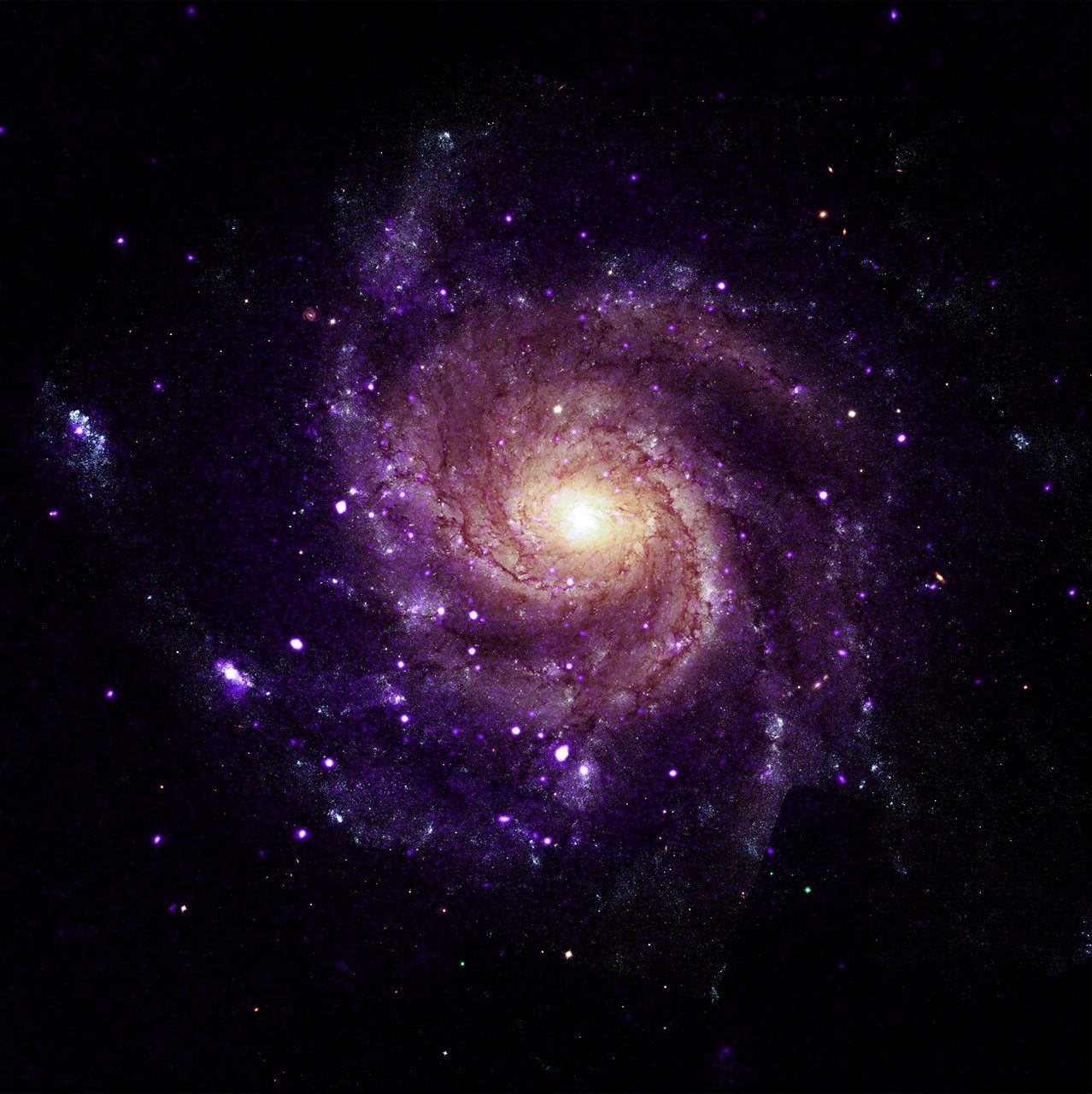
Why it matters: These objects could solve two cosmic mysteries at once, including identifying the stars that turn into Type Ia supernovae, which are critical for measuring the expansion of the universe.
Context: Such binary systems have been seen before, but not with such bright ultraviolet radiation and low-energy X-rays.
"“These clandestine X-ray sources are actually among the most energetic objects in galaxies, and they could be solving two cosmic mysteries at once,” said Muhibullah." — SCIENCE.NASA.GOV
Date: September 09, 2026 02:11 PM ET
URL: https://science.nasa.gov/missions/chandra/nasas-chandra-unveils-mysterious-x-ray-objects/
Generated Analysis Tone: Neutral (50%)
Source Registry Score: 10.0/10 — High
Generated text and tone describe the analysis; the source registry score is not a factual truth rating.
Post ID: 07034df8