Scientists Signals
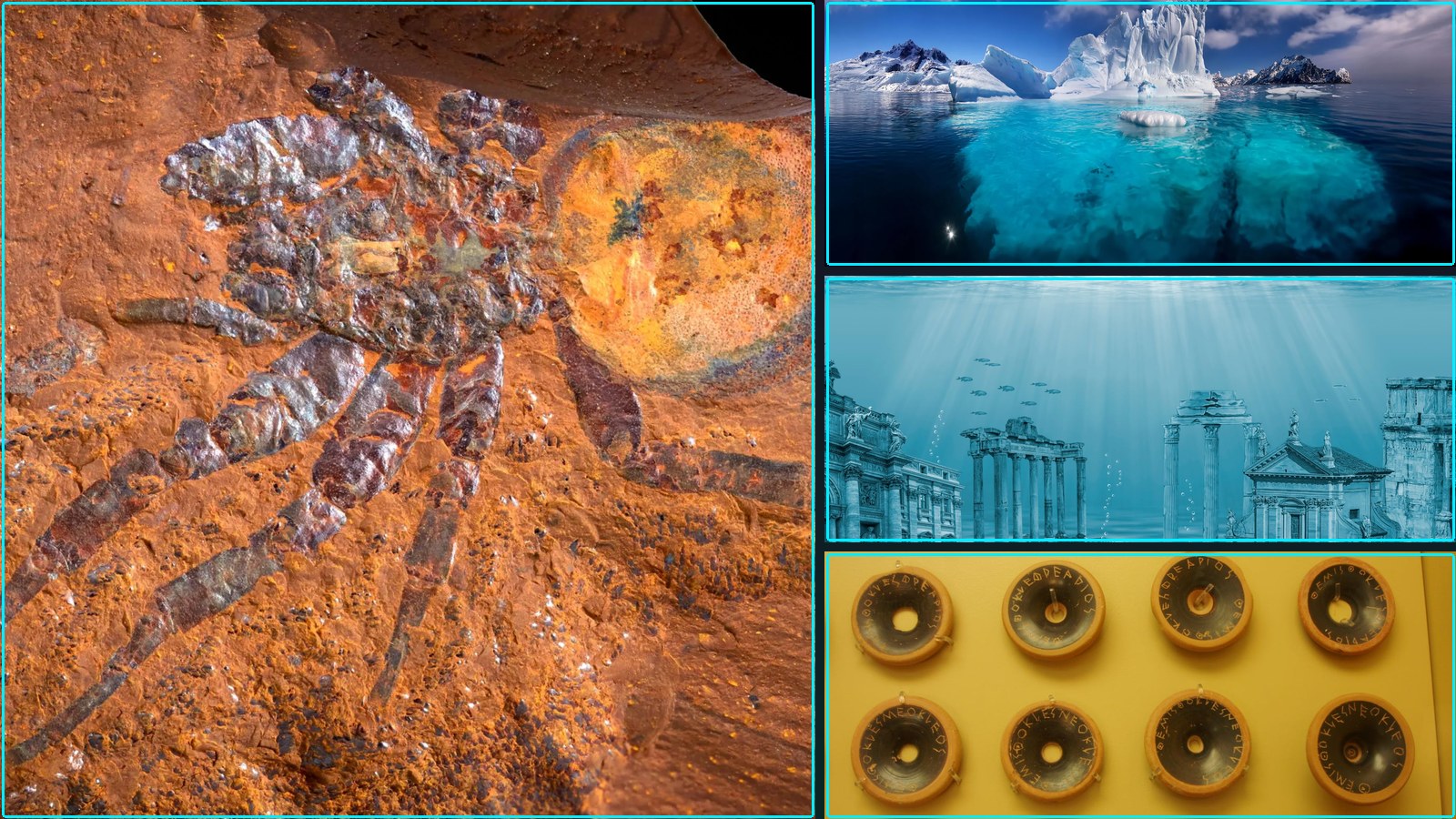
Scientists find perfect fossils in rust beneath Australian farmland (Sciencedaily)
Summary: Scientists find perfect fossils in rust beneath Australian farmland A buried iron-rich site in Australia is rewriting the rules of fossil preservationâand revealing a lost rainforest in stunning detail. – Date: – April 24, 2026 – Source: – The Conversation – Summary: – Beneath the dry farmland of New South Wales lies a hidden window into a lost rainforest teeming with life from 11-16 million years ago. At McGraths Flat, scientists have uncovered fossils preserved in astonishing detailânot in typical rock like shale or sandstone, but in iron-rich sediment once thought incapable of such preservation.
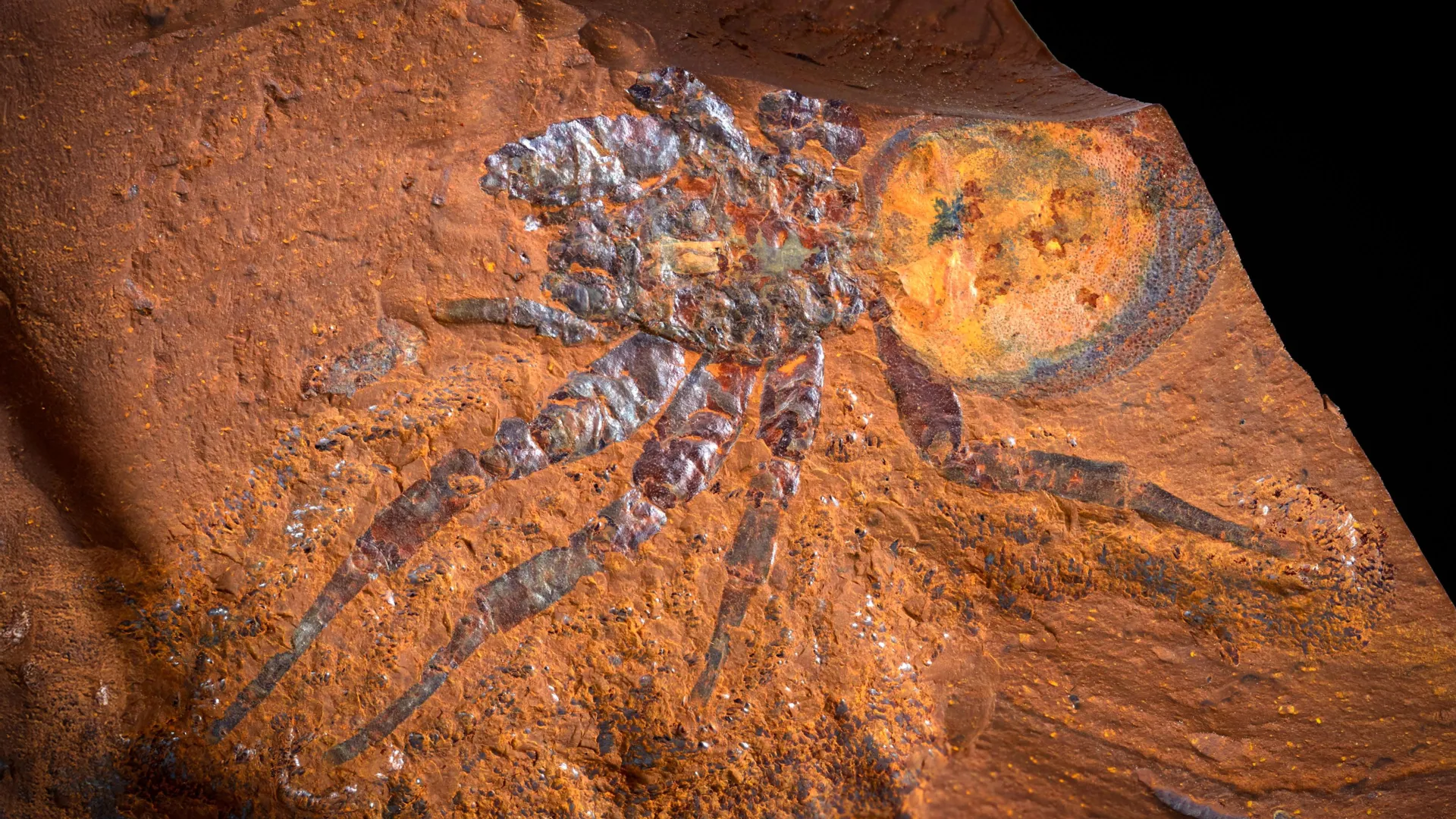
Why it matters: This matters for Ancient World because it gives a concrete current signal to track: Scientists find perfect fossils in rust beneath Australian farmland A buried iron-rich site in Australia is rewriting the rules of fossil preservationâand revealing a lost rainforest in stunning detail.
Context: Scientists find perfect fossils in rust beneath Australian farmland A buried iron-rich site in Australia is rewriting the rules of fossil preservationâand revealing a lost rainforest in stunning detail. – Date: – April 24, 2026 – Source: – The Conversation – Summary: – Beneath the dry farmland of New South Wales lies a hidden window into a lost rainforest teeming with life from 11-16 million years ago. At McGraths Flat, scientists have uncovered fossils preserved in astonishing detailânot in typical rock like shale or sandstone, but in iron-rich sediment once thought incapable of such preservation.
Commentary: The immediate implication is operational rather than speculative: watch how this changes budgets, workflows, or risk assumptions over the next cycle.
Date: Thu, 23 Apr 2026 03:15:36 EDT
URL: https://www.sciencedaily.com/releases/2026/04/260423031536.htm
AI Sentiment Score: Negative (66%)
AI Credibility Score: 10.0/10 — High
Scores and text generated by AI analysis of the source article indicated.
Scientists just uncovered a 3 million-year climate mystery in Antarctic ice (Sciencedaily)
Summary: Scientists just uncovered a 3 million-year climate mystery in Antarctic ice – Date: – April 24, 2026 – Source: – Oregon State University – Summary: – Ancient Antarctic ice is revealing a surprising new chapter in Earth’s climate story, stretching back 3 million years. By analyzing tiny pockets of trapped air and rare gases, scientists have discovered that while the planet cooled significantlyâespecially in the oceansâlevels of key greenhouse gases like carbon dioxide and methane changed only modestly. This unexpected mismatch suggests other powerful forces, such as shifting ice sheets, ocean circulation, and Earth’s reflectivity, played major roles in driving long-term climate change.

Why it matters: This matters for Ancient World because it gives a concrete current signal to track: Scientists just uncovered a 3 million-year climate mystery in Antarctic ice – Date: – April 24, 2026 – Source: – Oregon State University – Summary: – Ancient Antarctic ice is revealing a surprising new chapter in Earth’s climate story, stretching back 3 million years.
Context: Scientists just uncovered a 3 million-year climate mystery in Antarctic ice – Date: – April 24, 2026 – Source: – Oregon State University – Summary: – Ancient Antarctic ice is revealing a surprising new chapter in Earth’s climate story, stretching back 3 million years. By analyzing tiny pockets of trapped air and rare gases, scientists have discovered that while the planet cooled significantlyâespecially in the oceansâlevels of key greenhouse gases like carbon dioxide and methane changed only modestly. This unexpected mismatch suggests other powerful forces, such as shifting ice sheets, ocean circulation, and Earth’s reflectivity, played major roles in driving long-term climate change.
Commentary: The immediate implication is operational rather than speculative: watch how this changes budgets, workflows, or risk assumptions over the next cycle.
Date: Fri, 24 Apr 2026 08:12:58 EDT
URL: https://www.sciencedaily.com/releases/2026/04/260423031552.htm
AI Sentiment Score: Negative (66%)
AI Credibility Score: 10.0/10 — High
Scores and text generated by AI analysis of the source article indicated.
Scientists Unlock Hidden Secrets of 2,300-Year-Old Mummies Using … (Scitechdaily)
Summary: High-tech imaging uncovered new insights into ancient mummies’ health and mummification methods. Egyptian mummy remains are being studied at Semmelweis University’s Medical Imaging Center (OKK) using one of the latest CT scanners with a photon-counting detector. The specimens, which come from the Semmelweis Museum of Medical History at the Hungarian National Museum Public Collection Centre (MNMKK), are producing highly detailed images that were not possible before, offering strong potential for new scientific discoveries. …
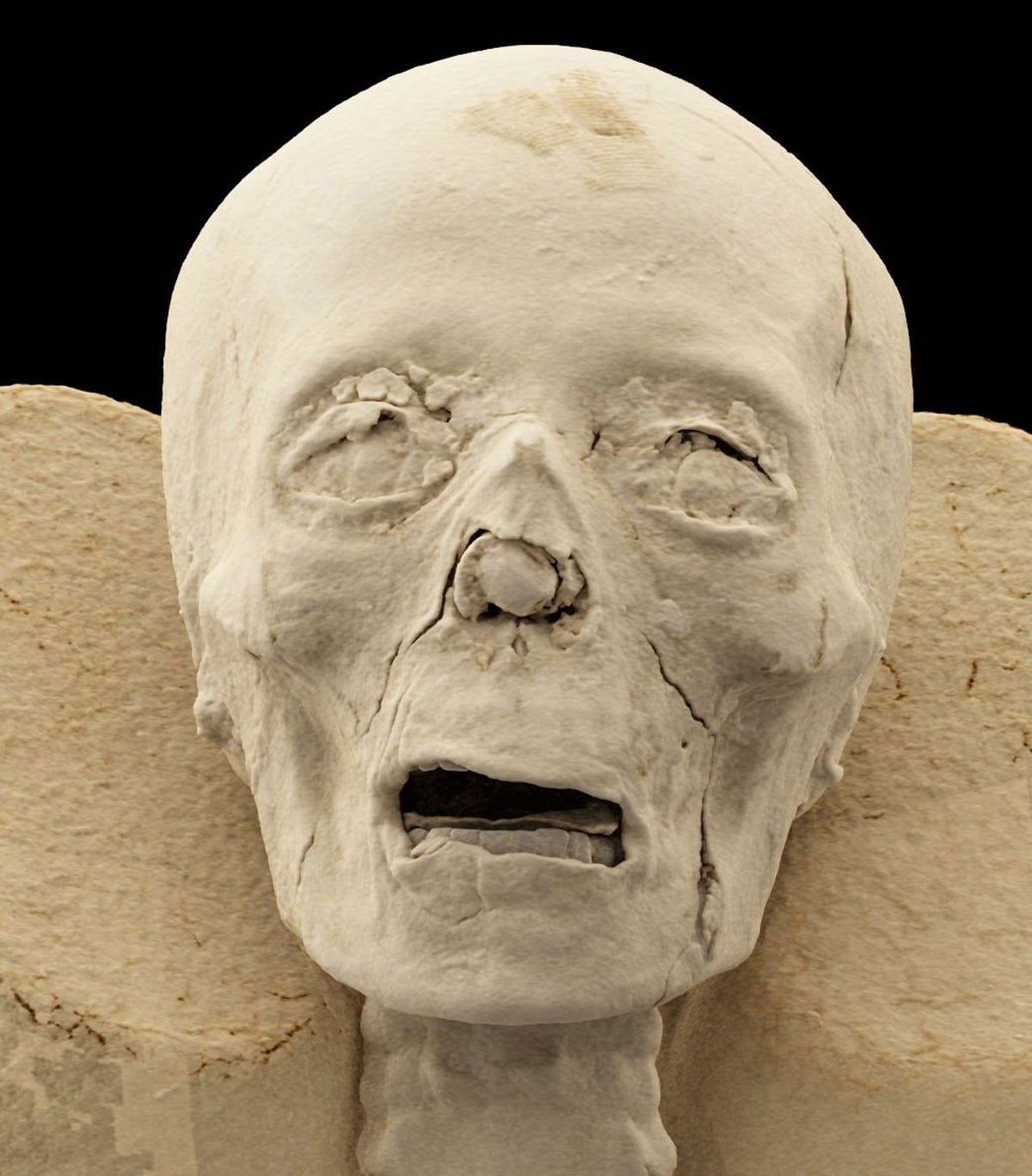
Why it matters: This matters for Ancient World because it gives a concrete current signal to track: High-tech imaging uncovered new insights into ancient mummies’ health and mummification methods. Egyptian mummy remains are being studied at Semmelweis University’s Medical Imaging Center (OKK) using one of the latest CT scanners with a photon-counting detector.
Context: High-tech imaging uncovered new insights into ancient mummies’ health and mummification methods. Egyptian mummy remains are being studied at Semmelweis University’s Medical Imaging Center (OKK) using one of the latest CT scanners with a photon-counting detector. The specimens, which come from the Semmelweis Museum of Medical History at the Hungarian National Museum Public Collection Centre (MNMKK), are producing highly detailed images that were not possible before, offering strong potential for new scientific discoveries. …
"High-tech imaging uncovered new insights into ancient mummies’ health and mummification methods. Egyptian mummy remains are being studied at Semmelweis University’s Medical Imaging Center (OKK) using one of the latest CT scanners." — SCITECHDAILY
Commentary: The immediate implication is operational rather than speculative: watch how this changes budgets, workflows, or risk assumptions over the next cycle.
Date: April 23, 2026 12:00 AM ET
URL: https://scitechdaily.com/scientists-unlock-hidden-secrets-of-2300-year-old-mummies-using-cutting-edge-ct-scanner/
AI Sentiment Score: Positive (75%)
AI Credibility Score: 7.0/10 — Medium
Scores and text generated by AI analysis of the source article indicated.
Scientists have found what sounds eerily like Atlantis off Australia’s … (Sciencefocus)
Summary: In the works of Plato, a Greek philosopher who lived around 2,400 years ago, the island of Atlantis was said to have been drowned in the Atlantic Ocean after the hubris of its people angered the Gods. Although Atlantis was fictional, the idea that entire civilisations can disappear beneath the waves has intrigued us for millennia. …

Why it matters: This matters for Ancient World because it gives a concrete current signal to track: In the works of Plato, a Greek philosopher who lived around 2,400 years ago, the island of Atlantis was said to have been drowned in the Atlantic Ocean after the hubris of its people angered the Gods.
Context: In the works of Plato, a Greek philosopher who lived around 2,400 years ago, the island of Atlantis was said to have been drowned in the Atlantic Ocean after the hubris of its people angered the Gods. Although Atlantis was fictional, the idea that entire civilisations can disappear beneath the waves has intrigued us for millennia. …
"In the works of Plato, a Greek philosopher who lived around 2,400 years ago, the island of Atlantis was said to have been drowned in the Atlantic Ocean after the hubris of." — SCIENCEFOCUS
Commentary: The immediate implication is operational rather than speculative: watch how this changes budgets, workflows, or risk assumptions over the next cycle.
Date: April 20, 2026 12:00 AM ET
URL: https://www.sciencefocus.com/planet-earth/new-hunt-for-real-world-atlantis-australia
AI Sentiment Score: Neutral (50%)
AI Credibility Score: 7.0/10 — Medium
Scores and text generated by AI analysis of the source article indicated.
Scientists Found a Treasure Trove of Ancient Egyptian ‘Sticky … (Popularmechanics)
Summary: – Archaeologists discovered the largest trove of ostraca—inscriptions on broken pottery sherds—ever found, with over 43,000 pieces present at one ancient Egyptian site. – The ostraca date from the third century B.C.E. to the 11th century C.E.

Why it matters: This matters for Ancient World because it gives a concrete current signal to track: – Archaeologists discovered the largest trove of ostraca—inscriptions on broken pottery sherds—ever found, with over 43,000 pieces present at one ancient Egyptian site.
Context: – Archaeologists discovered the largest trove of ostraca—inscriptions on broken pottery sherds—ever found, with over 43,000 pieces present at one ancient Egyptian site. – The ostraca date from the third century B.C.E. to the 11th century C.E.
"- Archaeologists discovered the largest trove of ostraca—inscriptions on broken pottery sherds—ever found, with over 43,000 pieces present at one ancient Egyptian site. – The ostraca date from the third century B.C.E." — POPULARMECHANICS
Commentary: The immediate implication is operational rather than speculative: watch how this changes budgets, workflows, or risk assumptions over the next cycle.
Date: April 20, 2026 12:00 AM ET
URL: https://www.popularmechanics.com/science/archaeology/a71051942/notes-from-ancient-egypt/
AI Sentiment Score: Negative (66%)
AI Credibility Score: 10.0/10 — High
Scores and text generated by AI analysis of the source article indicated.
Post ID: bc5fc167