Streaming & Film Distribution Strategies and Windowing
Content Windowing Strategy 2026: Theatrical, PVOD, SVOD & (Vitrina.Ai)
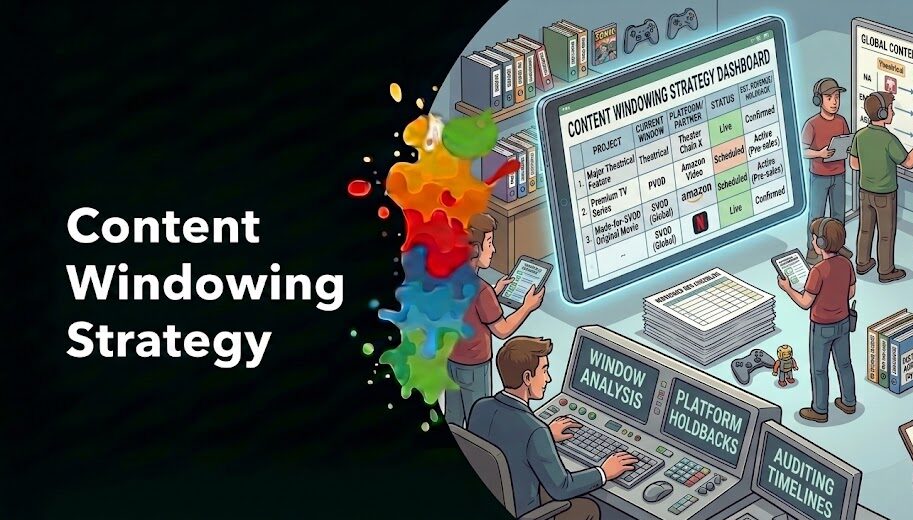
Summary: The 2026 content distribution landscape has fragmented into a dynamic, multi-window model where theatrical is just one of five key revenue levers. Success now hinges on strategically sequencing theatrical, PVOD, SVOD, AVOD, and FAST windows based on a title’s specific budget, genre, audience, and territory. This shift turns windowing from a post-production distribution task into a core financial and production decision that must be modeled before a project is greenlit. Studios and producers adhering to fixed, legacy formulas are ceding significant revenue to those optimizing for total lifetime value across all platforms.
Why it matters: The financial viability of film and high-end television now depends on pre-greenlight windowing strategy, fundamentally altering production financing, deal structures, and competitive advantage.
Context: This formalizes the post-pandemic disintegration of the traditional 90-day theatrical window, moving beyond a simple ‘day-and-date’ debate to a complex, data-driven optimization problem.
"The theatrical window is no longer the organizing principle of content monetization. It’s one revenue lever among five—and in 2026, how you sequence and balance theatrical, PVOD, SVOD, AVOD, and FAST windows." — VITRINA.AI
Commentary: This elevates distribution strategy to a C-suite and producer-level function, integrating it with capital stack modeling and requiring new financial and legal expertise. The implication is a bifurcation: major studios with owned platforms will optimize for their ecosystem’s flywheel, while independents must become sophisticated arbitrageurs of a global, multi-platform rights market, with FAST emerging as a legitimate first-window for specific genres rather than a graveyard.
Date: May 21, 2026 12:00 AM ET
URL: https://vitrina.ai/blog/content-windowing-strategy-2026/
AI Sentiment Score: Negative (50%)
AI Credibility Score: 10.0/10 — High
Scores and text generated by AI analysis of the source article indicated.
Film Rights Negotiations 2026 – Vitrina AI (Vitrina.Ai)
Summary: The 2026 film rights market has solidified a hybrid theatrical-streaming model as the permanent commercial architecture, replacing the predictable, sequential windowing of the past. Deal mechanics now vary by a project’s capital position, with theatrical performance data directly informing streaming licensing fees. The structure is a layered rights package, not a single agreement, requiring complex contracts with precise windowing, territorial splits, and transparency clauses.

Why it matters: This shift redefines leverage, capital strategy, and revenue forecasting for producers, financiers, and distributors, moving the industry from acquisition-based speculation to performance-based valuation.
Context: This follows the post-2022 streaming pullback and the 2025 AFM consensus that re-established theatrical as the primary commercial signal for downstream deals.
"The film rights negotiations landscape entering 2026 looks almost nothing like it did four years ago. Windowing is fractured. Streamers stopped buying the way they used to. Theatrical is clawing back relevance." — VITRINA.AI
Commentary: The recalibration turns box office from a marketing expense into a critical data asset, forcing a re-evaluation of P&A spend against its downstream licensing ROI. The layered rights package model institutionalizes complexity, advantaging firms with sophisticated legal and financial operations while creating new arbitrage opportunities in territorial holdbacks and window sequencing.
Date: May 16, 2026 12:00 AM ET
URL: https://vitrina.ai/blog/film-rights-negotiations-2026-hybrid-models-transparency/
AI Sentiment Score: Negative (66%)
AI Credibility Score: 10.0/10 — High
Scores and text generated by AI analysis of the source article indicated.
5 Proven Film Distribution Strategies That Work in 2025 – Vitrina AI (Vitrina.Ai)
Summary: The traditional 90-day theatrical exclusivity window is now defunct for most films, replaced by a precise calculus of accelerated windows lasting 17-45 days. Success is measured by the efficiency of box office returns relative to marketing spend, not gross revenue, with a deliberate strategy of counterprogramming niche titles against blockbusters. The subsequent digital monetization stack—TVOD, SVOD, AVOD—is managed as a sequenced, interconnected system to extract maximum value from each audience segment.
Why it matters: This recalibrates the financial risk model for film production and distribution, shifting leverage from blanket theatrical releases to targeted, intelligence-driven windowing that affects everything from greenlight decisions to talent compensation.
Context: The collapse of the standard window has been a decade-long trend, but the current phase moves from reactive adaptation to a formalized, data-driven operational framework.
"However, the traditional 90-day exclusivity period is effectively obsolete for all but the highest-budget blockbusters. The core strategy for 2025 is the precise management of accelerated windows, typically ranging from 17 to." — VITRINA.AI
Commentary: The shift from a revenue-maximizing to an efficiency-maximizing model for theatrical runs fundamentally alters studio P&L structures and incentivizes a different slate of mid-budget and niche films. It formalizes theatrical as a high-intent marketing funnel for premium VOD, turning exhibition into a calculated loss leader for the broader digital stack. This demands a new class of distribution executive skilled in global partner vetting and real-time window sequencing, further consolidating power with firms possessing that analytical infrastructure.
Date: May 16, 2026 12:00 AM ET
URL: https://vitrina.ai/blog/5-proven-film-distribution-strategies-that-work-in-2025/
AI Sentiment Score: Negative (60%)
AI Credibility Score: 10.0/10 — High
Scores and text generated by AI analysis of the source article indicated.
Disney Resets its Movie Release Strategy (3Vision.Tv)
Summary: Disney has consolidated its theatrical release windowing strategy after years of post-pandemic experimentation, settling on a new model exemplified by ‘Inside Out 2’. The studio now consistently pushes the Premium Video-on-Demand (PVOD) window beyond two months and further delays the Disney+ debut for its major titles, including its 2025 slate of ‘Lilo & Stitch’, ‘Fantastic Four: First Steps’, and ‘Captain America: Brave New World’. This creates a longer period of exclusivity for theatrical and PVOD revenue streams, marking a deliberate retreat from the accelerated digital access it once pioneered.

Why it matters: This formalizes a major studio’s commitment to preserving theatrical revenue and premium digital pricing, setting a market-wide benchmark that pressures competitors and recalibrates audience expectations for content availability.
Context: Since 2021, Disney’s windowing strategy has been volatile, stretching for blockbusters like ‘Avatar: The Way of Water’ and collapsing for underperformers like ‘Amsterdam’, while the studio paused its early PVOD ‘Premier Access’ initiative as rivals adopted the model.
"Disney’s approach to windowing has been shifting – and recent moves suggest a more consistent framework is finally settling in. Movie Tracker reveals, through an analysis of Disney releases in the US." — 3VISION.TV
Commentary: Disney’s new consistency, replicated internationally via Disney+, institutionalizes a longer monetization runway that prioritizes margin over subscriber growth velocity. This is a strategic admission that the all-in streaming model cannibalizes high-value transactional revenue, forcing a rebalancing that will shape talent deals, theater chain negotiations, and the valuation of PVOD as a distinct market segment.
Date: May 15, 2026 12:00 AM ET
URL: https://www.3vision.tv/news-insights/disney-resets-its-movie-release-strategy
AI Sentiment Score: Positive (50%)
AI Credibility Score: 10.0/10 — High
Scores and text generated by AI analysis of the source article indicated.
Paramount Content Acquisition Strategy & Streaming Insights (Vitrina.Ai)
Summary: Paramount’s 2026 content acquisition strategy is a blueprint for a mature streaming market, prioritizing projects that demonstrably reduce subscriber acquisition costs. The calculus is explicitly commercial: Paramount+ seeks co-productions with pre-sold audiences, clear demographic targets, and fully assembled capital stacks, while Pluto TV serves as a distinct, high-volume AVOD funnel for content that doesn’t meet SVOD premium thresholds. The pitch process demands internal benchmarking against Paramount’s own hits and precise quantification of a project’s audience and financing.

Why it matters: This signals a structural shift in how major platforms evaluate content, moving from speculative brand-building to a disciplined, ROI-driven model that externalizes financial risk onto producers.
Context: This reflects the broader industry pivot from the ‘peak TV’ content arms race toward profitability, where platforms act more like financiers and distributors than pure commissioners.
"The question the acquisitions team asks—and that you need to answer before they do—is: why does this specific project move our subscriber numbers more than the alternatives competing for this budget?." — VITRINA.AI
Commentary: Paramount’s framework effectively turns producers into outsourced R&D and marketing departments, requiring them to pre-validate audience demand and shoulder financing complexity. This creates a two-tier ecosystem: well-capitalized IP holders and producers with tax incentive access will thrive, while pure creative pitches face near-impossible hurdles. The separation of Pluto TV as a parallel acquisition funnel formalizes a content hierarchy, making AVOD a strategic warehouse for marginal utility content rather than a mere overflow channel.
Date: May 12, 2026 12:00 AM ET
URL: https://vitrina.ai/blog/paramount-content-acquisition-unraveling-the-streaming-giants-strategy-vitrina-ai/
AI Sentiment Score: Neutral (33%)
AI Credibility Score: 10.0/10 — High
Scores and text generated by AI analysis of the source article indicated.
Streaming Platform Trends 2026: What’s Reshaping The Industry … (Vitrina.Ai)
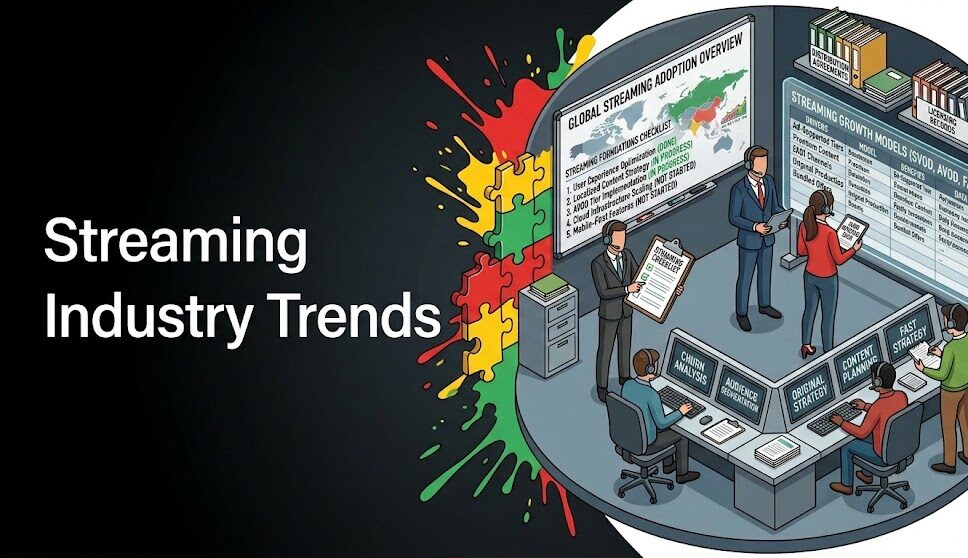
Summary: The streaming industry’s post-2022 restructuring is crystallizing around hybrid models that reject the earlier ‘streaming-only’ dogma. Theatrical releases are re-emerging not as the primary revenue driver but as a crucial quality signal and marketing engine that improves a film’s entire downstream revenue trajectory, including on streaming platforms. Concurrently, the monetization of catalog content through FAST channels and the structural use of AI in greenlight decisions are becoming industry norms, as consolidation reshapes the competitive landscape.
Why it matters: This shift recalibrates the financial and creative calculus for content financing, distribution deals, and platform strategy, moving the industry from a growth-focused monoculture to a more complex, multi-revenue-stream ecosystem.
Context: This follows the 2022-2023 inflection point where unlimited subscriber growth proved unsustainable, forcing platforms to pursue profitability through layered monetization and strategic retreats from pure streaming dogma.
"The streaming industry in 2026 looks nothing like anyone predicted five years ago. It’s not the death of linear TV (linear is stubborn). It’s not the end of theatrical (theatrical is quietly." — VITRINA.AI
Commentary: The re-signaling of theatrical viability creates a new gatekeeping function for distributors, directly impacting which projects get financed and acquired. This hybrid model privileges content with broad, event-driven appeal, potentially at the expense of niche streaming-first concepts, and forces streamers to recalibrate windowing strategies to capture marketing value. The result is a more integrated, but also more traditional, film and television economy where theatrical performance is a leading indicator for streaming success.
Date: May 12, 2026 12:00 AM ET
URL: https://vitrina.ai/blog/streaming-platform-trends-2026/
AI Sentiment Score: Positive (50%)
AI Credibility Score: 10.0/10 — High
Scores and text generated by AI analysis of the source article indicated.
The Streaming Reset: Scale, Survival and Sustainability – NAB Show (Nabshow)
Summary: The streaming industry’s growth-at-all-costs phase has ended, with investor focus shifting to profitability, margin expansion, and disciplined capital allocation. Major players like Warner Bros. Discovery are now central to high-stakes consolidation battles, as seen in the bidding war between Paramount Skydance and Netflix. Strategic pivots now emphasize ad-supported tiers, live events, AI-driven personalization, and operational efficiency over pure subscriber acquisition.
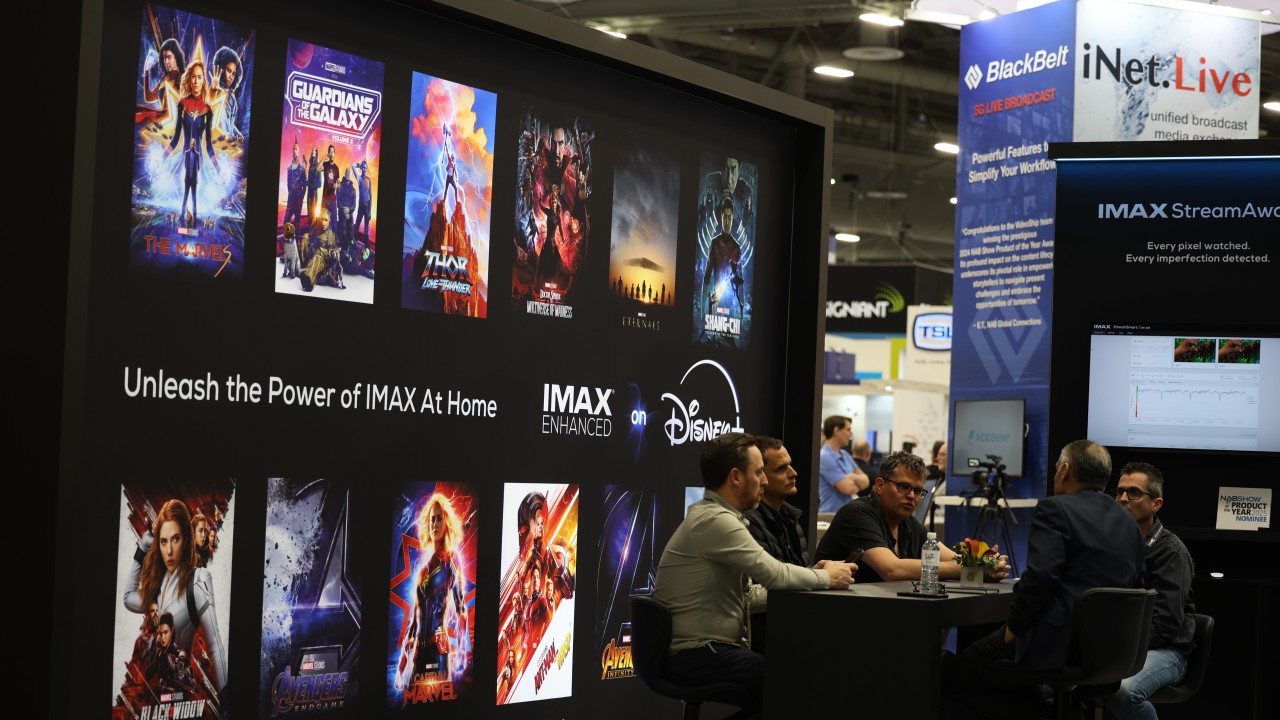
Why it matters: The reset redefines competitive dynamics, forcing content pricing, release strategies, and platform bundling to adapt to a market where sustainable economics, not just scale, determines survival.
Context: This follows a decade of subsidized subscriber growth, where platforms prioritized market share over profitability, leading to content overspending and fragmented consumer choice.
"Streaming. The Streaming Reset: Scale, Survival and Sustainability The streaming industry is entering a decisive new phase. After years of rapid expansion and subscriber land-grabs, growth is plateauing and Wall Street expectations." — NABSHOW
Commentary: The pivot from land-grab to margin management will accelerate industry consolidation, as seen in the WBD bidding war, making premium IP libraries and operational scale non-negotiable assets. For audiences, this means more aggressive bundling, targeted advertising, and a potential reduction in experimental content as platforms optimize for engagement and retention over pure growth. The strategic embrace of AI and live events signals a shift toward defending existing subscriber bases rather than chasing new ones at a loss.
Date: May 01, 2026 12:00 AM ET
URL: https://www.nabshow.com/article/the-streaming-reset-scale-survival-and-sustainability/
AI Sentiment Score: Negative (50%)
AI Credibility Score: 10.0/10 — High
Scores and text generated by AI analysis of the source article indicated.
2026 Film Industry Trends: The Shift No One Saw Coming (Shop.Bottegadelsarto)
Summary: The 2026 film industry is bifurcating: total market value and content investment are rising, but the traditional studio model is fragmenting. Theatrical releases are now narrow, event-driven marketing windows for franchises, while mid-budget and auteur films increasingly bypass cinemas for festival and streaming rollouts. Centralized control over distribution is eroding as streaming, social-video, and creator channels now command a majority of feature-length viewing time.

Why it matters: This shift redefines leverage in entertainment, forcing studios, creators, and financiers to adopt new release strategies and monetization models, with profound implications for cultural production and audience discovery.
Context: This continues the post-pandemic acceleration of streaming and direct-to-consumer models, but now with a clear stratification between event cinema and everything else, formalizing a two-tier industry.
"2026 is consolidating a decade-long realignment: the global film industry is rebounding to roughly $119 billion in market value, with content investment swelling to $255 billion, but centralized studio power over production,." — SHOP.BOTTEGADELSARTO
Commentary: The 51% figure is the tipping point, institutionalizing a post-theatrical primary market. The strategic consequence is that ‘distribution’ is no longer a studio gatekeeping function but a competitive battlefield across platforms, forcing a re-evaluation of marketing spend, talent deals, and IP valuation based on fragmented audience attention.
Date: May 24, 2026 12:00 AM ET
URL: https://shop.bottegadelsarto.com/opinion/2026-film-industry-trends-817655
AI Sentiment Score: Negative (66%)
AI Credibility Score: 10.0/10 — High
Scores and text generated by AI analysis of the source article indicated.
CinemaCon 2026: The Studios Make Their Case for Theatrical (Celluloidjunkie)
Summary: At CinemaCon 2026, major studios presented a unified front, advocating for a stabilized theatrical model after years of post-pandemic flux. Universal committed to a minimum five-week theatrical run per film, while Paramount Skydance pledged a 45-day exclusive window and 30 annual theatrical releases from a combined Paramount-Warner entity. Amazon MGM highlighted the financial success of extending windows, citing over $670 million from its early 2026 slate. The presentations revealed an industry consensus around a 45-day exclusive theatrical corridor, a marked shift from the chaotic windowing strategies of recent years.
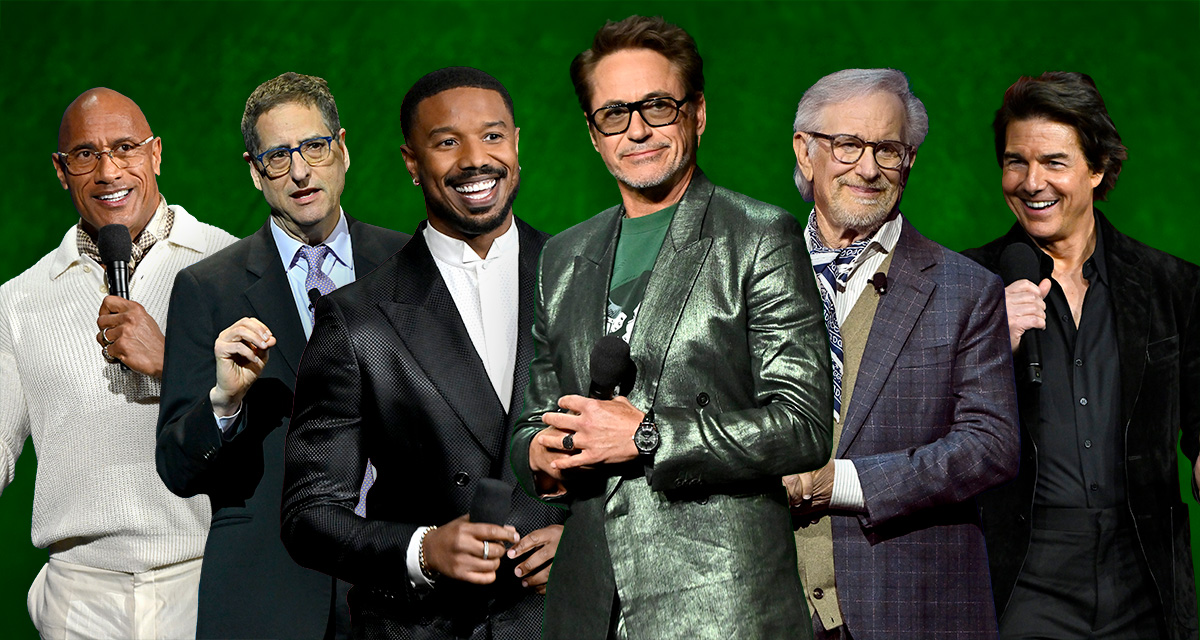
Why it matters: This consensus signals a strategic retreat from the streaming-first dogma, re-establishing theatrical exclusivity as a core revenue driver and cultural launchpad, which could reshape film financing, marketing calendars, and platform economics.
Context: Since 2020, the collapse of the traditional 90-day theatrical window created a volatile landscape of day-and-date streaming releases and shortened exclusivity, undermining box office certainty and exhibition partnerships.
"There is now a working consensus inside the major-studio system: a roughly 45-day theatrical-exclusive corridor, with premium video on demand (PVOD) tolerated sooner than subscription-streaming availability." — CELLULOIDJUNKIE
Commentary: The studios are institutionalizing a hybrid model that protects the theatrical event’s pricing power while acknowledging PVOD’s role in capturing home-viewing revenue before a film hits the subscription trough. This ’45-day settlement’ is less a return to tradition than a pragmatic calibration, giving exhibitors a guaranteed exclusivity period while allowing studios to monetize the film’s peak interest on PVOD. The unified messaging at CinemaCon suggests the major players have concluded that perpetual windowing warfare is more costly than this compromised stability. The real test will be whether this consensus holds during the next box office downturn or when a disruptor like Netflix decides to aggressively challenge the corridor.
Date: April 30, 2026 12:00 AM ET
URL: https://celluloidjunkie.com/2026/04/30/cinemacon-2026-the-studios-make-their-case-for-theatrical/
AI Sentiment Score: Negative (71%)
AI Credibility Score: 10.0/10 — High
Scores and text generated by AI analysis of the source article indicated.
US Movies: Theatrical, TVOD, SVOD, and Other Windowing … – Omdia (Omdia.Tech.Informa)
Summary: Omdia’s 2025 report on US movie windowing strategies identifies a market defined by shorter theatrical exclusivity and a more selective audience. The analysis tracks revenue redistribution across theatrical, transactional video-on-demand (TVOD), subscription video-on-demand (SVOD), and advertising-based video-on-demand (AVOD) windows. This shift forces studios to recalibrate release strategies and revenue projections for each title across its lifecycle.

Why it matters: The compression and reordering of distribution windows directly impacts studio profitability, theatrical exhibition viability, and the strategic value of streaming platforms.
Context: The pandemic accelerated the collapse of the traditional 90-day theatrical window, but the post-2023 market has solidified a new, fragmented equilibrium rather than reverting.
"Shorter theatrical windows and a more selective moviegoing audience were key factors in 2024. We look at the key drivers of shifting movie revenue across the full windows ecosystem: theatrical, TVOD, SVOD, AVOD, pay TV, YouTube, and more." — OMDIA.TECH.INFORMA
Commentary: The report frames theatrical not as the sole revenue engine but as one marketing lever within a multi-phase monetization chain. This necessitates a title-by-title calculus where a film’s performance in week three on SVOD may be as strategically weighted as its opening weekend gross. For exhibitors like AMC and Cinemark, the pressure mounts to enhance the premium nature of the in-theater event to justify its place in this compressed timeline.
Date: April 29, 2026 12:00 AM ET
URL: https://omdia.tech.informa.com/om144902/us-movies-theatrical-tvod-svod-and-other-windowing-strategies-in-2025
AI Sentiment Score: Negative (75%)
AI Credibility Score: 10.0/10 — High
Scores and text generated by AI analysis of the source article indicated.
Disney+ gives The Testaments a second run (C21Media.Net)
Summary: Disney+ has licensed the first-run streaming rights to the Hulu/MGM+ series ‘The Testaments’, a sequel to ‘The Handmaid’s Tale’, for a second window. The deal, brokered by MGM, will see the series premiere on Disney+ in the UK and Ireland on June 26, following its initial run on Channel 4. This move represents a notable shift for Disney+, which has historically focused on its own originals and library content for its core service outside the US.

Why it matters: It signals a strategic pivot for major SVOD platforms toward acquiring proven, premium third-party content to bolster subscriber retention and value perception in saturated markets.
Context: Streamers are increasingly blending originals with licensed hits to manage churn and content costs, a reversal from the peak ‘owned IP’ arms race. Disney+ has been more aggressive in this regard internationally than in the US.
"- Home – News – Channels – C21INVESTIGATESProviding a deep dive into the trends and issues impacting the global content business, produced by the most experienced team covering the sector. – FORMATS." — C21MEDIA.NET
Commentary: Disney+ is operationalizing a more pragmatic, hybrid content strategy. By licensing a high-profile, critically-touted sequel like ‘The Testaments’, it acknowledges that exclusive first-window rights are no longer the sole determinant of platform value for subscribers. This creates a new revenue stream for studios like MGM and pressures other pure-play originals platforms to reconsider their catalog economics. The move effectively turns Disney+ into a more conventional ‘channel’ in competitive territories, competing on curation and availability as much as exclusivity.
Date: Thu, 21 May 2026 08:33:51 +0000
URL: https://www.c21media.net/news/disney-gives-the-testaments-a-second-run/
AI Sentiment Score: Positive (66%)
AI Credibility Score: 10.0/10 — High
Scores and text generated by AI analysis of the source article indicated.
Content Paywall Changes Shape, Not Size – 3Vision (3Vision.Tv)
Summary: The first-window market for premium US and UK scripted series has fundamentally restructured, with SVOD and studio-owned platforms displacing Pay TV as the primary gatekeepers. However, this shift represents a change in the form of the paywall, not its elimination, as subscription-led access remains the dominant commercial model. Broadcasters are adapting with BVOD-first releases and boxsets to compete, while global SVODs show renewed interest in second-window acquisitions.

Why it matters: This reconfiguration dictates where capital flows, shapes studio strategy for owned IP, and defines the competitive landscape for audience attention and subscription dollars.
Context: This follows a decade-long transition where major studios pulled content from third-party aggregators to fuel their own DTC platforms, fragmenting the market.
"3Vision’s Show Tracker data shows a first window scripted TV market that has changed significantly in shape, but less in how audiences access premium content. … Pay TV is no longer the." — 3VISION.TV
Commentary: The persistence of the subscription paywall, despite platform fragmentation, underscores the enduring premium value of scripted content. The strategic pivot is now towards owning the customer relationship and the full windowing lifecycle, with second-window licensing re-emerging as a monetization lever for SVODs facing saturation in originals.
Date: April 22, 2026 12:00 AM ET
URL: https://www.3vision.tv/news-insights/content-paywall-changes-shape-not-size
AI Sentiment Score: Neutral (50%)
AI Credibility Score: 10.0/10 — High
Scores and text generated by AI analysis of the source article indicated.
🎬 25 OTT Distribution FAQs | Netflix, Prime Video & OTT Deals Explained for Producers (Youtube)
Summary: A video guide for producers details the operational mechanics of modern OTT distribution, emphasizing a territorial patchwork strategy for rights management. It advises on structuring contracts to preserve international sales, sequencing releases across different revenue models (TVOD, AVOD) by region, and navigating the pitch process with a clear hierarchy of targets. The underlying model treats global distribution as a complex, multi-phase asset optimization problem requiring upfront legal and financial preparation.

Why it matters: This reflects the institutionalization of a fragmented, rights-maximizing distribution playbook, shifting power and operational burden onto individual producers and their financiers.
Context: The shift from broad studio output deals to territory-by-territory licensing has been accelerating for a decade, but the tactical guide for executing it is now a standardized producer curriculum.
"The critical {ts:261} step here is managing your geo-blocking rights when drafting the contract. By strictly limiting a regional platform’s {ts:267} exclusivity to specific geographic territories, like only granting streaming rights within." — YOUTUBE
Commentary: The guide codifies a hyper-rational, almost actuarial approach to cultural products, turning each film into a portfolio of timed territorial options. This demands producers act as mini-studios, locking in budgets for deliverables and insurance before a single sale, which will further stratify the market between well-capitalized players and underfunded independents. The explicit 6-month limit on chasing ‘tier one’ platforms is a market correction to the previously endless festival-circuit gamble, forcing a pragmatic pivot to regional or aggregator-led distribution.
Date: May 13, 2026 12:00 AM ET
URL: https://www.youtube.com/watch?v=NjFaUYK2cNI
AI Sentiment Score: Negative (50%)
AI Credibility Score: 10.0/10 — High
Scores and text generated by AI analysis of the source article indicated.
Streaming Giants vs Cinema Chains: Who’s Really Winning in 2026? (Analyticsinsight.Net)
Summary: The 2026 entertainment landscape is defined by a stable, bifurcated equilibrium between streaming platforms and theatrical exhibition. Streaming giants are winning on volume, accessibility, and capturing mid-budget films, while cinemas retain dominance over event-driven cultural moments and premium experiential formats. Revenue models are diverging, with streaming leaning into advertising tiers and cinemas depending on high-margin concessions and premium ticket sales. The result is a market segmented by audience preference and content type, forcing studios to manage hybrid release strategies as the norm.
Why it matters: This bifurcation dictates content investment, release windows, and where cultural capital is generated, affecting everything from studio greenlights to local theater viability.
Context: This follows a decade of disruption where streaming was predicted to render theaters obsolete; the current détente represents a maturation of the market into complementary, rather than purely adversarial, channels.
"In 2026, neither side is clearly winning; instead, streaming and cinemas are coexisting, reshaping the entertainment industry through competition, collaboration, and evolving consumer expectations." — ANALYTICSINSIGHT.NET
Commentary: The operational consequence is a permanent stratification of content: franchises and spectacle for theaters, everything else for streaming. This forces studios to bifurcate their slates and marketing budgets, while chains must double down on experience as their defensible moat. The rise of ad-supported streaming tiers creates a new, price-sensitive audience segment that further decouples viewership from subscription revenue, complicating content valuation. The real winners are likely the mega-studios with the leverage to play both sides, while independent filmmakers face a stark choice between negligible theatrical presence or algorithmic obscurity on crowded platforms.
Date: May 03, 2026 12:00 AM ET
URL: https://www.analyticsinsight.net/ampstories/entertainment/streaming-giants-vs-cinema-chains-whos-really-winning-in-2026
AI Sentiment Score: Negative (50%)
AI Credibility Score: 7.0/10 — Medium
Scores and text generated by AI analysis of the source article indicated.
Content Licensing As… (Filmtake)
Summary: The economics of attention are forcing a structural shift in content monetization. Traditional studios and streamers, facing pressure from social video platforms, are moving beyond simple subscription models. The emerging strategy centers on sophisticated windowing, segmented access tiers, and strategic licensing of back-catalog content to external platforms. This treats timing and access as core product features, not just distribution tactics.

Why it matters: This signals a fundamental re-architecting of media revenue streams, where profitability is decoupled from relentless content spending and tied instead to managing scarcity and access across a fragmented ecosystem.
Context: This follows a decade of streaming’s ‘all-you-can-eat’ model, which is now hitting margin ceilings as consumer behavior fragments and advertising dollars migrate.
"> Traditional studios and streamers, long the gatekeepers of premium content, are now under pressure from social video platforms that dominate both audience attention and advertising dollars. As viewer behavior fragments and." — FILMTAKE
Commentary: The operational implication is a move from content factories to yield managers of intellectual property. This creates new leverage points—like monetizing superfans through early access and repurposing back-catalog for awareness on social platforms—but also risks further Balkanizing the consumer experience. Success will depend on studios acting more like financial engineers of their own libraries, a skill set distinct from pure creative production.
Date: April 27, 2026 12:00 AM ET
URL: https://www.filmtake.com/distribution/the-window-is-the-product-why-streamings-next-battleground-is-access-not-content/
AI Sentiment Score: Negative (66%)
AI Credibility Score: 10.0/10 — High
Scores and text generated by AI analysis of the source article indicated.
Window Shopping: Why Holding Back Pays Off in Streaming … (Filmtake)
Summary: Major film studios have abandoned uniform release strategies in favor of highly calibrated, multi-platform windowing. Disney maintains a relatively consistent three-month theatrical-to-streaming window for core franchise content, while Universal, Sony, and Paramount employ staggered Pay-One deals across Peacock, Amazon Prime, and Max to segment access. Lionsgate leverages a longer transactional window before feeding content to its owned platform, Starz. The common thread is using timing and platform exclusivity as a lever for revenue optimization and subscriber retention.

Why it matters: The fragmentation of release windows directly impacts content valuation, platform competitiveness, and consumer spending, reshaping the economics of film distribution.
Context: This shift accelerates the post-pandemic unbundling of theatrical and home entertainment, moving beyond the simple day-and-date debate to a complex, tiered pricing model for content access.
"Windowing no longer determines when a film is available; it defines how much value can be extracted, where, and when it is available." — FILMTAKE
Commentary: The operationalization of windowing as a dynamic pricing tool marks a maturation of the streaming model, forcing studios to act as portfolio managers across their own and third-party platforms. This creates a new axis of competition based on scheduling intelligence and deal-making agility, potentially marginalizing studios that lack a diversified distribution footprint or the data to optimize these cascades.
Date: April 27, 2026 12:00 AM ET
URL: https://www.filmtake.com/distribution/window-shopping-why-holding-back-pays-off-in-streaming-distribution/
AI Sentiment Score: Negative (66%)
AI Credibility Score: 10.0/10 — High
Scores and text generated by AI analysis of the source article indicated.
Beyond the Binge: Decoding Hollywood’s Strategic … (Dailydrama)
Summary: The weekly content drops from major streamers are no longer just about new programming; they are deliberate, data-driven tactics in a refined battle for subscriber retention. Netflix deploys volume and algorithmic demand prediction to maintain constant newness across global demographics, while Max leverages its HBO legacy to signal premium quality. Hulu’s strategy hinges on its broadcast TV adjacency and acquired libraries, and the accelerated collapse of theatrical windows sees studios like Universal and Paramount pushing films to their owned platforms within weeks to capture post-cinema audiences.
Why it matters: This shift redefines content as a retention tool, altering how value is signaled to subscribers and accelerating the structural integration of theatrical and streaming economics.
Context: The streaming market has matured past the initial land-grab phase, forcing platforms to optimize for subscriber churn management and brand differentiation rather than pure subscriber growth.
"Every week, the digital deluge hits: a fresh wave of films and series dropping across Netflix, Max, Hulu, Prime Video, and a growing constellation of other platforms. … But for those of." — DAILYDRAMA
Commentary: The operationalization of content as a churn-prevention tool commoditizes creative output, forcing studios to prioritize platform-specific utility over standalone artistic or commercial merit. This accelerates the vertical integration of production and distribution, marginalizing independent theatrical windows and pressuring talent deals toward platform-service agreements. The outcome is a market where consumer choice is vast but increasingly algorithmic, and where brand identity—be it Netflix’s omnivorous volume or Max’s curated prestige—becomes the primary defensible moat.
Date: April 28, 2026 12:00 AM ET
URL: https://dailydrama.com/tv/beyond-the-binge-decoding-hollywoods-strategic-streaming-playbook/
AI Sentiment Score: Neutral (33%)
AI Credibility Score: 10.0/10 — High
Scores and text generated by AI analysis of the source article indicated.
Top 9 Content Acquisition Companies Dominating 2026 – Vitrina AI (Vitrina.Ai)
Summary: The 2026 content acquisition landscape is defined by strategic specialization and a rebalancing toward licensing over original production. Major buyers, from Amazon to Banijay, now operate with distinct, data-driven mandates—filling ad tiers, securing globally portable formats, or locking local-language hits—rather than blanket purchasing. This shift creates targeted opportunities for rights holders who can align with specific buyer priorities and windows, while the move toward shorter-term, performance-based licensing deals increases market fluidity.
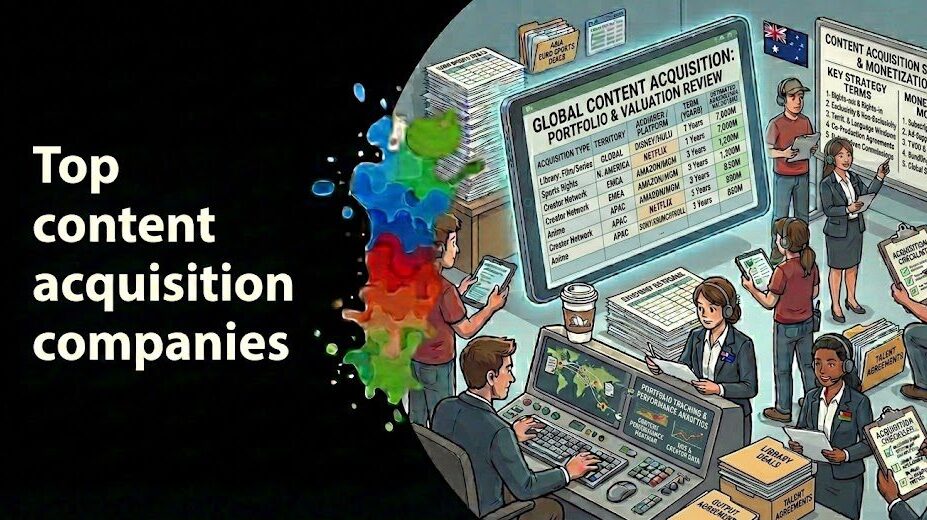
Why it matters: This recalibration dictates which content gets funded and distributed, reshaping revenue streams for producers and altering the global content catalog available to audiences.
Context: This follows the post-2021 streaming correction, where platforms are optimizing for profitability by leveraging licensed content with proven audience data over costly in-house production slates.
"The companies that matter most in 2026 share three characteristics: they have real capital deployed at scale, they have identifiable content preferences (not vague “we’re open to everything” mandates), and they have active windows right now." — VITRINA.AI
Commentary: The era of undifferentiated content spending is over. This hyper-specialization fragments the market, forcing sellers to become portfolio managers who match specific assets to precise buyer algorithms. The rise of format IP (Banijay, Fremantle) and ad-tier volume (Amazon) as distinct asset classes signals a mature, stratified global market where operational intelligence—knowing who needs what, and when—is the primary competitive advantage.
Date: May 19, 2026 12:00 AM ET
URL: https://vitrina.ai/blog/top-content-acquisition-companies-2026/
AI Sentiment Score: Positive (50%)
AI Credibility Score: 10.0/10 — High
Scores and text generated by AI analysis of the source article indicated.
Netflix Content Acquisition Strategy: 7 Key Deal Pillars – Vitrina AI (Vitrina.Ai)
Summary: Netflix’s $17 billion annual content spend is now structured across three distinct channels: commissioning global originals, co-producing with local partners in priority markets, and licensing third-party content. This tripartite strategy, detailed by Vitrina AI, reveals a sophisticated risk-sharing and rights-splitting model, particularly in international growth markets like South Korea, India, and MENA. The acquisition process is increasingly data-driven, prioritizing subscriber metrics over traditional broadcast measures, with deal timelines varying from weeks for licensing to months for originals.
Why it matters: This granular breakdown of Netflix’s acquisition pillars reveals the operational playbook for global streaming dominance, showing how capital is allocated to balance creative risk, local market penetration, and catalogue velocity.
Context: This analysis arrives as the streaming industry shifts from pure subscriber growth at any cost to a focus on sustainable profitability and market-specific content strategies.
"Netflix’s content acquisition strategy in 2026 is built around three pillars: commissioning global originals, co-producing with local partners in priority markets, and licensing third-party content to fill catalogue gaps." — VITRINA.AI
Commentary: The formalization of these three channels, each with distinct ROI expectations, signals Netflix’s maturation into a hybrid studio-financier-distributor. The emphasis on co-productions that carve up rights by territory—Netflix taking 80, a partner keeping its home market—is a capital-efficient model for global scale that also placates local regulators and creative ecosystems. This move from a monolithic ‘originals’ strategy to a portfolio approach allows Netflix to optimize for both prestige (originals) and filler efficiency (licensing), while using co-productions as a strategic wedge in protectionist markets.
Date: May 16, 2026 12:00 AM ET
URL: https://vitrina.ai/blog/netflix-content-acquisition-strategy-7-pillars-driving-every-deal-in-2026/
AI Sentiment Score: Positive (42%)
AI Credibility Score: 10.0/10 — High
Scores and text generated by AI analysis of the source article indicated.
Post ID: 8e466dfc