Ancient DNA and Genetic Discoveries
Homo erectus genetic material sequenced for the first time, and it shows ‘deep genetic links’ with modern humans (Livescience)
Summary: A team from the Chinese Academy of Sciences has, for the first time, sequenced genetic material from Homo erectus, extracting proteins from 400,000-year-old dental enamel. Their analysis of six individuals from China reveals a unique amino acid variant specific to this group and another variant shared with Denisovans, which was later passed to some modern humans. This provides the first molecular evidence of ‘deep genetic links’ connecting H. erectus to later human lineages. The findings leverage paleoproteomics to push beyond the temporal limits of ancient DNA.
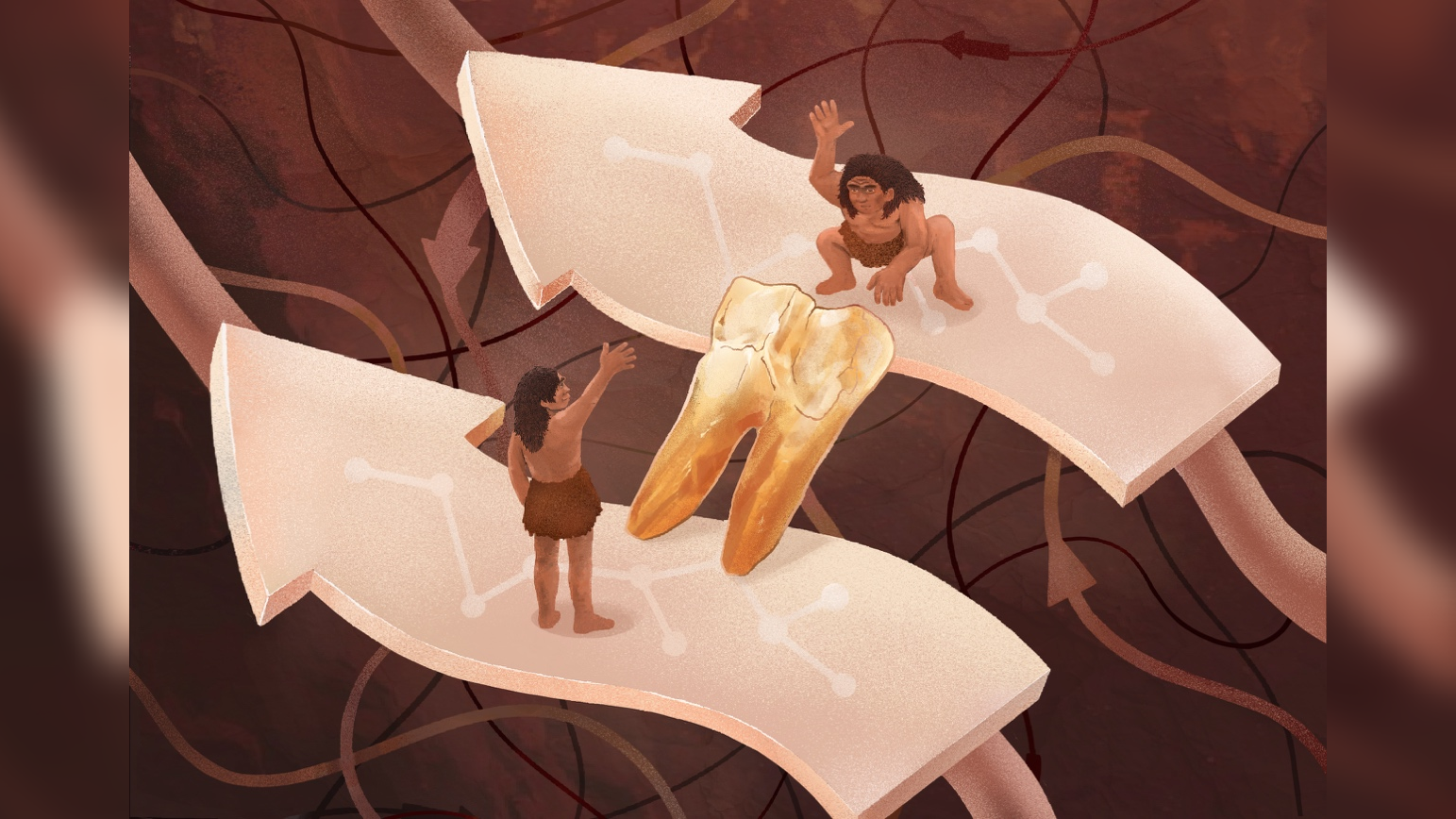
Why it matters: It provides the first direct molecular evidence that H. erectus contributed genetically to later human populations, fundamentally reshaping the narrative of Pleistocene hominin interactions and challenging rigid species classifications.
Context: The ‘muddle in the Middle Pleistocene’ describes the taxonomic confusion among overlapping hominin groups in Eurasia and Africa between 774,000 and 129,000 years ago. Genomic studies have clarified mixing among Neanderthals, Denisovans, and modern humans, but H. erectus’s role remained speculative due to a lack of recoverable DNA.
"Homo erectus genetic material sequenced for the first time, and it shows ‘deep genetic links’ with modern humans A new study of six Homo erectus individuals from China reveals one amino acid." — LIVESCIENCE
Commentary: The operational consequence is that the morphological species concept for Middle Pleistocene hominins is now untenable; many Chinese fossils classified as H. erectus may represent Denisovan relatives or other hybrid populations. This forces a revision of human evolutionary models in Asia from one of sequential replacement to a complex network of introgression, with H. erectus as a persistent genetic contributor long after its presumed extinction. The technique of paleoproteomics becomes a critical tool for investigating deep time where DNA does not survive, shifting methodological power in the field.
Date: Wed, 13 May 2026 15:02:18 +0000
URL: https://www.livescience.com/archaeology/human-evolution/homo-erectus-genetic-material-sequenced-for-the-first-time-and-it-shows-deep-genetic-links-with-modern-humans
AI Sentiment Score: Negative (50%)
AI Credibility Score: 10.0/10 — High
Scores and text generated by AI analysis of the source article indicated.
DNA sequencing is rewriting our understanding of historic outbreaks, but it can’t tell the whole story (Livescience)
Summary: A Livescience article details how genomic sequencing has become a primary tool for investigating historic and contemporary disease outbreaks, from tracing the evolutionary origins of Yersinia pestis in ancient graves to tracking a superspreader event at the 2020 Biogen conference. The piece argues that while sequencing provides a precise biological record of pathogen lineage and spread, it cannot alone explain the social, economic, or environmental drivers of pandemics. The author, a chemist, emphasizes that the full narrative requires integrating genetic data with historical records, archaeology, and epidemiology.

Why it matters: This clarifies the methodological frontier for historical epidemiology, establishing a new standard where genetic evidence must be contextualized to understand the actual mechanics of societal collapse and resilience.
Context: The integration of aDNA analysis with traditional historical methods has become a dominant paradigm in studying ancient crises, moving beyond simple pathogen identification to reconstructing transmission networks and human vulnerability.
"Sequencing provided the biological clue, revealing the pathogen’s identity and ancestry. History and archaeology turned that clue into a plausible narrative." — LIVESCIENCE
Commentary: The article formalizes a necessary corrective to ‘genetic determinism’ in historical analysis. The operational shift is towards multidisciplinary teams as the default for outbreak archaeology, which will recalibrate funding and publication priorities in ancient studies. For modern epidemiology, it reinforces that contact tracing and genomic surveillance are complementary, not substitutive, tools for public health response.
Date: Sat, 23 May 2026 14:00:00 +0000
URL: https://www.livescience.com/health/genetics/dna-sequencing-is-rewriting-our-understanding-of-historic-outbreaks-but-it-cant-tell-the-whole-story
AI Sentiment Score: Negative (87%)
AI Credibility Score: 10.0/10 — High
Scores and text generated by AI analysis of the source article indicated.
Ancient DNA reveals reason for high multiple sclerosis and Alzheimer’s rates in Europe (Sciencedaily)
Summary: A consortium led by the Universities of Cambridge and Copenhagen has published a suite of studies in Nature, leveraging the world’s largest ancient human gene bank—DNA from nearly 5,000 individuals dating back 34,000 years. The analysis reveals that genetic variants strongly associated with a heightened risk of multiple sclerosis were introduced into northwestern Europe around 5,000 years ago by migrating Yamnaya pastoralists from the Pontic Steppe. These variants, which conferred a survival advantage by likely protecting against zoonotic infections from livestock, now help explain the pronounced north-south gradient in MS prevalence across modern Europe. The research also traces genetic risks for Alzheimer’s and type 2 diabetes to earlier hunter-gatherer populations, fundamentally reframing these disorders as artifacts of ancient evolutionary adaptations.

Why it matters: This research re-contextualizes modern neurodegenerative and autoimmune diseases not as purely modern pathologies but as evolutionary trade-offs, directly linking contemporary public health disparities to prehistoric population dynamics and migration events.
Context: The study is part of a broader shift in paleogenomics, where large-scale ancient DNA datasets are being used as a ‘precision tool’ to map the deep historical origins of present-day disease risk profiles, moving beyond tracing ancestry to explaining specific health outcomes.
"Ancient DNA reveals reason for high multiple sclerosis and Alzheimer’s rates in Europe – Date: – January 10, 2024 – Source: – University of Cambridge – Summary: – Researchers have created the." — SCIENCEDAILY
Commentary: The findings operationalize the ancient DNA bank as a new diagnostic layer for epidemiology, forcing a recalibration of disease etiology from proximate causes to deep historical ones. For clinical research, this suggests therapeutic strategies for MS may need to address its origins as a hyperactive, historically beneficial immune response rather than solely a degenerative flaw. The model establishes a template for investigating other conditions, potentially reshaping drug discovery pipelines and public health risk assessments by anchoring them in prehistoric genetic archaeology.
Date: May 23, 2026 12:00 AM ET
URL: https://www.sciencedaily.com/releases/2024/01/240110120200.htm
AI Sentiment Score: Negative (77%)
AI Credibility Score: 10.0/10 — High
Scores and text generated by AI analysis of the source article indicated.
Ancient DNA reveals a family ossuary and long-distance migration on the Pacific coast before the Inca Empire – PubMed (Pubmed.Ncbi.Nlm.Nih.Gov)
Summary: A study of ancient DNA from 21 individuals in Peru’s Chincha Valley reveals a pre-Inca coastal migration network and a family ossuary. Genetic evidence shows individuals with ancestry from 700 km to the north arriving by the 13th century, with subsequent intermarriage with local coastal groups. The research uses a novel Bayesian model to achieve generation-scale temporal precision, overcoming longstanding dating challenges from the marine reservoir effect. The findings document population continuity and specific funerary practices, like cranial modification, from the 13th to 15th centuries under the Chincha Kingdom.

Why it matters: It refines the chronology and social mechanics of pre-Inca state formation on the Pacific coast, moving beyond ceramic typologies to genetic and dietary evidence of long-distance kinship and integration.
Context: Archaeology of the pre-Inca Andes has often relied on material culture and Spanish chronicles; precise demographic history has been hampered by the marine reservoir effect, which distorts radiocarbon dates for coastal populations.
"# Ancient DNA reveals a family ossuary and long-distance migration on the Pacific coast before the Inca Empire Nat Commun. 2026 May 22;17(1):4222. doi: 10.1038/s41467-026-72216-y. … This paper tracks long-distance migration on." — PUBMED.NCBI.NLM.NIH.GOV
Commentary: The study operationalizes aDNA to map political geography, showing the Chincha Kingdom was built on active, north-south kinship networks rather than isolated valley development. The methodological advance in dating recalibrates the pace of social change, suggesting integration happened over generations within a stable cultural framework. This shifts power analysis from a top-down imperial narrative to one of durable, far-flung familial alliances that the Inca later co-opted.
Date: May 22, 2026 12:00 AM ET
URL: https://pubmed.ncbi.nlm.nih.gov/42173833/
AI Sentiment Score: Negative (60%)
AI Credibility Score: 10.0/10 — High
Scores and text generated by AI analysis of the source article indicated.
What ancient bones reveal about human history | Meer (Meer)
Summary: The convergence of satellite-based remote sensing and ancient DNA analysis is producing a data-driven revolution in archaeology. Technologies like LiDAR and multispectral satellite imagery are revealing thousands of previously unknown sites, from lost cities to settlements, while genomic sequencing of ancient bones maps population movements. This dual approach allows researchers to correlate physical landscapes with human lineages at an unprecedented scale.

Why it matters: This methodological shift moves the discipline from hypothesis-limited excavation to systemic, landscape-scale analysis, fundamentally altering the evidentiary base for understanding pre-state societies, trade, and migration.
Context: This represents the maturation of two parallel technological tracks over the last 15 years: the commoditization of satellite data for civilian use and the plummeting cost of genomic sequencing, now applied at population scale to degraded ancient samples.
"The combination of seeing what’s hidden beneath the ground and reading what’s encoded in ancient bones is answering questions archaeologists couldn’t even ask a generation ago." — MEER
Commentary: The operational impact is a move from narrative-driven, site-specific archaeology to a systems science. The immediate implication is the potential to render traditional survey methods obsolete for regional analysis, while the deeper consequence is a forced reconciliation between material culture and genetic ancestry—areas where data may conflict, challenging entrenched historical and nationalist narratives.
Date: April 27, 2026 12:00 AM ET
URL: https://www.meer.com/en/102020-what-ancient-bones-reveal-about-human-history
AI Sentiment Score: Negative (83%)
AI Credibility Score: 10.0/10 — High
Scores and text generated by AI analysis of the source article indicated.
Ancient DNA Reveals How Farming Spread and Nearly Broke a … (Scitechdaily)
Summary: A study in Nature reconstructs over 2,000 years of population history in Argentina’s Uspallata Valley, using ancient DNA, isotopes, and paleoclimate data. It finds genetic continuity between local hunter-gatherers and later maize-farming communities, indicating farming spread through cultural adoption, not population replacement. The research further reveals these farming societies endured prolonged hardship from overlapping climate, food, and disease pressures, and that migration through extended family networks served as a critical resilience strategy.
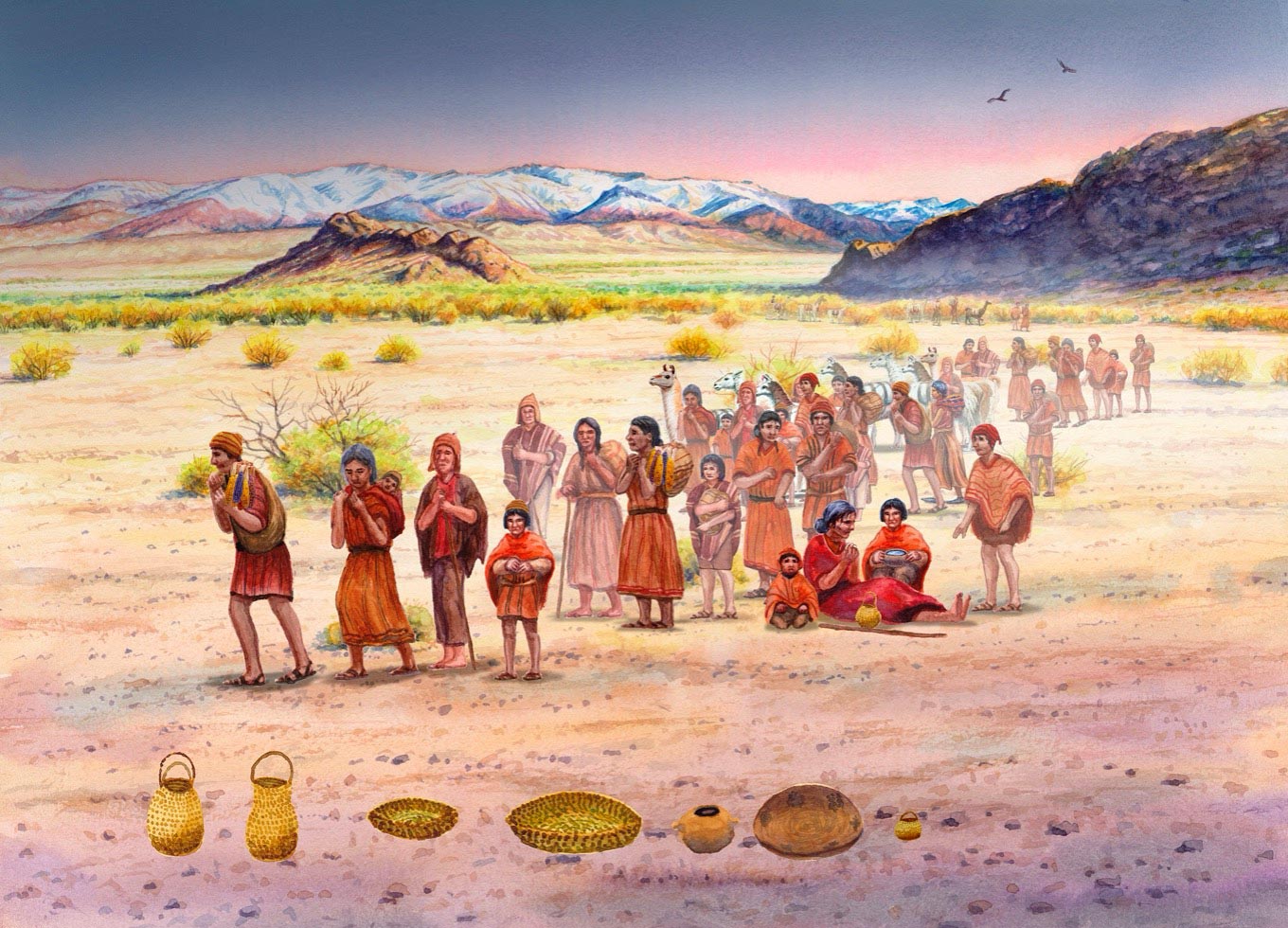
Why it matters: It reframes the narrative of agricultural expansion in the Andes from one of conquest to one of local adaptation and resilience, highlighting the social structures—specifically kinship networks—that underpin societal survival during systemic crises.
Context: This challenges older models of the ‘Neolithic transition’ that often posited demographic replacement by migrating farmers, aligning with a growing body of global ancient DNA research emphasizing continuity and local adoption.
"Their results revealed strong genetic continuity between hunter-gatherers living in the valley about 2,200 years ago and the farming communities that lived there more than 1,000 years later as maize cultivation–and other crops–expanded." — SCITECHDAILY
Commentary: The study operationalizes resilience, showing it was not a passive trait but an active process of kin-based migration. This shifts the analytical focus from technological adoption alone to the social infrastructure that enabled it, offering a model for understanding how societies manage compound risks—a framework with clear analogues for modern climate and public health planning.
Date: May 22, 2026 12:00 AM ET
URL: https://scitechdaily.com/ancient-dna-reveals-how-farming-spread-and-nearly-broke-a-civilization/
AI Sentiment Score: Negative (66%)
AI Credibility Score: 10.0/10 — High
Scores and text generated by AI analysis of the source article indicated.
Largest-ever ancient-DNA study illuminates millennia of South and … (Sciencedaily)
Summary: A landmark ancient DNA study, analyzing 524 previously unstudied individuals, has dramatically reshaped the genetic map of South and Central Asia. The research includes the first genome from the Indus Valley Civilization and increases the global corpus of published ancient genomes by approximately 25%. Its core finding is that farming in South Asia emerged not from a westward migration of Anatolian or Iranian farmers, but through local foragers adopting agricultural practices.
Why it matters: This fundamentally revises the narrative of the Neolithic transition in a key region, decoupling technological diffusion from large-scale population replacement and challenging core assumptions in the study of Indo-European language origins.
Context: Prevailing models for the spread of farming and Indo-European languages into South Asia have long relied on hypothesized large-scale migrations from the west, particularly from the Iranian Plateau or the Anatolian/Steppe sphere.
"Researchers analyzed the genomes of 524 never before-studied ancient people, including the first genome of an individual from the ancient Indus Valley Civilization. Insights answer longstanding questions about the origins of farming." — SCIENCEDAILY
Commentary: The data forces a pivot from migrationist to diffusionist and interactionist models for South Asian prehistory, emphasizing indigenous innovation over exogenous replacement. This recalibrates the search for the vector of Indo-European languages, potentially elevating the role of later Steppe pastoralist movements. For archaeology, it underscores that technological packages can travel far faster and more independently than the genomes of their original bearers, a principle with profound implications for interpreting cultural change globally.
Date: May 23, 2026 12:00 AM ET
URL: https://www.sciencedaily.com/releases/2019/09/190905145348.htm
AI Sentiment Score: Neutral (33%)
AI Credibility Score: 10.0/10 — High
Scores and text generated by AI analysis of the source article indicated.
Study: Central-Eastern Europe’s oldest Neanderthal group identified through DNA | The Jerusalem Post (Jpost)
Summary: A study in Current Biology identifies the oldest known Neanderthal group in Central-Eastern Europe through genetic analysis of teeth from Stajnia Cave in Poland. Molecular dating places at least seven individuals, including children and an adult, living roughly 100,000 years ago during Marine Isotope Stage 5. Notably, three teeth from different sediment layers share identical mitochondrial DNA, indicating either the same individual or a close maternal lineage. The genetic signature links this group to Neanderthals found across Western Europe and the Caucasus, suggesting a previously unrecognized connectivity.
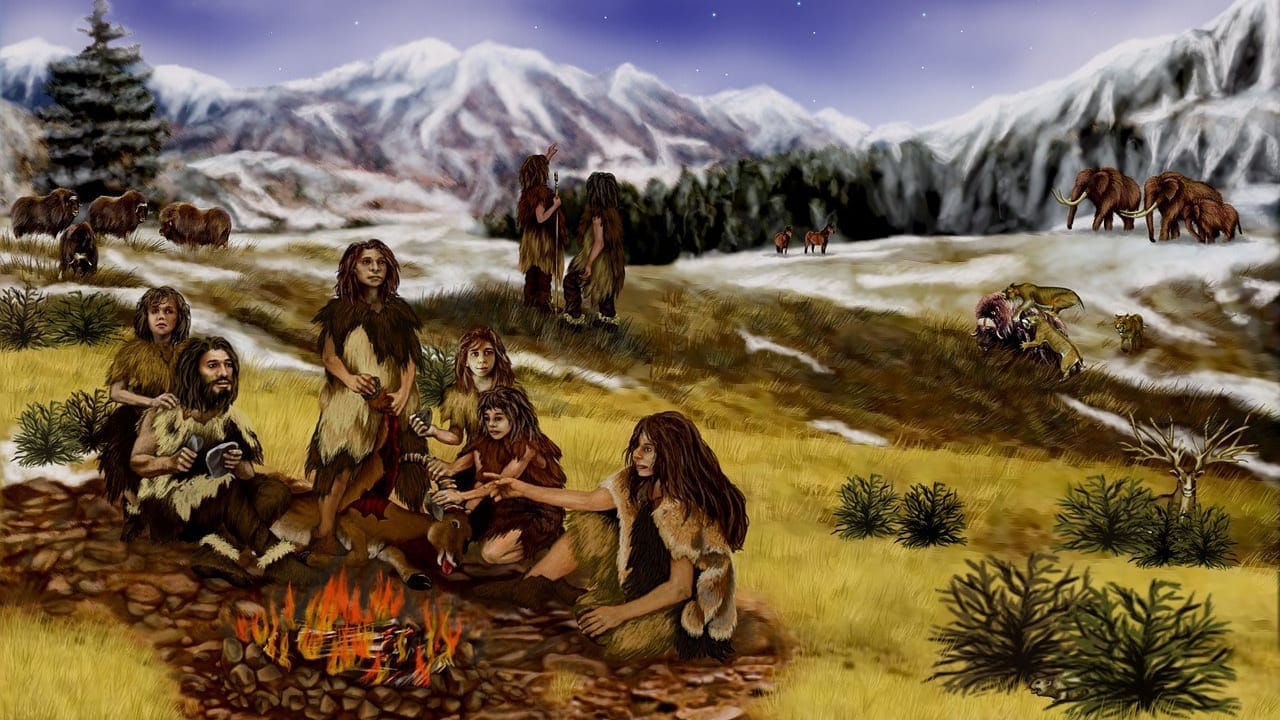
Why it matters: This refines the timeline and social structure of Neanderthal populations in a key geographic corridor, challenging prior chronologies and revealing deep-time genetic continuity.
Context: The discovery highlights tensions between molecular dating and radiocarbon methods, as seen in the conflicting age estimates for the ‘Thorin’ individual, underscoring ongoing methodological debates in paleogenomics.
""This is an extraordinary result because, for the first time, we are able to observe a small group of at least seven Neanderthals from Central-Eastern Europe who lived around 100,000 years ago," said Andrea Picin, professor at the University of Bologna and coordinator of the research." — JPOST
Commentary: The finding pushes back the evidence for structured Neanderthal groups in Central-Eastern Europe by tens of thousands of years, suggesting the region was a persistent hub rather than a sporadic frontier. The shared maternal lineage across strata implies multi-generational site use, complicating models of Neanderthal mobility. The genetic links to distant populations indicate that gene flow across the continent occurred earlier and more frequently than previously documented, reshaping understanding of Pleistocene social networks.
Date: May 13, 2026 12:00 AM ET
URL: http://www.jpost.com/archaeology/article-895960
AI Sentiment Score: Negative (50%)
AI Credibility Score: 10.0/10 — High
Scores and text generated by AI analysis of the source article indicated.
Ancient DNA reveals a hidden Neanderthal group frozen in time (Sciencedaily)
Summary: Analysis of mitochondrial DNA from eight Neanderthal teeth found in Stajnia Cave, Poland, has reconstructed the genetic profile of a contemporaneous group living there approximately 100,000 years ago. This represents the first genetic snapshot of multiple individuals from a single site and period in this region. The data indicates these individuals shared genetic ties with Neanderthal populations spread across Europe and the Caucasus, lineages which later vanished.
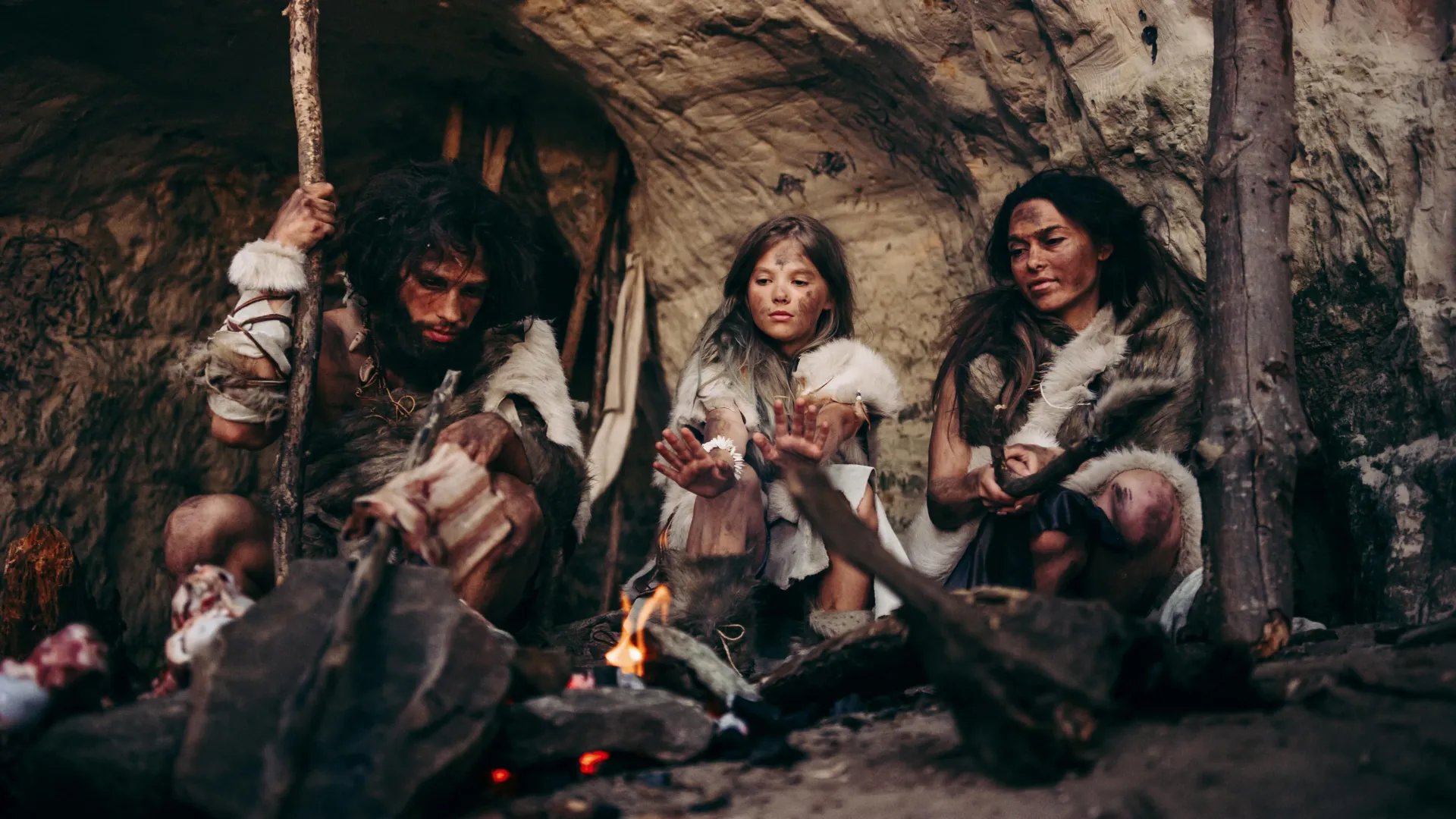
Why it matters: It provides a rare, high-resolution look at Neanderthal social structure and population dynamics at a specific moment, shifting analysis from broad continental patterns to local community genetics.
Context: Previous ancient DNA studies of Neanderthals have largely focused on individual specimens or broader phylogeographic patterns across vast timescales and distances, leaving a gap in our understanding of their immediate social units.
"This marks the first time scientists have rebuilt a genetic picture of multiple Neanderthals from a single site and era in this region." — SCIENCEDAILY
Commentary: The finding operationalizes the concept of a ‘Neanderthal community’ from an abstract model into a genetically testable hypothesis. It forces a recalibration of how we map genetic diversity onto geography and time, suggesting that even within a broadly connected metapopulation, distinct local groups with their own demographic histories existed and were later supplanted. This granularity is crucial for modeling the mechanisms of their eventual extinction, moving beyond climate or competition to internal demographic fragility.
Date: May 20, 2026 12:00 AM ET
URL: http://www.sciencedaily.com/releases/2026/04/260421042757.htm
AI Sentiment Score: Negative (50%)
AI Credibility Score: 10.0/10 — High
Scores and text generated by AI analysis of the source article indicated.
Ancient quids reveal clues about genetic ancestry of early Great … (Sciencedaily)
Summary: A study in PLOS ONE details the successful extraction and sequencing of human DNA from ancient plant-based artifacts, specifically quids—chewed fibrous material—from the Mule Spring Rockshelter in the Desert Southwest. The specimens, dated between 350 and 980 years old, provide genetic data on the Native American inhabitants across nearly a millennium. This represents only the second successful application of this method, pioneered by Steven LeBlanc, to such materials.
Why it matters: It establishes a novel, minimally destructive method for sourcing ancient human DNA from non-skeletal artifacts, potentially unlocking genetic histories from contexts where traditional remains are absent or culturally sensitive to analyze.
Context: Archaeogenetic studies in North America have often relied on skeletal remains, which are rare in many arid regions and whose analysis can conflict with tribal concerns. Previous work on quids by LeBlanc demonstrated the principle, but this study applies rigorous dating to create a chronological genetic sequence.
""Since these materials were also radiocarbon dated, in essence, they provide a time-resolved hotel registry for this unique site over a period of hundreds of years," added Moser." — SCIENCEDAILY
Commentary: The technique transforms mundane artifacts into precise temporal and genetic records, offering a model for studying population continuity, migration, and social dynamics in the Southwest without new excavations of burials. Its success pressures institutions to re-exhibit stored perishable collections as genetic archives and necessitates closer collaboration with descendant communities, who now hold a more complete, but also more sensitive, record of their ancestry in museum drawers.
Date: May 08, 2026 12:00 AM ET
URL: https://www.sciencedaily.com/releases/2018/04/180430102511.htm
AI Sentiment Score: Negative (57%)
AI Credibility Score: 10.0/10 — High
Scores and text generated by AI analysis of the source article indicated.
Scientists use ancient DNA to shed light on adaptation of early … (Sciencedaily)
Summary: A study published in ScienceDaily leverages ancient DNA from skeletal remains to track genetic adaptation in European populations over 7,000 years, spanning the Neolithic to the Iron Age. Using a novel statistical analysis on ancient genomes, researchers identified 14 genomic regions showing signatures of natural selection. These adaptive signals, linked to environmental pressures during the agricultural revolution and subsequent periods, are not detectable in the DNA of modern Europeans.
Why it matters: This reframes our understanding of human adaptation from a static, modern-centric view to a dynamic historical process, revealing how major technological and subsistence shifts like agriculture directly sculpted populations in ways later migrations and admixture have obscured.
Context: Ancient DNA studies have revolutionized population genetics, but most focus on migration and ancestry; direct, high-resolution tracking of natural selection across millennia in a single regional lineage remains methodologically challenging.
"Researchers were able to uncover traces of natural selection — signs of genetic adaptation to environmental pressures — that are undetectable in the DNA of modern Europeans." — SCIENCEDAILY
Commentary: The finding that key adaptive signatures are invisible in modern genomes underscores that evolutionary history is layered and erasable, complicating simplistic narratives of genetic ‘fitness.’ For historians, it suggests adaptation was a rapid, localized response to specific Neolithic and Bronze Age pressures—diet, pathogens, climate—whose genetic legacy was diluted or overwritten, altering how we model the interplay between technology, environment, and human biology over long timescales.
Date: May 04, 2026 12:00 AM ET
URL: https://www.sciencedaily.com/releases/2024/11/241119181845.htm
AI Sentiment Score: Positive (50%)
AI Credibility Score: 10.0/10 — High
Scores and text generated by AI analysis of the source article indicated.
Ancestry Publications Explorer – DNAGENICS (My.Dnagenics)
Summary: DNAGENICS has launched an Ancestry Publications Explorer, aggregating metadata from 1,197 scientific publications on population genetics and ancient DNA from 195 journals over 23 years. The tool indexes studies ranging from the genetic legacy of 17th-century St. Mary’s City to ancient Albanian DNA and the analysis of two individuals buried in an embrace in medieval Poland. This represents a significant consolidation of primary research data in a field historically fragmented across disparate journals and preprint servers.

Why it matters: This aggregation signals a shift towards treating archaeogenetics as a data-centric discipline, where meta-analysis and pattern detection across studies become as critical as individual discoveries.
Context: The field of ancient DNA has been characterized by rapid, high-impact publications, but comparative synthesis has been hampered by data siloing and inconsistent accessibility.
"Ancestry Publications Explore scientific publications on population genetics, ancient DNA, and ancestry research. 1197 Publications 15319 Authors 195 Journals 23 Years." — MY.DNAGENICS
Commentary: The creation of this database by a commercial entity like DNAGENICS underscores the growing institutional and economic value of curated genetic history. It enables new forms of scholarly surveillance—tracking author networks, regional publication biases, and methodological trends—that could reshape research funding and public narratives about human ancestry. The risk is that the curator’s framework and selection criteria become an invisible filter on the historical record itself.
Date: May 15, 2026 12:00 AM ET
URL: https://my.dnagenics.com/ancestry/publications
AI Sentiment Score: Negative (50%)
AI Credibility Score: 10.0/10 — High
Scores and text generated by AI analysis of the source article indicated.
Post ID: 5c53d14c