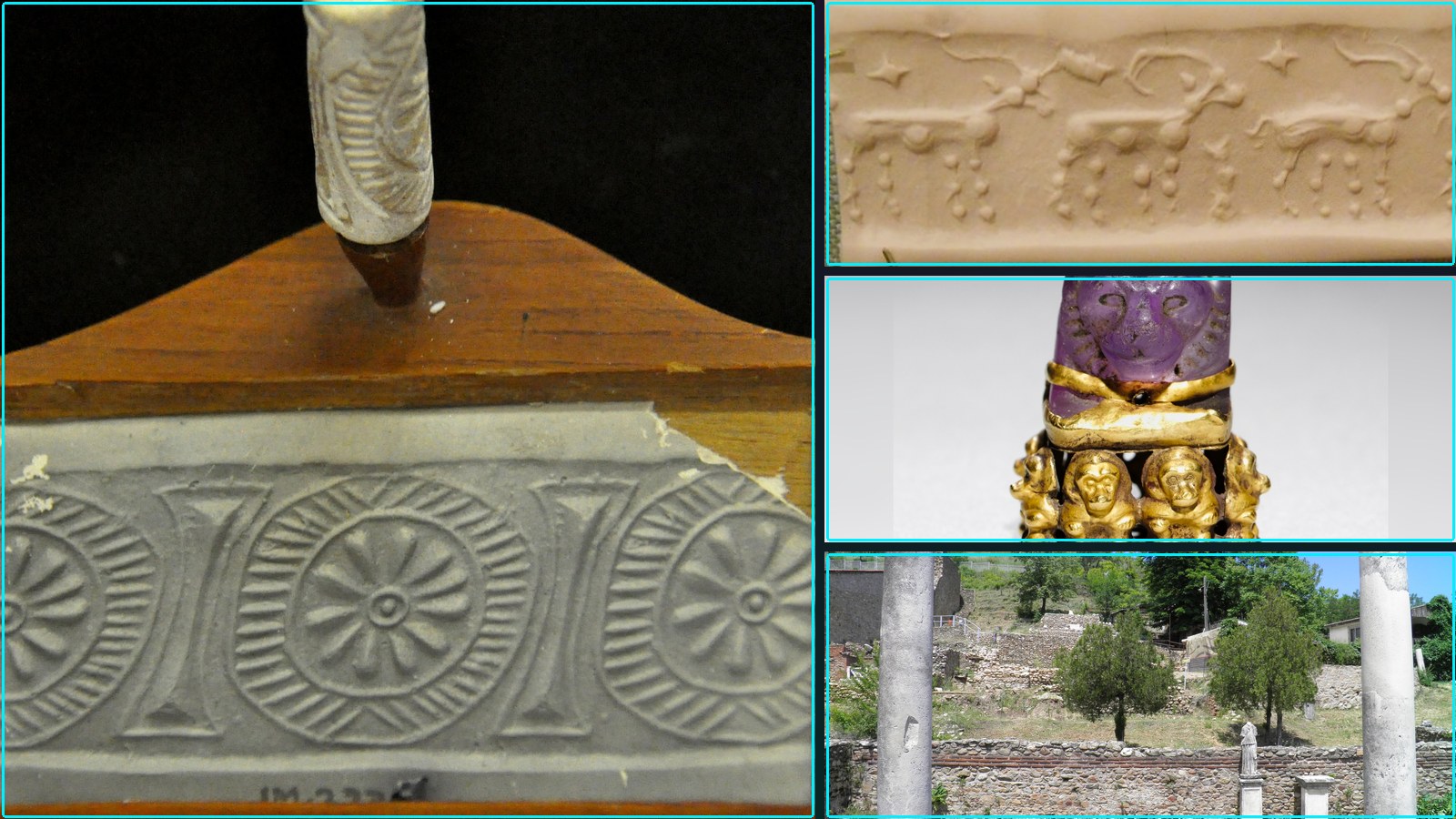
Ancient Cultures, Gods, and Artifacts
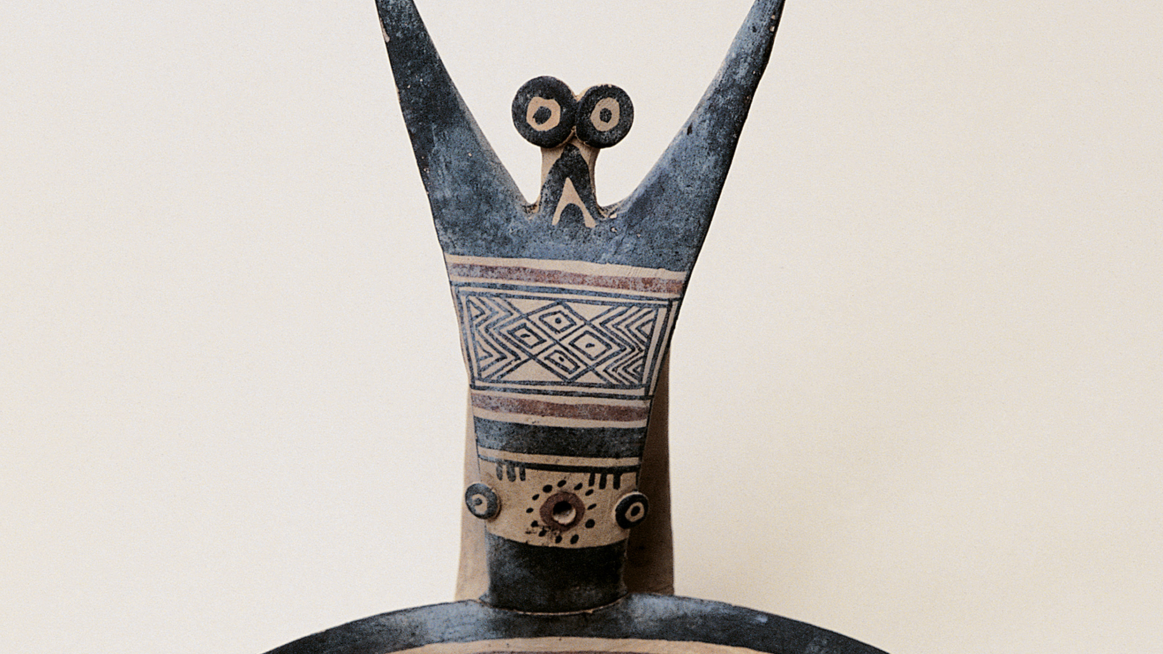
Daunian kyathos: A 2,700-year-old ceramic cup from Italy decorated with an exuberant-looking, bug-eyed fellow (Livescience)
Summary: A Daunian kyathos, a 2,700-year-old ceramic cup or ladle from pre-Roman southern Italy, features a distinctive handle in the form of a stylized human figure with raised arms and wide eyes. Excavated from the Daunian city of Herdonia, this artifact represents a high point of pre-Roman Italian ceramics, produced by a people who left no literary records. Recent analysis of similar Daunian ceramics detected opium alkaloids, suggesting potential ritual or medicinal use beyond mere tableware.
Why it matters: This object shifts the interpretive frame for pre-Roman Italic material culture from aesthetic curiosity to evidence of complex ritual practice and cross-cultural exchange, challenging simplistic narratives of Roman cultural dominance.
Context: The Daunians, an enigmatic people of southeastern Italy, are known almost exclusively through archaeology; their ceramics, traded with Greeks and Illyrians, are primary sources for understanding their society before Roman assimilation.
"In a 2023 research study, scientists tested a series of Daunian ceramics and detected opium alkaloids in most of them, supporting the idea that some vessels were used to create opium mixtures, perhaps to induce religious trances or to aid in pain relief." — LIVESCIENCE
Commentary: The opium finding materially connects form to function, suggesting the kyathos’s exuberant iconography may be linked to altered states rather than mere decoration. This moves Daunian studies from typological cataloguing to pharmacological archaeology, forcing a reevaluation of ‘fine ware’ as potential ritual equipment. It also underscores how trade networks facilitated the movement of both commodities (opium) and artistic forms across the Adriatic, complicating the Greek-centric model of cultural diffusion in Iron Age Italy.
Date: Mon, 18 May 2026 10:00:00 +0000
URL: https://www.livescience.com/archaeology/daunian-kyathos-a-2-700-year-old-ceramic-cup-from-italy-decorated-with-an-exuberant-looking-bug-eyed-fellow
AI Sentiment Score: Negative (50%)
AI Credibility Score: 10.0/10 — High
Scores and text generated by AI analysis of the source article indicated.
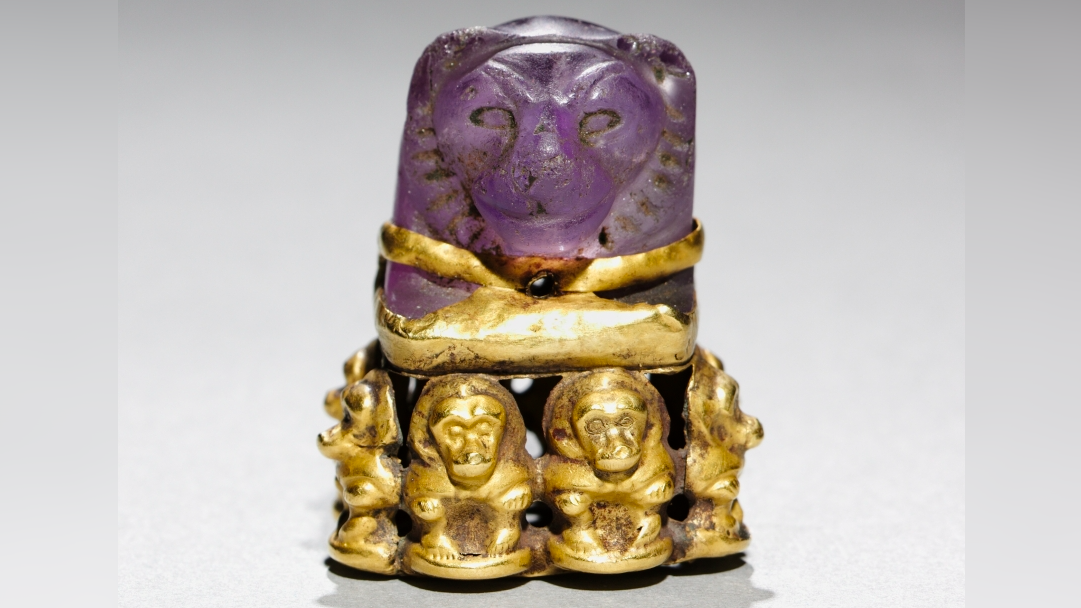
Lion’s head pendant: An ancient Egyptian board game piece that was later repurposed into a magical religious object with baboons (Livescience)
Summary: The Cleveland Museum of Art holds a 1.4-inch pendant featuring an amethyst lion’s head set in a gold mount depicting eight baboons. The amethyst lion was originally carved as a game piece for the Egyptian board game senet during the New Kingdom period (c. 1550–1070 B.C.). Centuries later, in the Napatan period (c. 750–300 B.C.), Nubian artisans in Sudan repurposed the Egyptian artifact by creating a new gold setting, transforming it into a magical religious object intended to be worn in life.
Why it matters: This object demonstrates how material culture was actively reinterpreted across centuries and political boundaries, revealing a deliberate strategy of cultural appropriation and religious innovation.
Context: Nubian rulers in the early first millennium B.C. frequently repurposed older Egyptian stone carvings into new gold mounts to legitimize their rule by claiming descent from pharaonic lineage, particularly Ramesses II.
"The lion’s head pendant was meant to be worn in life, rather than as a funeral gift, and it demonstrates the ancient Nubians’ clever use of Egyptian heirlooms to create new and religiously charged jewelry." — LIVESCIENCE
Commentary: The pendant is not merely a recycled curio but a political and theological statement. By fusing an Egyptian game piece—a secular object of leisure—with Kushite solar iconography (the baboons lifting the lion/Amun), the Napatan artisans performed a sophisticated act of cultural synthesis. This reframes our understanding of heirloom reuse from simple economizing to an active, ideologically charged process of statecraft and religious identity formation. It underscores how objects carry mutable meanings, with their material continuity serving as a vessel for shifting claims to power and divine authority.
Date: Mon, 11 May 2026 10:00:00 +0000
URL: https://www.livescience.com/archaeology/ancient-egyptians/lions-head-pendant-an-ancient-egyptian-board-game-piece-that-was-later-repurposed-into-a-magical-religious-object-with-baboons
AI Sentiment Score: Positive (50%)
AI Credibility Score: 10.0/10 — High
Scores and text generated by AI analysis of the source article indicated.
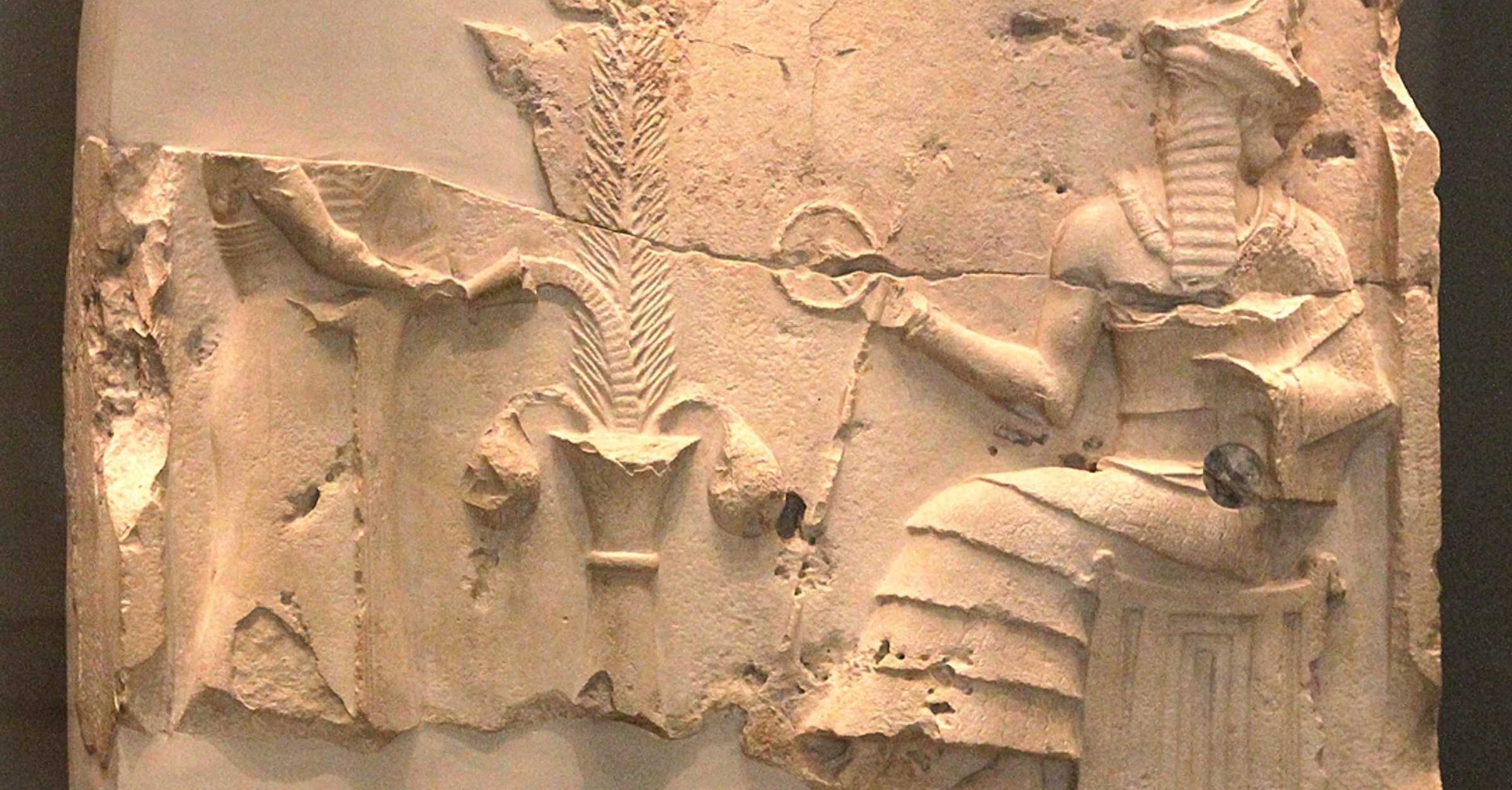
Utu-Shamash: Sumerian God of the Sun and Justice (Worldhistory)
Summary: A profile of Utu-Shamash, the Mesopotamian sun god, details his dual role as a source of light and a divine arbiter of justice, a concept that directly informed statecraft, as seen in Hammurabi’s invocation of Shamash for his law code. The analysis traces his iconography, cult centers, and familial relationships within the pantheon, while also examining his function in myths as a witness, judge, and occasional intervener in human and underworld affairs. His enduring presence in the textual record, from circa 3500 BCE to 100 BCE, underscores a foundational link between celestial observation, moral order, and political legitimacy in ancient Near Eastern thought.
Why it matters: It reveals how a core cosmological principle—the all-seeing sun—was operationalized into a lasting framework for justice, governance, and the relationship between the living and the dead, shaping legal and religious institutions for millennia.
Context: The conceptual pairing of solar divinity with juridical authority is a recurrent archetype in early state formation, providing a transcendent sanction for codified law and social hierarchy.
"Utu-Shamash (also known as Babbar, Samas, Shamash, and Utu) is the Sumerian god of the sun and divine justice. He is the son of the moon god Nanna and the fertility goddess." — WORLDHISTORY
Commentary: Hammurabi’s strategic selection of Utu-Shamash over a city patron like Marduk demonstrates a sophisticated understanding of public legitimacy: he anchored his code’s authority in a universally observable, impartial natural phenomenon, not just local tribal loyalty. This move abstracted justice from purely parochial patronage, setting a precedent for law deriving from a perceived objective, cosmic order. The god’s associated role in judging the dead further extended this juridical principle into the metaphysical realm, creating a continuous thread of accountability. The persistence of this solar-justice linkage, from Larsa to the winged disc of Assyria, shows its utility as a durable tool for state power and social cohesion.
Date: Sat, 23 May 2026 09:00:01 +0000
URL: https://www.worldhistory.org/Utu-Shamash/
AI Sentiment Score: Negative (50%)
AI Credibility Score: 10.0/10 — High
Scores and text generated by AI analysis of the source article indicated.
The World’s Oldest Love Poem: The Love Song for Shu-Sin (Worldhistory)
Summary: The discovery and translation of the Sumerian ‘Love Song for Shu-Sin’ (c. 2000 BCE) displaced the biblical Song of Songs as the world’s oldest known love poem. Its 19th-century excavation, part of a broader archaeological push to corroborate biblical history, instead revealed Mesopotamian precursors to Genesis narratives. The poem itself was a liturgical text for a ‘sacred marriage’ ritual, where the king’s union with a priestess of Inanna was believed to ensure fertility. Its 20th-century translation by Samuel Noah Kramer provided a concrete artifact of early romantic expression embedded within state religious practice.

Why it matters: It demonstrates how material discovery can fundamentally reorder cultural chronologies and challenge foundational narratives, shifting the origins of literary themes from the biblical to the Mesopotamian sphere.
Context: 19th-century Near Eastern archaeology, often funded by biblically interested patrons, systematically unearthed a literate, complex Mesopotamian civilization that predated and influenced Hebrew texts.
"Instead of finding the evidence they hoped for, they discovered cuneiform tablets which established that many of the biblical narratives were derived from Mesopotamian sources. This discovery had a profound impact not only on biblical scholarship at the time but also on the history of the world as it was then understood." — WORLDHISTORY
Commentary: The poem’s history encapsulates a pivotal epistemic shift: archaeology moved from confirming tradition to constructing independent historical sequences. Its function as a ritual text also reframes ‘love poetry’ from a purely personal genre to an instrument of state ideology, blending intimate expression with the political theology of divine kingship. This dual nature complicates modern romantic readings while anchoring the literary history of emotion in concrete institutional practice.
Date: Mon, 04 May 2026 15:58:46 +0000
URL: https://www.worldhistory.org/article/750/the-worlds-oldest-love-poem/
AI Sentiment Score: Negative (50%)
AI Credibility Score: 10.0/10 — High
Scores and text generated by AI analysis of the source article indicated.
Eurydice I: The First Macedonian Queen with Political Influence (Worldhistory)
Summary: Eurydice I, mother of Philip II and grandmother of Alexander the Great, emerges from the historical record as the first Macedonian queen to wield verifiable political influence. Her actions following the deaths of her husband Amyntas III and eldest son Alexander II—including securing Athenian protection for her younger sons via the commander Iphicrates—demonstrate a decisive role in dynastic survival. This establishes a precedent for subsequent Hellenistic queens, including her own descendants like Olympias. The discovery of dedicatory inscriptions identifying her as ‘Eurydice, daughter of Sirras’ further underscores her assertion of an autonomous identity separate from her royal spouse.
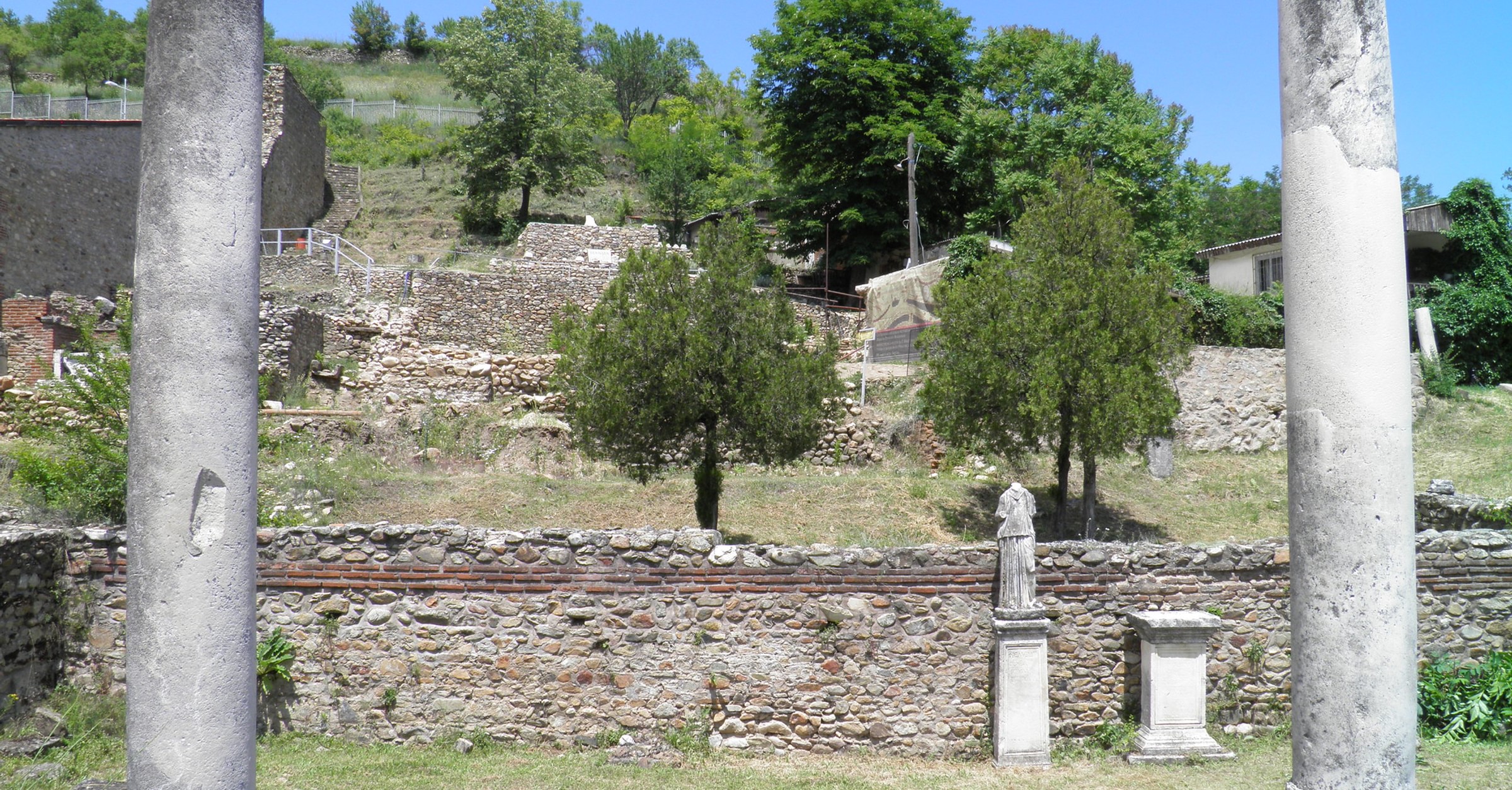
Why it matters: It recalibrates the timeline for female political agency in a foundational ancient power, showing that the model for Hellenistic queenship was not a sudden innovation but had deep Argead roots.
Context: Traditional historiography of ancient Macedonia is overwhelmingly androcentric, often casting royal women as passive vessels or scheming adulteresses, a narrative typified by the hostile account of Justin.
"Based on the extant evidence, Eurydice’s political impact became apparent after her husband’s death, and it was so remarkable and decisive that she was honoured later through both verbal tributes and material constructions." — WORLDHISTORY
Commentary: Eurydice’s legacy reframes the Macedonian court not as a purely masculine sphere but as a network where elite women’s literacy, natal lineage, and diplomatic acumen were critical assets for dynastic continuity. The material evidence of her self-dedications, emphasizing her identity as ‘daughter of Sirras,’ challenges the assumption that royal women were defined solely by marriage, suggesting a conscious negotiation of personal and political authority. This forces a re-evaluation of the ‘backstage’ power structures that stabilized the Argead dynasty prior to Philip II’s consolidation, with implications for understanding the operational realities of succession crises.
Date: Wed, 13 May 2026 16:01:02 +0000
URL: https://www.worldhistory.org/Eurydice_I/
AI Sentiment Score: Negative (66%)
AI Credibility Score: 10.0/10 — High
Scores and text generated by AI analysis of the source article indicated.
Cylinder Seals in Ancient Mesopotamia: Their History and Significance (Worldhistory)
Summary: Cylinder seals were ubiquitous administrative and personal artifacts in ancient Mesopotamia, functioning as signatures, access controls, and amulets across all social strata. Their intricate, intaglio-carved designs on semiprecious stone cylinders provided a durable record of individual identity, occupation, and bureaucratic function, predating and persisting alongside cuneiform writing. Scholarly debate centers on whether they evolved from stamp seals or developed concurrently, with regional preferences (cylinder in complex southern bureaucracies, stamp in the north) suggesting a link between administrative needs and technological form. Their widespread use and the specialized craft of seal-cutting reveal a sophisticated system of verification and a cultural obsession with permanence in an impermanent world.
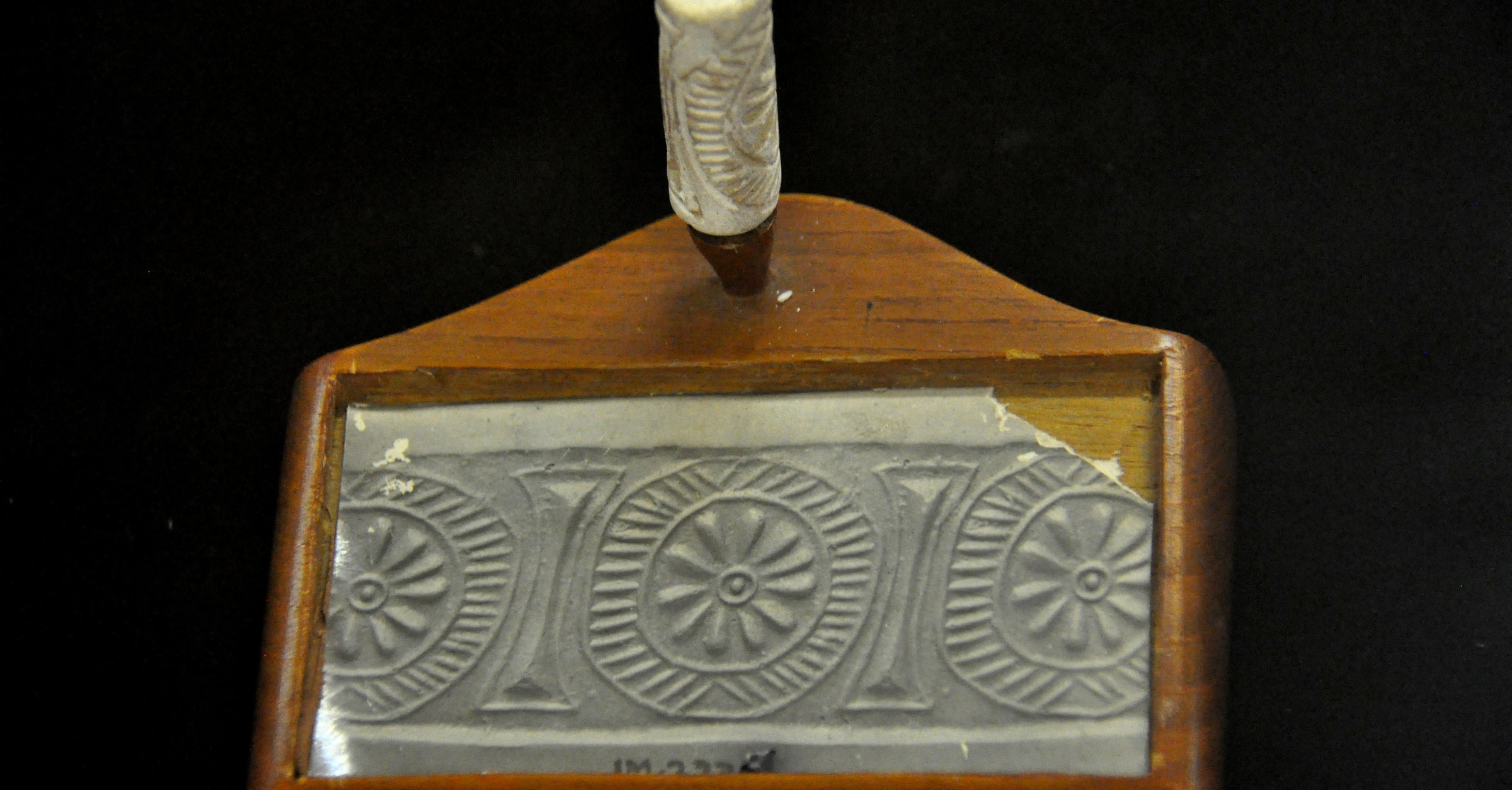
Why it matters: This analysis reframes our understanding of early bureaucratic complexity, showing how material technology (seal form) directly reflected and enabled administrative scale and individual agency long before standardized writing.
Context: The study of administrative technology in early states often focuses on writing, but physical authentication systems like seals were foundational to economic and legal transactions, embedding social hierarchy and personal identity in portable artifacts.
"Among the most interesting and revealing artifacts discovered from ancient Mesopotamia are cylinder seals. These fairly small items may be seen today in museum exhibits around the world, but, perhaps owing to." — WORLDHISTORY
Commentary: Reichel’s argument shifts the debate from a linear technological progression to a functional adaptation: the cylinder seal was not an inevitable ‘improvement’ but a tool optimized for the dense, individuated needs of southern Mesopotamian bureaucracy. This implies that administrative complexity can drive the morphology of durable goods, not just software or procedure. The concurrent use of stamp seals in northern regions underscores that technological portfolios in antiquity were often heterogeneous, shaped by local institutional demands rather than uniform civilizational advancement.
Date: Tue, 19 May 2026 08:51:07 +0000
URL: https://www.worldhistory.org/article/846/cylinder-seals-in-ancient-mesopotamia/
AI Sentiment Score: Negative (83%)
AI Credibility Score: 10.0/10 — High
Scores and text generated by AI analysis of the source article indicated.
Nanna: Mesopotamian God of the Moon and Wisdom (Worldhistory)
Summary: A profile of Nanna (Sin), the Mesopotamian moon god, traces his theological evolution from a primordial Sumerian deity circa 3500 BCE to a figure of state power, wisdom, and posthumous judgment. His cult, centered at Ur and Harran, was leveraged by rulers from Sargon of Akkad to Nabonidus for political consolidation. The article details his shifting roles—from father of the sun to judge of the dead—and his association with fertility, timekeeping, and divine oversight through artifacts like the ‘eyes of Ningal.’

Why it matters: It demonstrates how a core deity’s attributes were recursively adapted to mirror and legitimize changing socio-economic structures, from hunter-gatherer timekeeping to imperial administration and afterlife beliefs.
Context: Mesopotamian deity studies often focus on static pantheon lists; this analysis highlights dynamic theological engineering in response to political and agricultural shifts over millennia.
"An interesting aspect of this family tree is that the moon (Nanna) is the father of the sun (Utu-Shamash). It is thought this belief originated in the early days of a hunter-gatherer social structure, when the moon was more important to a community for traveling by night and telling the time of the month; the sun only became more important once the people settled down and began to practice agriculture. The religious belief, then, mirrored the cultural development." — WORLDHISTORY
Commentary: The theological inversion of lunar primacy over solar reflects a deep historicity in myth, where narrative encodes technological and economic transitions. This isn’t mere symbolism but a cognitive artifact of sedentarization, showing how cosmogony is revised to naturalize new power structures—a pattern repeated when Nanna is later elevated to judge of the dead during the bureaucratic Ur III period.
Date: Thu, 21 May 2026 08:58:45 +0000
URL: https://www.worldhistory.org/Nanna/
AI Sentiment Score: Negative (50%)
AI Credibility Score: 10.0/10 — High
Scores and text generated by AI analysis of the source article indicated.
The Marduk Prophecy: Travels of the Statue of a Babylonian God (Worldhistory)
Summary: The Marduk Prophecy, an Assyrian text from the 7th century BCE, presents a fictionalized history of the statue of Babylon’s patron god being taken and returned by foreign powers. Written as propaganda for Nebuchadnezzar I’s victory over Elam, it uses the established literary genre of naru literature to frame contemporary political restoration as a divine prophecy. The text underscores the tangible, political reality of divine presence in Mesopotamian cities, where the seizure of a cult statue was a catastrophic act of war and a theological crisis.
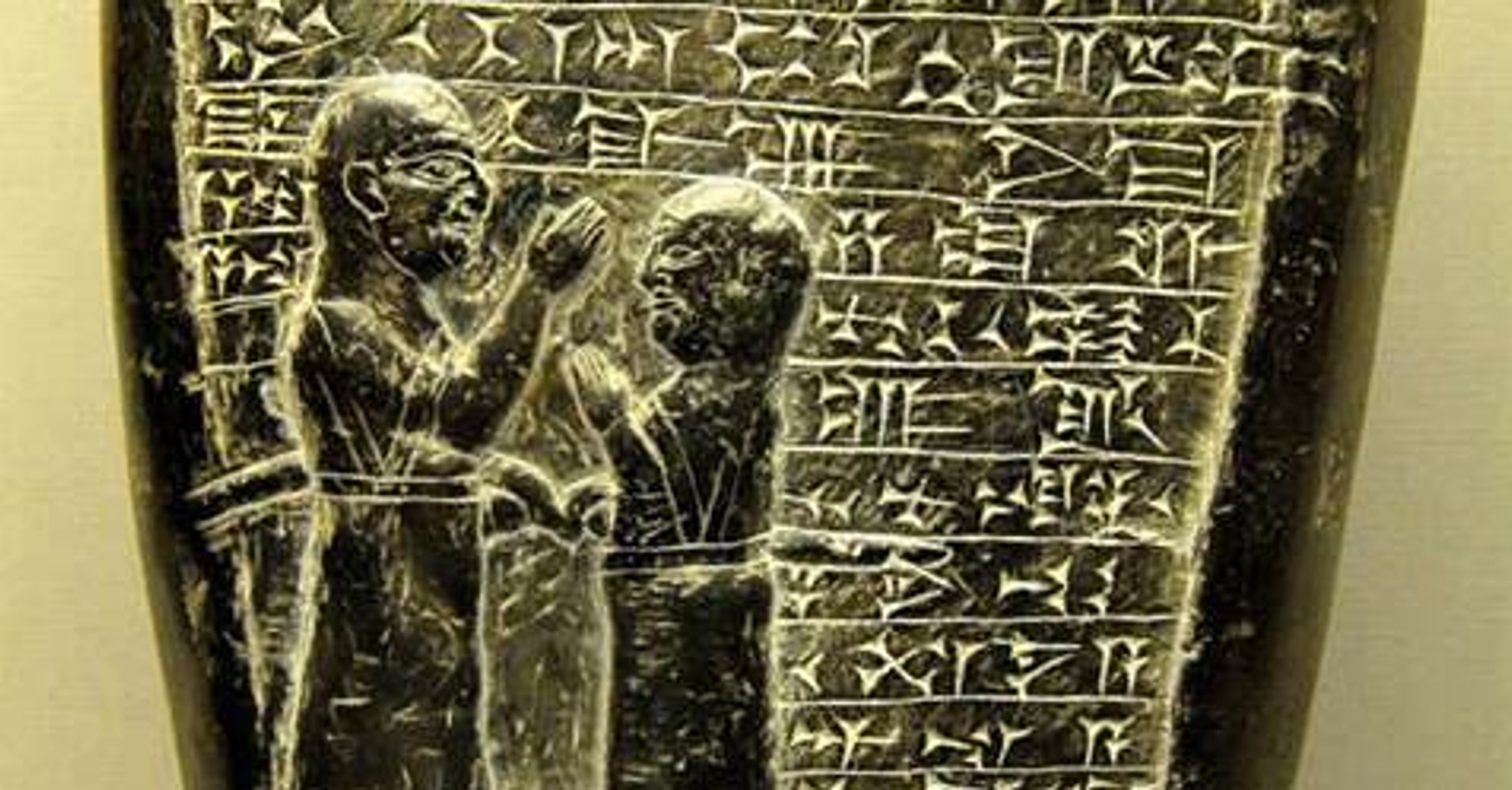
Why it matters: It reveals how ancient states weaponized historical narrative and religious belief to legitimize power, a practice with clear analogs in modern political propaganda and cultural patrimony disputes.
Context: This fits a pattern of Mesopotamian ‘naru literature,’ where historical events were retrofitted into prophetic or moralizing narratives to serve ideological ends, such as The Curse of Akkad’s revision of King Naram-Sin.
"The author would have constructed the narrative to place the events in the past in order to allow for a ‘prophetic vision’ in which the present king would come to restore peace and order to the city by bringing home the statue of the god." — WORLDHISTORY
Commentary: The prophecy is less a religious document than a state-crafted mythos, designed to convert military success into a preordained divine mandate. It operationalizes the deeply held belief that a god’s physical statue was its presence, making its capture a direct assault on civic order and identity. This reframes our understanding of ancient conquest: victory required not just territorial control but the narrative co-option of the defeated culture’s cosmological framework. The statue’s documented travels, from Hittites to Persians, trace a material history of imperial power where sovereignty was literally portable.
Date: Thu, 14 May 2026 16:00:10 +0000
URL: https://www.worldhistory.org/article/990/the-marduk-prophecy/
AI Sentiment Score: Positive (80%)
AI Credibility Score: 10.0/10 — High
Scores and text generated by AI analysis of the source article indicated.
The Descent of Inanna: A Sumerian Tale of Injustice (Worldhistory)
Summary: The Sumerian poem ‘The Descent of Inanna’ (c. 1900-1600 BCE) details the goddess’s journey to the underworld to visit her widowed sister, Ereshkigal. Stripped of her divine regalia and killed, Inanna is later resurrected through divine intervention but must provide a substitute, leading to the cyclical underworld imprisonment of her consort Dumuzi and his sister. Modern Jungian interpretations frame this as an archetypal journey to wholeness, but the article argues this reading ignores the narrative’s specific cultural and intertextual logic.
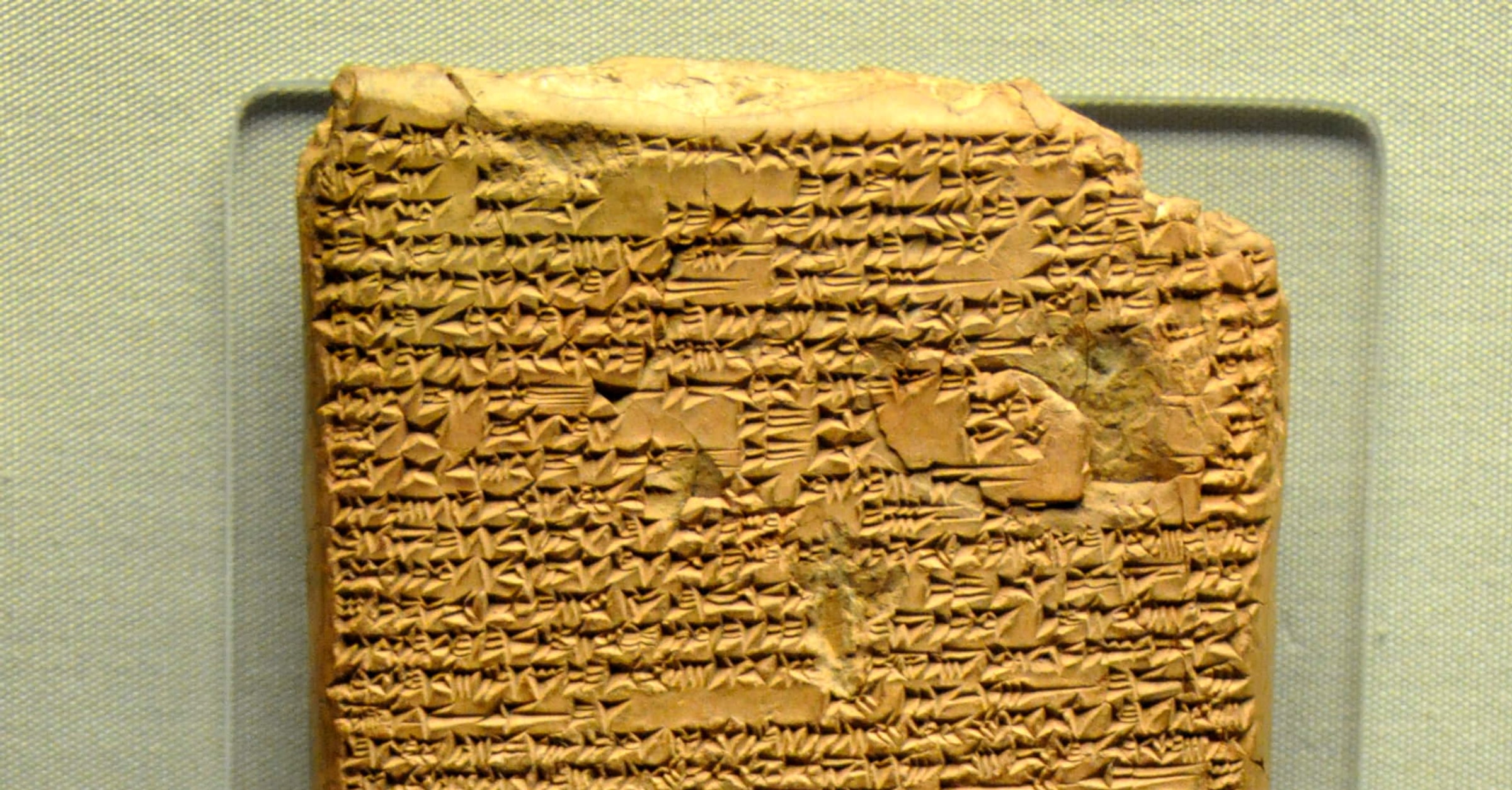
Why it matters: It challenges anachronistic, psychological readings of ancient myth by restoring a text to its original narrative and ethical context, demonstrating how ancient literature operated as a coherent system of cause, consequence, and divine fallibility.
Context: The interpretation hinges on reading the poem alongside ‘The Epic of Gilgamesh,’ where Inanna’s prior actions—specifically causing the death of Ereshkigal’s husband, Gugalanna—establish a clear motive for her sister’s wrath and the poem’s punitive justice.
"If a reader is acquainted with the story of Gilgamesh, then The Descent of Inanna is more easily understood within the context and culture of ancient Mesopotamia. Inanna, showing no more regard for her sister’s feelings than she did for the 300 innocent young men she killed with the Bull of Heaven, decides she will attend the funeral of the brother-in-law whose death she is responsible for." — WORLDHISTORY
Commentary: This corrective reading shifts the poem from a timeless allegory of self-discovery to a specific myth about accountability and the cascading consequences of divine caprice. It underscores that Mesopotamian narrative coherence was built on intertextual cause-and-effect, not abstract symbolism, offering a more grounded view of how these cultures conceptualized divine justice and mortal suffering.
Date: Tue, 19 May 2026 15:49:50 +0000
URL: https://www.worldhistory.org/article/215/the-descent-of-inanna/
AI Sentiment Score: Negative (75%)
AI Credibility Score: 10.0/10 — High
Scores and text generated by AI analysis of the source article indicated.
Inanna: The Most Popular Goddess of Ancient Mesopotamia (Worldhistory)
Summary: The article synthesizes scholarship on the Sumerian goddess Inanna, tracing her evolution from a local vegetative deity to the supreme ‘Queen of Heaven’ across Mesopotamia, a transformation significantly driven by the literary works of the high priestess Enheduanna. It details her complex, non-maternal persona encompassing love, war, and political power, her central role in foundational myths like ‘The Descent of Inanna’ and the Epic of Gilgamesh, and her syncretic identification with deities like Ishtar and Aphrodite. The analysis also covers her unique cult practices, including a clergy that embodied a third gender, and her enduring popularity even as the status of female deities generally declined under patriarchal legal codes like those of Hammurabi.
Why it matters: This analysis matters because it reveals how political power, literary canonization, and gender ideology were intertwined in state formation, showing a specific pathway by which a deity’s attributes were curated to serve imperial consolidation and cultural memory.
Context: The piece fits within ongoing scholarly reassessment of how goddess cults functioned as institutions of economic power, social regulation, and narrative authority in early complex societies, prior to later patriarchal systematizations.
"Inanna is the ancient Sumerian goddess of love, sensuality, fertility, procreation, and also of war. She later became identified by the Akkadians and Assyrians as the goddess Ishtar, and further with the." — WORLDHISTORY
Commentary: The explicit link between Enheduanna’s literary program and Sargon’s political project demonstrates an early, sophisticated use of state-sponsored narrative to consolidate power, recasting a local goddess as a universal symbol of Akkadian authority. Inanna’s subsequent endurance, contrasted with the assimilation of goddesses like Nisaba into male gods, highlights a strategic compromise where her culturally resonant, transgressive aspects were preserved precisely because they were functionally useful for warfare, sexuality, and popular devotion, even within increasingly patriarchal structures.
Date: Mon, 18 May 2026 09:01:04 +0000
URL: https://www.worldhistory.org/Inanna/
AI Sentiment Score: Neutral (33%)
AI Credibility Score: 10.0/10 — High
Scores and text generated by AI analysis of the source article indicated.
Cylinder Seal: Ancient Personal Identification (Worldhistory)
Summary: Cylinder seals, originating in the Late Neolithic Near East, served as the primary mechanism for authenticating identity and authority in ancient Mesopotamia. Worn as personal adornments, they were rolled onto clay documents to function as binding signatures across social strata, from slaves to royalty. Their design evolved in tandem with bureaucratic complexity, with detailed cylinder seals favored in administrative centers like Uruk over simpler stamp seals. The objects combined practical legal functions with spiritual amuletic purposes, and their loss was treated with a seriousness akin to modern identity theft.
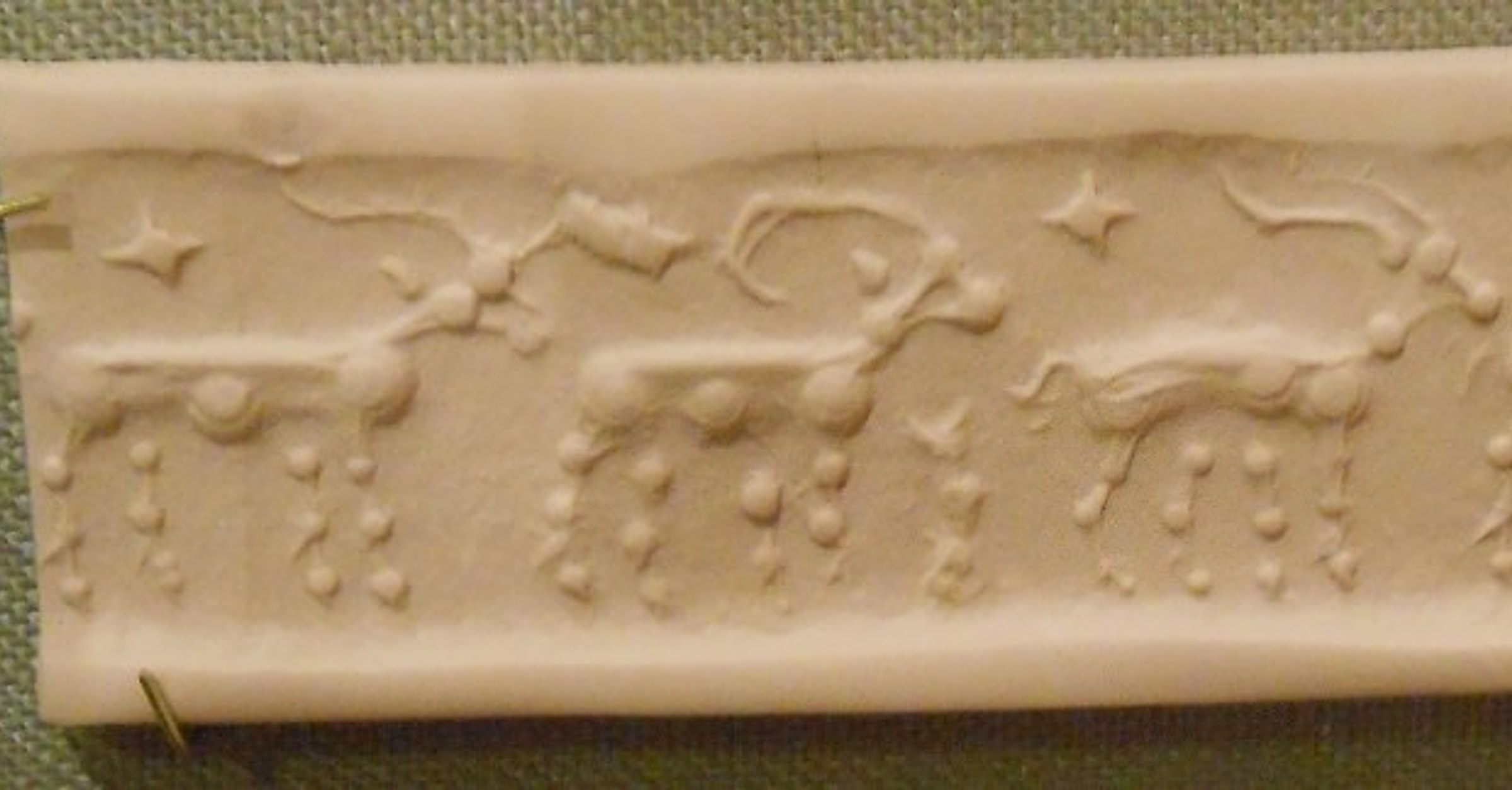
Why it matters: It reframes our understanding of administrative technology, showing how a physical artifact centralized identity, authority, and bureaucratic control millennia before digital signatures.
Context: The analysis of administrative tools like seals reveals the material infrastructure of early states, where control of representation was synonymous with control of power and economic exchange.
"Cylinder Seals were impression stamps used by the people of ancient Mesopotamia. Known as kishib in Sumerian and kunukku in Akkadian, the seals were used by everyone, from royals to slaves, as." — WORLDHISTORY
Commentary: The cylinder seal system prefigures core challenges of modern identity management: the inseparability of personal authentication from social rank, the vulnerability of a centralized credential, and the professional specialization required to produce trusted artifacts. Its parallel, independent development in Mesoamerica suggests a recurring technological solution to state formation, not a cultural curiosity.
Date: Fri, 15 May 2026 16:00:23 +0000
URL: https://www.worldhistory.org/Cylinder_Seal/
AI Sentiment Score: Negative (75%)
AI Credibility Score: 10.0/10 — High
Scores and text generated by AI analysis of the source article indicated.
Digital Reconstruction of Caesarea Maritima: A Gallery of 11 Images (Worldhistory)
Summary: A digital reconstruction of Caesarea Maritima, based on archaeological reports and Josephus’s accounts, visualizes the full-scale Herodian port city built as a strategic Roman foothold in the Eastern Mediterranean. The city later became the provincial capital of Syria-Palaestina following the suppression of Jewish revolts, with its population exceeding 100,000 in the Byzantine era. The reconstruction highlights the city’s engineered harbor, infrastructure, and its evolution from a client-king’s project to a central node of imperial administration and military power.
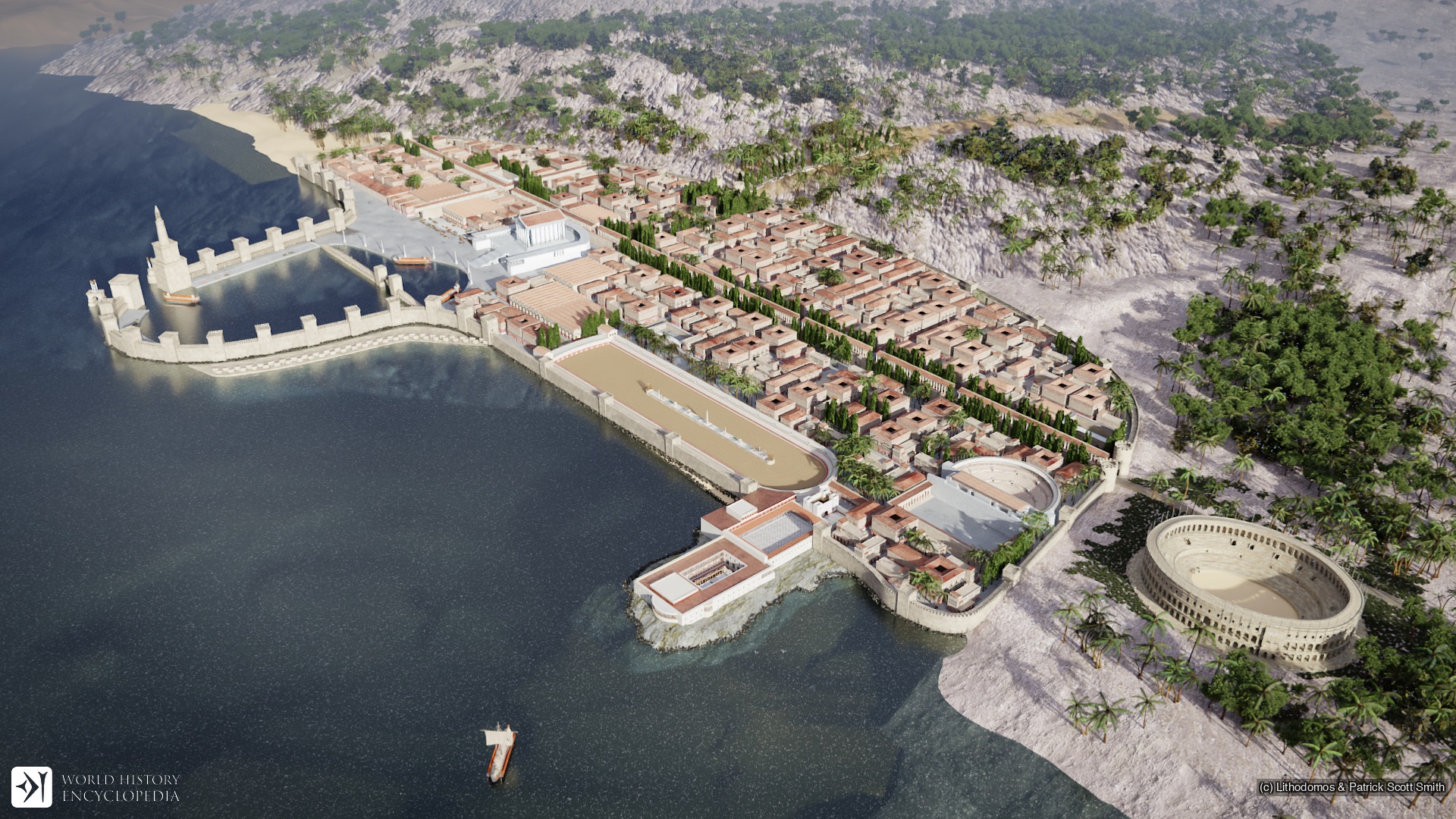
Why it matters: This visualization concretizes the mechanics of imperial territorial control, showing how infrastructure projects were tools for political consolidation and demographic change following conquest.
Context: Digital reconstructions are shifting historical interpretation from textual abstraction to spatial and operational analysis, allowing scholars to test hypotheses about urban logistics, monumentality, and lived experience.
"Herod the Great accomplished this feat by constructing a whole city, complete with a temple, palaces, amphitheater, theater, paved streets, waterworks, and, fundamental to the city’s purpose, Herod’s harbor." — WORLDHISTORY
Commentary: The reconstruction underscores that Caesarea was not an organic settlement but a deliberate instrument of power—a turnkey operation for Roman hegemony. Its subsequent role as the capital of Syria-Palaestina illustrates the administrative repurposing of built environments to erase previous political identities. For specialists, the value lies in visualizing the scale of investment required to anchor imperial rule and the tangible link between monumental construction and demographic displacement.
Date: Mon, 11 May 2026 16:00:11 +0000
URL: https://www.worldhistory.org/collection/322/digital-reconstruction-of-caesarea-maritima/
AI Sentiment Score: Negative (75%)
AI Credibility Score: 10.0/10 — High
Scores and text generated by AI analysis of the source article indicated.
Archaeologists Just Discovered a Fragment of Homer’s Iliad Inside an Ancient Egyptian Mummy – The Debrief (Thedebrief)
Summary: University of Barcelona archaeologists excavating a Roman-era tomb at Oxyrhynchus discovered a 1,600-year-old papyrus fragment from Book II of Homer’s Iliad placed on a mummy’s abdomen as part of the embalming ritual. This is the first documented instance of a Greek literary text being incorporated into Egyptian mummification, a practice previously associated with magical texts. The fragment details the catalog of Greek ships preparing for the Trojan War.

Why it matters: It redefines the cultural and ritual syncretism of late Roman Egypt, showing how a foundational Western literary text was absorbed into local funerary practice, moving beyond mere coexistence to active integration.
Context: Oxyrhynchus is famed for its vast papyri finds, but these are typically from rubbish heaps or archives; funerary contexts have yielded only ritual or magical texts until now.
"it is worth noting that, since the late 19th century, a huge number of papyri have been discovered at Oxyrhynchus, including Greek literary texts of great importance, but the real novelty is finding a literary papyrus in a funerary context." — THEDEBRIEF
Commentary: The find shifts the interpretive frame from textual preservation to active ritual use. Selecting the Iliad’s ship catalog—a list of martial order and collective might—suggests a deliberate symbolic choice, possibly for protection or status in the afterlife, reflecting a sophisticated, hybrid elite identity that wielded Greek paideia as a spiritual technology within Egyptian tradition.
Date: 2 weeks ago
URL: https://thedebrief.org/archaeologists-just-discovered-a-fragment-of-homers-iliad-inside-an-ancient-egyptian-mummy/
AI Sentiment Score: Negative (50%)
AI Credibility Score: 10.0/10 — High
Scores and text generated by AI analysis of the source article indicated.
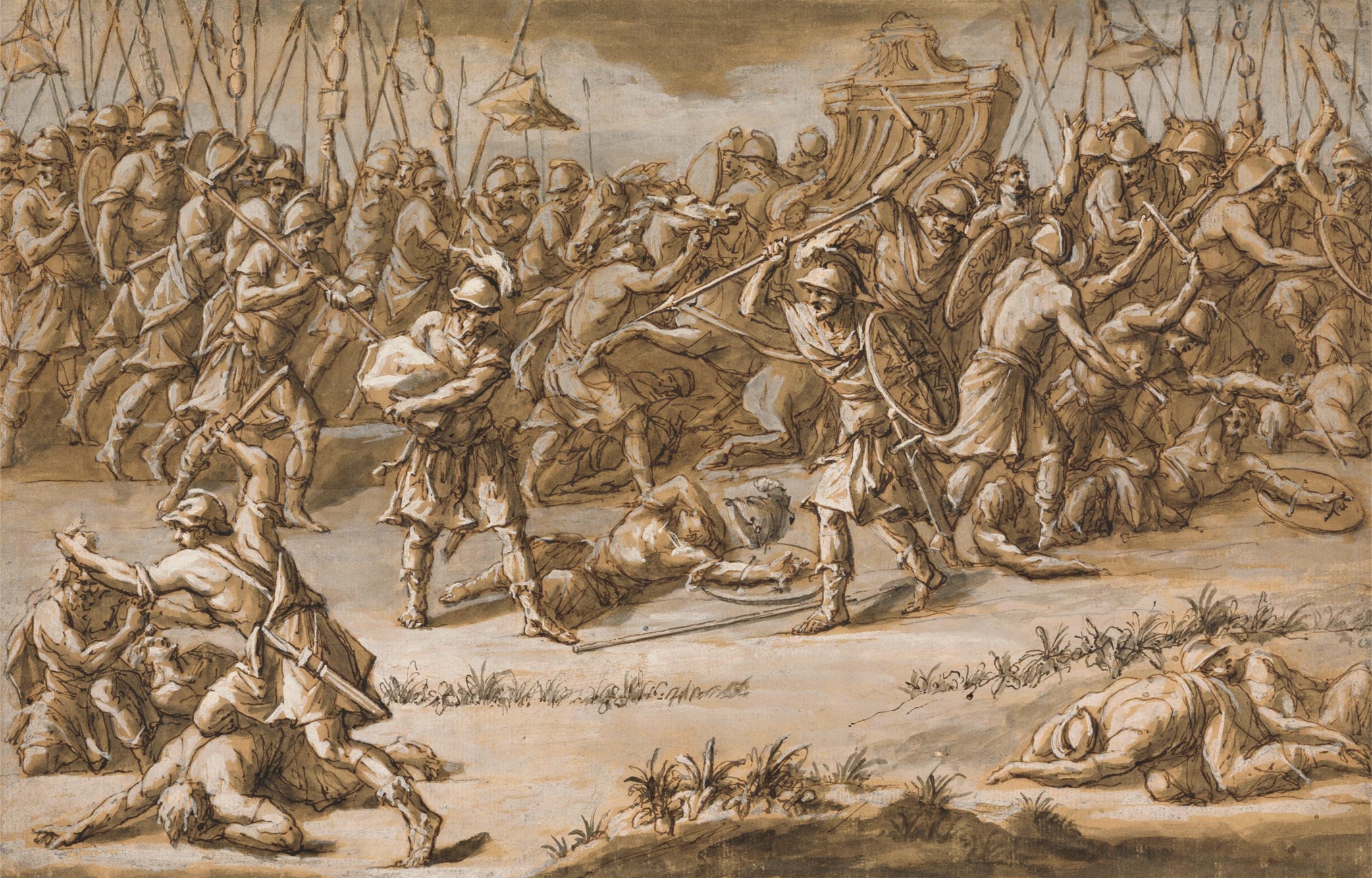
First-of-Its-Kind Discovery: Homer’s Iliad Found Embedded in a 1,600-Year-Old Egyptian Mummy (Scitechdaily)
Summary: A University of Barcelona-led team excavating at Oxyrhynchus (Al Bahnasa) has recovered a fragment of Homer’s Iliad from the abdomen of a 1,600-year-old Roman-era mummy. This marks the first documented instance of a Greek literary text being used in the embalming process, a context previously reserved for magical or ritual papyri. The fragment is identified as coming from the ‘Catalogue of Ships’ in Book II.
Why it matters: This discovery materially shifts our understanding of cultural syncretism and the practical afterlife of canonical texts in late Roman Egypt, moving them from the purely scholarly or performative realm into a ritual one.
Context: Oxyrhynchus is famed for its vast papyrological finds, but its necropoleis have typically yielded funerary texts with overt magical or religious content, not secular literature.
"Researchers discovered an Iliad fragment in a mummy, marking the first literary papyrus used in embalming and offering new evidence of cultural practices in Roman Egypt. More than 1,600 years after it." — SCITECHDAILY
Commentary: The find suggests a broader, more fluid conception of textual power in late antiquity, where the Iliad’s cultural authority may have been seen as protective or talismanic. It challenges the modern categorical separation of ‘literature’ from ‘ritual object’ and implies a pragmatic reuse of available prestigious writing materials, offering a tangible link between Hellenic paideia and Egyptian funerary practice.
Date: 2 weeks ago
URL: https://scitechdaily.com/first-of-its-kind-discovery-homers-iliad-found-embedded-in-a-1600-year-old-egyptian-mummy/
AI Sentiment Score: Negative (50%)
AI Credibility Score: 10.0/10 — High
Scores and text generated by AI analysis of the source article indicated.
Archaeologists Unearth a Papyrus Fragment From the ‘Iliad’ Tucked Inside the Wrappings of a 1,600-Year-Old Egyptian Mummy (Smithsonianmag)
Summary: Archaeologists excavating a 1,600-year-old tomb in Oxyrhynchus, Egypt, have recovered a papyrus fragment of Homer’s ‘Iliad’ from within the wrappings of a mummy. The fragment contains lines from the ‘catalog of ships’ in Book II. This marks the first documented instance of a Greek literary text being deliberately incorporated into the mummification process, distinct from the ritual or magical papyri typically found in such contexts.

Why it matters: This discovery recalibrates our understanding of cultural syncretism in late antiquity, revealing how a foundational Greek literary text was repurposed within Egyptian funerary practice, suggesting a more complex integration of identity and belief than previously documented.
Context: Oxyrhynchus is famed for its vast papyrological finds, but these have largely come from rubbish dumps; finding a literary text in a sealed funerary context is unprecedented. The period saw Greek language and culture deeply embedded in Egyptian society following Alexander’s conquest and subsequent Roman rule.
"Archaeologists Unearth a Papyrus Fragment From the ‘Iliad’ Tucked Inside the Wrappings of a 1,600-Year-Old Egyptian Mummy The excerpt from Homer’s epic poem features his catalog of ships, a famous passage listing." — SMITHSONIANMAG
Commentary: The find shifts the interpretive frame from viewing such inclusions as purely apotropaic to considering them as statements of cultural literacy or personal identity. It suggests the ‘Iliad’ may have held a talismanic or prestige value for the deceased, complicating the boundary between literary canon and ritual object in the multicultural Roman Egyptian world. The discovery prompts a re-examination of other ‘sealed’ mummy papyri, which may contain overlooked literary fragments.
Date: 1 month ago
URL: https://www.smithsonianmag.com/smart-news/archaeologists-unearth-a-papyrus-fragment-from-the-iliad-tucked-inside-the-wrappings-of-a-1600-year-old-egyptian-mummy-180988603/
AI Sentiment Score: Neutral (33%)
AI Credibility Score: 10.0/10 — High
Scores and text generated by AI analysis of the source article indicated.
History Remembers Mary Boleyn as the Scandalous ‘Other Boleyn Girl.’ New Research Debunks the Myths Surrounding the Tudor Mistress (Smithsonianmag)
Summary: Historian Sylvia Barbara Soberton’s new research systematically challenges the entrenched narrative of Mary Boleyn as the ‘promiscuous, intellectually incurious and unambitious’ sister, a figure largely defined by modern historical fiction and reliant on contested sources. Her work re-examines key evidence, including the attribution of a formative court posting in the Netherlands and the infamous ‘great whore’ epithet from a 1536 diplomatic letter, arguing both have been misinterpreted. Soberton posits Mary as an ambitious agent in her own right, whose later life was one of calculated survival and reconciliation, not mere scandal and obscurity.

Why it matters: This recalibration shifts the historiographic foundation for understanding the Boleyn family’s political strategy and the agency of women at the Tudor court, demonstrating how narrative convenience and source mistranslation can cement a misleading historical legacy.
Context: Tudor historiography has long been shaped by the dramatic arc of Anne Boleyn’s rise and fall, often casting other figures as foils. Mary’s portrayal has been particularly susceptible to moralistic framing, amplified by popular culture.
"History Remembers Mary Boleyn as the Scandalous ‘Other Boleyn Girl.’ New Research Debunks the Myths Surrounding the Tudor Mistress Sylvia Barbara Soberton’s latest book challenges the perception of Anne Boleyn’s sister as." — SMITHSONIANMAG
Commentary: Soberton’s intervention is less about discovering new facts than meticulously deconstructing the evidentiary chain supporting a caricature, revealing how scholarly consensus can ossify around ambiguous translations and gendered assumptions. The implication is a methodological one: it demands a re-evaluation of the source base for Anne Boleyn’s early biography and forces a reconsideration of the sisters’ respective roles in the family’s calculated ascent. This work treats Mary not as a sidebar to Anne’s story but as a central figure in understanding the Boleyns’ collective court strategy and the precariousness of female patronage networks.
Date: Mon, 11 May 2026 15:17:59 +0000
URL: https://www.smithsonianmag.com/history/history-remembers-mary-boleyn-as-the-scandalous-other-boleyn-girl-new-research-debunks-the-myths-surrounding-the-tudor-mistress-180988703/
AI Sentiment Score: Negative (50%)
AI Credibility Score: 10.0/10 — High
Scores and text generated by AI analysis of the source article indicated.
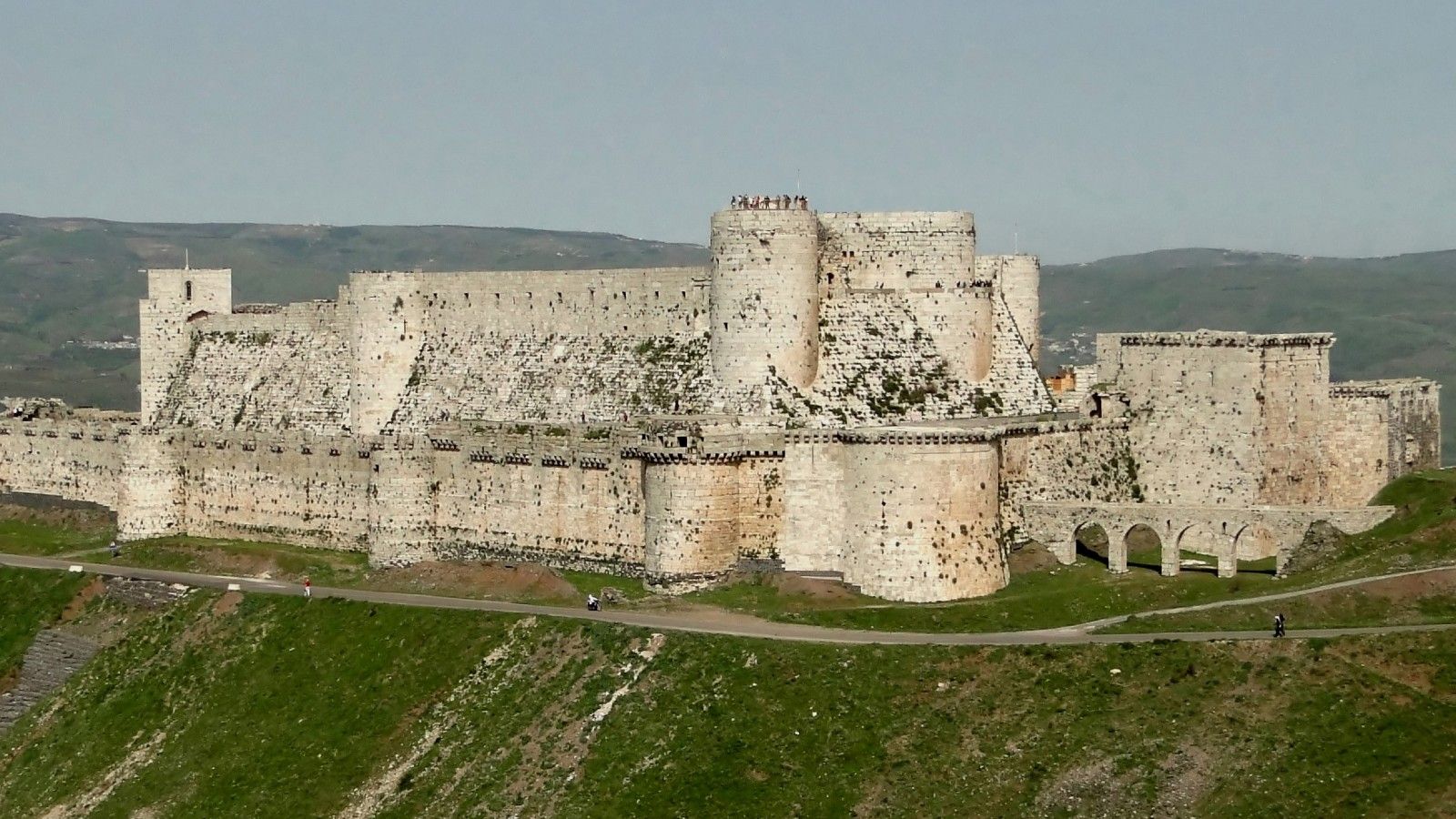
Catapult the cow! 6 medieval castles that were never conquered (Livescience)
Summary: A Livescience article surveys six medieval castles that were never militarily conquered, spanning locations from Sweden to Israel. The examples illustrate diverse defensive successes: Bohus Fortress repelled sieges through architectural redundancy; Hochosterwitz Castle’s legend involves psychological warfare with a catapulted cow; Burgdorf Castle was purchased rather than taken; Mont-Saint-Michel leveraged its tidal island; Kost Castle earned a reputation for hardness; and Château Pèlerin was abandoned, not captured. The piece functions as a catalog of enduring fortifications, highlighting specific tactical, geographic, and diplomatic factors behind their inviolability.
Why it matters: For the Ancient World beat, this list provides concrete case studies for analyzing the material and strategic logic of pre-modern power projection and territorial control, moving beyond romanticized siege narratives.
Context: Medieval military history often focuses on famous conquests and fallen strongholds; a curated examination of successful defenses recalibrates understanding of siege warfare’s practical limits and the non-military pathways to control, such as treaty and purchase.
[Summary note] A Livescience article surveys six medieval castles that were never militarily conquered, spanning locations from Sweden to Israel.
Commentary: The selection underscores that ‘never conquered’ is a status achieved through multiple vectors: layered stonework at Bohus, psychological gambits at Hochosterwitz, and financial transaction at Burgdorf. The operational implication is that medieval sovereignty was as much a function of resilient design and economic leverage as raw martial prowess. The abandonment of Château Pèlerin, while technically unconquered, further nuances the category, showing strategic withdrawal as a final form of defense when geopolitical context collapses.
Date: Sun, 24 May 2026 15:05:00 +0000
URL: https://www.livescience.com/archaeology/catapult-the-cow-medieval-castles-that-were-never-conquered
AI Sentiment Score: Negative (50%)
AI Credibility Score: 10.0/10 — High
Scores and text generated by AI analysis of the source article indicated.
Post ID: 585849e4