The Iran War and Global Tensions
G-7 Finance Ministers Discuss Economic Fallout of Iran War (Foreignpolicy)
Summary: G-7 finance ministers convened in Paris to coordinate a response to the economic fallout from the Iran war, focusing on oil price volatility and bond market stress. U.S. Treasury Secretary Scott Bessent sought to rally allies for tighter sanctions on Iran, but unity was strained by recent U.S. trade policies and sanctions exemptions on Russian crude. The meetings also addressed reopening the Strait of Hormuz, reducing reliance on China for critical minerals, and building alternative supply chains.

Why it matters: The G-7’s ability to coordinate economic policy directly affects global financial stability, energy security, and the resilience of multinational supply chains.
Context: This meeting occurs against a backdrop of pre-existing trade tensions and a U.S. foreign policy that has often alienated traditional allies, complicating collective action.
"“When oil prices hover above $100 and there is already impact of this war baked in, inevitably there would be a response,” Kristalina Georgieva, the head of the International Monetary Fund, said on Monday, regarding the global bond market sell-off that has transpired in recent days." — FOREIGNPOLICY
Commentary: The primary implication is institutional: the G-7’s operational credibility is being tested by its capacity to manage a crisis partly exacerbated by unilateral U.S. actions. The secondary effect is market-facing: the explicit linkage of conflict to bond sell-offs signals a shift where geopolitical risk is now a primary, not secondary, driver of capital allocation. The focus on critical minerals and alternative supply chains indicates a move toward permanent, structural decoupling in strategic sectors, not just crisis management.
Date: Mon, 18 May 2026 20:42:49 +0000
URL: https://foreignpolicy.com/2026/05/18/g7-finance-ministers-iran-war-oil-prices-bond-markets-tariffs-trump-us/
AI Sentiment Score: Negative (66%)
AI Credibility Score: 10.0/10 — High
Scores and text generated by AI analysis of the source article indicated.
Iran war: Jet fuel crisis deepens as Lufthansa cuts flights (Dw)
Summary: The closure of the Strait of Hormuz due to the Iran conflict has precipitated a severe jet fuel shortage in Europe, with the International Energy Agency warning of as little as six weeks of supply. Lufthansa’s cancellation of 20,000 flights from May to October, aiming to save 40,000 metric tons of fuel, signals a structural crisis moving beyond price volatility into physical scarcity. EU transport ministers are scrambling to coordinate fuel sharing and explore US imports, while airlines across Europe and Asia-Pacific are cutting routes and imposing levies.
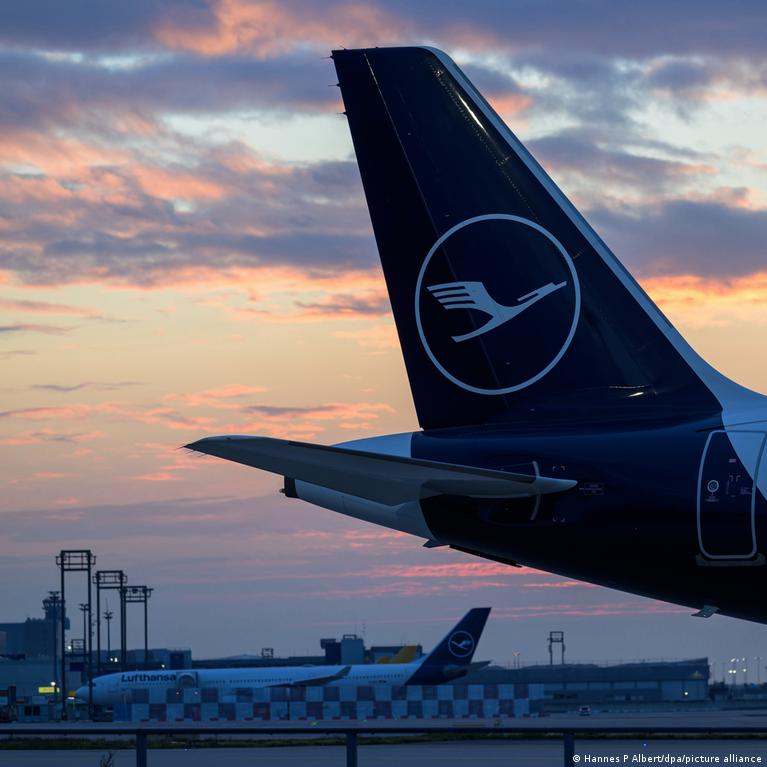
Why it matters: The crisis exposes the foundational fragility of global aviation, forcing immediate operational triage and threatening the viability of summer travel, while highlighting Europe’s strategic vulnerability to Middle Eastern energy corridors.
Context: This is a supply shock, not merely a price spike; the EU’s ReFuelEU mandate for sustainable aviation fuel is irrelevant at current 2% adoption rates, leaving no short-term alternative to kerosene.
"Iran war: Jet fuel crisis deepens as Lufthansa cuts flights April 22, 2026The Iran war is having a profound effect on the global aviation sector, with jet fuel shortages and surging prices." — DW
Commentary: The shift from a price to a supply crisis mandates rationing, not just hedging. Lufthansa’s cuts are a leading indicator of systemic triage: non-critical, high-frequency routes will be sacrificed first to preserve hub connectivity. This will accelerate the stratification of air travel into essential and discretionary tiers, with profound second-order effects for tourism-dependent economies and business mobility. The EU’s proposed fuel-sharing mechanism is an untested stress on bloc solidarity, likely to benefit core hubs over peripheral states.
URL: https://www.dw.com/en/iran-war-jet-fuel-crisis-deepens-as-lufthansa-cuts-flights/a-76889141?maca=en-rss-en-all-1573-rdf
AI Sentiment Score: Negative (62%)
AI Credibility Score: 10.0/10 — High
Scores and text generated by AI analysis of the source article indicated.
Pakistan faces pressure over mediator role in Iran war (Dw)
Summary: Pakistan is attempting to mediate between the US and Iran in their ongoing conflict, leveraging its relationships with both nations. This role brings significant risks, including accusations of partiality, as illustrated by a disputed CBS report alleging Pakistan allowed Iran to shelter aircraft on its bases. The mediation effort is complicated by pressure from China to ‘step up’ and by inherent mistrust from all parties, limiting Islamabad’s capacity to broker a substantive breakthrough beyond facilitating communication.
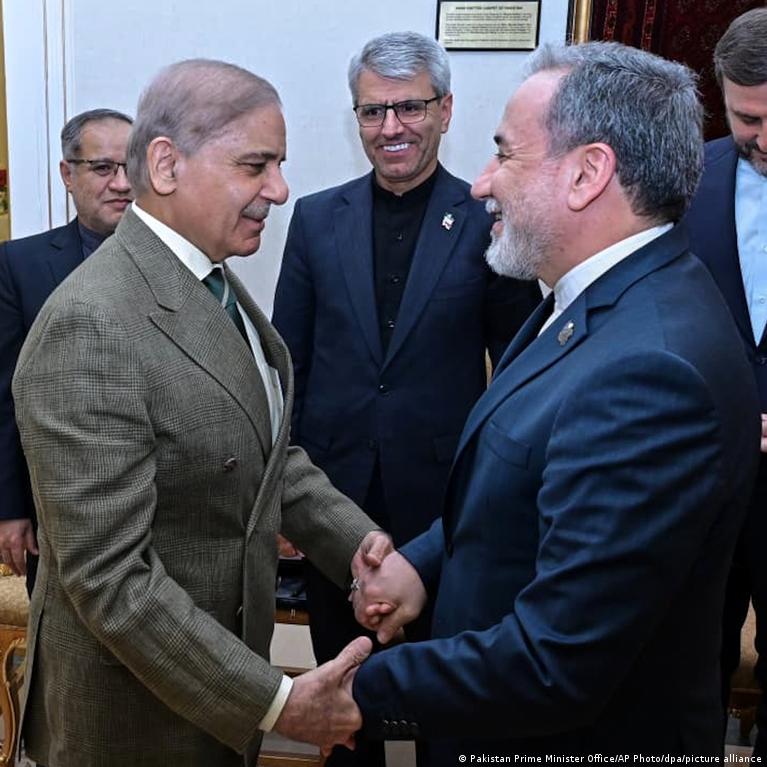
Why it matters: A mediator’s perceived neutrality is its primary asset; Pakistan’s credibility is now under direct strain, affecting its strategic positioning between major powers and the stability of critical Gulf trade routes.
Context: Pakistan has long pursued a delicate balancing act between Washington, Beijing, Tehran, and Gulf Arab states, a policy now tested by a high-stakes, public diplomatic assignment.
""Pakistan will likely continue trying, but expectations should remain limited. Islamabad is not in a position to shape US-Iran tensions in any major way. Its main role is keeping communication open when direct engagement becomes difficult," Fatemeh Aman, an independent expert on Iran-Pakistan ties, told DW." — DW
Commentary: The operational consequence is a narrowing of Pakistan’s role to logistical and backchannel support, not high-stakes negotiation. The reputational damage from the CBS allegations, regardless of veracity, demonstrates how mediation in a polarized conflict transforms a balancing act into a liability, inviting scrutiny from all sides and potentially degrading future diplomatic utility.
URL: https://www.dw.com/en/pakistan-faces-pressure-over-mediator-role-in-iran-war/a-77174786?maca=en-rss-en-all-1573-rdf
AI Sentiment Score: Negative (57%)
AI Credibility Score: 10.0/10 — High
Scores and text generated by AI analysis of the source article indicated.
Iran War Nears 60-Day War Powers Deadline (Foreignpolicy)
Summary: The Trump administration faces a legal and political deadline under the War Powers Resolution, with the 60-day clock for offensive operations in Iran set to expire. Defense Secretary Pete Hegseth argues the U.S.-Iran cease-fire has paused this clock, while reports indicate CENTCOM is briefing the President on a potential new strike plan. Concurrently, Israel’s interception of a Gaza aid flotilla in international waters escalates maritime tensions, and Pakistan commissions advanced Chinese submarines, signaling a deepening of Sino-Pakistani military integration.

Why it matters: The administration’s legal maneuvering around war powers tests constitutional boundaries and affects global energy markets, while regional actions by Israel and Pakistan reshape security dynamics and alliance structures.
Context: The 1973 War Powers Resolution requires congressional authorization for sustained hostilities, a recurring point of tension between the executive and legislative branches. Pakistan’s naval modernization and Israel’s enforcement of its Gaza blockade are long-standing policies now reaching new operational thresholds.
"Iran War Nears 60-Day War Powers Deadline But U.S. Defense Secretary Pete Hegseth argues that the cease-fire has paused the clock. Welcome back to World Brief, where we’re looking at the Trump." — FOREIGNPOLICY
Commentary: Hegseth’s ‘pause’ theory is a novel legal interpretation that, if accepted, would grant the executive significant latitude to extend conflicts indefinitely through tactical lulls. The reported CENTCOM strike plan, alongside Brent crude’s price spike, indicates markets are pricing in a resumption of hostilities, suggesting the administration’s posture remains more kinetic than its ceasefire rhetoric implies. Israel’s long-range interdiction of the flotilla sets a precedent for enforcing blockades in international waters, potentially inviting legal challenges and altering maritime risk calculations for NGOs and commercial shippers. Pakistan’s submarine commissioning concretizes China’s military-technology transfer as a counterweight to Indian naval power, locking in a regional arms dynamic that complicates U.S. strategic balancing.
Date: Thu, 30 Apr 2026 19:34:19 +0000
URL: https://foreignpolicy.com/2026/04/30/hegseth-senate-testimony-iran-war-60-days-war-powers-resolution/
AI Sentiment Score: Negative (71%)
AI Credibility Score: 10.0/10 — High
Scores and text generated by AI analysis of the source article indicated.
Can Iran withstand the US naval blockade? (Dw)
Summary: The US is weighing a long-term naval blockade of Iranian ports to pressure Tehran into concessions on its nuclear program and regional influence, following a ceasefire. The blockade has already cut shipping through the Strait of Hormuz by over 95%, threatening global energy supplies and fertilizer shipments. Iran’s oil exports are severely restricted, forcing production cuts and storage buildup, though it retains some revenue from pre-blockade shipments. The economic squeeze exacerbates Iran’s existing inflation and fiscal strains, while a prolonged blockade risks permanent damage to oil infrastructure and broader regional instability.
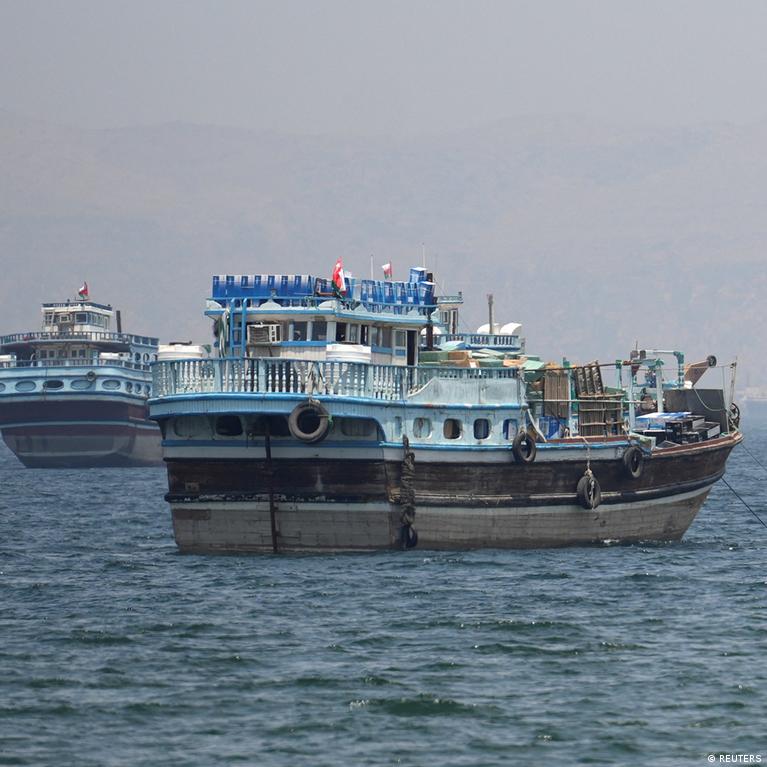
Why it matters: A sustained blockade recalibrates Gulf security, tests the resilience of Iran’s state economy, and introduces a volatile choke point into global energy and agricultural supply chains.
Context: This follows a pattern of US coercive pressure against Iran, but escalates from sanctions to active interdiction, merging economic warfare with naval power in a critical waterway.
"The number of ships passing through the strait has fallen by over 95% since the start of the war two months ago, according to the United Nations." — DW
Commentary: The blockade’s effectiveness hinges on duration: short-term pressure is absorbable, but extended interdiction risks collapsing Iran’s oil revenue architecture and triggering irreversible well damage. However, the operational and legal burdens on the US, coupled with spillover effects on Asian economies and global trade, create a brittle equilibrium where Washington’s coercive tool may generate unintended systemic fractures beyond Iran.
URL: https://www.dw.com/en/can-iran-withstand-the-us-naval-blockade/a-77014627?maca=en-rss-en-all-1573-rdf
AI Sentiment Score: Negative (85%)
AI Credibility Score: 10.0/10 — High
Scores and text generated by AI analysis of the source article indicated.
Trump delays ‘scheduled attack’ on Iran, crediting ‘serious negotiations’ (Aljazeera)
Summary: President Trump announced a delay of a ‘scheduled attack’ on Iran, citing ongoing ‘serious negotiations’ and pressure from Gulf leaders. The decision follows escalating rhetoric and a fragile ceasefire, with the US maintaining readiness for a ‘full, large scale assault’ if talks fail. Gulf states, prioritizing the reopening of the Strait of Hormuz and halting missile attacks over nuclear concerns, are actively mediating to prevent further regional escalation.

Why it matters: The decision directly affects global energy security and regional stability, with the Strait of Hormuz closure already impacting fuel prices and supply chains.
Context: This occurs amid a costly US-Israel war with Iran, fragile ceasefire violations, and domestic political pressure on Trump ahead of midterm elections.
"Trump delays ‘scheduled attack’ on Iran, crediting ‘serious negotiations’ Gulf states have pushed Trump to avoid any escalation in the US-Israel war against Iran, which prompted regional attacks. United States President Donald." — ALJAZEERA
Commentary: The divergence between US and Gulf state priorities reveals a fractured coalition; Trump’s leverage depends on regional actors whose core interests are economic and defensive, not ideological. The temporary license for Russian oil underscores the administration’s reactive, tactical approach to market instability caused by its own military posture. This episode illustrates how transactional diplomacy can create temporary off-ramps but fails to resolve underlying strategic misalignment.
Date: Mon, 18 May 2026 20:12:45 +0000
URL: https://www.aljazeera.com/news/2026/5/18/trump-delays-scheduled-attack-on-iran-crediting-serious-negotiations?traffic_source=rss
AI Sentiment Score: Negative (80%)
AI Credibility Score: 10.0/10 — High
Scores and text generated by AI analysis of the source article indicated.
US warns shippers against paying Strait of Hormuz tolls, ‘donations’ (Aljazeera)
Summary: The US Treasury’s OFAC has issued a formal advisory warning shippers that paying any tolls, fees, or ‘donations’ to Iran for passage through the Strait of Hormuz risks triggering US sanctions. The warning comes amid a three-week US naval blockade of the strait and stalled ceasefire talks, with Iran historically proposing such tolls as a condition for peace. Iranian state media reports a new ceasefire proposal has been sent to Washington, though the White House declined to confirm it.

Why it matters: It escalates financial and operational pressure on global shipping, directly linking compliance with Iranian transit demands to US sanctions enforcement during a volatile blockade.
Context: The Strait of Hormuz is a critical chokepoint for global energy flows, and Iran has long used the threat of closure as leverage; US sanctions on Iran and the IRGC are comprehensive.
"US warns shippers against paying Strait of Hormuz tolls, ‘donations’ Latest warning comes as Iranian state media reports Tehran has presented new peace proposal to US. The United States has warned that." — ALJAZEERA
Commentary: The advisory weaponizes extraterritorial sanctions to preempt a potential Iranian revenue stream, effectively forcing a binary choice on shippers: defy Iran or face US financial isolation. By explicitly naming charitable conduits like the Iranian Red Crescent, OFAC signals it will pierce any transactional veil, complicating risk calculations for compliance departments. This moves the conflict from a military standoff into the ledger books of global logistics, where uncertainty will immediately translate into higher war risk premiums and rerouting analyses.
Date: Fri, 01 May 2026 17:18:43 +0000
URL: https://www.aljazeera.com/news/2026/5/1/us-warns-shippers-against-paying-strait-of-hormuz-tolls-donations?traffic_source=rss
AI Sentiment Score: Negative (81%)
AI Credibility Score: 10.0/10 — High
Scores and text generated by AI analysis of the source article indicated.
Iran war: US says ready to resume war if no deal reached (Dw)
Summary: US Defense Secretary Pete Hegseth, speaking at a defense conference in Singapore, stated the United States is ‘more than capable’ of resuming military operations against Iran, citing sufficient global weapons stockpiles. Concurrently, the Pentagon hosted ‘productive’ military-to-military talks between Israeli and Lebanese delegations in Washington, a track meant to inform upcoming diplomatic negotiations. These developments occur against a backdrop of escalating regional tensions, including new Israeli evacuation orders in southern Lebanon targeting Hezbollah, and the complicating absence of Hezbollah itself from the formal talks.
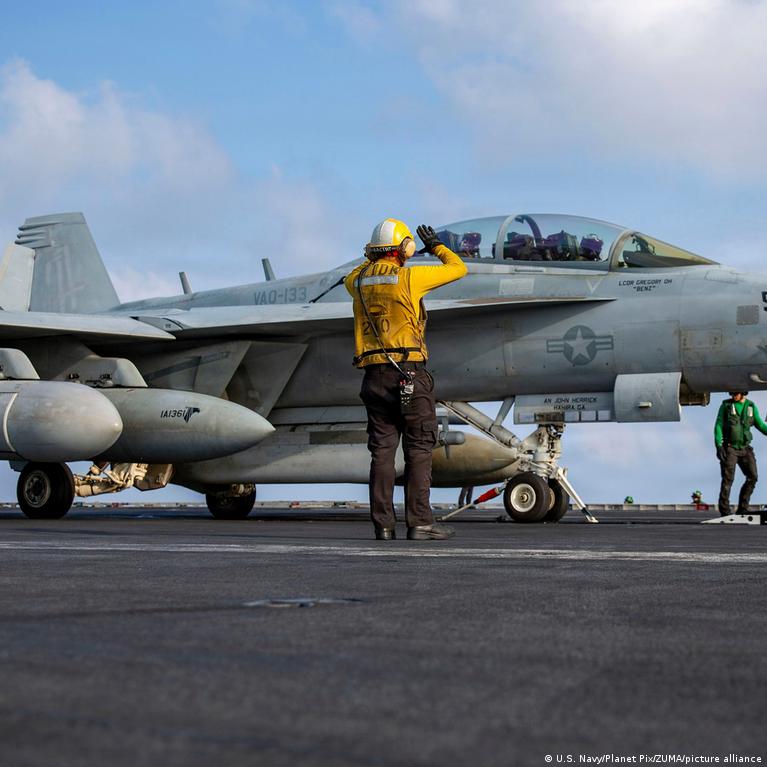
Why it matters: The explicit linkage of military readiness to diplomatic negotiations signals a hardline US posture that could constrain ceasefire options and escalate regional conflict, directly impacting global energy security and geopolitical stability.
Context: This follows a pattern of US coercive diplomacy in the Middle East, where public assurances of military capability are used to pressure adversaries during talks, while parallel tracks attempt to isolate Iranian proxies like Hezbollah from state-level negotiations.
"Our ability to recommence if necessary … we are more than capable, our stockpiles are more than suited for that, both there and around the globe, because of how we balance exquisite and more plentiful munitions,." — DW
Commentary: Hegseth’s statement weaponizes logistics as a diplomatic tool, making stockpile management a public deterrent. The bifurcated approach—military talks with state actors while actively planning strikes against their non-state allies—creates a perilous negotiation environment where operational preparedness undermines political compromise. The exclusion of Hezbollah renders any Lebanese military delegation’s authority provisional at best, suggesting the Washington talks are more about managing escalation channels than achieving a sustainable settlement.
URL: https://www.dw.com/en/iran-war-us-says-ready-to-resume-war-if-no-deal-reached/live-77353339?maca=en-rss-en-all-1573-rdf
AI Sentiment Score: Negative (50%)
AI Credibility Score: 10.0/10 — High
Scores and text generated by AI analysis of the source article indicated.
Trump’s Strait of Hormuz blockade hits Iran’s oil trade (Dw)
Summary: The Trump administration has initiated a naval blockade of Iranian ports and coastal facilities via the Strait of Hormuz, aiming to sever Iran’s primary revenue source by halting its nearly 2 million barrel-per-day oil export trade. The operation, enforced by the US Navy in the Gulf of Oman and Arabian Sea, subjects unauthorized vessels to interception and capture, effectively halting tanker traffic through the critical waterway. The move follows collapsed peace talks and is framed as a counter to Iran’s control of the strait and its imposition of passage tolls. The blockade risks escalating into wider conflict, draws criticism over its sustainability, and places significant economic pressure on China, Iran’s largest crude buyer.
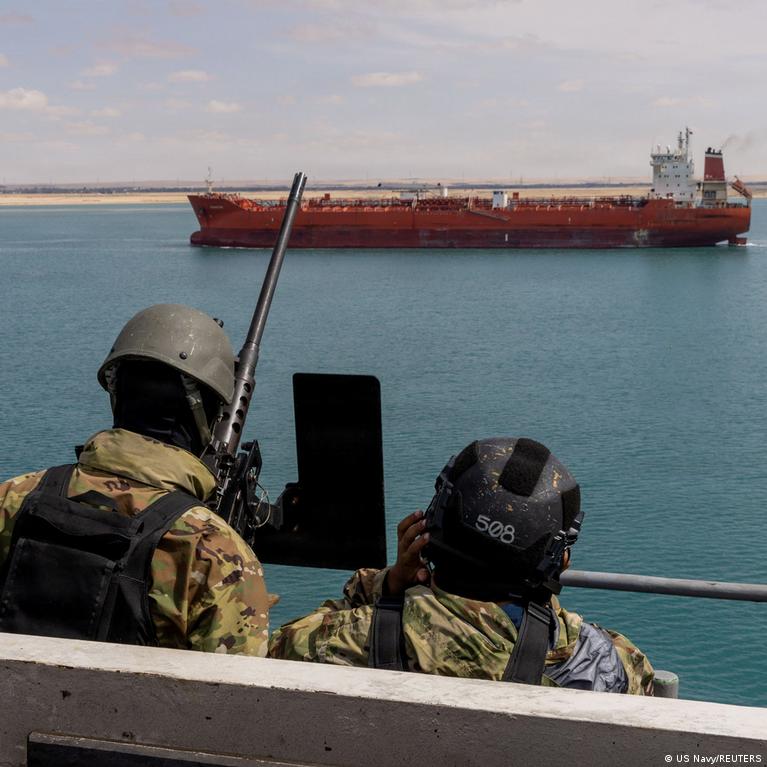
Why it matters: A unilateral naval blockade of a critical global chokepoint represents a sharp escalation in statecraft, directly threatening energy market stability and testing the limits of maritime law and alliance politics.
Context: This follows Iran’s effective shutdown of the Strait of Hormuz at the onset of the conflict, leveraging its geographic control to strand tankers and extract tolls, a tactic the US now seeks to reverse and weaponize.
"Trump’s Strait of Hormuz blockade hits Iran’s oil trade April 13, 2026How will Trump’s blockade of Iranian oil work? After US-Iran peace talks in Pakistan collapsed at the weekend, US President Donald." — DW
Commentary: The blockade’s enforcement ‘east of the Strait’ is a critical operational detail, extending US reach beyond the traditional chokepoint to intercept shadow fleet transfers. This move transforms the US Navy from a guarantor of freedom of navigation into an active belligerent enforcing a bespoke sanctions regime, creating a precedent for the weaponization of global logistics. The immediate economic target is Iran, but the strategic pressure is on Beijing, forcing China to choose between mediating a ceasefire or accepting the seizure of its crude shipments. The sustainability question, raised by former Pentagon officials, points to the core risk: an open-ended commitment that could fray US naval resources and alliances for marginal geopolitical gain.
URL: https://www.dw.com/en/trump-s-strait-of-hormuz-blockade-hits-iran-s-oil-trade/a-76760110?maca=en-rss-en-all-1573-rdf
AI Sentiment Score: Negative (57%)
AI Credibility Score: 10.0/10 — High
Scores and text generated by AI analysis of the source article indicated.
Will the Iran war end Strait of Hormuz oil supremacy? (Dw)
Summary: The closure of the Strait of Hormuz following the outbreak of the US-Israel war with Iran has stranded a fifth of global energy supply, forcing a structural reassessment of the world’s most critical oil chokepoint. Gulf states, led by Saudi Arabia and the UAE, are accelerating plans to build new pipelines and expand existing ones to bypass the strait, while Iraq is advancing long-dormant western pipeline projects. The crisis has exposed the acute geographical vulnerability of Kuwait, Bahrain, and Qatar, which lack alternative coastlines, and is spurring investment in overland rail and freight networks as complementary insurance. The strategic shift aims to permanently de-risk energy exports from future geopolitical weaponization of the waterway.
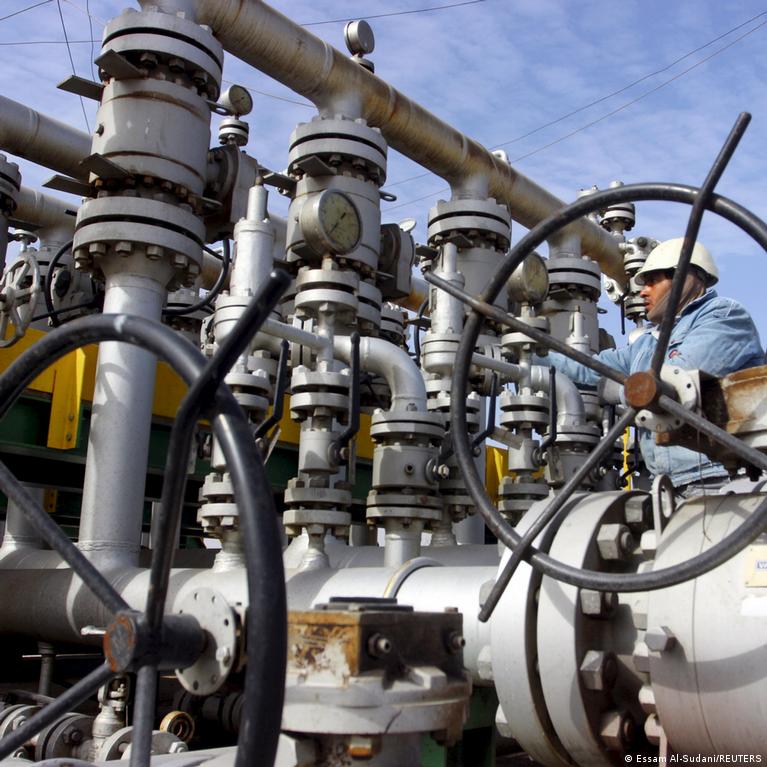
Why it matters: A forced diversification of global oil transit routes will reconfigure energy security, regional alliances, and infrastructure finance, with lasting effects on shipping, insurance, and the political economy of the Gulf.
Context: Pipeline bypass projects have been contingency plans for decades, but the current war has provided the catalyst to overcome cost and political inertia, mirroring the strategic response to the 1980s Tanker War.
"Will the Iran war end Strait of Hormuz oil supremacy? April 27, 2026Four decades ago, the Strait of Hormuz revealed its deadly vulnerability to the global oil market. During the 1980 to." — DW
Commentary: The pipeline scramble is a classic case of crisis accelerating latent infrastructure trends, but the bifurcation between states with alternative coastlines and those without creates a new tier of vulnerability within the GCC. The IEA’s push for an Iraq-Turkey pipeline signals that Europe is actively seeking to rewire its supply map, not just rely on Gulf states’ internal solutions. This collective de-risking, if executed, will dilute Hormuz’s strategic primacy but will also lock in decades of fossil-fuel infrastructure, creating tension with concurrent calls for a renewable energy transition.
URL: https://www.dw.com/en/will-the-iran-war-end-strait-of-hormuz-oil-supremacy/a-76893004?maca=en-rss-en-all-1573-rdf
AI Sentiment Score: Negative (85%)
AI Credibility Score: 10.0/10 — High
Scores and text generated by AI analysis of the source article indicated.
Germany prepares for mission in the Strait of Hormuz (Dw)
Summary: Germany is preparing a naval minesweeper, the Fulda, for potential deployment to the Strait of Hormuz, where Iran is suspected of mining the waterway amid its war with the US and Israel. The blockade has disrupted global energy markets, directly impacting the German economy. Any deployment requires parliamentary approval and must operate within a collective security framework like NATO, while the German Navy, already stretched thin, emphasizes that such a mission would only be feasible with US cooperation and adequate protective escorts.
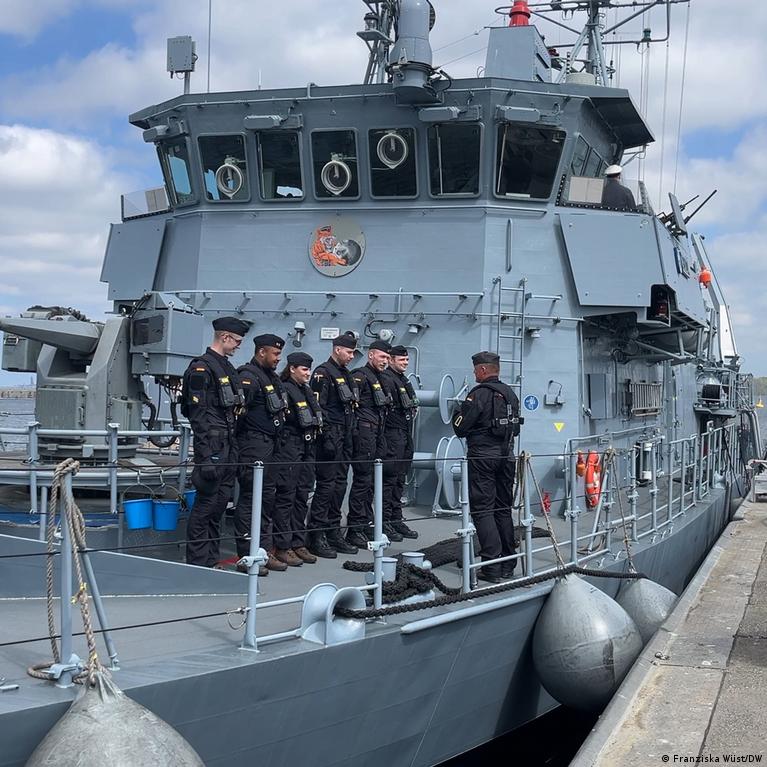
Why it matters: A German-led mine-clearing operation would be a direct, high-stakes intervention to reopen a critical global chokepoint, testing European military capacity and political will amid a US-led conflict.
Context: Germany’s naval expertise in mine clearance is a niche, high-demand capability within NATO, but its forces are already committed across multiple EU, NATO, and UN missions, highlighting a systemic tension between strategic specialization and overextension.
"A new mission always comes at the expense of a previous one." — DW
Commentary: The operational constraint articulated by Frigate Captain von Puttkamer is the core calculus: Germany’s specialized asset is a finite resource. Deploying it to Hormuz means deprioritizing another NATO or Baltic commitment, forcing a tangible trade-off between European regional security and global economic stability. The precondition of US partnership and air cover underscores that this is not a humanitarian demining operation but a combat-support mission within an active theater, a significant political and military threshold for Berlin.
URL: https://www.dw.com/en/germany-prepares-for-mission-in-the-strait-of-hormuz/a-77054325?maca=en-rss-en-all-1573-rdf
AI Sentiment Score: Positive (44%)
AI Credibility Score: 10.0/10 — High
Scores and text generated by AI analysis of the source article indicated.
India hikes petrol, diesel prices as economic woes from Iran war mount (Dw)
Summary: India’s state-run fuel retailers have raised petrol and diesel prices for the first time in four years, citing losses from elevated global crude prices linked to the US-Israel war with Iran. The increase follows Prime Minister Narendra Modi’s recent appeal for public austerity, including reduced fuel consumption and work-from-home measures, to shield the economy from the conflict’s fallout. The move has drawn political criticism over its timing after state elections and is expected to contribute to inflationary pressures.
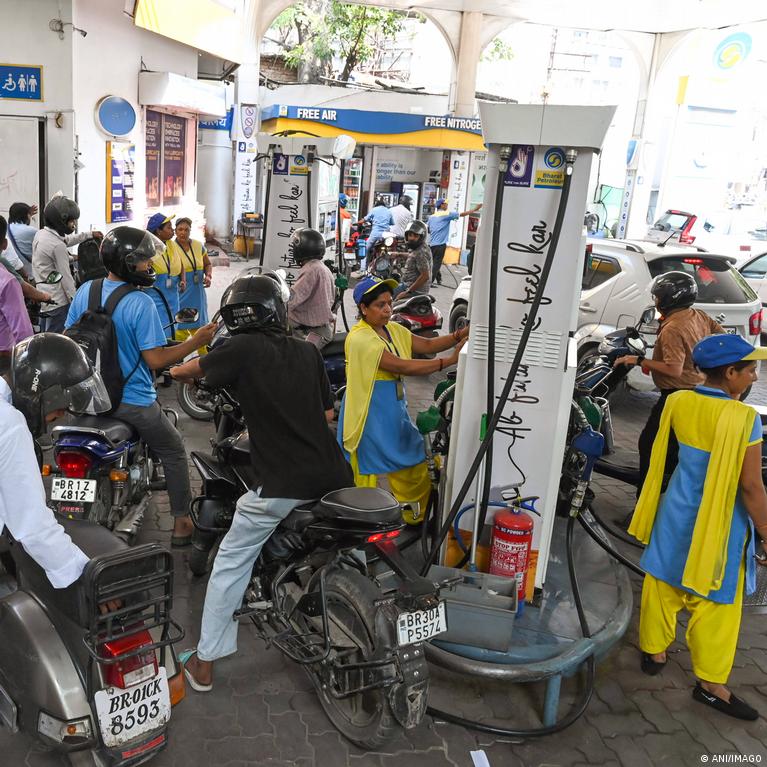
Why it matters: This signals a shift in India’s managed-price economic policy under external shock, affecting inflation, corporate mobility, and energy demand while testing public compliance with state-led austerity.
Context: India has historically used state-owned retailers to absorb global oil price volatility, delaying domestic adjustments for political and economic stability.
"India hikes petrol, diesel prices as economic woes mount May 15, 2026India’s state-run fuel retailers raised the prices of petrol and diesel on Friday — the first time since the war in." — DW
Commentary: The calibrated price hike, paired with formalized work-from-home directives, represents a tactical move to manage dollar outflows for oil imports while socializing the economic burden. It institutionalizes crisis-era mobility constraints, potentially reshaping urban commuting patterns and corporate real estate demand beyond the immediate fiscal fix. The political backlash highlights the fragility of India’s subsidy buffer and the operational reality that managed economies cannot indefinitely defy global price signals during protracted conflict.
URL: https://www.dw.com/en/india-hikes-petrol-diesel-prices-as-economic-woes-from-iran-war-mount/a-77166898?maca=en-rss-en-all-1573-rdf
AI Sentiment Score: Negative (66%)
AI Credibility Score: 10.0/10 — High
Scores and text generated by AI analysis of the source article indicated.
The Global Economic Impact from the Iran Conflict (Foreignpolicy)
Summary: The IMF’s Gita Gopinath outlines the global economic consequences of the prolonged closure of the Strait of Hormuz, framing scenarios from a 3.1% global growth baseline down to a rare 2% if oil prices sustain at $110/barrel. The impact is asymmetrical: energy importers and low-income countries, especially those with IMF programs like Sri Lanka and Pakistan, bear the brunt, while the U.S. is insulated by its energy independence and AI leadership. The crisis exposes structural vulnerabilities in global supply chains beyond just oil, affecting fertilizer, textiles, and aviation, and underscores the urgent need for energy resilience.

Why it matters: The conflict crystallizes how geopolitical flashpoints now translate directly into broad economic stress, testing national resilience and reshaping capital flows in an era of fragmented growth.
Context: This follows a period of accumulated shocks—pandemic, Ukraine war, tariff wars—that have already strained global systems, making the current energy disruption a test of contingency planning and multilateral stability.
"If the flow of crude oil and natural gas isn’t restored until next year, the IMF expects growth to fall to 2 percent, a rare occurrence in recent decades, with inflation rising to 6 percent. Apart from the countries directly involved in the conflict, energy importers and low-income countries will face the brunt of the pain." — FOREIGNPOLICY
Commentary: Gopinath’s analysis reveals a bifurcating world: the U.S. leverages AI and energy dominance to decouple from global distress, while fragile states face compound crises. The real systemic risk isn’t just the price spike, but whether it triggers a severe tightening of financial conditions—the channel that could turn a regional shock into a global recession. The prescription for resilience—renewables and grid modernization—is clear, but the political and fiscal capacity to execute it remains uneven, locking in vulnerability for the next crisis.
Date: Wed, 29 Apr 2026 17:32:18 +0000
URL: https://foreignpolicy.com/2026/04/29/gopinath-foreign-policy-live-fpl-agrawal-iran-war-hormuz-blockade-global-economic-impact-oil-gas/
AI Sentiment Score: Negative (84%)
AI Credibility Score: 10.0/10 — High
Scores and text generated by AI analysis of the source article indicated.
Firms, industries grapple with shipping disruptions amid Middle East … (En.Qdnd.Vn)
Summary: Following the outbreak of hostilities between the US-Israel alliance and Iran, major shipping lines, including KMTC, Wan Hai, MSC, Maersk, and ONE, have suspended bookings and transits to key Middle Eastern and Red Sea ports, rerouting Europe-bound traffic around the Cape of Good Hope. This adds 15–20 days to transit times and is forecast to drive freight rate increases of over 30%, with immediate disruptions reported at critical hubs like Jebel Ali. The conflict directly threatens the Strait of Hormuz, forcing a strategic recalculation of global maritime corridors.
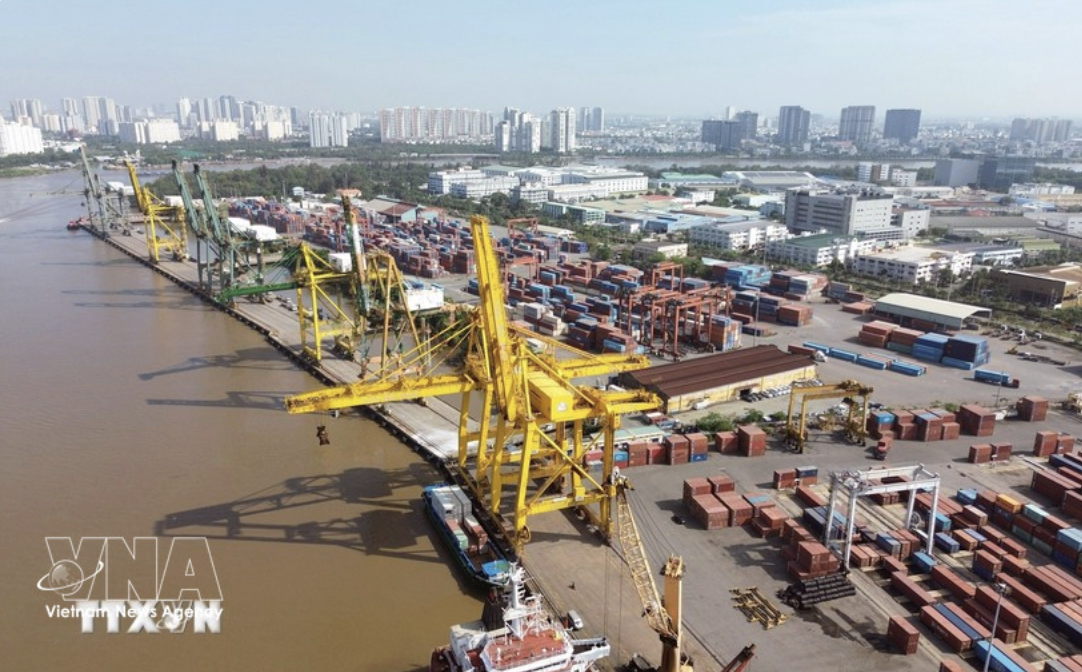
Why it matters: The closure of the Suez corridor and Hormuz threat represent a systemic shock to global logistics, forcing cost and timeline recalibrations across supply chains, with acute pressure on time- and temperature-sensitive exports.
Context: This is the second major disruption to the Red Sea-Suez route in recent years, following Houthi attacks, demonstrating the persistent fragility of this chokepoint and the compounding effect on global trade resilience.
"Just days after hostilities broke out between the US – Israel alliance and Iran, a series of international shipping lines issued urgent notices to customers, suspending bookings for cargo to and from." — EN.QDND.VN
Commentary: The operational pivot to the Cape is a stopgap, not a solution; it systematically disadvantages exporters of perishables and fast-cycle goods, like Vietnam’s fishery and fashion sectors, while rewarding carriers with pricing power. This episode underscores that geopolitical risk is now a permanent line item in logistics contracts, demanding structural shifts in inventory strategy and route diversification beyond single-corridor dependencies.
Date: April 24, 2026 12:00 AM ET
URL: https://en.qdnd.vn/economy/news/firms-industries-grapple-with-shipping-disruptions-amid-middle-east-conflict-588435
AI Sentiment Score: Negative (71%)
AI Credibility Score: 9.0/10 — High
Scores and text generated by AI analysis of the source article indicated.
The network is being redrawn — are Gulf ports still on it? – Logistics (Enterpriseam)
Summary: The maritime conflict in the Strait of Hormuz has escalated from a question of physical access to a structural shift in global shipping economics. Iranian forces are targeting and escorting vessels, while the U.S. enforces a naval blockade, creating a volatile corridor. Shipping executives now warn the crisis is establishing a ‘tollbooth’ model, where chokepoints are monetized, fundamentally altering the incentive structure for controlling strategic passages. This is reflected in rising Baltic dry bulk indices and immediate operational pressure, with fuel-intensive sectors like transport and logistics implementing surcharges as costs spike.

Why it matters: The normalization of monetized passage at chokepoints could recalibrate global trade costs and reroute capital flows, affecting everything from consumer prices to regional port viability.
Context: This follows an earlier phase of the conflict focused solely on vessel security; the narrative has now shifted to the permanence of new economic behaviors in logistics networks.
"Wherever there is market structure or a chokepoint, you’re just going to have the incentive to do that going forward, which is worrying,." — ENTERPRISEAM
Commentary: The ‘tollbooth’ model, once proven viable, invites replication at other strategic passages like the Suez or Panama Canals, potentially hardwiring geopolitical risk premiums into core supply chain costs. This moves the financial burden from episodic insurance spikes to a persistent operational tax, disproportionately impacting fuel-intensive, low-margin sectors and forcing a long-term reassessment of Gulf port centrality in global routing.
Date: April 23, 2026 12:00 AM ET
URL: https://enterpriseam.com/logistics/issues/the-network-is-being-redrawn-are-gulf-ports-still-on-it/
AI Sentiment Score: Negative (75%)
AI Credibility Score: 10.0/10 — High
Scores and text generated by AI analysis of the source article indicated.
Spirit Airlines begins ‘wind-down’, cancels all flights over fuel crisis (Aljazeera)
Summary: Spirit Airlines has initiated an orderly wind-down, cancelling all flights immediately after a failed bailout and a crippling spike in jet fuel prices linked to the Iran war. The carrier’s collapse, representing 5% of US flights, eliminates a key low-fare competitor and strands thousands of passengers, with other airlines offering limited relief fares. The failure underscores how geopolitical fuel shocks are rapidly exposing financial vulnerabilities in the aviation sector, with similar pressures forcing cuts at Lufthansa and Air India.

Why it matters: The sudden liquidation of a major US budget carrier disrupts travel affordability and network capacity, while demonstrating how acute commodity volatility can instantly unravel corporate restructuring plans.
Context: This follows a pattern of airline distress and flight reductions globally due to the Iran conflict’s impact on fuel markets, testing the resilience of low-cost business models.
"Spirit Aviation Holdings, Inc., parent company of Spirit Airlines … today regretfully announced that the Company has started an orderly wind-down of operations, effective immediately. All Spirit flights have been cancelled, and Spirit Guests should not go to the airport,." — ALJAZEERA
Commentary: The failure of a $500m White House proposal highlights the limits of political intervention against fundamental market physics. Spirit’s fate could pressure remaining carriers on route rationalization and fare structures, while regulatory focus shifts to consumer refund mechanisms and the systemic risk of concentrated fuel exposure.
Date: Sat, 02 May 2026 08:09:27 +0000
URL: https://www.aljazeera.com/news/2026/5/2/spirit-airlines-begins-wind-down-cancels-all-flights-over-fuel-crisis?traffic_source=rss
AI Sentiment Score: Negative (85%)
AI Credibility Score: 10.0/10 — High
Scores and text generated by AI analysis of the source article indicated.
‘Turbulent and dangerous’: How shipping is the new global battleground (Aljazeera)
Summary: The foundational rules-based maritime order, established through post-WWII treaties to enable the safe and free flow of global trade, is being actively contested. From the Strait of Hormuz to the Panama Canal and the South China Sea, state actors are employing calibrated force, economic pressure, and political claims to assert control over critical chokepoints. This politicization is raising costs, injecting uncertainty into shipping lanes, and setting precedents for ‘permissioning’ transit. The cumulative effect is a shift from universal norms toward a system where access and security are dictated by power and bargaining.

Why it matters: The weaponization of maritime corridors directly threatens global supply chain resilience, inflates costs for all traded goods, and redefines geopolitical leverage in an interconnected economy.
Context: This follows years of escalating state-level challenges to maritime norms, including Russia’s Black Sea grain blockade, Houthi attacks in the Red Sea, and China’s South China Sea posturing, now converging into a broader pattern.
"‘Turbulent and dangerous’: How shipping is the new global battleground From the Strait of Hormuz to Panama, the South China Sea to the Black Sea, geopolitics is rewriting the rules of global." — ALJAZEERA
Commentary: The operational consequence is a move from fixed-cost routing to dynamic risk calculus, where insurers, operators, and financiers must now price in political contingency as a core variable. This fragmentation of the maritime commons rewards states with naval projection and punishes trade-dependent economies, effectively creating a tiered system of access based on diplomatic alignment and military deterrence.
Date: Fri, 01 May 2026 13:18:33 +0000
URL: https://www.aljazeera.com/news/2026/5/1/turbulent-and-dangerous-how-shipping-is-the-new-global-battleground?traffic_source=rss
AI Sentiment Score: Negative (66%)
AI Credibility Score: 10.0/10 — High
Scores and text generated by AI analysis of the source article indicated.
How the Iran war is hurting travelers, airline industry (Dw)
Summary: The conflict-induced closure of the Strait of Hormuz has more than doubled European jet fuel prices since February, pushing airlines toward bankruptcy and prompting flight cuts and surcharges. Industry groups are lobbying for emergency regulatory relief, while the European Commission is attempting to coordinate reserves, but exporters are hoarding supply. Regional airports face an existential threat from a simultaneous supply and demand shock.
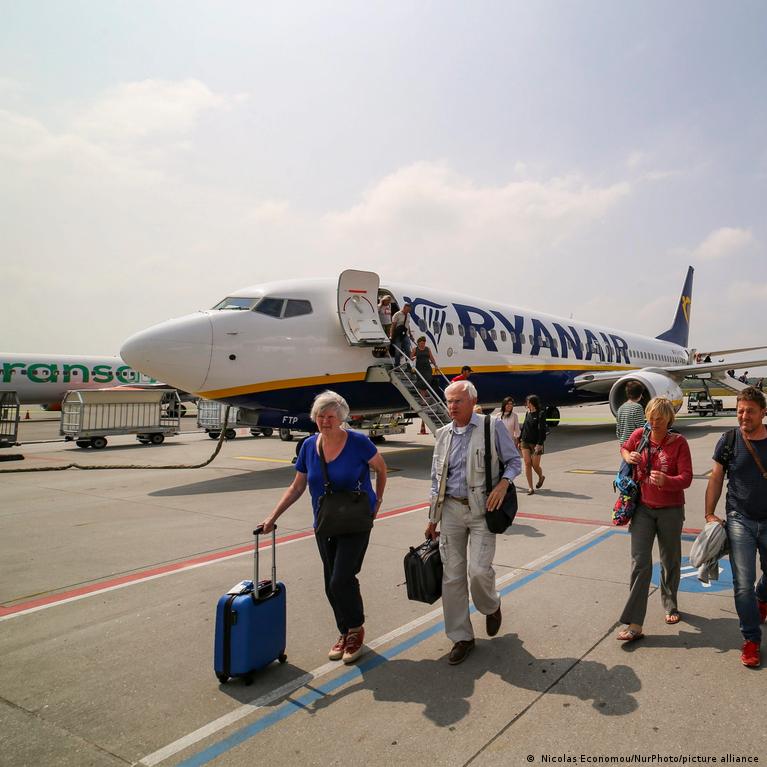
Why it matters: The disruption is a real-time stress test of European aviation’s operational and financial resilience, with immediate consequences for mobility, pricing, and industry structure.
Context: This follows a pattern where geopolitical flashpoints in critical chokepoints rapidly translate into systemic operational crises for just-in-time, high-volume industries.
""If fuel prices, which represent 25% to 50% of an airline’s total operating expenses, remain high and airlines have not hedged, they could go bankrupt," she said." — DW
Commentary: The lobbying for suspension of the Emissions Trading System and anti-tankering rules reveals how quickly environmental frameworks become negotiable under supply stress. The EU’s coordination efforts are a procedural firewall, not a production solution, as the core problem is a physical shortage exacerbated by Asian export limits. This crisis will accelerate the financial stratification of carriers based on hedging strategies and likely trigger consolidation, particularly among regional operators.
URL: https://www.dw.com/en/how-the-iran-war-is-hurting-travelers-airline-industry/a-77000742?maca=en-rss-en-all-1573-rdf
AI Sentiment Score: Negative (80%)
AI Credibility Score: 10.0/10 — High
Scores and text generated by AI analysis of the source article indicated.
Post ID: ce50ff95