Industrial Real Estate & Warehouse Market Trends
Big Box Industrial Market Rebounds As Demand Strengthens (Globest)
Summary: The North American big-box industrial market rebounded in late 2025, with new leasing hitting 145.6 million square feet and net absorption nearly doubling to 85.6 million square feet. This recovery is driven by broad-based demand from 3PLs, retailers, e-commerce, and manufacturing, while a sharp 70% contraction in new construction from 2022 peaks helped push national vacancy down 108 basis points to 10%. The recovery is uneven, with logistics-heavy metros like Columbus, Greenville-Spartanburg, and Phoenix leading with strong absorption and falling vacancy, while oversupplied coastal markets like Seattle-Puget Sound continue to lag with rising vacancy and declining rents.

Why it matters: The shift from a supply-driven to a demand-driven market signals a fundamental rebalancing with material implications for capital allocation, development strategy, and regional competitiveness in logistics and manufacturing.
Context: This follows a multi-year cycle of aggressive speculative development that created supply gluts in several markets, particularly on the coasts, while inland logistics hubs absorbed demand from e-commerce expansion and supply chain reconfiguration.
"The North American big box industrial market gained momentum in the second half of 2025, marking a clear shift from the softness of prior years toward a more balanced environment, according to." — GLOBEST
Commentary: The sharp divergence between inland logistics corridors and coastal ports underscores a structural realignment of industrial geography, favoring regions with lower costs, central positioning, and pro-manufacturing policy. Capital discipline from developers, while reactive, has created a tighter supply backdrop that will disproportionately benefit established owners in leading markets, while laggards like Seattle face prolonged rent pressure. The extreme tightness in large-format space (4.5% vacancy in Phoenix) against mid-box softness indicates tenant demand is consolidating around scale and efficiency, pressuring smaller operators.
Date: May 01, 2026 12:00 AM ET
URL: https://www.globest.com/amp/2026/05/01/big-box-industrial-market-rebounds-as-demand-strengthens/
AI Sentiment Score: Negative (50%)
AI Credibility Score: 10.0/10 — High
Scores and text generated by AI analysis of the source article indicated.
Industrial Real Estate Vacancy Stabilizes at 7.1 Percent in 2026 (Innovativelogisticsgroup.Io)
Summary: The U.S. industrial real estate market shows stabilizing vacancy at 7.1% for a second consecutive quarter, with net absorption rebounding to over 50 million square feet. New construction deliveries have fallen to their lowest annual total since 2017, while full-year absorption finished 16% ahead of the prior year. These converging signals—stabilizing vacancy, rising absorption, and constrained new supply—indicate a tightening freight environment emerging in the second half of 2026.
Why it matters: For logistics operators and regional economic observers, these leading indicators signal where freight demand, carrier leverage, and contract rates are headed, allowing for strategic positioning before broader market shifts become apparent.
Context: This follows two years of rising vacancy and slumping absorption in industrial real estate, a period of market softening that is now showing a clear inflection point driven by supply discipline and renewed tenant demand.
"Industrial vacancy at 7.1 percent is not historically tight, but it is no longer climbing, and that is the meaningful inflection." — INNOVATIVELOGISTICSGROUP.IO
Commentary: The stabilization, not the absolute level, is the operative signal. The bifurcation between tight small-bay space (<50k sq ft at ~4.8% vacancy) and softer big-box (>300k sq ft at ~10% vacancy) creates asymmetric opportunities for smaller carriers focused on specific lanes and shipper relationships. The delayed freight market reaction to warehouse occupancy creates a ~90-day window for tactical operators to secure advantageous contracts before rate firming becomes widespread. This supply-side discipline, with deliveries down 35% year-over-year, shifts leverage from developers and shippers back toward carriers with committed capacity.
Date: April 30, 2026 12:00 AM ET
URL: https://innovativelogisticsgroup.io/small-fleet-growth/industrial-real-estate-vacancy-stabilizes-at-7-1-percent-in-2026-how-small-carriers-should-read-the-warehouse-market-signal-for-lane-strategy/
AI Sentiment Score: Negative (60%)
AI Credibility Score: 8.0/10 — High
Scores and text generated by AI analysis of the source article indicated.
How Tariffs Are Reshaping Warehouse Demand in 2026 | WareCRE (Warecre)
Summary: Tariffs are driving a dual-track surge in warehouse demand, with short-term inventory front-loading and long-term manufacturing reshoring both accelerating absorption. National industrial absorption is forecast to reach 200 million square feet in 2026, up sharply from 155 million in 2025. The pressure is most acute in the small-bay segment (under 10,000 SF), where vacancy sits at 3-4%, creating a structural mismatch for the businesses most affected by import cost increases.
Why it matters: For investors and operators in industrial real estate, particularly in the Southeast, this signals a durable shift in demand drivers and a critical undersupply in a high-growth segment.
Context: The forecast follows years of supply chain reconfiguration, where tariffs are now acting as a direct catalyst for inventory strategy and capital investment location.
"- Tariffs are driving warehouse demand through two channels: short-term inventory front-loading (businesses pre-buying goods before rates increase) and long-term reshoring of manufacturing. – National industrial absorption is forecast to hit 200M." — WARECRE
Commentary: The data reframes tariffs from a macroeconomic headwind to a direct, quantifiable driver of industrial real estate fundamentals. The concentration of pressure in small-bay space suggests regional logistics hubs will face intense competition from small and mid-sized importers, potentially accelerating development in secondary markets. This creates a bifurcated market where big-box availability loosens while small-bay becomes a strategic bottleneck.
Date: April 28, 2026 12:00 AM ET
URL: https://warecre.com/cre-insights/industrial-101/tariffs-reshaping-warehouse-demand-2026/
AI Sentiment Score: Positive (50%)
AI Credibility Score: 10.0/10 — High
Scores and text generated by AI analysis of the source article indicated.
Miami Warehouse Market Report 2026 | Vacancy, Rents & Outlook (Warecre)
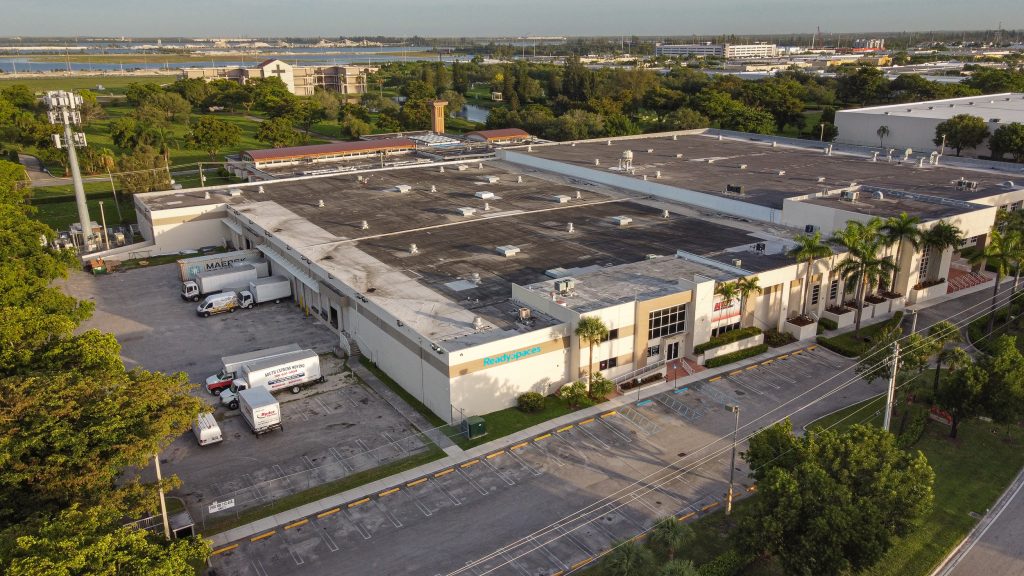
Summary: Miami’s industrial vacancy rate has risen to 7.0-7.2% in Q1 2026, its highest point in five years, driven by a wave of new speculative construction deliveries rather than a demand collapse. Leasing activity remains steady, but the market is now structurally split: big-box distribution space is softening while small-bay and co-warehousing segments remain tight due to persistent undersupply. The construction pipeline has peaked and is now declining by 15% year-over-year to 4.1M SF, signaling that vacancy rates should plateau and begin tightening by late 2026.
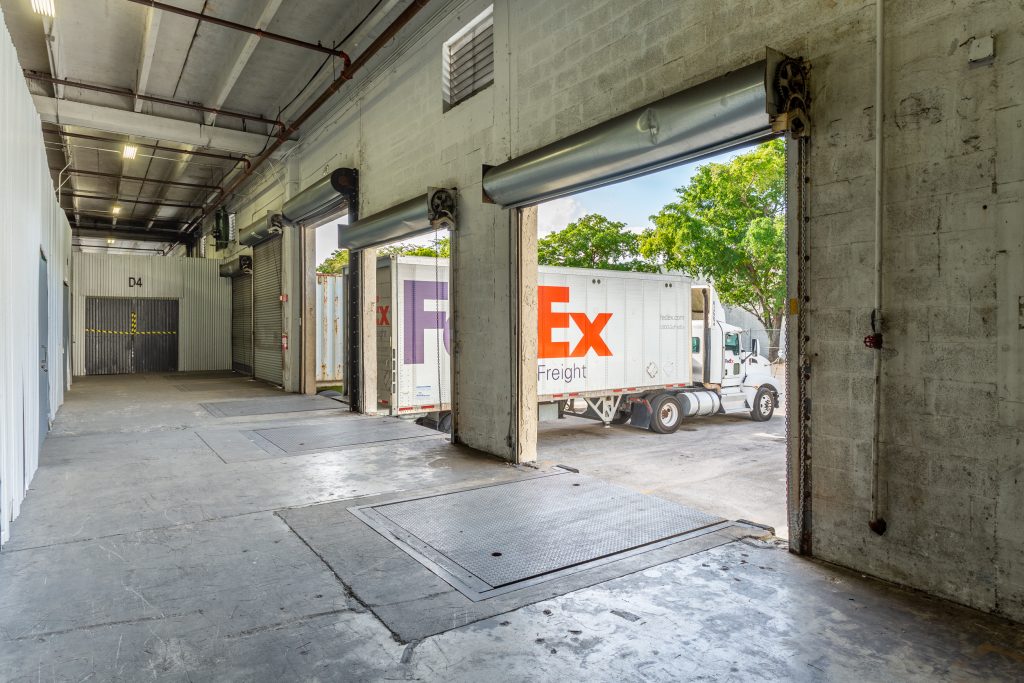
Why it matters: The recalibration of Miami’s warehouse market signals a shift from a period of extreme scarcity to a more balanced, segmented environment, affecting capital allocation, development strategy, and rental pricing power across different asset classes.
Context: This follows years of sub-5% vacancy and double-digit rent growth in South Florida, fueled by e-commerce expansion and port-related demand, which triggered a historic construction boom.
"Key Takeaways – Miami industrial vacancy reached 7.0-7.2% in Q1 2026 — the highest in five years — but the rise is supply-driven, not a demand collapse. Leasing activity held steady. -." — WARECRE
Commentary: The bifurcation between big-box and small-bay performance underscores a maturation of the market: institutional capital chasing bulk distribution faces near-term headwinds, while operators serving SMBs and last-mile logistics retain pricing power. The plateauing pipeline suggests a disciplined supply response, preventing a typical overshoot cycle, which should preserve Miami’s long-term fundamentals as a logistics hub.
Date: April 28, 2026 12:00 AM ET
URL: https://warecre.com/cre-insights/market-property-insights/miami-warehouse-market-report/
AI Sentiment Score: Positive (50%)
AI Credibility Score: 10.0/10 — High
Scores and text generated by AI analysis of the source article indicated.
The Outlier in a Softening Industrial Market – Site Selection Group (Info.Siteselectiongroup)
Summary: The US industrial real estate market has seen vacancy rates rise for three consecutive years, reaching 7.6% nationally. However, shallow bay industrial properties—buildings under 50,000 square feet—are an outlier, with vacancy below 5%. This divergence is driven by sustained tenant demand and a lack of new construction for smaller spaces, creating a supply crunch.
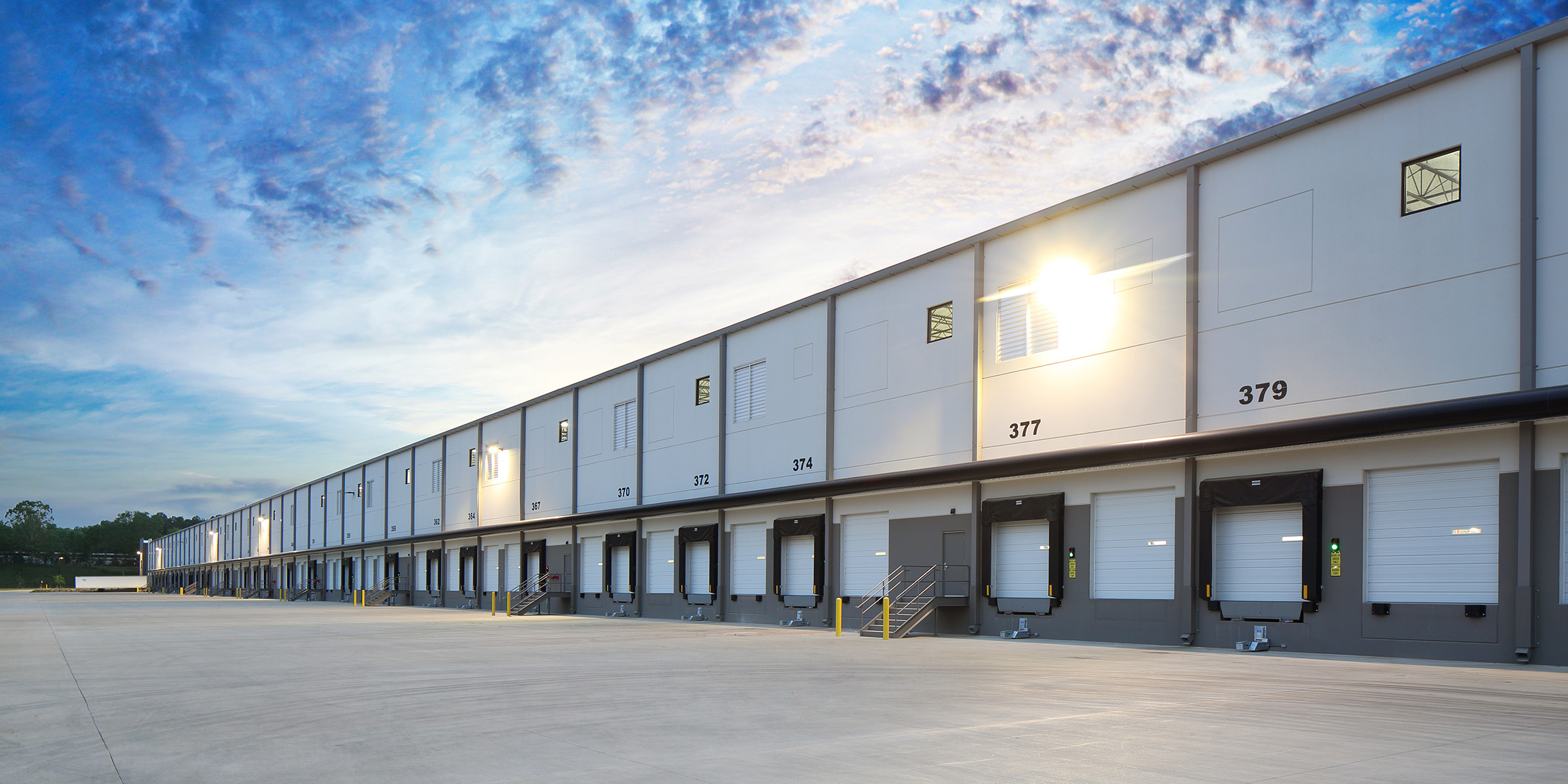
Why it matters: For investors and developers, this signals a bifurcating market where asset selection is paramount; for smaller tenants, it forecasts continued rent pressure and competition.
Context: The industrial market is broadly softening after a pandemic-era boom, but subsector performance is diverging sharply based on building scale and tenant profile.
"As discussed in one of Site Selection Group’s recent blogs, the United States has now experienced three consecutive years of rising vacancy across the industrial real estate market. The national vacancy rate." — INFO.SITESELECTIONGROUP
Commentary: This bifurcation will likely accelerate capital reallocation towards smaller-bay industrial REITs and private funds, while pressuring logistics firms reliant on large-footprint economies of scale. Municipal economic development strategies may shift to incentivize small-bay development to retain local manufacturing and service businesses being priced out.
Date: April 13, 2026 12:00 AM ET
URL: https://info.siteselectiongroup.com/blog/the-outlier-in-a-softening-industrial-market
AI Sentiment Score: Negative (50%)
AI Credibility Score: 10.0/10 — High
Scores and text generated by AI analysis of the source article indicated.
Snapshot of Industrial Market for Q1 | MHL News (Mhlnews)
Summary: Colliers data for Q1 2026 indicates the U.S. industrial real estate market is stabilizing, with demand positive in 70% of markets and vacancy steady at 7.4%. The supply-demand imbalance is correcting, with quarterly deliveries at their lowest since 2019. The South, led by Atlanta, Dallas-Fort Worth, Houston, and Charleston, accounted for 65% of national net absorption. Rent growth has plateaued nationally, showing divergence with declines in some coastal markets and resilience in key inland hubs.
Why it matters: The stabilization and geographic divergence signal where capital, development, and occupier costs will concentrate, directly impacting investment allocations and corporate site selection.
Context: This follows a period of post-pandemic overbuilding and rapid rent inflation, with markets now digesting supply.
"The South accounted for 65% of this demand (28M SF), with markets such as Atlanta, Dallas-Fort Worth, Houston, and Charleston each exceeding 3M SF of net absorption for the quarter." — MHLNEWS
Commentary: The Southern dominance in absorption, coupled with Houston’s 14% rent growth against a national plateau, confirms a durable pivot of industrial momentum toward lower-cost, high-volume logistics corridors. This isn’t just a rebalancing but a re-concentration, pressuring coastal market rents while insulating developers in Texas and Georgia who pivoted to build-to-suit. The data suggests institutional capital will follow this demand, further entrenching the Southeast’s infrastructure advantage.
Date: April 20, 2026 12:00 AM ET
URL: https://www.mhlnews.com/warehousing/news/55371684/snapshot-of-industrial-market-for-q1
AI Sentiment Score: Negative (55%)
AI Credibility Score: 9.8/10 — High
Scores and text generated by AI analysis of the source article indicated.
2026 Q1 North America Market Report – Lee & Associates (Lee-Associates)
Summary: The North American industrial real estate market shows sustained weakness, with Q1 2026 net absorption at 32.8 million SF, the lowest tenant growth rate in over a decade outside a brief 2025 contraction. The overall U.S. industrial vacancy rate has nearly doubled since 2022 to 7.5%, driven by a persistent oversupply of speculative logistics space. In contrast, retail space remains tight, with U.S. vacancies as low as 2.7% for general retail. The multifamily sector also reflects softening demand, with U.S. Q1 net absorption down 42% year-over-year and vacancy rising from 5.1% to 8.5% over four years.

Why it matters: This divergence between industrial oversupply and retail scarcity signals a reallocation of capital and operational focus for developers, investors, and logistics firms, with material impacts on regional employment, construction pipelines, and asset valuations.
Context: The industrial market’s current overhang follows a post-pandemic construction boom aimed at e-commerce logistics, now colliding with normalized demand and earlier tariff disruptions.
"The overall vacancy rate in Q1 settled at 7.5%, which has nearly doubled since 2022 as new supply exceeds demand." — LEE-ASSOCIATES
Commentary: The industrial sector’s correction could pressure developer balance sheets and likely trigger a consolidation among logistics property owners, while capital flows toward retail redevelopment and last-mile infill projects. This shift may accelerate the repurposing of distressed logistics boxes for alternative uses like data centers or manufacturing, particularly in secondary Southeast markets where speculative building was most aggressive.
Date: April 29, 2026 12:00 AM ET
URL: https://www.lee-associates.com/research-article/2026-q1-north-america-market-report/
AI Sentiment Score: Negative (66%)
AI Credibility Score: 7.0/10 — Medium
Scores and text generated by AI analysis of the source article indicated.
U.S. Industrial Market Dynamics, Q1 2026 (Jll)
Summary: U.S. industrial leasing surged 17.8% year-over-year in Q1 2026, driven by a flight-to-quality trend and tenant consolidation. Net absorption of 50.9 million square feet was exceptionally strong for the period, with big-box leasing (500,000+ sq. ft.) jumping 80.7%. The vacancy rate held steady at 7.5% nationally, while asking rents grew modestly to $10.34 per square foot. New construction starts remain relatively flat, suggesting a tightening market ahead.

Why it matters: For investors and occupiers, the sharp rebound in big-box commitments signals a structural shift in confidence, directly impacting capital allocation and supply chain strategy in a volatile policy environment.
Context: This follows a year of occupier caution and elevated vacancy, making the Q1 2026 strength a notable inflection point. The data contrasts with persistent headwinds from geopolitics, tariffs, and energy costs.
"Big-box leasing (spaces of at least 500,000 s.f.) surged 80.7% year-over-year, signaling renewed confidence in long-term commitments and reversing the cautious approach that characterized the previous year." — JLL
Commentary: The 80.7% surge in big-box leasing is the operative figure; it indicates major occupiers are locking in capacity despite near-term uncertainties, betting on efficiency gains from newer, higher-spec assets. This accelerates the consolidation of logistics into tier-1 markets and premium facilities, leaving secondary properties and regions vulnerable. For capital markets, it validates continued investment in Class A development, even as overall construction stays flat, creating a two-tier asset landscape.
Date: April 23, 2026 12:00 AM ET
URL: https://www.jll.com/en-us/insights/market-dynamics/industrial-market-statistics-trends
AI Sentiment Score: Positive (57%)
AI Credibility Score: 10.0/10 — High
Scores and text generated by AI analysis of the source article indicated.
Savannah’s Industrial Market Dominates: Two Major … (Piercommercial)
Summary: The Savannah industrial market recorded two major leases in a single week, totaling over 376,000 square feet of Class A space. Commonwealth Wholesale Corporation leased 56,160 square feet at the Central Port Logistics Center, while a separate 320,320-square-foot facility in Rincon was leased to an undisclosed tenant. Both transactions involve modern, newly constructed assets with direct access to port and highway infrastructure.
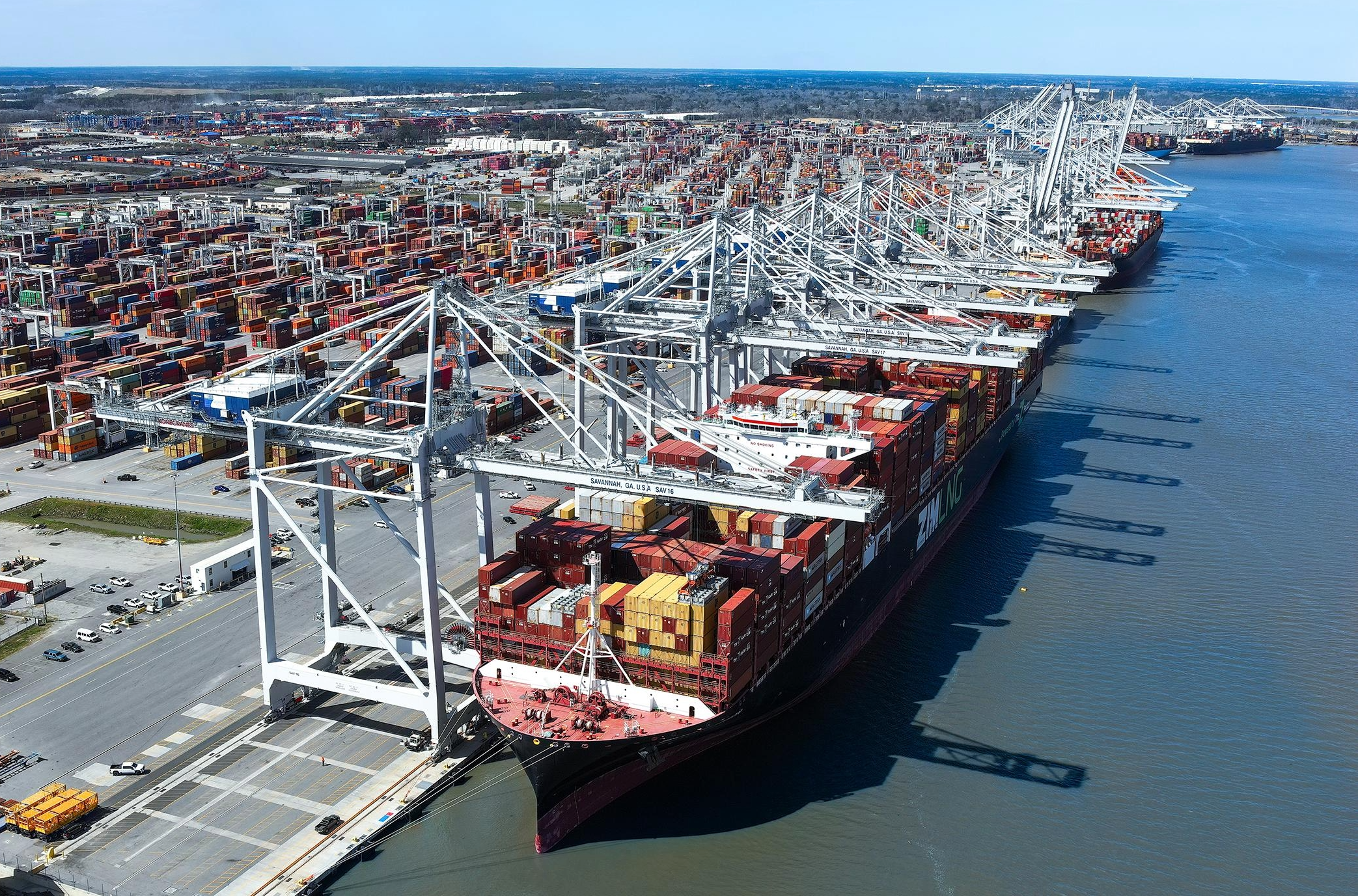
Why it matters: This demonstrates the sustained, project-level demand for high-spec logistics space in the Savannah MSA, signaling continued capital and tenant confidence in the region’s port-centric supply chain role.
Context: Savannah’s industrial market has been a national outlier for absorption and rent growth, driven by the Port of Savannah’s expansion and Southeast population migration. Leases of this scale confirm that demand is extending beyond the immediate port district into inland submarkets like Rincon.
"In a single week, the Savannah market secured two significant industrial leases: a 320,320-square-foot facility in Rincon and a 56,160-square-foot space at the Central Port Logistics Center, underscoring the relentless demand for Class A bulk space." — PIERCOMMERCIAL
Commentary: The concurrent leasing of a large, generic facility and a smaller, port-adjacent space indicates demand is both broad and specialized. This pressures vacancy rates for modern inventory and will likely accelerate speculative development in secondary corridors. For capital markets, it reinforces Savannah’s position as a must-have logistics node, potentially diverting investment from other Southeastern ports.
Date: April 20, 2026 12:00 AM ET
URL: https://www.piercommercial.com/savannah-industrial-leasing-port-logistics-center/
AI Sentiment Score: Positive (75%)
AI Credibility Score: 7.0/10 — Medium
Scores and text generated by AI analysis of the source article indicated.
Net Absorption Sf (Cresa)
Summary: The US logistics real estate market, a primary beneficiary of pandemic-driven supply chain shifts, is now in a period of correction following historic rent growth and construction. While the national narrative is one of retreat—with rising availabilities and stalled rent increases—regional disparities are stark: the Inland Empire saw a 50% rent spike followed by a sharp fall, while Chicago and Dallas experienced steadier compounded growth. Houston remains an outlier with continued bullish development, even as most major markets await demand to catch up to a supply overhang built up since 2020.

Why it matters: For investors, developers, and corporate occupiers, the diverging regional trajectories signal where capital deployment, lease negotiations, and expansion strategies must now be hyper-localized, moving beyond broad sector narratives.
Context: This follows a five-year cycle of extreme volatility in industrial real estate, driven by e-commerce acceleration and port congestion, which is now normalizing amid economic uncertainty and tariff discussions.
"Both Texas markets have net absorption over 100 million square feet since the start of 2020." — CRESA
Commentary: The sustained absorption in Texas, contrasted with the volatility of coastal logistics hubs, underscores a structural shift toward inland distribution centers and Sun Belt manufacturing corridors. This divergence will likely accelerate capital reallocation from legacy port-adjacent markets to regions offering cost stability and scalability, reshaping long-term industrial geography and supply chain architecture.
Date: April 24, 2026 12:00 AM ET
URL: https://www.cresa.com/blog/post-covid-warehouse-and-distribution-trends-in-major-us-logistics-markets
AI Sentiment Score: Negative (66%)
AI Credibility Score: 7.0/10 — Medium
Scores and text generated by AI analysis of the source article indicated.
Investor Watch: April 27, 2026 – Site Selection Magazine (Siteselection)
Summary: Google’s ‘Project Pegasus’ represents an $8-billion-plus investment in LaGrange, Georgia, while AbbVie commits $1.4 billion for a biomanufacturing plant in Durham, North Carolina. These announcements, alongside Tulsa, Oklahoma’s inclusion, signal continued high-value capital deployment across the Southeastern U.S. The projects highlight distinct sectoral draws: hyperscale computing infrastructure in Georgia and precision biomanufacturing in North Carolina’s Research Triangle.

Why it matters: These capital commitments reveal where major corporations are placing strategic, long-term bets on regional infrastructure and talent pools, directly influencing local labor markets, supply chains, and competitive positioning.
Context: The Southeast has consistently attracted major industrial and technology projects due to lower costs, business-friendly regulations, and growing research ecosystems, though competition for skilled labor is intensifying.
"|<table><tr><td> </td></tr><tr><td> </td></tr><tr><td> LaGrange, Georgia; Durham, North Carolina; Tulsa, Oklahoma This week’s bulletin features projects that landed in three of the 19 states whose names end with the letter “a”: Google is." — SITESELECTION
Commentary: The scale of Google’s investment suggests a further consolidation of data center and AI infrastructure in the Southeast, leveraging energy and land resources. AbbVie’s precise hiring target underscores the sector’s shift towards highly specialized, tech-integrated bioproduction, reinforcing Durham’s position but also pressuring its talent market. These parallel investments demonstrate the region’s bifurcated appeal for both bulk infrastructure and precision science.
Date: April 27, 2026 12:00 AM ET
URL: https://siteselection.com/newsletter/investor-watch-april-27-2026/
AI Sentiment Score: Negative (75%)
AI Credibility Score: 10.0/10 — High
Scores and text generated by AI analysis of the source article indicated.
Industrial Fundamentals Stabilize as Big-Box Leasing Surges (Cbre)
Summary: Industrial leasing activity surged 14% year-over-year in Q1 2026, driven by mega big-box facilities over 1.2 million sq. ft. Net absorption rebounded to 43.1 million sq. ft., though it remained below long-term averages as occupiers continued to optimize space. Despite the leasing momentum, vacancy and availability rates ticked up, and construction completions continued to outpace absorption.
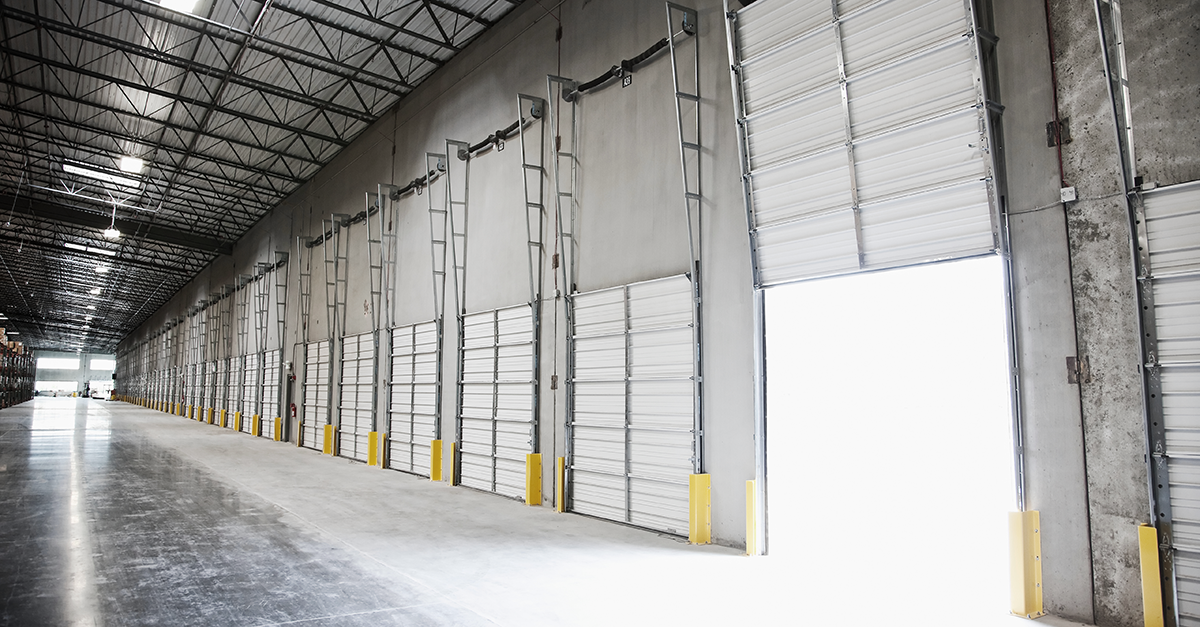
Why it matters: The divergence between surging big-box demand and softer fundamentals for smaller formats signals a strategic shift in supply chain real estate, with capital and development likely to follow the large-scale trend.
Context: The industrial real estate market has been adjusting post-pandemic, with a focus on space optimization and a recalibration of the construction pipeline against actual demand.
"# Industrial Fundamentals Stabilize as Big-Box Leasing Surgess … – Leasing activity increased by 14% year-over-year in Q1 to 249.8 million sq. ft., putting the market on track for record volume in." — CBRE
Commentary: The concentration of activity in mega-facilities suggests a continued bet on regionalized, large-scale logistics hubs, pressuring smaller, less efficient industrial properties. This will likely accelerate capital allocation towards developers and REITs specializing in big-box portfolios, while regional markets lacking scale may see stagnation. The persistent gap between construction and absorption, even with improved leasing, indicates ongoing market rebalancing that favors tenants in non-mega-box segments.
Date: April 23, 2026 12:00 AM ET
URL: https://www.cbre.com/insights/figures/q1-2026-us-industrial-and-logistics-figures
AI Sentiment Score: Neutral (33%)
AI Credibility Score: 10.0/10 — High
Scores and text generated by AI analysis of the source article indicated.
Industrial Archives – Page 721 of 2175 – REBusinessOnline (Rebusinessonline)
Summary: Lee & Associates’ Q3 2021 North America Market Report indicates that industrial real estate demand, driven by pandemic-fueled consumer spending, has reached record levels. This surge is occurring despite a nationwide construction boom, with some metropolitan areas struggling to keep pace with tenant expansion. Year-over-year rent growth for industrial properties has hit a record 6.7 percent.

Why it matters: For investors and developers tracking the Southeast, these figures signal intense pressure on industrial capacity and pricing, influencing capital allocation and site selection decisions.
Context: The industrial asset class has been the primary beneficiary of e-commerce acceleration and supply chain reconfiguration since 2020, but the sustainability of record rent growth amid rising construction is a key question.
"The calculus for which asset classes are likeliest to demonstrate strong growth continues to shift as the pandemic appears to be receding. Patterns in labor shortages, supply chain issues and material costs." — REBUSINESSONLINE
Commentary: The data suggests a bifurcation: aggregate new supply is not resolving localized shortages, indicating that logistics hubs with superior infrastructure are capturing disproportionate value. This will likely accelerate capital concentration in a narrower set of primary Southeastern nodes, while secondary markets face a steeper climb to attract comparable investment.
Date: April 25, 2026 12:00 AM ET
URL: https://rebusinessonline.com/category/property-type/industrial/page/721/
AI Sentiment Score: Negative (50%)
AI Credibility Score: 10.0/10 — High
Scores and text generated by AI analysis of the source article indicated.
More Than 750000 Square Feet of Industrial Space Is Coming to … (Developmonroe)
Summary: Edgewater Ventures will develop Union Logistics Park, a 769,880 square-foot Class A industrial complex in Monroe, North Carolina, with the first 256,880-square-foot building breaking ground in May 2026 for delivery in Q1 2027.

Why it matters: This scale of investment signals a continued, concrete shift of industrial and logistics capital into secondary Southeast markets, affecting regional labor, land use, and supply chain geography.
Context: Monroe sits within the Charlotte MSA’s expanding industrial corridor, benefiting from proximity to I-485 and the ongoing dispersion of logistics infrastructure from core urban hubs.
"Edgewater Ventures has selected Monroe, North Carolina as the future home of Union Logistics Park, a 769,880 square-foot Class A industrial development planned for North Sutherland Avenue." — DEVELOPMONROE
Commentary: The project’s size and Class A specification indicate developer confidence in sustained demand for modern logistics space in this submarket, likely driven by e-commerce fulfillment and regional distribution. It will intensify competition for skilled construction labor and industrial-zoned land in Union County, potentially pushing ancillary service providers to follow. The timeline suggests Edgewater is moving quickly to capture pre-leasing momentum before any potential cooling in industrial real estate absorption.
Date: April 30, 2026 12:00 AM ET
URL: https://www.developmonroe.com/news/more-than-750000-square-feet-of-industrial-space-is-coming-to-monroe
AI Sentiment Score: Neutral (33%)
AI Credibility Score: 7.0/10 — Medium
Scores and text generated by AI analysis of the source article indicated.
Post ID: c60e7a11