Business, Legal, and Rights Management for Fashion Images
Working With Talent: What Models Aren’t Telling You (Events.Humanitix)
Summary: Photographer Oliver Minnett is offering a paid workshop focused on the pre-production and interpersonal mechanics of editorial fashion shoots, framing them as a core professional skillset. The curriculum treats casting, briefing, and establishing trust as foundational creative and commercial processes, arguing that most photographers’ work suffers from neglecting these stages. It positions duty of care and explicit image consent not as compliance hurdles but as competitive advantages for eliciting better performance and building a sustainable practice.

Why it matters: It signals a formalization of soft skills into billable expertise and operational frameworks, directly affecting commissioning economics, talent relations, and liability management for studios and independents.
Context: This follows industry-wide pressure post-#MeToo and evolving model-agency standards, where procedural rigor around consent and safety is increasingly a market differentiator and a prerequisite for high-value client work.
[Summary note] Photographer Oliver Minnett is offering a paid workshop focused on the pre-production and interpersonal mechanics of editorial fashion shoots, framing them as a core professional skillset.
Commentary: Minnett is productizing a systemic critique of industry workflow, monetizing the gap between technical craft and reliable, repeatable creative output. For agencies and production houses, this represents a shift where investing in director-level interpersonal training may reduce costly reshoots and talent conflicts. It also creates a new vendor category: consultants who audit and improve a studio’s human-facing pipeline, not just its technical one.
Date: May 01, 2026 12:00 AM ET
URL: https://events.humanitix.com/working-with-talent-what-models-arent-telling-you
AI Sentiment Score: Neutral (33%)
AI Credibility Score: 7.0/10 — Medium
Scores and text generated by AI analysis of the source article indicated.
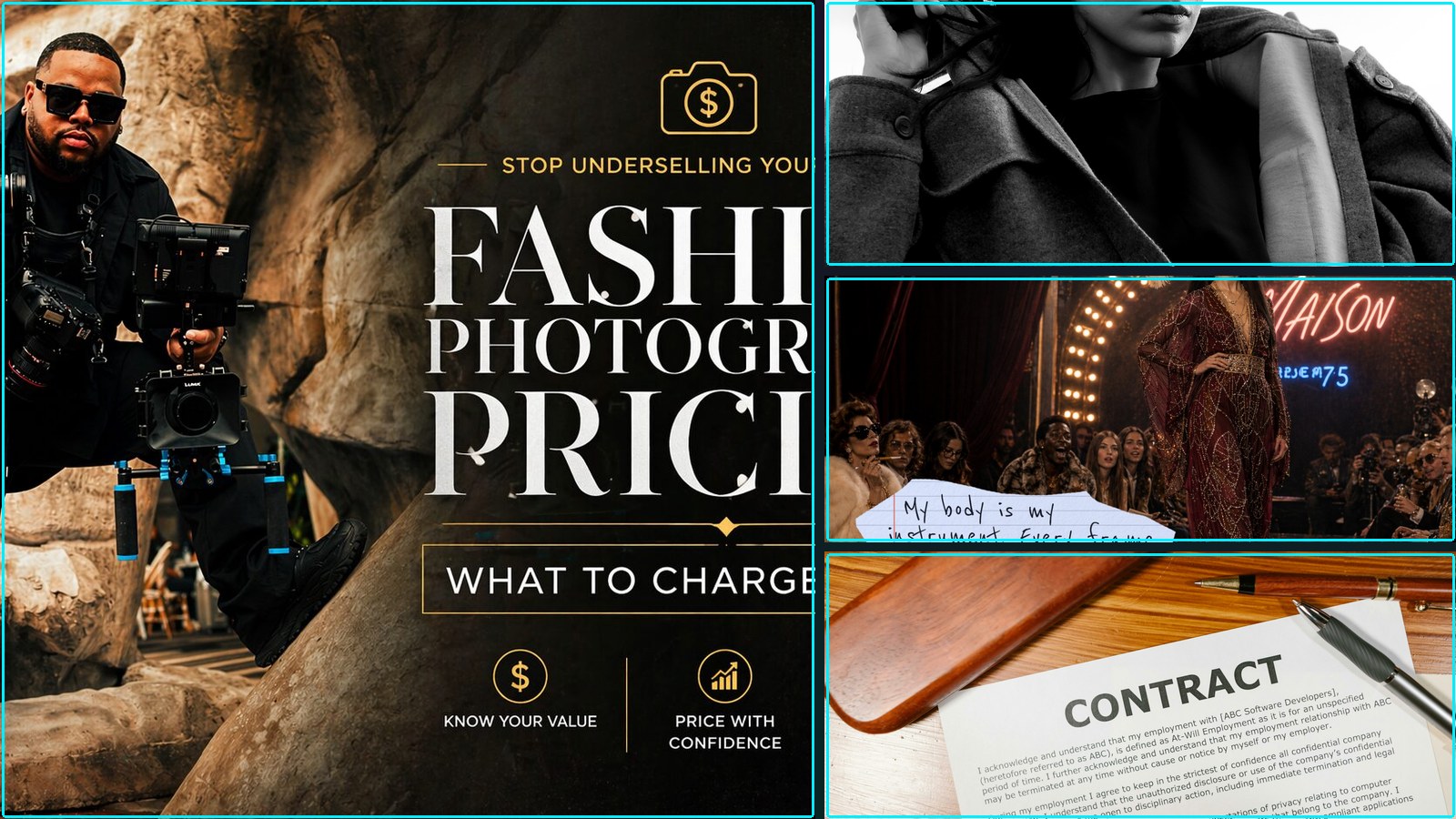
Fashion Photography Pricing: What to Charge in 2026 (Framedbydavinci)
Summary: A 2026 pricing guide for editorial fashion photography details a structured fee framework separating creative day rates from usage licensing and ancillary services. It establishes experienced photographer day rates at $1,500–$3,500+ and emphasizes that usage rights for channels like digital advertising or broadcast can command premiums of 75-150% or more over the base creative fee. The guide operationalizes the billing of pre-production, post-processing, and travel, which are historically undervalued.

Why it matters: This codification pressures photographers to formalize pricing and assert value for licensing, directly impacting project profitability and client negotiations across the commissioning pipeline.
Context: Pricing in creative fields often remains opaque and relationship-based, leading to inconsistent rates and undervalued labor, particularly around image licensing.
"Day rates for fashion photography range from $500 to $3,000+, depending on your experience, market, and usage. … – Beginner day rates typically start at $300–$600; experienced photographers charge $1,500–$3,000+ – Usage." — FRAMEDBYDAVINCI
Commentary: The explicit segmentation of creative fee and usage licensing shifts the economic model from selling a product to selling a service with recurring revenue potential. For studios and agencies, this necessitates more detailed rights management and contract templates, while for clients, it introduces clearer cost forecasting tied to campaign scale and duration. The guide’s granularity on billable pre- and post-production time formalizes labor that is frequently donated, compelling a industry-wide recalibration of what constitutes a shoot’s deliverable scope.
Date: April 22, 2026 12:00 AM ET
URL: https://www.framedbydavinci.com/fashion-photography-pricing-guide/
AI Sentiment Score: Negative (50%)
AI Credibility Score: 10.0/10 — High
Scores and text generated by AI analysis of the source article indicated.
A Photographer’s Guide to Permission Forms – Framer (Wirestock.Framer.Website)
Summary: A Wirestock guide clarifies the legal distinction between commercial and editorial use for photography, emphasizing that model releases are mandatory for commercial licensing but generally unnecessary for editorial publication. It outlines the core criteria—recognizable subjects, intended commercial application—that trigger the requirement. The piece positions release forms as a foundational risk-management tool for photographers and agencies navigating rights clearance.
Why it matters: Misunderstanding release requirements exposes photographers, agencies, and publishers to legal liability and can invalidate commercial licensing deals, directly impacting revenue and operational security.
Context: The proliferation of digital distribution and multi-platform licensing has intensified the need for clear, defensible rights documentation, with platforms like Wirestock automating compliance to capture market share.
"For instance, work that is going to appear in newspapers, educational books, and consumer or trade publications does not need a model release because it is deemed for editorial use—sometimes even referred to as ‘fair use’." — WIRESTOCK.FRAMER.WEBSITE
Commentary: The guide’s blunt editorial/commercial divide underscores a persistent point of failure in production pipelines: photographers or junior producers treating editorial shoots as inherently ‘safe’ without securing releases, thereby permanently foreclosing future commercial monetization of that asset. This entrenches the economic advantage of platforms that bake release capture into the shoot workflow, potentially marginalizing smaller studios that rely on manual processes. For publications, it reinforces the need to audit contributor contracts to ensure they indemnify against release claims, especially for syndicated content.
Date: April 27, 2026 12:00 AM ET
URL: https://wirestock.framer.website/blog/a-photographer-s-guide-to-permission-forms
AI Sentiment Score: Neutral (33%)
AI Credibility Score: 10.0/10 — High
Scores and text generated by AI analysis of the source article indicated.
Sibylla Hartel and Charlot Magayi revealed as Dezeen Awards 2026 judges (Dezeen)
Summary: Dezeen Awards 2026 has announced five new judges for its architecture, interiors, and design categories, including architect Sibylla Hartel and designer Charlot Magayi. The announcement serves as a final call for entries, which close on May 27. The awards program, in partnership with Trimble, positions itself as a key industry benchmark.

Why it matters: For editorial fashion photographers and adjacent image-makers, judging panels for major design awards signal shifting aesthetic and ethical priorities that can influence commissioning trends, client briefs, and the visual language deemed ‘prestigious’ by influential clients.
Context: Awards programs like Dezeen’s act as cultural arbiters, validating specific design philosophies and, by extension, the photographic styles used to document and promote winning work.
"Sibylla Hartel and Charlot Magayi revealed as Dezeen Awards 2026 judges Architect Sibylla Hartel, interior designers Alexy Kos and Che Huang and designers Charlot Magayi and Todd Bracher have joined the judging." — DEZEEN
Commentary: The inclusion of Charlot Magayi, a social-impact designer, alongside established figures from Gustafson Porter + Bowman and Child Studio, recalibrates the awards’ value set toward utility and ethical narrative. For photographers, this elevates projects with strong socio-environmental stories, potentially shifting commissioning budgets toward documentation of humanitarian design over pure luxury aesthetics. It also pressures image-makers to develop a visual lexicon that authentically communicates impact, not just form.
Date: Mon, 18 May 2026 07:00:35 +0000
URL: https://www.dezeen.com/2026/05/18/sibylla-hartel-charlot-magayi-dezeen-awards-2026-judges/
AI Sentiment Score: Positive (40%)
AI Credibility Score: 10.0/10 — High
Scores and text generated by AI analysis of the source article indicated.
Magazine licensing: a beginner’s guide – InPublishing (Inpublishing.Co.Uk)
Summary: A guide from InPublishing outlines the strategic and operational calculus for magazine publishers considering international licensing, framing it as a rights and asset management exercise. It emphasizes upfront self-assessment of a title’s global appeal, particularly its visual material, and the critical need to secure clear intellectual property rights for commissioned photography. The process involves identifying viable territories and partners, followed by the costly negotiation of a comprehensive licensing agreement covering rights, supply, and payment.
Why it matters: For fashion magazine publishers and creative directors, licensing represents a significant revenue stream but introduces complex IP and production pipeline challenges that directly impact commissioning budgets, photographer contracts, and archive valuation.
Context: As print media seeks diversified income, licensing has become a standard yet intricate part of publishing portfolios, with fashion titles being particularly reliant on the portability of their visual aesthetic.
"So now… the big question. Is your publication suitable for licensing? For starters, ask yourself the following: * is the subject matter likely to be compelling to sufficient readers in another country?" — INPUBLISHING.CO.UK
Commentary: This shifts bargaining power in photographer negotiations, pushing publishers to demand broader rights buys upfront, which may increase initial shoot costs but secures future optionality. The 80% threshold creates a clear operational benchmark for archive audits and could pressure art departments to flag ‘problem’ shoots with restrictive talent or location agreements early. Ultimately, it formalizes the treatment of editorial photography as a licensable asset portfolio, not just content for a single issue.
Date: May 07, 2026 12:00 AM ET
URL: https://www.inpublishing.co.uk/articles/magazine-licensing-a-beginners-guide-2199
AI Sentiment Score: Negative (50%)
AI Credibility Score: 7.0/10 — Medium
Scores and text generated by AI analysis of the source article indicated.
Image Usage Rights on Social Media (2026 Guide) – InfluencerDB (Influencerdb.Net)
Summary: InfluencerDB’s 2026 guide formalizes a rights framework for commercial image usage on social media, shifting from informal agreements to structured licensing. It introduces a four-part scoping model (channels, duration, territory, media type) and mandates explicit written clearance for paid media activation. The guide operationalizes this through standardized briefs, asset metadata tagging, and pre-publication audit checklists.

Why it matters: For editorial fashion photographers, agencies, and brand content teams, this systematization turns image rights into a billable, trackable component of production, directly impacting commissioning economics and liability management.
Context: This reflects the maturation of influencer and creator content into core brand media assets, where repurposing for paid campaigns has escalated legal and financial stakes beyond organic posting.
"To stay safe, treat every image as “owned by someone” until you have documentation that says otherwise. Also, separate “permission to post” from “permission to promote” because boosting a post or running." — INFLUENCERDB.NET
Commentary: The guide commoditizes usage rights, compelling photographers and creators to price licenses separately from shoot fees. This creates a new administrative layer for studios and brands, favoring those with integrated digital asset management. The explicit call for edit-rights boundaries protects aesthetic integrity but may conflict with brand marketing agility, necessitating more granular contract negotiations.
Date: April 26, 2026 12:00 AM ET
URL: https://influencerdb.net/influencer-compliance/image-usage-rights/
AI Sentiment Score: Negative (50%)
AI Credibility Score: 10.0/10 — High
Scores and text generated by AI analysis of the source article indicated.
How to Brief a Commercial Photographer and Why Most … (Chrisfrarastudios)
Summary: A commercial photography studio outlines a framework for effective creative briefs, positioning the document as a mutual evaluation tool and a strategic blueprint. The proposed brief prioritizes specific audience definition, clear shot lists, and explicit ‘anti-requirements’ over length. It frames the briefing process as a collaborative filter for client-photographer fit and a mechanism to streamline production economics.

Why it matters: This reframes the brief from an administrative task to a core strategic and financial instrument, directly impacting commissioning efficiency, creative alignment, and project scoping.
Context: Industry pressure to reduce production cycles and budgets has intensified scrutiny on pre-production workflows, while the proliferation of digital platforms demands more targeted visual outputs.
"Your brief isn’t just a document you hand over so we know what to shoot. It’s also one of the best tools you have for figuring out whether a photographer is actually." — CHRISFRARASTUDIOS
Commentary: This elevates the brief’s function from directive to diagnostic, shifting power dynamics in the pitch process. By demanding specificity on audience and usage upfront, it forces clients to internalize strategic goals before production, reducing costly revisions. The emphasis on ‘what you don’t want’ operationalizes aesthetic guardrails, a critical efficiency for studios managing multiple concurrent projects. This framework, if adopted, could standardize scoping conversations, making comparative bidding more transparent and accelerating vendor selection.
Date: April 29, 2026 12:00 AM ET
URL: https://www.chrisfrarastudios.com/blog/how-to-brief-a-commercial-photographer
AI Sentiment Score: Negative (50%)
AI Credibility Score: 10.0/10 — High
Scores and text generated by AI analysis of the source article indicated.
Sherri Hill Files Federal Lawsuit Alleging Unauthorized Use of Copyrighted Images by Online Retailers (Morningstar)
Summary: Sherri Hill, Inc. has filed a federal copyright lawsuit against the operators of the KissProm.com and SheIsMe.com websites, alleging unauthorized use and alteration of its copyrighted marketing images to sell formal dresses. The complaint, filed in the Southern District of New York, asserts claims for infringement and removal of copyright management information. This legal action targets a specific practice of online retailers using editorial campaign imagery without licensing.
Why it matters: This suit signals a more aggressive posture from brands in policing the unauthorized commercial use of high-value campaign photography, directly impacting the enforcement costs for rights holders and the operational risk for e-commerce vendors.
Context: The unauthorized scraping and repurposing of editorial fashion photography for e-commerce is a persistent industry issue, often treated as a cost of doing business rather than a litigated offense.
"NEW YORK, April 27, 2026 /PRNewswire/ — Sherri Hill, Inc., a designer and marketer of formalwear, has filed a lawsuit in the United States District Court for the Southern District of New." — MORNINGSTAR
Commentary: Sherri Hill’s move from cease-and-desist letters to federal litigation, including a claim for alteration of copyright management information, raises the stakes for digital asset misuse. It pressures online retailers to audit their image sourcing and may incentivize brands to more systematically register copyrights for campaign assets. For photographers and studios, it underscores the tangible, if latent, commercial value of their work beyond its initial editorial placement, potentially strengthening arguments for stricter licensing terms in commissioning contracts.
Date: April 27, 2026 12:00 AM ET
URL: https://www.morningstar.com/news/pr-newswire/20260427ny44289/sherri-hill-files-federal-lawsuit-alleging-unauthorized-use-of-copyrighted-images-by-online-retailers
AI Sentiment Score: Negative (60%)
AI Credibility Score: 10.0/10 — High
Scores and text generated by AI analysis of the source article indicated.
About Us (Thelinestudios.Nyc)
Summary: The Line Studios, a full-service photography studio with locations in New York and Los Angeles, has published its 2026 rate card, providing a rare public benchmark for production costs in editorial fashion and e-commerce. The studio’s services span creative direction, on-model and still life photography, video, and AI-supported asset creation, with day rates starting at $5,100 for still life, $12,200 for on-model, and $13,000+ for video. The data reveals the operational scale required to service brands across wholesale, digital campaigns, and social channels from a multi-city base.

Why it matters: Public rate cards from established studios provide critical market intelligence for photographers, producers, and brands negotiating budgets and assessing vendor pricing in a traditionally opaque sector.
Context: Studio pricing is seldom disclosed, making comparative analysis difficult; this transparency comes as studios increasingly bundle traditional photography with video and AI services to defend margins.
"The Line Studios operates full-service photography studios in New York and Los Angeles, supporting brands across the U.S. and internationally. Our New York studio is located in Long Island City, Queens, and." — THELINESTUDIOS.NYC
Commentary: The rate structure formalizes the premium for human-centric on-model work over still life, while the bundled AI SKU pricing suggests a tactical, cost-adder deployment rather than a wholesale replacement of photography. For independent photographers, these figures establish a competitive ceiling for high-volume studio work, pressuring those unable to offer equivalent scale or post-production integration. The multi-service model indicates studios are consolidating workflow to become one-stop shops, shifting client relationships from project-based commissions to retained production partnerships.
Date: April 24, 2026 12:00 AM ET
URL: https://thelinestudios.nyc/about-us/
AI Sentiment Score: Negative (71%)
AI Credibility Score: 7.0/10 — Medium
Scores and text generated by AI analysis of the source article indicated.
Editorial vs Commercial Fashion Photography | Premier Portraits (Premierportraits.Au)
Summary: A Melbourne-based photography studio’s analysis of a common commissioning failure—where images are technically excellent but commercially inert—highlights a persistent industry-wide confusion between editorial and commercial fashion photography. The article argues this stems from ambiguous briefs that fail to specify whether the goal is aspiration (editorial) or conversion (commercial), leading to costly misallocations of creative labor and marketing budgets. It proposes a ‘pyramid’ model for visual content, segmenting work into hero editorial, commercially editorial, and base commercial tiers, each requiring distinct photographer skills and briefing protocols.

Why it matters: For studios, photographers, and brand creatives, misaligned briefs directly impact campaign ROI, photographer selection, and long-term brand equity, making commissioning precision a core operational competency.
Context: The professionalization of fashion photography commissioning, driven by performance marketing metrics, is forcing a clearer functional segmentation of creative labor that many traditional briefs and portfolios still obscure.
"The brief asked for fashion photography. The photographer delivered fashion photography. But the brand needed commercial fashion photography, and what arrived was editorial. Two things that look similar from the outside and function completely differently in practice." — PREMIERPORTRAITS.AU
Commentary: The analysis reframes photographer evaluation from aesthetic taste to functional capability, privileging those who can toggle between editorial instinct and commercial discipline. For studios, this demands more granular RFPs and usage-rights negotiations upfront. The emerging ‘commercially editorial’ middle zone represents the dominant, yet most poorly briefed, workload for mid-market brands, creating a market advantage for producers who can systematize its requirements.
Date: 1 month ago
URL: https://premierportraits.com.au/editorial-vs-commercial-fashion-photography/
AI Sentiment Score: Negative (50%)
AI Credibility Score: 9.8/10 — High
Scores and text generated by AI analysis of the source article indicated.
Why the Service "Beauty Retouching" Is Essential for Fashion and Editorial Photography — SOPHISTICATED CLOUD™ – Squarespace Web Designers (Sophisticatedcloud)
Summary: A service provider’s promotional article argues that professional beauty retouching is a non-negotiable, specialized node in the fashion and editorial production pipeline. It frames the service as essential for bridging the gap between technically excellent raw files and publishable imagery, emphasizing precision, authenticity, and, critically, consistency across series. The piece positions retouching not as creative overreach but as a technical safeguard that protects the artistic intent of the studio work through to final publication.

Why it matters: For production managers, photographers, and art directors, this underscores the operational and financial calculus of outsourcing a technically demanding, deadline-sensitive post-production function versus handling it in-house or with freelancers.
Context: This reflects the ongoing professionalization and segmentation of post-production services, where studios compete on workflow efficiency and consistency-at-scale as much as aesthetic skill, responding to fixed campaign and publication schedules.
"Why the Service "Beauty Retouching" Is Essential for Fashion and Editorial Photography There’s a moment every photographer knows – reviewing a shoot that went exceptionally well. The lighting landed exactly where you." — SOPHISTICATEDCLOUD
Commentary: The article’s value is in its framing of retouching as a logistics and quality-control problem, not just an artistic one. For commissioning entities, the implied argument is that reliable, scalable retouching partners are a risk-mitigation tool for protecting sunk costs in shoots and adhering to immovable distribution timelines. This shifts the vendor selection criteria from pure portfolio review to an assessment of operational reliability and tiered service models that match project budgets.
Date: 2 weeks ago
URL: https://www.sophisticatedcloud.com/all-blogs/why-the-service-beauty-retouching-is-essential-for-fashion-and-editorial-photography
AI Sentiment Score: Negative (83%)
AI Credibility Score: 9.6/10 — High
Scores and text generated by AI analysis of the source article indicated.
Photographers make your photos are protected. (Youtube)
Summary: Photographers should make sure they have a clear contract. Because sometimes businesses like to take advantage of the situation and use your photos for something else than what was contracted.
Why it matters: Contractual scope creep remains a primary risk vector; explicit usage rights are non-negotiable for asset protection.
Context: Focus on defining secondary usage rights (e.g., digital, merchandise) within commissioning agreements.
"Photographers should make sure they have a clear contract. Because sometimes businesses like to take advantage of the situation and use your photos for something else than what was contracted." — YOUTUBE
Commentary: The signal is still worth tracking, but the current extraction path did not yield enough body text for a fuller analytical read. The immediate implication is operational rather than speculative: watch how this changes budgets, workflows, or risk assumptions over the next cycle.
Date: April 30, 2026 12:00 AM ET
URL: https://www.youtube.com/watch?v=83XNOB0CiMA
AI Sentiment Score: Negative (50%)
AI Credibility Score: 10.0/10 — High
Scores and text generated by AI analysis of the source article indicated.
IPR, MET Gala & Raja Ravi Varma: Fashion, Art & Copyright Explained (Youtube)
Summary: A legal analysis of the Met Gala outlines the complex rights framework governing celebrity appearances and subsequent editorial photography. The core issue is that outfits are typically loaned, granting celebrities only limited, conditional rights to wear them for the event. This creates a layered chain of image rights and licensing agreements that dictate how photographs from the event can be used commercially.
Why it matters: For photographers, publications, and brand partners, this clarifies the legal minefield of commissioning, syndicating, and monetizing high-profile event photography, where usage rights are fragmented and contractual.
Context: The commercialization of red-carpet and gala imagery has intensified, turning event photography into a primary marketing channel governed by endorsement deals and IP licensing rather than simple editorial capture.
"Um as I said you know a lot of outfits uh at the medgala are you know loaned by {ts:1208} designers. So in such case uh celebrities receive very limited rights to." — YOUTUBE
Commentary: The statement underscores a shift from photography as documentation to photography as a licensed asset in a multi-party agreement. This imposes new clearance burdens on editorial teams and limits archival reuse, effectively turning each major event into a bespoke rights territory. For photographers, it means negotiating usage upfront becomes as critical as the shoot itself, altering commissioning economics and shifting risk to the image-maker.
Date: May 06, 2026 12:00 AM ET
URL: https://www.youtube.com/watch?v=w15kbN5mags
AI Sentiment Score: Positive (50%)
AI Credibility Score: 10.0/10 — High
Scores and text generated by AI analysis of the source article indicated.
Sherri Hill alleges copyright infringement in new lawsuit … (Fashionunited.Uk)
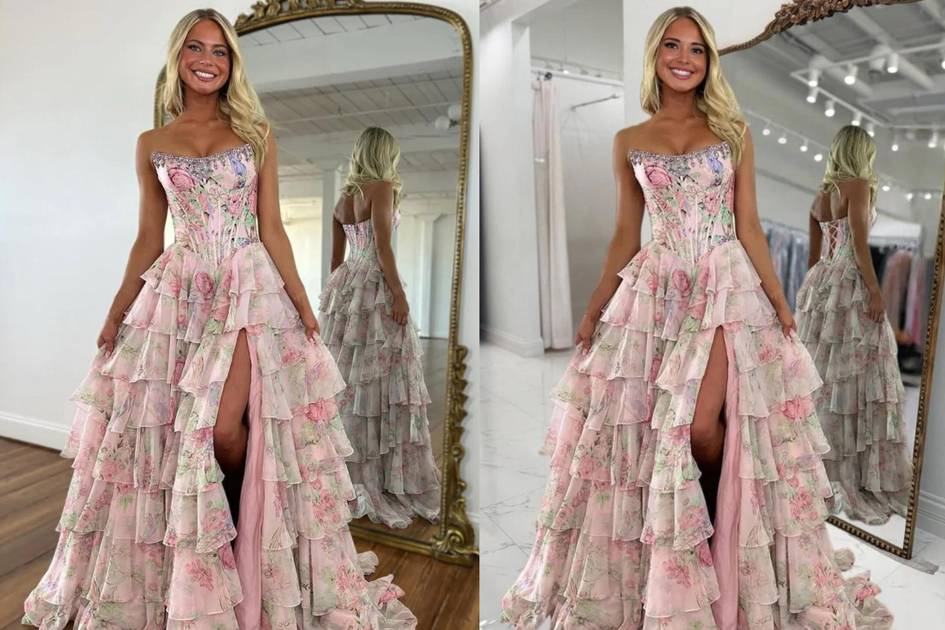
Summary: Prom dress brand Sherri Hill has filed a copyright infringement lawsuit in the Southern District of New York against e-commerce platforms KissProm.com and SheIsMe.com and their operators. The complaint, filed by Gioconda Law Group, alleges the unauthorized use, alteration, and display of Sherri Hill’s copyrighted marketing imagery to advertise and sell formal dresses. The brand is seeking damages and injunctive relief under federal copyright law and New York statutes.
Why it matters: This litigation underscores the escalating legal and financial risks for e-commerce vendors who source or repurpose editorial and marketing imagery without proper licensing, directly impacting production budgets and vendor relationships.
Context: This case fits a growing pattern of fashion brands aggressively enforcing copyrights on campaign and lookbook photography, not just garment designs, as a primary tool against digital counterfeiting and unauthorized resellers.
"The company alleges that the accused companies used the images for their own advertising and in the sale of formal dresses, altering and displaying them without permission." — FASHIONUNITED.UK
Commentary: The suit signals a tactical shift: brands are weaponizing their image portfolios as a direct enforcement lever against downstream distributors, not just counterfeit manufacturers. For photographers and studios, this reinforces the long-term commercial value of their copyright assignments to brands. For e-commerce operators, it mandates stricter due diligence on image sourcing, potentially shifting costs to licensed stock or in-house shoots. The choice of venue (SDNY) and cited statutes suggest a calculated move to establish precedent on digital alteration as a distinct infringement.
Date: April 28, 2026 12:00 AM ET
URL: https://fashionunited.uk/news/business/sherri-hill-alleges-copyright-infringement-in-new-lawsuit-against-e-commerce-platforms/2026042887692
AI Sentiment Score: Negative (50%)
AI Credibility Score: 10.0/10 — High
Scores and text generated by AI analysis of the source article indicated.
Shutterstock (NYSE: SSTK) updates on CMA Phase 2 review of Getty Images merger (Stocktitan.Net)
Summary: Shutterstock has filed an SEC Form 8-K disclosing that the UK Competition and Markets Authority (CMA) has issued its final report for the Phase 2 review of Shutterstock’s proposed merger with Getty Images. The filing, dated May 15, 2026, is a procedural disclosure required for publicly traded companies. It contains no details on the CMA’s findings or the merger’s approval status, focusing instead on legal boilerplate and forward-looking statement disclaimers. The core news is the procedural milestone, not a substantive regulatory decision.

Why it matters: A CMA Phase 2 review is a critical, in-depth antitrust investigation; its conclusion is a major gate for a merger that would consolidate the two largest global suppliers of stock and editorial imagery, directly impacting commissioning budgets, contributor payouts, and licensing competition.
Context: The proposed Shutterstock-Getty merger has been under global regulatory scrutiny for over a year, with the UK CMA’s Phase 2 being one of the most significant hurdles. Consolidation at this scale threatens to reduce buyer leverage and homogenize pricing and aesthetic supply in the commercial and editorial image markets.
"UNITED STATES SECURITIES AND EXCHANGE COMMISSION WASHINGTON, D.C. 20549 FORM 8-K CURRENT REPORT Pursuant to Section 13 or 15(d) of the Securities Exchange Act of 1934 Date of Report (Date of earliest." — STOCKTITAN.NET
Commentary: The filing’s lack of detail is itself telling; a favorable ruling would likely have been announced more prominently. The industry now awaits the CMA’s public decision, which will dictate whether editorial and commercial clients face a near-monopoly for legacy imagery, accelerating the shift towards direct commissioning, niche agencies, and AI-generated content as competitive hedges. For photographers and stylists, merger approval would centralize gatekeeping power, potentially depressing day rates and tightening stylistic conventions for mainstream editorial work.
Date: 4 days ago
URL: https://www.stocktitan.net/sec-filings/SSTK/8-k-shutterstock-inc-reports-material-event-4090033c1e91.html
AI Sentiment Score: Positive (42%)
AI Credibility Score: 10.0/10 — High
Scores and text generated by AI analysis of the source article indicated.
Copyright protection of fashion designs after Mio/konektra (Academic.Oup)
Summary: Published: 30 April 2026 Clarification on design copyright post-Mio/konektra signals potential shifts in IP enforcement for visual assets.
Why it matters: Clarification on design copyright post-Mio/konektra signals potential shifts in IP enforcement for visual assets.
Context: Focus on the operational implications for styling rights, model releases, and asset ownership in high-volume editorial pipelines.
[Metadata-only note] The available source data did not expose a direct source quote this cycle.
Commentary: The signal is still worth tracking, but the current extraction path did not yield enough body text for a fuller analytical read. The immediate implication is operational rather than speculative: watch how this changes budgets, workflows, or risk assumptions over the next cycle.
Date: April 30, 2026 12:00 AM ET
URL: https://academic.oup.com/jiplp/advance-article/doi/10.1093/jiplp/jpag049/8665720
AI Sentiment Score: Neutral (33%)
AI Credibility Score: 10.0/10 — High
Scores and text generated by AI analysis of the source article indicated.
Top Photography Agencies: Market Share & Analyst Evaluation (Verifiedmarketresearch)
Summary: A market analysis report from Verifiedmarketresearch identifies Art+Commerce as the dominant force in the premium fashion photography agency segment, holding a 22% market share. The report positions the agency as the ‘undisputed gold standard’ for luxury representation, with a global infrastructure that outpaces competitors like Giant Artists and PUREi. This data provides a rare quantitative benchmark in an industry typically analyzed through qualitative prestige.

Why it matters: For photographers, agents, and commissioning editors, this concentration of market power dictates talent flow, fee structures, and which aesthetic visions reach major clients, directly impacting career trajectories and editorial budgets.
Context: Agency representation is a critical pipeline node in fashion photography, controlling access to top-tier editorial and advertising commissions. Market share consolidation suggests a narrowing gateway for emerging photographers and increased leverage for the incumbent agency in negotiations with publishers and brands.
"Photography agencies act as intermediaries between photographers and clients, including editorial outlets, advertising firms, and commercial brands. They provide a platform for photographers to showcase their work and connect with opportunities, often." — VERIFIEDMARKETRESEARCH
Commentary: A 22% share in a fragmented creative field represents significant concentration, giving Art+Commerce disproportionate influence over industry rates and aesthetic trends. This solidifies a ‘winner-takes-most’ dynamic, where competing agencies must specialize in niches or leverage alternative digital platforms to access clients. For photographers not on its roster, the path to high-fashion editorial work becomes structurally more difficult, potentially stifling stylistic diversity. Brands and publications may face reduced negotiating power on fees and exclusivity as the primary talent conduit consolidates.
Date: April 22, 2026 12:00 AM ET
URL: https://www.verifiedmarketresearch.com/blog/top-photography-agencies/
AI Sentiment Score: Positive (66%)
AI Credibility Score: 9.4/10 — High
Scores and text generated by AI analysis of the source article indicated.
Happ for Models – Likeness Rights, Usage Licensing & Image … (Happ.Network)
Summary: Happ for Models is launching a platform designed to give independent models granular control and automated compensation for the commercial use of their likeness. It functions as a rights management and licensing hub, allowing models to define usage parameters—duration, platforms, scope—directly within agreements. The system automates kill fees, deposits, and renewal terms, shifting contractual negotiation from ad-hoc paperwork to a standardized digital process.
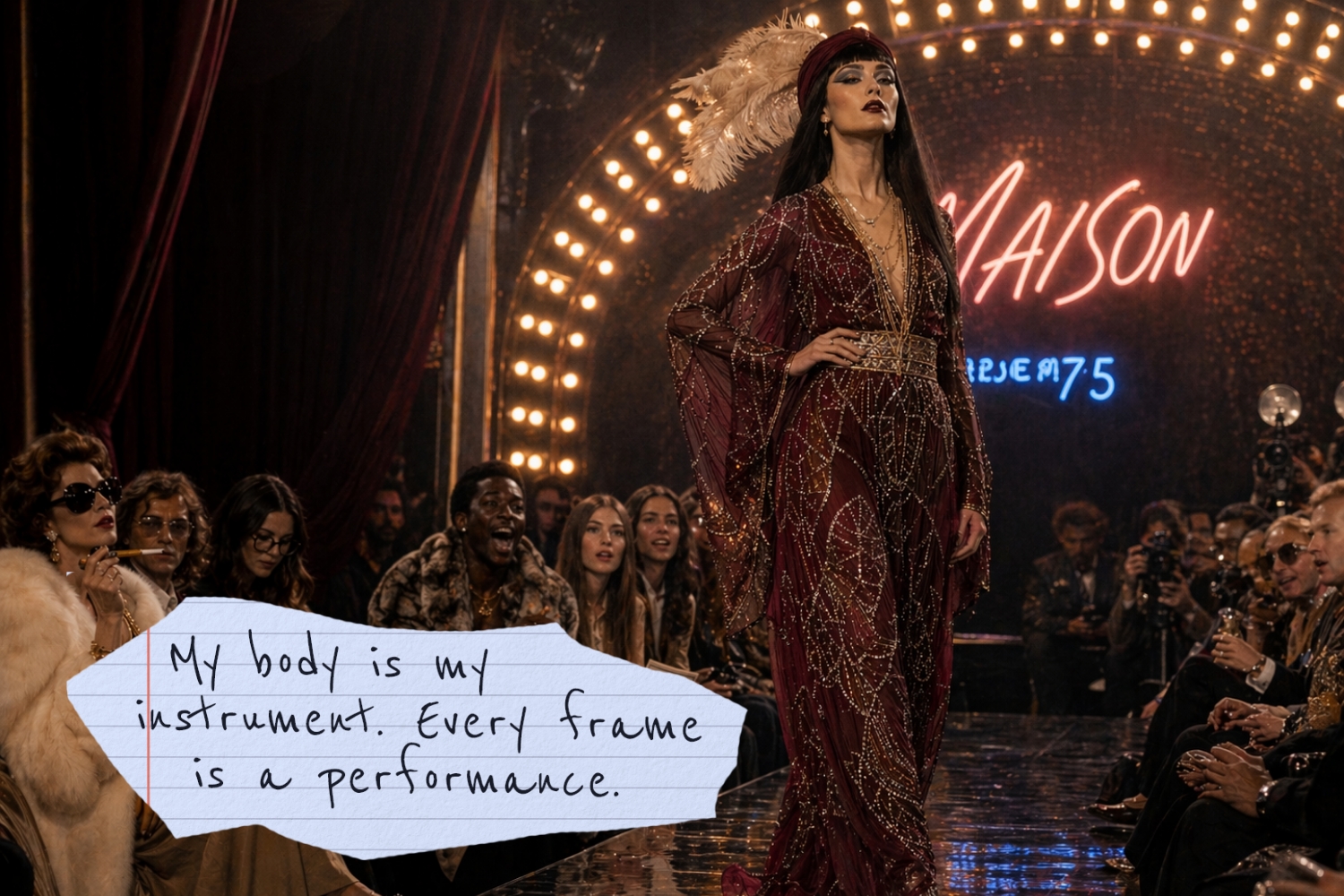
Why it matters: This directly impacts the commissioning economics and legal workflow of editorial fashion shoots, potentially altering cost structures and rights clearance timelines for brands, photographers, and agencies.
Context: The modeling industry has long operated with opaque, often inequitable, usage agreements where models, especially independents, cede broad rights for flat fees without recourse for extended or secondary use.
"Define exactly where your likeness appears, for how long, and on which platforms – with built-in compensation for any extended or secondary use." — HAPP.NETWORK
Commentary: If adopted, this platform institutionalizes a model-as-rights-holder framework, forcing studios and brands to budget for precise usage windows and potential renewals upfront. It could compress the post-production and distribution timeline for editorial content as legal clearance becomes automated, but may also increase direct costs for publishers accustomed to buying out rights in perpetuity for a single fee. The major friction point will be integration with existing agency contracts and brand legal departments resistant to ceding control over legacy, broad licensing terms.
Date: May 07, 2026 12:00 AM ET
URL: https://happ.network/solutions/happ-for-models/
AI Sentiment Score: Neutral (33%)
AI Credibility Score: 7.0/10 — Medium
Scores and text generated by AI analysis of the source article indicated.
Press Accreditation-Couture Fashion Week New York (Couturefashionweek)
Summary: Couture Fashion Week New York’s 2026 press accreditation guidelines formalize a tiered access model, delineating editorial use from commercial content creation. The policy explicitly grants credentialed photographers and videographers the right to produce short-form video and photos for editorial coverage while requiring separate negotiation for commercial usage. It prioritizes applicants with proven track records and tearsheets, reinforcing a gatekeeping function based on professional history and outlet affiliation.
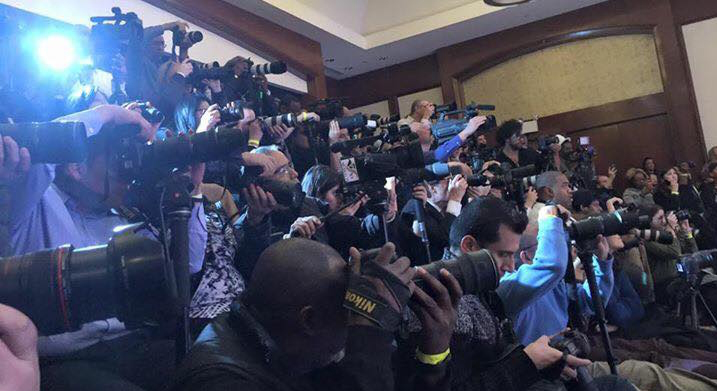
Why it matters: This policy directly shapes who gets paid for what work, creating a clear economic divide between editorial coverage and commercial content creation for photographers and videographers.
Context: Fashion weeks have long grappled with credentialing as influencer and creator economies blur traditional media lines, while brands seek to control monetization of event imagery.
"A. People who either work or freelance for bona fide media outlets can apply. This includes photographers, videographers, editors, influencers and bloggers. Preference is given to members of the press who regularly." — COUTUREFASHIONWEEK
Commentary: The policy institutionalizes a two-tier revenue stream: free editorial access in exchange for coverage, versus a paid, negotiated model for any commercial application. This forces freelancers and outlets to arguably separate journalistic and commissioned work, potentially complicating hybrid business models. It also strengthens the event’s leverage in monetizing its runway imagery through controlled licensing, directly impacting photographer and agency economics.
Date: April 30, 2026 12:00 AM ET
URL: https://www.couturefashionweek.com/press-accreditation/
AI Sentiment Score: Neutral (50%)
AI Credibility Score: 7.0/10 — Medium
Scores and text generated by AI analysis of the source article indicated.
Post ID: c8e4a8c3