New software releases and updates
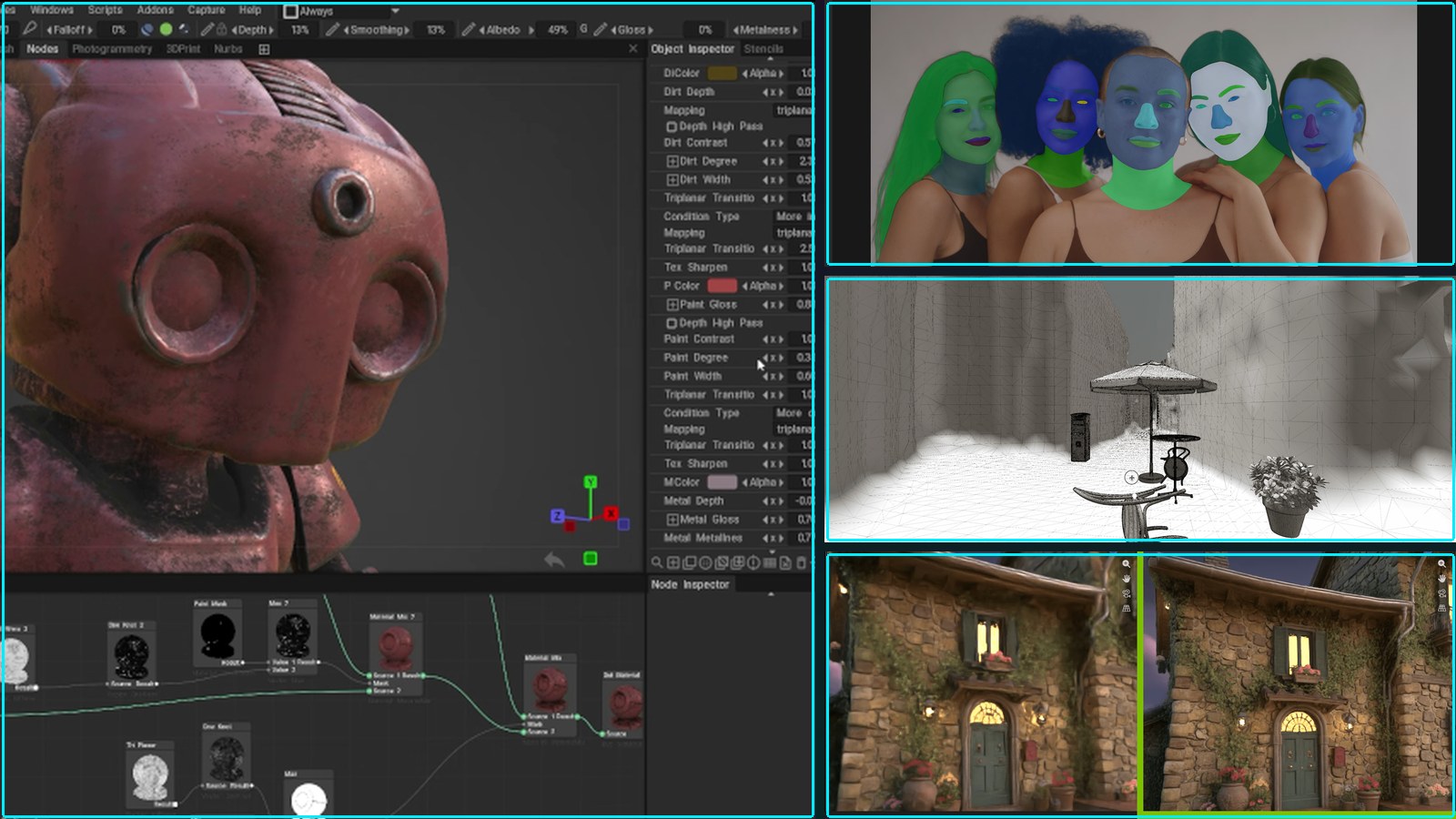
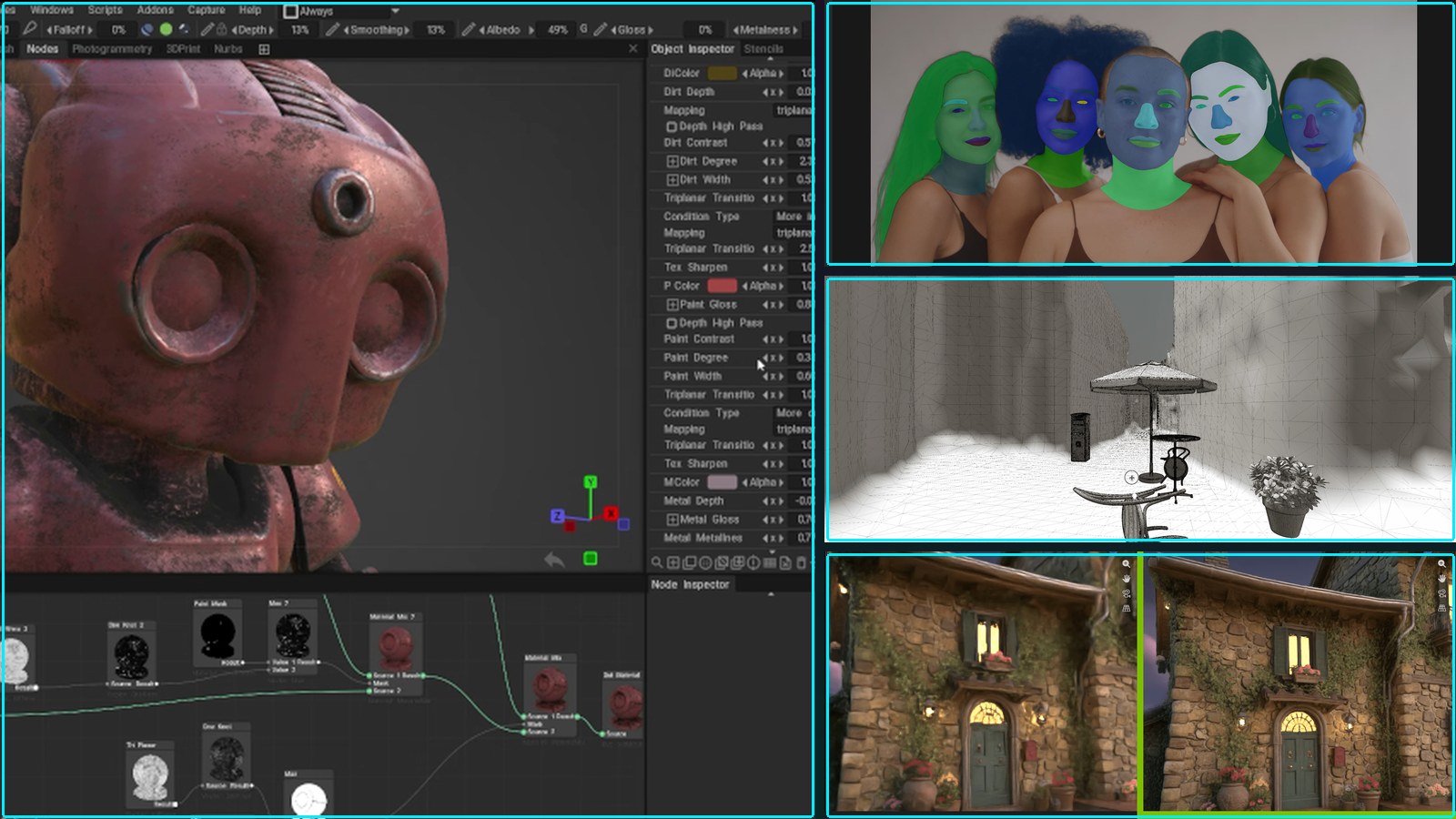
Silhouette 2026 gets smarter roto and 3D heads (Digitalproduction)
Summary: Silhouette 2026 introduces updates focused on reducing manual labor in roto and paint workflows through enhanced ML tools and deeper 3D integration. Key developments include a new Head Track ML for automated 3D head mesh creation and tracking, multi-object ML masking with Cryptomatte data flow, and pipeline automation via JSON-RPC and MCP servers. The release targets edge stability, occlusion handling, and GPU-optimized multi-object workflows to improve throughput on complex shots.

Why it matters: This shifts the economics of complex roto and paint work by automating tedious tasks, potentially reducing artist hours per shot and altering vendor bidding models for VFX sequences heavy in face replacement or object removal.
Context: VFX vendors face persistent pressure to deliver higher-quality shots faster without proportional budget increases, making tooling that automates roto, paint, and tracking critical for maintaining margins.
"Table of Contents Show Silhouette 2026 lands with fewer steps between “I need a clean matte” and “shot approved”, without taking the steering wheel away from artists. The release updates multiple ML-driven." — DIGITALPRODUCTION
Commentary: Silhouette’s push for multi-object ML nodes and Cryptomatte-as-data, not files, directly attacks pipeline bottlenecks in matte management, but introduces new GPU memory constraints that could force pipeline TDs to optimize graph design. The JSON-RPC and MCP server integrations represent a tangible step toward AI-assisted pipeline control, moving automation from marketing buzz to operational plumbing that could reshape junior artist and technical director roles.
Date: Thu, 28 May 2026 18:14:00 +0000
URL: https://digitalproduction.com/2026/05/28/silhouette-2026-gets-smarter-roto-and-3d-heads/
AI Sentiment Score: Neutral (33%)
AI Credibility Score: 10.0/10 — High
Scores and text generated by AI analysis of the source article indicated.
Pilgway releases 3DCoat 2026 with new GPU texturing system (Cgchannel)
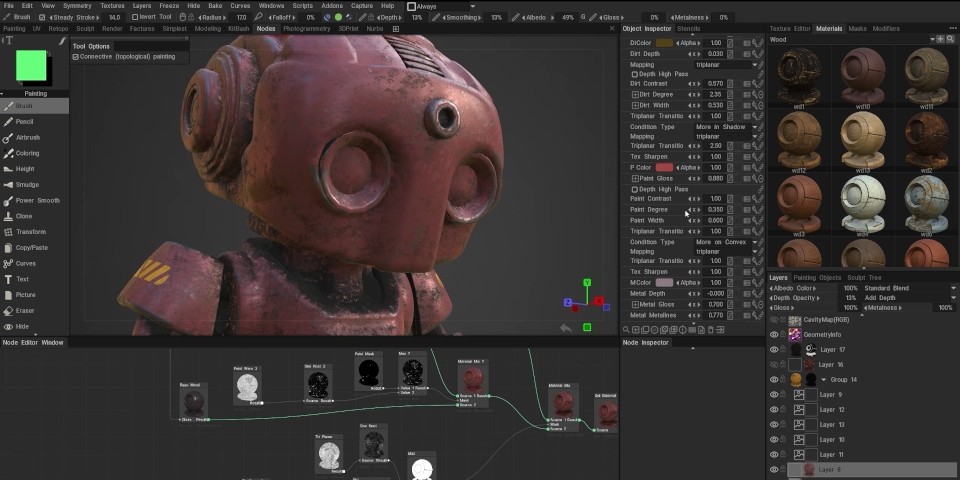
Summary: Pilgway has released 3DCoat 2026 into public beta, featuring a new GPU-accelerated, node-based texturing system. This system, which compiles node graphs into GPU shaders, enables non-destructive material authoring akin to Substance 3D Designer and Mari. The stable release, and a parallel GPU edition of the cut-down 3DCoatTextura, are due later this month, with Textura’s individual license price rising from €119 to €159.
Why it matters: This directly impacts the throughput and economics of texture production pipelines, potentially shifting labor and tooling decisions for studios weighing in-house versus vendor-based material creation.
Context: The market for procedural texturing has been dominated by Adobe’s Substance suite and Foundry’s Mari, creating a high barrier for alternative workflows. GPU acceleration is increasingly a baseline expectation for real-time preview and iteration in asset creation.
"Pilgway releases 3DCoat 2026 with new GPU texturing system Pilgway has unveiled 3DCoat 2026, the latest major version of its sculpting, retopology and 3D painting software. The major change in the update,." — CGCHANNEL
Commentary: Pilgway’s move signals a direct challenge to established texturing tool vendors, particularly for studios integrated into 3DCoat’s sculpting and retopology pipeline. The GPU-native approach could lower the cost ceiling for complex procedural materials, affecting staffing models by reducing the specialist premium for Substance Designer artists. However, adoption hinges on the robustness of NGL and the system’s integration with existing layer-based painting, which will determine if it captures market share or remains a niche alternative.
Date: Mon, 01 Jun 2026 09:14:21 +0000
URL: https://www.cgchannel.com/2026/06/pilgway-releases-3dcoat-2026-and-3dcoattextura-2026/
AI Sentiment Score: Negative (66%)
AI Credibility Score: 10.0/10 — High
Scores and text generated by AI analysis of the source article indicated.
Blackmagic Design releases DaVinci Resolve 21.0 (Cgchannel)
Summary: Blackmagic Design has released DaVinci Resolve 21.0, a major update expanding the software’s scope from video into still photography with a new Photo page and introducing a suite of AI-powered tools in the Studio edition. The AI features include automated blemish removal, facial de-aging, motion deblur, and AI CineFocus for depth-of-field control. The Fusion compositing environment gains integrated third-party tools, enhanced motion graphics capabilities, and improved USD and deep compositing workflows. The update is free for existing Studio users, maintaining its disruptive pricing model against subscription-based competitors.

Why it matters: This release directly pressures Adobe’s subscription model by bundling photo editing into a video-centric tool, while its new AI tools threaten to commoditize labor-intensive VFX tasks like de-aging, potentially altering vendor bids and on-set practices.
Context: DaVinci Resolve has steadily eroded Adobe’s market dominance in pro video by offering a high-end, free base tier and a low-cost perpetual Studio license. Its expansion into AI follows industry trends but is notable for targeting specific, high-cost VFX operations.
"Blackmagic Design releases DaVinci Resolve 21.0 A recording of Blackmagic Design’s livestream of its announcements for NAB 2026. You can see the new features in Da Vinci Resolve 21.0 at 01:57:20 in." — CGCHANNEL
Commentary: The integration of a 2D de-aging tool directly into a mainstream NLE could significantly undercut the economics of complex VFX shots, shifting work from specialist vendors to in-house post teams and reducing both cost and lead time for producers. The bundling of photo editing challenges Adobe’s segmented product strategy, forcing a reevaluation of toolchain consolidation for studios and freelancers. The direct integration of the Krokodove library and enhanced USD support signals a continued push to make Resolve a one-stop pipeline, increasing vendor lock-in but also simplifying asset management.
Date: June 04, 2026 03:30 AM ET
URL: https://www.cgchannel.com/2026/06/blackmagic-design-releases-davinci-resolve-21-0/
AI Sentiment Score: Negative (63%)
AI Credibility Score: 10.0/10 — High
Scores and text generated by AI analysis of the source article indicated.
Blackmagic Design releases Fusion Studio 21.0 (Cgchannel)
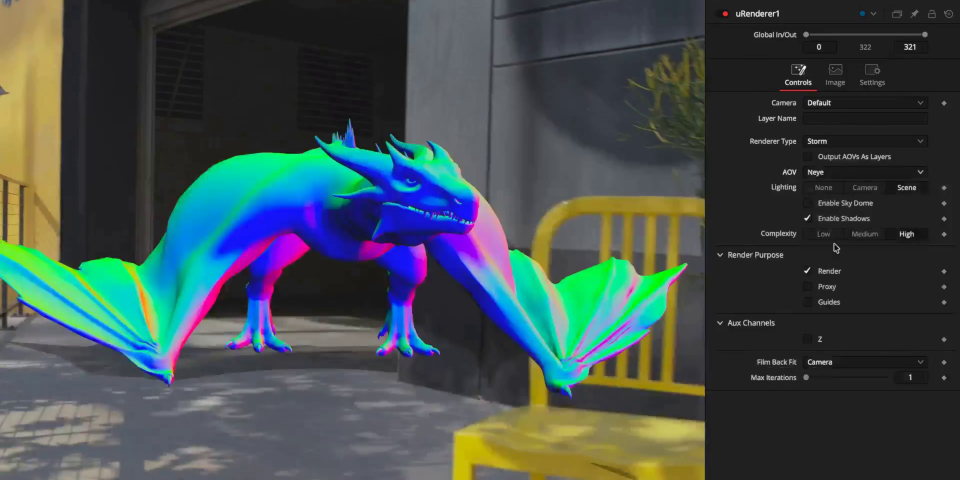
Summary: Blackmagic Design has released Fusion Studio 21.0, a major update to its compositing software. The release integrates the third-party Krokodove toolset, expands USD and deep compositing workflows, adds Cryptomatte support, and introduces native Windows on ARM compatibility. The update is free for existing users and the toolset remains available within DaVinci Resolve.
Why it matters: This update consolidates Fusion’s position as a cost-effective, integrated VFX pipeline component, directly impacting artist toolkits, studio software standardization decisions, and the economics of complex shot work.
Context: Fusion Studio operates in a competitive mid-market compositing space, often leveraged for its integration with DaVinci Resolve’s end-to-end post-production suite.
"Previously a free third-party add-on, it provides over 70 tools for motion design, from standard image filters to warping and morphing effects, and a range of titling and text animation tools." — CGCHANNEL
Commentary: The formal integration of Krokodove signals a strategic move to capture more motion graphics work, potentially shifting staffing needs for simpler motion design away from After Effects. The performance gains in SpeedWarp and Relight tools, coupled with Windows on ARM support, directly affect throughput and hardware procurement for studios leveraging new laptop form factors. The continued expansion of USD and deep compositing tools lowers the barrier for Fusion to handle more complex, multi-application VFX shots, increasing vendor leverage against more expensive standalone compositing suites.
Date: June 04, 2026 03:00 AM ET
URL: https://www.cgchannel.com/2026/06/blackmagic-design-releases-fusion-studio-21-0/
AI Sentiment Score: Negative (62%)
AI Credibility Score: 10.0/10 — High
Scores and text generated by AI analysis of the source article indicated.
NVIDIA brings DLSS denoising to Blender 5.3 (Digitalproduction)
Summary: NVIDIA will integrate DLSS 4.5 Ray Reconstruction as a new denoiser in Blender Cycles, shipping with Blender 5.3 this fall. The AI model aims to provide a near-final look in the interactive viewport by replacing traditional denoisers, unifying denoising and super-resolution. This follows early, buggy user tests, indicating a shift from experimental patches to a stable release. The integration leverages the existing OptiX pipeline, targeting all GeForce RTX GPUs.

Why it matters: Faster, higher-quality viewport denoising directly impacts iteration speed and decision-making in lighting and lookdev, altering daily workflow economics for artists and studios.
Context: Interactive path-traced viewports remain a bottleneck; previous denoisers required trade-offs between speed and fidelity, while early DLSS integrations were unstable.
"A denoiser that keeps interaction up while pushing the look closer to final could reduce the familiar loop of tweak, wait, squint, tweak again." — DIGITALPRODUCTION
Commentary: This moves denoising from a computational hack to a core, AI-driven component of the creative pipeline. If stable, it raises the quality ceiling for real-time decision-making, potentially compressing previs and lookdev phases. It reinforces NVIDIA’s strategy of embedding proprietary AI acceleration into foundational creative tools, shifting vendor leverage from pure hardware to integrated software stacks. Studios planning tool rollouts for fall projects must factor this into GPU procurement and pipeline testing schedules.
Date: June 03, 2026 01:00 AM ET
URL: https://digitalproduction.com/2026/06/03/nvidia-brings-dlss-denoising-to-blender-5-3/
AI Sentiment Score: Negative (50%)
AI Credibility Score: 10.0/10 — High
Scores and text generated by AI analysis of the source article indicated.
The Pixel Farm adds new point cloud toolset to PFTrack 26.05 (Cgchannel)
Summary: The Pixel Farm has released PFTrack 26.05.19, a major update adding a new Hero Cloud node for generating dense point clouds directly from solved camera footage without LiDAR. The update enables export in USD, FBX, and, critically, COLMAP format for Gaussian Splatting pipelines, while also enhancing mesh conversion for Studio and Enterprise subscribers. This moves a core matchmoving tool into modern neural and point-based reconstruction workflows.
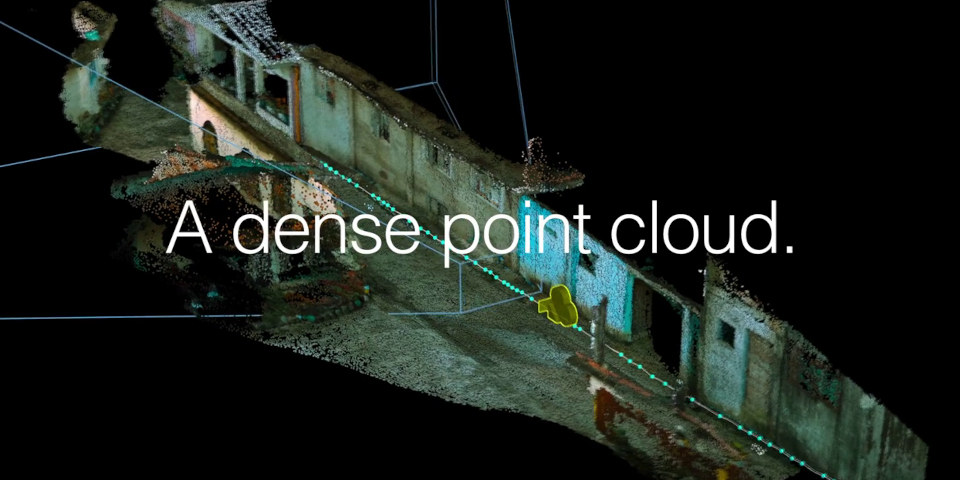
Why it matters: This directly alters the cost and hardware requirements for environment reconstruction, potentially reducing reliance on specialized capture hardware and streamlining the handoff between tracking and asset creation departments.
Context: VFX pipelines are increasingly adopting neural rendering techniques like 3D Gaussian Splatting, creating demand for tools that bridge traditional photogrammetry with these new methods.
"The Pixel Farm adds new point cloud toolset to PFTrack 26.05 The Pixel Farm has released PFTrack 26.05.19, the latest version of its 3D camera tracking app. It’s a sizeable update, adding." — CGCHANNEL
Commentary: By baking point cloud generation and COLMAP export directly into a standard tracking package, The Pixel Farm is commoditizing a previously specialized data prep step. This lowers the barrier for studios to experiment with Gaussian Splatting, potentially shifting vendor leverage away from boutique data processing services and impacting staffing models for on-set data capture.
Date: Sat, 30 May 2026 15:26:53 +0000
URL: https://www.cgchannel.com/2026/05/the-pixel-farm-adds-new-point-cloud-toolset-to-pftrack-26-05/
AI Sentiment Score: Negative (75%)
AI Credibility Score: 10.0/10 — High
Scores and text generated by AI analysis of the source article indicated.
conform.tools’ Connected conform gets a desktop beta (Digitalproduction)
Summary: Conform.Tools has launched a public beta for a desktop application hub for its Conform Connect service, positioning it as a first-class workflow layer between offline editing and finishing. The hub integrates directly with DaVinci Resolve 19+, automating checks, alignment, and media transfers between major NLEs. Pricing is structured as a tiered SaaS model, from pay-as-you-go to enterprise plans, targeting the recurring inefficiencies of manual conform processes.

Why it matters: This shifts the conform from a bespoke, labor-intensive technical hurdle into a managed, repeatable service, potentially altering post-house staffing needs, vendor selection for finishing, and the economic calculus for complex, multi-software pipelines.
Context: The conform process has long been a notorious bottleneck and source of cost overruns in post-production, reliant on specialized technicians and fragile, manual workflows. The market has seen numerous point-solution scripts and utilities, but few attempts to productize the entire connective layer as a standardized service.
"The headline feature here is not another file format translator. It is the idea of connected conform as a first-class workflow, with a desktop hub that plugs into finishing instead of living in a folder of one-off scripts." — DIGITALPRODUCTION
Commentary: If successful, this productizes a critical but undervalued service layer, moving conform from a cost center dependent on senior artist-hours to a scalable, predictable operating expense. It directly pressures the business models of boutique conform specialists and in-house technical ops teams, while giving finishing vendors (especially Resolve-centric shops) a tool to suggest smoother, less contentious handovers. The tiered pricing, particularly the pay-as-you-go option, lowers the barrier for smaller shops and freelance colorists to offer conform-as-part-of-service, potentially redistributing where in the pipeline that value is captured.
Date: June 03, 2026 02:00 AM ET
URL: https://digitalproduction.com/2026/06/03/conform-tools-connected-conform-gets-a-desktop-beta/
AI Sentiment Score: Negative (80%)
AI Credibility Score: 10.0/10 — High
Scores and text generated by AI analysis of the source article indicated.
Image Blaster turns images into Splats (Digitalproduction)
Summary: Image Blaster is an open-source, Claude-orchestrated tool that converts a single reference image into a Gaussian splat environment file (.spz) using the Marble 1.1 model from World Labs. It targets the early previs and layout stage, promising rapid environment generation for camera blocking and virtual scouting. The workflow integrates into DCCs like Blender and game engines, but relies on paid APIs and requires careful pipeline handling of coordinate systems and file formats.
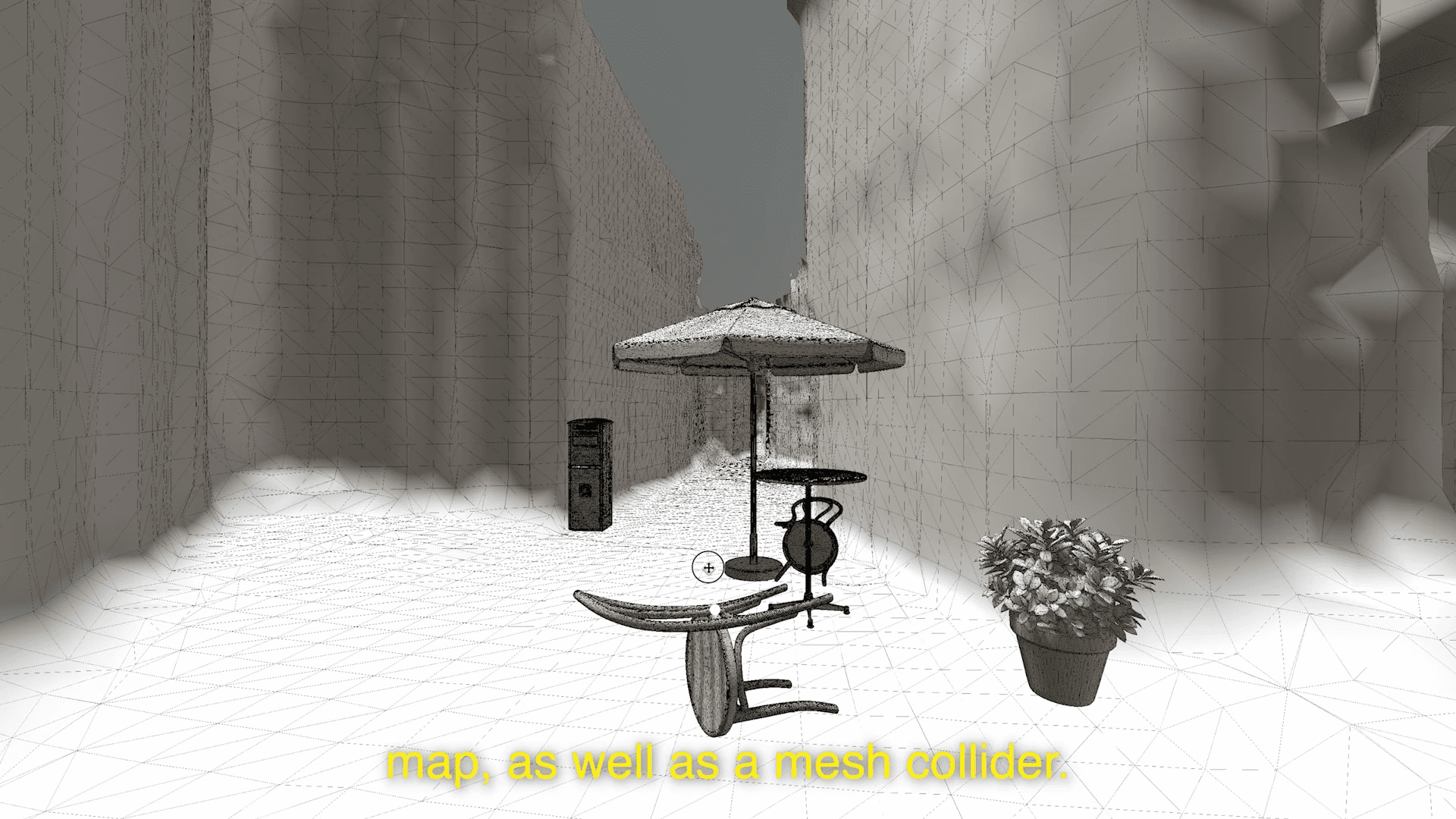
Why it matters: It commoditizes the generation of 3D environment proxies, potentially accelerating pre-production and changing the labor mix for layout and virtual scouting teams.
Context: Gaussian splats are emerging as a lightweight alternative to traditional meshes for fast, view-dependent scene representation, but integration into professional pipelines remains fraught with format and coordinate system issues.
"For those who don’t know the tool: image-blaster sits between concept and rough layout, using Claude to orchestrate Marble from World Labs and write splat environment files you can move into DCCs." — DIGITALPRODUCTION
Commentary: The tool lowers the barrier to generating splat-based environments, but its real impact hinges on pipeline hardening. Studios that standardize on SPZ and automate coordinate correction could see meaningful time savings in layout; those that don’t will incur new technical debt. This shifts cost from manual modeling to API credits and technical oversight, favoring teams with robust data wrangling over pure artistic skill.
Date: June 04, 2026 01:00 AM ET
URL: https://digitalproduction.com/2026/06/04/image-blaster-turns-images-into-splats/
AI Sentiment Score: Negative (60%)
AI Credibility Score: 10.0/10 — High
Scores and text generated by AI analysis of the source article indicated.
Post ID: 1b0540d8