

Product Launches, Collaborations & Marketing Campaigns
How Nike Made Its Most Fashionable and Expansive World Cup Collection to Date (Wwd)
Summary: Nike’s X2 World Cup collection represents a strategic escalation in football’s fashion crossover, moving beyond traditional kit collaborations to a multi-partner, multi-national program. The initiative includes seven distinct collaborators, each tied to a national team and a community organization, producing pre-match attire, lifestyle apparel, and the new Cryoshot sneaker series. The Cryoshot technology, developed over four years and patented, encases historic cleat studs in transparent TPU, preserving original design for streetwear use. This structured yet decentralized approach grants collaborators freedom outside core products, yielding diverse outputs from Jacquemus’s vintage aesthetic to Virgil Abloh Archives’s logo-heavy assortment.

Why it matters: This signals a permanent shift in football’s brand economics, moving performance apparel from tournament-specific gear to a year-round lifestyle category with a decentralized, multi-brand design pipeline.
Context: The 2026 North American World Cup is catalyzing unprecedented investment in football’s fashion crossover, with Adidas and Puma also pursuing high-profile collaborations, marking a concerted industry pivot from basketball-centric streetwear.
"Could soccer take over for basketball at the center of sneakers and streetwear? The 2026 World Cup might prove the marker. As evidence, consider the push in crossover product that exceeds what’s." — WWD
Commentary: Nike’s operational model—curating a global roster of collaborators with loose creative briefs—creates a scalable template for federated brand extensions, reducing central design overhead while increasing cultural penetration. The patented Cryoshot technology establishes a new product category that monetizes archive assets and could be applied to other niche-performance footwear, altering vintage and retro product strategies. For distributors and retailers, this transforms World Cup merchandising from a quadrennial spike into a sustained, multi-year product pipeline with higher margin lifestyle segments.
Date: Fri, 05 Jun 2026 21:36:43 +0000
URL: https://wwd.com/footwear-news/sneaker-news/nike-world-cup-x2-cryoshot-behind-design-1238997491/
AI Sentiment Score: Positive (66%)
AI Credibility Score: 10.0/10 — High
Scores and text generated by AI analysis of the source article indicated.
Satisfy and Adidas Christen Partnership With Three Mismatched Super Shoes Coming Soon (Wwd)
Summary: Satisfy and Adidas have launched their first collaborative product, the Adizero Adios Pro 4, in three mismatched colorways. The partnership leverages Satisfy’s community-focused, grunge aesthetic and Adidas’s established performance technology, positioning the shoe at the intersection of cultural relevance and elite performance. The release marks Satisfy’s entry into the road-running shoe category via Adidas’s more accessible super shoe model, priced at $300.

Why it matters: This collaboration signals a strategic shift in how performance brands are sourcing cultural credibility and entering new market segments, affecting brand economics and product pipeline planning.
Context: Satisfy, primarily an apparel brand with a strong community built around its LSD run series, made its first solo footwear venture only last year. Adidas is using the partnership to inject a new aesthetic into its running line and reach a different audience.
"This collaboration is not simply about combining logos — it exists at the intersection of authentic performance and cultural relevance. Both brands remain true to their identities while creating something that pushes each perspective further."
Commentary: The deal is a textbook asset swap: Adidas provides the manufacturing scale, performance R&D, and road-running distribution; Satisfy supplies subcultural authenticity and a distinct visual language to differentiate Adidas’s performance line in a crowded market. For Satisfy, it’s a low-capital way to expand its footwear portfolio and test road-running viability before committing to its own line. The ‘mismatched’ design is a production-line tweak that creates scarcity and narrative without major retooling, a cost-effective method for generating hype in the super shoe segment.
Date: Mon, 18 May 2026 15:00:00 +0000
URL: https://wwd.com/footwear-news/sneaker-news/satisfy-adidas-adios-pro-4-release-date-1238957021/
AI Sentiment Score: Negative (50%)
AI Credibility Score: 10.0/10 — High
Scores and text generated by AI analysis of the source article indicated.
1 month in, Abercrombie’s test with Sperry proves the potential of A&F footwear (Glossy.Co)
Summary: Abercrombie & Fitch’s one-month-old collaboration with Sperry has exceeded internal benchmarks, driving higher conversion and cross-category shopping. The digitally-led, limited capsule provided a test case for footwear integration, leveraging a ‘read and react’ inventory model and full-look outfitting. The success follows Sperry’s previous sell-out with Aritzia, extending the boat shoe’s comeback to a heritage apparel brand.
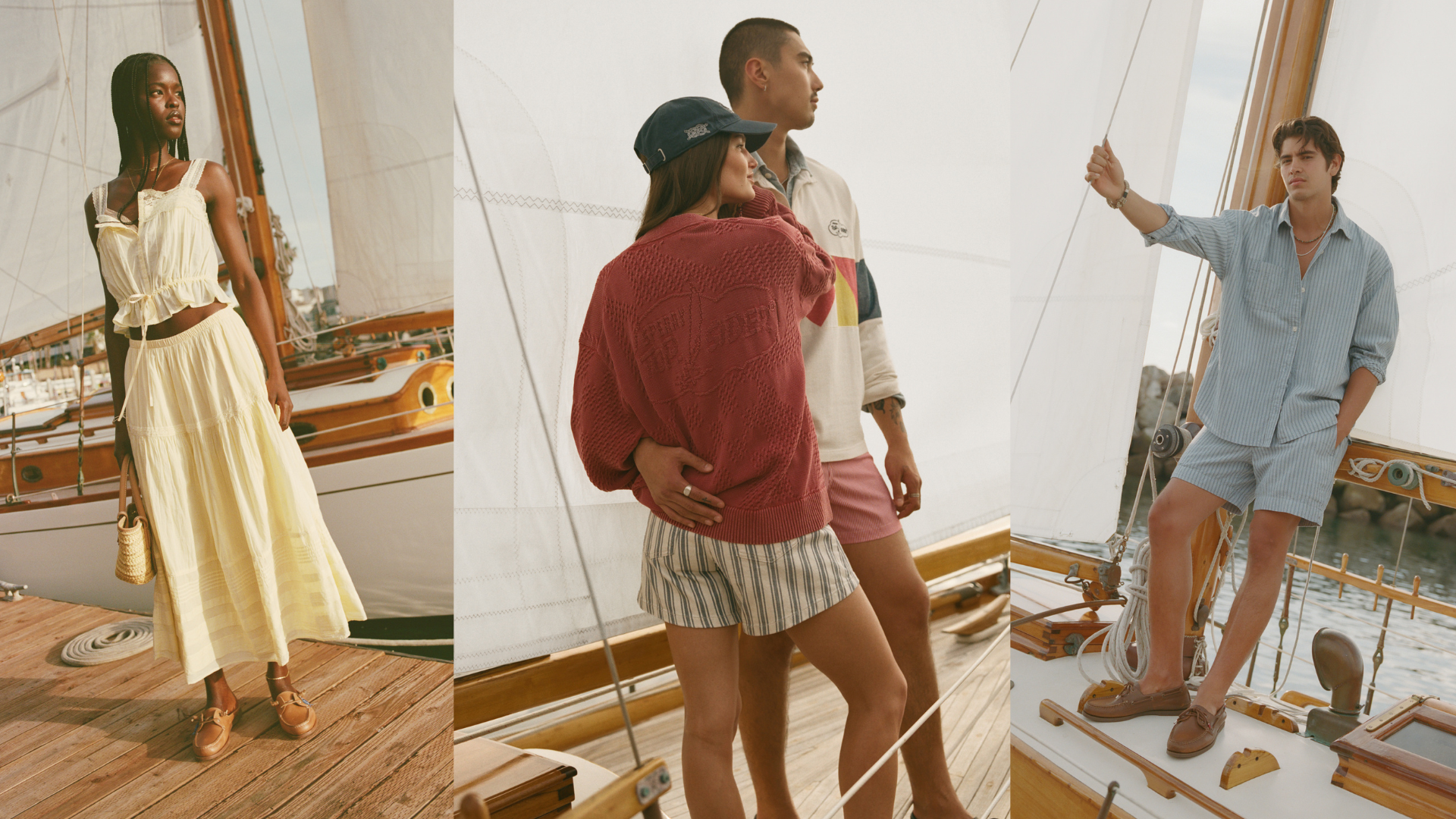
Why it matters: It demonstrates a low-risk, data-driven model for apparel brands to expand into footwear, validating a collaboration-first strategy over immediate category launches.
Context: Apparel brands are increasingly using limited collaborations to test new categories, manage inventory risk, and gather demand data before committing to permanent expansions.
"One month after Abercrombie & Fitch launched its Sperry collaboration, the retailer is confident that footwear can become a bigger part of its growth strategy. The collection, released April 9, reunited Abercrombie." — GLOSSY.CO
Commentary: Abercrombie’s operational playbook—digital-first launch, tight inventory, real-time chase—turns a brand collaboration into a market research instrument. For practitioners, this validates footwear as a margin-enhancing adjacency that can be piloted without overhauling sourcing or committing to a full category line. The ‘surgical assortment’ approach, emphasized by Sperry’s president, signals a shift from broad seasonal collections to trend-responsive, partnership-driven capsules that serve dual brand and data objectives.
Date: Mon, 11 May 2026 04:02:00 +0000
URL: https://www.glossy.co/fashion/abercrombie-sperry-collaboration-footwear-strategy/
AI Sentiment Score: Negative (83%)
AI Credibility Score: 10.0/10 — High
Scores and text generated by AI analysis of the source article indicated.
Marc Jacobs looks to the Daisy fragrance empire in the relaunch of his makeup line (Glossy.Co)
Summary: Marc Jacobs Beauty returns after a five-year hiatus, now under Coty’s license and launching via Marc Jacobs’ own site and Sephora. The relaunch pivots from the original line’s minimalist black packaging to a 3D, playful aesthetic centered on the Daisy fragrance iconography, aiming to stand out in a crowded market. This revival occurs amid Coty’s ‘Coty Curated’ turnaround plan and follows LVMH’s sale of the Marc Jacobs fashion brand to WHP Global.
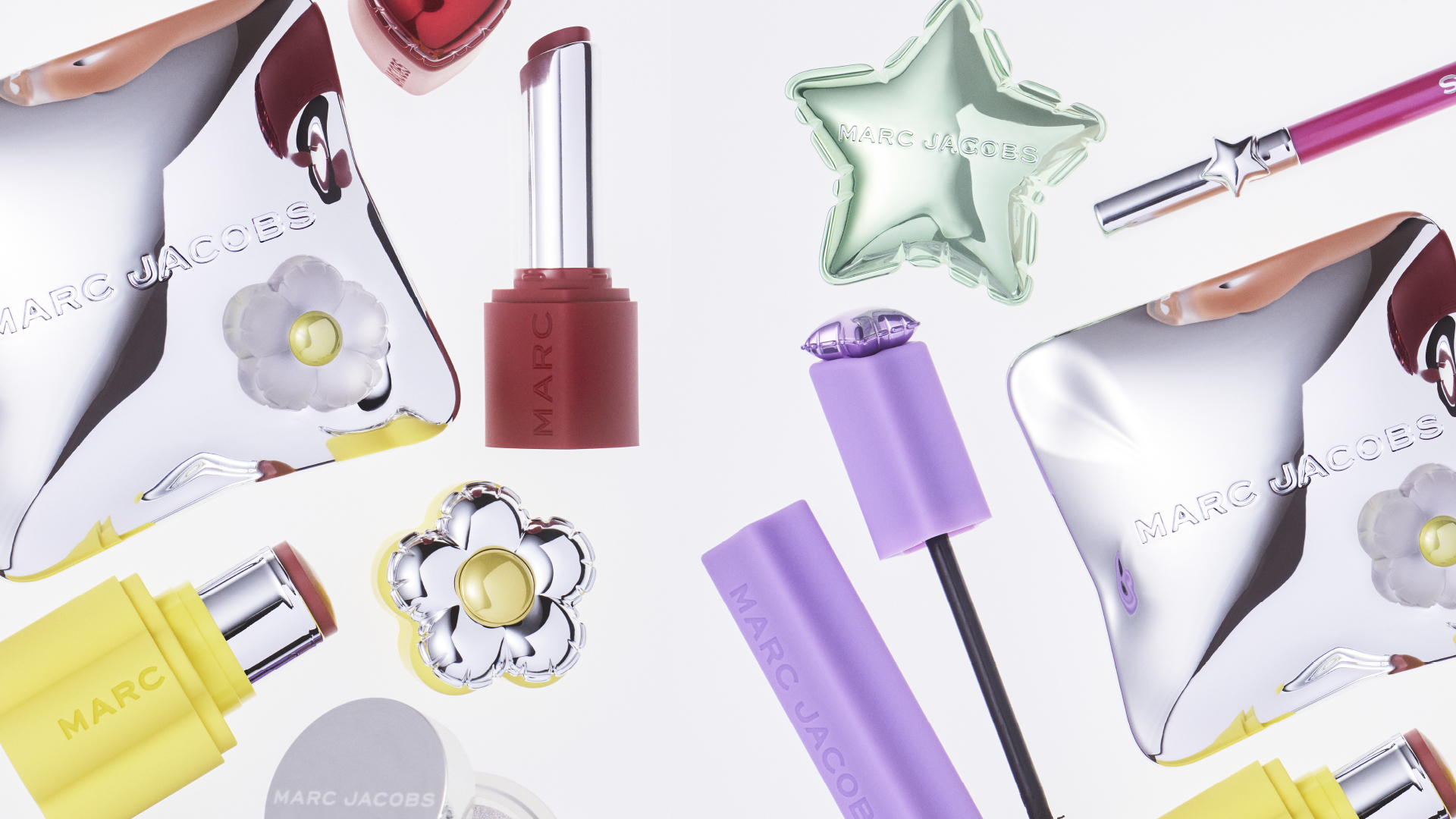
Why it matters: For industry practitioners, this demonstrates a licensor’s strategic pivot to leverage a proven fragrance IP across categories, testing whether brand equity can overcome a saturated beauty market and a parent company’s financial pressures.
Context: Beauty brands are increasingly relying on hero products or established icons to drive relaunches, as seen with Bath & Body Works, MAC, and Glossier, while packaging must now compete for attention in a TikTok-driven environment.
"A lot has changed in the beauty industry since Marc Jacobs first launched his beauty brand in 2013. TikTok has replaced YouTube when it comes to setting trends, cream blush has become." — GLOSSY.CO
Commentary: Coty’s directive for disruptive packaging signals a vendor-driven shift in brand strategy, prioritizing shelf standout over category conformity. The operational consequence is that licensees now exert greater influence on creative execution to meet portfolio growth targets, potentially diluting a designer’s original vision. For Sephora’s merchandising teams, this introduces a higher-risk, higher-reward SKU that must justify its space against proven performers. The success of this IP cross-pollination will test whether Daisy’s fragrance equity can translate to color cosmetics, setting a precedent for other licensors holding dormant beauty assets.
Date: Mon, 25 May 2026 04:02:00 +0000
URL: https://www.glossy.co/beauty/marc-jacobs-looks-to-the-daisy-fragrance-empire-in-the-relaunch-of-his-makeup-line/
AI Sentiment Score: Positive (57%)
AI Credibility Score: 10.0/10 — High
Scores and text generated by AI analysis of the source article indicated.
Skechers Has New NBA Finals Sneakers That Look Like Timberland’s 6-Inch Work Boots (Wwd)
Summary: Skechers is launching a player-exclusive sneaker, the SKX Reign ‘Foreman’ PE, for Knicks star OG Anunoby to debut during the NBA Finals. The design directly references the iconic Timberland 6-Inch Work Boot, a symbol of the Knicks’ season and New York City. The shoe is not slated for a public retail release, marking it as a high-profile marketing and brand-moment play rather than a direct product launch.

Why it matters: It demonstrates how athletic brands are leveraging cultural symbols and limited-edition, non-retail product to build narrative and credibility in a competitive performance category.
Context: Skechers entered the performance basketball market in late 2023 and is using high-visibility NBA Finals moments to assert its technical legitimacy and cultural relevance against established players.
"Of course, the unspoken inspiration comes from another New York fixture, the Timberland Premium 6-Inch Waterproof Boot. The iconic work boot is not only an NYC staple, but has also been symbolic of the Knicks’ historic season." — WWD
Commentary: This move is a low-risk, high-impact brand-building exercise. By co-opting the Timberland aesthetic—a non-competitor in basketball—Skechers borrows cultural equity without a licensing fee, while the non-retail status protects its core SKX Reign line from direct comparison to the homage. For practitioners, it underscores the shift from mass product drops to creating exclusive, media-driven ‘moments’ that serve the pipeline of broader brand perception and athlete endorsement value.
Date: Sat, 06 Jun 2026 15:25:30 +0000
URL: https://wwd.com/footwear-news/sneaker-news/skechers-skx-reign-foreman-timberland-boot-og-anunoby-1238998415/
AI Sentiment Score: Positive (42%)
AI Credibility Score: 10.0/10 — High
Scores and text generated by AI analysis of the source article indicated.
A tale of 2 sandals: Prada’s and Chanel’s footwear buzz reflects the brands’ businesses, for worse and for better (Glossy.Co)
Summary: Prada Group’s first-quarter earnings reveal a brand under pressure, with retail sales growth stalling at 0.4% for the Prada label and Miu Miu decelerating sharply to 2.4%. This slowdown coincides with renewed criticism over Prada’s Kolhapuri sandal launch, which, despite a new artisan partnership, highlights persistent issues of credit and pricing disparity for Indian craft. Meanwhile, Chanel’s ascent to the top of the Lyst Index, fueled by viral product moments under Matthieu Blazy, underscores a competitive shift where clear creative resets are gaining traction. The quarter also saw the launch of VYKO Group, an Irish luxury holding company aiming to raise €50 million to acquire and scale brands leveraging Ireland as an export base.
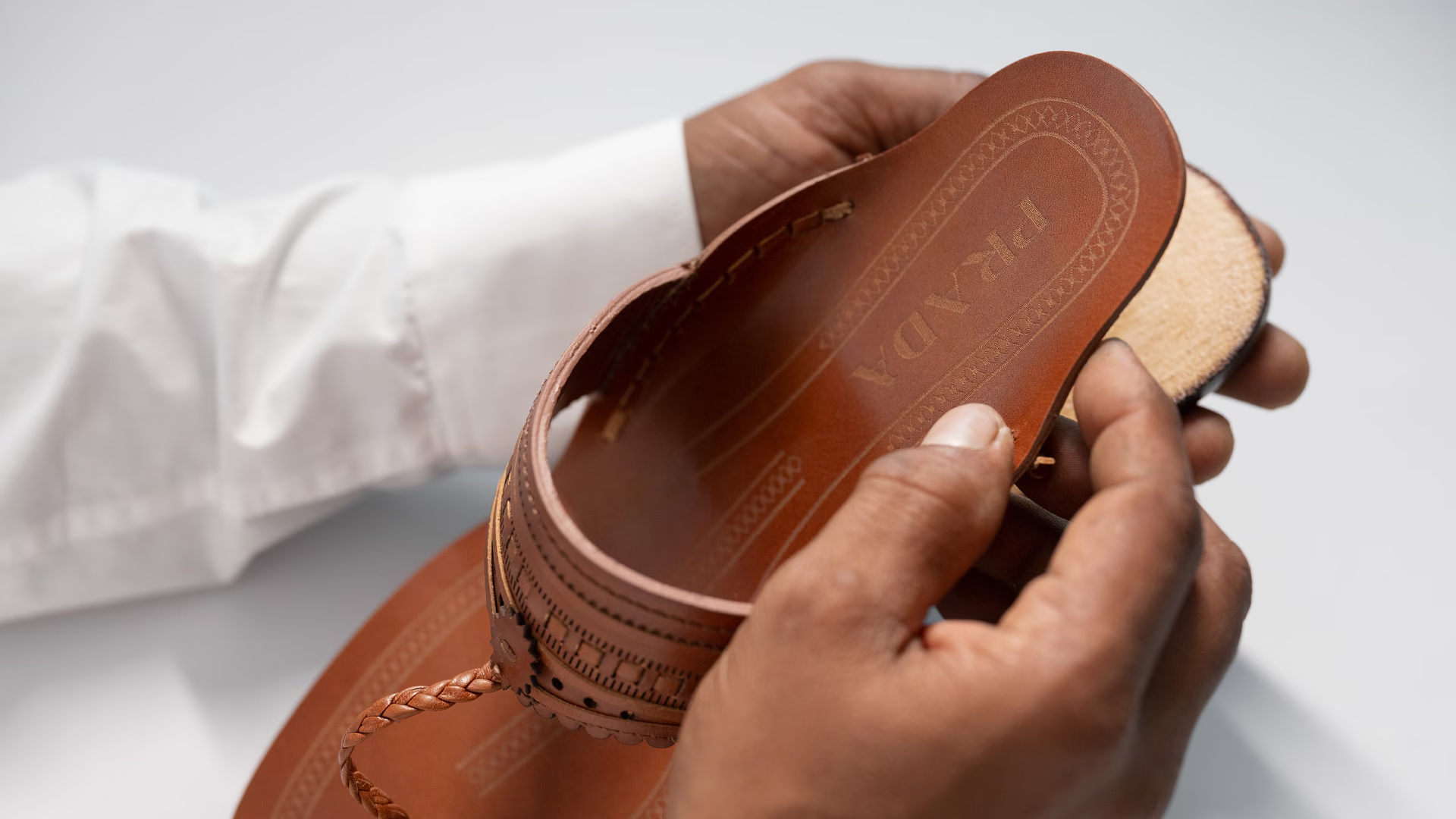
Why it matters: For brands and operators, the quarter illustrates how cultural missteps can compound commercial headwinds, while investor patience for ‘turnaround stories’ wears thin against sharper creative competition.
Context: Luxury brand valuations increasingly hinge on credible cultural narratives and consistent retail momentum, with investor scrutiny intensifying around any deceleration, especially for previously high-growth labels like Miu Miu.
"In this week’s Luxury Briefing, I dig into Prada Group’s earnings as it deals with its Prada Kolhapuri scandal backlash, with comments from analysts on how Prada and Miu Miu are trying." — GLOSSY.CO
Commentary: The operational consequence is a tightened timeline for Prada’s product-led ‘white rabbits,’ forcing a sharper focus on high-margin precious bags and entry-level Re-Nylon to defend market share. For sourcing and communications teams, the Kolhapuri episode mandates more rigorous provenance frameworks to preempt backlash, as craft appropriation becomes a material financial risk. VYKO’s model, targeting 90% export sales, presents a new capital pathway for niche brands but depends on operational discipline to scale beyond national sentiment.
Date: Fri, 01 May 2026 04:02:00 +0000
URL: https://www.glossy.co/fashion/luxury/a-story-of-2-luxury-sandals-pradas-and-chanels-footwear-buzz-reflects-the-brands-businesses-for-worse-and-for-better/
AI Sentiment Score: Positive (60%)
AI Credibility Score: 10.0/10 — High
Scores and text generated by AI analysis of the source article indicated.
How Wrangler used Spotify and out-of-home advertising to show up at Stagecoach (Glossy.Co)
Summary: Wrangler executed a perimeter-focused festival marketing strategy at Stagecoach, prioritizing touchpoints outside the main venue over a large on-site activation. The campaign included highway billboards, airport signage, sponsorship of a nearby rodeo, and targeted ads on Spotify playlists curated for the festival audience. The effort was managed in-house by Kontoor Brands’ marketing team and leveraged existing brand ambassadors among the performers. Success metrics were tied to CRM growth via email capture and bracelet scanning at festival tents.
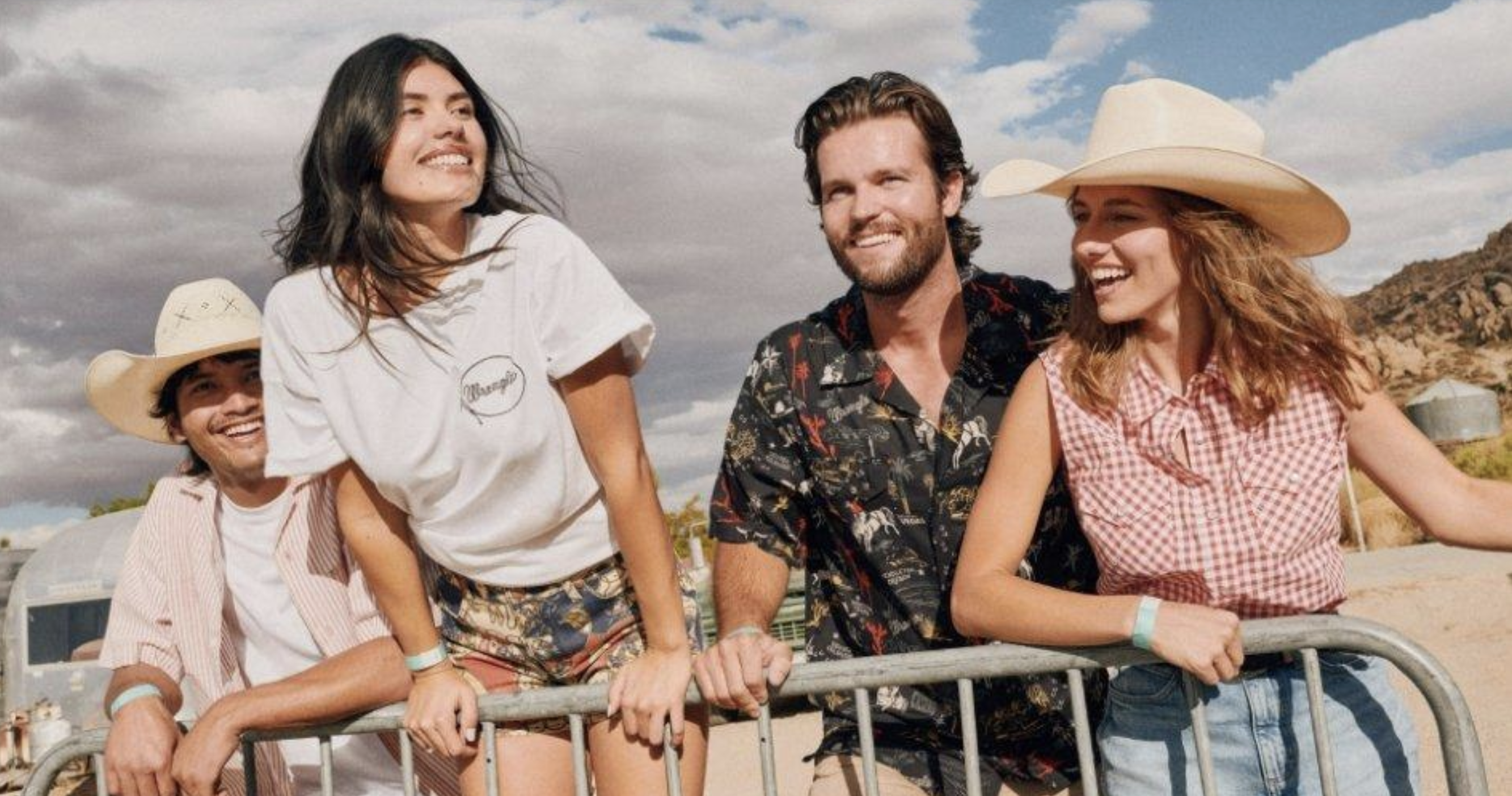
Why it matters: It demonstrates a shift in festival marketing economics, favoring owned media, perimeter saturation, and direct data capture over costly, exclusive on-site sponsorships.
Context: Brands are reassessing the ROI of major festival sponsorships amid rising costs and audience fragmentation, seeking to own the broader cultural moment.
"The entire weekend is an experience, and we didn’t want to just slap our logo as a sponsor and leave it at that. The goal was to show up in all these surprising little ways around the festival, as well." — GLOSSY.CO
Commentary: Wrangler’s approach redefines the festival ‘footprint’ as a diffuse, data-centric perimeter play rather than a flagship activation. It signals a pragmatic shift for apparel marketers: use owned media channels and ambassador contracts to dominate the cultural conversation at lower cost and with clearer attribution. The explicit link to CRM growth and remarketing reframes festival spend from brand awareness to a direct customer acquisition channel, altering the justification for such budgets internally.
Date: Tue, 28 Apr 2026 04:02:00 +0000
URL: https://www.glossy.co/fashion/how-wrangler-used-spotify-and-out-of-home-advertising-to-show-up-at-stagecoach/
AI Sentiment Score: Negative (50%)
AI Credibility Score: 10.0/10 — High
Scores and text generated by AI analysis of the source article indicated.
No. 1 in women’s swimwear for 10 years, Target is refining its approach to the category (Glossy.Co)
Summary: Target is leveraging its decade-long dominance in women’s swimwear to execute a broader merchandising strategy aimed at revitalizing discretionary categories. The approach treats swim as a full summer outfitting business, combining owned brands (Wild Fable, Shade & Shore), influencer collaborations, and exclusive partnerships like Solid & Striped to drive category adjacency sales. Internally, the retailer is deploying its Gen AI-powered Target Trend Brain platform to accelerate trend identification and product development cycles. This operational shift occurs against a backdrop of fragmented competition from DTC brands and Target’s own need to bolster underperforming apparel and home sales.

Why it matters: For brands and retailers, Target’s move signals a shift from seasonal basics to integrated, trend-led category management, raising the bar for speed and adjacency bundling.
Context: The swim category has been reshaped by the exit and re-entry of legacy players like Victoria’s Secret and the rise of social-first DTC brands, making trend velocity and brand portfolio strategy critical.
"Target is using swimwear to sell more than swimsuits. The retailer is positioning the category as part of a full summer wardrobe that includes bikinis, one-pieces and cover-ups, as well as Havaianas sandals, accessories and sun-care products." — GLOSSY.CO
Commentary: Target’s operational pivot from swim as a category to swim as a seasonal outfitting engine pressures wholesale partners to deliver complete looks and forces DTC brands to compete on adjacency, not just fit. The use of Trend Brain accelerates the entire development pipeline, compressing the timeline from trend signal to in-store product to under a year, which will strain vendors accustomed to traditional cycles. For collaborators like Solid & Striped, the trade-off is national brick-and-mortar distribution against potential brand dilution in a mass-channel context.
Date: Thu, 21 May 2026 04:04:00 +0000
URL: https://www.glossy.co/fashion/no-1-in-womens-swimwear-for-10-years-target-is-refining-its-approach-to-the-category/
AI Sentiment Score: Negative (50%)
AI Credibility Score: 10.0/10 — High
Scores and text generated by AI analysis of the source article indicated.
Sephora Strategies: With its launch at Sephora US, Fugazzi wants to bring luxury fragrance to the masses (Glossy.Co)
Summary: Fugazzi, a niche fragrance brand founded in 2018, has launched in over 100 U.S. Sephora stores, leveraging a strategic price-tiered approach. It offers a lower-concentration, lower-priced Eau de Parfum collection ($120-$175) for Sephora while reserving higher-priced Extrait de Parfum ($180-$225) for independent retailers. The brand, which achieved 200% YoY growth in 2025, also employs exclusive product strategies, including Sephora-only scents and sizes, while maintaining flagship-exclusive releases to preserve niche appeal.
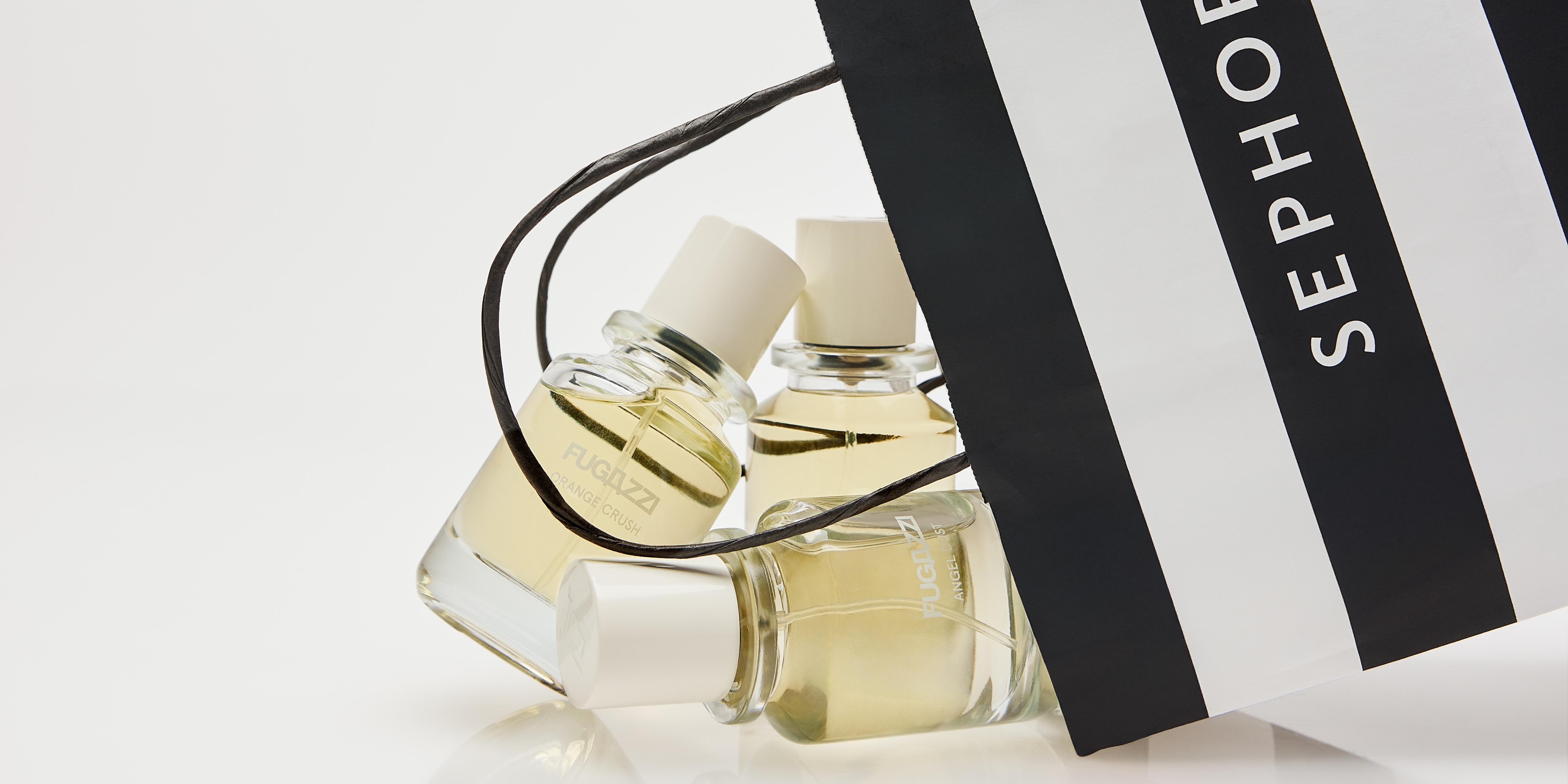
Why it matters: This illustrates the operational playbook for scaling a niche brand within a dominant retail channel, balancing mass accessibility with exclusivity, and highlights the critical role of price architecture and distributor relationships in fragrance market expansion.
Context: Sephora is aggressively expanding its fragrance assortment beyond designer mainstays to include niche brands, creating a crowded but high-opportunity shelf space where price positioning and speed-to-trend are key competitive levers.
"When describing his fragrance brand Fugazzi, Bram Niessink points to a somewhat unexpected comparison: Supreme, the streetwear brand that defined much of 2010s fashion and made a white box logo T-shirt into." — GLOSSY.CO
Commentary: Fugazzi’s tiered pricing strategy directly attacks the softening prestige segment, using Sephora as a volume channel while protecting margin and aura via independent retailers. This bifurcation forces other niche brands to choose between scaling via mass-prestige retailers or remaining truly boutique. The reliance on distributor Europerfumes’ existing Sephora relationships underscores that market access is often a function of B2B logistics, not just consumer marketing. The six-month concept-to-shelf timeline for Vanilla Haze sets a new operational benchmark for trend responsiveness in a category historically defined by long development cycles.
Date: Mon, 18 May 2026 04:02:00 +0000
URL: https://www.glossy.co/beauty/sephora-strategies-with-its-launch-at-sephora-us-fugazzi-wants-to-bring-luxury-fragrance-to-the-masses/
AI Sentiment Score: Negative (60%)
AI Credibility Score: 10.0/10 — High
Scores and text generated by AI analysis of the source article indicated.
Issey Miyake Opens Largest China Store in Shanghai (Wwd)
Summary: Issey Miyake has opened its largest store in China, a 4,100-square-foot flagship in Shanghai’s new Westbund Central development. The store consolidates six of the brand’s lines, including the first Chinese market appearance of its eyewear collection, under a design by longtime collaborator Tokujin Yoshioka. The expansion is managed by its local partner, Ningbo Hengcheng Everbeauty Commerce Co., Ltd., and situates the brand within a mixed-use project positioned as Shanghai’s AI hub.

Why it matters: For industry practitioners, this signals a strategic pivot to high-investment, experiential retail in China’s tier-one cities, prioritizing brand consolidation and architectural statement over rapid, broad-scale expansion.
Context: The move reflects a broader luxury strategy of anchoring in mixed-use developments that blend commerce, culture, and tech, while relying on established local partners for market execution.
"Issey Miyake has opened its largest retail project at Westbund Central, the newly inaugurated mixed-use luxury development in Shanghai. Nestled between the Chinese multibrand retailer SND and the South Korean fashion brand." — WWD
Commentary: The scale and design investment here is a calculated bet on Shanghai’s West Bund as a premium destination, requiring operational discipline from the local partner to manage a complex, multi-line inventory. The co-location with an ‘AI hub’ narrative is less about tech integration and more about securing real estate in a zone attracting high-value foot traffic. For other brands, this underscores that China expansion now favors flagship impact over store count, raising the capital and creative bar for entry.
Date: Mon, 18 May 2026 13:44:41 +0000
URL: https://wwd.com/business-news/retail/issey-miyake-shanghai-flagship-westbund-1238961375/
AI Sentiment Score: Positive (50%)
AI Credibility Score: 10.0/10 — High
Scores and text generated by AI analysis of the source article indicated.
Gucci Cruise 2027: New York, Guccified (Wwd)
Summary: Gucci staged its Cruise 2027 show in Times Square, a logistical feat that ceded environmental control to the venue’s chaos. Artistic director Demna framed the show as a culmination of his prior brand studies, launching a ‘Gucci Core’ line of wardrobing staples and a limited-edition ‘Gucci NY’ collection. The event emphasized merchandisable basics over high-fashion statements, explicitly targeting a wide customer base with commercially focused pieces.

Why it matters: It signals a strategic pivot for a major luxury house toward foundational, repeat-purchase product lines and experiential, location-anchored launches, directly affecting inventory planning, marketing calendars, and wholesale partnerships.
Context: Demna’s tenure at Gucci has been marked by archival exploration; this show represents a shift from brand study to commercial execution, aligning with industry-wide pressure on luxury brands to bolster core, non-seasonal offerings.
"On Saturday night, the fashion crowd and the likes of Kim Kardashian, Lindsey Lohan, Mariah Carey, Iman, Stormzy, Willy Chavarria and more were in the most unlikely of places: Times Square. Gucci." — WWD
Commentary: The operational shift here is from spectacle-driven, trend-led collections to a defined, permanent ‘Core’ assortment—this changes buy planning for retailers and production cycles for the atelier. The Times Square takeover, while a PR event, functionally served as a live stress test for distributing limited-edition city collections through select doors and e-commerce, a model other houses will now scrutinize for scalability. Demna’s admission of ceding control except over the clothes underscores a vendor and logistics pivot: future large-scale shows may prioritize venues that offer brand saturation over traditional, controlled environments.
Date: Sun, 17 May 2026 16:14:30 +0000
URL: https://wwd.com/runway/resort-2027/new-york/gucci/review/
AI Sentiment Score: Negative (80%)
AI Credibility Score: 10.0/10 — High
Scores and text generated by AI analysis of the source article indicated.
Inside Adriano Goldschmied’s Enduring Impact on Denim Innovation (Wwd)
Summary: Adriano Goldschmied’s career established a model for denim innovation that operated from the fiber up, directly shaping supply chain priorities and validating new technologies through commercial adoption. His collaborations with mills, fiber producers, and chemical firms served as a de facto certification, accelerating the market acceptance of innovations like Tencel, high-stretch constructions, and sustainable finishes. His method involved deep technical engagement at the mill level, treating the supply chain as a co-development partner rather than a transactional vendor.

Why it matters: Goldschmied’s passing removes a critical node in the denim R&D ecosystem, a figure whose endorsement could shift production pipelines and material sourcing decisions for major brands.
Context: The denim industry’s innovation pipeline relies on a small cohort of influential designers and consultants to bridge the gap between technical textile development and commercial brand adoption.
"Before there were Instagram and TikTok personalities shaping trends, there was Adriano Goldschmied—the unofficial influencer of the denim industry, setting trends and sparking conversations through his relentless curiosity and genuine passion for." — WWD
Commentary: Goldschmied’s operational legacy is a vertically integrated development process, collapsing the traditional separation between design and mill-level engineering. His absence creates a vacuum in the validation pathway for new fibers and finishes, potentially slowing adoption cycles and forcing mills to build direct relationships with brands. The model he exemplified—where a designer’s technical credibility grants a mill ‘aspirational’ status—is now a benchmark for how fabric innovators must structure their outreach and partnership strategies.
Date: Mon, 18 May 2026 17:34:51 +0000
URL: https://wwd.com/sourcing-journal/sj-denim/inside-adriano-goldschmied-enduring-impact-denim-innovation-1238955821/
AI Sentiment Score: Positive (50%)
AI Credibility Score: 10.0/10 — High
Scores and text generated by AI analysis of the source article indicated.
Shuffle Board: Solbari Builds Wholesale, TrueCommerce Eyes Growth (Wwd)
Summary: A series of executive appointments across fashion, retail, textiles, and logistics signals strategic pivots in operational focus. Puma replaces its CFO with a veteran of Hugo Boss and Douglas, while Solbari hires a wholesale specialist to build a national retail network. Carter’s sees a CEO change from a VF Corp alumnus to a Build-A-Bear leader, and The Lycra Company promotes internally to lead product sustainability. TrueCommerce appoints a CRO from Avalara and IBM’s Sterling Commerce.

Why it matters: These moves reveal where capital and leadership attention are being allocated, directly impacting vendor relationships, supply chain tooling, and sustainability compliance workflows.
Context: Executive turnover often precedes shifts in corporate strategy, particularly in wholesale expansion, sustainability mandates, and digital supply chain integration.
"Davis will lead Solbari’s wholesale strategy, building a national network of sales representatives, securing retail partnerships and establishing a seasonal wholesale cadence." — WWD
Commentary: Solbari’s hire of a wholesale head indicates a shift from direct-to-consumer reliance to a channel that demands different logistics, forecasting, and margin management. The Lycra Company’s internal promotion for sustainability suggests the role is moving from PR to integrated product development, affecting fabric sourcing for brands. TrueCommerce picking a CRO from Avalara points to a push to monetize compliance and data services within logistics networks.
Date: Fri, 01 May 2026 22:20:51 +0000
URL: https://wwd.com/sourcing-journal/industry-news/shuffle-board-executive-moves-solbari-1238937545/
AI Sentiment Score: Negative (50%)
AI Credibility Score: 10.0/10 — High
Scores and text generated by AI analysis of the source article indicated.
Madewell plans to open 3 stores, starting this week (Retaildive)
Summary: Madewell, the J. Crew Group-owned apparel brand, is executing a modest physical expansion with three new stores opening in May and June. The openings include a permanent location in Sag Harbor, New York, and two dual-concept stores selling men’s and women’s clothing in Greenwich, Connecticut, and Bend, Oregon. This follows a period of stalled growth after the brand’s earlier ambitions for an IPO were shelved and its parent company underwent bankruptcy restructuring.
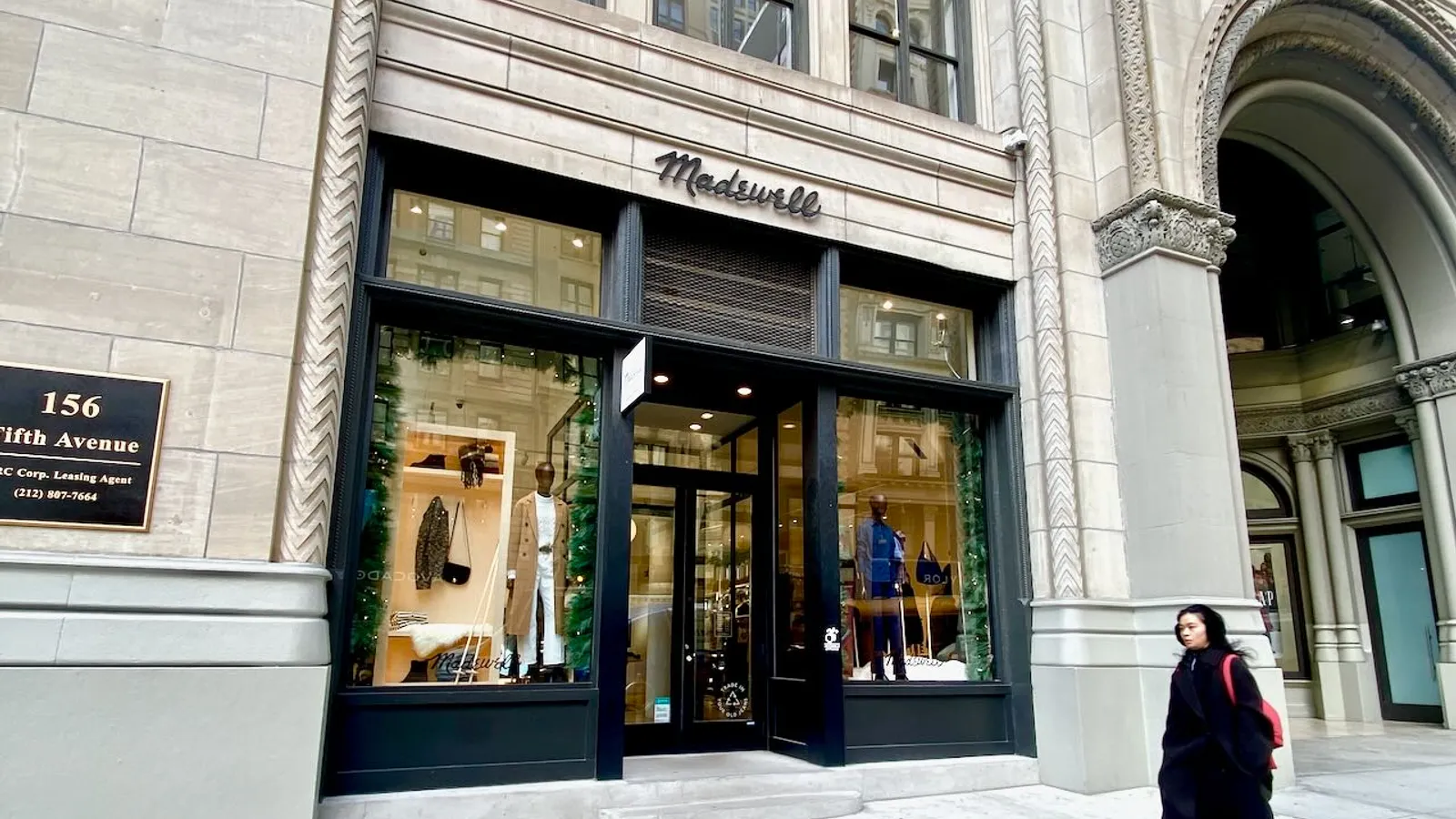
Why it matters: For retail operators and brand strategists, this signals a cautious, targeted return to physical growth for a legacy brand, testing dual-gender formats in specific markets after a long hiatus.
Context: Madewell’s fleet of about 150 stores has seen little expansion in recent years, especially compared to the scale of competitors like Gap Inc.’s banners or J.Crew’s own factory outlet network.
"But the brand, with about 150 stores, hasn’t expanded much of late, and has long since nixed its Wall Street ambitions, after some analysts saw J. Crew Group overestimating the brand’s value." — RETAILDIVE
Commentary: The expansion is less about aggressive scaling and more about operational testing—specifically, the viability of the dual-concept format in affluent suburban and lifestyle markets. It reflects a post-bankruptcy, capital-constrained strategy where real estate decisions must suggest immediate productivity, avoiding the speculative growth that previously led to overvaluation. For vendors and mall operators, it indicates Madewell’s footprint growth could remain selective and data-driven, not a blanket rollout.
Date: Mon, 18 May 2026 12:21:00 -0400
URL: https://www.retaildive.com/news/madewell-three-store-openings-sag-harbor-new-york-connecticut-oregon/820470/
AI Sentiment Score: Positive (60%)
AI Credibility Score: 10.0/10 — High
Scores and text generated by AI analysis of the source article indicated.
Fashion misses at Old Navy spell trouble for Gap Inc. (Retaildive)
Summary: Gap Inc. reported mixed Q1 results, with its core value brand Old Navy posting disappointing 1% comp growth due to fashion misses in seasonal categories like dresses. This marks the brand’s second consecutive quarter of underperformance and is flagged as CEO Richard Dickson’s first significant operational issue since taking over. In contrast, the Gap brand delivered a 10% comp increase, its tenth straight quarter of growth, driven by denim, fleece, and successful marketing. Athleta’s sales fell 12%, continuing its struggle, while Banana Republic showed modest gains.
Why it matters: For practitioners, this signals a critical vulnerability in Gap Inc.’s operational and merchandising discipline at its largest revenue driver, with immediate implications for inventory management, pricing strategy, and competitive positioning against off-price retailers.
Context: Old Navy accounts for well over half of Gap Inc.’s total revenue, making its performance a primary lever for corporate margins and growth. The brand has historically relied on sharp value pricing and rapid response to fashion trends.
"Dive Brief: – Despite spring fashion misses, Old Navy Q1 net sales reached $2 billion, up 1% year on year; comps also rose 1%. Still, results disappointed the company and analysts. -." — RETAILDIVE
Commentary: The analysis points to a structural challenge beyond a single-season merchandising error: Old Navy’s core value proposition is being eroded by off-price competitors like Ross. For the operating teams, this necessitates a recalibration of the ‘fashion and value equation’—likely meaning sharper price points and faster inventory turns—to defend market share. The concurrent success of the Gap brand, fueled by cultural marketing and product expansion into categories like fragrance, underscores a diverging strategic path within the portfolio, where Old Navy must solve for operational efficiency while Gap invests in brand heat.
Date: Fri, 29 May 2026 12:13:00 -0400
URL: https://www.retaildive.com/news/old-navy-fashion-misses-spell-trouble-gap-inc-q1-earnings/821459/
AI Sentiment Score: Negative (57%)
AI Credibility Score: 10.0/10 — High
Scores and text generated by AI analysis of the source article indicated.
Post ID: d383f2cf