Behind-the-scenes VFX breakdowns
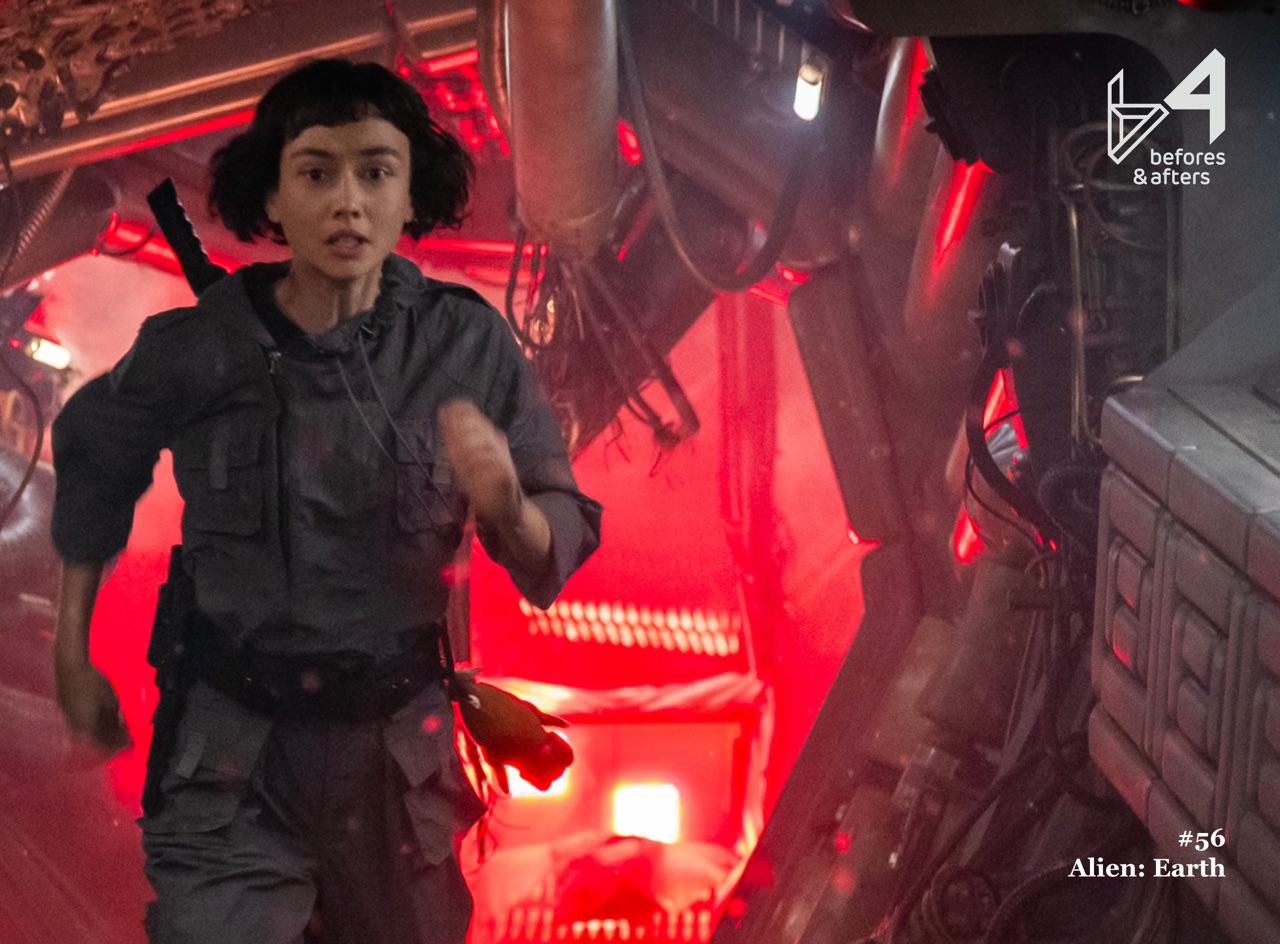
The practical and digital creatures of ‘Alien: Earth’ (Beforesandafters)
Summary: FX’s ‘Alien: Earth’ series, a prequel created by Noah Hawley, employed a hybrid visual effects pipeline for its creature work and environments. Production VFX supervisor Jonathan Rothbart oversaw a vendor list including Wētā Workshop, Second Skin Studio, UPP, Untold Studios, Zoic Studios, Fin VFX, Pixomondo, CosFX, and Crafty Apes. The approach combined practical animatronics and puppets for on-set reference with digital VFX for augmentation, creature extensions, and large-scale environments.
Why it matters: The specific vendor roster and hybrid methodology signal a continued, strategic recalibration of high-end creature feature pipelines, affecting vendor selection, on-set workflows, and the division of labor between practical and digital shops.
Context: Major franchise tentpoles are increasingly opting for hybrid creature pipelines to balance tactile performance with digital scalability, but the specific vendor mix and supervisory approach for each project dictates market share and technical precedent.
"From a production standpoint, the series relied on a hybrid approach to creature work and environments. Practical effects, including animatronic and puppeted Xenomorphs and other creatures, provided on-set interaction and lighting reference. These were extended and augmented, where necessary, by digital visual effects, which handled several creatures, alongside vast environments, vehicles, and elements of the central ship crash." — BEFORESANDAFTERS
Commentary: The vendor list—spanning established giants (Wētā Workshop, Pixomondo) and specialized boutiques (Second Skin Studio, CosFX)—indicates a distributed, best-of-breed sourcing strategy rather than a single-vendor consolidation, preserving leverage for the production but increasing integration overhead. This hybrid model reinforces the economic and creative rationale for practical builds as a baseline, but shifts the quality ceiling and complex shot economics to the digital vendors tasked with seamless augmentation and environment creation.
Date: June 04, 2026 06:27 AM ET
URL: https://beforesandafters.com/2026/06/04/the-practical-and-digital-creatures-of-alien-earth/
AI Sentiment Score: Positive (50%)
AI Credibility Score: 10.0/10 — High
Scores and text generated by AI analysis of the source article indicated.
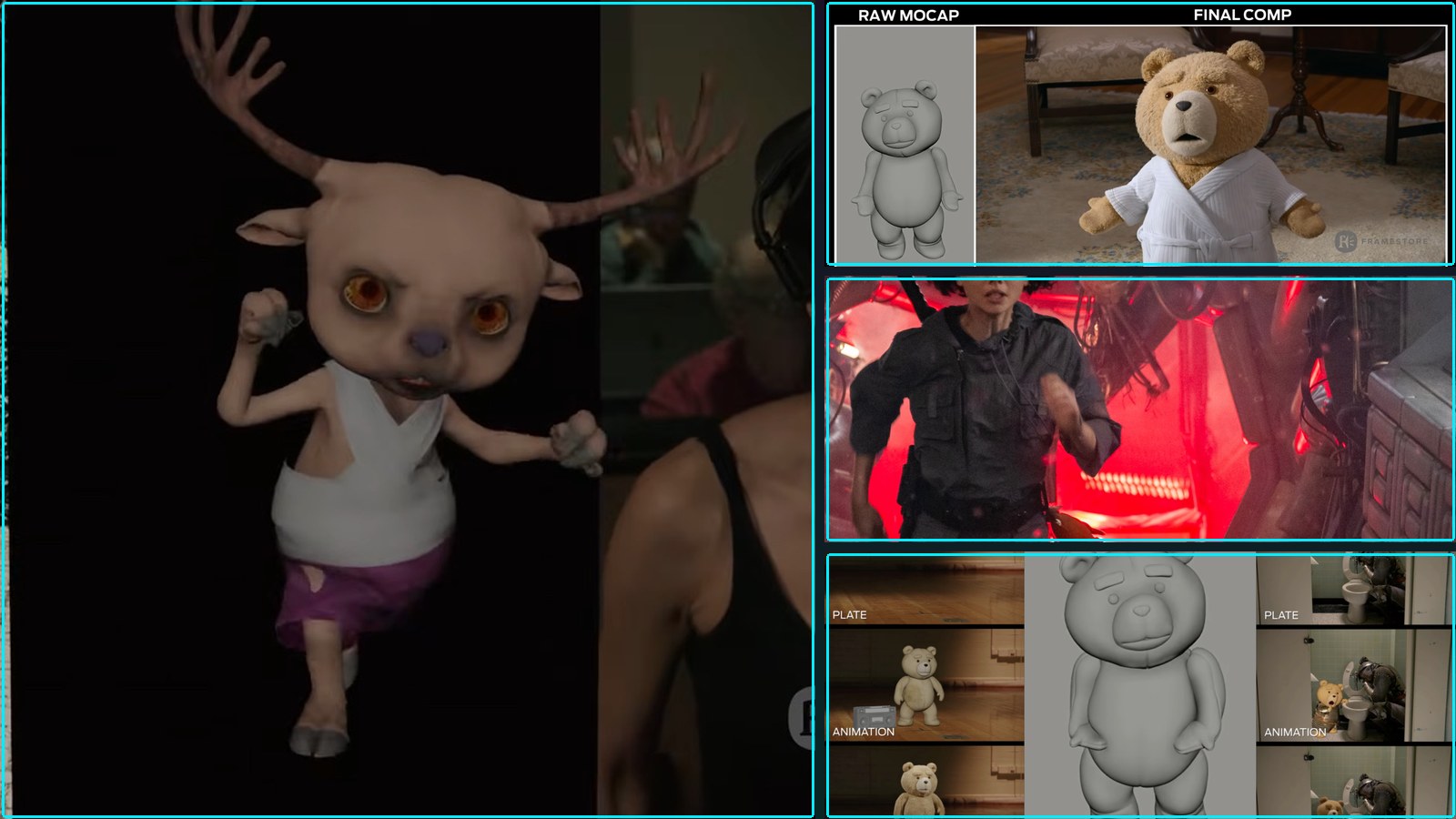
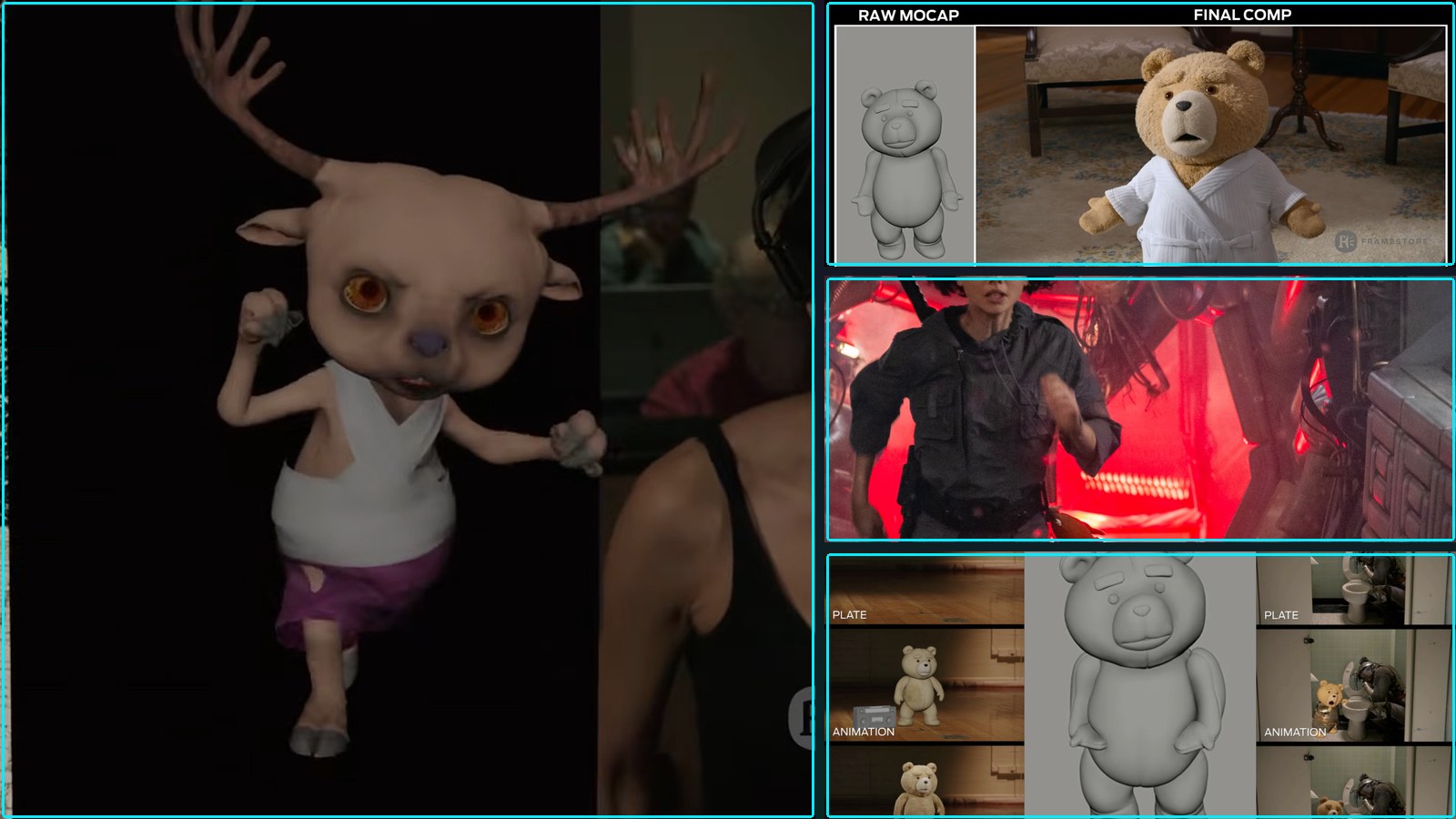
Watch Framestore’s VFX breakdown for ‘Ted’ season 2 (Beforesandafters)
Summary: Framestore released a VFX breakdown for ‘Ted’ season 2, showcasing the studio’s work on the series. The breakdown is a standard promotional piece from a major vendor, highlighting specific shots and techniques.

Why it matters: For industry professionals, these breakdowns serve as a public benchmark for vendor capability and a signal of the technical and creative pipeline required for high-volume, character-driven streaming comedy.
Context: Vendor-published breakdowns are a primary marketing and recruitment tool for major VFX houses, establishing public credit and setting client expectations for similar projects.
"Watch Framestore’s VFX breakdown for ‘Ted’ season 2." — BEFORESANDAFTERS
Commentary: The release reinforces the economic model where high-end VFX for streaming series is normalized, increasing volume pressure on vendors while locking in specific aesthetic and technical expectations for photorealistic CG characters in live-action comedy. It signals sustained demand for Framestore’s particular blend of character animation and integration, likely influencing staffing and bidding for similar mid-budget, high-visibility streaming work.
Date: Sat, 30 May 2026 00:43:40 +0000
URL: https://beforesandafters.com/2026/05/30/watch-framestores-vfx-breakdown-for-ted-season-2/
AI Sentiment Score: Negative (50%)
AI Credibility Score: 10.0/10 — High
Scores and text generated by AI analysis of the source article indicated.
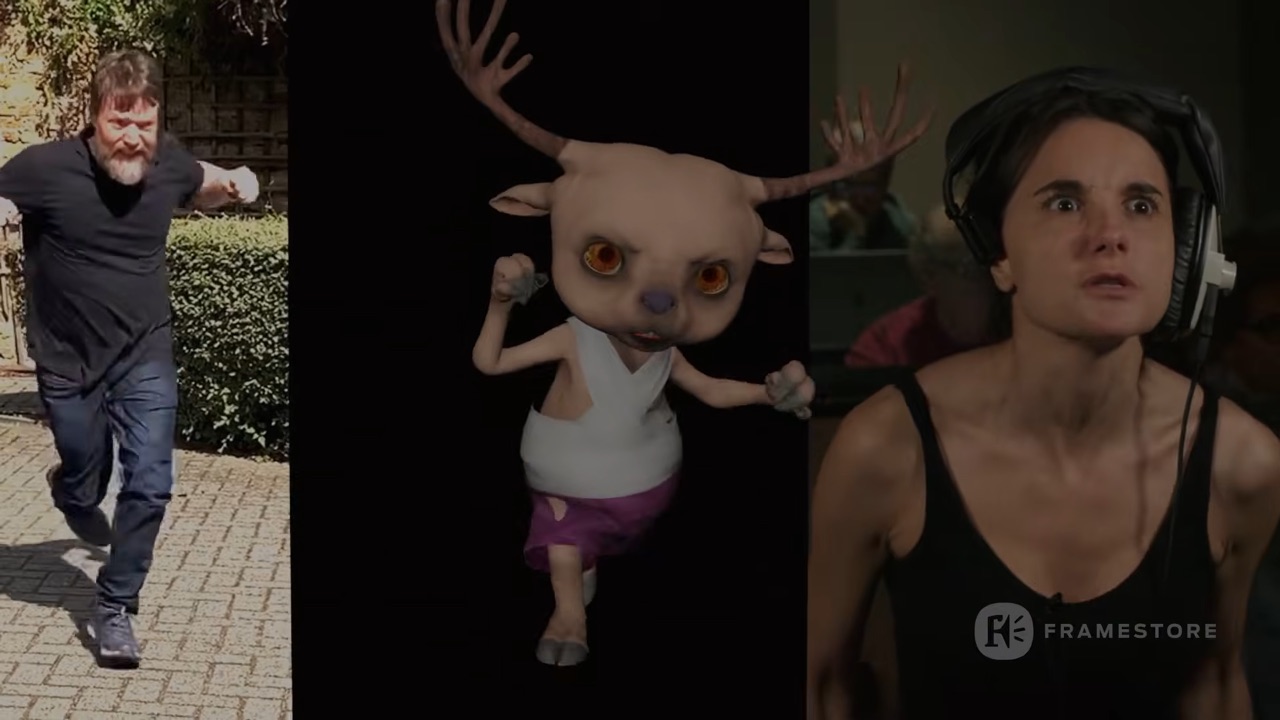
All the VFX breakdowns for ‘One Piece’ s2 in one place (Beforesandafters)
Summary: Beforesandafters has compiled a centralized hub for VFX breakdowns from ‘One Piece’ Season 2, featuring work from vendors including Eyeline, Framestore, Ingenuity Studios, and Refuge. This aggregation serves as a public-facing portfolio piece for the involved studios and a de facto case study library for the production’s technical execution.
Why it matters: For VFX professionals, these breakdowns are a critical barometer of vendor capability, pipeline efficiency, and the specific technical solutions deployed on a major streaming series, informing future bidding, hiring, and R&D priorities.
Context: Public VFX breakdowns have evolved from simple marketing into essential tools for talent recruitment, client acquisition, and industry benchmarking, often revealing more about a vendor’s workflow and problem-solving than official credits or press releases.
"VFX Breakdowns All the VFX breakdowns for ‘One Piece’ s2 in one place." — BEFORESANDAFTERS
Commentary: The consolidation of these assets signals a production confident in its vendor partners’ work, effectively outsourcing a portion of its marketing to the studios’ own reels. For the vendors, this represents a high-stakes public audit of their work; strong breakdowns can directly impact their ability to command premium rates and attract top talent for similar high-volume, fast-turnaround streaming work. Conversely, it exposes any gaps in quality or innovation to the entire market.
Date: Thu, 04 Jun 2026 03:06:06 +0000
URL: https://beforesandafters.com/2026/06/04/all-the-vfx-breakdowns-for-one-piece-s2-in-one-place/
AI Sentiment Score: Positive (57%)
AI Credibility Score: 10.0/10 — High
Scores and text generated by AI analysis of the source article indicated.
Behind the visual effects of ‘Ted’ season 2, including the bear, and the deepfake Bill Clinton (Beforesandafters)
Summary: A podcast interview with VFX supervisors Hoyt Yeatman and Blair Clark details the production pipeline for ‘Ted’ Season 2, focusing on the integration of the CG bear character and a pivotal deepfake of Bill Clinton. The team initially attempted traditional makeup and CG approaches for the Clinton character before pivoting to AI-driven deepfake techniques to achieve a more realistic performance from actor Seth MacFarlane.

Why it matters: This signals a pragmatic, results-driven adoption of AI tools within high-profile studio pipelines when traditional VFX methods fail to meet creative or performance benchmarks, directly impacting vendor selection and shot economics.
Context: Deepfake and generative AI techniques are moving from experimental novelty to problem-solving tools in post-production, particularly for likeness replacement where actor performance is paramount.
"Interestingly, it was one where make-up effects and CG were tried at first, but when those approaches didn’t quite hit the mark – they turned to some new AI deepfake techniques in order to bring the most realistic performance of Seth as Bill to life as possible." — BEFORESANDAFTERS
Commentary: The case illustrates a consequential shift: AI is no longer just a cost or time saver, but a quality-enabling tool that can supersede established VFX disciplines when they hit a creative ceiling. This alters vendor leverage, as studios may bypass traditional CG or prosthetic houses for AI specialists on specific tasks, reshaping the competitive landscape for complex character work.
Date: June 05, 2026 06:57 PM ET
URL: https://beforesandafters.com/2026/06/06/behind-the-visual-effects-of-ted-season-2-including-the-bear-and-the-deepfake-bill-clinton/
AI Sentiment Score: Negative (60%)
AI Credibility Score: 10.0/10 — High
Scores and text generated by AI analysis of the source article indicated.
A deep dive into the visual effects of ‘Murderbot’ (Beforesandafters)
Summary: A podcast interview with visual effects supervisor Sean Faden details the VFX pipeline for the series ‘Murderbot,’ focusing on the practical and digital integration for the lead character, creature work, and environment builds. The discussion covers specific technical challenges, such as the mechanics of the SecUnit helmet and the hybrid approach to creature shots. It provides a granular look at the production decisions shaping a high-profile sci-fi series.

Why it matters: For VFX supervisors, producers, and vendors, this reveals the on-set problem-solving and hybrid techniques that define current high-end television workflows, influencing bid assumptions and crew specializations.
Context: As streaming sci-fi/fantasy series demand feature-level VFX on compressed schedules, supervisor-led deep dives offer critical intelligence on where practical methods are being re-integrated to manage cost and complexity.
"We start with Murderbot itself, played by Alexander Skarsgård, and the various VFX requirements for the character, even diving down into the way the SecUnit’s helmet opens and closes. Then we break down some of the creature work – there’s some cool old-school ways that creature shots were filmed." — BEFORESANDAFTERS
Commentary: Faden’s emphasis on ‘old-school’ creature methods signals a strategic pivot back to in-camera effects where possible, a labor and cost decision that redistributes post-production hours and vendor scope. This hybrid approach, when detailed publicly, pressures other productions to justify pure-CG creature workflows, potentially shifting vendor bids toward more on-set practical support services. The focus on a single character’s mechanical details, like the helmet, underscores how seemingly minor design choices can dominate a VFX shot count and become a primary cost driver for the entire season.
Date: Fri, 29 May 2026 08:43:29 +0000
URL: https://beforesandafters.com/2026/05/29/a-deep-dive-into-the-visual-effects-of-murderbot/
AI Sentiment Score: Negative (70%)
AI Credibility Score: 10.0/10 — High
Scores and text generated by AI analysis of the source article indicated.
Post ID: 5fcffc9d