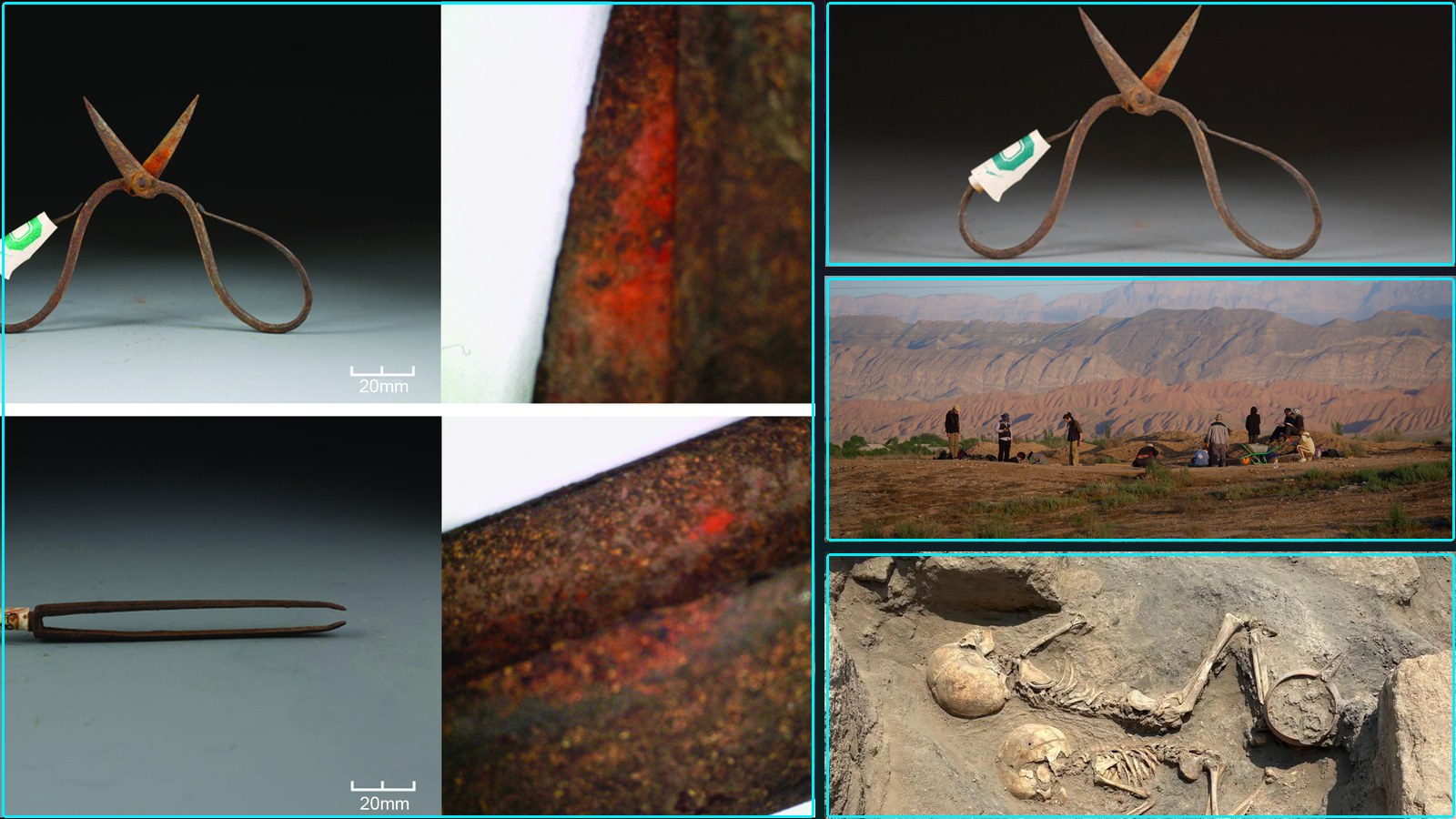
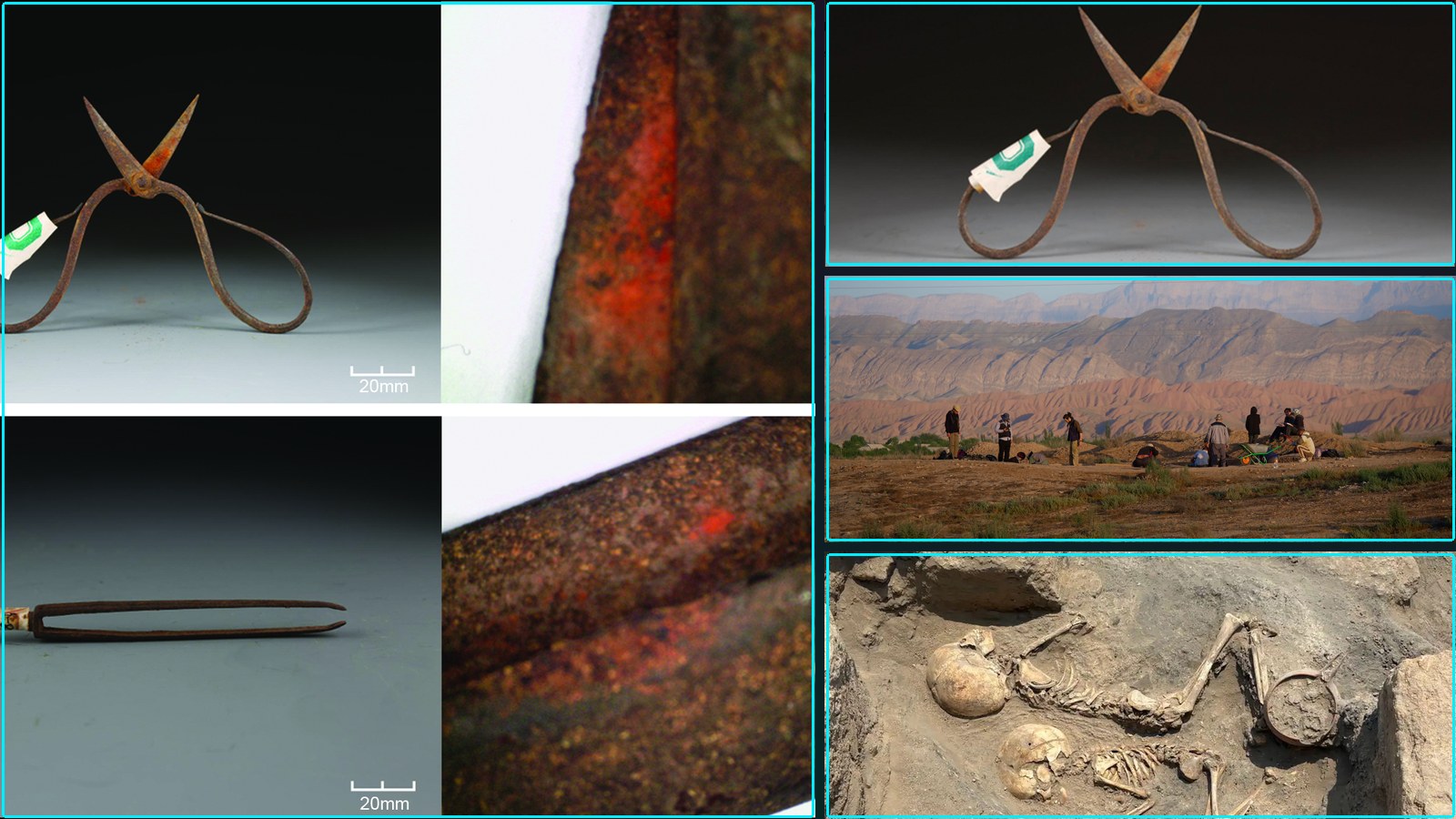
Ancient Health, Medicine & Biology
Toxic plant on Ming dynasty-era surgical tools may be world’s oldest chemical evidence of topical anesthetic (Livescience)
Summary: A study published in Antiquity analyzes residue on 600-year-old iron surgical tools from a Ming dynasty tomb. Using micro-Raman spectroscopy, researchers detected chemical signatures consistent with aconitine, a toxic alkaloid from wolfsbane plants, alongside fats and oils. This constitutes the first direct chemical evidence of a topical anesthetic on ancient surgical instruments. The findings indicate Ming practitioners employed detoxified aconite preparations for minor procedures, balancing potency with safety through precise application and compound prescriptions.
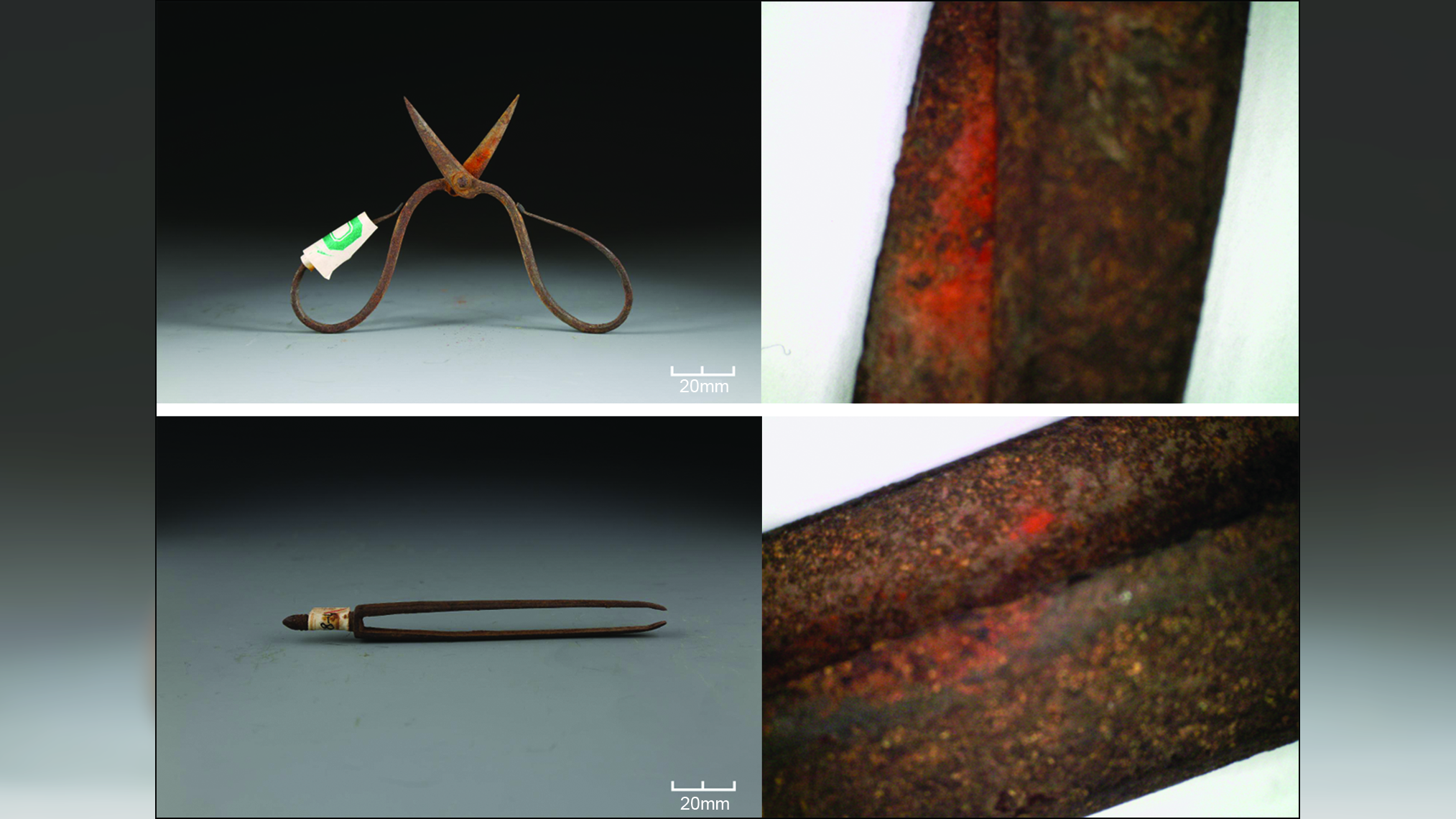
Why it matters: This shifts the material evidence for surgical anesthesia back by centuries and provides concrete proof of sophisticated pharmacological control in pre-modern medicine, altering our understanding of historical surgical practice and cross-cultural medical technology.
Context: Historical texts from various traditions describe analgesic plants, but direct chemical evidence linking specific compounds to surgical tools has been absent. This discovery moves the narrative from textual inference to material confirmation.
""Six centuries ago, a Ming Dynasty surgeon performed an operation with a pair of iron scissors and tweezers, and today we have read the traces of anaesthetic medicine left on those instruments using a beam of laser light," study co-author Congcang Zhao, an archaeologist at Northwest University in China, said in a statement." — LIVESCIENCE
Commentary: The detection of aconitine residues validates Ming medical texts and demonstrates a practical, systematized approach to risk management in surgery. It reframes the period’s medical technology from theoretical to operational, showing how toxic botanicals were integrated into controlled clinical environments. This finding underscores that pharmacological sophistication was not monolithic or Western-centric but emerged through distinct, materially-grounded traditions.
Date: Mon, 25 May 2026 23:01:00 +0000
URL: https://www.livescience.com/archaeology/ancient-china/toxic-plant-on-ming-dynasty-era-surgical-tools-may-be-worlds-oldest-chemical-evidence-of-topical-anesthetic
AI Sentiment Score: Negative (75%)
AI Credibility Score: 10.0/10 — High
Scores and text generated by AI analysis of the source article indicated.
Anesthetic Detected on Ming Dynasty Surgical Tools (Archaeology)
Summary: Researchers using micro-Raman spectroscopy have identified aconitine residue on iron surgical tools from a Ming Dynasty tomb. This provides the first direct chemical evidence of anesthetic use on ancient surgical instruments. The toxin, derived from wolfsbane, was likely detoxified using acidic preparations described in contemporary medical texts.
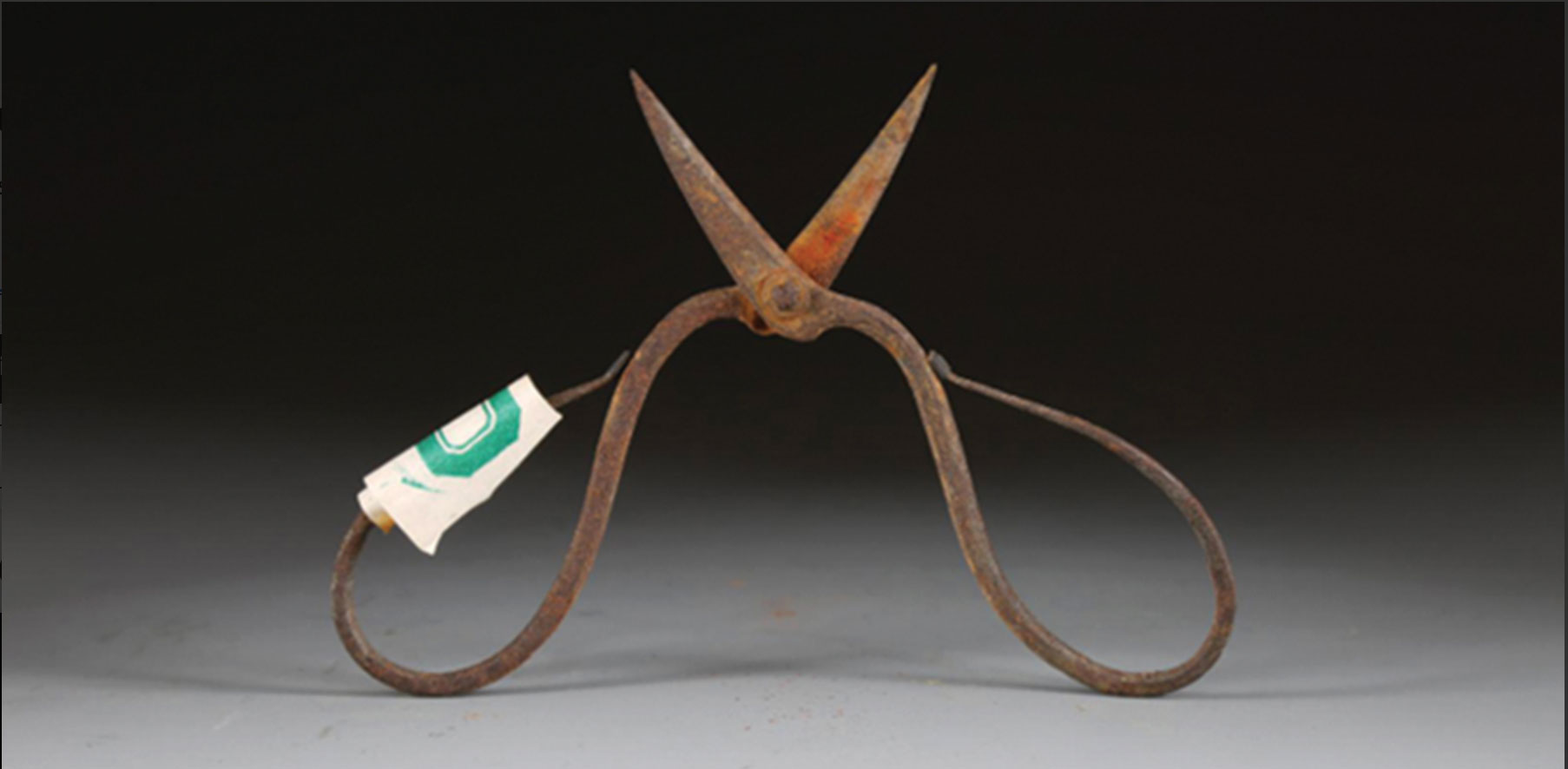
Why it matters: It shifts the evidentiary basis for pre-modern surgical practice from textual inference to material proof, forcing a reassessment of the technological and pharmacological sophistication of Ming-era medicine.
Context: Historical accounts of Chinese anesthesia, like Hua Tuo’s legendary use of mafeisan, have long been debated due to a lack of physical evidence. This find anchors such narratives in material culture.
"“Ming physicians used iron surgical instruments and controlled the toxicity of aconitine through topical application, compound prescriptions and strict procedural controls, demonstrating a practical ability to balance drug potency with safety,” Zhao explained." — ARCHAEOLOGY
Commentary: The discovery validates Ming medical texts as practical manuals, not just theory. It reframes surgical ‘toxicity’ as a managed variable, not a prohibitive risk, revealing a systematic, risk-mitigating approach to complex procedures that predates similar Western developments by centuries.
Date: Wed, 27 May 2026 17:30:00 +0000
URL: https://archaeology.org/news/2026/05/27/anesthetic-detected-on-ming-dynasty-surgical-tools/
AI Sentiment Score: Negative (60%)
AI Credibility Score: 10.0/10 — High
Scores and text generated by AI analysis of the source article indicated.
Bronze Age 5-year-old’s skull found in Uzbekistan is the oldest known evidence of surgery in Central Asia (Livescience)
Summary: Archaeologists excavating the Bronze Age settlement of Djarkutan in Uzbekistan have uncovered the 4,000-year-old skull of a five-year-old child bearing clear signs of trepanation. The find is the oldest documented evidence of surgery in Central Asia and one of the oldest in all of Asia, dating to the late third millennium B.C. during the Oxus civilization period. The skeleton was found in a single grave alongside the remains of a three-year-old child.
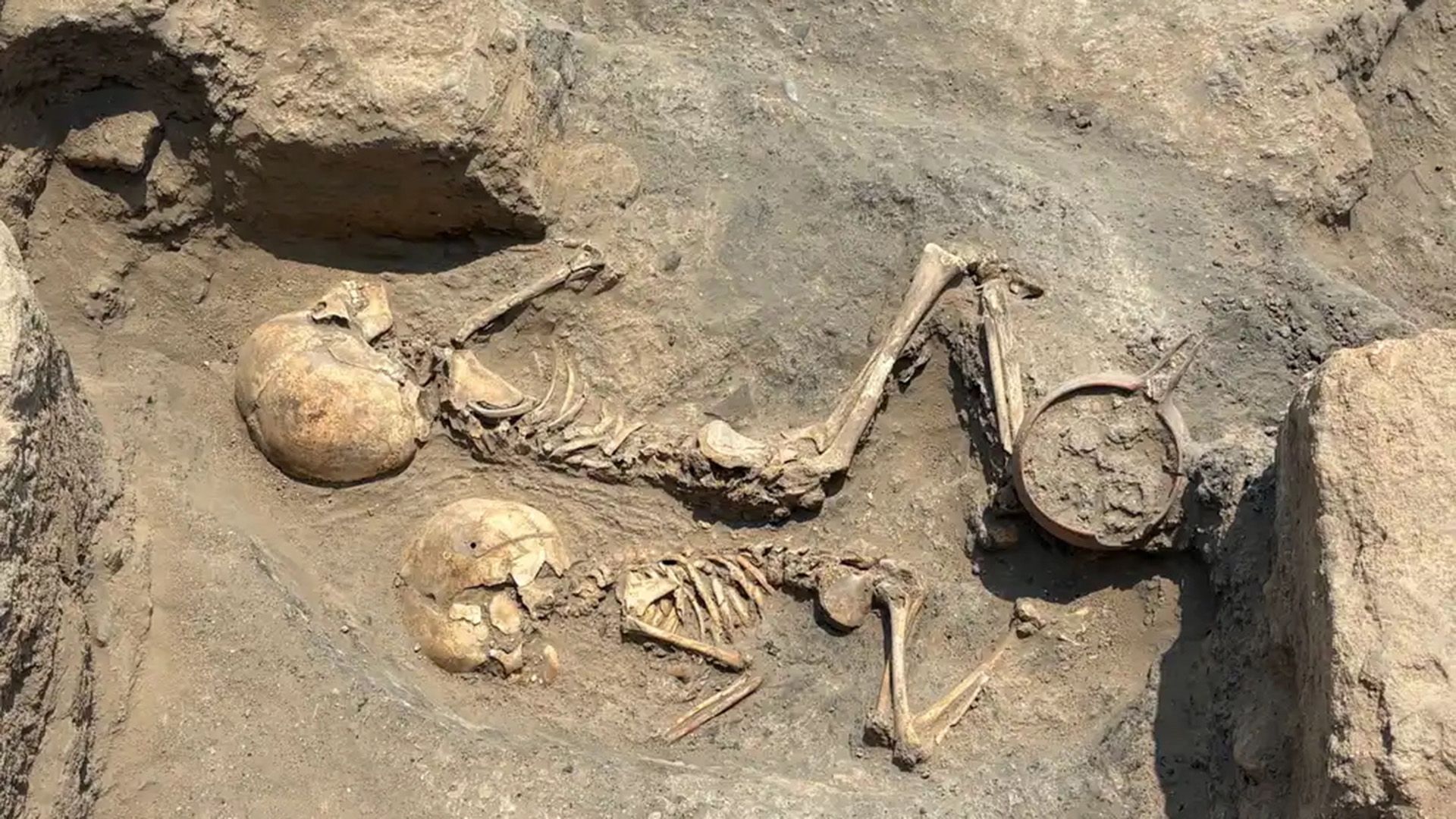
Why it matters: This discovery pushes back the timeline for advanced surgical knowledge in Central Asia and forces a reconsideration of medical-ritual practices applied to very young children in complex early urban societies.
Context: Trepanation evidence is relatively common in some ancient contexts, but its application to young children in the Early Bronze Age Oxus civilization (BMAC) was previously undocumented and unexpected.
"A cranial trepanation on a child, four thousand years ago, in Central Asia: until yesterday it was unthinkable. Today it is in our data." — LIVESCIENCE
Commentary: The find recalibrates our understanding of specialized knowledge and social risk-taking within the Oxus civilization. Performing a high-risk cranial procedure on a young child suggests either a profound perceived medical necessity or a deeply embedded ritual practice, challenging simplistic distinctions between the two. It raises immediate questions about the social stratification of ‘specialists’ and the valuation of a child’s life within this urban center.
Date: Sun, 31 May 2026 14:00:00 +0000
URL: https://www.livescience.com/archaeology/bronze-age-5-year-olds-skull-found-in-uzbekistan-is-the-oldest-known-evidence-of-surgery-in-central-asia
AI Sentiment Score: Negative (66%)
AI Credibility Score: 10.0/10 — High
Scores and text generated by AI analysis of the source article indicated.
Evidence of Surgery 4,000 Years Ago Uncovered in Central Asia (Archaeology)
Summary: Archaeologists have documented a 4,000-year-old case of cranial trepanation on a five-year-old child at the Oxus settlement of Djarkutan in southern Uzbekistan. The procedure, performed with stone or bone tools, suggests a sophisticated, high-risk medical intervention in a Bronze Age Central Asian society. The find pushes the known geographical and demographic boundaries of such early surgical practices.
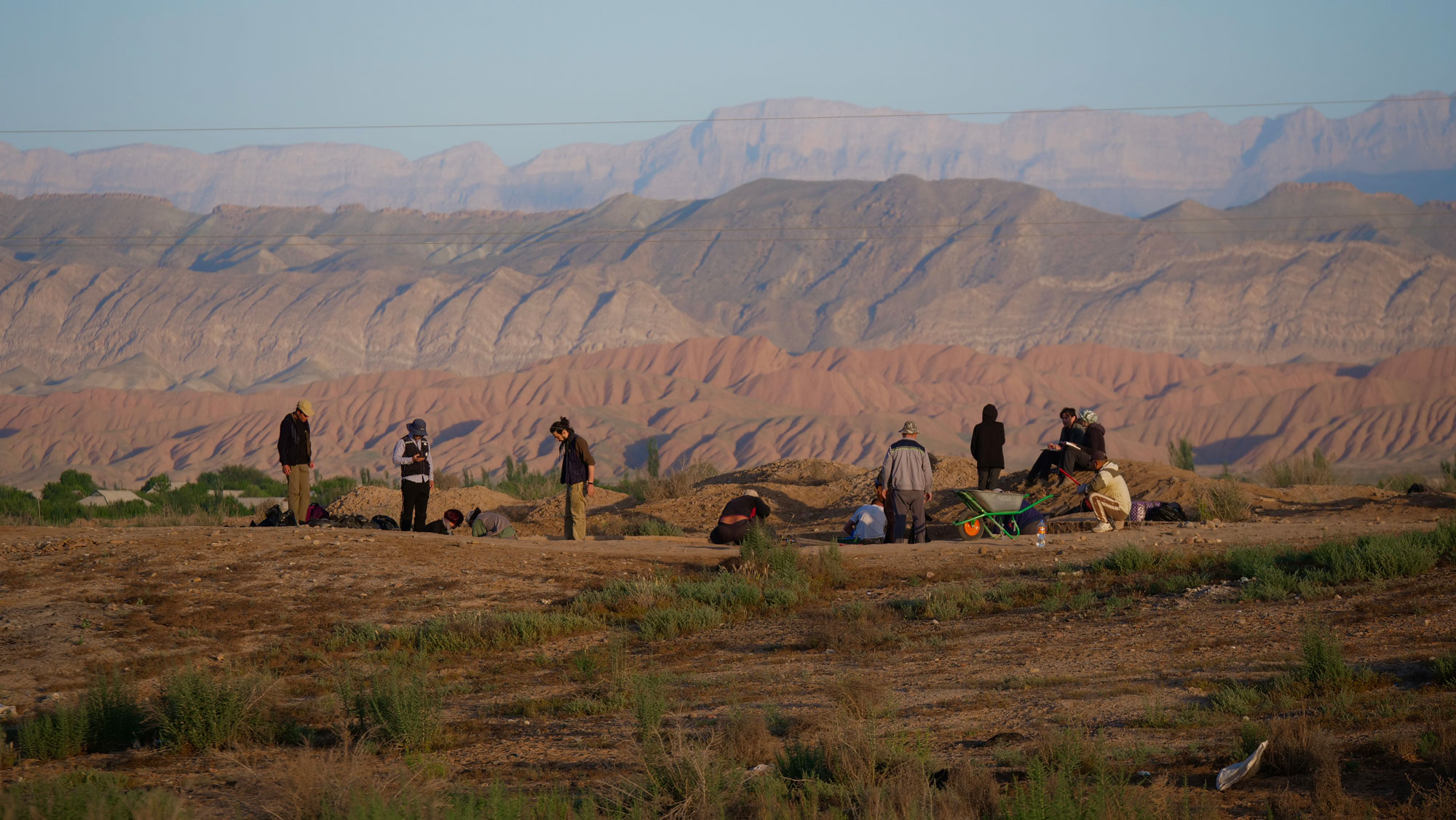
Why it matters: This discovery fundamentally recalibrates our understanding of medical knowledge, social risk, and caregiving in early complex societies, moving the narrative beyond the Mediterranean and Near Eastern centers.
Context: Trepanation is well-documented in prehistoric Europe, the Andes, and other regions, but evidence from Central Asia’s Oxus Civilization (Bactria-Margiana Archaeological Complex) is exceptionally rare, especially involving children.
"A cranial trepanation on a child, 4,000 years ago, in Central Asia: until yesterday it was unthinkable. Today it is in our data,." — ARCHAEOLOGY
Commentary: The find challenges assumptions about the limits of proto-surgical practice in pastoral-agrarian societies and raises stark questions about social stratification: the resources expended on a child’s risky operation imply either high status or a communal medical tradition willing to attempt extreme interventions. It reframes the Oxus Civilization not just as a trade nexus but as a potential center of experimental knowledge with its own distinct trajectory of technical and social development.
Date: Tue, 02 Jun 2026 17:00:00 +0000
URL: https://archaeology.org/news/2026/06/02/evidence-of-surgery-4000-years-ago-uncovered-in-central-asia/
AI Sentiment Score: Negative (50%)
AI Credibility Score: 10.0/10 — High
Scores and text generated by AI analysis of the source article indicated.
Signs of Respiratory Illness Found on 5,000-Year-Old Children’s Bones in Spain (Archaeology)
Summary: Analysis of 48 child skeletons from the 5,000-year-old Camino del Molino burial site in Spain reveals over 90% had bone lesions indicative of disease, with 67% showing signs linked to respiratory conditions. The pattern suggests recurrent or prolonged illness, likely from indoor smoke, craft particulates, and animal proximity. Notably, children aged 1-4 and 10-14 were most affected, and those with visible conditions received no differential burial treatment.

Why it matters: This provides concrete, bioarchaeological evidence for the chronic environmental stressors shaping early agricultural societies, moving beyond speculation about prehistoric health burdens to documented pathology.
Context: The study adds to a growing corpus of paleopathological research detailing the high cost of sedentism and early domestication, challenging romanticized notions of Neolithic life.
"“The pattern we see probably reflects a broader burden of recurrent or prolonged respiratory disease rather than a single pathogen,” Díaz-Navarro said. The children were likely exposed to indoor smoke, dust, particles from crafting and food processing, and close contact with animals, which may have had an impact on their health, she explained." — ARCHAEOLOGY
Commentary: The findings recalibrate our understanding of Neolithic community resilience, framing high child mortality not as episodic crisis but as endemic condition. The uniform burial practice, despite visible pathology, suggests illness was so normalized it carried no social stigma—a stark indicator of baseline morbidity. This shifts the narrative from isolated epidemics to the grinding, everyday environmental trade-offs of early settled life.
Date: June 05, 2026 02:00 PM ET
URL: https://archaeology.org/news/2026/06/05/signs-of-respiratory-illness-found-on-5000-year-old-childrens-bones-in-spain/
AI Sentiment Score: Positive (42%)
AI Credibility Score: 10.0/10 — High
Scores and text generated by AI analysis of the source article indicated.
Why Do Some Bones Decay Faster Than Others? (Archaeology)
Summary: A study of medieval to early modern bone samples from Norwegian cemeteries has identified distinct microbial signatures correlating with preservation states. Bones from outdoor burials and older contexts showed higher degradation, linked to collagen-breaking enzymes from bacteria like Streptomyces. Well-preserved bones, often from indoor burials or younger contexts, exhibited higher microbial diversity, suggesting ongoing nutrient availability supports a more complex community. The research shifts the forensic focus from environmental conditions alone to the specific biological actors driving decomposition.
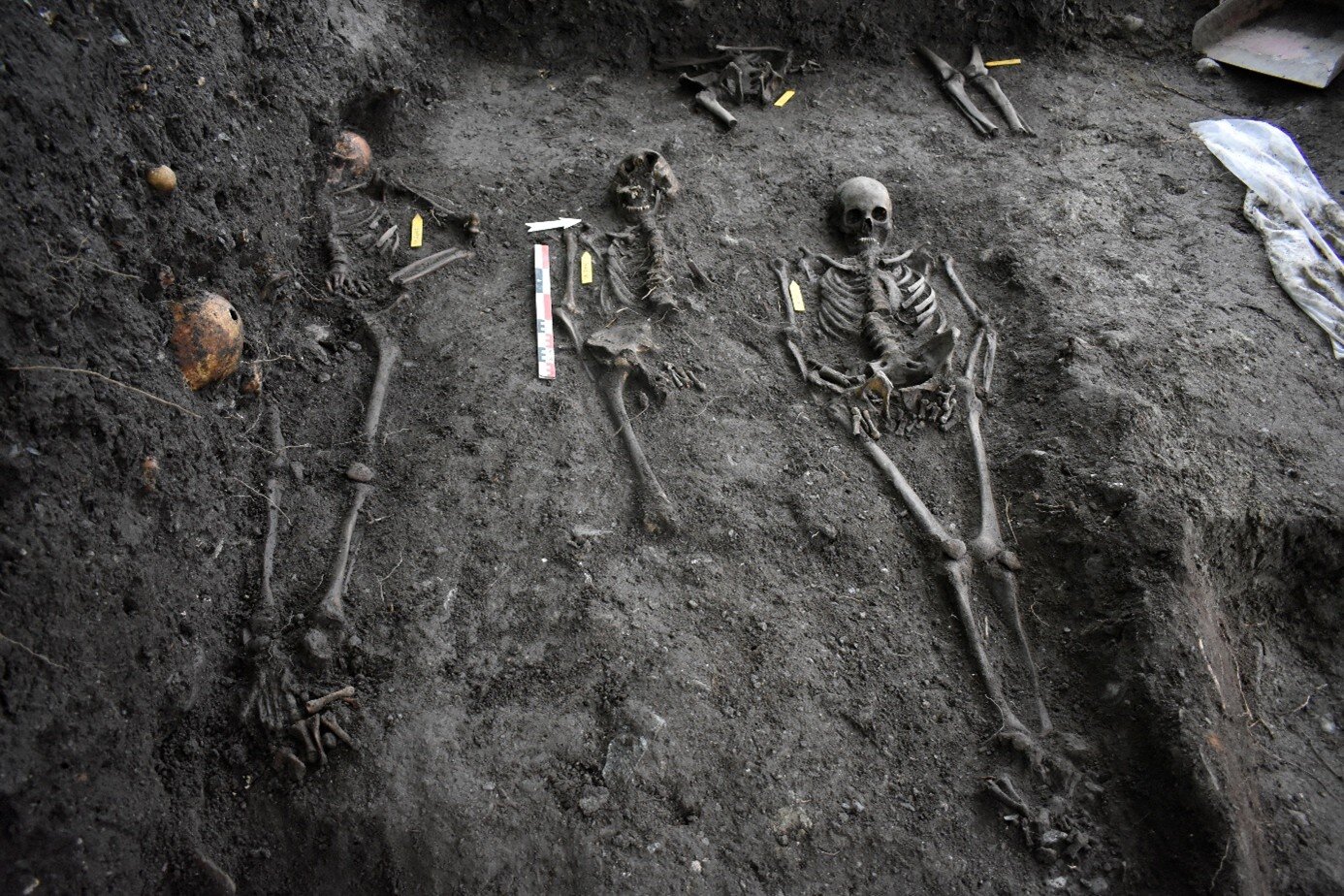
Why it matters: This refines predictive models for archaeological preservation and forensic taphonomy by identifying microbial agents as primary drivers of differential decay, not just passive indicators.
Context: Bioarchaeology has traditionally relied on soil chemistry, climate, and burial practices to explain preservation variance; this study introduces a microbiological mechanism as a decisive variable.
"“Some bodies disappear rapidly after burial, while others remain preserved for centuries. Even today we do not fully understand why,” she concluded." — ARCHAEOLOGY
Commentary: The finding operationalizes a long-standing observational puzzle, moving preservation studies from descriptive correlation toward causal microbiology. It implies that conservation strategies for human remains may need to account for microbial ecology, not just physical environment. For historical interpretation, this complicates assumptions about burial practices and social status inferred from preservation quality, as microbial action can override apparent contextual advantages.
Date: Mon, 01 Jun 2026 17:00:00 +0000
URL: https://archaeology.org/news/2026/06/01/why-do-some-bones-decay-faster-than-others/
AI Sentiment Score: Negative (66%)
AI Credibility Score: 10.0/10 — High
Scores and text generated by AI analysis of the source article indicated.
250,000-Year-Old Neanderthal Teeth Analyzed (Archaeology)
Summary: A CENIEH-led team analyzed nine 250,000-year-old Neanderthal teeth from Payre, France, using micro-CT and morphometrics. The teeth show anatomical similarity to contemporaneous Neanderthal remains across France and Spain, but also reveal significant internal variability. This variability challenges a linear evolutionary model.
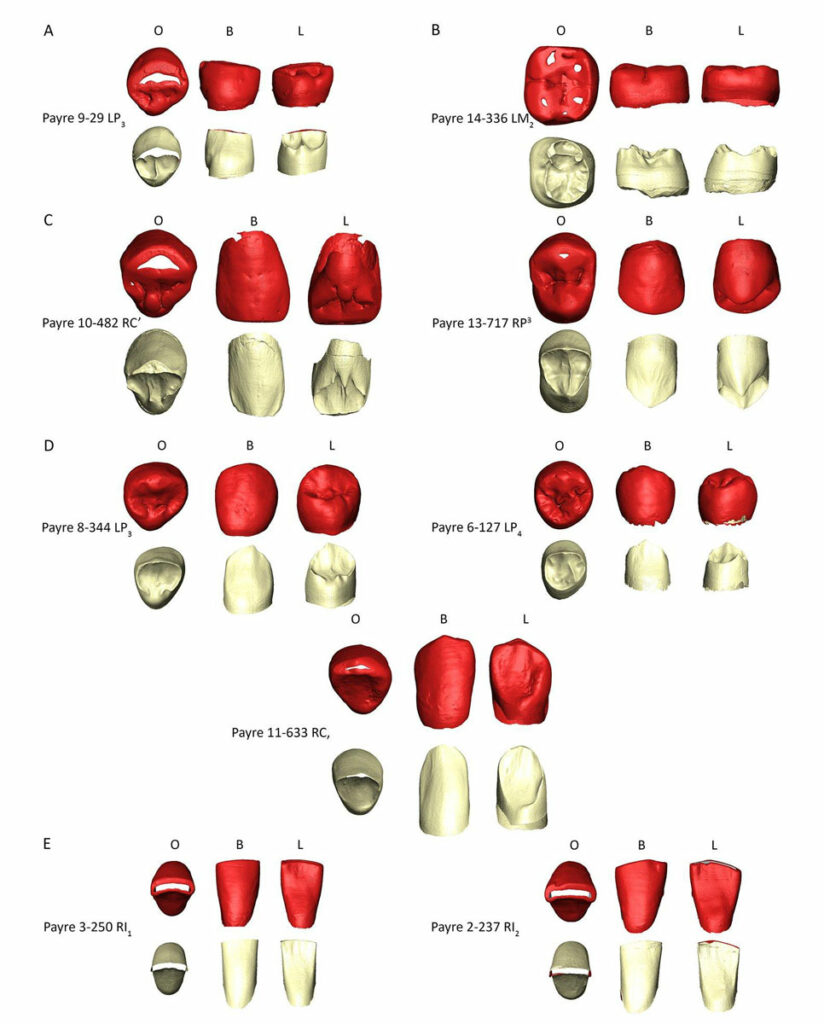
Why it matters: It reframes Neanderthal population dynamics from a monolithic progression to a complex, regionally fragmented process, altering our understanding of hominin adaptability.
Context: Debates on Neanderthal evolution have oscillated between models of a single, gradually evolving lineage and those emphasizing regional diversification and isolation.
"Rather than a simple and linear evolutionary process, our research supports the idea that Neanderthal evolution was shaped by regionally structured populations that were fragmented and, at times, isolated for long periods,." — ARCHAEOLOGY
Commentary: The findings underscore that Neanderthal ‘success’ was not a uniform march but a patchwork of isolated groups adapting to localized Pleistocene pressures. This fragmentation model better explains the mosaic of anatomical and cultural traits observed in the later Middle Paleolithic record. It shifts the interpretive frame from tracking a central lineage to mapping a network of populations with intermittent gene flow.
Date: Fri, 29 May 2026 17:30:00 +0000
URL: https://archaeology.org/news/2026/05/29/250000-year-old-neanderthal-teeth-analyzed/
AI Sentiment Score: Positive (75%)
AI Credibility Score: 10.0/10 — High
Scores and text generated by AI analysis of the source article indicated.
Scientists Evaluate Sámi Burial in Finland (Archaeology)
Summary: A genetic and isotopic analysis of a 17th-century Sámi man’s remains from eastern Finland reveals a complex life history. His DNA confirms Sámi ancestry and regional admixture, but isotope data indicates a childhood diet of land animals and freshwater fish, a teenage period drinking water from a volcanic region like Iceland, and later life consuming marine foods. This individual’s mobility and dietary shifts contradict static historical models of Sámi communities.
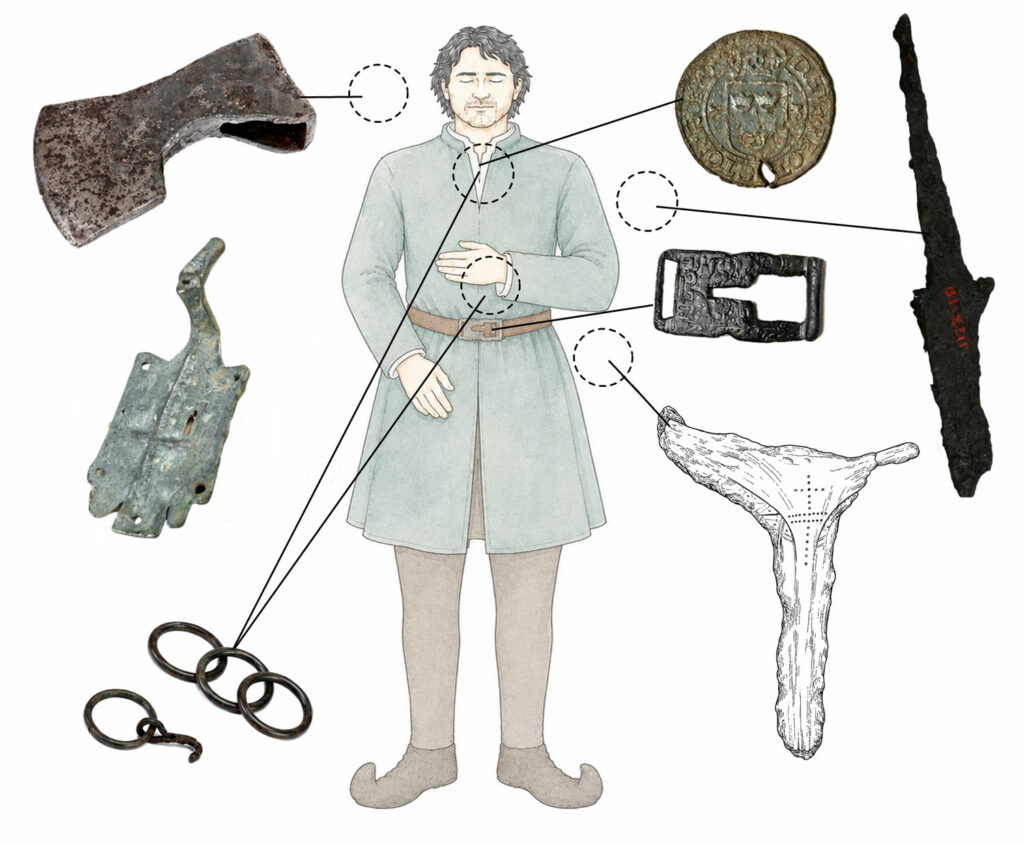
Why it matters: It directly challenges essentialist academic and cultural narratives about indigenous Sámi life, replacing them with evidence of dynamic individual mobility and complex regional interactions.
Context: Historical research on the Sámi has often relied on later, colonial-era records, projecting a homogeneous, sedentary, and isolated image onto earlier periods.
"KUUSAMO, FINLAND—According to a statement released by the University of Turku, researchers from the University of Turku, including Sanni Peltola and Ulla Nordfors, have analyzed the remains of a 40-year-old man who." — ARCHAEOLOGY
Commentary: The findings operationalize a shift from viewing the Sámi as a monolithic cultural bloc to seeing them as participants in far-reaching Early Modern exchange networks. This forces a reconsideration of power structures and agency in northern Fennoscandia, where indigenous mobility was likely a strategic adaptation, not an anomaly. It also underscores how isotopic science can dismantle long-held historical assumptions built on sparse or biased documentary evidence.
Date: Thu, 28 May 2026 17:00:00 +0000
URL: https://archaeology.org/news/2026/05/28/scientists-evaluate-sami-burial-in-finland/
AI Sentiment Score: Negative (50%)
AI Credibility Score: 10.0/10 — High
Scores and text generated by AI analysis of the source article indicated.
The Romans and Vikings left few genetic traces of their occupations of Britain, research suggests (Livescience)
Summary: A new preprint study analyzing ancient DNA from over 1,000 individuals buried in Britain between 2550 B.C. and A.D. 1150 suggests the Roman and Viking occupations left minimal genetic traces, with Roman-era DNA from outside Britain accounting for only about 20% of sampled genomes. In stark contrast, the later Anglo-Saxon migration contributed about 70% ‘Germanic’ ancestry to sampled individuals. The Viking Age in northern England showed only about 4% Scandinavian Iron Age ancestry. The findings point to a cultural, rather than demographic, transformation under Roman rule, while the Anglo-Saxon period involved significant population replacement.

Why it matters: This challenges long-held assumptions about the demographic impact of conquests, forcing a reevaluation of how power, cultural change, and population movement are linked in historical narratives.
Context: The study enters an ongoing debate between archaeology and archaeogenetics about the scale of migration versus cultural adoption in post-Roman Britain, with earlier genetic studies already pointing to substantial Anglo-Saxon migration.
"The Romans and Vikings left few genetic traces of their occupations of Britain, research suggests Despite their occupations of Britain, the Romans and Vikings didn’t leave much of a genetic mark on." — LIVESCIENCE
Commentary: The data underscores that imperial control and cultural hegemony do not necessitate large-scale settlement, while migration events like the Anglo-Saxon arrival can fundamentally reshape a population. This sharpens the distinction between political occupation and demographic displacement, with implications for how we model continuity and change across other imperial frontiers. Methodological caveats about sample size and urban bias noted by critics remain crucial for interpreting the absolute percentages.
Date: Wed, 27 May 2026 15:44:49 +0000
URL: https://www.livescience.com/archaeology/romans/the-romans-and-vikings-left-few-genetic-traces-of-their-occupations-of-britain-research-suggests
AI Sentiment Score: Negative (50%)
AI Credibility Score: 10.0/10 — High
Scores and text generated by AI analysis of the source article indicated.
Paleontology Meets Genomics — Sequencing Ancient DNA – ESP (Esp)
Summary: Advances in paleogenomics now allow for the sequencing of degraded ancient DNA, providing high-resolution insights into evolutionary relationships and biological traits of extinct species. A new method, protSexInferer, enables rapid and robust sex determination from ancient enamel proteomes, bypassing some limitations of DNA preservation. This technical leap moves the field beyond speculative fiction into a phase of concrete, data-driven reconstruction of deep history.

Why it matters: It shifts the study of human origins and species boundaries from morphological inference to molecular evidence, directly impacting taxonomy, evolutionary biology, and our understanding of human ancestry.
Context: Ancient DNA sequencing has progressed from a theoretical possibility to a foundational tool in paleontology and anthropology, though it remains constrained by sample degradation and complex bioinformatics.
"The ideas behind Jurassic Park have become real, kinda sorta. It is now possible to retrieve and sequence DNA from ancient specimens. Although these sequences are based on poor quality DNA and." — ESP
Commentary: The operationalization of proteomic sex determination (protSexInferer) represents a strategic pivot: when DNA fails, durable proteins become a viable data source, expanding the analyzable fossil record. This methodological shift will recalibrate demographic studies of extinct populations, moving from broad strokes to individual-level biology. It concretely challenges the ‘Jurassic Park’ narrative by focusing on inferential, statistical reconstruction rather than perfect replication, grounding the field in empirical limits. The Neanderthal species distinction, now supported by genomic distance, re-frames the debate on human uniqueness away from culture and toward hard genetic divergence.
Date: May 29, 2026 12:00 AM ET
URL: http://www.esp.org/recommended/literature/paleo-seq/
AI Sentiment Score: Neutral (33%)
AI Credibility Score: 10.0/10 — High
Scores and text generated by AI analysis of the source article indicated.
Ancient DNA: New Archaeological Discoveries May 2026. Olde News #5 (Youtube)
Summary: A thematic review of recent ancient DNA studies examines findings on human evolution, same-sex burials, migration patterns at the end of the Roman Empire, and historical disease burdens. The analysis leverages archaeogenetics to reconstruct past human populations and their health challenges. The focus is on extracting concrete historical signals from genetic data rather than speculative narrative.
Why it matters: These studies refine our understanding of social structures, population dynamics, and epidemiological pressures in antiquity, directly impacting historical models and archaeological interpretation.
Context: Ancient DNA analysis has shifted from broad migratory narratives to finer-grained investigations of social identity, health, and localized demographic change.
"There’s been a range of great DNA studies published in 2026 so far. Here Flint introduces the exciting results from new studies on topics of human evolution, same-sex burials, migration at the." — YOUTUBE
Commentary: The move toward thematic synthesis in archaeogenetics signals a maturation of the field, where discrete studies are now being integrated to address complex historical questions about social organization and resilience. The inclusion of pathogen DNA shifts the focus from human ancestry to environmental and health constraints, offering a more systemic view of ancient societies. This elevates genetic data from a corroborative tool to a primary driver of historical hypothesis-testing.
Date: May 31, 2026 12:00 AM ET
URL: https://www.youtube.com/watch?v=NyXRVOmNaW0
AI Sentiment Score: Negative (50%)
AI Credibility Score: 10.0/10 — High
Scores and text generated by AI analysis of the source article indicated.
Post ID: e28083f9