Ancient DNA, Science & Technology in Archaeology
Ancient Yeasts Identified on Ötzi the Iceman (Archaeology)
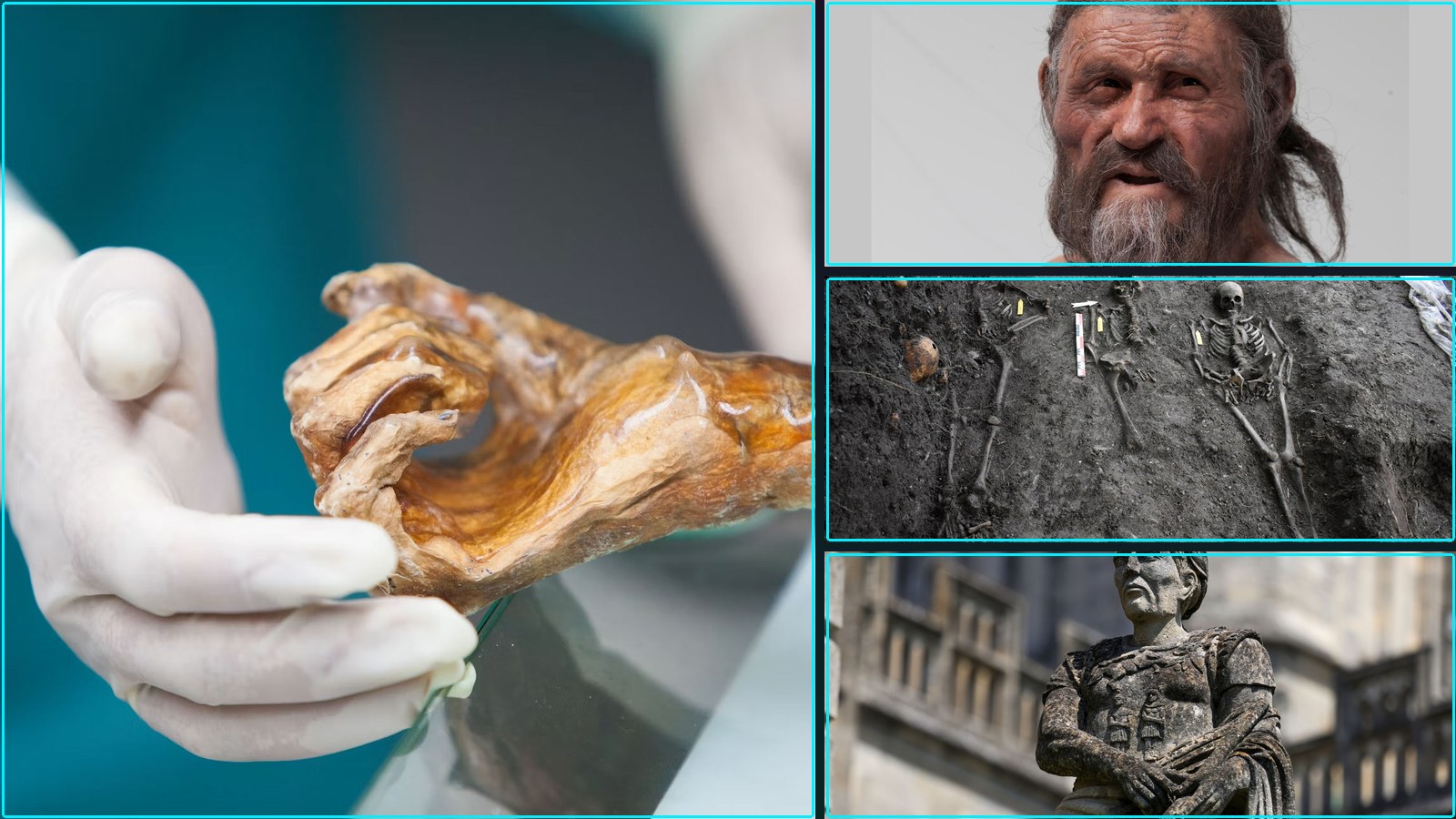
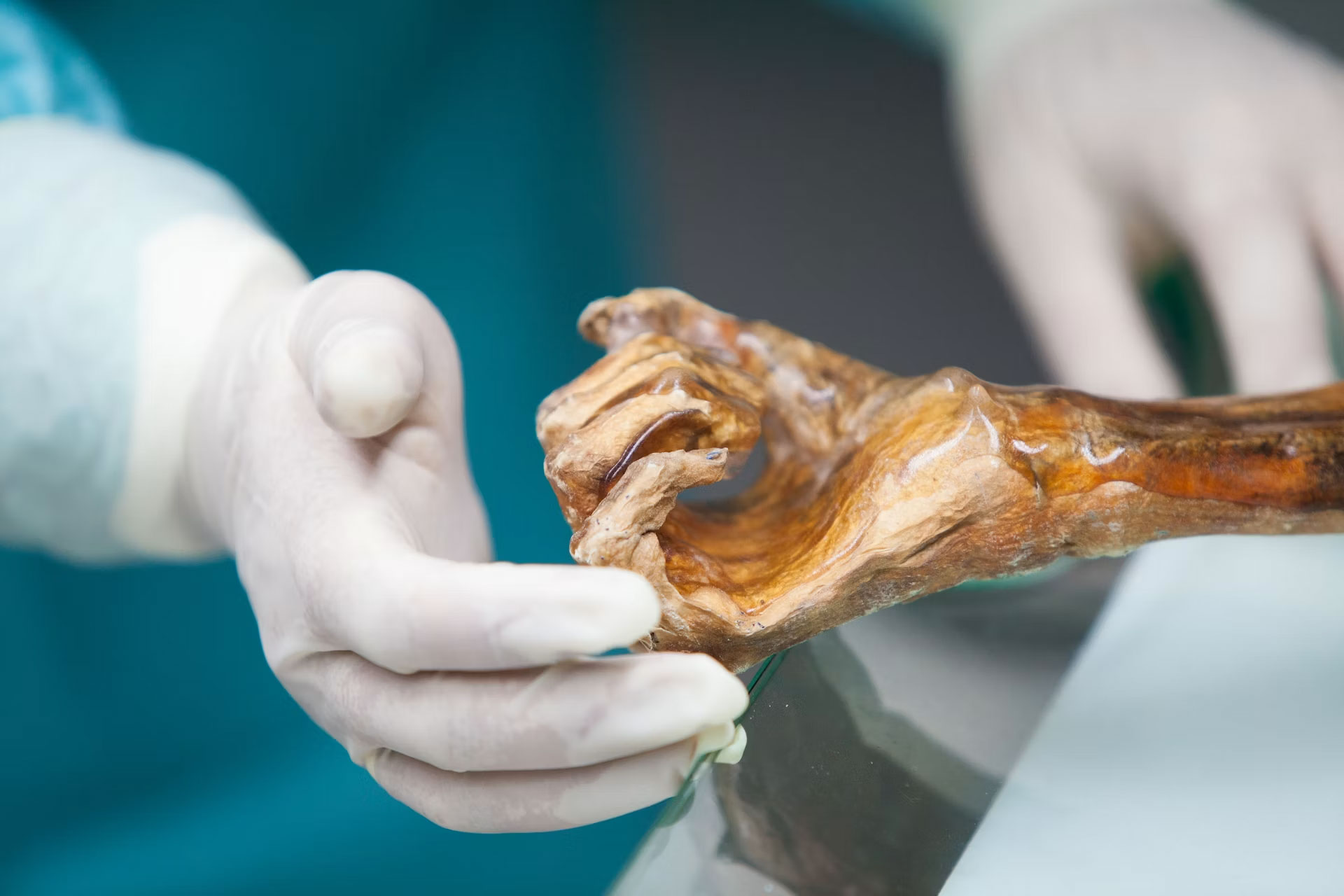
Summary: Researchers have identified four species of ancient yeast on the surface of Ötzi the Iceman’s 5,300-year-old mummified remains. The yeasts, detected via ancient DNA and culturing from surface swabs, are believed to have colonized the body during warmer seasonal thaws in the first 1,500 years post-mortem. The study confirms these organisms persisted alongside the body throughout its millennia in glacial ice and notes they retain the capacity to decompose the remains if preservation conditions lapse.
Why it matters: This refines our model of post-depositional taphonomy and establishes a new, direct biological link between an ancient individual and their long-term environmental micro-context.
Context: Ötzi’s microbiome has been a subject of intense study, but prior focus has largely been on internal pathogens or gut flora; surface ecology and its preservation dynamics are a newer frontier.
"MUNICH, GERMANY—According to a Science News report, four species of ancient yeast have been identified among the microbiome on the mummified remains of a man known as Ötzi the Iceman. Albert Zink." — ARCHAEOLOGY
Commentary: The identification of active, surface-dwelling decomposers that survived in situ recalibrates the timeline of post-mortem change and introduces a tangible biological contingency into conservation policy. It shifts the interpretive frame from Ötzi as a static snapshot to a dynamic, biologically contested site over millennia, with direct implications for the risk assessment of thaw cycles—past and future—on preserved organic remains.
Date: June 04, 2026 02:13 PM ET
URL: https://archaeology.org/news/2026/06/04/ancient-yeasts-identified-on-otzi-the-iceman/
AI Sentiment Score: Negative (75%)
AI Credibility Score: 10.0/10 — High
Scores and text generated by AI analysis of the source article indicated.
Ancient DNA analyses bring to life the 11,000-year intertwined genomic history of sheep and humans (Sciencedaily)
Summary: A genomic study of 118 ancient sheep remains, spanning 12,000 years from Mongolia to Ireland, reconstructs the species’ domestication trajectory. It confirms an origin in the northern Fertile Crescent over 11,000 years ago and finds evidence of human selection for coat color genes by 8,000 years ago. Critically, the data reveals a major sheep migration from the Eurasian steppes into Europe around 5,000 years ago, directly paralleling and likely fueling the massive human migrations that reshaped European ancestry and introduced Indo-European languages.

Why it matters: This research transforms pastoralism from a cultural footnote into a primary driver of major prehistoric demographic and linguistic shifts, grounding the ‘steppe hypothesis’ in a concrete, non-human proxy.
Context: Archaeogenetics has detailed human population movements, but often lacks corresponding evidence for the economic engines—like livestock—that made those movements possible and sustainable.
"One of our most striking discoveries was a major prehistoric sheep migration from the Eurasian steppes into Europe during the Bronze Age. This parallels what we know about human migrations during the same period, suggesting that when people moved, they brought their flocks with them." — SCIENCEDAILY
Commentary: The study effectively weaponizes sheep DNA as a proxy for tracking economic and social infrastructure, moving beyond mere correlation to suggest pastoral resources were a prerequisite for expansion. It reframes the Bronze Age transformation of Europe as a package deal: people, language, and their protein-rich, textile-producing capital. This elevates animal domestication studies from agricultural history to a core discipline for understanding state formation and macro-migration.
Date: May 31, 2026 12:00 AM ET
URL: https://www.sciencedaily.com/releases/2025/01/250130172809.htm
AI Sentiment Score: Negative (66%)
AI Credibility Score: 10.0/10 — High
Scores and text generated by AI analysis of the source article indicated.
‘It was very very good’: Ötzi the Iceman’s body is covered in ancient yeast — and scientists just used it to make a sourdough (Livescience)
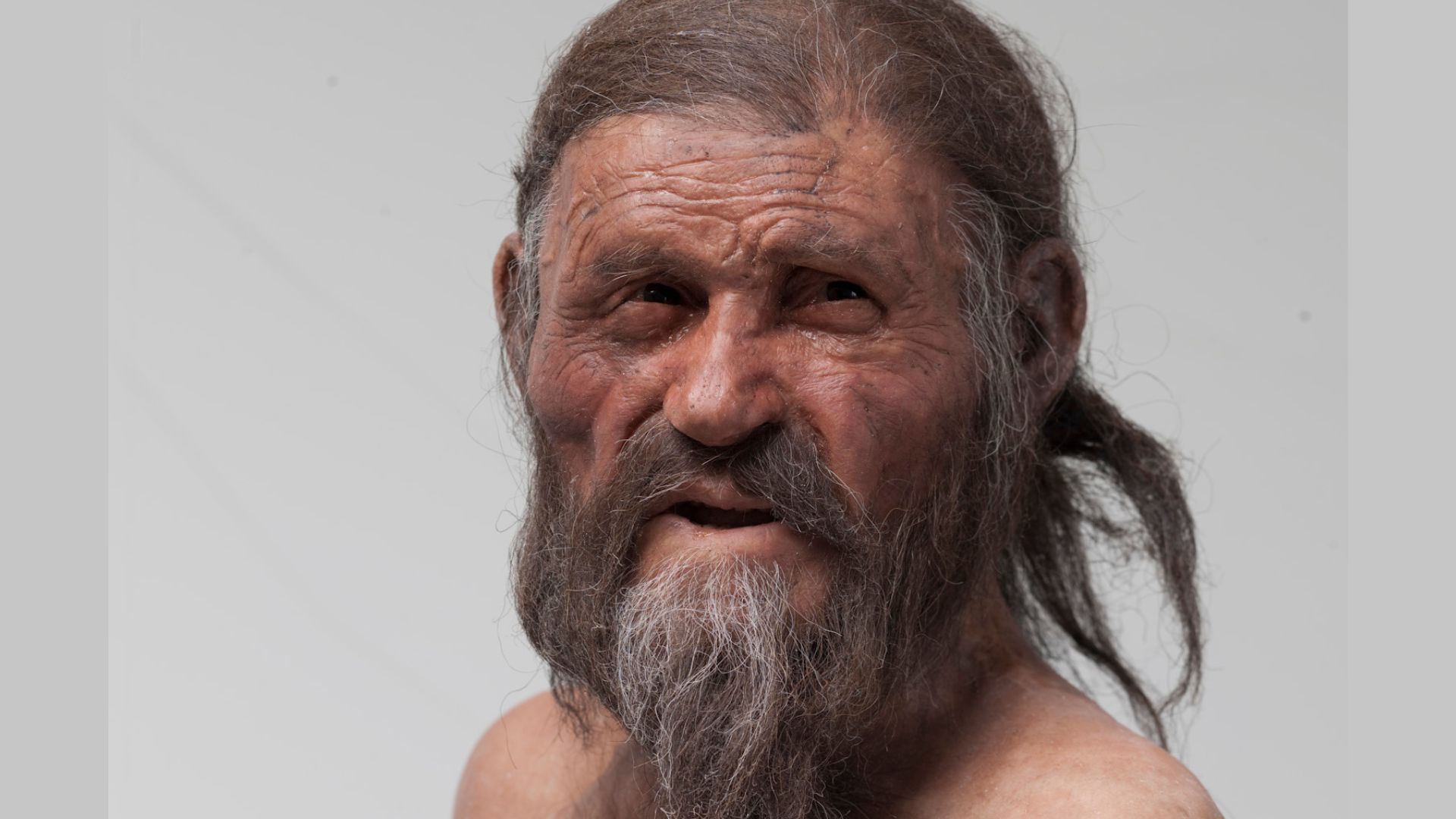
Summary: Researchers have cultivated viable yeast strains from the 5,300-year-old remains of Ötzi the Iceman, strains that colonized his body shortly after death and have persisted—and in one case, actively proliferated—in his refrigerated storage environment. The cold-adapted yeasts, including the glacier-derived Glaciozyma, were used to produce a functional sourdough, demonstrating their potential for modern fermentation industries. The study also reveals that Ötzi’s skin microbiome has been ‘directly and dominantly shaped’ by modern conservation techniques, while his gut microbiome offers a distinct, ancient snapshot. This positions the mummy not as a static relic but as a dynamic biological system still undergoing microbial succession.
Why it matters: This research reframes ancient remains as active microbial ecosystems, with direct implications for conservation ethics, the commercial potential of ancient microbiomes, and our understanding of microbial continuity across millennia.
Context: Previous studies of ancient microbiomes have largely focused on genetic reconstruction from non-viable samples; this work shifts the paradigm by recovering and cultivating living organisms from a Copper Age context, challenging assumptions about microbial dormancy and preservation.
"’It was very very good’: Ötzi the Iceman’s body is covered in ancient yeast — and scientists just used it to make a sourdough A new study cultivated four strains of cold-adapted." — LIVESCIENCE
Commentary: The successful cultivation of Ötzi’s yeast forces a recalibration of what ‘preservation’ means for ancient remains, moving from inert artifact to a host for ongoing biological processes. It introduces a tangible commercial vector—sourdough, beer—for ancient microbiology, which will inevitably attract bioprospecting interest and raise questions about the ethics of commodifying human remains. Furthermore, the finding that conservation efforts have directly shaped the dominant skin microbiome creates an urgent need for revised storage protocols to preserve both the historical integrity and the biological dynamism of such specimens.
Date: June 02, 2026 08:00 PM ET
URL: https://www.livescience.com/archaeology/it-was-very-very-good-otzi-the-icemans-body-is-covered-in-ancient-yeast-and-scientists-just-used-it-to-make-a-sourdough
AI Sentiment Score: Negative (50%)
AI Credibility Score: 10.0/10 — High
Scores and text generated by AI analysis of the source article indicated.
The Romans and Vikings left few genetic traces of their occupations of Britain, research suggests (Livescience)
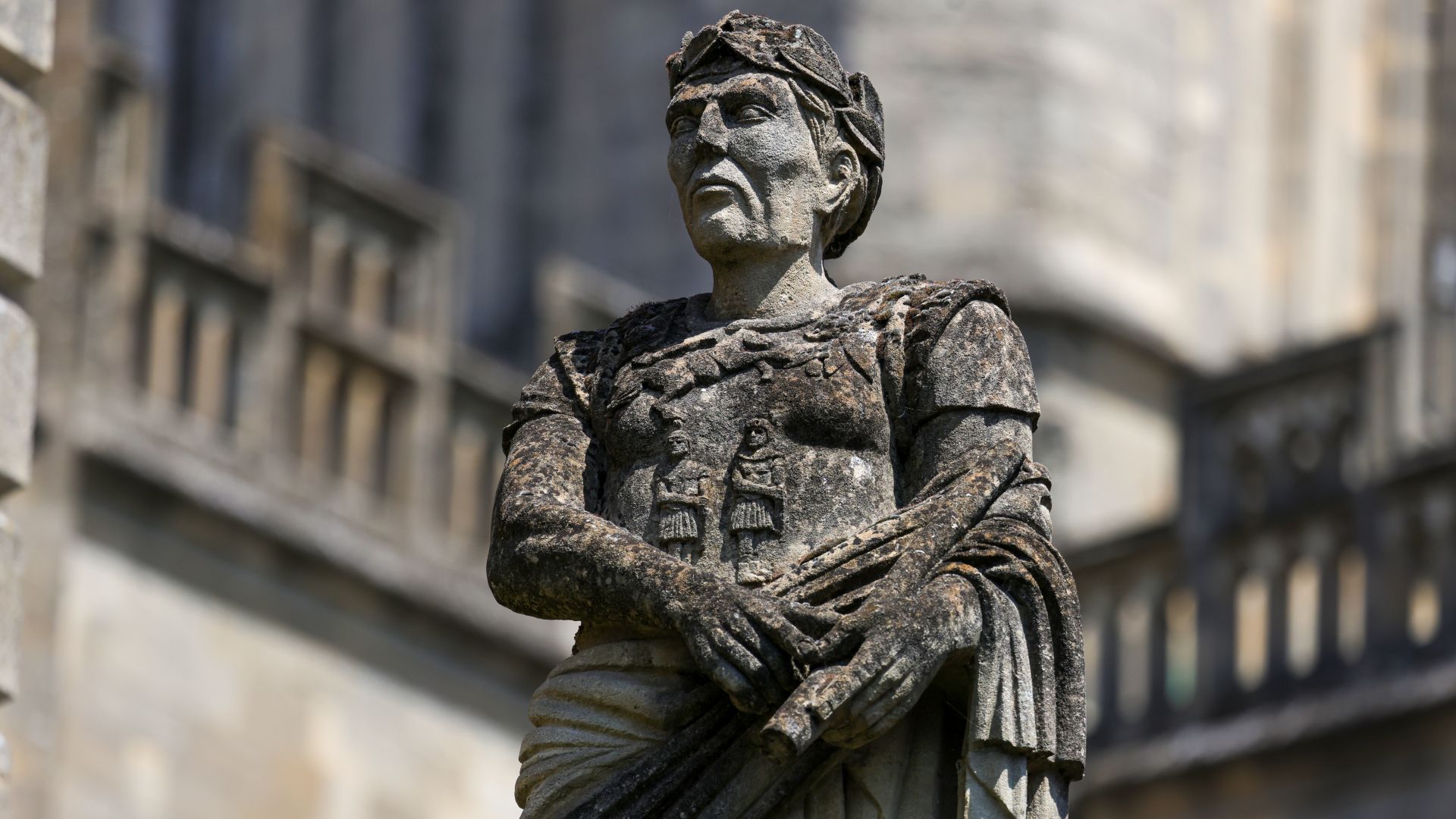
Summary: A new preprint study analyzing ancient DNA from over 1,000 individuals buried in Britain between 2550 B.C. and A.D. 1150 suggests the Roman and Viking occupations left minimal genetic traces, with Roman-era DNA of external origin accounting for only about 20% of profiles. In stark contrast, the later Anglo-Saxon migration contributed about 70% of the genetic makeup in its period. The research also indicates a shift in burial practices from pre-Roman matrilineal groupings to Roman patriarchal patterns, despite the limited genetic influx.
Why it matters: This challenges long-held assumptions about demographic replacement versus cultural assimilation in historical conquests, forcing a recalibration of how we model power, migration, and identity formation in ancient Britain.
Context: The debate over the scale of migration versus cultural diffusion in post-Roman Britain has been a central tension in archaeology and genetics, with earlier studies often emphasizing Anglo-Saxon genetic impact.
"The Romans and Vikings left few genetic traces of their occupations of Britain, research suggests Despite their occupations of Britain, the Romans and Vikings didn’t leave much of a genetic mark on." — LIVESCIENCE
Commentary: The data underscores that imperial control and cultural hegemony—evidenced by shifts in burial practice and material culture—can operate largely independently of large-scale population replacement. The Anglo-Saxon case represents a distinct mode of migration and integration. Methodological caveats, like urban sampling bias and small Roman-era sample size, require scrutiny, but the core finding reinforces that genetic legacy and cultural imprint are not synonymous metrics of historical influence.
Date: Wed, 27 May 2026 15:44:49 +0000
URL: https://www.livescience.com/archaeology/romans/the-romans-and-vikings-left-few-genetic-traces-of-their-occupations-of-britain-research-suggests
AI Sentiment Score: Negative (66%)
AI Credibility Score: 10.0/10 — High
Scores and text generated by AI analysis of the source article indicated.
Why Do Some Bones Decay Faster Than Others? (Archaeology)
Summary: A University of Stavanger team analyzed microbial communities in bone samples from 11th-19th century Norwegian cemeteries. They found that outdoor burials and older bones showed more degradation, correlating with the presence of collagen-breaking bacteria like Streptomyces. Conversely, younger bones and indoor burials exhibited higher microbial diversity, likely supported by remaining nutrients. This research directly links specific microbial actors to differential bone preservation.
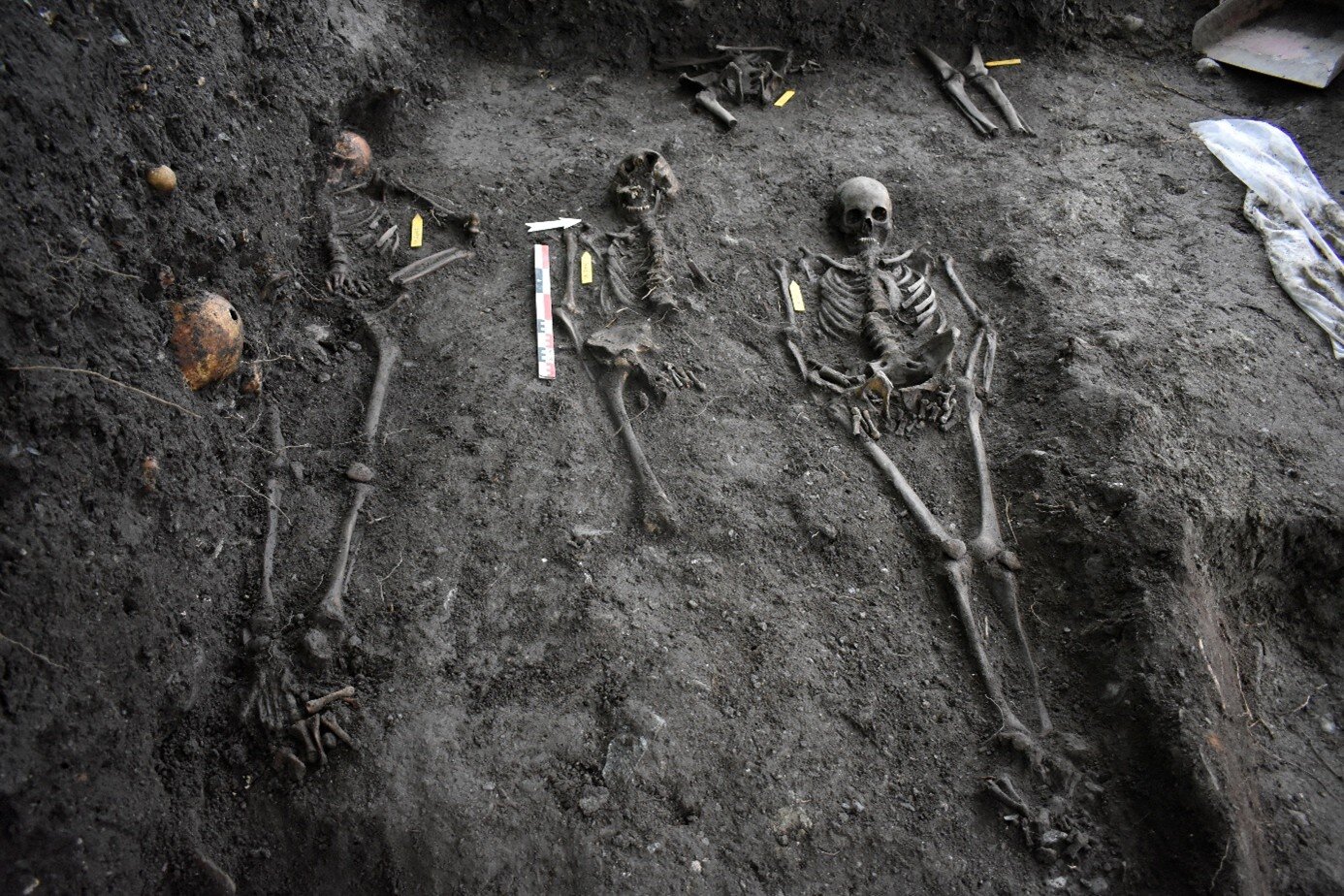
Why it matters: It provides a mechanistic, biological explanation for a long-standing archaeological puzzle, shifting preservation models from passive environmental factors to active, organism-level processes.
Context: Bioarchaeology increasingly integrates microbiological methods to explain site formation and taphonomic processes, moving beyond descriptive preservation states.
"Streptomyces and Streptosporangium bacteria are known to produce enzymes that break down collagen, which may have contributed to the breakdown of the bones, Kaptan explained." — ARCHAEOLOGY
Commentary: The identification of specific collagenolytic microbes transforms bone decay from a vague environmental outcome into a predictable biochemical pathway. This allows for more precise site interpretation, potentially revising population estimates from fragmented assemblages. It also introduces a new variable—initial microbiome composition—into preservation models, complicating but clarifying long-term forensic and archaeological analysis.
Date: Mon, 01 Jun 2026 17:00:00 +0000
URL: https://archaeology.org/news/2026/06/01/why-do-some-bones-decay-faster-than-others/
AI Sentiment Score: Negative (66%)
AI Credibility Score: 10.0/10 — High
Scores and text generated by AI analysis of the source article indicated.
250,000-Year-Old Neanderthal Teeth Analyzed (Archaeology)
Summary: A CENIEH-led team analyzed nine Neanderthal teeth from Payre, France, dated to the Middle Pleistocene. Using micro-CT and morphometrics, they found the teeth were anatomically consistent with other regional Neanderthal specimens but exhibited notable internal variability. The lead researcher interprets this as evidence against a simple, linear evolutionary model.
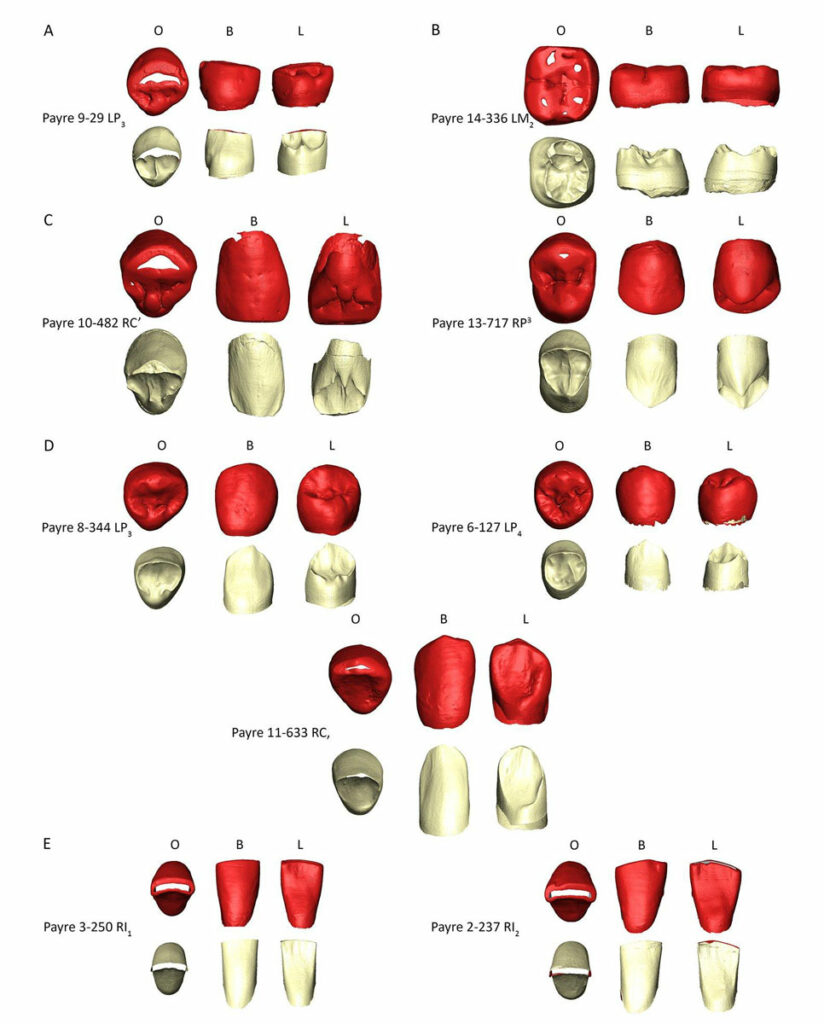
Why it matters: It challenges a monolithic view of Neanderthal evolution, suggesting a more complex, regionally fragmented population structure with implications for understanding their adaptability and eventual extinction.
Context: This research enters a long-standing debate between models of a unified Neanderthal lineage versus a ‘mosaic’ evolution shaped by local isolation and adaptation, particularly during climatically volatile periods.
"Rather than a simple and linear evolutionary process, our research supports the idea that Neanderthal evolution was shaped by regionally structured populations that were fragmented and, at times, isolated for long periods,." — ARCHAEOLOGY
Commentary: The findings shift the interpretive frame from taxonomy to paleodemography, emphasizing isolation and local adaptation as primary evolutionary forces. This supports a view of Neanderthals not as a single, cohesive ‘species’ in the modern sense, but as a metapopulation whose internal diversity may have been a critical factor in their resilience and, ultimately, their fate. It also refines the timeline, suggesting these fragmented structures were established well before the species’ final millennia.
Date: Fri, 29 May 2026 17:30:00 +0000
URL: https://archaeology.org/news/2026/05/29/250000-year-old-neanderthal-teeth-analyzed/
AI Sentiment Score: Negative (75%)
AI Credibility Score: 10.0/10 — High
Scores and text generated by AI analysis of the source article indicated.
Paleontology Meets Genomics — Sequencing Ancient DNA – ESP (Esp)
Summary: Advances in paleogenomics now allow for the sequencing of degraded ancient DNA, albeit with significant inferential steps required to reconstruct sequences. This capability has already provided definitive evidence for species-level distinctions, such as between Neanderthals and Homo sapiens. The field is moving beyond basic sequencing to include proteomic analysis, as indicated by a new method for rapid sex determination from ancient enamel proteins.

Why it matters: This shifts the evidentiary basis for understanding human evolution and deep history from morphological speculation to molecular data, with direct implications for taxonomy, ancestry, and our conception of species boundaries.
Context: Paleogenomics has evolved from a speculative field to a central discipline in archaeology and evolutionary biology over the last two decades, though technical limitations around DNA degradation remain a core challenge.
"The ideas behind Jurassic Park have become real, kinda sorta. It is now possible to retrieve and sequence DNA from ancient specimens. Although these sequences are based on poor quality DNA and." — ESP
Commentary: The move from DNA to proteomic analysis for traits like sex represents a methodological pivot to more durable biomolecules, expanding the range of analyzable specimens. This concretely changes how population histories are reconstructed, moving from broad genetic admixture to individual-life history. The operational shift towards integrated omics in paleontology could pressure museum collections and field protocols to prioritize biomolecular preservation, not just morphological integrity.
Date: May 29, 2026 12:00 AM ET
URL: http://www.esp.org/recommended/literature/paleo-seq/
AI Sentiment Score: Negative (75%)
AI Credibility Score: 10.0/10 — High
Scores and text generated by AI analysis of the source article indicated.
AI-based method for dating archeological remains (Sciencedaily)
Summary: An international research team has developed a new AI-based method for dating ancient human remains, called Temporal Population Structure (TPS). It analyzes DNA to date genomes up to 10,000 years old with high accuracy. The method is presented as a complementary tool, particularly useful when there is uncertainty in traditional radiocarbon dating results.
Why it matters: This introduces a direct, biomolecular clock into archaeological chronology, potentially recalibrating timelines and population histories where material context or carbon samples are ambiguous or contested.
Context: Radiocarbon dating has been the dominant chronological framework since the 1950s, but it requires specific organic materials and can be confounded by contamination or calibration issues. Paleogenomics has provided rich data on ancestry and selection, but lacked a robust, independent dating mechanism derived from the genome itself.
"By analyzing DNA with the help of artificial intelligence (AI), an international research team has developed a method that can accurately date up to ten-thousand year-old human remains. … The standard dating." — SCIENCEDAILY
Commentary: The shift from dating material context to dating the biological specimen directly re-centers the individual in the chronological model. If validated, TPS could resolve long-standing debates over the timing of migrations and admixture events, but its adoption will depend on transparency of its AI training data and its performance on samples with secure, independent dates. It represents a move towards endogenous, rather than associative, chronometry in human history.
Date: May 27, 2026 12:00 AM ET
URL: https://www.sciencedaily.com/releases/2022/08/220823162730.htm
AI Sentiment Score: Neutral (33%)
AI Credibility Score: 10.0/10 — High
Scores and text generated by AI analysis of the source article indicated.
In 2023, AI helped reveal hidden text inside scrolls buried by Vesuvius for nearly 2,000 years (Timesofindia.Indiatimes)
Summary: In 2023, a team leveraged high-resolution X-ray imaging and machine learning to non-destructively read text from a Herculaneum scroll carbonized by the eruption of Vesuvius in 79 CE. This was achieved through an open-source competition, the Vesuvius Challenge, marking a decisive technical breakthrough in accessing a library of ancient texts previously considered unrecoverable.
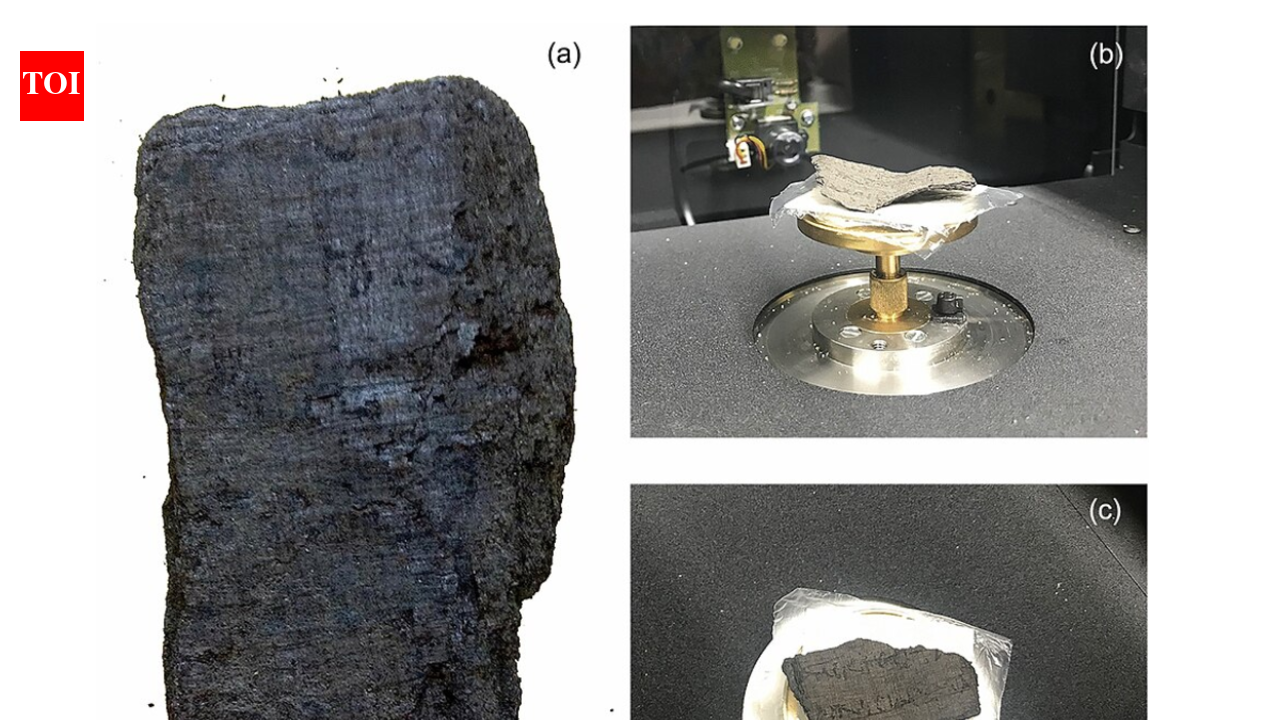
Why it matters: This shifts the material basis of classical scholarship, enabling the potential recovery of lost literature, philosophy, and historical accounts from a sealed, untouched corpus, directly altering the evidentiary record.
Context: The Herculaneum papyri represent the only surviving library from the classical world, but their carbonized, fused state has resisted physical unrolling for centuries, leaving their contents a known unknown.
"By combining high-resolution X-ray imaging with advanced machine learning, researchers have managed to peer inside the sealed scrolls and read the hidden words within, all without touching the delicate physical artefacts." — TIMESOFINDIA.INDIATIMES
Commentary: The method establishes a new preservation-first paradigm for archaeology, privileging data extraction over physical intervention. It signals a transfer of interpretive authority from traditional conservators to interdisciplinary teams of computer scientists and philologists, potentially accelerating discovery but also introducing new dependencies on proprietary algorithms and imaging infrastructure. The success of the Vesuvius Challenge model suggests crowd-sourced, incentivized competitions could become a standard mechanism for tackling intractable material science problems in the humanities.
Date: May 27, 2026 12:00 AM ET
URL: https://timesofindia.indiatimes.com/science/in-2023-scanners-uncovered-hidden-text-inside-scrolls-buried-since-vesuvius-destroyed-rome/articleshow/131312371.cms
AI Sentiment Score: Positive (60%)
AI Credibility Score: 10.0/10 — High
Scores and text generated by AI analysis of the source article indicated.
Journal of Research on Archaeometry (Jra-Tabriziau.Ir)
Summary: The Journal of Research on Archaeometry (JRA) publishes specialized archaeometric studies from Iran, focusing on material analysis of historical structures and artifacts. Recent article titles indicate research on trade evidence, ancient construction materials, and ethical approaches to human remains. The journal operates under Tabriz Islamic Art University with an open-access model and a structured peer-review process.
Why it matters: This journal’s output provides granular, scientifically-rigorous data that refines our understanding of ancient technology, trade networks, and material culture in a historically pivotal region, directly informing academic and conservation debates.
Context: Archaeometry bridges hard science and humanities, offering empirical evidence to test historical narratives. Iranian scholarship in this field contributes crucial data sets from regions central to ancient exchange but often underrepresented in Western-centric syntheses.
"Study of Glass Artifacts from the Historic Port of Najirom in the Persian Gulf Using Elemental Composition Analysis: Evidence of Trade with the Eastern Mediterranean Region." — JRA-TABRIZIAU.IR
Commentary: The focus on elemental composition and microstructure shifts historical interpretation from speculative to evidentiary, grounding trade theories in material provenance. This methodological rigor, however, exists within an institutional framework (a state university) that may influence site selection and narrative framing. The data itself becomes a durable, cross-checkable asset for the global scholarly record, independent of shifting diplomatic currents.
Date: May 30, 2026 12:00 AM ET
URL: https://jra-tabriziau.ir/en
AI Sentiment Score: Neutral (33%)
AI Credibility Score: 9.7/10 — High
Scores and text generated by AI analysis of the source article indicated.
Post ID: 67c9910b