Professional Techniques and Workflows for Photographers
Lookbook Photoshoot Mastery: A Step-by-Step Workflow … (Pixofix)
Summary: A commercial photography workflow guide outlines a standardized production process for lookbook shoots, emphasizing pre-visualization, strict scheduling, and post-production cohesion. The piece functions as an operational manual for brand creatives and production managers, detailing shot lists, team communication, and asset management from concept to distribution.
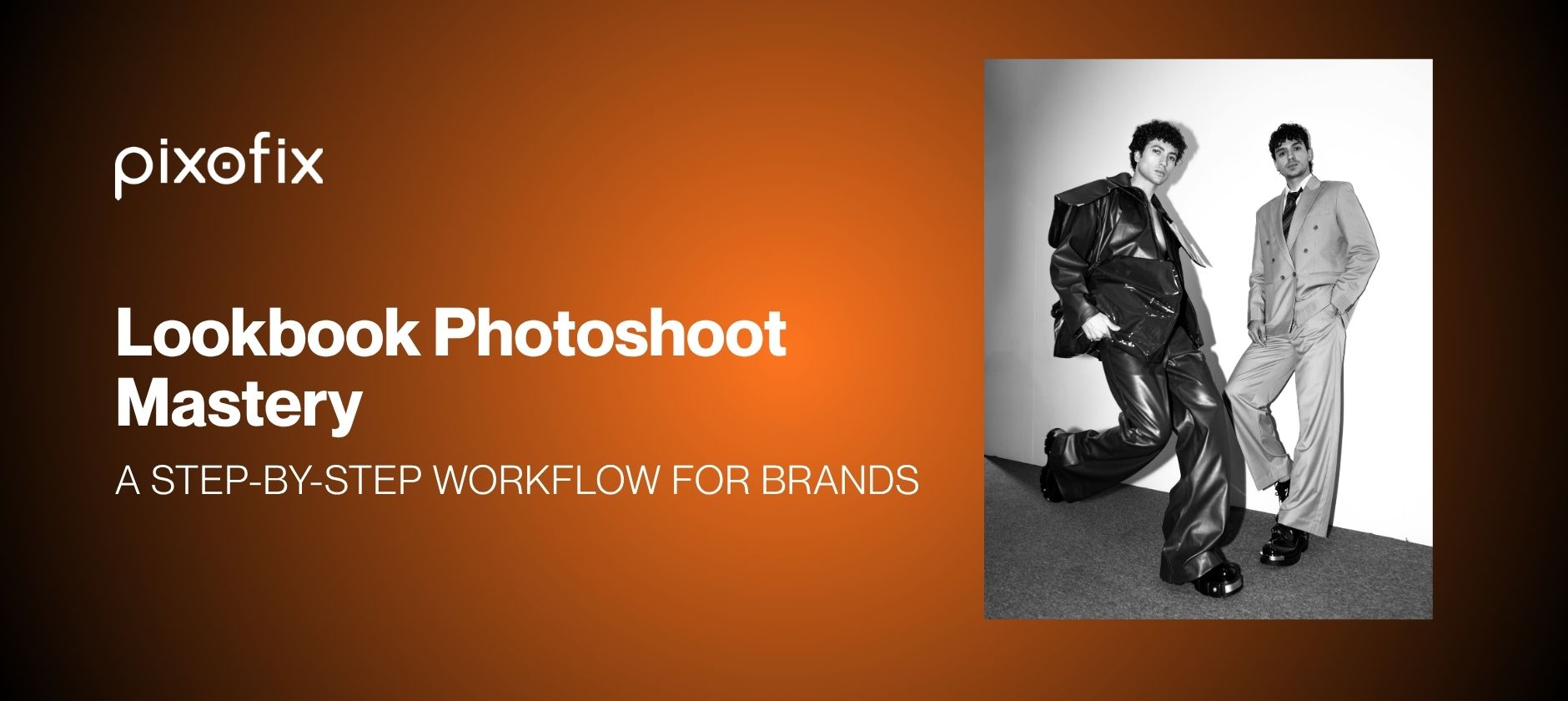
Why it matters: This codifies a lean, repeatable production pipeline that pressures freelance photographers and stylists to conform to a rigid, brand-controlled workflow, potentially de-skilling creative roles and centralizing aesthetic authority with commissioning clients.
Context: The guide reflects a broader industry trend toward the industrialization of editorial fashion photography, where cost control and asset repurposing for digital channels prioritize efficiency over artistic exploration.
"Pull in references across fashion, photography, film, architecture, even nature. Focus on color palettes, lighting setups, model poses, and backdrops. … Then, use it to communicate with your photographer, stylist, and creative." — PIXOFIX
Commentary: The explicit call for a schedule-keeper underscores a shift toward separating creative labor from logistical management, creating a new vendor role for production coordinators. This workflow commoditizes the photographer’s role into that of a technician executing a pre-approved shot list, reducing negotiation over creative direction and potentially compressing day rates as the process becomes more predictable and less reliant on singular artistic vision.
Date: May 04, 2026 12:00 AM ET
URL: https://www.pixofix.com/blog/lookbook-photoshoot-a-step-by-step-workflow-for-brands
AI Sentiment Score: Negative (50%)
AI Credibility Score: 10.0/10 — High
Scores and text generated by AI analysis of the source article indicated.
Seven Days. Everyone Needs Their Content First. | Video Production Case Study | Raised Media Co. (Raisedmediaco)
Summary: Raised Media Co. details a multi-season, multi-client operational model for Fashion Week coverage, consolidating runway, backstage, documentary, and social media production under a single crew. The case study highlights a shift from event-specific gigs to year-round agency relationships, driven by the success of a behind-the-scenes documentary for The Bureau. The workflow demonstrates extreme logistical compression, with same-day deliverables across multiple venues becoming a standard expectation.
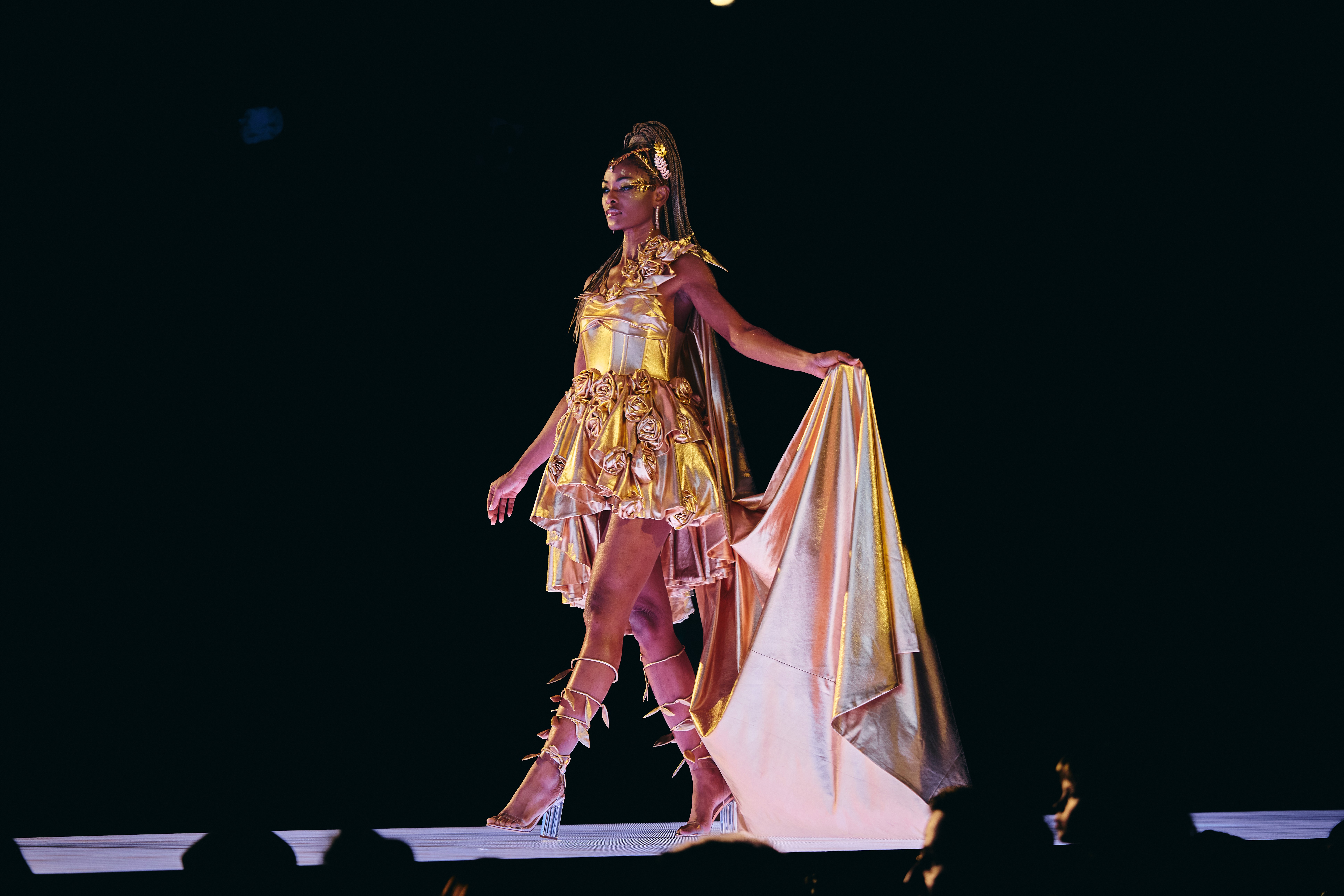
Why it matters: This model signals a consolidation of production services, raising the bar for speed and scope while potentially marginalizing smaller crews and shifting commissioning power to full-service agencies.
Context: Fashion Week production has traditionally been fragmented, with photographers, videographers, and social editors hired separately by brands or PR agencies.
"live-events video-production commercial-photography editing social-media interviews Project Type Video Production | Commercial Photography Deliverables Video Production Photography Livestream Production Post-Production Documentary Production Multi-client, multi-venue Fashion Week coverage spanning runway shows, backstage content,." — RAISEDMEDIACO
Commentary: The operational playbook here—bundling high-speed runway coverage with documentary prestige—creates a new vendor lock-in for brands. It commoditizes the ‘moment’ while monetizing the ‘process,’ forcing competing studios to offer similar full-stack services or risk being sidelined to lower-margin gig work. The documentary angle isn’t just content; it’s a sophisticated client-acquisition tool that expands the revenue window beyond the seasonal event cycle.
Date: April 29, 2026 12:00 AM ET
URL: https://www.raisedmediaco.com/work/nyfw
AI Sentiment Score: Negative (50%)
AI Credibility Score: 10.0/10 — High
Scores and text generated by AI analysis of the source article indicated.
Plan a Fashion Photoshoot Without Wasting Budget (Marcafashionphotography)
Summary: An industry memo from Marca Fashion Photography argues for a fundamental shift in shoot planning, moving from time-based bookings to output-defined scoping. It posits that pre-defining the purpose, required number of usable images, and specific formats per product eliminates costly on-set uncertainty and post-production surprises. The core operational thesis is that structuring a session around deliverables, rather than a studio block, makes both the shoot and its budget predictable.
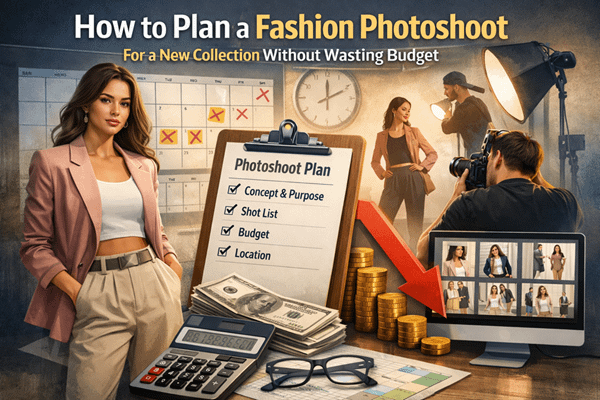
Why it matters: This output-first methodology directly targets the primary pressure points for brands and studios: ballooning, unpredictable production costs and inefficient use of creative labor.
Context: This reflects a broader industry trend toward rationalizing creative production pipelines, treating editorial and campaign shoots with the same operational rigor as e-commerce, driven by margin compression and the need for platform-specific content at scale.
"Planning isn’t about creating a schedule. It’s about making the right decisions early enough that the shoot runs exactly as intended. ## Checkpoint 1: What are these images actually for? Before anything." — MARCAFASHIONPHOTOGRAPHY
Commentary: The memo’s framing is a vendor-led operational play, but its implications are structural. It pressures photographers and creative directors to function more as project managers, quantifying aesthetic decisions upfront. This could commoditize certain tiers of editorial work while elevating the value of studios that can suggest predictable, efficient throughput. The real shift is financial: moving risk from the client’s variable post-production budget into a fixed, scoped pre-production contract.
Date: April 20, 2026 12:00 AM ET
URL: https://marcafashionphotography.com/blog/fashion-photoshoot-budget-planning/
AI Sentiment Score: Negative (60%)
AI Credibility Score: 10.0/10 — High
Scores and text generated by AI analysis of the source article indicated.
Fashion & Runway Photography in Maryland & DMV (Klsimagephotos)
Summary: A Maryland-based photography studio, Klsimagephotos, has published a 2026 rate card for editorial fashion and runway coverage in the DMV region. The pricing tiers formalize a commoditized, package-driven model for documenting runway shows, from single independent designer showcases ($600) to full Fashion Week day rates ($2,800). The structure explicitly ties deliverables to credential access and show format, offering a complete service from capture to retouched delivery with usage rights.
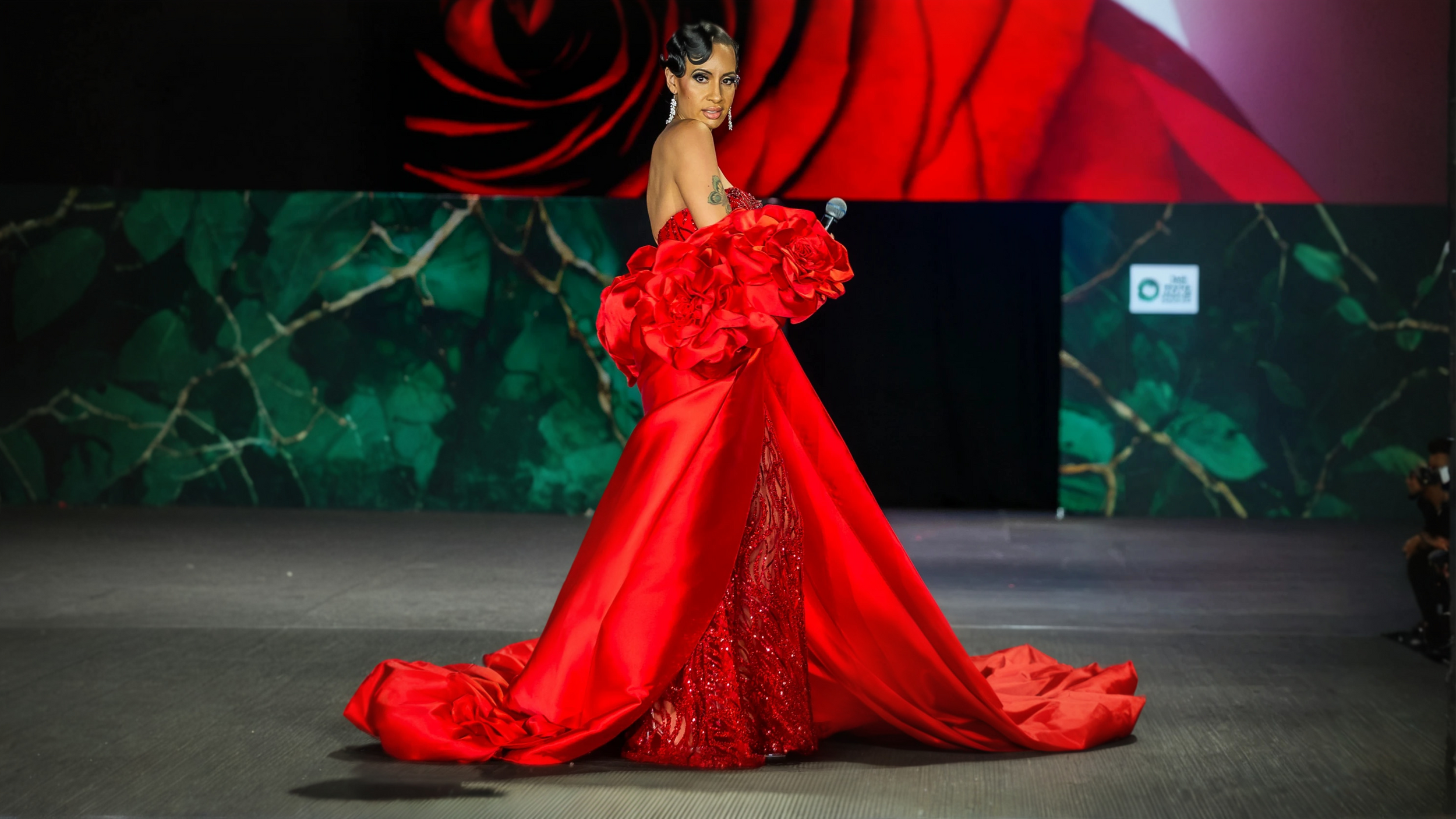
Why it matters: This establishes a transparent, mid-market benchmark for the operational economics of regional runway photography, clarifying the cost of professional documentation for independent designers and smaller fashion weeks while signaling a shift toward standardized, productized services in a segment often defined by bespoke editorial relationships.
Context: The market for runway imagery has fragmented between high-end editorial assignments for major publications and more transactional, brand-direct documentation, particularly in secondary markets outside global fashion capitals.
"###### – Full runway sequences — composure maintained from first look to last – Designer finale and signature moments – Backstage preparation and garment detail imagery – Look-by-look collection coverage – Model." — KLSIMAGEPHOTOS
Commentary: The rate card codifies runway photography as a fungible production service, divorcing it from the traditional editorial commission model. This creates a clear, lower-cost pathway for emerging designers to obtain professional assets but pressures photographers to compete on volume and package efficiency rather than singular creative vision. It also formalizes the transfer of usage rights directly to the brand, altering the downstream value chain for imagery typically controlled by publications or agencies.
Date: April 20, 2026 12:00 AM ET
URL: https://www.klsimagephotos.com/fashion-runway-photography
AI Sentiment Score: Negative (71%)
AI Credibility Score: 10.0/10 — High
Scores and text generated by AI analysis of the source article indicated.
Clothing Photography: The 2026 E-commerce Guide (Picjam.Ai)
Summary: A 2026 guide from Picjam.Ai codifies a tiered production model for editorial fashion photography, prioritizing systemization and cost control. It advocates for a split between high-investment ‘core hero shoots’ for brand campaigns and scalable, AI-generated product imagery for e-commerce. The guide provides granular operational protocols, from pre-production garment prep to post-production color grading, framing them as essential for commercial efficiency.

Why it matters: This formalizes a cost-driven, scalable operational blueprint that directly impacts photographer hiring, crew workflows, and the economic justification for traditional shoots.
Context: The industry is bifurcating between high-concept brand imagery and commoditized product photography, with AI tooling increasingly handling the latter.
"The most effective approach I have seen for brands at scale is a tiered production model: 1. Core hero shoot: One to two seasonal shoots producing the flagship creative used for brand-building campaigns. High investment, high quality, limited volume. 2. AI-generated volume: Product-level imagery for e-commerce and performance channels, produced from ghost mannequin inputs using platforms like Picjam. Lower cost per image, consistent quality, scalable volume." — PICJAM.AI
Commentary: This model explicitly relegates traditional photography to a limited, high-cost tier, creating a ceiling for commissioned work. The emphasis on rigid protocols and checklist-driven production turns creative roles into system operators, favoring technical consistency over aesthetic risk. It provides a clear financial argument for brands to shrink their photography budgets, directly threatening mid-market studios and photographers who don’t specialize in flagship campaigns.
Date: May 08, 2026 12:00 AM ET
URL: https://www.picjam.ai/blog/clothing-photography
AI Sentiment Score: Negative (57%)
AI Credibility Score: 7.0/10 — Medium
Scores and text generated by AI analysis of the source article indicated.
Shooting Fashion Editorial With One Light Modifier | Fstoppers (Fstoppers)
Summary: A photographer details a recent editorial shoot for Numéro magazine executed with a single light modifier, the Harvey Briese beauty reflector, across multiple sets and lighting moods. The piece argues for the operational efficiency and creative versatility of high-end, multi-function equipment, contrasting it with complex multi-light setups. It frames the tool as enabling rapid, high-quality output with a smaller crew, directly impacting on-set workflow and commissioning economics.
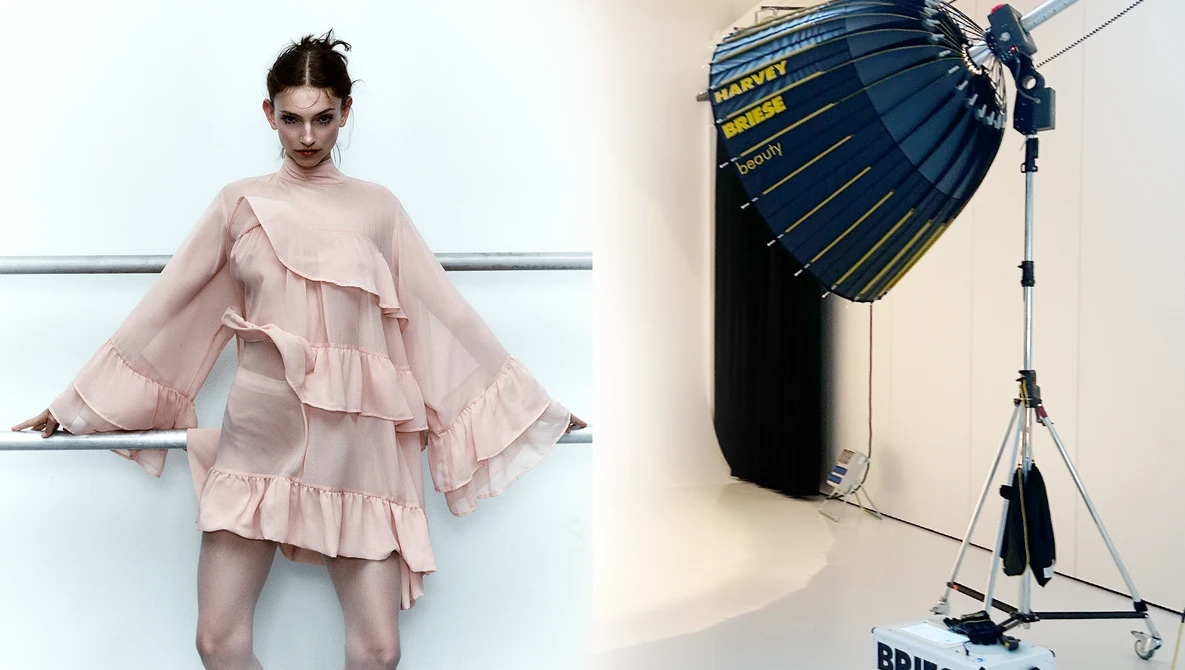
Why it matters: This signals a shift towards capital-intensive tooling that consolidates lighting roles, potentially altering crew size, rental budgets, and the technical skill premium for photographers on editorial sets.
Context: Ongoing industry pressure to reduce production costs and timelines collides with sustained demand for high-production-value imagery, driving interest in versatile, ‘do-it-all’ professional gear.
"Quick light changes, mobility, and simplicity are the cornerstones of my on-set approach these days. A modifier that can do that for me is a modifier I will use." — FSTOPPERS
Commentary: The piece advocates for equipment that centralizes technical capability, reducing dependency on specialized gaffers and enabling faster turnarounds. This pressures photographers to master complex tools internally while potentially de-skilling certain on-set roles. For studios and rental houses, it underscores a market shift towards premium, multi-functional modifiers over extensive kits, affecting inventory and client expectations.
Date: May 02, 2026 12:00 AM ET
URL: https://fstoppers.com/lighting/shooting-full-fashion-editorial-just-one-light-modifier-900640
AI Sentiment Score: Negative (50%)
AI Credibility Score: 10.0/10 — High
Scores and text generated by AI analysis of the source article indicated.
Learn about Picsart Flow Templates for Fashion (Picsart)
Summary: Picsart has launched six AI-powered workflow templates specifically targeting fashion content production. The templates leverage frontier models like Flux 2 Pro and Veo to generate cohesive photo sets, try-on mockups, editorial shoots, and animated videos from a single reference image. The core proposition collapses multi-stage production pipelines—requiring studios, crews, and extensive post-production—into automated, one-click operations.
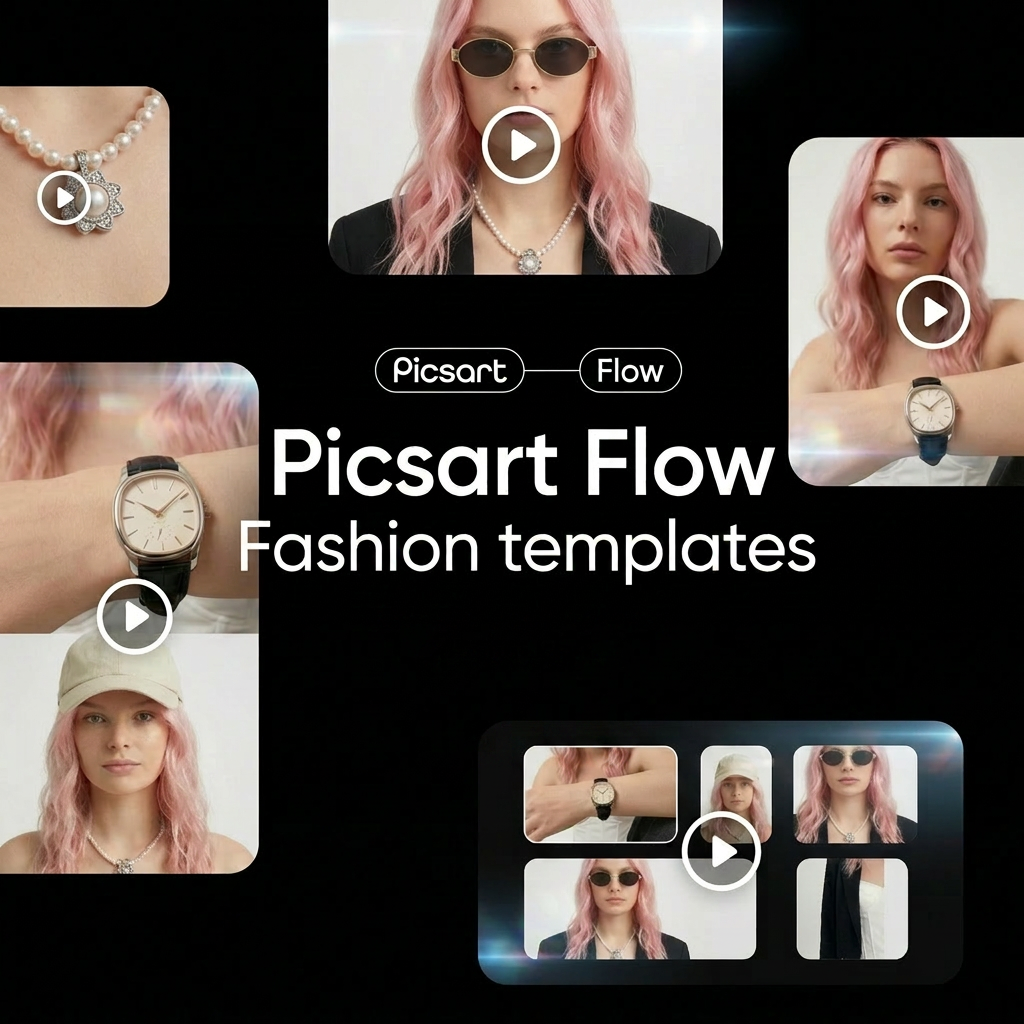
Why it matters: This directly threatens the economic model of traditional fashion photography and e-commerce content production by automating core, labor-intensive tasks, reshaping commissioning budgets, crew requirements, and studio dependencies.
Context: The push to automate fashion imagery has accelerated, but previous AI tools struggled with consistency across outputs. These templates represent a maturation, packaging multi-model consistency into pre-built commercial workflows.
"6 new Picsart Flow templates collapse that whole workflow into a single reference photo. Each one runs on top of frontier AI image and video models, Flux 2 Pro, Gemini, Kling, and." — PICSART
Commentary: The operational consequence is a rapid devaluation of studio-based photography for routine campaign and e-commerce content. Studios and photographers must pivot to high-concept, director-led work that AI cannot replicate, while in-house brand teams gain leverage to produce volume internally. Vendor economics will compress as retouching and basic post-production labor is automated out of the pipeline. The ability to ‘stack’ workflows from one asset fundamentally alters content calendars and launch strategies, favoring speed and volume over unique, shot-specific artistry.
Date: April 29, 2026 12:00 AM ET
URL: https://picsart.com/blog/ai-fashion-templates-in-picsart-flow/
AI Sentiment Score: Negative (57%)
AI Credibility Score: 10.0/10 — High
Scores and text generated by AI analysis of the source article indicated.
Dipping my Camera into Fashion, with Tessa Thompson and Prabal Gurung for the Met Gala (Dinalitovsky.Substack)
Summary: A documentary photographer details a year-long transition into editorial fashion work, culminating in a high-profile Met Gala commission for Prabal Gurung featuring Tessa Thompson. The piece dissects the creative and psychological friction between documentary discipline and fashion’s ‘wild west’ of possibility, emphasizing a tactical shift to in-camera distortion tools and a deliberate post-production process to forge a new visual language. The author’s delayed publication of the work underscores the vulnerability of established practitioners entering a new, critique-heavy market segment.
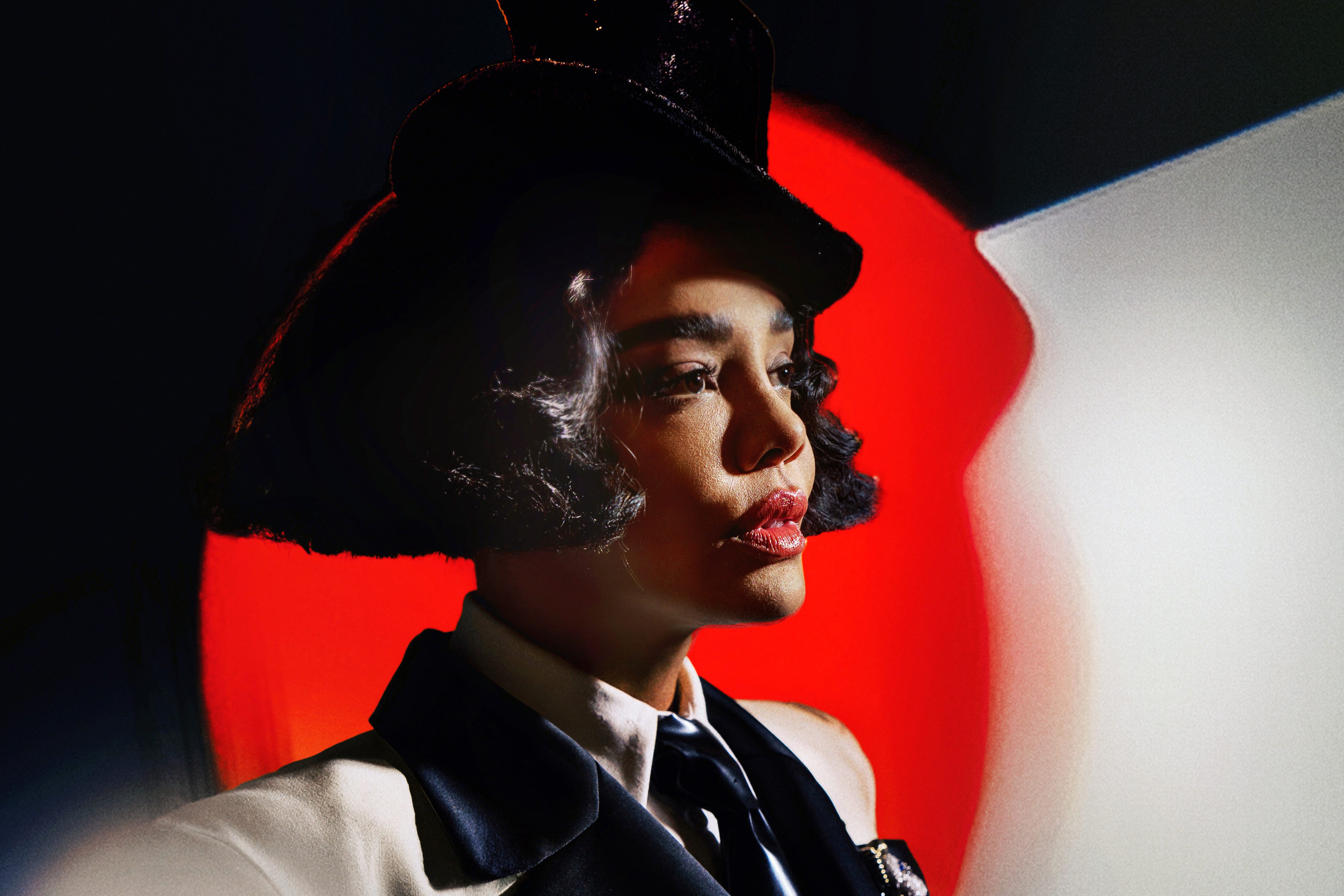
Why it matters: It reveals the operational and psychological pipeline challenges for cross-genre photographers entering high-stakes fashion, impacting commissioning logic, crew dynamics, and the valuation of experimental technique over pure technical lighting skill.
Context: The fashion editorial ecosystem increasingly draws talent from adjacent documentary and portrait disciplines, creating a competitive labor pool where aesthetic fluency and speed are paramount.
"Unlike documentary photography, with its many codes and regulations, fashion photography is the wild west of techniques and experimentation. Despite that, imagination is where many images fail." — DINALITOVSKY.SUBSTACK
Commentary: The author’s pivot from ‘rules and reality’ to a ‘magic bag of tricks’ signals a broader industry recalibration where in-camera practical effects and post-production narrative construction are becoming core competitive skills, not gimmicks. This pressures studios and post teams to support more hybrid, iterative workflows. The explicit fear of premature critique delaying publication highlights a market where a photographer’s perceived genre allegiance directly affects brand and magazine commissioning decisions.
Date: April 30, 2026 12:00 AM ET
URL: https://dinalitovsky.substack.com/p/dipping-my-camera-into-fashion-with
AI Sentiment Score: Positive (50%)
AI Credibility Score: 9.4/10 — High
Scores and text generated by AI analysis of the source article indicated.
Stop Over Editing Men! Realistic Male Retouching in Photoshop (Youtube)
Summary: A 2026 tutorial on male model retouching advocates for a restrained, texture-preserving approach in Photoshop, emphasizing subtle adjustments to contrast and clarity in Capture One before moving to targeted blemish removal and frequency separation. The process prioritizes keeping skin ‘very clean’ while avoiding over-blurring, explicitly aiming to retain visible skin texture and a natural look.
Why it matters: This signals a shift in post-production labor standards and aesthetic expectations for editorial and commercial menswear imagery, directly impacting the workflow, pricing, and skill valuation of retouchers and photographers.
Context: The ‘realistic retouching’ movement has gained traction in womenswear and beauty, but its application to male subjects has been less codified, often defaulting to either hyper-polished or ruggedly unretouched extremes.
"We’ll start in Capture One to apply key adjustments like contrast and clarity for that punchy, crisp foundation. Then we move into Adobe Photoshop where I demonstrate my step-by-step process for blemish." — YOUTUBE
Commentary: The tutorial operationalizes a market demand for authentic yet commercially viable male imagery, recalibrating the retoucher’s role from ‘fixer’ to ‘enhancer.’ This could pressure studios to adjust billing models from hour-heavy ‘clean-up’ to value-based ‘finishing,’ and could standardize new plugin or AI training sets focused on texture preservation. For photographers, it elevates the importance of capture-stage skin prep and lighting to reduce post-production labor.
Date: April 21, 2026 12:00 AM ET
URL: https://www.youtube.com/watch?v=WUuZGEp3aVo
AI Sentiment Score: Neutral (33%)
AI Credibility Score: 10.0/10 — High
Scores and text generated by AI analysis of the source article indicated.
#16 FIELD NOTES: MY ON-SET COLOR GRADING WORKFLOW (Jakedyson1.Substack)
Summary: Photographer Jake Dyson details an on-set color grading workflow for editorial fashion shoots, emphasizing immediate post-scene processing to maintain creative momentum. His method begins with aggressively neutralizing contrast and texture in Capture One to create a ‘clean slate’, then systematically rebuilding color and tone through targeted HSL adjustments, curves, and color balance tools. The process is designed for speed and intentionality, aiming to deliver a near-final look before moving to the next scene.
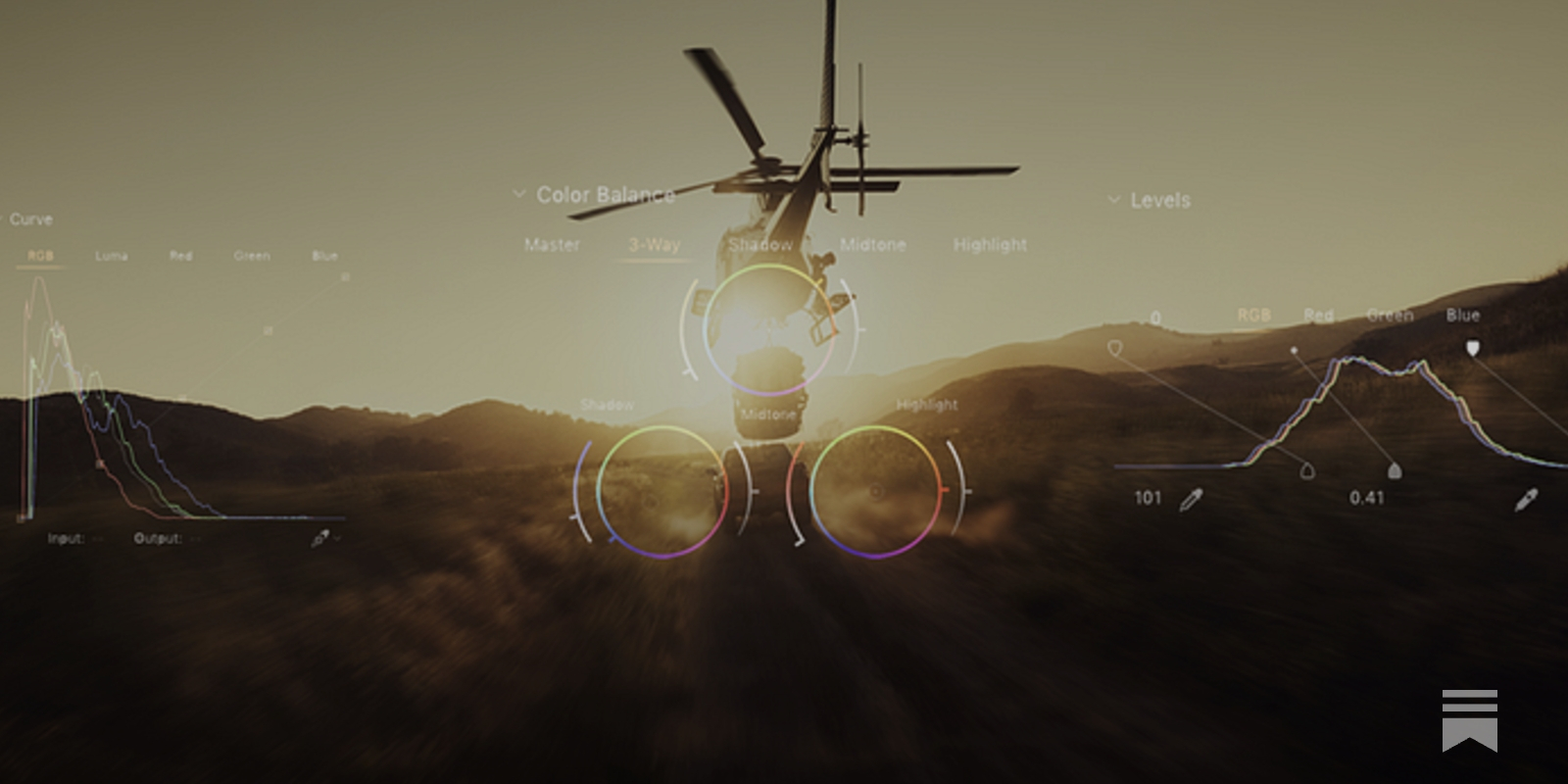
Why it matters: This codifies a high-speed, on-set grading methodology that pressures the traditional post-production pipeline and redefines the photographer’s role in final image creation.
Context: The push for faster editorial turnarounds and the demand for distinctive, consistent visual signatures are compressing production timelines, elevating the value of in-camera and immediate post-capture workflows.
"## THE SCENE WORKFLOW: SHOOT, SELECT, GRADE, REPEAT … But whether I’m tethered or not, the workflow is the same once a scene wraps. Step 1: Secure the files The moment a." — JAKEDYSON1.SUBSTACK
Commentary: Dyson’s ‘neutralize first’ approach is a direct operational challenge to default camera profiles and preset-reliant workflows, prioritizing absolute creative control over expediency. This shifts labor and decision-making earlier in the chain, potentially marginalizing external colorists for certain editorial outputs and demanding more from digitechs. It also establishes a technical benchmark for photographers seeking a distinctive, reproducible grade, influencing commissioning expectations for brands and publications that value a cohesive, director-driven aesthetic from the shoot day itself.
Date: April 24, 2026 12:00 AM ET
URL: https://jakedyson1.substack.com/p/16-field-notes-my-on-set-color-grading
AI Sentiment Score: Negative (50%)
AI Credibility Score: 8.0/10 — High
Scores and text generated by AI analysis of the source article indicated.
The Art of the Fashion Editorial: A 2026 Guide to Visual Storytelling (Keepingupwithkayflawless)
Summary: A 2026 industry guide codifies the production pipeline for high-caliber fashion editorials, emphasizing narrative-driven shoots, strategic wardrobe sourcing, and meticulous post-production. It highlights operational details like photographer day rates exceeding £2,500 and the critical importance of mobile-optimized digital portfolios for press kits. The guide positions editorial work as a tool for collection launches and evergreen content, advocating for a mix of established and emerging designer labels.
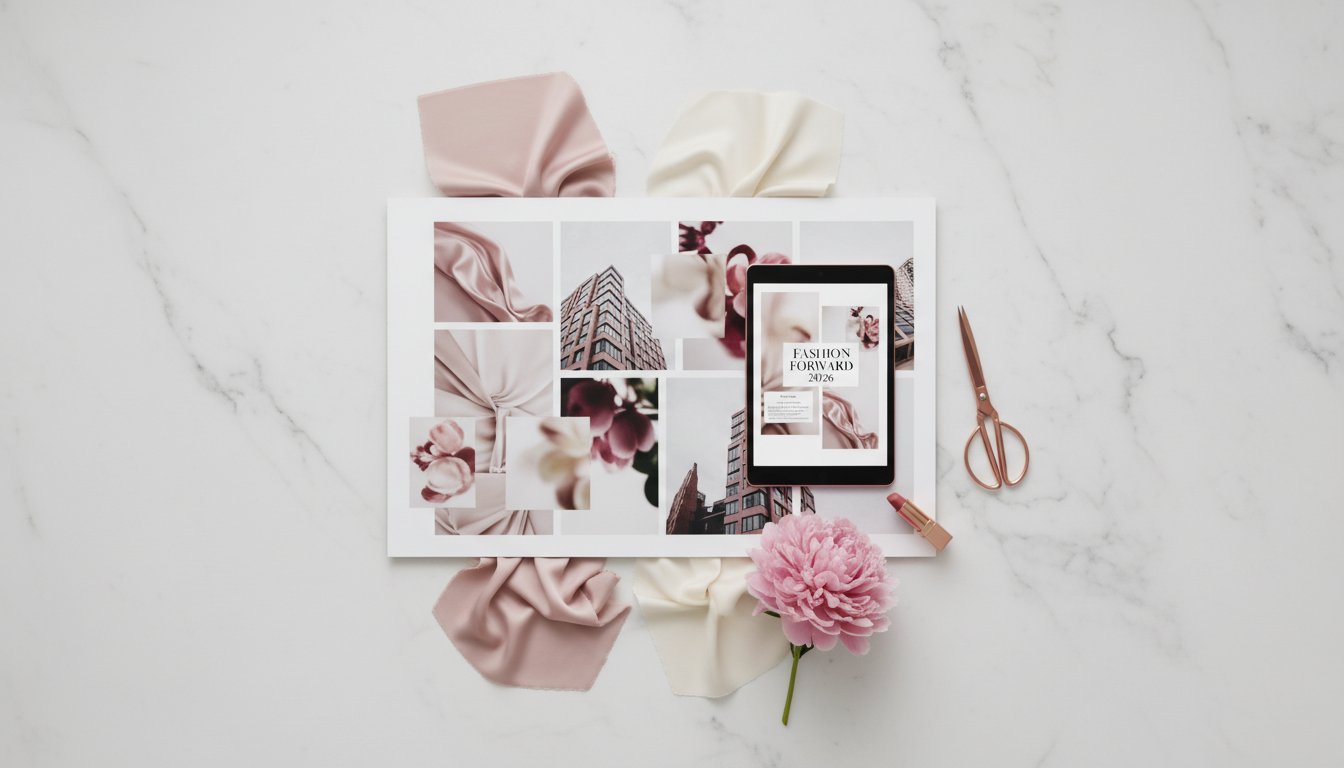
Why it matters: This formalizes the commercial and creative benchmarks for 2026, directly impacting commissioning budgets, talent scouting, and distribution strategies for studios, photographers, and brands.
Context: The fashion editorial has evolved from pure aesthetic showcase to a core marketing and narrative vehicle, with production values and strategic curation increasingly tied to measurable ROI and brand positioning.
"Use these formats when you need to make a statement: – Collection Launches: Use storytelling to introduce a seasonal drop, giving the clothes a soul before they hit the rails. This creates." — KEEPINGUPWITHKAYFLAWLESS
Commentary: The prescribed designer mix is less a creative directive than a calculated commissioning strategy to satisfy brand partnerships while burnishing a publication’s scout credibility. It formalizes the ‘value of tearsheets’ as a currency for accessing emerging talent, potentially reshaping negotiation leverage for young designers. The emphasis on ‘Digital Aristocracy’ and ‘Eco-Futurism’ as default themes signals a risk-averse, trend-reactive approach to conceptual work, which may streamline pitching but homogenize visual output. Operationally, the guide’s budget note—contrasting a £2,500+ day rate with micro-influencer barter—underscores the industry’s persistent cost-pressure, pushing high-concept production down-market and altering labor economics for crews and photographers.
Date: May 06, 2026 12:00 AM ET
URL: https://keepingupwithkayflawless.com/the-art-of-the-fashion-editorial-a-2026-guide-to-visual-storytelling/
AI Sentiment Score: Negative (71%)
AI Credibility Score: 7.0/10 — Medium
Scores and text generated by AI analysis of the source article indicated.
Fashion Retouching at Scale: Why High-Volume Catalogs … (Pixofix)
Summary: A technical guide from a retouching vendor outlines a systematic, data-driven approach to managing high-volume fashion catalog production. It emphasizes pre-production standardization, workflow segmentation by complexity, and rigorous post-launch auditing to control costs and timelines. The methodology treats image processing as an industrial pipeline, prioritizing predictability and scalability over artistic discretion.

Why it matters: For studios and in-house production teams, this codifies the shift from craft-led retouching to a managed industrial operation, directly impacting labor allocation, vendor selection, and margin control.
Context: The fashion e-commerce sector is under intense pressure to accelerate production cycles and reduce cost-per-image while maintaining visual quality across thousands of SKUs.
"Start with a tight brief. Each batch should define poses, crop ratios, background requirements, expected colorways, and any special handling for accessories or fabric detail. Add metadata at intake so the team." — PIXOFIX
Commentary: This framework explicitly commoditizes photographic output, forcing a reevaluation of photographer and retoucher roles toward initial capture standardization. It advantages large-scale vendors with integrated DAM and project management systems, while marginalizing smaller studios that cannot instrument their workflow to this granularity. The post-launch audit log represents a new accountability layer, potentially shifting liability for rendering issues back to the production studio.
Date: May 04, 2026 12:00 AM ET
URL: https://www.pixofix.com/blog/fashion-retouching-at-scale-why-high-volume-catalogs-still-need-human-hands
AI Sentiment Score: Negative (80%)
AI Credibility Score: 10.0/10 — High
Scores and text generated by AI analysis of the source article indicated.
Batch Photo Retouching at Scale: How Fashion Brands Process … (Pixofix)
Summary: A technical guide from a post-production vendor outlines a systematized pipeline for batch retouching fashion editorial photography at scale. It advocates for rigid standardization from capture through delivery, using locked templates, automated routing based on SKU type, and tiered processing lanes. The system integrates AI tools within predefined boundaries and emphasizes exception management and capacity planning to align with commercial deadlines.
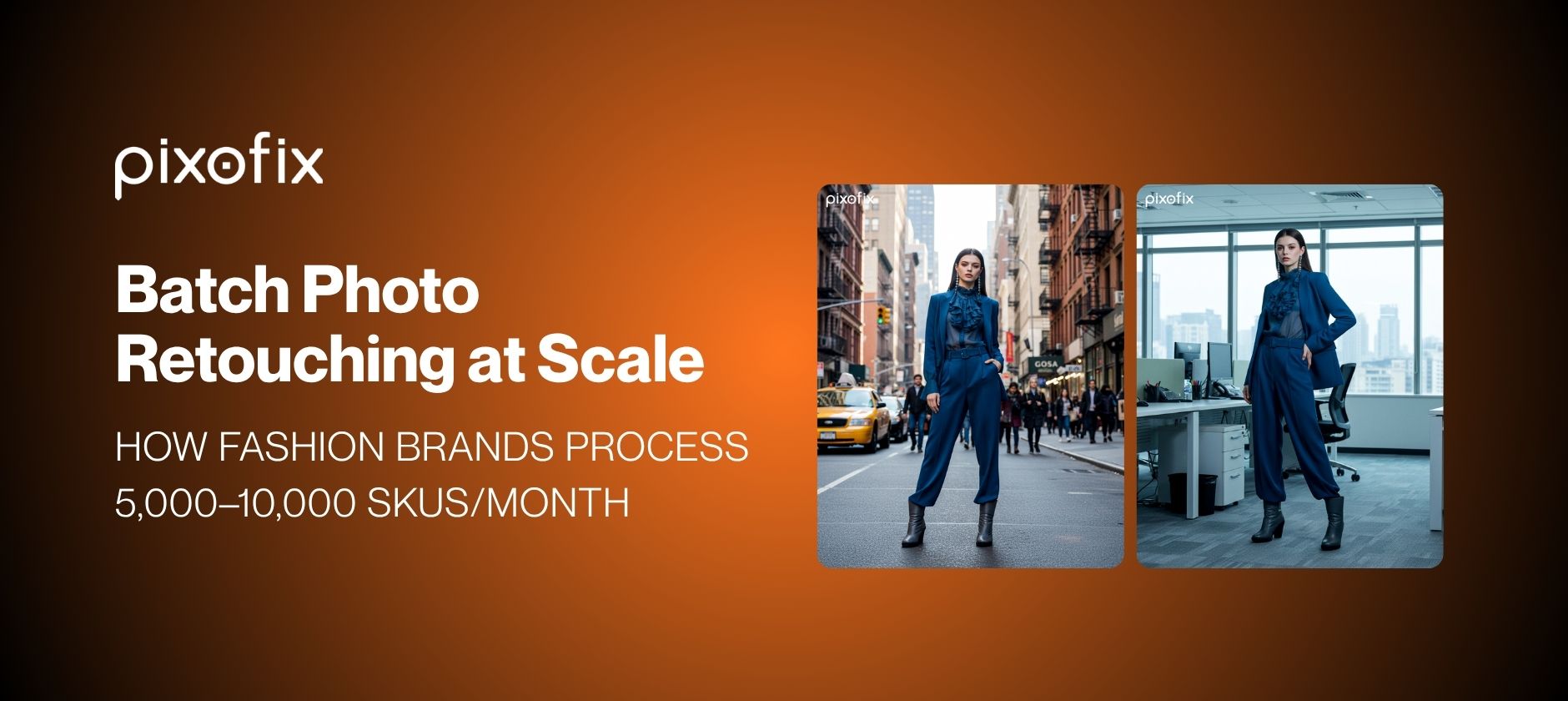
Why it matters: This codifies the industrial logic now governing creative image-making, directly impacting studio workflows, retoucher roles, and the economic model of fashion photography.
Context: The push for volume and speed in e-commerce and multi-channel publishing has turned editorial shoots into high-throughput asset factories, demanding new operational rigor.
"Lock white balance and exposure ranges per set and camera in Capture One. Tie every shoot to a reference card and keep a shared library of approved baselines for white shirts, black." — PIXOFIX
Commentary: The prescription turns the creative suite into a manufacturing line, where AI is a constrained tool for consistency, not exploration. This formalizes the de-skilling of routine retouching while concentrating senior expertise on exception handling and system governance. For studios and photographers, it means shoot planning is now inseparable from post-production engineering, locking creative angles and lighting into pre-approved templates. The economic pressure is clear: brands that master this pipeline gain a cost and speed advantage, further marginalizing smaller studios that cannot invest in the technical stack and process documentation.
Date: May 07, 2026 12:00 AM ET
URL: https://www.pixofix.com/blog/batch-photo-retouching-service-at-scale
AI Sentiment Score: Positive (42%)
AI Credibility Score: 10.0/10 — High
Scores and text generated by AI analysis of the source article indicated.
Product Photography in 2026: The Operator’s Guide (Caimera.Ai)
Summary: A 2026 industry guide from Caimera.Ai outlines a bifurcated product photography landscape. Studio shoots are reserved for brand-defining editorial and hero campaigns, while AI now dominates catalog production, variant generation, and high-speed repurposing. The guide provides a tactical operator’s framework, detailing twelve core commercial formats and emphasizing the critical importance of managing usage rights and legal indemnification across both human and AI-generated assets.
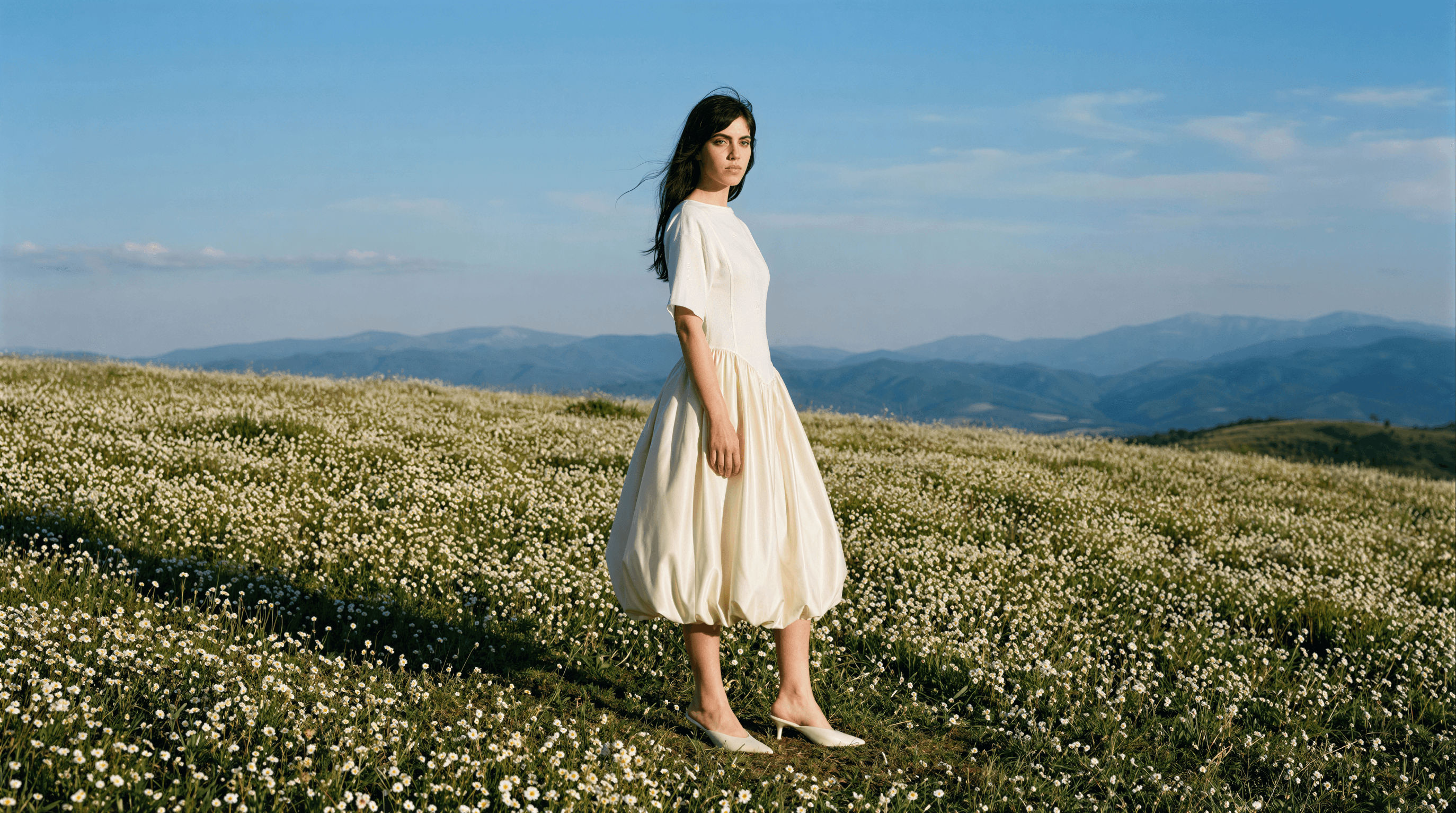
Why it matters: For photographers, studios, art buyers, and brand production leads, this codifies the new economic and operational reality, forcing strategic decisions on resource allocation and legal risk management.
Context: This reflects the maturation of generative AI from a speculative tool to a core, non-optional component of the commercial photography pipeline, reshaping commissioning economics and labor specialization.
"Product photography in 2026 is a hybrid discipline. Studio shoots still own hero campaigns and editorial moments. AI now owns the catalog, the variants, the repurposing, and the speed. … There are." — CAIMERA.AI
Commentary: The guide formalizes a tiered production economy where human labor is strategically reserved for high-value, legally complex, or talent-anchored work, while AI absorbs the high-volume, commoditized tasks. This forces studios to compete on conceptual and executional excellence for a shrinking share of total imagery volume, while in-house teams must master AI tooling and its attendant legal frameworks (like platform indemnification) as a core operational competency.
Date: April 21, 2026 12:00 AM ET
URL: https://www.caimera.ai/blogs/product-photography
AI Sentiment Score: Negative (57%)
AI Credibility Score: 10.0/10 — High
Scores and text generated by AI analysis of the source article indicated.
Digital Retouching for Analog Fashion Photography – Domestika (Domestika)
Summary: A Domestika course outline for 2026 details a post-production workflow for analog fashion photography, emphasizing high-quality scanning, color harmony selection, and subtle pixel-level adjustments to preserve a natural, print-ready finish. The guidance prioritizes an invisible retouch and grain management proportional to the image’s light and plane.
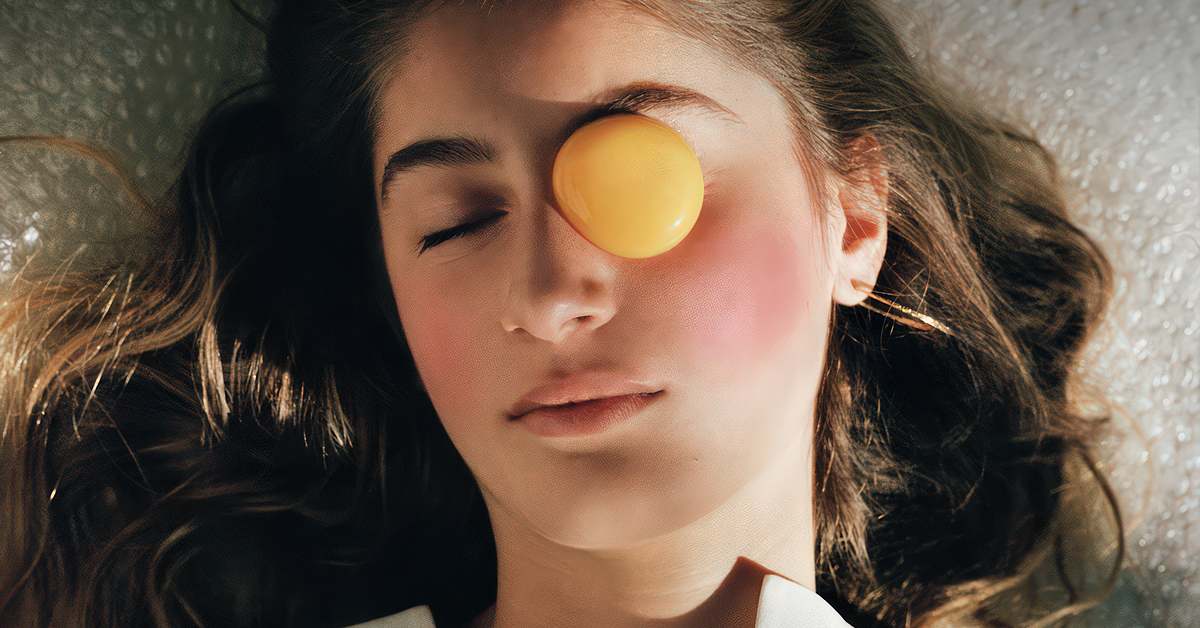
Why it matters: It signals a formalization and commodification of hybrid analog-digital post-production skills, directly impacting the labor valuation and technical expectations for photographers, retouchers, and print production teams.
Context: The fashion industry’s renewed investment in analog photography has created a specialized niche requiring digital artisanship to meet contemporary publishing and advertising standards without erasing the material qualities of film.
"The image Choose and scan your photo in the best possible quality, this will allow you to work with greater peace of mind throughout your process. Start retouching Before you start think." — DOMESTIKA
Commentary: This codifies a high-skill, high-judgment service layer, moving beyond basic scan-and-edit into aesthetic custodianship of film’s materiality. It creates a new labor category—the analog-digital hybrid technician—whose work defends the premium value of analog originals while integrating them into digital distribution pipelines. Studios and agencies will need to budget for this specialized role, and photographers must either develop these skills or manage new vendor relationships.
Date: April 20, 2026 12:00 AM ET
URL: https://www.domestika.org/en/courses/3247-digital-retouching-for-analog-fashion-photography/final_project_lessons
AI Sentiment Score: Positive (40%)
AI Credibility Score: 10.0/10 — High
Scores and text generated by AI analysis of the source article indicated.
Why Spec Shoots Build Better Client Work | Fstoppers (Fstoppers)
Summary: A commercial photographer details the operational and strategic value of spec shoots as a business development tool. The piece outlines a methodology for creating brand-specific test campaigns to attract new clients, license existing work, and refine technical skills in a low-stakes environment. It emphasizes research-driven creative alignment with target brands and the dual utility of these shoots for portfolio expansion and gear testing.
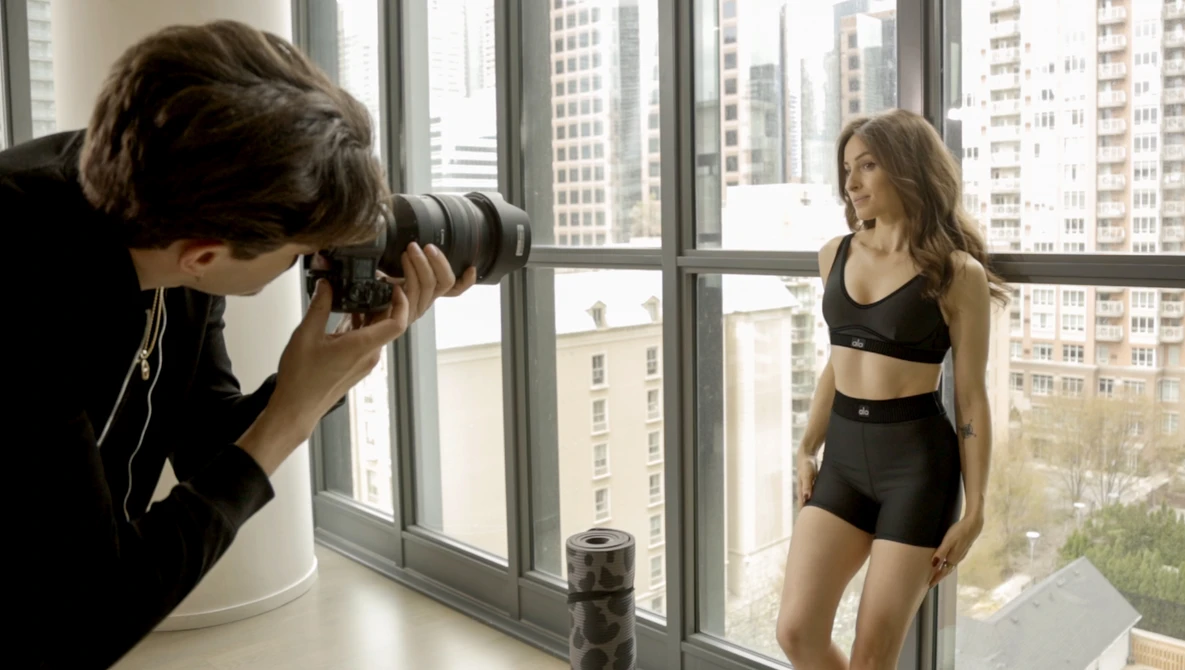
Why it matters: For photographers and studios, this clarifies a concrete pipeline for moving upmarket and diversifying clientele, directly linking unpaid creative labor to commercial outcomes.
Context: Speculative work is a longstanding, contentious practice in commercial photography, balancing portfolio quality against uncompensated labor and IP risk.
"For photographers in the commercial space, the ultimate way to do that is to have a spec shoot where essentially everybody on your team comes together to make something that looks like it was created for a particular brand. Then you would market it toward them with the hope of either having them hire you to shoot for them or potentially even licensing the photos you took, provided they’re good enough." — FSTOPPERS
Commentary: The article reframes spec shoots from speculative art into a targeted business development tool, formalizing a high-risk, high-reward client acquisition strategy. This elevates the practice from portfolio filler to a deliberate market-positioning exercise, shifting the labor burden onto the photographer’s team upfront. It implicitly pressures smaller studios to self-finance increasingly polished campaign-level work just to enter the consideration set, raising the capital and operational bar for market entry. The hybrid utility for gear testing and vertical video production further cements spec shoots as a multifunctional R&D cost center for modern studios.
Date: April 7, 2026
URL: https://fstoppers.com/node/718766
AI Sentiment Score: Negative (57%)
AI Credibility Score: 10.0/10 — High
Scores and text generated by AI analysis of the source article indicated.
PRODn Art + Commerce, Production – project 648063 – Visie (Visie.Io)
Summary: A production sheet for Zara’s Fall 2024 Studio Collection campaign, sourced from Visie.io, details the high-caliber creative and production pipeline. The project, managed by PRODn Art + Commerce, lists top-tier talent including photographer Steven Meisel, creative director Fabien Baron, and stylist Karl Templer. This document functions as a de facto industry credit report, mapping the capital and labor flow for a major fast-fashion editorial shoot.
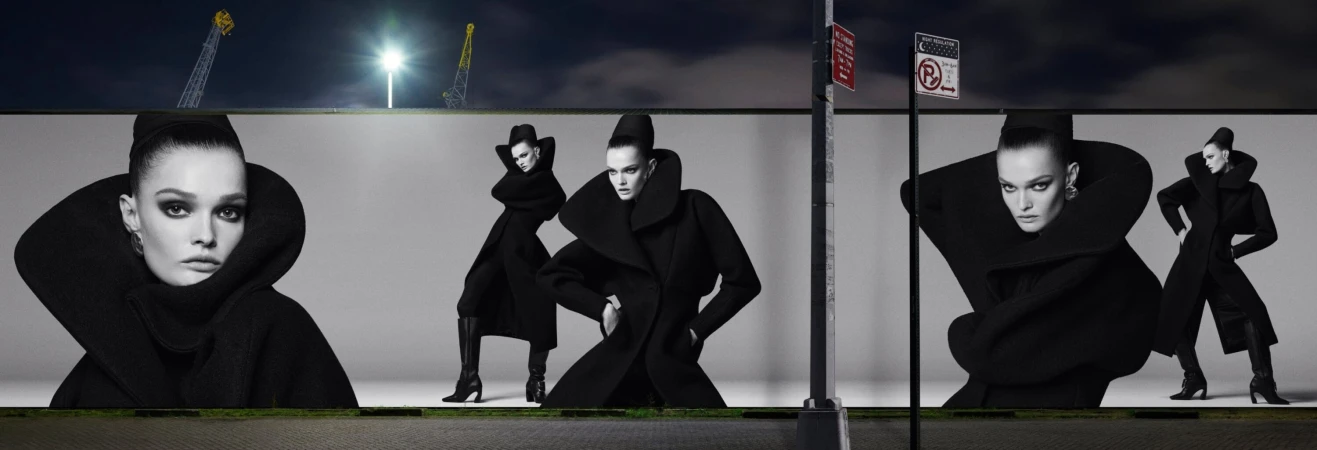
Why it matters: For industry professionals, this credit list validates the premium economic tier of a fast-fashion campaign and serves as a benchmark for crew rates, agency relationships, and the concentration of top talent within specific production houses.
Context: High-fashion editorial talent increasingly migrates to lucrative commercial campaigns for fast-fashion giants, blurring traditional lines and creating a two-tier market where a handful of production companies and creatives command premium fees.
"PRODn Art + Commerce, Production." — VISIE.IO
Commentary: The prominence of PRODn Art + Commerce as the singular production entity underscores the consolidation of high-budget commercial fashion production within a few powerful intermediaries. This centralizes vendor negotiation and budget control, potentially squeezing independent line producers and standardizing a premium fee structure that smaller brands cannot access. For the listed creatives, this credit reinforces their market rate for fast-fashion work, which often subsidizes their more artistic, lower-paying editorial projects.
Date: April 24, 2026 12:00 AM ET
URL: https://visie.io/media/prodn-art-commerce-648063
AI Sentiment Score: Positive (60%)
AI Credibility Score: 9.8/10 — High
Scores and text generated by AI analysis of the source article indicated.
Luxury Fashion Brand Carousel – Orshot (Orshot)
Summary: 5-page Instagram carousel for luxury/fashion brand campaigns. Editorial cover, 3 look/product pages, shop CTA. For agencies producing creative for luxury brands (Burberry, Dior, LV-tier) and elevated DTC fashion
Why it matters: Standardized 5-page carousel format signals a shift toward predictable, high-density visual asset deployment for luxury DTC.
Context: Focus on the operational template: Editorial cover, three product showcases, and a dedicated CTA slot for streamlined campaign execution.
"5-page Instagram carousel for luxury/fashion brand campaigns. Editorial cover, 3 look/product pages, shop CTA. For agencies producing creative for luxury brands (Burberry, Dior, LV-tier) and elevated DTC fashion." — ORSHOT
Commentary: The signal is still worth tracking, but the current extraction path did not yield enough body text for a fuller analytical read. The immediate implication is operational rather than speculative: watch how this changes budgets, workflows, or risk assumptions over the next cycle.
Date: April 23, 2026 12:00 AM ET
URL: https://orshot.com/templates/283
AI Sentiment Score: Positive (50%)
AI Credibility Score: 9.6/10 — High
Scores and text generated by AI analysis of the source article indicated.
Mastering Styled Shoots: A Photographer’s Guide – episode 104 (Youtube)
Summary: We’re talking at least $45,000. Okay.
Why it matters: Cost benchmarks ($45k+) suggest escalating overhead in high-end editorial styling/production.
Context: Focus on pipeline economics: rights negotiation, vendor management, and styling budget allocation are key operational pressure points.
[Metadata-only note] The available source data did not expose a direct source quote this cycle.
Commentary: The signal is still worth tracking, but the current extraction path did not yield enough body text for a fuller analytical read. The immediate implication is operational rather than speculative: watch how this changes budgets, workflows, or risk assumptions over the next cycle.
Date: May 04, 2026 12:00 AM ET
URL: https://www.youtube.com/watch?v=1-I6VIx0Y2M
AI Sentiment Score: Negative (60%)
AI Credibility Score: 10.0/10 — High
Scores and text generated by AI analysis of the source article indicated.
Social media content – creative, efficient & scaled (Laudert)
Summary: Laudert, a production studio, is marketing a service that creates platform-native fashion and product photography and video for direct social media posting. The offering includes full production, styling aligned with brand CI, and post-production optimized for social channels. This positions the studio as an end-to-end vendor for social-first content, bypassing traditional editorial or advertising workflows.
Why it matters: This signals a further formalization of social media content creation as a distinct, scaled production category, with direct implications for commissioning budgets and in-house creative roles.
Context: Brands have been shifting marketing spend from traditional campaigns to always-on social content, creating demand for high-volume, platform-specific assets.
"We produce fashion and product photography, as well as product and promotional videos, specifically designed for platforms like Instagram and TikTok. You’ll receive ready-to-use assets that you can post directly to your." — LAUDERT
Commentary: The service commoditizes the ‘social media shoot’ into a packaged product, potentially depressing day rates for photographers and stylists working in this high-volume tier. It also accelerates the divergence between content crafted for legacy media (magazines, lookbooks) and content engineered for algorithmic feeds, with different aesthetic and economic parameters.
Date: April 28, 2026 12:00 AM ET
URL: https://www.laudert.com/en/channels/social-media-content/
AI Sentiment Score: Positive (40%)
AI Credibility Score: 8.8/10 — High
Scores and text generated by AI analysis of the source article indicated.
Givenchy, summer 2026: when the photographer becomes … (Luxsure.Fr)
Summary: Givenchy’s Summer 2026 campaign, directed by Sarah Burton and photographed by Collier Schorr, features photographer Annie Leibovitz not as a subject but as a practitioner, captured at work on set. The campaign assembles a cast of five women—including visual artist Isabelle Albuquerque, models Kaia Gerber, Liu Wen, and Selena Forest, and Leibovitz—documenting a spectrum of professional status, notoriety, and generation. This continues Burton’s established grammar of making the women who create the image visible in their own right.
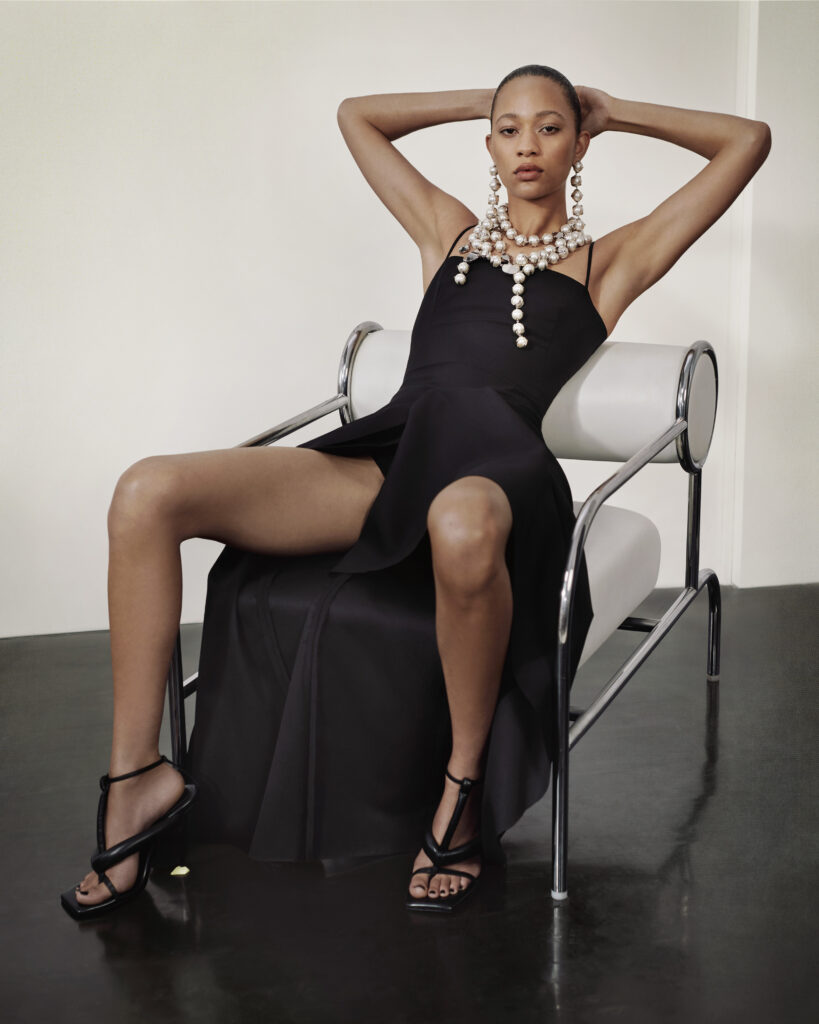
Why it matters: This signals a strategic shift in commissioning logic, valuing creative labor and authorship over purely commercial surface, which recalibrates relationships between brands, photographers, and other image-makers.
Context: Burton’s tenure at Givenchy has consistently foregrounded the creators behind campaigns, moving away from anonymous or purely decorative talent representation.
"For her third campaign as artistic director of Maison Givenchy, Sarah Burton asked Collier Schorr to photograph Annie Leibovitz. Not to pose her with a bag. To photograph her – at work,." — LUXSURE.FR
Commentary: This reframes the photographer from a service provider to a documented author, potentially elevating day rates and renegotiating usage rights. It pressures other houses to articulate a coherent creative philosophy or risk their campaigns appearing transactional. The intergenerational, cross-disciplinary casting explicitly maps a creative ecosystem, making the campaign itself a meta-commentary on industry value chains.
Date: April 23, 2026 12:00 AM ET
URL: https://www.luxsure.fr/en/2026/04/23/givenchy-summer-2026-when-the-photographer-becomes-the-subject/
AI Sentiment Score: Negative (50%)
AI Credibility Score: 8.6/10 — High
Scores and text generated by AI analysis of the source article indicated.
Ad Campaigns Lookbooks — Style News, Fashion Photography … (Anneofcarversville)
Summary: Casablanca Paris, a Franco-Moroccan luxury label, has launched a campaign in collaboration with Ladurée, featuring photographer Henry Goodfellow. The brand, approaching $50M in revenue, is noted for its consistent, cheeky, and self-aware aesthetic that leverages irony and exaggerated artifice. The article positions this as a challenge to more established, ‘dusty grey’ luxury houses that rely on hollow brandwashing, suggesting Casablanca’s coherent brand muscle and joy-driven marketing create a distinct competitive edge.
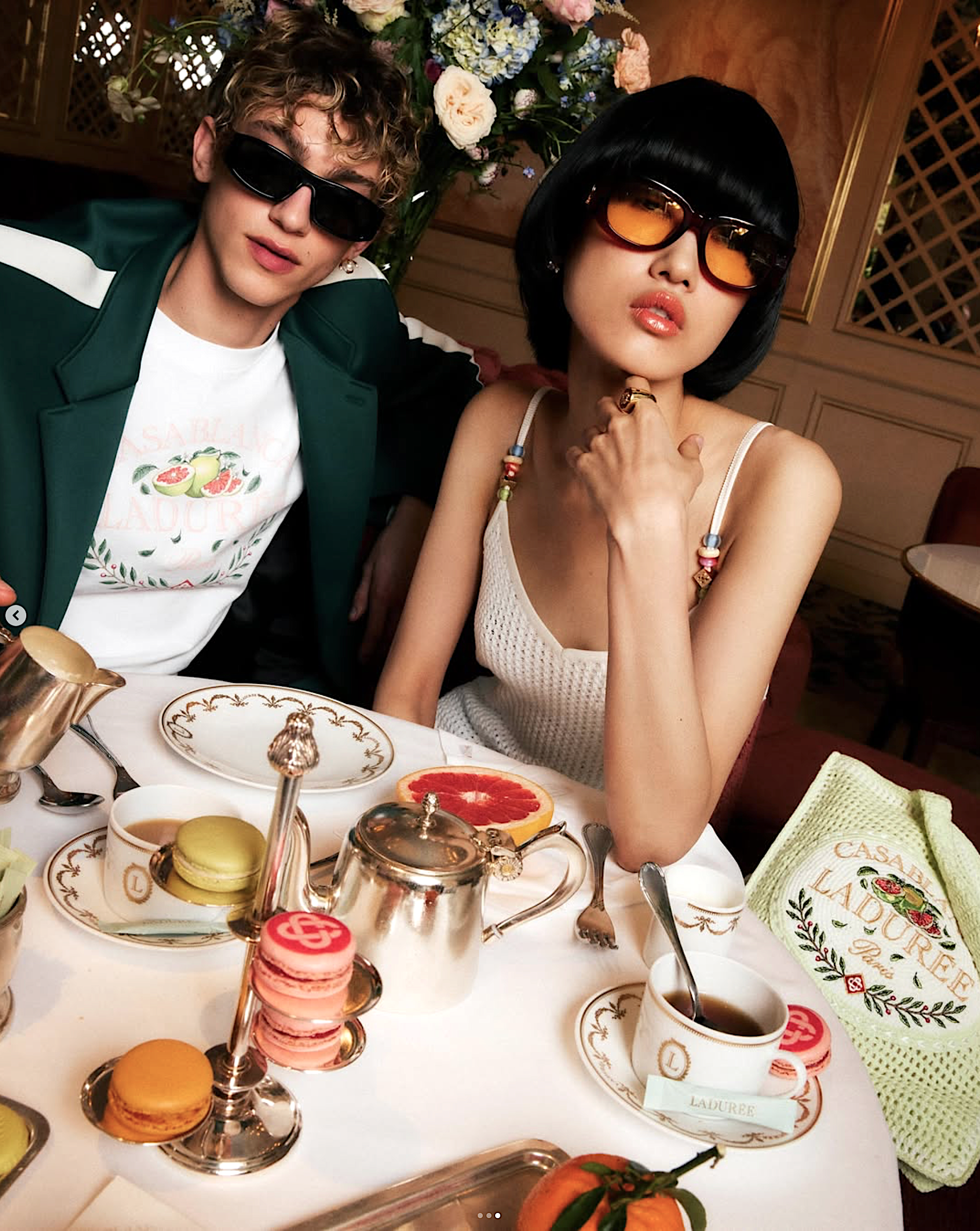
Why it matters: For industry professionals, this signals a shift in luxury marketing efficacy, where coherent aesthetic vision and authentic narrative can pressure legacy brands, affecting commissioning strategies and brand partnership valuations.
Context: The luxury sector is experiencing a generational tension between established heritage brands and emergent labels leveraging narrative consistency and cultural relevance, with brand authenticity becoming a critical market differentiator.
"Tajer flexes his business with branding and marketing consistency. His Casablanca campaigns are often cheeky, revealing a self-aware aesthetic style that embraces irony and exaggerated artifice to delight consumers." — ANNEOFCARVERSVILLE
Commentary: Casablanca’s operational playbook—pairing high-production culinary collaborations with a defined, ironic visual language—demonstrates how emergent brands can outmaneuver larger rivals not on budget but on coherent creative direction. This pressures creative directors and brand managers at legacy houses to move beyond vague ‘revolution’ narratives toward tangible aesthetic systems that resonate with contemporary audiences, potentially reshaping photographer and creative team commissioning toward more integrated, long-term partnerships.
Date: April 24, 2026 12:00 AM ET
URL: https://anneofcarversville.com/fashion/category/Ad+Campaigns+Lookbooks
AI Sentiment Score: Negative (50%)
AI Credibility Score: 7.0/10 — Medium
Scores and text generated by AI analysis of the source article indicated.
NOT — Impactful Fashion Campaign Photography Agency – Not Studio (Not.Studio)
Summary: A fashion production agency, Not Studio, publishes a detailed operational guide outlining the end-to-end process for commissioning and executing a fashion shoot. The content functions as both a client-facing explainer and a tacit pitch for its full-service production management, from initial brief through post-production. It codifies the standard industry workflow, positioning the agency as the essential intermediary between brand marketing needs and creative execution.

Why it matters: It clarifies the commercial logic and service-stack bundling of modern production agencies, revealing the operational dependencies and cost centers brands must manage.
Context: The role of the production agency has expanded from logistical support to encompass creative direction, budgeting, and post-production, consolidating control over the image-making pipeline.
"However, fashion photography comes in many forms from simple e-commerce product shots to seasonal lookbooks, branded campaign shoots, editorial fashion photography or something in between. There are many moving parts to a." — NOT.STUDIO
Commentary: The guide formalizes the agency’s role as the centralizing node, a move that professionalizes the field while potentially marginalizing freelance photographers and independent creatives who lack production infrastructure. For studios and in-house teams, it benchmarks service expectations and shifts the photographer from a lead creative to a managed line-item. The emphasis on asset delivery over artistic vision reflects the industry’s pivot toward content marketing efficiency.
Date: May 07, 2026 12:00 AM ET
URL: https://www.not.studio/campaign-photography
AI Sentiment Score: Negative (60%)
AI Credibility Score: 7.0/10 — Medium
Scores and text generated by AI analysis of the source article indicated.
About Us (Thelinestudios.Nyc)
Summary: The Line Studios, a full-service photography studio with operations in New York and Los Angeles, has published its service menu and rate card. The data provides a transparent benchmark for creative production costs, detailing day rates for still life, on-model, and video shoots, alongside a pricing tier for AI-supported asset creation.

Why it matters: For producers, finance teams, and competing studios, this public pricing establishes a market baseline, influencing budgeting, vendor negotiations, and competitive positioning in the commercial photography sector.
Context: Studio rate cards are typically guarded, shared only during direct RFPs. Public disclosure, especially with AI-service pricing, signals a shift toward commoditization and price transparency in a traditionally opaque service industry.
"The Line Studios operates full-service photography studios in New York and Los Angeles, supporting brands across the U.S. and internationally. Our New York studio is located in Long Island City, Queens, and." — THELINESTUDIOS.NYC
Commentary: The explicit bundling of AI services at a per-SKU rate formalizes its role as a production-line tool, pressuring traditional retouching and post-production workflows. Publishing these rates publicly may compress margins industry-wide as clients use them as a negotiation benchmark, accelerating the stratification between high-touch creative direction and standardized asset output.
Date: April 24, 2026 12:00 AM ET
URL: https://thelinestudios.nyc/about-us/
AI Sentiment Score: Positive (50%)
AI Credibility Score: 7.0/10 — Medium
Scores and text generated by AI analysis of the source article indicated.
Art + Commerce Archives (Designscene.Net)
Summary: Art + Commerce Julian Klausner and Carlijn Jacobs: Visionary Collaboration for Dries Van Noten by Zarko Davinic September 17, 2025 Specific director/photographer pairings signal shifts in aesthetic commissioning budgets and preferred visual narratives for major houses.
Why it matters: Specific director/photographer pairings signal shifts in aesthetic commissioning budgets and preferred visual narratives for major houses.
Context: Focus on the operational implications of the collaboration structure: rights clearance, styling logistics, and anticipated distribution channels for the resulting imagery.
"Art + Commerce Julian Klausner and Carlijn Jacobs: Visionary Collaboration for Dries Van Noten by Zarko Davinic September 17, 2025." — DESIGNSCENE.NET
Commentary: The signal is still worth tracking, but the current extraction path did not yield enough body text for a fuller analytical read. The immediate implication is operational rather than speculative: watch how this changes budgets, workflows, or risk assumptions over the next cycle.
Date: April 20, 2026 12:00 AM ET
URL: https://www.designscene.net/agencies/art-commerce
AI Sentiment Score: Neutral (50%)
AI Credibility Score: 10.0/10 — High
Scores and text generated by AI analysis of the source article indicated.
Post ID: e4f99e20