AI Tools and Generators for Fashion Imagery
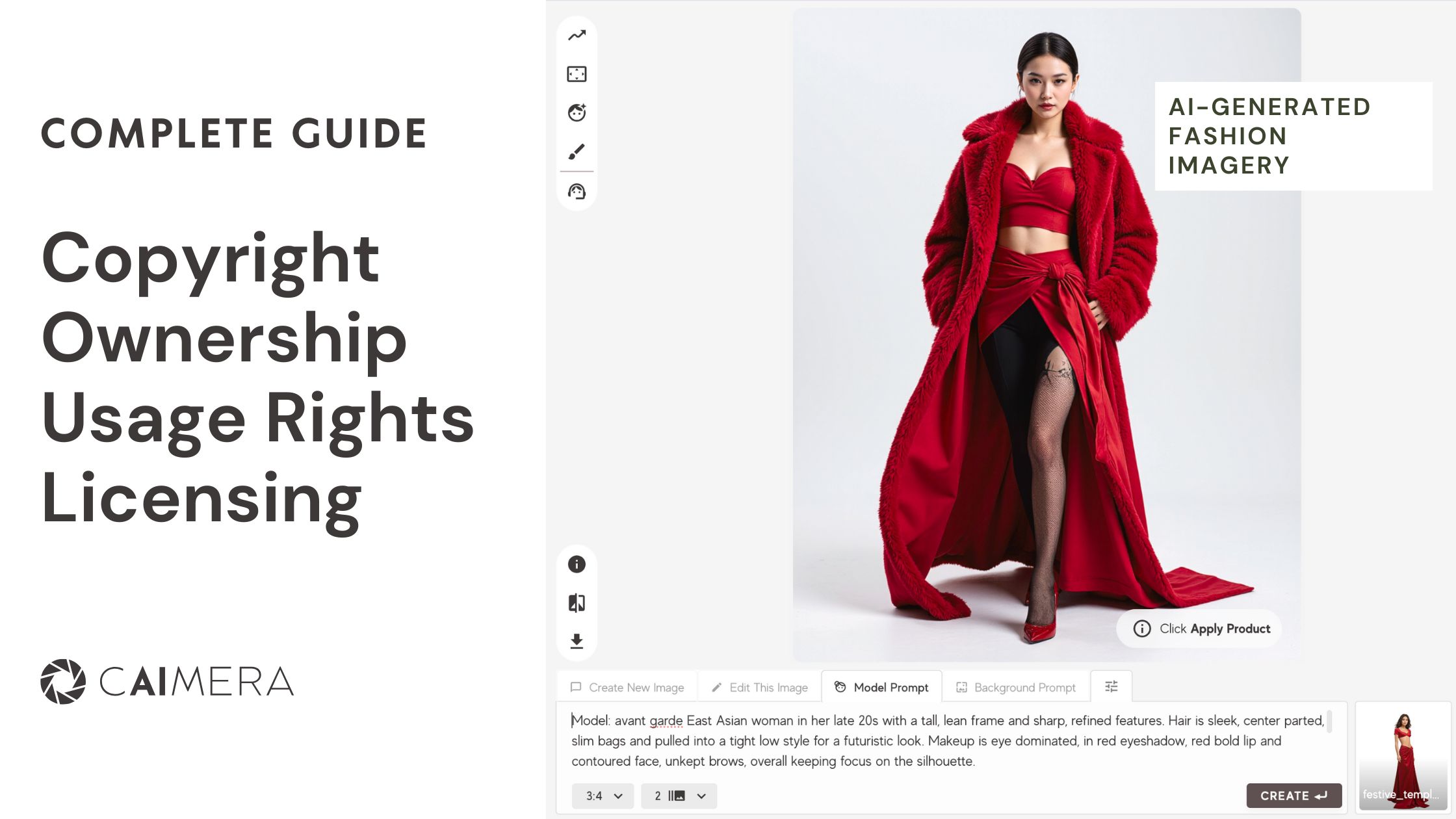
AI-Generated Fashion Imagery: Your Complete Legal and Ethical … (Caimera.Ai)
Summary: The legal and operational framework for AI-generated fashion imagery is crystallizing around documentation, platform-specific licensing, and mandatory disclosure. Key platforms have established divergent commercial terms, while copyright claims increasingly hinge on provable human creative direction. Stock agencies are now formalizing submission and licensing pipelines for AI content, creating a nascent but structured market.
Why it matters: Commissioning editors, art directors, and brand legal teams must now navigate a patchwork of platform rights, evidence standards for originality, and disclosure mandates to protect assets and maintain compliance.
Context: Following the Andersen v. Midjourney precedent, the industry is shifting from theoretical debate to contractual and procedural adaptation.
"If you commission AI-generated product photos or campaign imagery, clarifying ownership in contracts becomes essential. The person who crafted the prompts, selected the outputs, and directed the creative process may have the." — CAIMERA.AI
Commentary: This formalizes a new layer of administrative labor for creatives: prompt libraries, iteration logs, and edit histories become legal assets, not just creative tools. The bifurcation between platforms like DALL-E (full commercialization rights) and Midjourney (tiered restrictions) forces a vendor-risk assessment into the commissioning process. Stock integrations by Getty and Adobe create a sanctioned, low-liability supply channel, potentially marginalizing direct generator use for major brands.
Date: May 08, 2026 12:00 AM ET
URL: https://www.caimera.ai/blogs/ai-generated-fashion-imagery-your-complete-legal-and-ethical-guide
AI Sentiment Score: Negative (75%)
AI Credibility Score: 10.0/10 — High
Scores and text generated by AI analysis of the source article indicated.
AI Studio Editorial Fashion Photography Generator – Rawshot.ai (Rawshot.Ai)
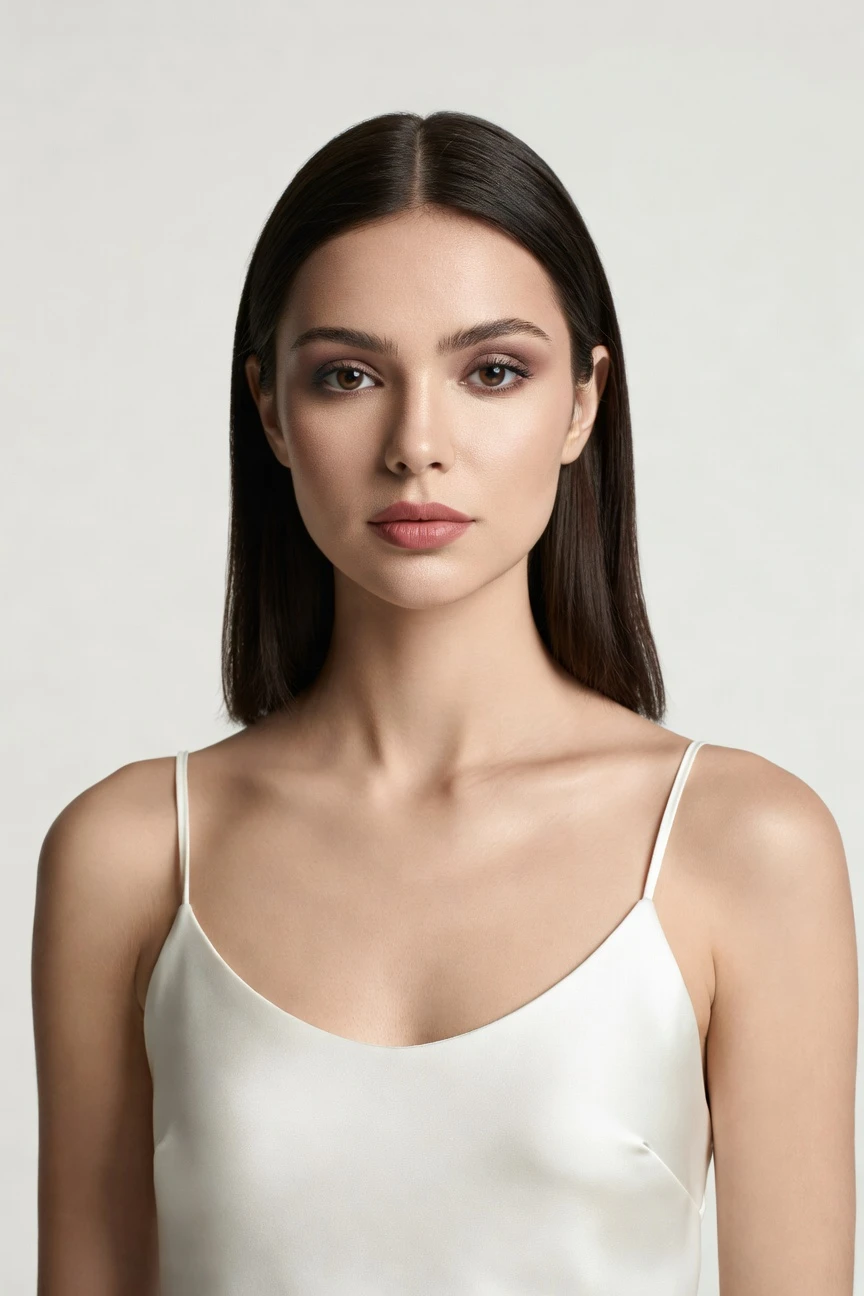
Summary: Rawshot.ai is launching a visual-control interface for generating studio editorial fashion photography directly from garment files, bypassing text prompts. The system uses fashion-native parameters like lens, framing, lighting, and style presets to direct output, with a stated engineering focus on preserving product fidelity—cut, color, pattern, logo, and drape. It offers browser-based creation and API-driven scaling, with outputs including full commercial rights, C2PA-signed provenance, and watermarking.
Why it matters: This shifts the commissioning logic from a creative brief to a product file, potentially altering the economics and labor structure of studio photography for e-commerce and campaigns.
Context: The fashion industry is grappling with AI image generation’s impact on photography studios, model agencies, and post-production workflows, with a focus on maintaining brand consistency and commercial rights.
"Create campaign-ready fashion imagery around the garment, not around a text box. Select lens, framing, ratio, lighting, and style with buttons and presets, then generate studio editorial output that stays faithful to." — RAWSHOT.AI
Commentary: The operational consequence is the potential disintermediation of photographers, stylists, and studio crews for routine product imagery, as merchandising operators can now direct shoots via preset. This pressures studios to elevate their value beyond technical execution into conceptual or brand-defining work. The emphasis on embedded provenance and rights clarifies a legal pathway for adoption, addressing a key barrier for commercial use. If scalable, it redefines ‘campaign-ready’ as a function of garment data and interface choices, not a physical production.
Date: May 01, 2026 12:00 AM ET
URL: https://rawshot.ai/solution/ai-studio-editorial-fashion-photography
AI Sentiment Score: Negative (50%)
AI Credibility Score: 10.0/10 — High
Scores and text generated by AI analysis of the source article indicated.
AI Fashion Editorial Photography Generator | Rawshot.ai (Rawshot.Ai)
Summary: RAWSHOT AI is marketing a click-driven, UI-controlled AI fashion editorial generator priced at approximately $0.50 per image, emphasizing deterministic garment realism and C2PA-signed provenance. The platform’s positioning directly targets production workflows for independent designers and DTC brands seeking to bypass traditional photoshoot costs and prompt-engineering friction. A comparative buyer’s guide ranks it above Midjourney and Adobe Firefly for on-model fidelity, framing the market around a split between prompt-driven creative exploration and deterministic, compliance-ready asset production.

Why it matters: This crystallizes a bifurcation in the AI fashion imagery market between creative ideation tools and production-grade asset pipelines, forcing studios and brands to choose between iterative flexibility and cost-controlled, rights-managed output.
Context: The editorial fashion photography industry is grappling with how to integrate AI generation into pre-production and final asset creation, with tools previously focused on moodboarding now claiming studio-quality output.
"RAWSHOT AI is a fashion photography platform that produces original, on-model imagery and video of real garments through a graphical, click-driven workflow instead of prompt boxes. It targets fashion operators who need studio-quality results but are priced out of traditional editorial shoots, offering per-image output in roughly 30–40 seconds at about $0.50 per image with full commercial rights and no ongoing licensing fees." — RAWSHOT.AI
Commentary: The $0.50 per-image price point and ‘no-prompting’ claim are a direct assault on the economics of entry-level editorial shoots, potentially compressing budgets for junior photographers and stylists. By bundling C2PA provenance and commercial rights, RAWSHOT is not just selling a tool but a compliance-ready pipeline, appealing to risk-averse brands and marketplaces. This forces a strategic decision for studios: adopt such deterministic systems for routine product work or cede that volume to AI operators, reserving human crews for high-concept campaigns where prompt-driven tools like Midjourney still serve as ideation partners.
Date: April 22, 2026 12:00 AM ET
URL: https://rawshot.ai/best/ai-fashion-editorial-photography-generator
AI Sentiment Score: Negative (60%)
AI Credibility Score: 10.0/10 — High
Scores and text generated by AI analysis of the source article indicated.
AI High Fashion Editorial Photography Generator | Rawshot.ai (Rawshot.Ai)
Summary: Rawshot.ai, an EU-built platform, is positioning itself as a compliance-ready, UI-driven alternative to prompt-based AI generators for high fashion editorial photography. It emphasizes direct creative controls, C2PA-signed provenance, and consistent synthetic models for catalog-scale output, contrasting with the aesthetic flexibility but potential inconsistency of tools like Midjourney and Leonardo AI. The comparison highlights a market segmentation between tools built for audit-readiness and controlled production versus those optimized for rapid concept exploration and cinematic polish.
Why it matters: The divergence between compliance-driven and aesthetics-first tools forces studios and brands to make foundational choices about workflow integrity, legal risk, and production economics.
Context: AI image generation is moving from general-purpose ideation into specialized, production-oriented pipelines with embedded legal and operational safeguards.
"RAWSHOT AI is an EU-built fashion photography platform designed to generate original, on-model imagery and video of real garments without requiring text prompts. Instead of a prompt box, the platform exposes creative direction as UI controls—covering camera, pose, lighting, background, composition, and visual style—so fashion teams can produce editorial- and campaign-ready outputs without prompt-engineering skills." — RAWSHOT.AI
Commentary: Rawshot.ai’s model represents a shift from creative experimentation to controlled manufacturing, treating the image as a compliant asset first. This creates a new vendor category serving legal and operations teams, potentially decoupling from the creative director’s traditional toolkit. The emphasis on C2PA and watermarking could pressure agencies to formalize AI disclosure processes, while the UI-driven approach may deskill certain creative roles, reframing ‘direction’ as parameter selection.
Date: April 22, 2026 12:00 AM ET
URL: https://rawshot.ai/best/ai-high-fashion-editorial-photography-generator
AI Sentiment Score: Negative (75%)
AI Credibility Score: 10.0/10 — High
Scores and text generated by AI analysis of the source article indicated.
AI Fashion Photography Basics (Rawshot.Ai)
Summary: The article outlines a production methodology for AI-generated fashion photography, positioning it as a direct digital counterpart to traditional photo shoots. It emphasizes a component-based workflow—model, garment, lighting, composition, camera, pose, background—that requires deliberate direction to achieve usable, brand-consistent imagery. The argument is operational: start with simple garments, establish repeatable setups, and prioritize controllable systems over one-off demos to integrate the tool into production pipelines.
Why it matters: This reframes AI fashion photography from a novelty to a controllable production method, with direct implications for commissioning budgets, crew labor, and the speed of visual asset creation for brands.
Context: As brands seek to reduce costs and accelerate content cycles, AI image generation has moved from experimental marketing to operational consideration for core product imagery.
"AI fashion photography means generating fashion images from scratch instead of capturing them in a physical photo shoot. The model, outfit presentation, lighting, setting, framing, and overall look are created digitally. That." — RAWSHOT.AI
Commentary: The shift from ‘guessing game’ to directed control is the critical pivot for industry adoption. It signals a move towards tooling that can be integrated into existing art direction and brand guideline workflows, potentially displacing junior photographer and studio crew roles for routine SKU imagery while elevating the creative director’s role in system design. The emphasis on repeatability over complexity suggests a near-term focus on high-volume basics, which could reshape vendor relationships for fast-fashion and mid-market brands first.
Date: May 05, 2026 12:00 AM ET
URL: https://rawshot.ai/academy/ai-fashion-photography-basics
AI Sentiment Score: Neutral (33%)
AI Credibility Score: 10.0/10 — High
Scores and text generated by AI analysis of the source article indicated.
Best AI Fashion Editorial Photography Generator (2026) – Gitnux (Gitnux)
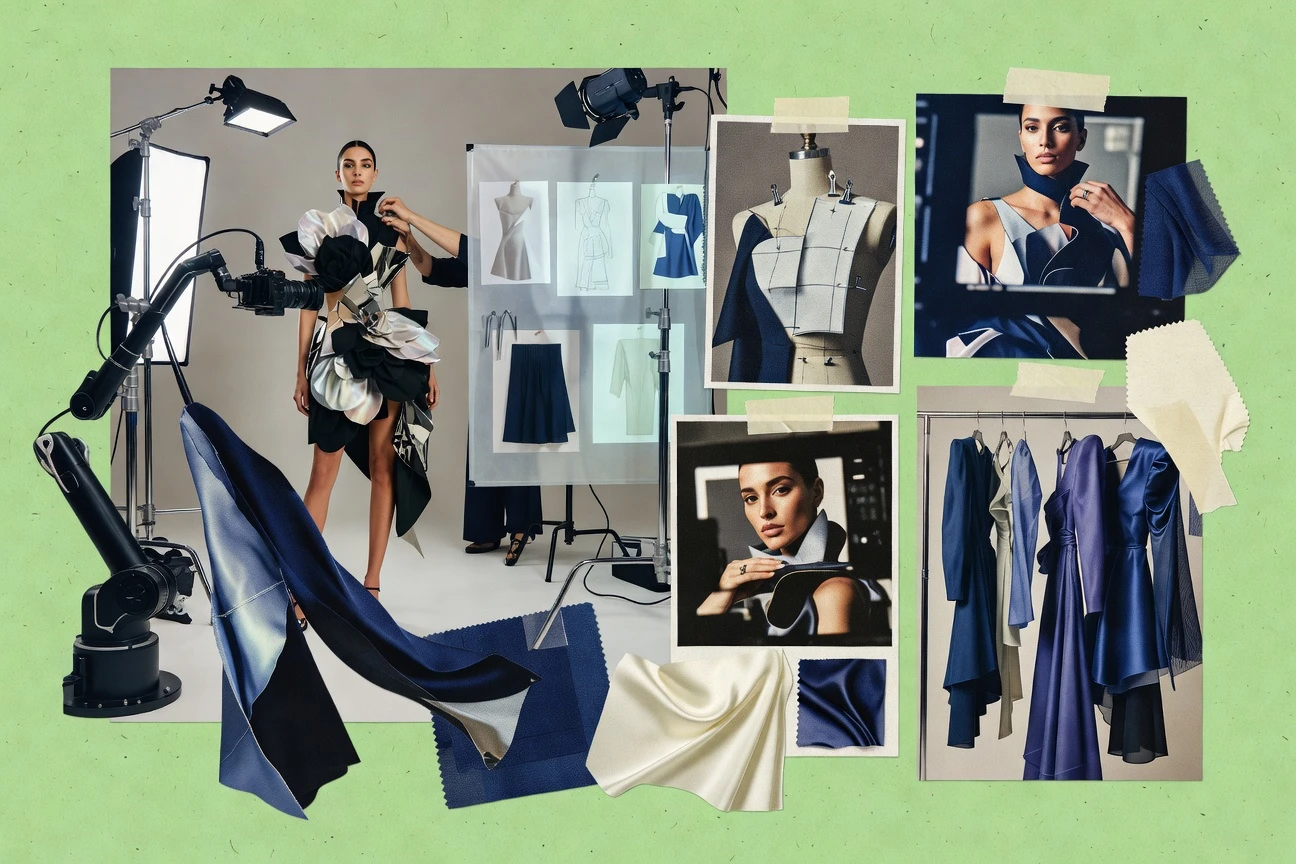
Summary: The 2026 landscape for AI fashion editorial photography generators is defined by a functional bifurcation between prompt-first tools for conceptual moodboarding and garment-faithful systems for production-grade imagery. Platforms like Midjourney and Leonardo AI are optimized for rapid aesthetic iteration, while specialized tools like RAWSHOT AI prioritize UI-driven control and accurate garment representation. This segmentation forces brands, stylists, and creators to map their editorial goals and post-production workflows to specific tool capabilities, moving beyond generic ‘AI image generation’ to a more strategic procurement and integration decision.
Why it matters: This functional segmentation directly impacts commissioning economics, in-house creative team composition, and vendor selection, requiring a strategic understanding of tool capabilities to optimize for cost, speed, or fidelity.
Context: The editorial fashion photography pipeline is historically built around high-cost, time-intensive physical shoots, creating pressure to reduce overhead while maintaining magazine-grade aesthetic standards.
"AI fashion editorial photography generators are reshaping how brands, stylists, and creators develop high-impact visuals without the time and cost of traditional shoots. With options ranging from fashion-native tools like RAWSHOT AI." — GITNUX
Commentary: This bifurcation signals the maturation of AI from a novelty into a specialized operational layer, creating distinct labor pools for prompt-engineers versus technical directors. It could pressure studios to develop dual-track creative processes and could segment the market between high-volume, low-fidelity content farms and premium houses leveraging AI for pre-visualization only. The explicit call to ‘map your workflow to your post-production needs,’ particularly with Adobe Firefly, indicates a push toward vendor lock-in through ecosystem integration, reshaping software procurement strategies.
Date: April 21, 2026 12:00 AM ET
URL: https://gitnux.org/best/ai-fashion-editorial-photography-generator/
AI Sentiment Score: Negative (66%)
AI Credibility Score: 7.0/10 — Medium
Scores and text generated by AI analysis of the source article indicated.
Midjourney Rewarx Fashion Editorials 2026 (Rewarx)
Summary: Rewarx’s 2026 workflow document outlines a production pipeline for fashion editorial content that begins with Midjourney for conceptual imagery and moves through specialized AI tools for retouching, product integration, and virtual model placement. The process emphasizes brand-consistent prompt libraries, layered compositing for narrative depth, and a quality checklist focused on commercial accuracy. It positions AI generation as a tool for rapid seasonal campaign iteration and concept testing, circumventing traditional photoshoot logistics.
Why it matters: This codifies a new, toolchain-dependent production role, shifting commissioning economics from photographer-led shoots to prompt-engineering and compositing labor, while creating new quality assurance and brand governance requirements.
Context: The fashion editorial pipeline has been resistant to full AI displacement due to narrative and brand aesthetic demands; this workflow represents a systematic attempt to capture those higher-value creative functions.
"AI-generated fashion photography is the process of using artificial intelligence to create, edit, and enhance professional-quality product images for online retail. … ## Step-by-Step Workflow for Fashion Editorial Creation Step 1: Generate." — REWARX
Commentary: The workflow formalizes the ‘AI art director’ role, separating conceptual background generation from product-specific imagery. This bifurcation likely creates a tiered vendor market: prompt specialists for mood and established studios for product integration. The emphasis on reproducible prompt libraries turns brand aesthetics into a managed dataset, reducing reliance on individual photographer signatures. The operational consequence is a faster, cheaper concept-testing phase, but one that requires new in-house skills for technical oversight and brand coherence enforcement, potentially centralizing creative control away from external crews.
Date: April 25, 2026 12:00 AM ET
URL: https://www.rewarx.com/blogs/combine-midjourney-rewarx-ai-generated-fashion-editorials
AI Sentiment Score: Positive (50%)
AI Credibility Score: 10.0/10 — High
Scores and text generated by AI analysis of the source article indicated.
Luxury Fashion AI Product Photography Generator (Rawshot.Ai)
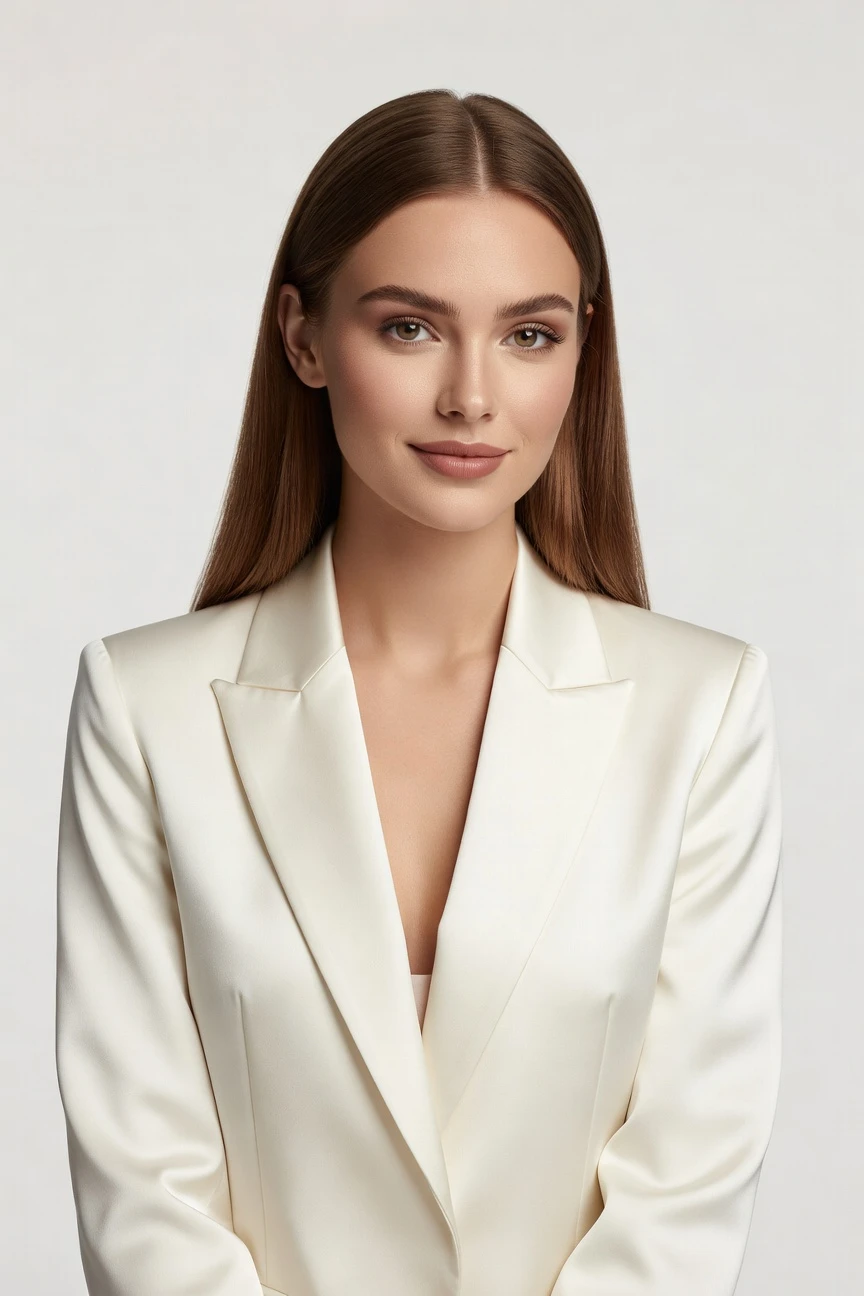
Summary: Rawshot.Ai is marketing a browser-based AI tool, the Luxury Fashion AI Product Photography Generator, designed to produce campaign and product detail page (PDP) imagery directly from uploaded garment assets. The platform emphasizes click-driven, visual controls over typed prompts, allowing users to select lens, framing, lighting, and background via sliders and presets. It promises to eliminate the need for physical studios, samples, or complex syntax, aiming for catalog-ready consistency from single hero shots to scaled SKU production.
Why it matters: This directly targets the labor and cost structure of fashion photography studios and post-production vendors, proposing a tool that could compress the traditional commissioning pipeline into a software-controlled workflow.
Context: The push for AI-generated commercial imagery is accelerating, but most tools require prompt engineering; this product asserts a ‘directed’ workflow that mimics a photographer’s shoot plan, appealing to brand teams seeking faster, cheaper asset production.
"# Direct polished campaign imagery with the Luxury Fashion AI Product Photography Generator. Generate premium-looking fashion imagery built around the garment, from clean PDP frames to editorial campaign scenes. Select lens, framing,." — RAWSHOT.AI
Commentary: If adopted, this shifts aesthetic control from photographers and art directors to brand merchandisers and digital operators, potentially standardizing visual language and reducing freelance commissions. The emphasis on starting from ‘the real product asset’ is a tactical claim to address client fears about AI misrepresenting garments, but it also functionally demotes the photographer’s role in interpreting a brief into a physical scene. The API-scale option indicates a clear play for high-volume e-commerce work, a segment currently served by lower-margin studio photography.
Date: May 01, 2026 12:00 AM ET
URL: https://rawshot.ai/solution/luxury-fashion-ai-product-photography-generator
AI Sentiment Score: Negative (60%)
AI Credibility Score: 10.0/10 — High
Scores and text generated by AI analysis of the source article indicated.
AI Campaign Fashion Photo Generator | Rawshot.ai (Rawshot.Ai)
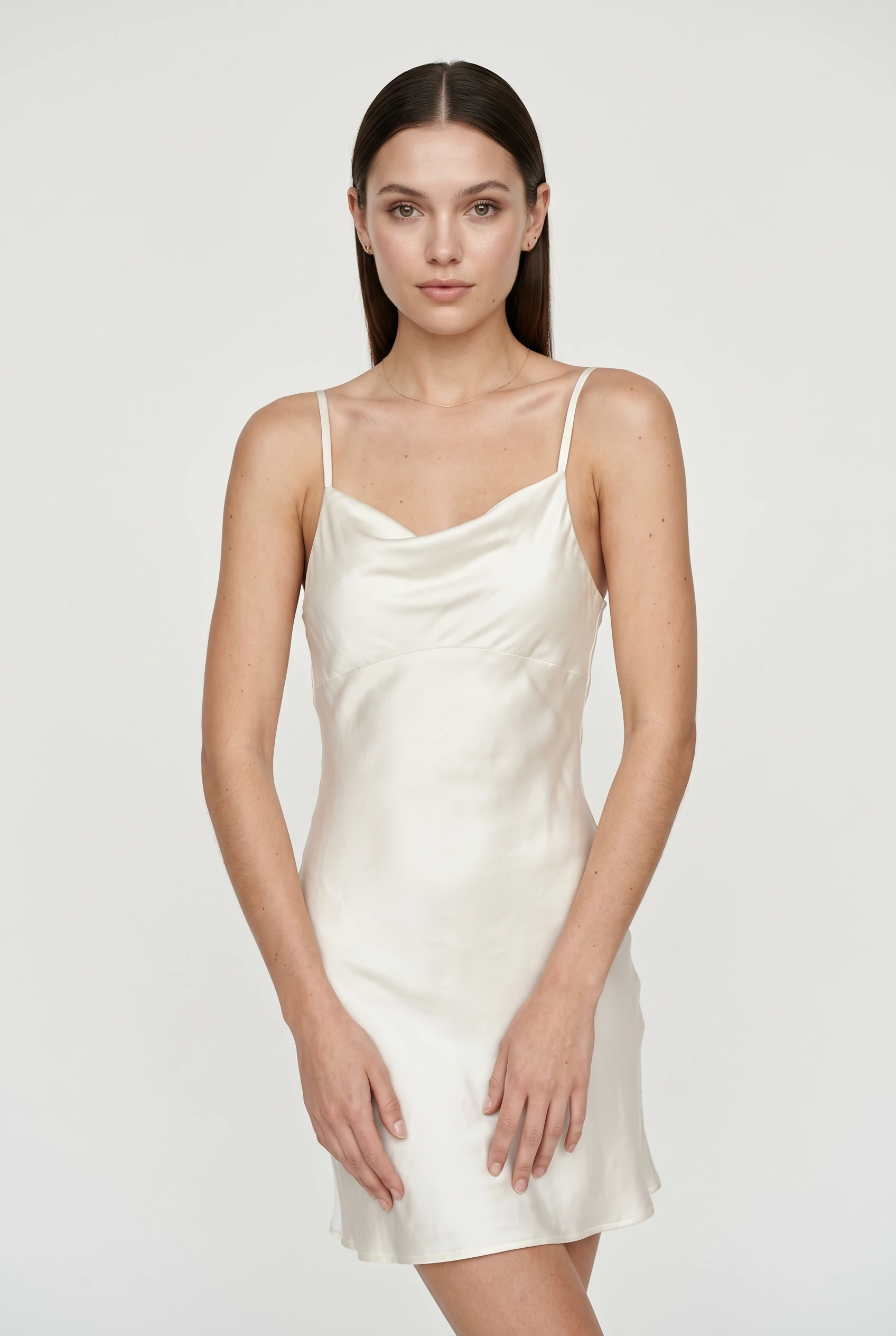
Summary: Rawshot.ai is launching an AI Campaign Fashion Photo Generator that positions the physical garment as the primary input, bypassing traditional text-to-image prompting. The platform offers a UI-driven workflow where users select lens, framing, lighting, backdrop, and visual style via sliders and presets, aiming to produce consistent, campaign-ready imagery without studio shoots, samples, or manual prompting. The service is framed as a tool for directing a campaign from a single look to a full seasonal rollout, emphasizing repeatable brand output.
Why it matters: This directly targets the commissioning economics and labor structure of editorial fashion photography, potentially displacing studio bookings, sample coordination, and photographer-led shoots for certain campaign tiers.
Context: The push for AI in fashion imagery has largely been text-prompt driven; a garment-first, UI-controlled system represents a shift toward automating the art direction and technical execution phases, not just the final render.
"# Direct your next drop’s campaign with the AI Campaign Fashion Photo Generator Generate campaign-ready fashion imagery built around the garment, not around a blank text box. Select lens, framing, lighting, backdrop,." — RAWSHOT.AI
Commentary: Rawshot.ai’s model reframes the creative brief as a product file, not a human conversation, which could compress pre-production timelines and reduce reliance on specialized photographers and stylists for baseline campaign assets. The emphasis on UI controls over prompts suggests a bid to capture art director and brand manager workflows, shifting value from photographic expertise to software operation. If adopted, this pressures mid-tier commercial studios and sample agencies, while high-end editorial likely remains insulated due to its reliance on intangible brand aura and photographer signature.
Date: May 01, 2026 12:00 AM ET
URL: https://rawshot.ai/features/ai-campaign-fashion-photo-generator
AI Sentiment Score: Neutral (33%)
AI Credibility Score: 10.0/10 — High
Scores and text generated by AI analysis of the source article indicated.
AI Lookbook: How Fashion Brands Are Creating Full … – Pixofix (Pixofix)
Summary: Pixofix details the operational pipeline for producing AI-generated fashion lookbooks, replacing traditional studio shoots with a process that maps garment images onto virtual models. The guide emphasizes rigorous pre-production asset preparation, metadata tagging, and the creation of locked style presets to ensure batch consistency. It outlines a structured workflow from upload through QC, highlighting the continued need for human review to correct AI artifacts, particularly in skin rendering and garment placement.

Why it matters: This codifies a production-grade alternative to physical shoots, directly impacting commissioning budgets, studio and crew labor demand, and the skill sets required for in-house creative teams.
Context: The shift from AI as a novelty to a repeatable production pipeline represents a maturation point for brand-side creative operations, moving beyond one-off experiments.
"AI lookbooks let fashion brands produce full campaign-grade imagery from flat lays and ghost mannequin shots; no studio, no casting, no reshoot delays." — PIXOFIX
Commentary: The procedural rigor described signals a move from cost-cutting to quality control, establishing AI lookbooks as a reliable channel asset. This could pressure traditional photography studios on speed and cost for routine catalog work, while elevating the role of technical art directors and retouchers who manage the pipeline. The explicit need for ‘locked’ presets reveals that the primary operational risk is not capability, but consistency at scale.
Date: April 30, 2026 12:00 AM ET
URL: https://www.pixofix.com/blog/ai-lookbook-fashion-brands-without-photoshoot
AI Sentiment Score: Negative (80%)
AI Credibility Score: 10.0/10 — High
Scores and text generated by AI analysis of the source article indicated.
Fashion Retouching at Scale: Why High-Volume Catalogs … (Pixofix)
Summary: Pixofix outlines a systematic methodology for managing high-volume fashion catalog retouching, emphasizing pre-production standardization, workflow segmentation, and post-launch auditing. The approach treats image production as a predictable pipeline, with defined lanes for asset complexity, tracked metrics for efficiency, and controlled use of automation. It prioritizes consistency and scalability over artistic flexibility, positioning retouching as an industrial operation.

Why it matters: This codifies a shift from boutique craft to scalable manufacturing in editorial fashion photography, directly impacting studio economics, retoucher labor specialization, and brand publication velocity.
Context: The fashion industry’s pivot to direct-to-consumer and e-commerce has exponentially increased demand for standardized, high-quality product imagery, pressuring traditional creative workflows.
"Start with a tight brief. Each batch should define poses, crop ratios, background requirements, expected colorways, and any special handling for accessories or fabric detail. Add metadata at intake so the team." — PIXOFIX
Commentary: This operational blueprint commoditizes the bulk of fashion photography output, relegating high-touch artistry to a premium tier. It will accelerate vendor consolidation around studios that can deliver industrial-scale consistency, while marginalizing freelancers who cannot integrate into segmented, metric-driven pipelines. The explicit cost-bucketing and ROI prioritization further erodes the editorial ‘hero shot’ model, aligning image production directly with performance marketing logic.
Date: May 04, 2026 12:00 AM ET
URL: https://www.pixofix.com/blog/fashion-retouching-at-scale-why-high-volume-catalogs-still-need-human-hands
AI Sentiment Score: Positive (50%)
AI Credibility Score: 10.0/10 — High
Scores and text generated by AI analysis of the source article indicated.
Learn about Picsart Flow Templates for Fashion (Picsart)
Summary: Picsart has launched six AI workflow templates under its Flow platform, designed to generate fashion and commercial imagery from a single reference photo. The templates leverage multiple frontier models (Flux 2 Pro, Gemini, Kling, Veo) to produce consistent assets across e-commerce sets, editorial shoots, try-on mockups, campaign images, and animated videos. The core proposition collapses traditional multi-stage production—requiring studios, crews, and extensive post-production—into a one-click operation. Outputs maintain model identity, garment fit, and product detail across dozens of frames, a technical hurdle previously necessitating physical shoots or manual digital compositing.
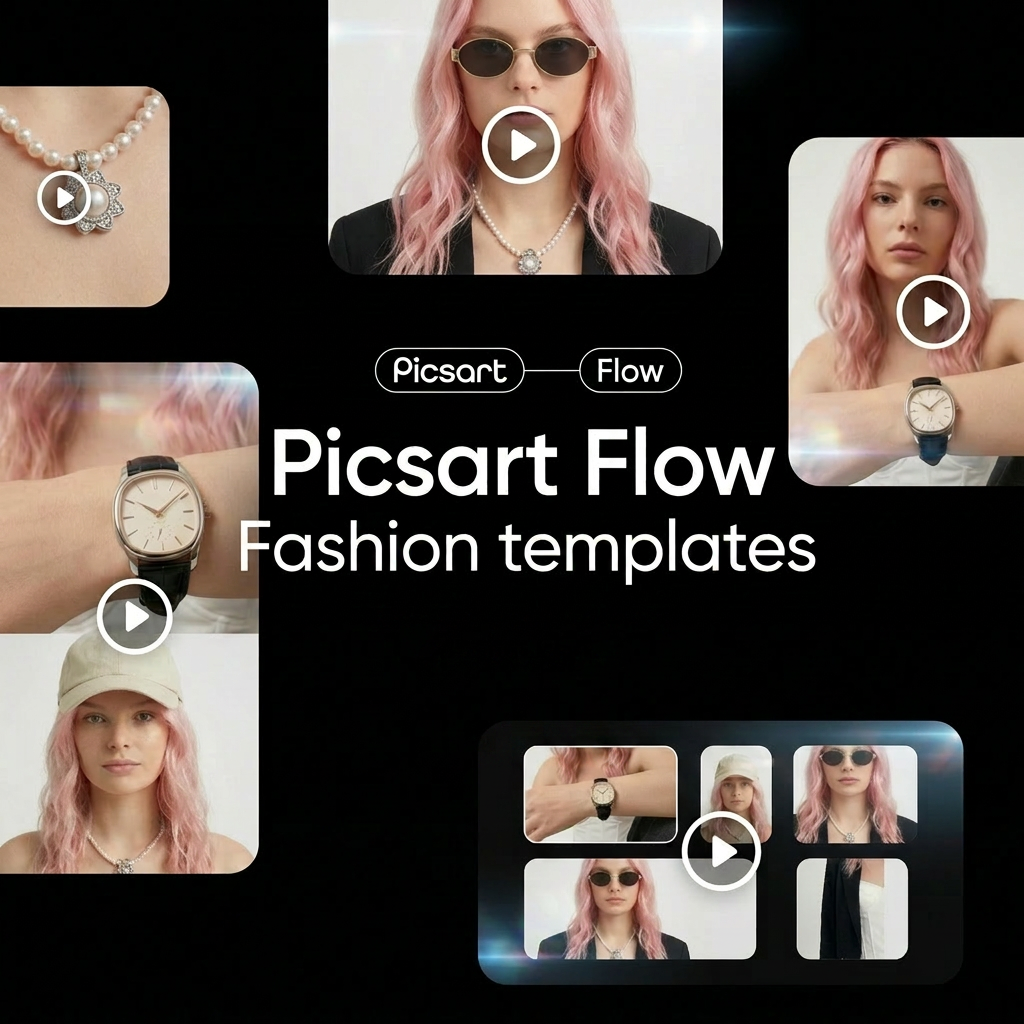
Why it matters: This directly threatens the economic model of studio photography and post-production labor for mid-market fashion and e-commerce, while empowering brands and content teams to radically compress production timelines and costs.
Context: The push to automate fashion imagery has moved from experimental single-image generation to packaged, multi-model workflows that suggest consistency—the last major technical barrier to replacing traditional shoots for commercial applications.
"6 new Picsart Flow templates collapse that whole workflow into a single reference photo. Each one runs on top of frontier AI image and video models, Flux 2 Pro, Gemini, Kling, and." — PICSART
Commentary: Picsart is productizing the consistency problem, moving AI from a creative toy to a pipeline tool. This could pressure photography studios serving fast fashion and DTC brands, while in-house creative teams will face demands to do more with less crew. The stacking of workflows—editorial stills into animated video—signals a move toward fully synthetic content pipelines, collapsing distinct vendor roles (photographer, retoucher, videographer) into a single software subscription.
Date: April 29, 2026 12:00 AM ET
URL: https://picsart.com/blog/ai-fashion-templates-in-picsart-flow/
AI Sentiment Score: Negative (75%)
AI Credibility Score: 10.0/10 — High
Scores and text generated by AI analysis of the source article indicated.
Best AI Editorial High Fashion Photography Generator (2026) – Gitnux (Gitnux)
Summary: Gitnux’s 2026 market overview positions AI editorial fashion photography generators as essential tools for producing runway-level visuals at speed and scale. It delineates the landscape between prompt-driven platforms like Midjourney, Runway, and Leonardo AI and no-prompt, garment-realistic interfaces like RAWSHOT AI, highlighting integration into established workflows like Adobe’s. The core value proposition is solving time, cost, and iteration bottlenecks in concepting and campaign drafting.
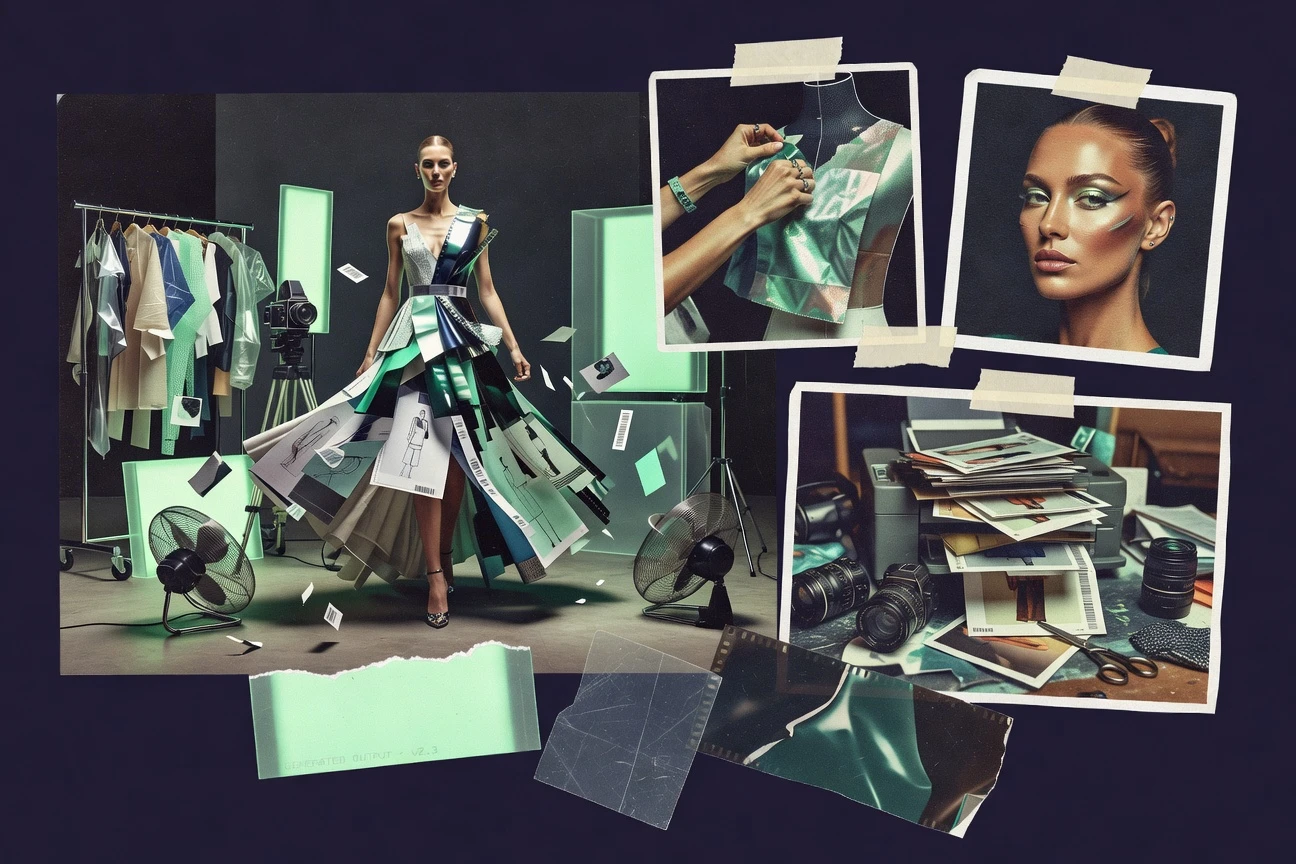
Why it matters: The operational distinction between prompt-engineering and no-prompt interfaces dictates labor reskilling, vendor selection, and the economic viability of AI for different production stages, directly impacting studio budgets and creative director mandates.
Context: The fashion editorial pipeline is bifurcating between AI-augmented pre-production (concepting, mood boards, draft assets) and full AI-generated final assets, with tool choice determining control, authenticity, and brand safety.
"AI editorial high fashion photography generators are rapidly becoming essential for producing runway-level visuals faster and at scale. With options spanning no-prompt garment realism like RAWSHOT AI, photoreal text-to-image power from Midjourney,." — GITNUX
Commentary: The segmentation between prompt-based and no-prompt tools creates a tiered market: Midjourney and Runway serve agile concept teams and art directors, while RAWSHOT AI’s studio-style interface targets technical producers and brands requiring garment-specific realism without a prompt engineering overhead. This could pressure photographers and stylists to specialize either in high-level AI art direction or in hybrid technical roles that bridge AI output to physical production, while post-production houses must integrate tools like Adobe Firefly to retain value in the finishing pipeline.
Date: April 21, 2026 12:00 AM ET
URL: https://gitnux.org/best/ai-editorial-high-fashion-photography-generator/
AI Sentiment Score: Neutral (33%)
AI Credibility Score: 7.0/10 — Medium
Scores and text generated by AI analysis of the source article indicated.
AI High Fashion Photography Generator: Top Picks (2026) (Wifitalents)
Summary: A 2026 industry guide from Wifitalents evaluates AI image generators for high-fashion editorial and ecommerce production. It positions tools like Runway and Midjourney as aids for visual ideation and iteration, while noting specialized platforms like RAWSHOT AI aim for more automated, garment-focused output. The analysis frames tool selection as critical for achieving realism, consistency, and workflow integration.
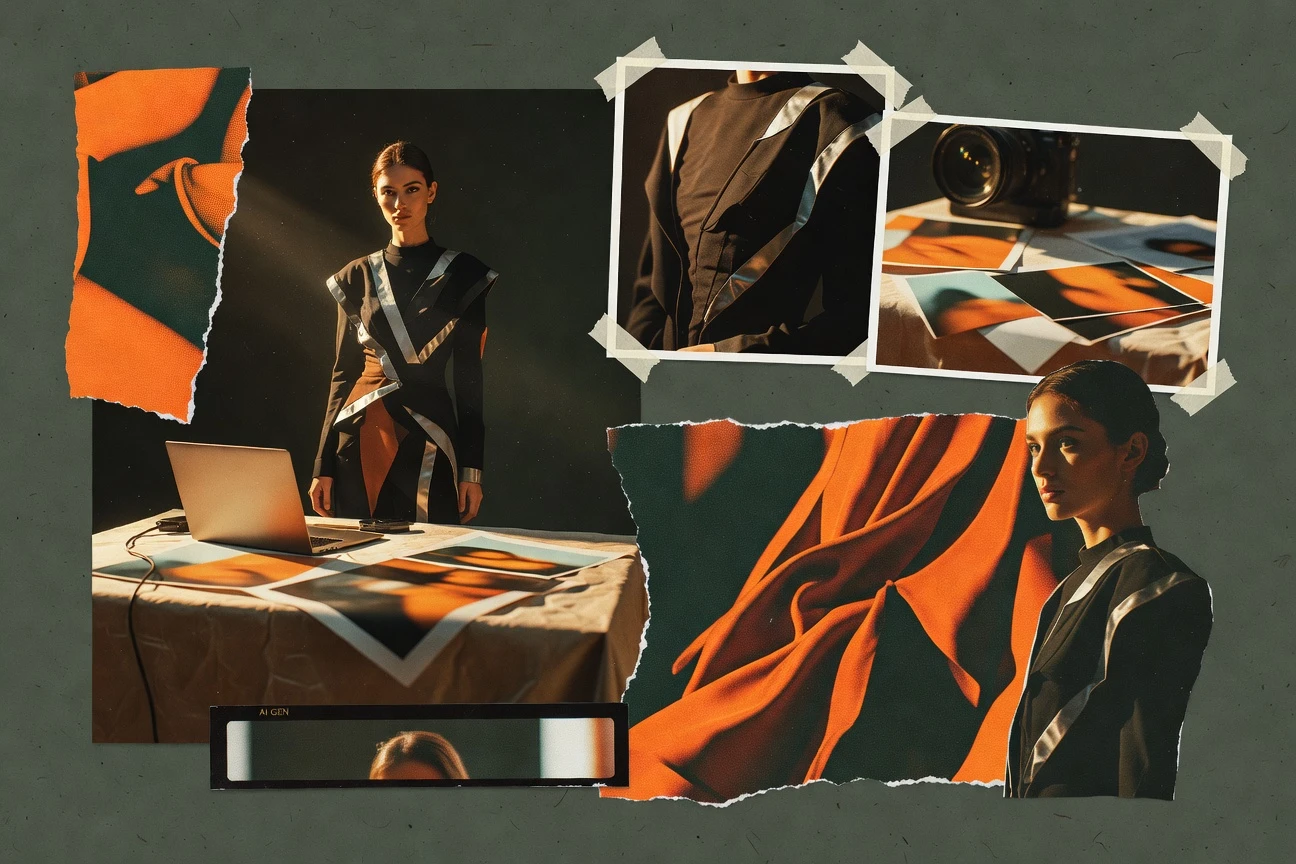
Why it matters: Tool selection is becoming a core operational competency, directly impacting the cost, speed, and aesthetic control of editorial and campaign production.
Context: The market is segmenting between generalized creative AI platforms and specialized fashion production suites, forcing studios to align tooling with specific pipeline stages.
"With options ranging from garment-upload “no prompt” studios like RAWSHOT AI to enterprise pipelines such as Adobe Firefly, choosing the right tool from this shortlist can make or break realism, consistency, and output quality." — WIFITALENTS
Commentary: The segmentation between ideation tools (Runway, Midjourney) and production-focused ‘no prompt’ studios signals a maturing market where workflow integration, not just image quality, dictates vendor choice. This could pressure in-house teams to develop hybrid technical-creative roles and reassess budgets for traditional photography, retouching, and location costs. The emphasis on ‘realism and consistency’ as make-or-break factors underscores that the industry’s adoption hurdle is no longer novelty, but reliable commercial-grade output.
Date: April 21, 2026 12:00 AM ET
URL: https://wifitalents.com/best/ai-high-fashion-photography-generator/
AI Sentiment Score: Negative (80%)
AI Credibility Score: 8.0/10 — High
Scores and text generated by AI analysis of the source article indicated.
Generate AI Fashion Shoots at Home in Minutes | Blog Picasso IA (Blog.Picassoia)
Summary: The PicassoIA blog outlines a structured, browser-based workflow for generating photorealistic editorial fashion images using AI models like Flux Dev and Realistic Vision v5.1. It details a five-component prompt formula and a batch-processing system capable of producing 30-50 publication-ready images in 3-4 hours, a task traditionally requiring days and significant crew and studio costs. The guide positions this as a direct, low-cost alternative to conventional photoshoots for creating lookbooks and campaign assets.
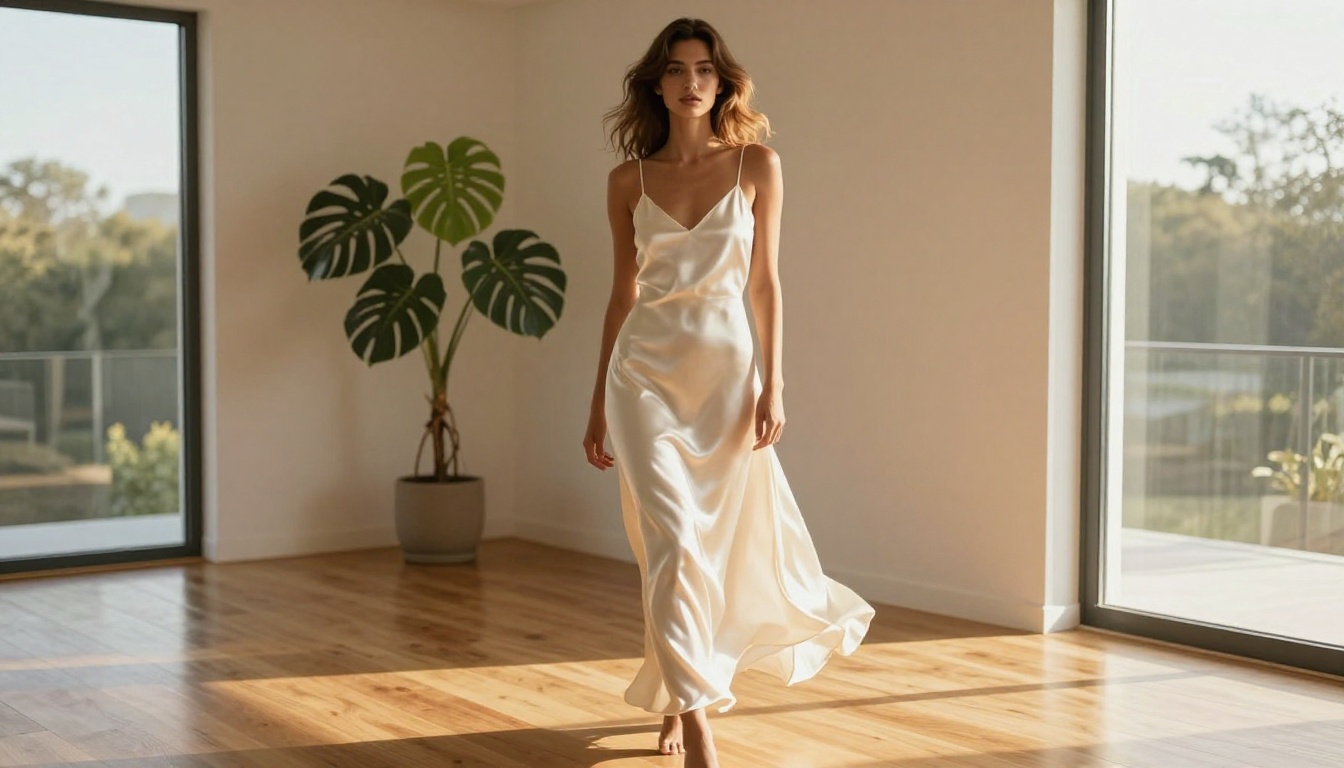
Why it matters: This codifies a production-grade AI workflow that directly threatens the economic model of mid-tier fashion editorial photography, from photographer and stylist day rates to studio rental and post-production billing.
Context: The push to operationalize AI image generation moves from experimental novelty to documented, repeatable production pipelines, emphasizing speed, cost, and consistency over creative collaboration.
"You don’t need a studio, a photographer, or an expensive crew to produce editorial-quality fashion images. This article breaks down how to create photorealistic AI fashion shoots at home, from writing powerful." — BLOG.PICASSOIA
Commentary: The explicit time-and-cost comparison is a market signal. It pressures brands and publishers to rationalize traditional shoot budgets, while commoditizing the ‘look’ of high-end editorial into a prompt engineering skill. The recommendation to batch-generate with consistent backgrounds for lookbooks indicates AI is being structured to replace not just single images, but entire coordinated campaign outputs, reshaping commissioning and art direction roles.
Date: April 23, 2026 12:00 AM ET
URL: https://blog.picassoia.com/how-to-generate-ai-fashion-shoots-at-home
AI Sentiment Score: Negative (66%)
AI Credibility Score: 7.0/10 — Medium
Scores and text generated by AI analysis of the source article indicated.
AI Editorial Fashion Photo Generator (Rawshot.Ai)
Summary: Rawshot.Ai is launching an AI Editorial Fashion Photo Generator, a click-driven application that generates campaign-ready imagery directly from uploaded garment files. The tool replaces traditional studio workflows with a structured UI of lens, framing, lighting, and styling presets, explicitly bypassing text prompts. It is positioned as a production solution for fashion brands needing consistent, styled output without physical samples, crews, or studio scheduling.
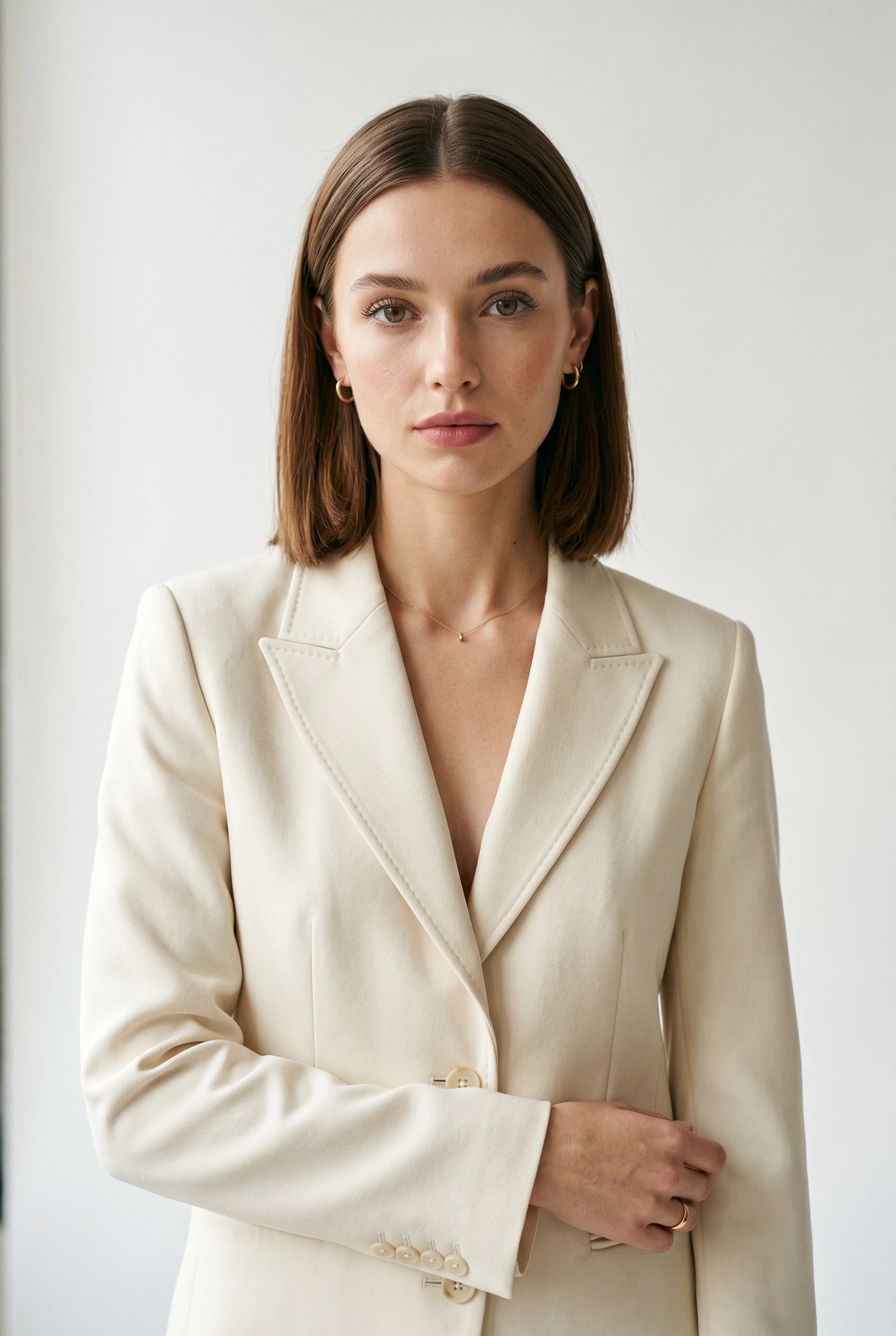
Why it matters: This tool directly targets the commissioning economics and labor pipeline of editorial fashion, offering a potential substitute for photographer, stylist, and studio vendor contracts.
Context: The push for AI in fashion visuals has largely been prompt-based; this represents a shift toward a controlled, brand-managed production tool that mimics the art direction decisions of a physical shoot.
"# Direct your next drop’s campaign with the AI Editorial Fashion Photo Generator. Generate editorial fashion imagery around the garment you actually sell, with campaign-ready lighting, framing, and brand consistency built in." — RAWSHOT.AI
Commentary: This formalizes AI image generation as a repeatable production pipeline, not a creative experiment. It commoditizes the foundational technical decisions of a fashion shoot—lens choice, lighting setup—into software presets, which could compress budgets for mid-tier campaigns and shift power from photographers and directors to brand managers and in-house creatives. The explicit avoidance of prompts is a strategic positioning for professional adoption, trading flexibility for brand control and operational predictability.
Date: May 01, 2026 12:00 AM ET
URL: https://rawshot.ai/features/ai-editorial-fashion-photo-generator
AI Sentiment Score: Positive (50%)
AI Credibility Score: 10.0/10 — High
Scores and text generated by AI analysis of the source article indicated.
AI Fashion Shots That Match Your Brand (Rewarx)
Summary: Rewarx outlines a systematic workflow for deploying AI in fashion photography, emphasizing the pre-production necessity of codified brand guidelines to ensure visual consistency. The process moves from asset preparation and style parameter definition through iterative generation, review, and documentation of successful prompts, treating AI tools as components within a structured pipeline.
Why it matters: For photographers, art directors, and brand production teams, this codifies a shift from creative execution to brand governance and prompt engineering, altering commissioning economics and in-house skill requirements.
Context: The fashion industry is rapidly adopting AI for cost-effective, scalable content, but inconsistent outputs have limited its use for cohesive brand campaigns.
"AI fashion photography is the process of using artificial intelligence tools to generate professional product and lifestyle images for fashion ecommerce. … Maintaining consistency requires establishing clear parameters for style, tone, and." — REWARX
Commentary: The article operationalizes brand identity into prompt parameters, effectively turning style guides into production scripts. This systematization reduces the role of the photographer as a singular interpreter of mood, shifting value towards art directors who can deconstruct aesthetics into repeatable instructions and post-production specialists who manage the toolchain. It implies a consolidation of work for high-volume catalog and e-commerce shoots, while editorial and high-concept campaigns may retain traditional crews for their irreplicable nuance.
Date: April 28, 2026 12:00 AM ET
URL: https://www.rewarx.com/blogs/how-to-make-ai-fashion-shots-that-match-brand
AI Sentiment Score: Positive (50%)
AI Credibility Score: 10.0/10 — High
Scores and text generated by AI analysis of the source article indicated.
Batch Photo Retouching at Scale: How Fashion Brands Process … (Pixofix)
Summary: A technical guide from Pixofix outlines a systematic, industrial-scale pipeline for editorial fashion photography post-production. It details a workflow from ingest to final QC, emphasizing standardization, automated routing, and tiered retouching lanes to manage high-volume shoots. The system integrates AI tools within fixed templates and prioritizes exception handling and capacity planning to meet commercial deadlines.
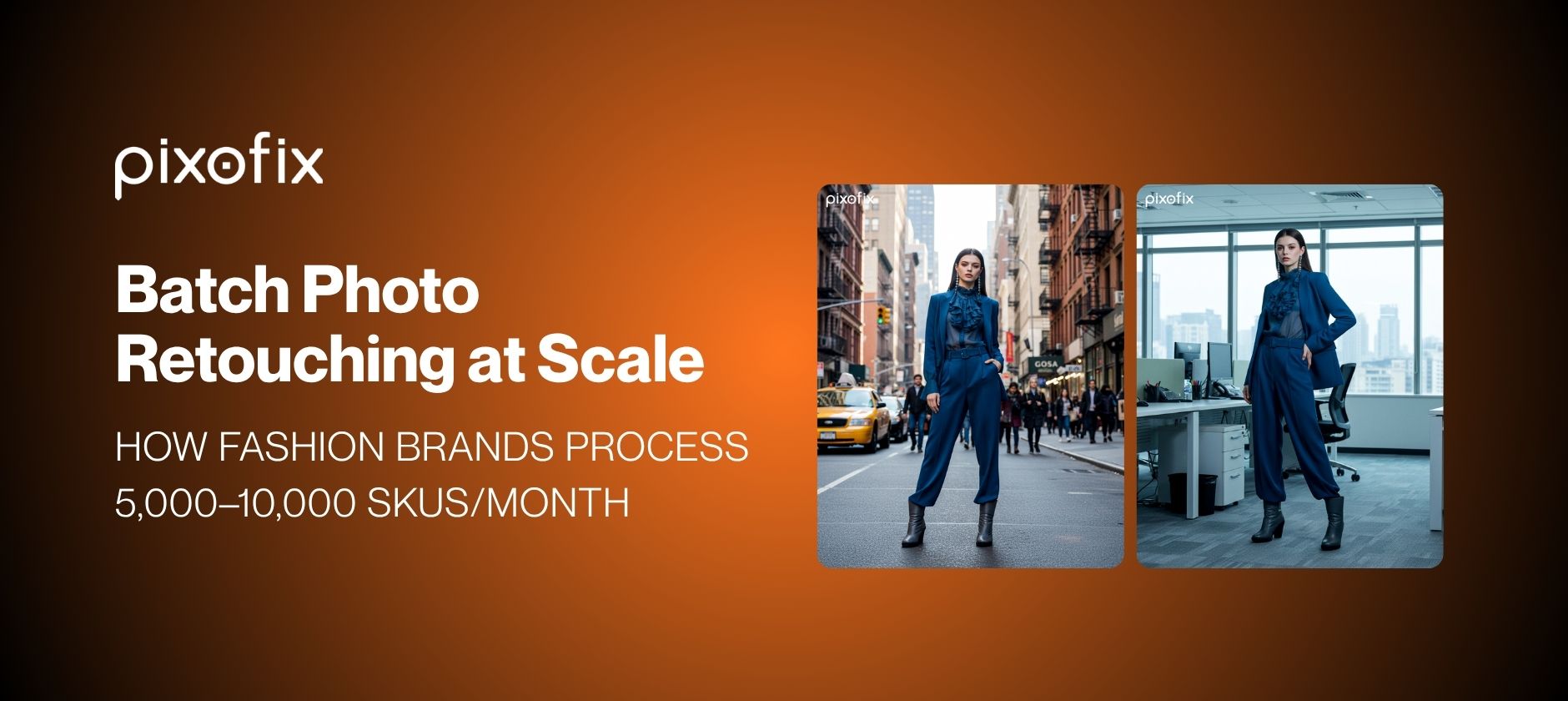
Why it matters: This codifies the operational shift from artisanal retouching to a manufacturing-like process, directly impacting studio labor, retoucher specialization, and the economic model of fashion image production.
Context: The fashion industry’s move to direct-to-consumer and constant digital content drops has intensified pressure on image throughput, making scalable, repeatable post-production a core competitive requirement.
"Lock white balance and exposure ranges per set and camera in Capture One. Tie every shoot to a reference card and keep a shared library of approved baselines for white shirts, black." — PIXOFIX
Commentary: This tiered system formalizes a labor hierarchy, relegating routine work to automated ‘fast tracks’ and junior retouchers, while reserving complex judgment for seniors. It turns creative decision-making into a managed exception, potentially de-skilling portions of the workforce and centralizing aesthetic control within predefined brand standards. For studios, adherence to this ingest and naming protocol becomes a non-negotiable condition for commission, shifting power to brands that control the pipeline.
Date: May 07, 2026 12:00 AM ET
URL: https://www.pixofix.com/blog/batch-photo-retouching-service-at-scale
AI Sentiment Score: Negative (50%)
AI Credibility Score: 10.0/10 — High
Scores and text generated by AI analysis of the source article indicated.
AI Catalog Fashion Photo Generator | Rawshot.ai (Rawshot.Ai)
Summary: Rawshot.ai is launching a visual interface for generating on-model catalog photography, replacing text prompts with directorial controls for lens, framing, lighting, and background. The system is designed to lock garment focus for consistency across product pages and lookbooks, scaling from single images to API-driven nightly catalog runs. It grants full commercial rights to outputs, positioning it as a tool for ecommerce and brand production teams.
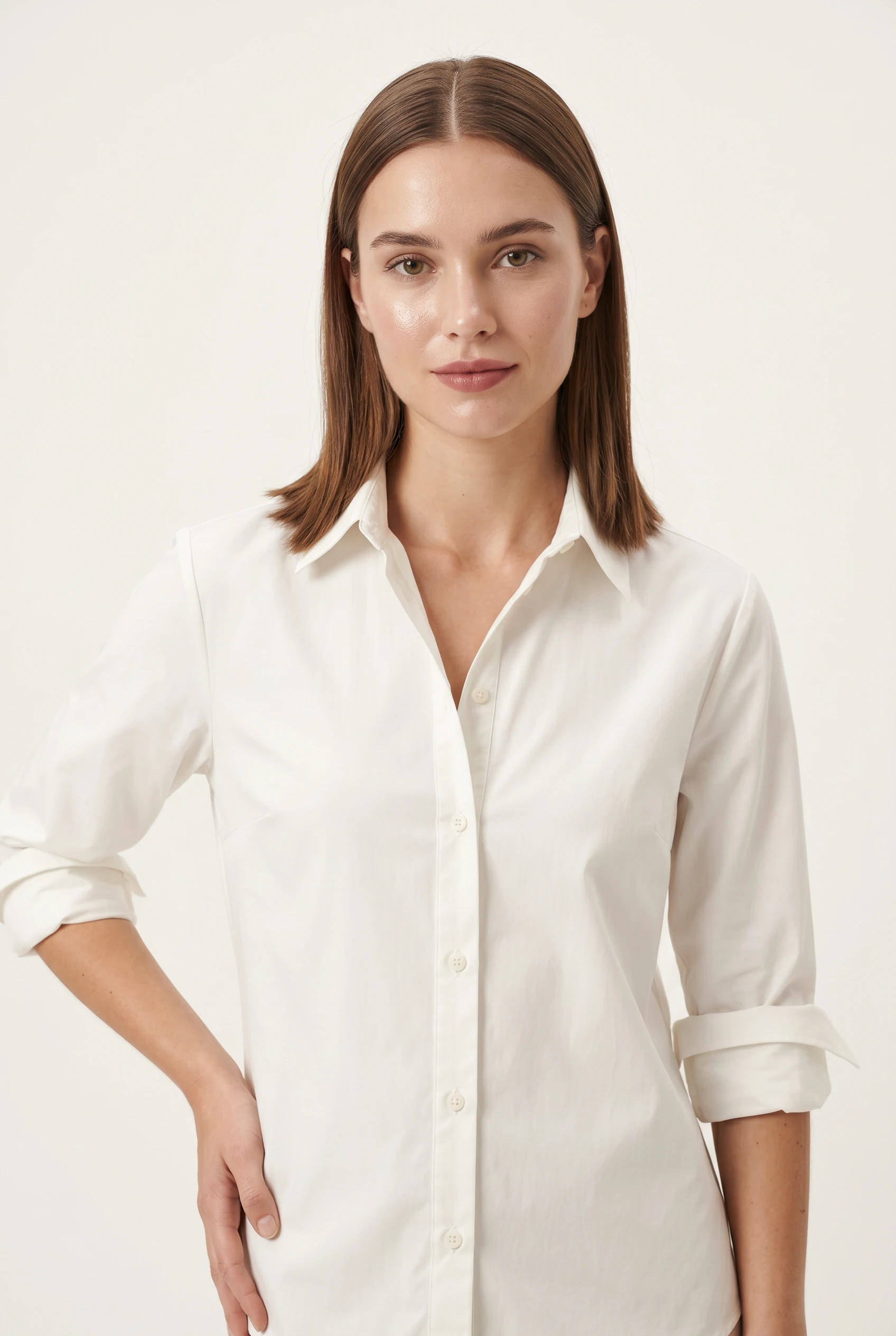
Why it matters: This directly targets the labor and cost structure of high-volume commercial photography, offering a standardized, rights-cleared alternative that could reshape commissioning for catalog work.
Context: The push to automate product imagery is accelerating, but most solutions rely on prompt engineering, which introduces aesthetic variance and rights ambiguity for commercial use.
"Generate clean on-model catalog imagery built around the garment, ready for PDPs, lookbooks, and large assortments. Select lens, framing, pose, lighting, background, and visual style through buttons, sliders, and presets in a." — RAWSHOT.AI
Commentary: By abstracting the creative brief into a set of photographic parameters, Rawshot.ai is productizing the art director’s role for high-volume, low-variance output. This shifts the competitive pressure from photographers to studios and post-production vendors specializing in retouching and asset management. The explicit commercial rights grant is a necessary market entry requirement, but it also formalizes the legal standing of synthetic imagery for direct sales use, potentially accelerating adoption by risk -averse enterprise teams.
Date: May 01, 2026 12:00 AM ET
URL: https://rawshot.ai/features/ai-catalog-fashion-photo-generator
AI Sentiment Score: Negative (62%)
AI Credibility Score: 10.0/10 — High
Scores and text generated by AI analysis of the source article indicated.
AI Lookbook Fashion Photo Generator | Rawshot.ai (Rawshot.Ai)
Summary: Rawshot.ai is marketing a generative AI tool designed to produce fashion lookbook imagery directly from a garment image, bypassing traditional studio photography. The platform emphasizes control over editorial direction—lens, framing, lighting, mood—via a visual interface rather than text prompts. It positions the product as the creative brief and promises scalable output from single outfits to thousands of SKUs through an API.
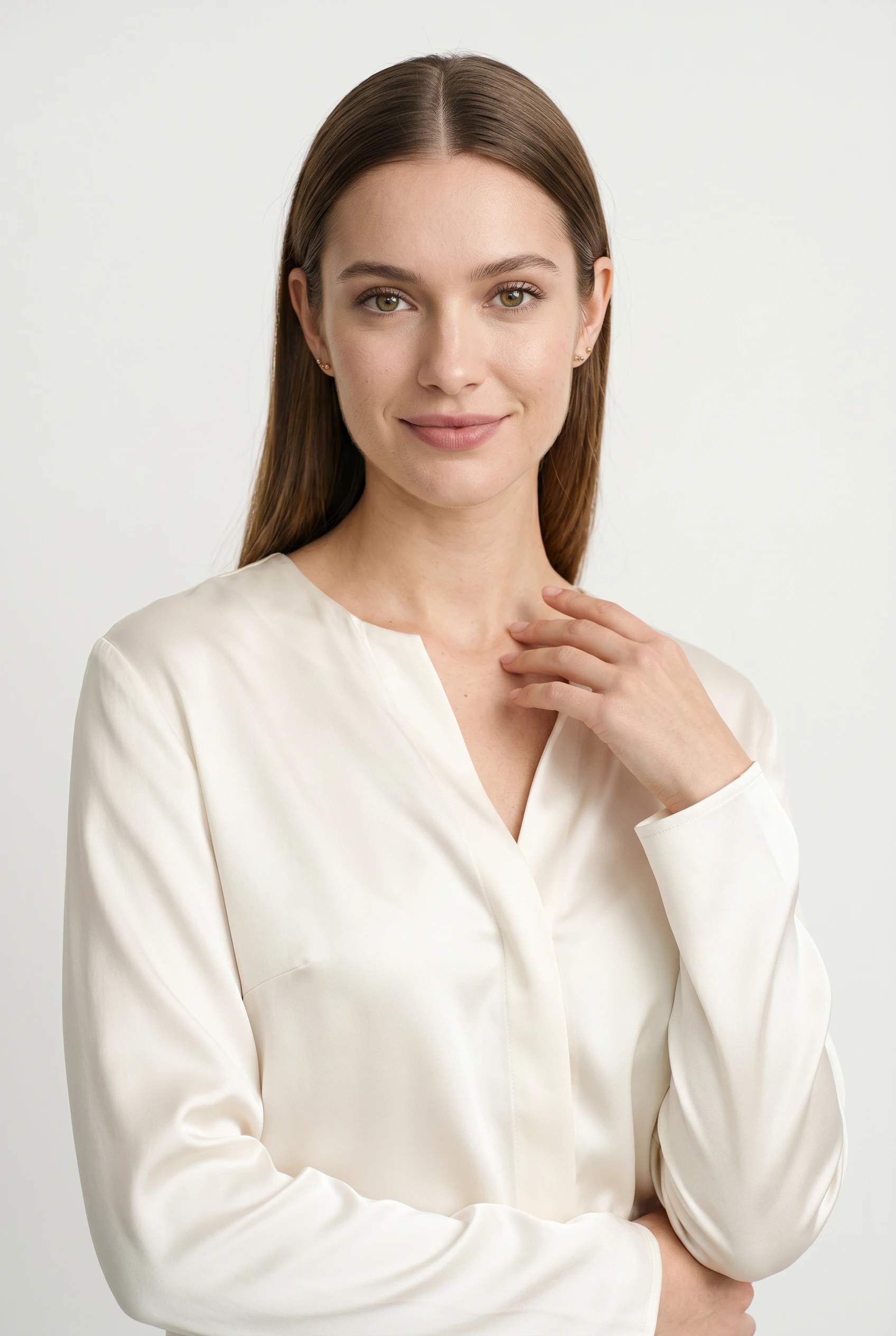
Why it matters: This directly targets the economics and labor structure of editorial fashion production, offering brands a path to eliminate studio shoots, sample logistics, and photographer commissions for lookbook content.
Context: The push for AI-generated commercial imagery is accelerating, with tools increasingly focused on replacing specific, high-cost production workflows rather than general image creation.
"Generate campaign-ready lookbook imagery around the garment, with framing, lighting, lens, and mood under your control. Click through presets and visual controls instead of wrestling with syntax, then keep the same brand." — RAWSHOT.AI
Commentary: This represents a maturation of generative AI from a novelty to a targeted pipeline tool, explicitly designed to disintermediate photographers, stylists, and studios for commercial lookbooks. The emphasis on visual controls over text prompts lowers the barrier for art directors and merchandisers, shifting creative labor from execution to curation. If adopted, it pressures mid-tier fashion photography studios and accelerates the commodification of standardized campaign imagery, though high-concept editorial may remain insulated for now.
Date: May 01, 2026 12:00 AM ET
URL: https://rawshot.ai/features/ai-lookbook-fashion-photo-generator
AI Sentiment Score: Negative (60%)
AI Credibility Score: 10.0/10 — High
Scores and text generated by AI analysis of the source article indicated.
AI Luxury Fashion Photography Generator | Rawshot.ai (Rawshot.Ai)
Summary: AI generators like Rawshot.ai, Runway, WearView, and Fotiyo are being positioned as production tools for luxury fashion photography, capable of transforming product shots into campaign-ready editorial visuals. The market is segmenting between no-prompt garment workflows, photorealistic creative suites, and e-commerce-focused platforms. The core claim is that tool selection now directly impacts output quality, moving from acceptable to ‘luxury-grade’.
Why it matters: This signals a direct operational threat to traditional commissioning workflows, studio photography labor, and post-production vendors, while creating new dependencies on AI platform proficiency.
Context: The fashion industry’s editorial pipeline, from sample to final image, has been a high-cost, labor-intensive process involving photographers, models, stylists, and retouchers. AI image generation has been encroaching on stock and concept work; this push into ‘luxury’ and ‘campaign-ready’ targets the core economic engine.
"AI luxury fashion photography generators are transforming how brands and creators produce campaign-ready visuals—turning garments and product shots into polished on-model imagery, editorial scenes, and studio-quality edits." — RAWSHOT.AI
Commentary: The shift from ‘generating images’ to producing ‘campaign-ready visuals’ reframes AI as a direct substitute for photographic services, not just a creative aid. This pressures photographers to either master these tools as part of their service or risk being bypassed by brands using in-house teams. The segmentation of tools (no-prompt vs. creative suite) suggests a bifurcation in client needs: efficiency for high-volume e-commerce versus controlled artistry for high-end editorial, each with different labor and cost implications. The real test will be whether these outputs can consistently satisfy art directors and withstand the scrutiny of luxury brand guardianship.
Date: April 22, 2026 12:00 AM ET
URL: https://rawshot.ai/best/ai-luxury-fashion-photography-generator
AI Sentiment Score: Negative (66%)
AI Credibility Score: 10.0/10 — High
Scores and text generated by AI analysis of the source article indicated.
AI Creative Editorial Fashion Photography Generator (Rawshot.Ai)
Summary: A new class of AI tools—Lutyle, WearView, Atelier, Lookgen AI, and Modelia—is entering the market, specifically targeting the generation of editorial fashion photography. These platforms promise to produce photorealistic, studio-quality, and magazine-style on-model visuals directly from product inputs, bypassing traditional photoshoots. Their stated purpose is to accelerate concept exploration and create commerce-ready assets for lookbooks, product pages, and social content.
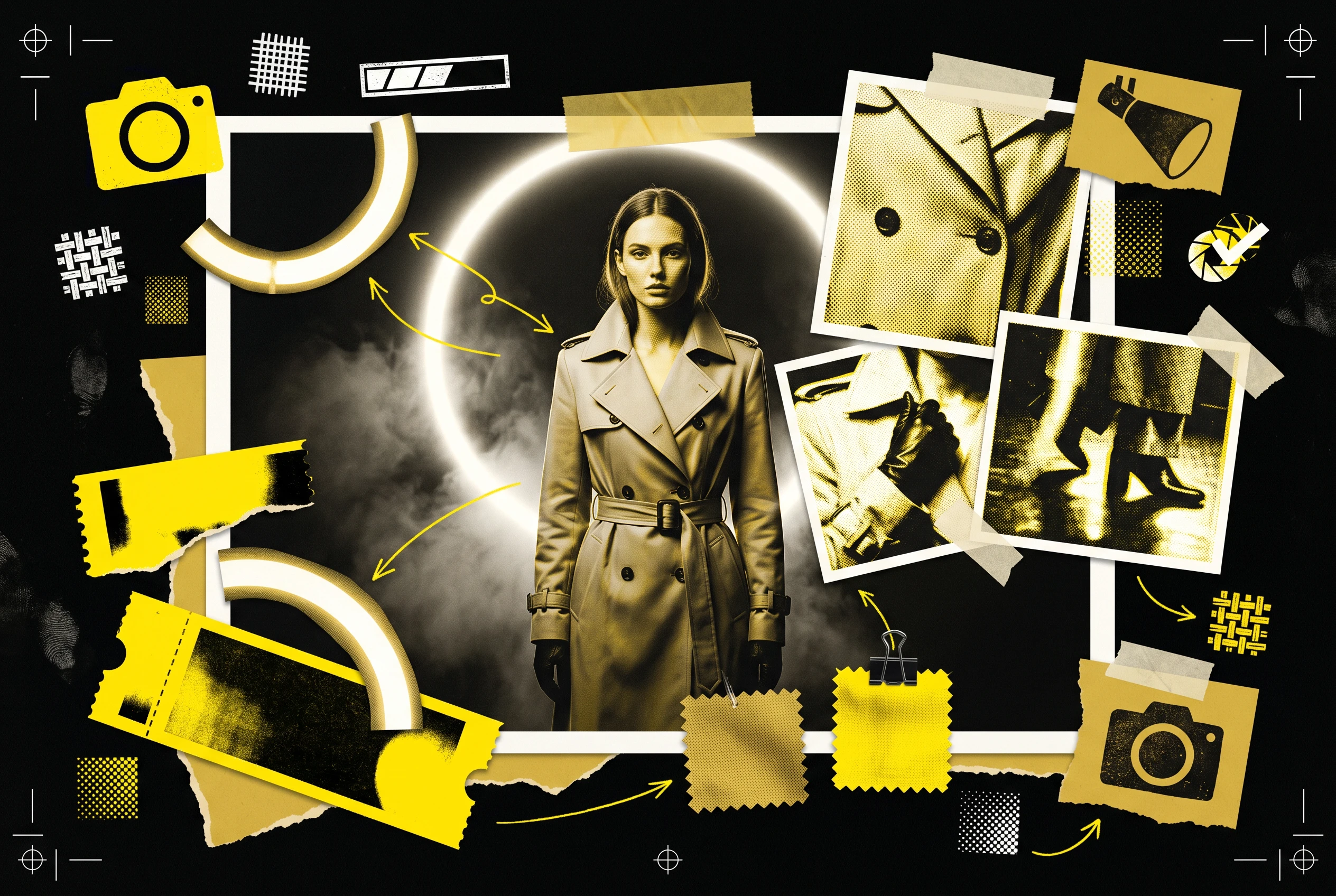
Why it matters: This directly threatens the economic model of mid-tier fashion photography studios and freelance crews by commoditizing the production of standard lookbook and e-commerce imagery, forcing a re-evaluation of commissioning budgets and creative roles.
Context: The push for faster, cheaper content cycles in fashion e-commerce has long pressured photography budgets, creating a market for cost-cutting solutions that maintain a veneer of editorial polish.
"AI creative editorial fashion photography generators are transforming how brands produce on-model visuals, from polished lookbooks to commerce-ready product shots." — RAWSHOT.AI
Commentary: The immediate impact will be felt in the low-to-mid commercial tier, where these tools offer a compelling ROI for basic product shots, squeezing out junior photographers and standard studio bookings. This could pressure human creatives to either move upstream into high-concept editorial work that AI cannot yet replicate or to specialize in art-directing and refining AI outputs, creating a new hybrid role. Agencies and studios must now explicitly justify the cost of a physical shoot based on creative differentiation, not just asset delivery.
Date: April 22, 2026 12:00 AM ET
URL: https://rawshot.ai/best/ai-creative-editorial-fashion-photography-generator
AI Sentiment Score: Negative (66%)
AI Credibility Score: 10.0/10 — High
Scores and text generated by AI analysis of the source article indicated.
AI Campaign Fashion Photo Generator | Rawshot.ai (Rawshot.Ai)
Summary: A competitive analysis of AI campaign fashion photo generators positions RAWSHOT AI as the leading tool for production-scale, on-model imagery, citing its click-driven UI, catalog consistency, and integrated compliance features. The landscape is segmented between tools optimized for rapid concept iteration via prompts (Picjam, Modelfy) and those built for controlled, repeatable output. Pricing and workflow implications highlight a trade-off between creative speed and production-grade uniformity, with cost structures becoming a critical factor for high-volume campaigns.
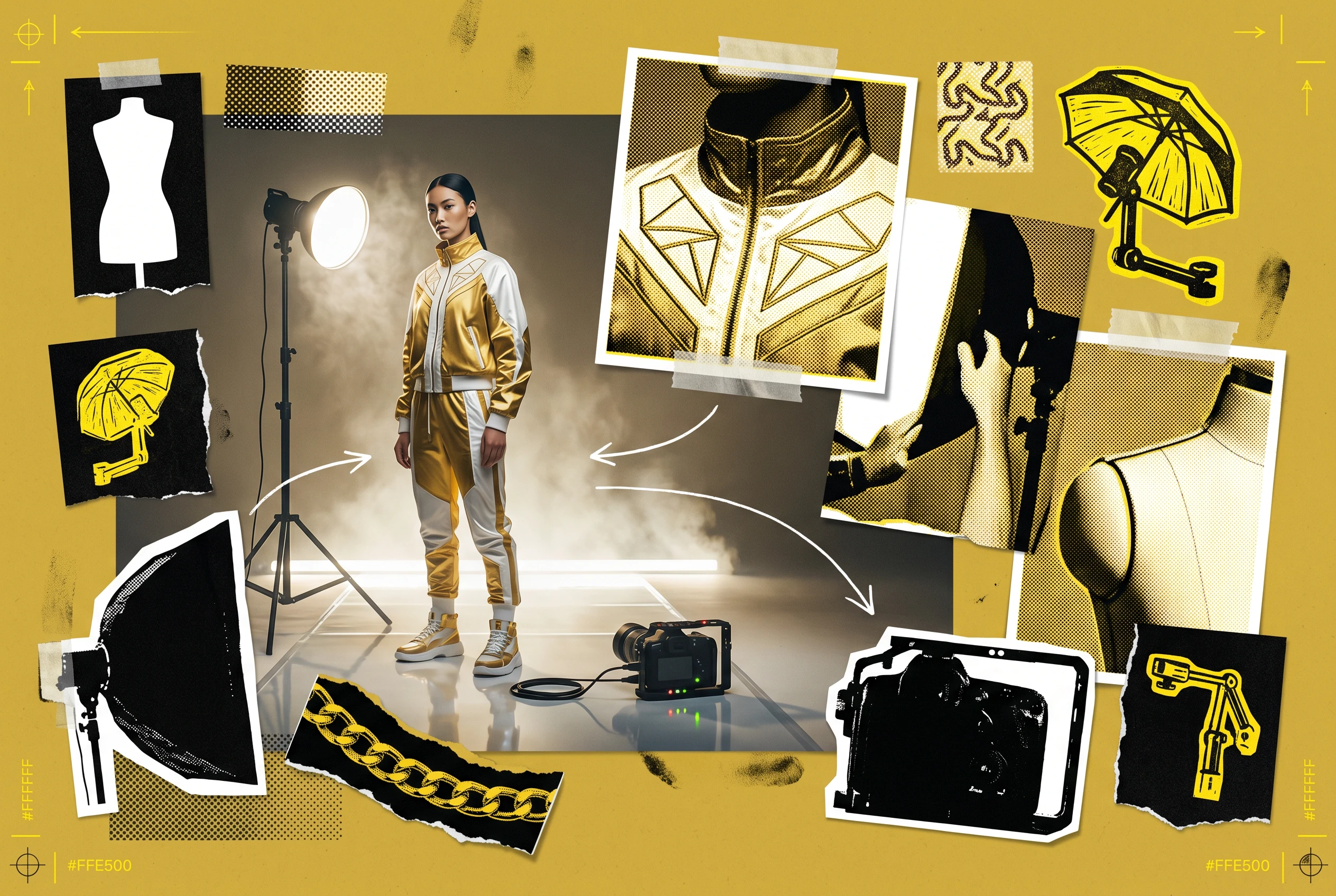
Why it matters: The operational choice between prompt-driven ideation and controlled generation directly impacts commissioning budgets, in-house team structures, and the speed-to-market for fashion campaigns.
Context: The shift from traditional photoshoots to AI-generated campaign assets is accelerating, forcing a recalibration of creative direction, post-production labor, and asset management workflows.
"RAWSHOT AI is an EU-built fashion photography platform that creates original, on-model imagery and video of real garments without requiring users to write text prompts. Instead of a prompt box, it exposes creative choices like camera, pose, lighting, background, composition, and visual style as UI controls via a browser-based interface." — RAWSHOT.AI
Commentary: RAWSHOT AI’s UI-driven model formalizes the art director’s role into software parameters, potentially displacing junior photographers and stylists while centralizing creative control with brand managers. The emphasis on C2PA compliance and catalog-scale APIs signals a push towards auditable, volume production, which could pressure mid-tier studios to either adopt similar tools or specialize in hyper-premium physical shoots. The bifurcation in the market—between tools for ideation and tools for execution—mirrors a broader industry split between concept houses and production factories.
Date: April 22, 2026 12:00 AM ET
URL: https://rawshot.ai/best/ai-campaign-fashion-photo-generator
AI Sentiment Score: Negative (66%)
AI Credibility Score: 10.0/10 — High
Scores and text generated by AI analysis of the source article indicated.
Luxury Fashion Brand Carousel – Orshot (Orshot)
Summary: Orshot has launched a templated, API-driven production pipeline for luxury fashion brand carousels, enabling agencies to generate editorial-style Instagram content at scale. The system automates the creation of a five-page format—cover, three product pages, and a shop CTA—from a spreadsheet, with full customization and export options. It bypasses traditional photography and design workflows by rendering directly from data.
Why it matters: This commoditizes the visual output of high-end editorial campaigns, directly impacting the commissioning economics and labor demand for photographers, art directors, and post-production studios.
Context: The luxury sector has maintained a reliance on bespoke, high-cost editorial shoots to convey brand aura; automated templating represents a significant shift toward scalable, data-driven asset production.
"All Templates Luxury Fashion Brand Carousel 5-page Instagram carousel for luxury/fashion brand campaigns. Editorial cover, 3 look/product pages, shop CTA. For agencies producing creative for luxury brands (Burberry, Dior, LV-tier) and elevated." — ORSHOT
Commentary: The API integration and spreadsheet-driven generation signal a move toward programmatic creative, where brand campaigns are managed as datasets. This pressures agencies to reduce shoot budgets and re-skill teams toward data orchestration, while potentially flattening the distinct visual language that has justified premium photography fees.
Date: April 23, 2026 12:00 AM ET
URL: https://orshot.com/templates/283
AI Sentiment Score: Positive (50%)
AI Credibility Score: 9.6/10 — High
Scores and text generated by AI analysis of the source article indicated.
2026: Why Virtual Try-On is Killing the Fashion Photoshoot (Weshop.Ai)
Summary: A 2026 industry analysis posits that AI-powered Virtual Try-On (VTON) technology, built on high-fidelity physics models, has supplanted the traditional editorial fashion photoshoot as the commercial gold standard. The shift is driven by superior unit economics, including reported 25% increases in conversion rates, and the technology’s inherent advantages in scale, speed, and hyper-personalization. The article frames this as a definitive transition from a ‘Post-Production’ to a ‘Generative’ era for fashion imagery.

Why it matters: This signals a fundamental restructuring of the fashion photography labor market, commissioning pipelines, and the core skillset required for commercial image production.
Context: The displacement of traditional photography by CGI and AI-generated assets has been a multi-year trend in product visualization, now accelerating into editorial and brand campaign contexts.
"But in 2026, the era of the “representative model” is dying. The era of the “personalized digital render” has arrived. Here is the deep dive into the technology, the unit economics, and." — WESHOP.AI
Commentary: The operational consequence is a rapid devaluation of location-based production crews, model agencies, and traditional post-production houses in favor of AI model trainers, 3D asset libraries, and VTON platform integrations. For photographers, the pivot point is no longer about capturing a singular aesthetic ideal but about curating and directing generative parameters for mass personalization.
Date: April 22, 2026 12:00 AM ET
URL: https://www.weshop.ai/blog/why-2026-is-the-year-the-professional-photoshoot-dies-thanks-to-virtual-try-on/
AI Sentiment Score: Negative (50%)
AI Credibility Score: 10.0/10 — High
Scores and text generated by AI analysis of the source article indicated.
Post ID: da672686